Log in to contact the seller
 Continue with Facebook
 Continue with Email
Continue with Facebook
Continue with Email
Sign up with Facebook
Continue with Email
Continue with Facebook
Continue with Email
Sign up with Facebook
 Change filters
 Requests

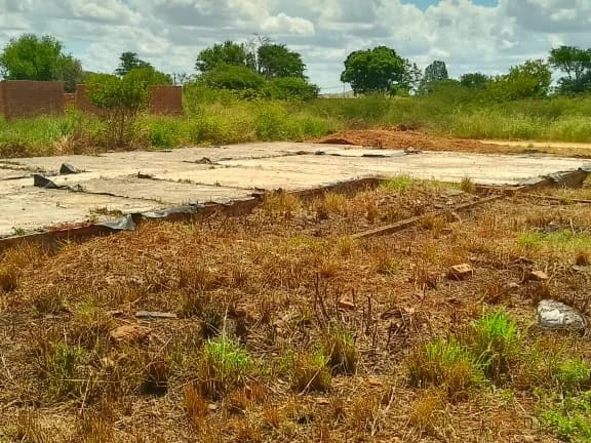


 600 m²


 200 m²
216 m²
4,047 m²
10,117 m²
200 m²
216 m²
4,047 m²
10,117 m²
 23,472 m²
458 m²
600 m²
1 m²
23,472 m²
458 m²
600 m²
1 m²
 200 m²
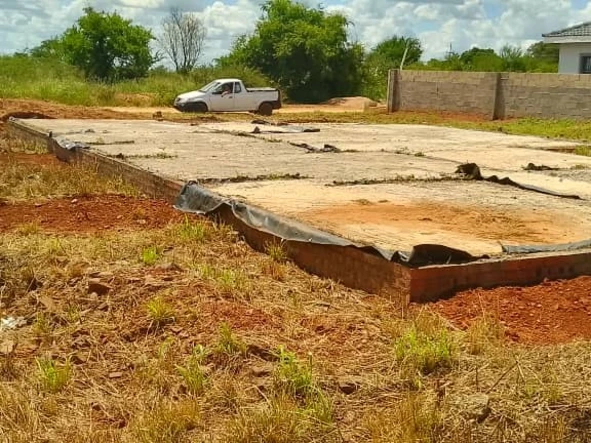
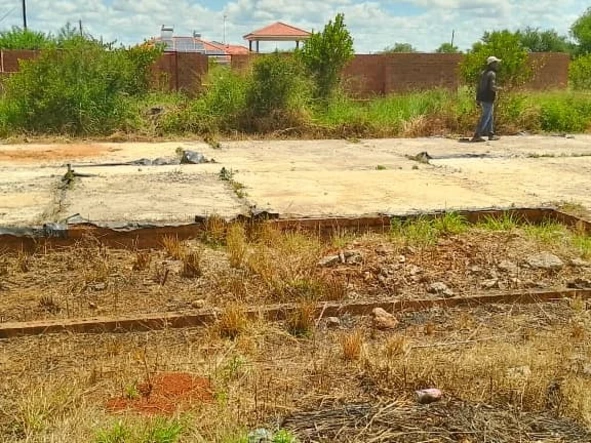
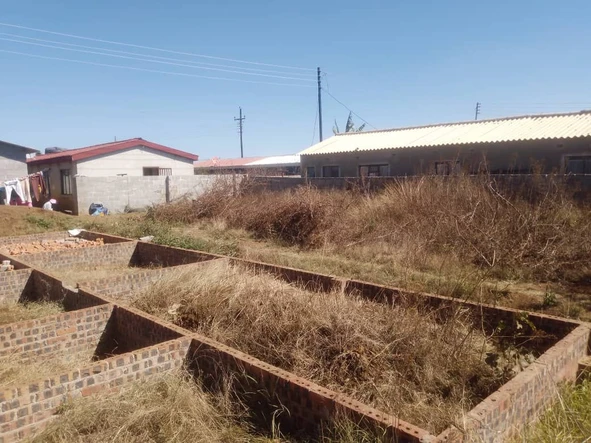
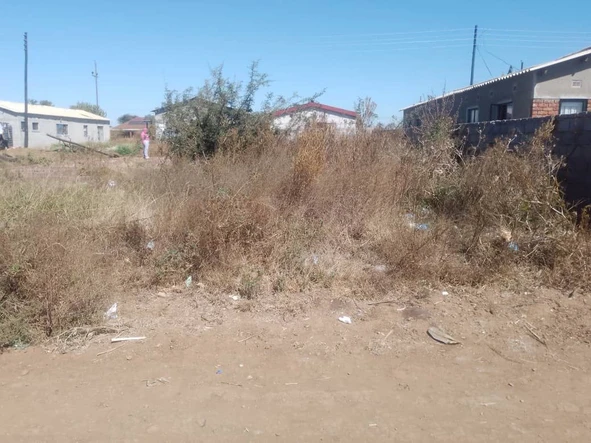
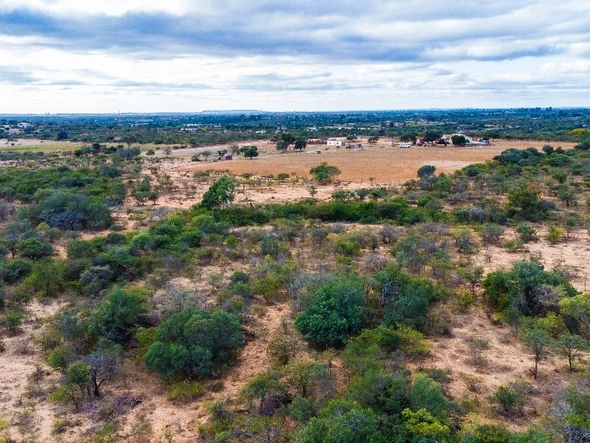
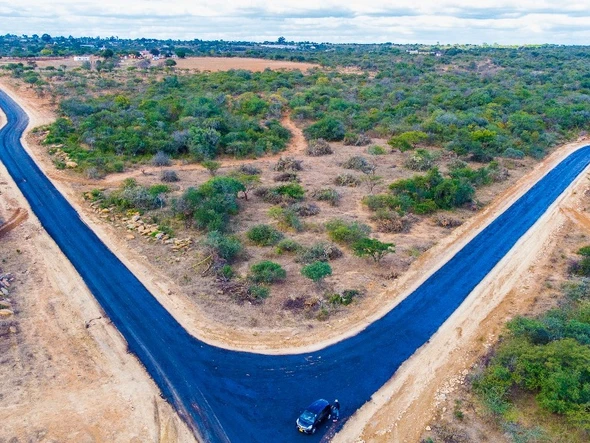
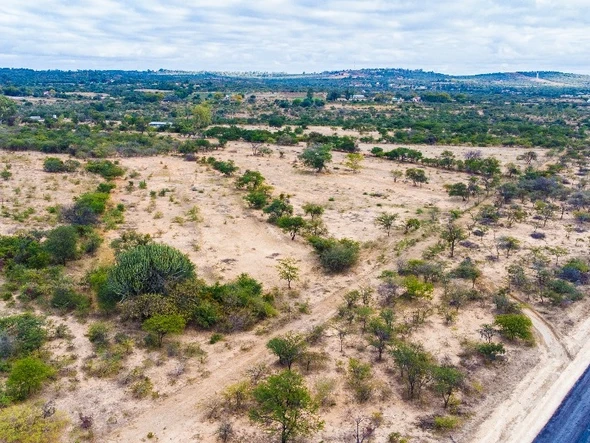
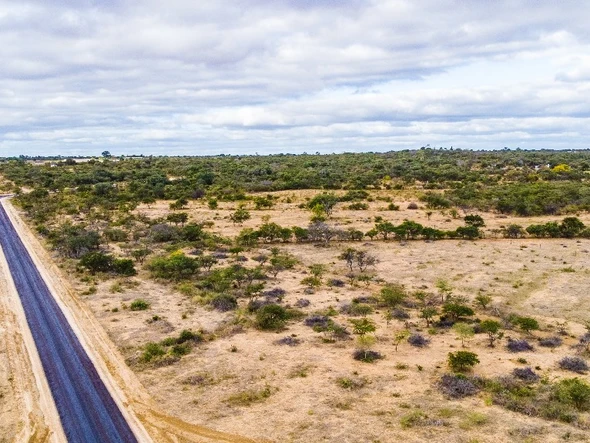
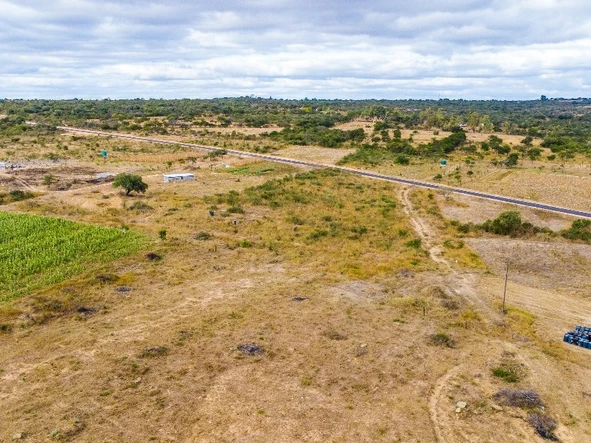
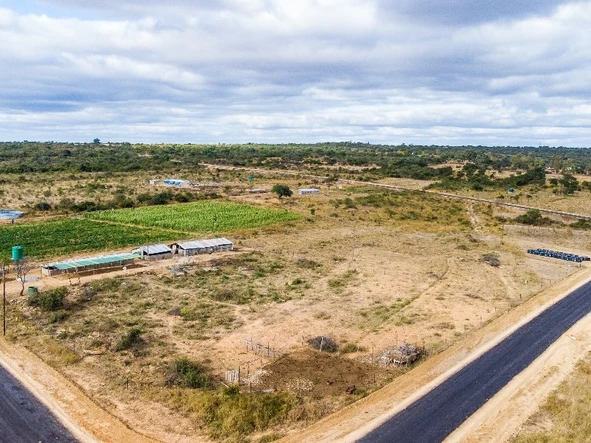
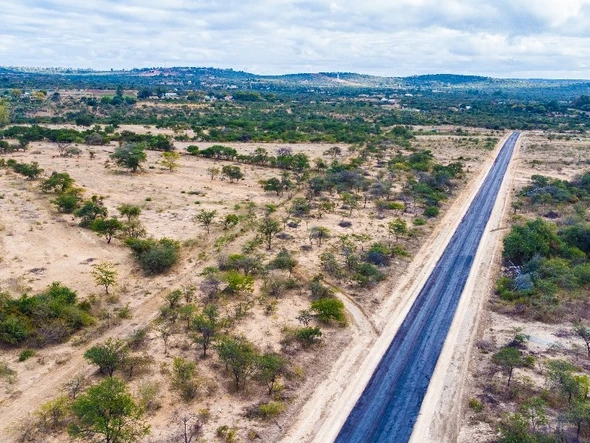
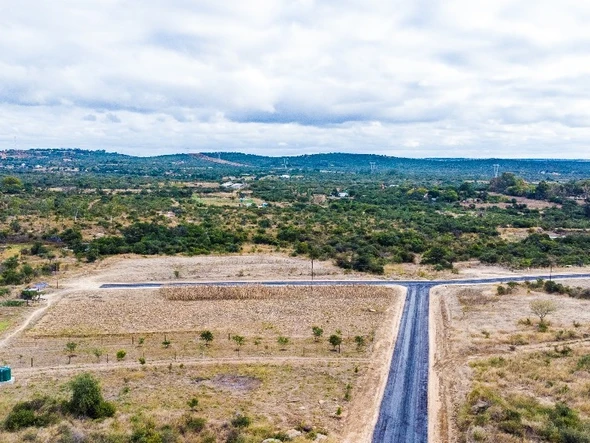
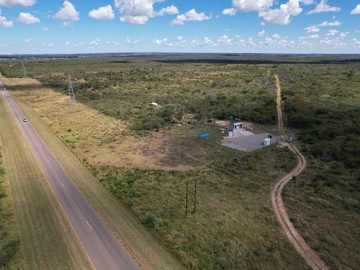
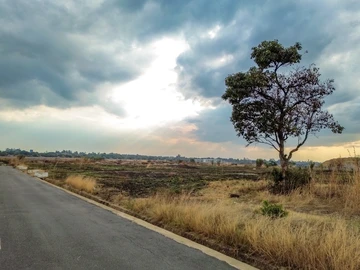
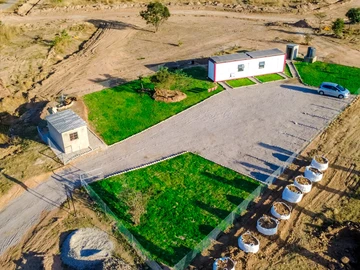
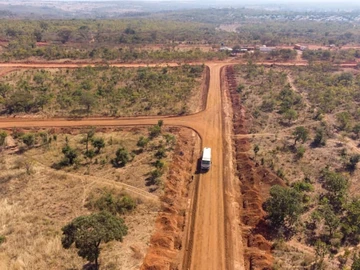
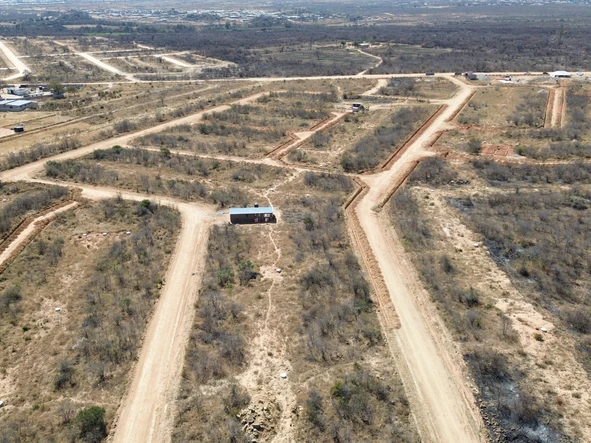
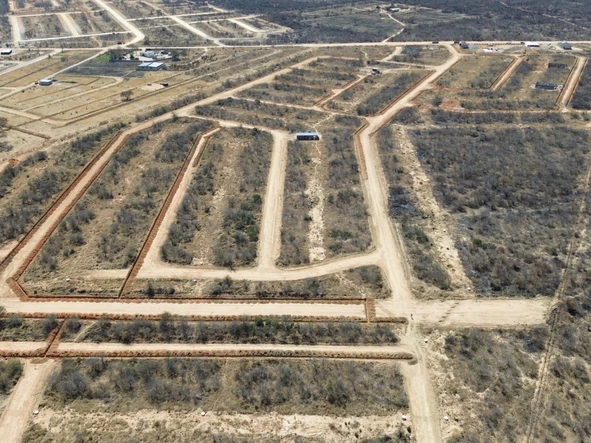
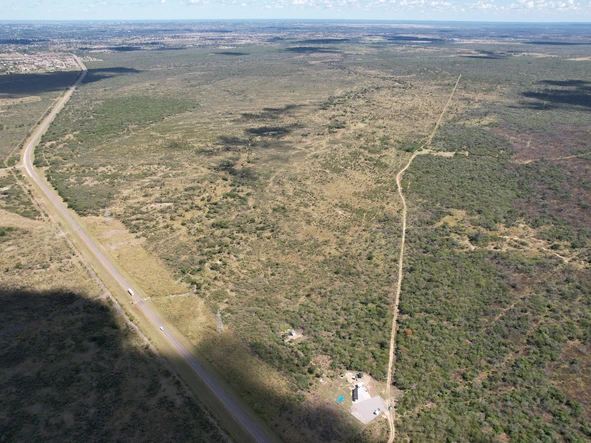
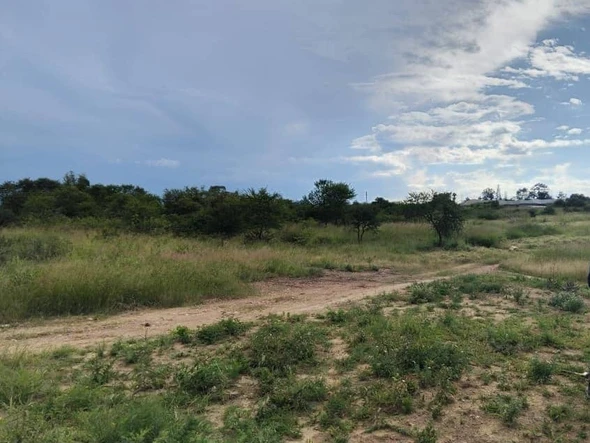
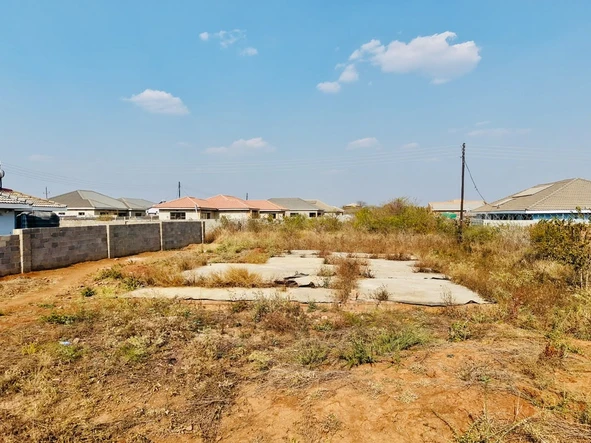
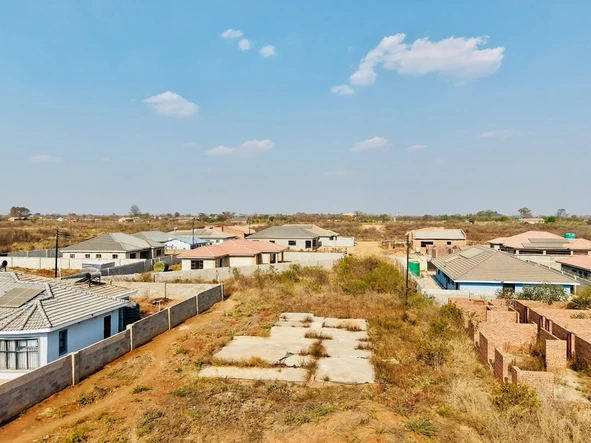
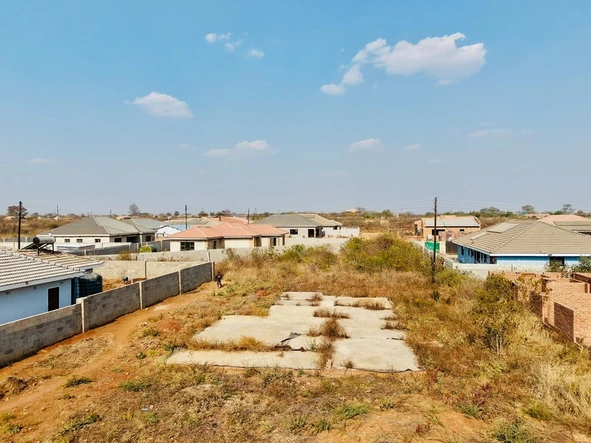
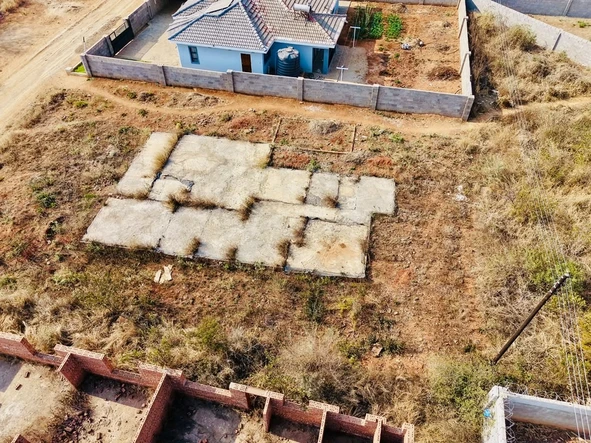
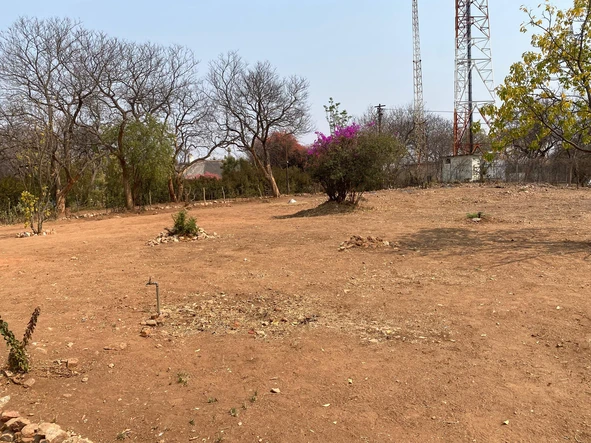
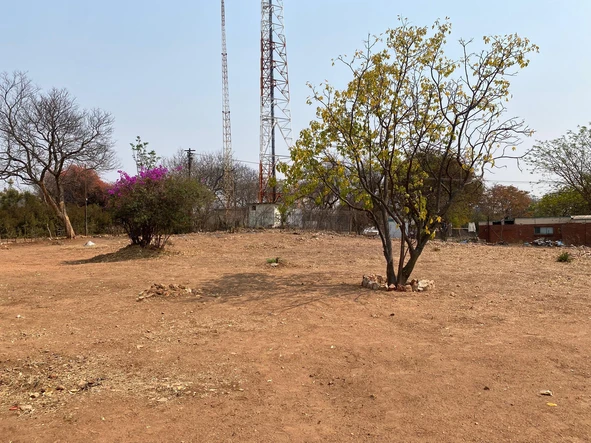
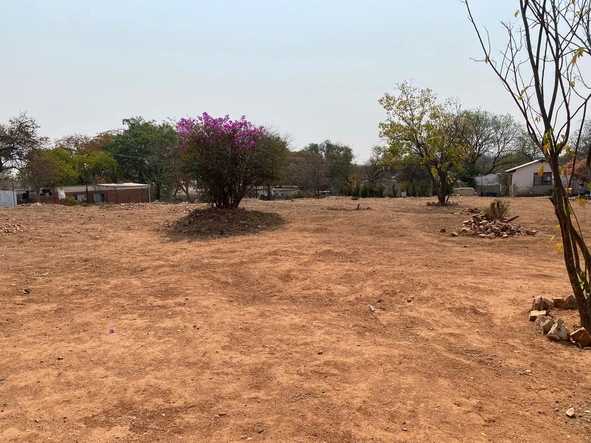
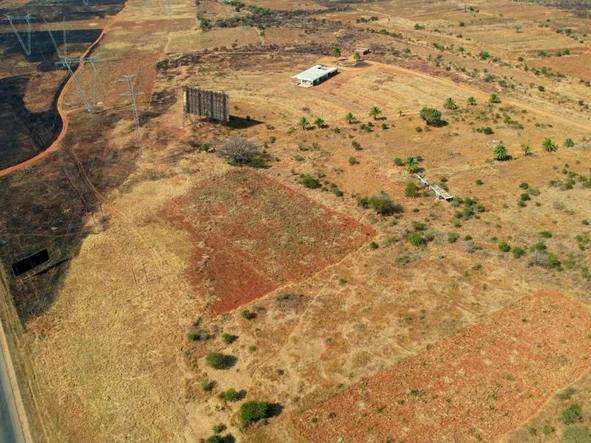
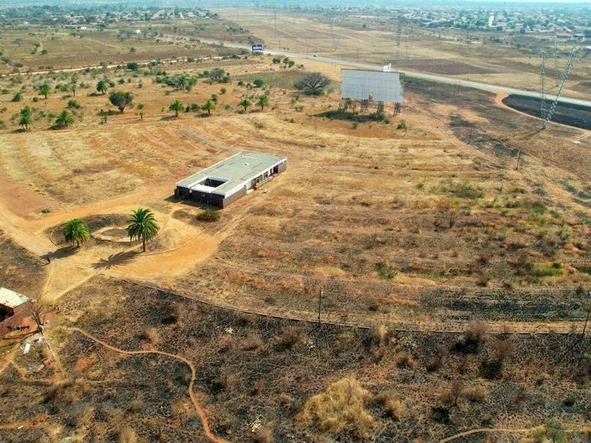
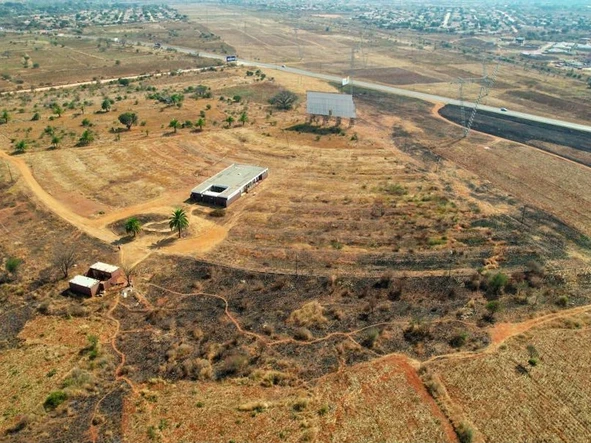
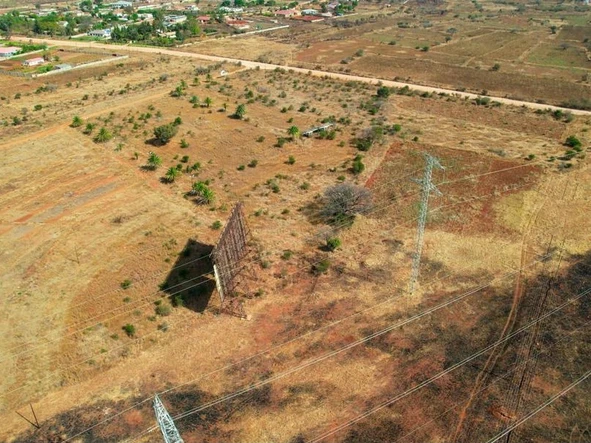
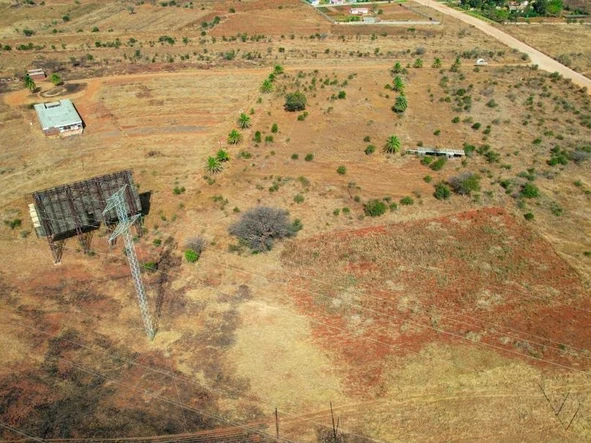
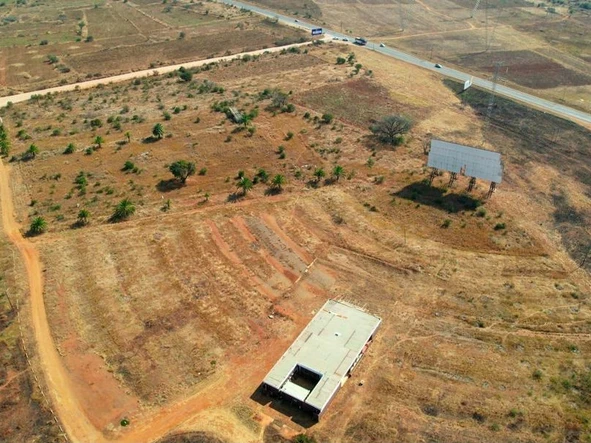
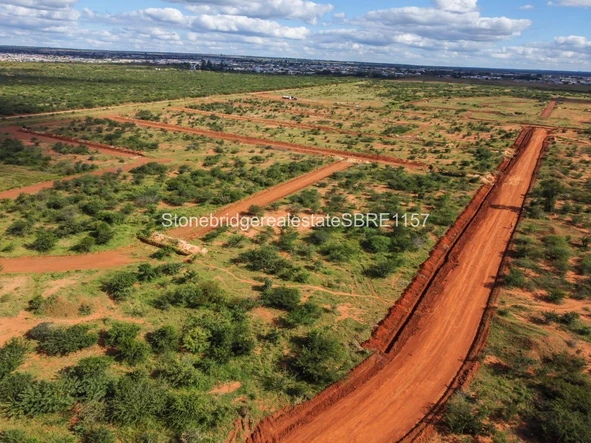
Stands and residential land for sale in Bulawayo offer a range of options for buyers looking to build or invest in this vibrant city. The average price of the properties currently listed is $60,000, with the median land size around 2,000 ㎡. Some plots can be much larger, with the biggest land area reaching up to 400,000 ㎡, providing opportunities for various development needs.
These land properties typically come without existing buildings, allowing buyers to customize their future homes or projects. The availability of sizable plots makes this market attractive for both individual homeowners and developers seeking space for residential or mixed-use purposes.
Bulawayo is Zimbabwe’s second-largest city and a key commercial and industrial center. It offers a comfortable living environment with a mild climate and several green spaces. The city is well connected by road and rail, making travel and business convenient. Residents benefit from access to quality education at the National University of Science and Technology (NUST), healthcare at United Bulawayo Hospitals, and shopping at places like Main Street Shopping Centre and Hillside Mall. Cultural and natural attractions such as the Natural History Museum of Zimbabwe and Matobo National Park add to the appeal of living in this historic city.
200 m²
400 m²
8,259 m²
250 m²
600 m²
4,064 m²
26,952 m²
87,000 m²
275 m²
400 m²
4,000 m²

Be the first to see new properties for sale in Bulawayo










| Type | Avg. price |
|---|---|
| Average price | $60,000 |
Buying property in Zimbabwe? Discover hidden costs like stamp duty, conveyancing fees, and taxes that can add 8%–12% or more to your purchase price.
Tenants not paying rent in Zimbabwe? Learn your legal rights as a landlord, the step by step eviction process, and illegal self-help actions to avoid.
Discover how blockchain, crypto, and tokenized real-world assets (RWAs) are transforming real estate ownership, liquidity, and financing over the next 5 years.
Buying a residential stand in Zimbabwe? Learn how to verify ownership, subdivision, planning approvals, servicing, title and the developer before paying.
Learn how servitudes affect property ownership, rights of way, and utility access in Zimbabwe. Protect your land title and avoid boundary disputes.