Log in to contact the seller
 Continue with Facebook
 Continue with Email
Continue with Facebook
Continue with Email
Sign up with Facebook
 Change filters
 Requests

 1,100 m²


 1,000 m²
2,000 m²
 300 m²
100,000 m²
200 m²
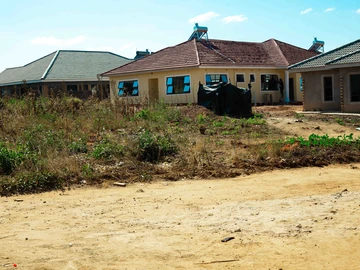
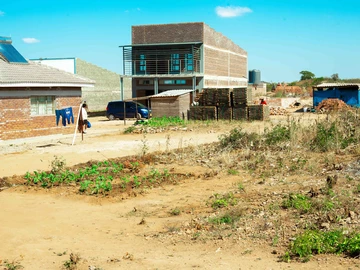
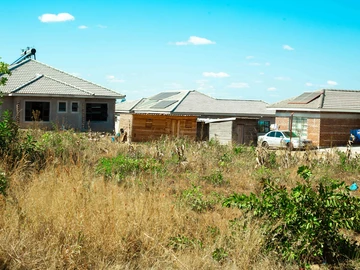
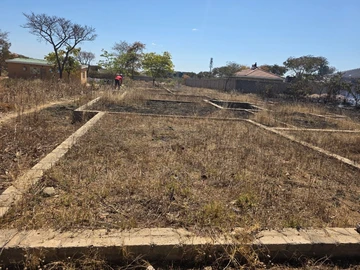
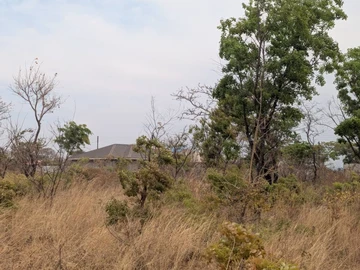
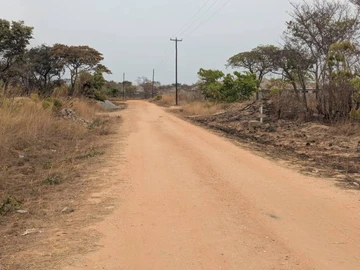
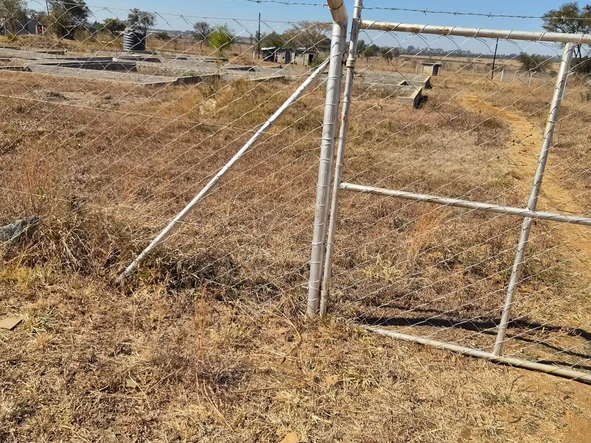
Stands and residential land for sale in Gweru, Midlands Province, offer affordable options for buyers with an average price of $40,000. The median land area is around 1,000 ㎡, with plots ranging from as small as 1 ㎡ up to 4,000 ㎡, providing a variety of choices for different needs and budgets. Prices start from USD 9,500, making these properties accessible for many looking to settle or invest in the area.
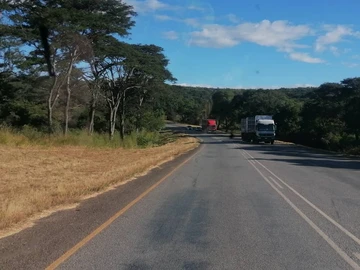
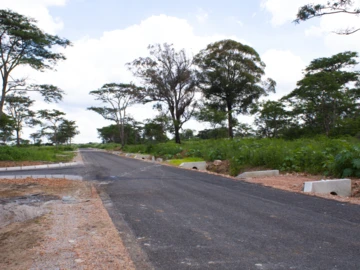
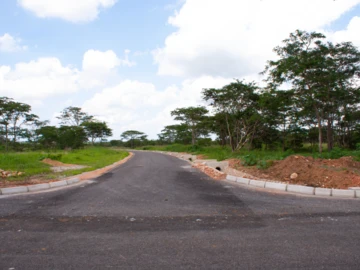
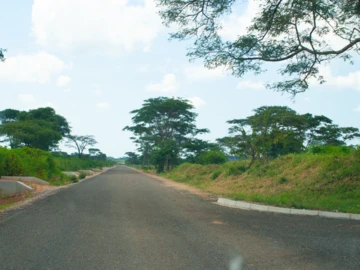
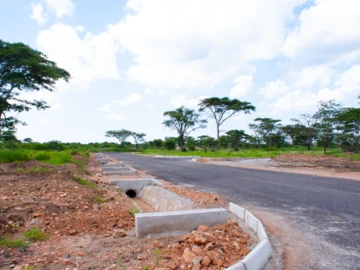
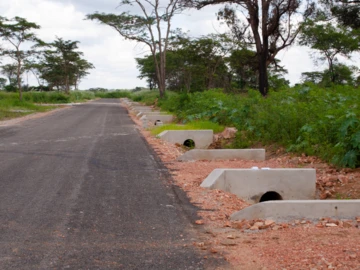
Many of these land parcels benefit from essential infrastructure such as tarred roads and municipal water supply, which enhance the convenience and livability of the locations. The properties are suitable for residential development, allowing buyers to build homes in well-serviced neighborhoods within the city.
Gweru, as the third-largest city in Zimbabwe and the capital of Midlands Province, offers a balanced urban lifestyle with a moderate climate. The city features key amenities including Midlands State University, Gweru Provincial Hospital, and several reputable schools. Shopping needs are met by Gweru Shopping Centre and Zimre Centre, while local markets provide fresh produce. For leisure, residents can enjoy nearby attractions like Antelope Park and Lower Gweru Dam. Good transport links by road and rail connect Gweru to major cities, making it a practical location for families and professionals alike.
620 m²
1,250 m²
4,000 m²
1,800 m²
1,250 m²
1,950 m²
16,000 m²

Be the first to see new properties for sale in Gweru








| Type | Avg. price |
|---|---|
| Average price | $40,000 |
Prices as of October 2026
Verify property ownership in Zimbabwe with seven checks covering title deeds, council stands, survey records, planning approval and seller authority.
Explore eight Zimbabwe property disputes and learn how to verify title, seller authority, building approvals and court orders before buying or building.
Upgrading your bathroom on a budget in Zimbabwe? Discover 8 smart, cost effective ways to refresh fixtures, tiles, and lighting without overspending.
Budget for building a house in Zimbabwe in 2026, with worked examples covering construction, professional fees, land, approvals, utilities and contingency
Divorce in Zimbabwe? Learn how the Matrimonial Causes Act divides the family home, evaluates direct and indirect contributions, and protects both spouses.