Log in to contact the seller
 Continue with Facebook
 Continue with Email
Continue with Facebook
Continue with Email
Sign up with Facebook
Continue with Email
Continue with Facebook
Continue with Email
Sign up with Facebook
 Change filters
 Requests


 1,200 m²


 1,500 m²
1,192 m²
1,500 m²
1,192 m²
 1,995 m²
500 m²
1,200 m²
1,995 m²
500 m²
1,200 m²
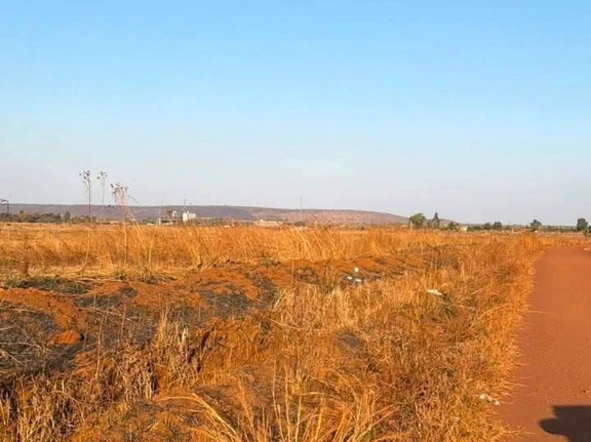
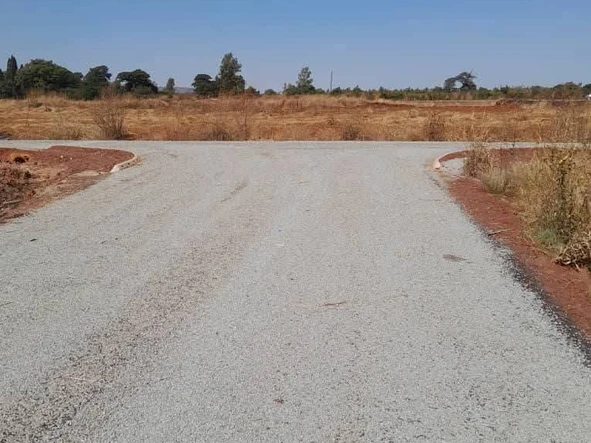
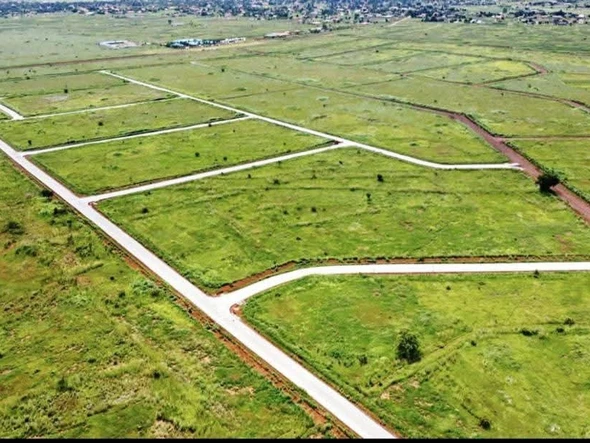
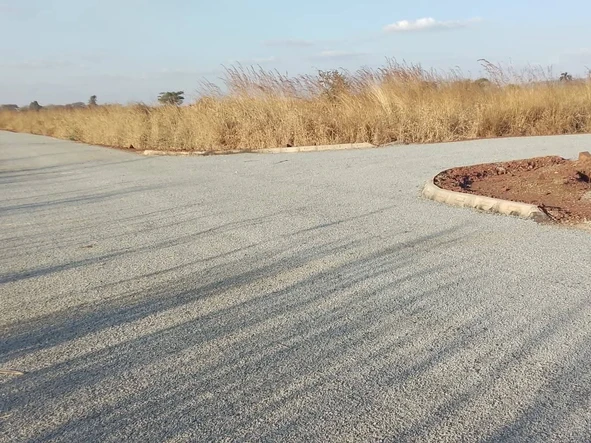
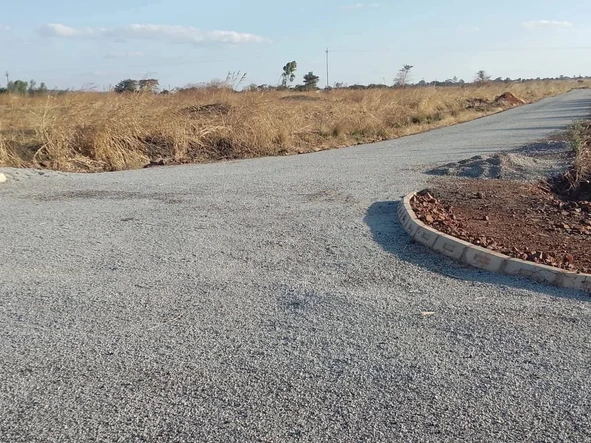
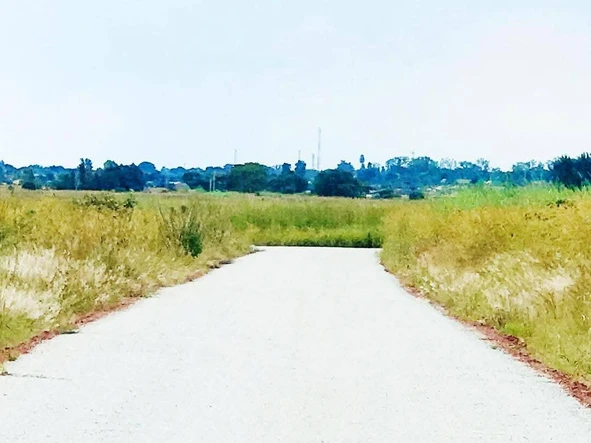
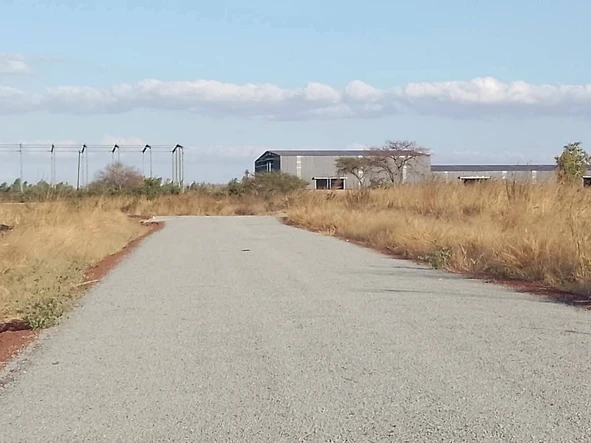
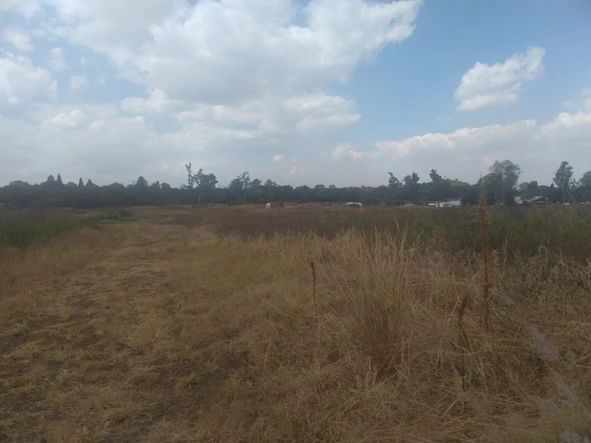
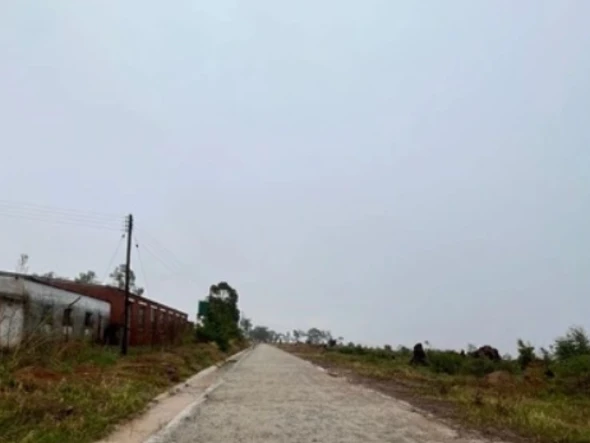
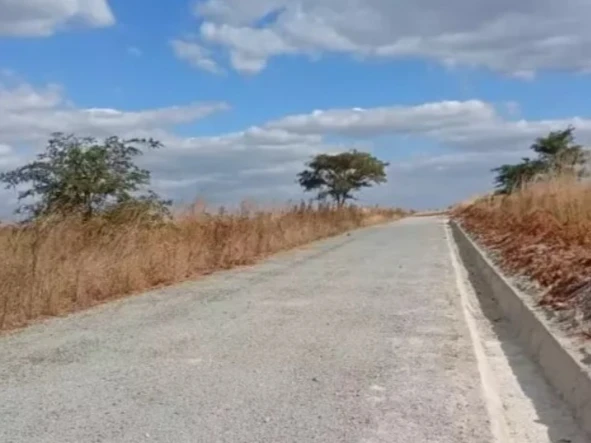
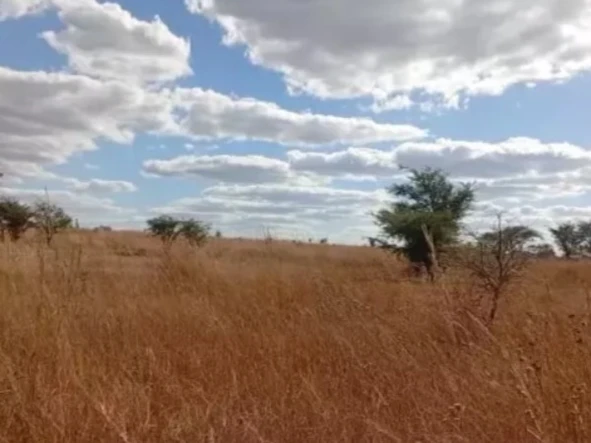
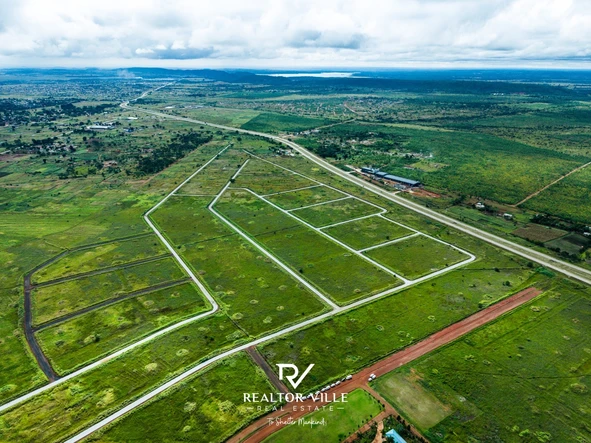
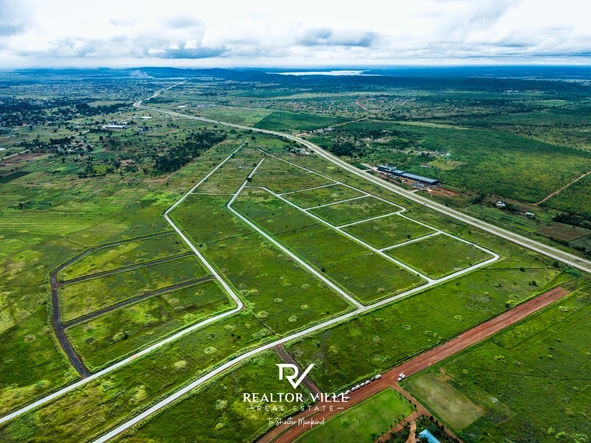
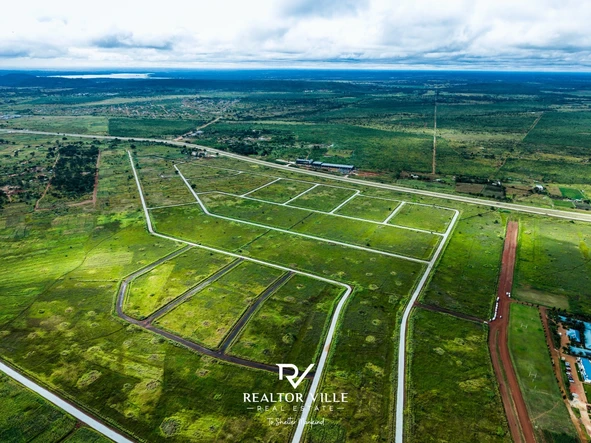
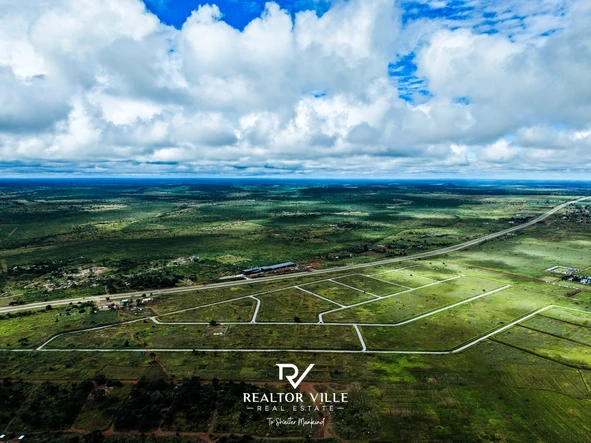
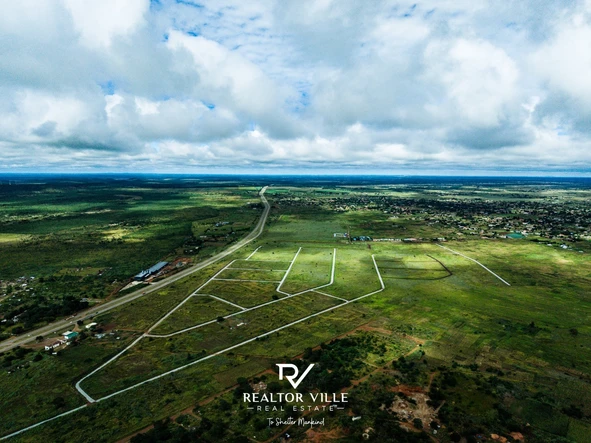
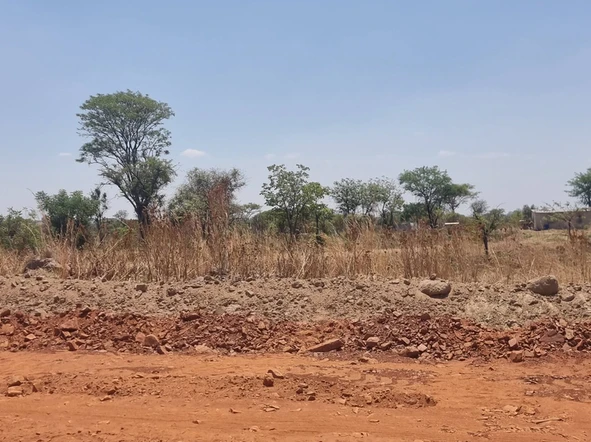
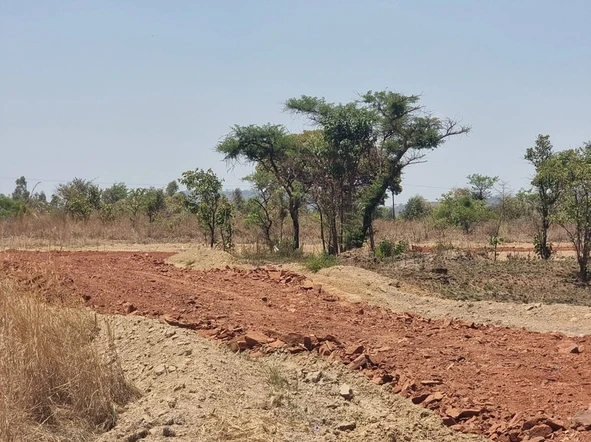
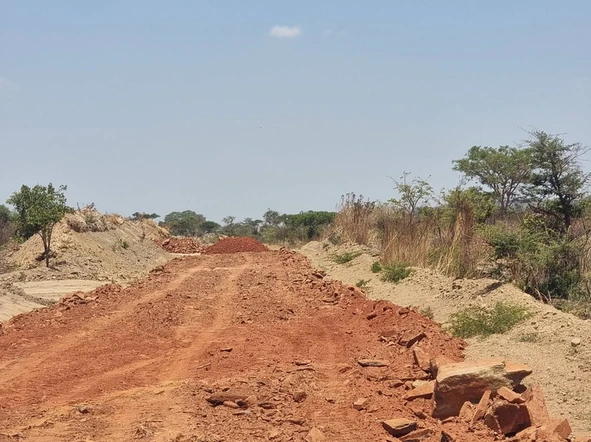
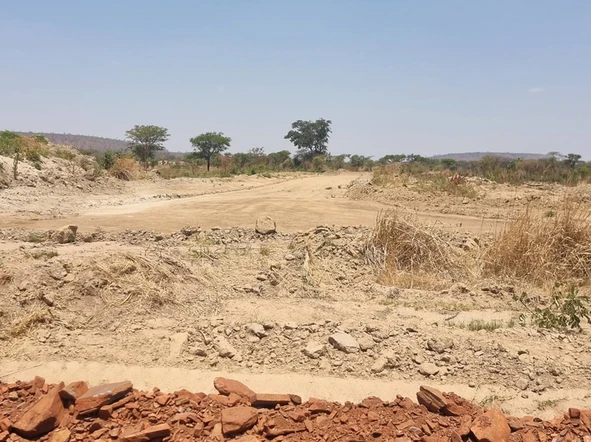
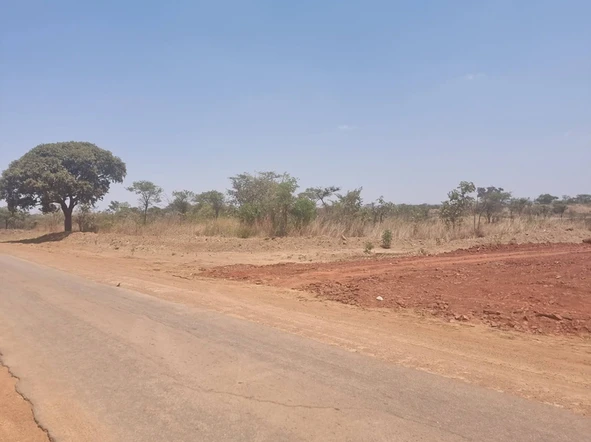
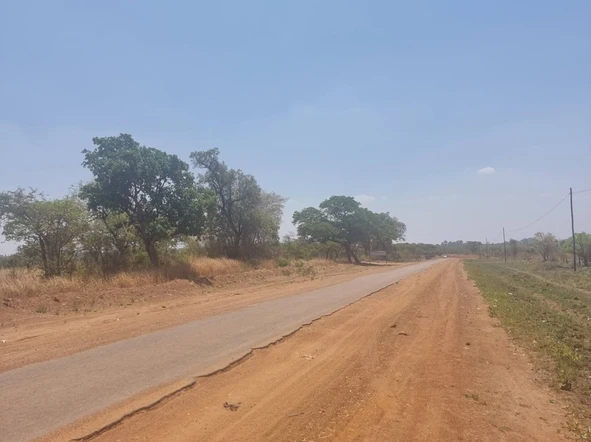
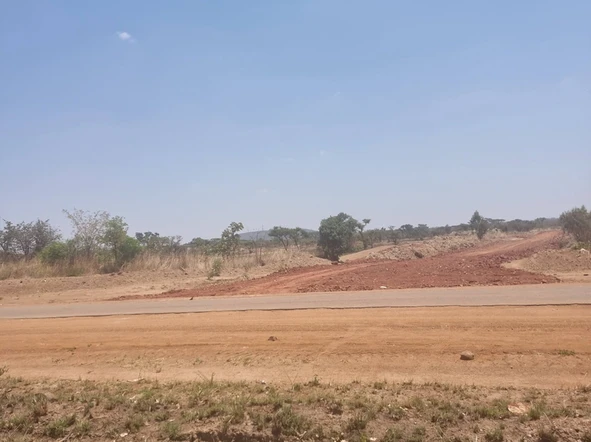
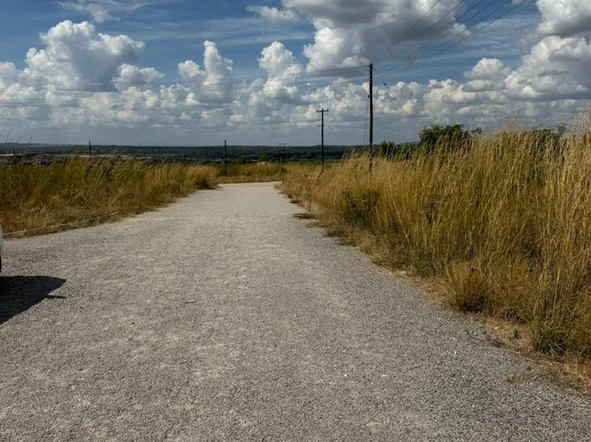
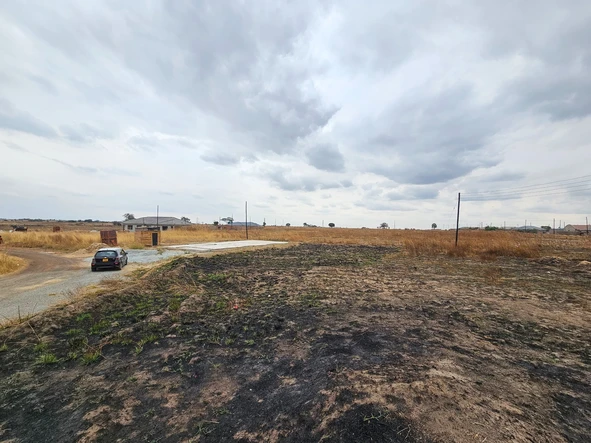
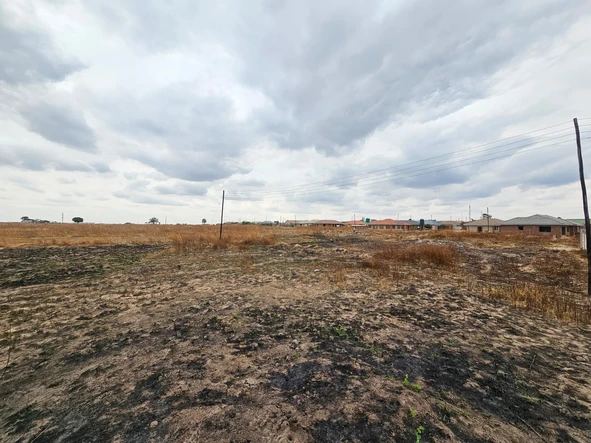
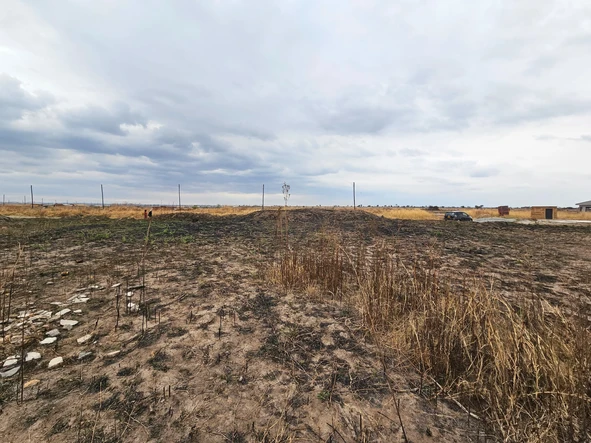
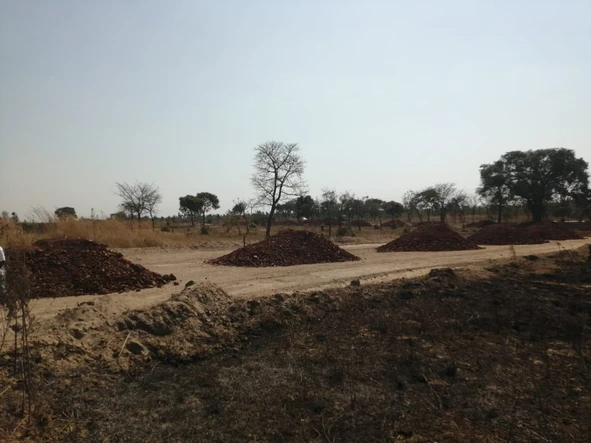
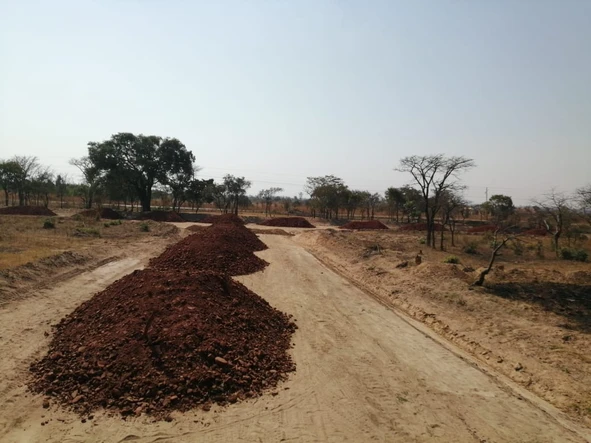
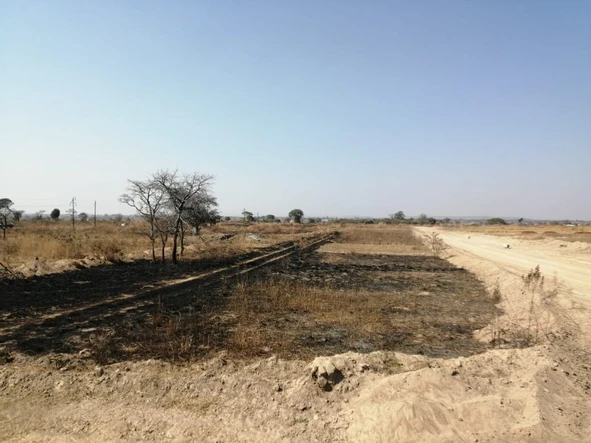
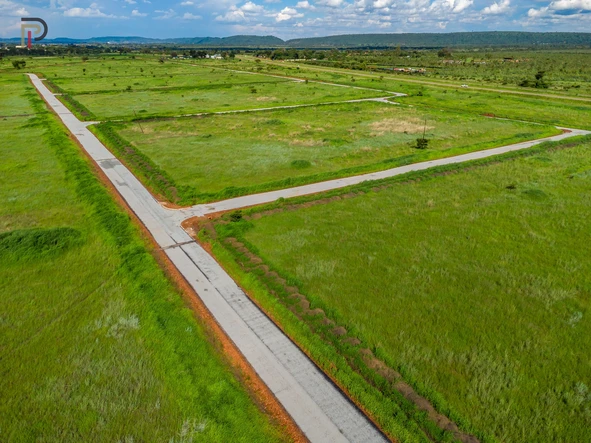
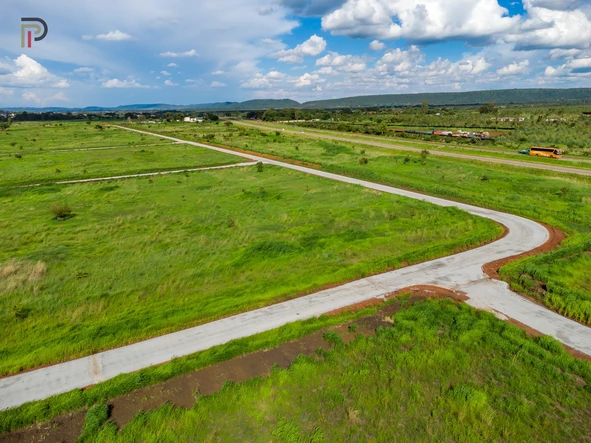
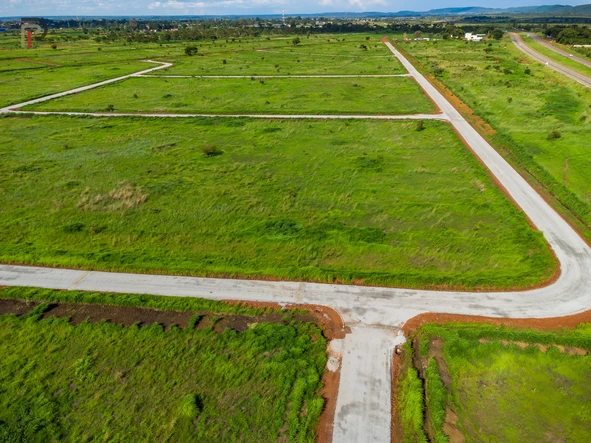
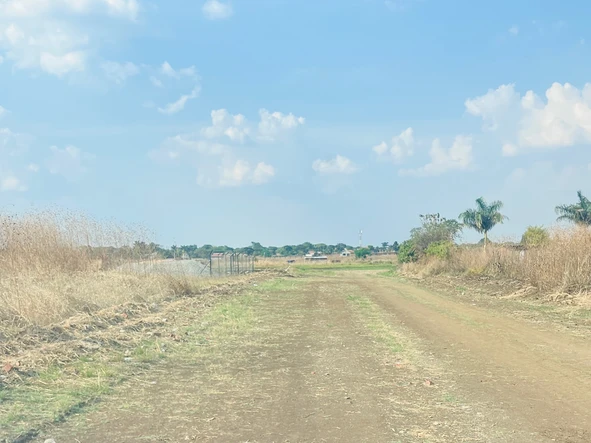
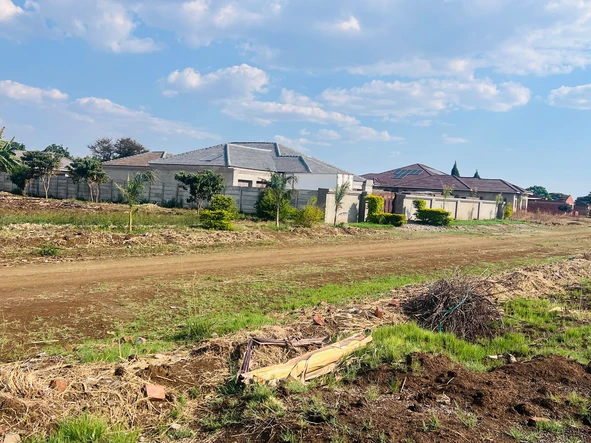
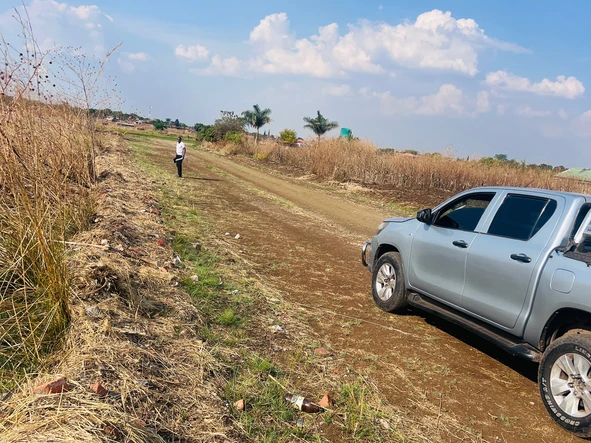
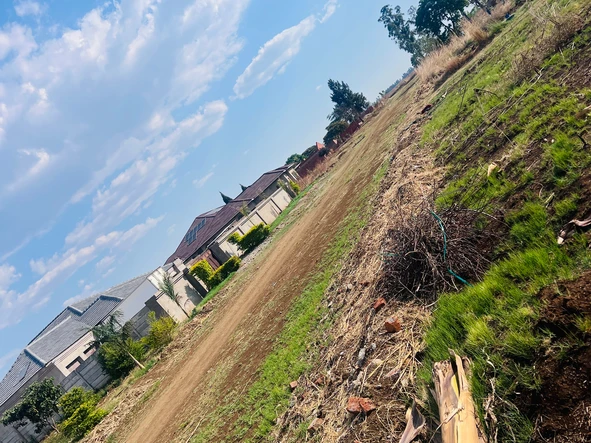
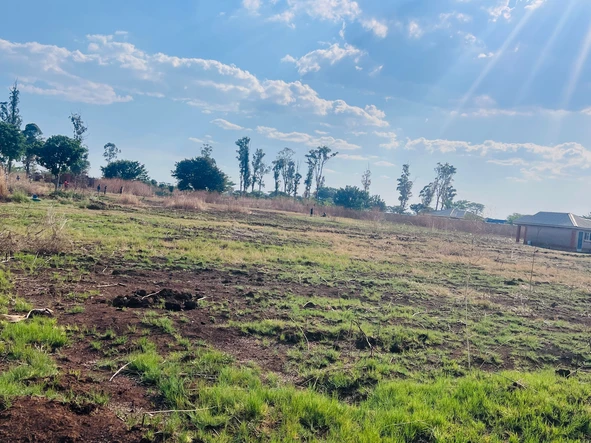
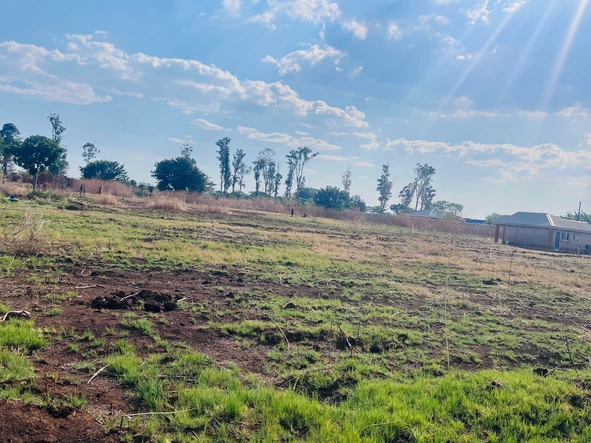
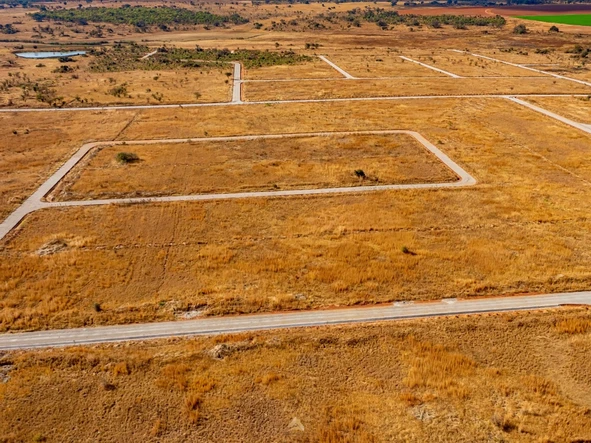
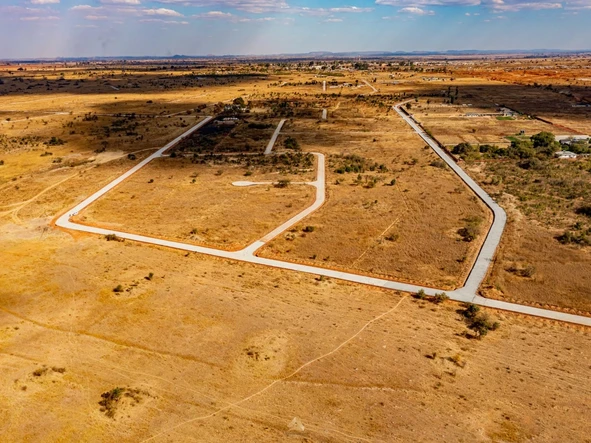
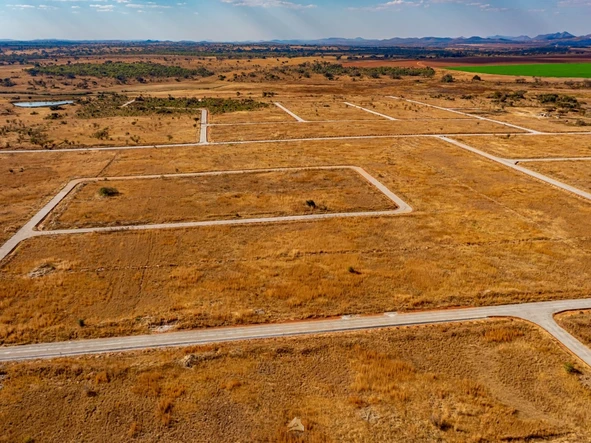
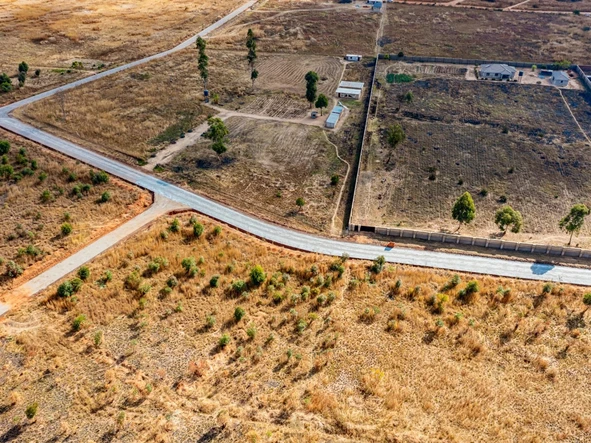
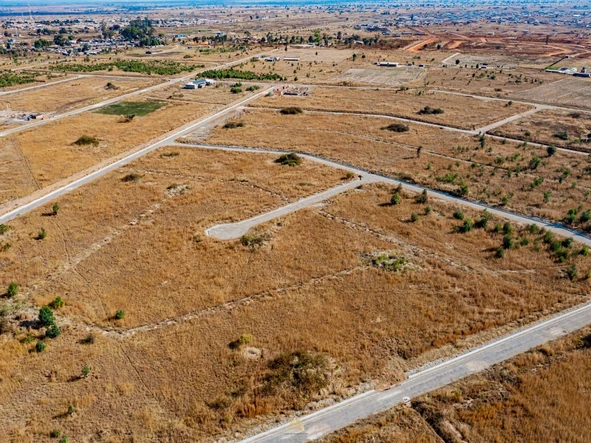
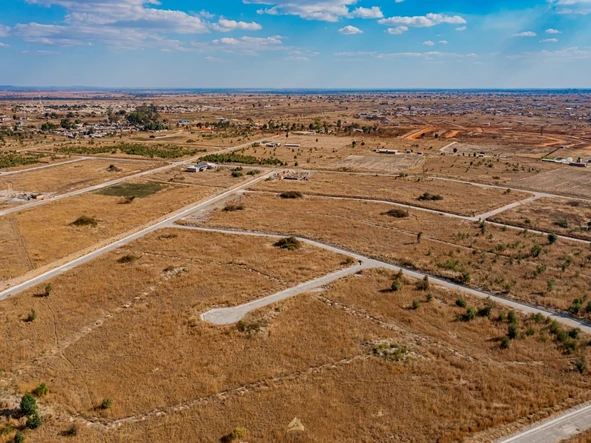
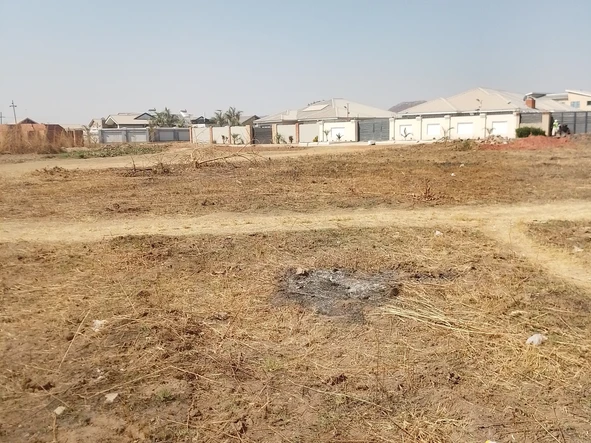
Stands and residential land for sale in Mashonaland West offer affordable opportunities with an average price of $35,000. Land sizes vary widely, from smaller plots around 200 ㎡ up to large parcels reaching 720,000 ㎡, with the median land area at about 1,200 ㎡. These properties provide flexible options for buyers interested in rural living or agricultural use.
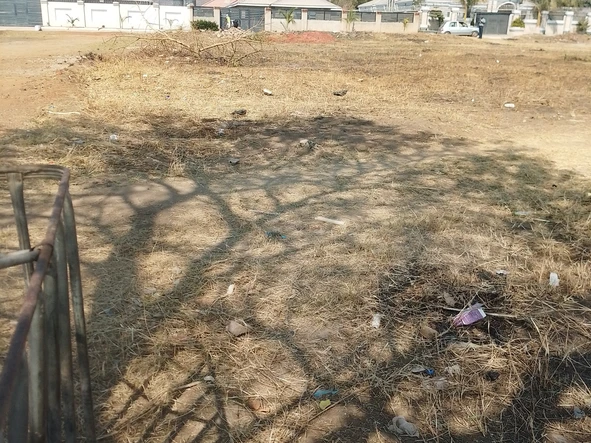
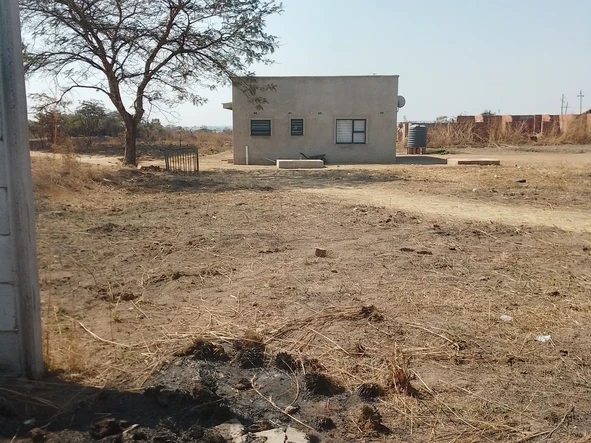
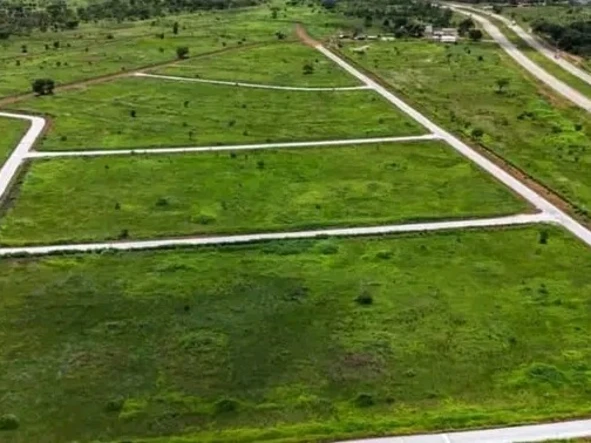
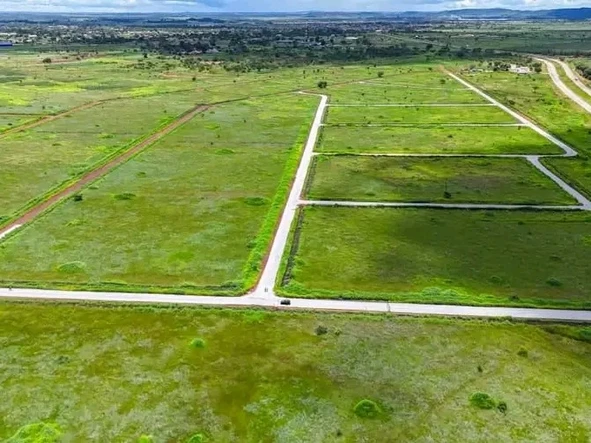
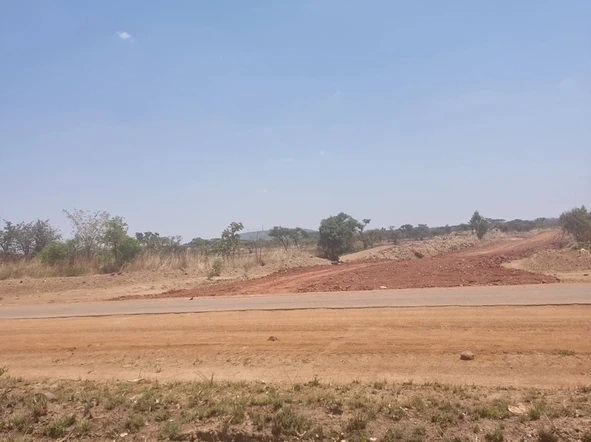
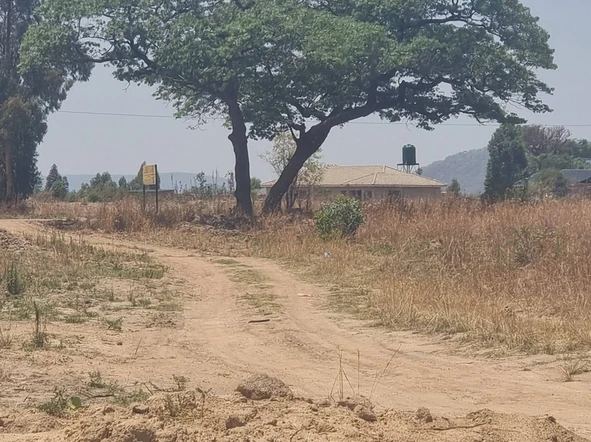
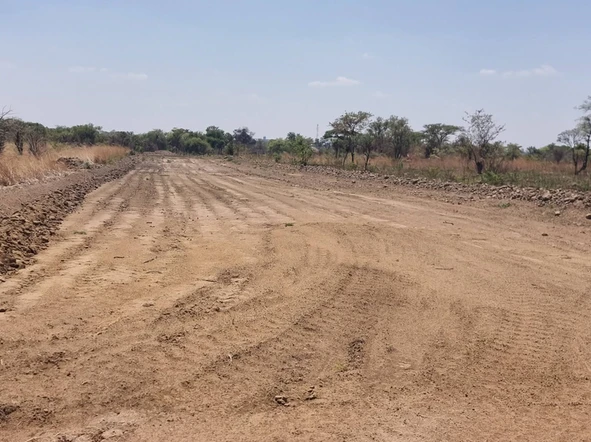
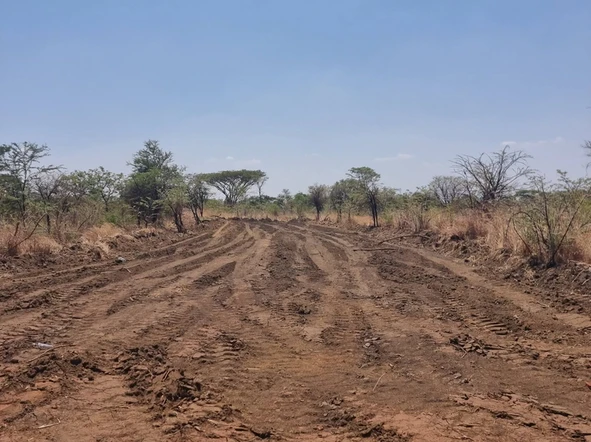
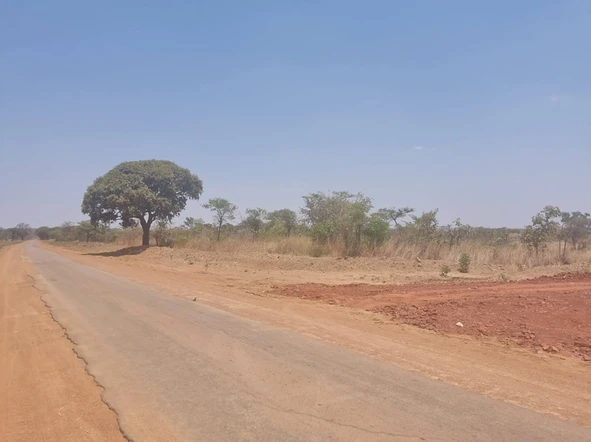
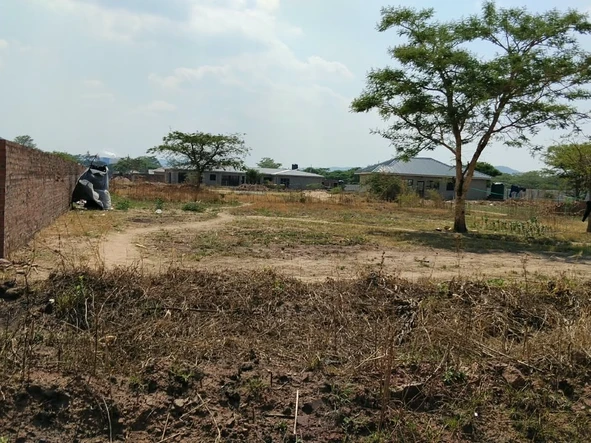
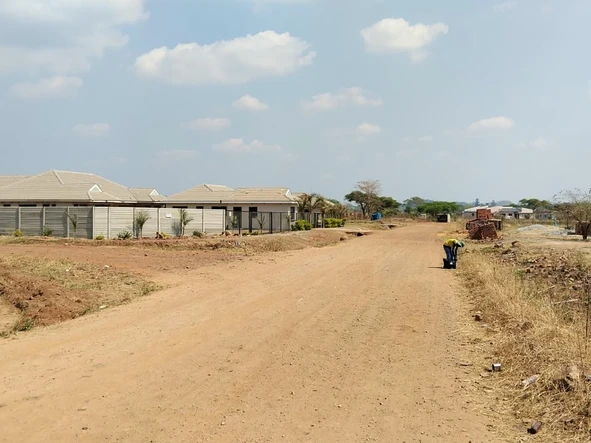
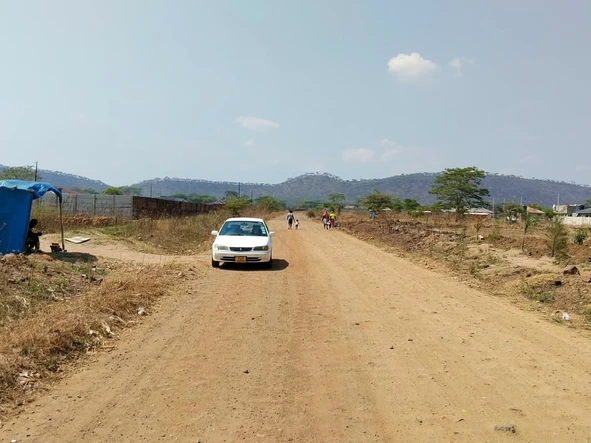
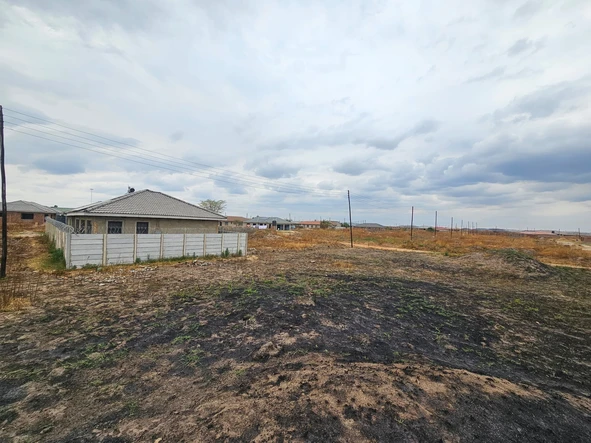
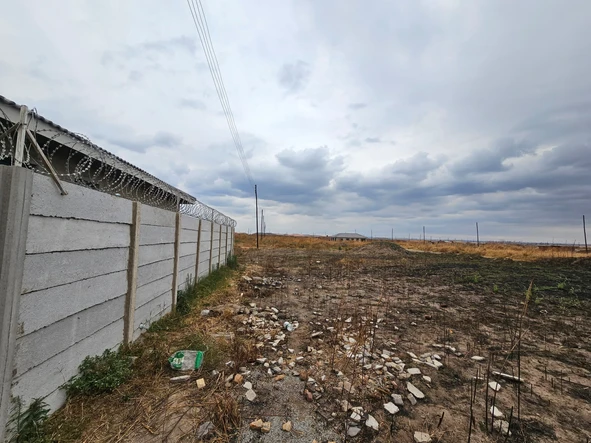
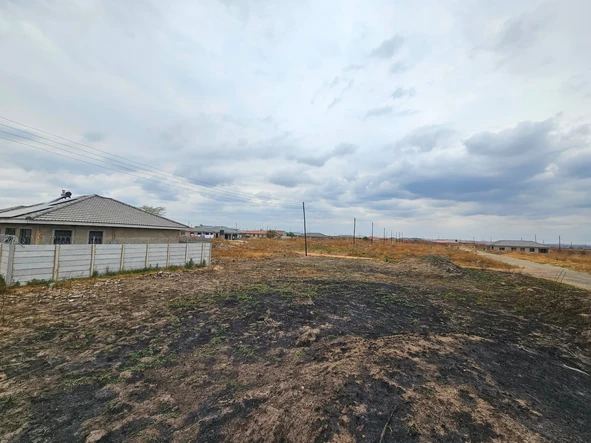
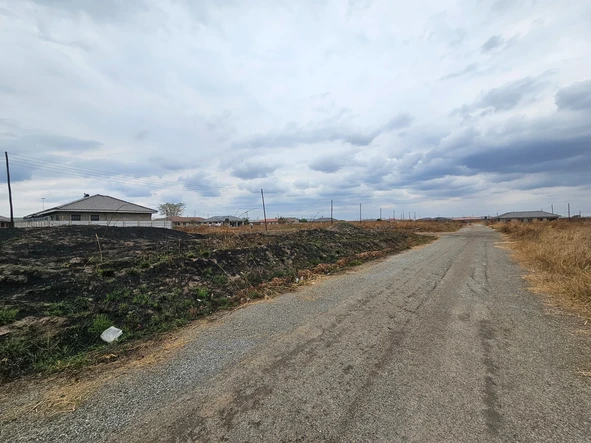
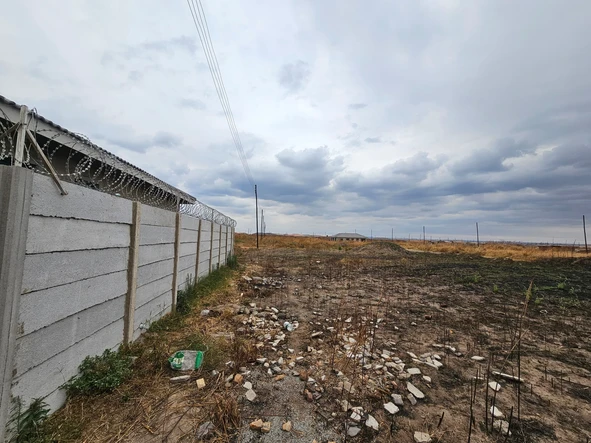
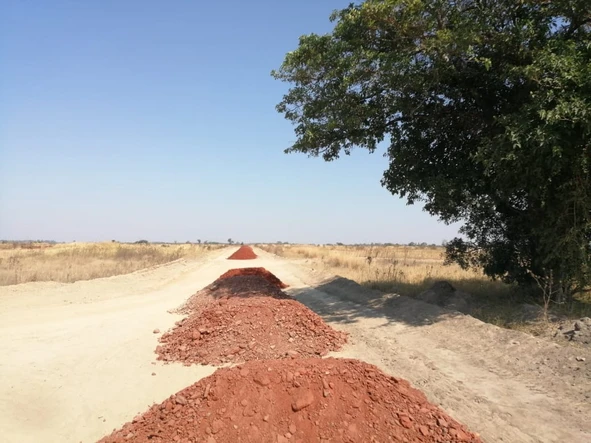
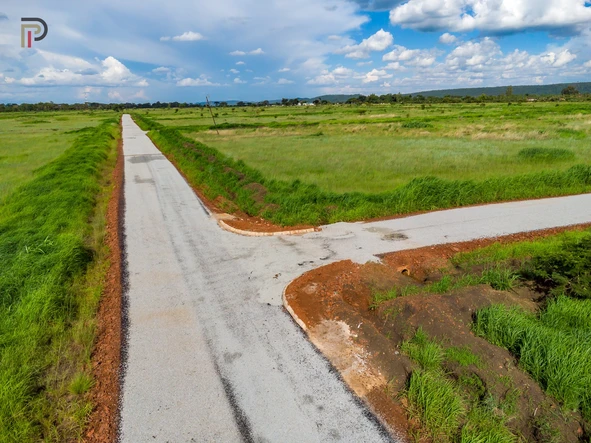
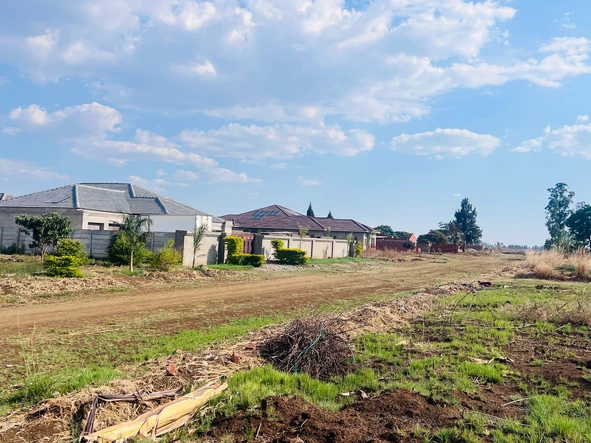
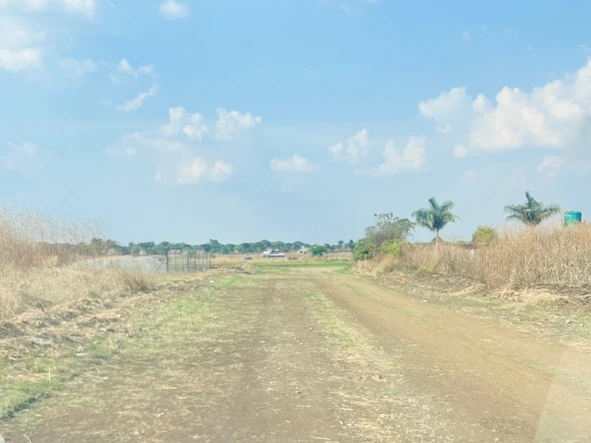
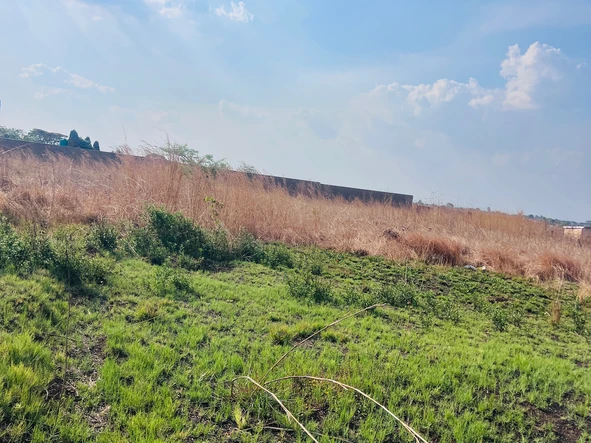
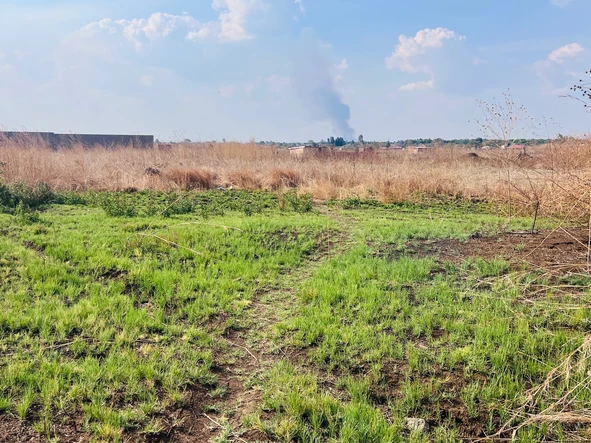
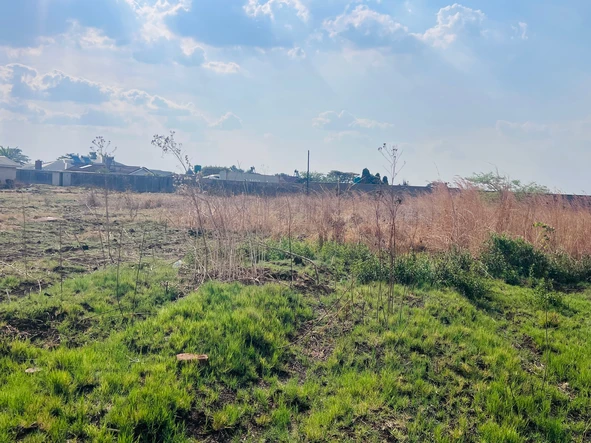
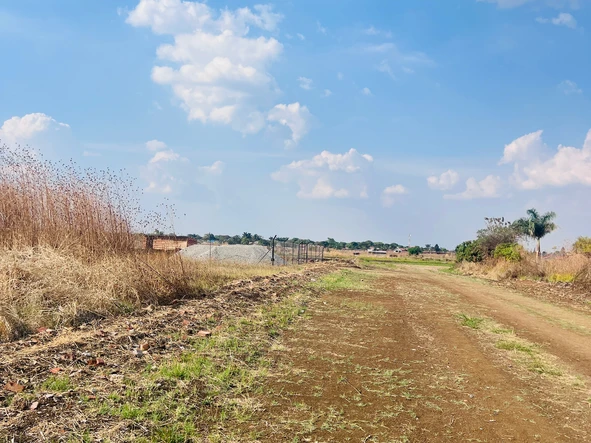
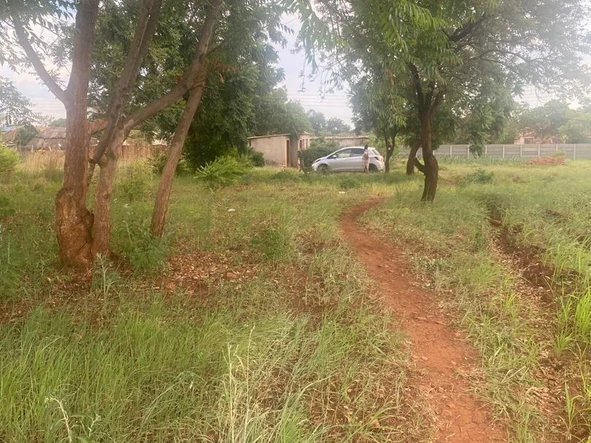
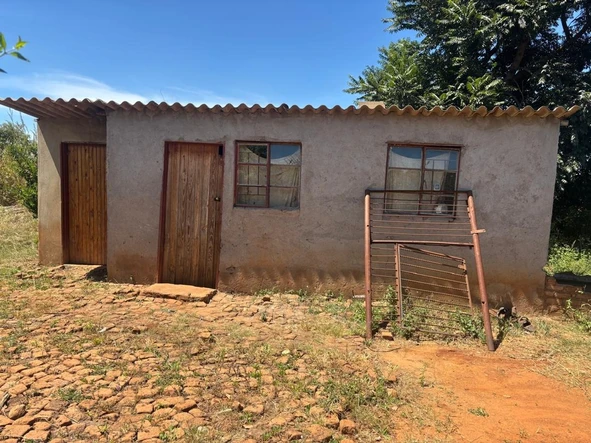
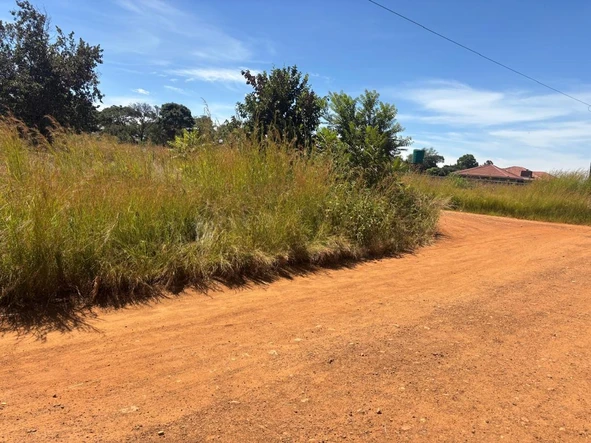
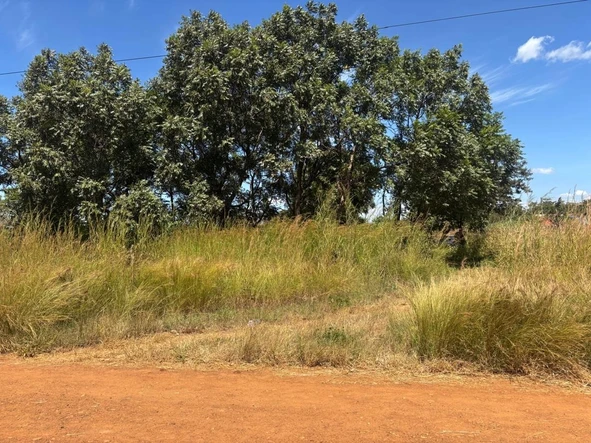
Most of the land is suitable for residential development or farming, reflecting the province’s strong agricultural character. Buyers can expect spacious plots surrounded by natural landscapes, ideal for those seeking a peaceful lifestyle with room for outdoor activities. The properties typically do not include buildings, focusing on land ownership and development potential.
Mashonaland West is a largely rural area known for its farming and natural attractions like Chinhoyi Caves National Park and the nearby Kariba Dam, which offer recreational activities such as hiking, fishing, and boating. The presence of Chinhoyi University of Technology and local healthcare facilities supports education and essential services. Transport connections to Harare and other regions are available via major roads, though private vehicles are commonly used. This area suits buyers looking for a quiet, nature-oriented lifestyle with access to community amenities and outdoor recreation.
300 m²
300 m²
2,000 m²
2,591 m²
6,478 m²
2,100 m²
1,200 m²
1,200 m²

Be the first to see new properties for sale in Mashonaland West










| Type | Avg. price |
|---|---|
| Average price | $35,000 |
Prices as of October 2026
Buying property in Zimbabwe? Learn how deeds, SG diagrams, beacons and surveys determine boundaries and complete seven checks before you pay.
Understanding municipal property rates in Zimbabwe: Learn how valuations are calculated, how to manage arrears, and how to access council discounts.
Manage your rental properties in Zimbabwe like a pro. Learn about tenant screening, lease agreements, maintenance, and rental tax rules in 2026.
Building or buying in Harare? Learn what plan approval requires, what changed in 2026, and how to manage unapproved structures.
Buying a housing stand in Zimbabwe? Inspect title deeds, subdivision permits, compliance certificates, and seller IDs before making any payment.