Log in to contact the seller
 Continue with Facebook
 Continue with Email
Continue with Facebook
Continue with Email
Sign up with Facebook
Continue with Email
Continue with Facebook
Continue with Email
Sign up with Facebook
 Change filters
 Requests

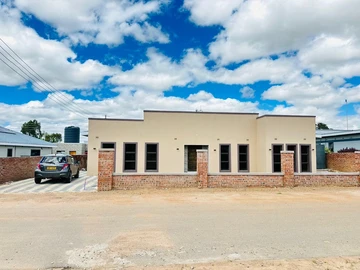


 4
4
 2
215 m²
2
215 m²


 4
3
215 m²
4
3
215 m²

Be the first to see new properties for rent









| Property Size | Avg. price |
|---|---|
| 1 bedroom (View 10 properties) | $500 |
| 2 bedroom (View 46 properties) | $580 |
| 3 bedroom (View 106 properties) | $875 |
| 4 bedroom (View 118 properties) | $1,600 |
| 5+ bedroom (View 72 properties) | $3,500 |
Comparing joint ownership vs sole ownership in Zimbabwe. Discover which title structure best protects your family’s wealth, estate rights, and property.
Learn tax efficient ways to transfer property to your children in Zimbabwe. Explore family trusts, lifetime donations, wills, and ZIMRA tax exemptions.
Step by step guide to property transfers in Zimbabwe. Learn the legal process for buyers and sellers, from Agreement of Sale to Deed of Transfer.
Buying property in Zimbabwe? Discover hidden costs like stamp duty, conveyancing fees, and taxes that can add 8%–12% or more to your purchase price.
Resolving property inheritance disputes in Zimbabwe depends on estate administration status, terms of the will, and whether beneficiaries hold





 550 m²