Log in to contact the seller
 Continue with Facebook
 Continue with Email
Continue with Facebook
Continue with Email
Sign up with Facebook
Continue with Email
Continue with Facebook
Continue with Email
Sign up with Facebook
 Change filters
 Requests
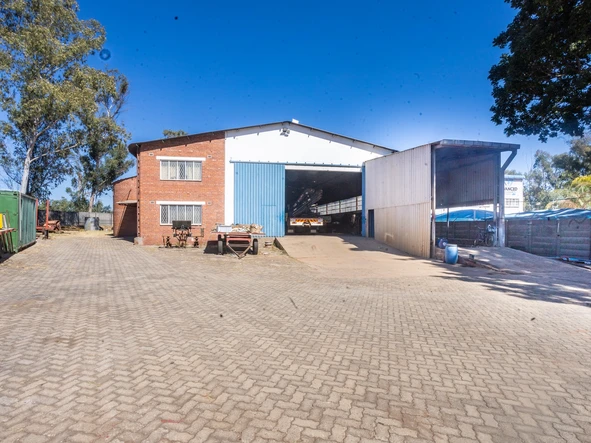

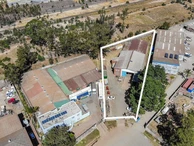
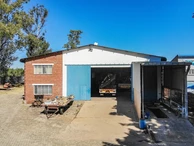
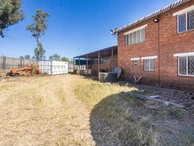
 2,849 m²


 6,375 m²
4,260 m²
6,375 m²
4,260 m²

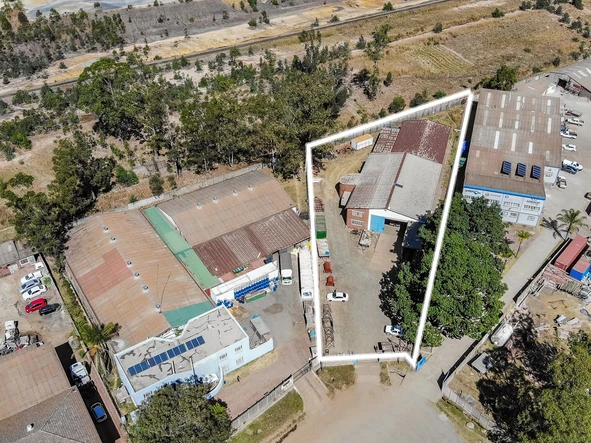
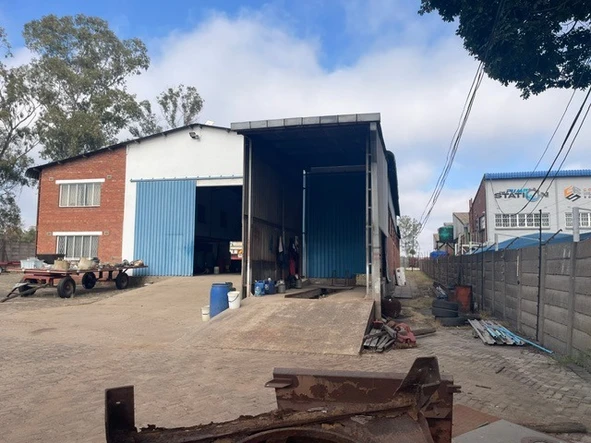
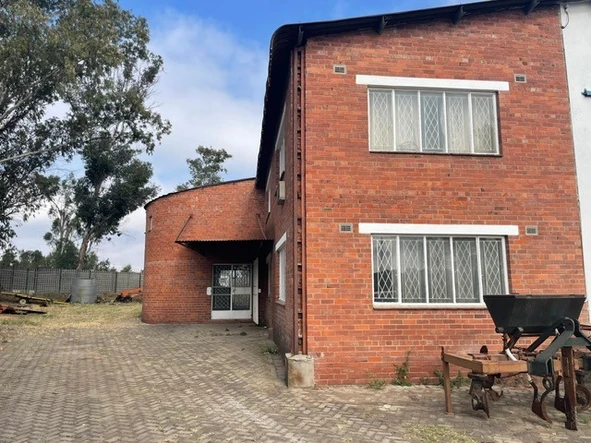
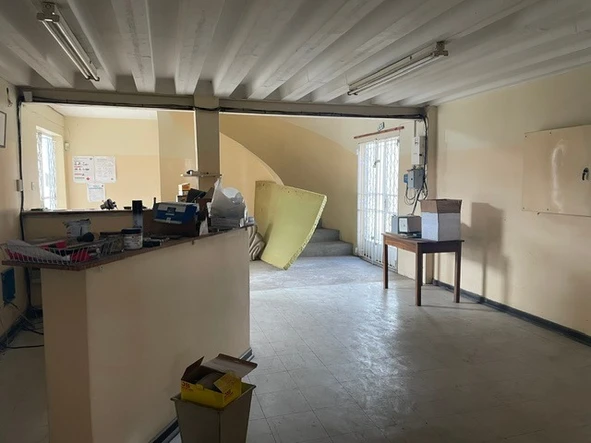
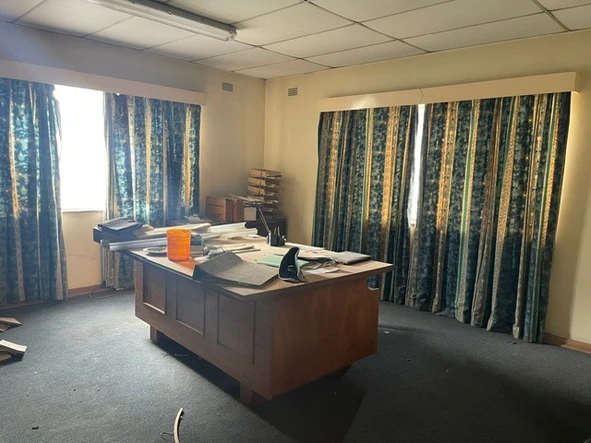
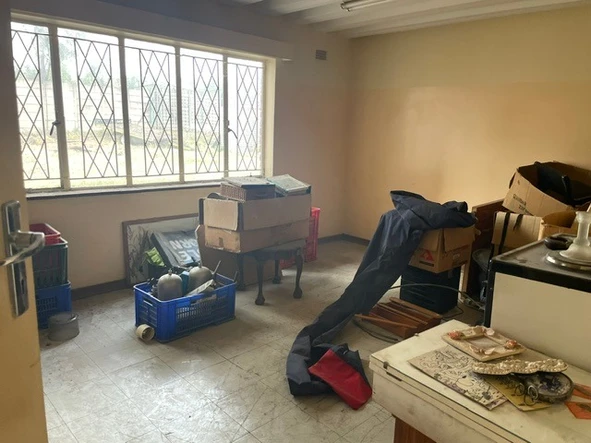
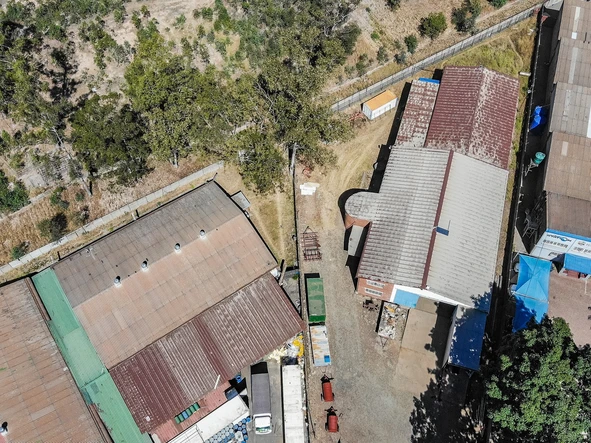
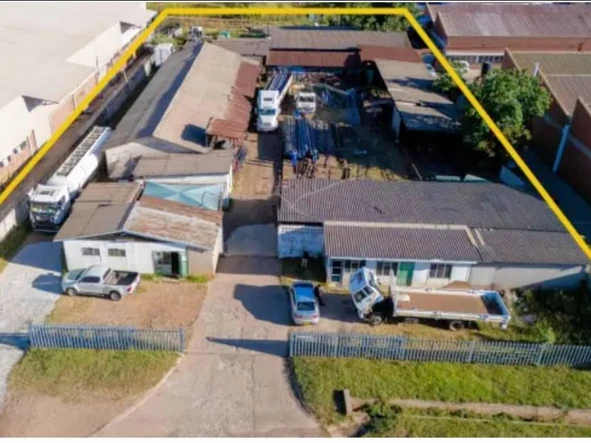
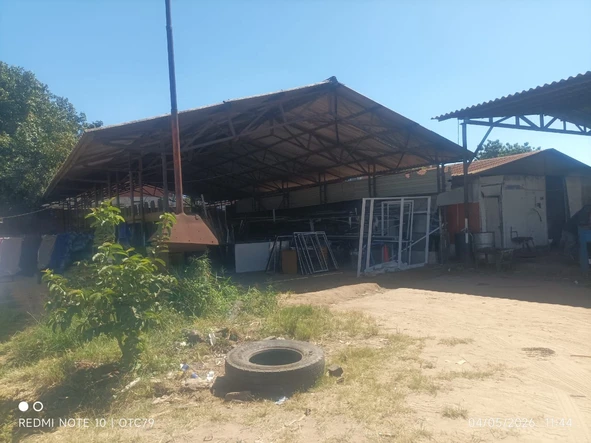
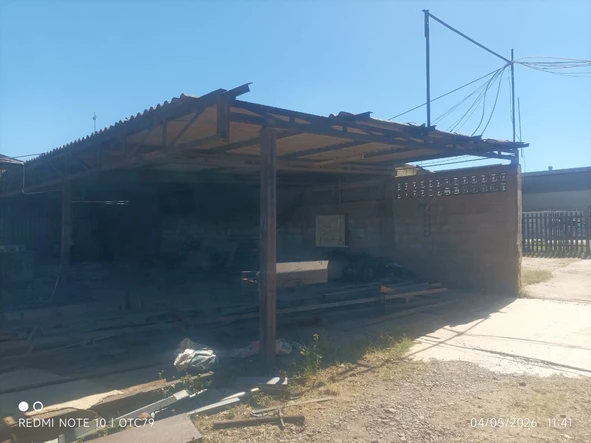
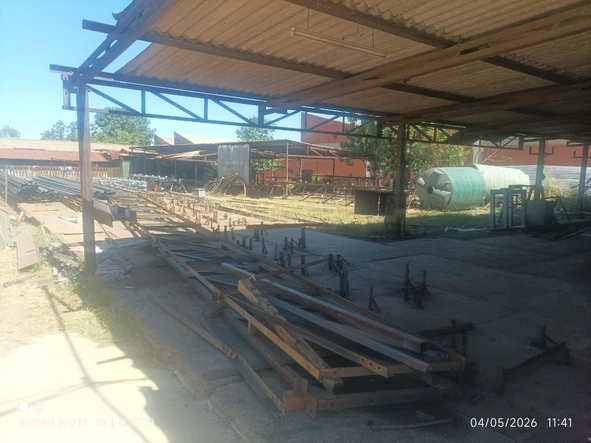
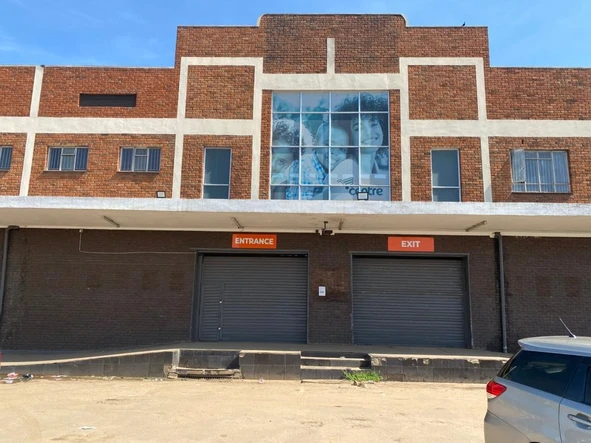
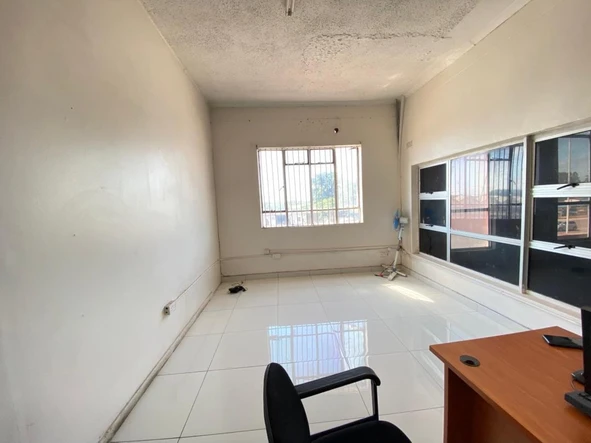
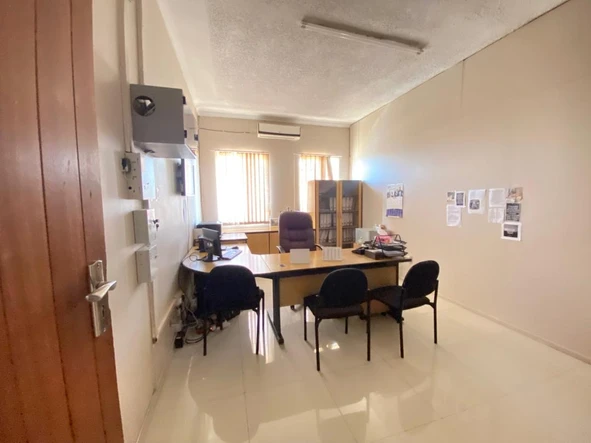
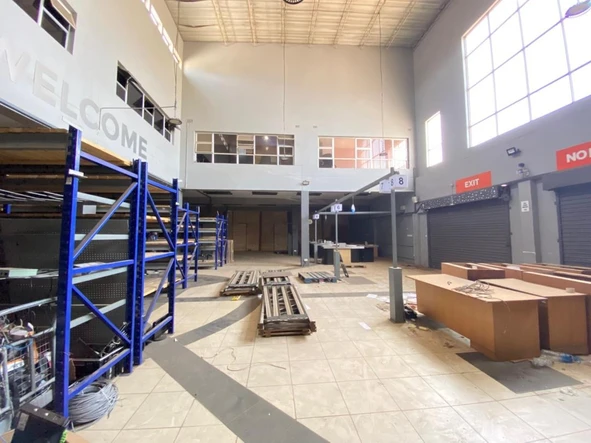
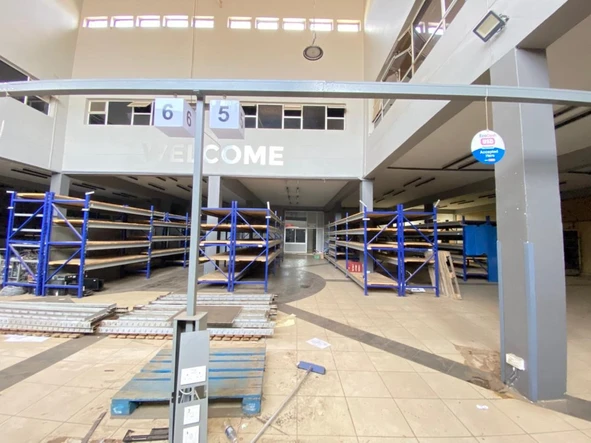
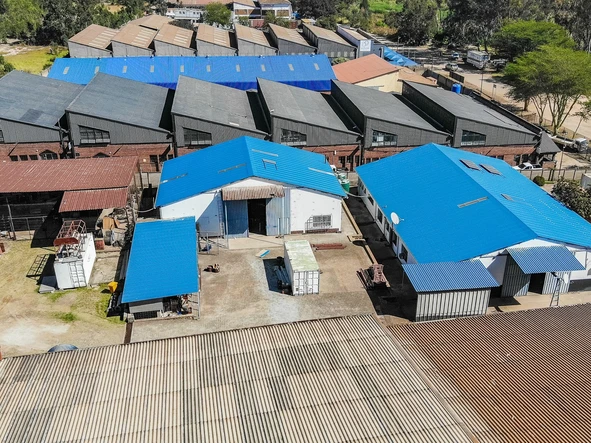
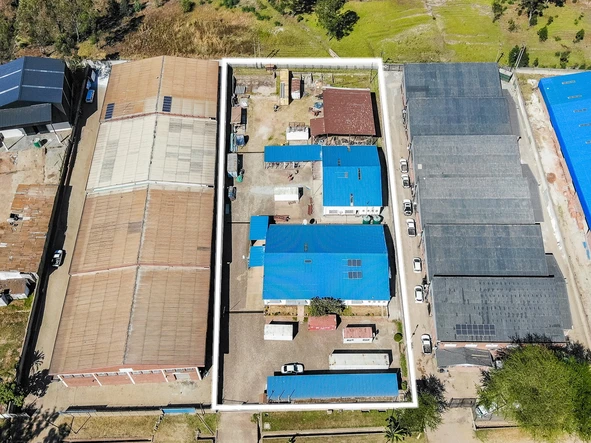
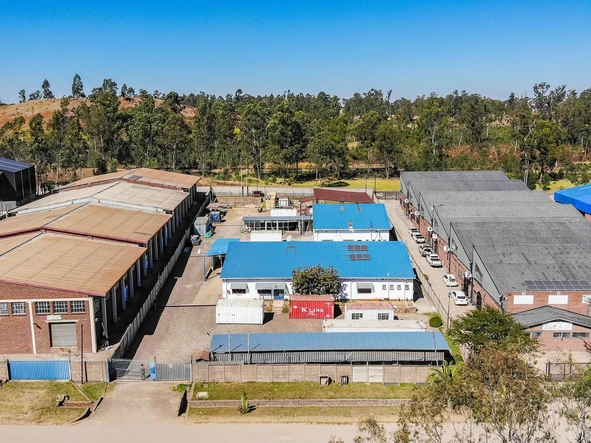
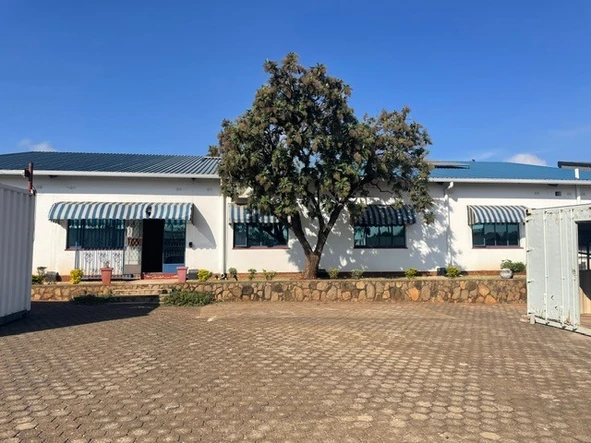
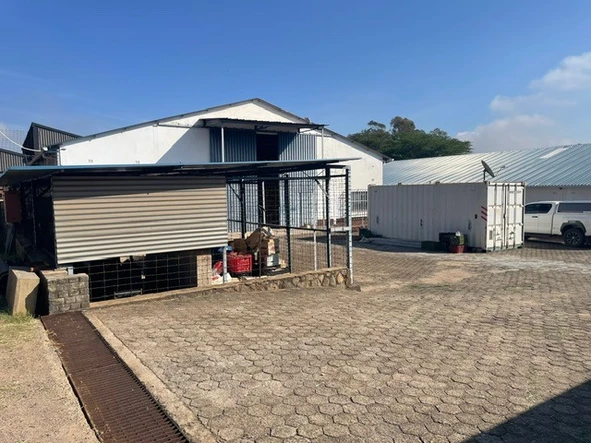
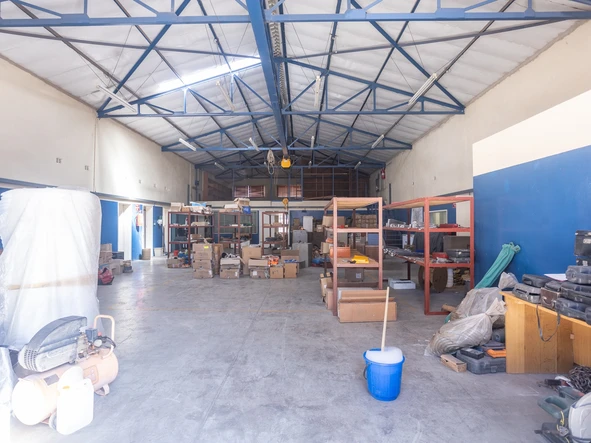
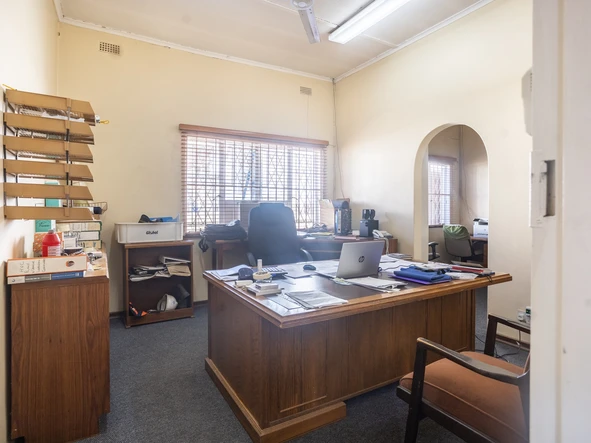
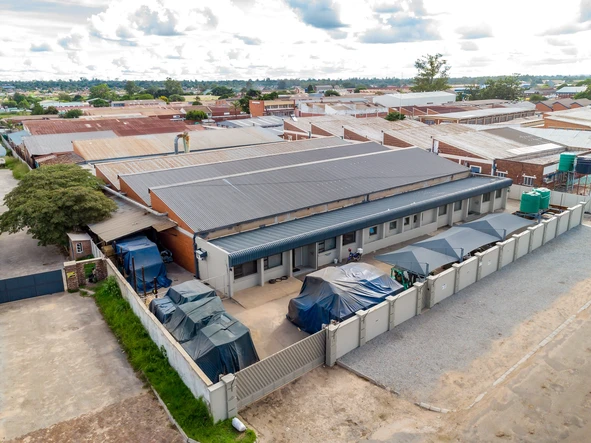
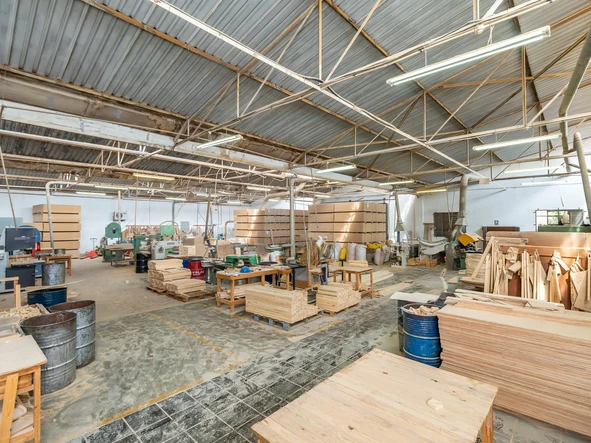
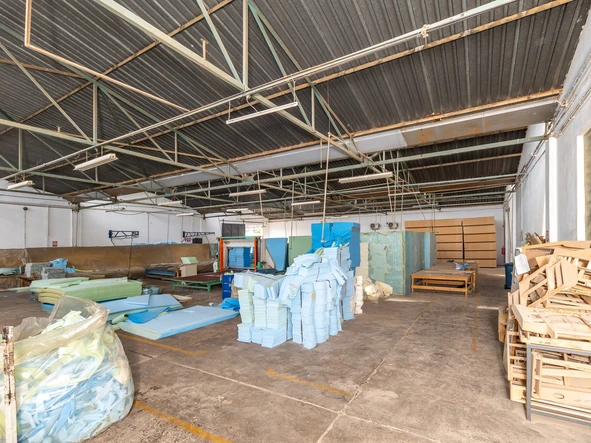
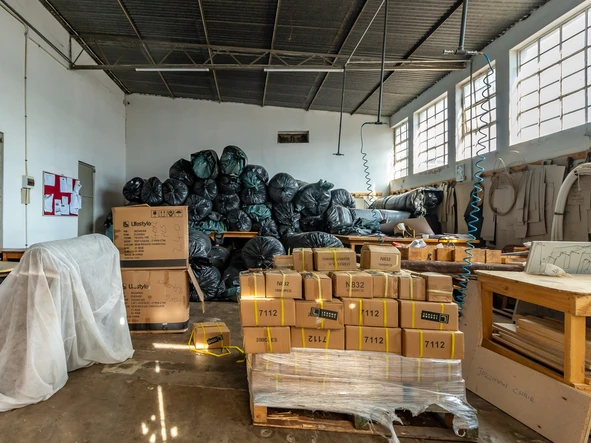
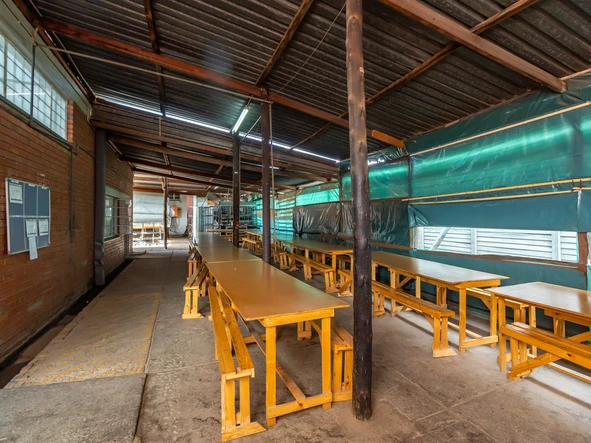
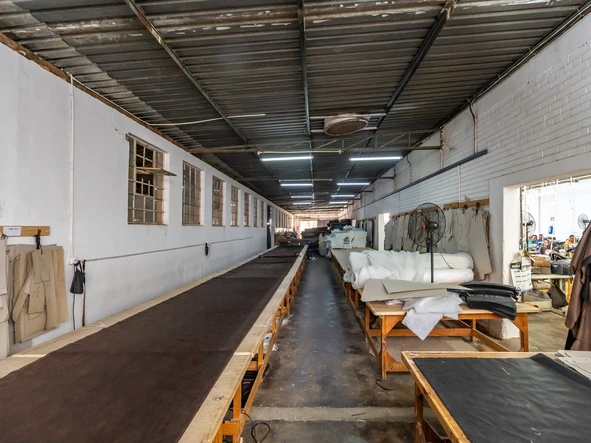
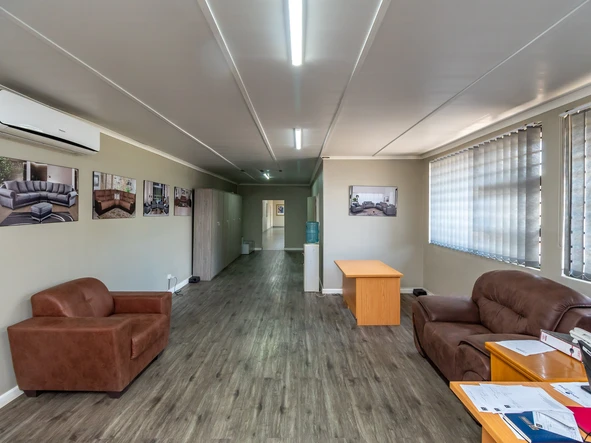
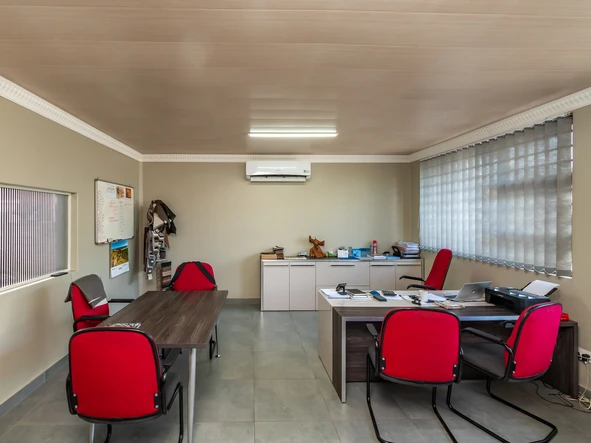
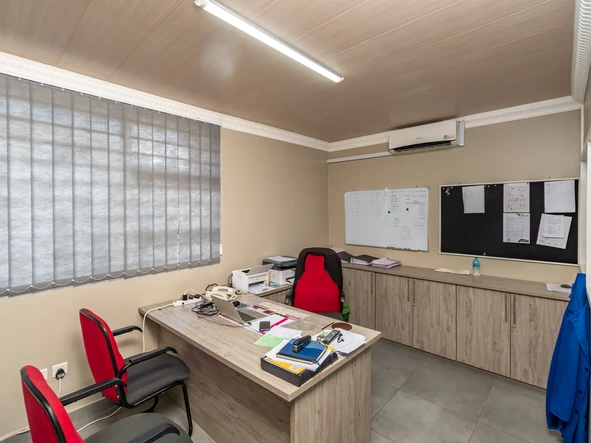
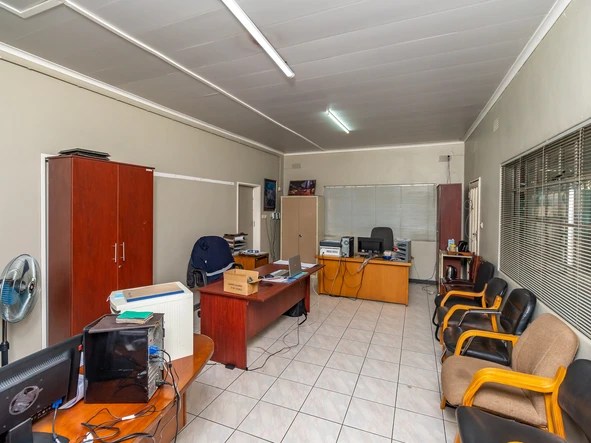
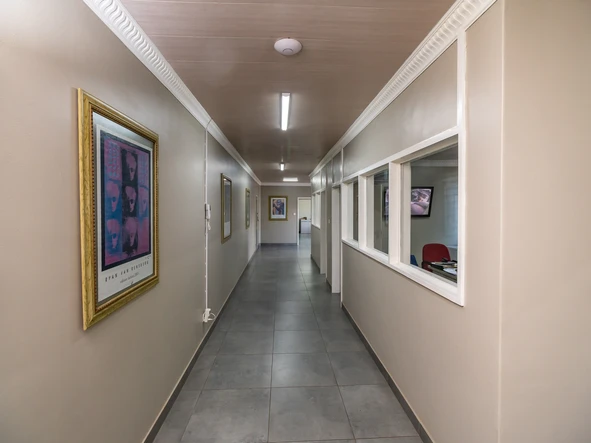
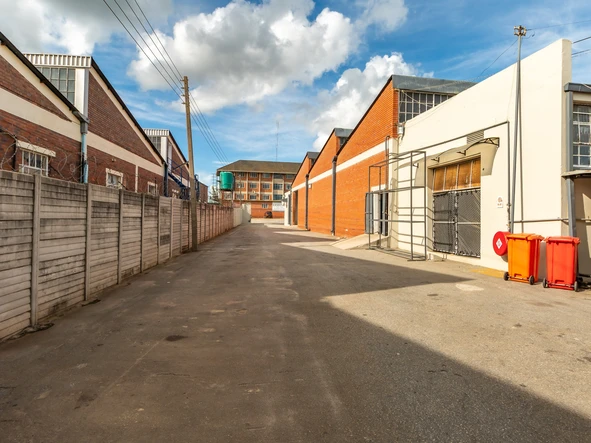
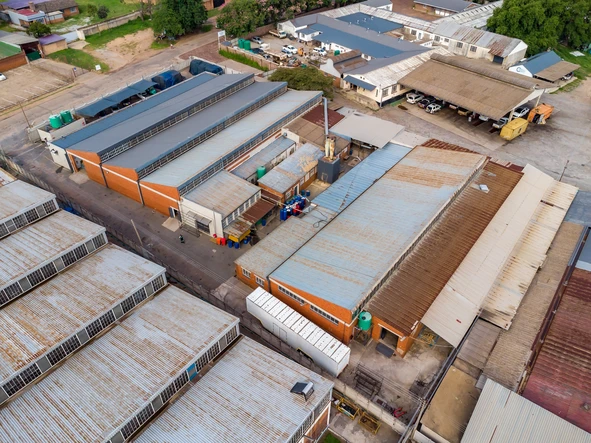
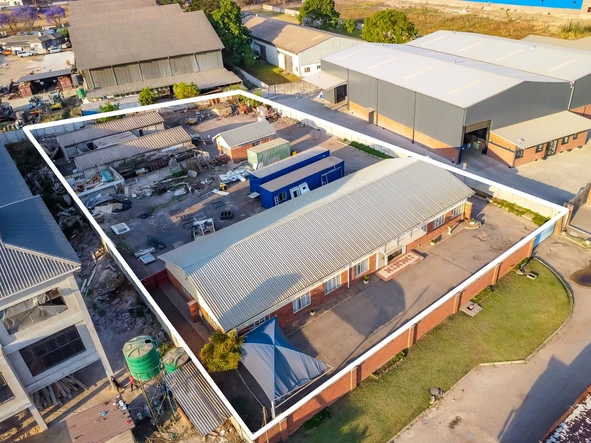
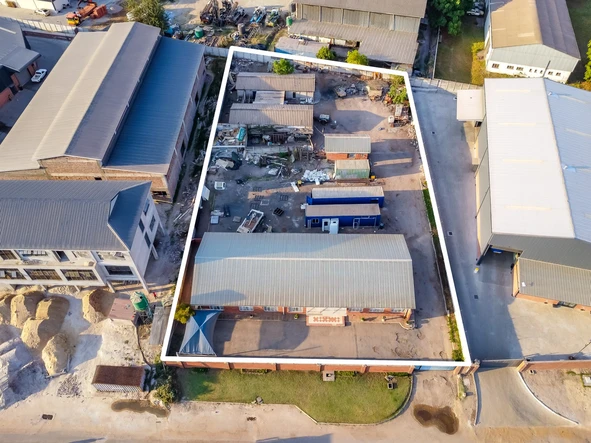
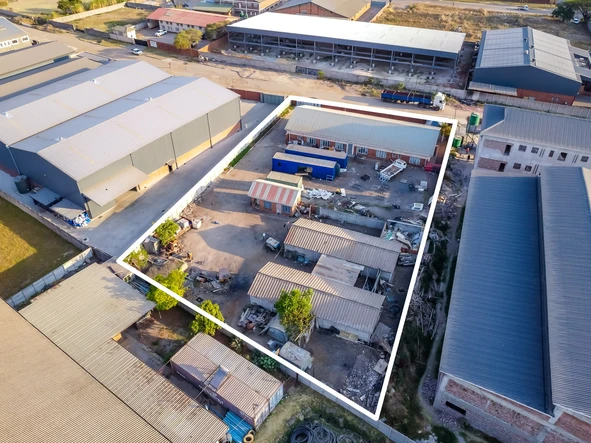
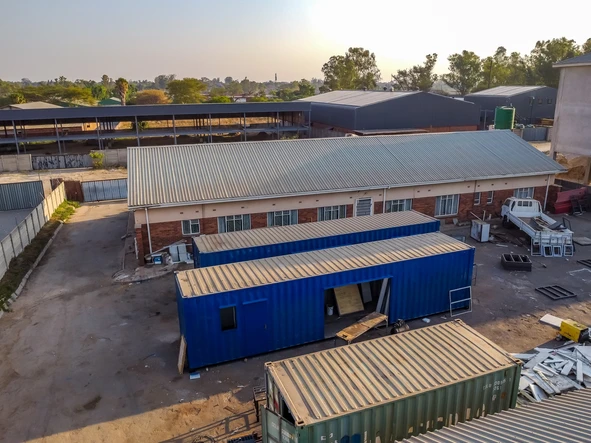
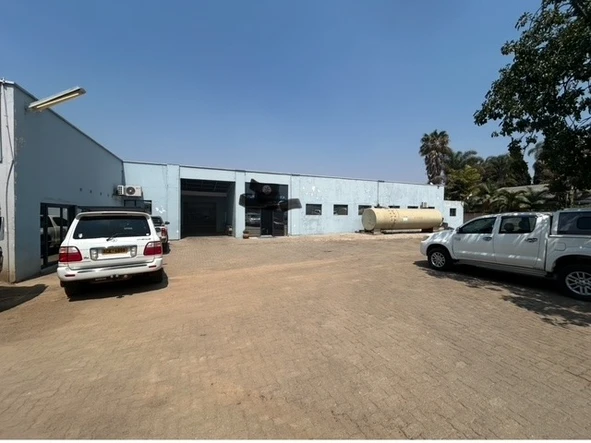
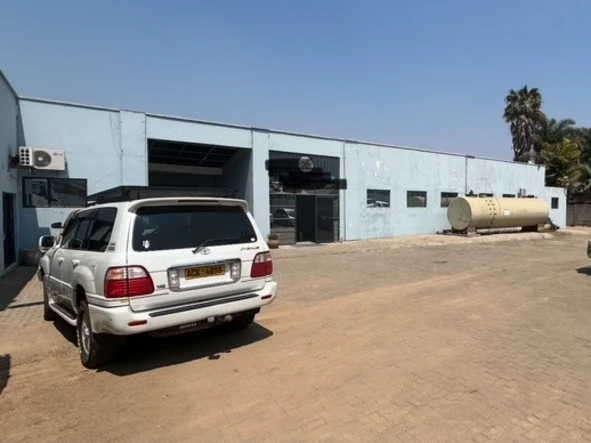
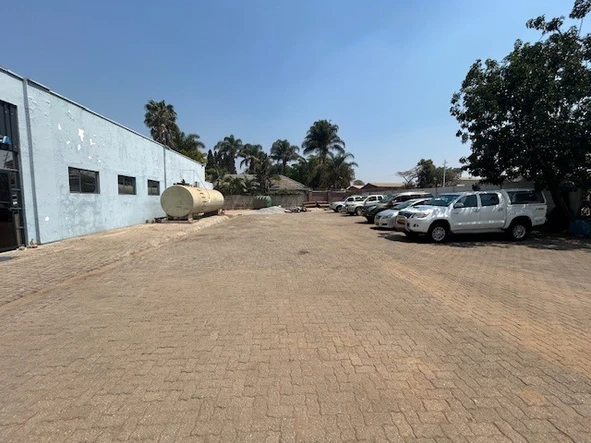
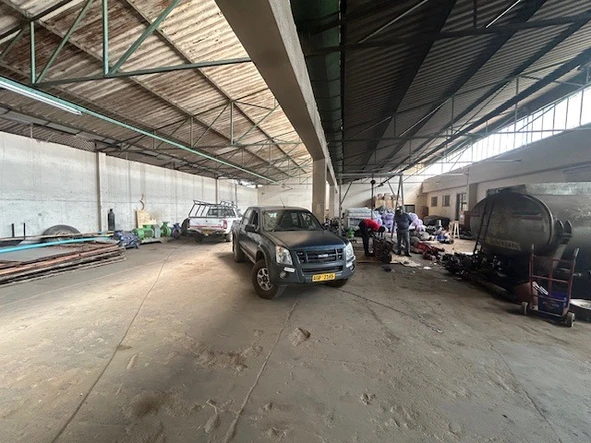
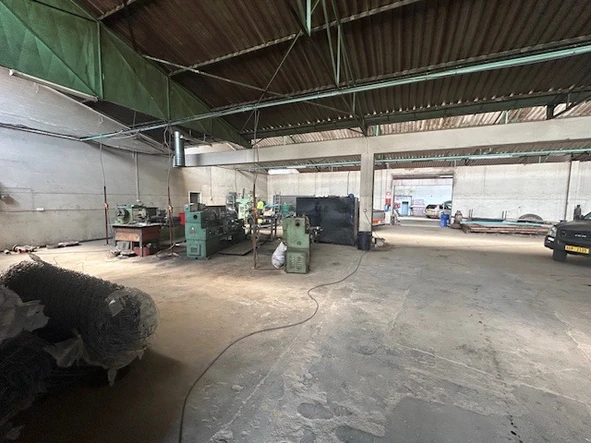
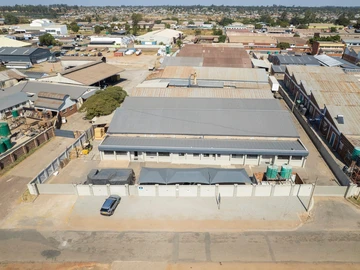
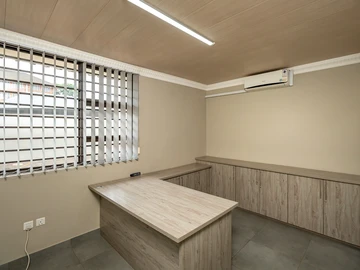
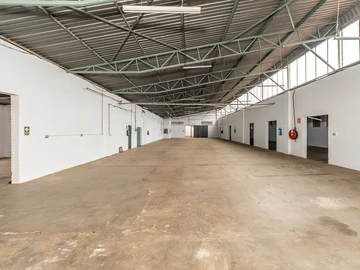
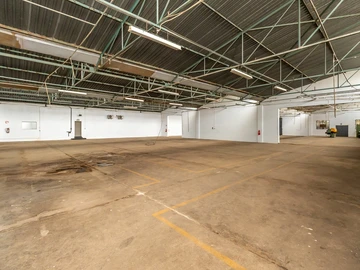
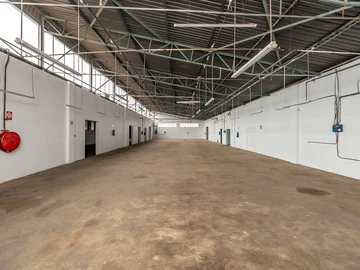
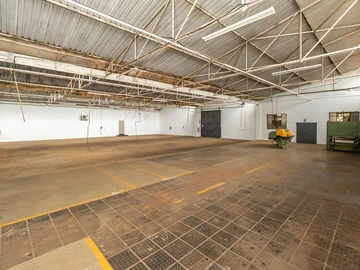
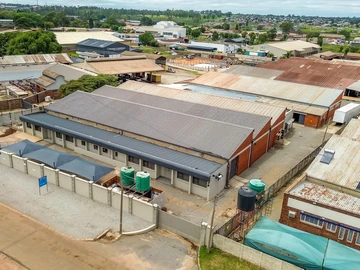
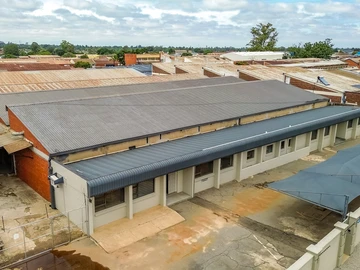
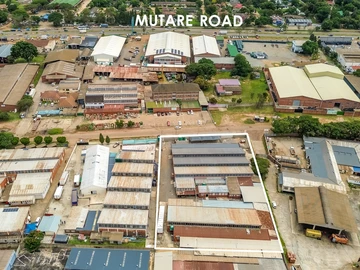
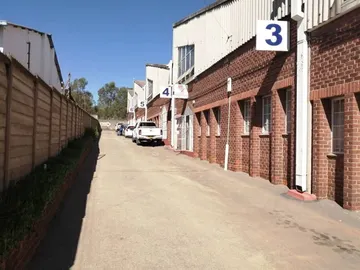
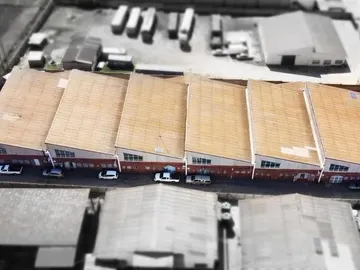
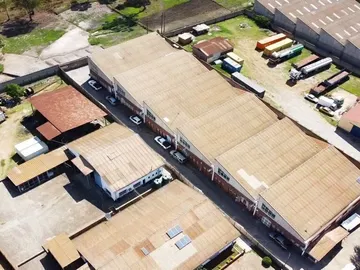
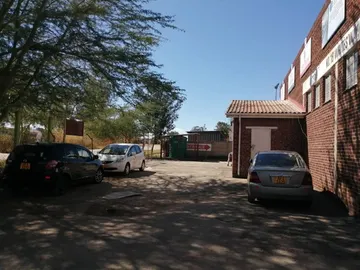
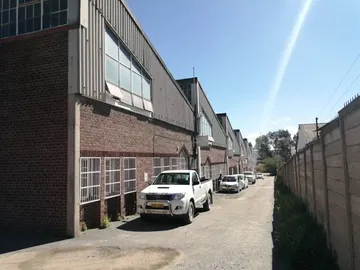
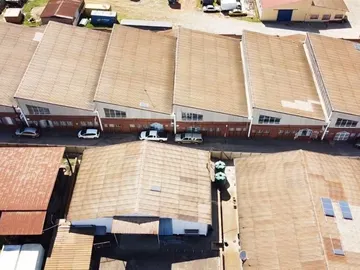
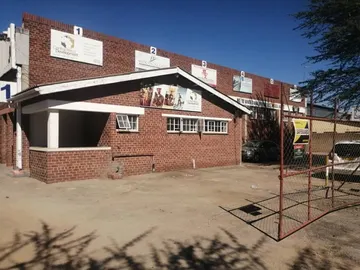
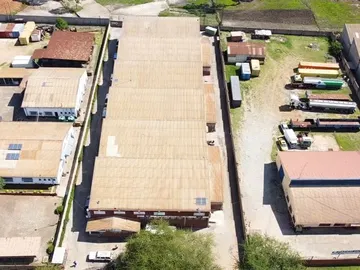
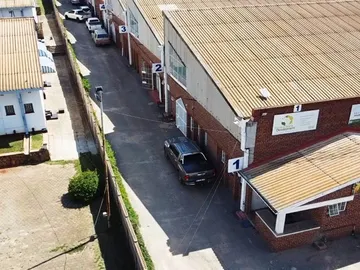
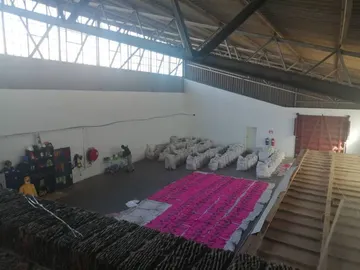
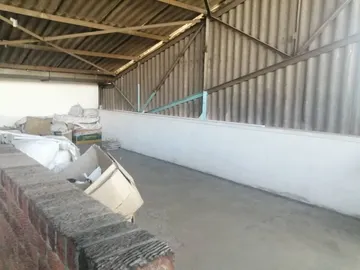
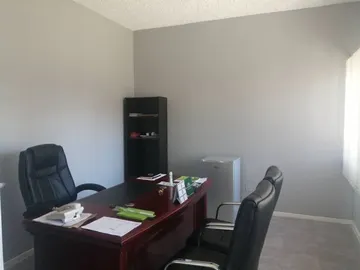
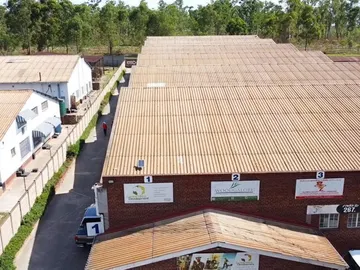
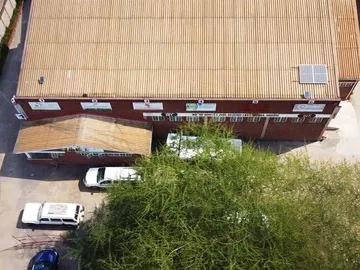
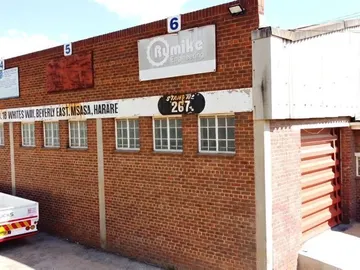
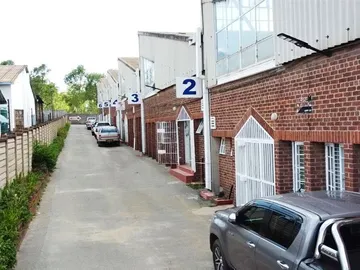
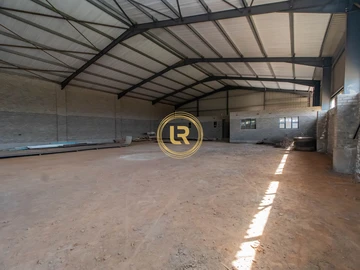
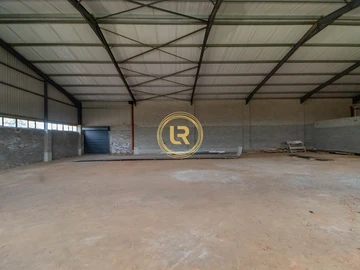
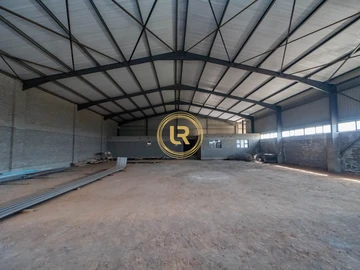
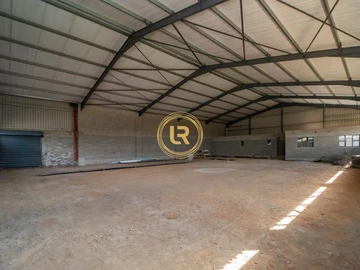
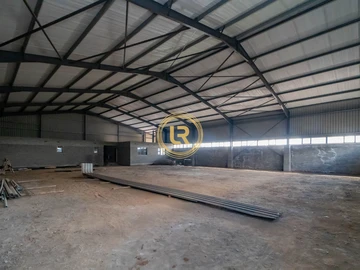
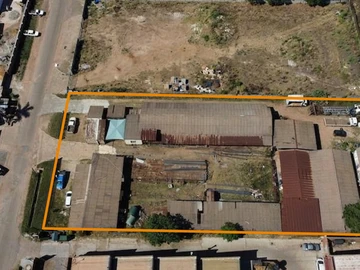
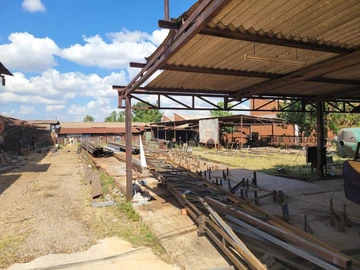
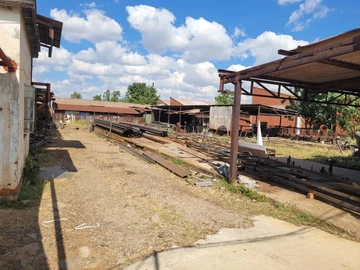
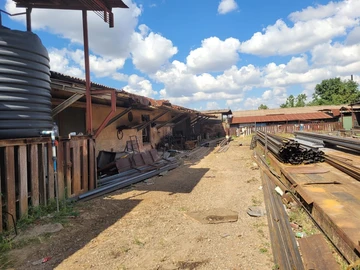
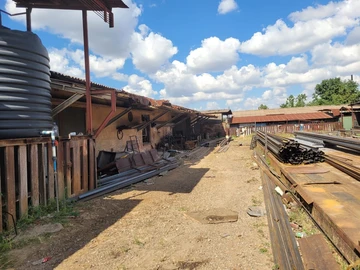
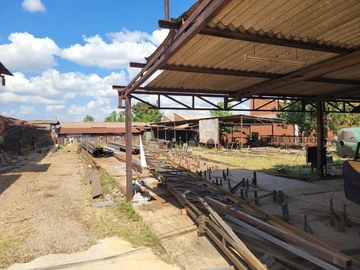
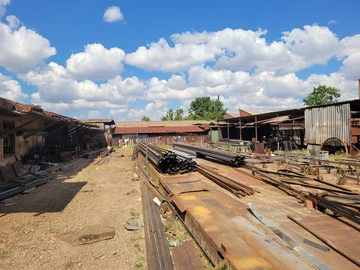
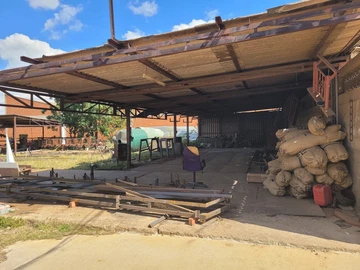
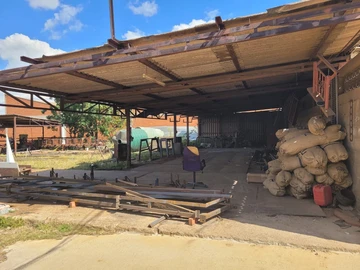
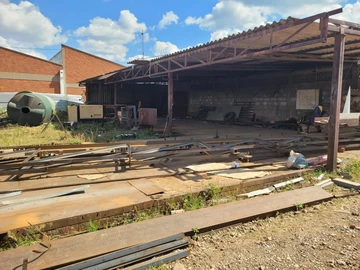
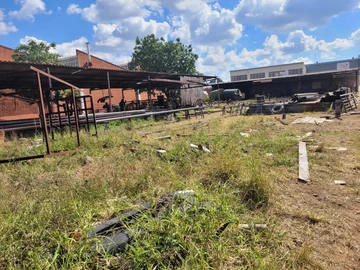
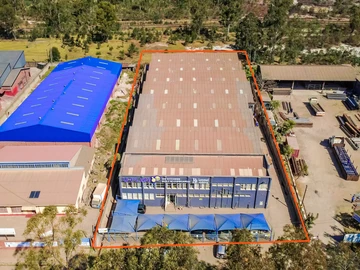
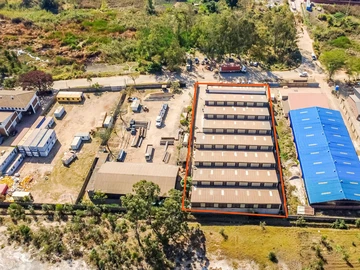
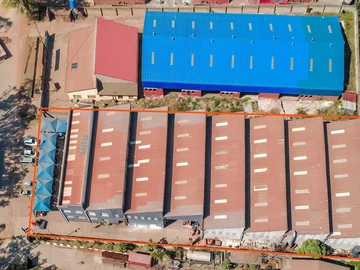
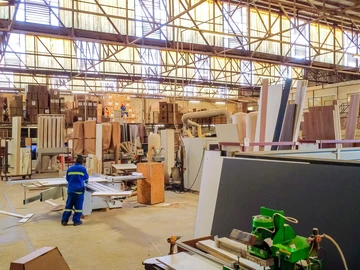
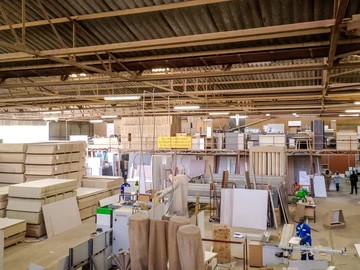
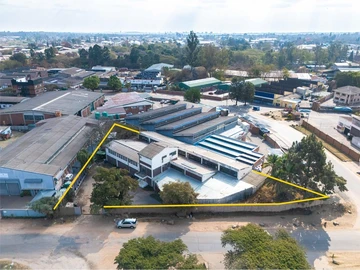
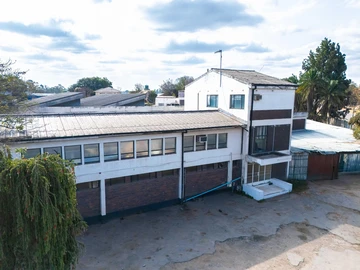
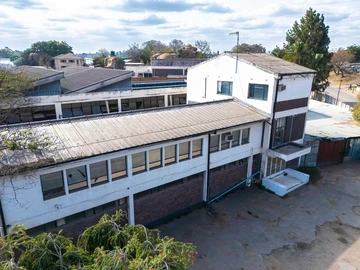
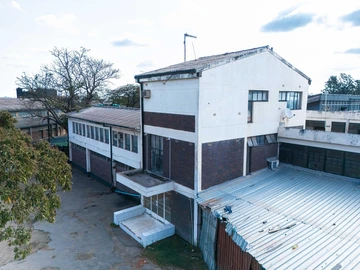
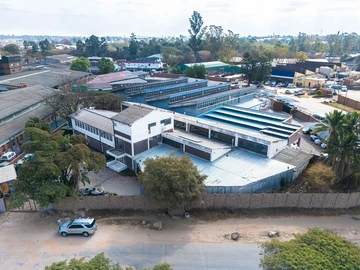
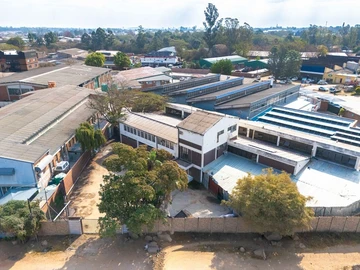
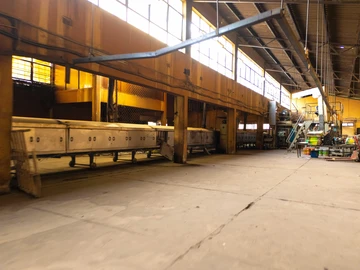
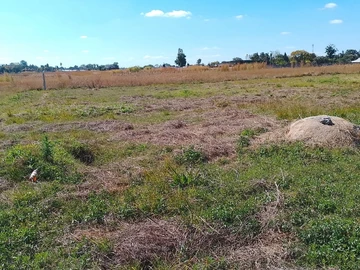
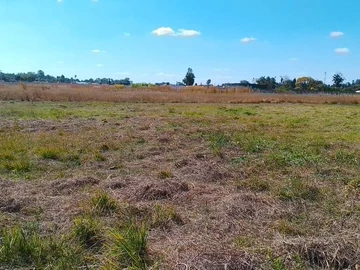
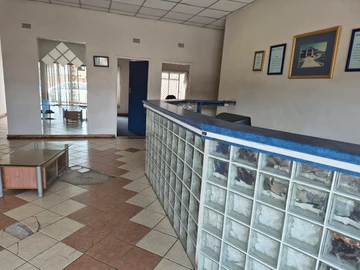
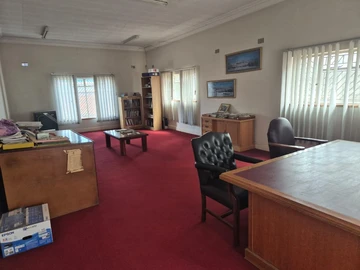
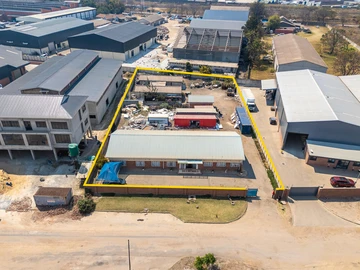
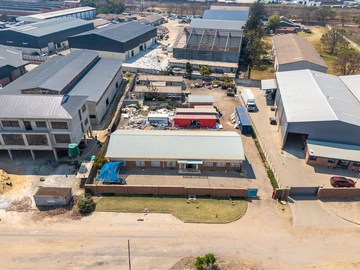
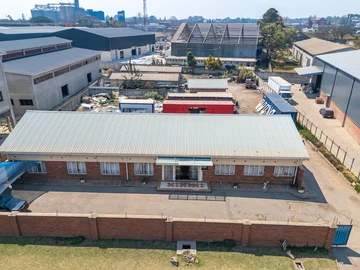
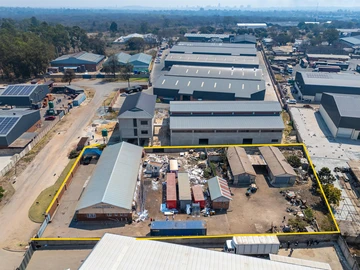
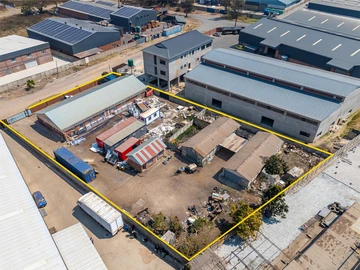
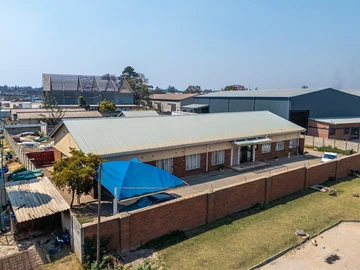
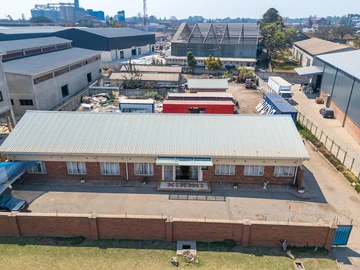
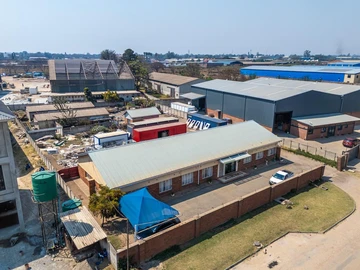
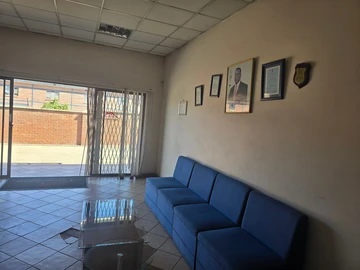
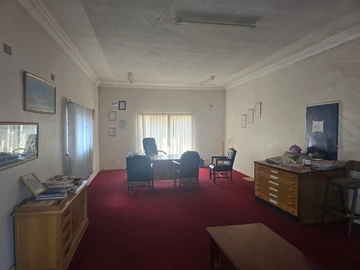
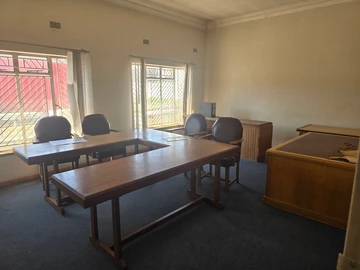
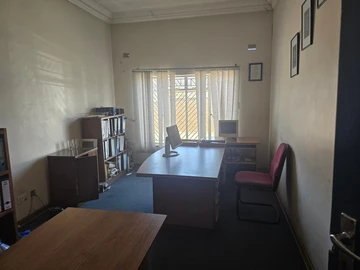
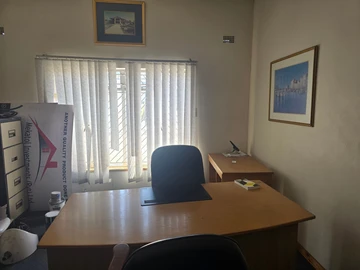
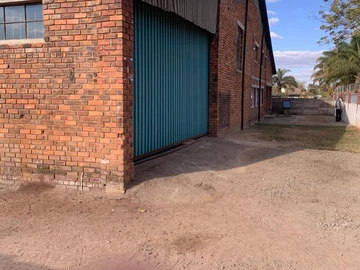
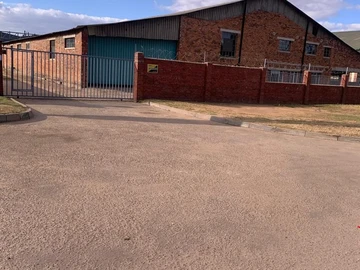
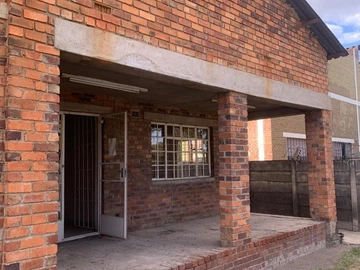
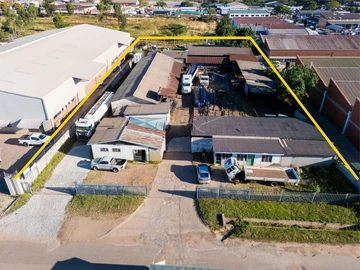
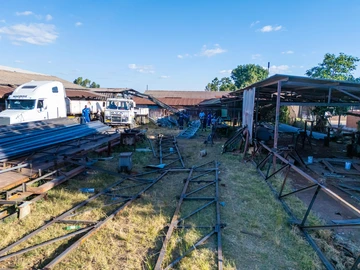
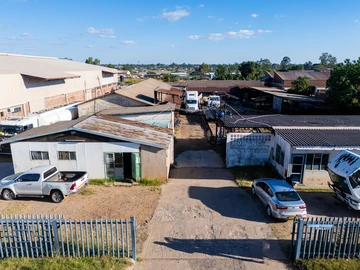
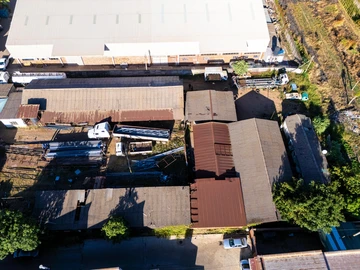
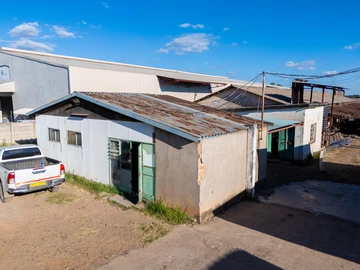
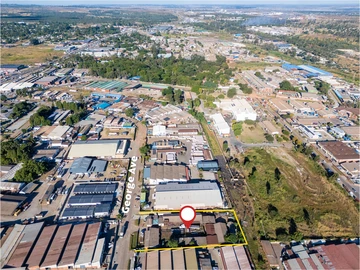
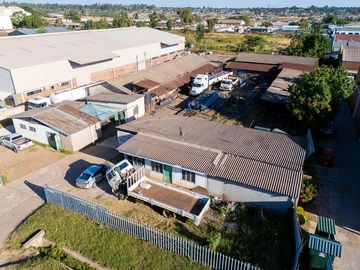
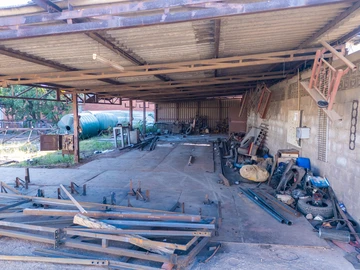
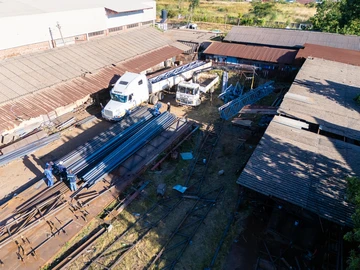
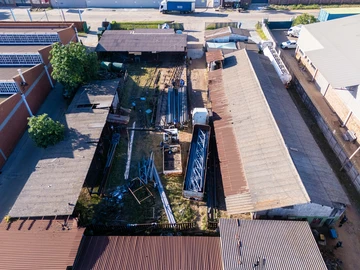
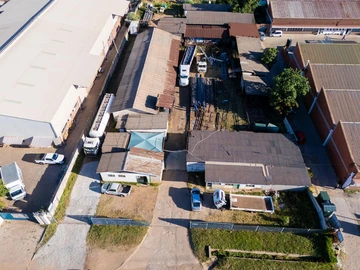
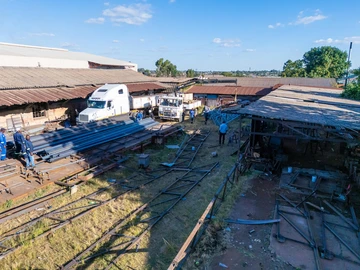
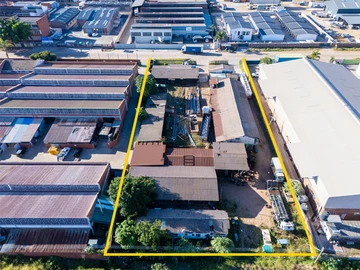
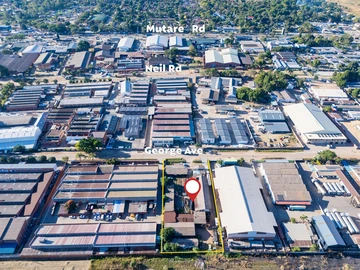
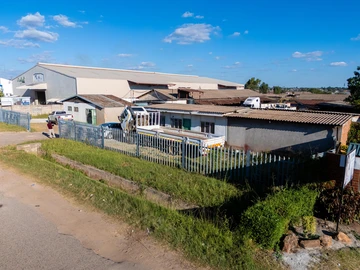
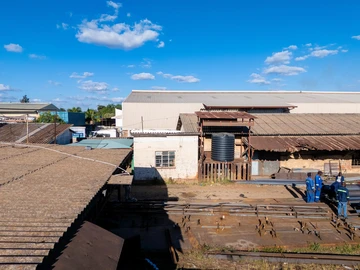
Warehouses and factories for sale in Harare East, Harare, are positioned in a well-established commercial area with an average price of $800,000. These properties typically sit on land parcels around 3,859 ㎡, with building sizes averaging 424 ㎡. Larger properties can reach up to 6,063 ㎡ of land and 6,000 ㎡ of building space, offering substantial industrial capacity for buyers.
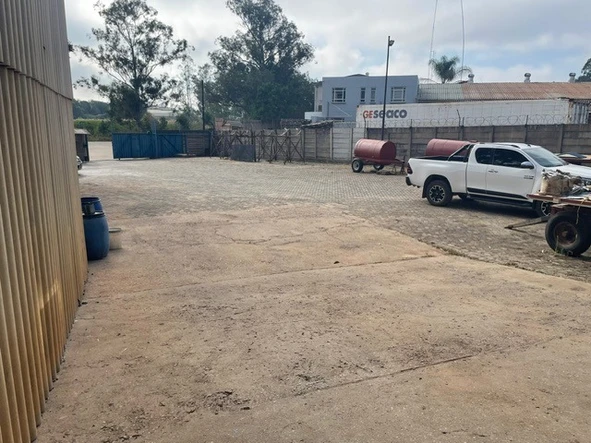
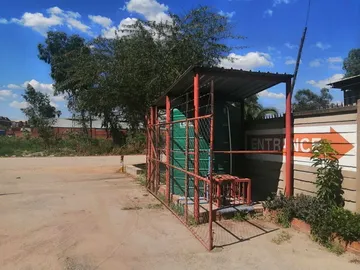
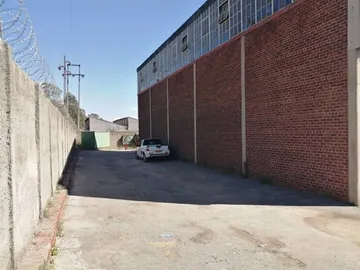
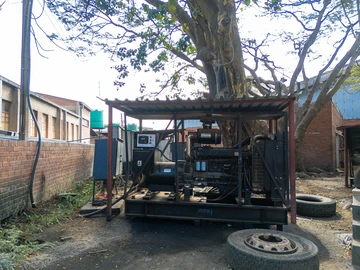
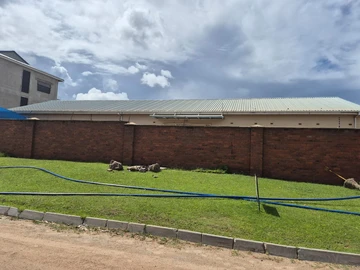
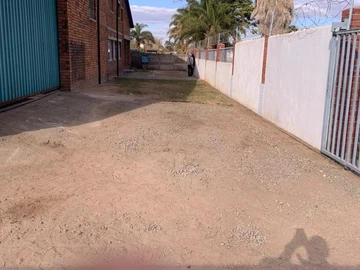
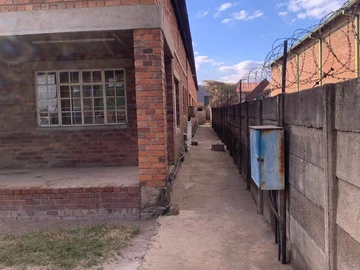
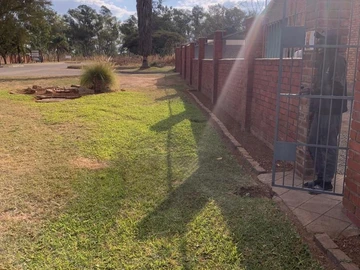
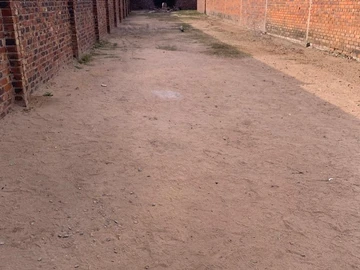
Many of these industrial properties feature practical amenities such as parking bays, carports, and secure walled perimeters, making them suitable for businesses requiring secure storage and operational space. The properties are generally high-end in price, reflecting their size and location advantages within Harare East.
Harare East is a vibrant suburb blending residential and commercial uses, conveniently located near Harare’s central business district while maintaining a quieter atmosphere. The area benefits from good transport links and access to major roads. Nearby amenities include Eastgate Shopping Centre for retail needs, reputable schools like Prince Edward School and St. George’s College, and medical facilities such as Parirenyatwa Group Hospital. Recreational spots like the National Botanic Gardens and Harare Gardens add to the appeal of this well-rounded neighborhood for business owners and investors alike.
4,800 m²

Be the first to see new properties for sale in Harare East









| Type | Avg. price |
|---|---|
| Average price | $800,000 |
Understand Zimbabwe’s 2026 rental tax rules, including the 15% commercial regime, residential tax treatment, monthly deadlines and disclosure window
Planning to drill or buy a property with a borehole in Zimbabwe? Check the authority, permit, siting, records and water quality before you commit.
Protect your rental property in Zimbabwe. Learn the 10 essential tenant screening checks landlords should make before signing a lease agreement.
Upgrade your home with the top bathroom trends of 2026 in Zimbabwe. Explore 8 stylish ideas covering luxury vanity finishes, lighting, and eco features.
Buying property in Zimbabwe? Discover hidden costs like stamp duty, conveyancing fees, and taxes that can add 8%–12% or more to your purchase price.