Continue with Facebook
 Continue with Email

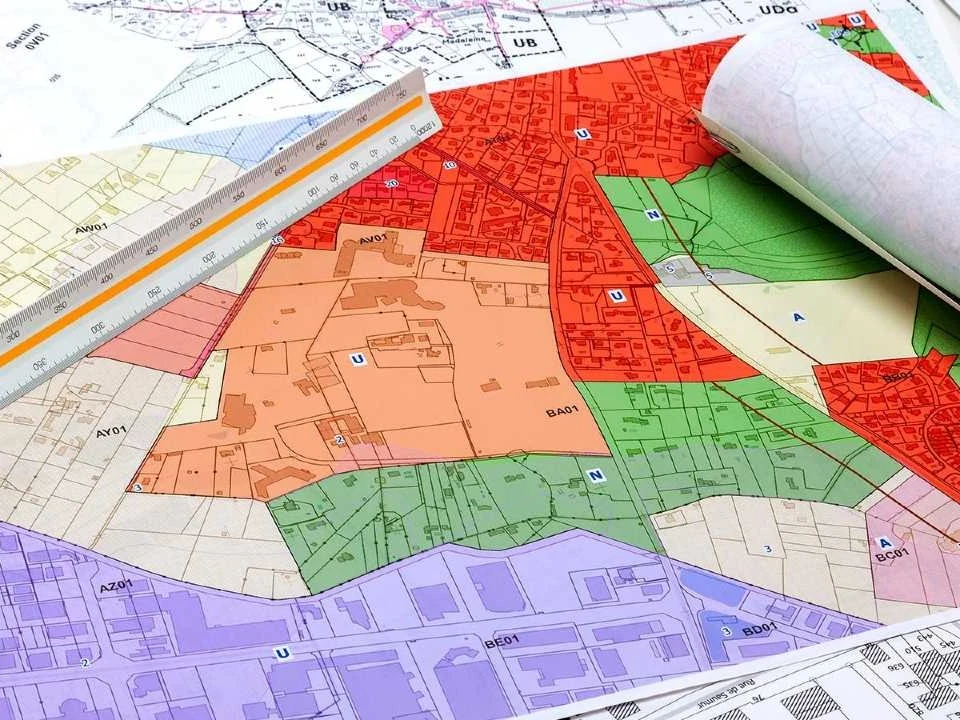
Understanding the legal and planning framework shaping where and how we build
Urban expansion across Zimbabwe from Harare’s Northern suburbs to Bulawayo’s outskirts and new peri‑urban zones like Norton and Ruwa is transforming property markets. Yet behind every development are land use policies and zoning regulations that govern property rights, permissible uses, density limits, building heights, infrastructure requirements, and environmental safeguards.
Investors, developers, and homebuyers must understand how these regulations influence property values, development feasibility, timelines, and costs. In Zimbabwe’s rapidly evolving real estate landscape, policy impacts are significant.
What Are Land Use Policies and Zoning Regulations?
Land use policy is the government’s framework describing how land in an area may be used (residential, commercial, industrial, agricultural, mixed use). Zoning regulations are the specific rules set by municipal authorities like Harare City Council or Bulawayo City Council that divide land into zones and prescribe permissible building types, setbacks, density, and service requirements.
For example:
- A parcel in Harare’s A1 residential zone may limit buildings to low‑density homes with specific setbacks and green space requirements, while
- A B4 central business zone in the same city allows high‑density commercial structures with multi‑story buildings.
1. Influencing Property Value and Investment Potential
Zoning affects property prices. Properties with mixed‑use designations or higher allowable density often fetch higher prices due to greater development flexibility.
Example: In Harare
- A property zoned for medium‑density residential use in Glen Lorne can command 20–30% higher per square metre prices than a strictly single‑family residential site in Harare South, because of potential for townhouses or duplex developments.
- Conversely, a site in Chitungwiza’s high‑density zone may be less valuable per square metre, but attractive for multi‑unit rental projects.
According to recent local market data, land values in Harare’s high‑demand zones grew by 12%–18% year‑on‑year in 2025, outpacing general residential price growth of 7%–10%. This correlates with zoning allowances that support more intensive development.
2. Regulating Density and Infrastructure Requirements
Zoning determines how many units can be built on a site. Floor Area Ratio (FAR) and plot coverage limits influence development scale.
- Plot coverage limit: Restricts the percentage of land that can be built on (e.g., 40%).
- FAR: Determines total buildable floor area relative to plot size.
Example: A 1,000 m² parcel in Bulawayo’s Hillside area with a 0.5 FAR allows 500 m² of total building floor area. If a developer wants a multi‑unit apartment block, zoning might require a rezoning application or variance, which adds time and cost.
Infrastructure provisions (roads, sewer, stormwater, electricity access) are tied to zoning; higher density zones often require deeper infrastructure investment before approvals are granted.
3. Time, Costs, and Compliance Risks
Securing the right zoning, permits, and compliance clearances can add 3–9 months or more to a project timeline in Zimbabwe. Application fees, environmental impact assessments (where required), and title deed verification add costs that can total 5%–12% of project development expenditure.
Example: A developer in Ruwa planning a mixed‑use complex must:
- Apply for rezoning if the current designation is agricultural,
- Complete a stormwater and traffic impact assessment,
- Submit detailed building plans that comply with municipal bylaws.
Failure to align with zoning can lead to stop‑work orders, fines, or costly redesigns.
4. Environmental and Public Interest Considerations
Zoning isn’t only about building form; it integrates environmental protection, public space allocation, and hazard mitigation.
- Floodplain regulations around Manyame River in Harare restrict residential development in high‑risk areas.
- Setback rules near wetlands or protected green spaces preserve ecosystem services that enhance neighbour property values.
Developments that violate these rules can be legally challenged and devalued due to reputational and regulatory risk.
5. How Buyers and Developers Can Navigate the System
Do due diligence early:
- Verify zoning category and restrictions at the municipal planning office.
- Review the zoning map and local development plan.
- Engage with licensed professional planners or surveyors to interpret regulations and suggest alternatives (variances, rezoning).
Understand future zoning trends: Cities like Harare are implementing urban expansion strategies to accommodate growth corridors. Land in peri‑urban zones earmarked for future medium‑density use may provide value appreciation ahead of formal rezoning.
Conclusion
In Zimbabwe’s property market, land use policies and zoning regulations are pivotal determinants of what can be built, where, and at what cost. They shape investment feasibility, influence property values day to day, and underwrite long‑term urban structure and sustainability. Whether you are a first‑time buyer, an investor, or a developer, understanding and navigating the planning framework is essential to mitigate risk and maximise property potential.
Key Stats & Takeaways:
- Harare high‑demand zoning areas have seen land value increases of 12%–18% annually.
- Zoning compliance costs can constitute 5%–12% of development budgets.
- Rezoning and permitting processes can extend timelines by 3–9 months.
- Mixed‑use and higher‑density zones tend to deliver stronger investment returns.