Continue with Facebook
 Continue with Email

Zimbabwe Property Law Guide
Table of Contents
- Why Boundary Disputes Are Increasing in Zimbabwe
- Zimbabwe Law: Who Is Responsible for the Hedge?
- Can Your Neighbour Throw Cuttings Back Into Your Yard?
- What If the Neighbour Is Harassing or Threatening You?
- Burning Rubbish Next Door: Is It Legal?
- Property Value Impact: Why Boundary Disputes Matter
- Can a Neighbour Force You to Remove the Hedge Completely?
- Practical Steps to Resolve a Hedge Dispute in Zimbabwe
- Expert Insight: The Psychology Behind Neighbour Disputes
- Final Takeaway
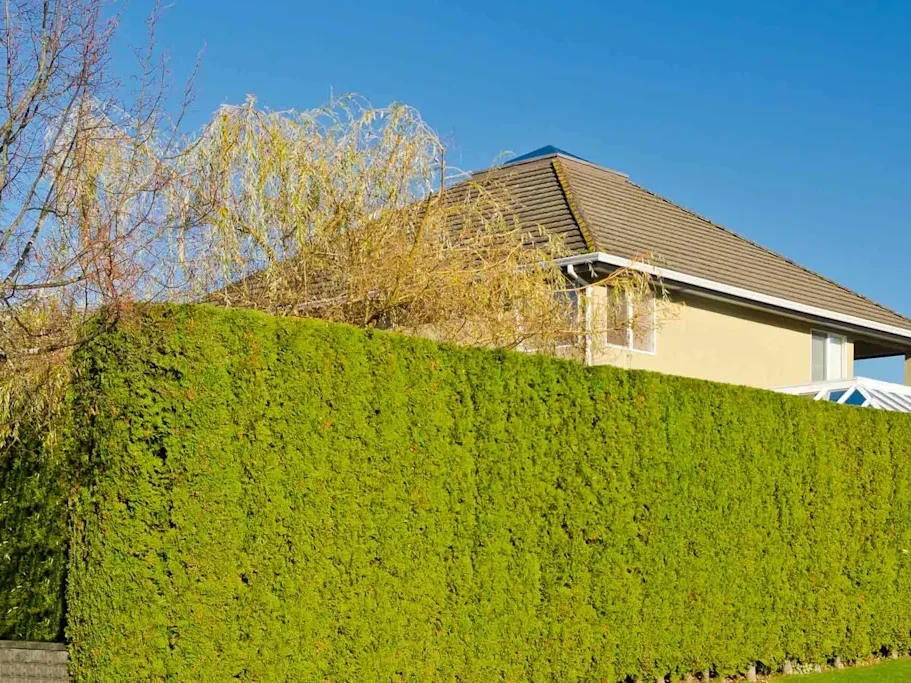
Neighbour disputes are among the most common residential conflicts in Zimbabwe especially in high-density suburbs, gated communities, and older low-density areas where mature trees and hedges cross property boundaries.
A frequent question homeowners ask is:
If my hedge grows into my neighbour’s property, am I legally required to cut it?
The short answer: Usually no but responsibility depends on property boundaries, nuisance law, and local council regulations.
Why Boundary Disputes Are Increasing in Zimbabwe
Urban densification and redevelopment have significantly increased neighbour conflicts.
Recent urban housing patterns show:
- Over 65% of Harare residential properties have perimeter vegetation or boundary hedges.
- Mature suburbs such as Avondale, Greendale, Mount Pleasant, Hillside, and Marlborough contain trees and hedges planted decades ago before current owners moved in.
Property.co.zw user engagement data indicates growing homeowner interest in searches related to:
- boundary disputes
- neighbour complaints
- property rights
- environmental nuisance issues
As properties subdivide and cluster developments expand, shared boundaries are becoming more sensitive legal spaces.
Zimbabwe Law: Who Is Responsible for the Hedge?
In Zimbabwean property law, ownership generally follows where the trunk or roots originate.
Key Principle
If the hedge grows from your land:
- You own the hedge.
- Your neighbour owns the portion that crosses into their property space.
This means:
- Your neighbour may trim branches that extend onto their side.
- They cannot force you to enter their property to cut it.
- They cannot demand you pay for trimming on their land (unless a written agreement exists).
This principle aligns with common law property rights applied in Zimbabwean courts.
Can Your Neighbour Throw Cuttings Back Into Your Yard?
No. Even though hedge material legally belongs to the plant owner, dumping garden waste onto another property may constitute:
- Trespass
- Illegal waste disposal
- Civil nuisance
Zimbabwean municipalities such as Harare City Council regulate environmental health and waste disposal complaints. Unlawful dumping can result in council intervention.
What If the Neighbour Is Harassing or Threatening You?
Property disputes must never escalate into intimidation. If a neighbour:
- Sends threatening WhatsApp messages
- Repeatedly intimidates you
- Makes you feel unsafe
the behaviour may qualify as criminal harassment or anti-social conduct.
Recommended actions:
- Save screenshots of all messages.
- Keep a written timeline of incidents.
- Avoid confrontational discussions.
- Report serious threats to the Zimbabwe Republic Police.
Your right to peaceful occupation of your property is legally protected.
Burning Rubbish Next Door: Is It Legal?
Another common Zimbabwean neighbour dispute involves backyard burning. Smoke from burning waste may constitute a statutory nuisance if it:
- Enters neighbouring homes
- Affects health or comfort
- Happens repeatedly
Urban councils can investigate complaints through Environmental Health departments. Residents may lodge complaints where smoke interferes with normal enjoyment of their property.
Property Value Impact: Why Boundary Disputes Matter
Many homeowners underestimate how neighbour conflicts affect real estate value. Zimbabwe market observations show:
- Properties involved in visible disputes may sell 5%–12% below market value.
- Buyers increasingly prioritise peaceful neighbourhood environments.
- Listings mentioning “quiet neighbourhood” or “secure community” receive significantly higher engagement online.
Neighbour conflict becomes a hidden pricing risk during resale. Buyers frequently ask agents about neighbour relations during viewings.
Can a Neighbour Force You to Remove the Hedge Completely?
Generally, no. Removal can only be compelled if the hedge:
- Causes structural damage,
- Blocks essential access,
- Creates verified safety risks, or
- Violates specific municipal bylaws.
Otherwise, trimming rights stop at the boundary line.
Practical Steps to Resolve a Hedge Dispute in Zimbabwe
1. Confirm the Boundary
Check:
- Title Deeds
- Survey diagrams
- Wall or fence alignment
Boundary misunderstandings cause many disputes.
2. Keep Communication Formal
Rather than verbal arguments:
- Send a polite written message.
- State clearly that trimming on their side is permitted.
- Request respectful communication.
3. Avoid Entering Their Property
Entering without permission may itself constitute trespass even if done to help.
4. Document Everything
Keep:
- Photos
- Dates
- Messages
- Noise or smoke incidents
Documentation becomes critical if council or legal action is required.
Expert Insight: The Psychology Behind Neighbour Disputes
Property professionals note that boundary conflicts rarely begin with plants or fences.
They usually stem from:
- Lack of communication
- Perceived disrespect
- Stress linked to property ownership
Because homes represent emotional security, minor issues escalate quickly. Successful resolution often depends more on de-escalation than legal enforcement.
Final Takeaway
In Zimbabwe, hedge disputes are governed by a simple principle:
Ownership stops at the boundary responsibility follows location. Your neighbour may manage vegetation on their land, but they cannot force you to perform work on property you do not occupy.
Most importantly, every homeowner has the right to:
- Safety
- Peaceful occupation
- Respectful neighbour relations
When disputes arise, calm documentation and formal processes protect both property value and personal wellbeing.
DISCLAIMER: This content is provided “as is” without any warranties, express or implied. Nothing herein constitutes legal advice or creates an attorney-client relationship. Independently verify all information and consult a qualified property law attorney for your specific situation.