Continue with Facebook
 Continue with Email


Table of Contents
In 2026, Zimbabwe’s real estate developers are not just constructing buildings they’re crafting communities, integrating technology, and setting new benchmarks for design, sustainability, and impact. Here’s how the top developers are shaping the market this year.
Visionary Design & Smart Innovation
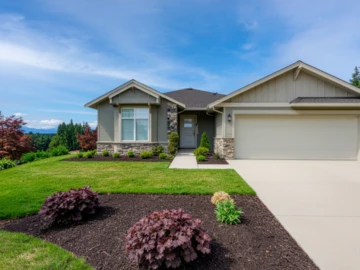
Leading developers are redefining architectural standards. They combine style with functionality, integrating smart technologies and eco-friendly solutions. WestProp Holdings’ The Hills Luxury Golf Estate in Harare exemplifies this approach, featuring 862 home sites and a Peter Matkovich-designed golf course that blends luxury living with sustainable design.
Scale, Diversity & Market Reach
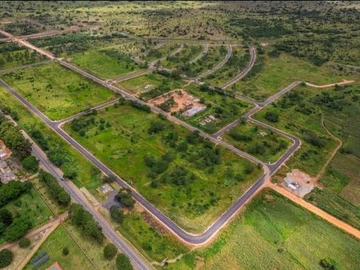
Top developers showcase versatility across residential, commercial, and mixed-use projects. Between 2023 and 2025, over 60 new residential developments were launched in key areas like Ruwa, Borrowdale West, Gweru, and Victoria Falls, demonstrating developers’ ability to meet diverse market needs and expand across Zimbabwe.
Community Transformation & Social Impact
Great developers understand that real estate is about people, not just buildings. They create jobs, enhance public spaces, and implement socially responsible initiatives. By investing in community amenities and green practices, they leave a lasting positive impact on neighborhoods.
Flexible Payment Terms: Driving Sales
Flexible payment plans are increasingly used to make homeownership more accessible. Developers like WestProp Holdings offer staggered payment schemes over 6–24 months. For example, Pomona City Flats allows buyers to pay a 30% deposit with the balance over 18 months, helping more people invest in property without full upfront cash.
Developer Challenges in 2026
Developers face several hurdles that require strategic navigation:
- High Infrastructure Costs: Developers often bear 40–60% of project costs for essential infrastructure sewerage, electricity, and roadworks that ideally should be provided by government or municipalities.
- Regulatory Hurdles: Navigating zoning laws, permits, and approvals can delay projects.
- Economic Volatility: Inflation and currency fluctuations impact material costs, financing, and profitability.
- Competition: New entrants, including lawyers and private sellers, are increasing competition and market fragmentation.
Addressing these challenges requires innovative financing, strategic planning, and collaboration with stakeholders to deliver sustainable, market-ready developments.
Looking Ahead
As 2026 unfolds, developers who embrace technology, prioritize sustainability, offer flexible payment options, and build communities that resonate with buyers will lead the market. The future belongs to those willing to innovate, collaborate, and create developments that inspire confidence and transform Zimbabwe’s property landscape.