Continue with Facebook
 Continue with Email

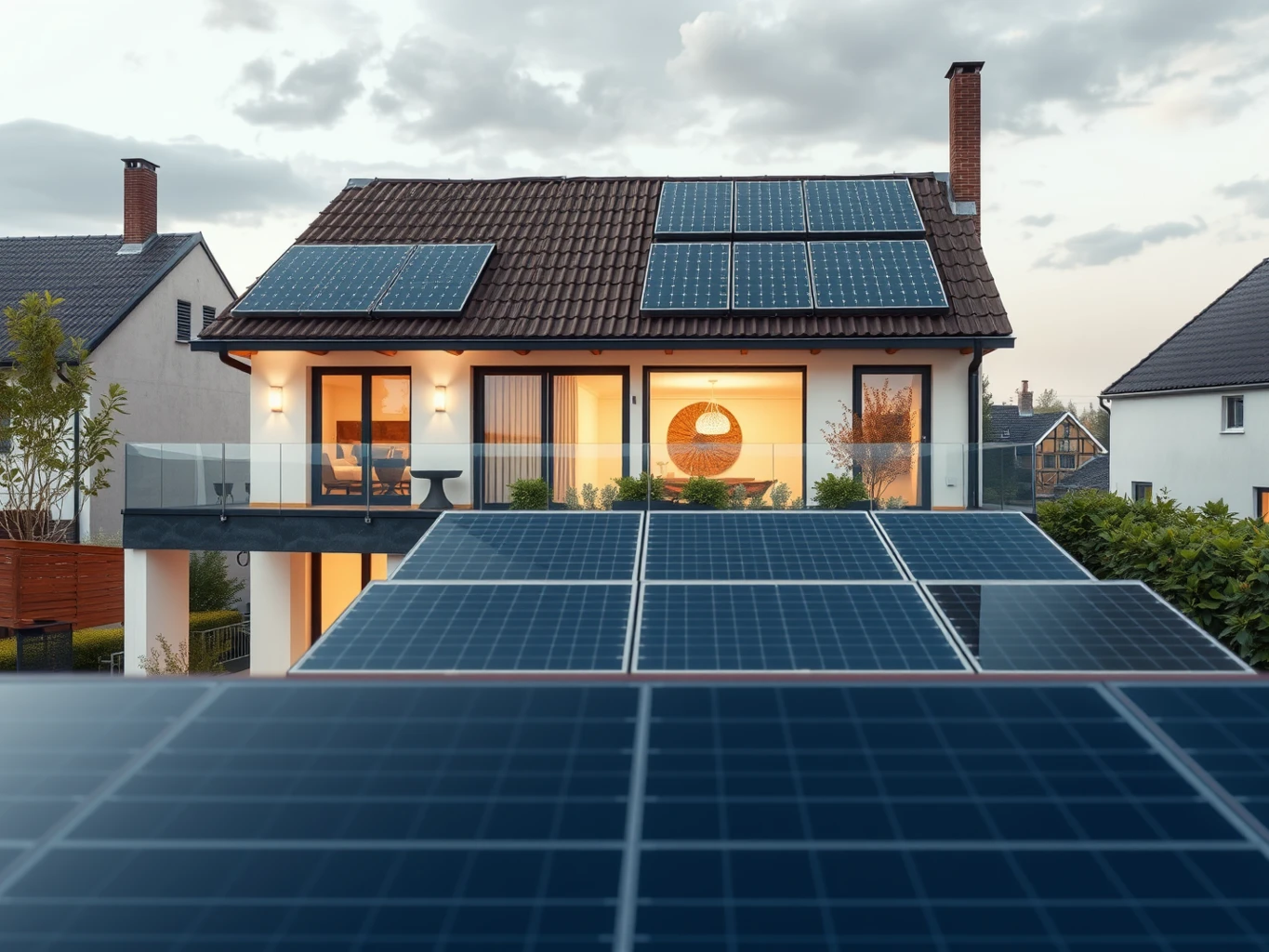
Table of Contents
Zimbabwean homebuyers and developers are facing a new reality: energy and water insecurity are no longer peripheral concerns but have become central to property value, marketability, and long-term investment returns. In a market historically shaped by location and finishes, sustainability has now emerged as a critical differentiator, influencing buyer decisions, pricing, and development strategies.
The Necessity-Driven Market Shift
The shift is driven by necessity. Frequent power interruptions, rising electricity costs, and irregular water supply have prompted both residents and investors to rethink conventional housing. According to recent platform data, listings that advertise solar power, water storage tanks, and energy-efficient fittings receive 25–30% more inquiries than comparable properties without these features. Buyers are increasingly searching for “solar-ready,” “inverter-equipped,” or “water-secure” homes, reflecting a practical concern for everyday living conditions.
Regional Impact: Harare, Bulawayo, and Beyond
In Harare, suburbs such as Borrowdale, Mount Pleasant, and the northern corridor areas of Pomona and Westgate are seeing a notable premium on properties with built-in sustainability features. For example, a 3-bedroom home with solar panels and battery storage can command 10–15% higher market value than a similar home without. This trend is mirrored in Bulawayo’s low-density suburbs, where solar-powered developments in Burnside and Hillside attract both local and diaspora buyers seeking reliable energy supply and low operational costs.
Developers are responding quickly. Hybrid solar systems, water storage solutions, energy-efficient lighting, and insulated construction materials are being incorporated into new projects. This is not only a selling point but also a hedge against future cost inflation. The rising popularity of these features has made them standard in many new builds along high-demand corridors, particularly in Harare North and West, as well as in regional hubs like Victoria Falls and Kariba, where off-grid living is often the only viable option for tourists and short-term rentals.
Long-Term Investor Benefits and Diaspora Demand
Investors are also recognising the long-term benefits. Sustainable features reduce operational costs, increase tenant appeal, and protect property value against environmental or utility-related risks. For example, properties equipped with solar panels and water storage systems maintain higher rental occupancy and fetch higher rates, particularly in suburbs with erratic municipal service delivery. On average, landlords in Harare’s northern corridors report that tenants are willing to pay US$50–US$100 more per month for homes with reliable solar and water systems, translating into meaningful long-term returns.
Platform analytics highlight another critical dimension: the diaspora market. Searches from South Africa, the UK, and Australia frequently filter for energy and water resilience. Properties in safe, secure, and self-sufficient estates attract cash buyers who are less sensitive to currency fluctuations and more focused on sustainability. This trend suggests that the premium for green and resilient features is set to grow, particularly in newly developed estates targeting the mid- to high-income segment.
Practical Guidance for Buyers, Developers, and Agents
Practical guidance for buyers:
- Evaluate energy and water resilience as part of total cost of ownership, not just as a “nice-to-have” feature.
- Verify the capacity of solar and inverter systems such as battery hours, panel efficiency, and maintenance history.
- For water storage, consider tank capacity, filtration, and reliability of municipal supply.
For developers and agents:
- Highlight sustainability features clearly in listings as these features now drive leads and reduce sales cycles.
- Bundle sustainability as part of marketing messaging: energy savings, reliability, and security are persuasive arguments for both local and diaspora buyers.
- Consider sustainability certifications or green labels because even informal recognition can enhance credibility and marketability.
Conclusion: The New Standard for Smart Investment
Ultimately, sustainability in Zimbabwean real estate is more than an environmental concern; it is a financial and operational imperative. The market is signalling a strong preference for properties that guarantee uninterrupted access to essential utilities. Those who ignore this shift risk slower sales, lower prices, and weaker tenant appeal, while those who embrace it gain measurable advantages in both lead generation and long-term value.
The rise of the sustainable home reflects a broader evolution in Zimbabwe’s property market, one where resilience, efficiency, and practicality shape buyer choices more than ever. In a country where energy and water supply remain inconsistent, sustainable living is not a luxury; it is the new standard for smart investment.