Continue with Facebook
 Continue with Email


Purchasing property in Zimbabwe is a significant investment, and ensuring clear ownership rights is crucial. One tool that provides this protection is title insurance. This guide explains what it is, why it matters, and how it can safeguard buyers in 2026.
1. What Is Title Insurance?
Title insurance is a type of insurance policy that protects property buyers and lenders against financial loss due to defects in the title of a property.
Unlike standard home insurance, which covers damage to the building, title insurance protects against legal issues related to ownership, including:
- Unknown heirs claiming ownership
- Fraudulent transactions
- Errors in the land registry or survey
- Outstanding liens, mortgages, or unpaid taxes
Key point: Title insurance is purchased once during the property transaction and remains in effect as long as you or your heirs own the property.
2. Why It Matters in Zimbabwe
Zimbabwe’s property market has grown significantly, but title disputes remain a risk, particularly in:
- Older properties in Harare North (Borrowdale, Highlands, Greendale)
- Inherited properties with unclear succession documents
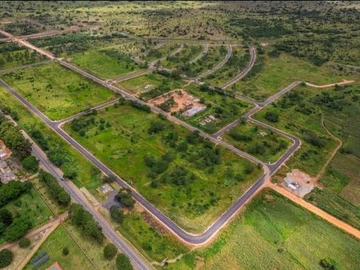
- Plots in emerging subdivisions where land registration may have delays
Data insight: property.co.zw reports that around 5–7% of listings in 2025–2026 had some form of title irregularity, making title insurance a valuable safety net.
3. What Title Insurance Typically Covers
|
Coverage |
Details |
|
Ownership disputes |
Protects against claims by unknown heirs or previous owners |
|
Survey or boundary errors |
Covers losses from incorrect land measurements or boundaries |
|
Fraud or forgery |
Protects against forged deeds or false documents |
|
Outstanding mortgages or liens |
Covers debts or unpaid levies tied to the property |
Example: If a previous owner failed to disclose an existing mortgage of $10,000, title insurance can cover legal costs and potential repayment obligations.
4. What It Usually Does NOT Cover
- Damage to the property (fire, flood, theft)
- Environmental hazards (contamination, soil issues)
- Zoning or planning violations (unless specifically added)
Tip: Always read the policy carefully to understand specific inclusions and exclusions.
5. How Much Does Title Insurance Cost in Zimbabwe?
- Typical premiums: 0.5–1% of the property value
Example: A $300,000 home in Borrowdale would cost $1,500–$3,000 for title insurance
- One-time payment at purchase; no recurring premiums
Value insight: Spending $2,000 on title insurance can save tens of thousands in legal fees in case of a dispute.
6. How to Obtain Title Insurance
- Engage a licensed estate agent or attorney experienced in title insurance.
- Conduct a title search through the Deeds Registry to identify any irregularities.
- Choose a reputable insurance provider that offers title coverage in Zimbabwe.
- Review the policy carefully, including the coverage limit and exclusions.
Pro Tip: Some banks may require title insurance for mortgage approval, especially for high-value properties in Harare North or premium subdivisions.
7. Benefits for Buyers and Investors
- Peace of mind: Protects against hidden risks and potential financial loss.
- Legal support: Insurers often cover legal defense costs if ownership is challenged.
- Improved investment security: Makes properties more attractive to lenders and future buyers.
Investor insight: For rental or resale properties, title insurance can enhance marketability, assuring buyers and tenants of legal ownership clarity.
8. Conclusion
In 2026, title insurance is an essential safeguard for Zimbabwean property buyers and investors. While not mandatory, it offers protection against:
- Ownership disputes
- Fraudulent transactions
- Survey or registry errors
- Outstanding liens or taxes
Rule of thumb: If you’re buying in high-demand areas like Borrowdale, Greendale, Hillside, or emerging subdivisions, title insurance is a small upfront cost for potentially huge long-term security.