Continue with Facebook
 Continue with Email

Table of Contents
- Design Quality: The Foundation of a Well-Built Home
- Location & Walkability: Why Connectivity Matters
- Flexible Layouts for Modern Zimbabwean Living
- Climate Resilience & Energy Independence
- Smart Parking Without Car-Dominated Design
- Health, Green Space & Community Wellbeing
- Why Well-Built Homes Matter for Zimbabwe’s Property Market
- Final Thoughts
The definition of a well-built home is changing worldwide. Buyers are no longer satisfied with modern finishes alone they want homes that are durable, energy-efficient, adaptable, and located within functional communities.
For Zimbabwe’s fast-evolving property market, this shift is particularly important. Rapid residential expansion across Harare, Bulawayo, and Gweru means developers and homeowners must rethink what quality housing truly means.
This guide explains what makes a well-built home in Zimbabwe today, incorporating global planning ideas adapted to local realities such as energy reliability, climate conditions, infrastructure access, and long-term investment value.
Design Quality: The Foundation of a Well-Built Home
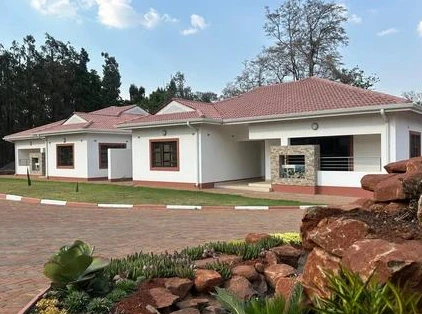
A well-built home begins long before construction it starts with good planning and architectural design.
Key indicators of quality design include:
- Proper plot orientation for sunlight and ventilation
- Logical room flow and usable living spaces
- Consistent architectural standards across developments
- Adequate drainage and infrastructure planning
Poorly planned housing developments often suffer from flooding, congestion, and declining property values. Well-designed neighbourhoods, however, maintain desirability for decades.
Location & Walkability: Why Connectivity Matters
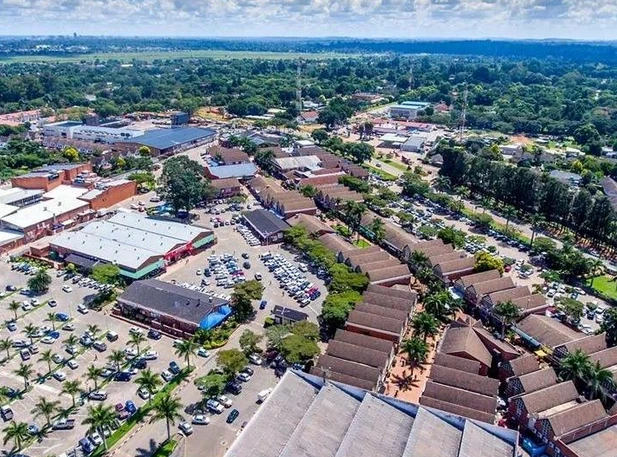
A well-built home is also well-connected.
Modern planning encourages developments where residents can easily access:
- Shopping centres
- Schools and childcare facilities
- Clinics and pharmacies
- Public transport routes
- Recreational spaces
In Zimbabwe, demand data consistently shows strong interest in suburbs where daily services are accessible without long commuting times.
Buyers are increasingly prioritising lifestyle convenience over distance from the CBD alone.
Flexible Layouts for Modern Zimbabwean Living
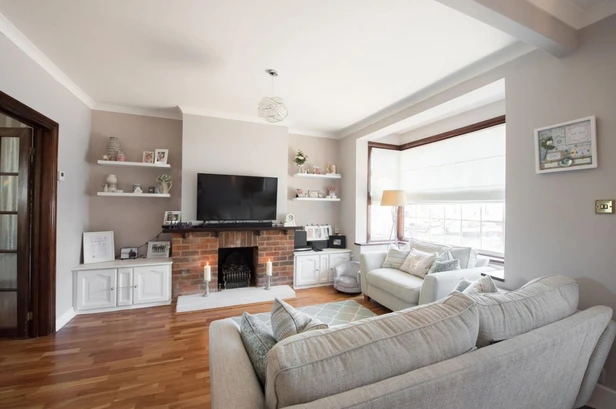
The modern Zimbabwean home must accommodate changing lifestyles.
Today’s buyers want homes that allow:
- Remote work and home businesses
- Multi-generational living
- Future extensions or cottages
- Rental income opportunities
Flexible floor plans increase resale value because they adapt to evolving household needs.
A well-built home should work for today’s lifestyle and tomorrow’s realities.
Climate Resilience & Energy Independence
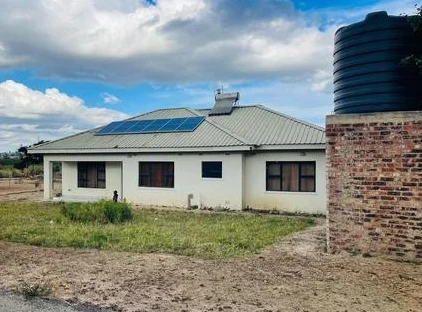
In Zimbabwe, sustainability is directly linked to practicality.
A high-quality new-build should include:
- Solar power systems or solar-ready wiring
- Water storage tanks or borehole access
- Passive cooling through ventilation and shading
- Durable roofing and insulation materials
Energy-efficient homes reduce monthly expenses while protecting owners against infrastructure uncertainty.
Increasingly, buyers searching property.co.zw prioritise solar installations, water security, and low operating costs ahead of luxury aesthetics.
Smart Parking Without Car-Dominated Design
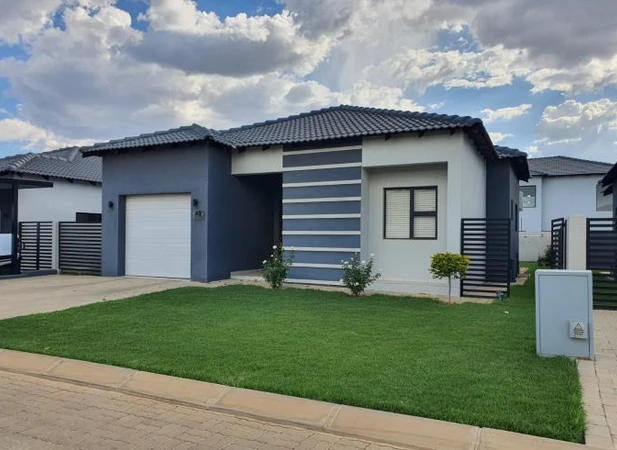
A well-built neighbourhood balances vehicle access with human comfort.
Good developments provide:
- Adequate parking space
- Safe pedestrian walkways
- Traffic-calming street layouts
- Shared community spaces
The goal is safer environments where families, children, and pedestrians coexist comfortably with vehicles.
Health, Green Space & Community Wellbeing
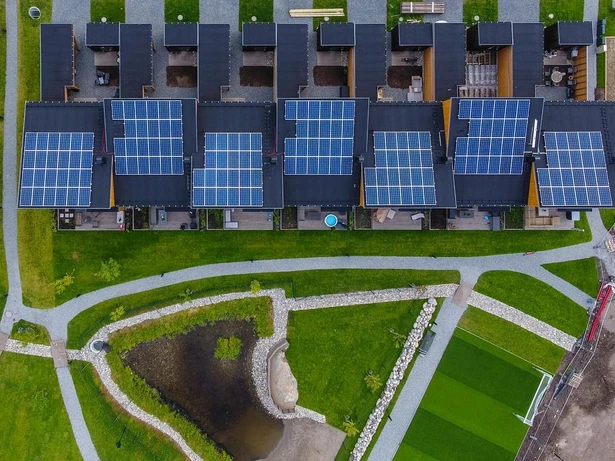
Healthy housing goes beyond walls and roofs.
Modern buyers value:
- Natural lighting
- Outdoor living areas
- Trees and landscaping
- Quiet, low-traffic environments
Green spaces improve mental wellbeing, increase neighbourhood appeal, and contribute to higher property appreciation over time.
Why Well-Built Homes Matter for Zimbabwe’s Property Market
Zimbabwe’s residential sector is transitioning from quantity-driven development to quality-driven development.
As urbanisation accelerates, future property value will increasingly depend on:
- Planning standards
- Infrastructure quality
- Sustainability features
- Community design
Developers who adopt these principles will attract stronger demand, better financing opportunities, and long-term investor confidence.
Final Thoughts
The future of housing in Zimbabwe is not simply about building more homes it is about building better homes.
A well-built home today must deliver:
- Comfort
- Sustainability
- Flexibility
- Community integration
- Long-term investment security
For buyers, developers, and investors using property.co.zw, understanding these principles is key to making smarter property decisions in an evolving market.