Continue with Facebook
 Continue with Email

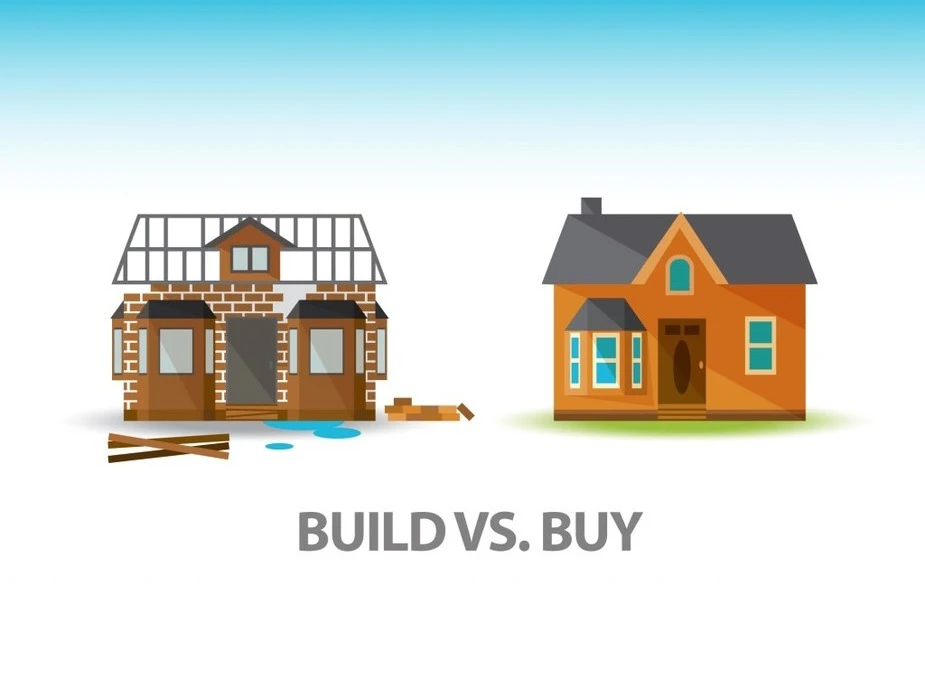
For many Zimbabweans, the decision between building a new home or buying an existing one is a major life choice. Each option comes with financial, logistical, and lifestyle considerations. In 2026, this choice is influenced by property prices, construction costs, availability of land, and urban development trends.
This guide breaks down the key factors to help buyers and investors make informed decisions.
1. Current Market Overview
Residential property prices in Zimbabwe (2025–2026):
|
Property Type |
City/Suburb |
Average Price (USD) |
|
Existing 3-bedroom house |
Harare North (Borrowdale, Greendale) |
$240,000–$450,000 |
|
Existing 3-bedroom house |
Bulawayo (Hillside, West Park) |
$150,000–$280,000 |
|
New build (average 3-bedroom) |
Harare |
$250,000–$500,000 (construction + land) |
|
New build (average 3-bedroom) |
Bulawayo |
$140,000–$300,000 (construction + land) |
(Data sourced from property.co.zw listings and local construction cost estimates)
Insight: In prime suburbs, the cost difference between building and buying is narrow, making lifestyle and customization key differentiators.
2. Advantages of Buying an Existing Home
Immediate Occupancy
- Move in as soon as the transaction is complete no waiting for construction timelines.
Predictable Costs
- Purchase price is fixed, avoiding unexpected construction overruns.
- Market data shows Harare North homes sell within 60–90 days on average, making timing predictable.
Location Advantage
- Existing homes are often located in well-established neighborhoods with schools, shopping, and security.
Investment Readiness
- If the home is in a prime area, it may already yield rental income if purchased as an investment.
3. Advantages of Building Your Own Home
Customization
- Design your home to your exact needs: floor plan, finishes, and lifestyle features like pools, terraces, and gardens.
- For example, buyers in Borrowdale often incorporate modern open-plan living spaces, home offices, and landscaped gardens to match lifestyle demands.
Potential Cost Efficiency
- By controlling materials and labor, building can be cost-effective, especially if USD cash is available and land is already owned.
Average construction costs in 2025–2026:
- Standard finishes: $450–$550 per m²
- High-end finishes: $700–$900 per m²
Energy Efficiency
- New builds allow for integration of solar power, rainwater harvesting, and energy-efficient designs, reducing long-term costs.
4. Challenges of Building a Home
- Construction Delays: Timeline can range from 12–24 months, depending on complexity and contractor reliability.
- Regulatory Requirements: Council approvals, zoning permits, and compliance can take weeks to months.
- Unexpected Costs: Material price fluctuations, especially for cement, steel, and timber, can increase the budget by 10–20%.
- Land Acquisition: Suitable land in Harare North may cost $80,000–$200,000 per plot, which can be a significant upfront cost.
5. When Buying Makes Sense
- You need a ready-to-move-in property.
- You prefer a stable, predictable cost.
- You want to invest in rental income immediately.
- You prioritize location over customization.
Example: A 3-bedroom house in Borrowdale selling for $350,000 allows immediate occupation and rental potential.
6. When Building Makes Sense
- You want a custom-designed home.
- You already own land or have access to affordable plots.
- You have long-term planning and flexibility on occupancy timelines.
- You are comfortable managing construction logistics or hiring a reputable contractor.
Example: Building a 3-bedroom home on an $80,000 plot in Greendale could cost $320,000–$400,000 including high-quality finishes, offering a tailored property in line with lifestyle needs.
7. Local Market Statistics & Trends
- Land availability: Limited in Harare North; higher in emerging suburbs like Sunway City, Madokero, and Mabvazuva.
- Construction materials: Prices are trending upward due to import costs; cement averages $18–$20 per bag, steel at $1,000–$1,200 per ton.
- Resale potential: Both newly built and existing homes in prime suburbs appreciate 7–12% annually.
- Time-on-market: Existing homes: 60–90 days; new builds: 12–24 months before occupancy.
8. Decision Checklist
|
Factor |
Buy Existing |
Build New |
|
Cost predictability |
High |
Medium |
|
Customization |
Low |
High |
|
Occupancy timeline |
Immediate |
12–24 months |
|
Location choice |
Limited to available homes |
Can select available land |
|
Investment potential |
Immediate rental income |
Long-term appreciation |
Conclusion
The choice between building or buying in Zimbabwe ultimately depends on lifestyle, finances, and long-term goals:
- Buying: Best for quick occupancy, predictable costs, and rental investment.
- Building: Best for customization, modern design, and long-term lifestyle alignment.
In 2026, buyers with access to land and USD cash can successfully build homes tailored to their needs, while those seeking immediate occupation or rental income benefit from buying existing properties in prime suburbs like Borrowdale, Greendale, and Hillside.