Log in to contact the seller
 Continue with Facebook
 Continue with Email
Continue with Facebook
Continue with Email
Sign up with Facebook
Continue with Email
Continue with Facebook
Continue with Email
Sign up with Facebook
 Change filters
 Requests

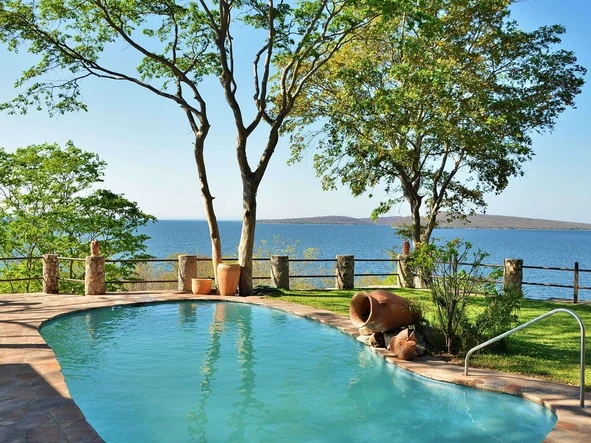




 2,882 m²
Commercial properties for sale in Matabeleland North offer a range of options with an average price of $600,000, starting from USD 140,000. These properties vary widely in size, with the median land area around 3,967 ㎡ and median building size about 200 ㎡, while the largest properties can reach up to 40,000 ㎡ of land and 5,149 ㎡ of building space. Overall, the market presents affordable opportunities for investors and business owners looking for space in this rural province.
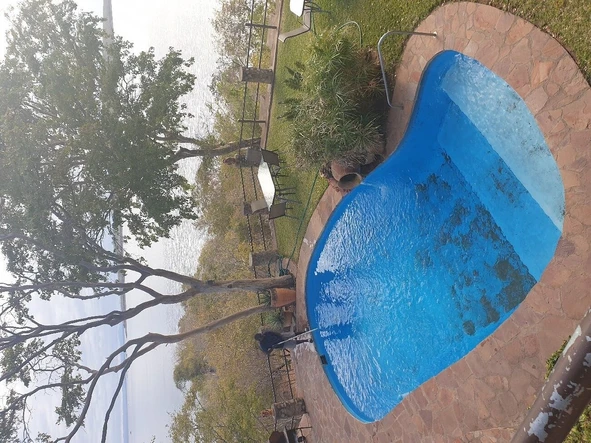
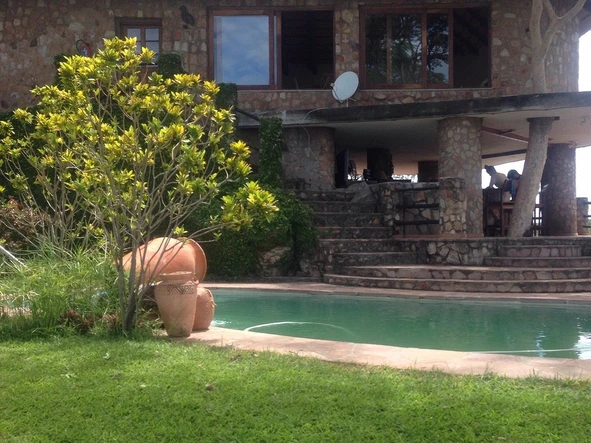
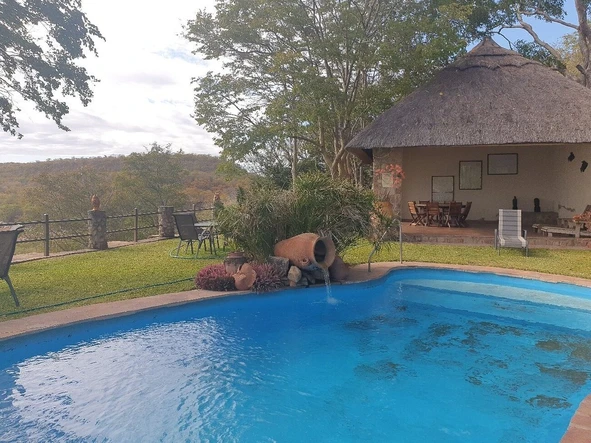
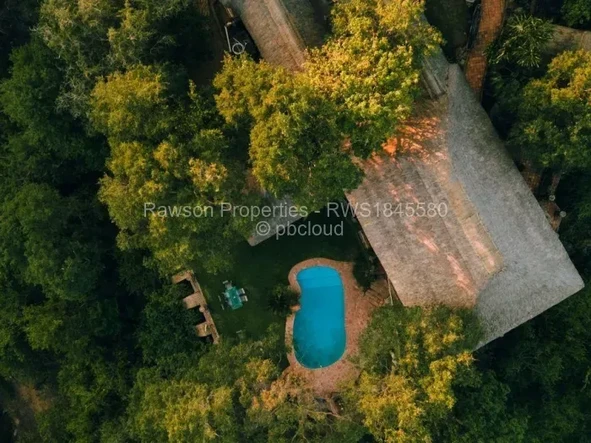
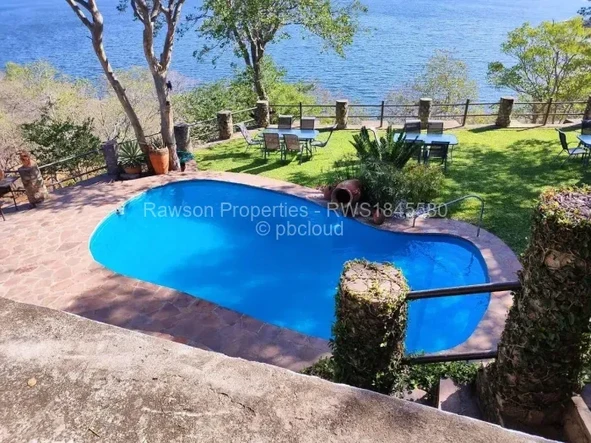
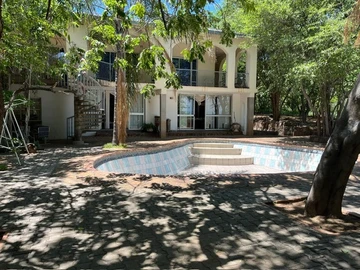
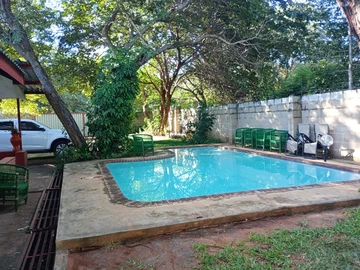
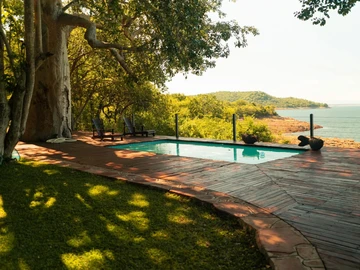
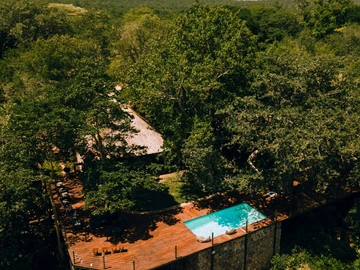
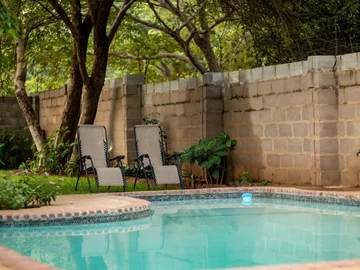
Many commercial properties come with useful features such as good ZESA electricity supply, access to municipal water, and some even include swimming pools. These amenities support a variety of business uses, from offices and retail to hospitality and tourism-related ventures, reflecting the diverse commercial potential in the region.
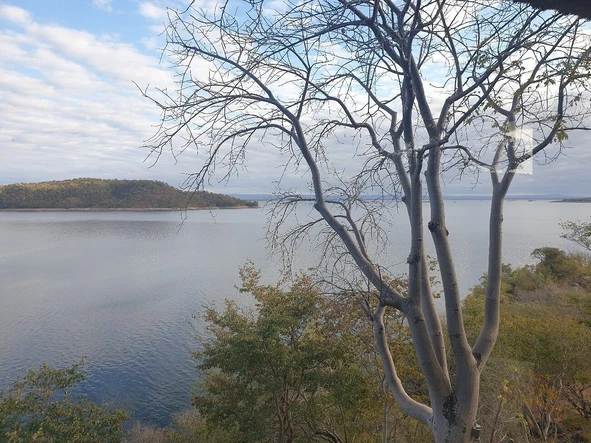
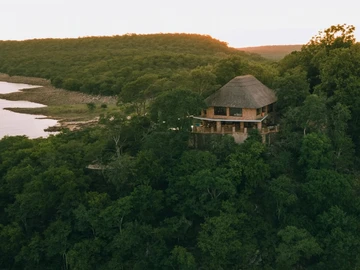
Matabeleland North is known for its natural beauty and wildlife, including attractions like Hwange National Park and Victoria Falls, which draw tourists and support local businesses. Key towns such as Victoria Falls and Hwange provide essential services including schools, healthcare, shopping, and restaurants. The area is accessible by road and air, with Victoria Falls International Airport serving as a major transport hub, making it a practical location for commercial investment linked to tourism and local trade.
3,967 m²
 8
700 m²
8
1,000 m²
8
700 m²
8
1,000 m²

Be the first to see new properties for sale in Matabeleland North










| Type | Avg. price |
|---|---|
| Average price | $600,000 |
Upgrade your home with the top bathroom trends of 2026 in Zimbabwe. Explore 8 stylish ideas covering luxury vanity finishes, lighting, and eco features.
Buying property in Zimbabwe? Discover hidden costs like stamp duty, conveyancing fees, and taxes that can add 8%–12% or more to your purchase price.
Tenants not paying rent in Zimbabwe? Learn your legal rights as a landlord, the step by step eviction process, and illegal self-help actions to avoid.
Discover how blockchain, crypto, and tokenized real-world assets (RWAs) are transforming real estate ownership, liquidity, and financing over the next 5 years.
Buying a residential stand in Zimbabwe? Learn how to verify ownership, subdivision, planning approvals, servicing, title and the developer before paying.