Continue with Facebook
 Continue with Email

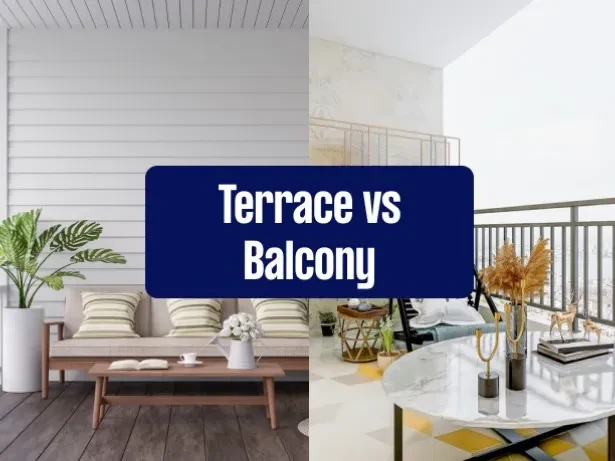
Understanding the difference between a terrace and a balcony is essential for anyone buying, renting, or designing a home in Zimbabwe. Both offer valuable outdoor space, but the terrace vs balcony comparison highlights differences in size, structure, location, and usage, which impact lifestyle, maintenance, privacy, and property value.
Ground-level terraces are particularly popular in Harare suburbs like Borrowdale, Mount Pleasant, and Highlands, where outdoor space is highly valued for families, gardening, and entertainment.
Terrace vs Balcony: Core Differences
Terraces and balconies are both outdoor features in Zimbabwean homes, but they differ in design, accessibility, and purpose:
- Terrace: Larger, versatile spaces at ground level, podium level, or rooftops. Suitable for outdoor living, entertaining, or gardening.
- Balcony: Smaller, elevated platforms attached to a room, offering a private extension of indoor space.
Key distinctions include privacy, maintenance, and design flexibility. Terraces allow for seating areas, gardens, and dining zones, while balconies must follow stricter structural requirements due to elevation.
1. Size Comparison
|
Feature |
Terrace |
Balcony |
|
Size |
Large, can accommodate dining sets, lounges, or small gardens |
Small, fits 1–3 people, suited for private relaxation |
|
Use |
Outdoor entertaining, recreation, gardening |
Morning coffee, reading, enjoying views |
Terraces provide ample space for family activities, while balconies are more intimate and personal.
2. Location & Elevation
- Terraces: Ground-level, podium, or rooftop. Can be freestanding or attached. Ideal for Harare suburban homes with outdoor gardens.
- Balconies: Always elevated, projecting from the building exterior, typically accessed from a living room or bedroom.
Terraces give freedom for outdoor landscaping, while balconies provide scenic views from apartments or townhouses.
3. Access & Entry
- Terrace: Multiple access points living room, kitchen, or outdoors. Suitable for gatherings.
- Balcony: Accessed only from an internal room, usually offering a quiet, private retreat.
4. Construction & Design
Terraces and balconies differ structurally, affecting decoration and maintenance:
- Terraces: Paved or tiled surfaces, wooden decking, concrete. Can include furniture, greenery, or shade structures.
- Balconies: Cantilevered or supported by brackets; lighter furniture and plants recommended due to weight restrictions.
5. Typical Uses
- Terraces: Entertaining guests, dining, gardening, sunbathing, recreation.
- Balconies: Relaxing, enjoying views, morning coffee, small plant arrangements.
Outdoor Space Comparison
|
Feature |
Terrace |
Balcony |
|
Size |
Large |
Small |
|
Location |
Ground, podium, rooftop |
Upper floors only |
|
Access |
Multiple entry points |
From adjoining room |
|
Construction |
Flexible materials |
Strict safety rules |
|
Cost |
Higher due to size |
Lower overall |
|
Best For |
Hosting, gardening, recreation |
Private relaxation |
Design, Safety & Maintenance
- Terrace Tips: Use durable materials (tiles, timber, stone), add planters or small trees, provide shade (pergolas, umbrellas), maintain surface regularly.
- Balcony Tips: Ensure railings meet safety standards, choose lightweight furniture, check weight limits for plants and décor, schedule periodic structural checks.
Which Should You Choose?
- Choose a terrace if you love entertaining, gardening, or want a spacious outdoor lifestyle zone. Ideal for families in Harare, Bulawayo, and Victoria Falls.
- Choose a balcony if you prefer privacy, scenic views, and minimal upkeep, especially in apartments or townhouses.
Extra Consideration: Pet owners may favor terraces for outdoor space, while balconies are more suitable for single residents or small families.
Key Takeaways
- Terraces are larger, versatile, and suitable for outdoor living and gatherings.
- Balconies are smaller, elevated, and ideal for private relaxation.
- Safety and structural regulations are stricter for balconies.
Choice depends on space needs, lifestyle, and budget.