Log in to contact the seller
 Continue with Facebook
 Continue with Email
Continue with Facebook
Continue with Email
Sign up with Facebook
Continue with Email
Continue with Facebook
Continue with Email
Sign up with Facebook
 Change filters
 Requests

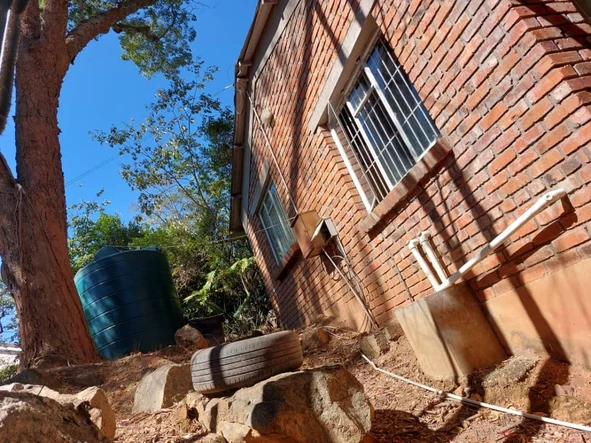

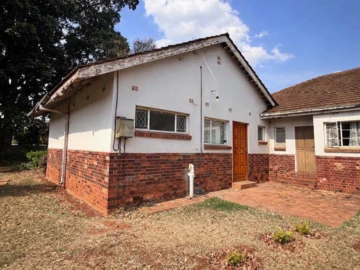
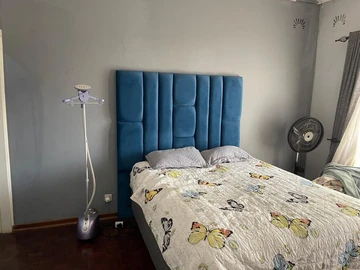
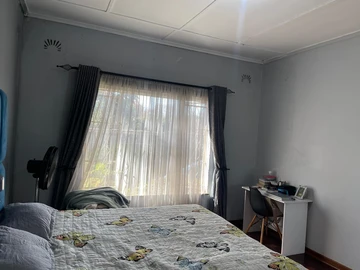
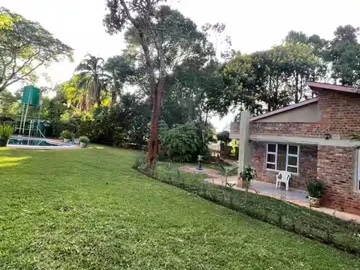
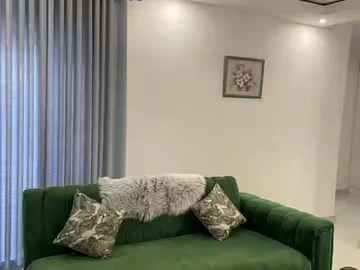
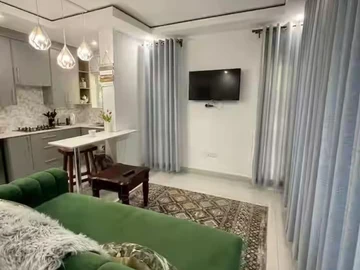
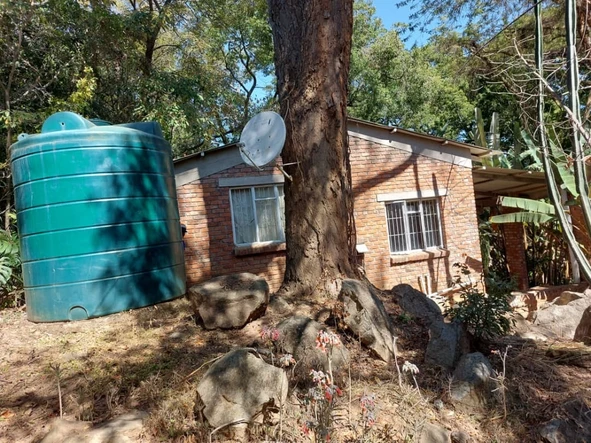
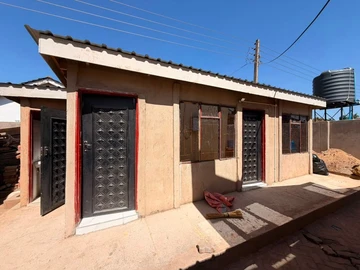
1-bedroom cottages for rent in Zimbabwe are an affordable housing option, with the average monthly rent around USD 450 and starting prices from USD 250. These cottages typically sit on land parcels averaging about 75 ㎡, with some larger plots reaching up to 4,000 ㎡. Property sizes vary, with some cottages as large as 382 ㎡, although many have smaller living spaces.
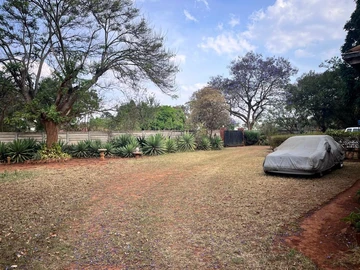
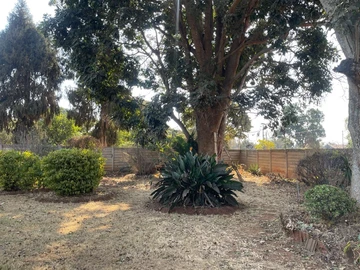
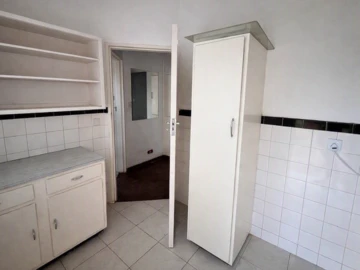
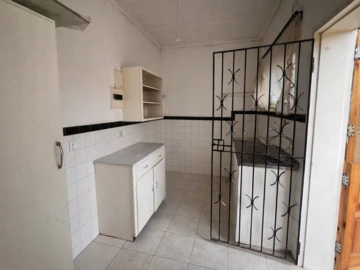
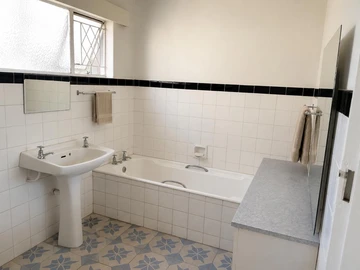
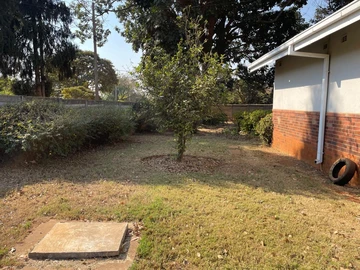
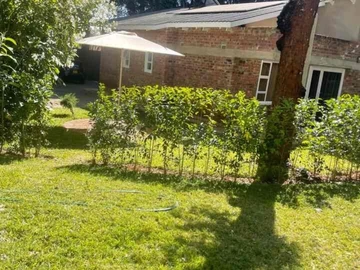
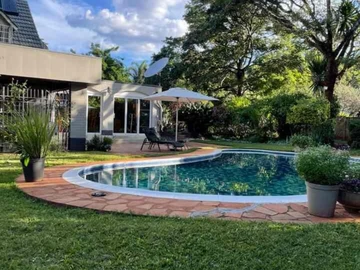
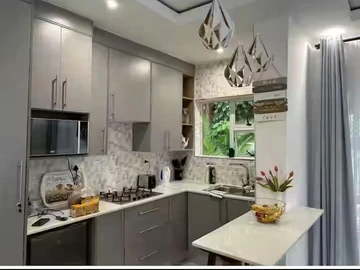
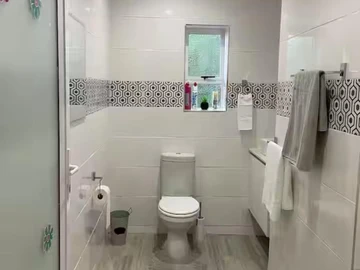
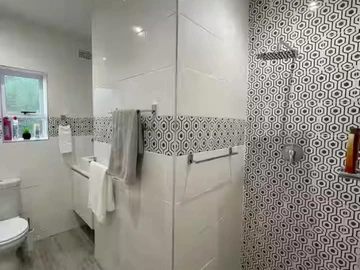
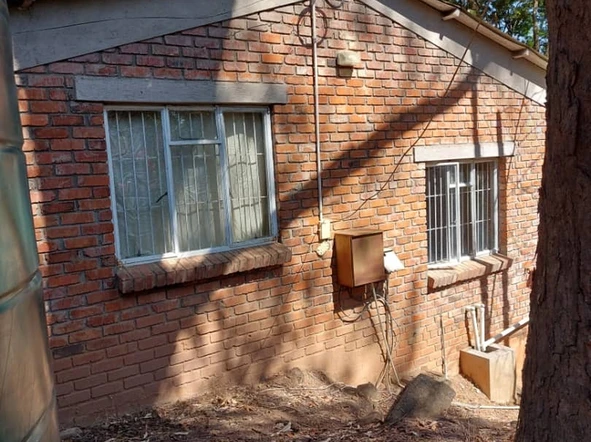
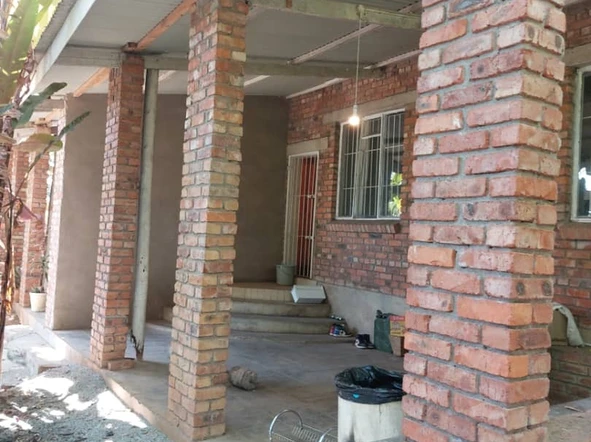
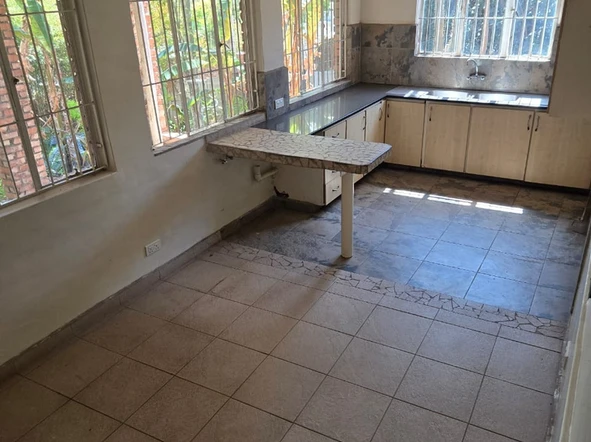
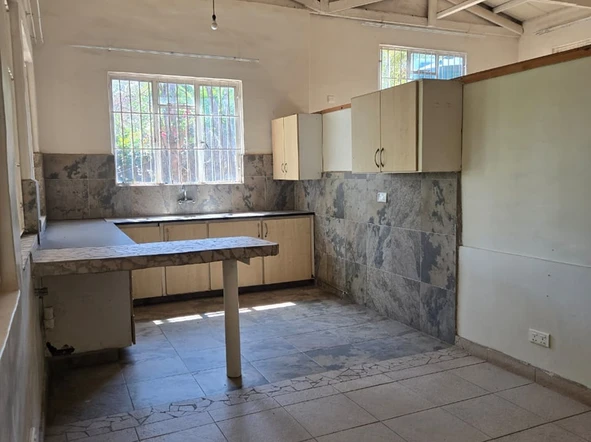
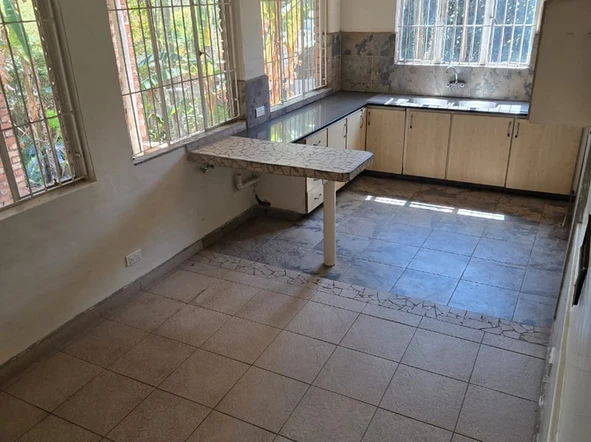
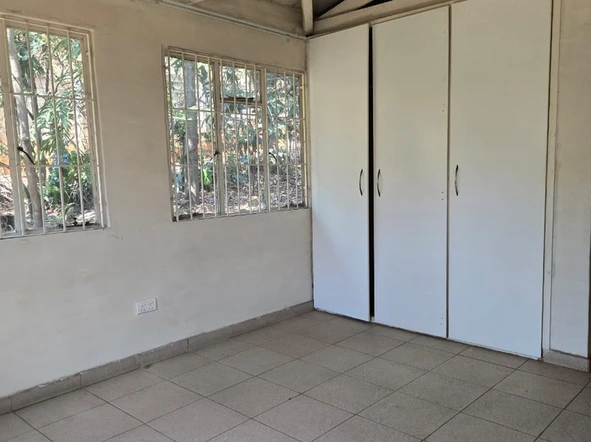
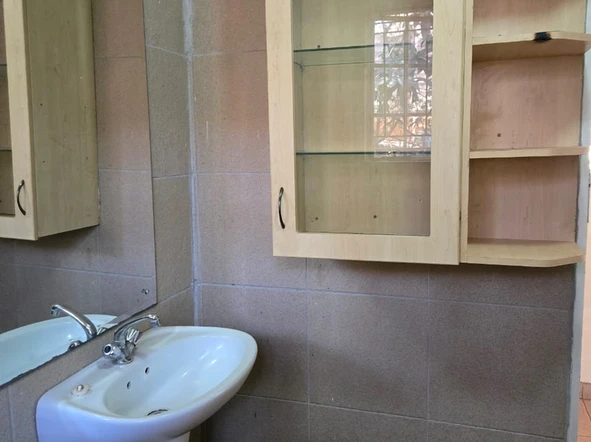
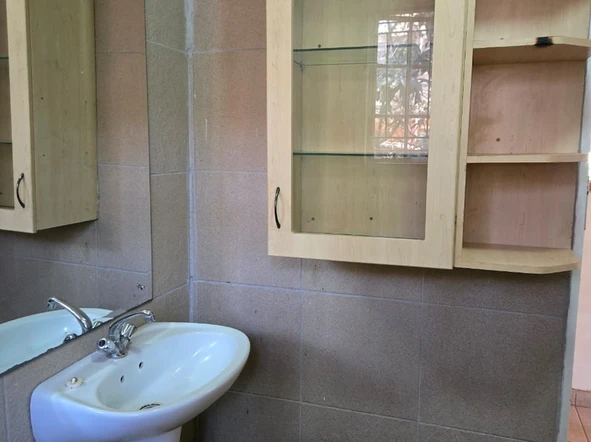
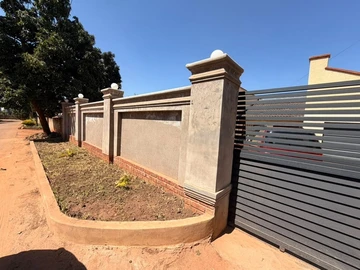
Most cottages come with practical features such as walled compounds for privacy and security. Many have municipal water supply, fitted kitchens, water tanks, and tiled floors. Boreholes are also common, providing an additional water source. These amenities make the cottages comfortable and convenient for renters looking for simple yet functional homes.
Zimbabwe offers a diverse environment, from savannas to mountains, and is known for attractions like Victoria Falls and several national parks. While these cottages are spread across various locations, renters benefit from access to urban centers with schools, universities, healthcare facilities, and shopping centers such as Sam Levy's Village and Eastgate Mall. The local culture and cuisine add to the lifestyle appeal for those living in these cottages.

Be the first to see new properties for rent










| Property Size | Avg. price |
|---|---|
| 1 bedroom (View 8 properties) | $475 |
| 2 bedroom (View 55 properties) | $725 |
| 3 bedroom (View 132 properties) | $800 |
| 4 bedroom (View 109 properties) | $1,350 |
| 5+ bedroom (View 74 properties) | $3,300 |
Buying a residential stand in Zimbabwe? Learn how to verify ownership, subdivision, planning approvals, servicing, title and the developer before paying.
Learn how servitudes affect property ownership, rights of way, and utility access in Zimbabwe. Protect your land title and avoid boundary disputes.
Get your home viewing ready in Zimbabwe. Follow our 2026 seller checklist covering curb appeal, solar & water setups, staging, and documentation.
Avoid costly disputes and legal delays. Learn the biggest mistakes families make when registering and distributing deceased estates under Zimbabwean law.
Who gets the house after divorce in Zimbabwe? Learn how courts divide matrimonial property, handle sole vs joint titles, and apply Section 7 of the Act.





 1
1



 1
1
 1,000 m²