Log in to contact the seller
 Continue with Facebook
 Continue with Email
Continue with Facebook
Continue with Email
Sign up with Facebook
Continue with Email
Continue with Facebook
Continue with Email
Sign up with Facebook
 Change filters
 Requests


 2
2
 1
150 m²
1
150 m²


 1
1
50 m²
4
3
100 m²
2
1
150 m²
1
1
50 m²
4
3
100 m²
2
1
150 m²
 1
1
200 m²
2
1
300 m²
1
1
200 m²
2
1
300 m²
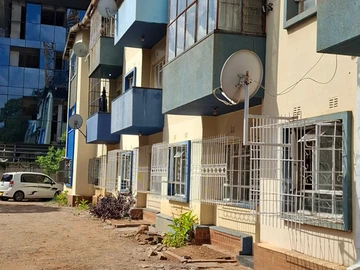
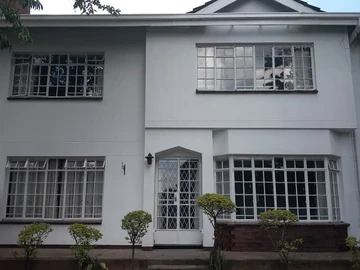
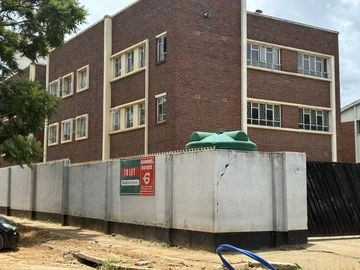
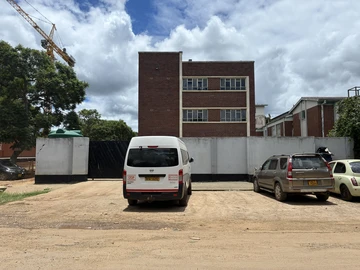
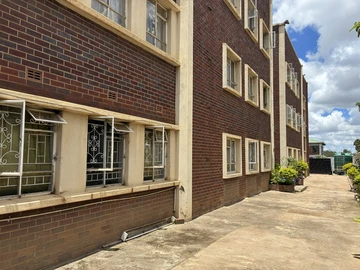
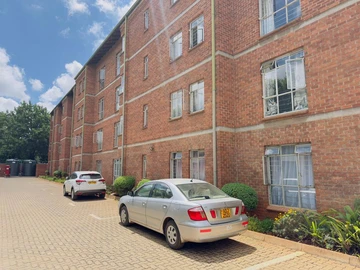
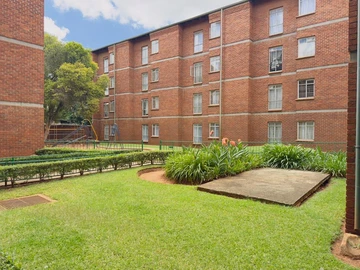
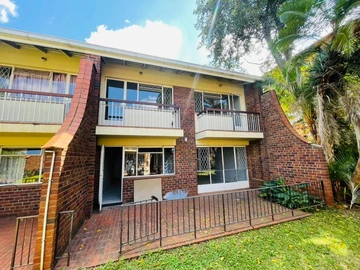
Flats and apartments for rent in Harare CBD, Harare, offer affordable urban living with an average monthly rent of $750. These properties typically have a size around 80 ㎡, with some larger units reaching up to 400 ㎡. Rental prices start as low as USD 250, making them accessible for singles and young professionals working in the city center.
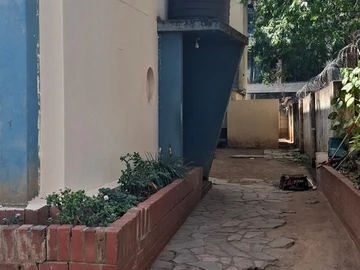
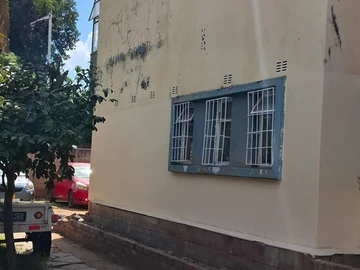
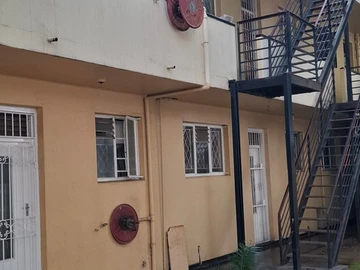
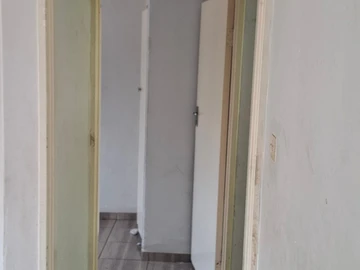
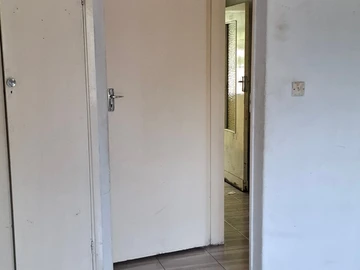
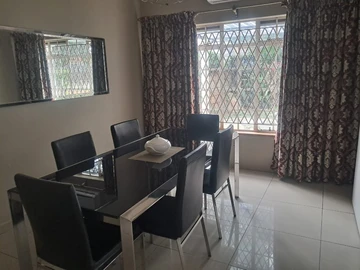
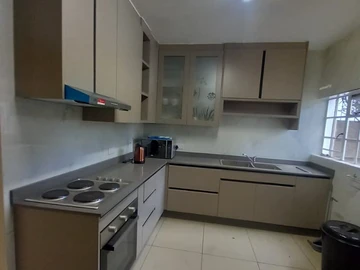
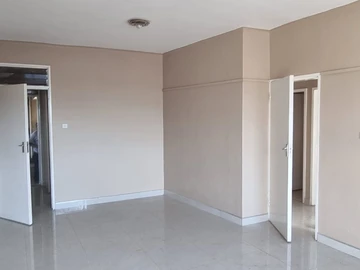
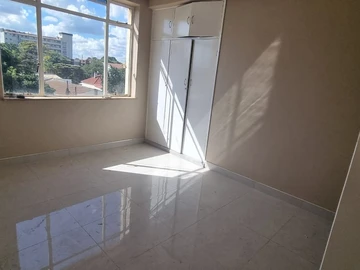
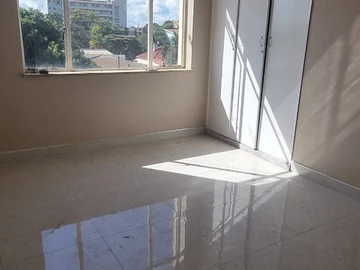
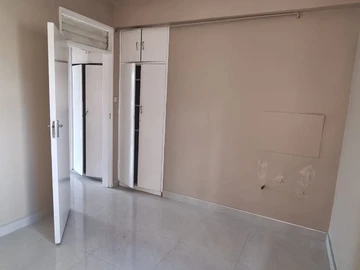
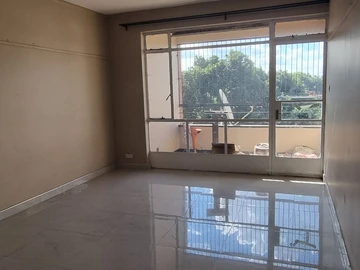
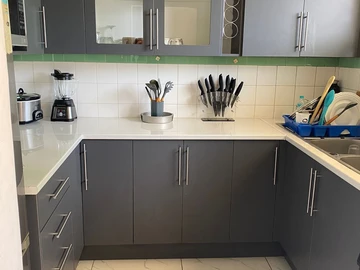
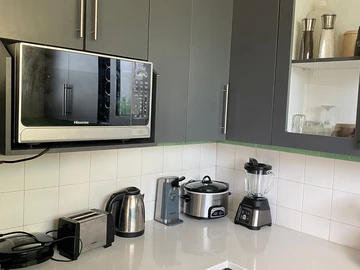
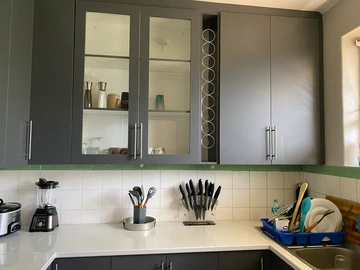
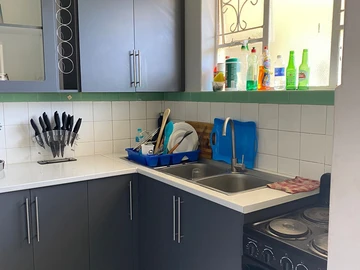
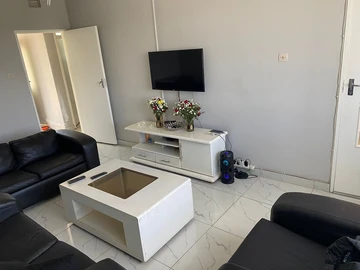
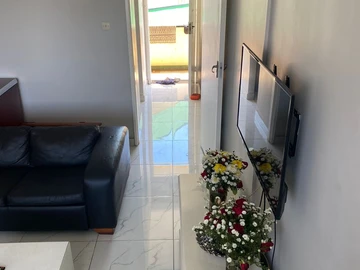
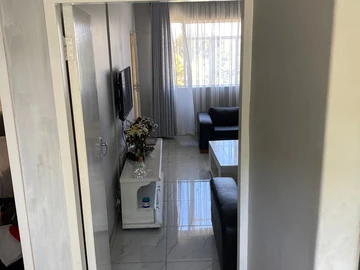
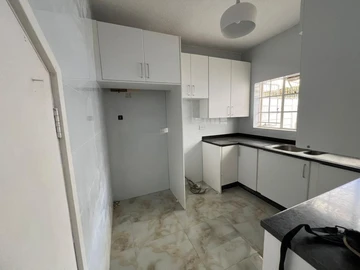
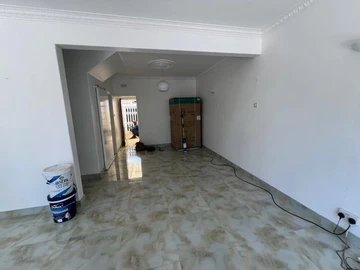
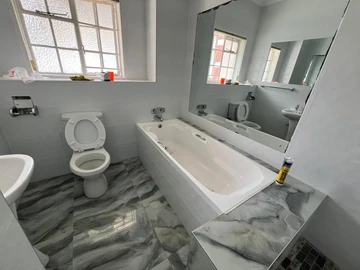
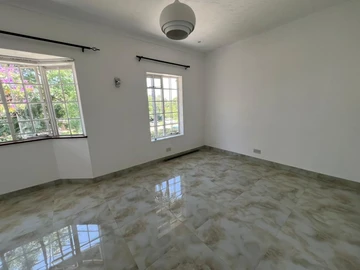
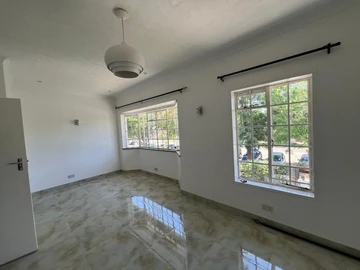
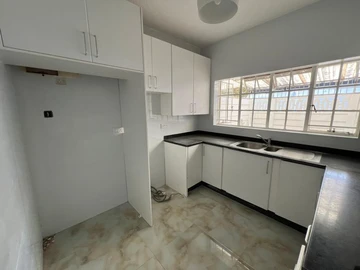
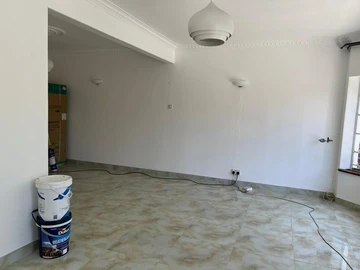
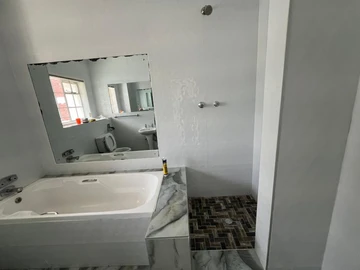
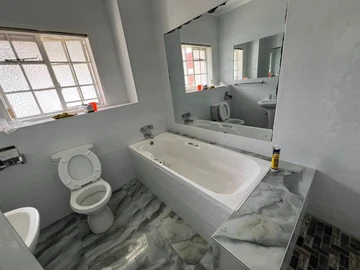
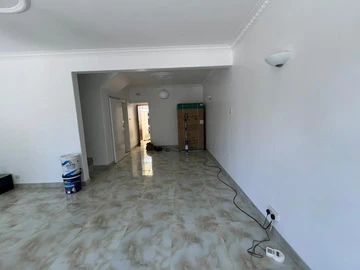
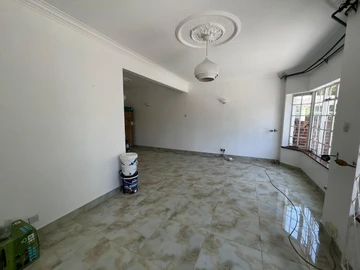
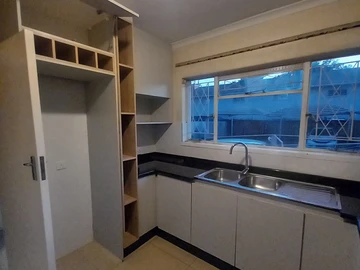
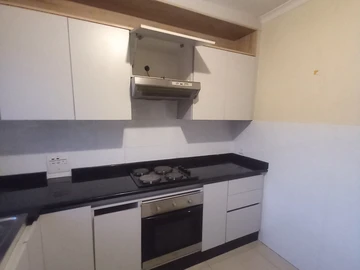
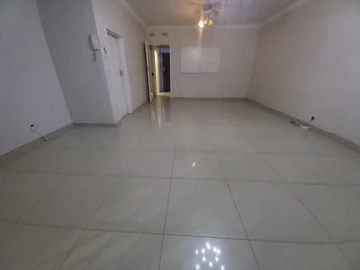
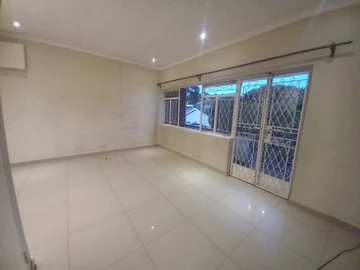
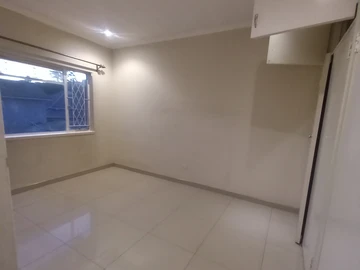
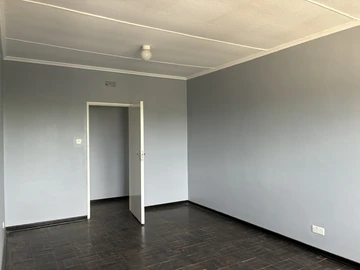
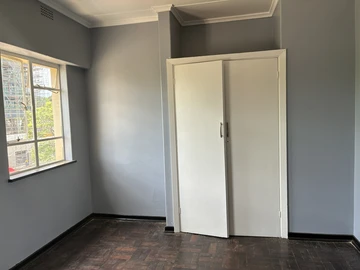
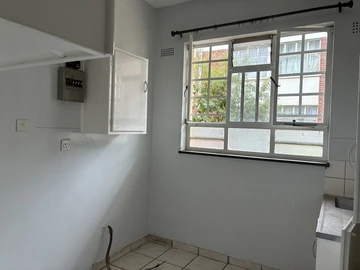
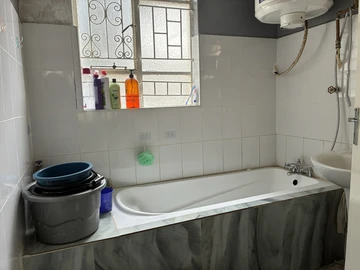
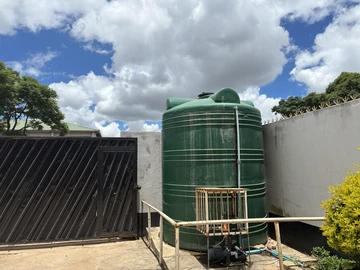
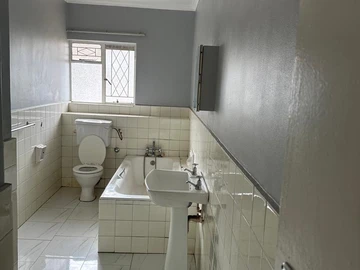
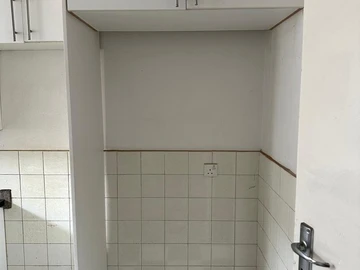
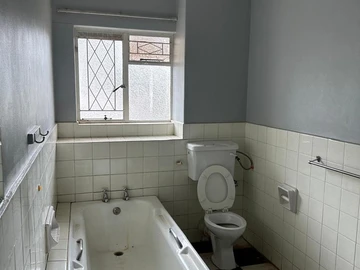
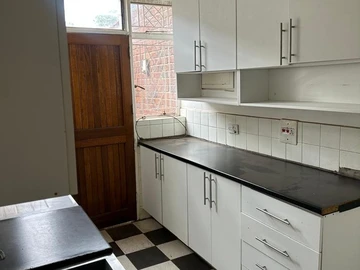
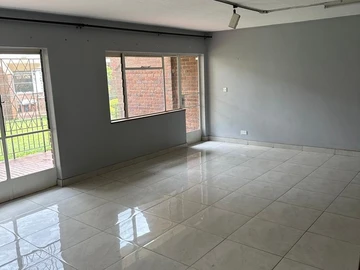
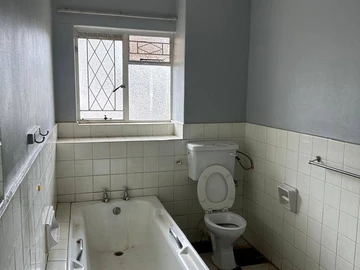
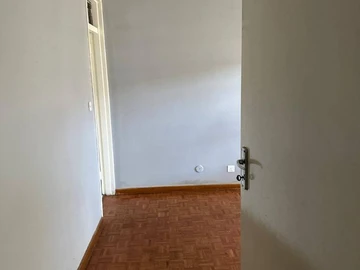
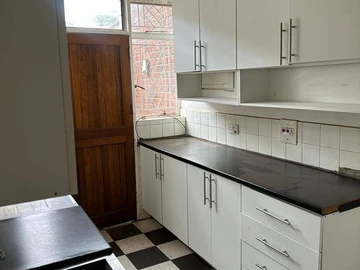
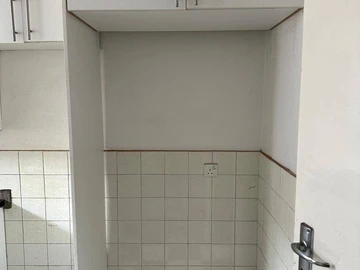
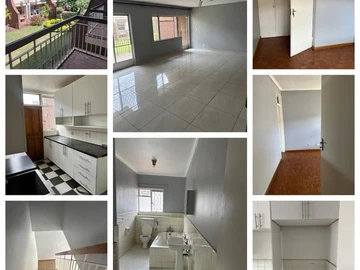
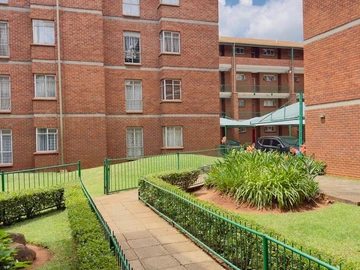
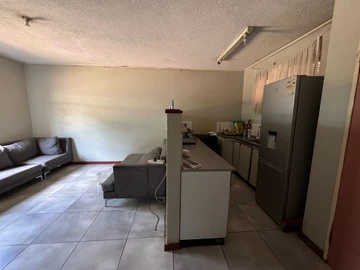
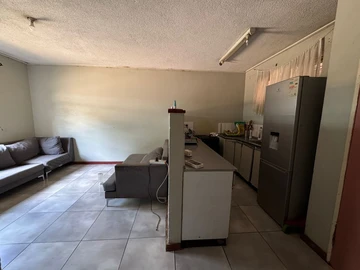
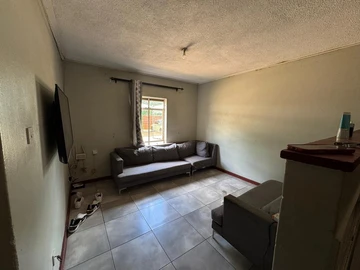
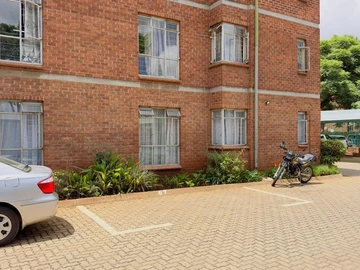
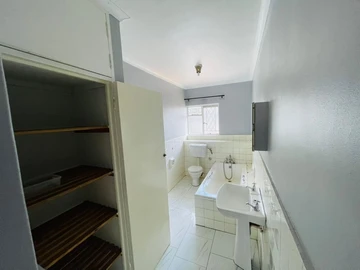
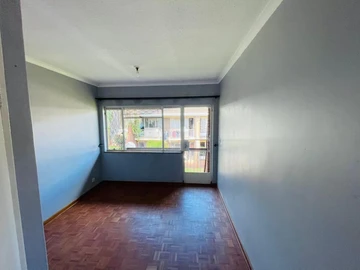
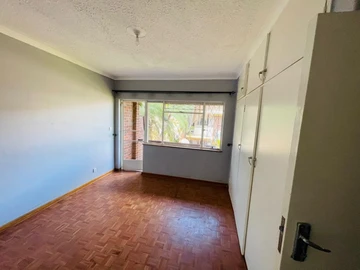
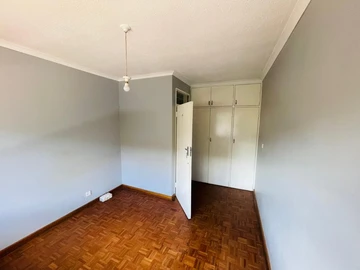
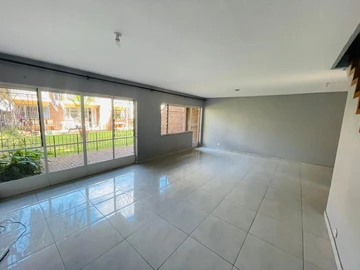
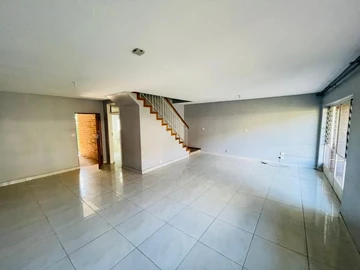
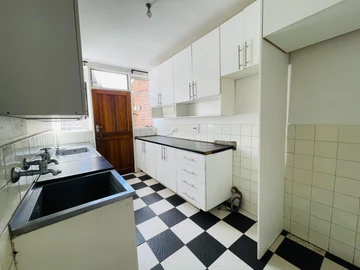
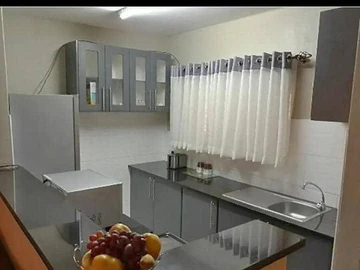
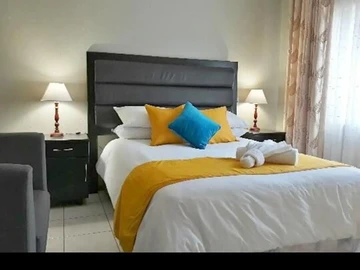
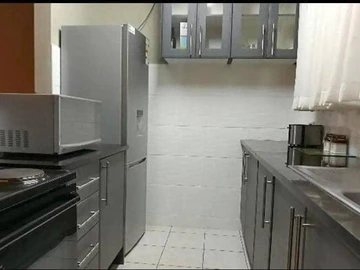
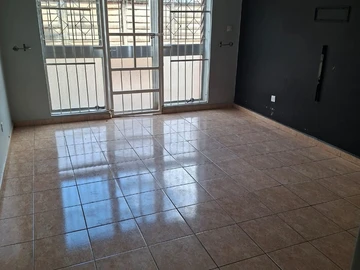
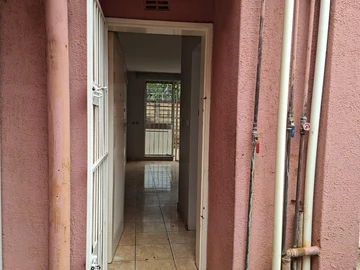
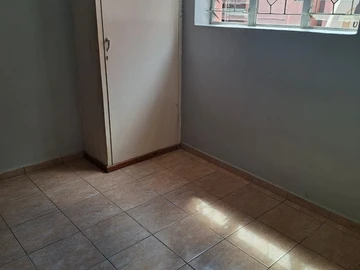
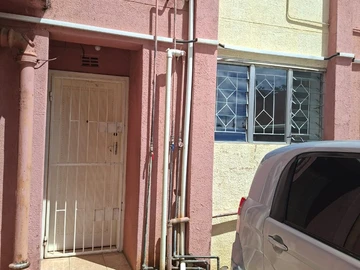
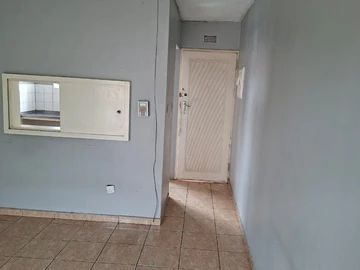
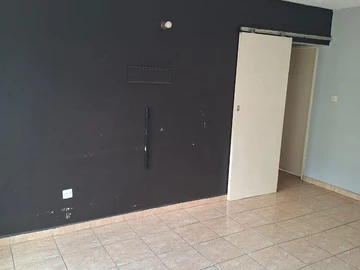
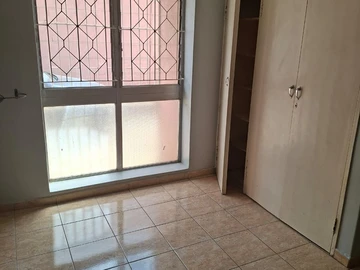
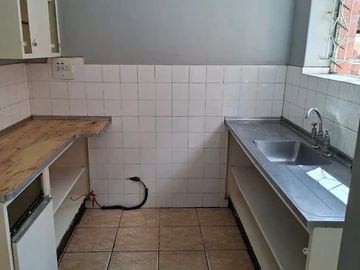
Many of these apartments feature tiled floors, fitted kitchens, and access to borehole water, which helps with reliable water supply. Properties are often walled for added security and benefit from good ZESA electricity connections. These features make the flats practical and comfortable for daily city living.
Located in the heart of Harare’s commercial and administrative district, residents enjoy easy access to offices, banks, and government institutions. The area includes attractions like the National Gallery of Zimbabwe and Harare Gardens for recreation. Shopping options such as Joina City Shopping Centre and Mbare Musika Market are nearby, along with popular dining spots like The Book Café and Mama Africa. Excellent transport links, including taxi ranks and bus routes, make commuting convenient, while proximity to Parirenyatwa Group of Hospitals ensures healthcare is close at hand.
2
2
180 m²
3
1
3
150 m²
3
2
200 m²
1
1
150 m²

Be the first to see new properties for rent in Harare CBD









| Property Size | Avg. price |
|---|---|
| 1 bedroom (View 17 properties) | $550 |
| 2 bedroom (View 14 properties) | $800 |
| 3 bedroom (View 13 properties) | $1,300 |
| 4 bedroom (View 2 properties) | $1,800 |
Elevate your living experience in 2026 by mastering "reversible personalization," the art of transforming a rental through adhesive art hooks, freestanding modu
Unlock the door to home ownership in 2026 by leveraging rent-to-own models that transform your monthly expenditure into future equity. This guide helps you
Master the First 21 Days rule by aligning your asking price with real-time transaction data and buyer affordability in Zimbabwe’s increasingly digital market.
Navigate the choice between sectional title and freehold ownership by weighing the "lock-up-and-go" convenience of secure gated estates against the
Transform your living room into a welcoming Zimbabwean haven in 2026 by layering warm LED lighting with local textures like Teak accents and earthy terracotta








 350 m²