Log in to contact the seller
 Continue with Facebook
 Continue with Email
Continue with Facebook
Continue with Email
Sign up with Facebook
Continue with Email
Continue with Facebook
Continue with Email
Sign up with Facebook
 Change filters
 Requests

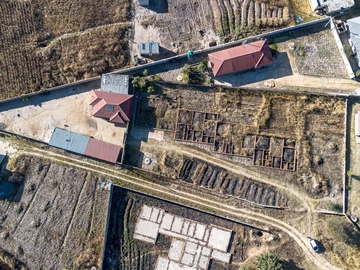

 2
2
 1
500 m²
1
500 m²


 2
1
400 m²
2
1
400 m²

Be the first to see new properties for sale in Harare South










| Property Size | Avg. price |
|---|---|
| 2 bedroom (View 2 properties) | $51,250 |
| 3 bedroom (View 24 properties) | $110,000 |
| 4 bedroom (View 11 properties) | $135,000 |
House of Stone Properties has officially evolved into HSP Realty, marking a bold new chapter in Zimbabwe’s real estate sector.
Buying property in Zimbabwe? Learn the differences between title deeds, council cessions, developer cessions, sectional title and other ownership documents.
Protect your real estate investment from adverse possession under Zimbabwe's Prescription Act. This 2026 guide explains the legal requirements for acquisitive
Cohabitation in Zimbabwe does not automatically create equal property rights, leaving unmarried couples who break up vulnerable to costly legal disputes over
Protect real estate transactions against double sales and fraudulent cessions in high-demand Zimbabwean suburbs with rigorous legal due diligence.




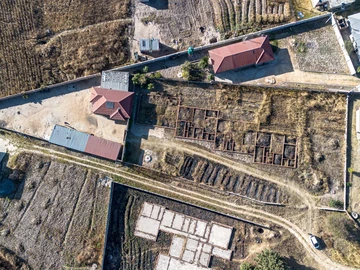

 3,600 m²