Log in to contact the seller
 Continue with Facebook
 Continue with Email
Continue with Facebook
Continue with Email
Sign up with Facebook
Continue with Email
Continue with Facebook
Continue with Email
Sign up with Facebook
 Change filters
 Requests



 3
3
 2
120 m²
2
120 m²


 3
2
3
2
 2,142 m²
3
2
500 m²
4
2
200 m²
4
3
350 m²
2,142 m²
3
2
500 m²
4
2
200 m²
4
3
350 m²
 3
2
120 m²
4
2
400 m²
3
2
175 m²
5
200 m²
3
2
120 m²
4
2
400 m²
3
2
175 m²
5
200 m²
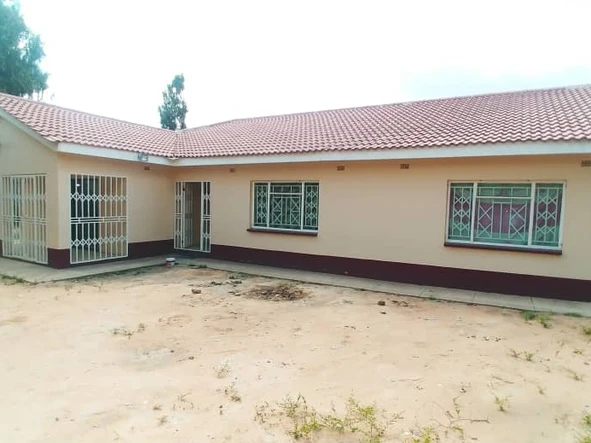
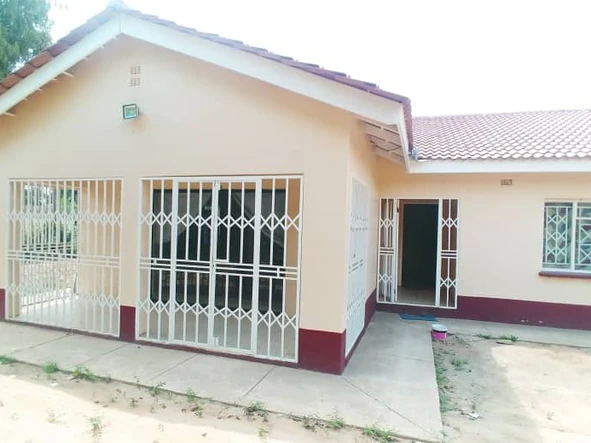
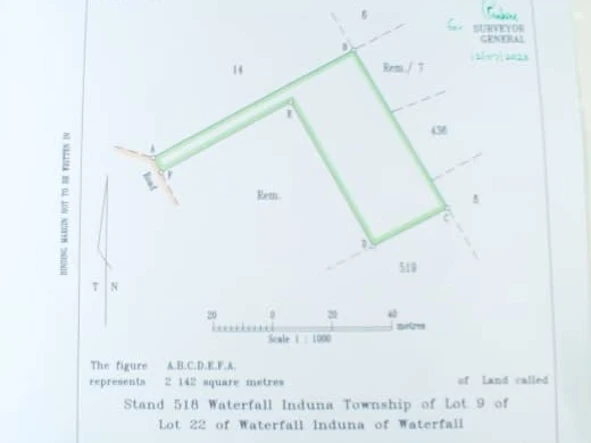
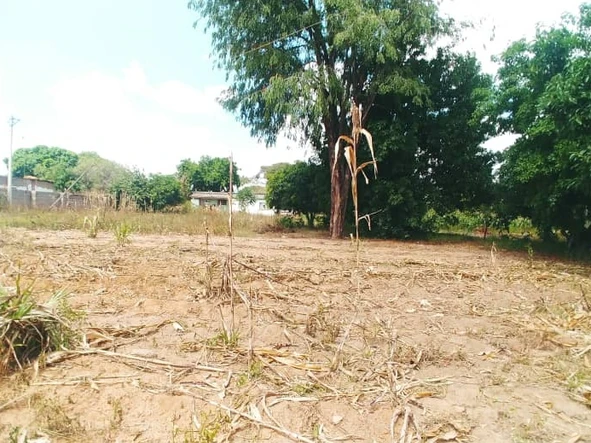
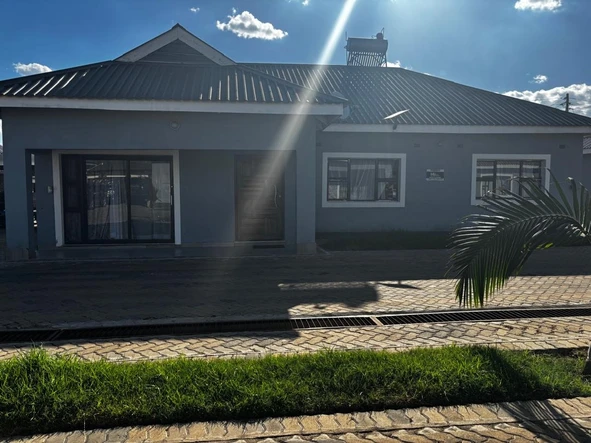
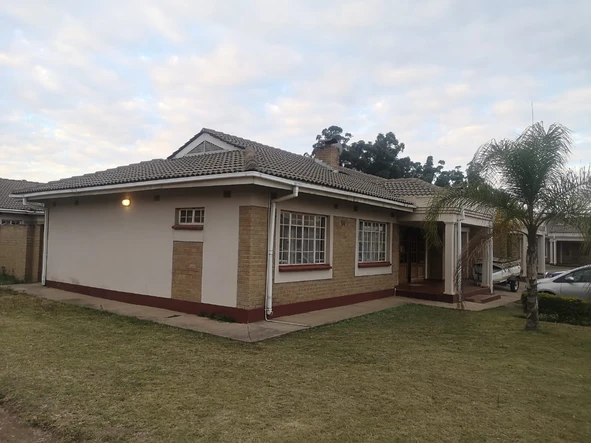
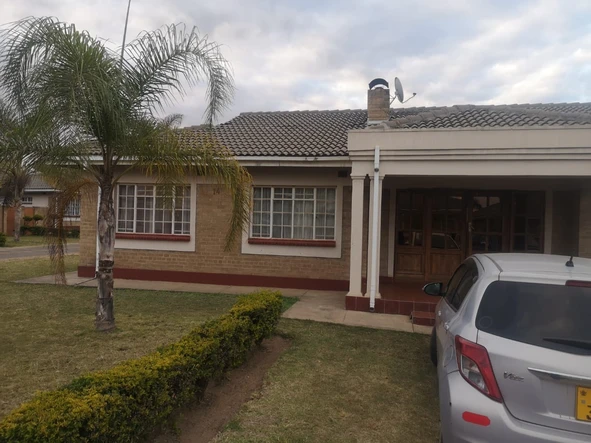
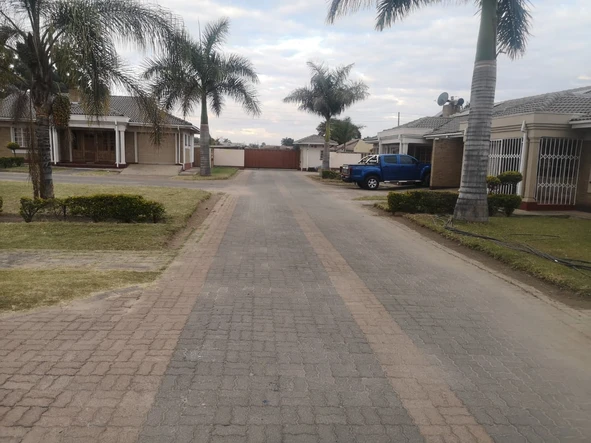
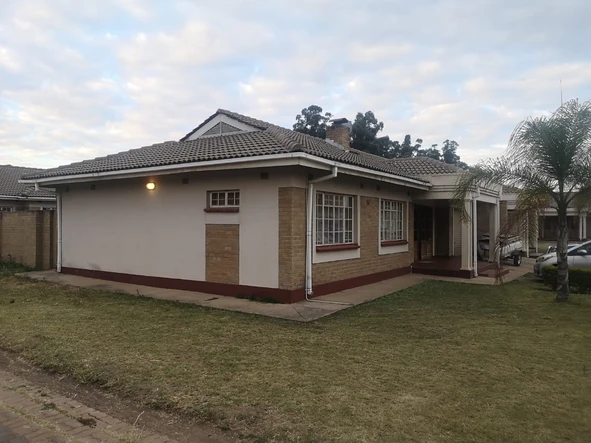
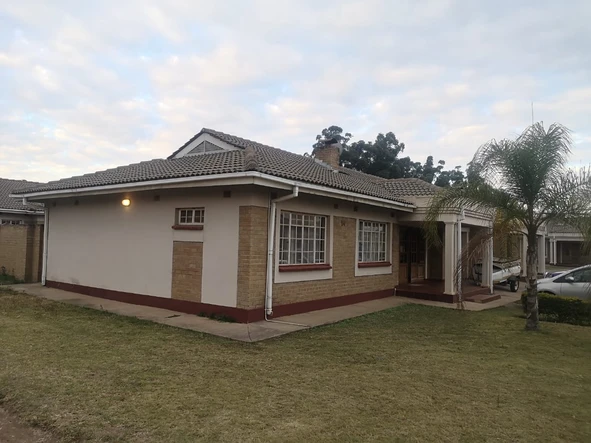
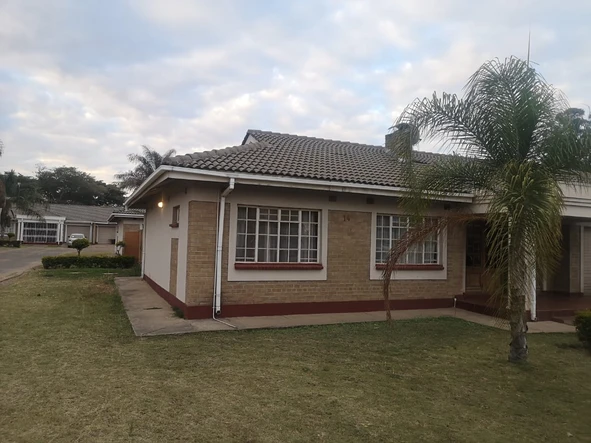
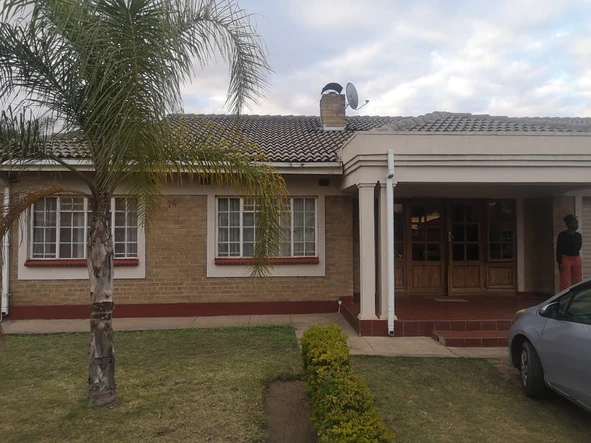
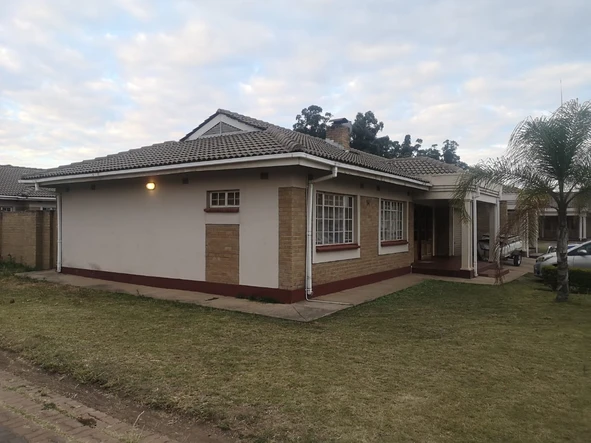
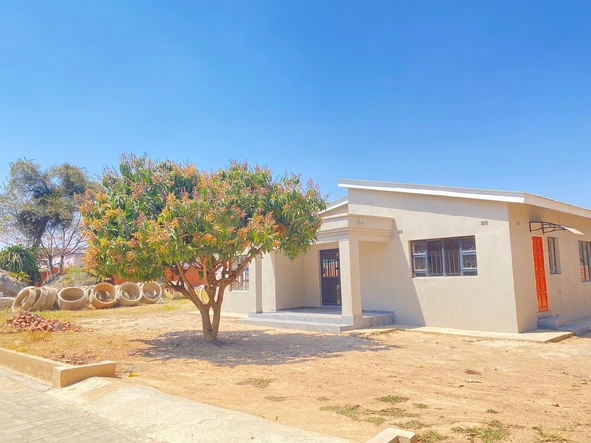
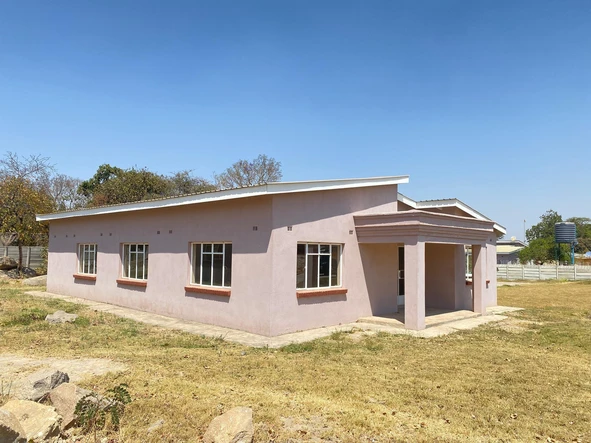
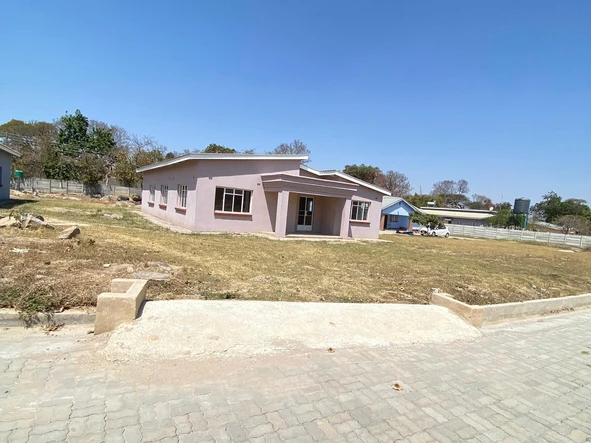
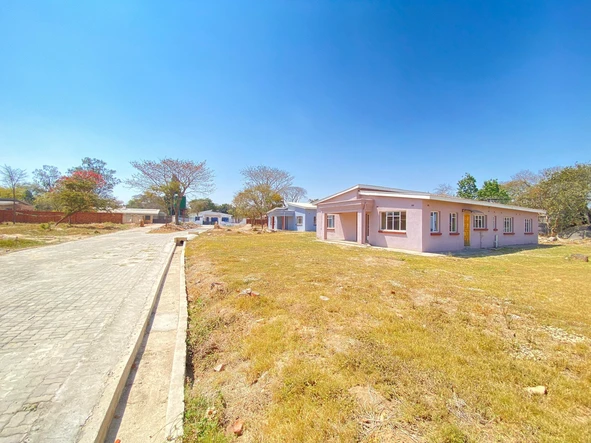
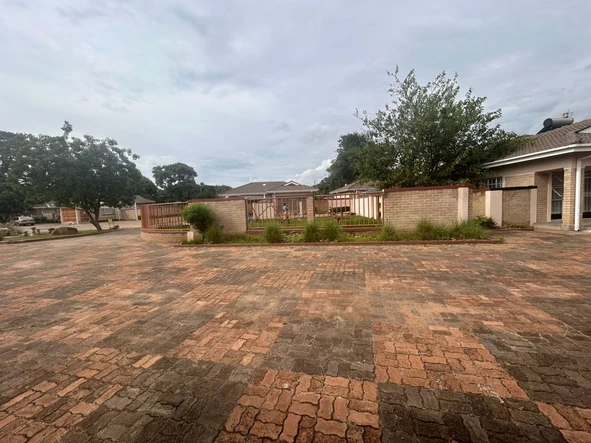
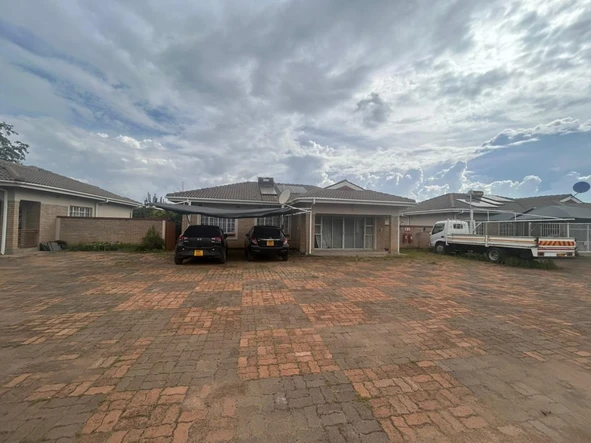
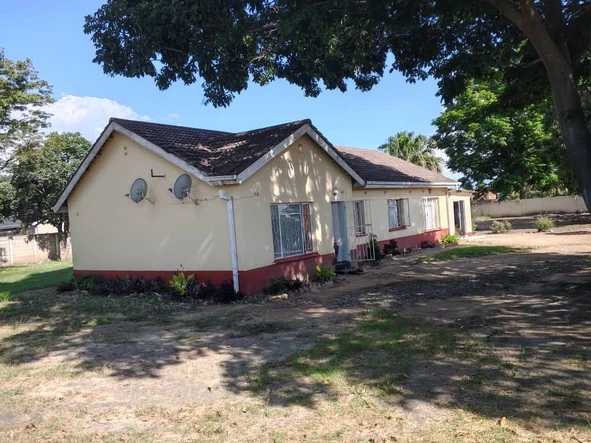
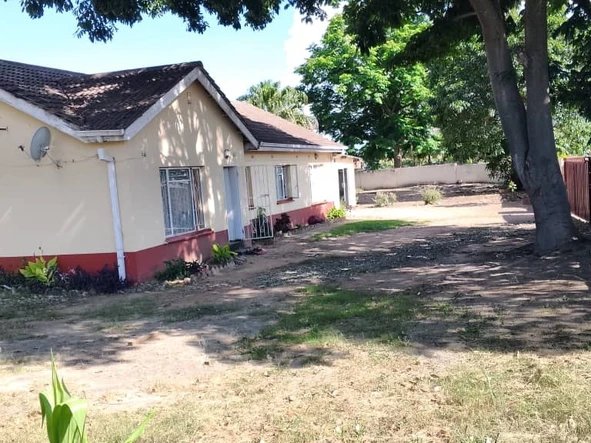
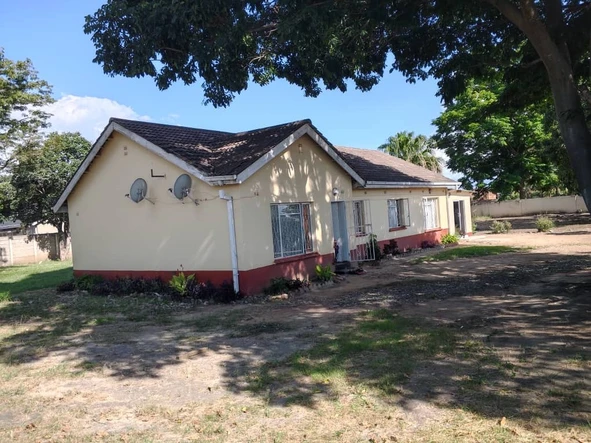
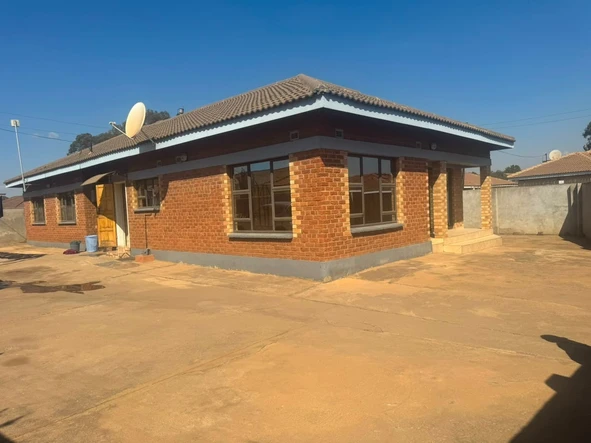
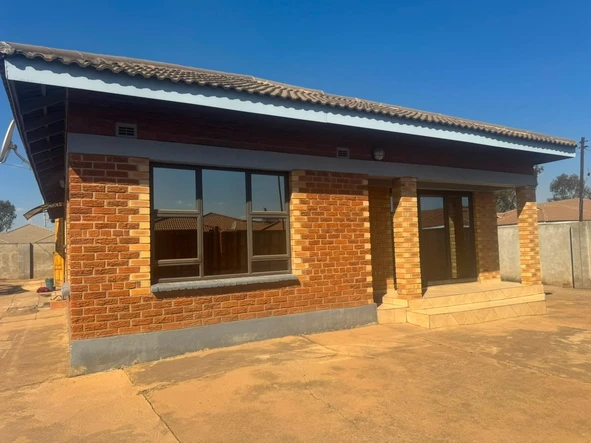
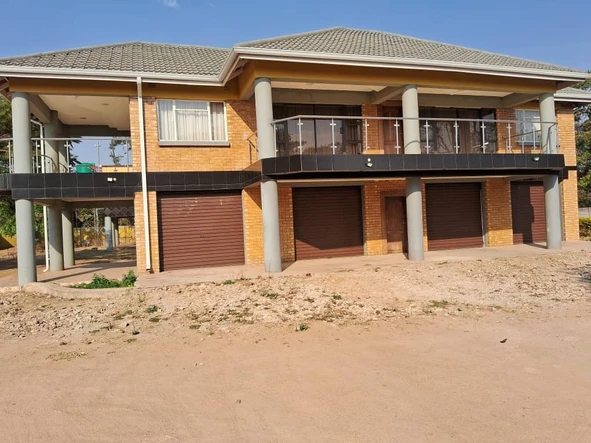
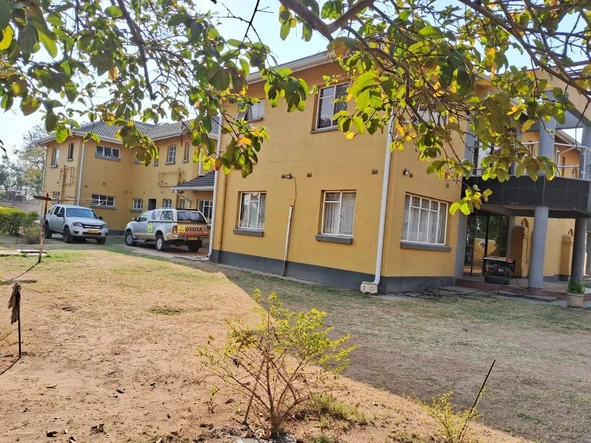
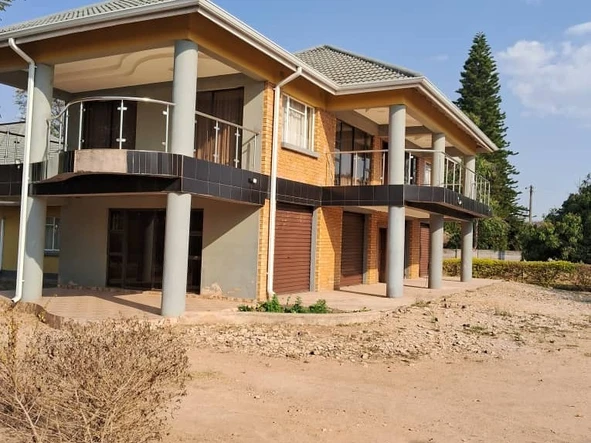
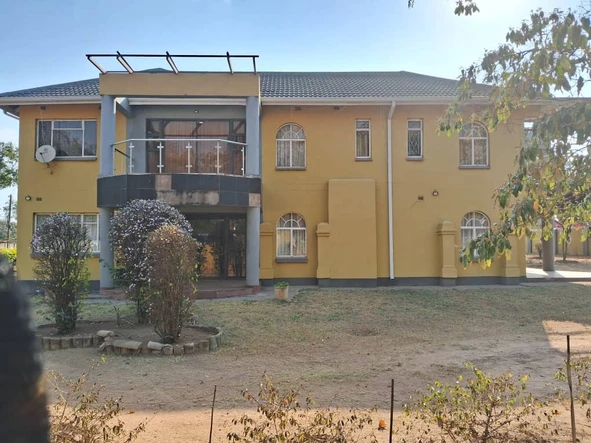
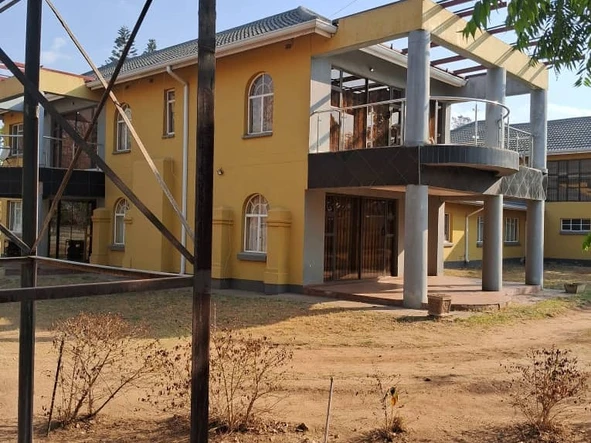
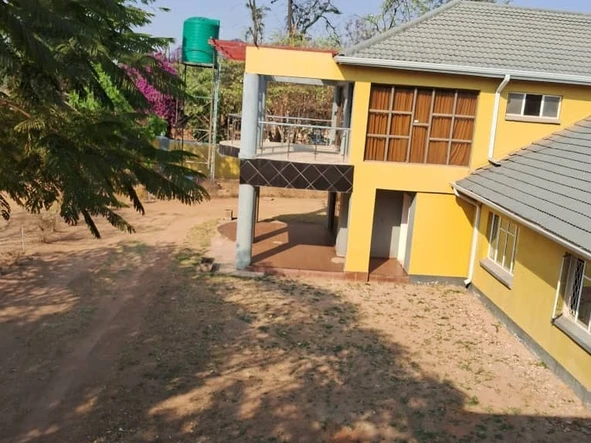
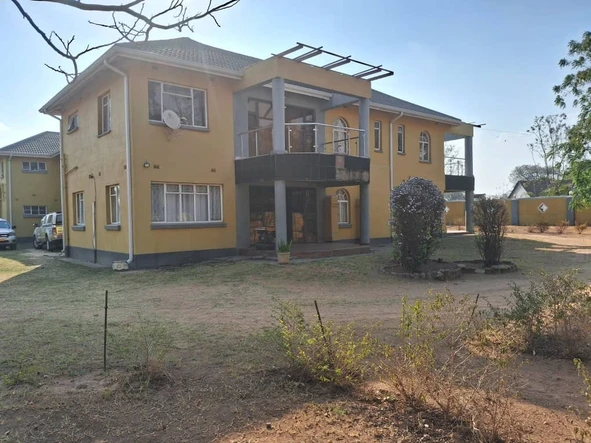
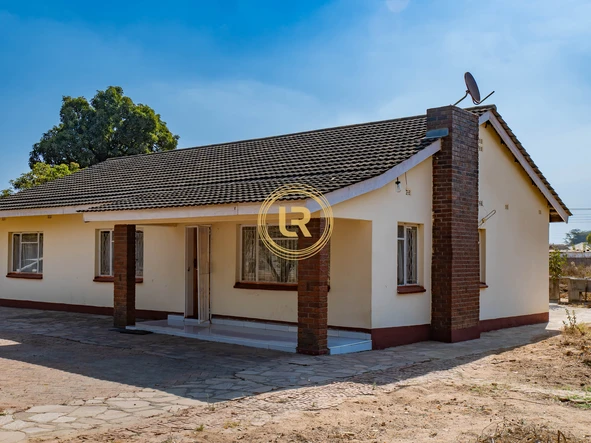
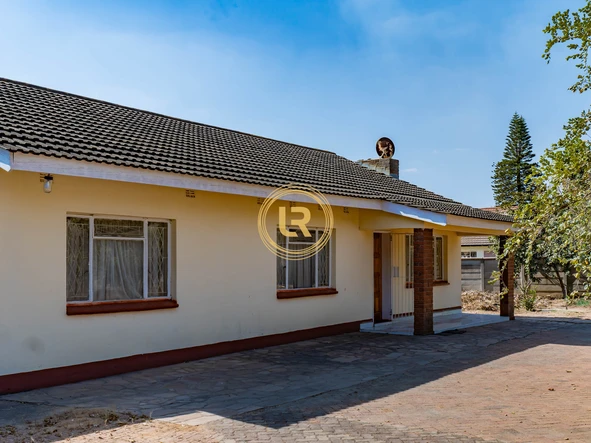
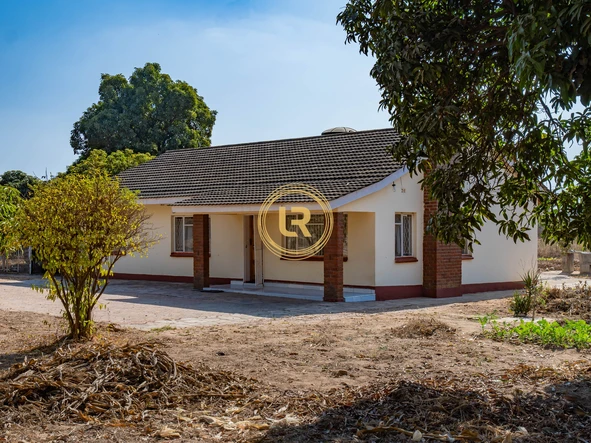
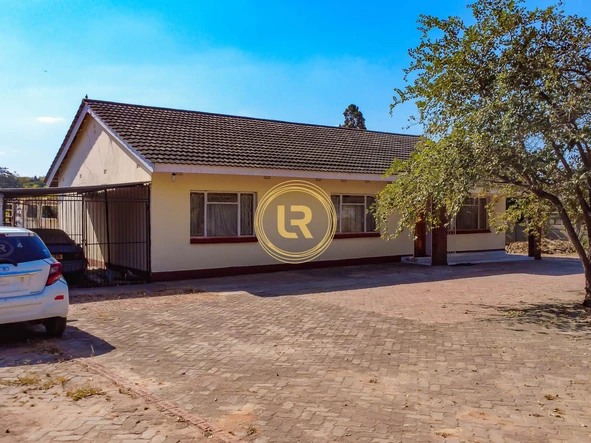
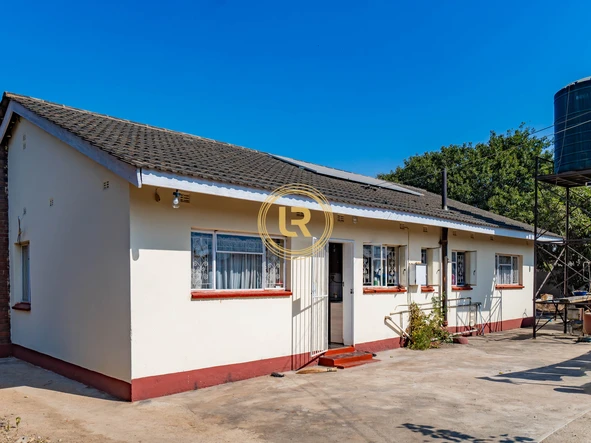
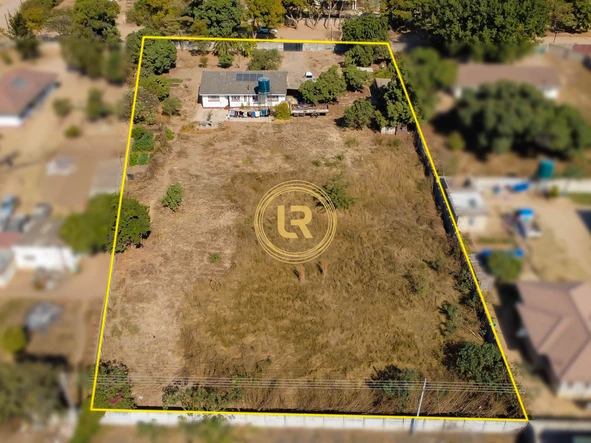
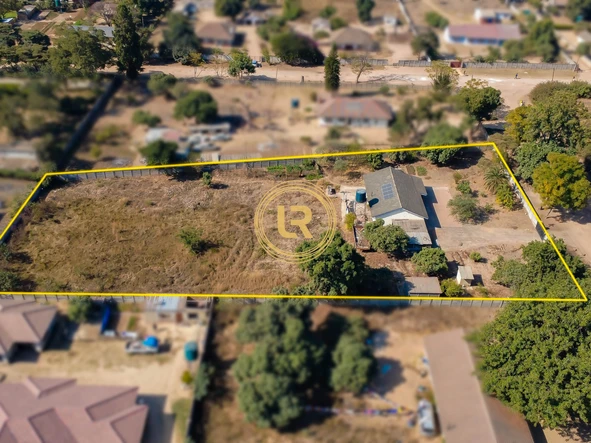
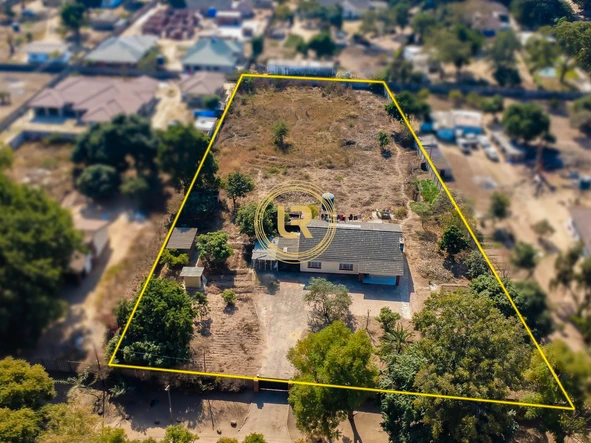
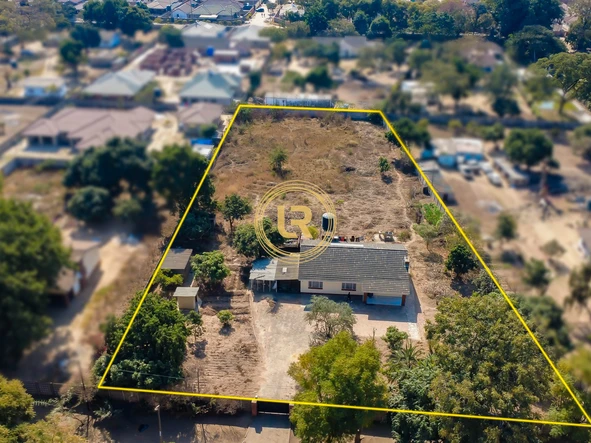
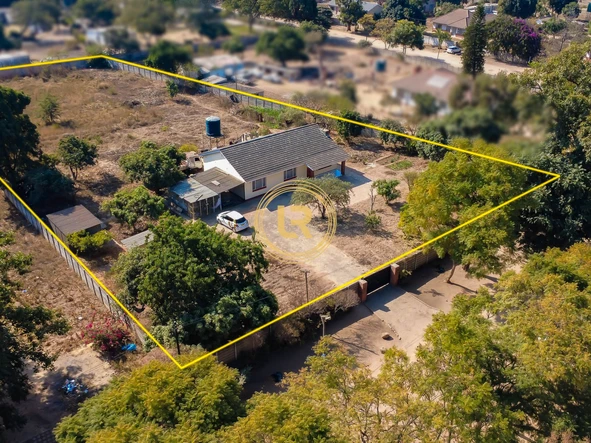
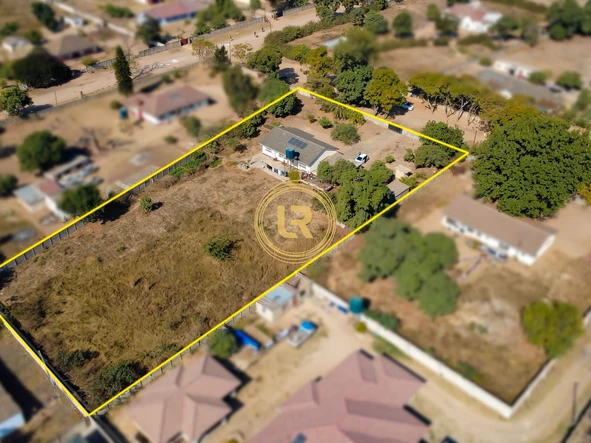
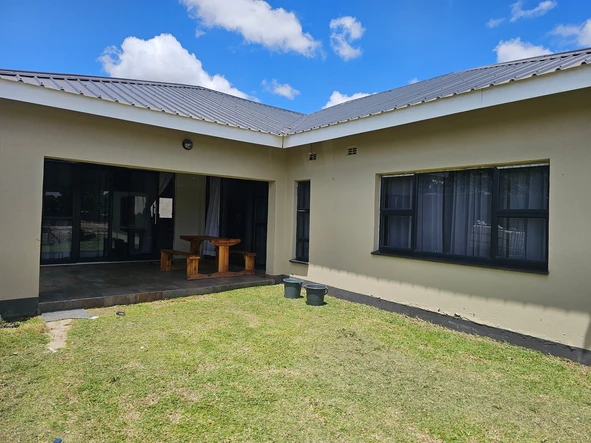
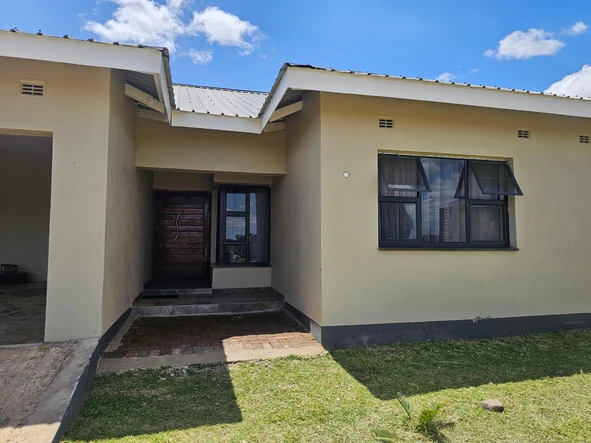
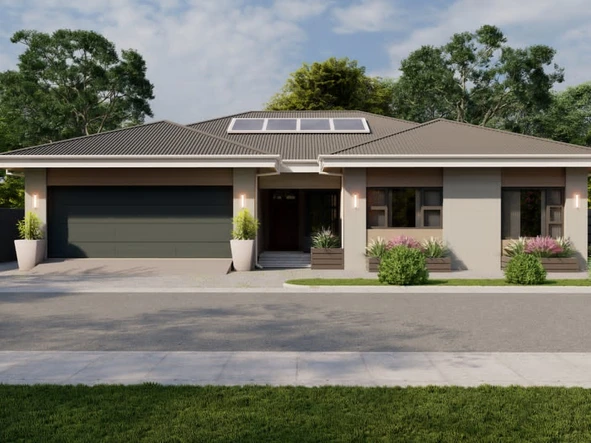
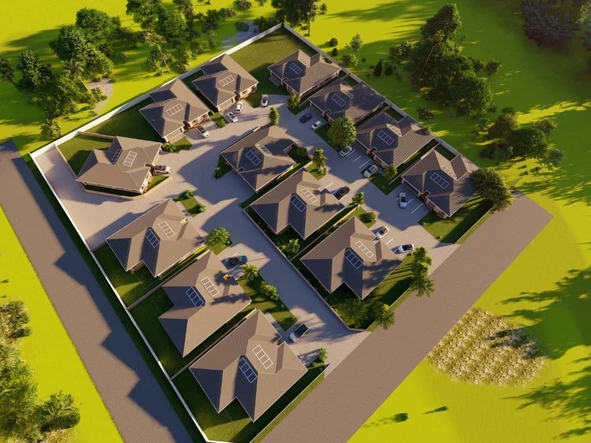
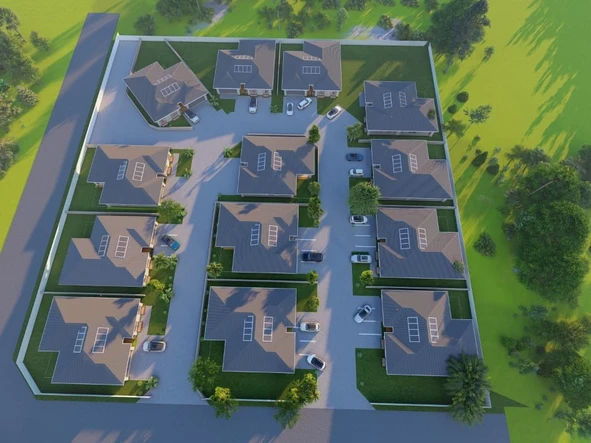
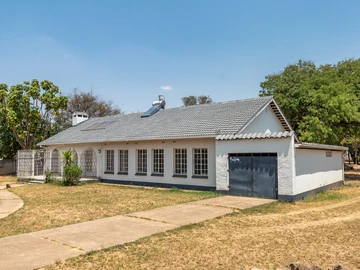
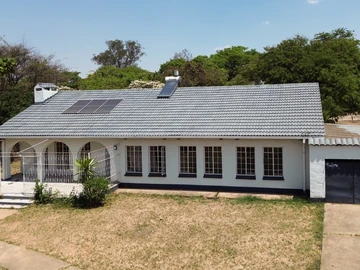
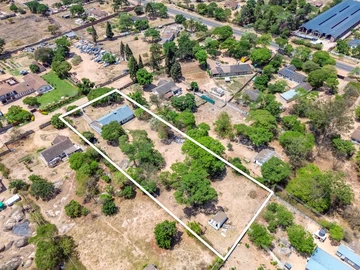
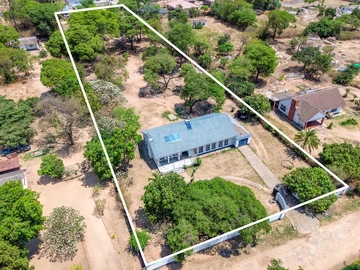
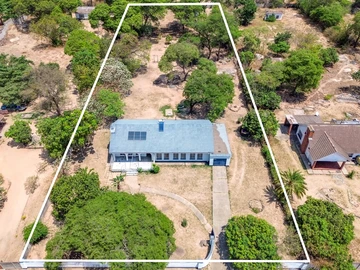
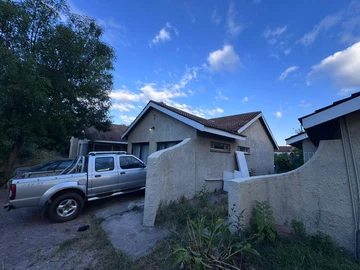
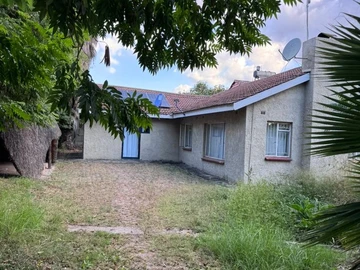
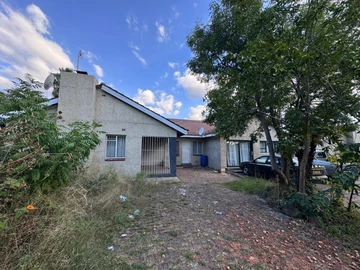
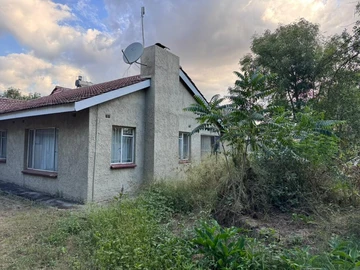
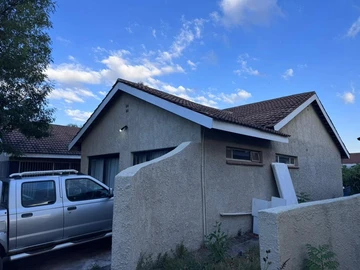
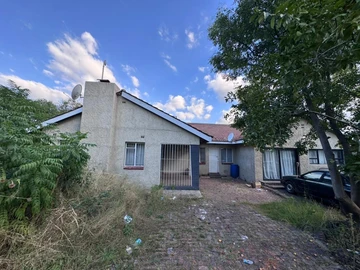
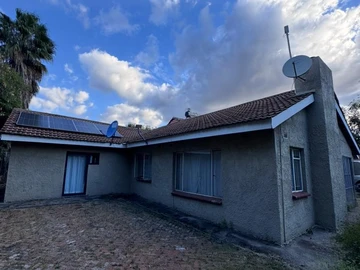
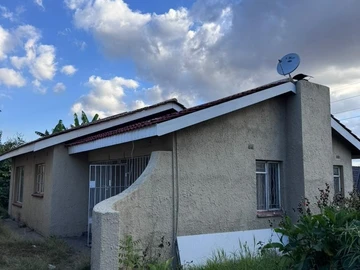
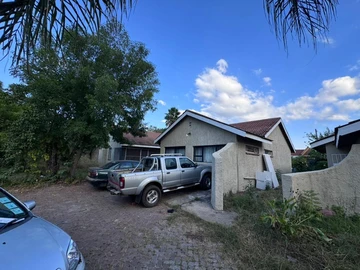
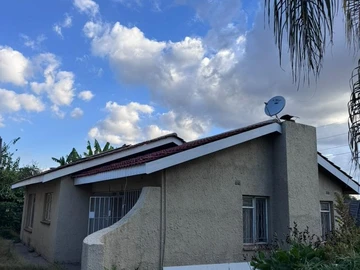
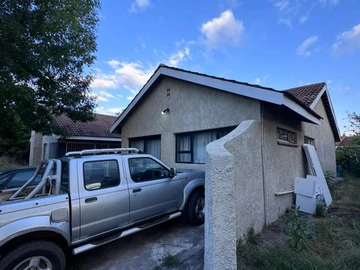
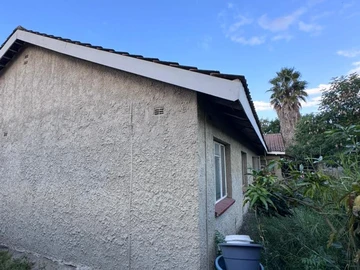
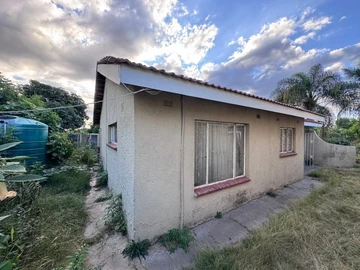
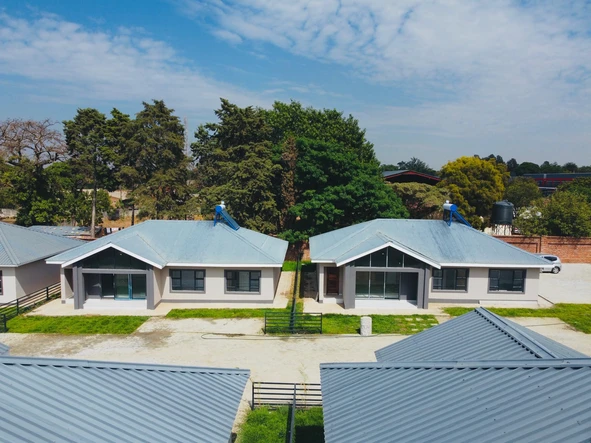
Houses for sale in Waterfalls, Harare South, offer a range of options with an average price of $140,000. The properties typically sit on land areas around 2,000 ㎡, with some larger plots reaching up to 7,200 ㎡. The average house size is about 289 ㎡, with the largest homes measuring up to 4,000 ㎡.
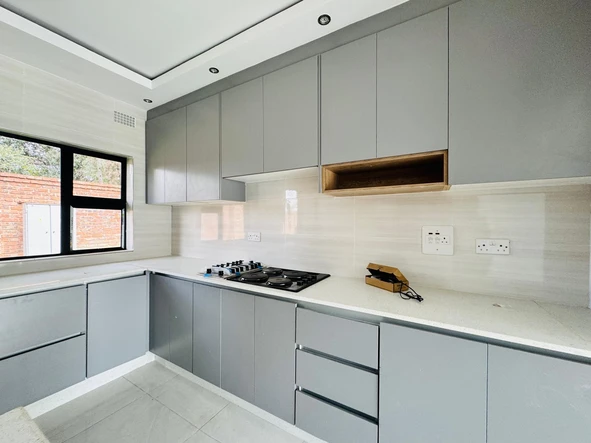
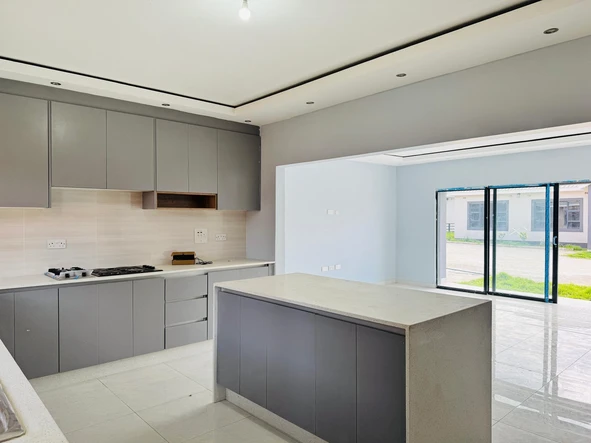
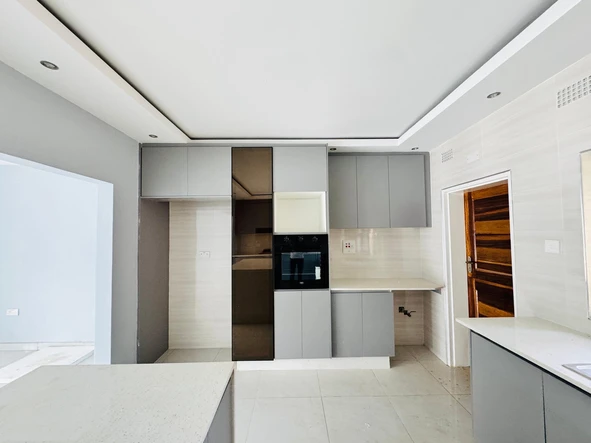
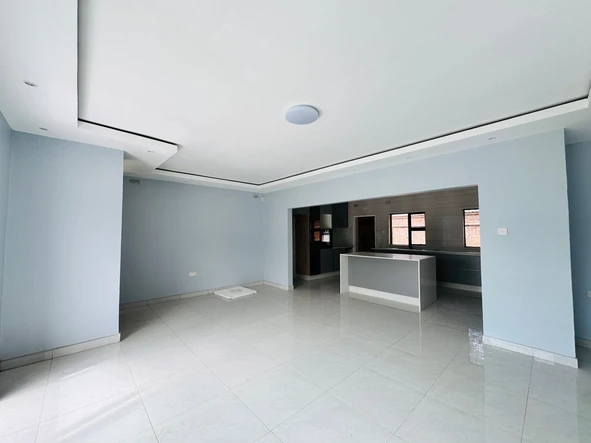
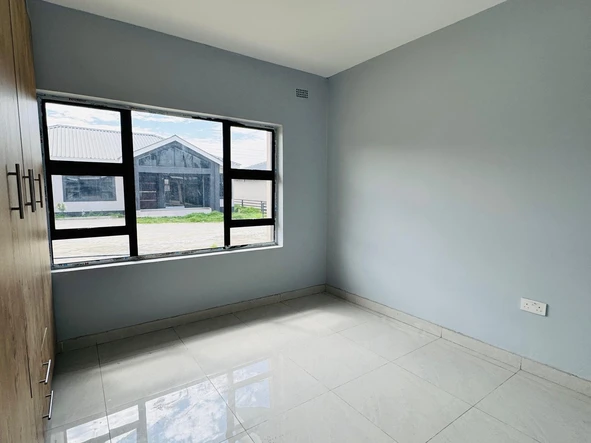
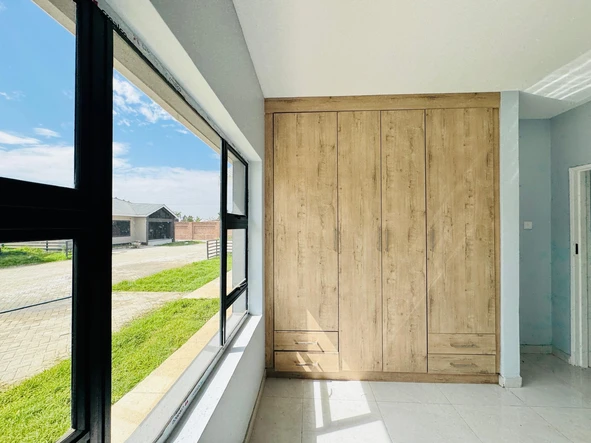
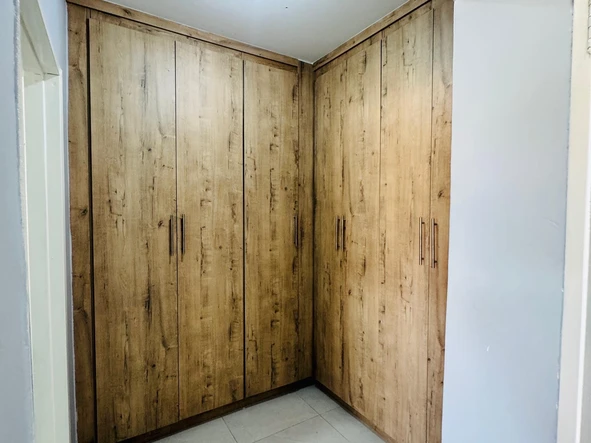
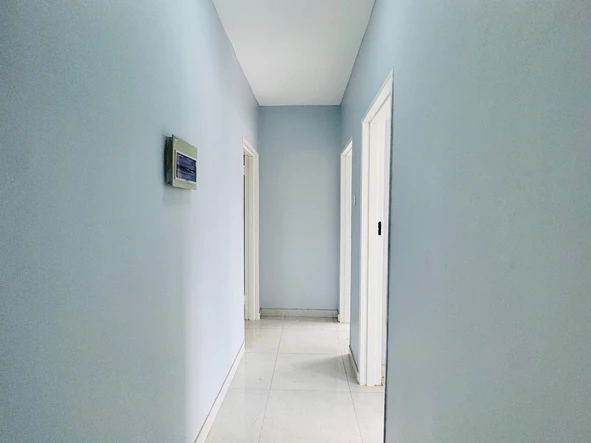
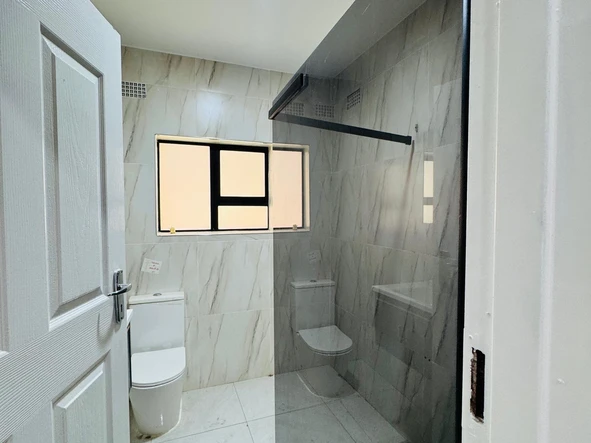
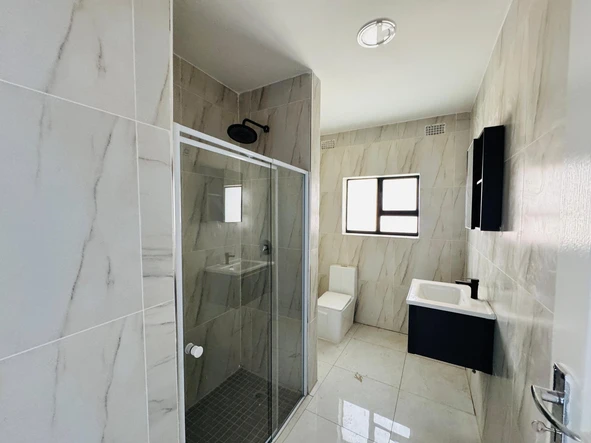
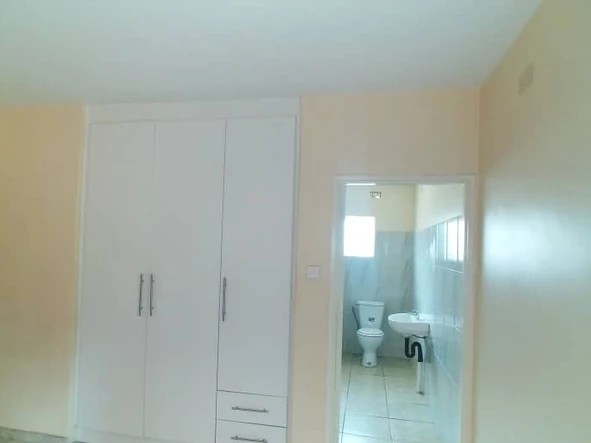
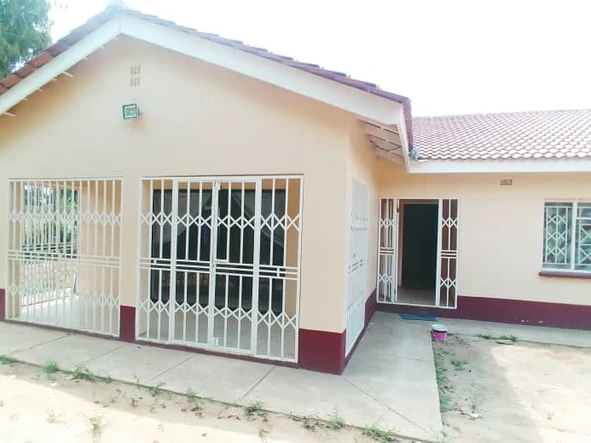
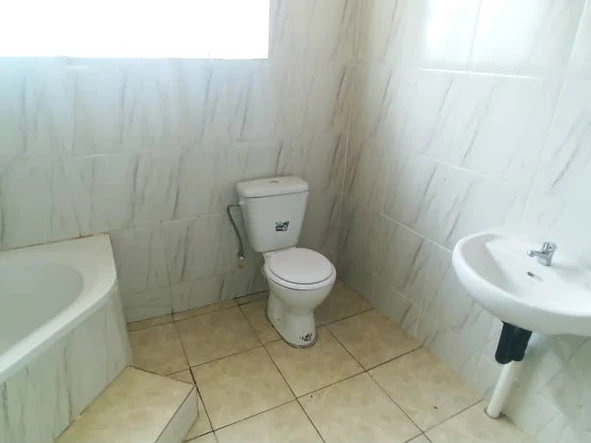
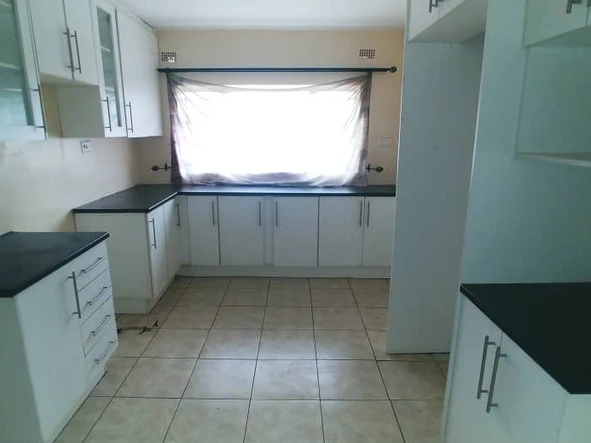
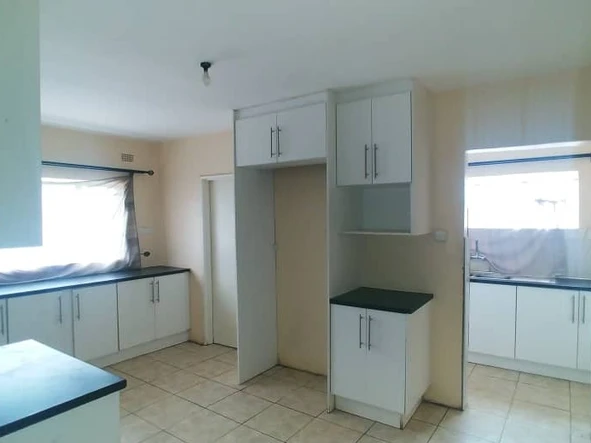
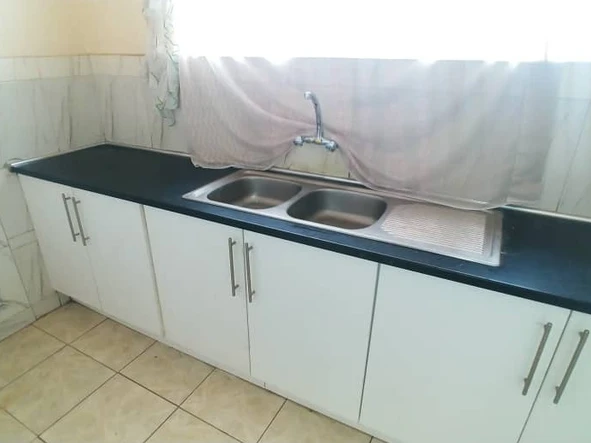
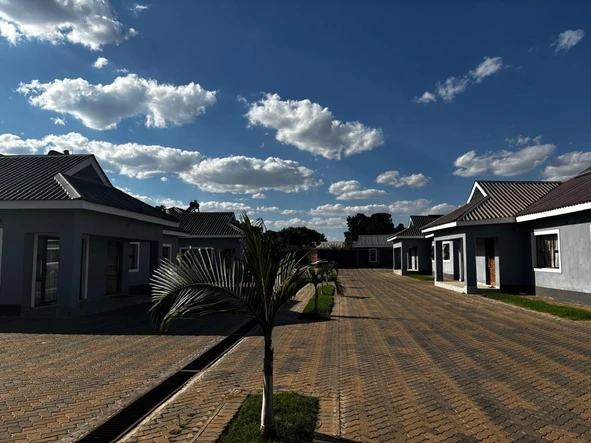
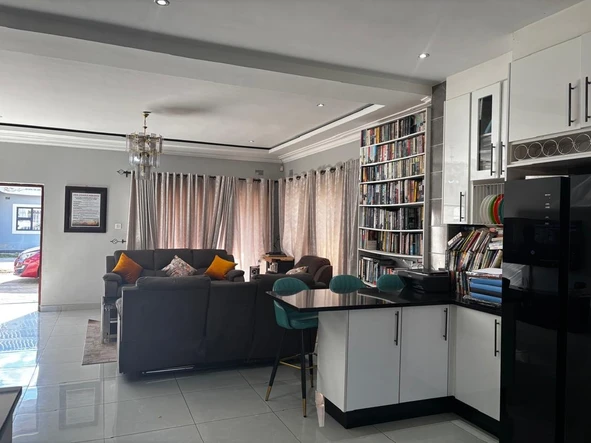
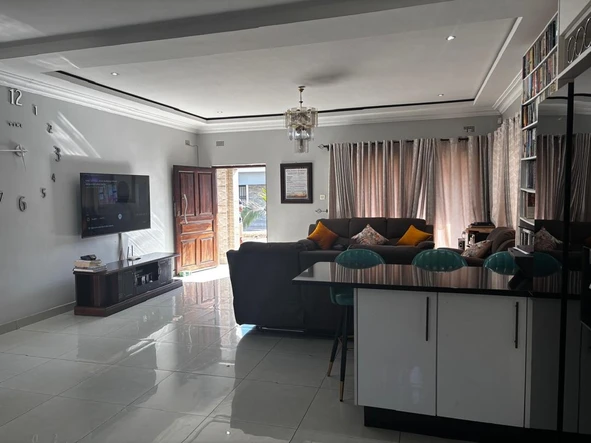
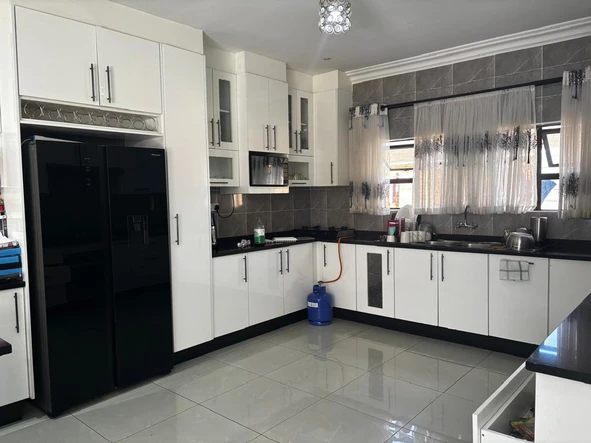
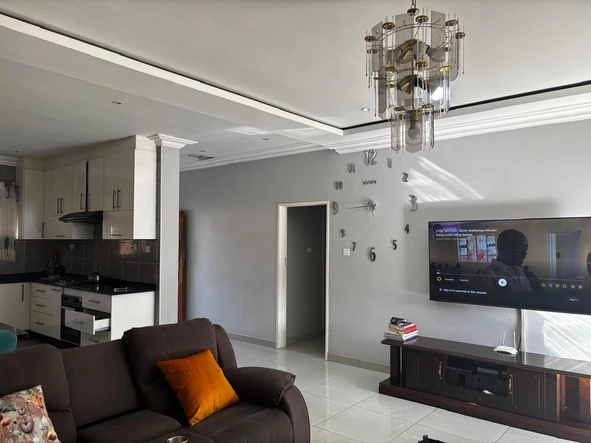
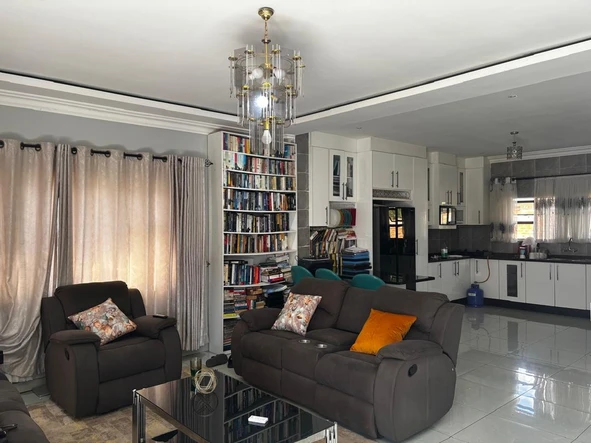
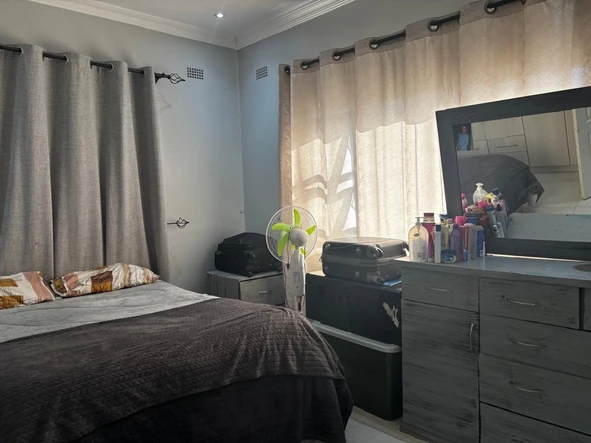
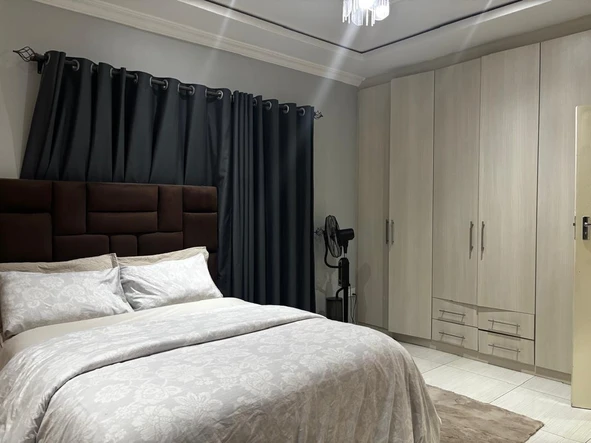
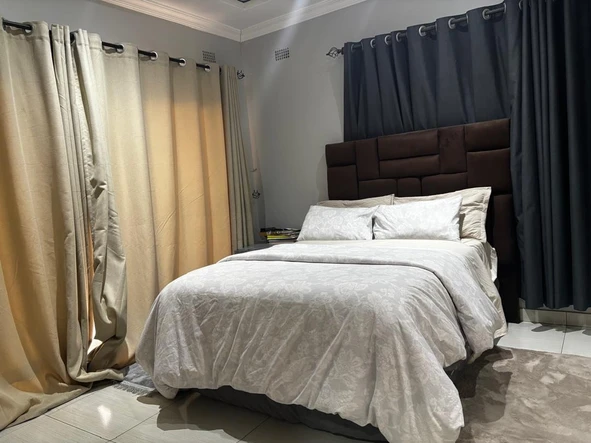
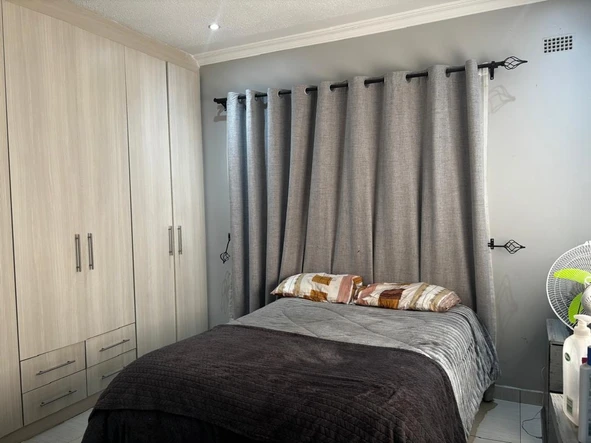
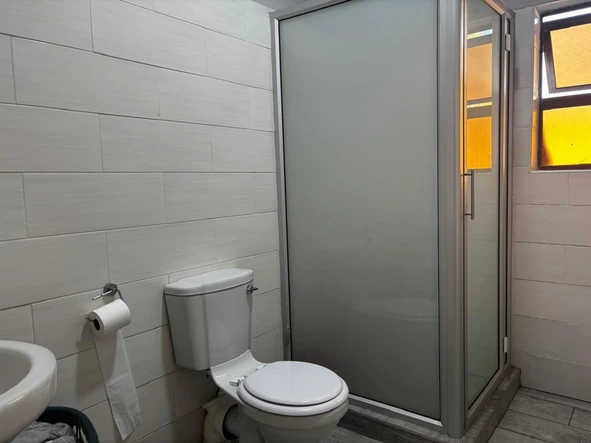
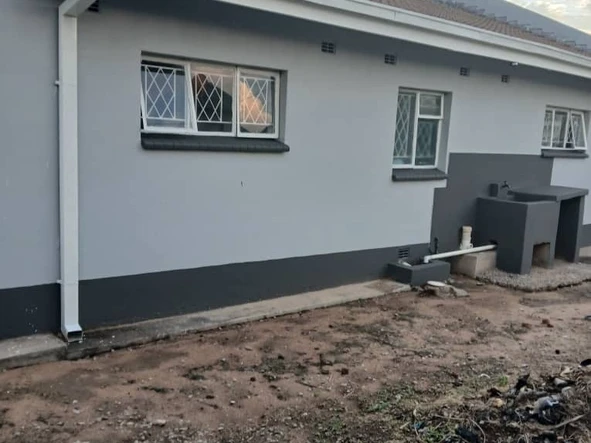
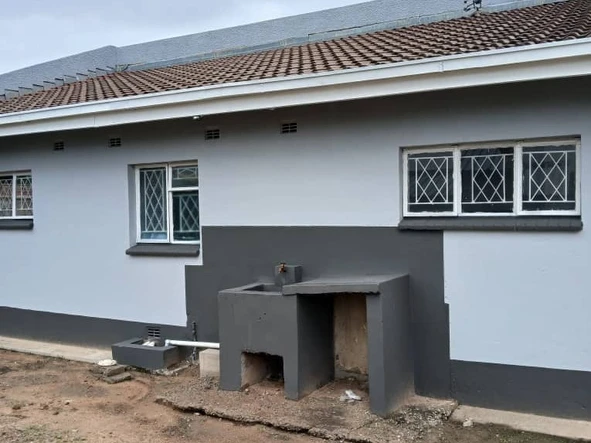
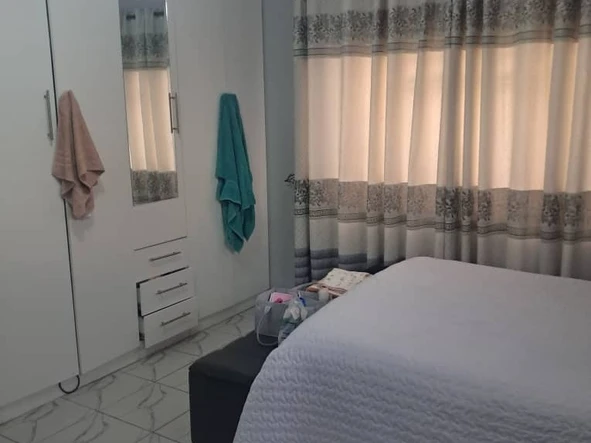
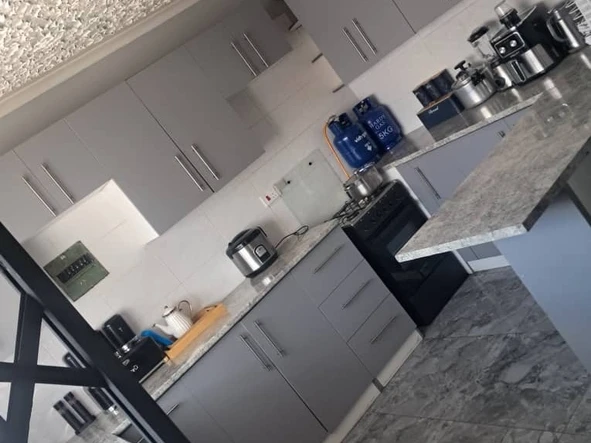
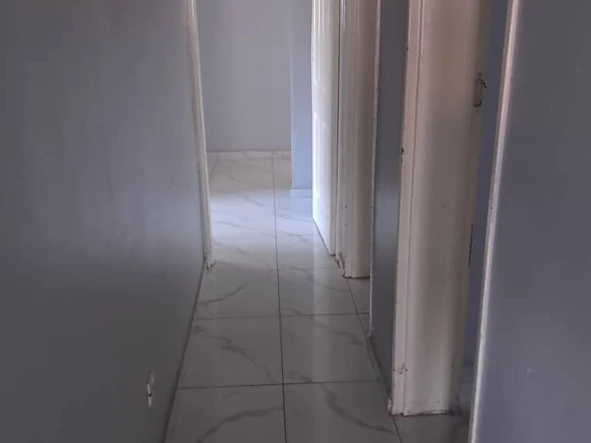
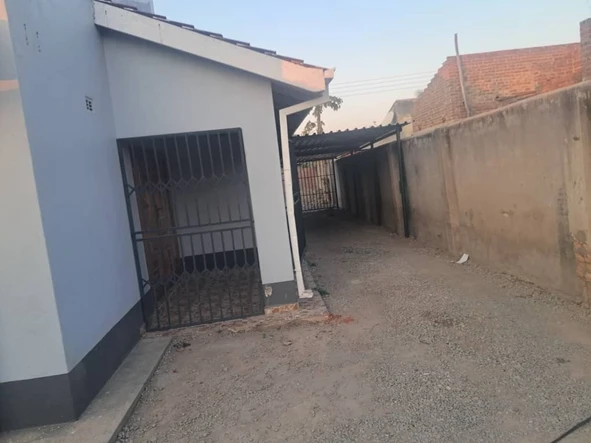
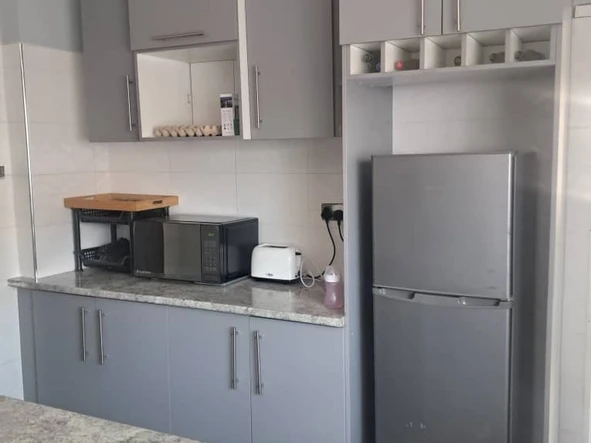
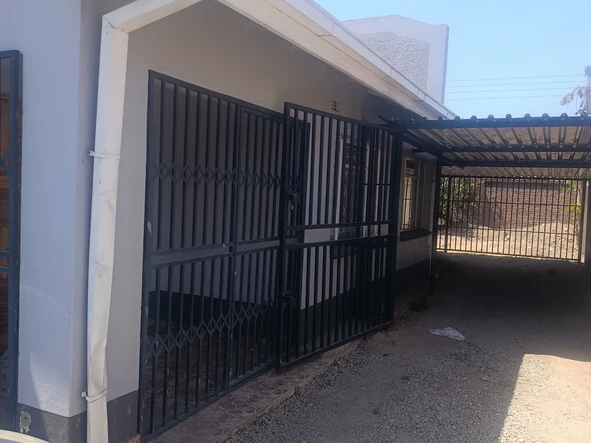
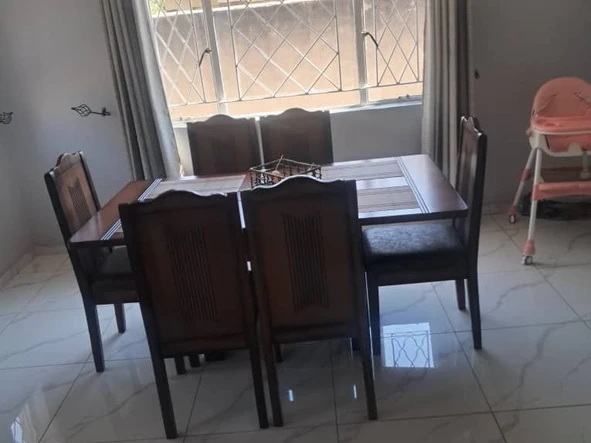
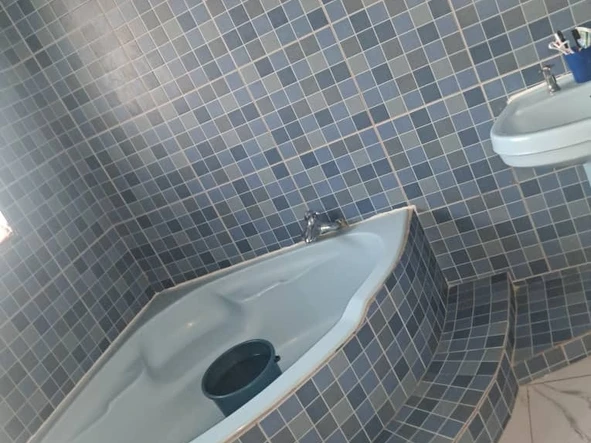
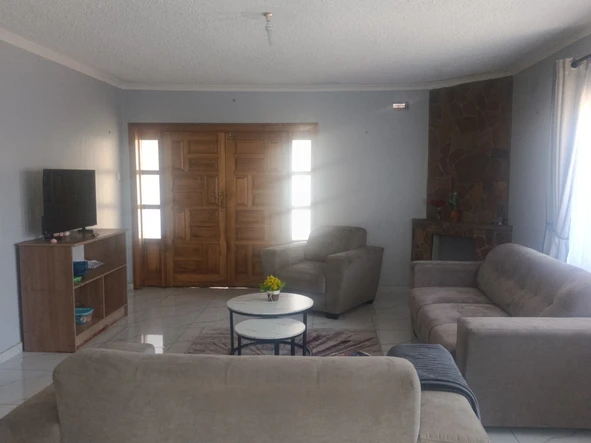
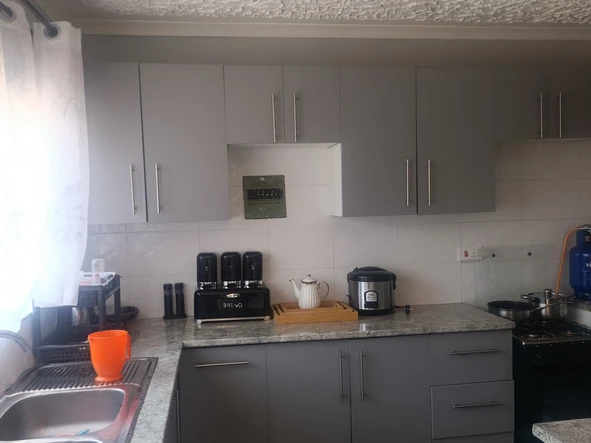
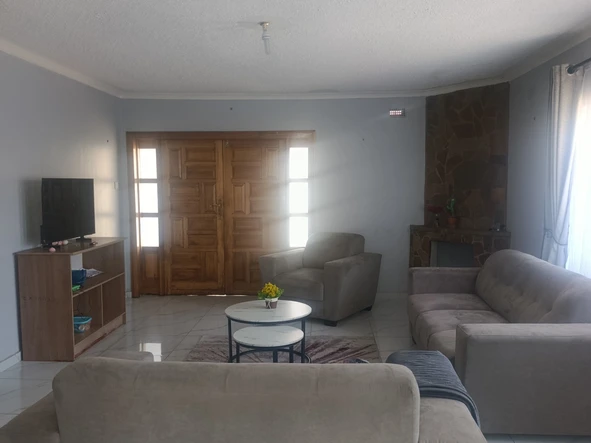
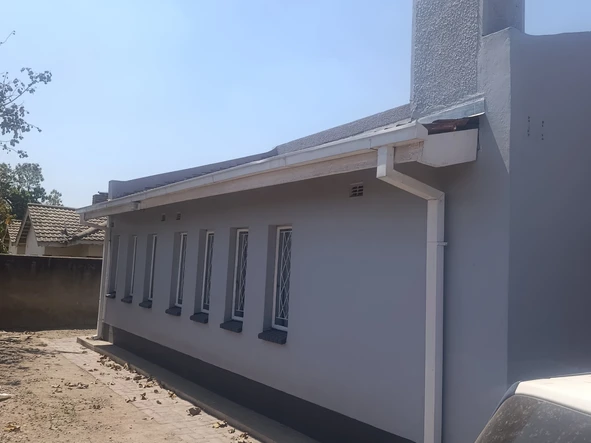
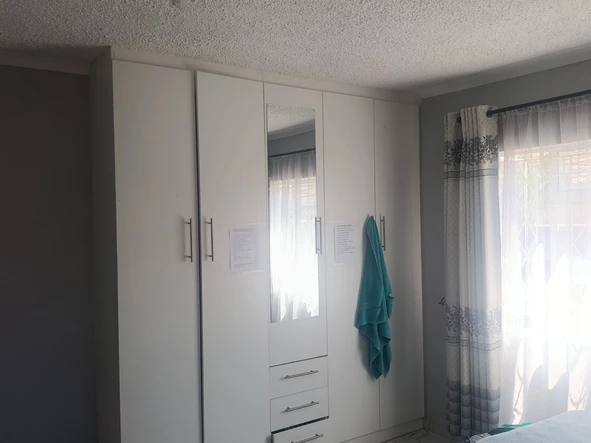
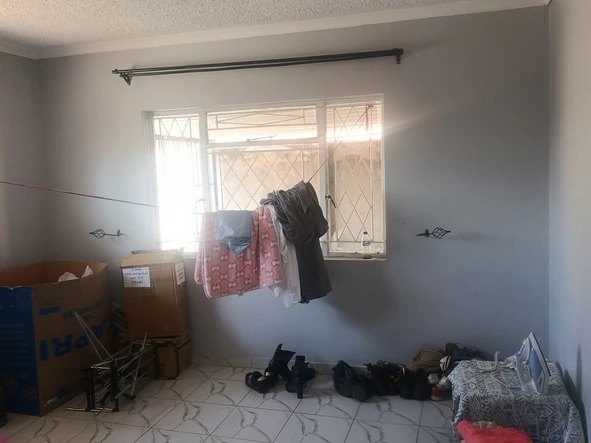
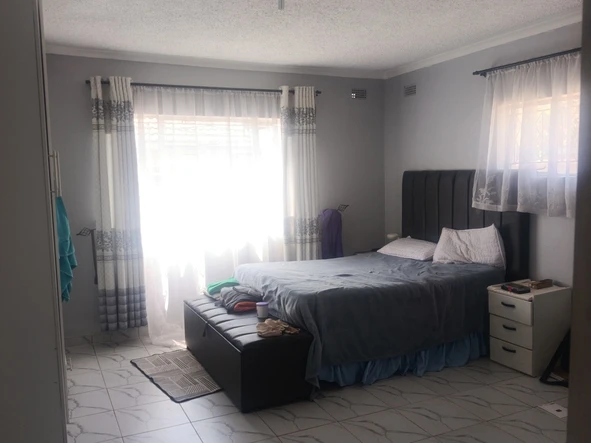
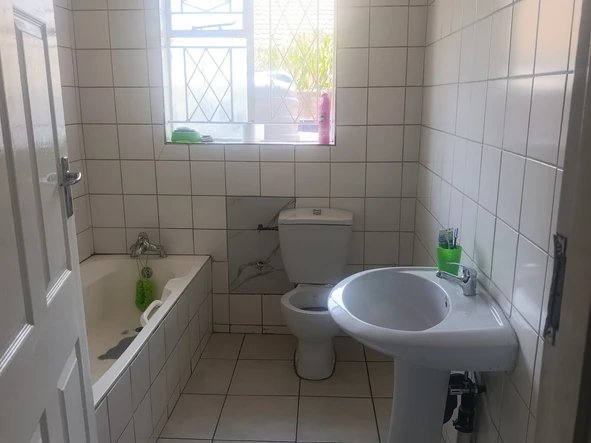
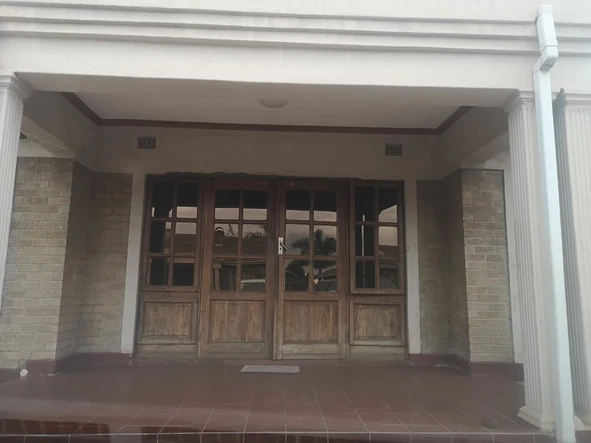
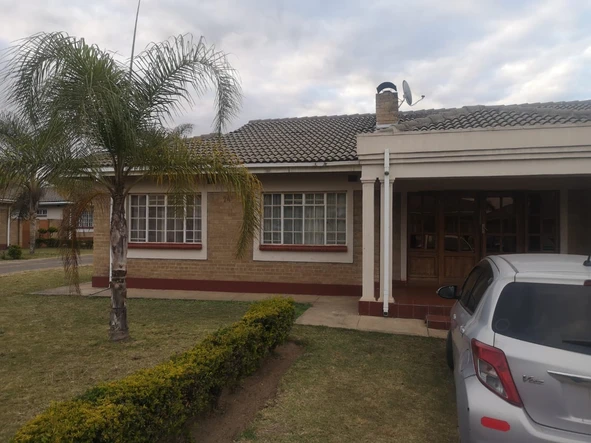
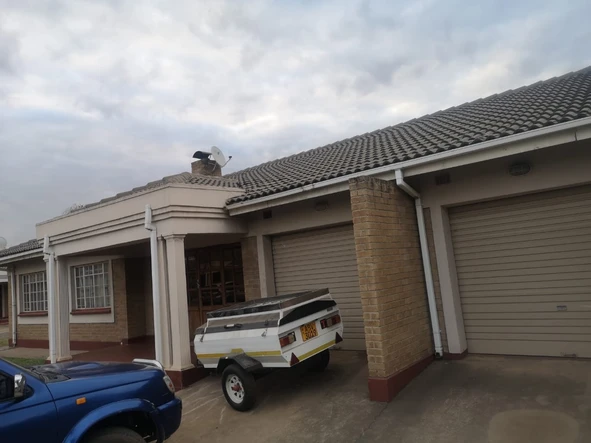
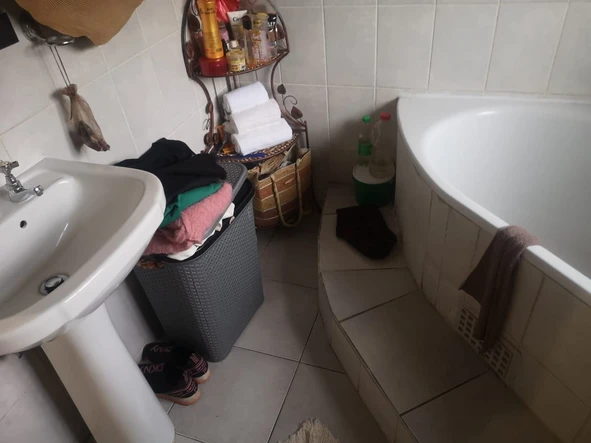
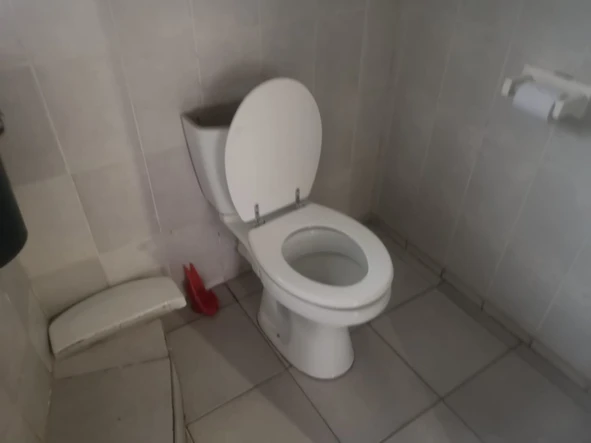
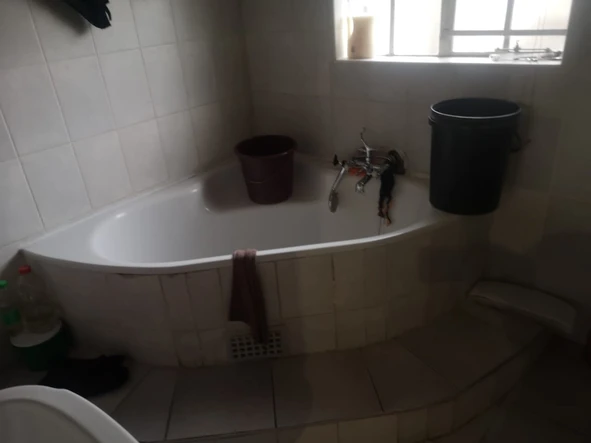
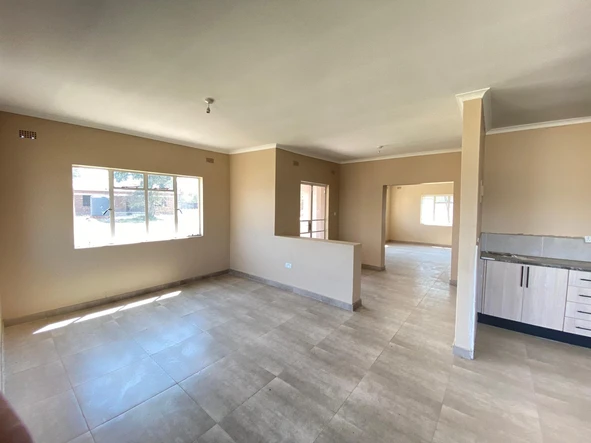
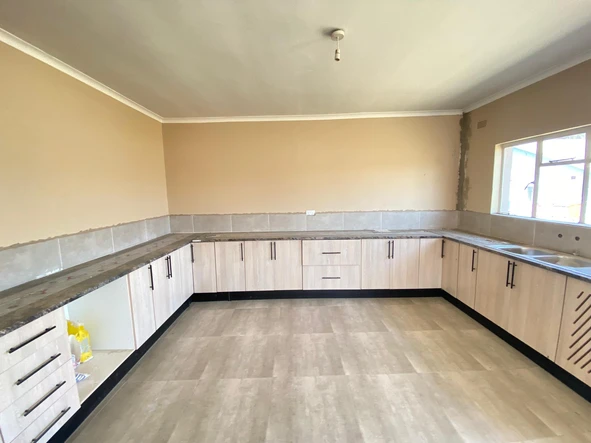
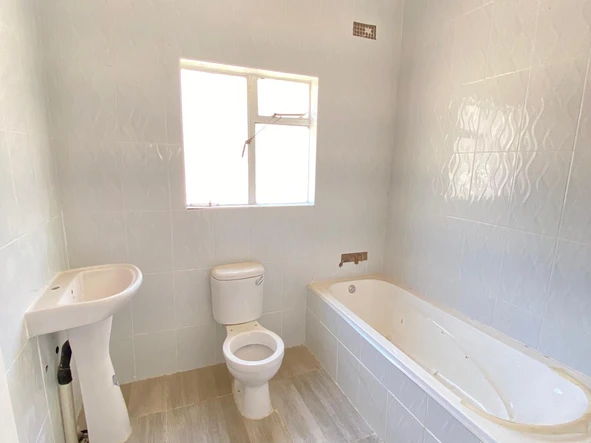
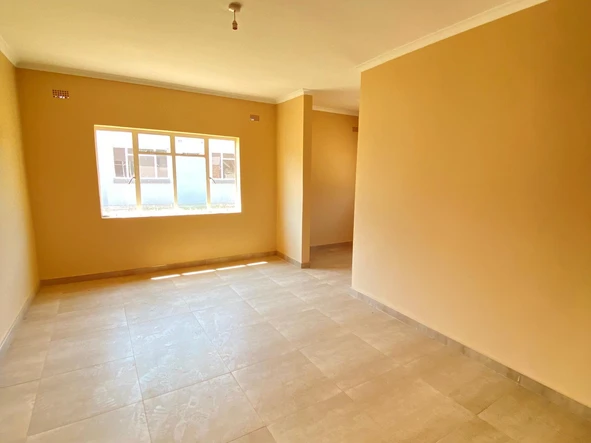
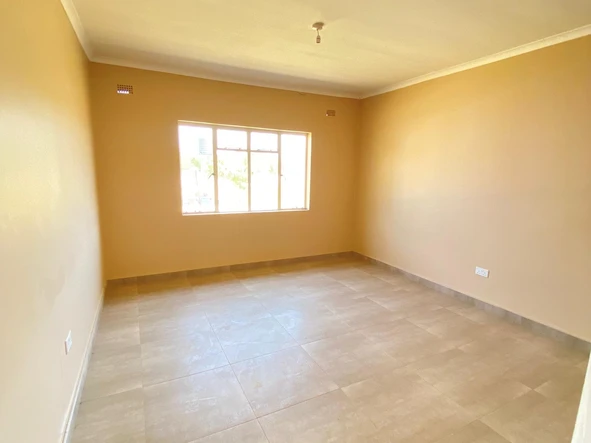
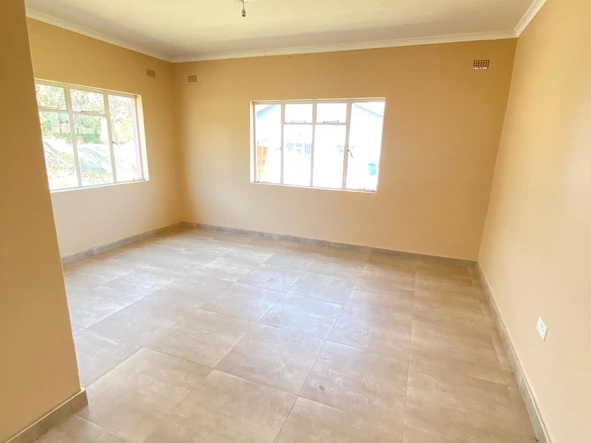
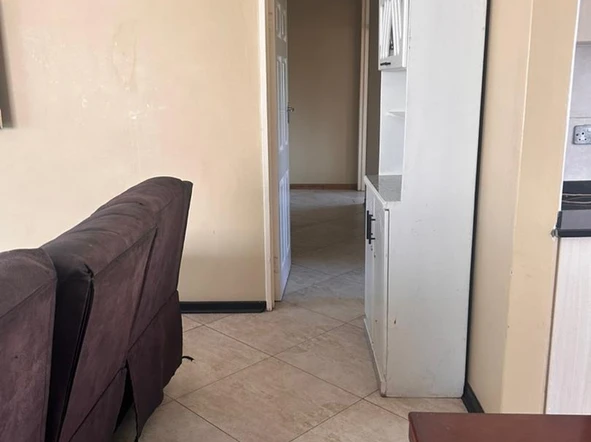
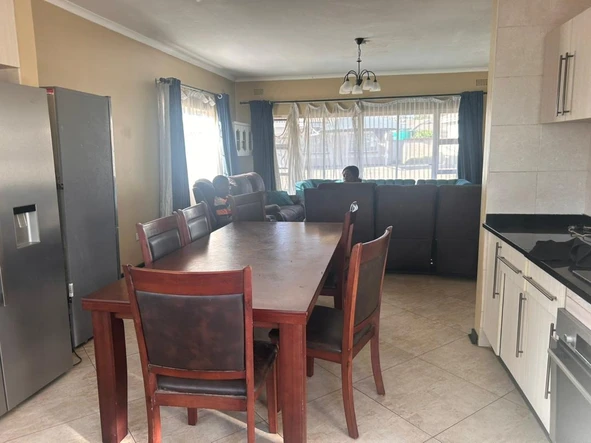
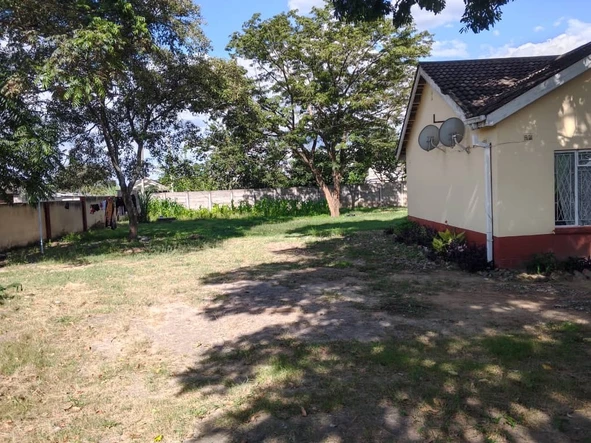
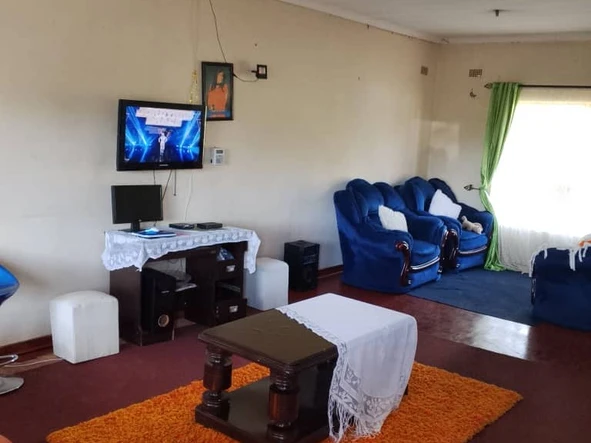
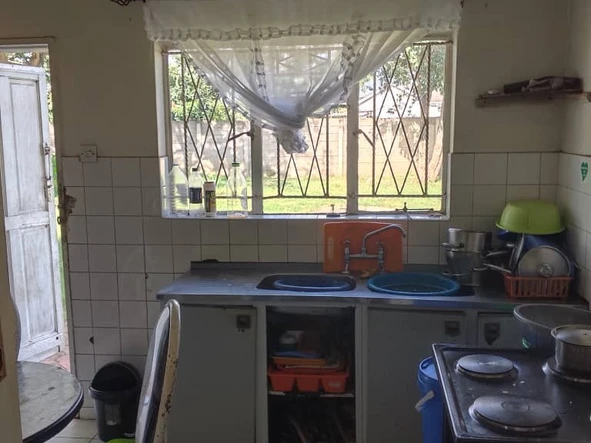
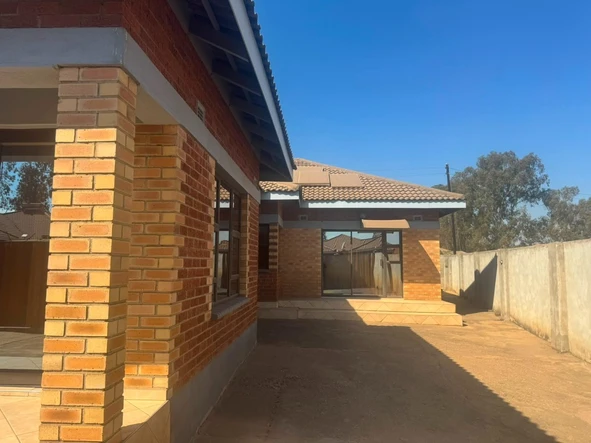
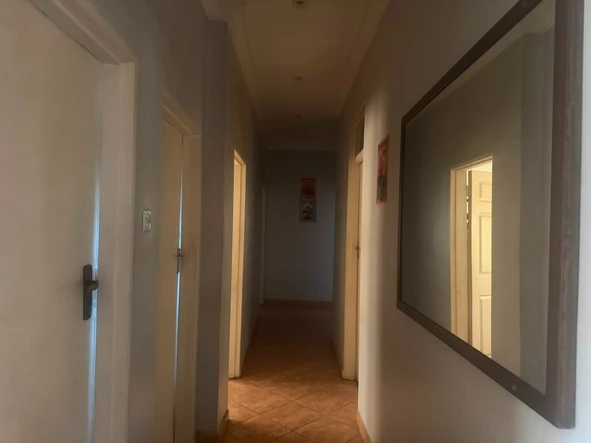
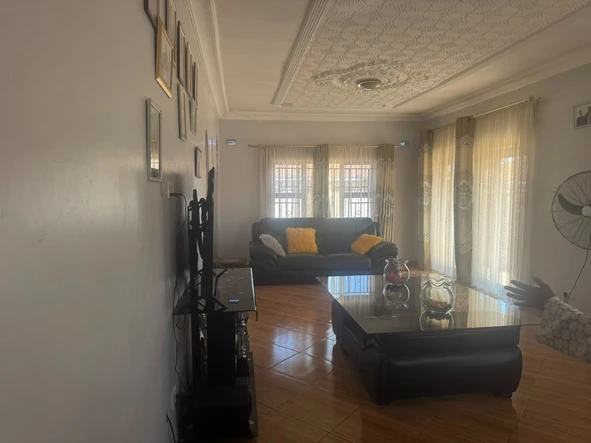
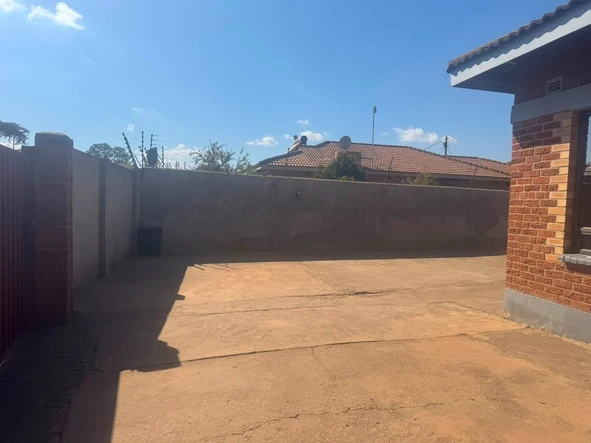
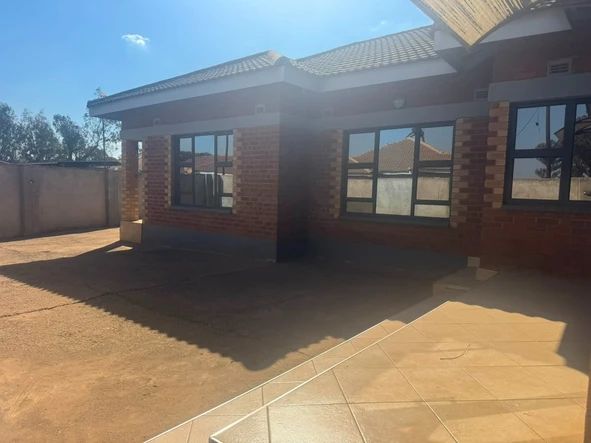
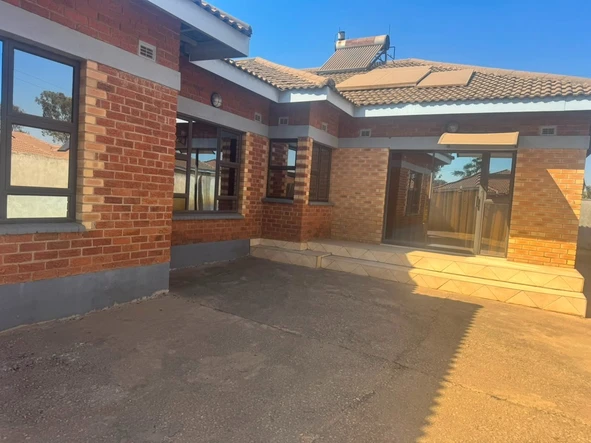
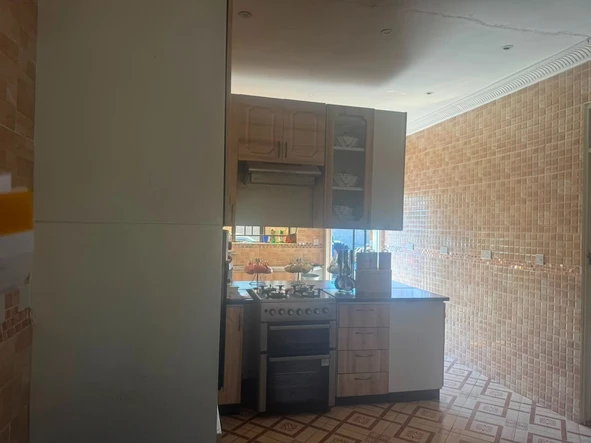
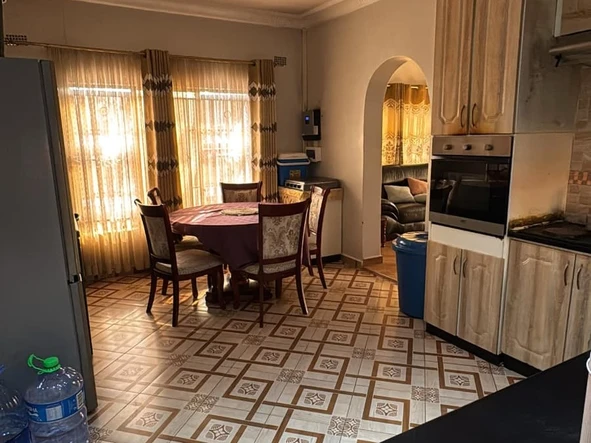
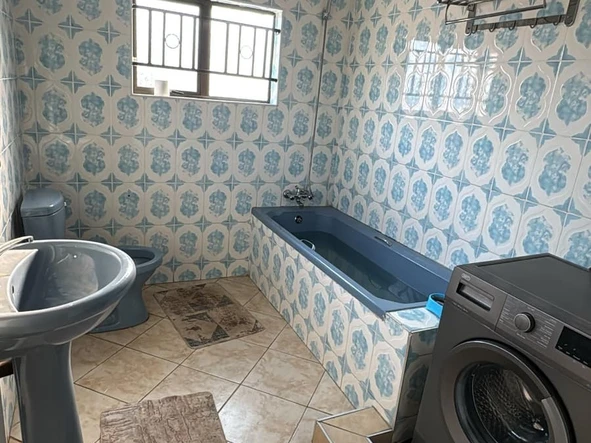
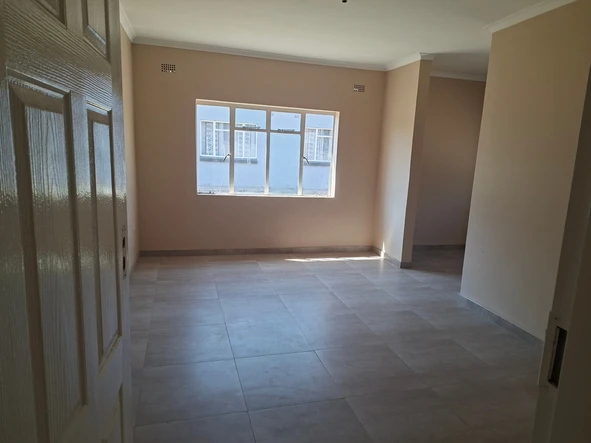
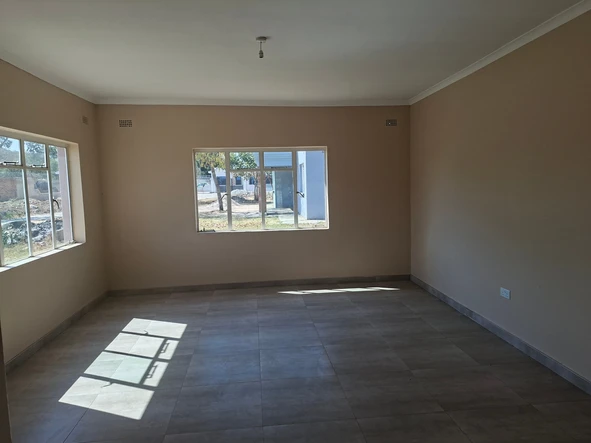
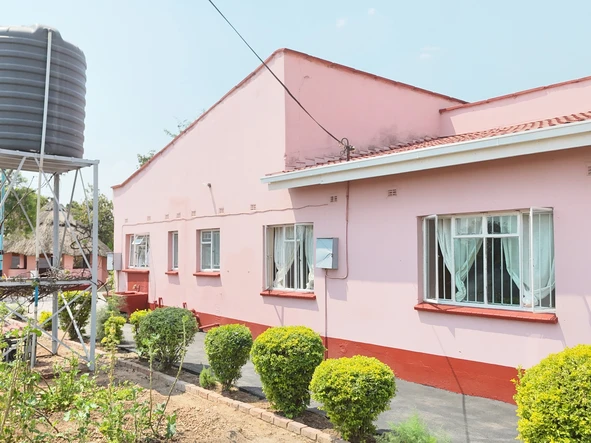
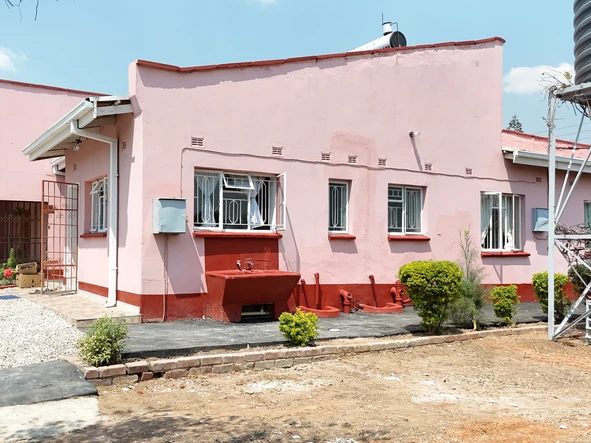
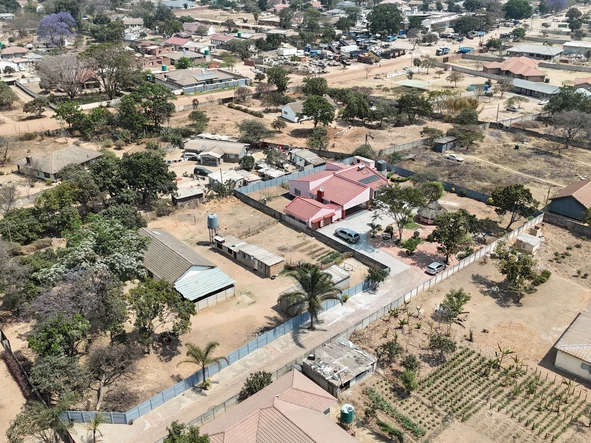
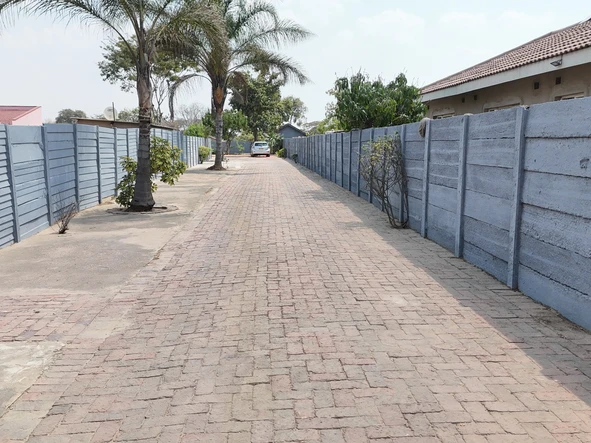
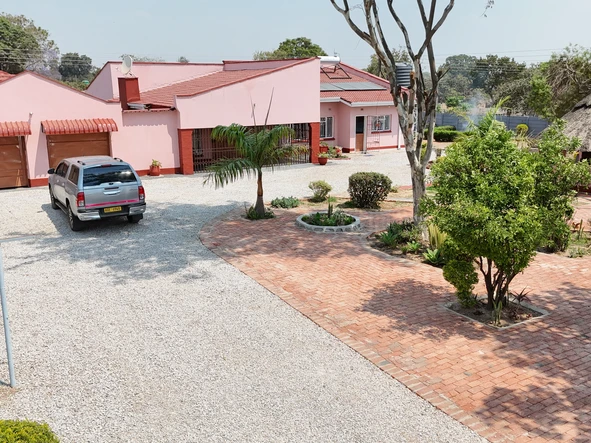
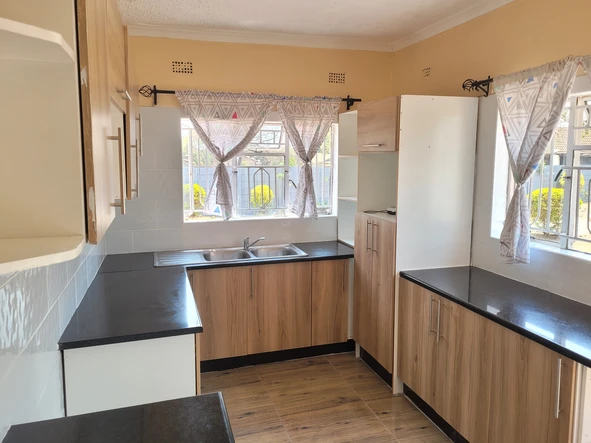
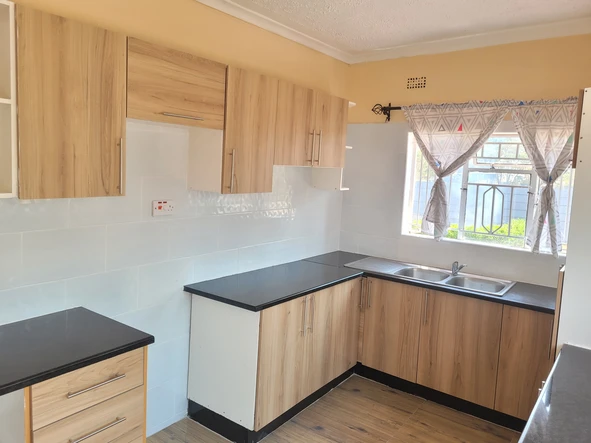
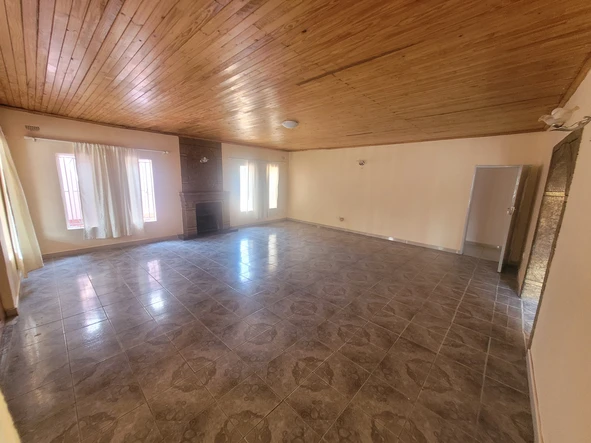
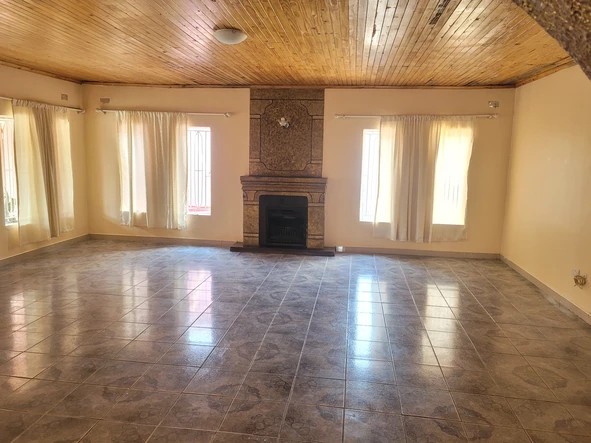
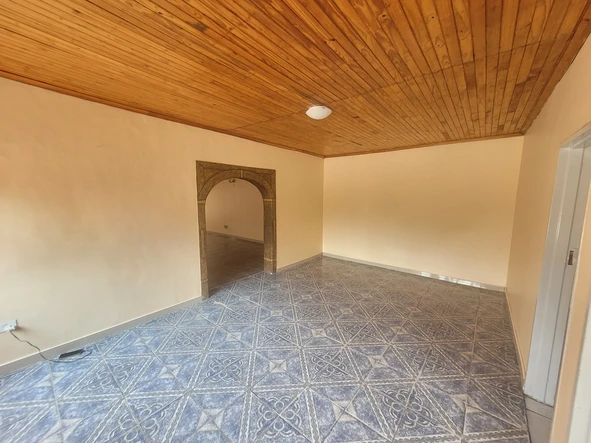
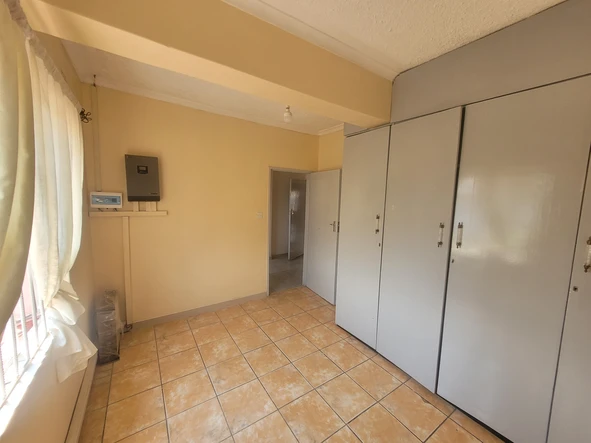
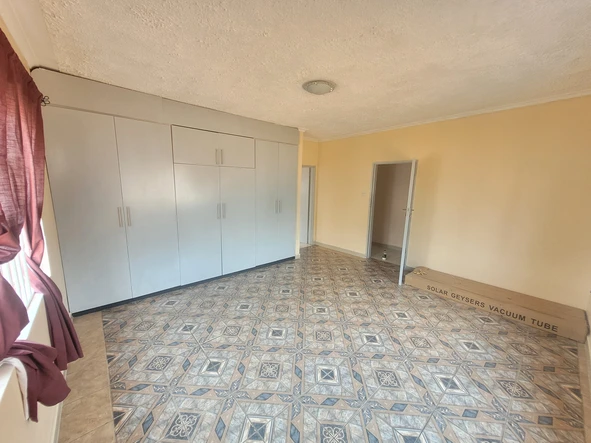
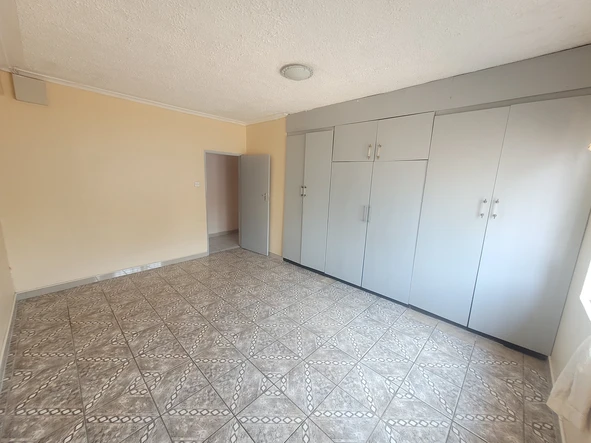
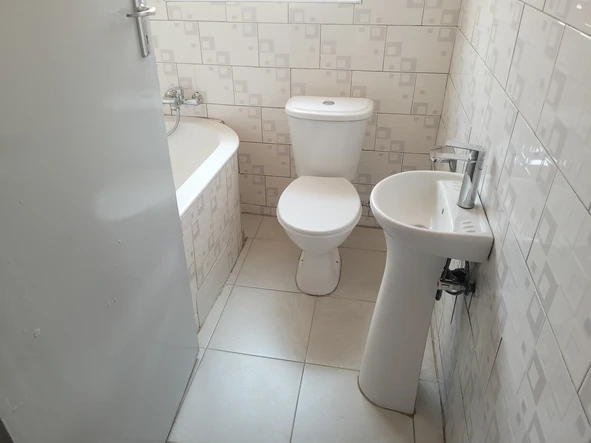
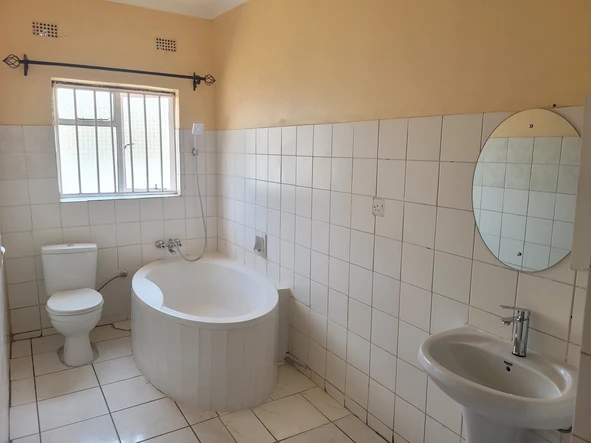
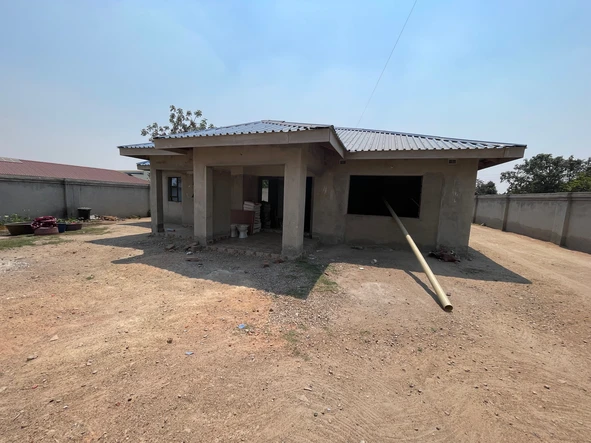
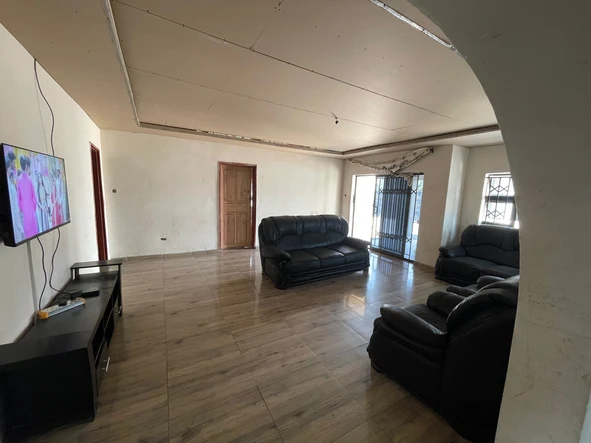
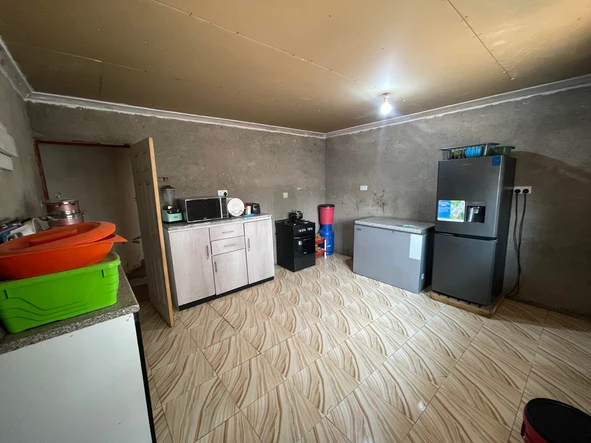
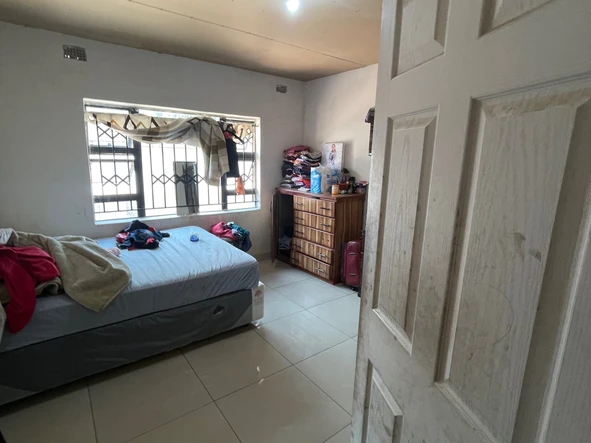
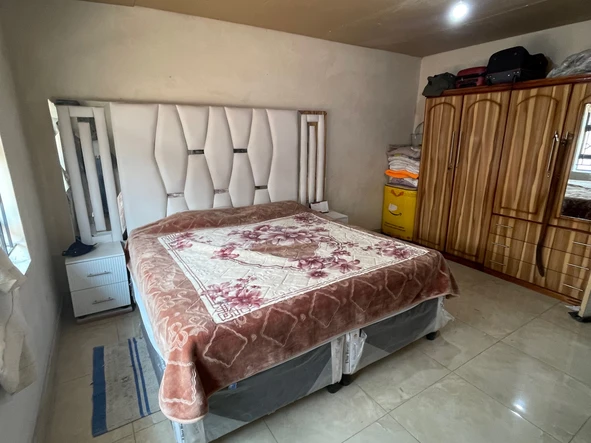
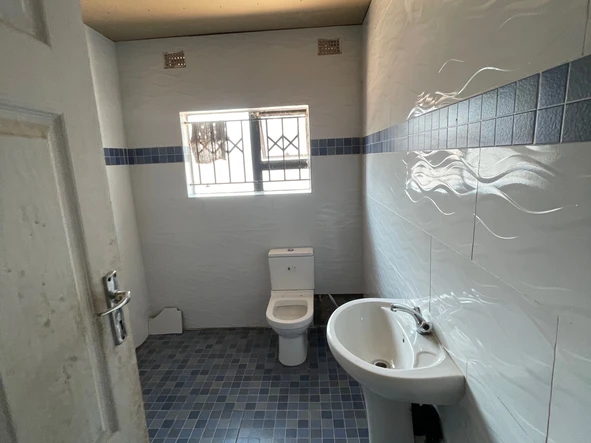
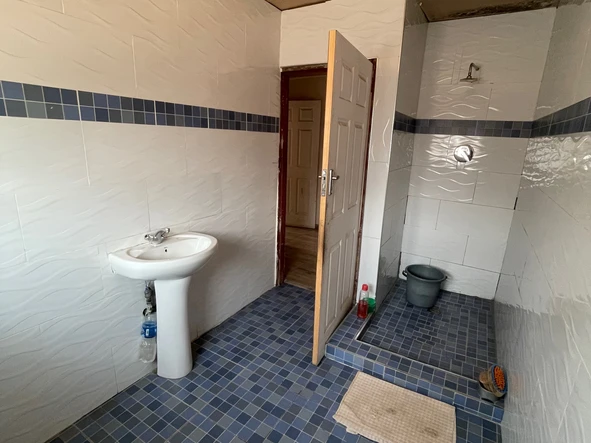
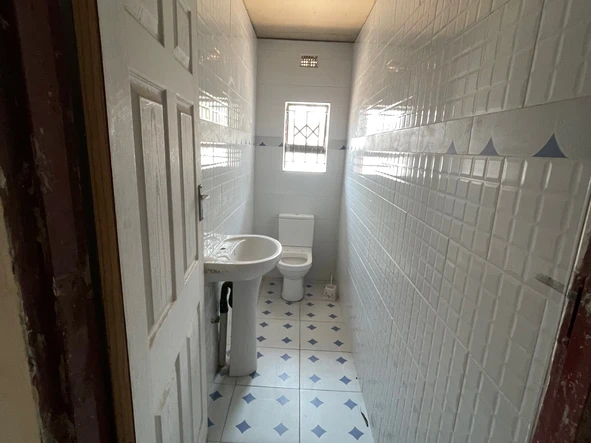
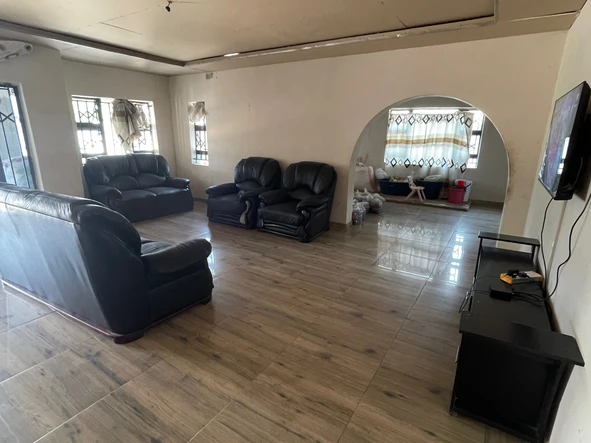
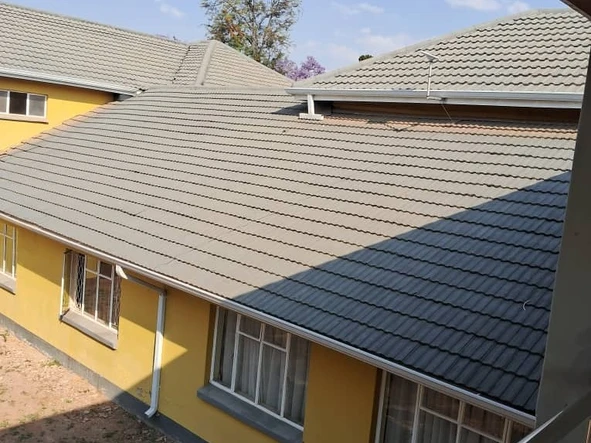
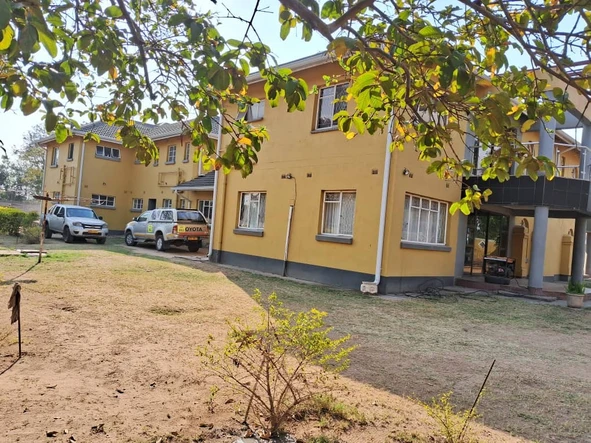
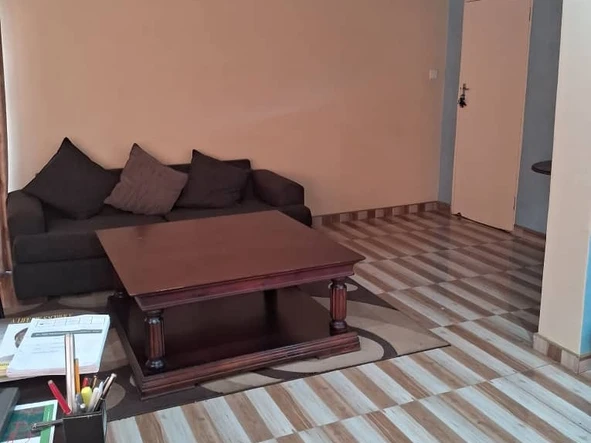
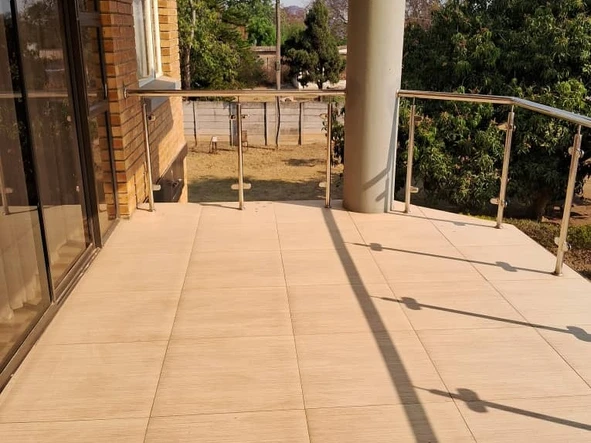
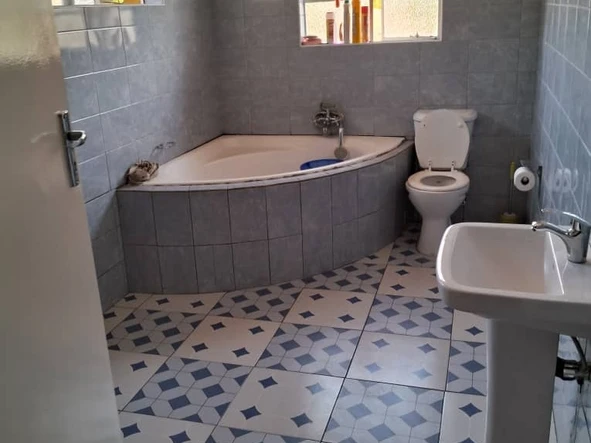
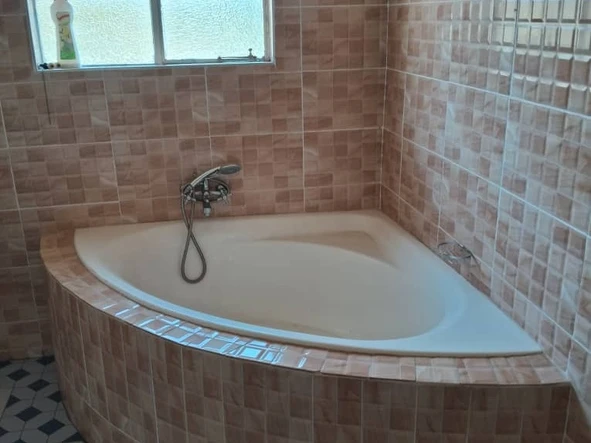
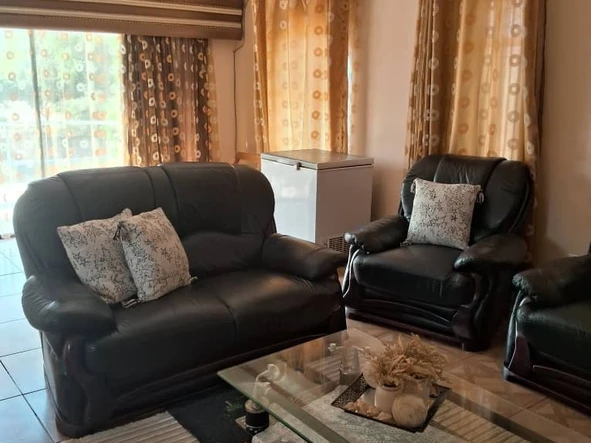
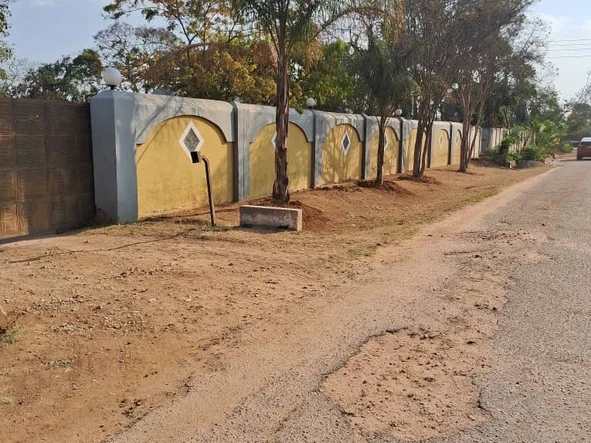
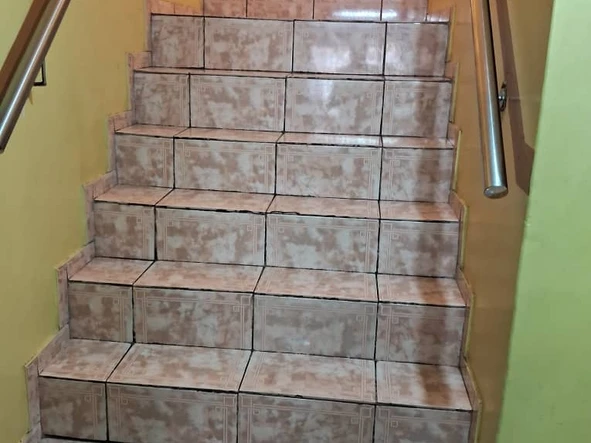
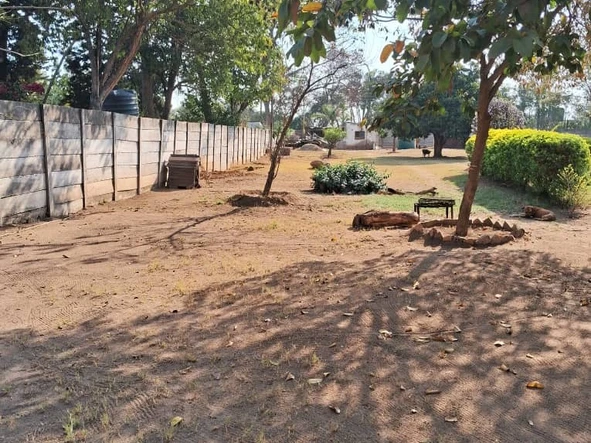
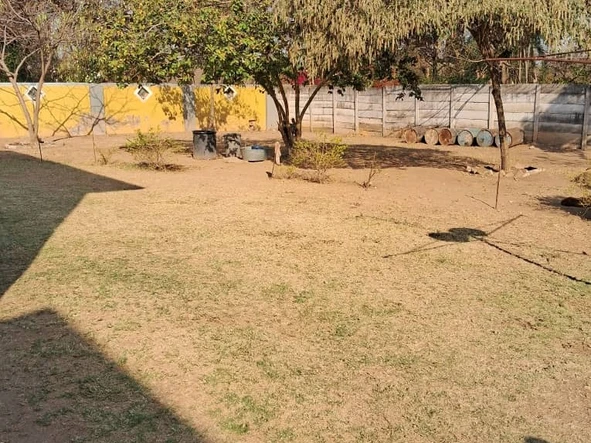
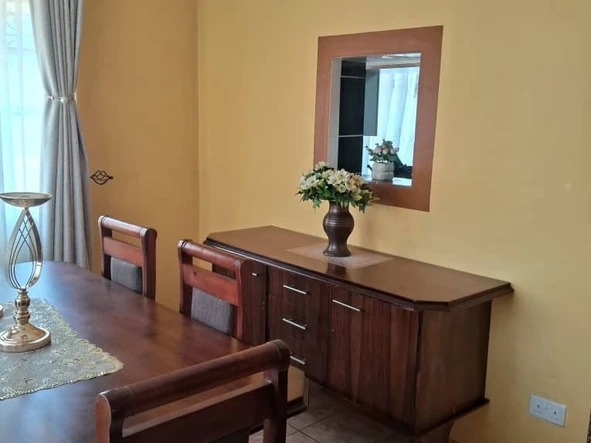
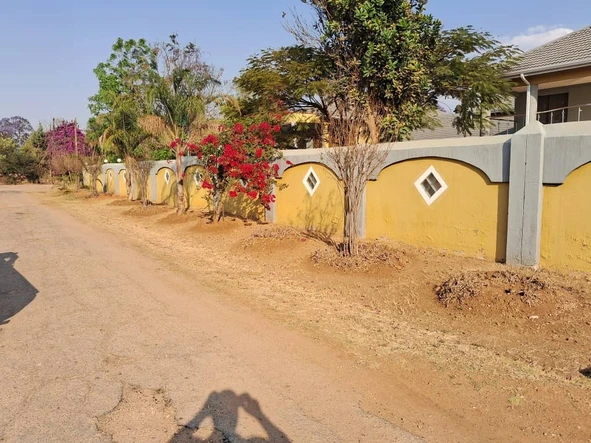
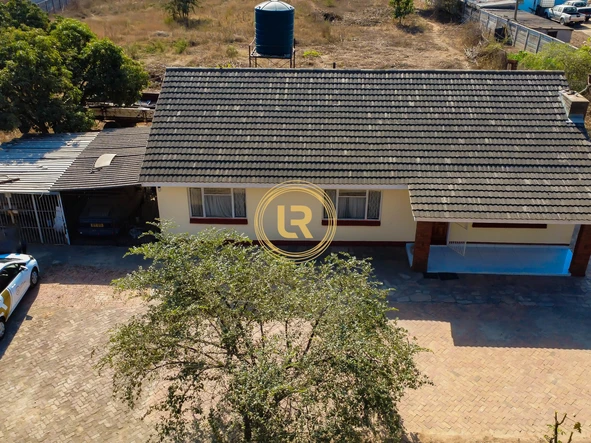
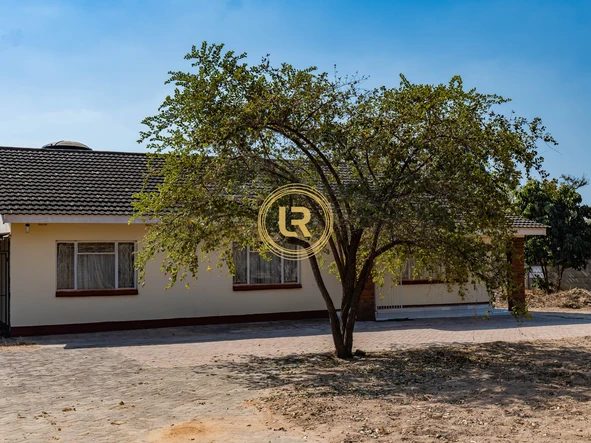
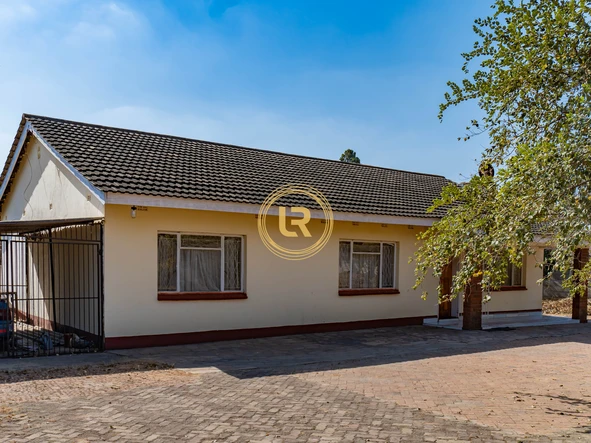
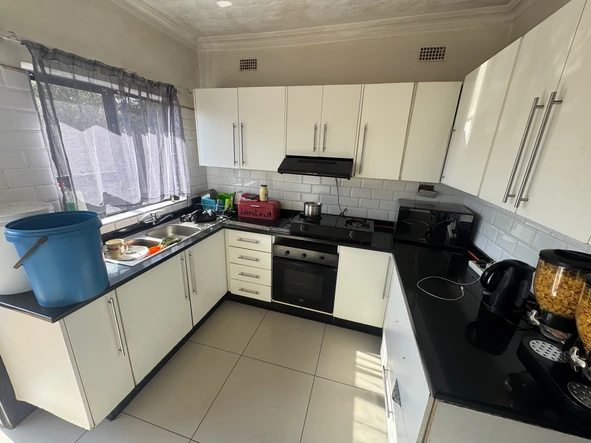
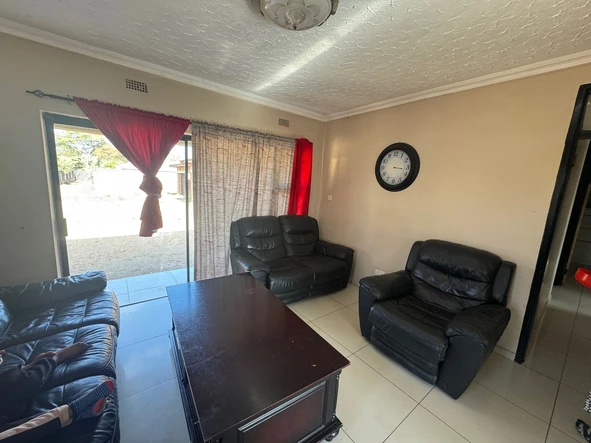
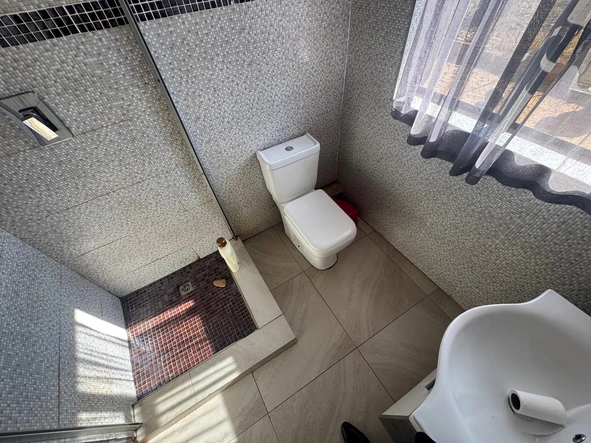
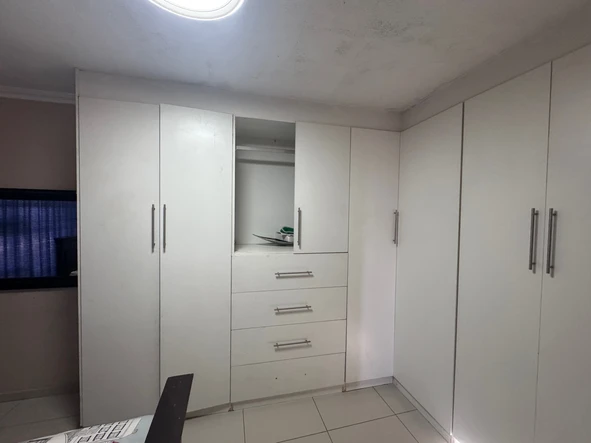
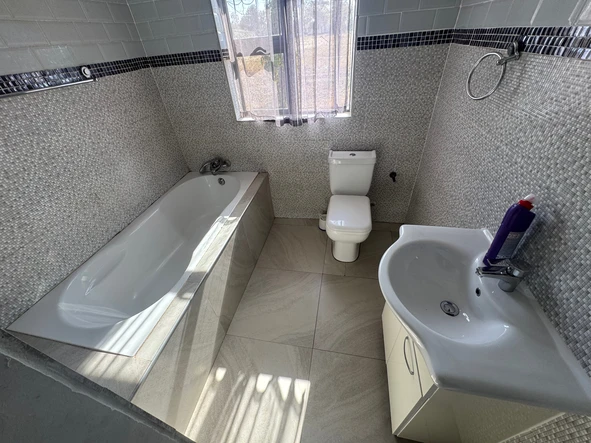
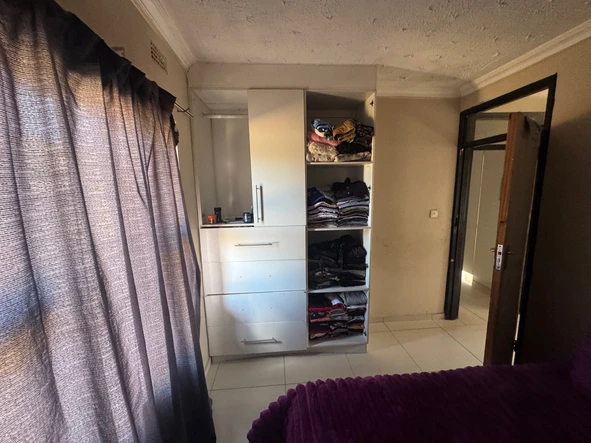
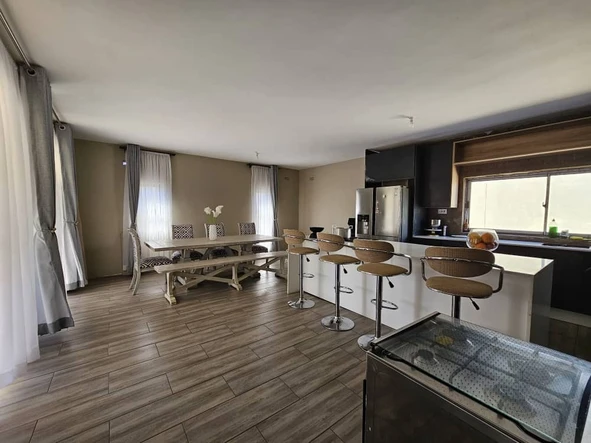
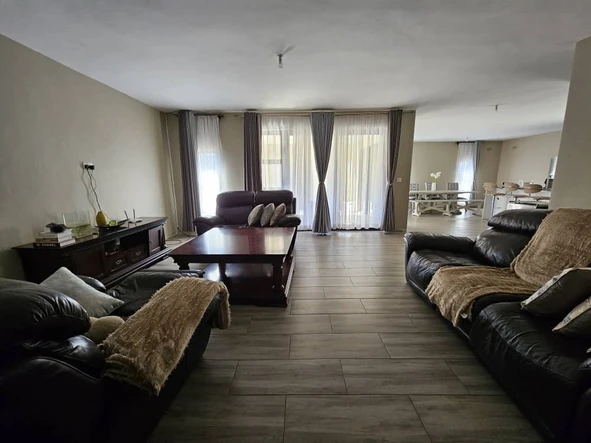
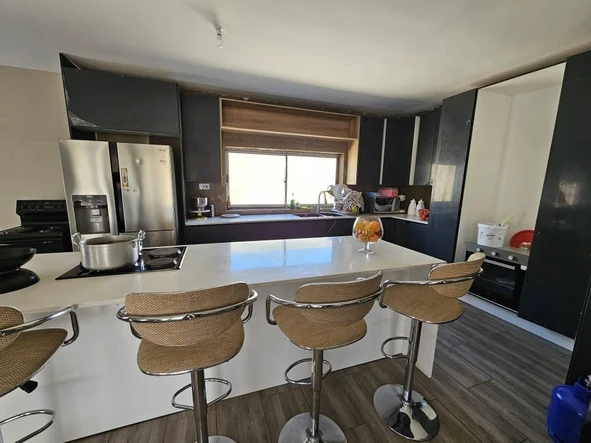
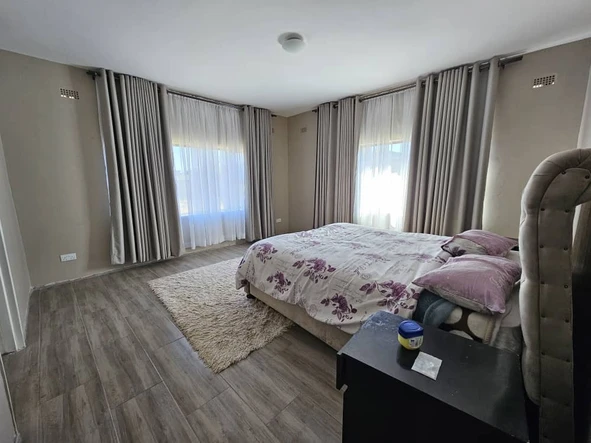
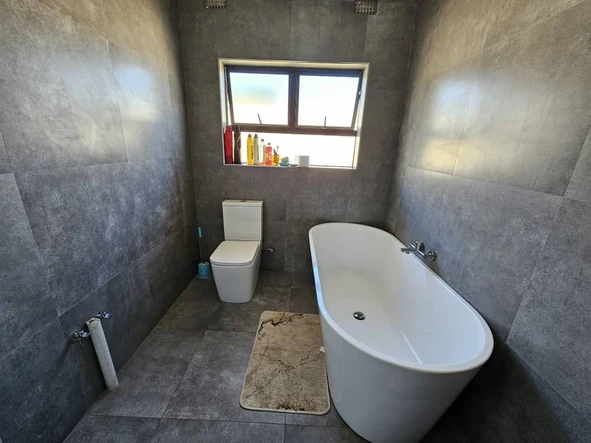
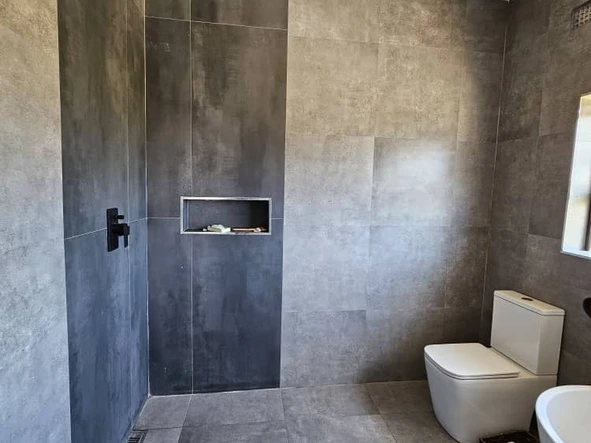
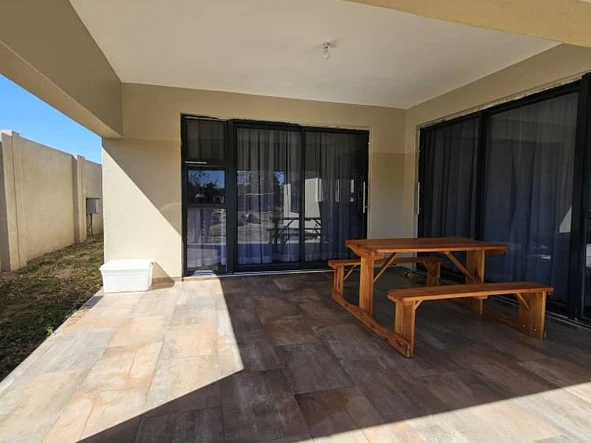
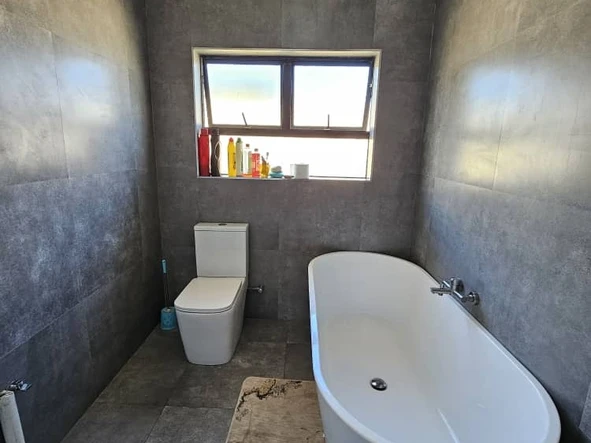
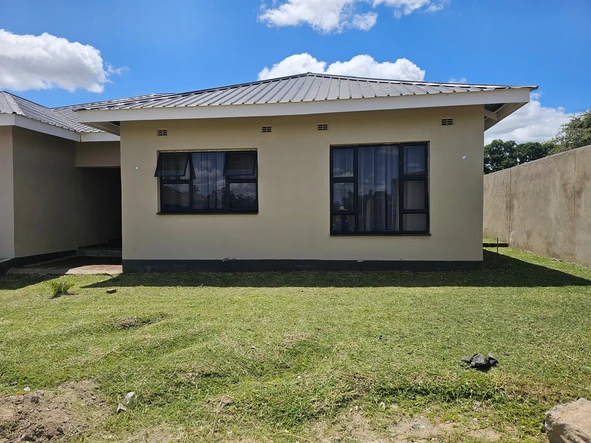
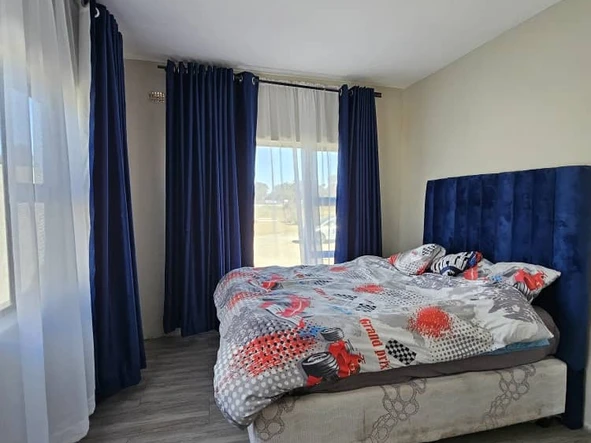
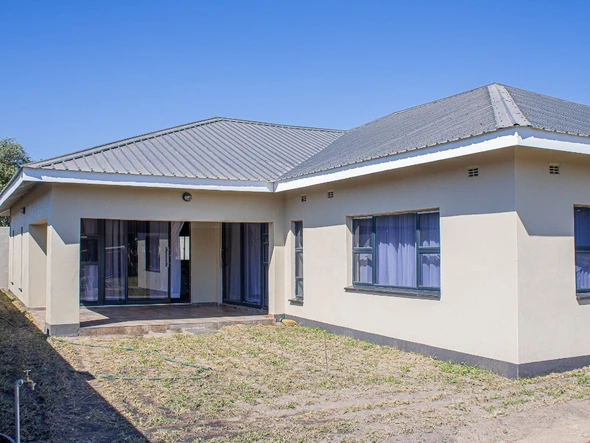
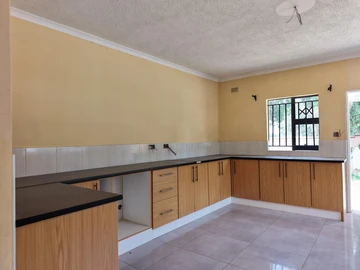
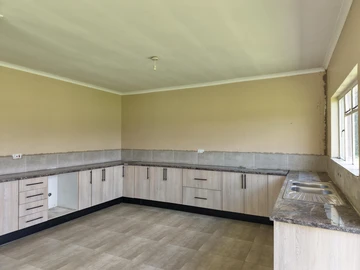
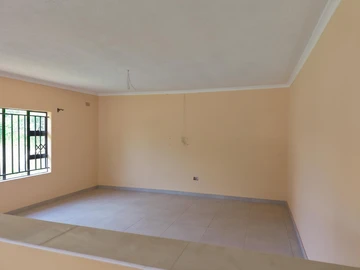
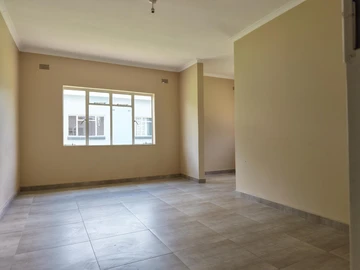
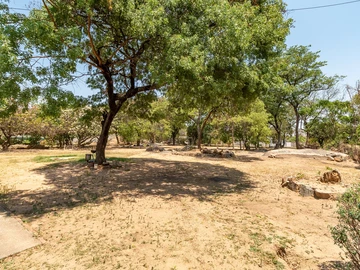
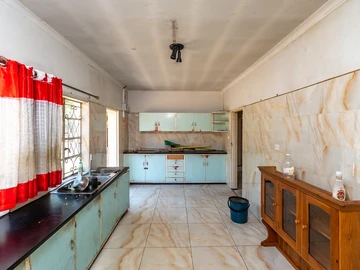
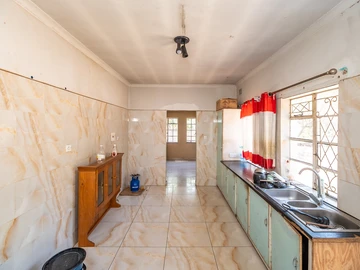
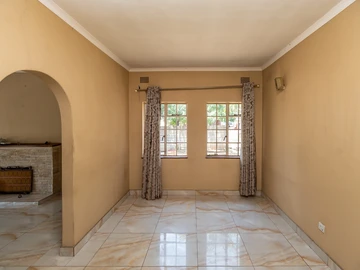
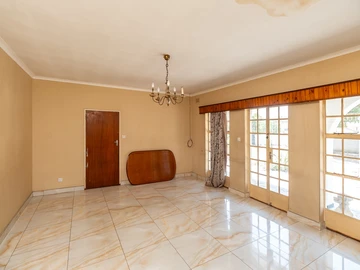
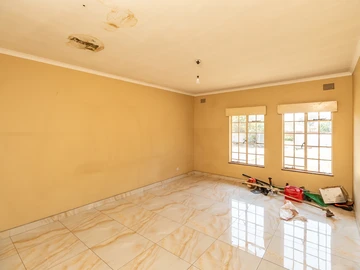
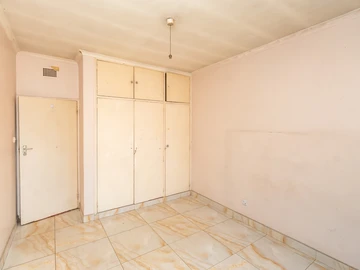
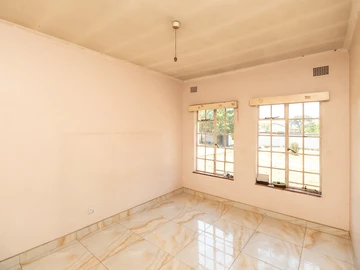
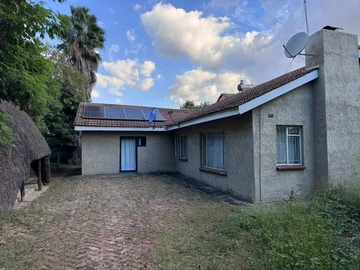
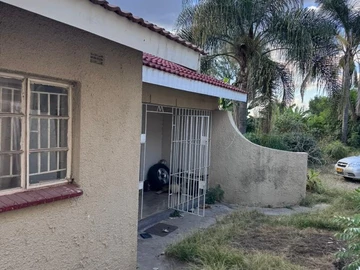
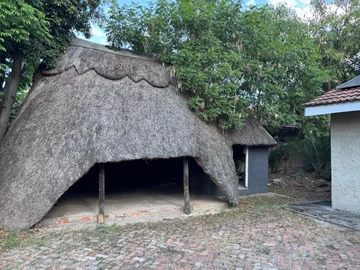
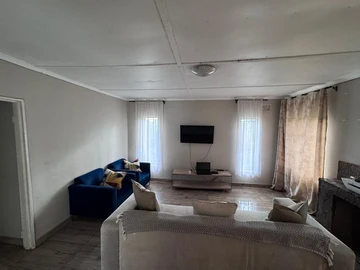
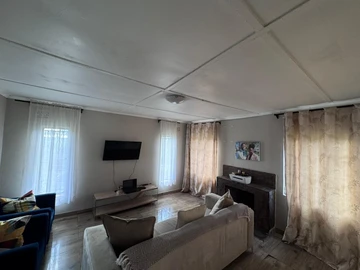
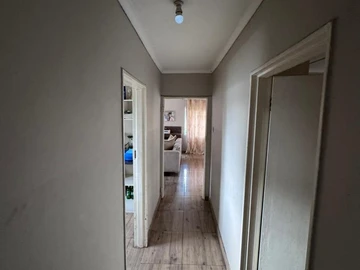
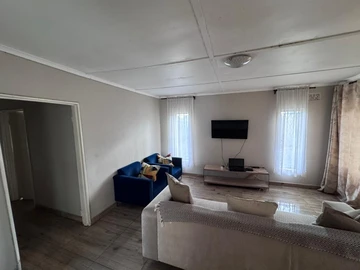
Many of these houses feature tiled floors, are walled for privacy, and include water tanks and boreholes, which are useful for water supply. Most homes have a main en suite bedroom and fitted kitchens, making them comfortable and functional for family living. These features add to the appeal for buyers seeking well-equipped homes in a quiet suburb.
Waterfalls is a leafy and peaceful residential area popular with families and professionals. It offers good access to schools like Waterfalls Primary and Secondary Schools, as well as healthcare facilities including Parirenyatwa Hospital. Nearby attractions such as Mukuvisi Woodlands and the National Botanic Gardens provide outdoor recreation opportunities. Shopping needs are met by Waterfalls Shopping Centre and larger hubs like Avondale Shopping Centre and Sam Levy’s Village. Transport links are convenient, with main roads and public transport options connecting residents to Harare’s city center and other suburbs.
4
250 m²
4
2
300 m²
6
5
500 m²
3
1
4,164 m²
5
3
450 m²
4
3
300 m²
4
2
400 m²
3
2
220 m²
7
3
1,000 m²

Be the first to see new properties for sale in Waterfalls, Harare South










| Property Size | Avg. price |
|---|---|
| 3 bedroom (View 28 properties) | $135,000 |
| 4 bedroom (View 13 properties) | $140,000 |
| 5+ bedroom (View 11 properties) | $120,000 |
Planning to convert or buy commercial property? Understand Zimbabwe’s change of use rules, 2026 Harare fees, timelines and approval risks.
Buying a home in Harare? Learn how to verify water access, ZESA grid connections, refuse services, and borehole rights before finalizing your purchase.
Pricing your property in Zimbabwe? Discover why overpricing leads to stagnant listings, lower final offers, and costly holding expenses in the 2026 market.
Navigating property valuations in Zimbabwe? Learn valuation methods, valuation fees, and key tips for buyers, sellers, and investors in the 2026 market.
Planning to downsize? Learn if you can dissolve a family trust holding your home, the legal steps required, and tax impacts before selling the property.