Log in to contact the seller
 Continue with Facebook
 Continue with Email
Continue with Facebook
Continue with Email
Sign up with Facebook
Continue with Email
Continue with Facebook
Continue with Email
Sign up with Facebook
 Change filters
 Requests

 3
3
 2
300 m²
2
300 m²


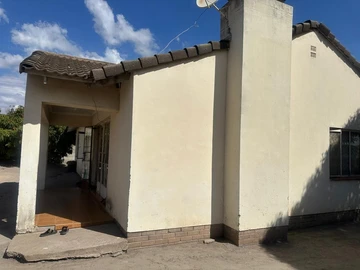
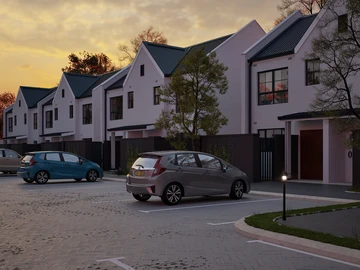
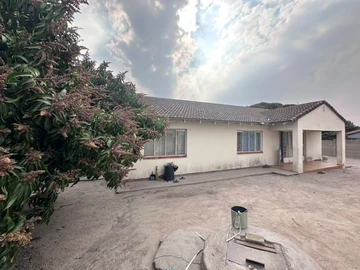
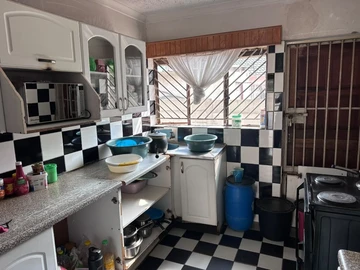
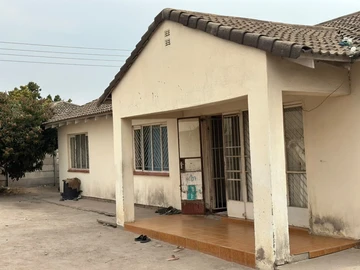
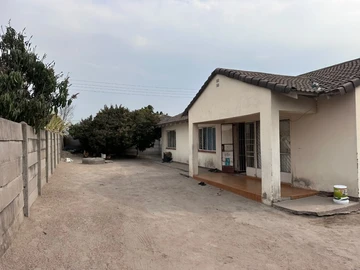
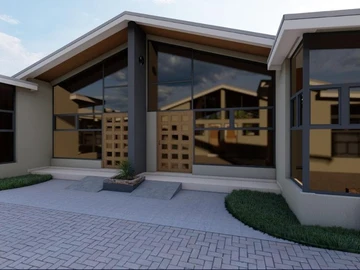
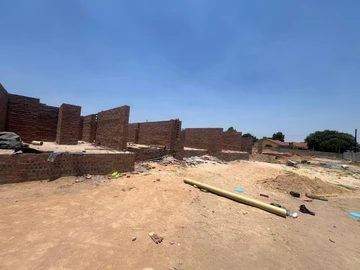
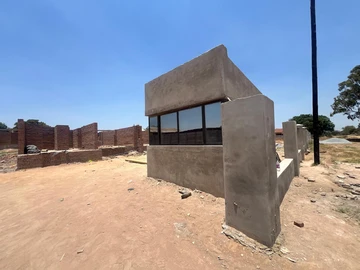
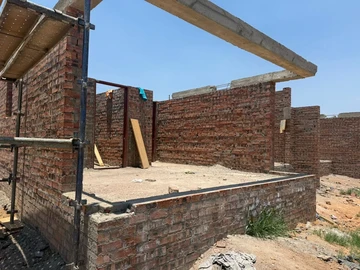
Houses for sale in Msasa Park, Harare South, offer affordable options with an average price of $155,000. These homes typically sit on land areas around 420 ㎡, with property sizes averaging 180 ㎡. The largest properties can reach up to 473 ㎡ in size and sit on plots as large as 2,000 ㎡, providing spacious living options for families.
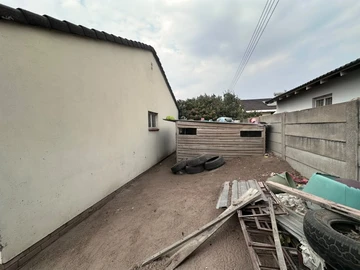
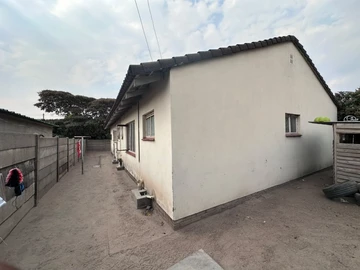
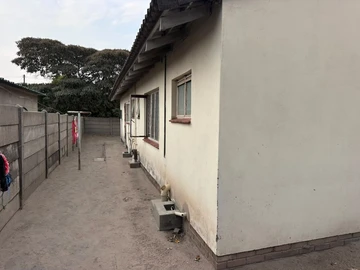
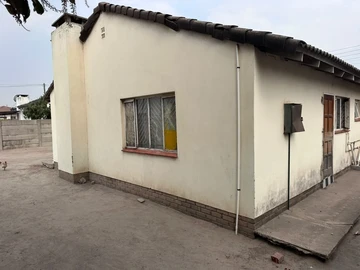
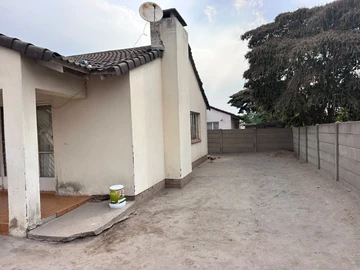
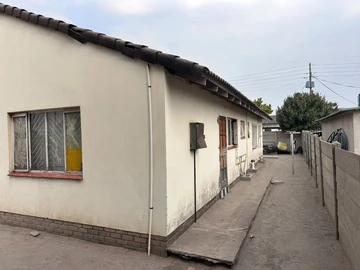
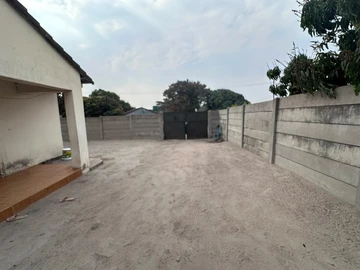
Many houses in Msasa Park feature walled compounds, adding privacy and security. The properties are generally medium to large homes, suitable for middle to upper-middle-income buyers looking for comfortable suburban living. The area is known for its quiet, family-friendly atmosphere and well-maintained streets.
Msasa Park is a leafy suburb named after the indigenous Msasa trees common in the area, contributing to its peaceful environment. Residents enjoy easy access to reputable schools like Msasa Primary School, healthcare facilities, and shopping centers such as Southgate Shopping Centre. The neighborhood also benefits from good transport links, including reliable minibus taxi services and main roads connecting to Harare city center. Nearby attractions include the National Botanic Gardens and local parks, making it ideal for families seeking a green and secure community.

Be the first to see new properties for sale in Msasa Park, Harare South








| Property Size | Avg. price |
|---|---|
| 2 bedroom (View 3 properties) | $205,000 |
| 3 bedroom (View 104 properties) | $150,000 |
| 4 bedroom (View 96 properties) | $150,000 |
| 5+ bedroom (View 37 properties) | $200,000 |
Understand Zimbabwe’s 2026 rental tax rules, including the 15% commercial regime, residential tax treatment, monthly deadlines and disclosure window
Planning to drill or buy a property with a borehole in Zimbabwe? Check the authority, permit, siting, records and water quality before you commit.
Protect your rental property in Zimbabwe. Learn the 10 essential tenant screening checks landlords should make before signing a lease agreement.
Upgrade your home with the top bathroom trends of 2026 in Zimbabwe. Explore 8 stylish ideas covering luxury vanity finishes, lighting, and eco features.
Buying property in Zimbabwe? Discover hidden costs like stamp duty, conveyancing fees, and taxes that can add 8%–12% or more to your purchase price.




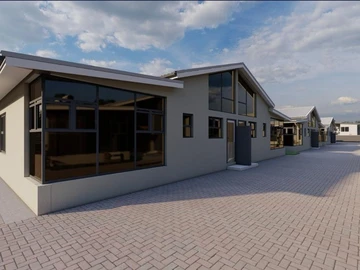
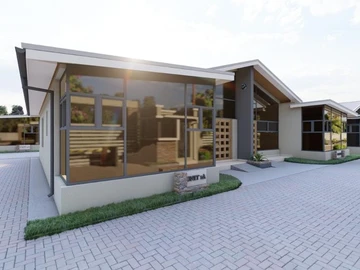
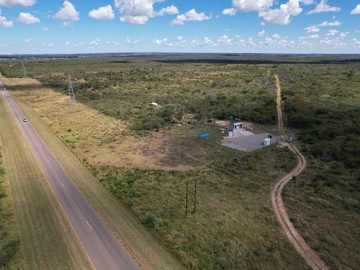
 2,000 m²