Log in to contact the seller
 Continue with Facebook
 Continue with Email
Continue with Facebook
Continue with Email
Sign up with Facebook
Continue with Email
Continue with Facebook
Continue with Email
Sign up with Facebook
 Change filters
 Requests





 2
2
 2
200 m²
2
200 m²


 2
1
180 m²
2
1
200 m²
2
2
80 m²
2
1
180 m²
2
1
200 m²
2
2
80 m²
 2
1
80 m²
2
1
80 m²
 2
2
250 m²
2
1
150 m²
2
1
2
2
250 m²
2
1
150 m²
2
1
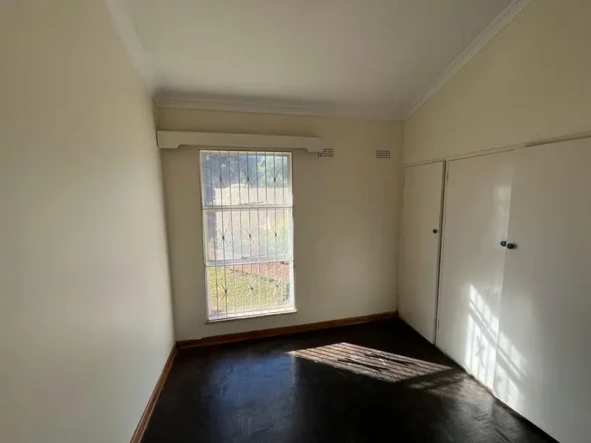
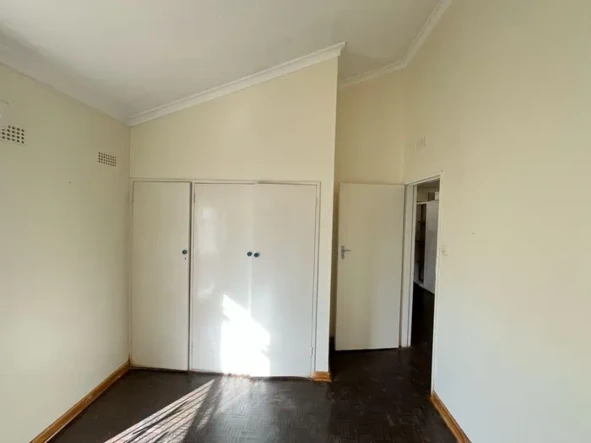
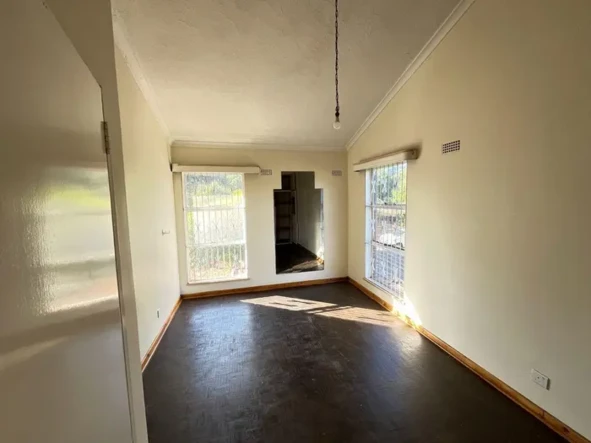
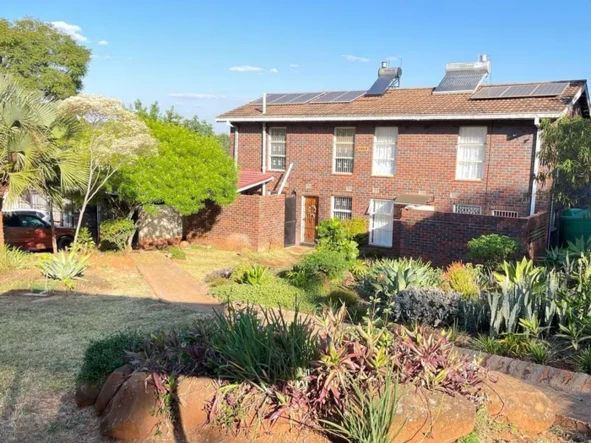
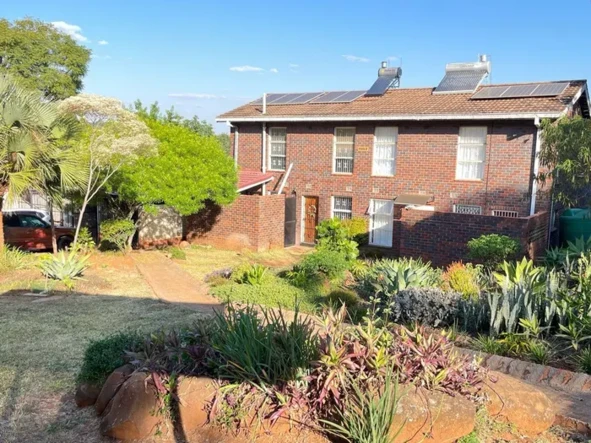
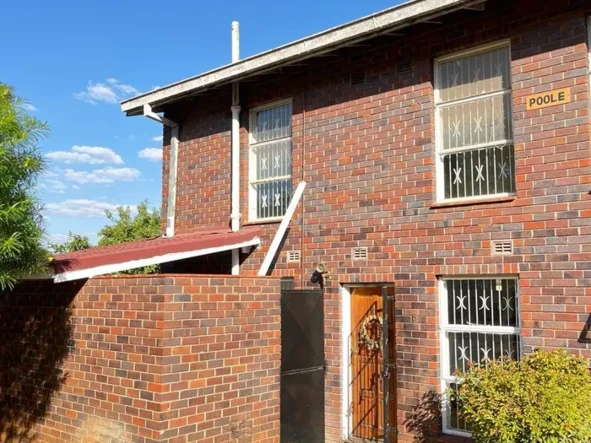
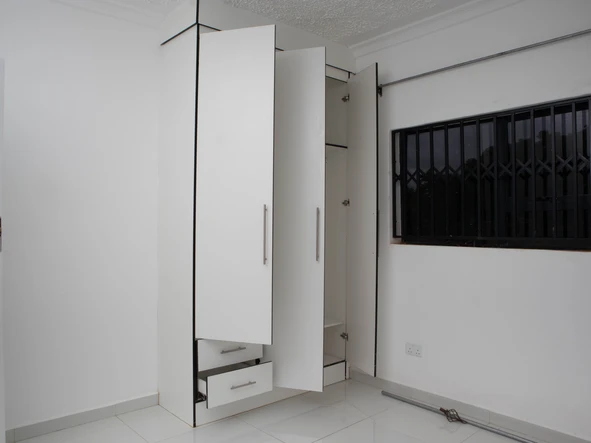
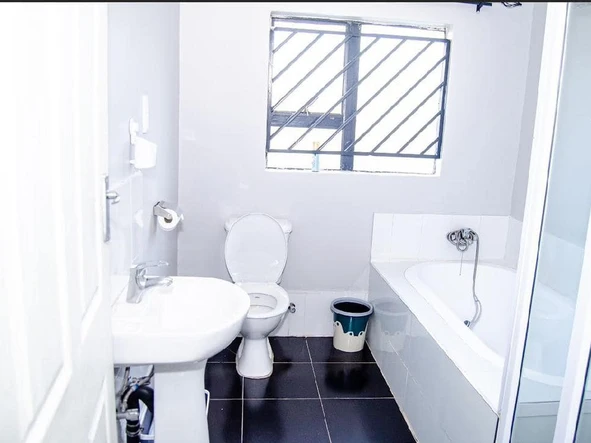
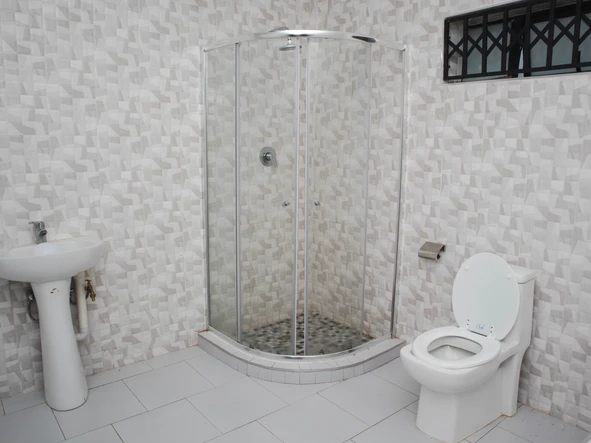
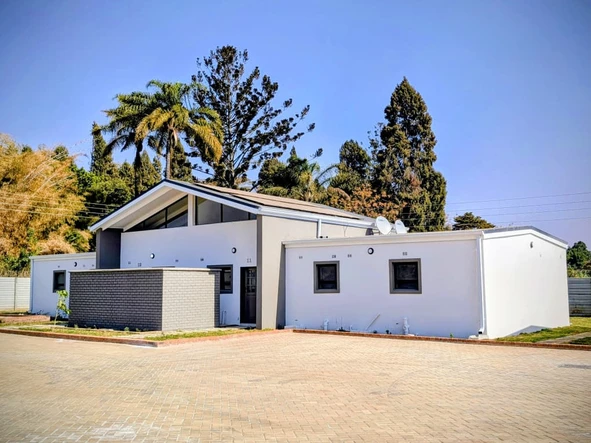
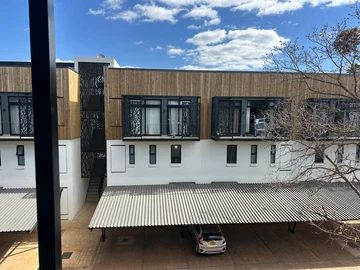
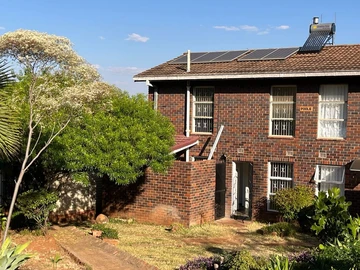
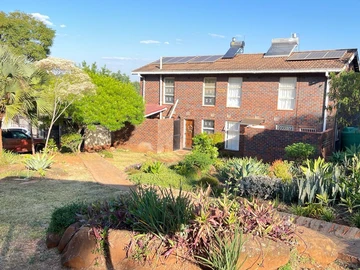
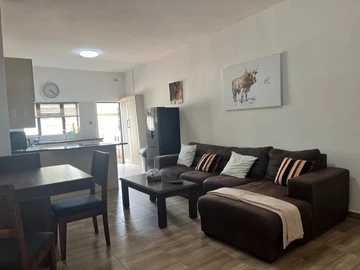
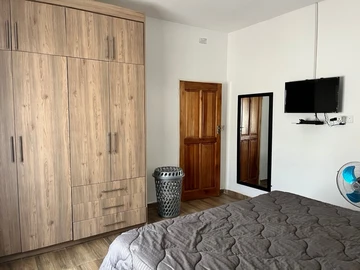
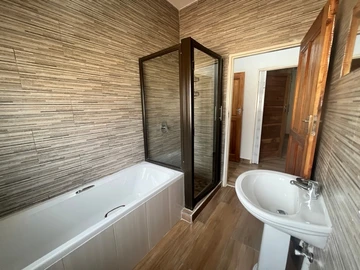
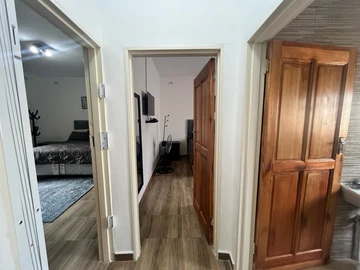
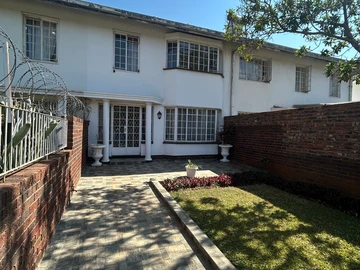
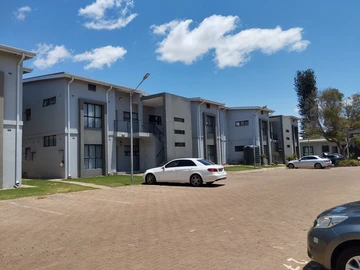
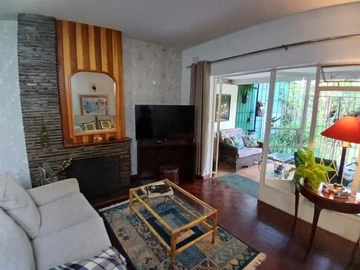
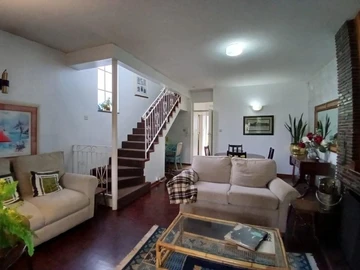
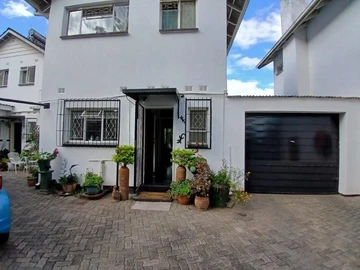
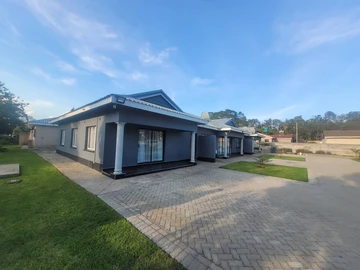
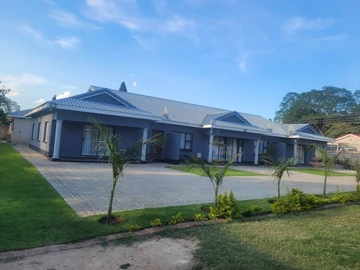
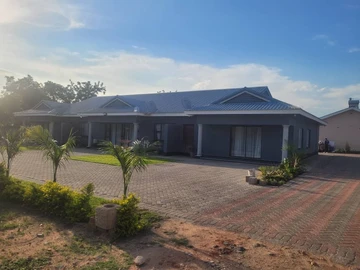
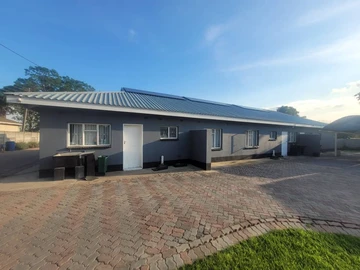
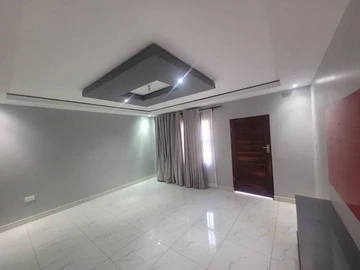
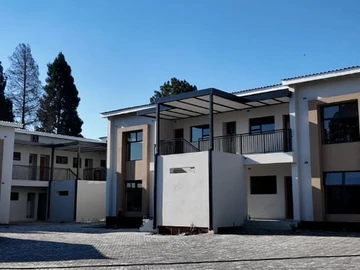
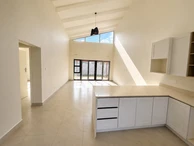
2-bedroom garden flats for rent in Harare offer affordable living options with an average monthly rent of $1,000 USD. These flats typically have a property size around 130 ㎡, with some larger units reaching up to 1,500 ㎡. Land sizes vary widely, with the largest plots extending to 4,400 ㎡, providing spacious outdoor areas for residents.
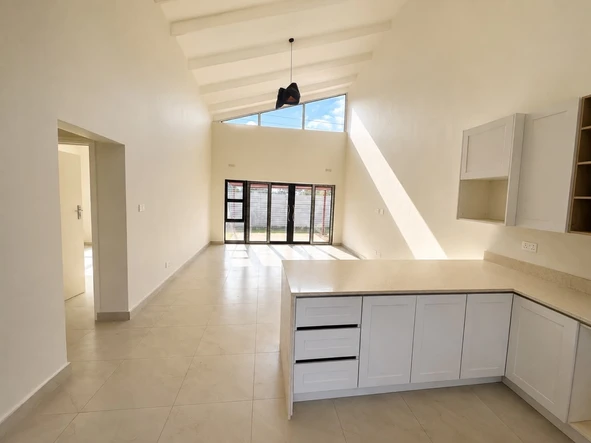
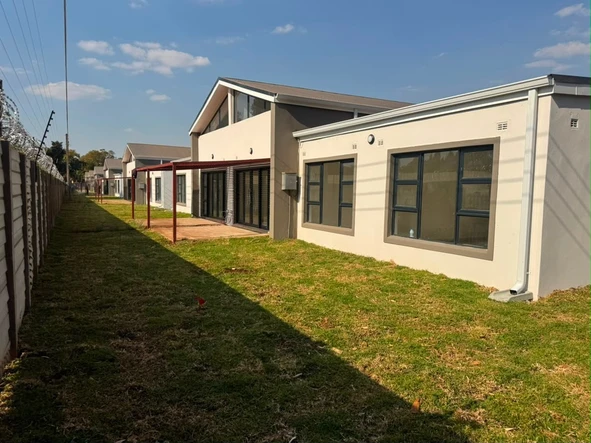
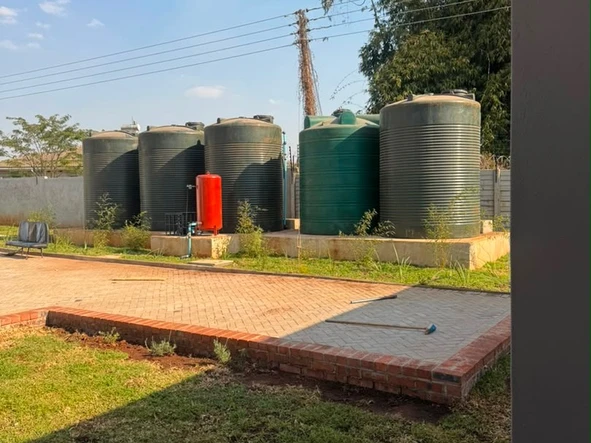
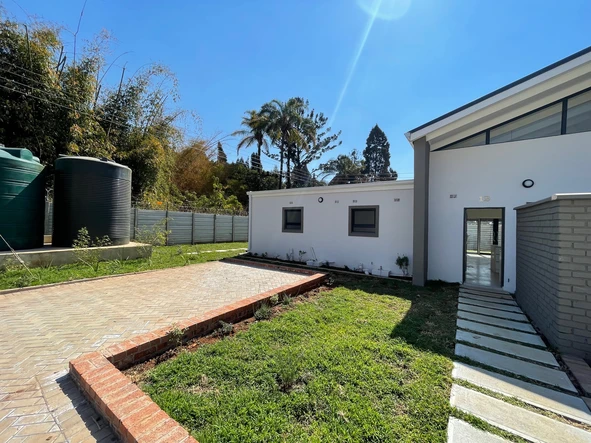
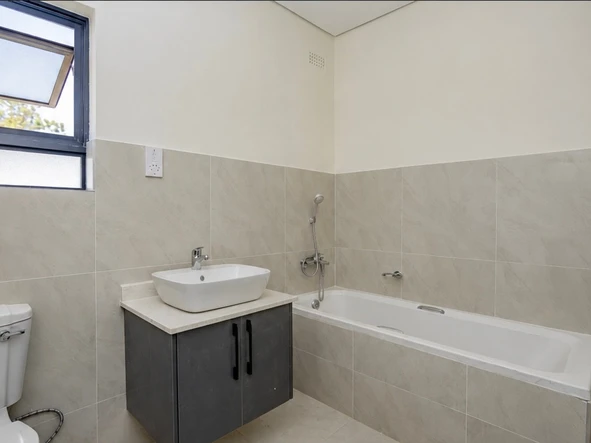
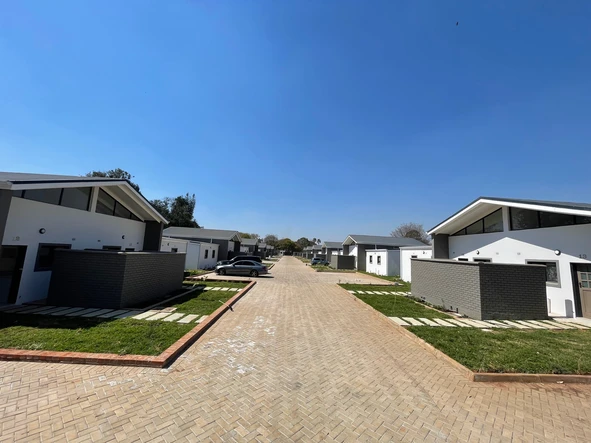
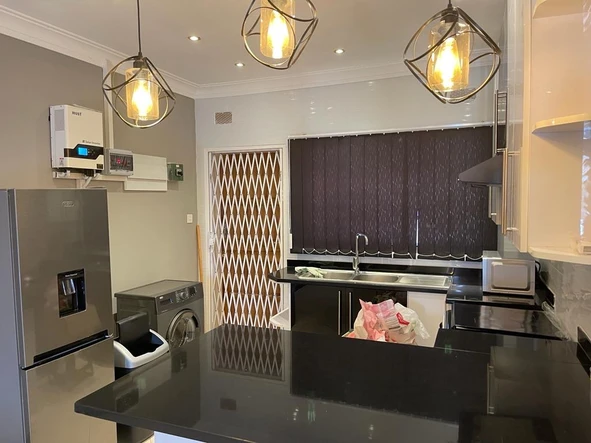
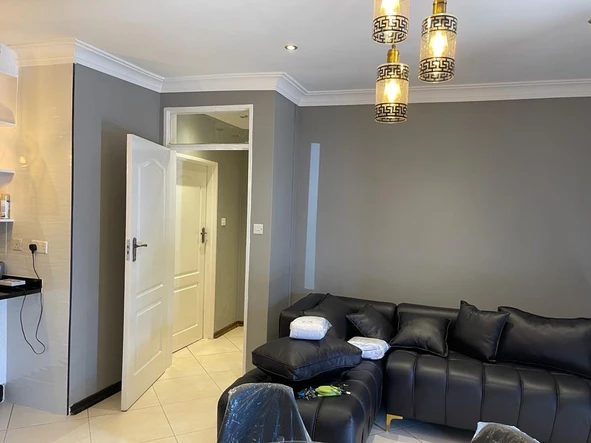
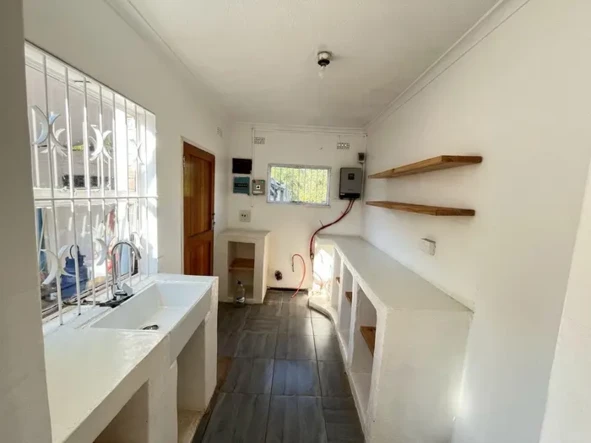
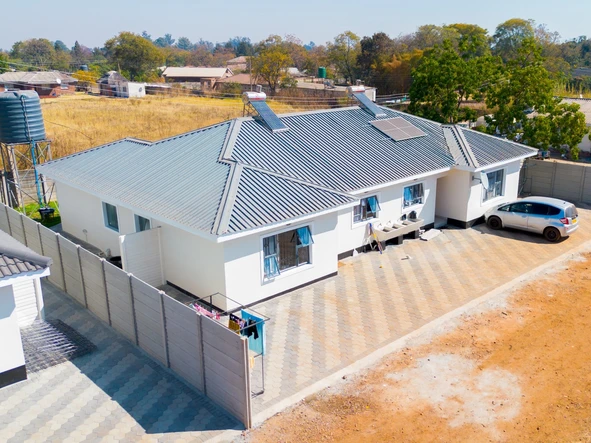
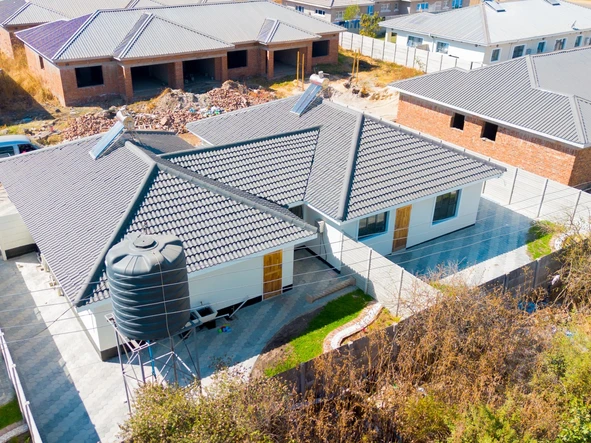
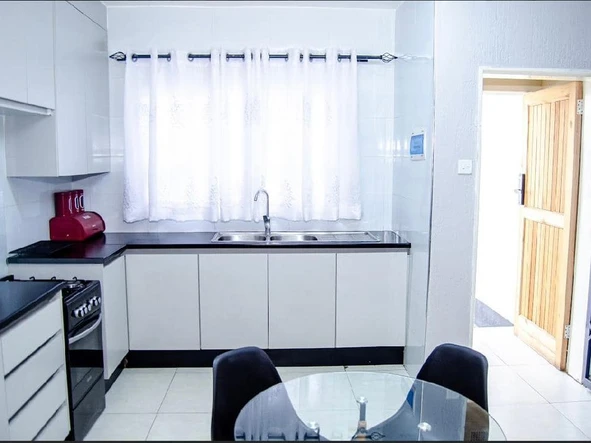
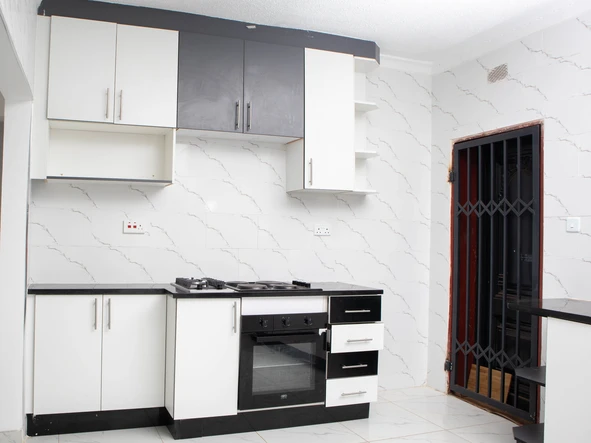
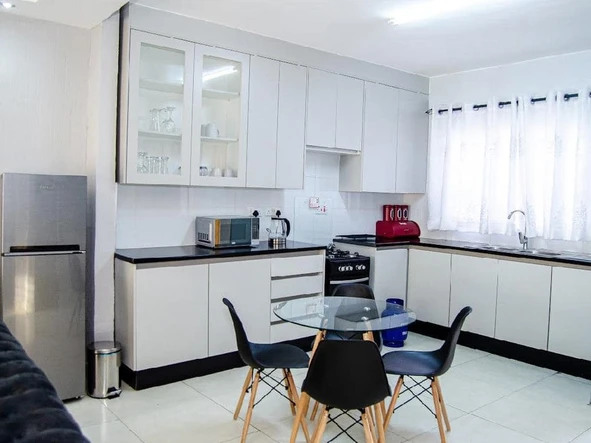
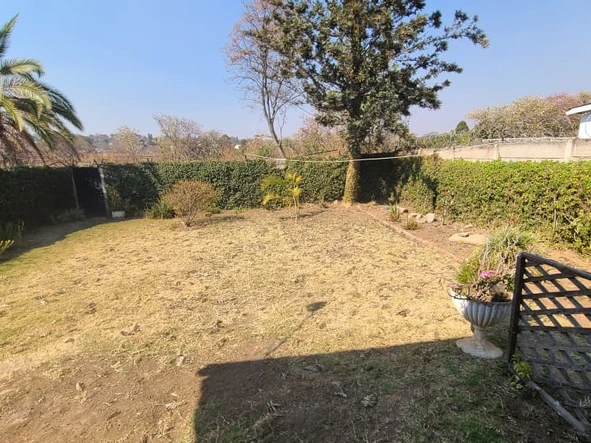
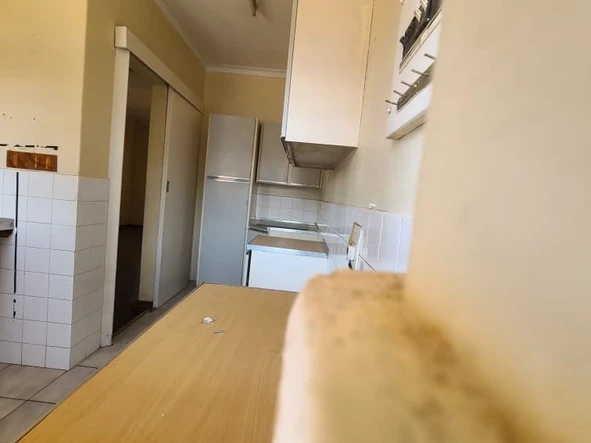
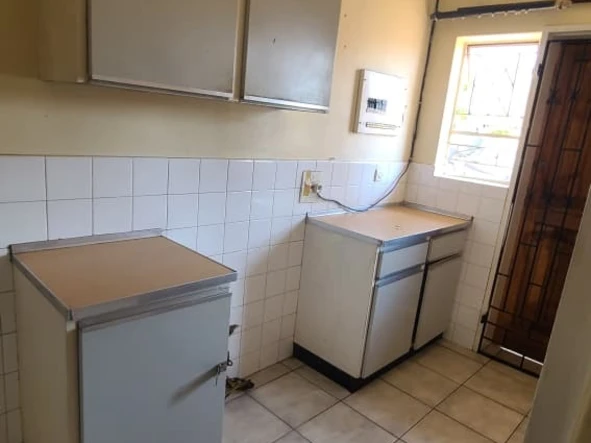
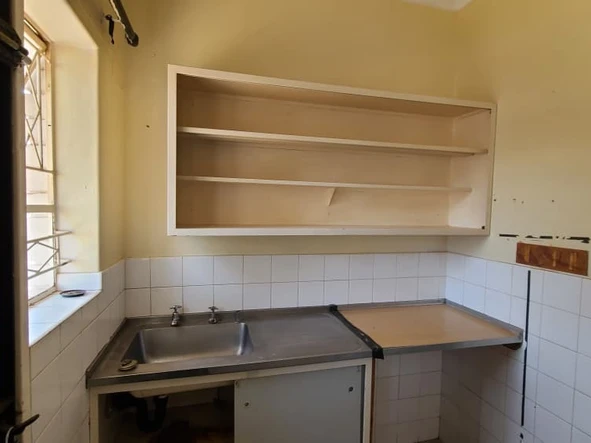
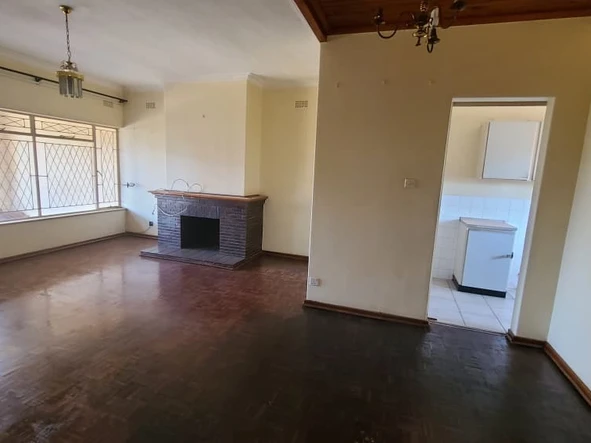
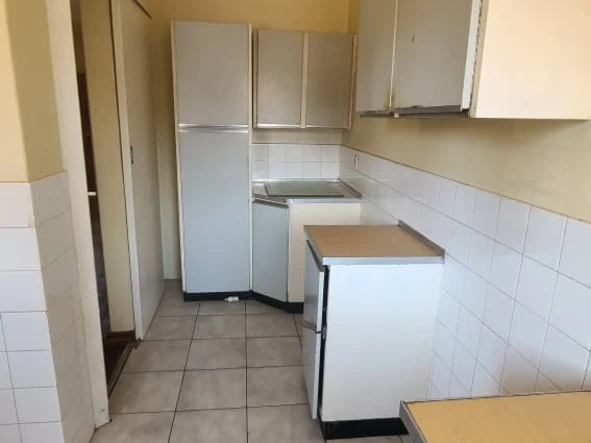
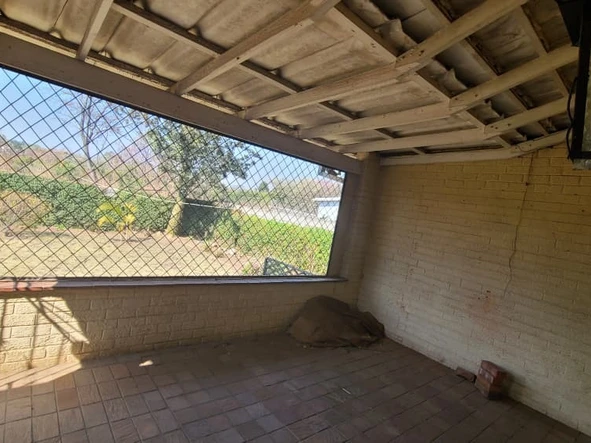
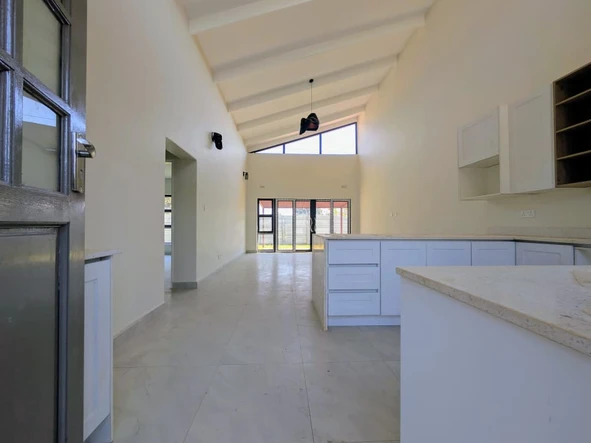
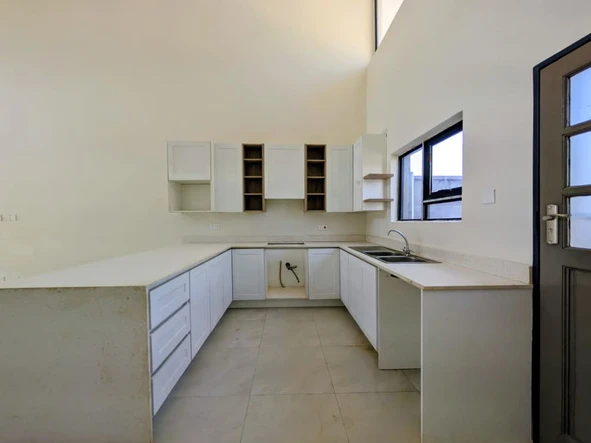
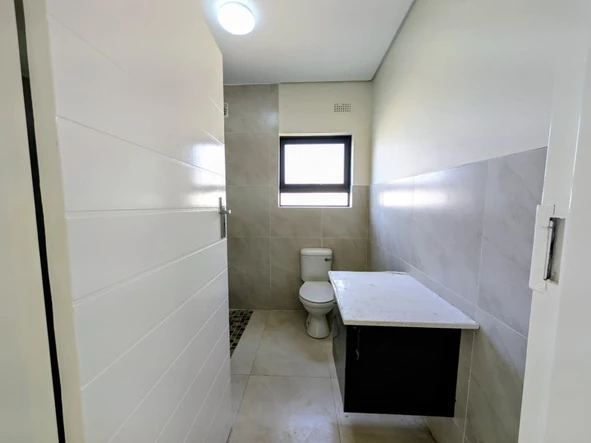
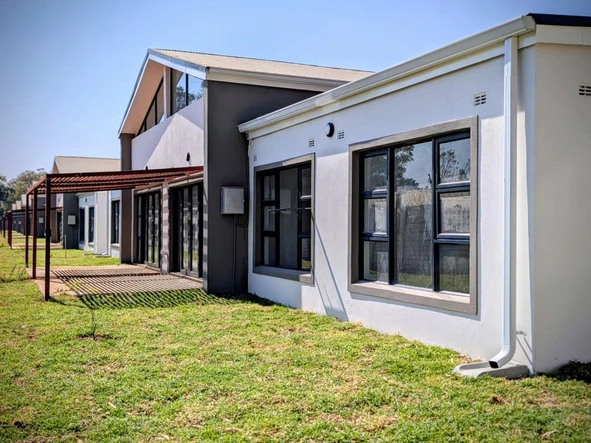
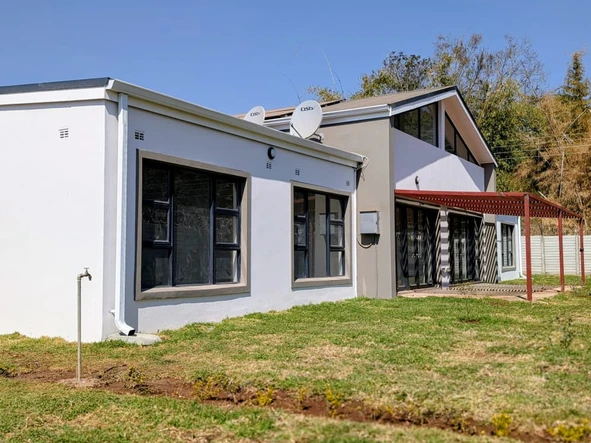
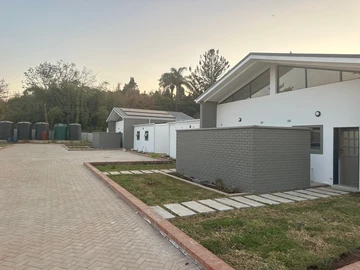
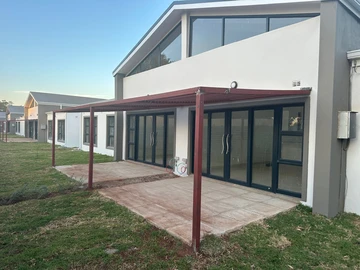
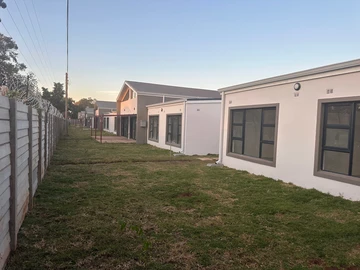
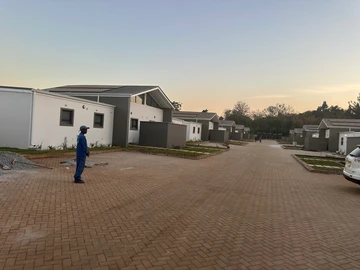
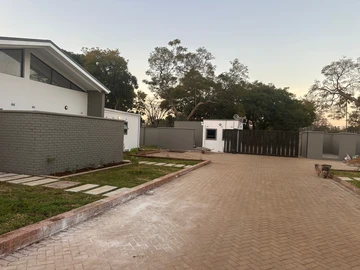
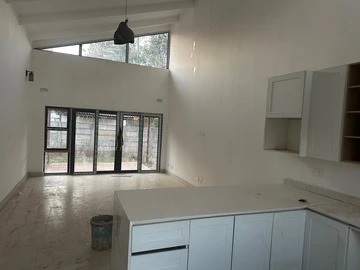
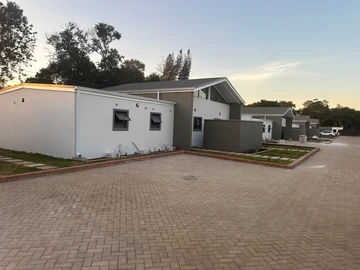
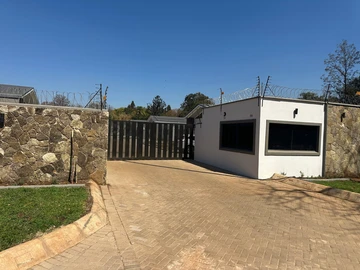
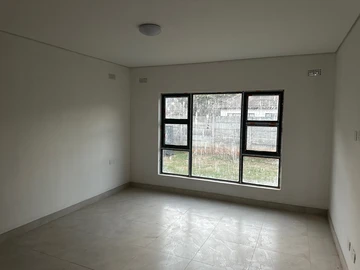
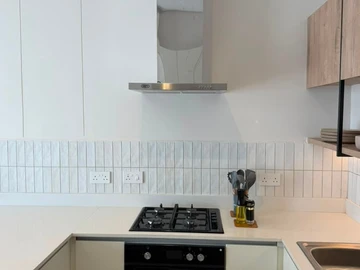
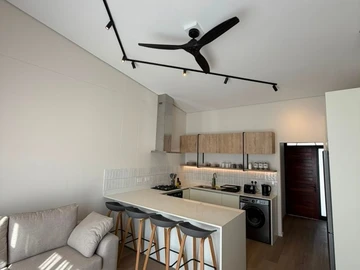
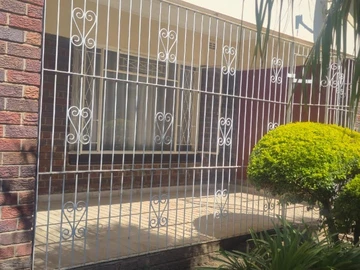
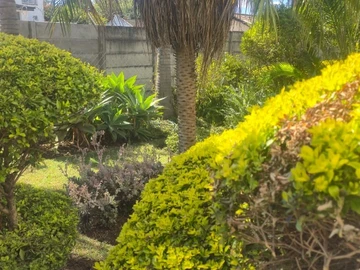
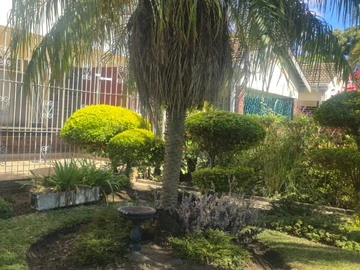
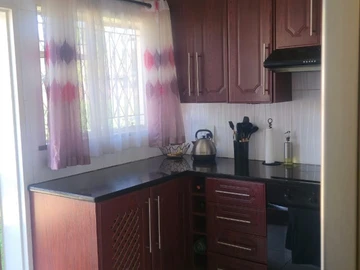
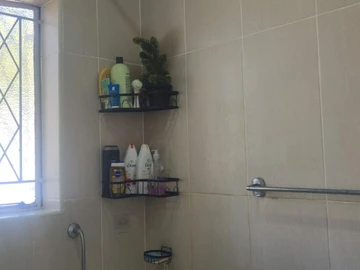
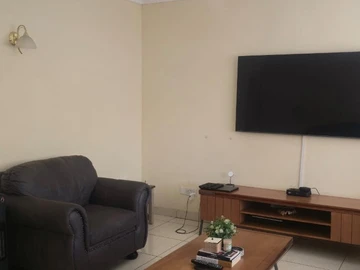
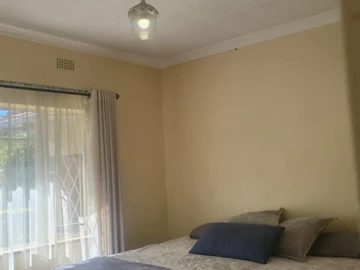
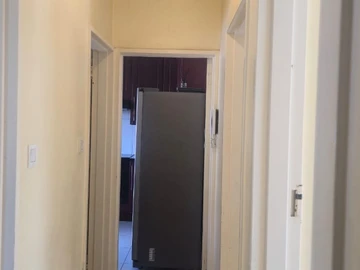
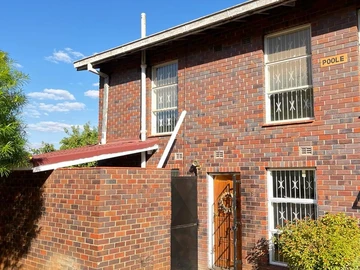
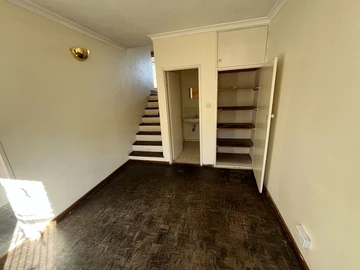
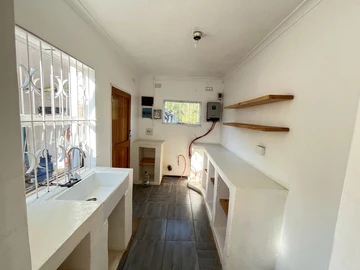
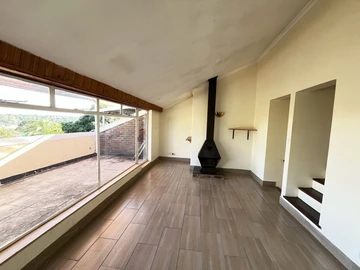
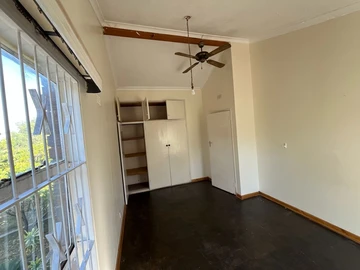
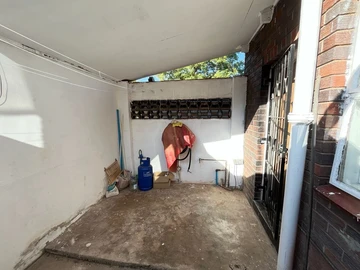
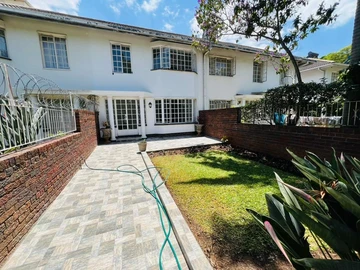
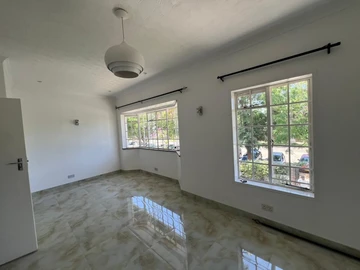
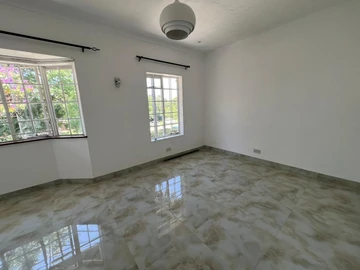
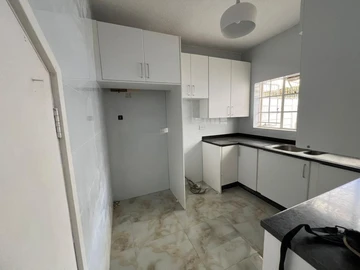
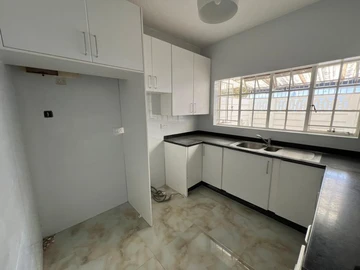
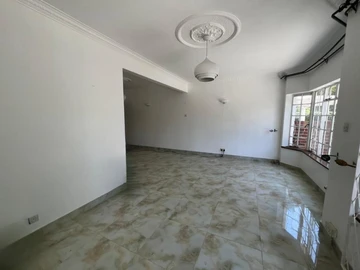
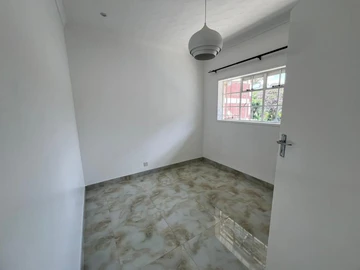
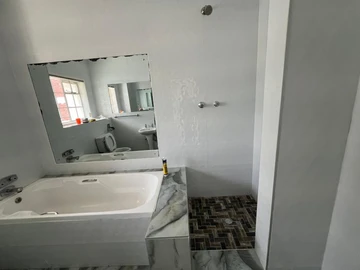
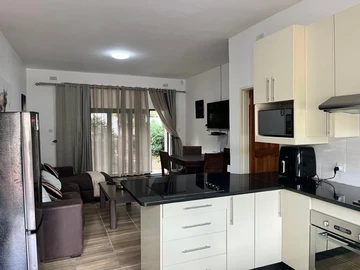
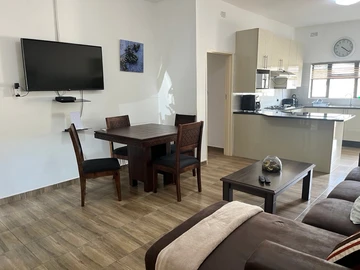
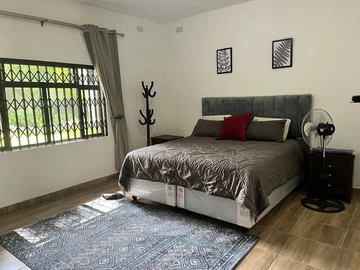
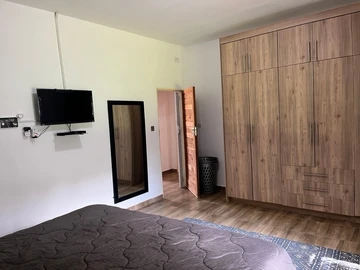
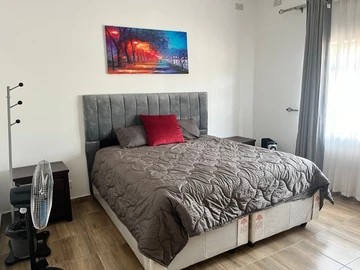
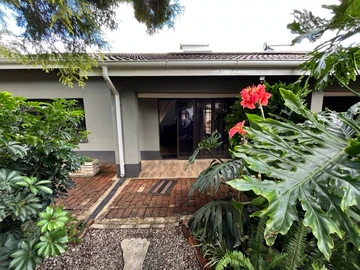
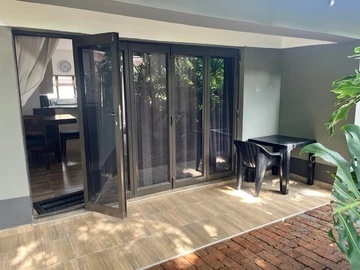
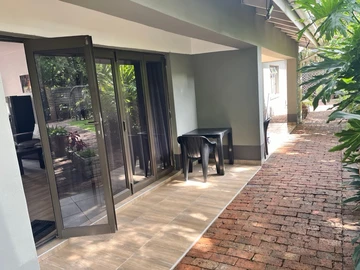
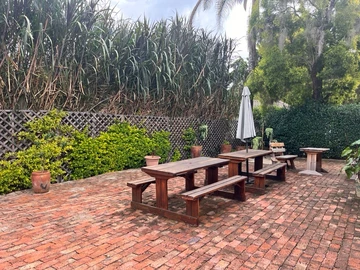
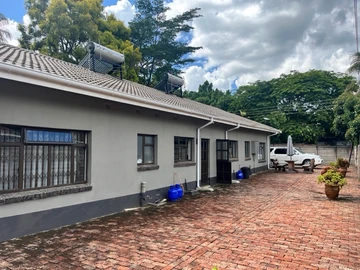
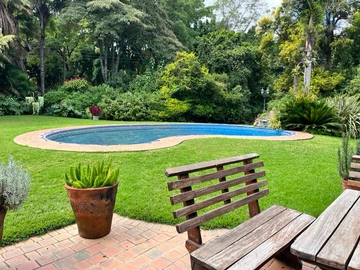
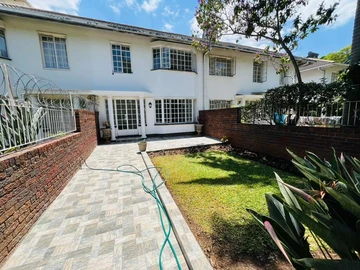
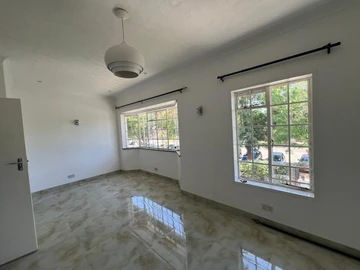
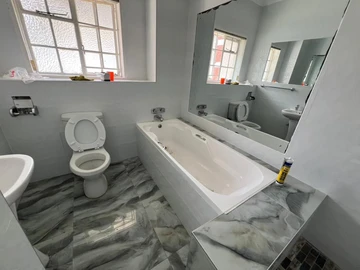
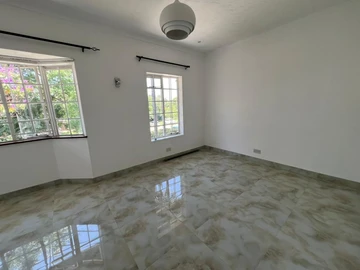
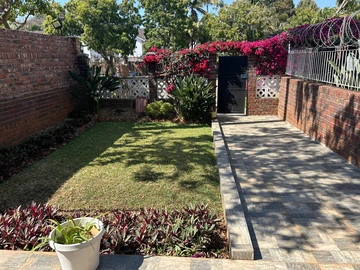
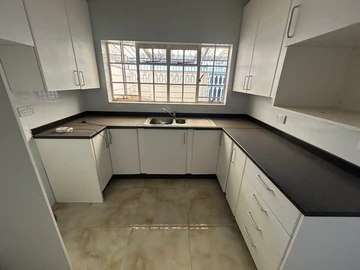
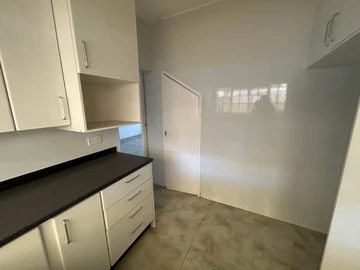
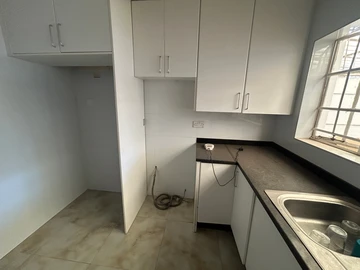
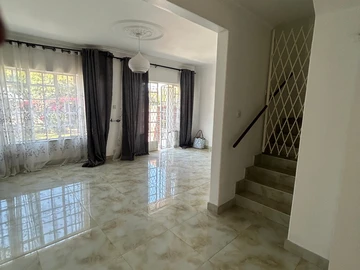
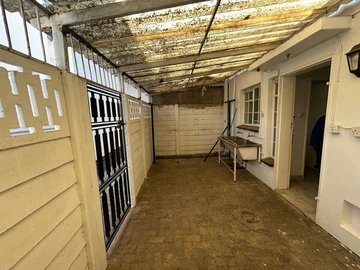
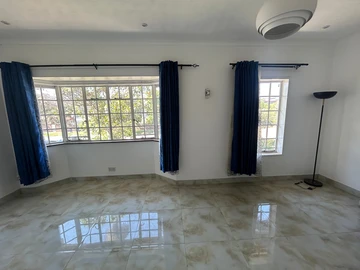
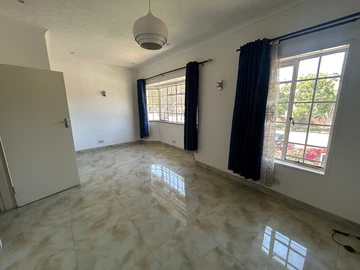
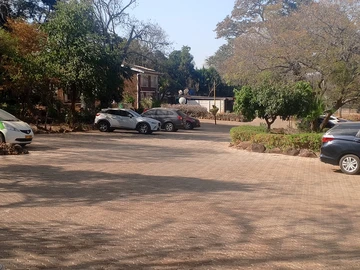
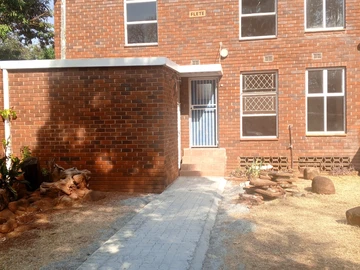
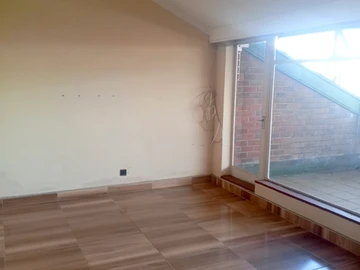
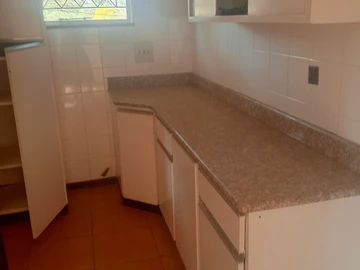
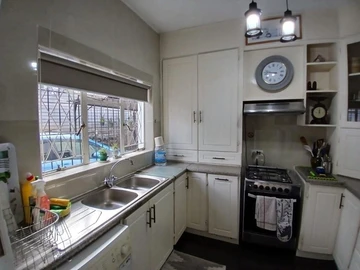
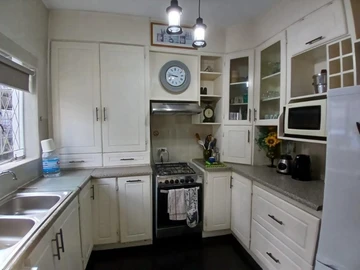
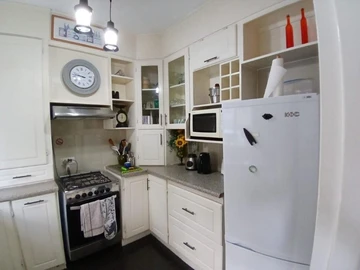
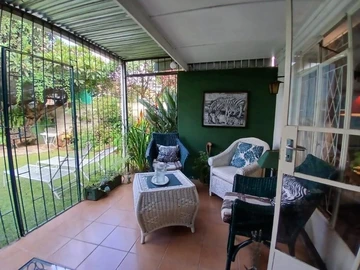
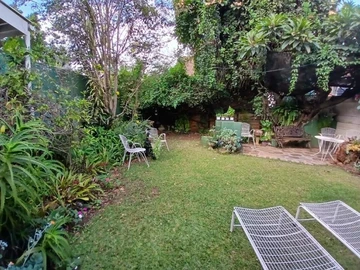
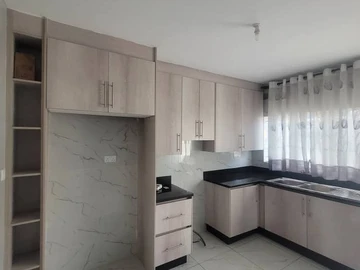
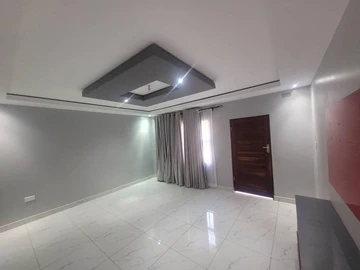
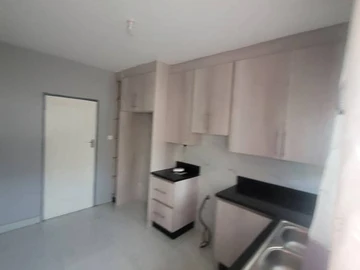
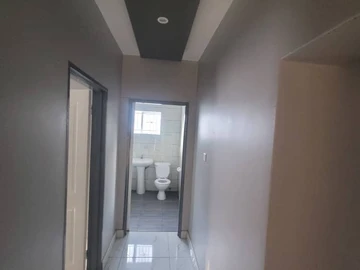
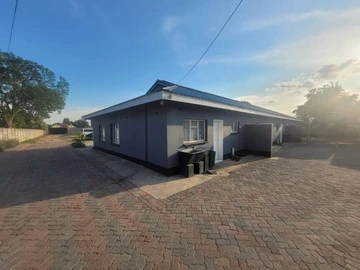
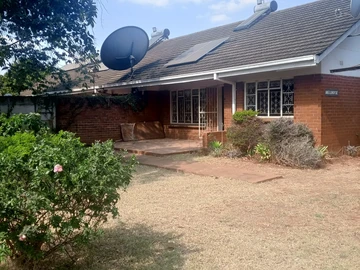
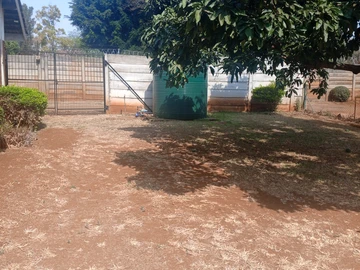
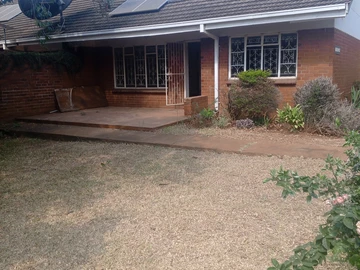
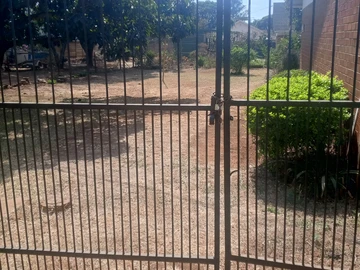
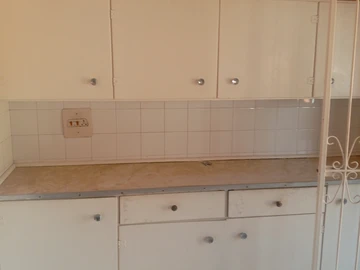
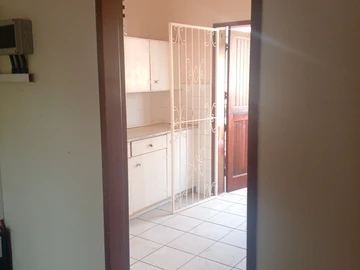
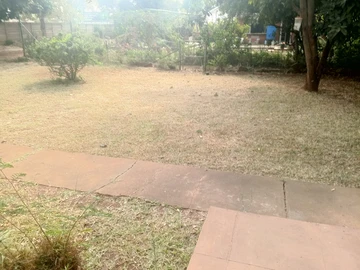
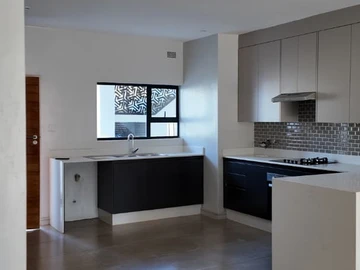
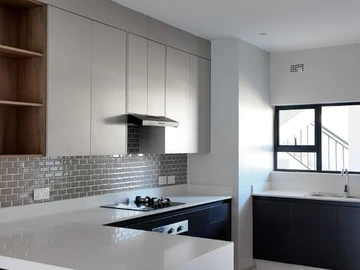
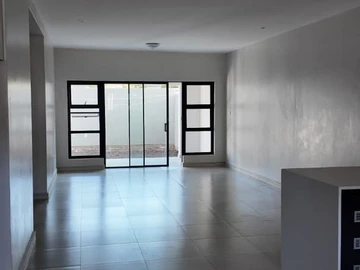
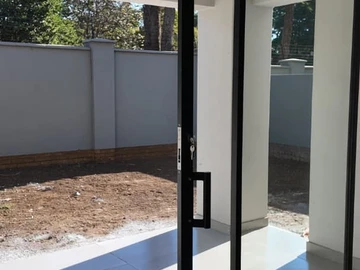
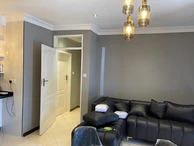
Many of these flats feature useful amenities such as electric gates, water tanks, boreholes, and paved driveways. Most come with fitted kitchens and tiled floors, and many are walled for added privacy and security. Garden spaces are common, enhancing the living environment with outdoor greenery.
Located in Harare, the capital city of Zimbabwe, these flats benefit from access to a range of urban amenities. Residents can enjoy nearby green spaces like Harare Gardens and Mukuvisi Woodlands for outdoor activities. Shopping options include Sam Levy’s Village and Avondale Shopping Centre, while reputable schools and healthcare facilities such as Harare Central Hospital are also accessible. The city’s transport network, including minibus taxis and Harare International Airport, supports easy commuting and travel, making these flats suitable for professionals, families, and expatriates seeking a balanced urban lifestyle.
2
1
160 m²
2
1
120 m²
2
2
 500 m²
2
1
180 m²
2
2
2
1
70 m²
2
1
180 m²
2
2
400 m²
500 m²
2
1
180 m²
2
2
2
1
70 m²
2
1
180 m²
2
2
400 m²

Be the first to see new properties for rent in Harare










| Property Size | Avg. price |
|---|---|
| 1 bedroom (View 13 properties) | $525 |
| 2 bedroom (View 65 properties) | $750 |
| 3 bedroom (View 63 properties) | $1,350 |
| 4 bedroom (View 20 properties) | $2,000 |
Learn how servitudes affect property ownership, rights of way, and utility access in Zimbabwe. Protect your land title and avoid boundary disputes.
Get your home viewing ready in Zimbabwe. Follow our 2026 seller checklist covering curb appeal, solar & water setups, staging, and documentation.
Avoid costly disputes and legal delays. Learn the biggest mistakes families make when registering and distributing deceased estates under Zimbabwean law.
Who gets the house after divorce in Zimbabwe? Learn how courts divide matrimonial property, handle sole vs joint titles, and apply Section 7 of the Act.
Discover Patience Patongamwoyo’s vision for trust, leadership, and transforming the real estate industry to drive the future of property in Zimbabwe.