Log in to contact the seller
 Continue with Facebook
 Continue with Email
Continue with Facebook
Continue with Email
Sign up with Facebook
Continue with Email
Continue with Facebook
Continue with Email
Sign up with Facebook
 Change filters
 Requests


 4
4
 2
120 m²
2
120 m²


 3
1
200 m²
2
100 m²
3
1
200 m²
2
100 m²
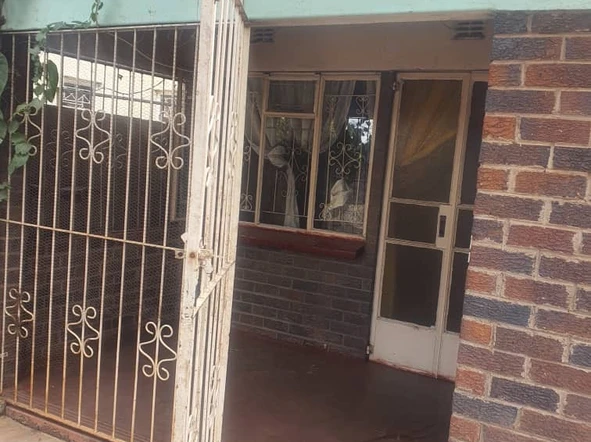
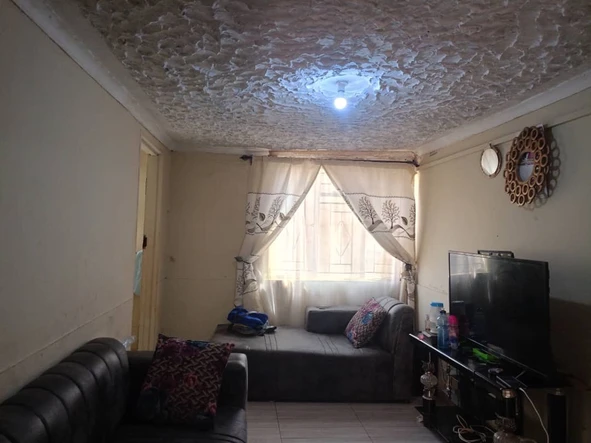
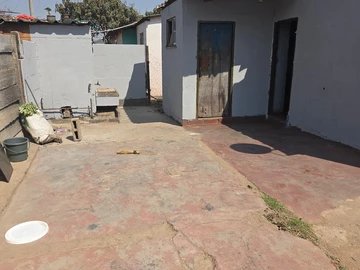
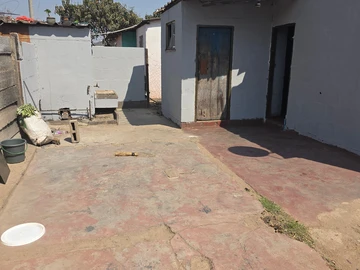
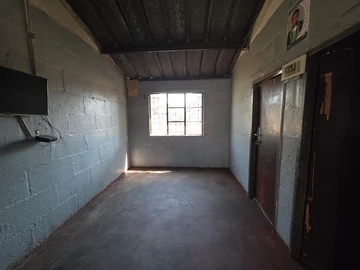
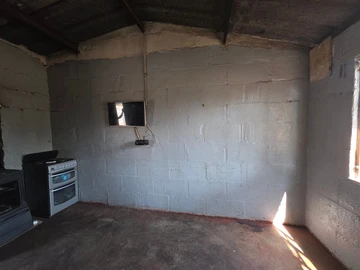
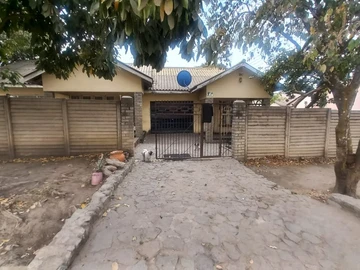
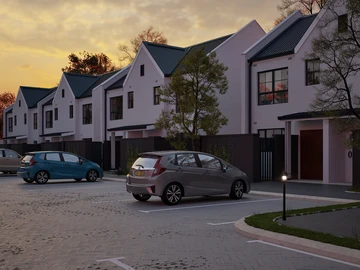
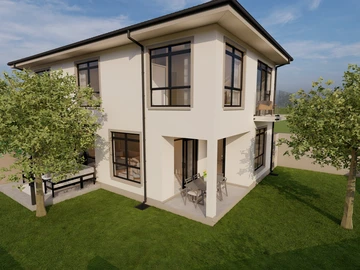
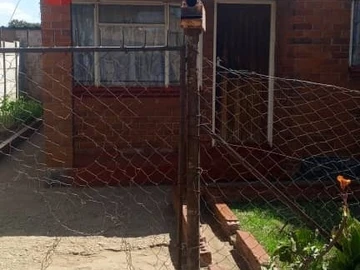
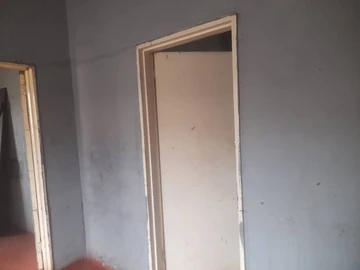
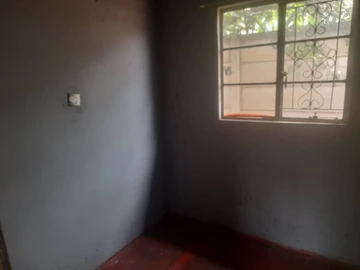
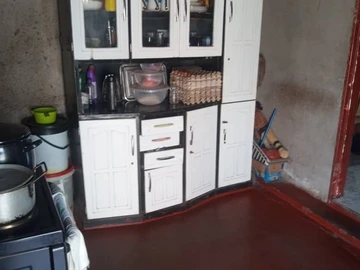
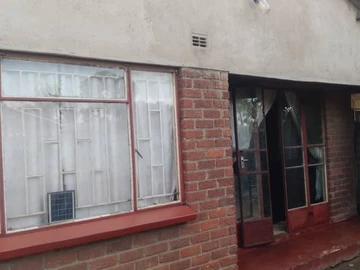
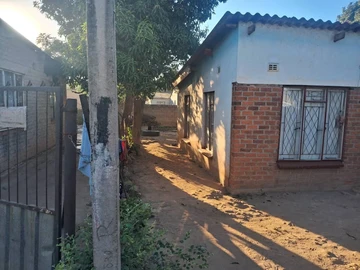
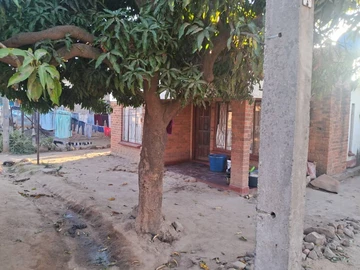
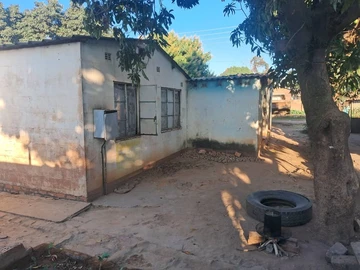
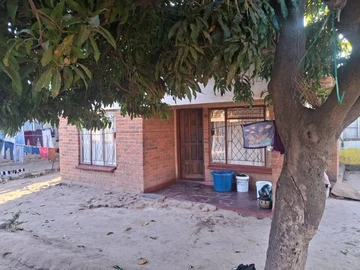
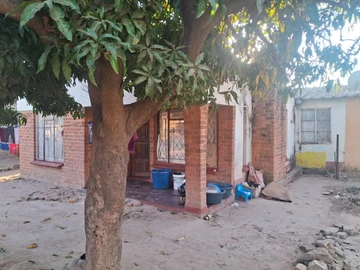
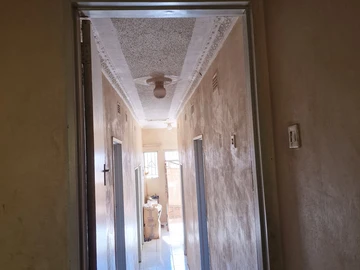
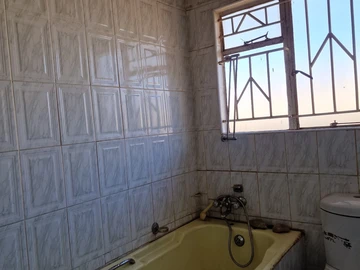
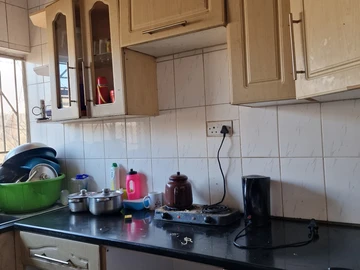
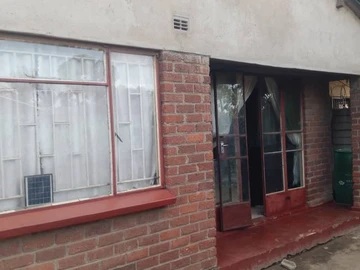
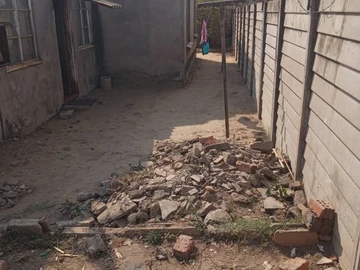
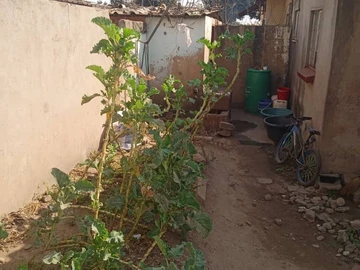
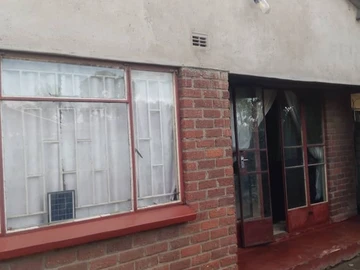
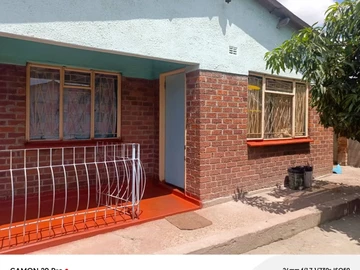
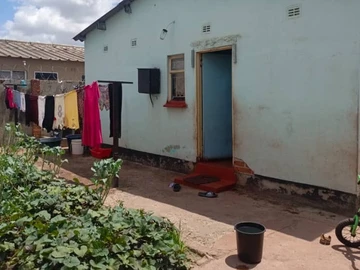
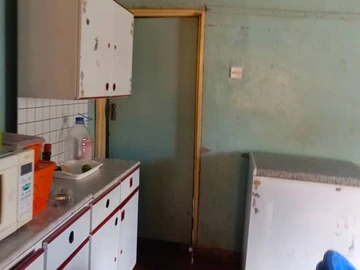
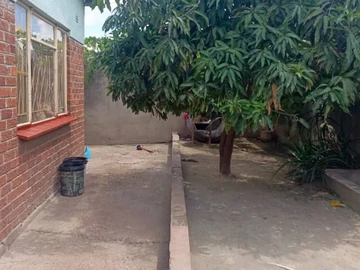
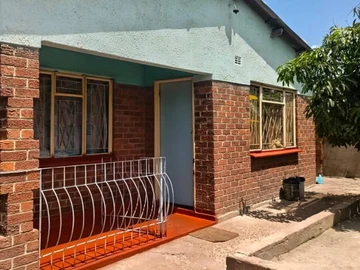
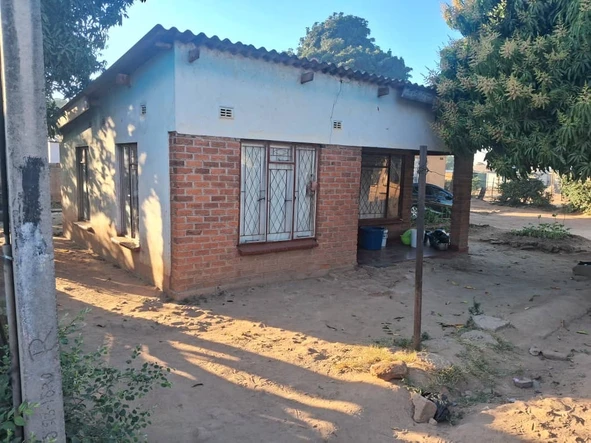
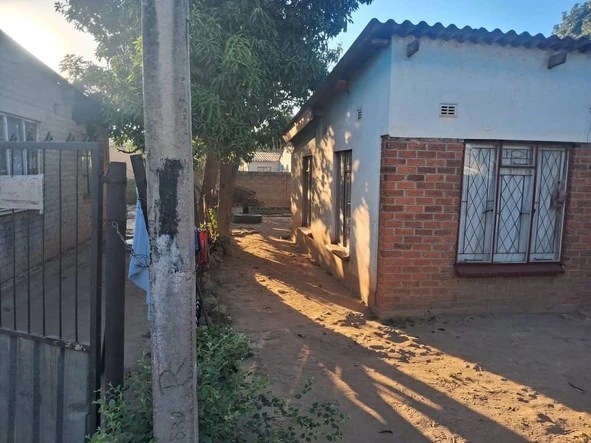
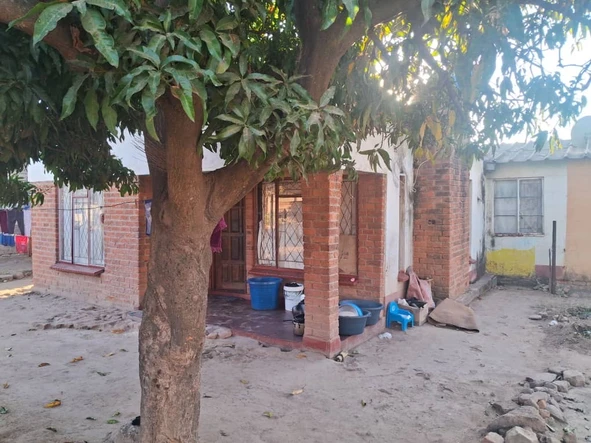
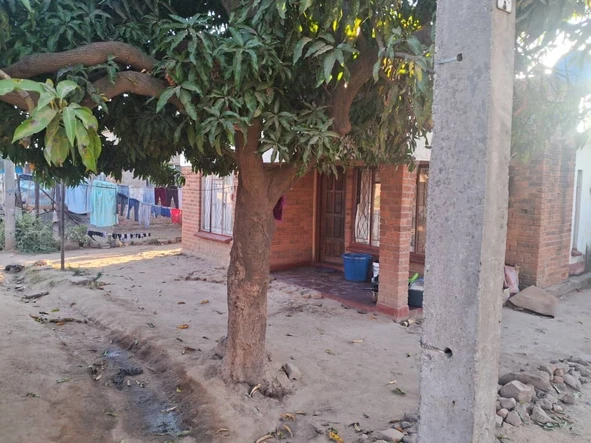
Houses for sale in Glen Norah, Harare High Density, offer affordable options with an average price of $45,000. These homes typically sit on land areas around 250 ㎡, with property sizes averaging 150 ㎡ and some larger homes reaching up to 300 ㎡. Starting prices are around USD 32,000, making this an accessible market for many buyers.
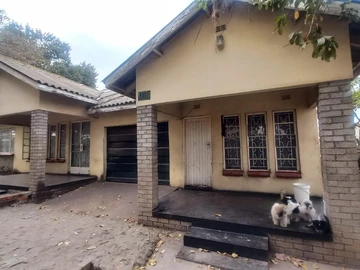
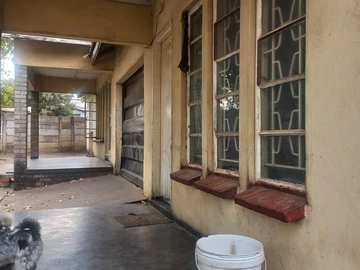
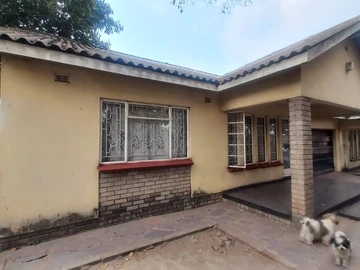
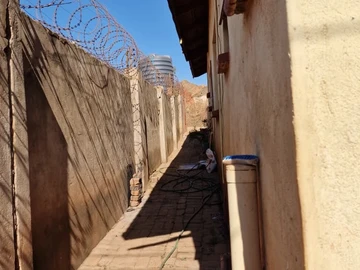
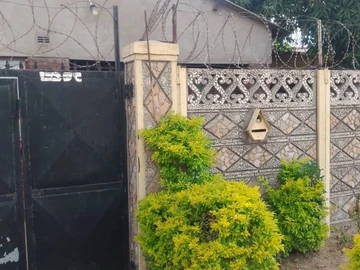
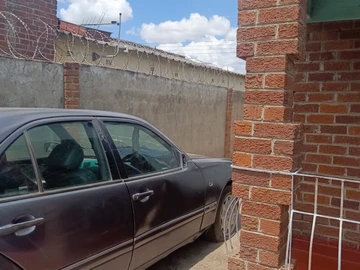
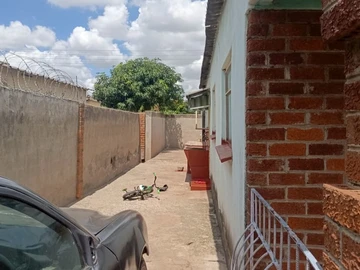
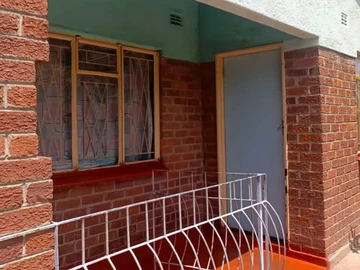
Most houses in Glen Norah are walled for added privacy and security. Many feature verandahs, providing outdoor living space, and benefit from good ZESA electricity supply, which is important for daily comfort. These homes suit middle-income families and individuals looking for practical and secure living environments.
Glen Norah is a well-established high-density suburb known for its vibrant community and convenient amenities. Local schools like Glen Norah Primary and Secondary serve families, while Glen Norah Shopping Centre and nearby Mbare Musika Market provide easy access to groceries and essentials. The area also offers good public transport links via minibus taxis and commuter buses, with major roads such as Seke Road facilitating travel. Recreational options include Glen Norah Stadium and the nearby Mukuvisi Woodlands nature reserve, making this suburb a lively and practical choice for homebuyers.
 4
200 m²
4
150 m²
4
200 m²
4
150 m²

Be the first to see new properties for sale in Glen Norah, Harare High Density










| Property Size | Avg. price |
|---|---|
| 4 bedroom (View 5 properties) | $45,000 |
Pricing your property in Zimbabwe? Discover why overpricing leads to stagnant listings, lower final offers, and costly holding expenses in the 2026 market.
Navigating property valuations in Zimbabwe? Learn valuation methods, valuation fees, and key tips for buyers, sellers, and investors in the 2026 market.
Planning to downsize? Learn if you can dissolve a family trust holding your home, the legal steps required, and tax impacts before selling the property.
Understand Zimbabwe’s 2026 rental tax rules, including the 15% commercial regime, residential tax treatment, monthly deadlines and disclosure window
Planning to drill or buy a property with a borehole in Zimbabwe? Check the authority, permit, siting, records and water quality before you commit.





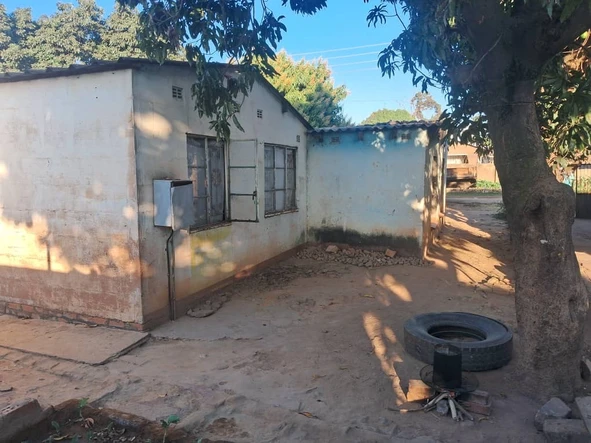
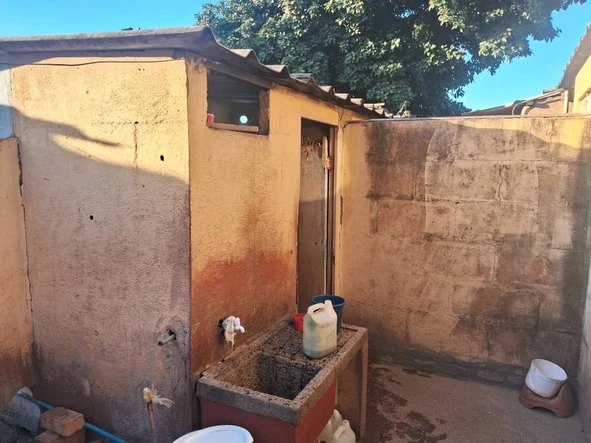
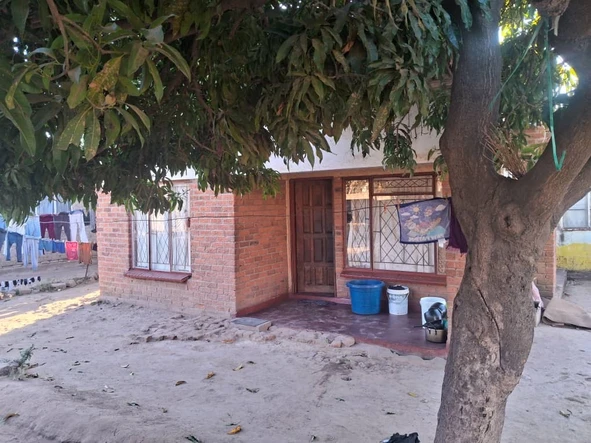
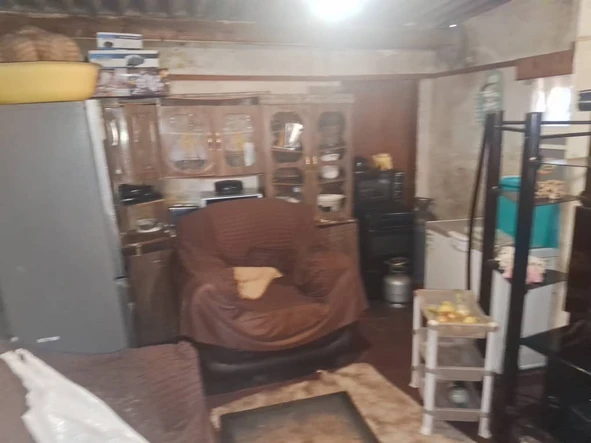
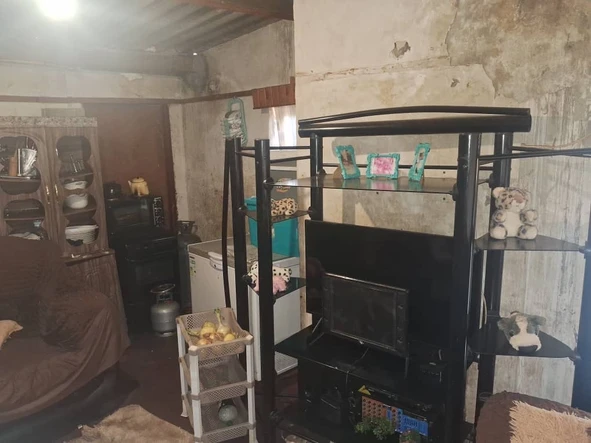
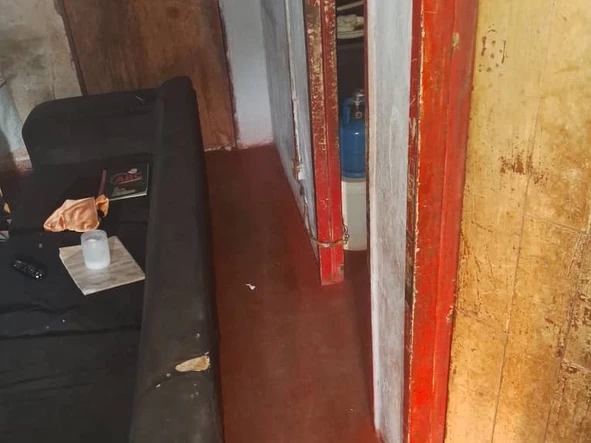
 200 m²