Log in to contact the seller
 Continue with Facebook
 Continue with Email
Continue with Facebook
Continue with Email
Sign up with Facebook
Continue with Email
Continue with Facebook
Continue with Email
Sign up with Facebook
 Change filters
 Requests



 4
4
 1
80 m²
1
80 m²


 4
2
180 m²
3
2
140 m²
3
2
180 m²
3
1
90 m²
4
2
180 m²
3
2
140 m²
3
2
180 m²
3
1
90 m²

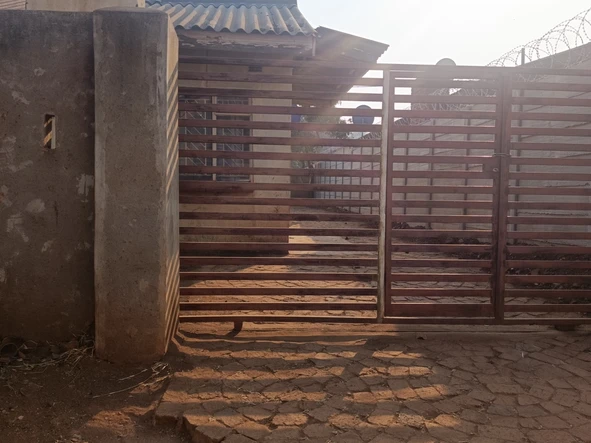
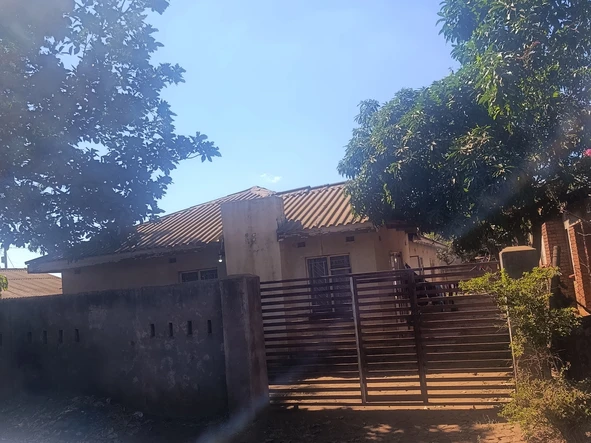
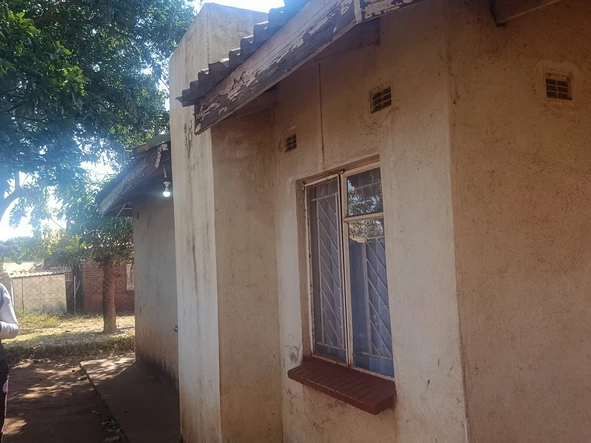
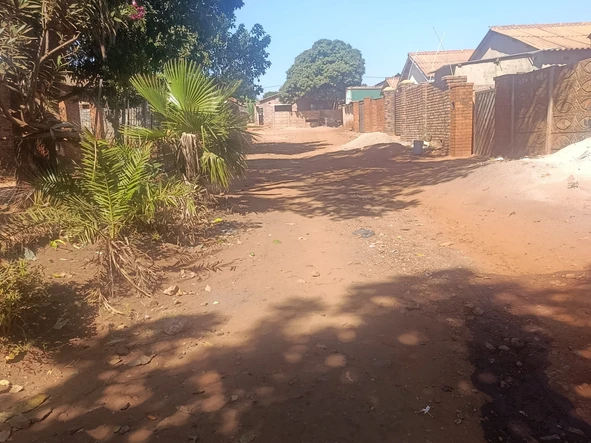
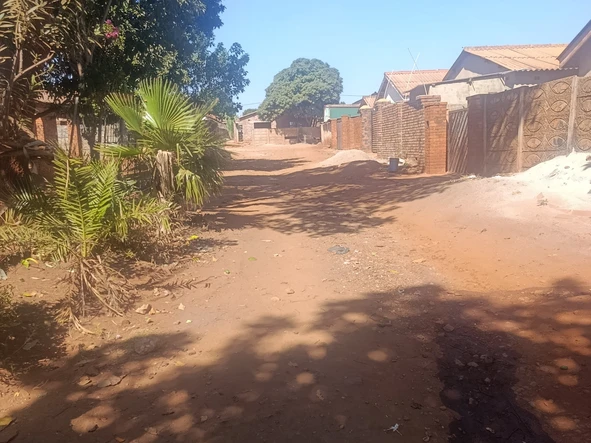
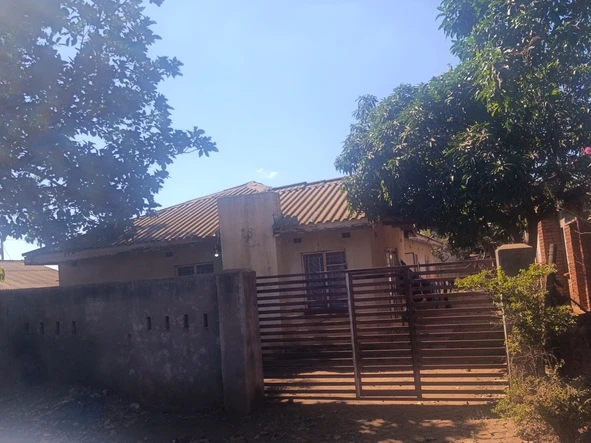
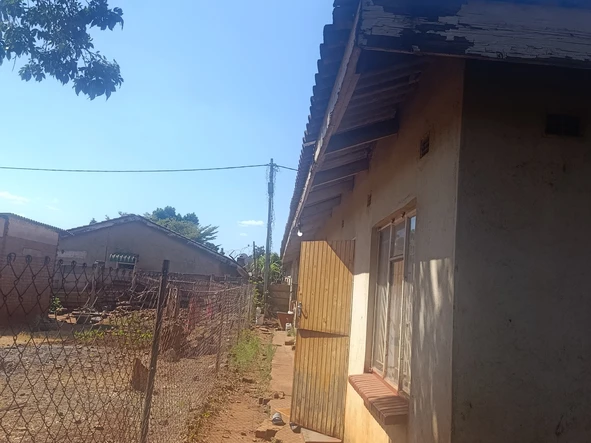
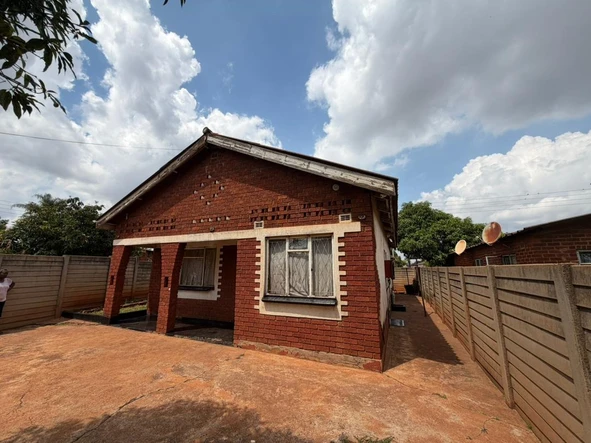
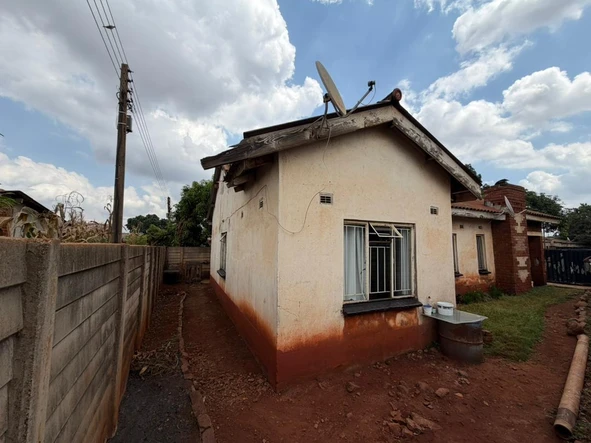
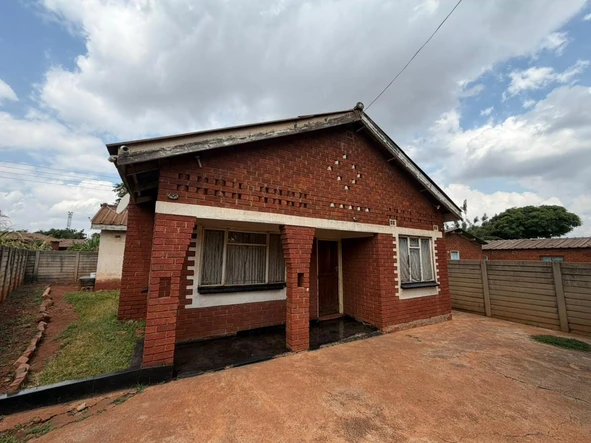
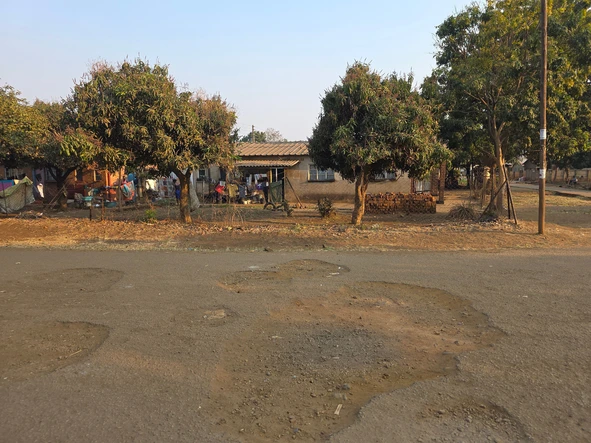
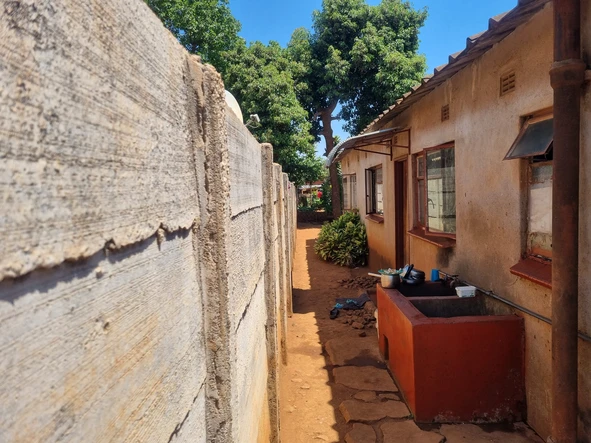
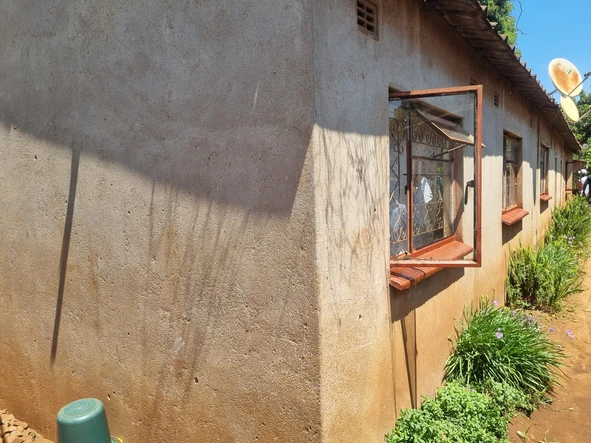
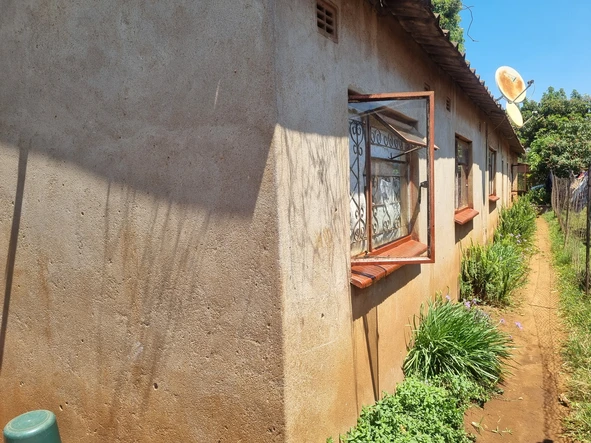
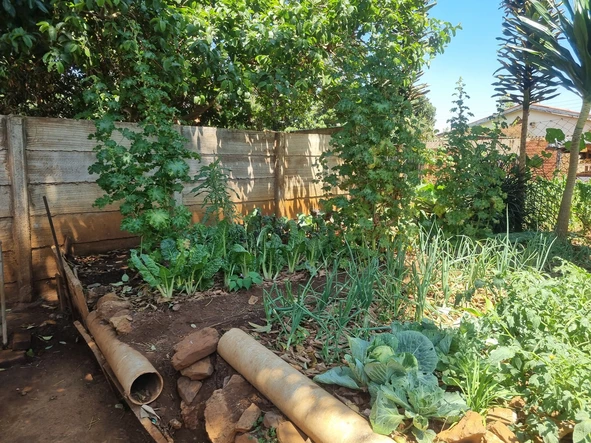
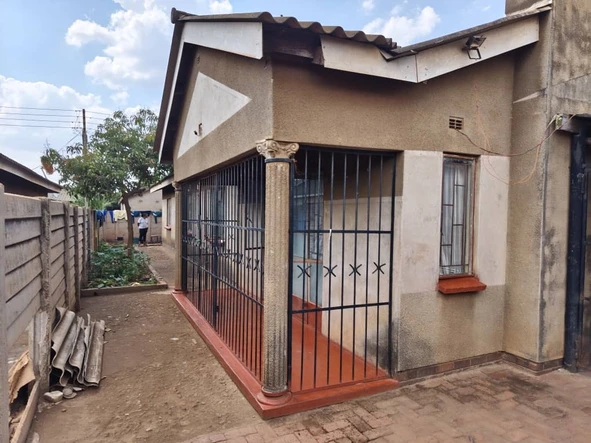
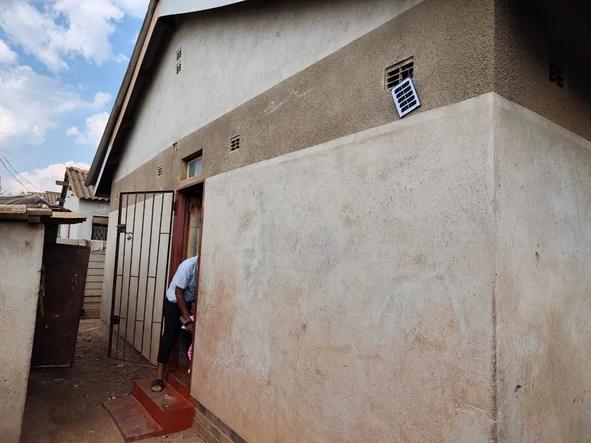
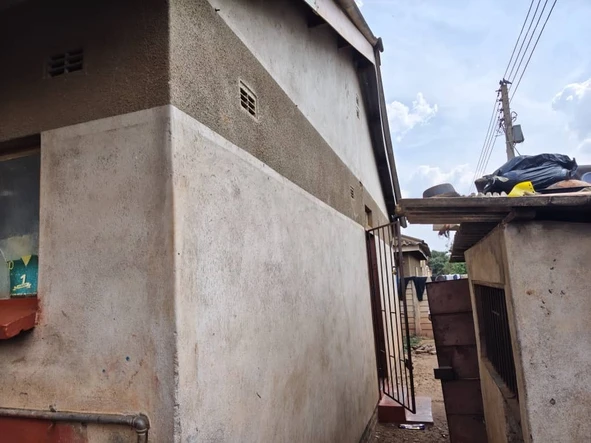
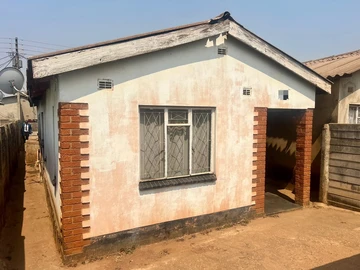
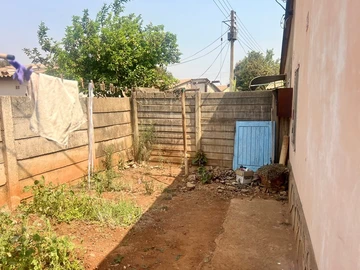
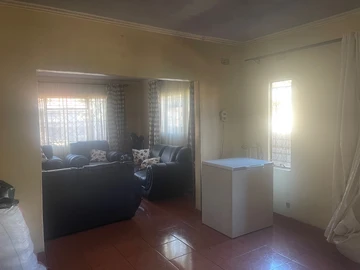
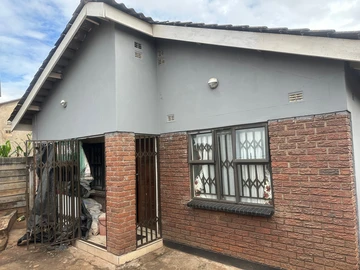
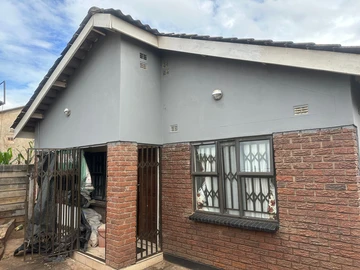
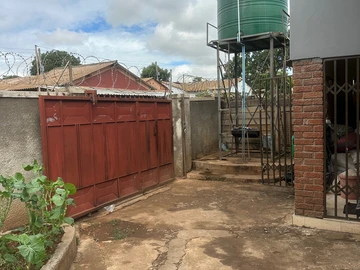
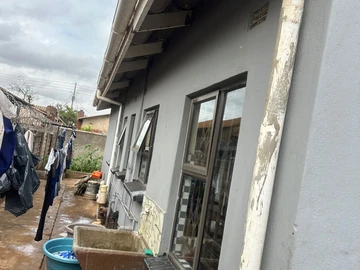
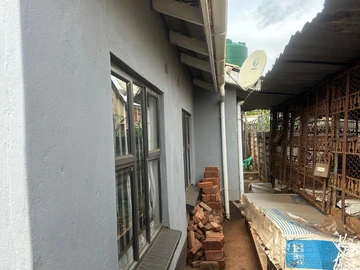
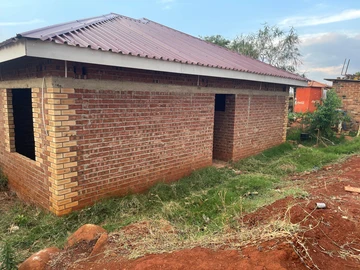
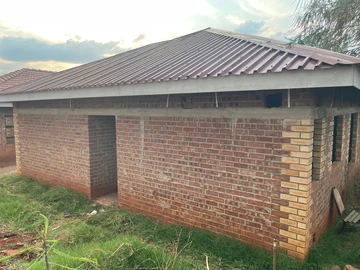
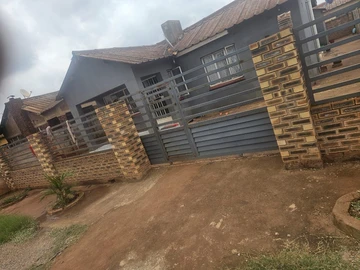
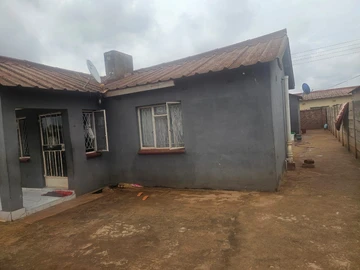
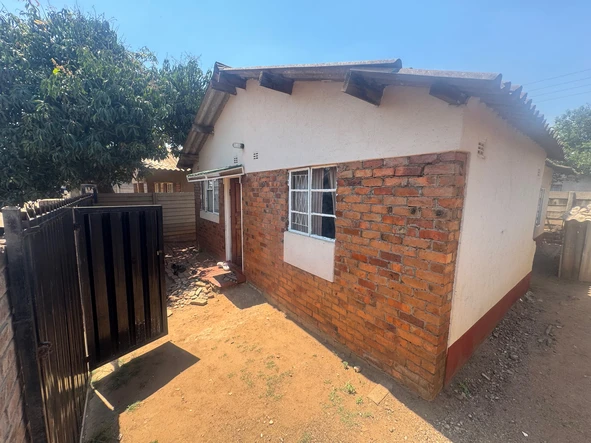
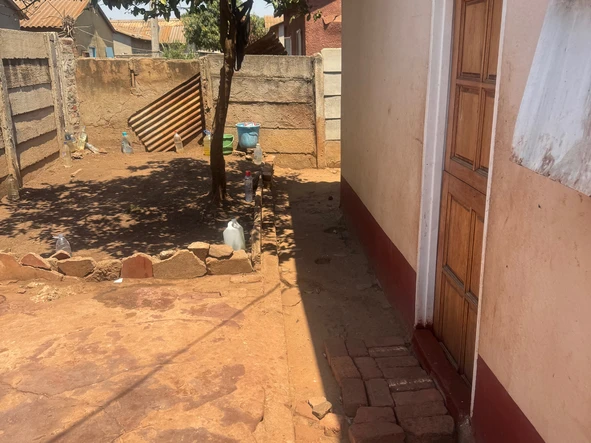
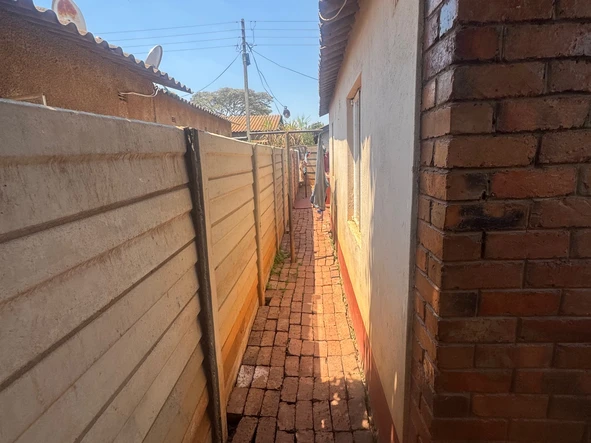
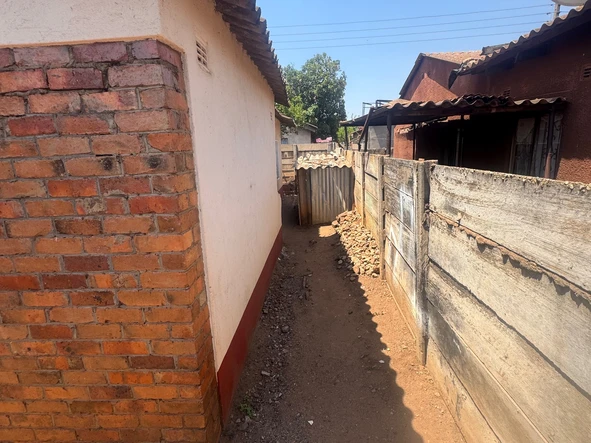
Houses for sale in Kuwadzana, Harare High Density, are an affordable option for buyers, with the average price of the properties currently listed at $54,500. These homes typically sit on land areas around 300 ㎡, with property sizes averaging 150 ㎡. The largest properties and land plots reach up to 330 ㎡, while smaller plots start at about 150 ㎡.
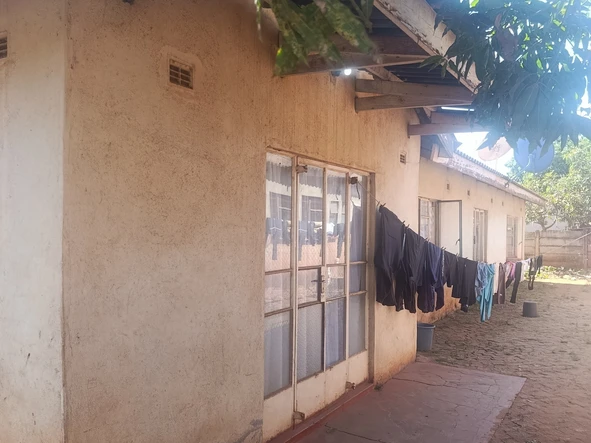
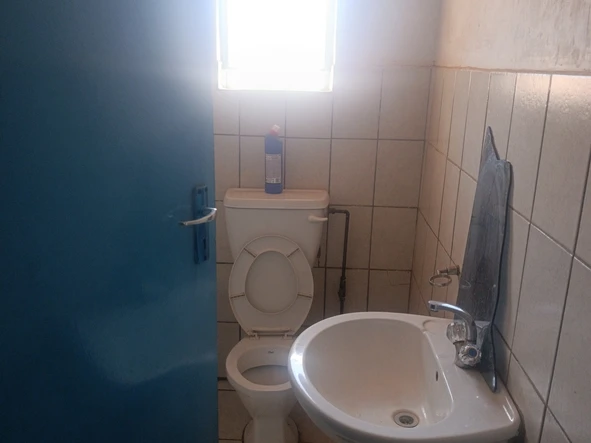
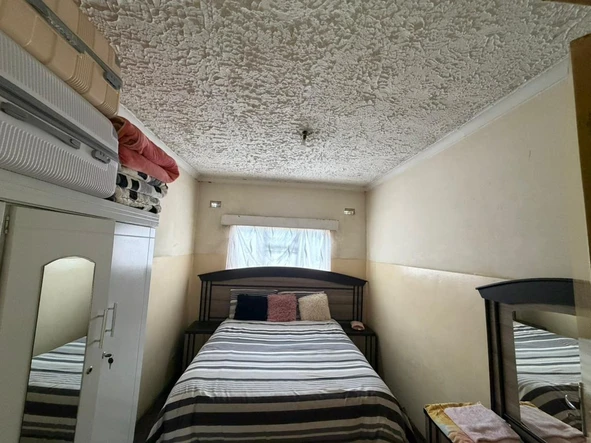
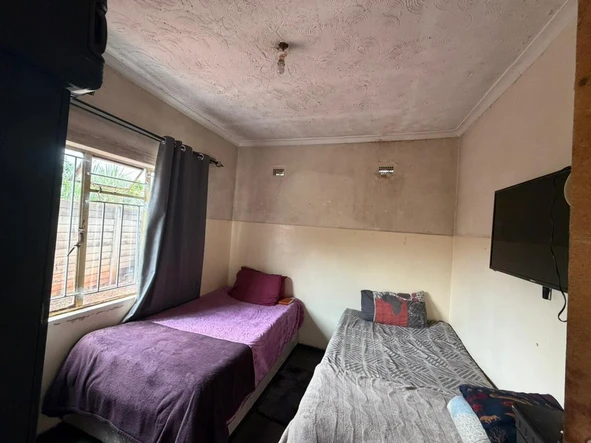
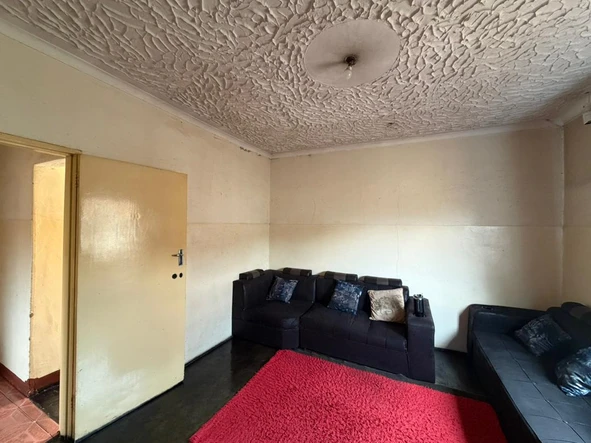
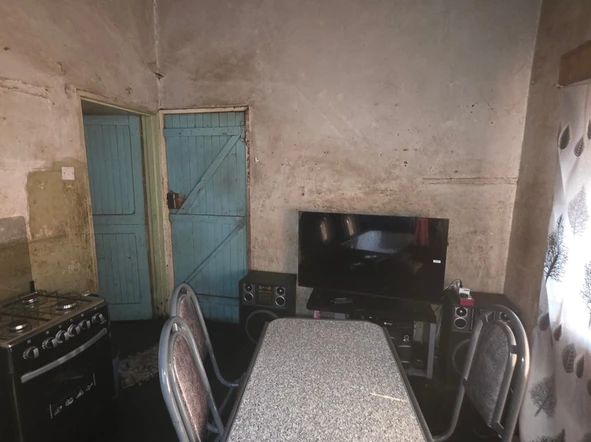
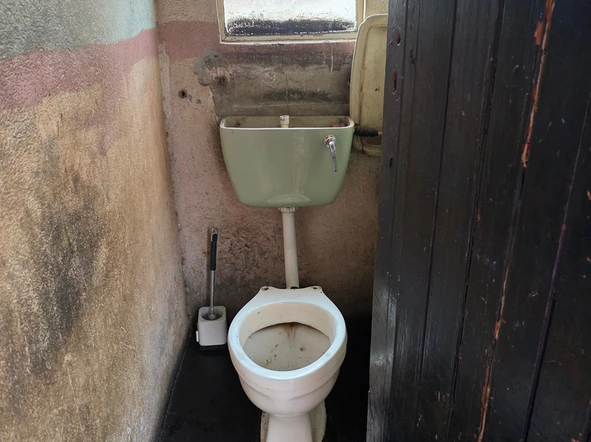
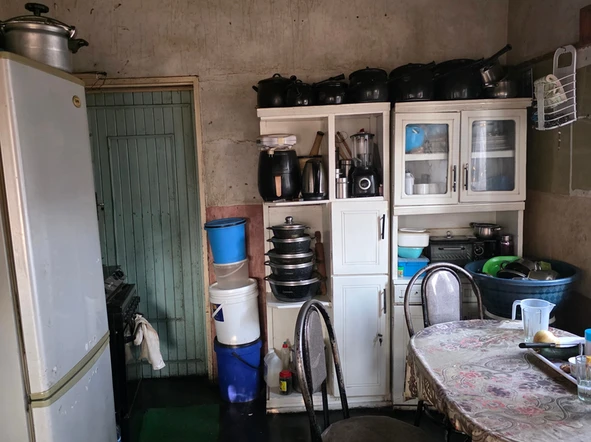
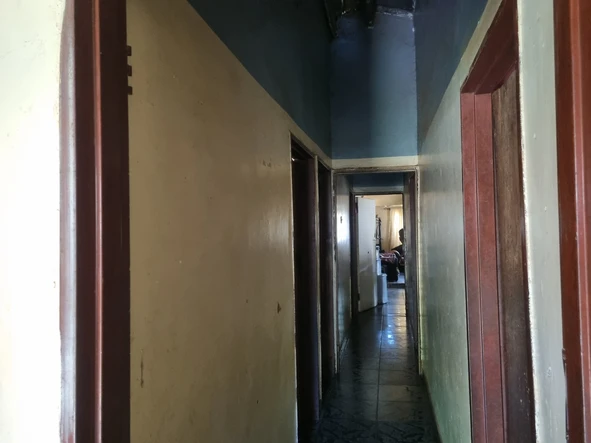
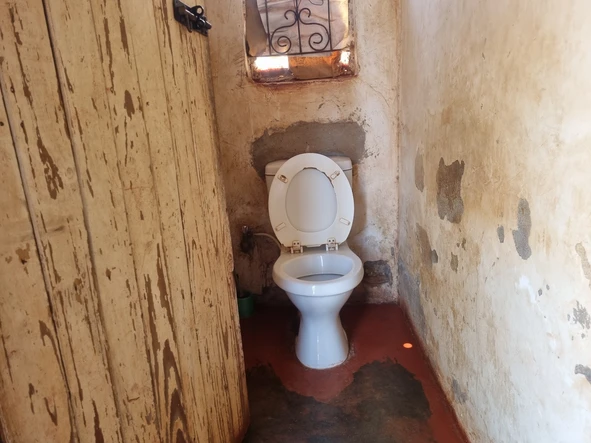
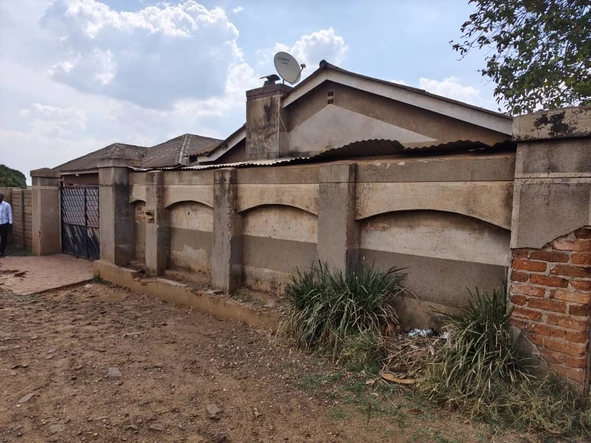
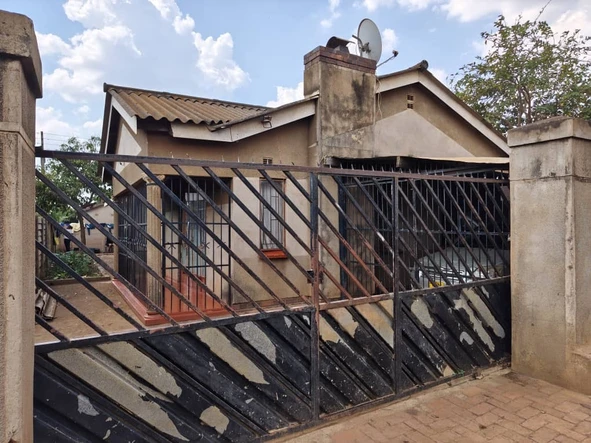
Most houses in this area offer practical living spaces suitable for working-class families and first-time buyers. The properties are generally modest in size but provide enough room for comfortable family living. Affordability is a key feature here, making Kuwadzana attractive for those looking to enter the property market without stretching their budget.
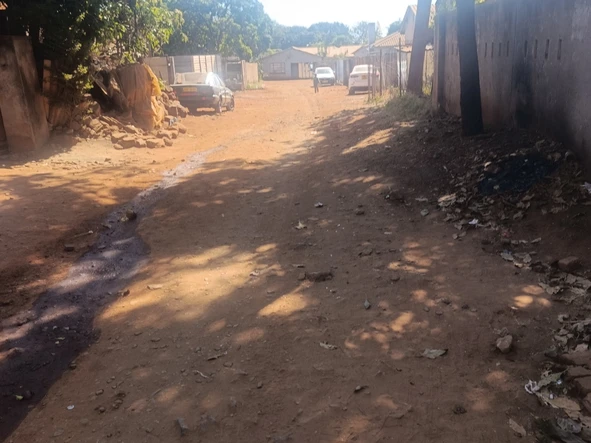
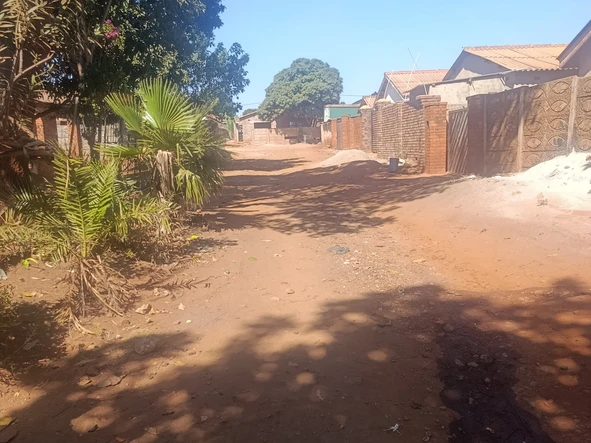
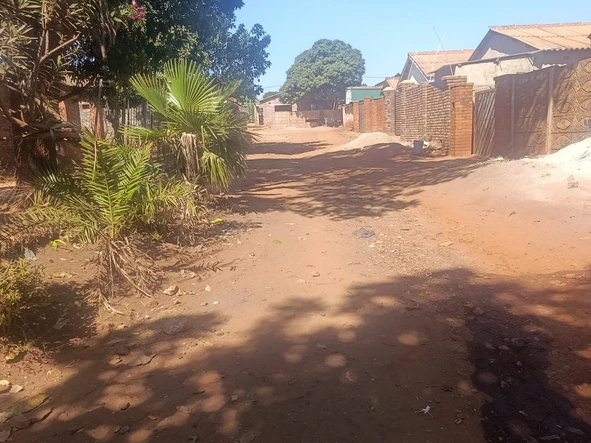
Kuwadzana is a lively high-density suburb known for its strong community feel and easy access to Harare’s city center. Residents benefit from established public transport options like minibuses and taxis. The area includes essential amenities such as Kuwadzana Shopping Centre, local markets, schools, and health clinics. Informal eateries offering traditional Zimbabwean meals add to the neighborhood’s local charm, making it a practical and convenient place to live.
4
1
150 m²
5
3
160 m²

Be the first to see new properties for sale in Kuwadzana, Harare High Density











| Property Size | Avg. price |
|---|---|
| 3 bedroom (View 5 properties) | $60,000 |
| 4 bedroom (View 4 properties) | $60,000 |
| 5+ bedroom (View 4 properties) | $54,500 |
Prices as of October 2026
Manage your rental properties in Zimbabwe like a pro. Learn about tenant screening, lease agreements, maintenance, and rental tax rules in 2026.
Building or buying in Harare? Learn what plan approval requires, what changed in 2026, and how to manage unapproved structures.
Buying a housing stand in Zimbabwe? Inspect title deeds, subdivision permits, compliance certificates, and seller IDs before making any payment.
Can someone claim your land in Zimbabwe? Learn how 30 year acquisitive prescription works, the legal risks involved, and how to protect your property title.
Explore October 2026 Property Pulse insights on the Zimbabwean real estate market, where high buyer demand outpaces limited housing supply across major areas.













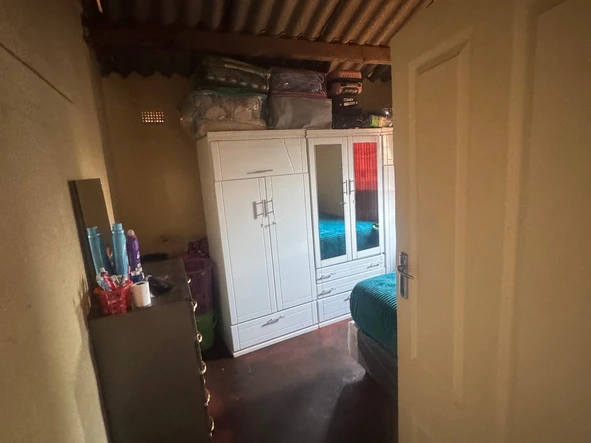
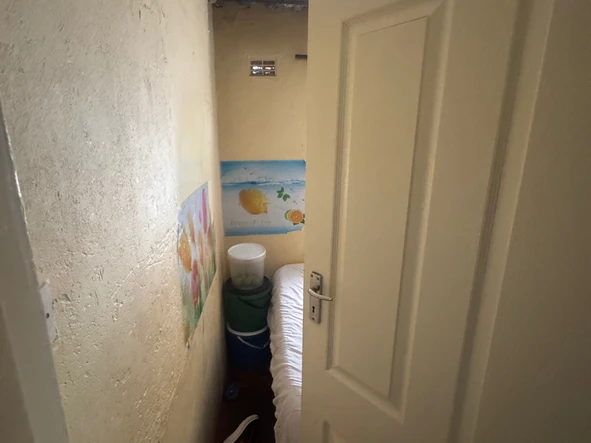
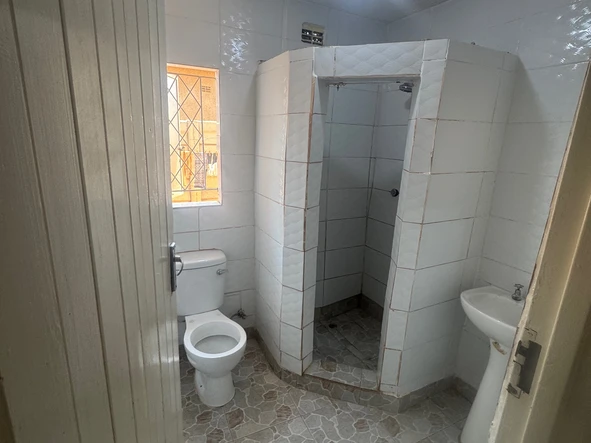
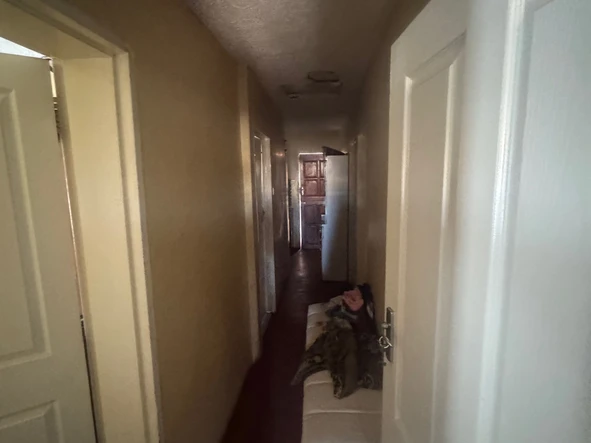
 150 m²