Log in to contact the seller
 Continue with Facebook
 Continue with Email
Continue with Facebook
Continue with Email
Sign up with Facebook
Continue with Email
Continue with Facebook
Continue with Email
Sign up with Facebook
 Change filters
 Requests

 3
3
 2
100 m²
2
100 m²


 3
3
250 m²
3
3
250 m²
 3
1
300 m²
3
2
400 m²
3
1
300 m²
3
2
400 m²
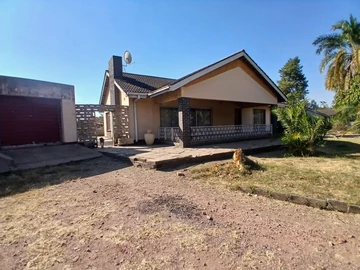
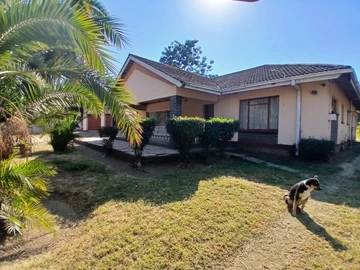
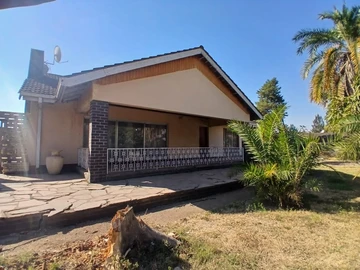
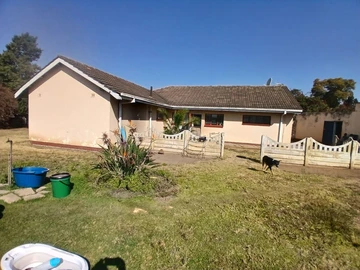
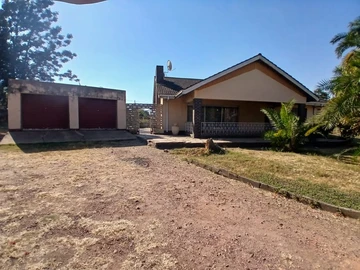
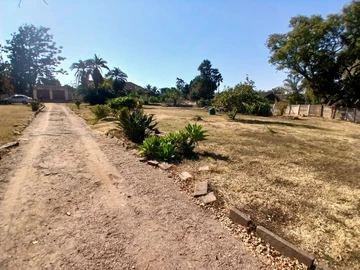
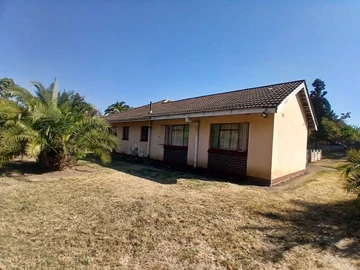
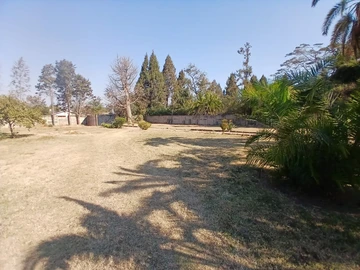
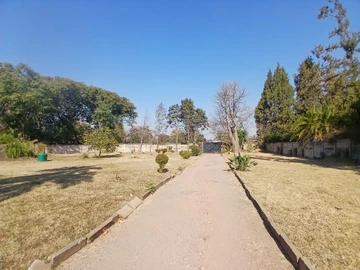
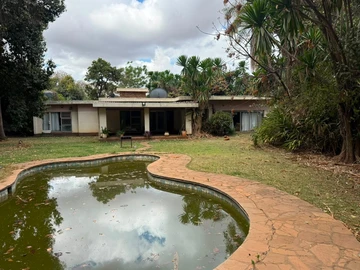
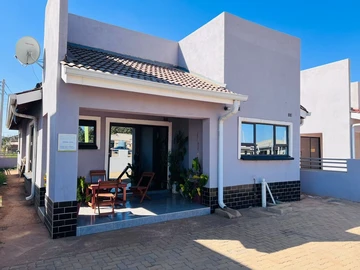
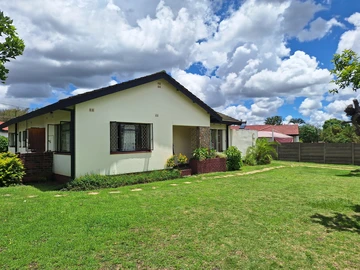
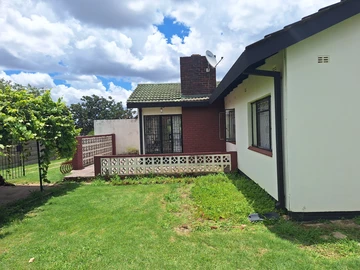
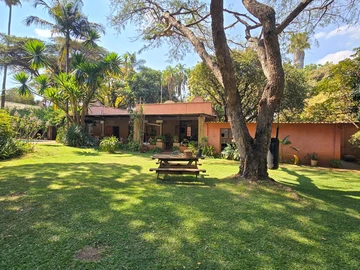
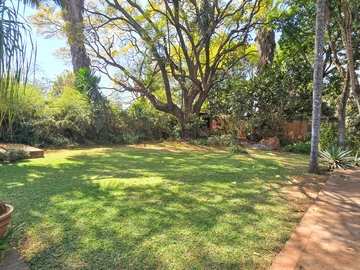
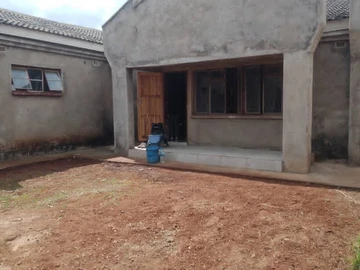
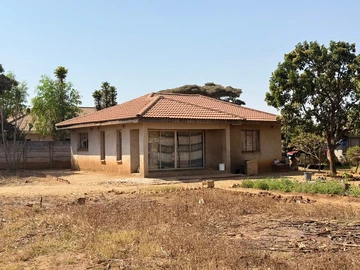
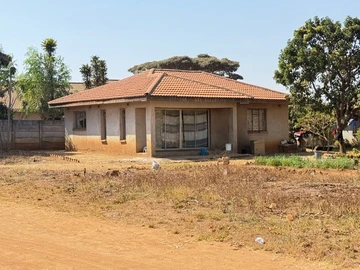
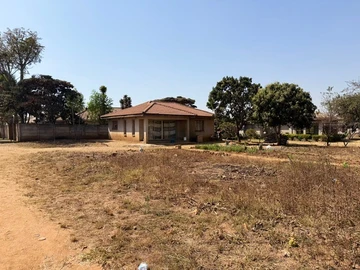
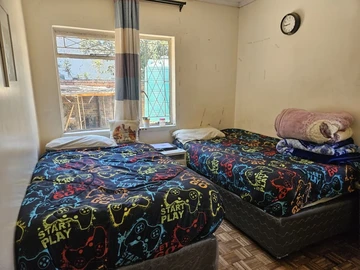
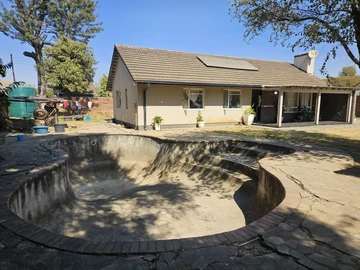
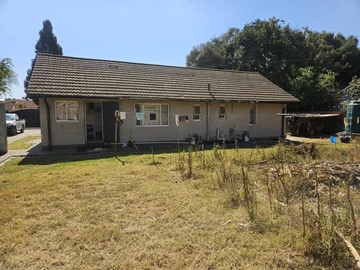
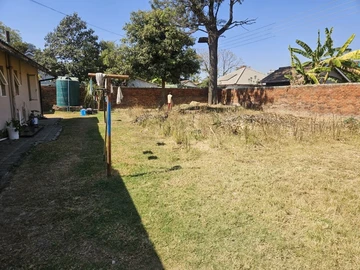
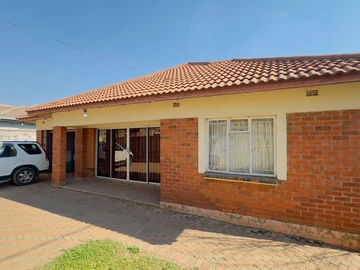
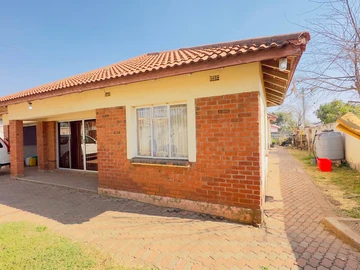
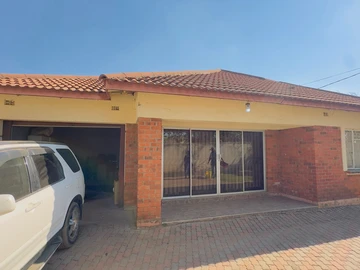
3-bedroom houses for sale in Harare West, Harare, offer affordable options with a median price of $170,000. These homes typically sit on land parcels averaging around 800 ㎡, with the largest properties reaching up to 7,985 ㎡. The average house size is about 250 ㎡, with some larger homes extending to 4,047 ㎡, providing a range of choices for different needs.
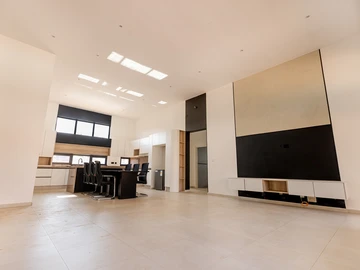
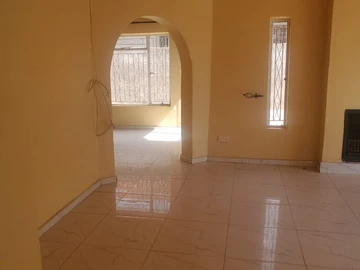
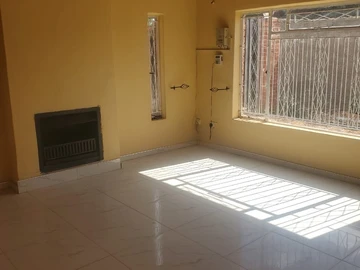
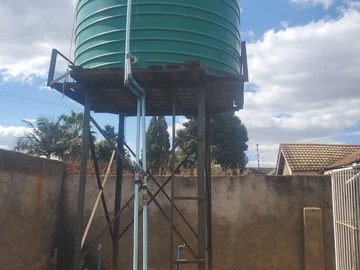
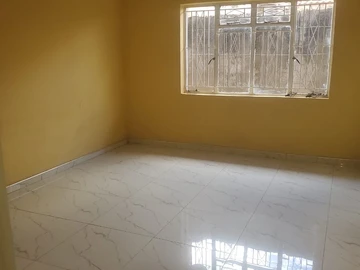
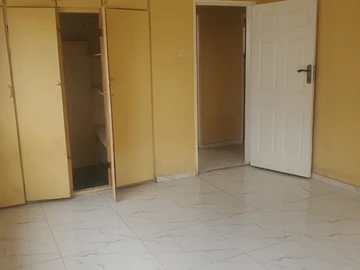
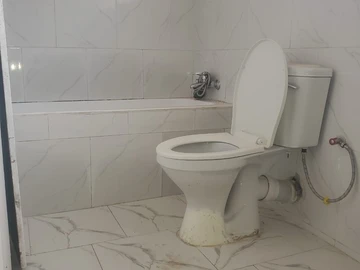
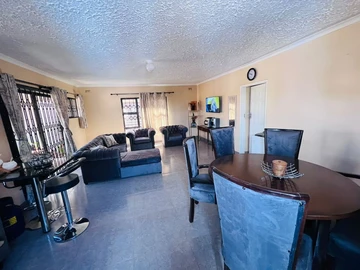
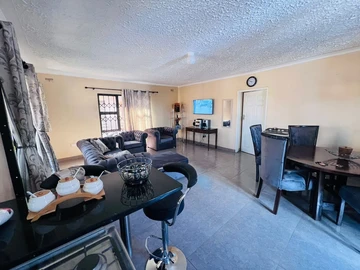
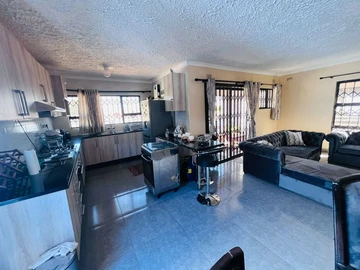
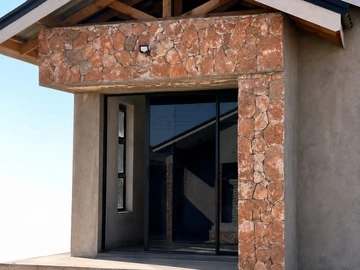
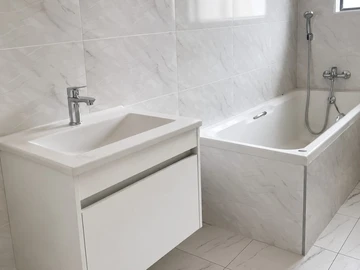
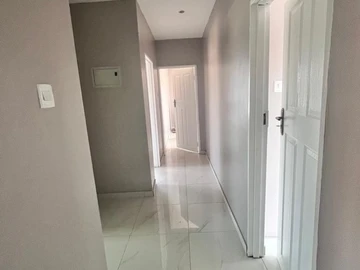
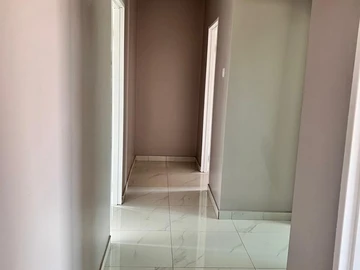
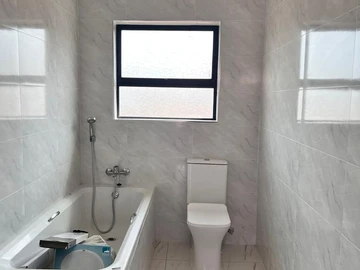
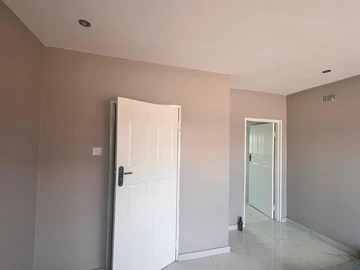
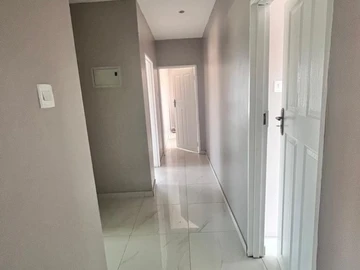
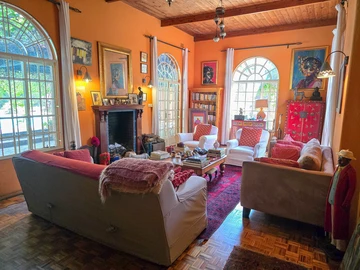
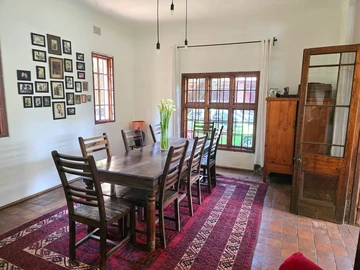
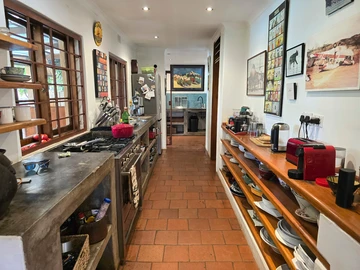
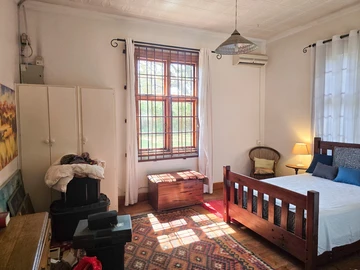
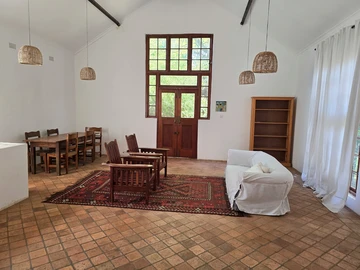
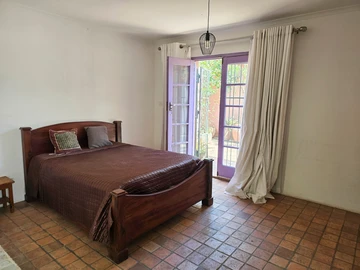
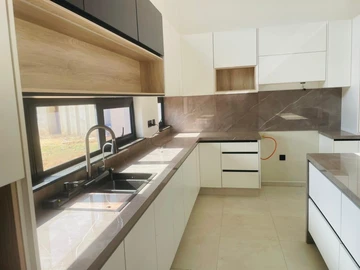
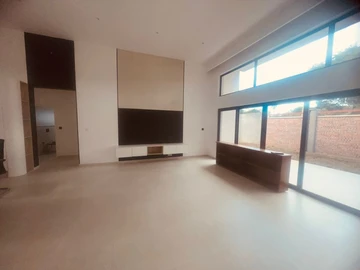
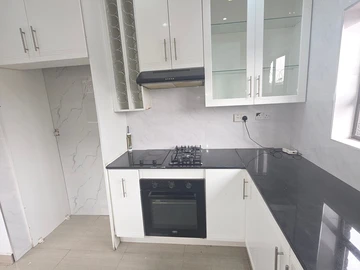
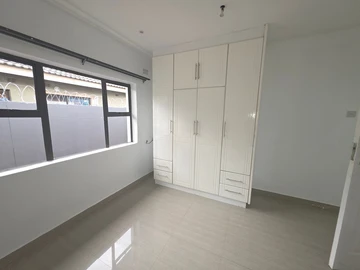
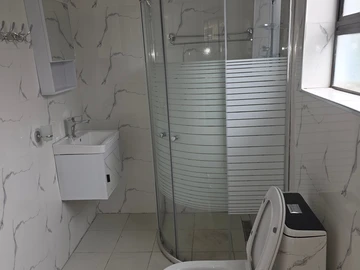
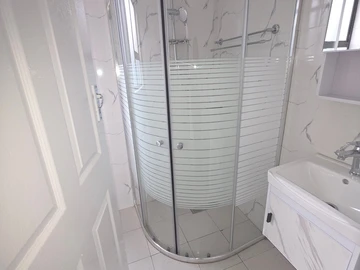
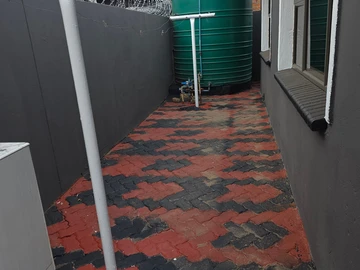
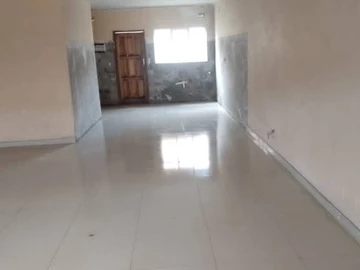
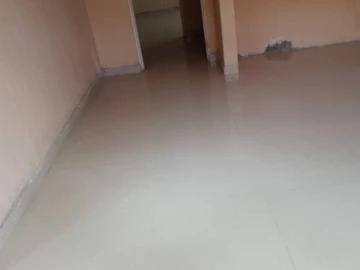
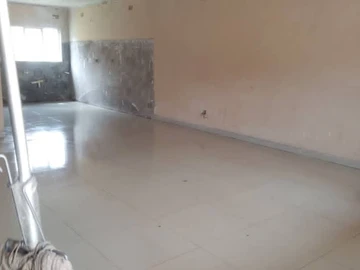
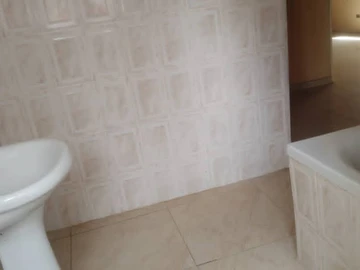
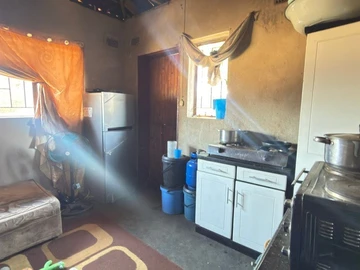
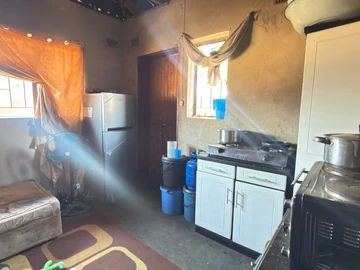
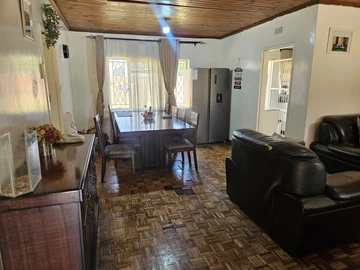
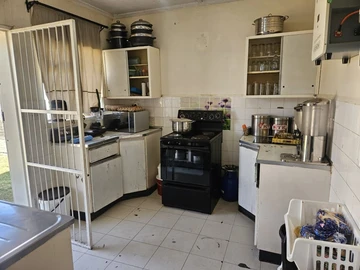
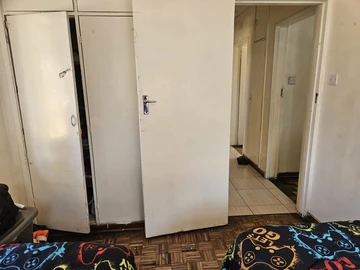
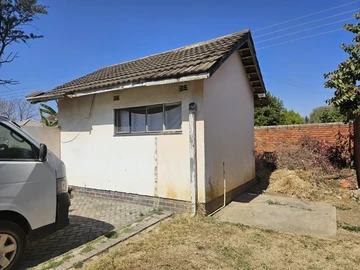
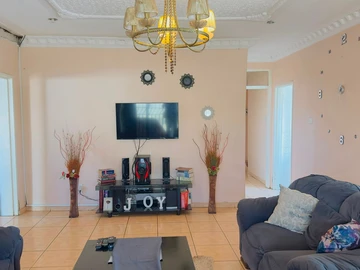
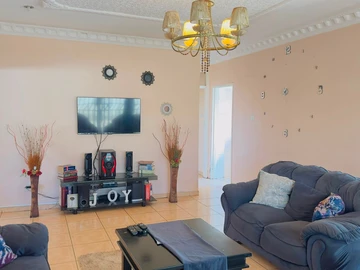
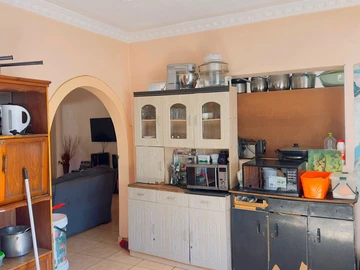
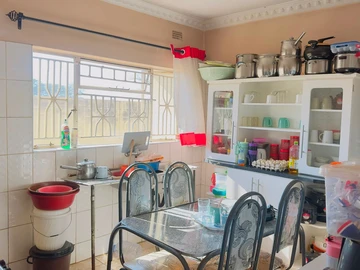
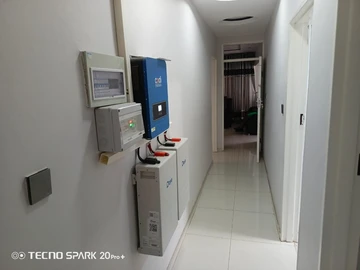
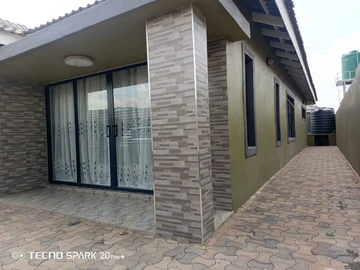
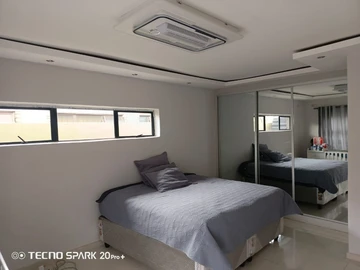
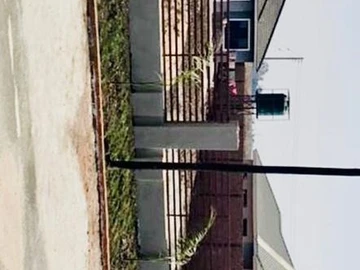
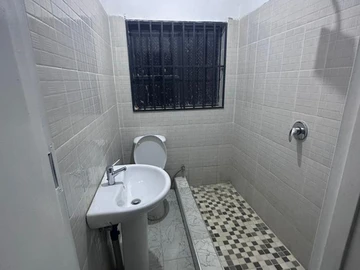
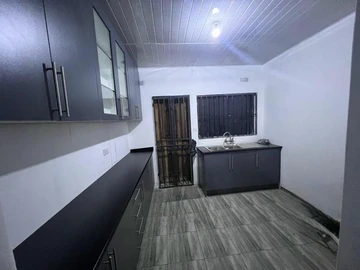
Many of these houses feature practical amenities such as tiled floors, main en suite bathrooms, fitted kitchens, and water tanks. Boreholes and walled properties are also common, supporting self-sufficiency and security. These features make the homes well-suited for families and professionals looking for comfortable living spaces with essential conveniences.
Harare West is a diverse area blending residential, commercial, and industrial zones. It offers good access to public transport, making commuting to central Harare and surrounding suburbs easy. Key local attractions include the Zimbabwe Grounds and the nearby National Sports Stadium. Shopping needs are met by Mbare Musika Market and various local centers, while healthcare is supported by Parirenyatwa Hospital. The area’s mix of affordable housing and essential amenities makes it a practical choice for families and working professionals.
3
1
320 m²
3
3
155 m²
3
140 m²
3
2
500 m²
3
1
180 m²

Be the first to see new properties for sale in Harare West









| Property Size | Avg. price |
|---|---|
| 2 bedroom (View 23 properties) | $95,000 |
| 3 bedroom (View 148 properties) | $153,500 |
| 4 bedroom (View 180 properties) | $180,000 |
| 5+ bedroom (View 100 properties) | $230,000 |
Buying property in Zimbabwe? Discover hidden costs like stamp duty, conveyancing fees, and taxes that can add 8%–12% or more to your purchase price.
Tenants not paying rent in Zimbabwe? Learn your legal rights as a landlord, the step by step eviction process, and illegal self-help actions to avoid.
Discover how blockchain, crypto, and tokenized real-world assets (RWAs) are transforming real estate ownership, liquidity, and financing over the next 5 years.
Buying a residential stand in Zimbabwe? Learn how to verify ownership, subdivision, planning approvals, servicing, title and the developer before paying.
Learn how servitudes affect property ownership, rights of way, and utility access in Zimbabwe. Protect your land title and avoid boundary disputes.





 1,000 m²