Log in to contact the seller
 Continue with Facebook
 Continue with Email
Continue with Facebook
Continue with Email
Sign up with Facebook
Continue with Email
Continue with Facebook
Continue with Email
Sign up with Facebook
 Change filters
 Requests


 10
1,000 m²
10
1,000 m²


 7
7
 1,600 m²
28
4,047 m²
1,600 m²
28
4,047 m²

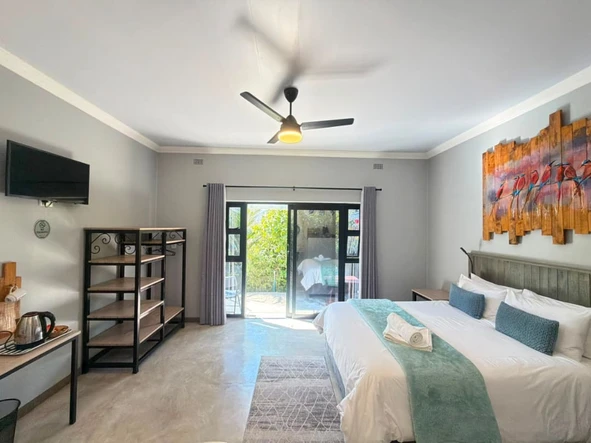
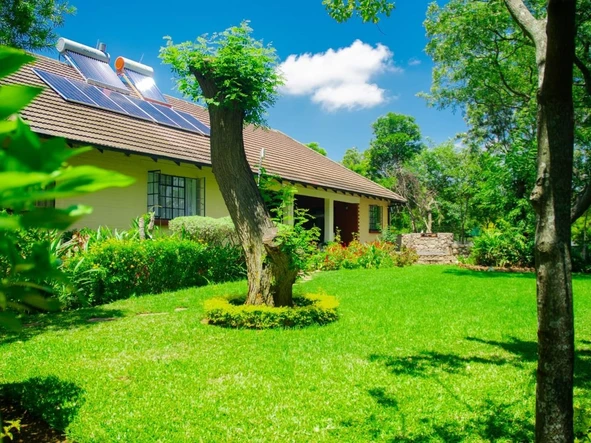
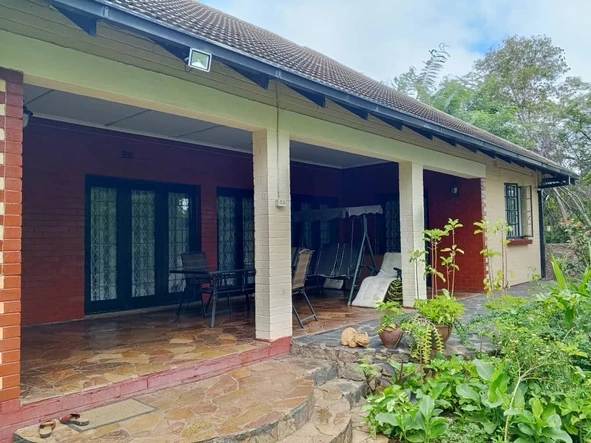
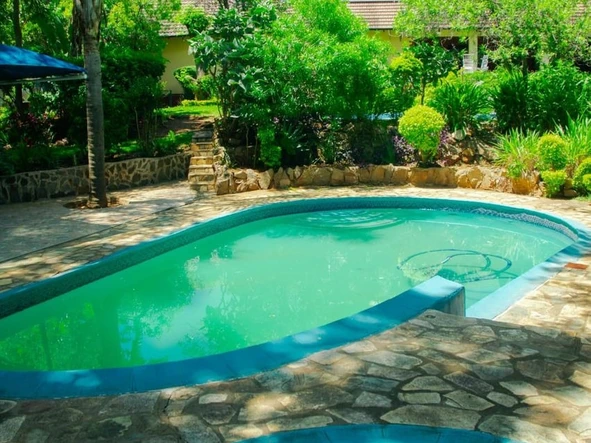
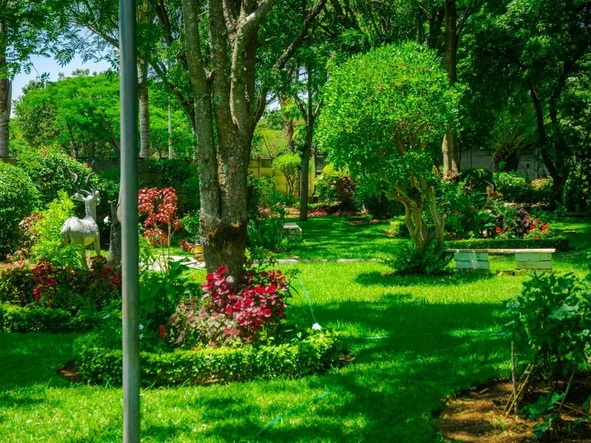
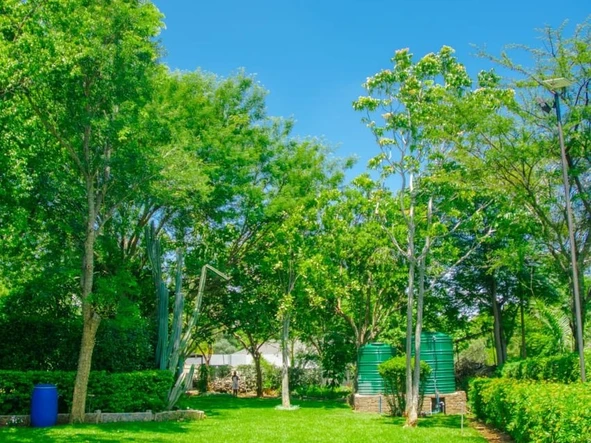
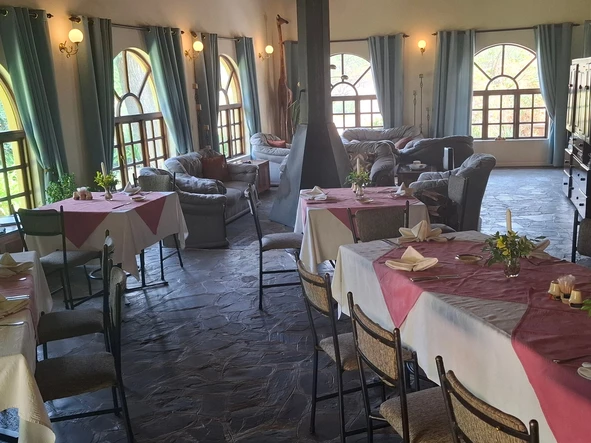
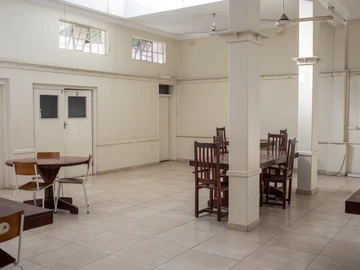
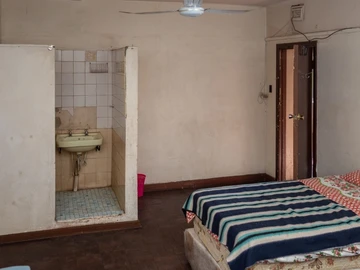
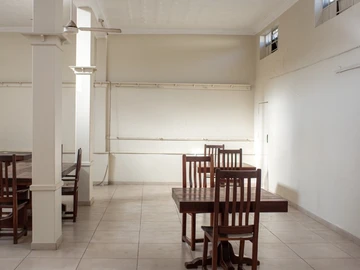
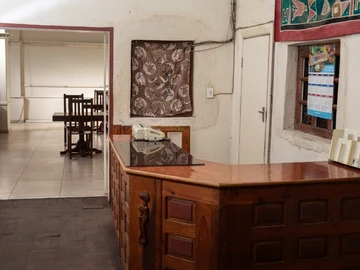
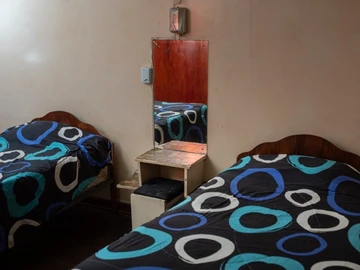
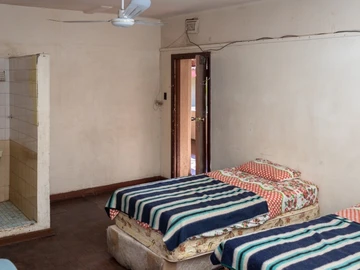
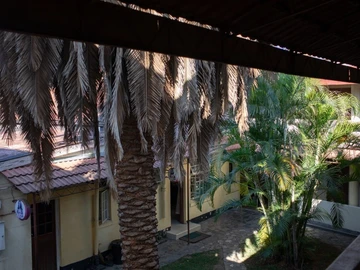
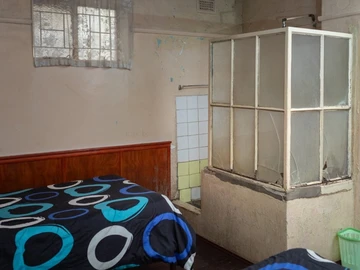
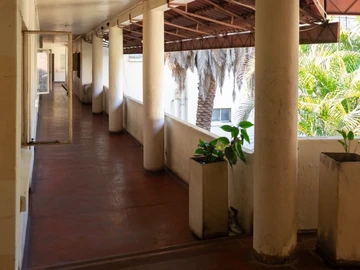
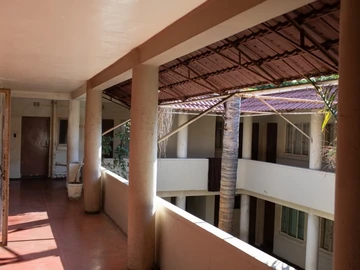
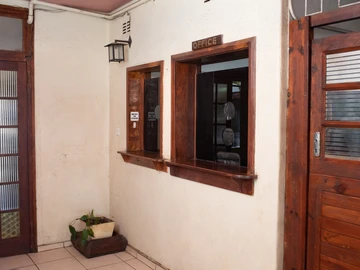
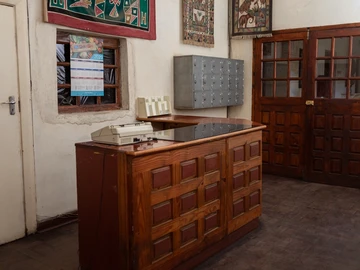
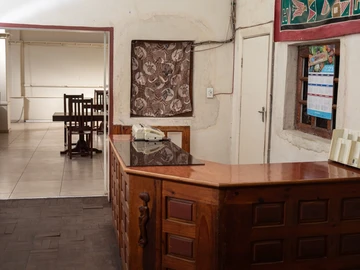
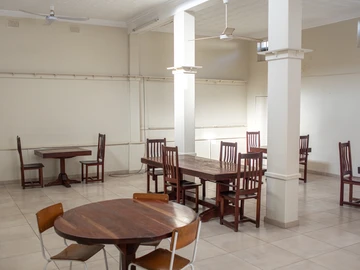
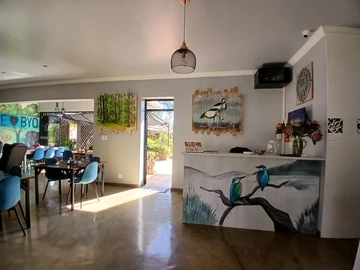
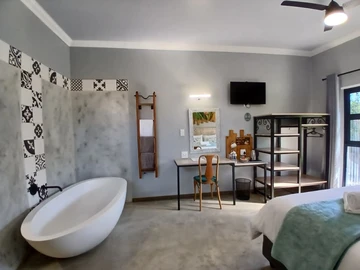
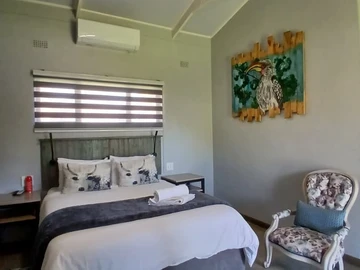
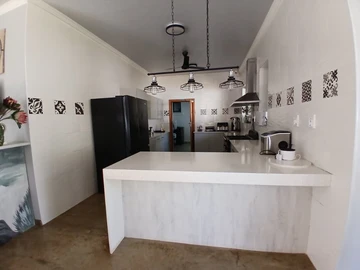
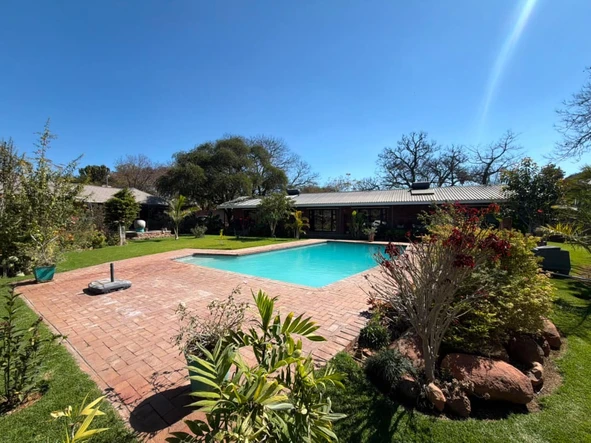
Hotels and lodges for sale in Bulawayo are positioned in a competitive high-end market, with the average price of properties currently listed at $850,000. The land sizes vary significantly, with a median land area of about 1,388 ㎡ and some properties offering expansive plots up to 40,000 ㎡. Property building sizes can be large, with the biggest reaching around 4,500 ㎡, although many listings do not specify building size.
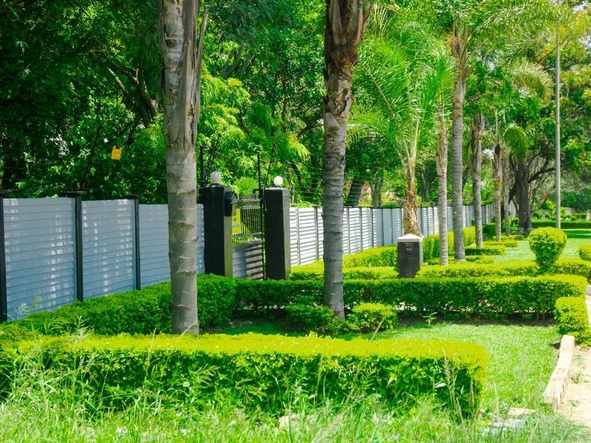
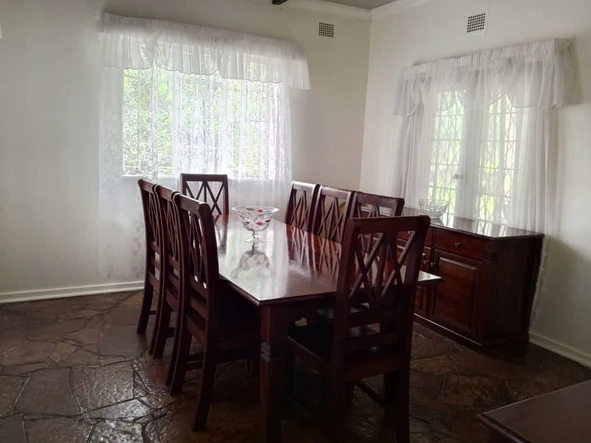
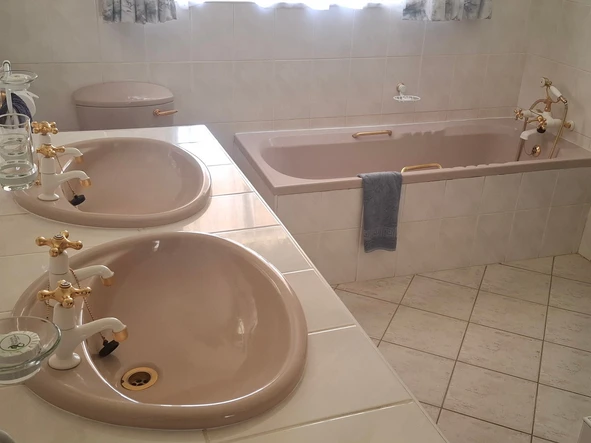
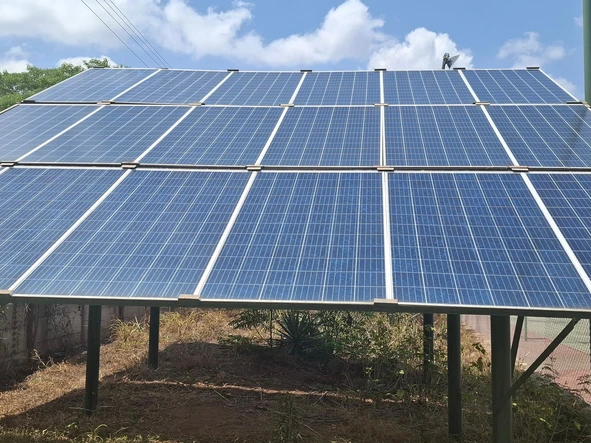
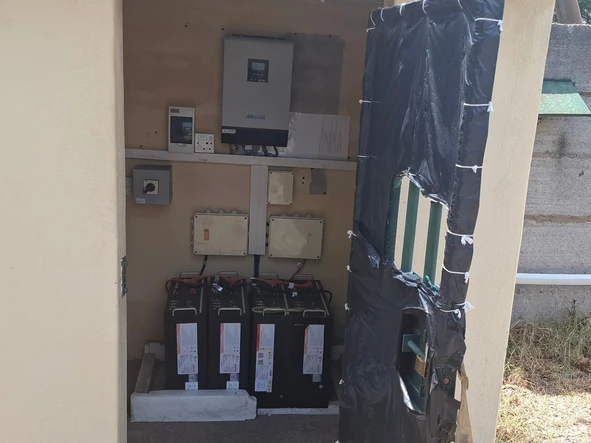
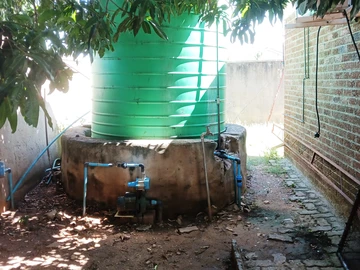
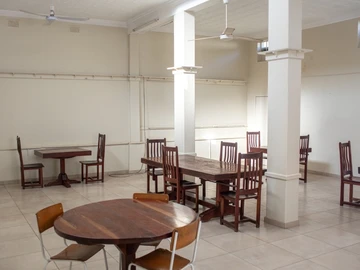
Many of these hotels and lodges feature tiled floors and benefit from reliable municipal water and good ZESA electricity supply. Additional amenities often include boreholes for water security and walled perimeters for privacy and safety, making these properties suitable for hospitality businesses aiming to provide comfort and security to guests.
Bulawayo, Zimbabwe’s second-largest city, offers a blend of urban and cultural experiences ideal for hotel and lodge operations. The city is well connected by road and rail, supporting easy access for travelers. Nearby attractions such as the Natural History Museum of Zimbabwe, Matobo National Park, and Khami Ruins add tourism appeal. The presence of institutions like the National University of Science and Technology and United Bulawayo Hospitals provides a stable local community. Shopping centers and popular restaurants contribute to a vibrant environment for visitors and residents alike.
10
500 m²
8
1,388 m²
9
2,289 m²
28
1 m²
6
1,388 m²

Be the first to see new properties for sale in Bulawayo







| Type | Avg. price |
|---|---|
| Average price | $850,000 |
Understand Zimbabwe’s 2026 rental tax rules, including the 15% commercial regime, residential tax treatment, monthly deadlines and disclosure window
Planning to drill or buy a property with a borehole in Zimbabwe? Check the authority, permit, siting, records and water quality before you commit.
Protect your rental property in Zimbabwe. Learn the 10 essential tenant screening checks landlords should make before signing a lease agreement.
Upgrade your home with the top bathroom trends of 2026 in Zimbabwe. Explore 8 stylish ideas covering luxury vanity finishes, lighting, and eco features.
Buying property in Zimbabwe? Discover hidden costs like stamp duty, conveyancing fees, and taxes that can add 8%–12% or more to your purchase price.