Log in to contact the seller
 Continue with Facebook
 Continue with Email
Continue with Facebook
Continue with Email
Sign up with Facebook
Continue with Email
Continue with Facebook
Continue with Email
Sign up with Facebook
 Change filters
 Requests

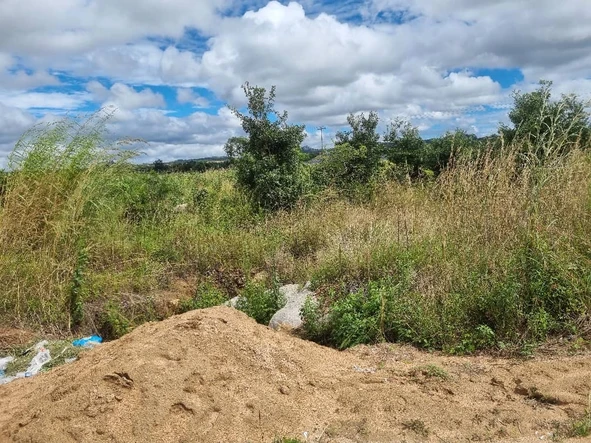



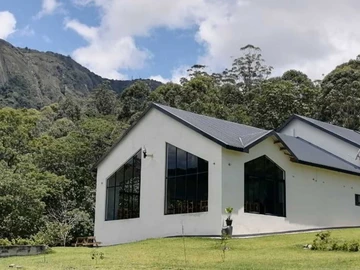
Hotels and lodges for sale in Manicaland offer a range of properties with an average price of $500,000, starting from USD 200,000. These properties typically have a median land area of about 2,500 ㎡ and a median building size of 220 ㎡, with some larger estates reaching up to 84,000 ㎡ of land and 4,800 ㎡ of built space. Overall, the prices are considered affordable for buyers interested in hospitality investments in this scenic region.
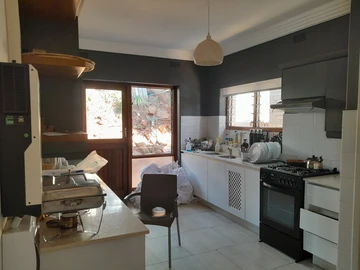
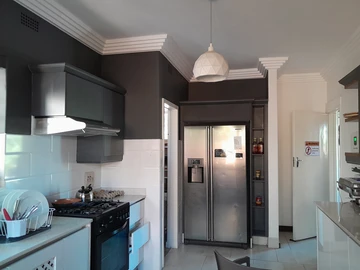
Many of these hotels and lodges come with fitted kitchens and reliable ZESA electricity, which are important features for operational convenience. The properties vary widely in size, catering to both smaller boutique lodges and larger resort-style establishments. This variety makes the market appealing to different types of investors looking to tap into Manicaland’s tourism sector.
Manicaland is known for its natural beauty, including attractions like Nyanga National Park, Mutarazi Falls, and the Vumba Mountains, which draw tourists year-round. The area benefits from good transport links via the A9 highway and public transport options connecting towns and rural areas. Mutare, the provincial capital, provides essential amenities such as Mutare Provincial Hospital, reputable schools, and shopping centers like Mutare Shopping Centre and Sakubva Market. Many lodges also feature restaurants offering local and international cuisine, enhancing the visitor experience in this peaceful and scenic province.

Be the first to see new properties for sale in Manicaland









| Type | Avg. price |
|---|---|
| Average price | $500,000 |
Buying property in Zimbabwe? Discover hidden costs like stamp duty, conveyancing fees, and taxes that can add 8%–12% or more to your purchase price.
Tenants not paying rent in Zimbabwe? Learn your legal rights as a landlord, the step by step eviction process, and illegal self-help actions to avoid.
Discover how blockchain, crypto, and tokenized real-world assets (RWAs) are transforming real estate ownership, liquidity, and financing over the next 5 years.
Buying a residential stand in Zimbabwe? Learn how to verify ownership, subdivision, planning approvals, servicing, title and the developer before paying.
Learn how servitudes affect property ownership, rights of way, and utility access in Zimbabwe. Protect your land title and avoid boundary disputes.





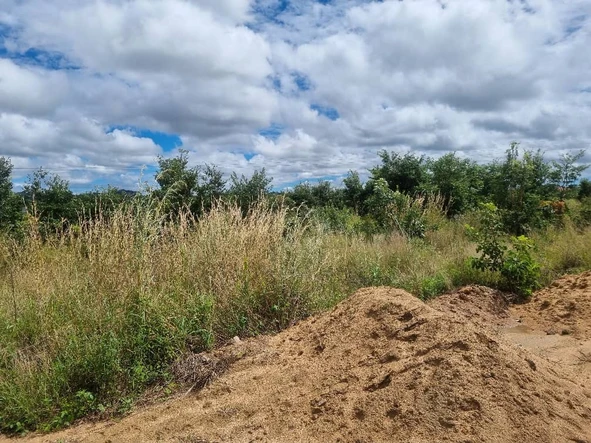
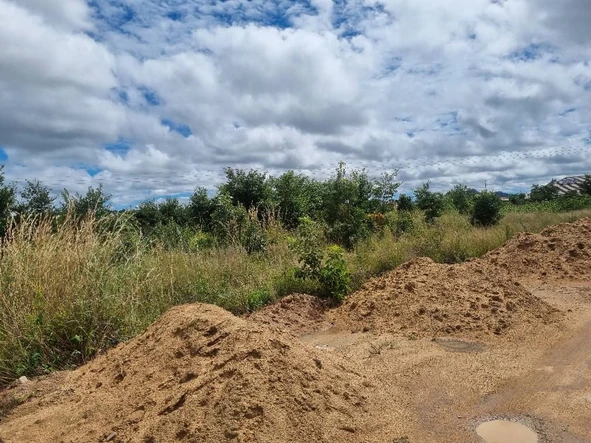
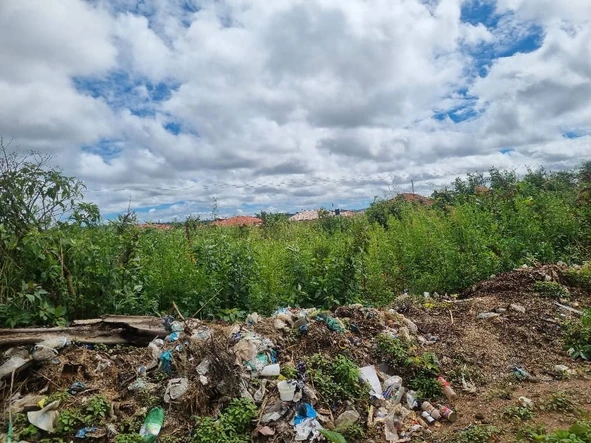
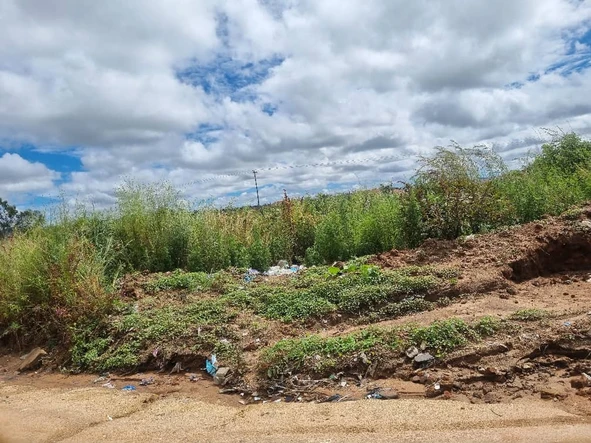
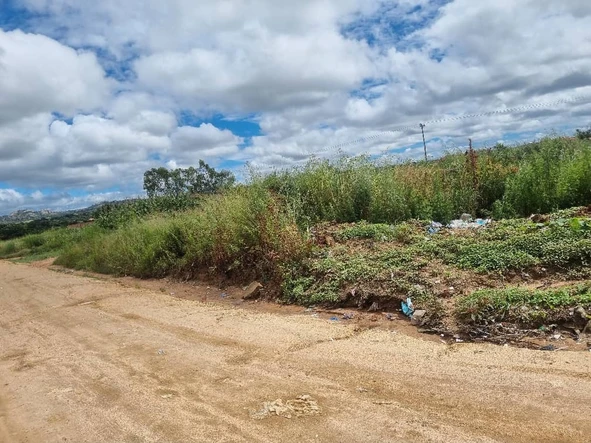
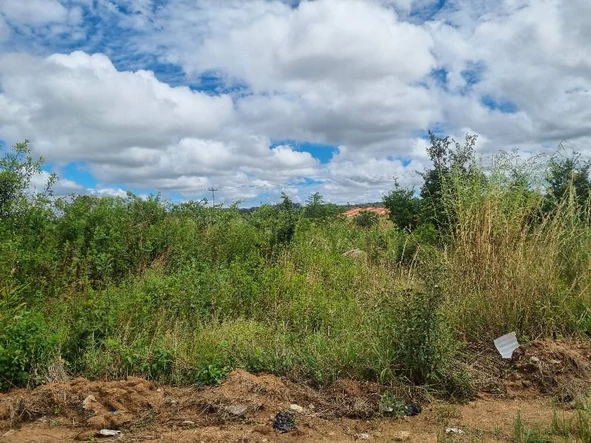
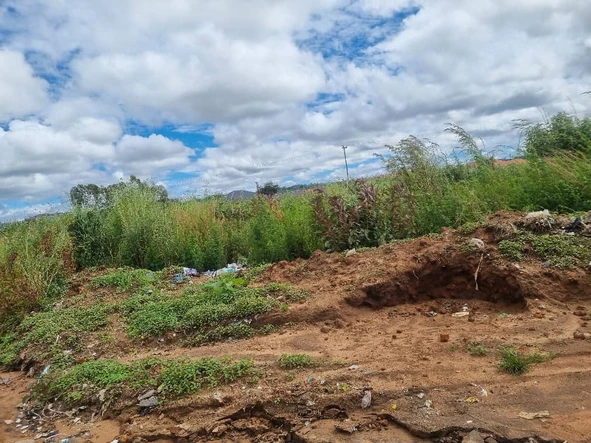
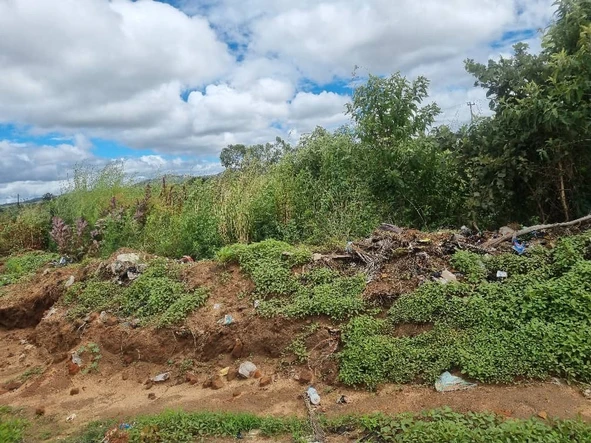
 5,034 m²


 5
5