Log in to contact the seller
 Continue with Facebook
 Continue with Email
Continue with Facebook
Continue with Email
Sign up with Facebook
Continue with Email
Continue with Facebook
Continue with Email
Sign up with Facebook
 Change filters
 Requests




 6
6
 5
500 m²
5
500 m²
 4
2
4
2
 300 m²
4
3
400 m²
4
2
230 m²
5
3
400 m²
300 m²
4
3
400 m²
4
2
230 m²
5
3
400 m²
Properties for rent in Zimbabwe offer a wide range of options with an average monthly price of $1,150 USD. These rental properties typically have a median land area of about 480 ㎡ and a median building size of around 200 ㎡, with some larger estates reaching up to 8,093 ㎡ of land and buildings as large as 4,046 ㎡. Entry-level rentals start from as low as USD 100 per month, making the market accessible for various budgets.
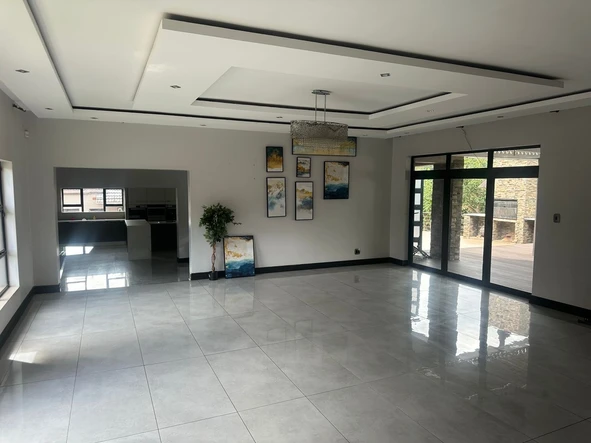
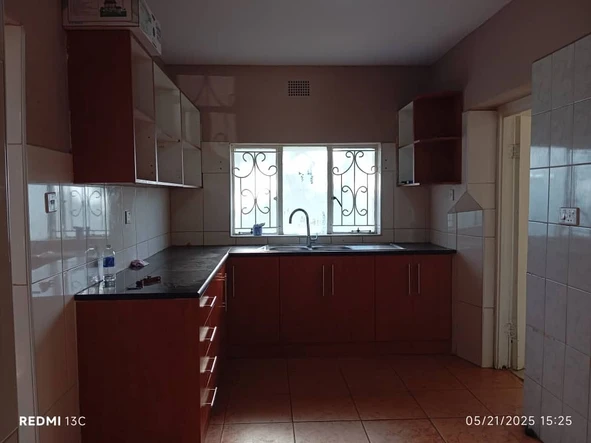
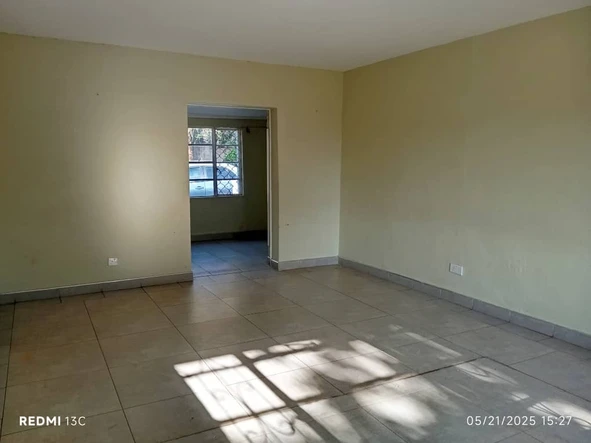
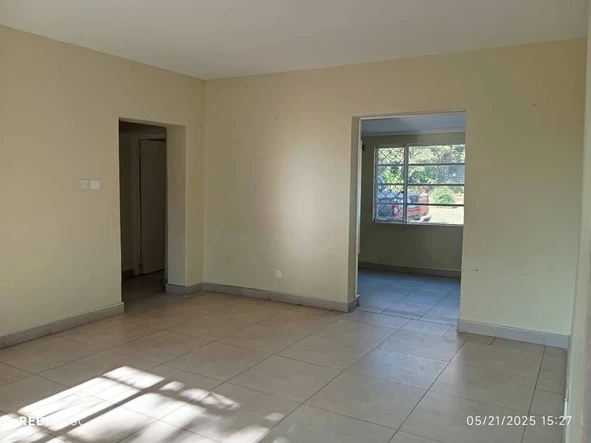
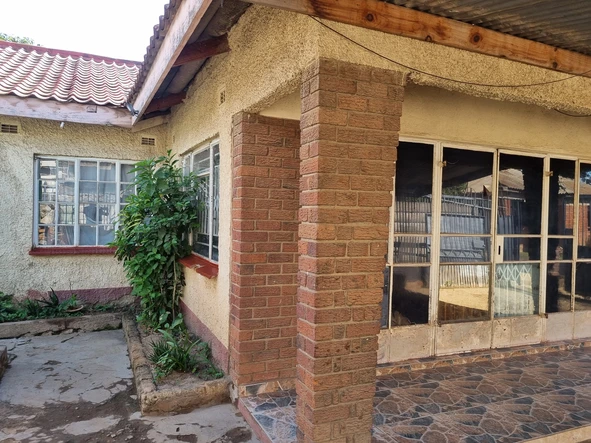
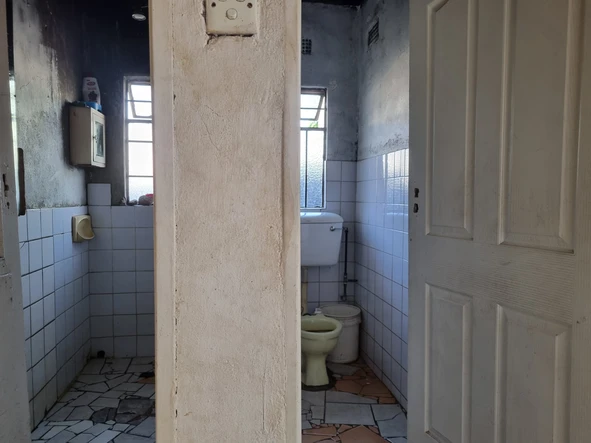
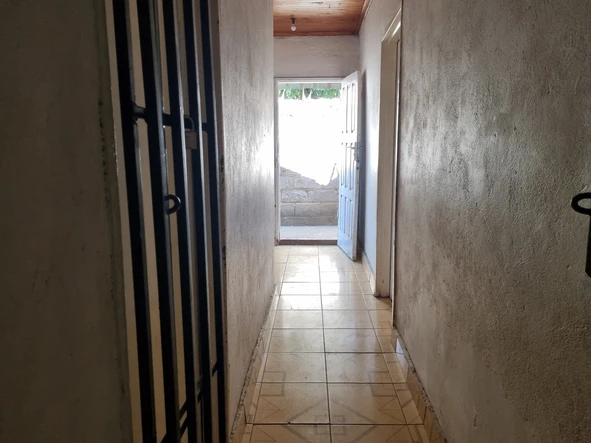
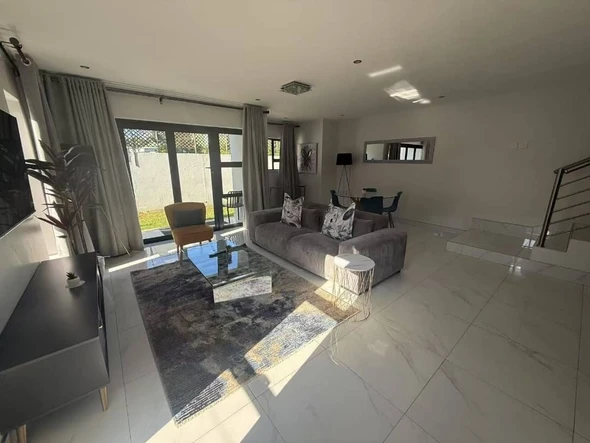
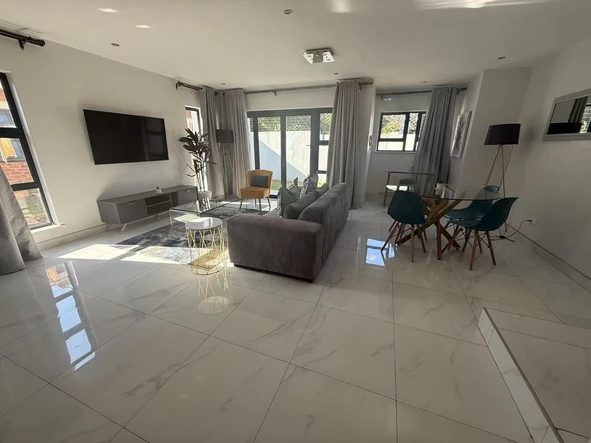
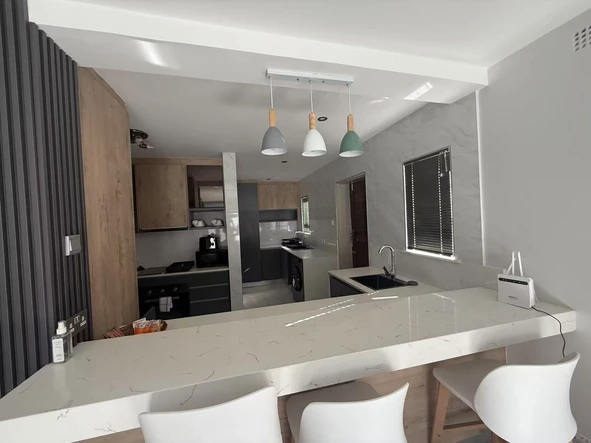
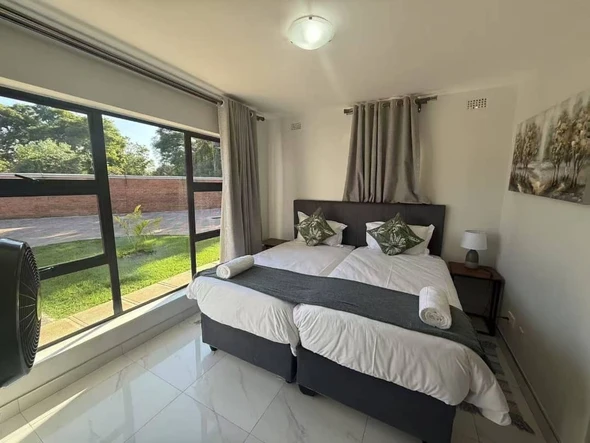
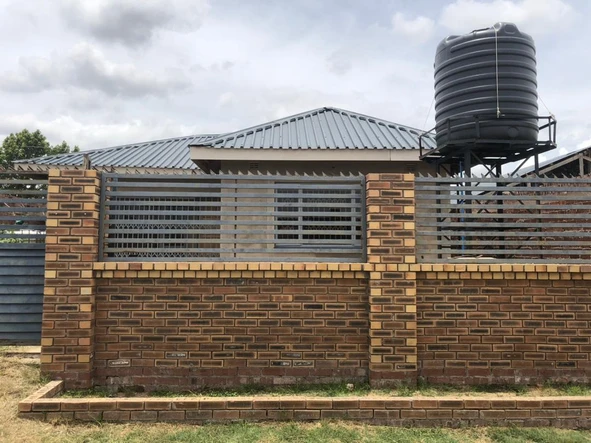
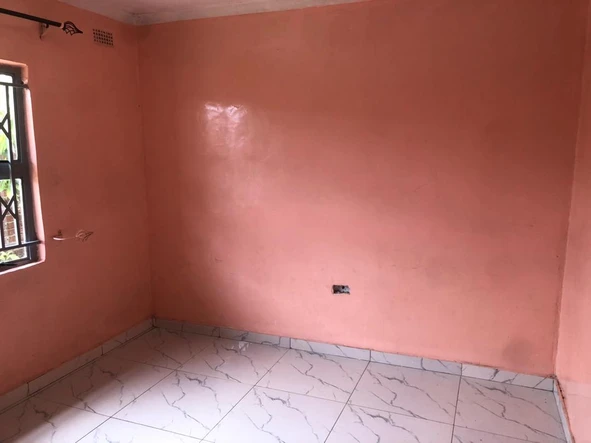
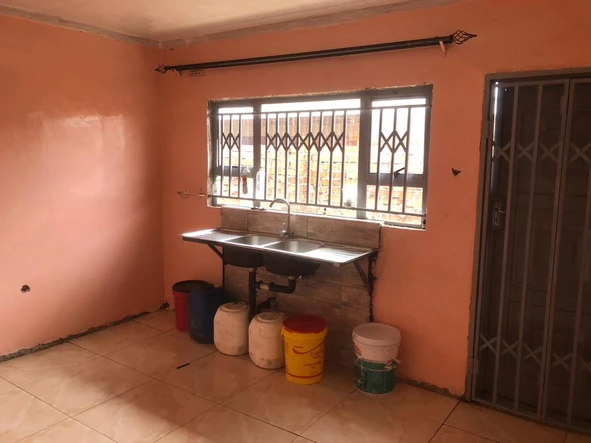
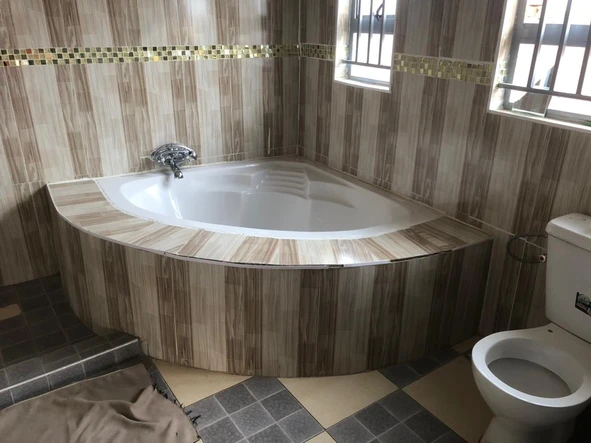
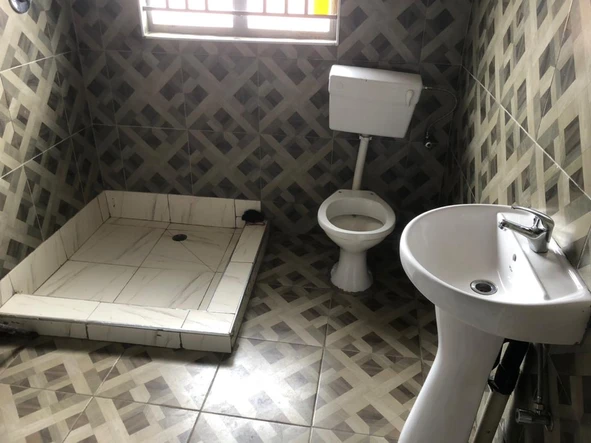
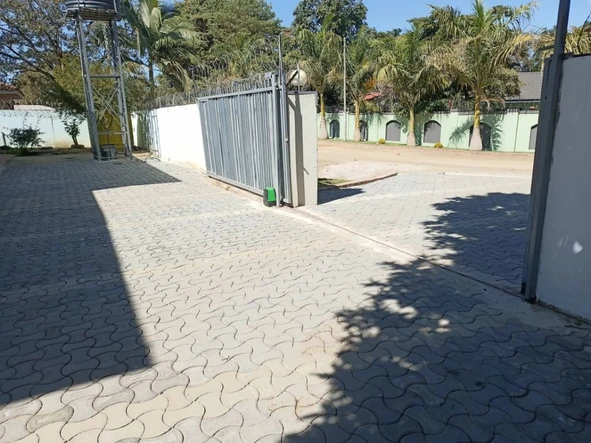
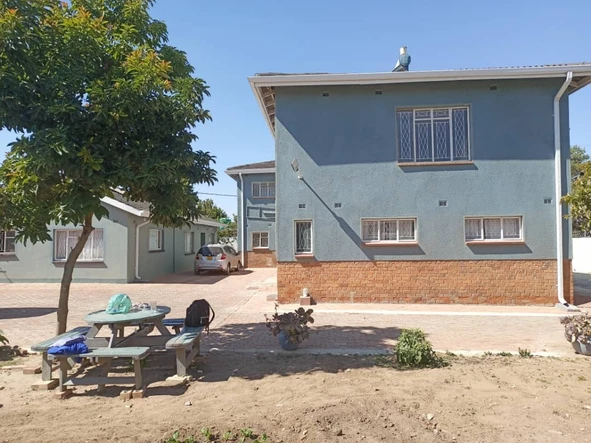
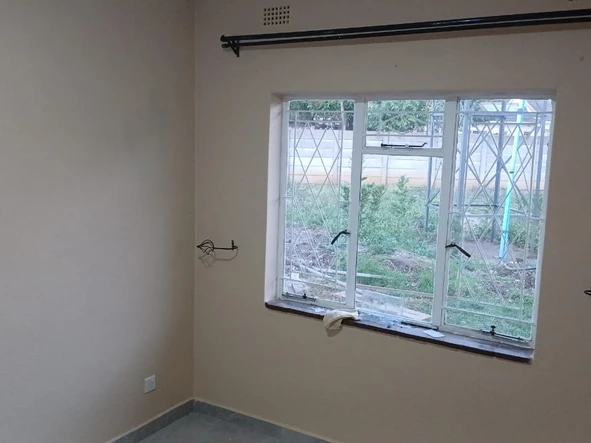
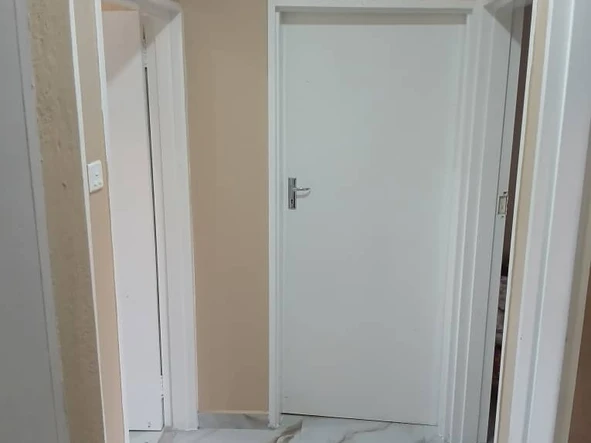
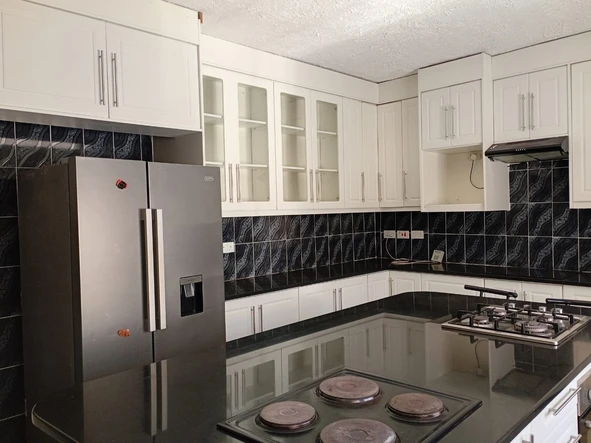
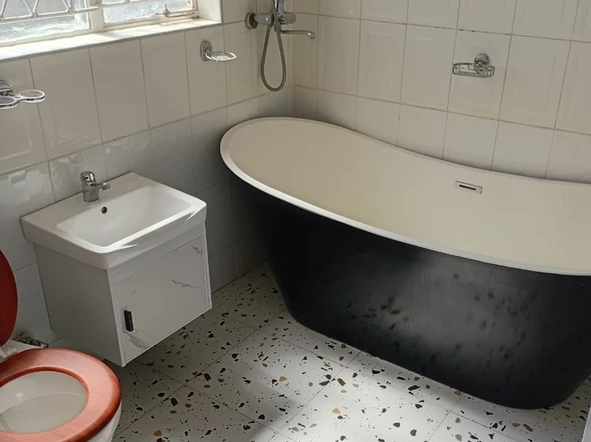
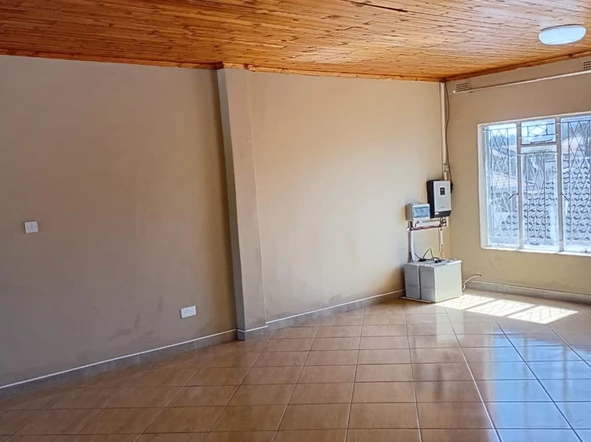
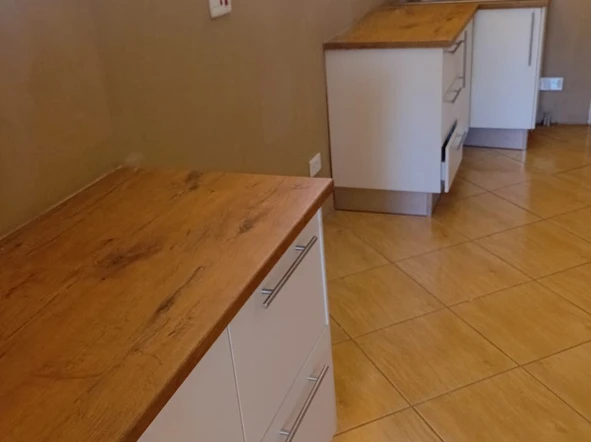
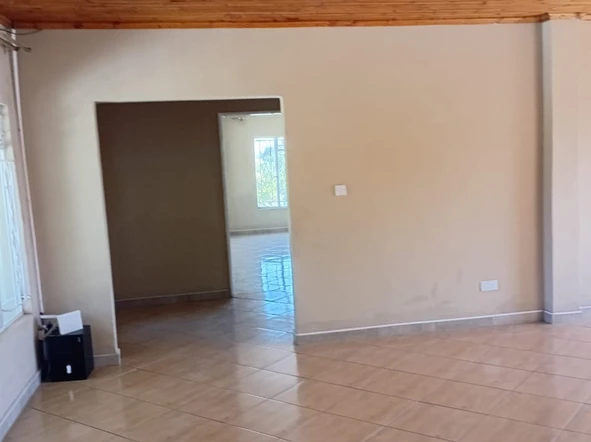
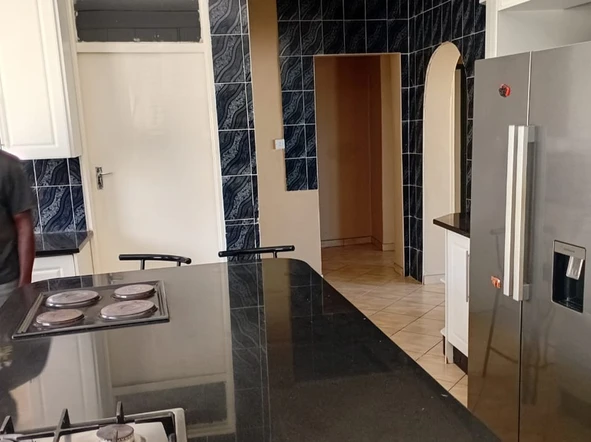
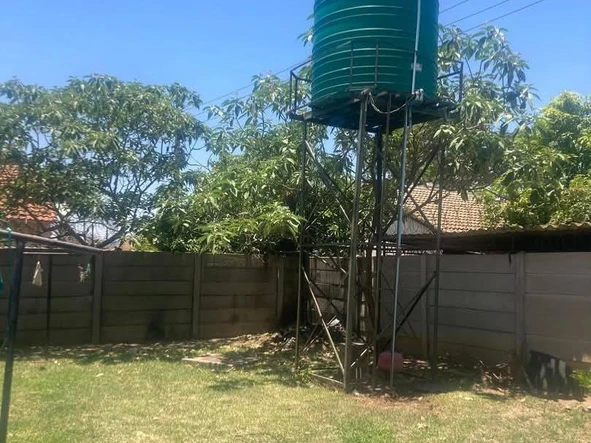
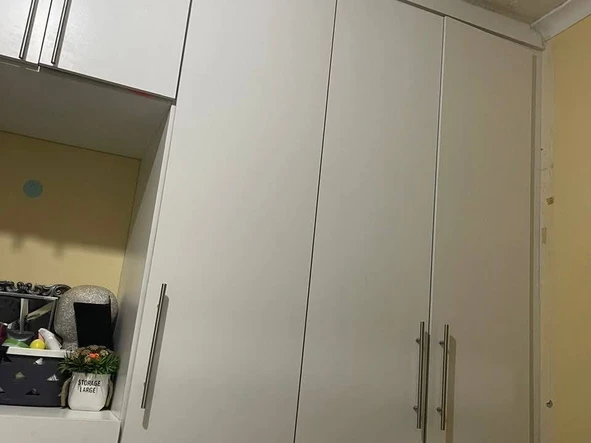
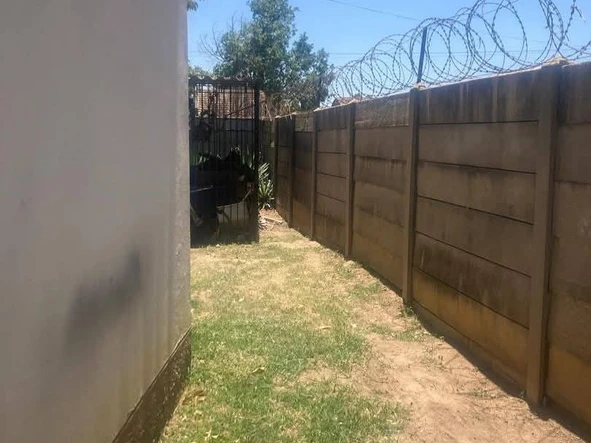
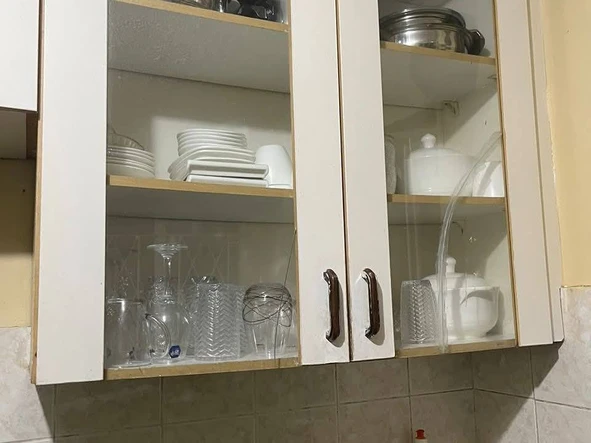
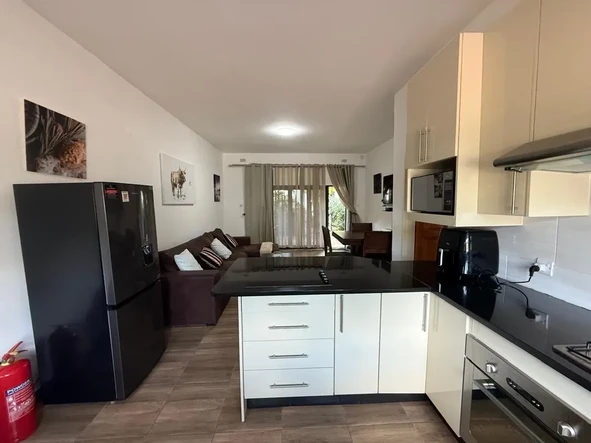
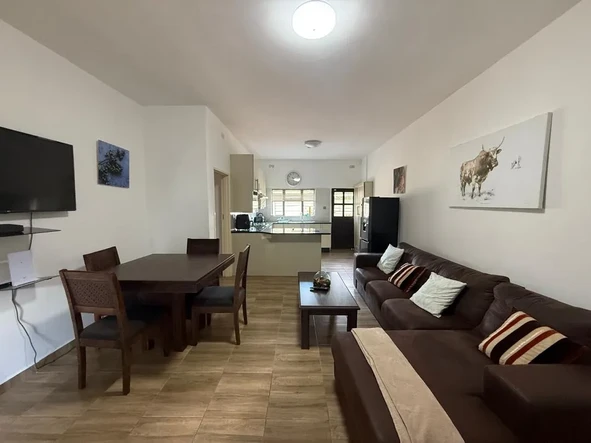
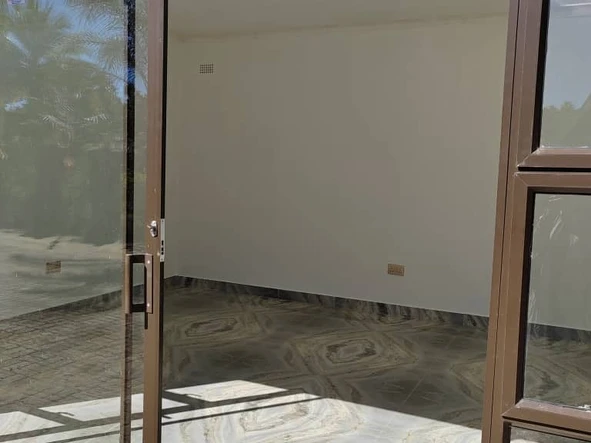
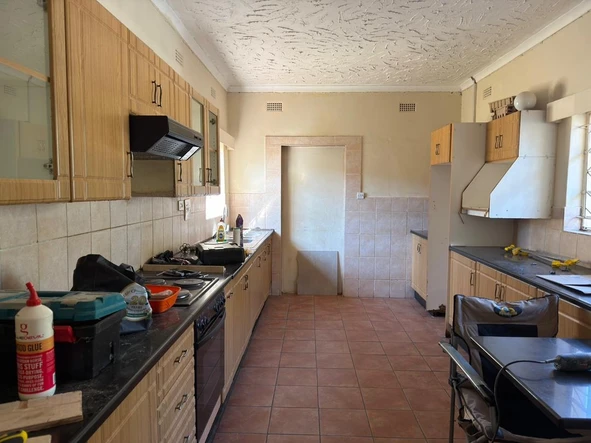
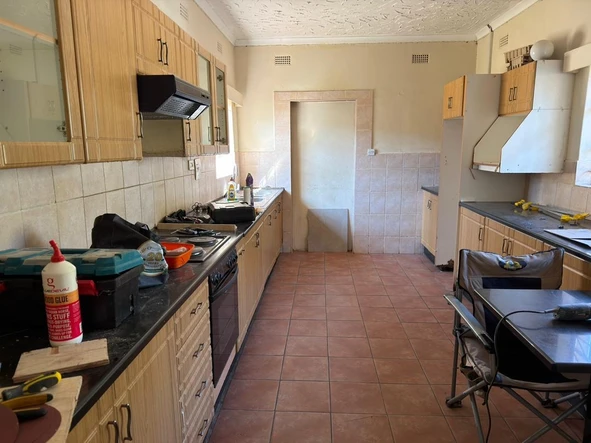
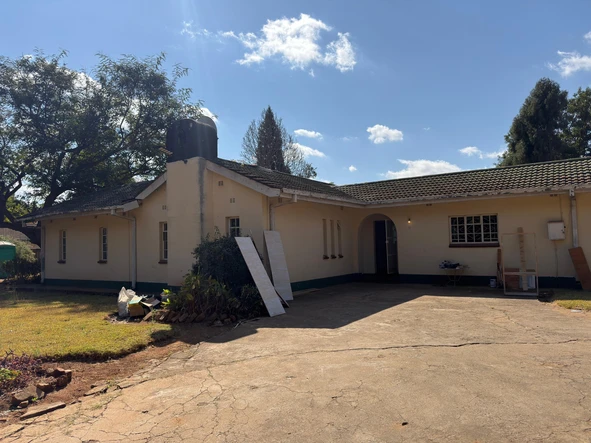
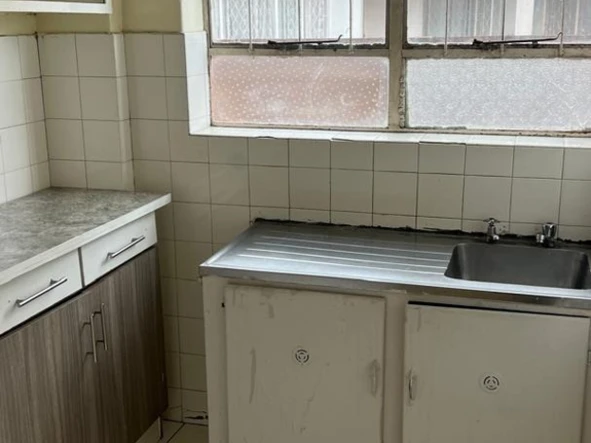
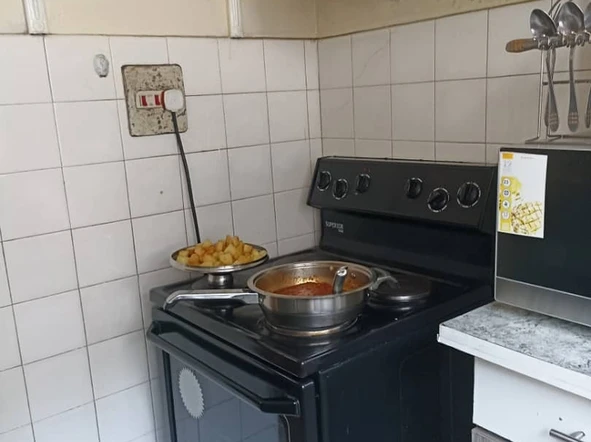
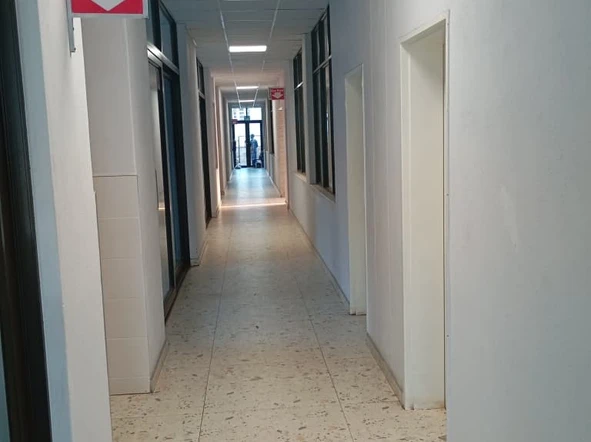
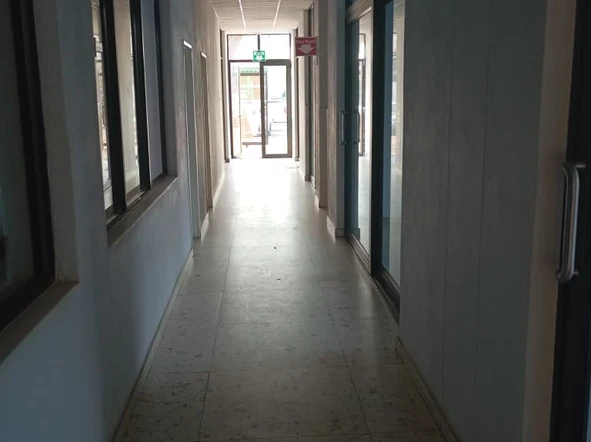
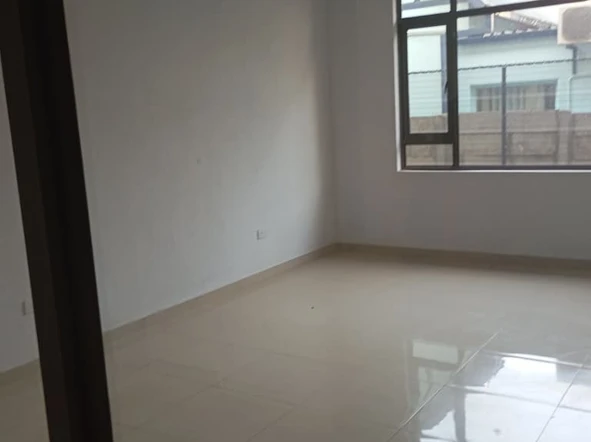
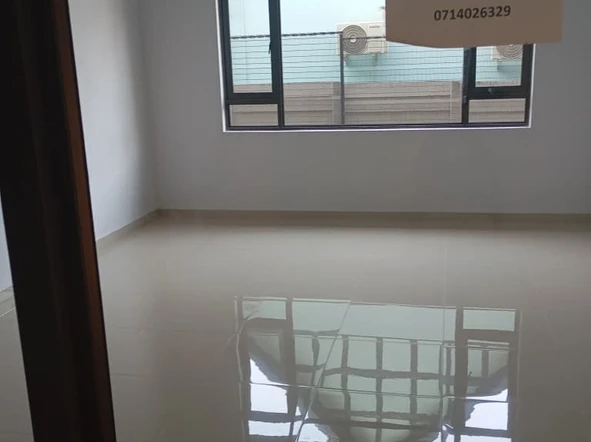
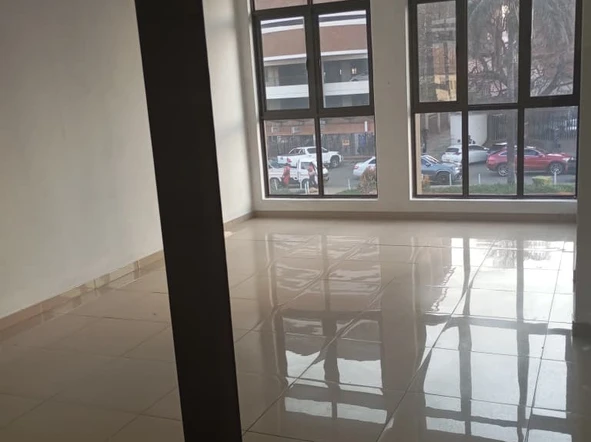
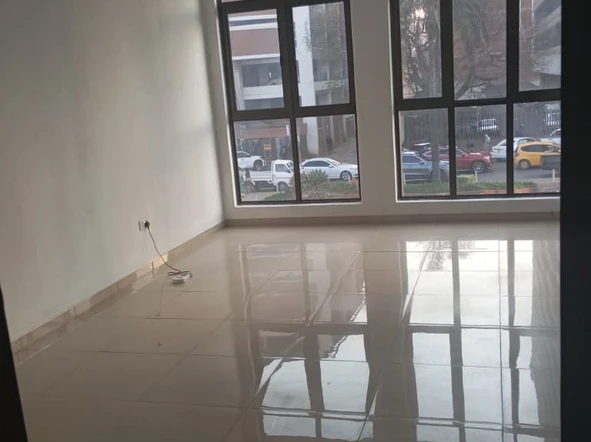
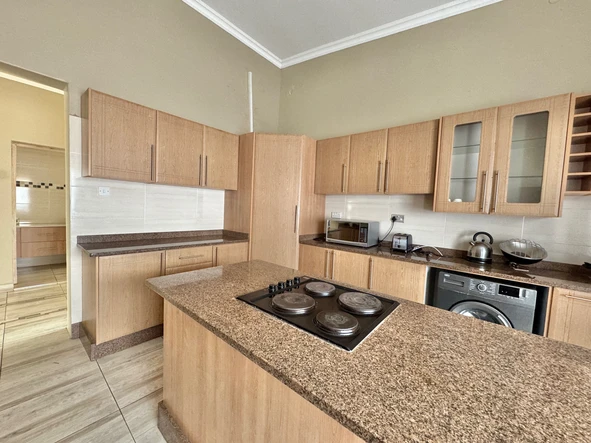
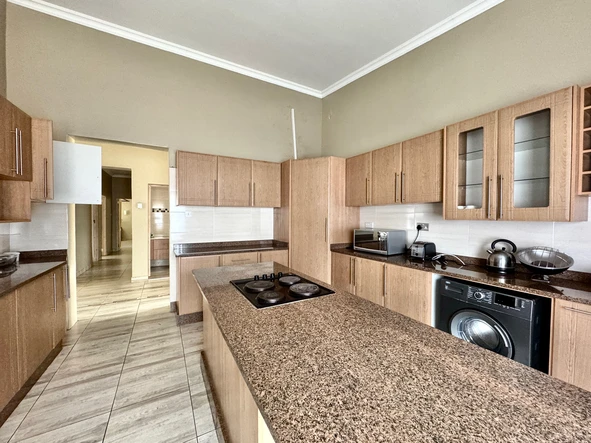
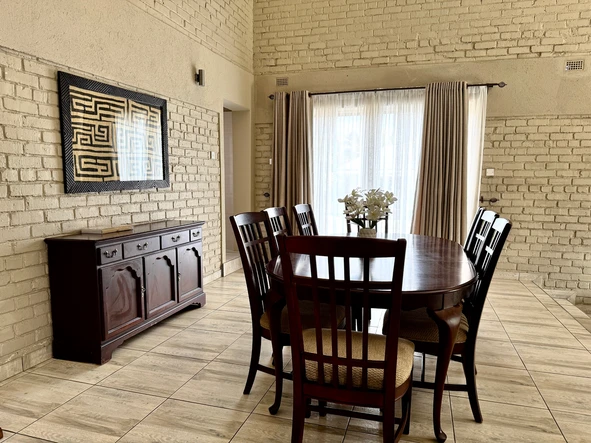
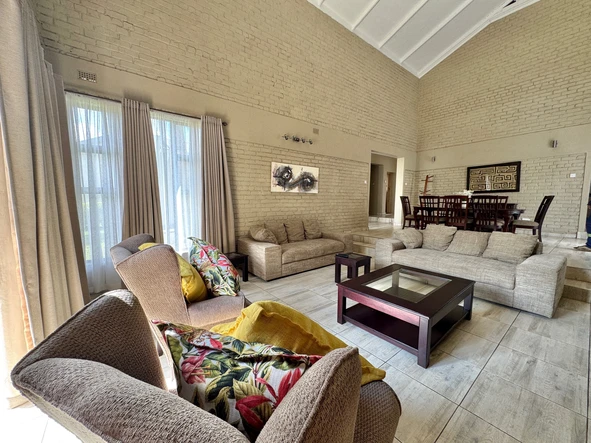
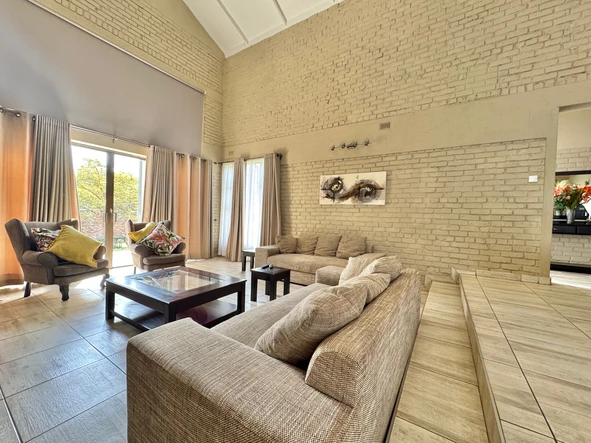
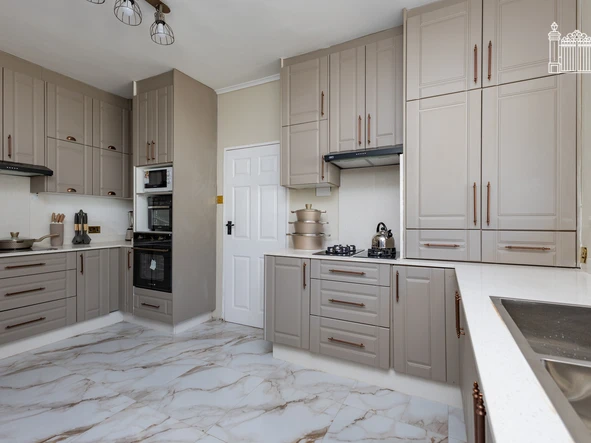
Many of these rental properties come with practical features such as boreholes, fitted kitchens, tiled floors, and walled compounds, which provide convenience and security. These amenities are common and add value for tenants looking for comfortable and well-maintained homes or commercial spaces. The variety in property sizes and land areas caters to different needs, from smaller apartments to expansive houses or business premises.
Zimbabwe’s diverse environment includes savannas and mountains, with urban centers like Harare serving as commercial and political hubs. Renters can enjoy access to major shopping centers such as Sam Levy’s Village and Eastgate Mall, as well as cultural attractions like the National Gallery of Zimbabwe and the Great Zimbabwe Ruins. The country also offers educational institutions including the University of Zimbabwe and private schools, alongside healthcare facilities in major cities. This mix of amenities makes renting in Zimbabwe suitable for families, professionals, and businesses alike.
2
1
100 m²
2
1
80 m²
4
2
3
2
4
3
250 m²

Be the first to see new properties for rent









| Type | Avg. price |
|---|---|
| Overall | $1,150 |
| Houses (View 384 properties) | $1,100 |
| Commercial Property (View 276 properties) | $1,200 |
| Flats & Apartments (View 223 properties) | $1,000 |
| Land (View 8 properties) | $2,000 |
Spot fake title deeds in Zimbabwe's 2026 market by evaluating them against the Ministry of Justice's newly launched Title Deeds Validation and Securitisation
Secure your long-term occupancy in 2026 by regularizing your property status through the Deeds Registry, as years of living on a stand do not automatically g
Secure your children's financial future by exploring how to legally register property for minors under Zimbabwe's strict legal frameworks. Whether utilizing
Secure your long-term occupancy by regularizing your property status through the Deeds Registry, as years of living on a stand do not automatically grant legal
Navigate the psychological and financial strain of social media-driven design pressure by prioritizing high-ROI areas like kitchens and bathrooms over cosmetic