Log in to contact the seller
 Continue with Facebook
 Continue with Email
Continue with Facebook
Continue with Email
Sign up with Facebook
Continue with Email
Continue with Facebook
Continue with Email
Sign up with Facebook
 Change filters
 Requests

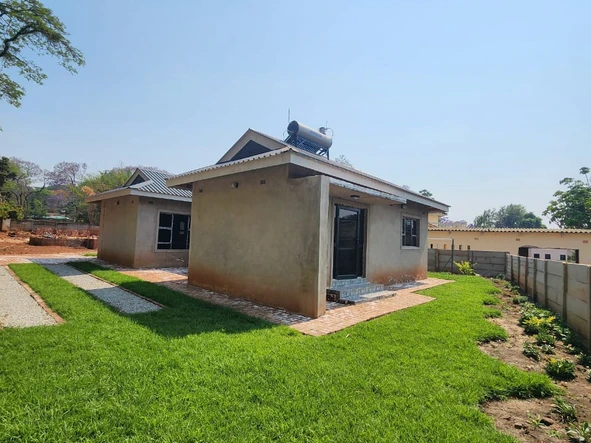


 3
3
 2
120 m²
2
120 m²


 3
2
150 m²
3
2
89 m²
3
2
150 m²
3
2
89 m²
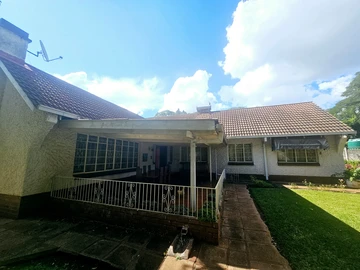
Properties for rent in Meyrick Park, Harare West, offer affordable options with an average monthly rental price of $1,000. These properties typically sit on land areas around 400 ㎡, with building sizes averaging 180 ㎡. The largest properties available reach up to 675 ㎡ in size, with land parcels as large as 2,000 ㎡.
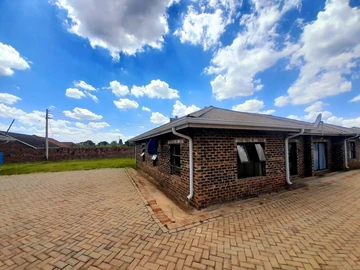
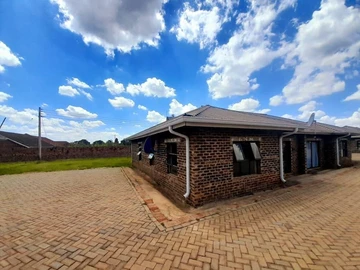
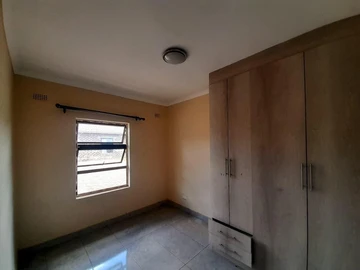
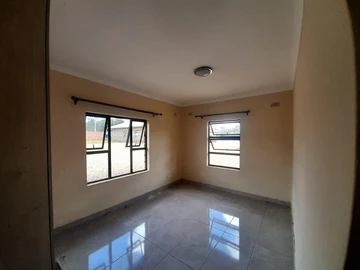
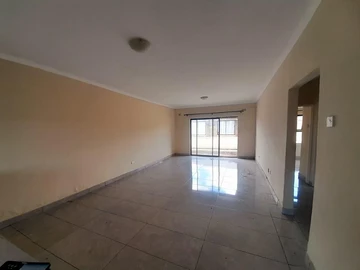
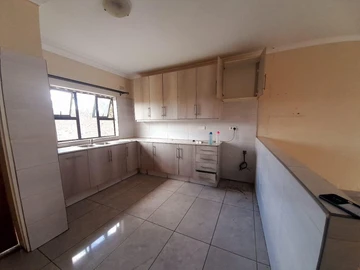
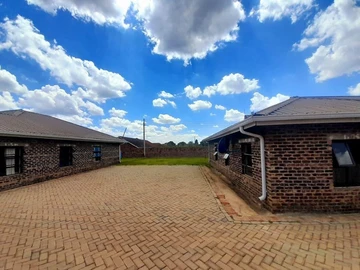
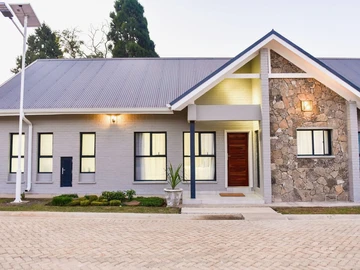
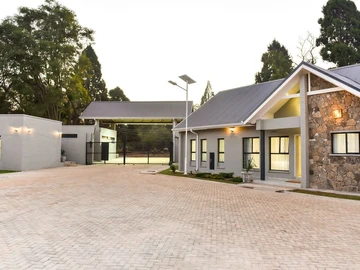
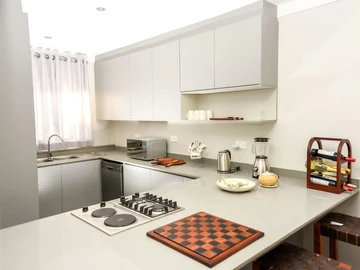
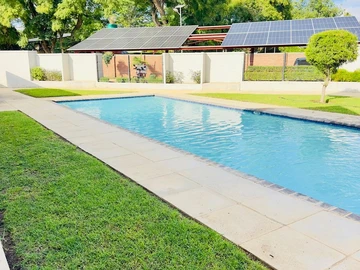
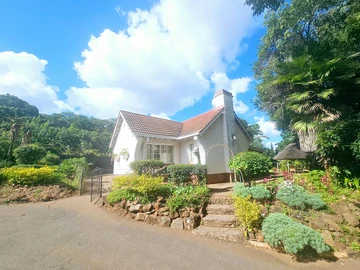
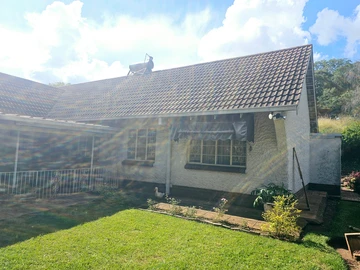
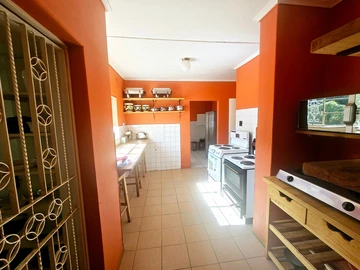
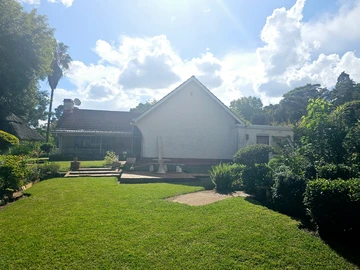
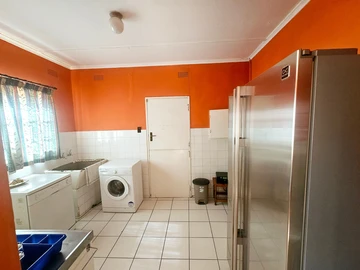
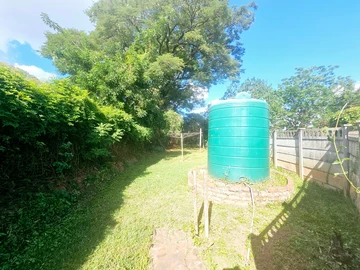
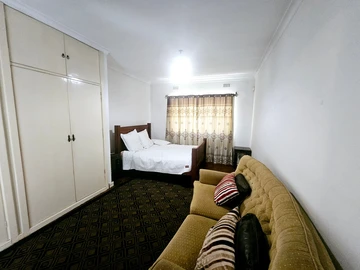
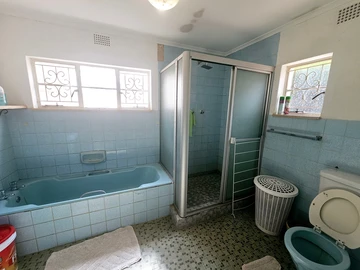
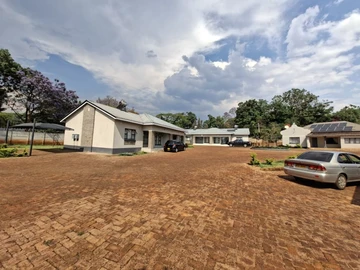
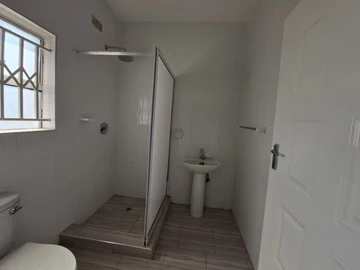
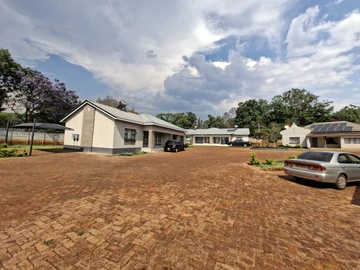
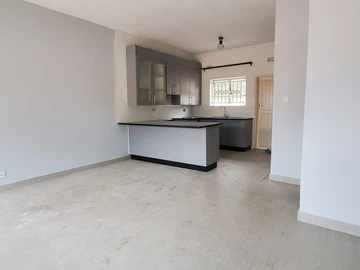
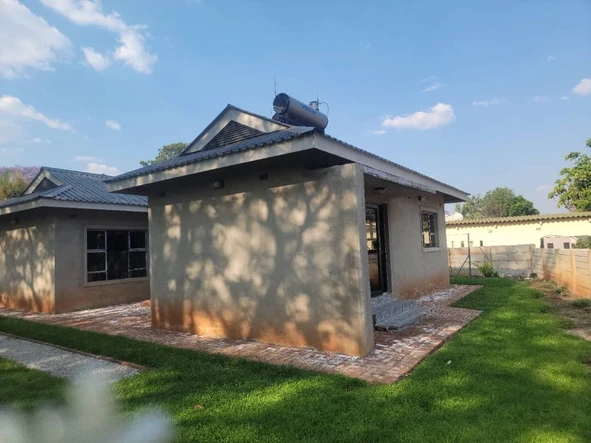
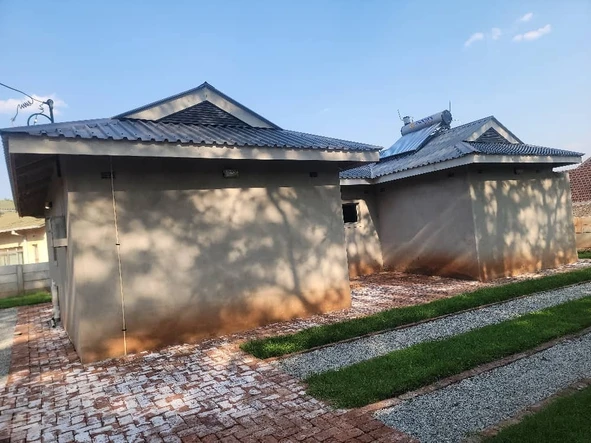
Most rental homes in Meyrick Park feature tiled floors and are walled for privacy. Many include electric gates, fitted kitchens, and boreholes, while paved driveways and water tanks are common. These features make the properties practical and comfortable for families and professionals looking for secure and well-equipped homes.
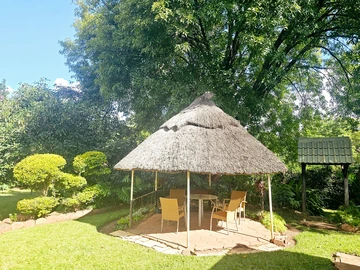
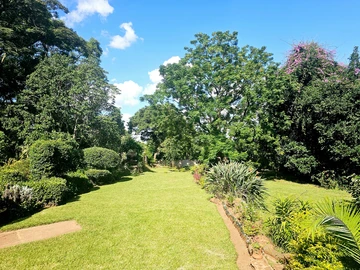
Meyrick Park is a quiet, family-friendly suburb known for its mature trees and green spaces, including the Meyrick Park recreational area. Residents benefit from access to reputable schools in Harare West and nearby healthcare facilities like West End Hospital. Shopping needs are met by local centers such as Westgate Shopping Centre, with a variety of restaurants and cafes available both locally and in the nearby city center, making this area ideal for those seeking peaceful living with convenient amenities.
3
2
100 m²
 2
1
120 m²
2
1
120 m²

Be the first to see new properties for rent in Meyrick Park, Harare West











| Type | Avg. price |
|---|---|
| Overall | $1,000 |
| Houses (View 86 properties) | $1,000 |
| Flats & Apartments (View 47 properties) | $850 |
| Commercial Property (View 27 properties) | $1,300 |
| Land (View 2 properties) | $1,200 |
Prices as of October 2026
Selling property without an agent in Zimbabwe may reduce commission, but it shifts pricing, legal and payment risks to the owner. Complete these seven checks.
Died without a will in Zimbabwe? Learn how the Deceased Estates Succession Act distributes property, protects surviving spouses, and handles estate claims.
Buying property in Zimbabwe? Learn how deeds, SG diagrams, beacons and surveys determine boundaries and complete seven checks before you pay.
Understanding municipal property rates in Zimbabwe: Learn how valuations are calculated, how to manage arrears, and how to access council discounts.
Manage your rental properties in Zimbabwe like a pro. Learn about tenant screening, lease agreements, maintenance, and rental tax rules in 2026.













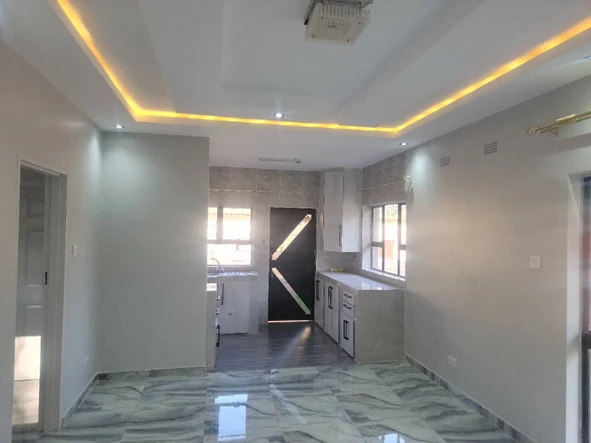
 200 m²