Log in to contact the seller
 Continue with Facebook
 Continue with Email
Continue with Facebook
Continue with Email
Sign up with Facebook
Continue with Email
Continue with Facebook
Continue with Email
Sign up with Facebook
 Change filters
 Requests

 2
2
 2
150 m²
2
150 m²


 2
1
150 m²
3
4
90 m²
3
1
242 m²
3
2
200 m²
2
1
150 m²
3
4
90 m²
3
1
242 m²
3
2
200 m²
 3
2
150 m²
6
6
3
2
150 m²
6
6
 4,021 m²
5
5
1,800 m²
4
3
300 m²
3
2
150 m²
4,021 m²
5
5
1,800 m²
4
3
300 m²
3
2
150 m²
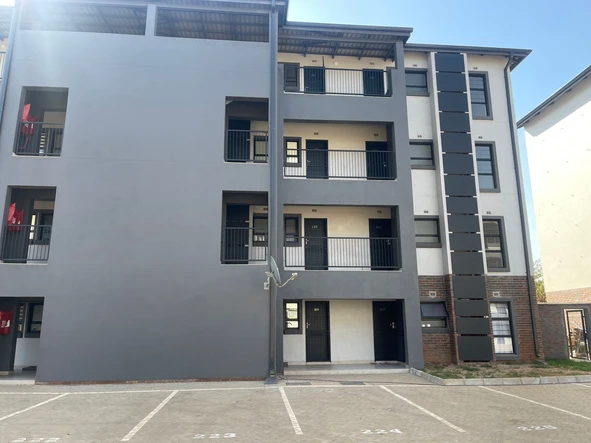
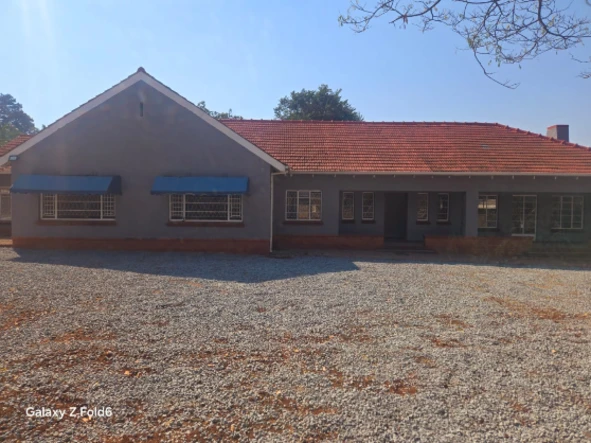
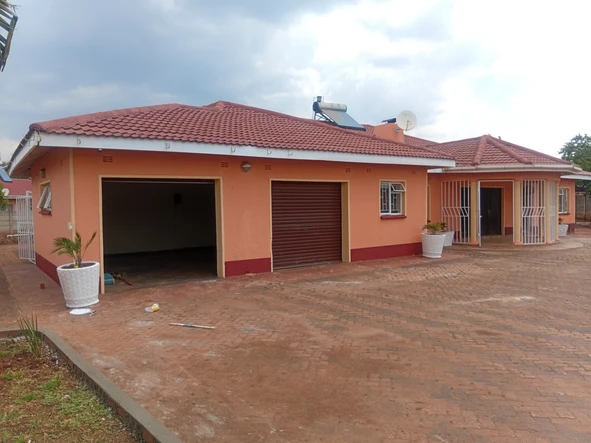
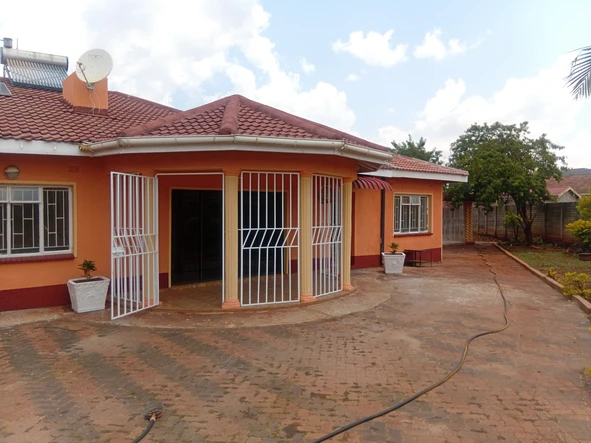
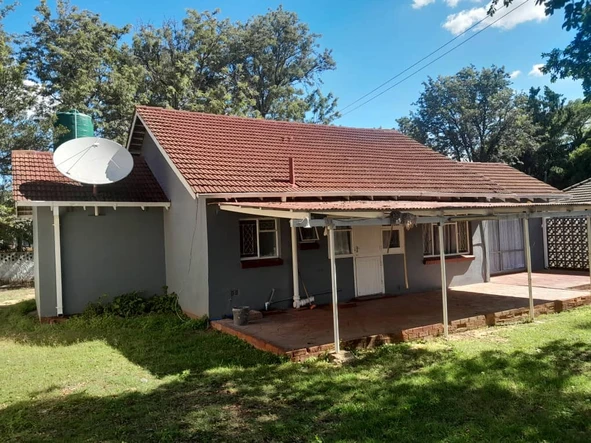
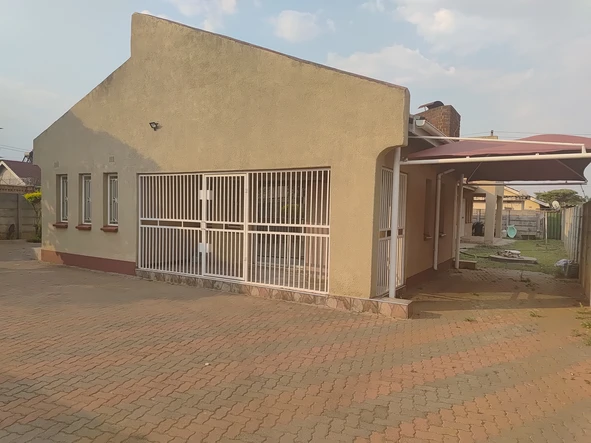
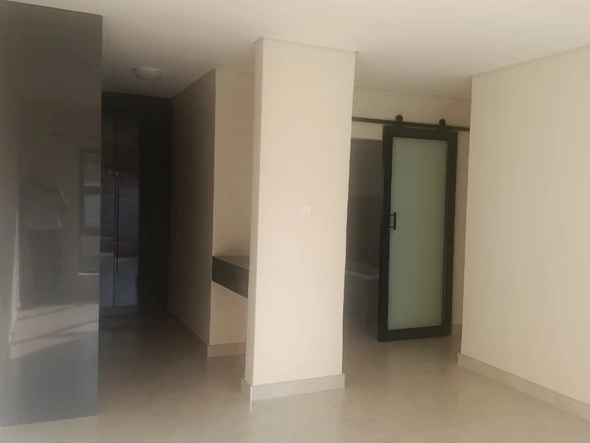
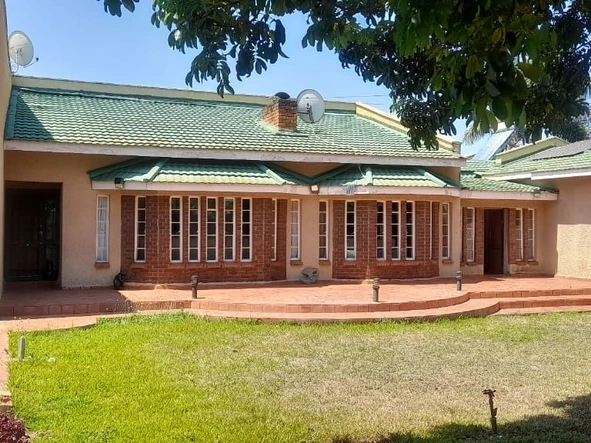
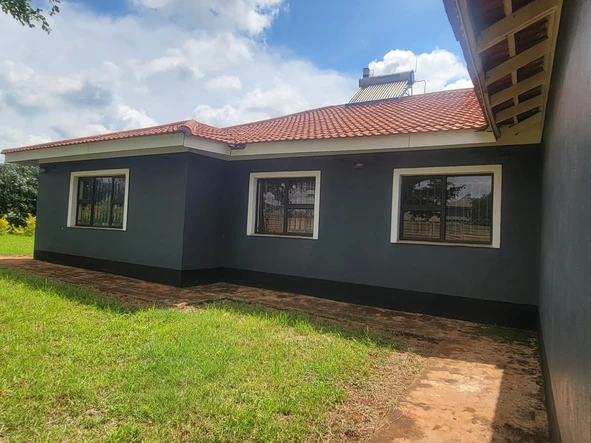
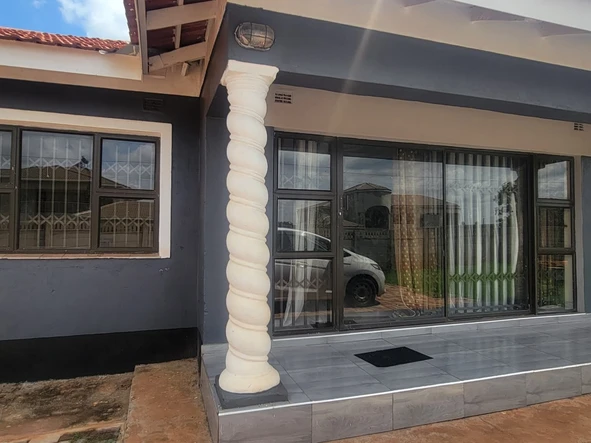
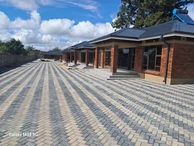
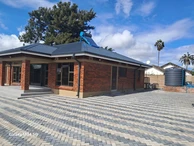
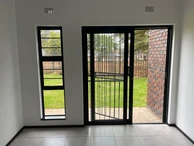
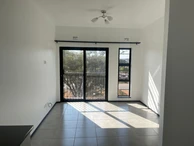
Properties for rent in Harare West, Harare, offer affordable options with an average monthly rental price of $1,000. These properties typically have a median land area of 500 ㎡ and a median building size of around 200 ㎡, with some larger properties reaching up to 4,000 ㎡ in size and land areas as large as 9,000 ㎡.
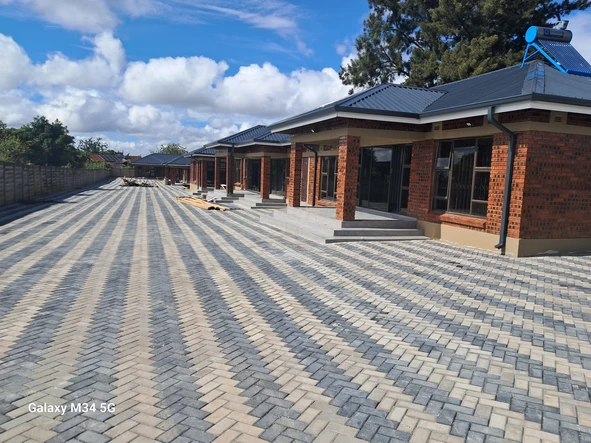
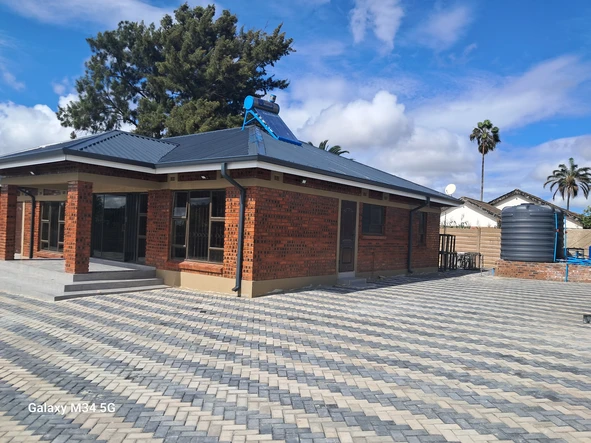
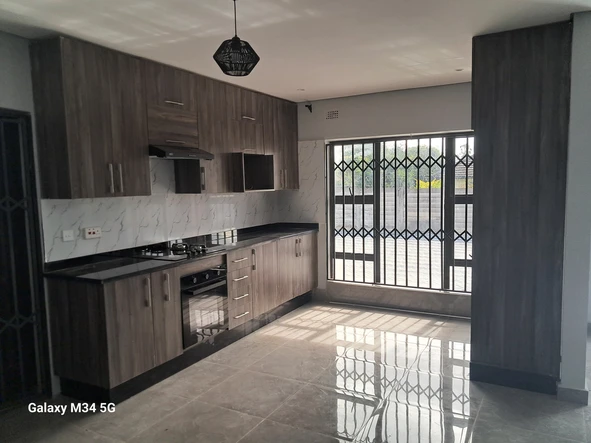
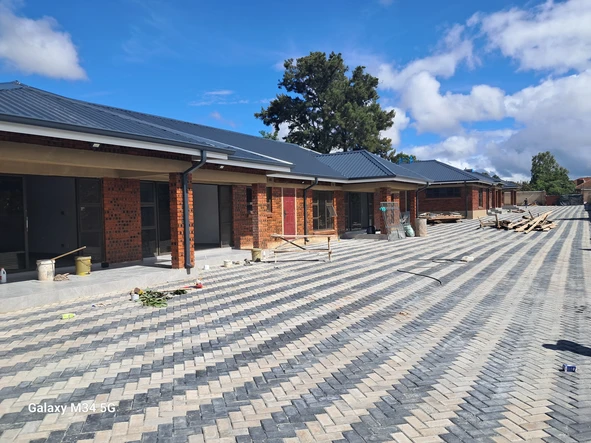
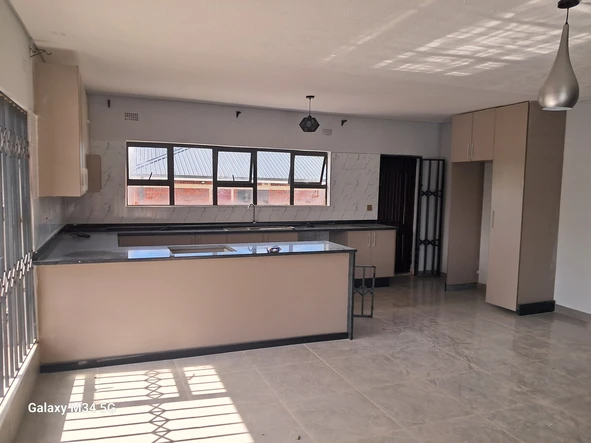
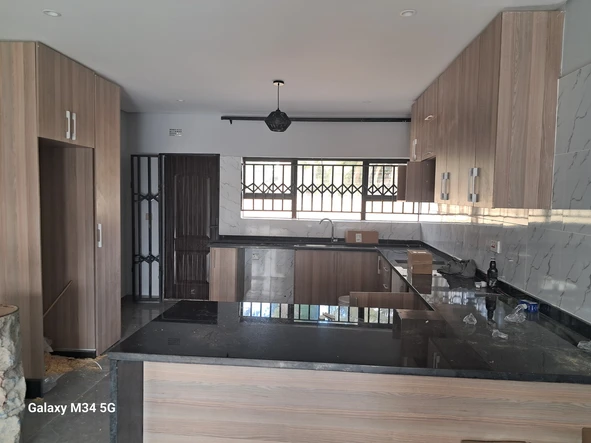
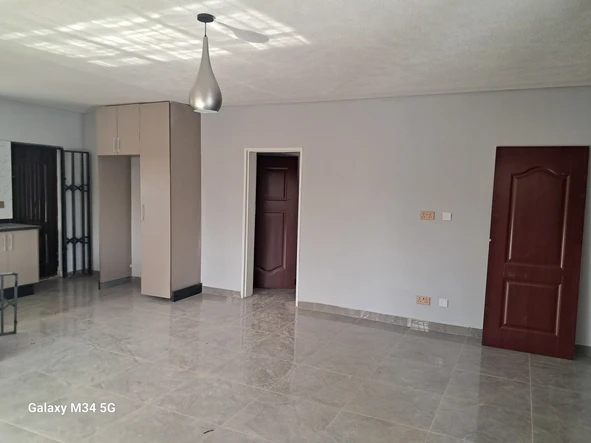
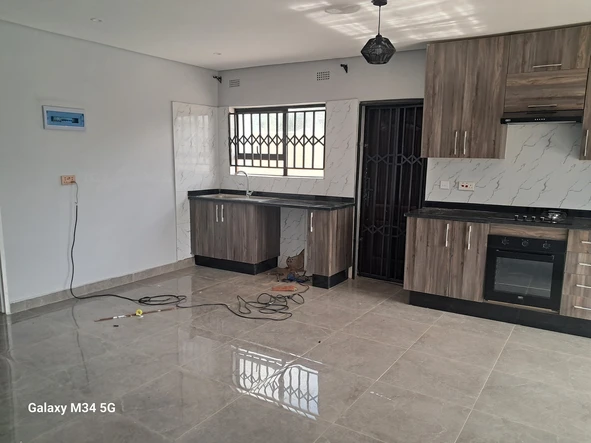
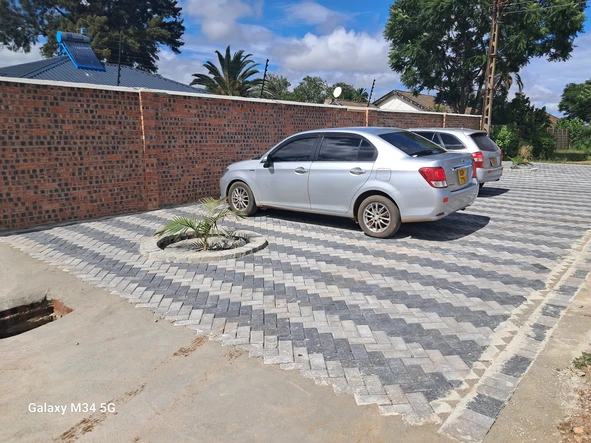
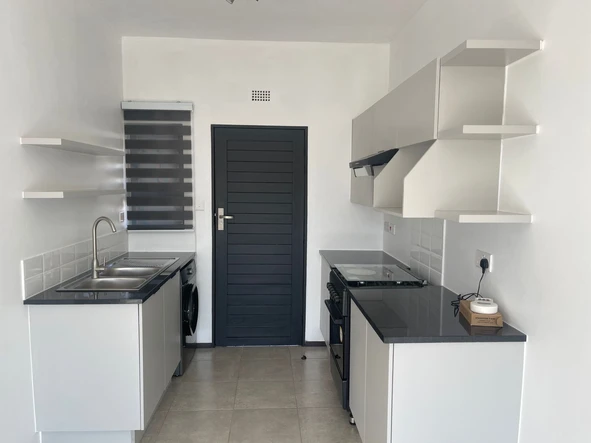
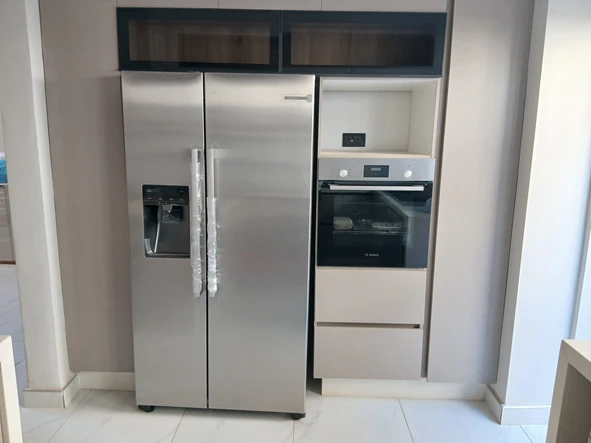
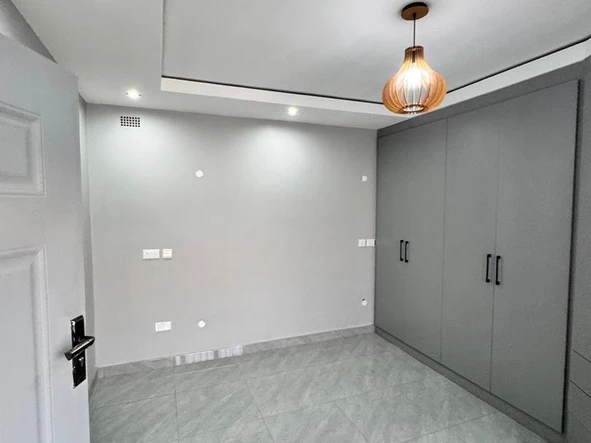
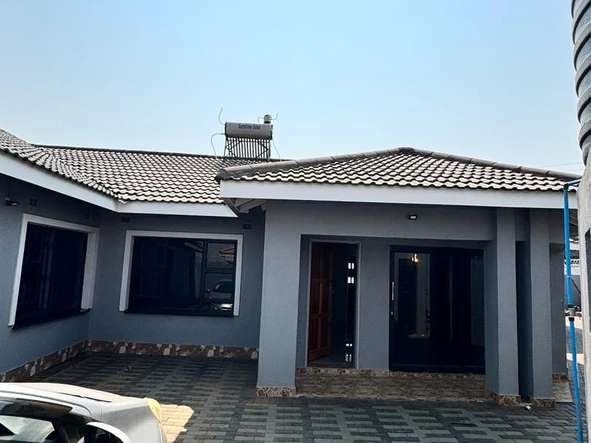
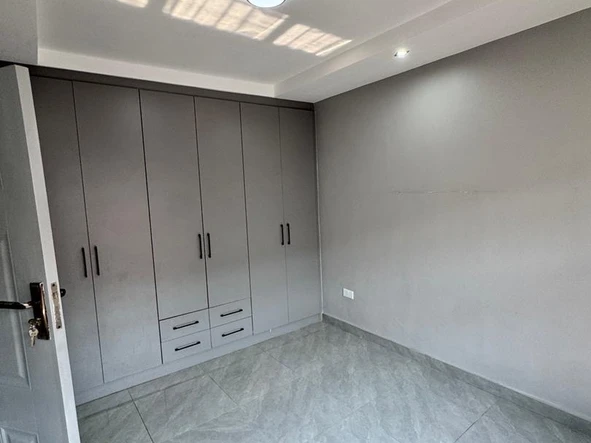
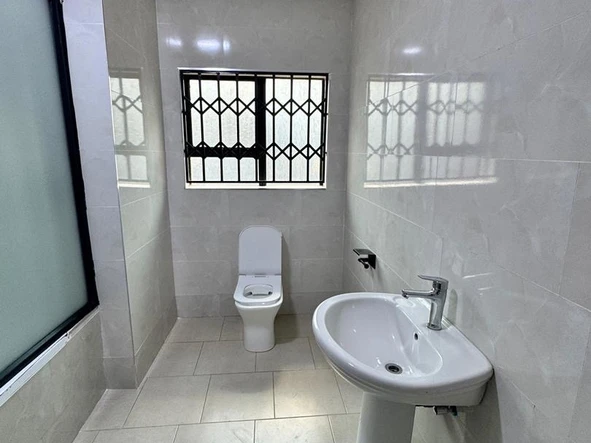
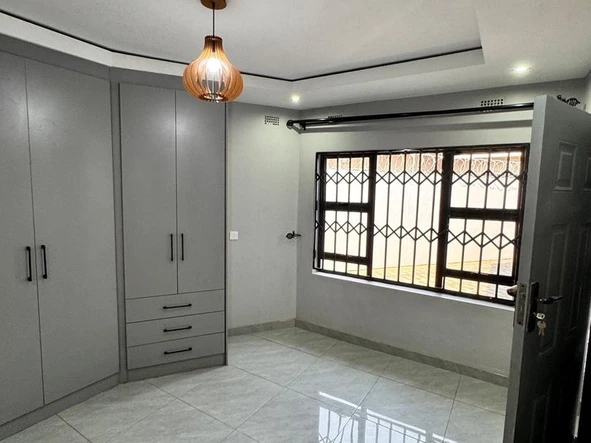
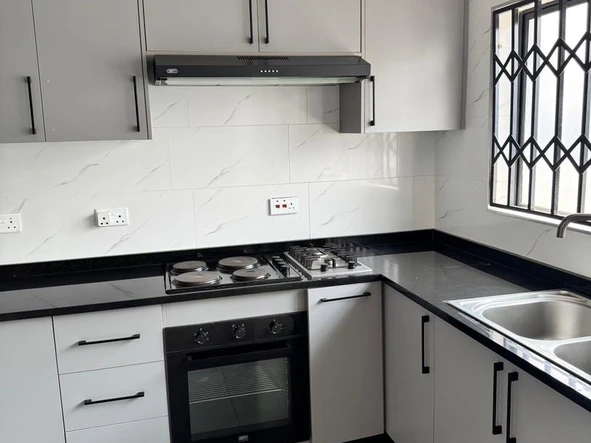
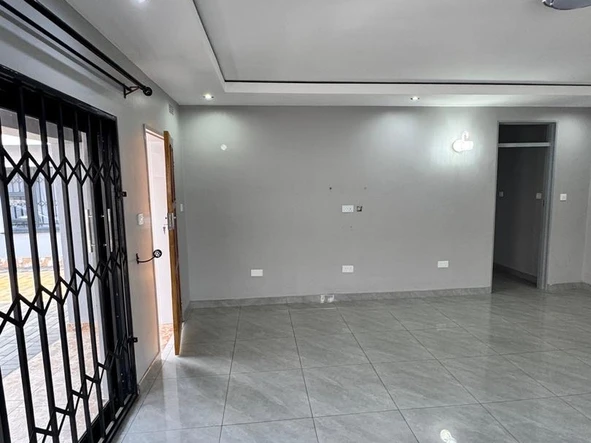
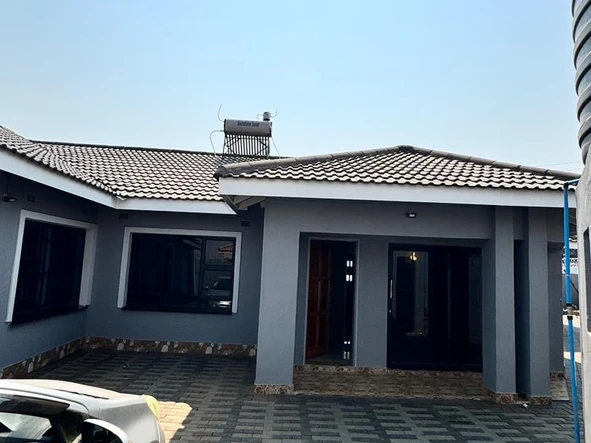
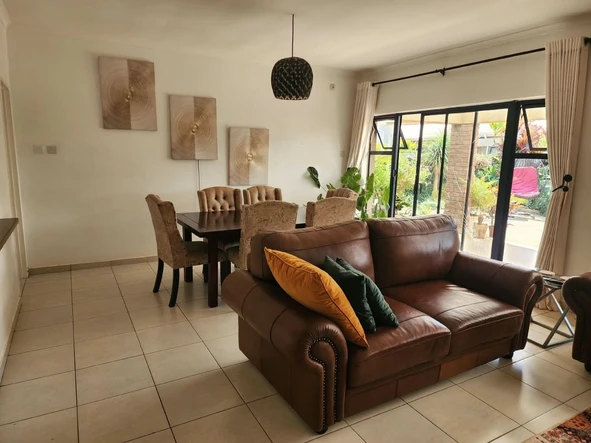
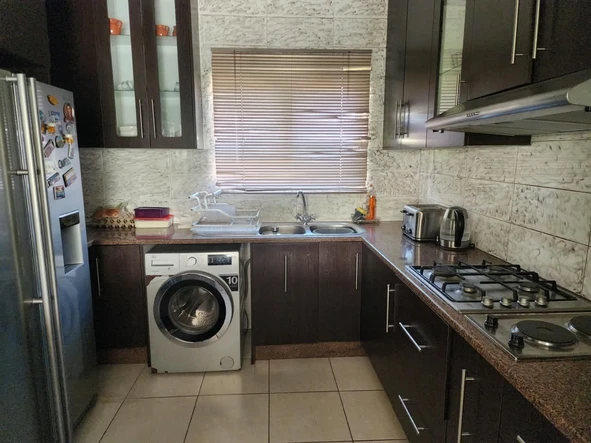
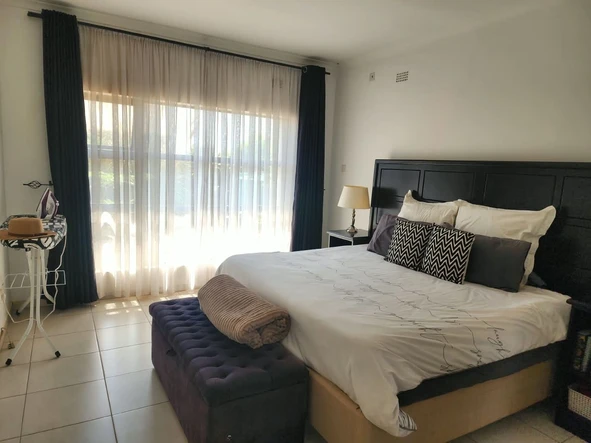
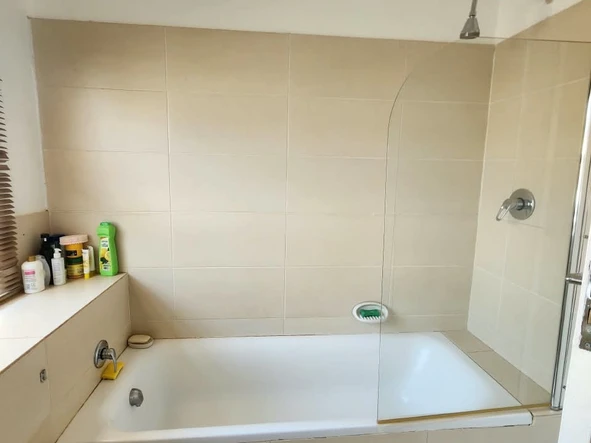
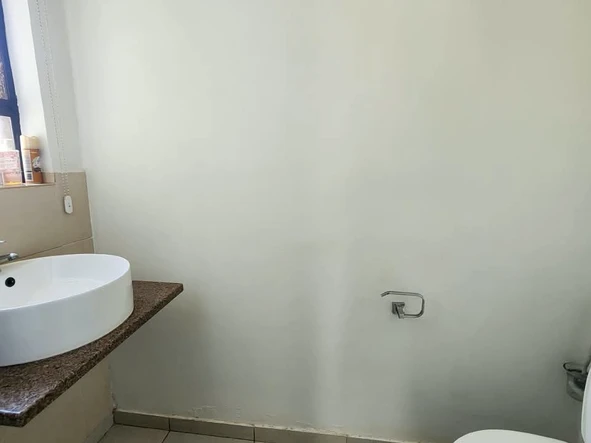
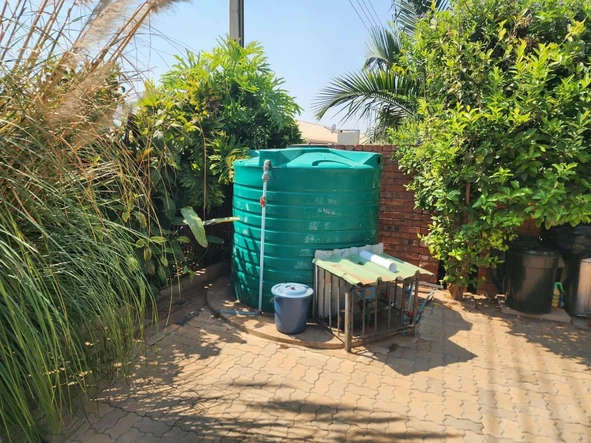
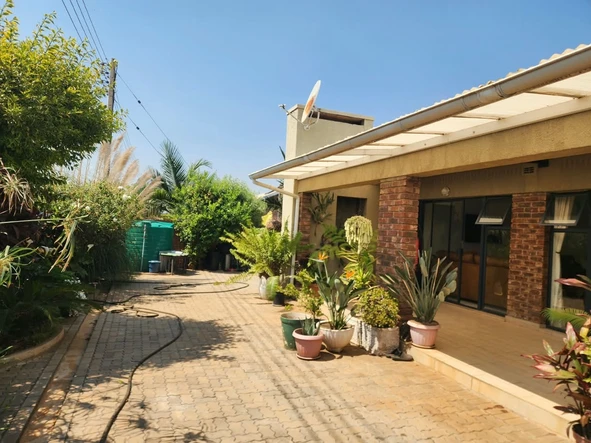
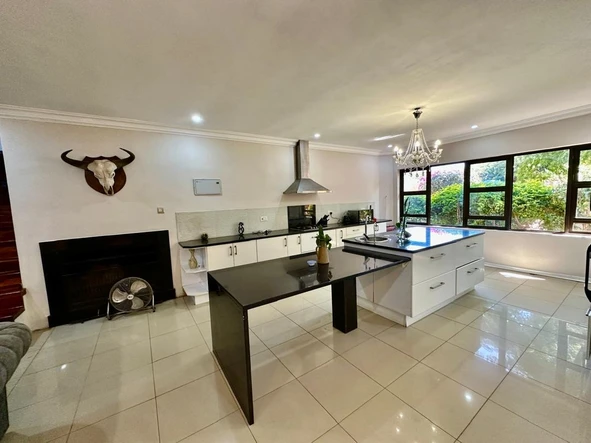
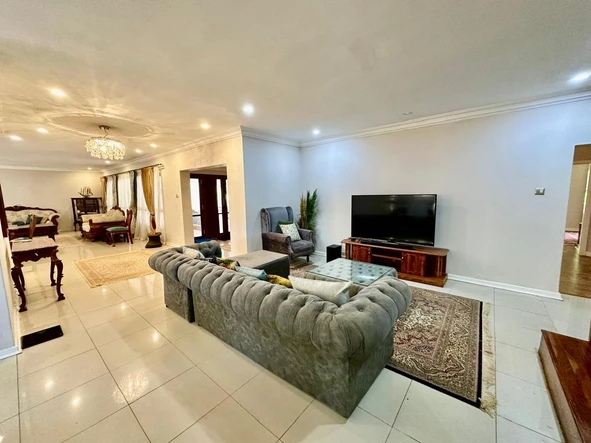
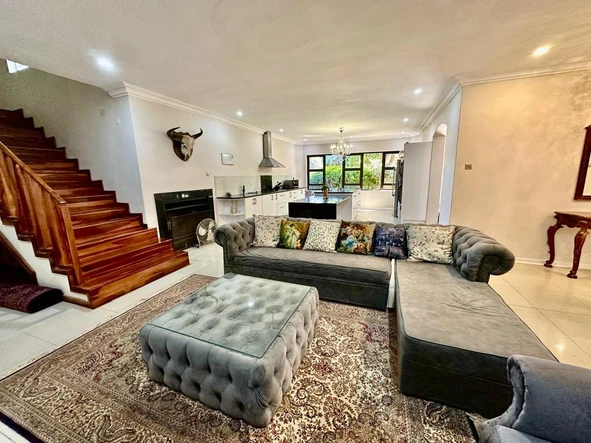
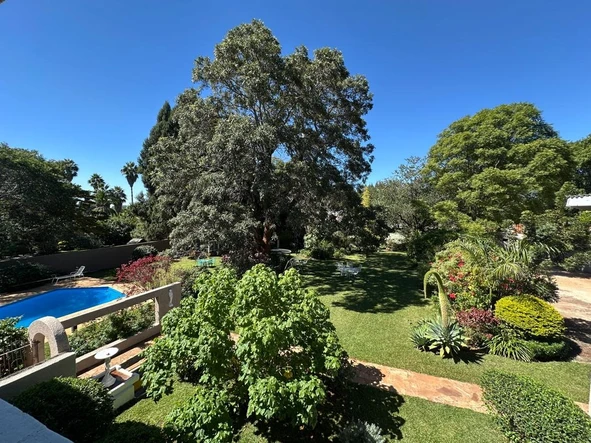
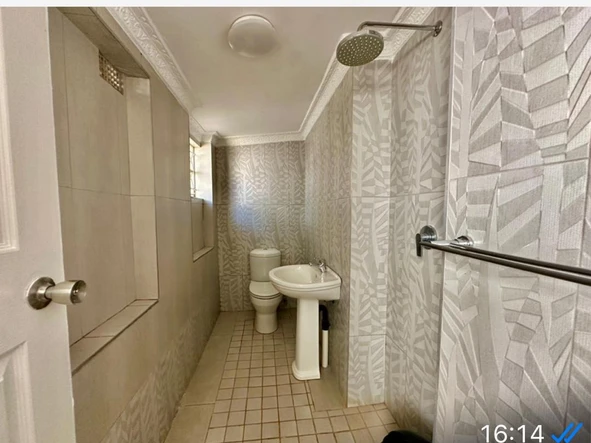
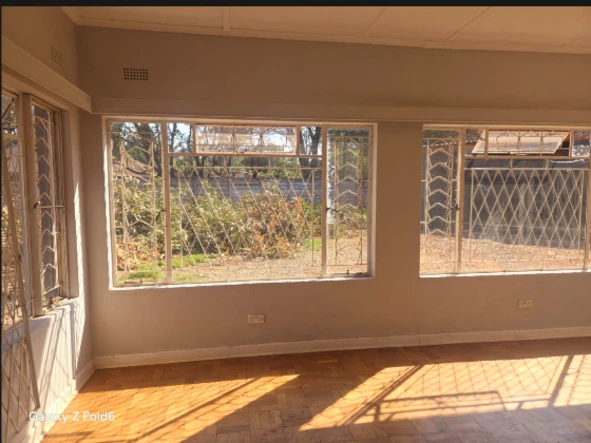
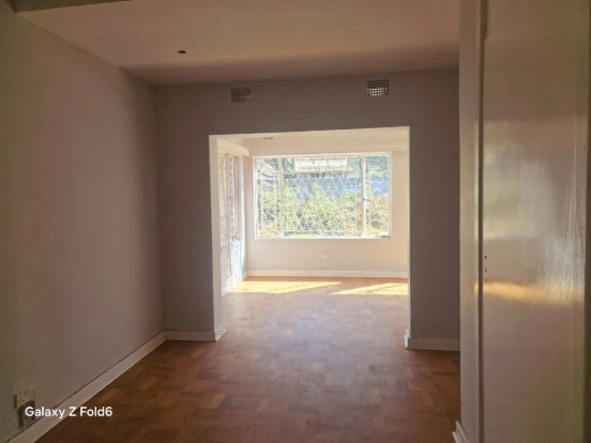
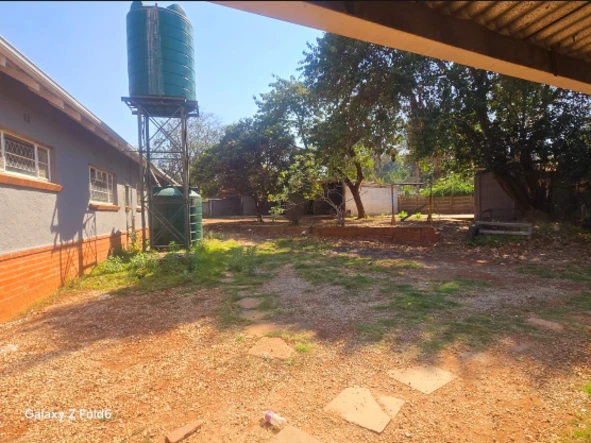
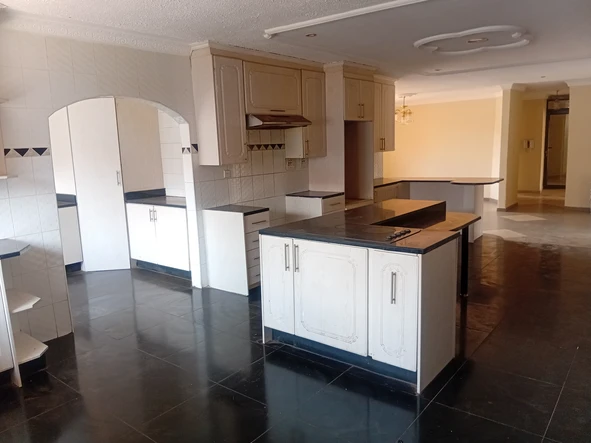
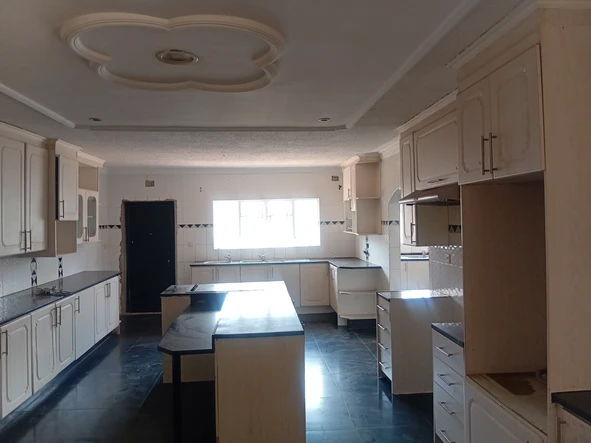
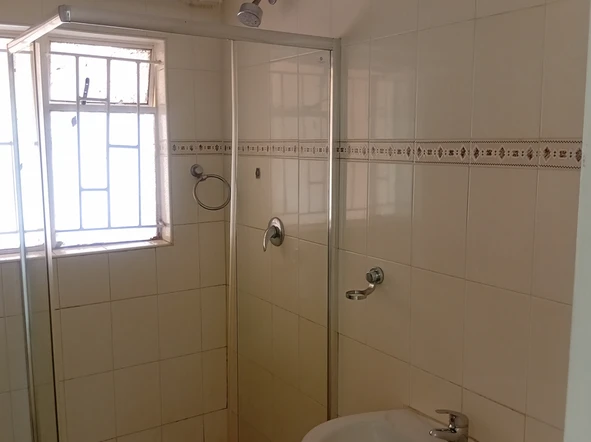
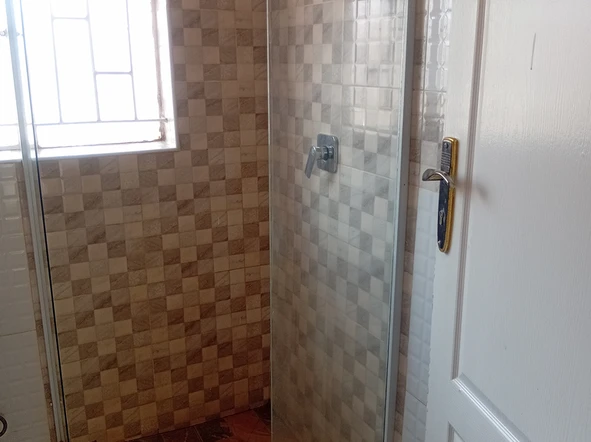
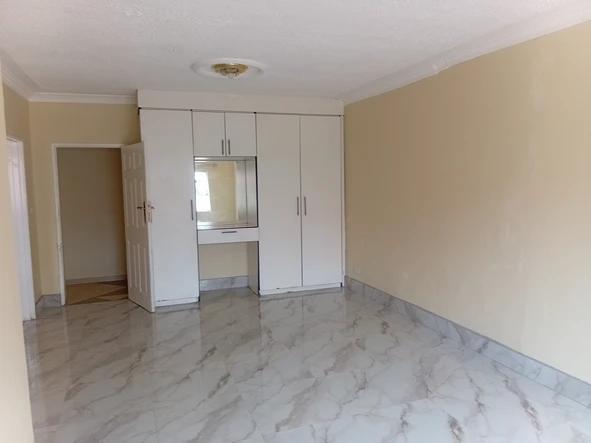
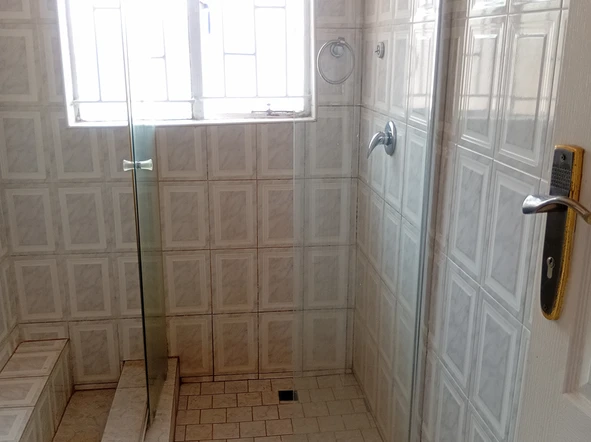
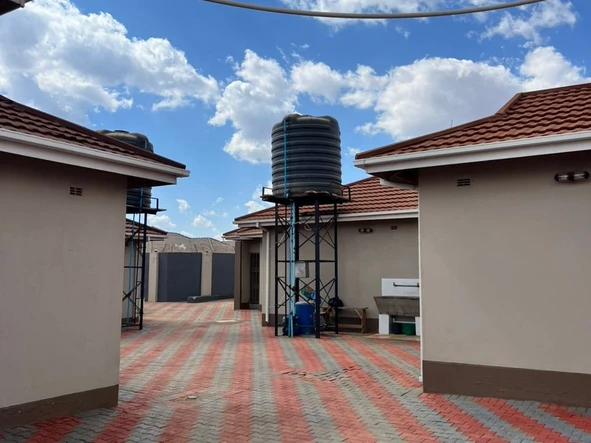
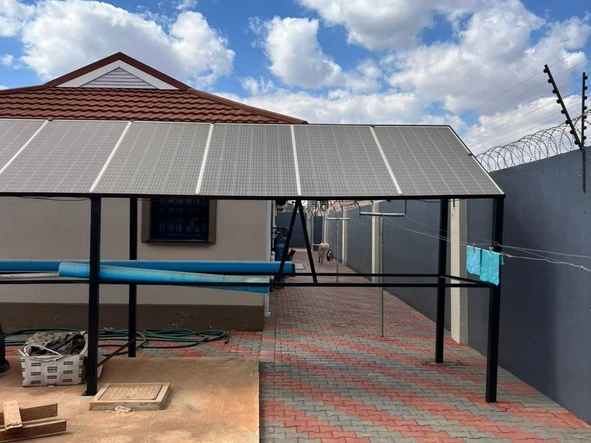
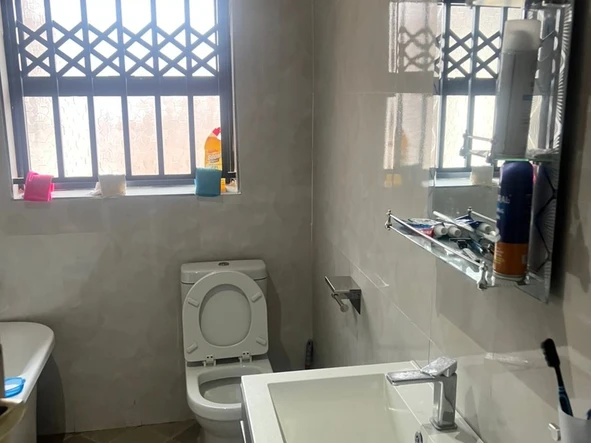
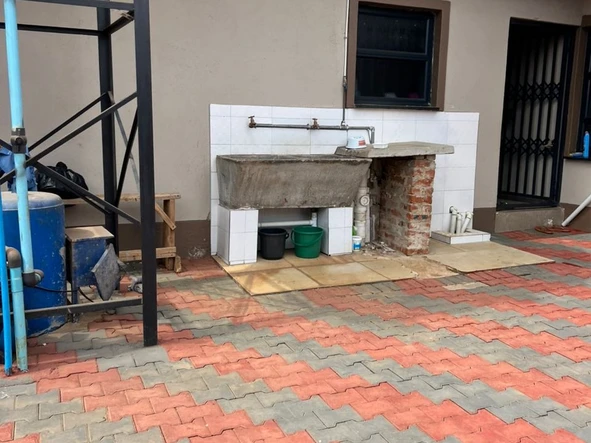
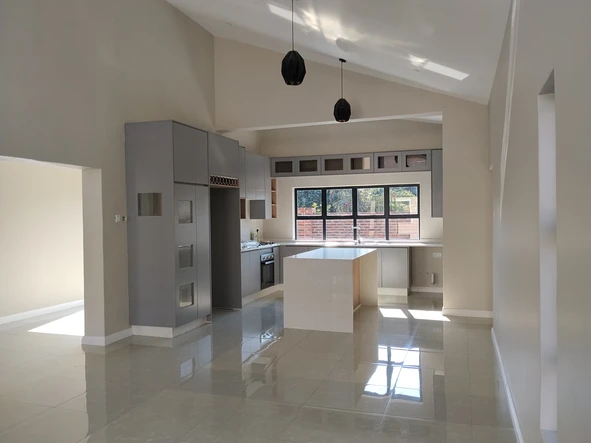
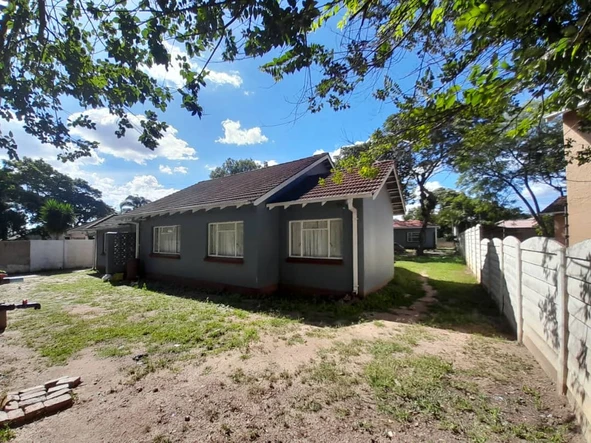
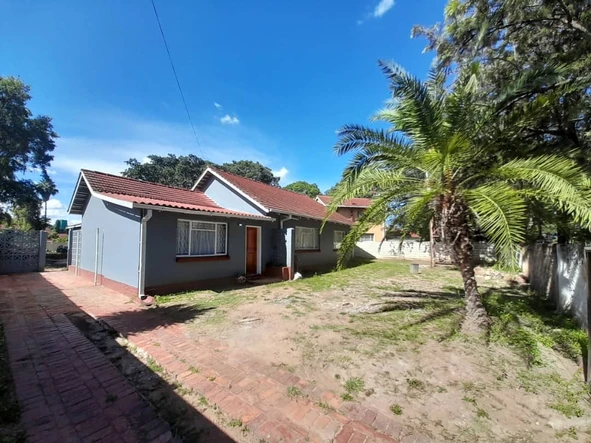
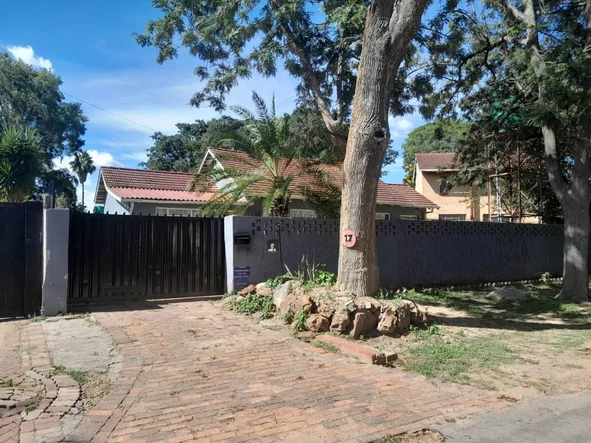
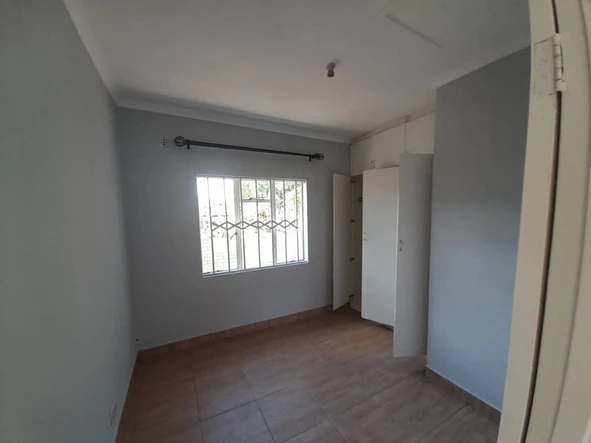
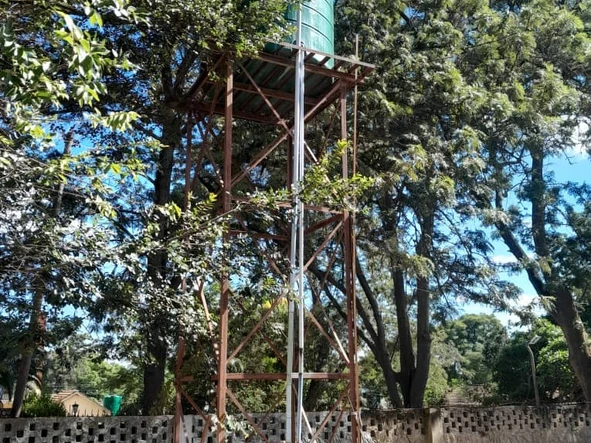
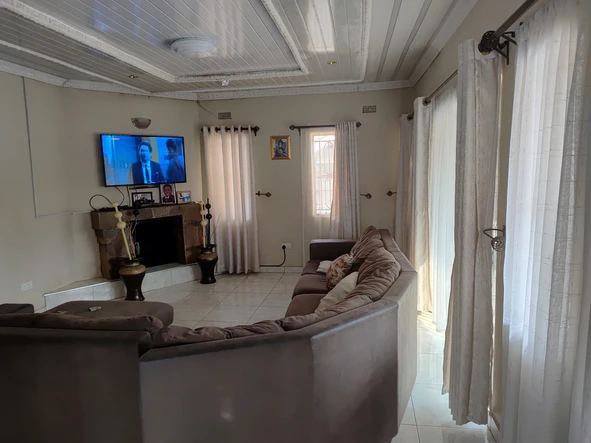
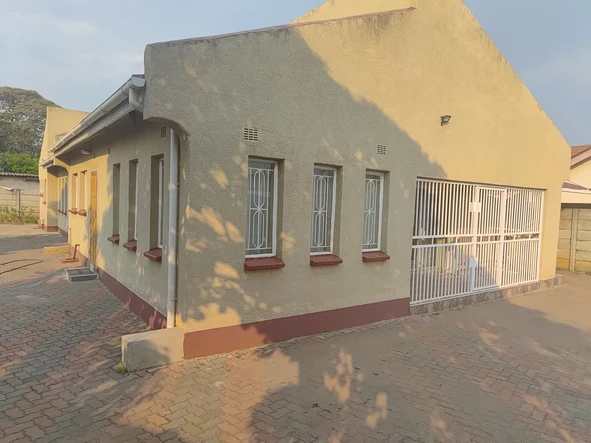
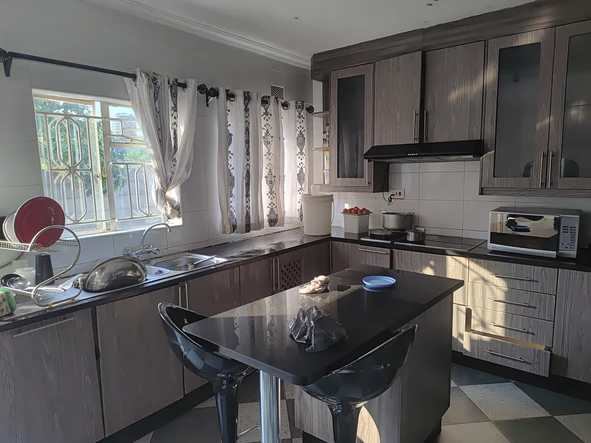
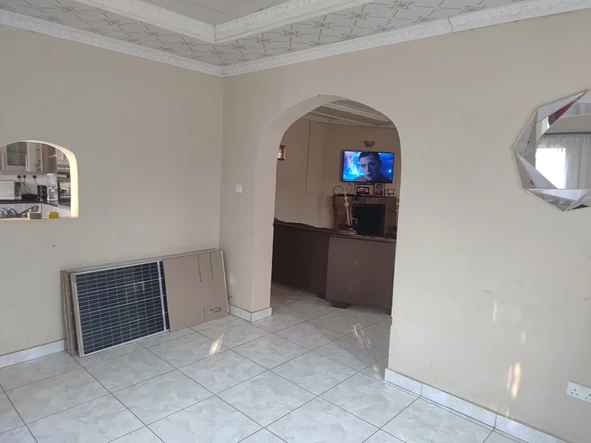
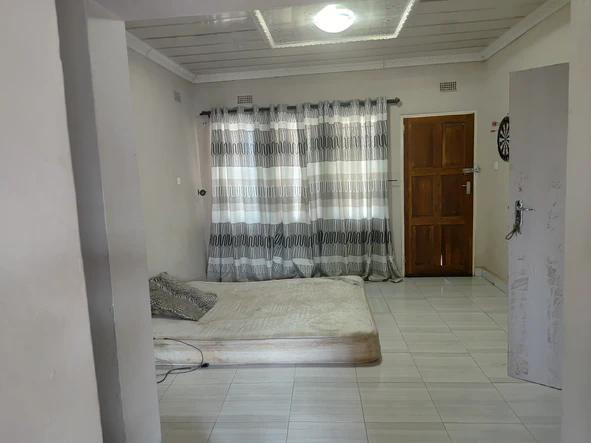
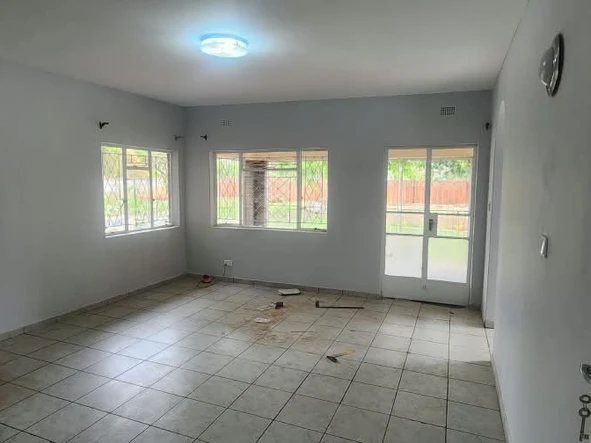
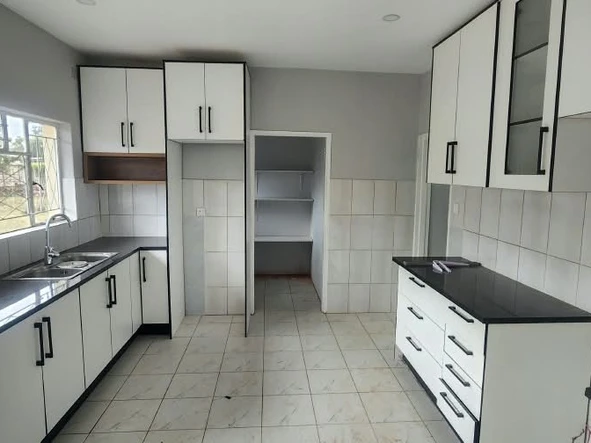
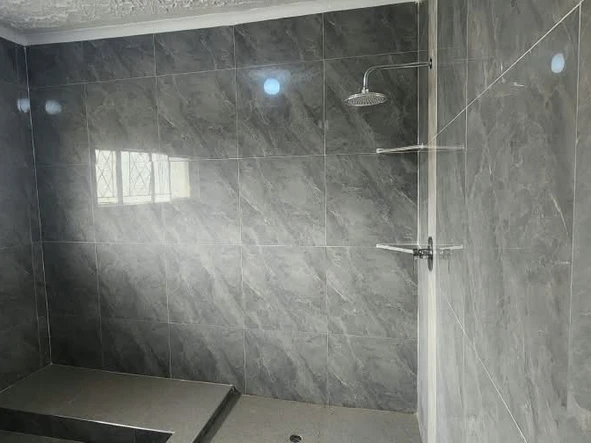
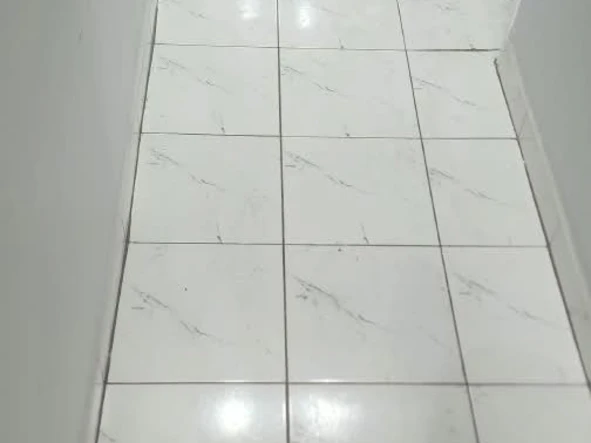
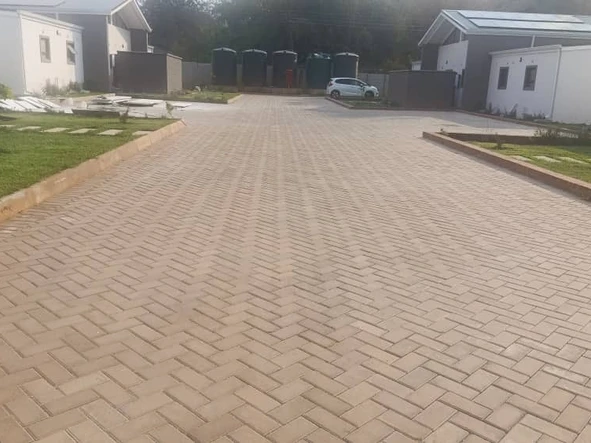
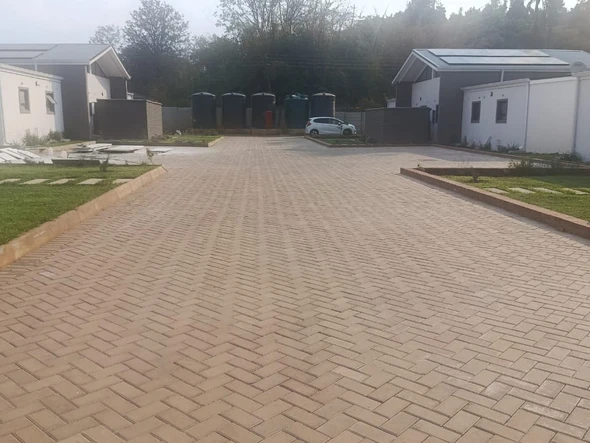
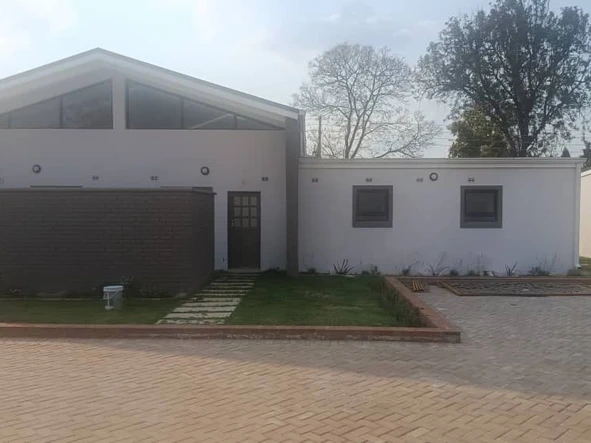
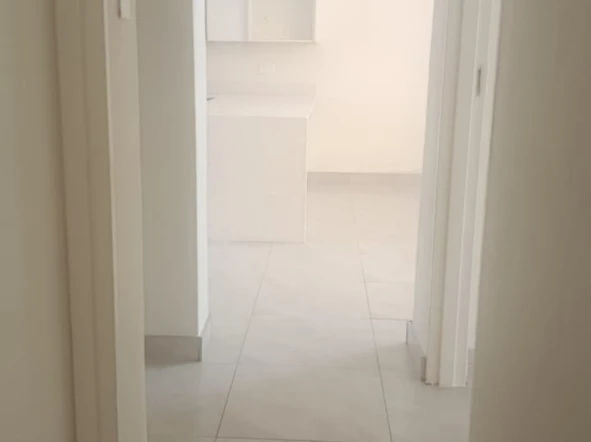
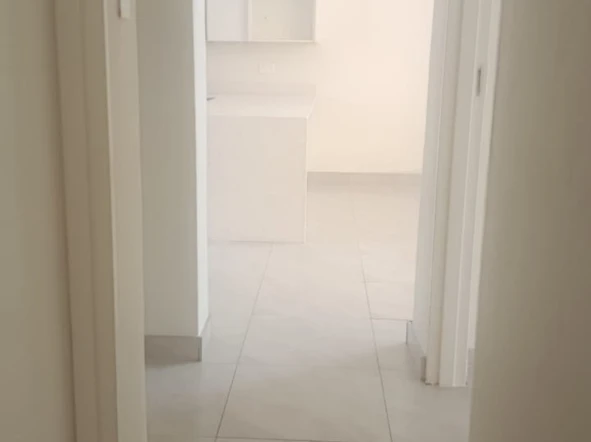
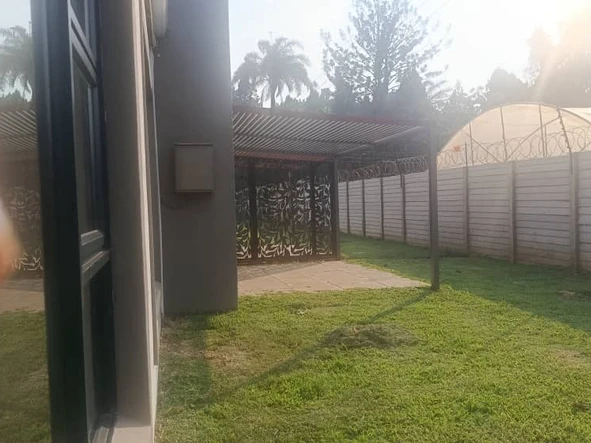
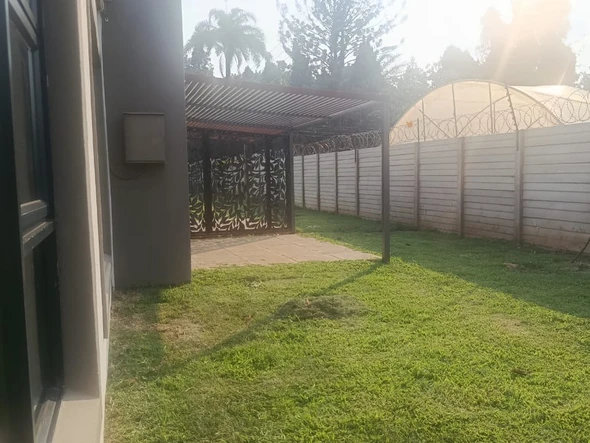
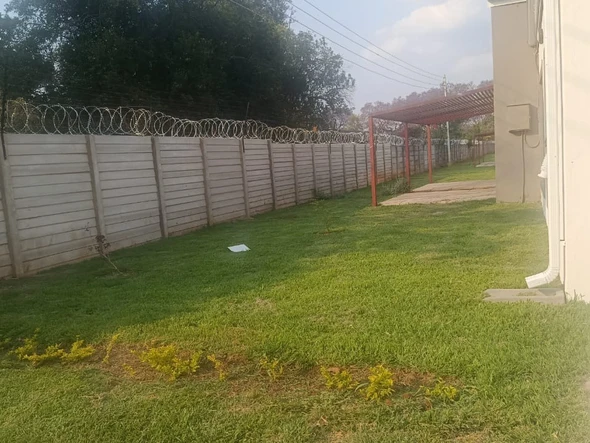
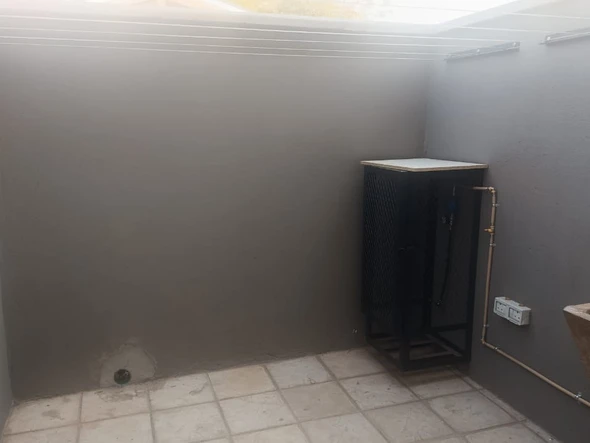
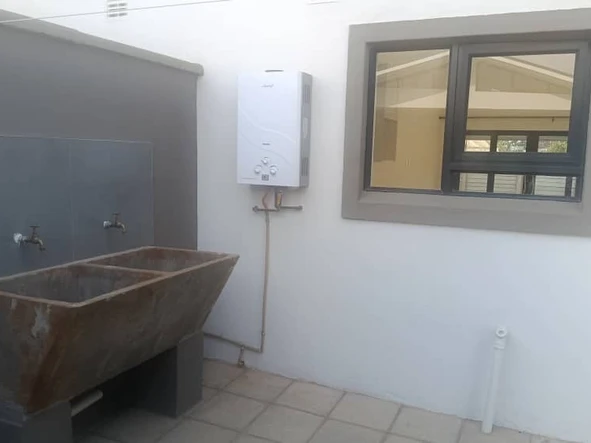
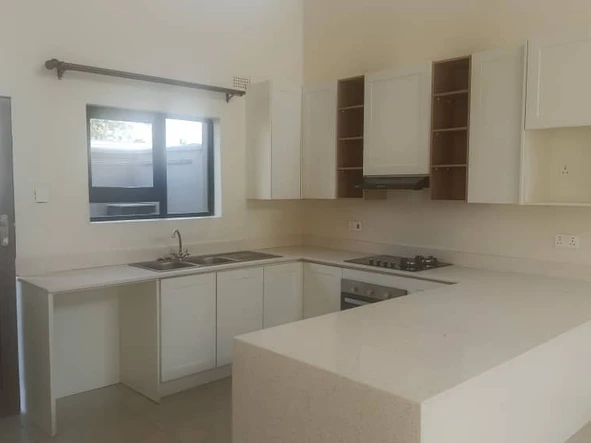
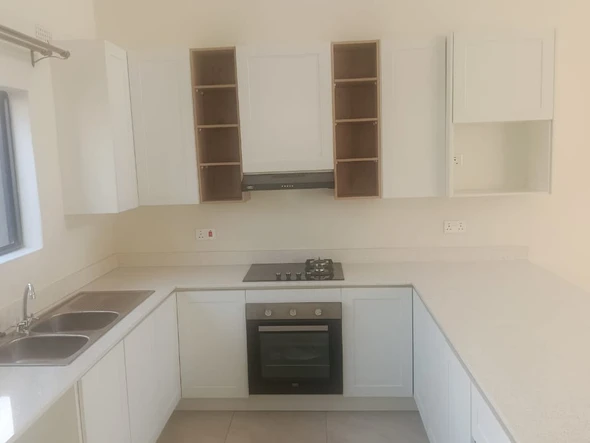
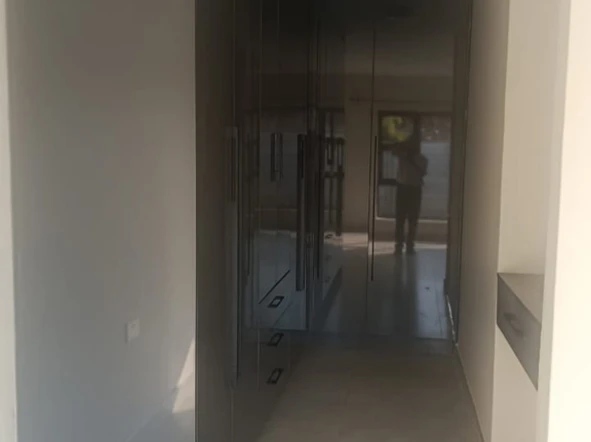
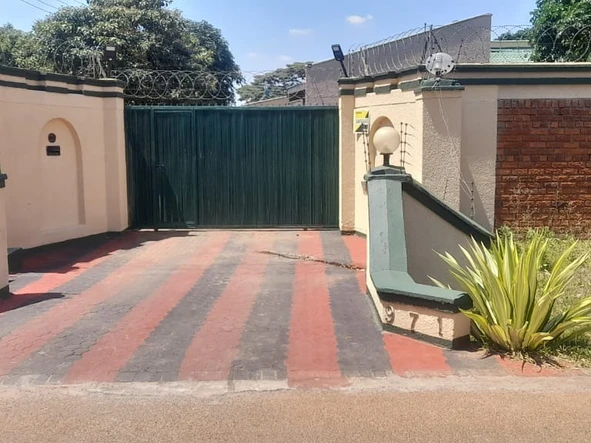
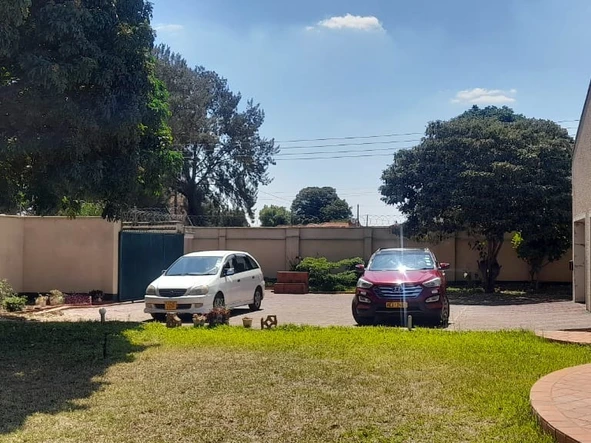
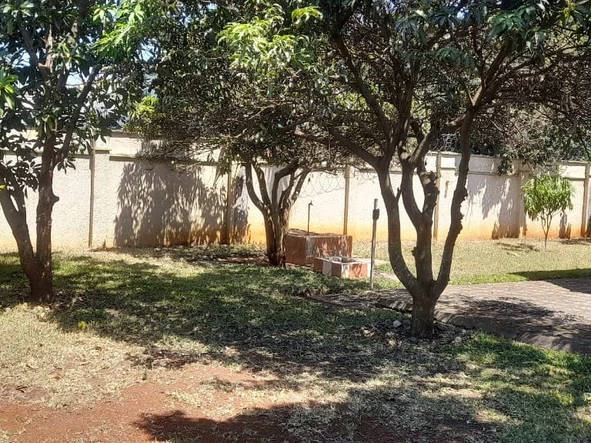
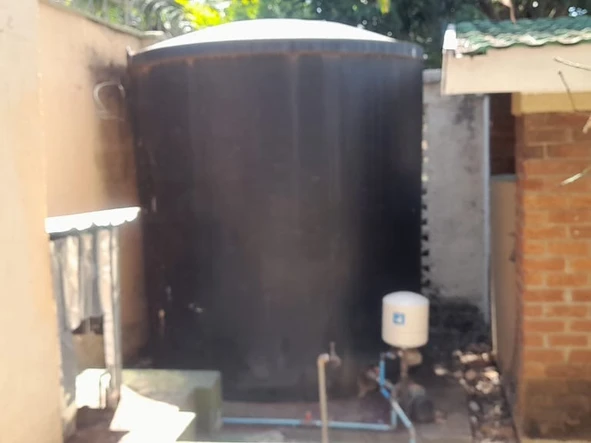
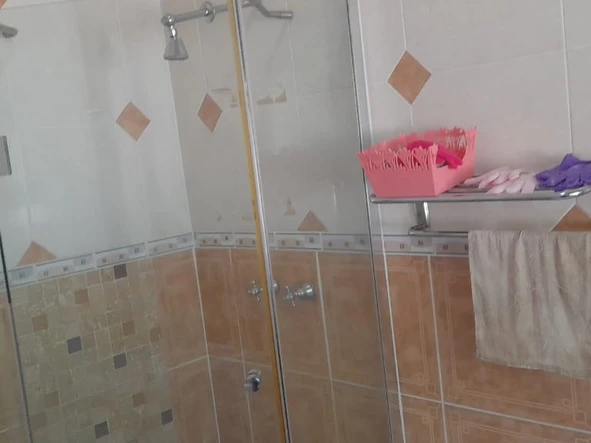
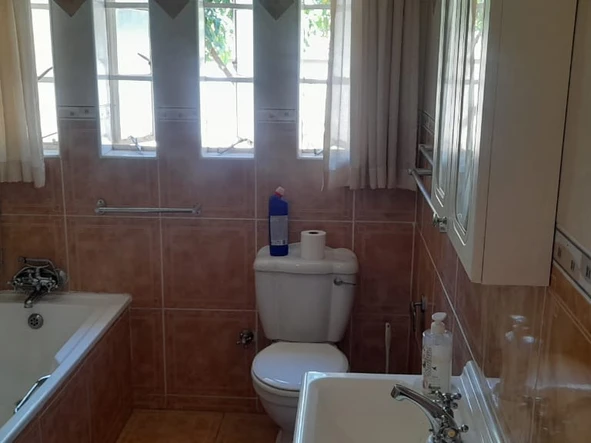
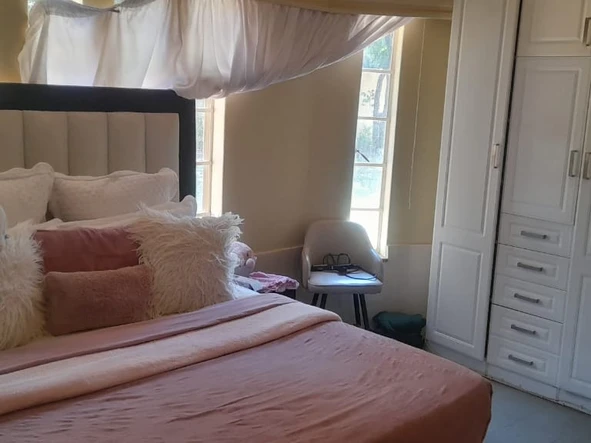
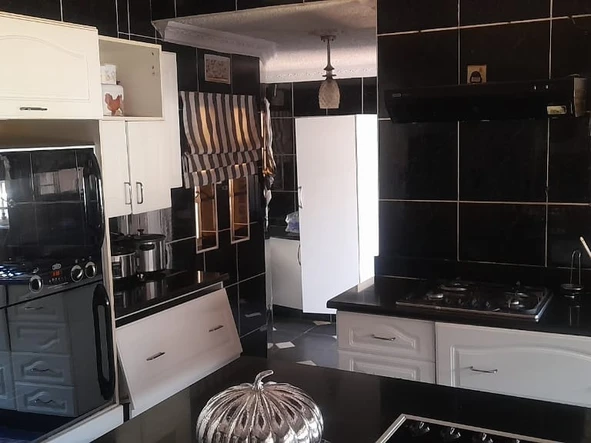
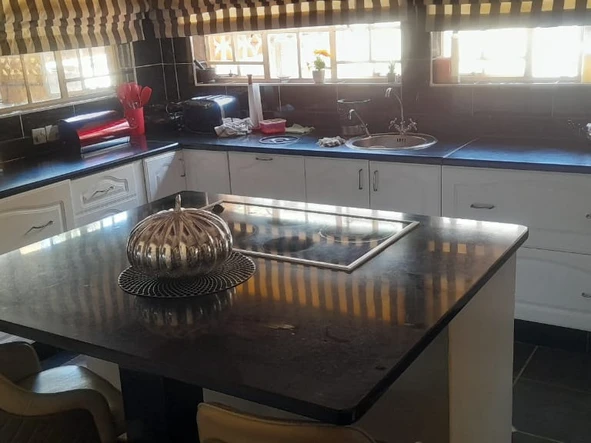
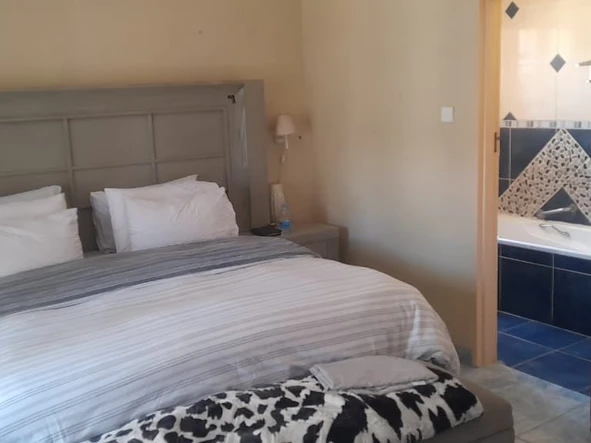
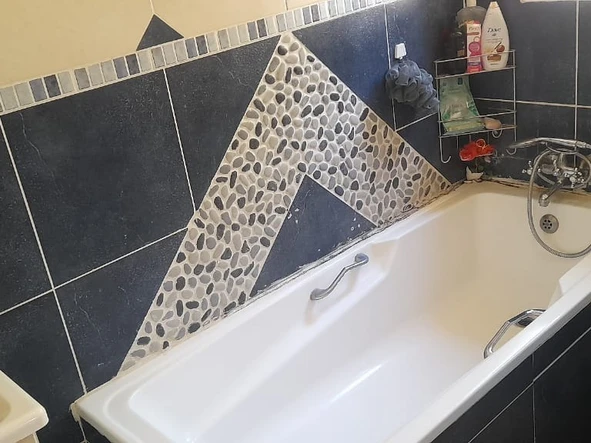
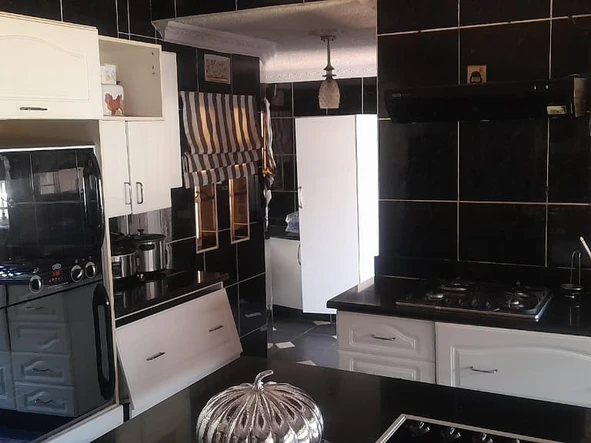
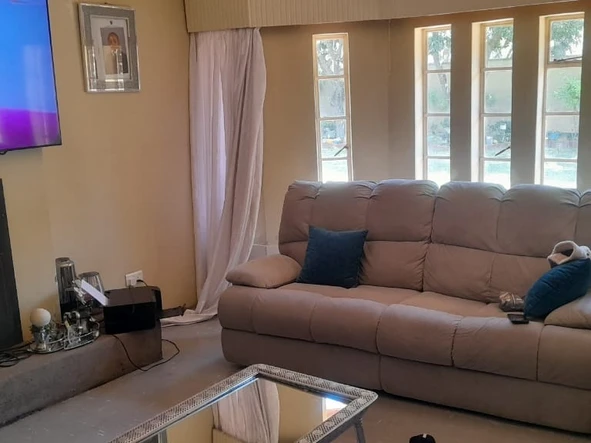
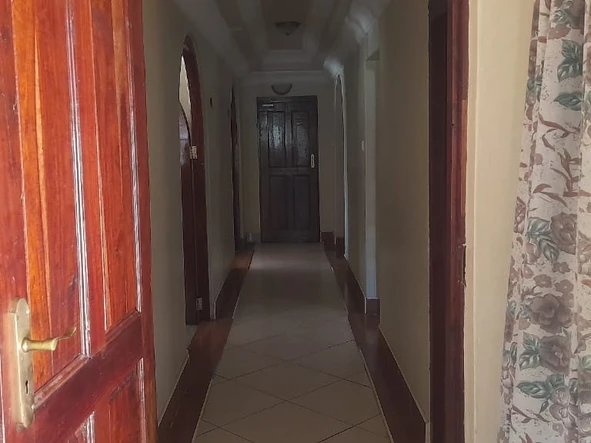
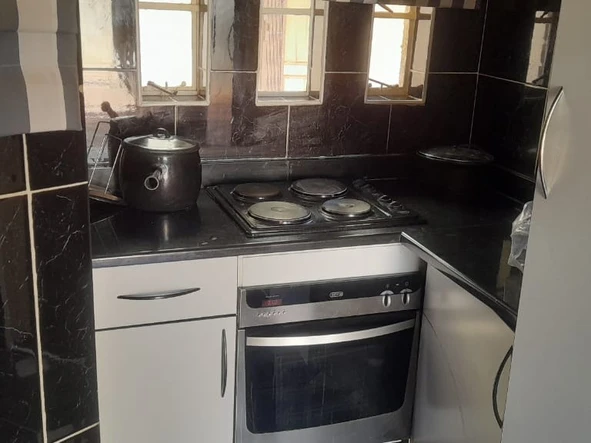
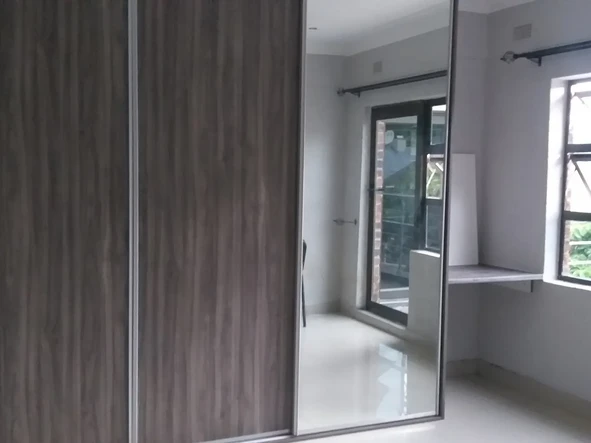
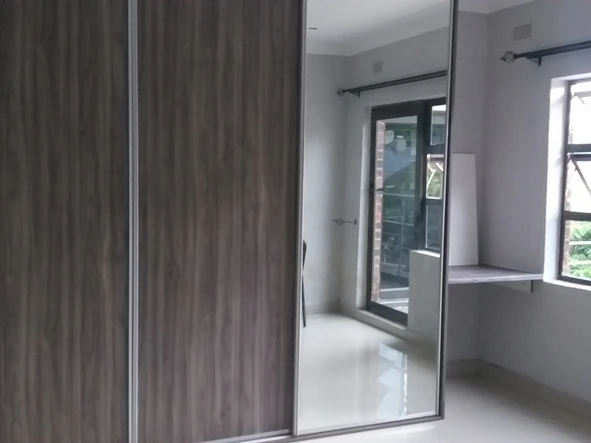
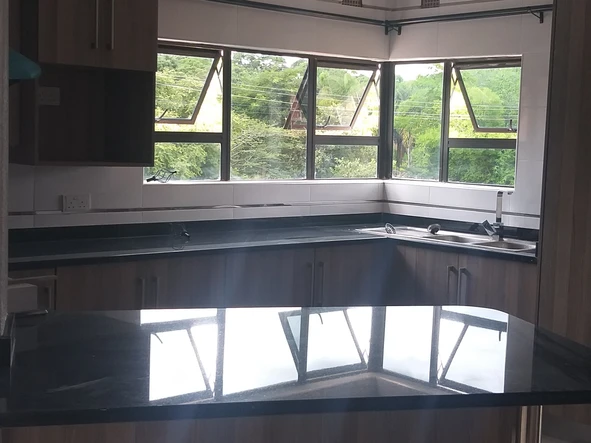
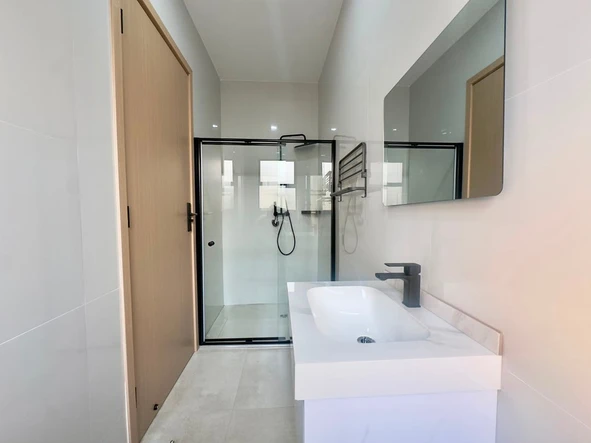
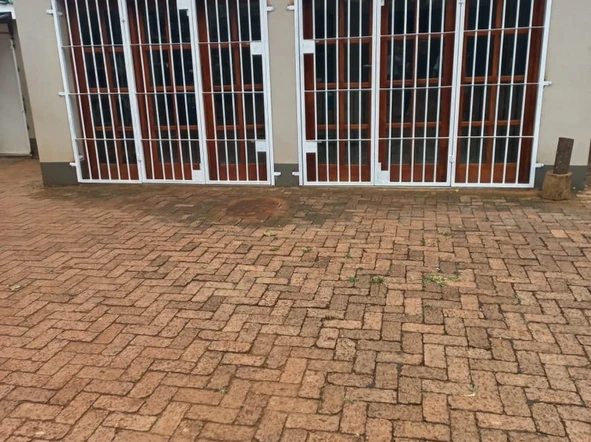
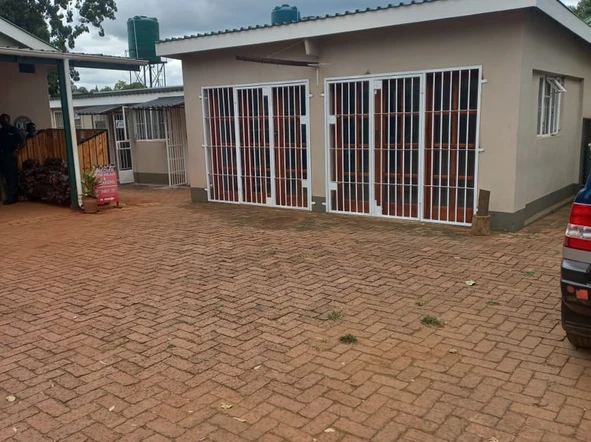
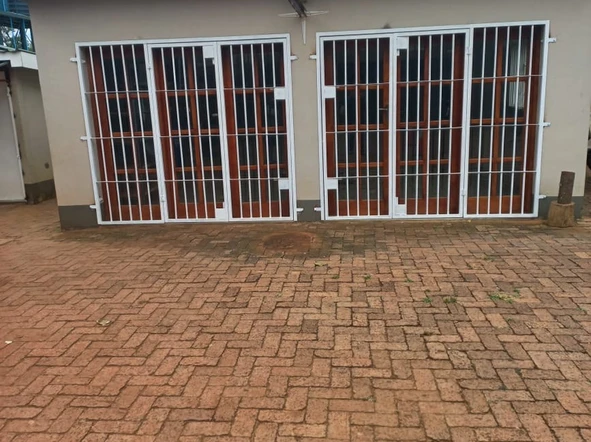
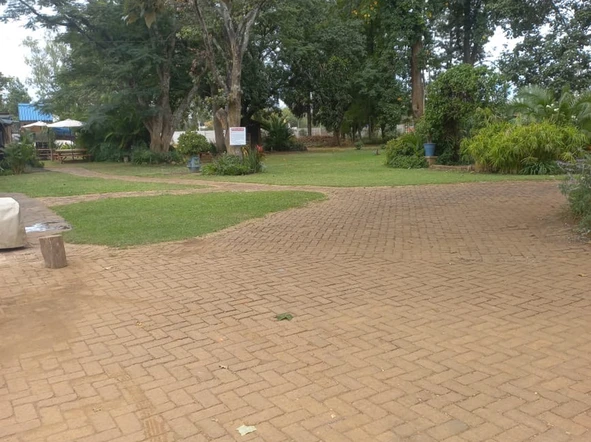
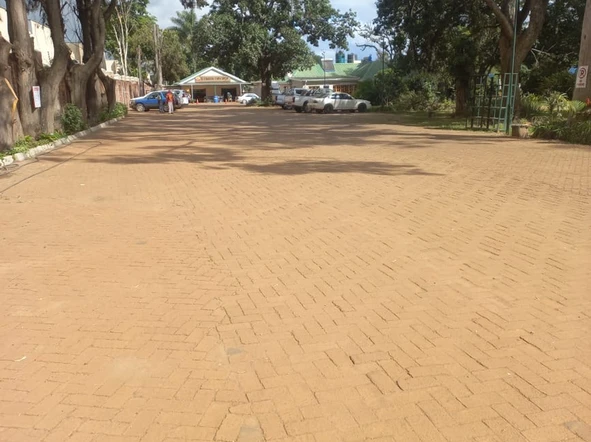
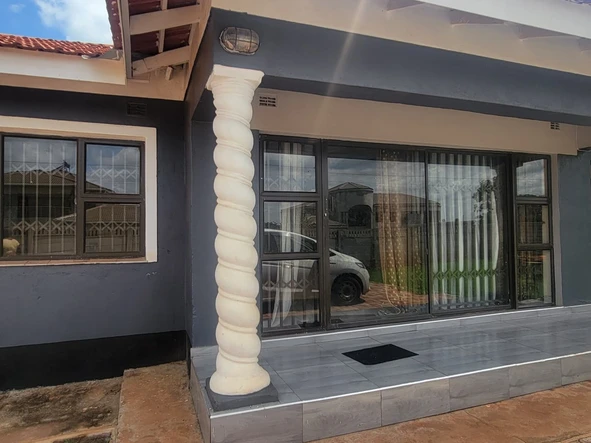
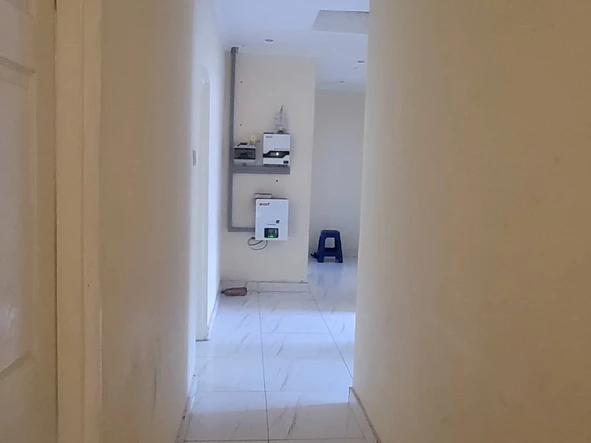
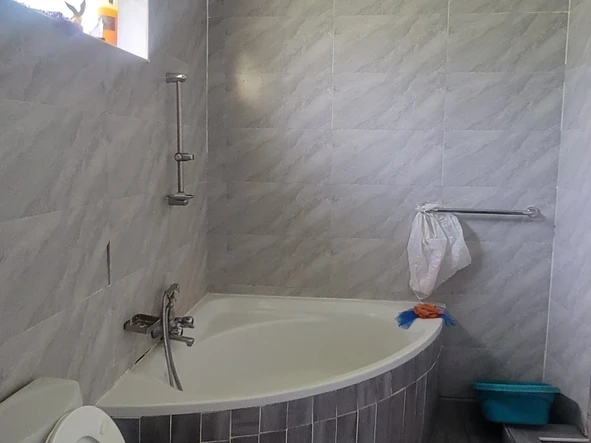
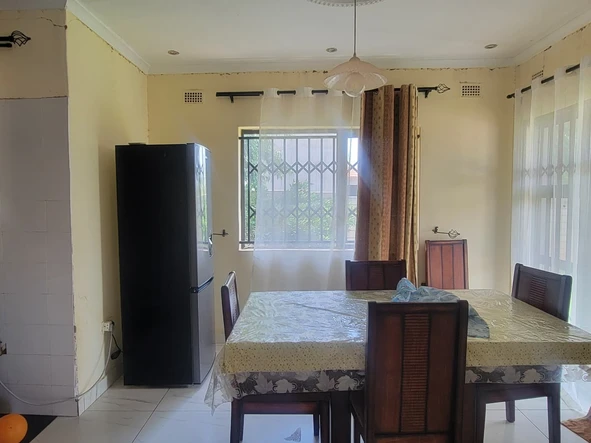
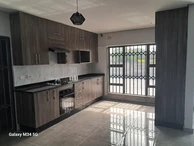
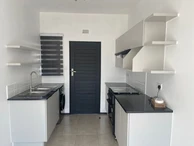
Many of the rental properties come with practical features such as fitted kitchens, boreholes, tiled floors, paved areas, water tanks, and walled boundaries. These amenities support comfortable living and self-sufficiency, making the properties suitable for families and working professionals seeking value and convenience.
Harare West is a diverse area blending residential, commercial, and industrial zones. It benefits from good access to public transport, easing commutes to central Harare and other suburbs. Key local attractions include Zimbabwe Grounds and the nearby National Sports Stadium. Residents have access to essential services such as primary and secondary schools, Parirenyatwa Hospital, and shopping at Mbare Musika Market and local centers. The area also offers a variety of affordable dining options, making it a practical and lively choice for renters.
3
1
250 m²
4
2
240 m²
2
2
300 m²
4
3
350 m²
3
2
360 m²
3
2
185 m²
4
2
2,000 m²
3
2
120 m²

Be the first to see new properties for rent in Harare West










| Type | Avg. price |
|---|---|
| Overall | $1,000 |
| Houses (View 88 properties) | $1,000 |
| Flats & Apartments (View 44 properties) | $850 |
| Commercial Property (View 26 properties) | $1,300 |
| Land (View 2 properties) | $1,200 |
Prices as of October 2026
Buying property in Zimbabwe? Learn how deeds, SG diagrams, beacons and surveys determine boundaries and complete seven checks before you pay.
Understanding municipal property rates in Zimbabwe: Learn how valuations are calculated, how to manage arrears, and how to access council discounts.
Manage your rental properties in Zimbabwe like a pro. Learn about tenant screening, lease agreements, maintenance, and rental tax rules in 2026.
Building or buying in Harare? Learn what plan approval requires, what changed in 2026, and how to manage unapproved structures.
Buying a housing stand in Zimbabwe? Inspect title deeds, subdivision permits, compliance certificates, and seller IDs before making any payment.