Log in to contact the seller
 Continue with Facebook
 Continue with Email
Continue with Facebook
Continue with Email
Sign up with Facebook
Continue with Email
Continue with Facebook
Continue with Email
Sign up with Facebook
 Change filters
 Requests

 3
3
 2,939 m²


 3
3
 2
200 m²
3
2
0 m²
3
3
1,487 m²
2
200 m²
3
2
0 m²
3
3
1,487 m²
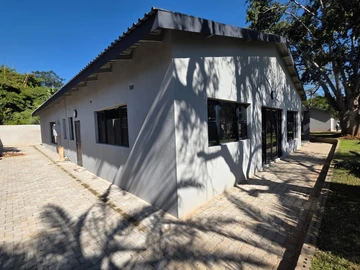
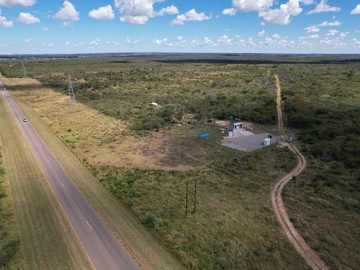
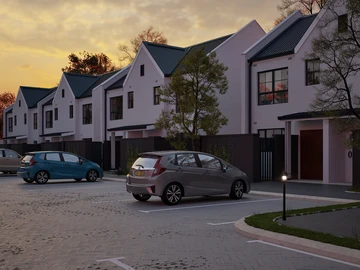
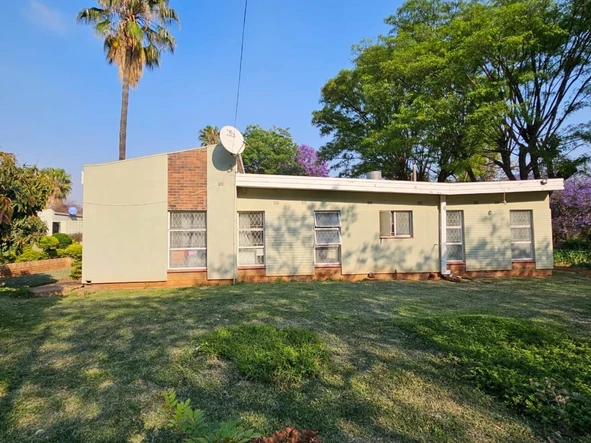
Properties for sale in the suburbs of Bulawayo East offer a high-end market with an average price of $200,000. The median land area for these properties is about 1,388 ㎡, with some large estates reaching up to 57,000 ㎡. While the median property size is not specified, the largest properties can be as big as 34,200 ㎡, providing a range of options for buyers looking for spacious land and homes.
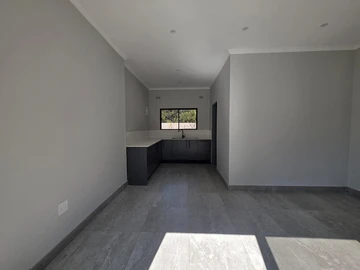
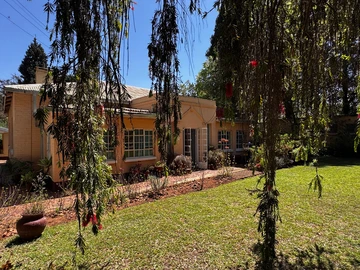
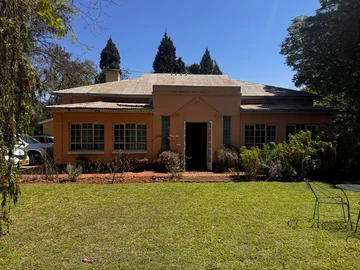
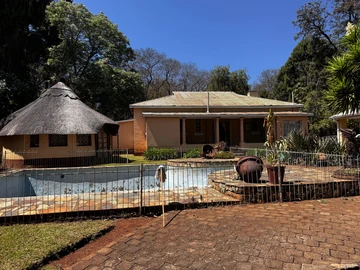
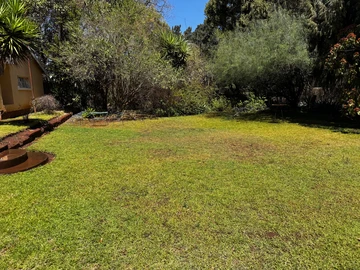
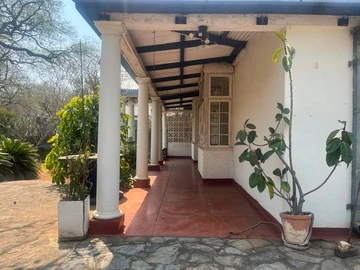
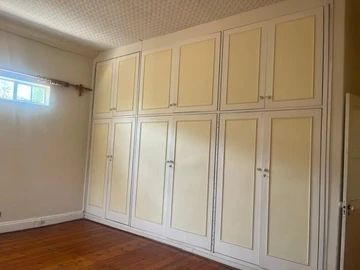
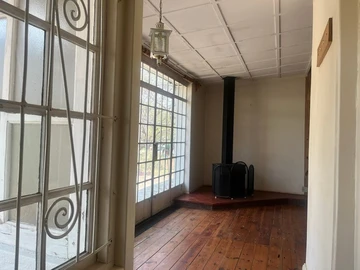
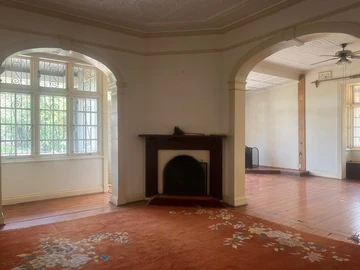
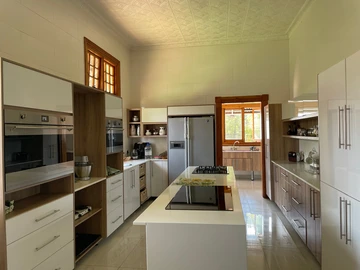
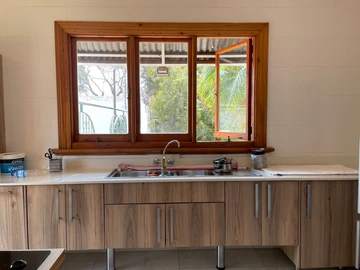
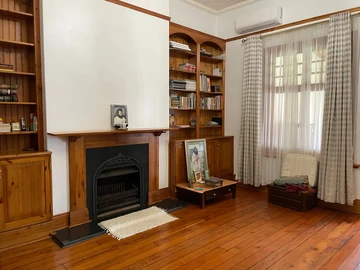
Many of these homes feature key amenities such as municipal water, boreholes, and good ZESA power supply. Garages, carports, and staff quarters are common, along with fitted kitchens and paved areas. Outdoor features often include gardens, verandahs, swimming pools, and walled compounds. Fireplaces and tiled floors add to the comfort and style of these properties, making them suitable for families and professionals seeking quality suburban living.
The Bulawayo East suburbs are known for their peaceful, tree-lined streets and a balanced lifestyle that combines quiet residential areas with access to urban conveniences. The area is served by reputable schools and healthcare facilities like Mpilo Central Hospital. Residents enjoy easy access to shopping centers, local markets, and a variety of restaurants offering both traditional and international cuisine. Good road connections and public transport options make commuting to the city center straightforward, making this area attractive for families, retirees, and professionals alike.
 3
3
0 m²
3
3
0 m²

Be the first to see new properties for sale in Suburbs, Bulawayo East










| Type | Avg. price |
|---|---|
| Overall | $200,000 |
| Houses (View 136 properties) | $230,000 |
| Land (View 64 properties) | $90,000 |
| Commercial Property (View 10 properties) | $1,200,000 |
Prices as of October 2026
Buying a housing stand in Zimbabwe? Inspect title deeds, subdivision permits, compliance certificates, and seller IDs before making any payment.
Can someone claim your land in Zimbabwe? Learn how 30 year acquisitive prescription works, the legal risks involved, and how to protect your property title.
Explore October 2026 Property Pulse insights on the Zimbabwean real estate market, where high buyer demand outpaces limited housing supply across major areas.
Built a house on land registered in your partner's name? Learn your legal rights in Zimbabwe, tacit universal partnerships, and unjust enrichment claims.
Planning to convert or buy commercial property? Understand Zimbabwe’s change of use rules, 2026 Harare fees, timelines and approval risks.