Log in to contact the seller
 Continue with Facebook
 Continue with Email
Continue with Facebook
Continue with Email
Sign up with Facebook
Continue with Email
Continue with Facebook
Continue with Email
Sign up with Facebook
 Change filters
 Requests

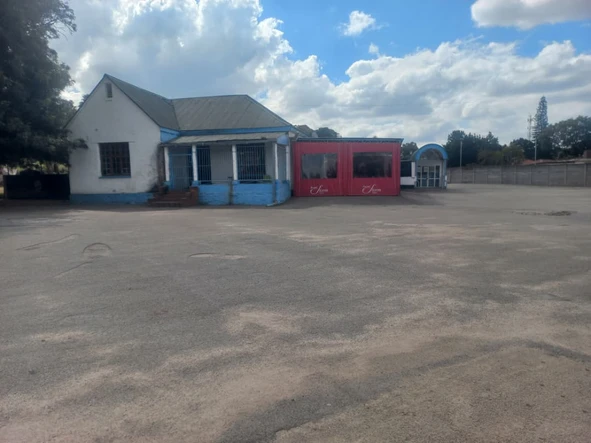



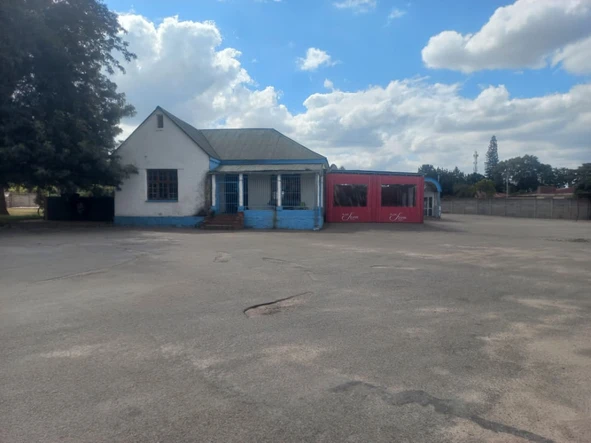
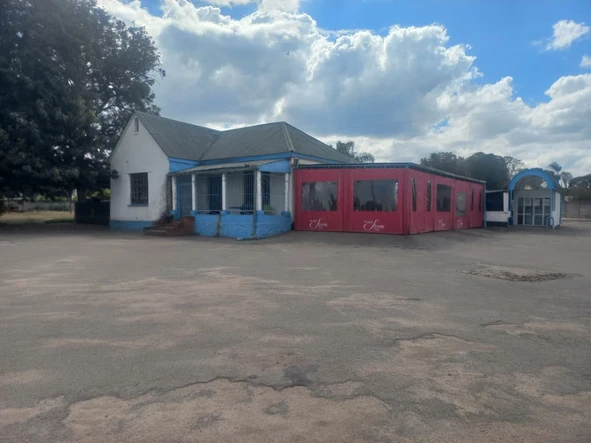
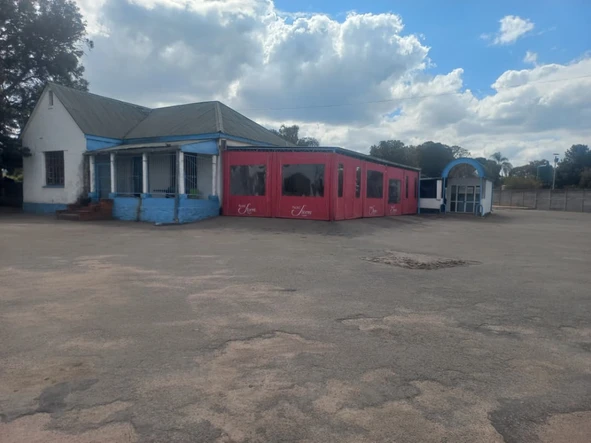
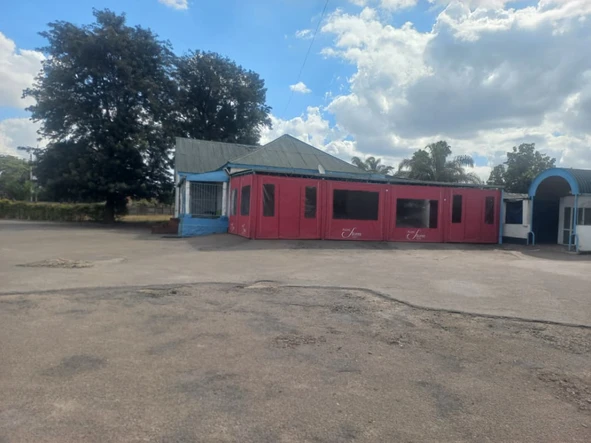
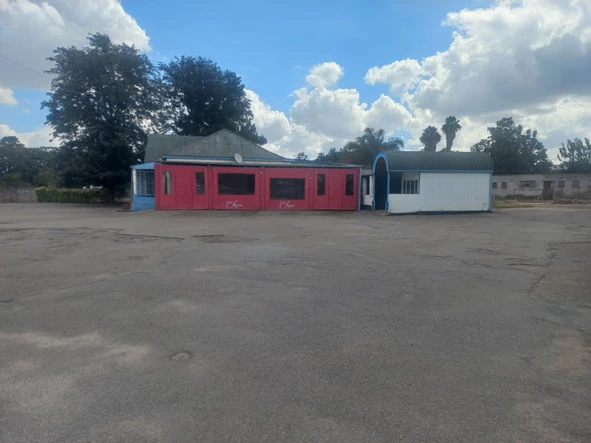
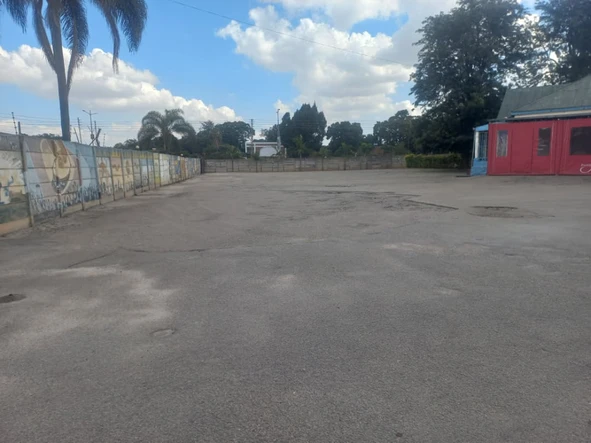
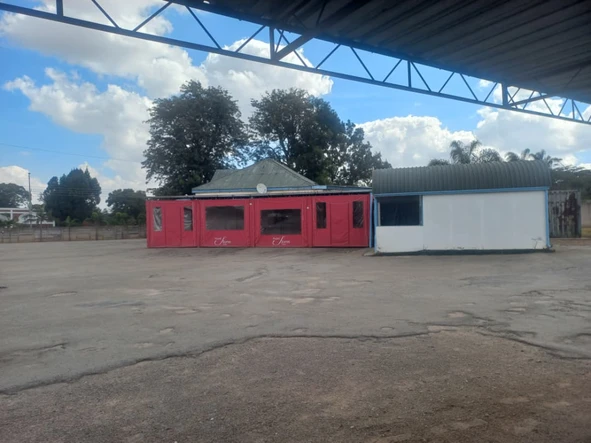
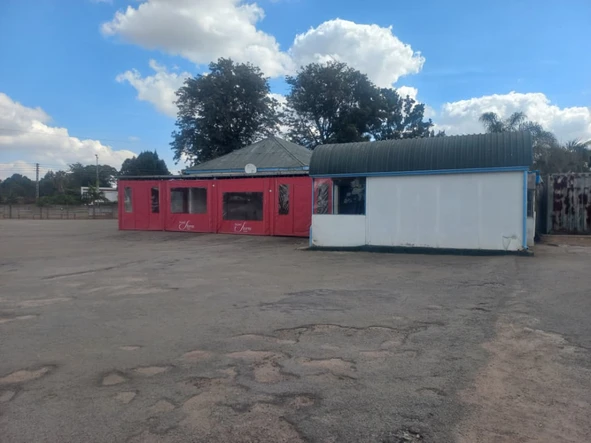
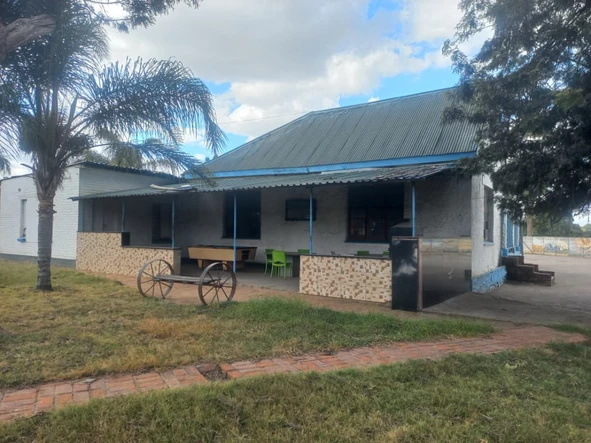
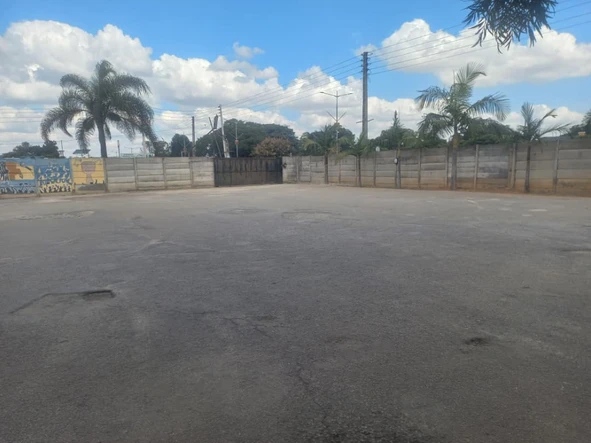
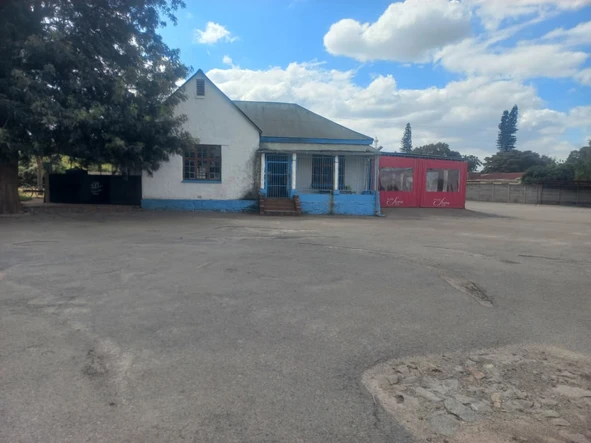
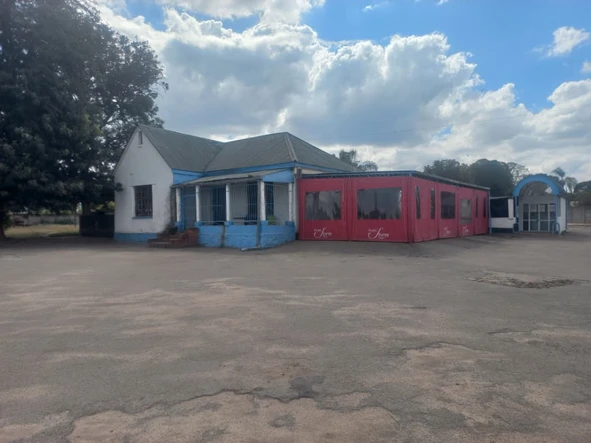
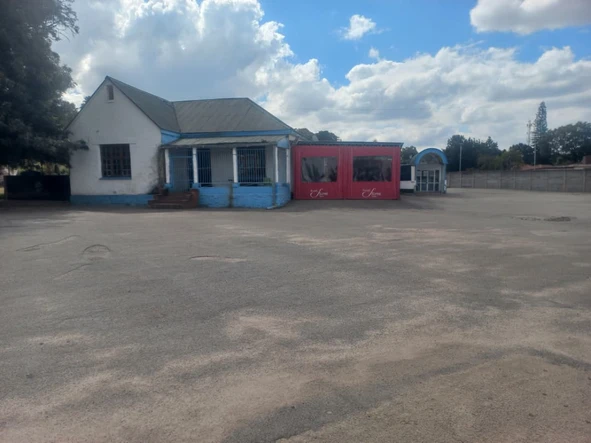
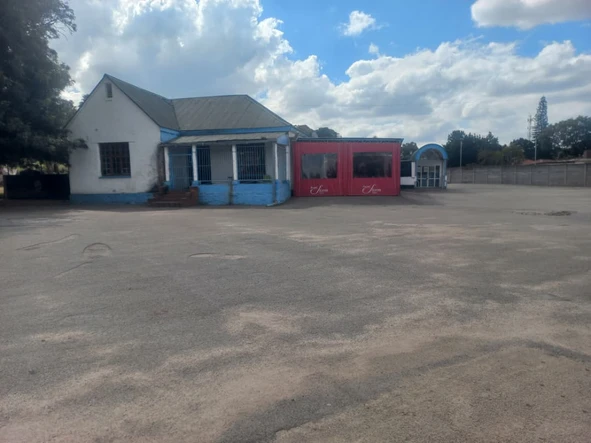
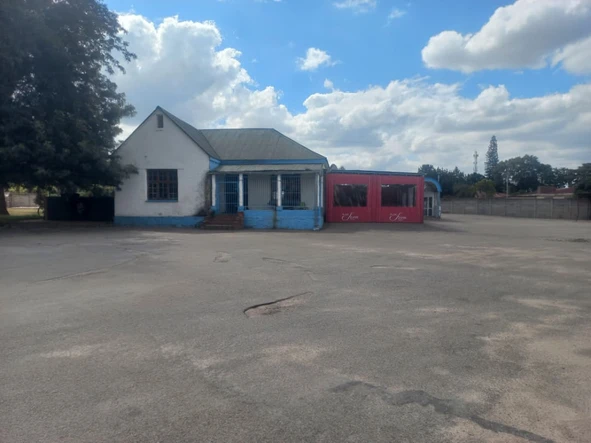
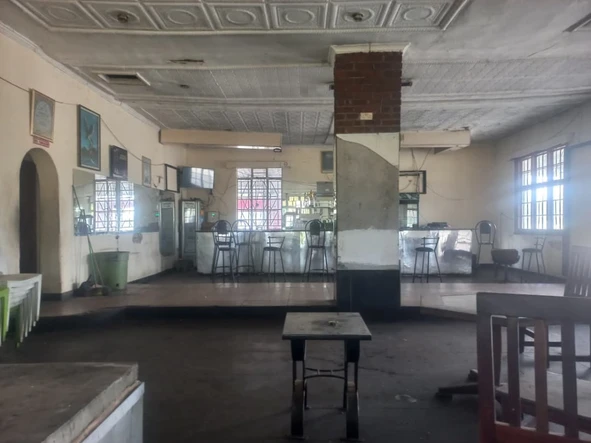
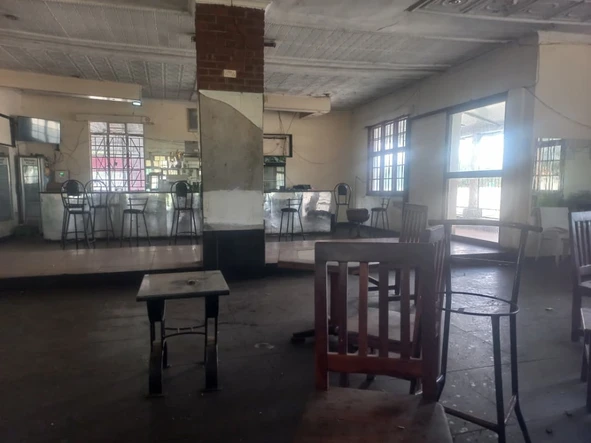
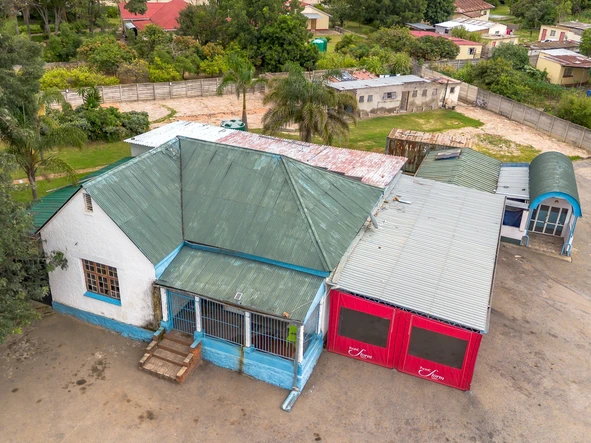
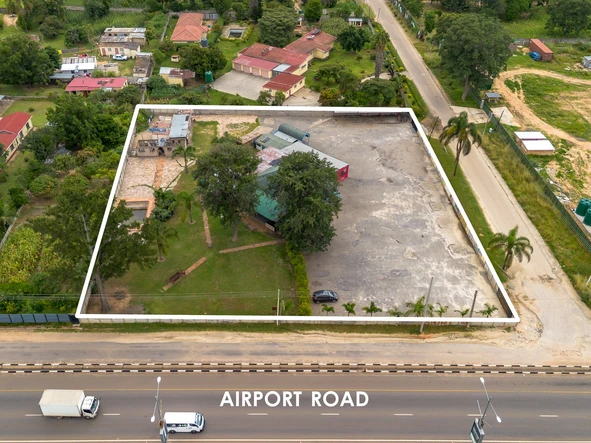
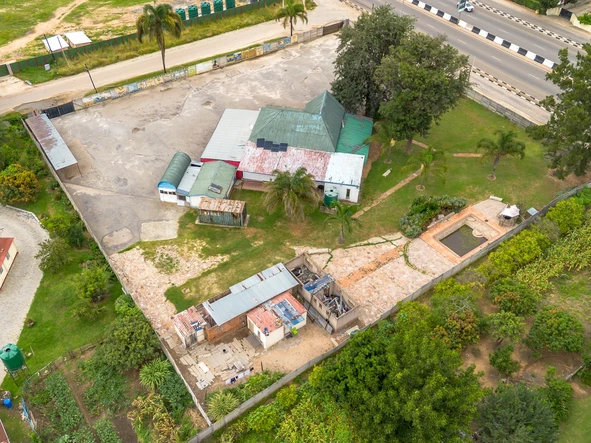
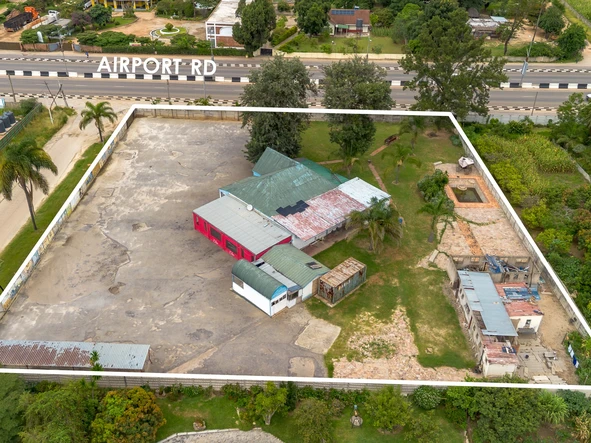
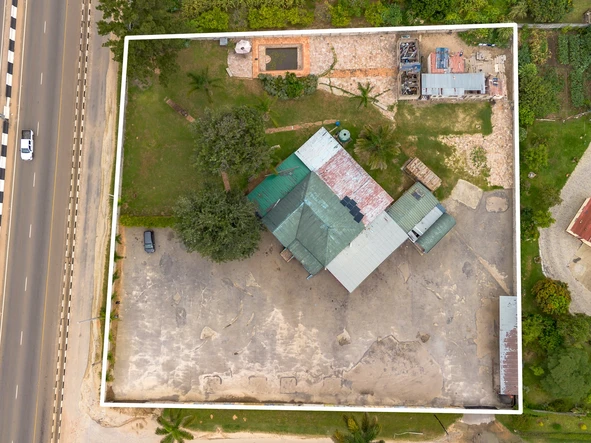
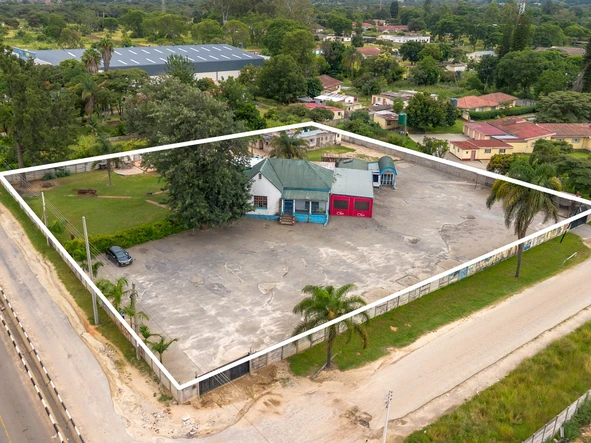
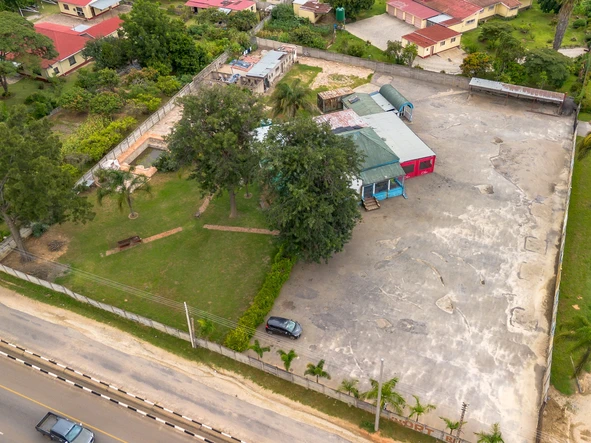
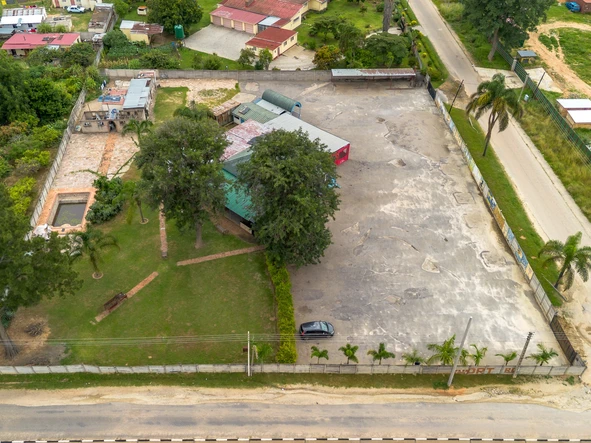
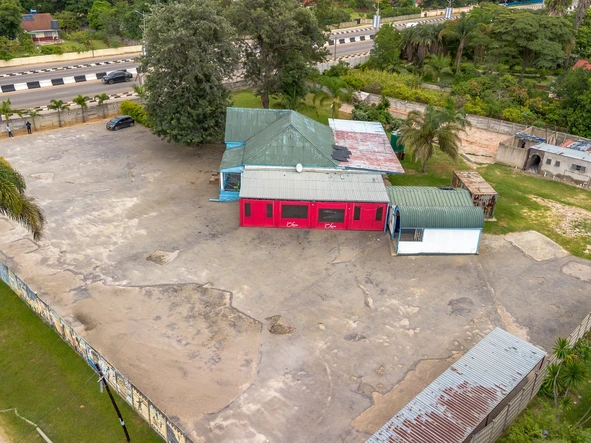
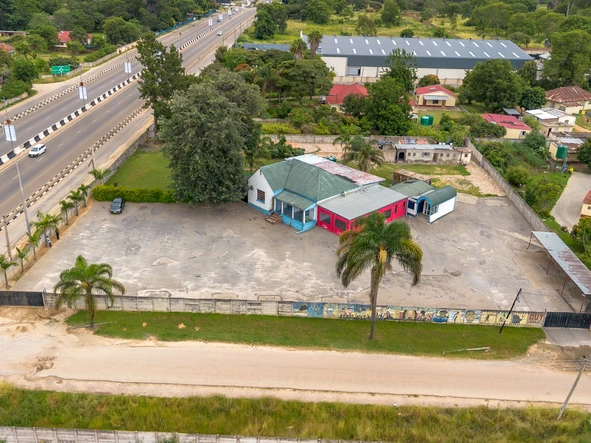
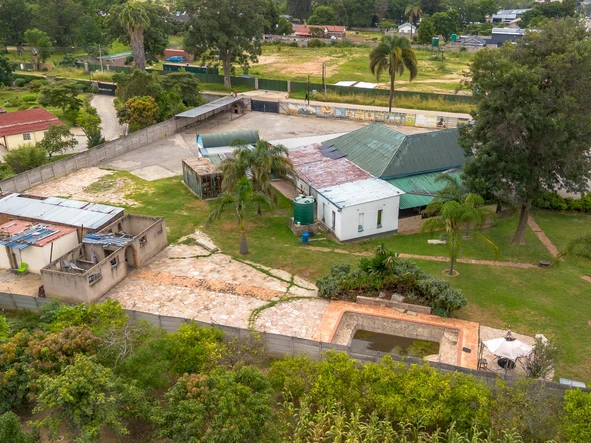
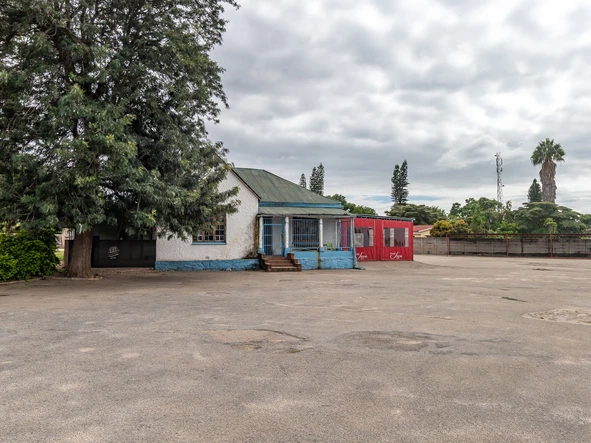
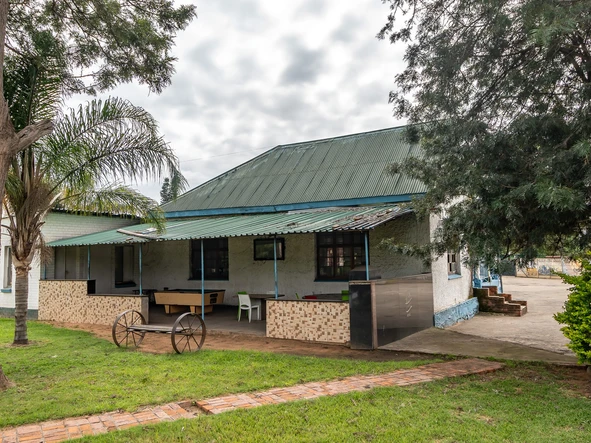
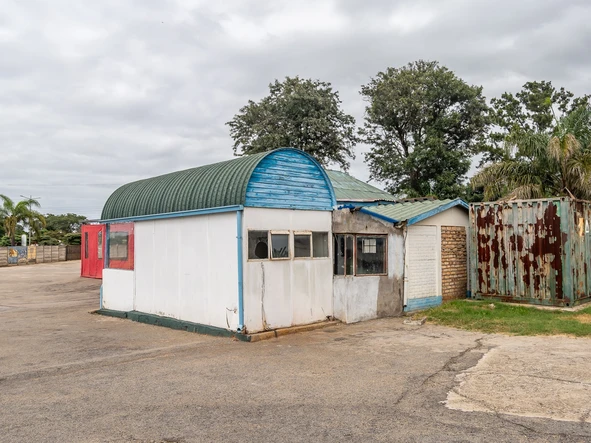
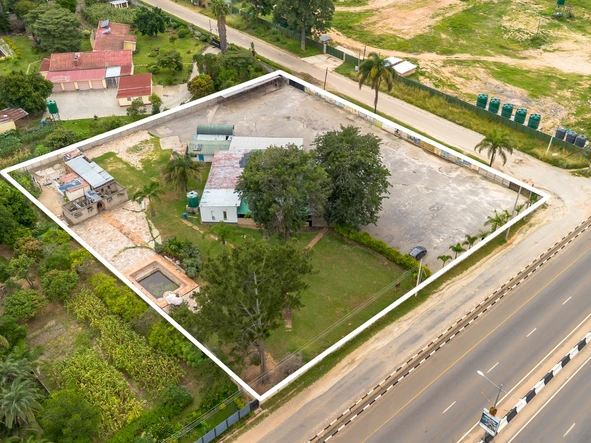
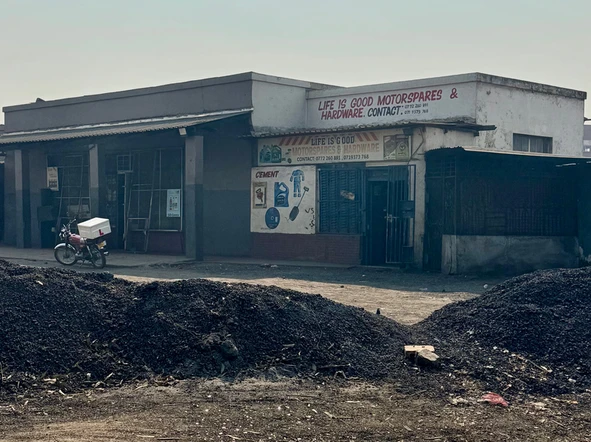
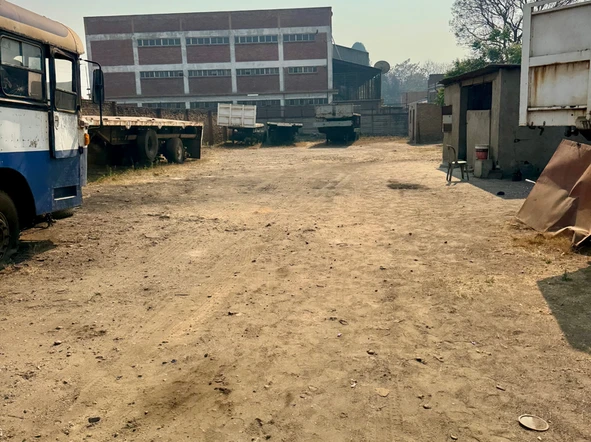
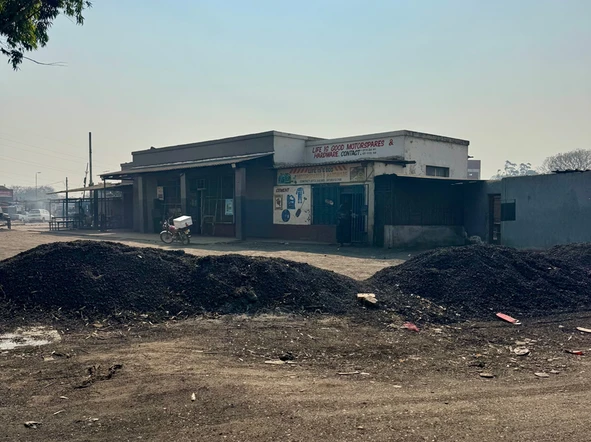
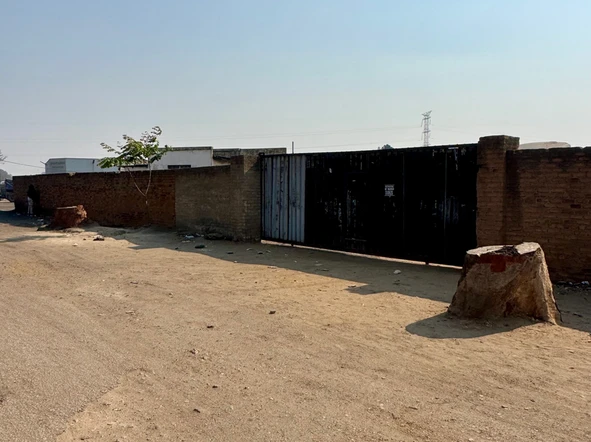
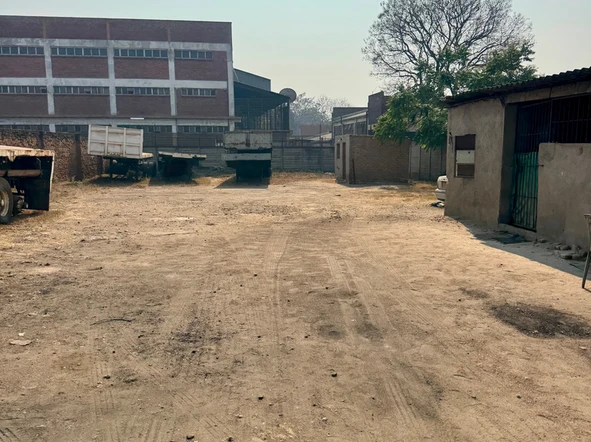
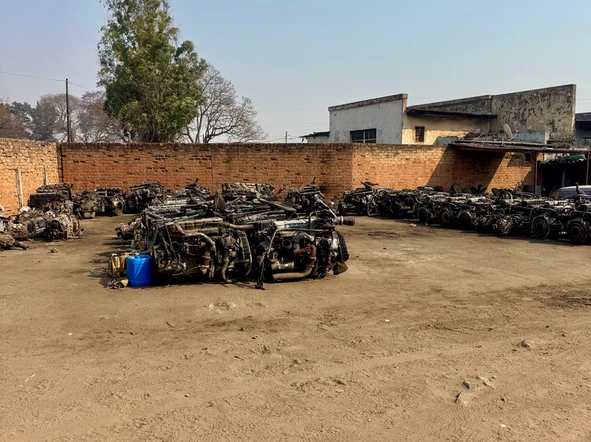
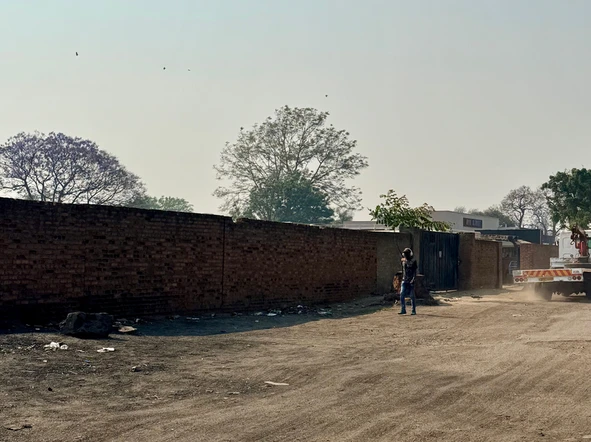
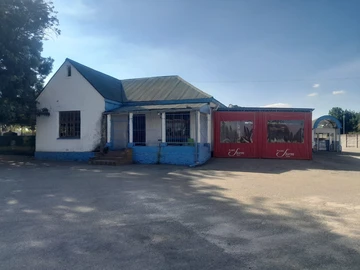
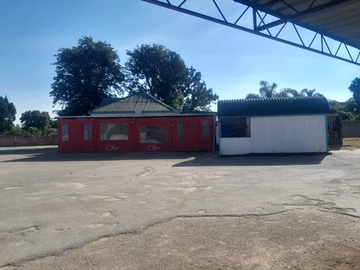
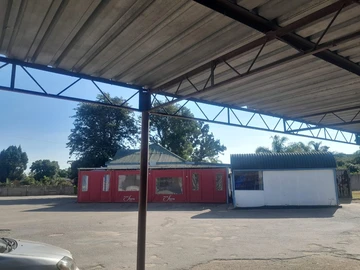
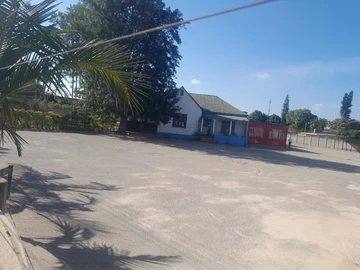
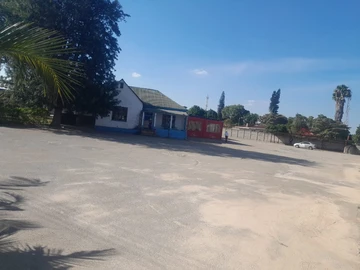
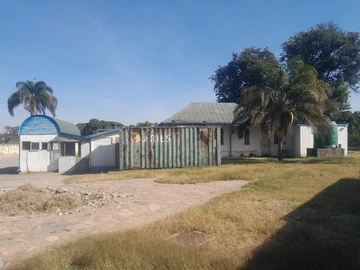
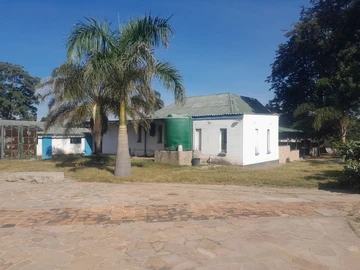
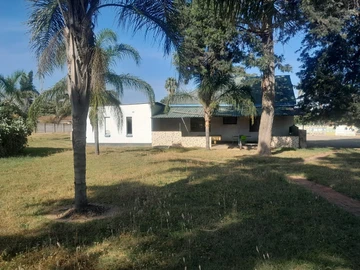
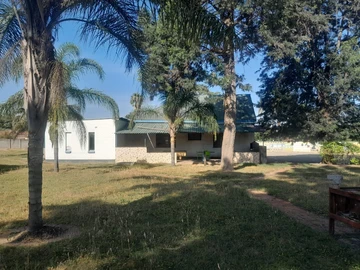
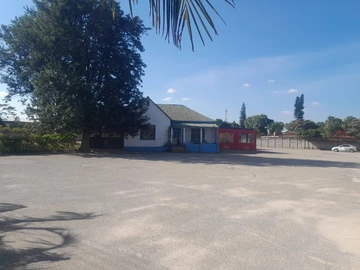
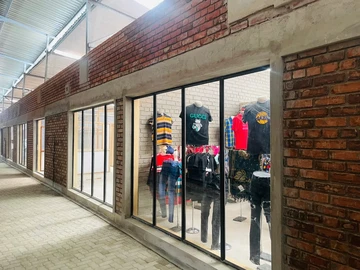
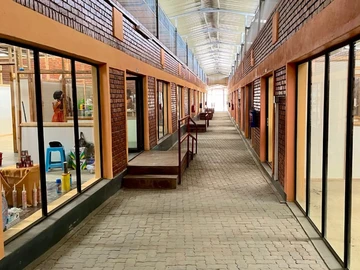
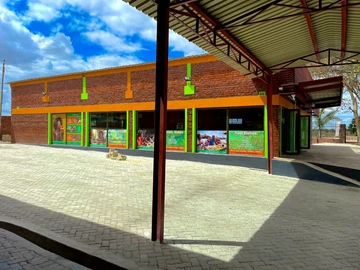
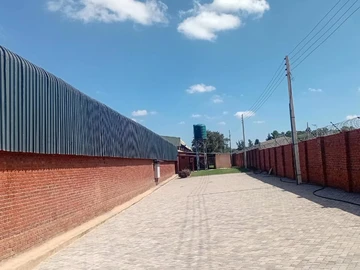
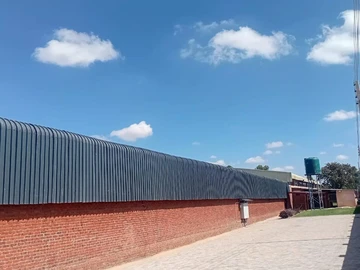
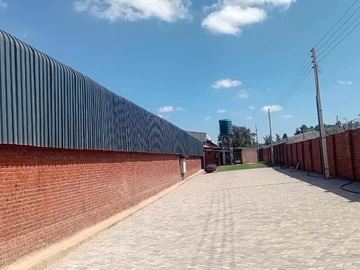
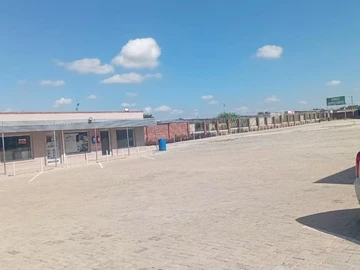
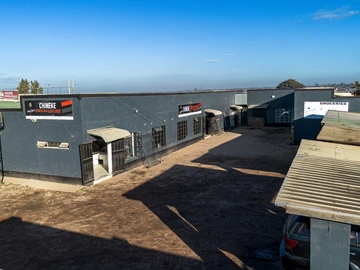
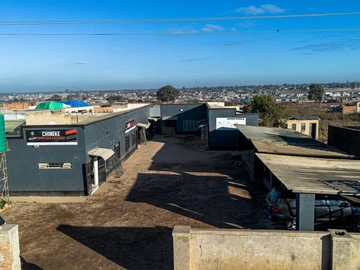
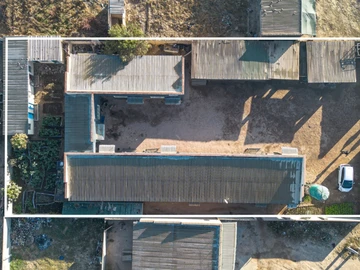
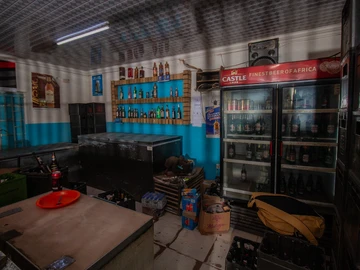
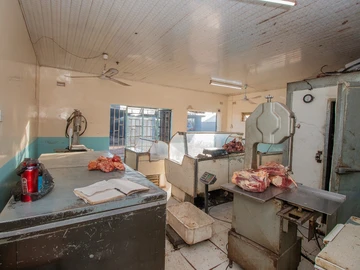
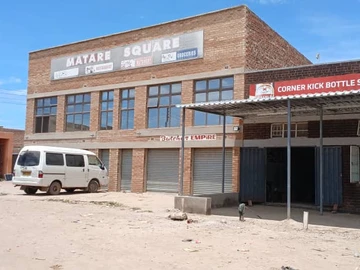
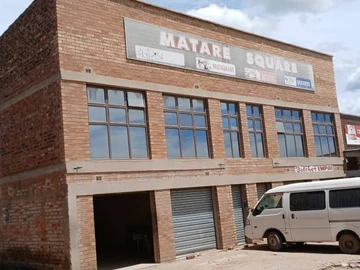
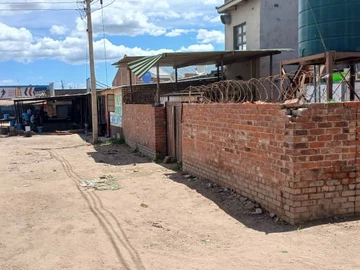
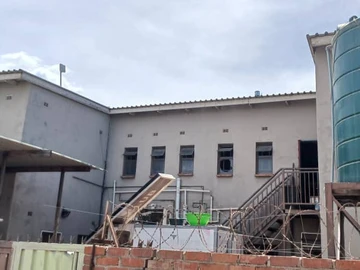
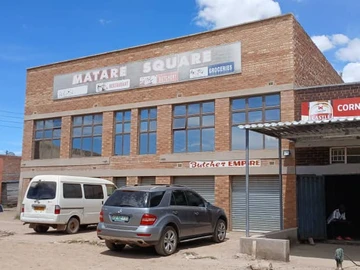
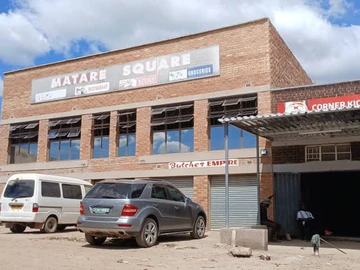
Shops and retail properties for sale in Harare South, Harare, offer a range of options with an average price of $870,000. These properties typically have a median land area of 370 ㎡ and a median building size of 320 ㎡, with the largest properties reaching up to 1,176 ㎡ and land areas up to 1,600 ㎡. Smaller units start from around 120 ㎡ in size, providing choices for different business needs and budgets.
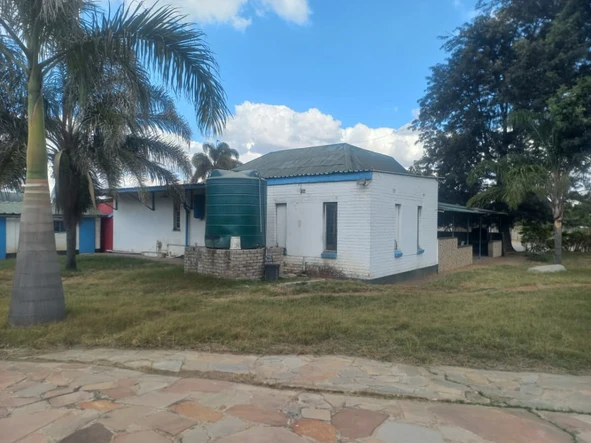
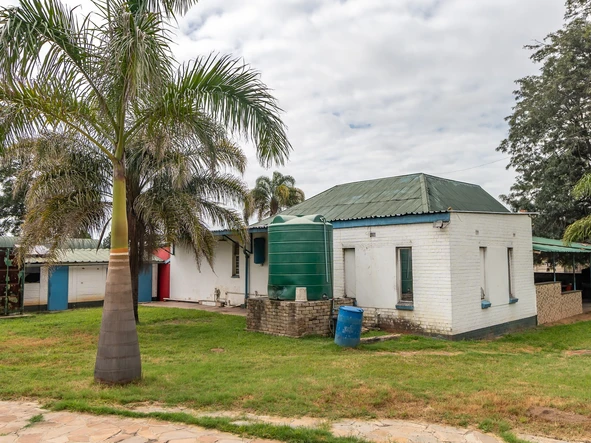
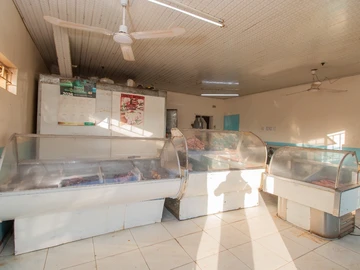
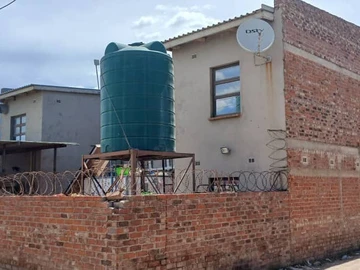
Many of these retail properties come with reliable ZESA power connections and most have boreholes, ensuring good water supply and electricity for business operations. The properties are well suited for a variety of retail uses, benefiting from practical layouts and access to essential utilities, making them attractive for investors and business owners looking to establish or expand their presence in the area.
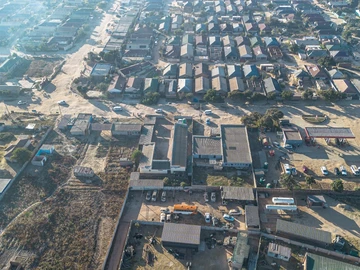
Harare South is a diverse and developing suburb with a mix of commercial, residential, and industrial zones. It is well connected by major roads and public transport, allowing easy access to the city center and other parts of Harare. Nearby amenities include Southgate Shopping Centre for retail needs, local markets, and a growing number of restaurants offering both local and international cuisine. The proximity to Mukuvisi Woodlands and the National Sports Stadium adds lifestyle value, while schools and Parirenyatwa Hospital provide essential services to the community.

 10,000 m²

Be the first to see new properties for sale in Harare South










| Type | Avg. price |
|---|---|
| Average price | $870,000 |
Planning to convert or buy commercial property? Understand Zimbabwe’s change of use rules, 2026 Harare fees, timelines and approval risks.
Buying a home in Harare? Learn how to verify water access, ZESA grid connections, refuse services, and borehole rights before finalizing your purchase.
Pricing your property in Zimbabwe? Discover why overpricing leads to stagnant listings, lower final offers, and costly holding expenses in the 2026 market.
Navigating property valuations in Zimbabwe? Learn valuation methods, valuation fees, and key tips for buyers, sellers, and investors in the 2026 market.
Planning to downsize? Learn if you can dissolve a family trust holding your home, the legal steps required, and tax impacts before selling the property.