Continue with Facebook
 Continue with Email

Comparing long‑term affordability, flexibility, and value in the current economic climate
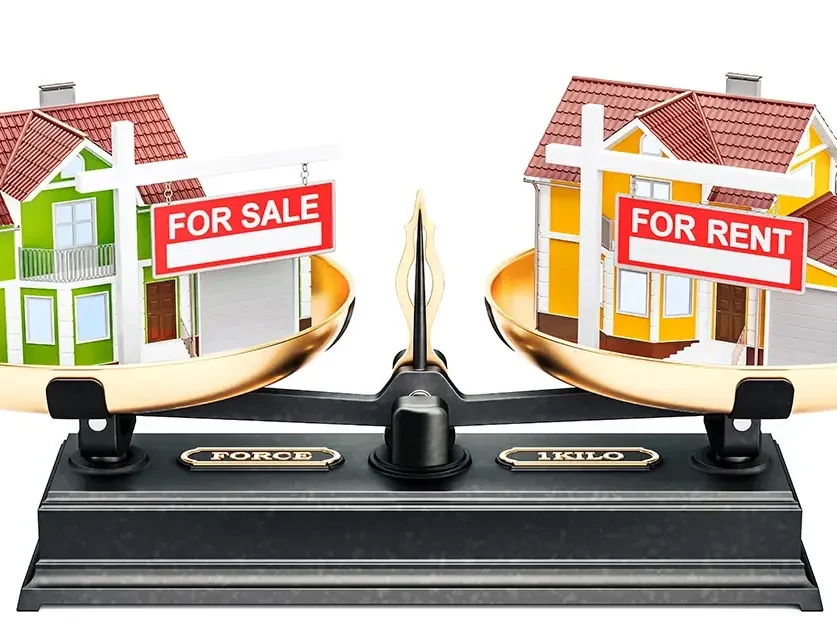
Zimbabwe’s housing demand is changing, and with inflation dynamics, fluctuating interest rates, and tight mortgage access, many potential homeowners and renters are asking: Should I rent or buy in 2026? This article breaks down the financial and lifestyle trade‑offs to help Zimbabweans make informed decisions in Harare, Bulawayo, Mutare, and beyond.
Understanding the Context: Zimbabwe’s Housing Market in 2026
By 2026, Zimbabwe’s urban population continues to grow, and rental demand is robust:
- Urbanisation rate remains above 30%, with cities attracting workers, students, and families seeking opportunity.
- Rental costs in Harare’s popular suburbs range from USD 350–USD 1,200 per month for typical units.
- Average house prices in Harare range from USD 65,000 for modest homes in emerging suburbs to USD 400,000+ in prime locations like Borrowdale and Mount Pleasant.
Mortgage availability has improved compared to previous years, but lending criteria remain strict, with typical bank requirements including 30% deposits and documented income. Interest rates on home loans often range from 18%–24% annually.
Renting: Pros, Cons, and When It Makes Sense
Advantages of Renting
- Flexibility: Renting allows mobility ideal for young professionals, students, or people who may relocate for work. Short lease terms (6–12 months) are common in Zimbabwe’s rental market.
- Lower Upfront Costs: Renters typically pay a security deposit and the first month’s rent, avoiding stamp duty, legal fees, and transfer costs associated with buying a home.
- Maintenance Without Ownership Burdens: Major repairs and structural maintenance are the landlord’s responsibility, offering peace of mind for tenants.
Considerations
- No Equity Building: Rent payments do not build property ownership or long‑term wealth.
- Rent Inflation: In some suburbs, rents have increased 5%–10% annually since 2024, outpacing wage growth for many tenants.
- Limited Customisation: Tenants may face restrictions on renovations or personalised upgrades.
Buying: Pros, Cons, and When It Makes Sense
Advantages of Buying
- Equity and Long‑Term Value: Homeownership allows you to build equity over time. Historically in Harare and Bulawayo, residential home values have appreciated averaging 7%–12% annually over the past five years in well‑located suburbs.
- Stability and Legacy: Owning a home provides stability, security, and long‑term residence for families.
- Hedge Against Inflation: Fixed mortgage repayments can be a hedge against inflation. As rental costs rise, homeowners with stable financing can benefit.
Considerations
- Upfront and Ongoing Costs: Buying involves transfer fees, legal costs, agent commissions, rates, levies, and maintenance often adding 10%–30% above the purchase price.
- Reduced Mobility: Selling property can take months and incur costs, reducing flexibility.
- Financing Challenges: Strict lending requirements and high interest rates may exclude many first‑time buyers.
Rent vs. Buy Analysis — A 2026 Case Study
Scenario: Harare Suburb A
Renting Option:
- 2‑bedroom rental at USD 600/month
- Annual rent: USD 7,200
- 5‑year total rent: USD 36,000
Buying Option:
- Purchase price: USD 120,000
- 30% deposit: USD 36,000
- Mortgage balance: USD 84,000
- Assuming 20‑year loan at 20% interest
Outcome:
Over five years, the renter spends USD 36,000 without equity. A homeowner builds equity and benefits from property appreciation: if the home increases by 8% annually, its value after five years would be ~USD 176,000, with equity increase net of mortgage principal repayments.
Though the homeowner incurs higher costs early (deposit, fees), the long‑term value gain and stability can outweigh rent expenses if the owner plans to stay long term and secures affordable financing.
Who Should Rent?
- Highly mobile professionals unsure of long‑term location
- Young workers without sufficient deposit or stable income
- Anyone facing income volatility or uncertain job prospects
Renting remains the better option if lifestyle flexibility and low upfront financial commitment are priorities.
Who Should Buy?
- Families settled in one location
- Individuals with a comfortable deposit and stable income
- Investors seeking long‑term property value appreciation
- Buyers in growth corridors anticipated to see infrastructure upgrades
Buying makes sense when you plan to stay for at least 5–8 years and expect property value growth and rental market hikes.
Key Takeaways — Rent vs. Buy in 2026
Renting is best if:
- You value flexibility
- You lack a large deposit
- Job or location uncertainty exists
Buying is best if:
- You seek equity and long‑term value
- You can afford upfront and ongoing costs
- You plan to stay put
Data‑backed insights:
- Zimbabwean rents have increased 5%–10% annually in several urban markets.
- Residential property values in top suburbs have risen 7%–12% annually.
- Upfront buying costs can add 10%–30% over purchase price.
- Mortgage interest rates frequently range from 18%–24%.