Log in to contact the seller
 Continue with Facebook
 Continue with Email
Continue with Facebook
Continue with Email
Sign up with Facebook
Continue with Email
Continue with Facebook
Continue with Email
Sign up with Facebook
 Change filters
 Requests
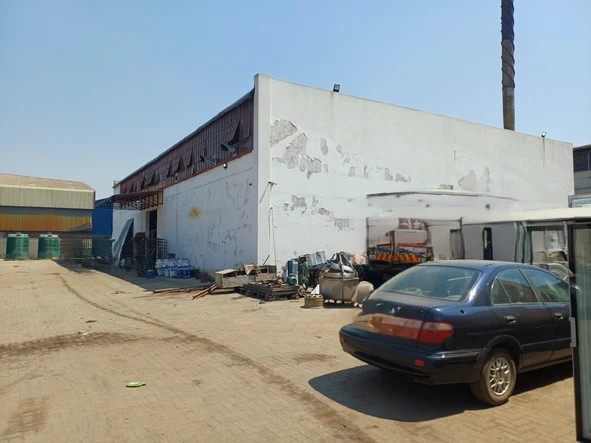

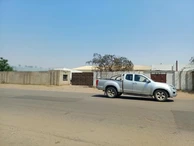


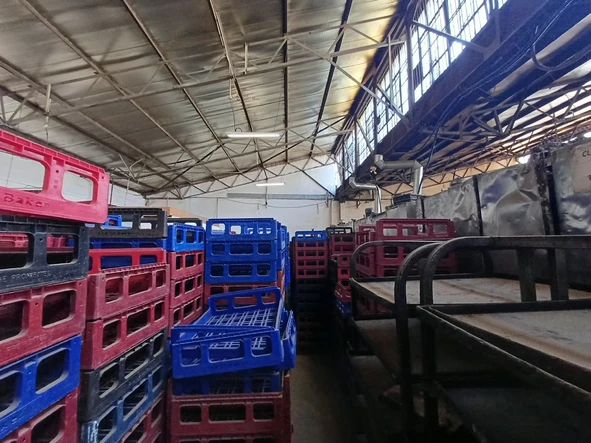
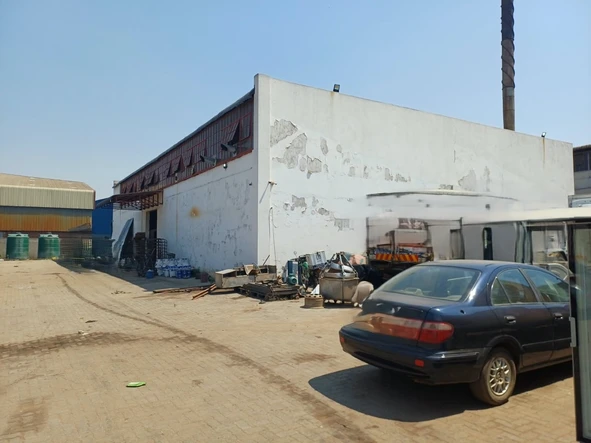
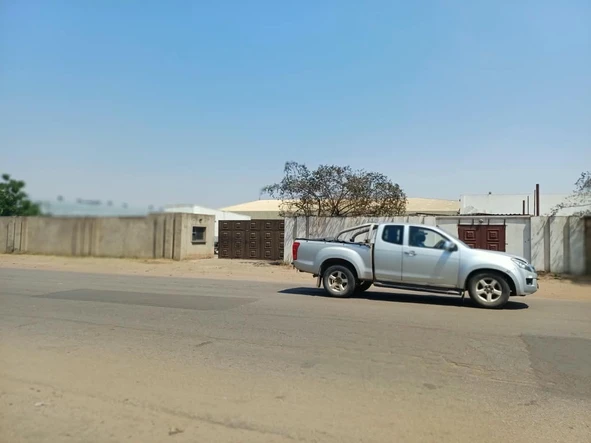
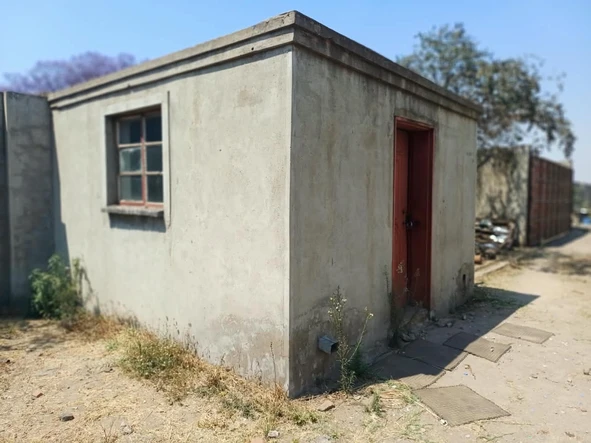
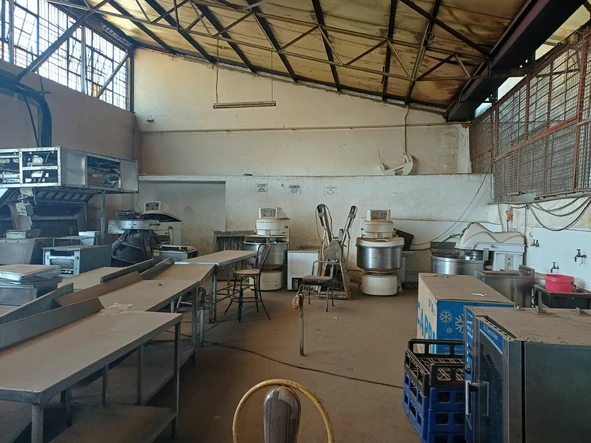
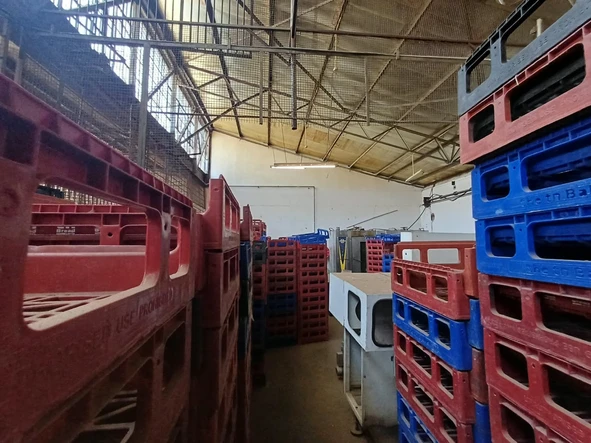
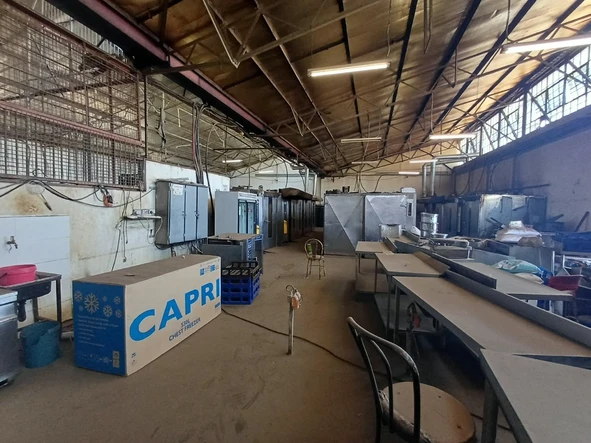
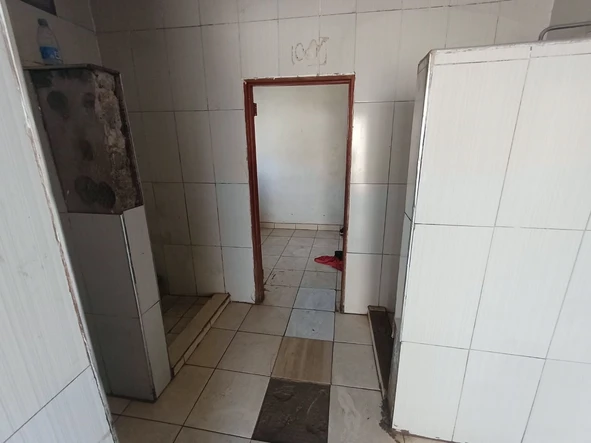
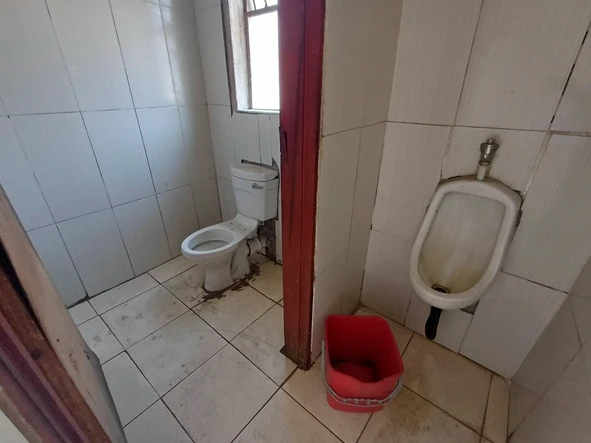
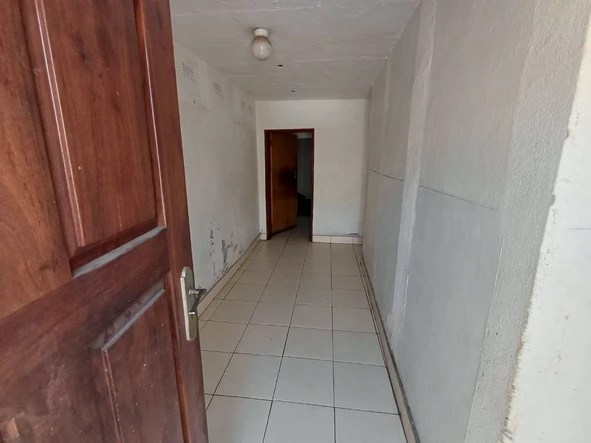
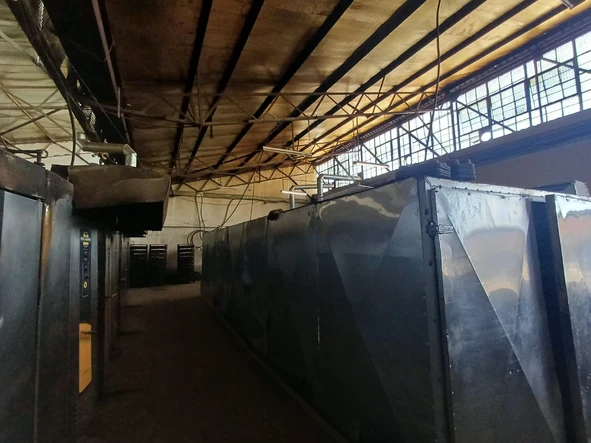
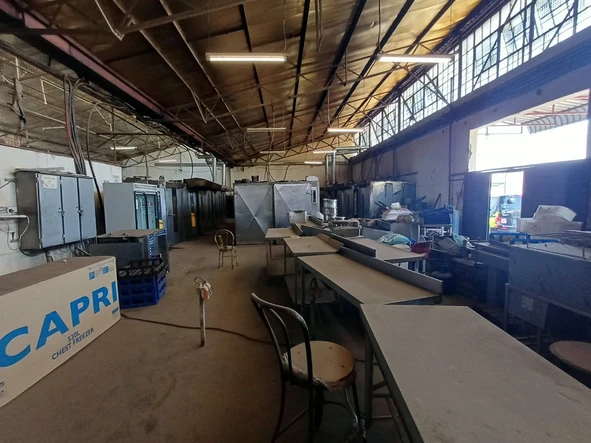
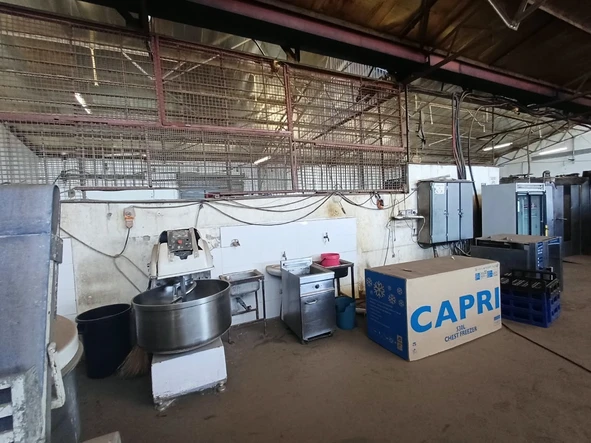
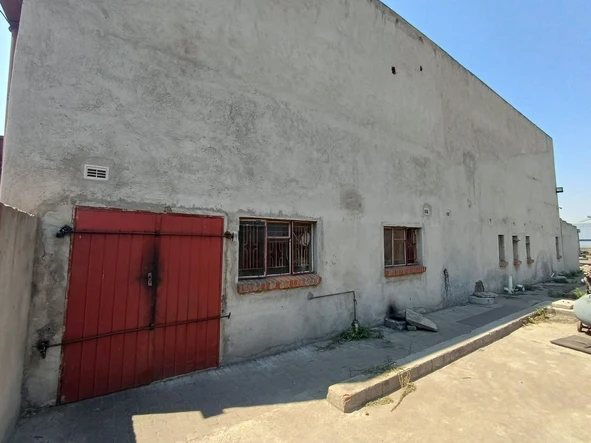
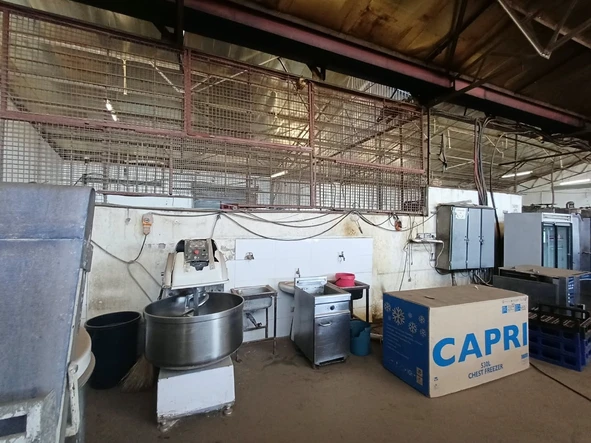
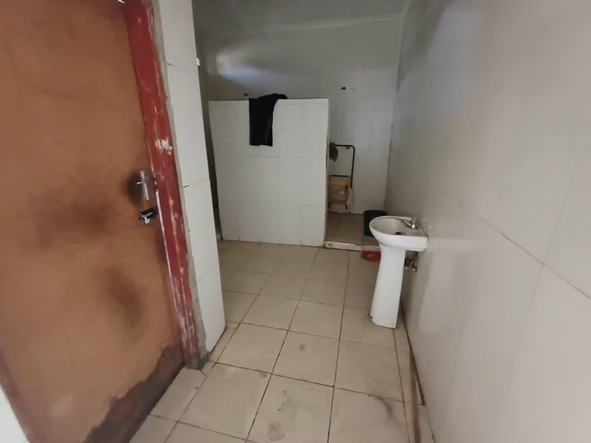
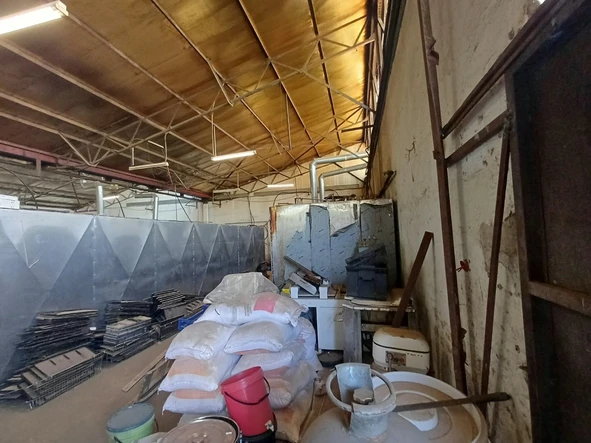
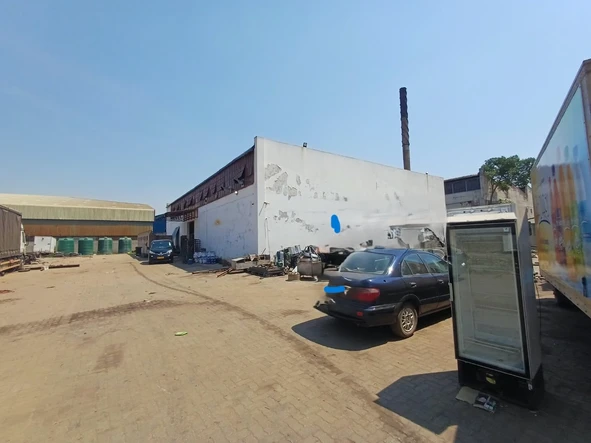
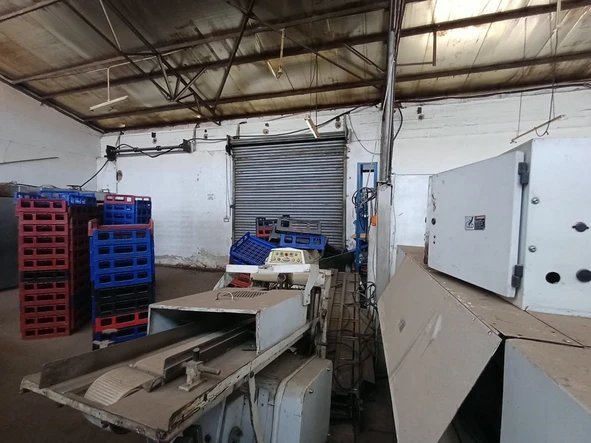
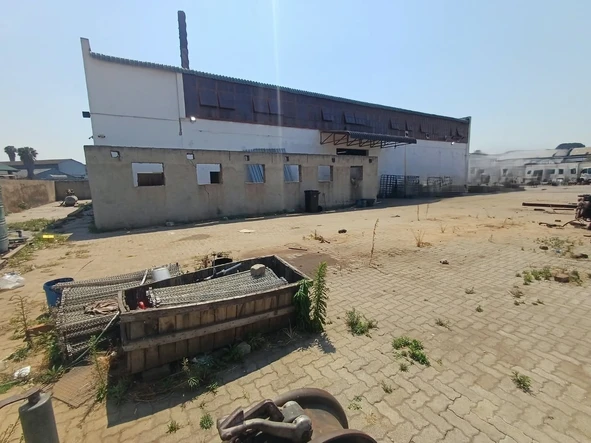
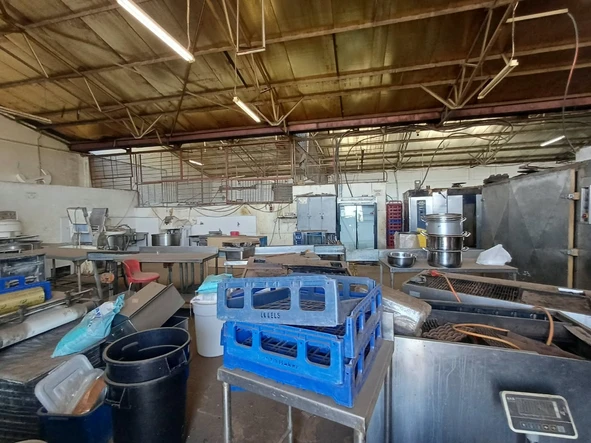
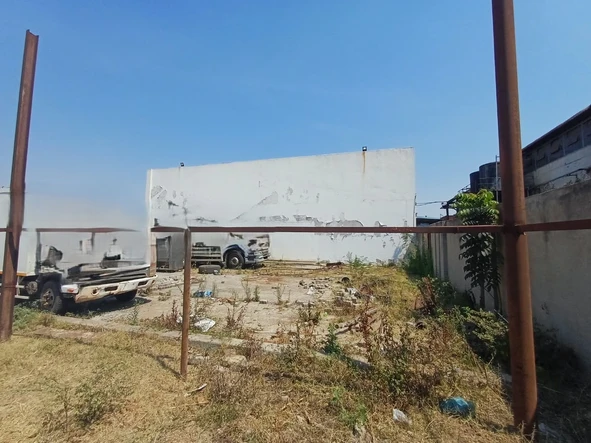
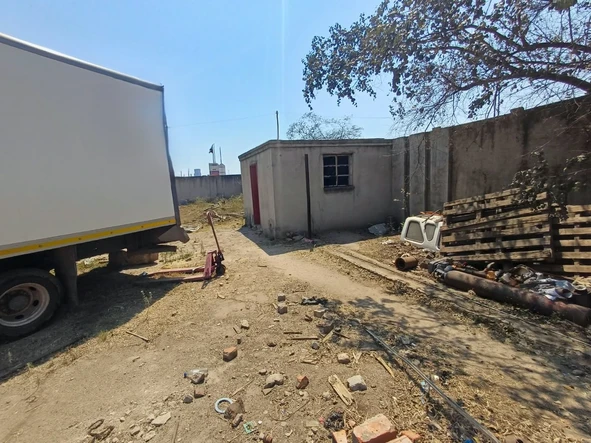
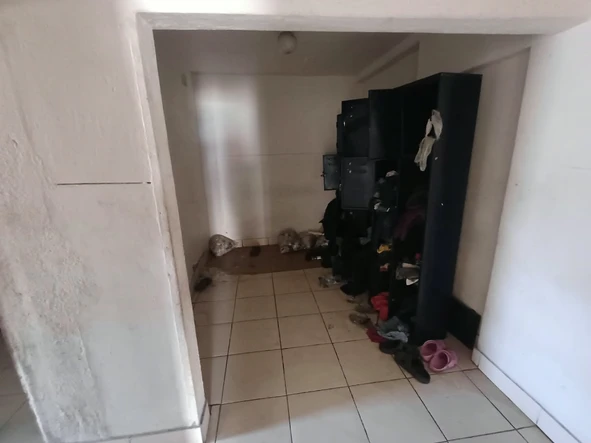
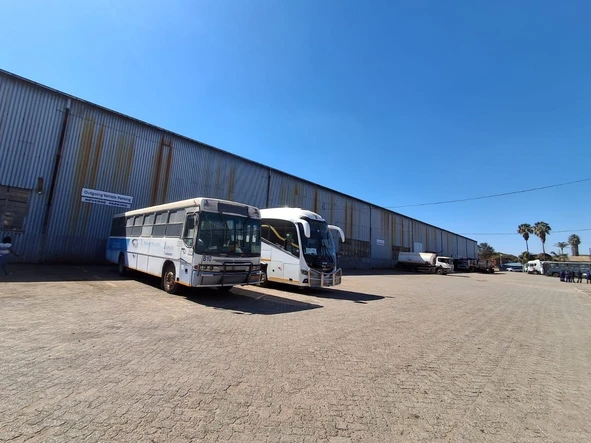
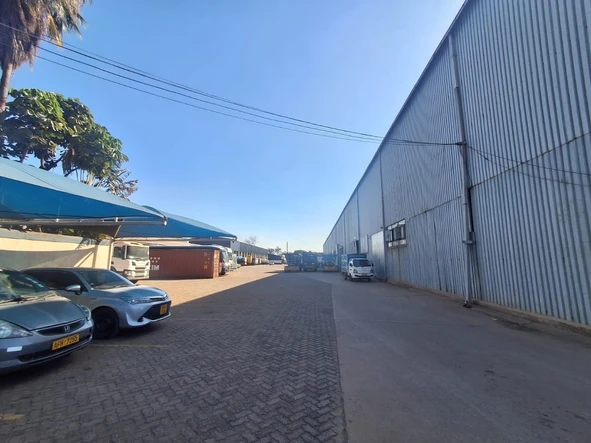
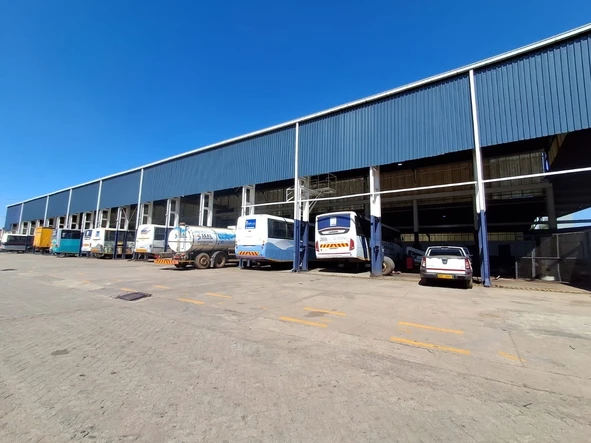
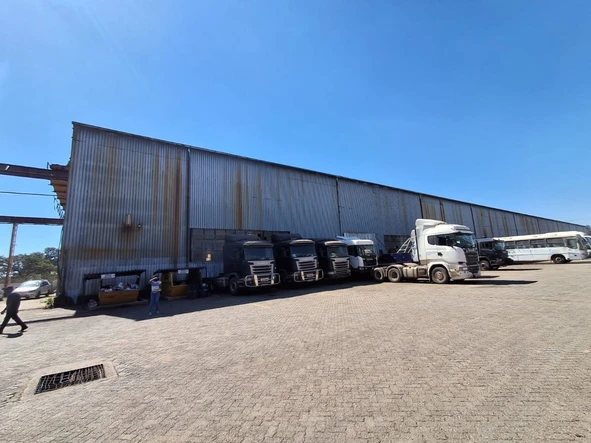
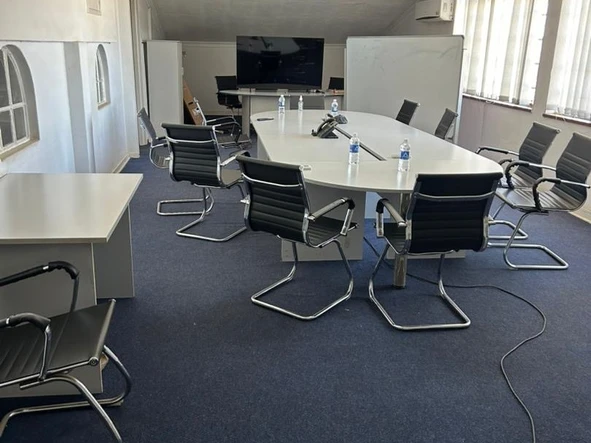
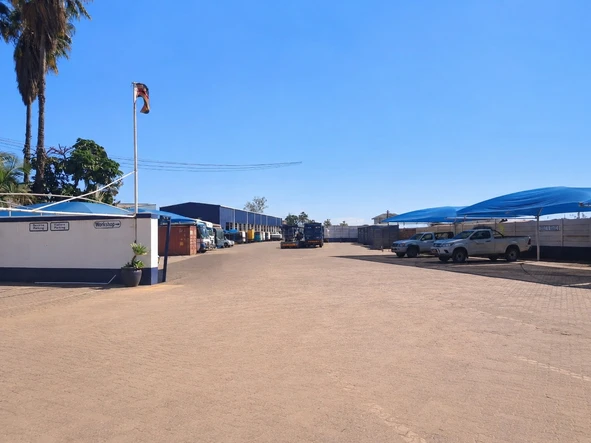
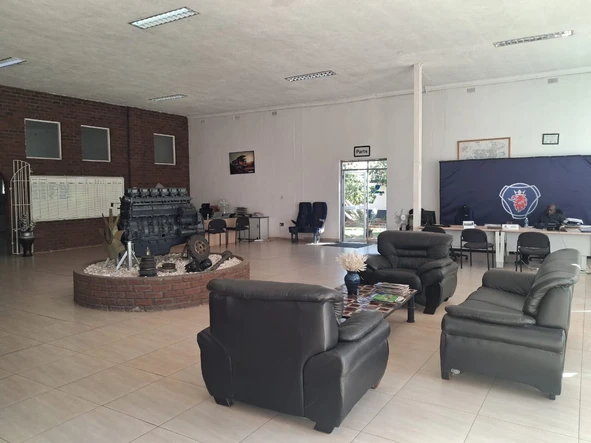
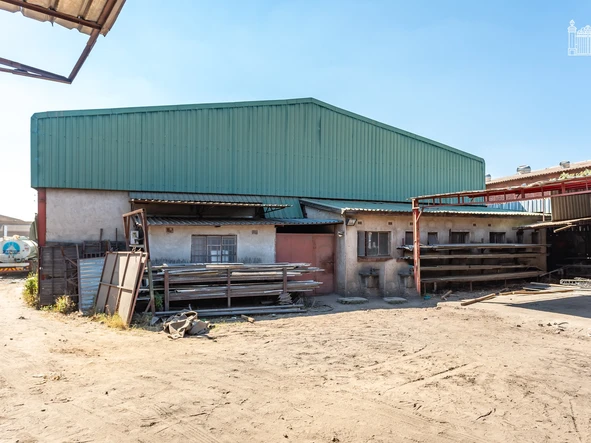
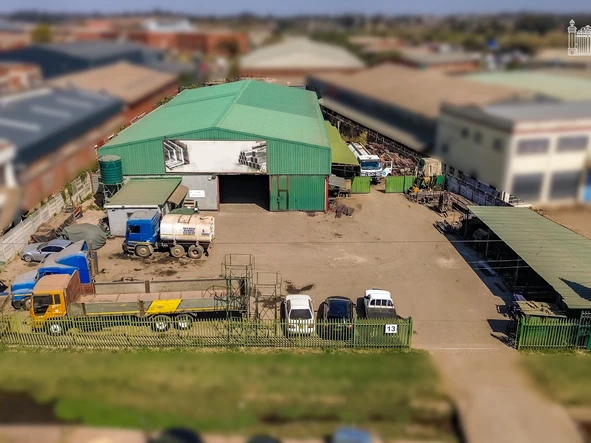
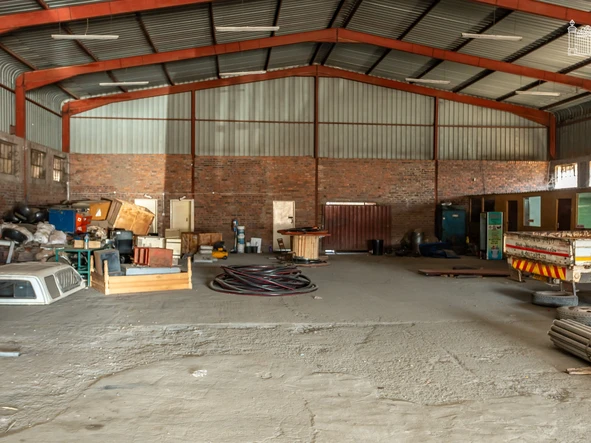
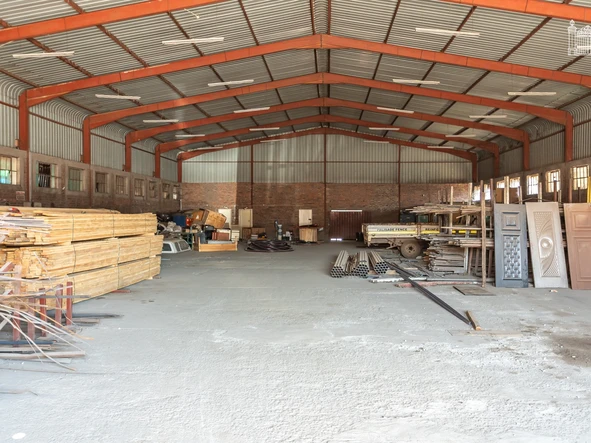
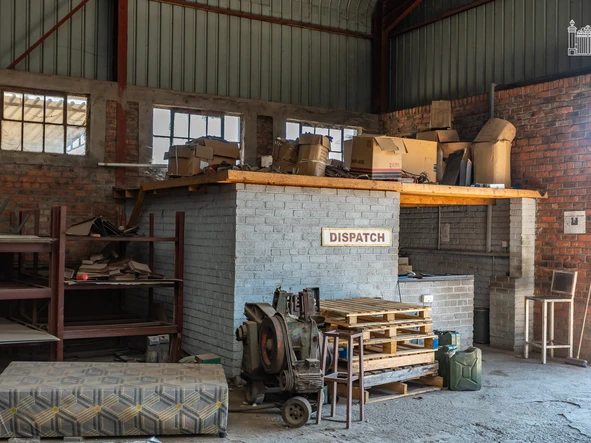
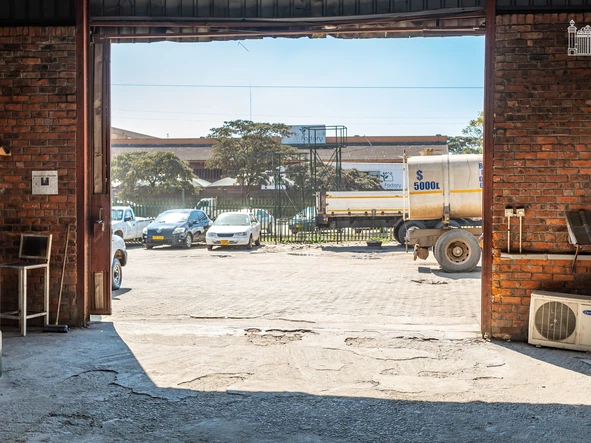
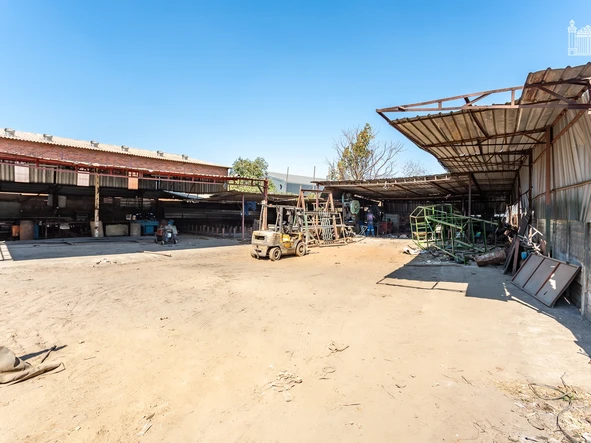
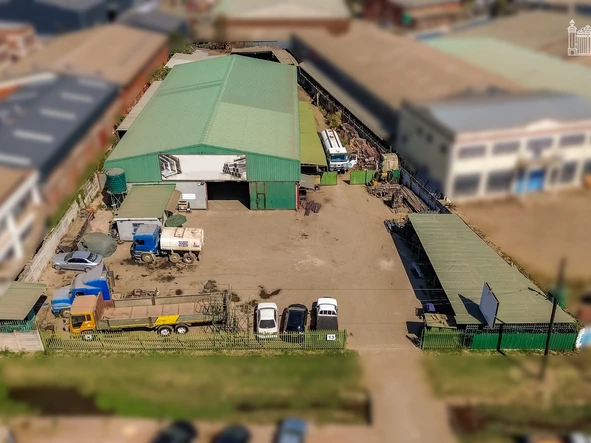
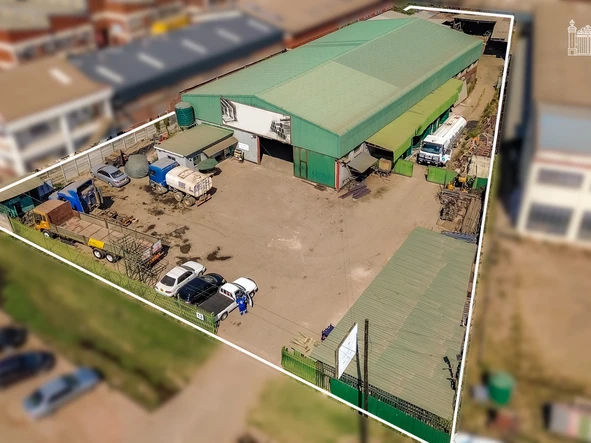
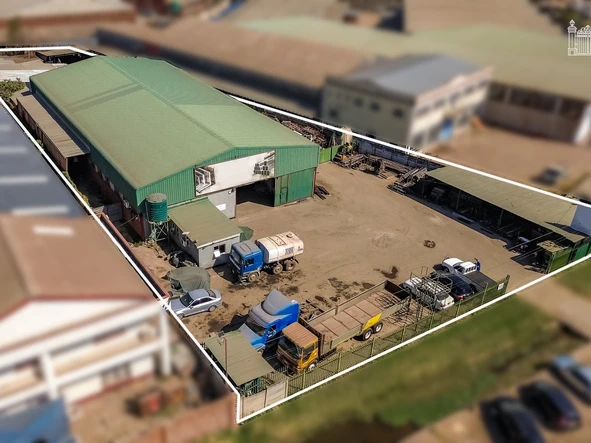
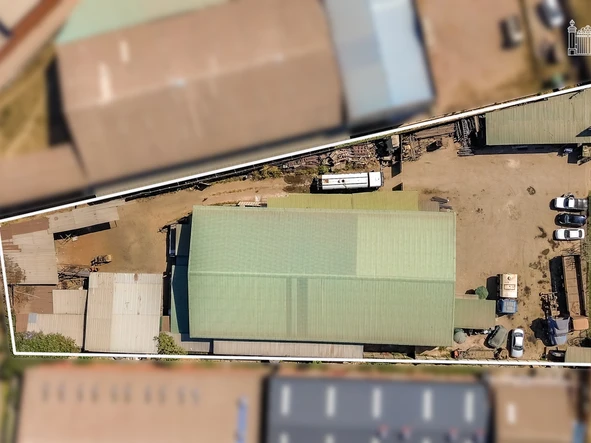
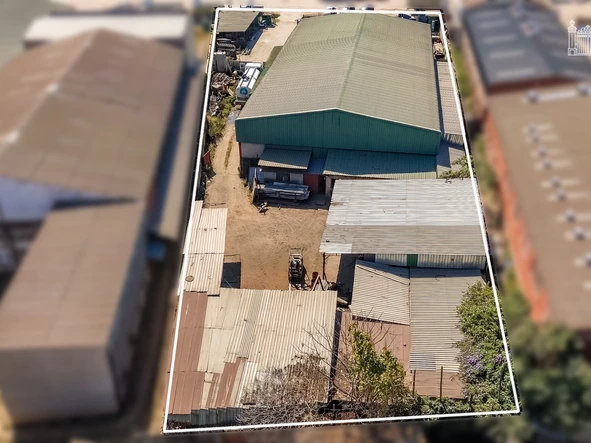
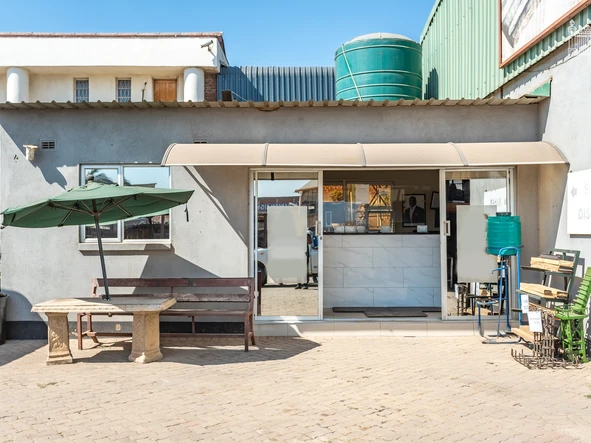
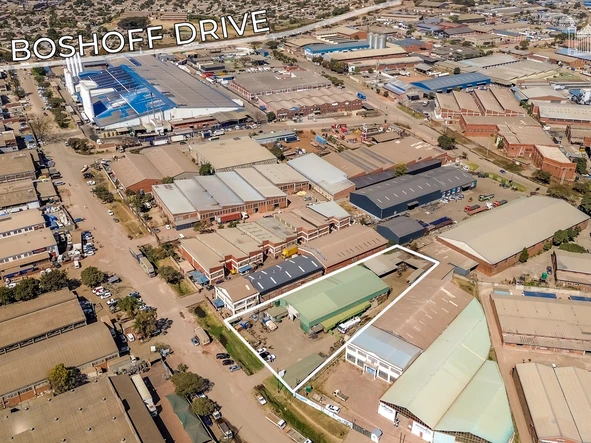
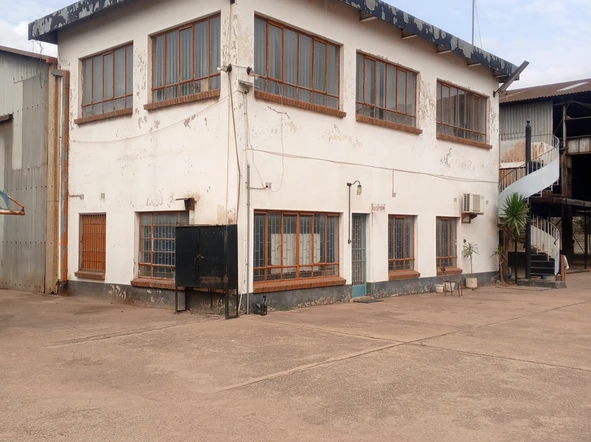
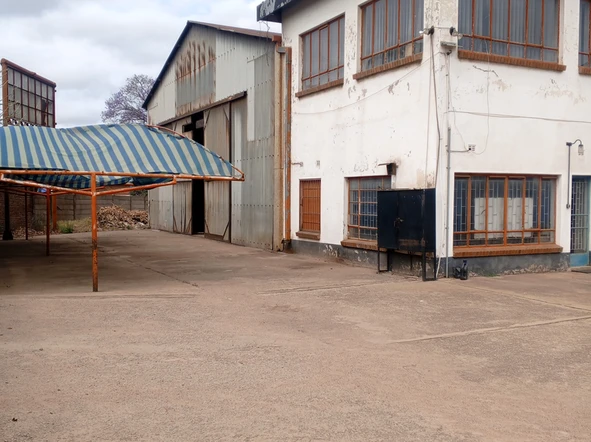
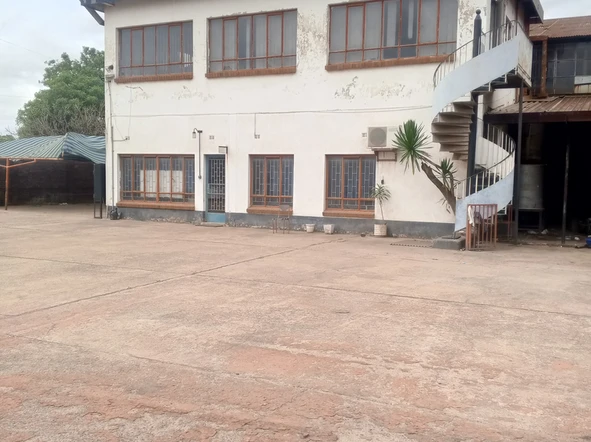
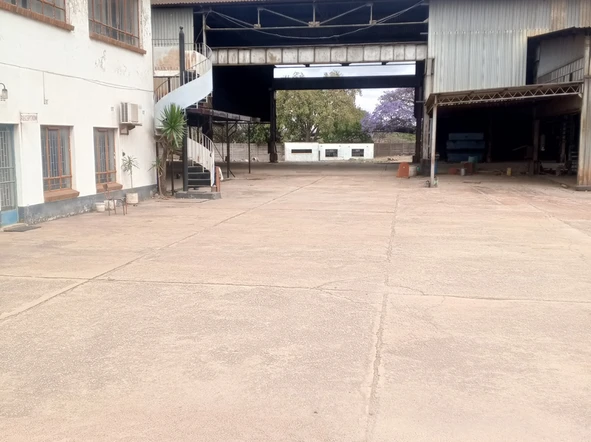
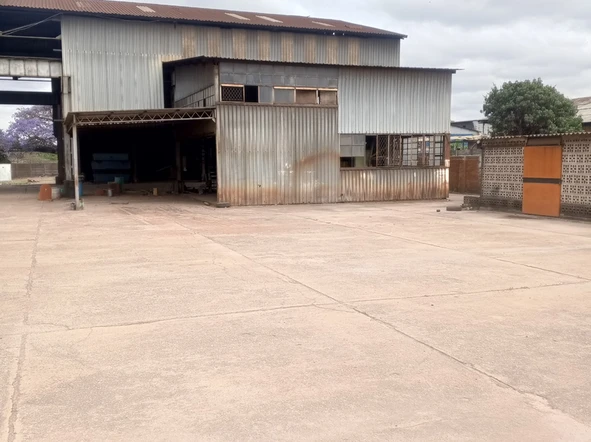
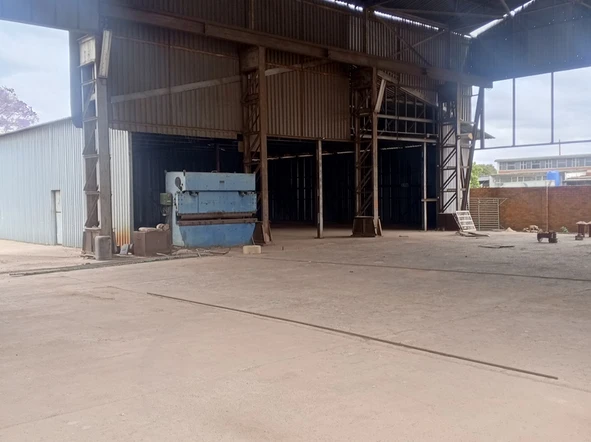
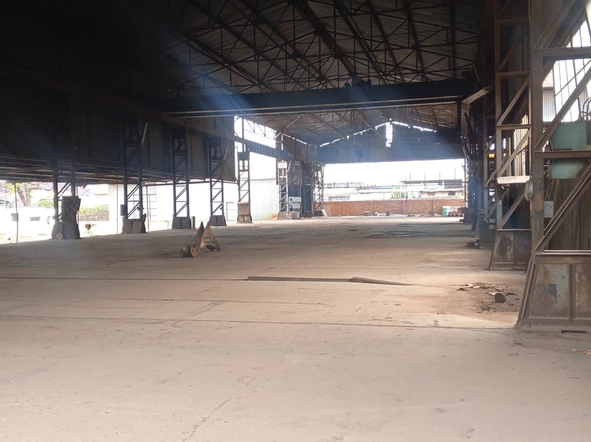
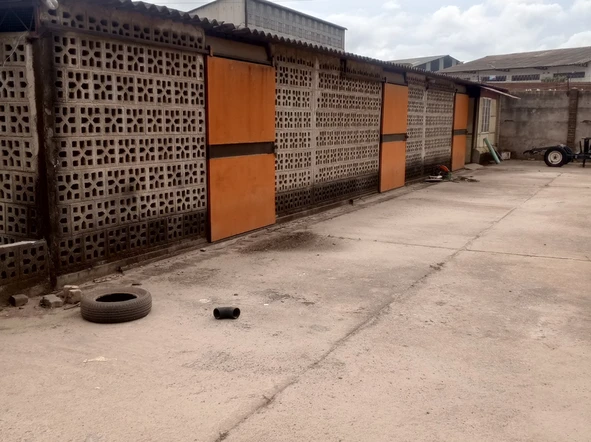
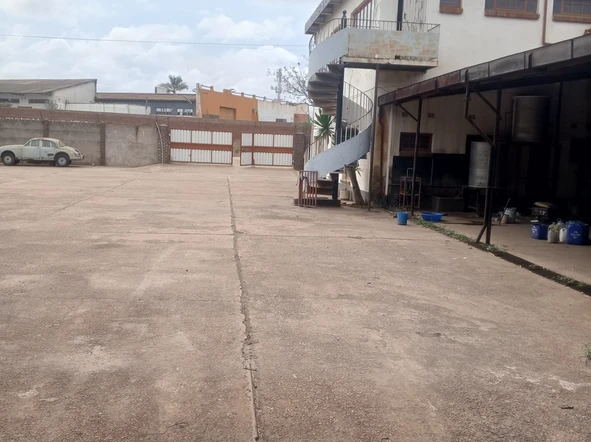
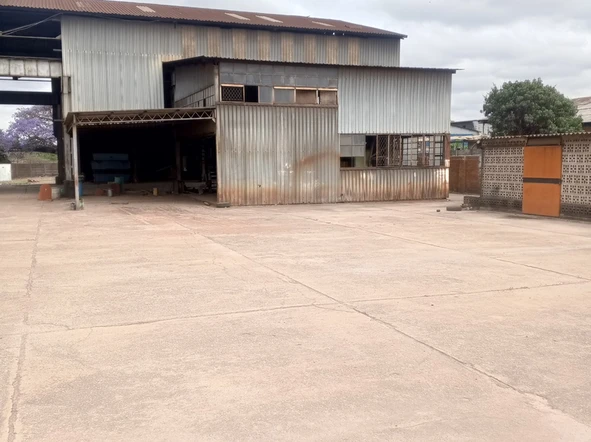
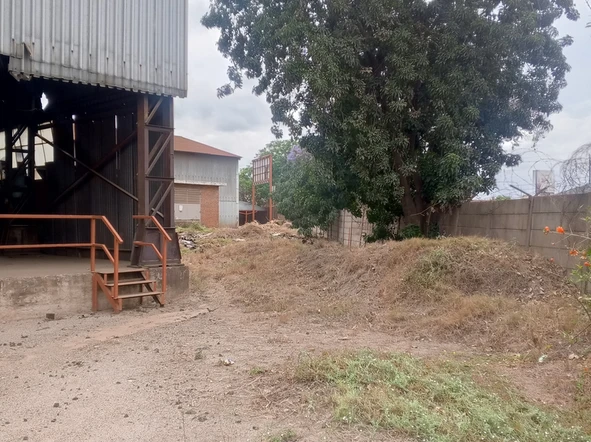
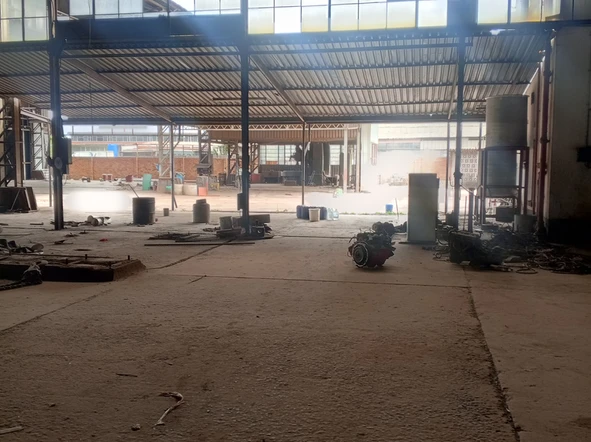
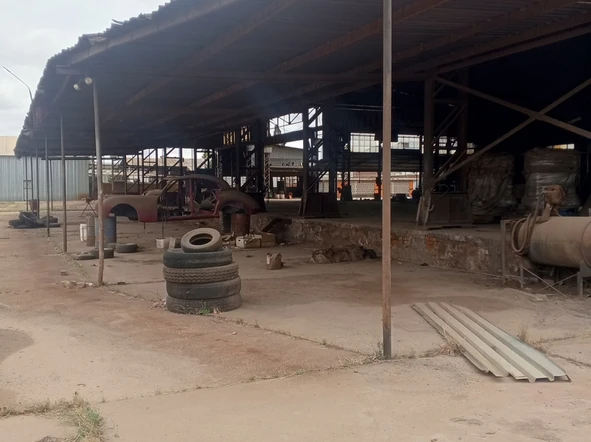
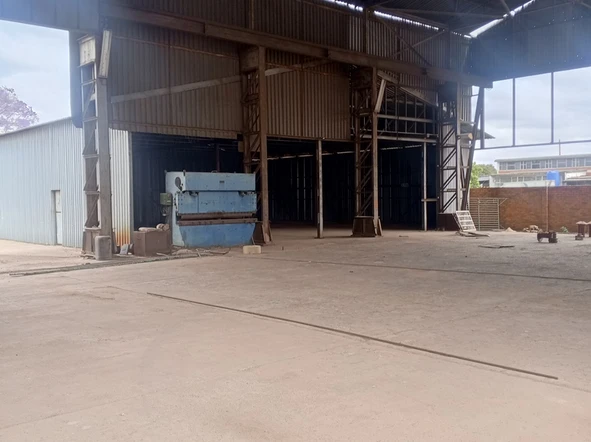
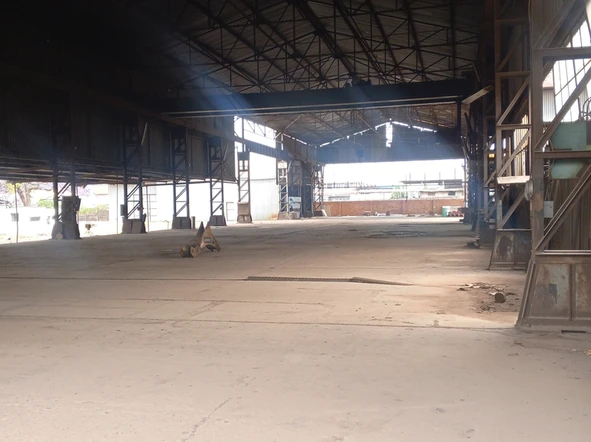
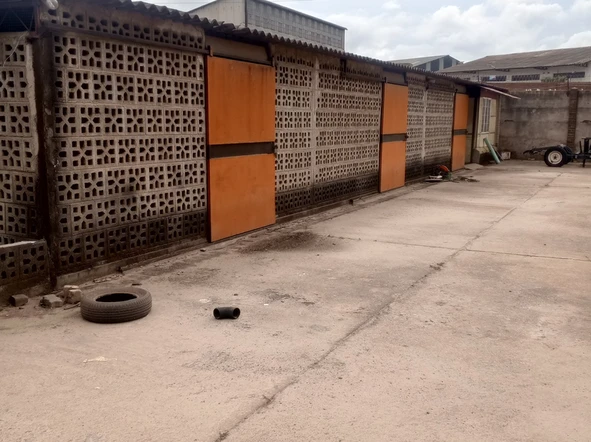
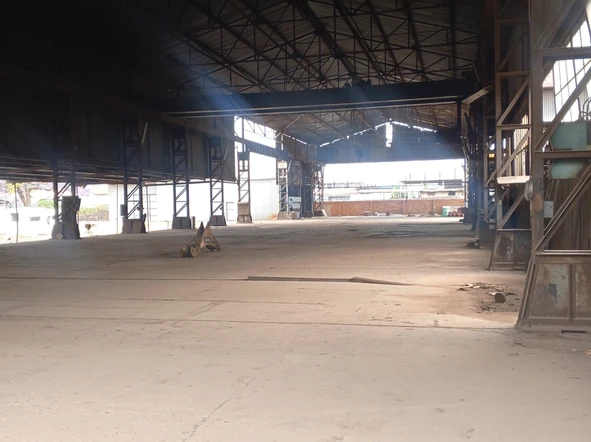
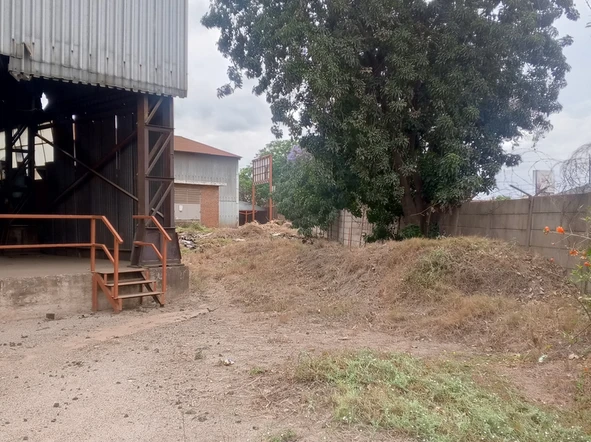
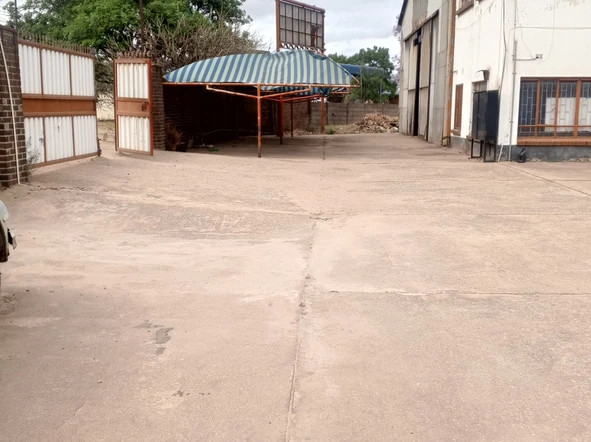
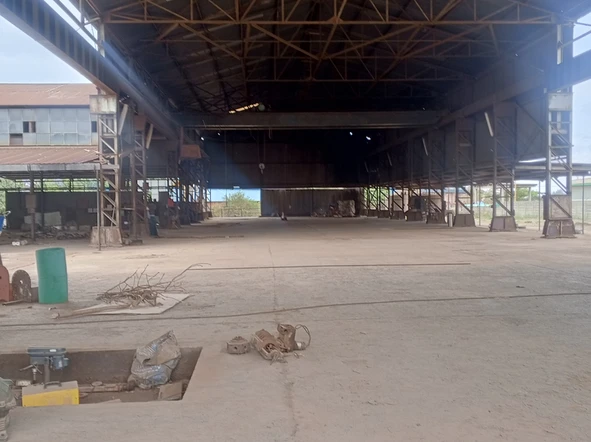
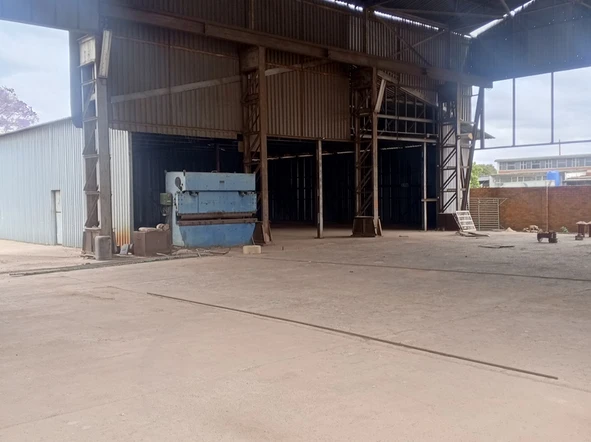
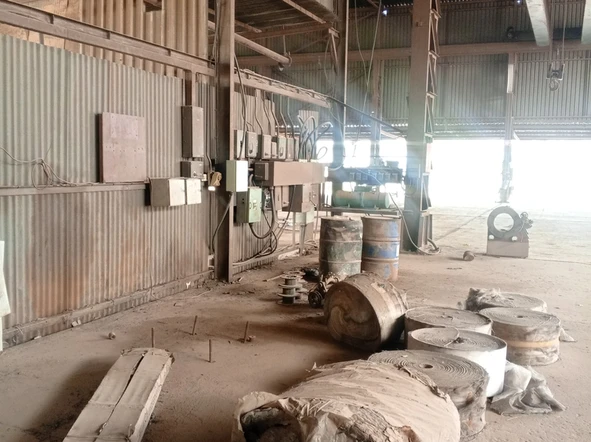
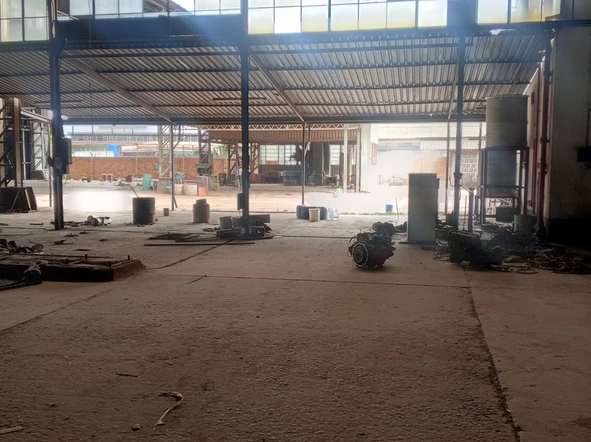
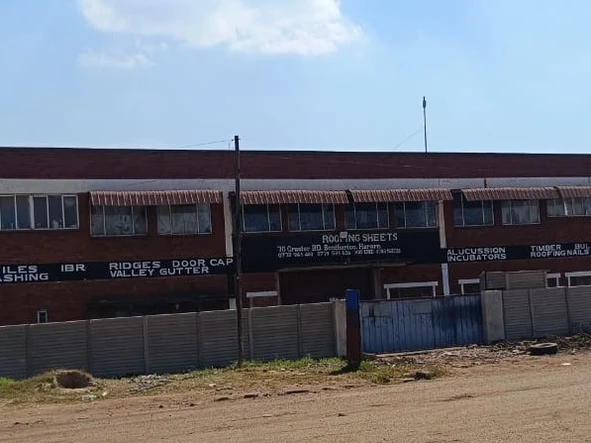
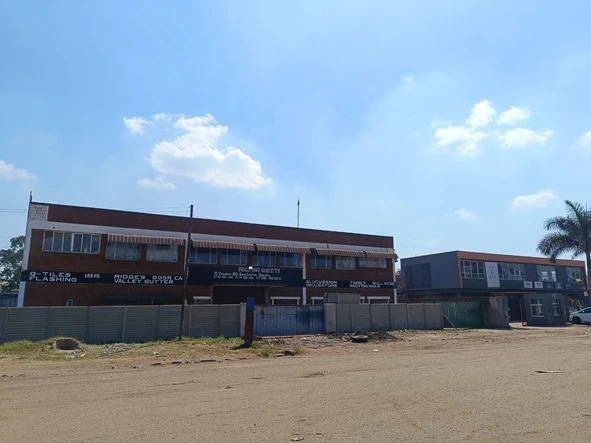
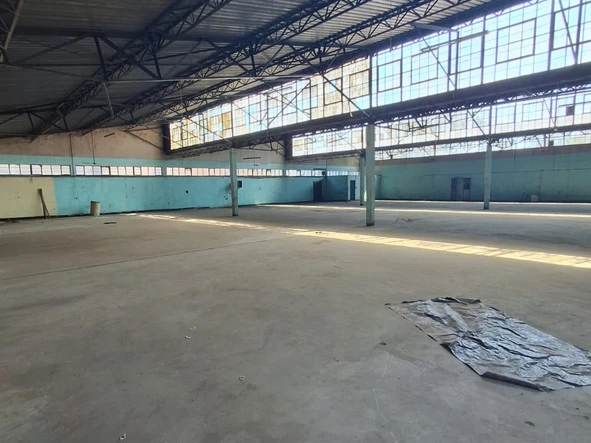
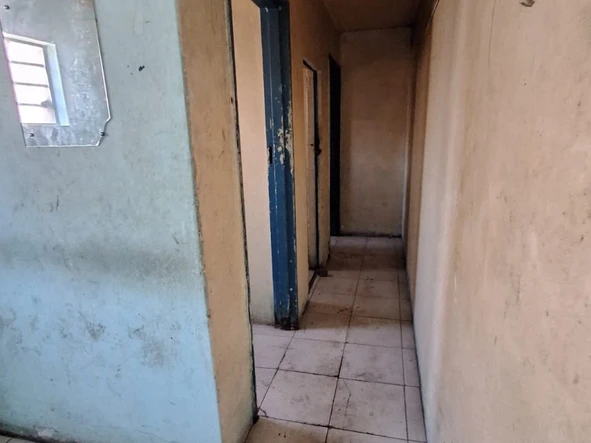
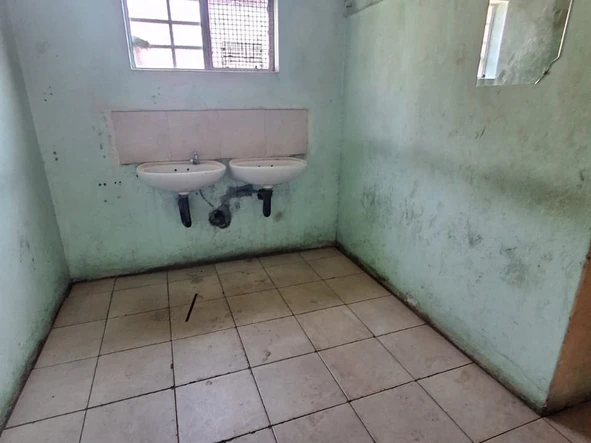
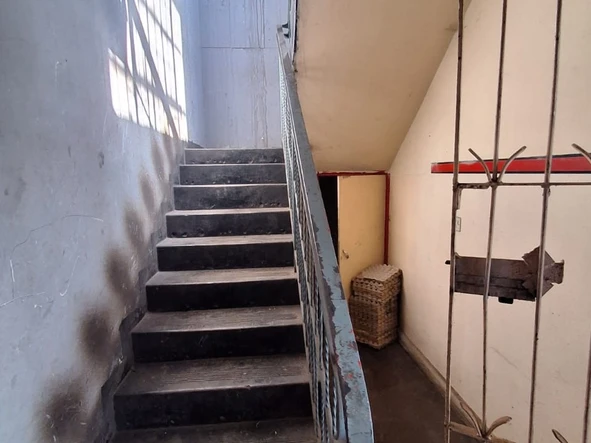
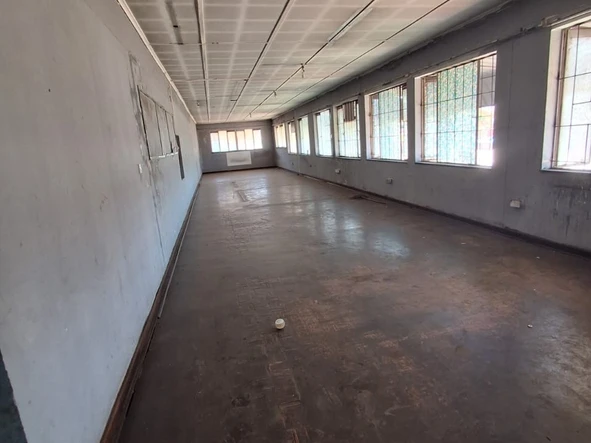
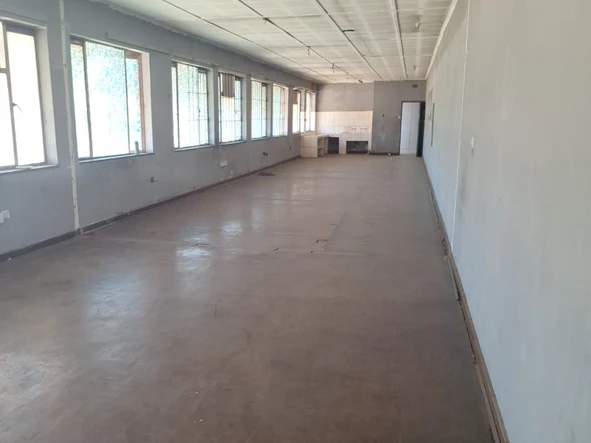
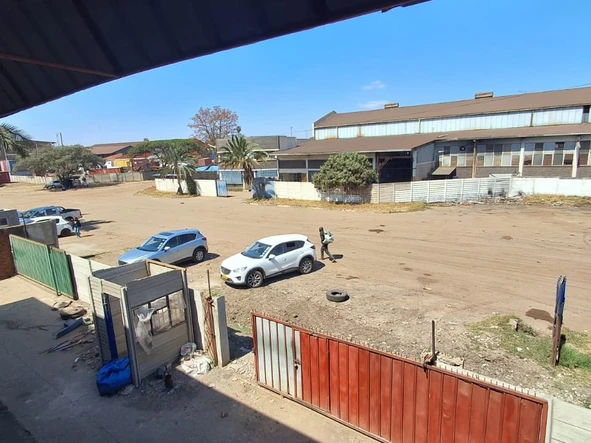
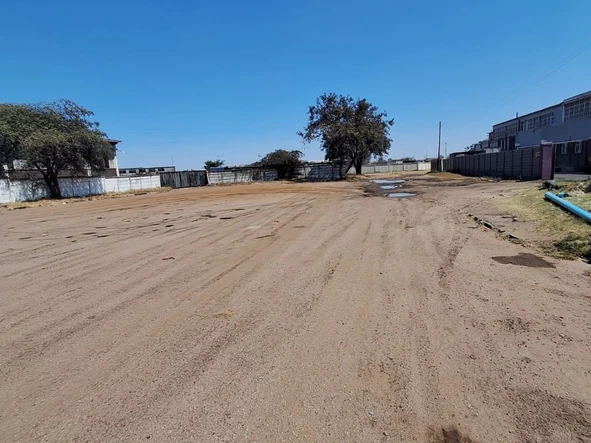
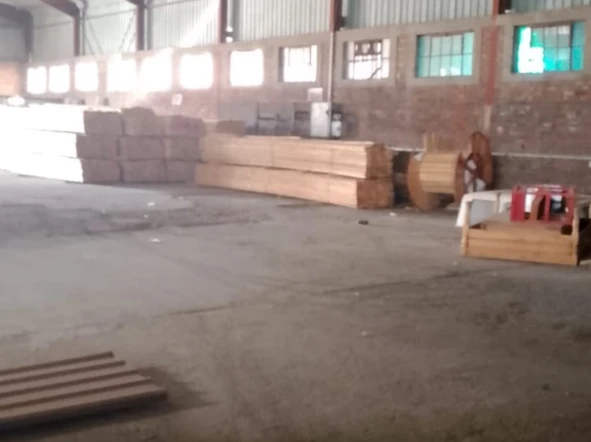
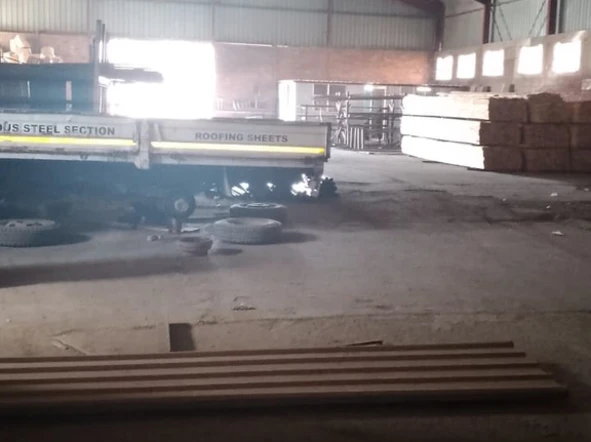
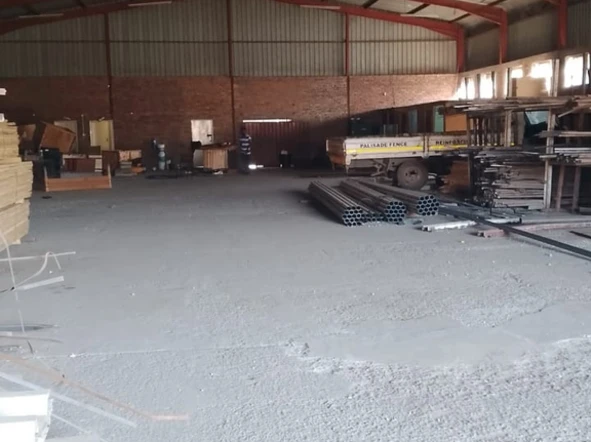
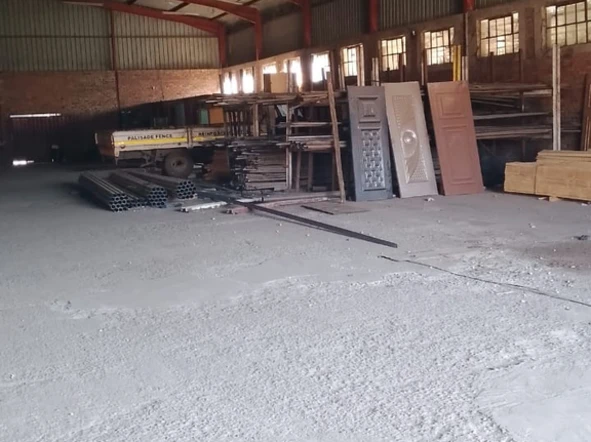
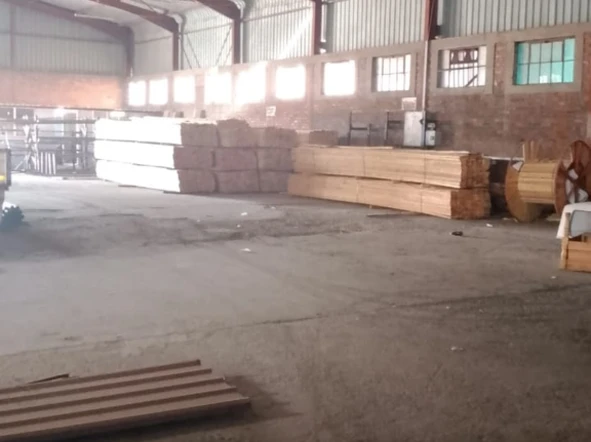
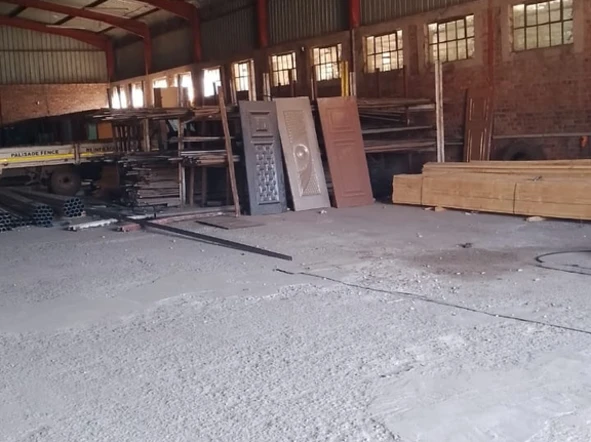
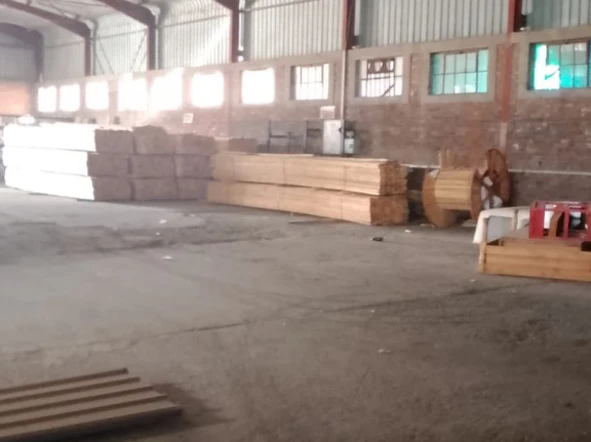
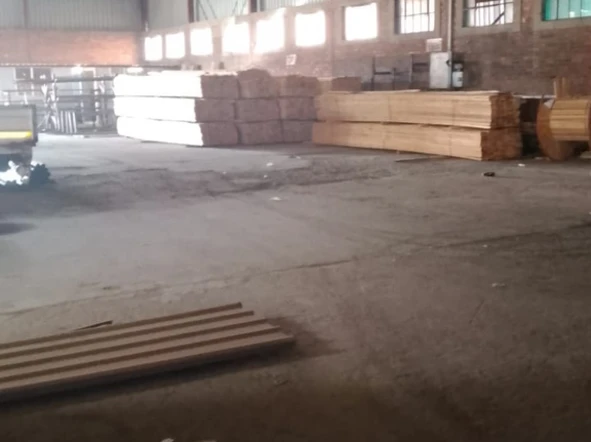
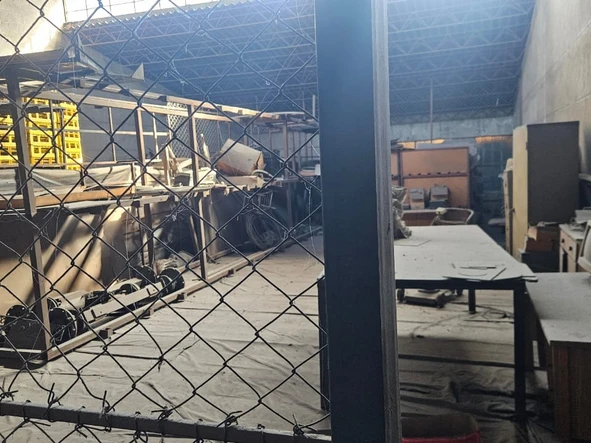
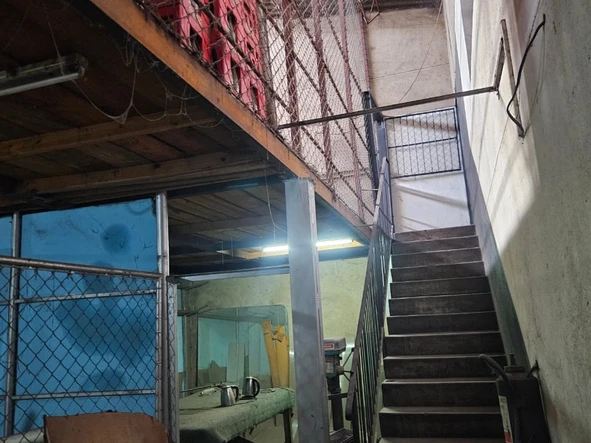
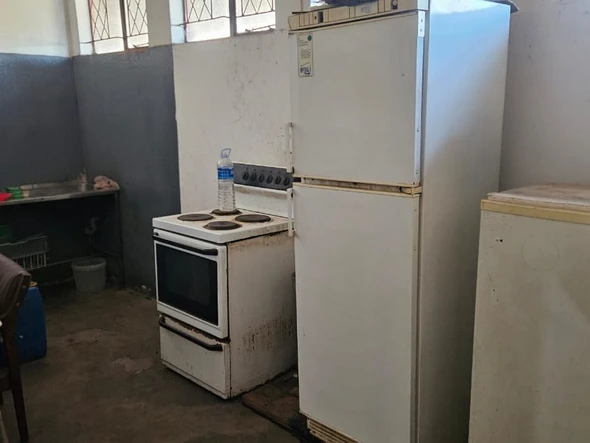
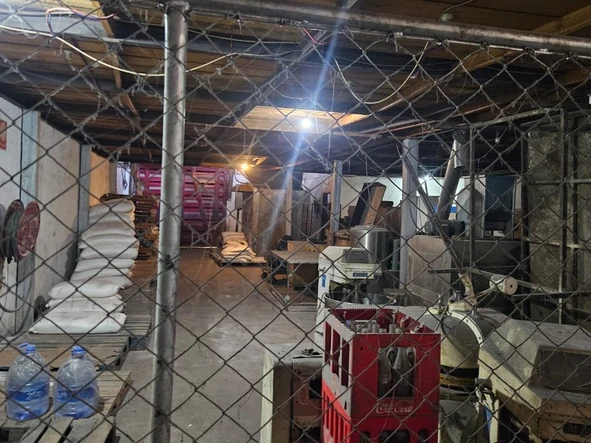
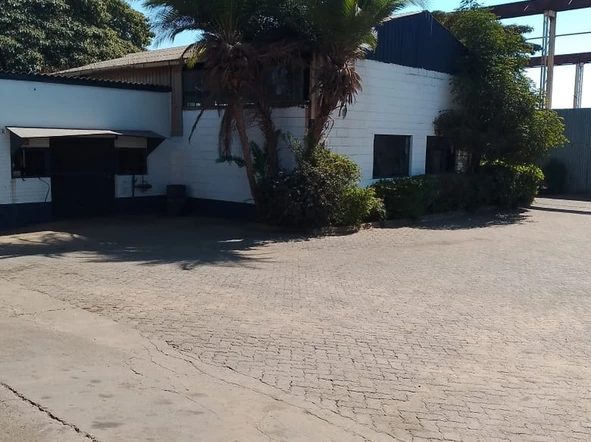
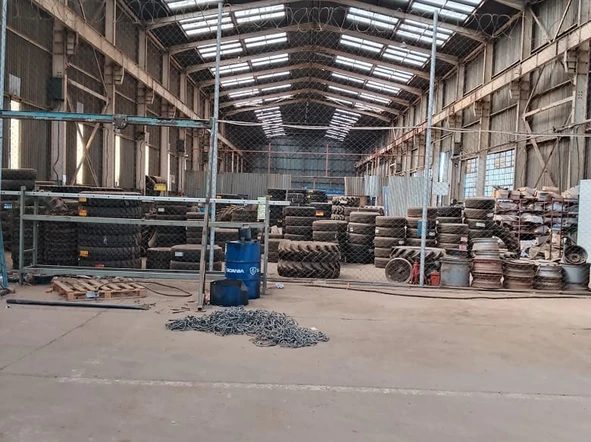
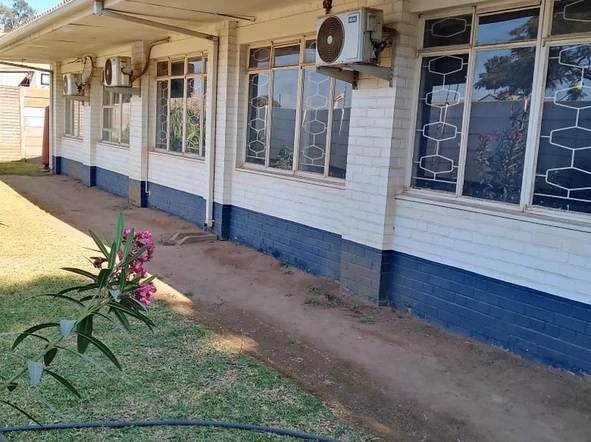
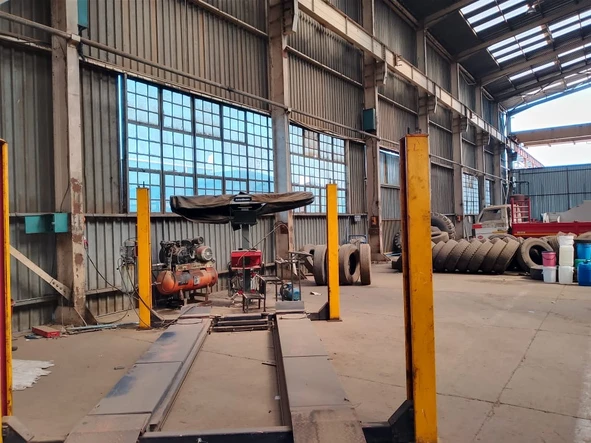
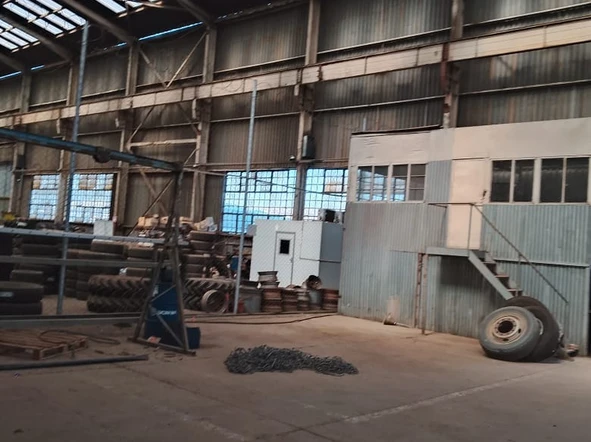
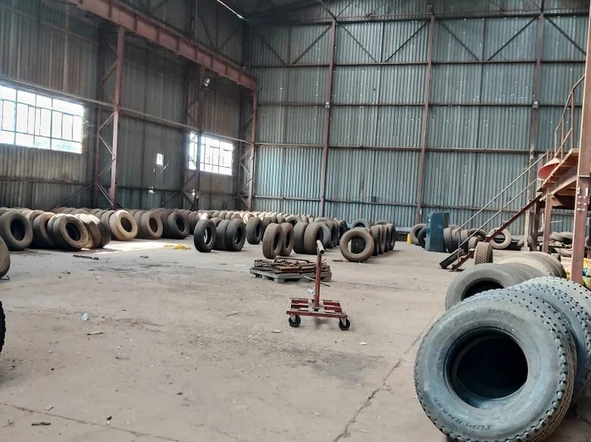
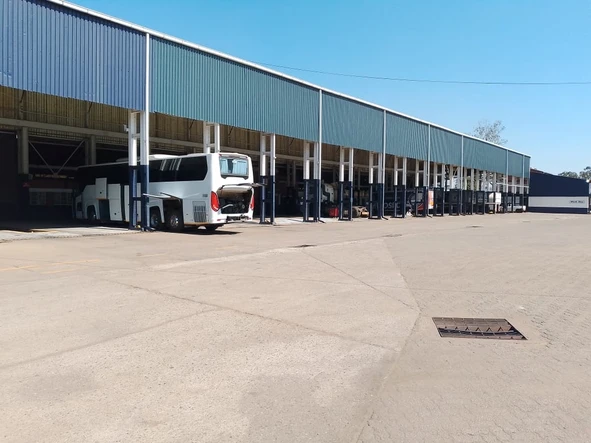
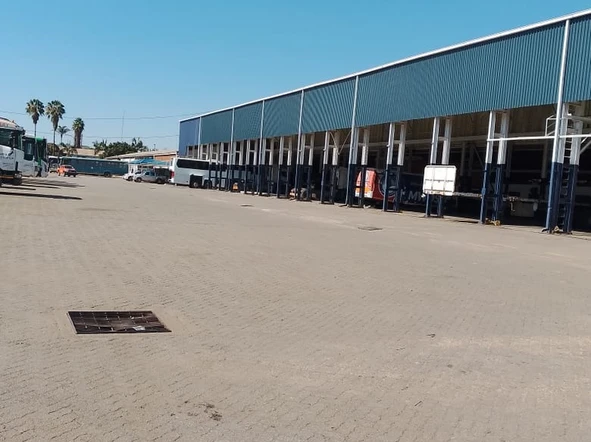
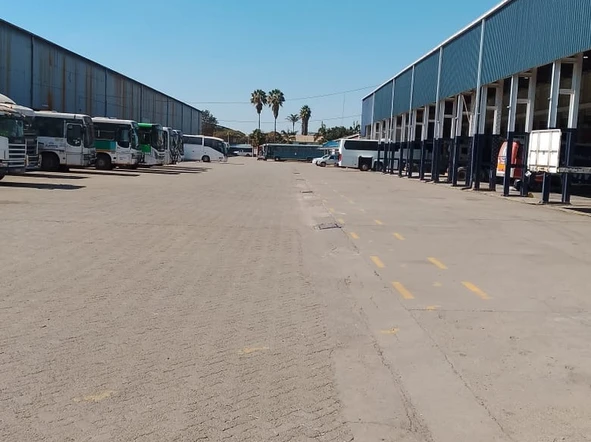
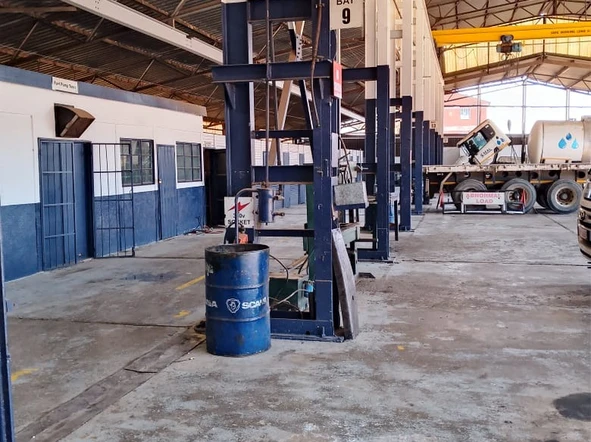
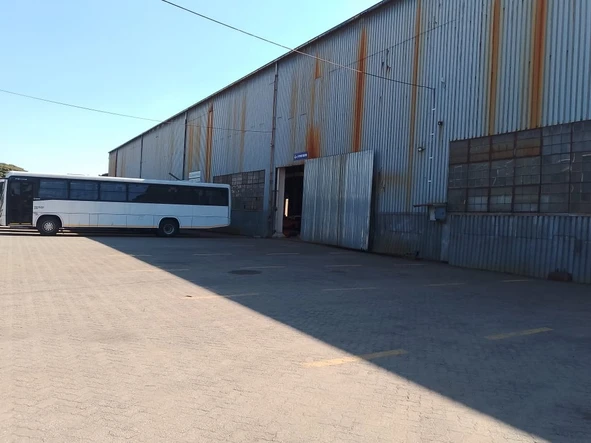
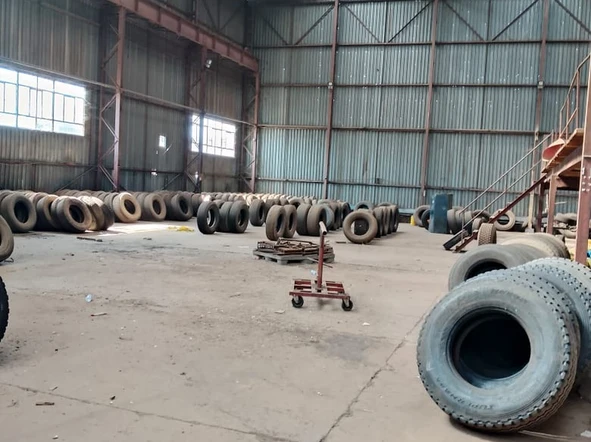
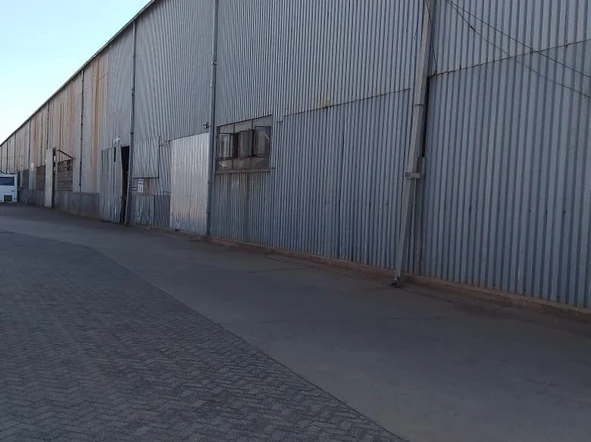
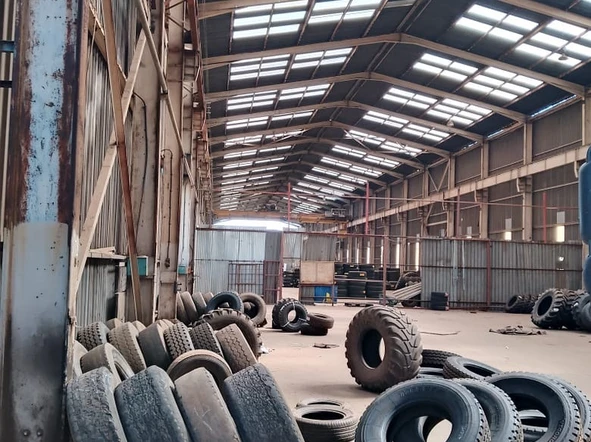
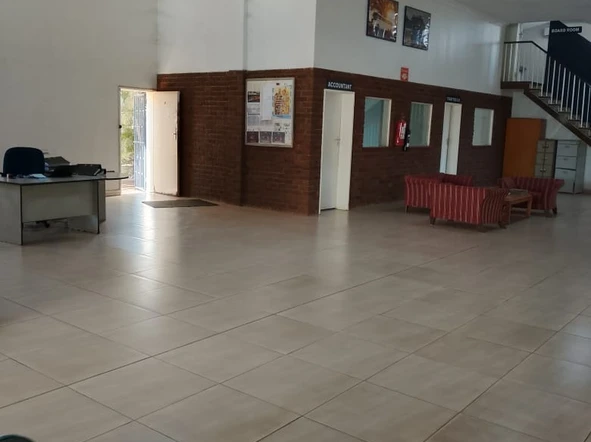
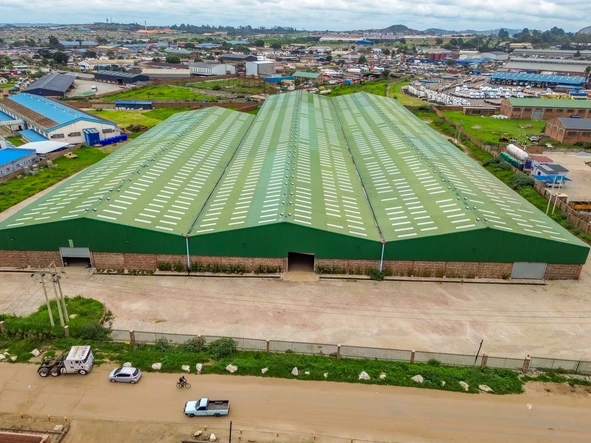
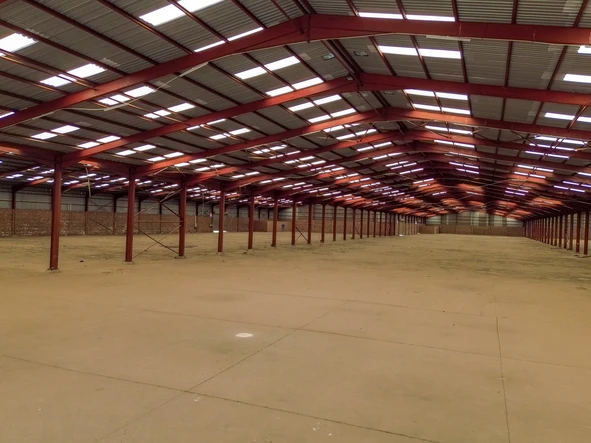
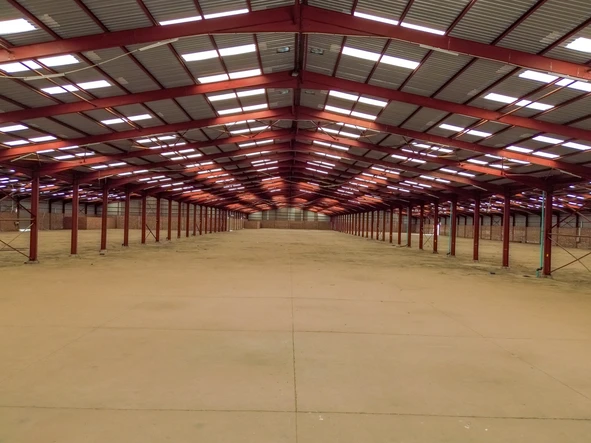
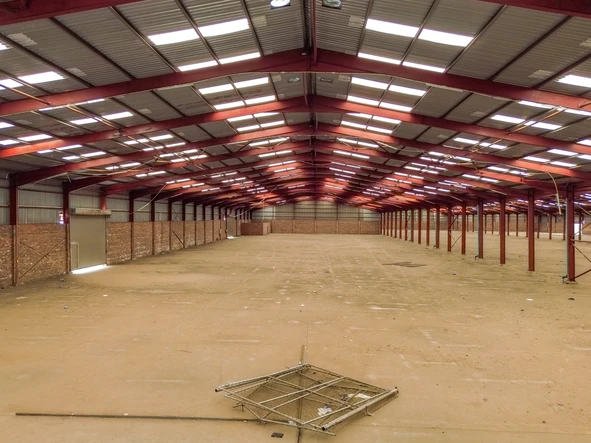
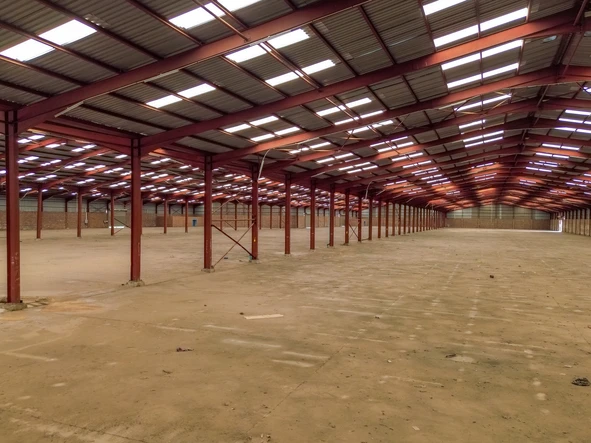
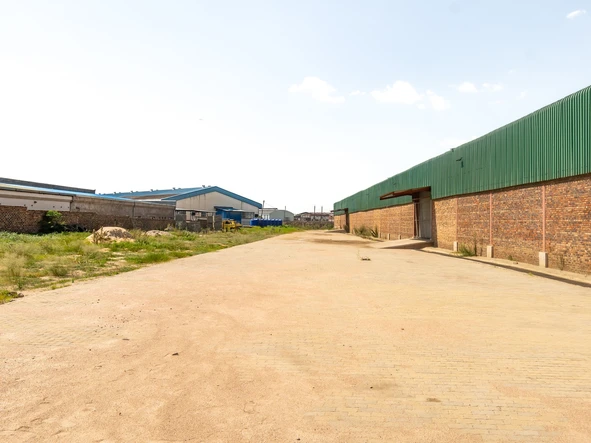
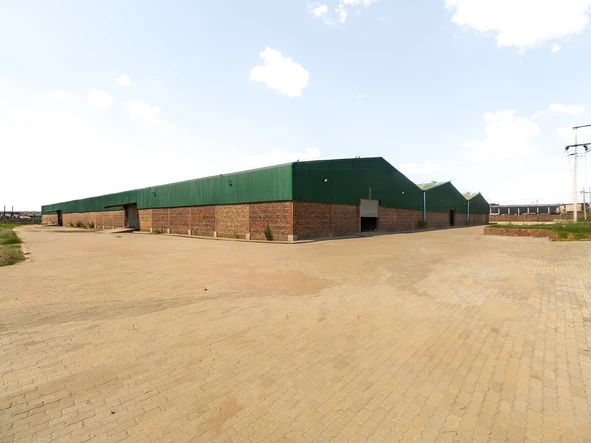
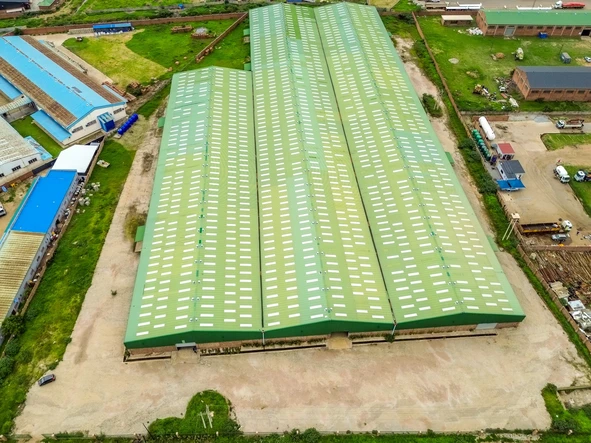
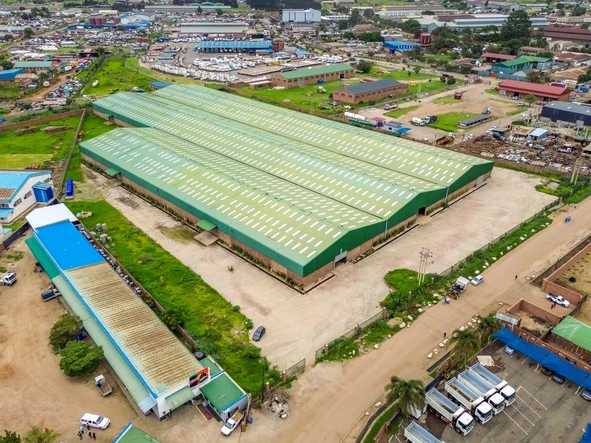
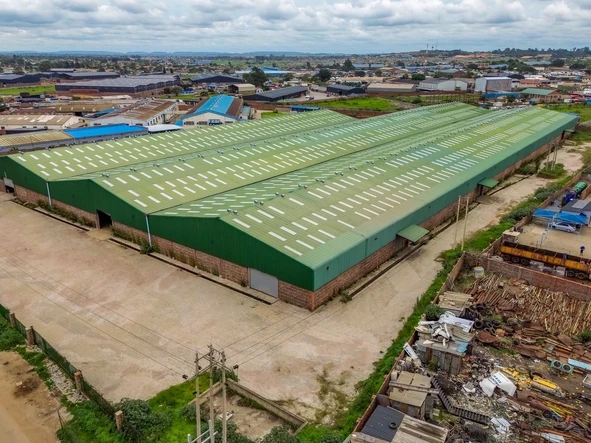
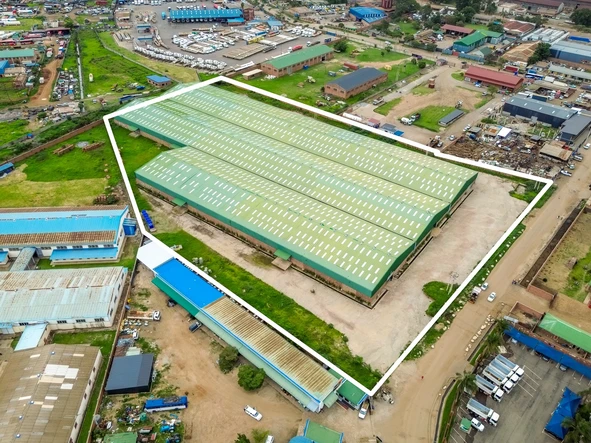
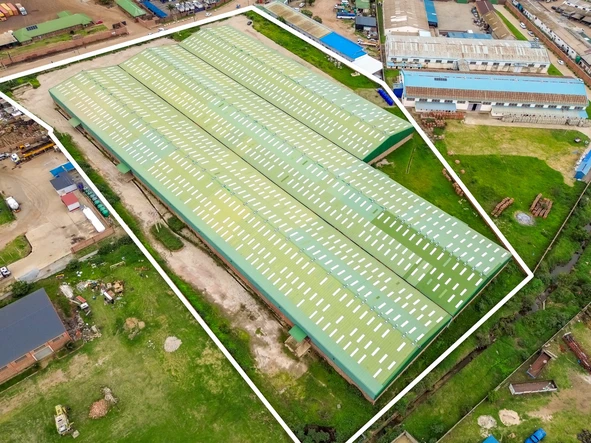
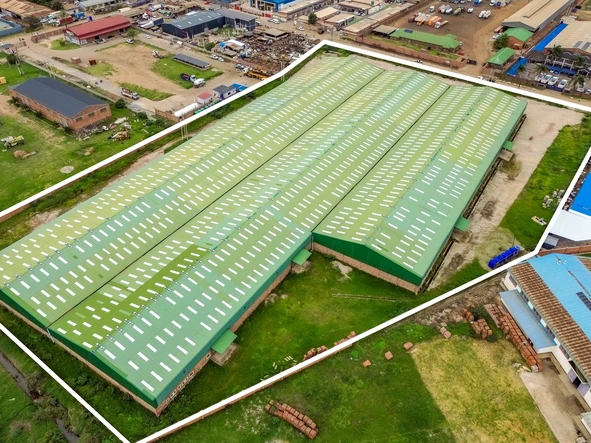
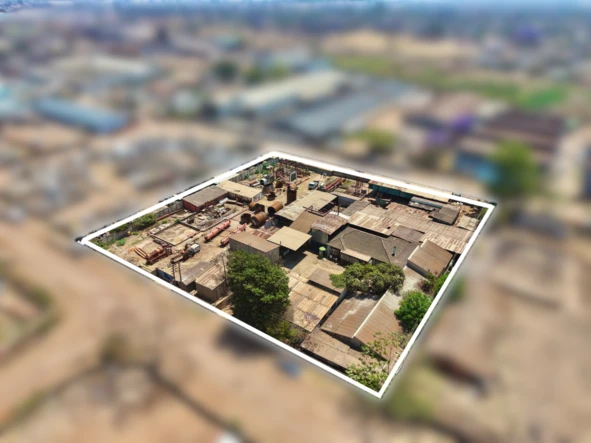
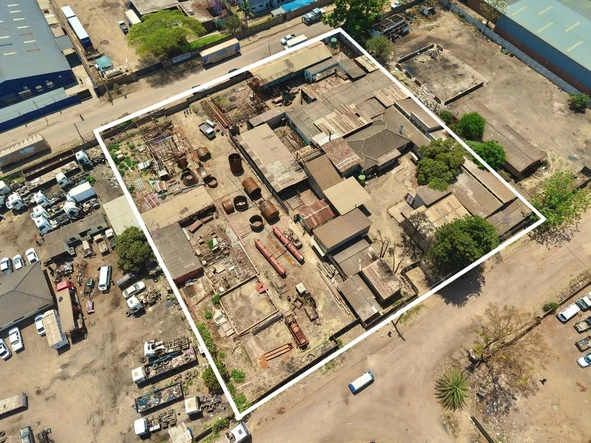
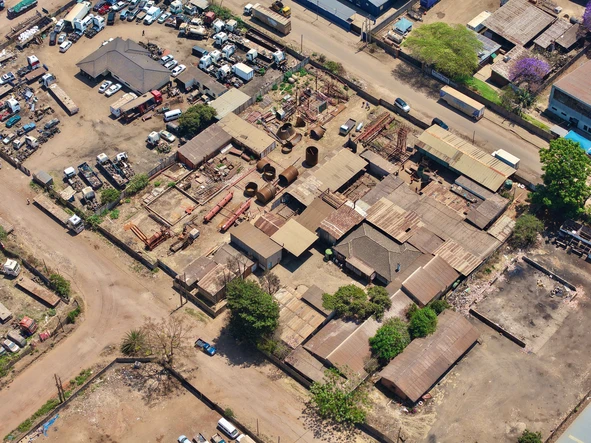
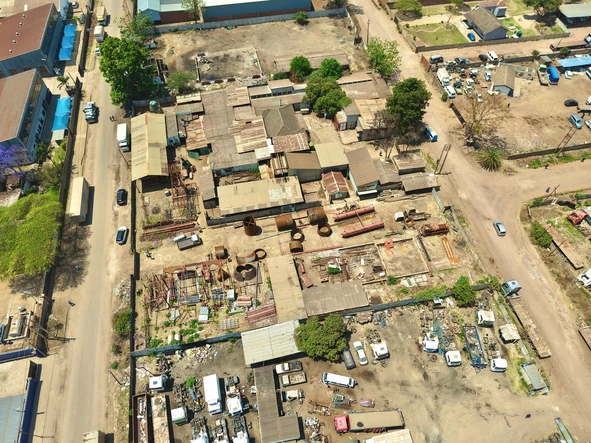
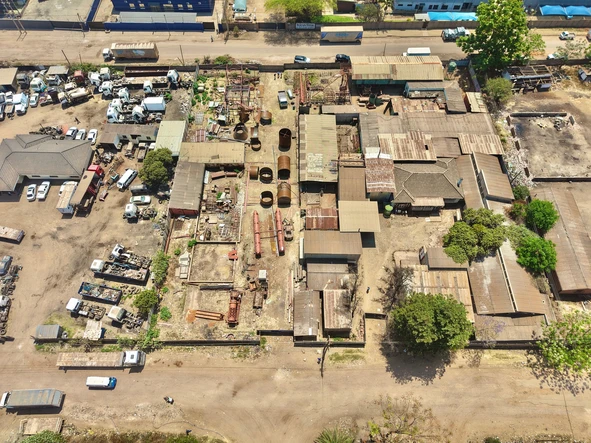
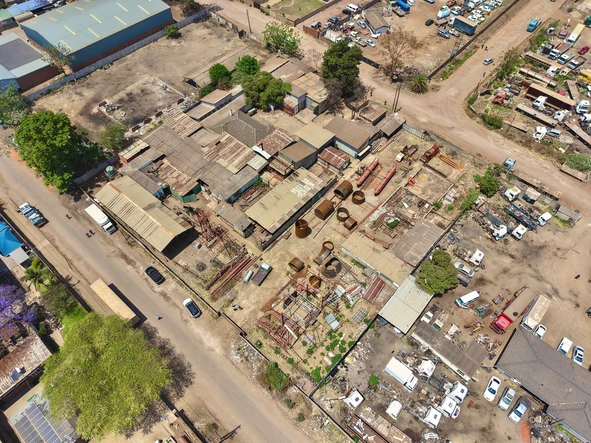
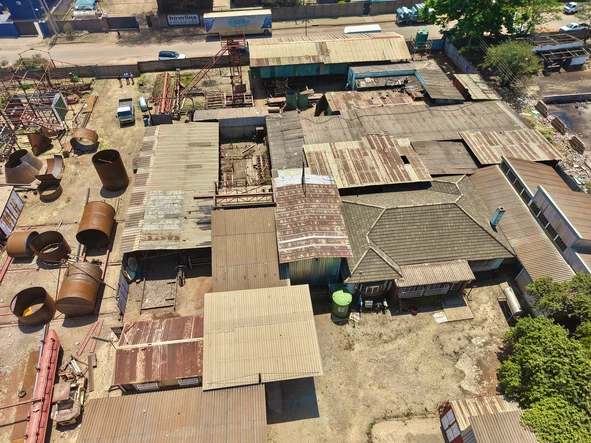
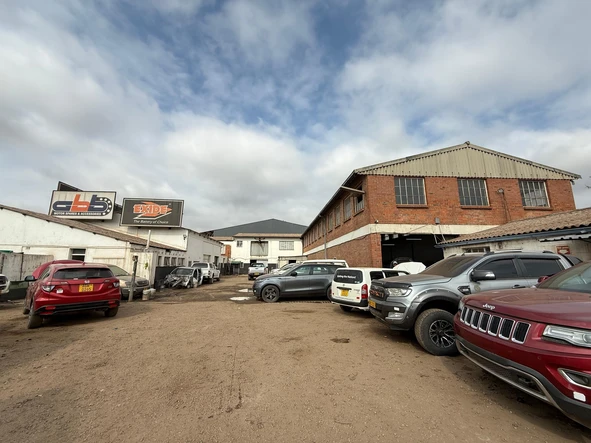
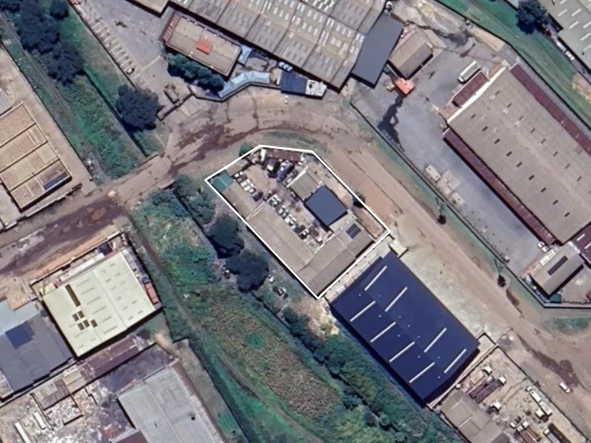
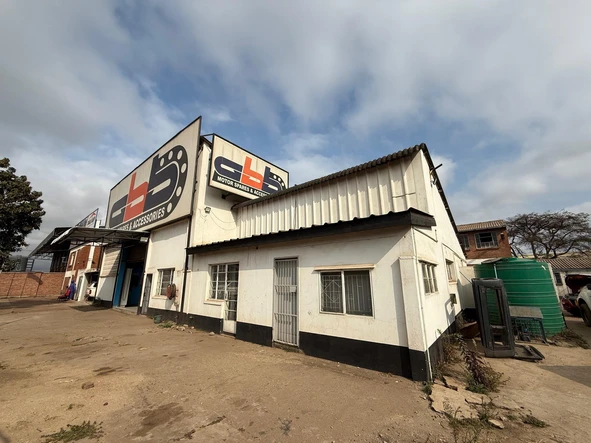
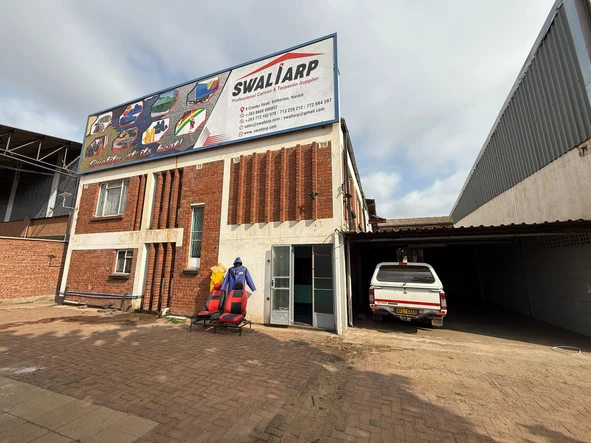
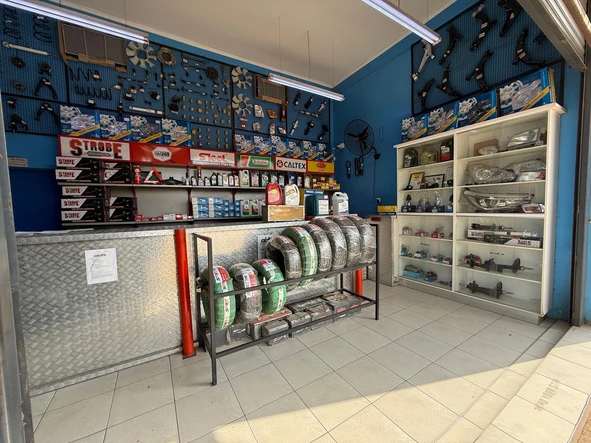
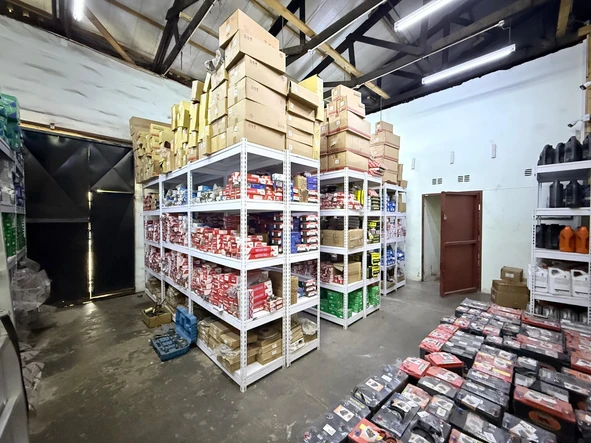
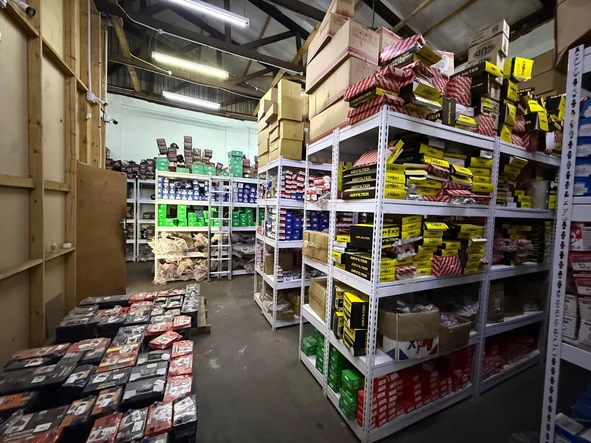
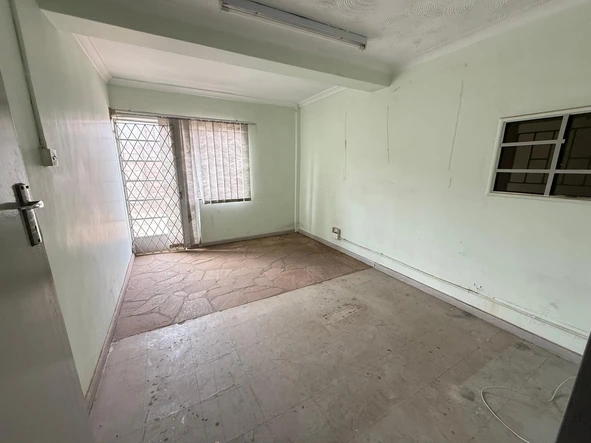
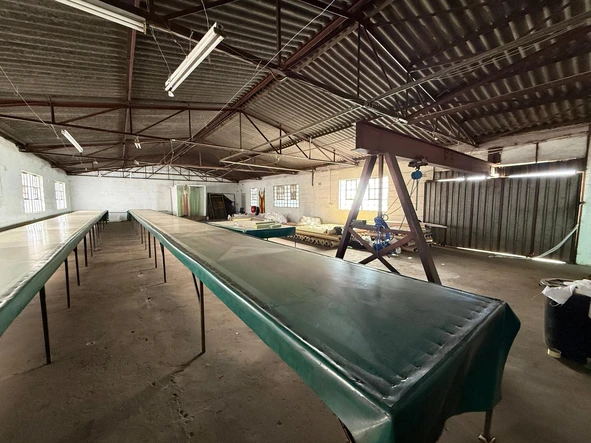
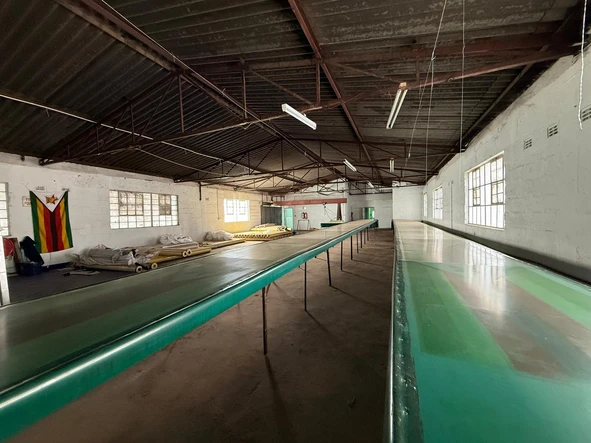
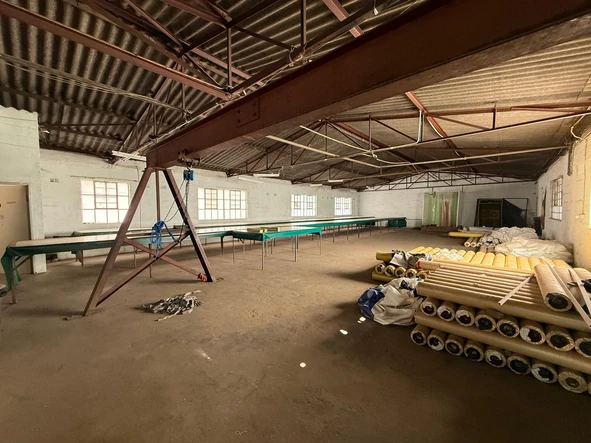
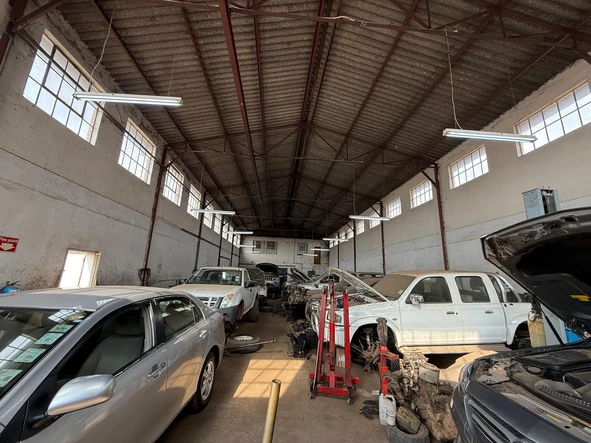
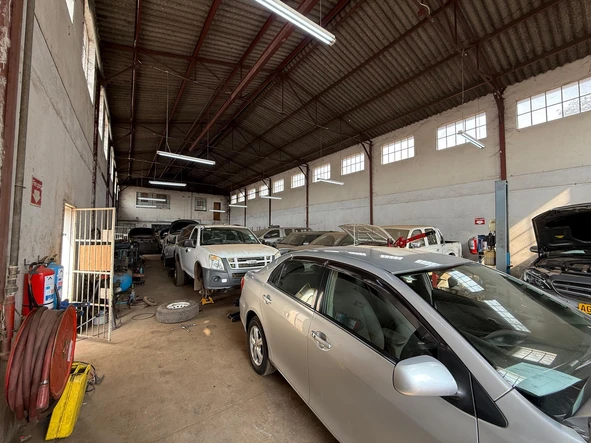
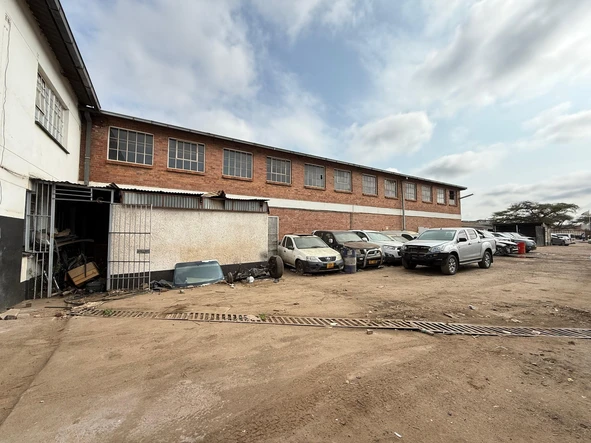
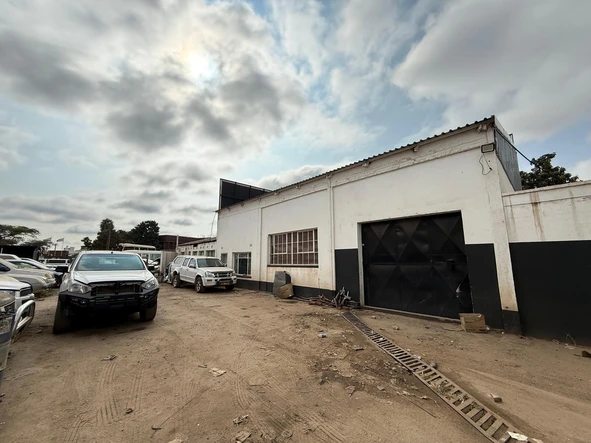
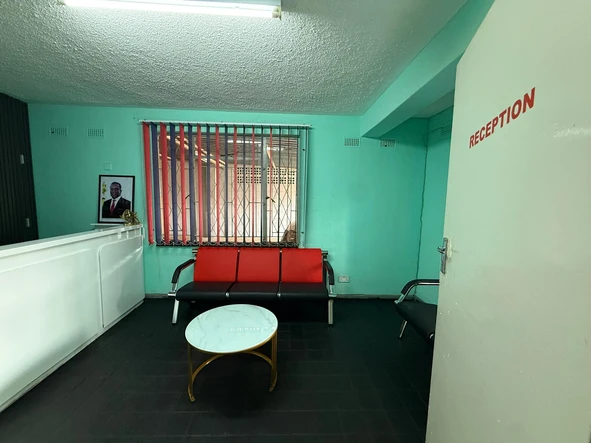
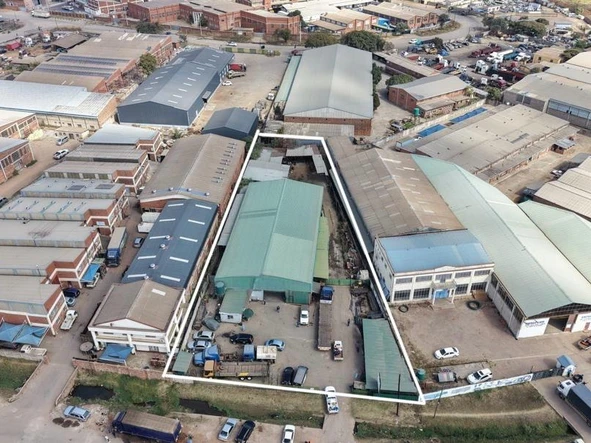
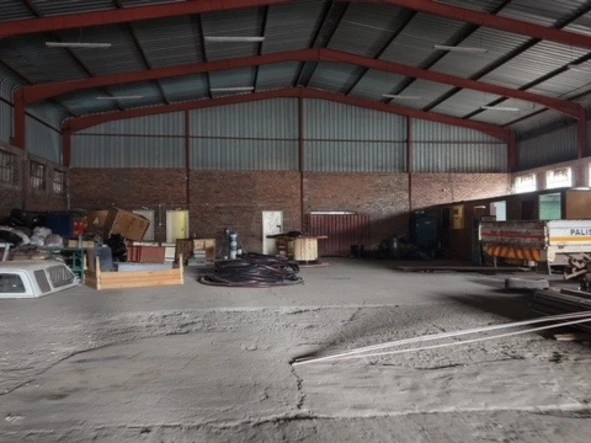
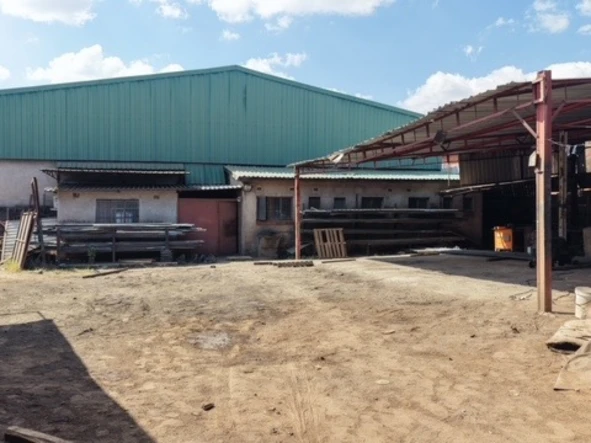
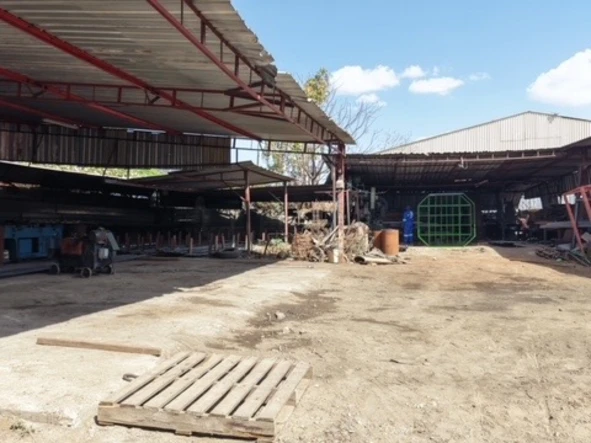
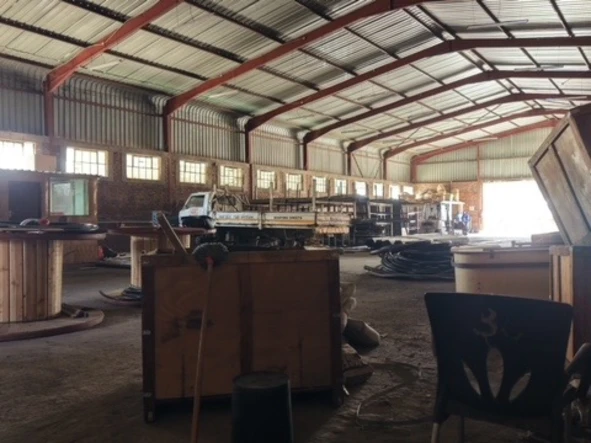
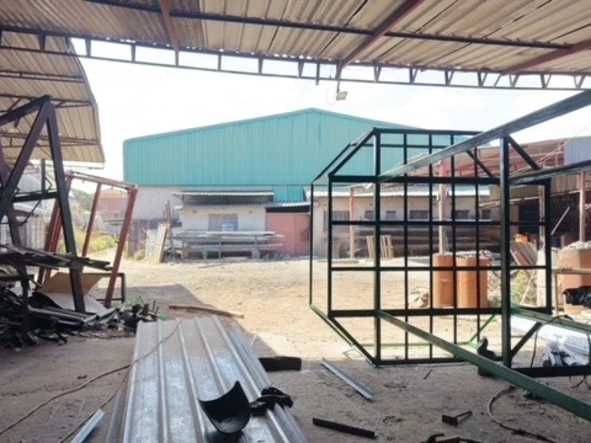
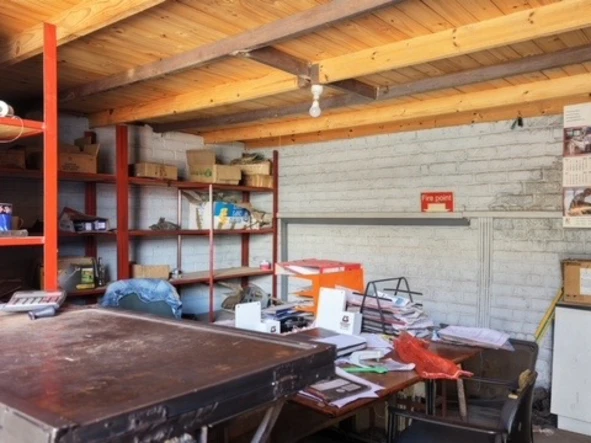
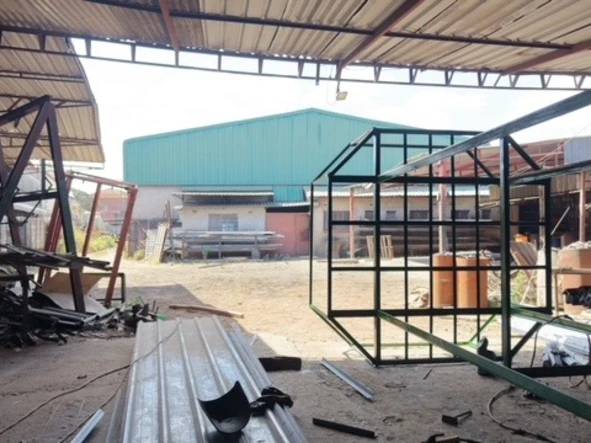
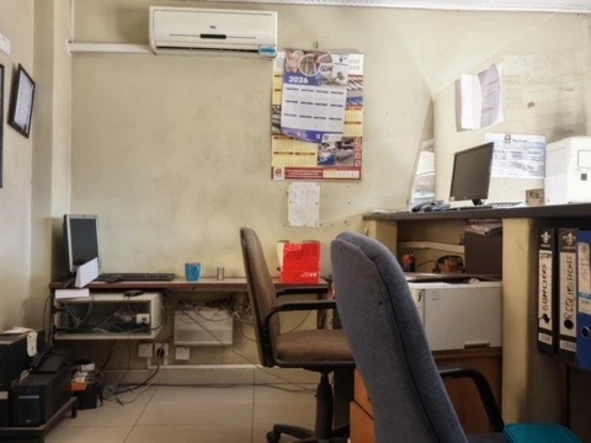
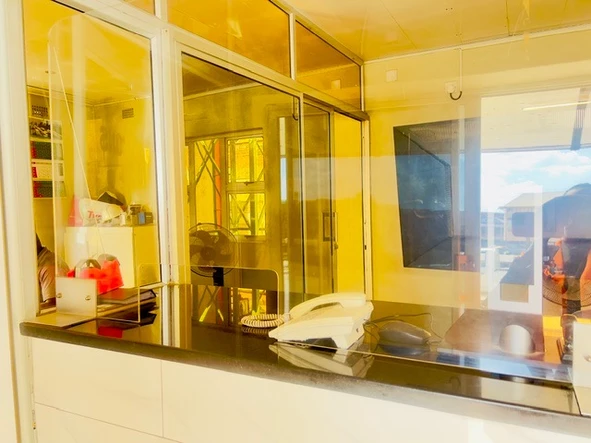
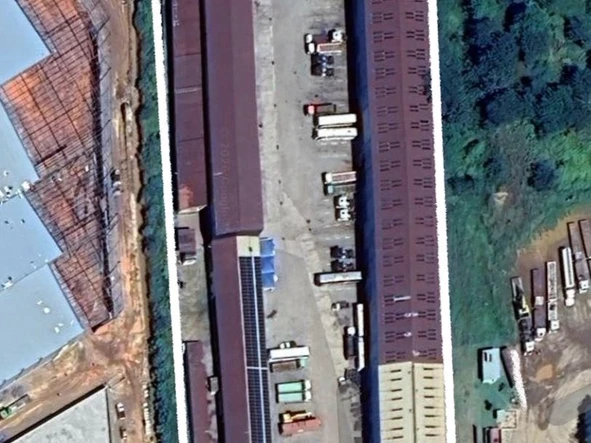
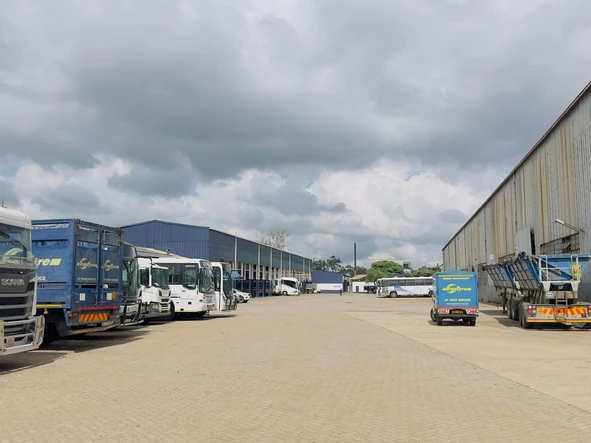
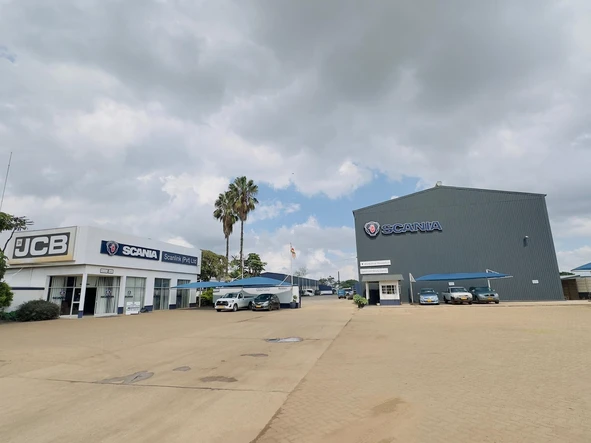
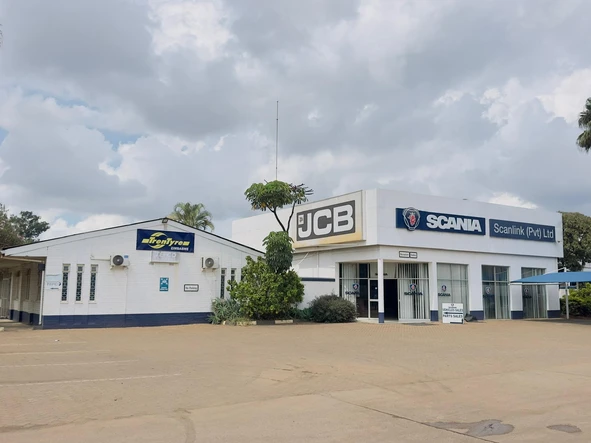
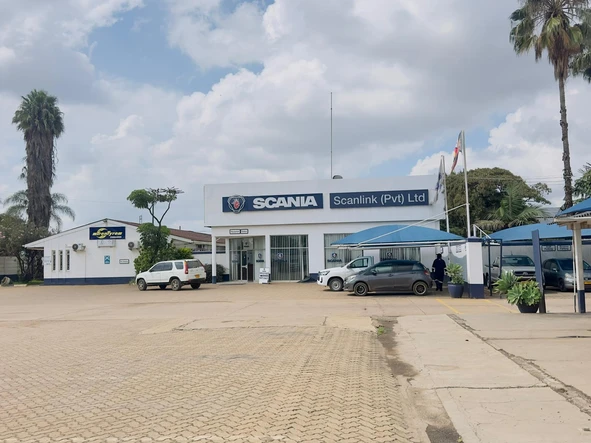
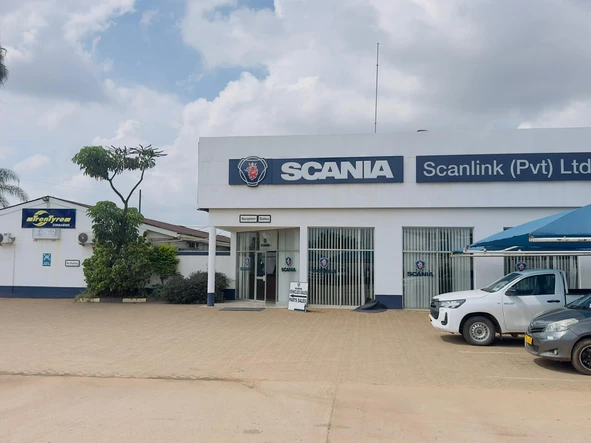
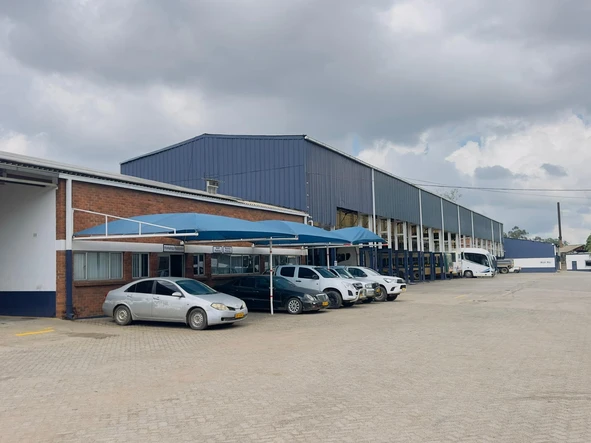
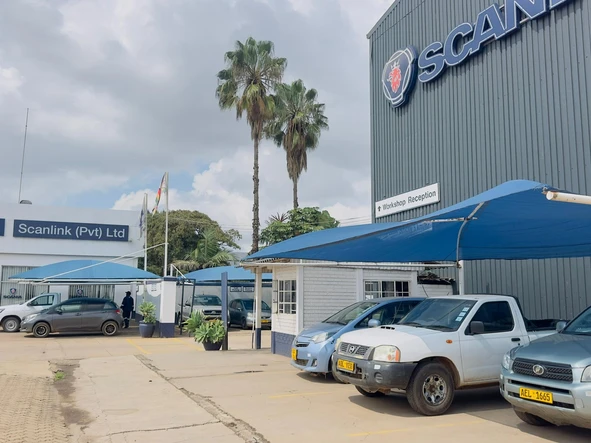
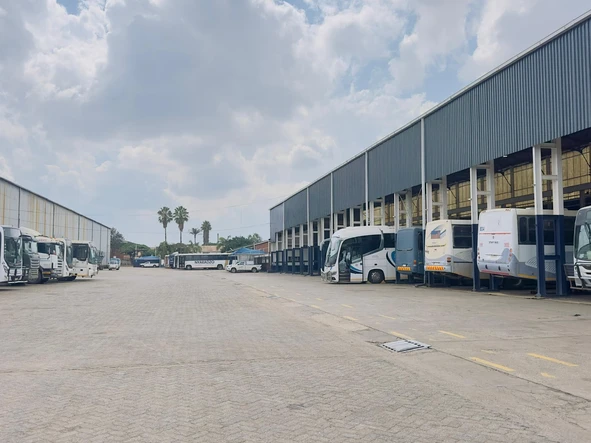
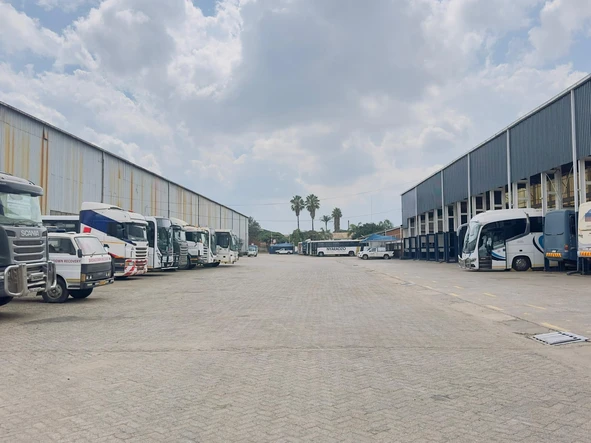
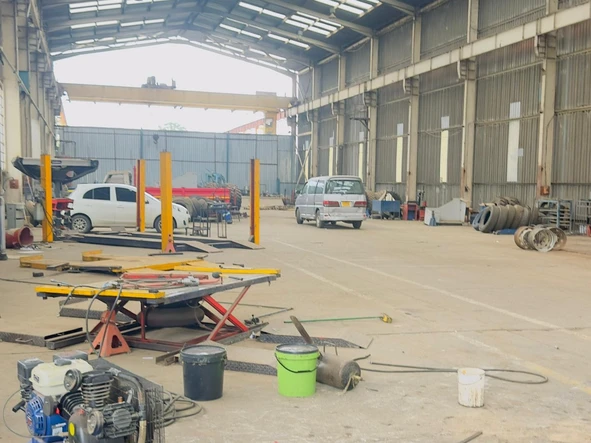
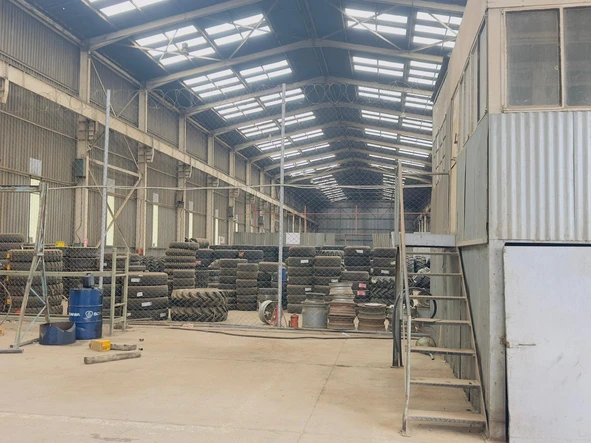
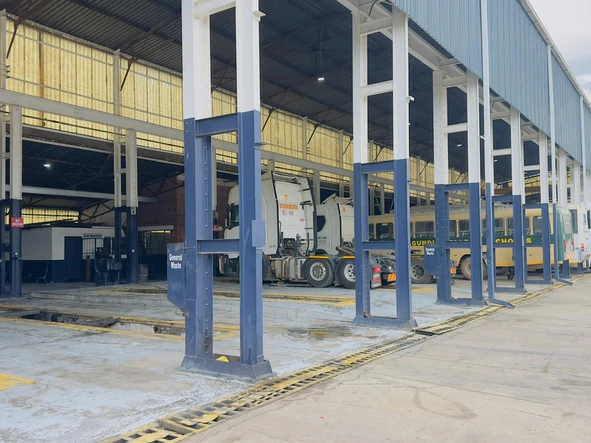
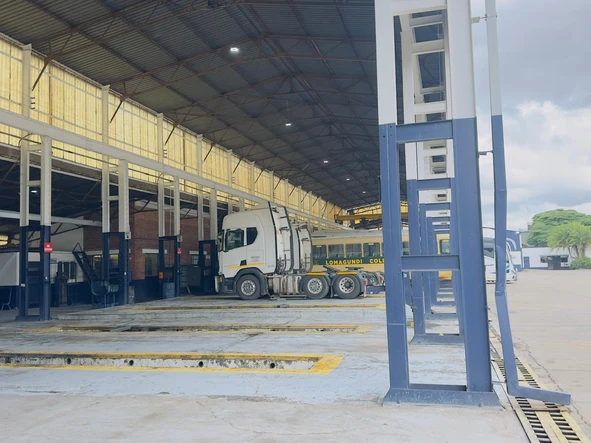
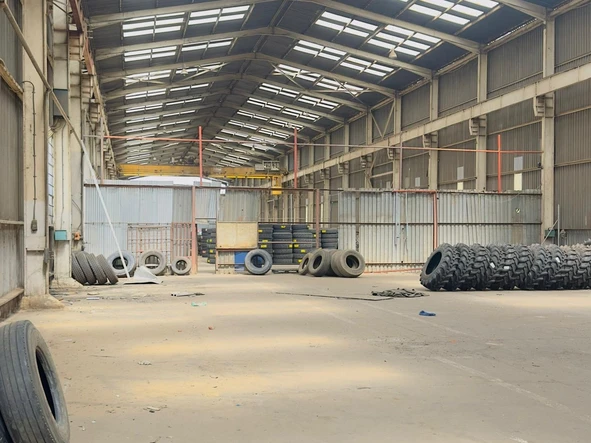
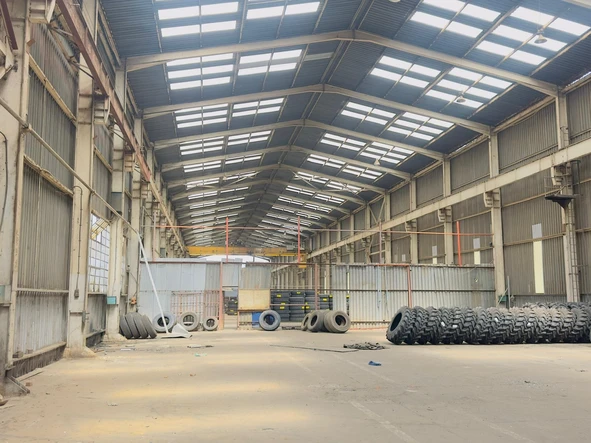
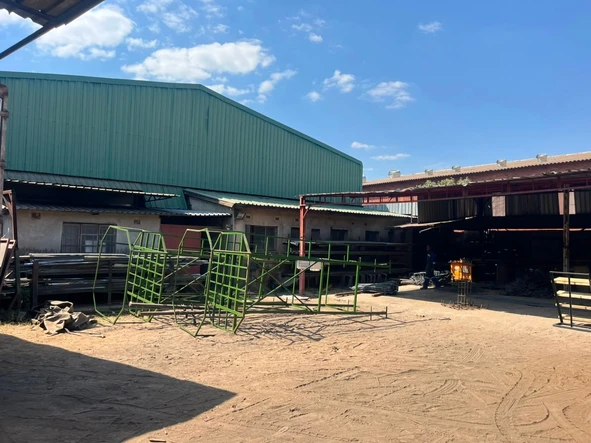
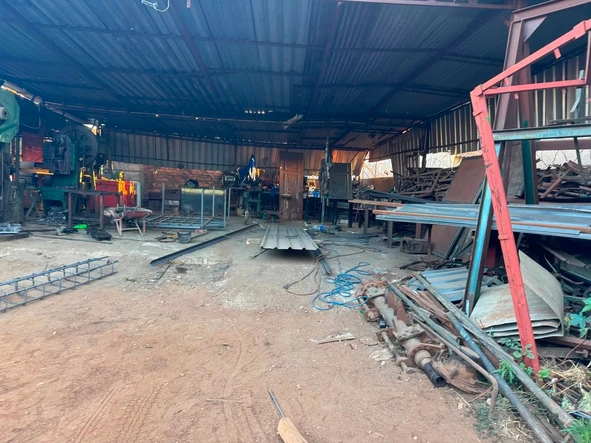
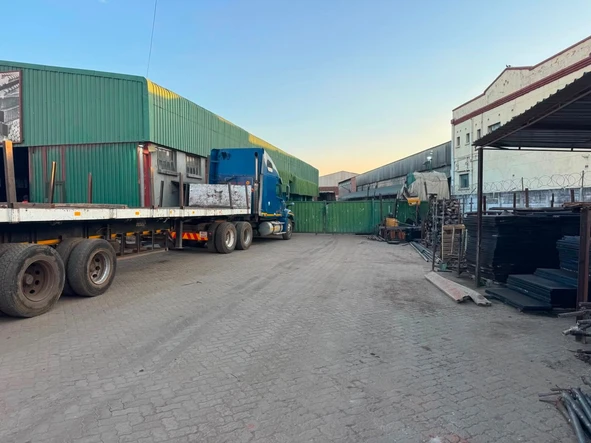
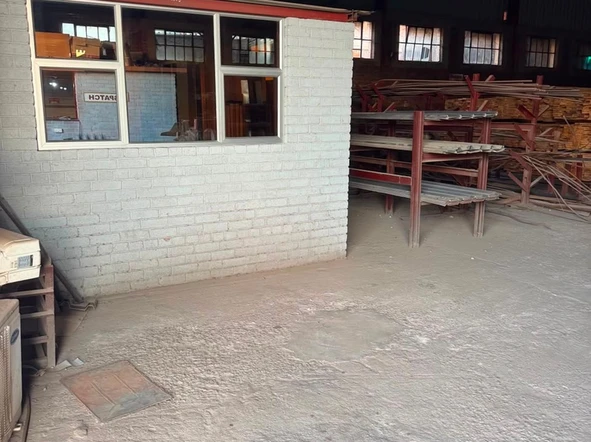
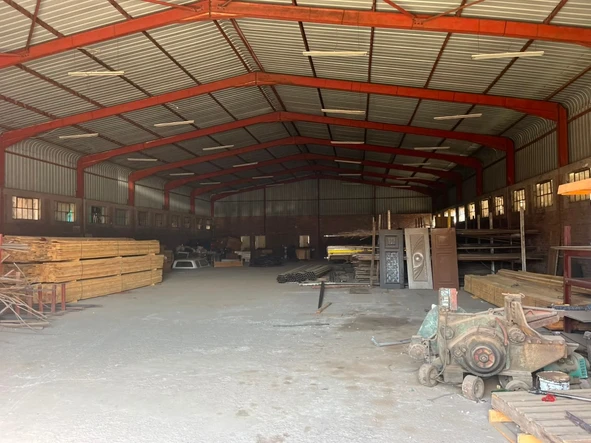
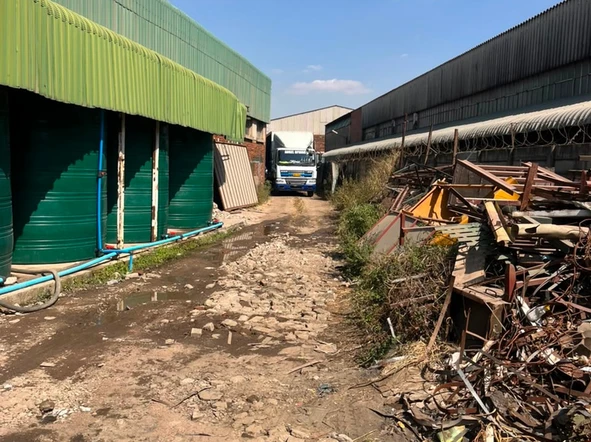
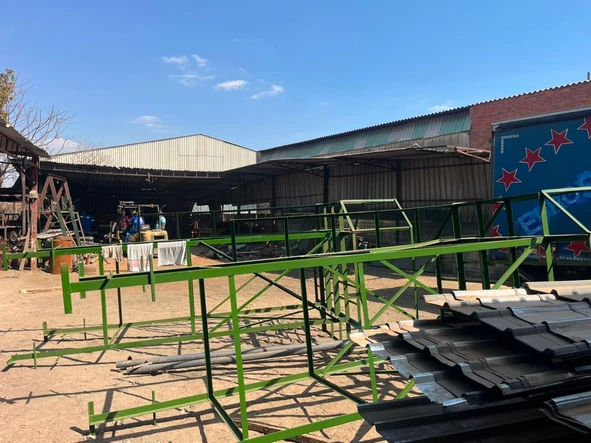
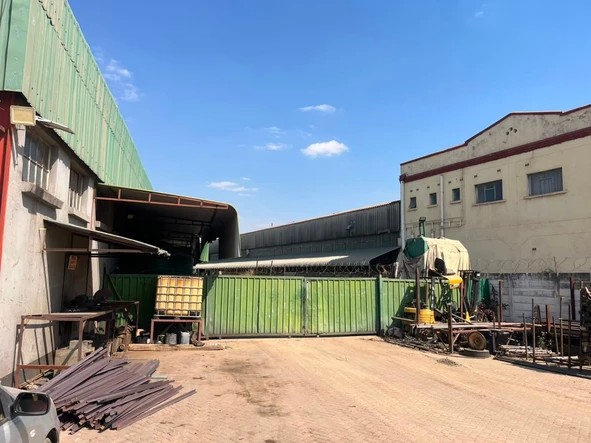
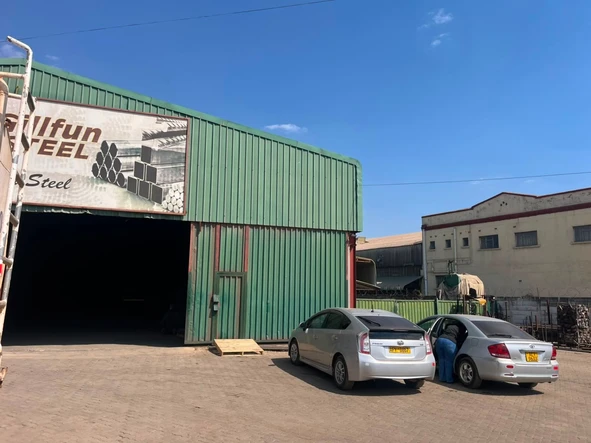
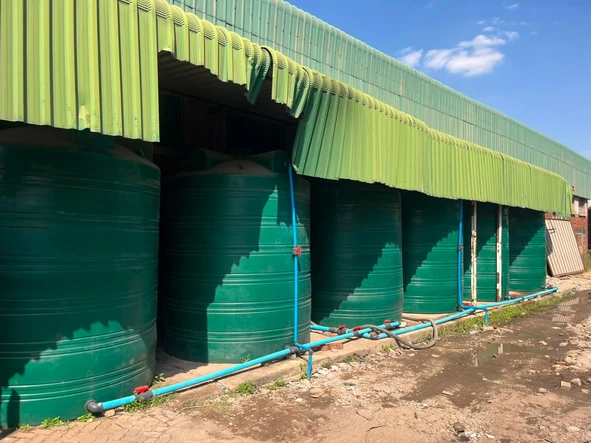
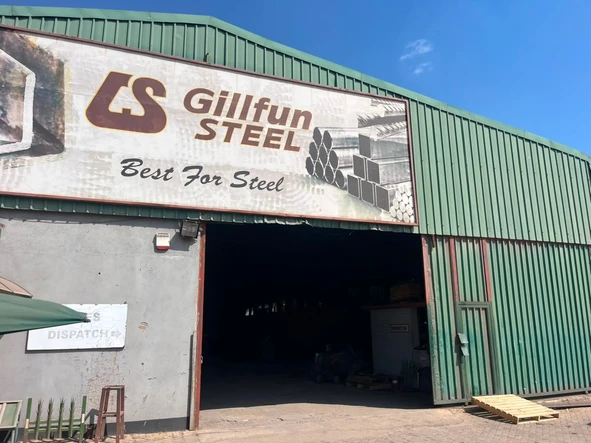
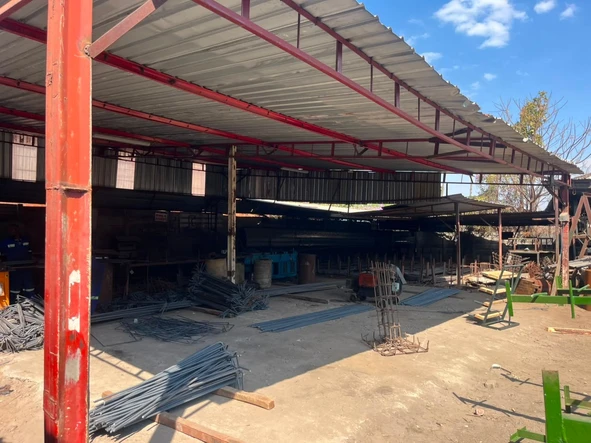
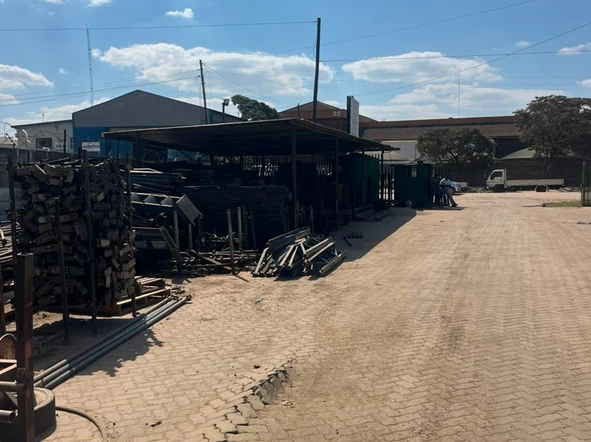
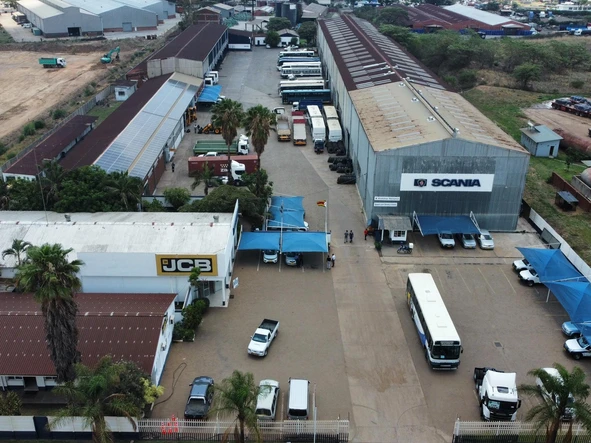
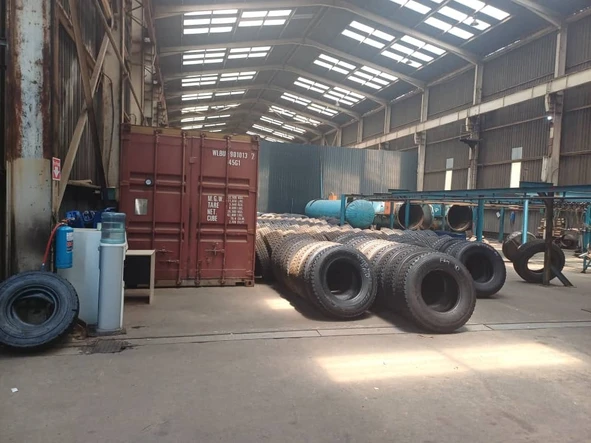
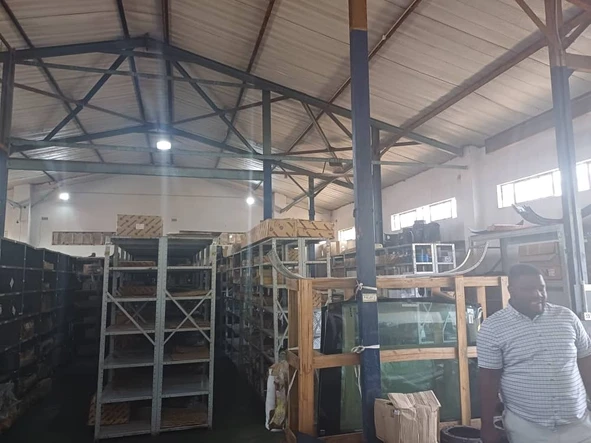
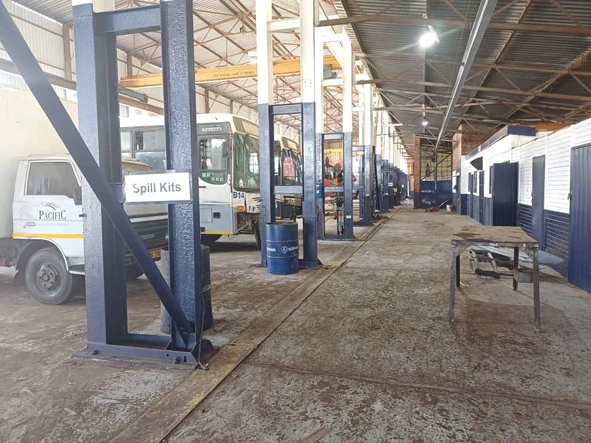
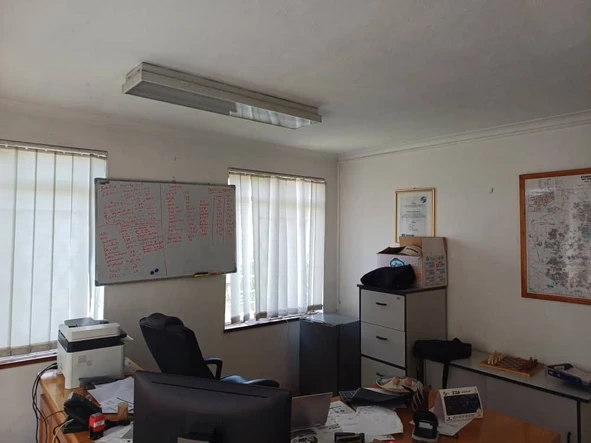
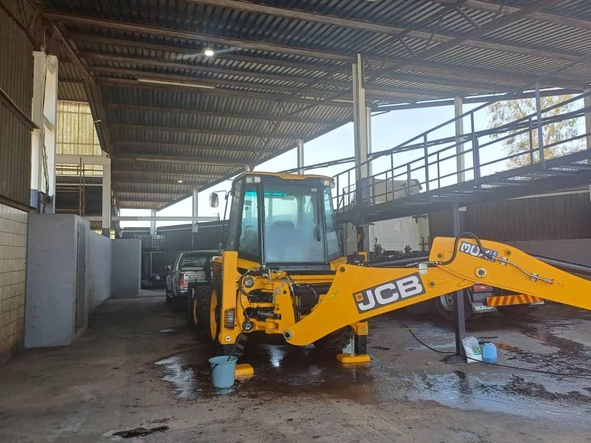
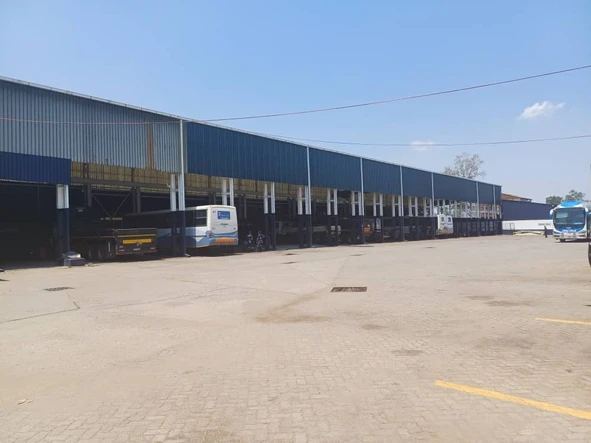
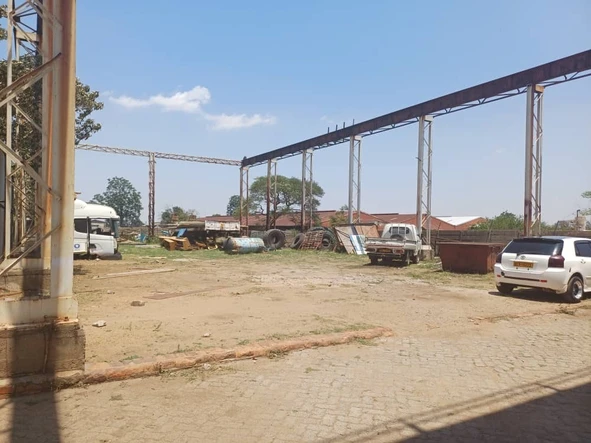
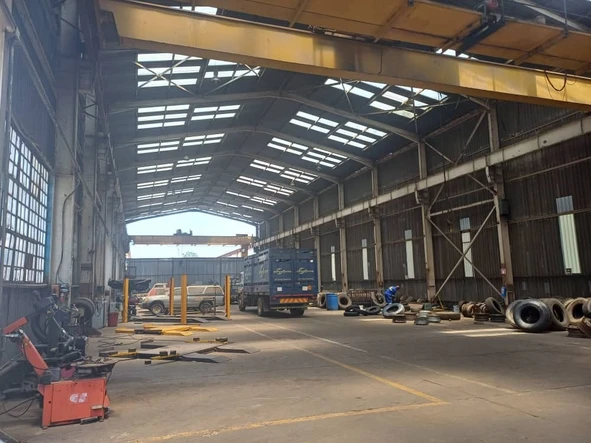
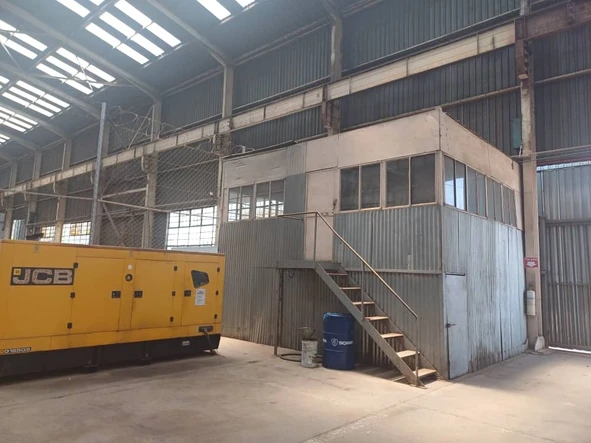
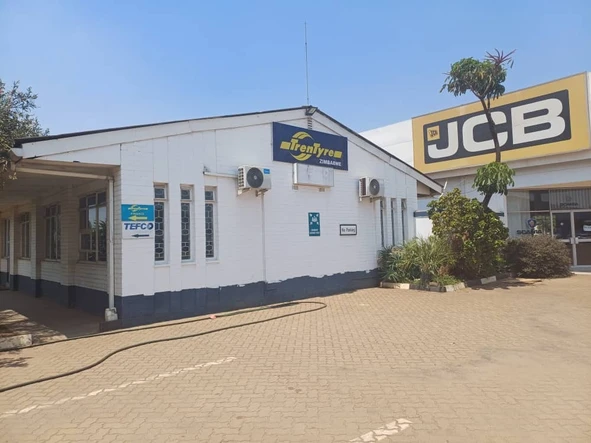
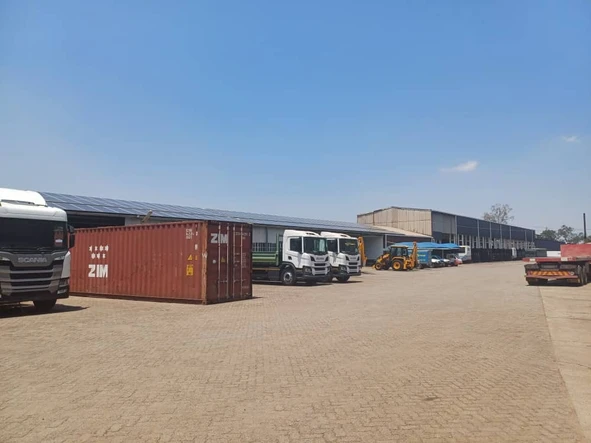
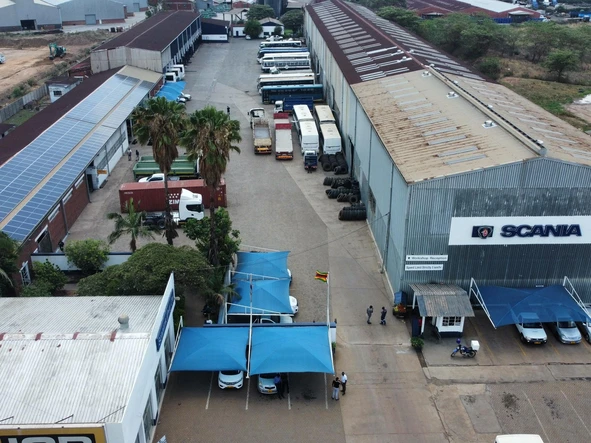
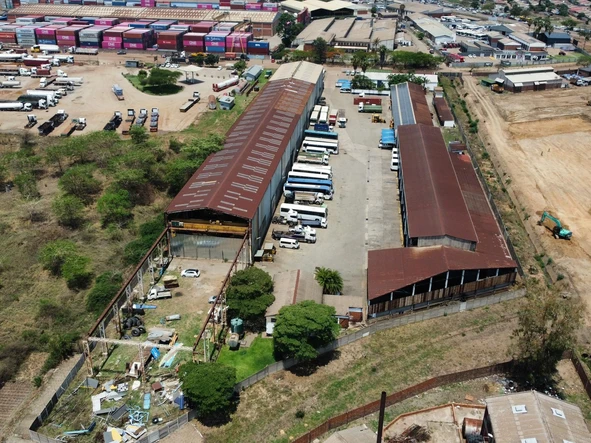
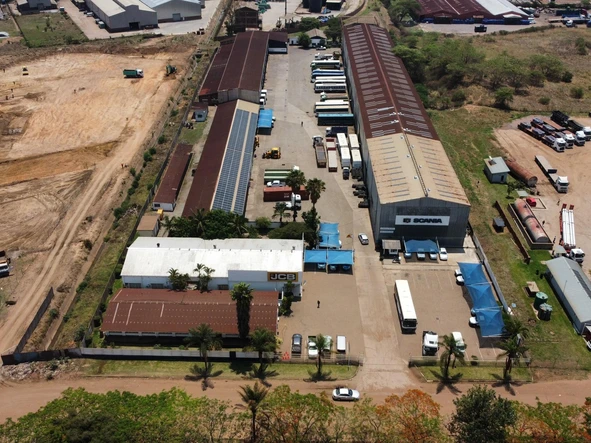
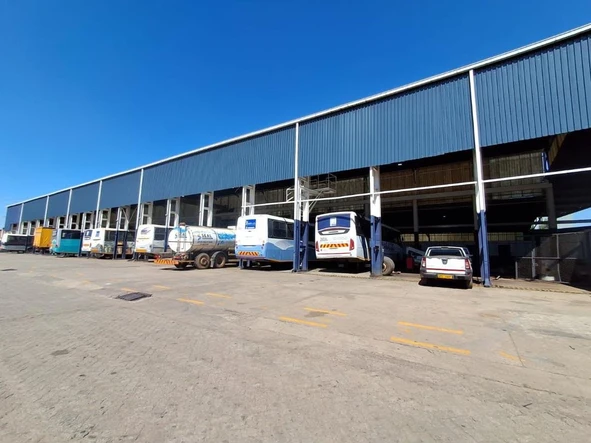
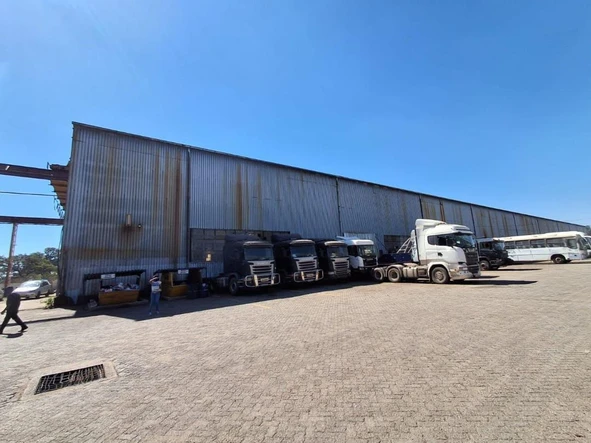
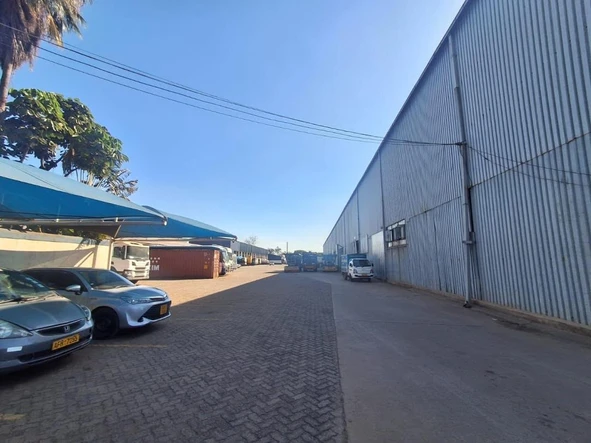
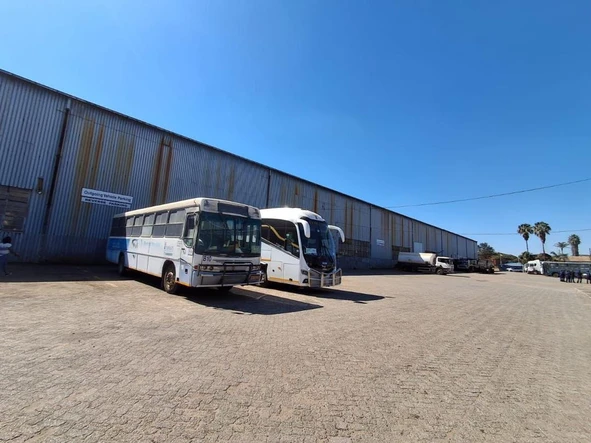
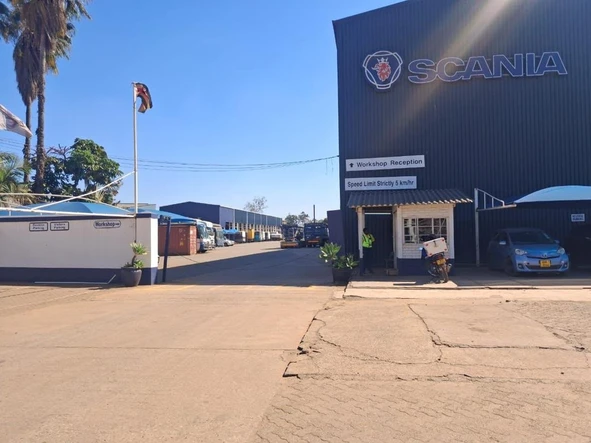
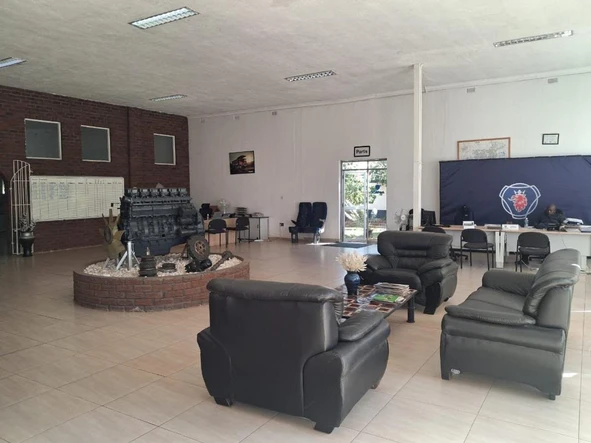
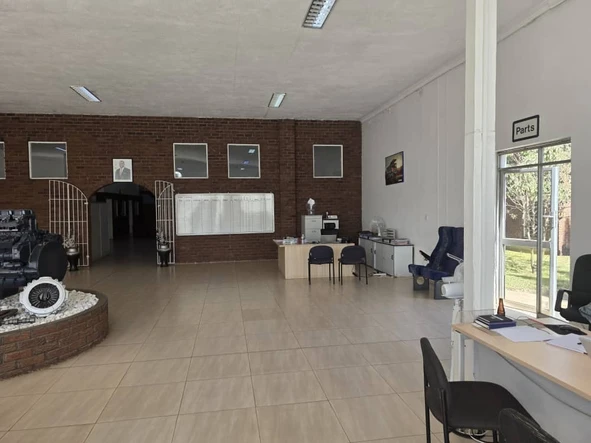
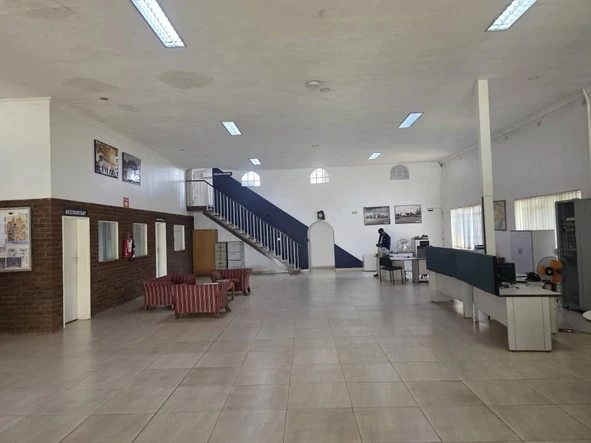
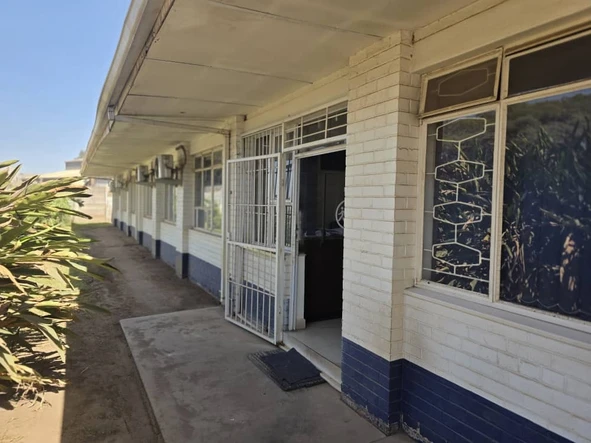
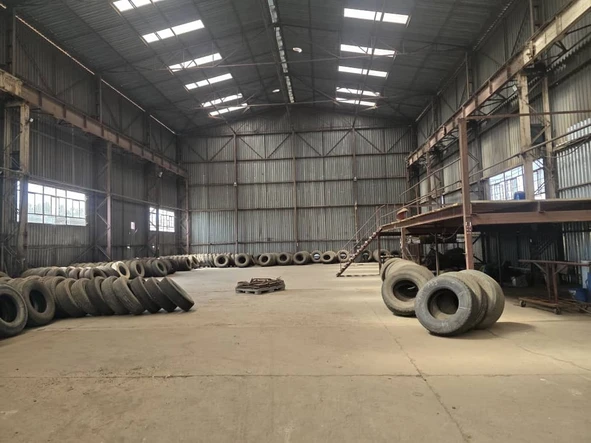
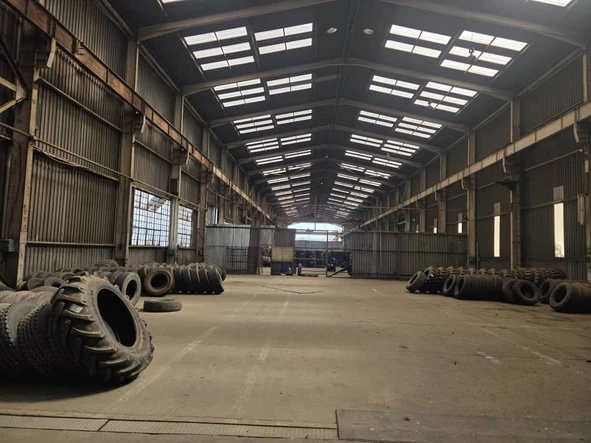
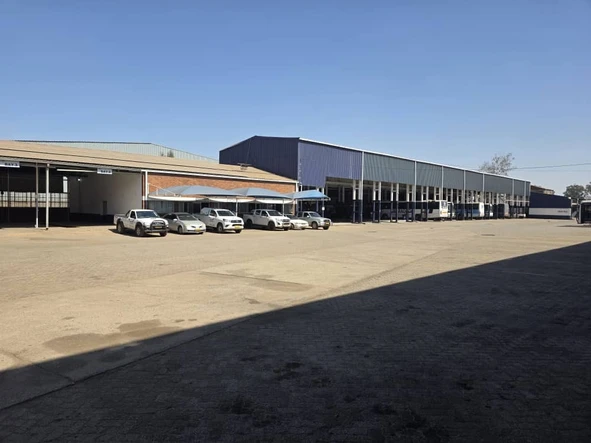
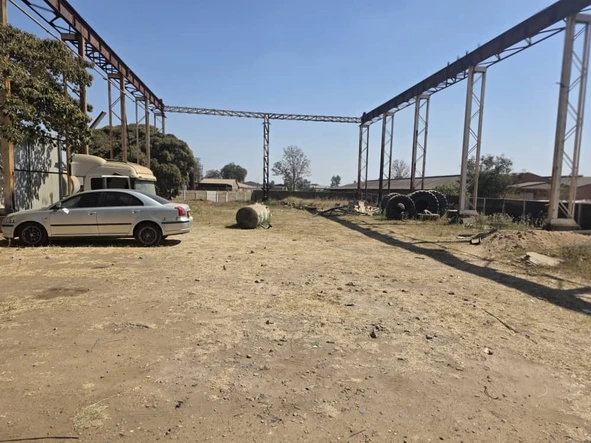
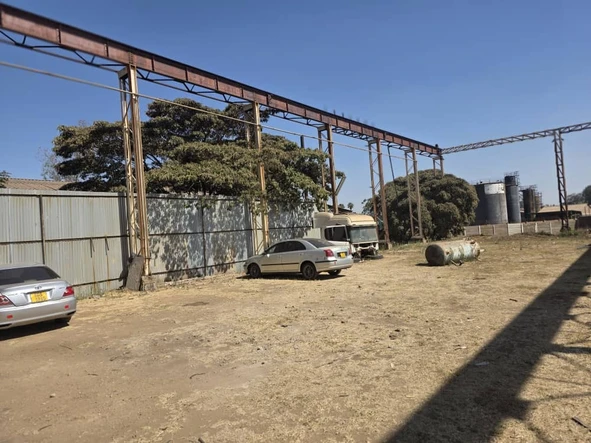
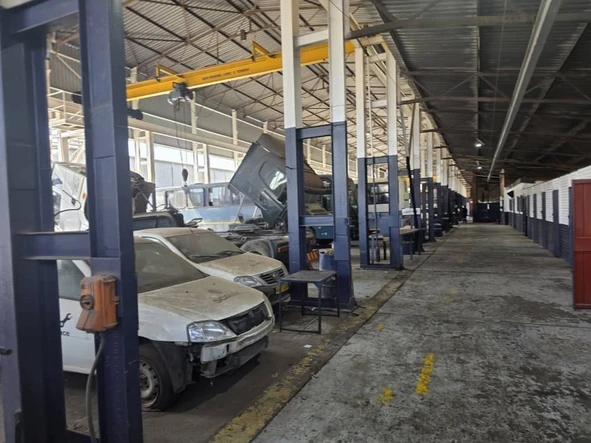
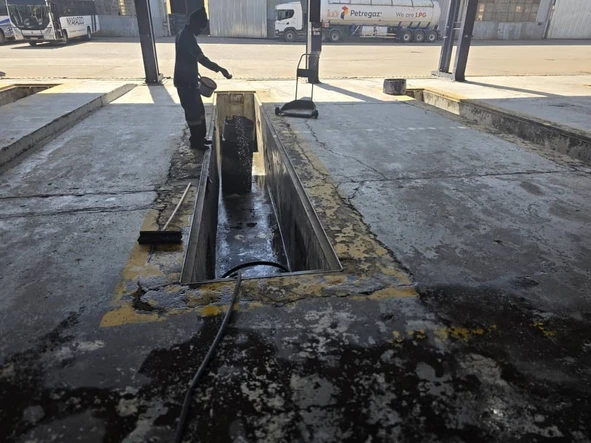
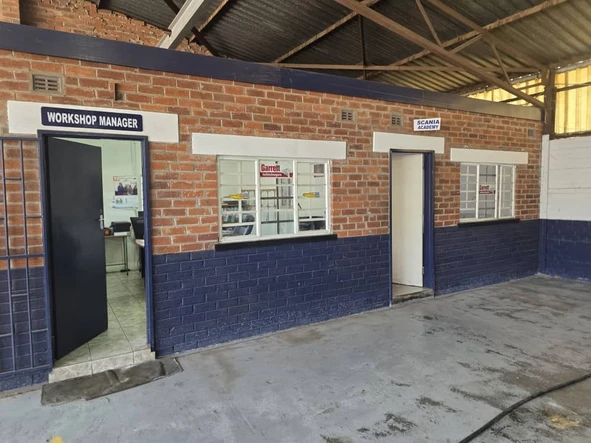
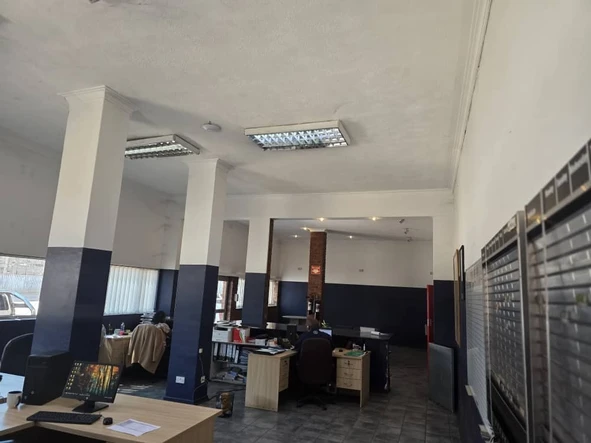
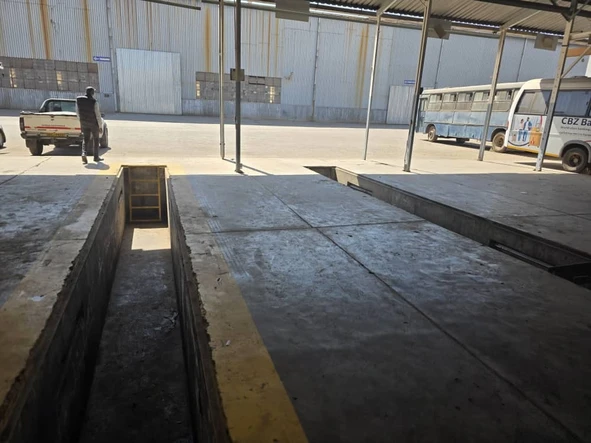
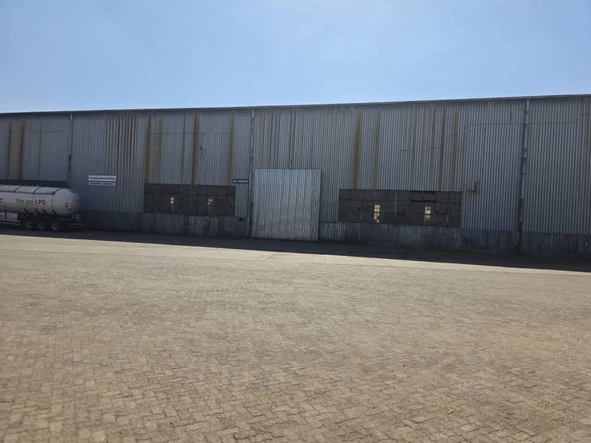
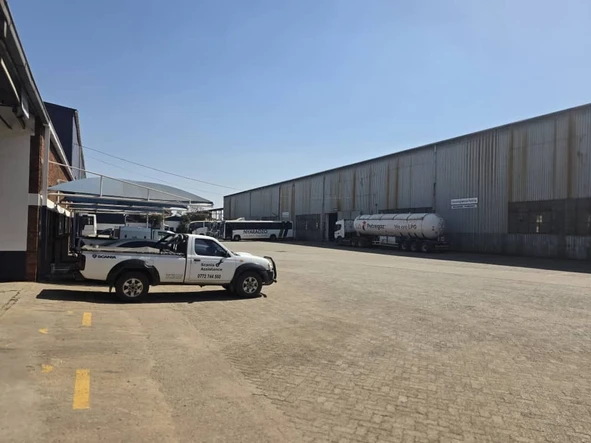
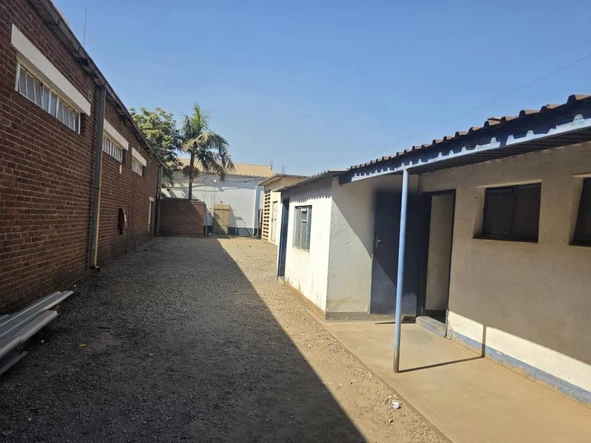
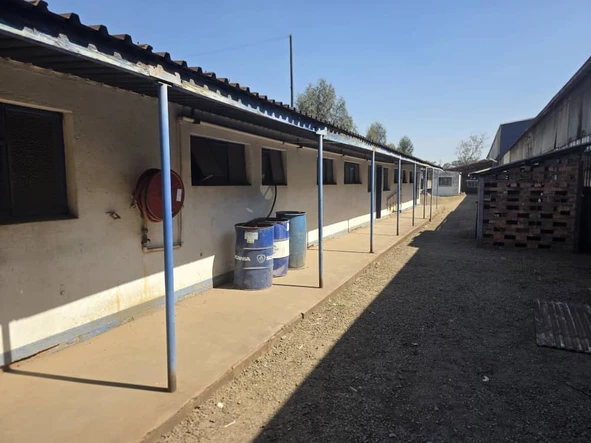
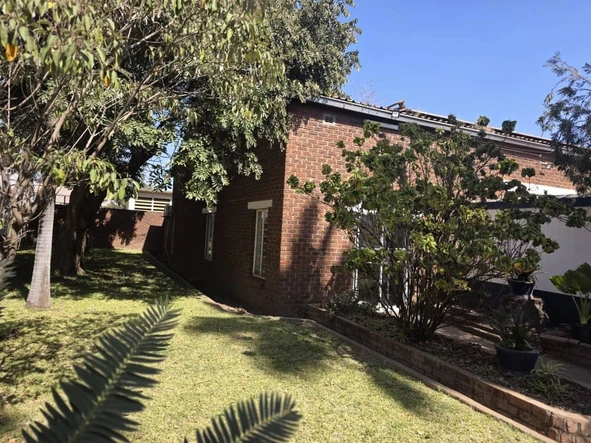
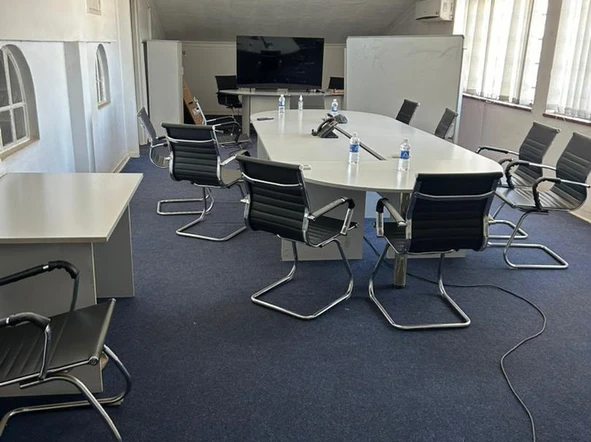
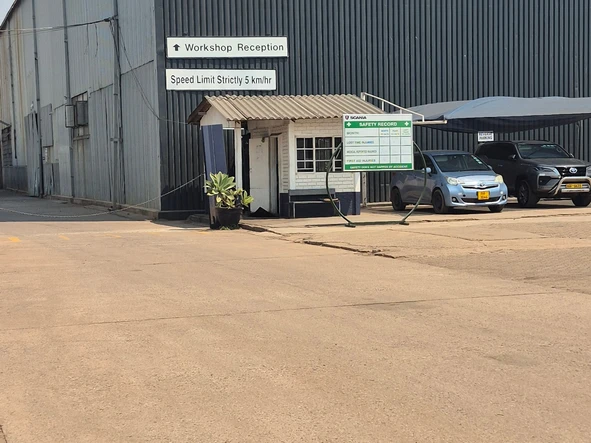
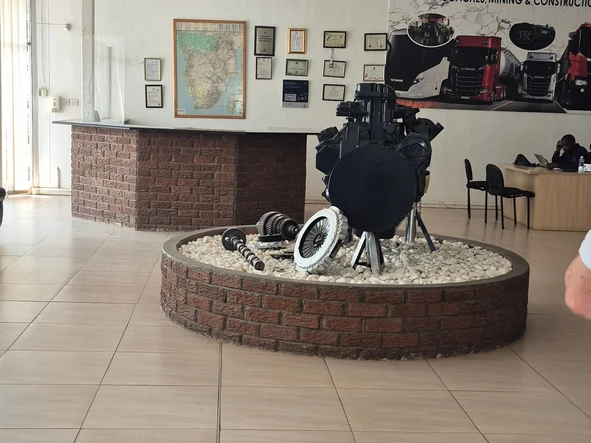
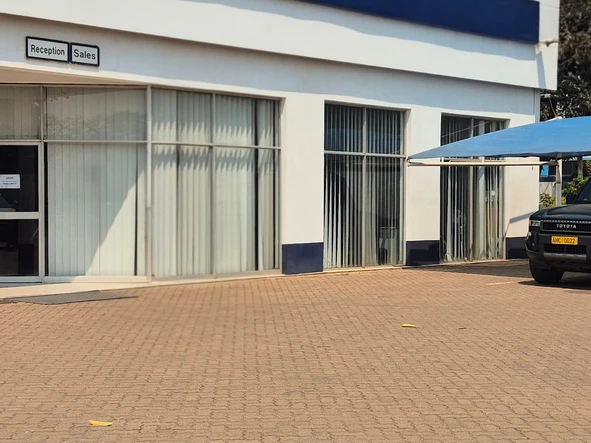
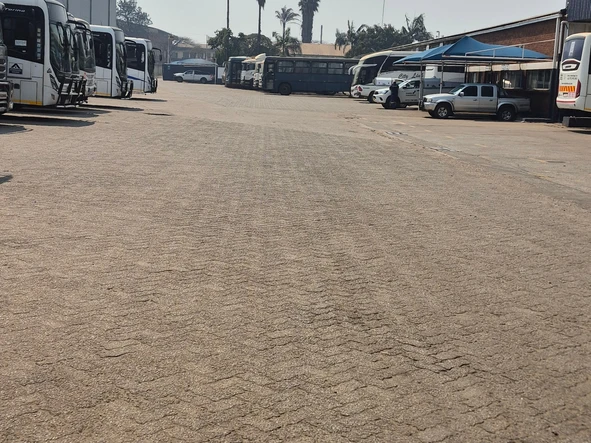
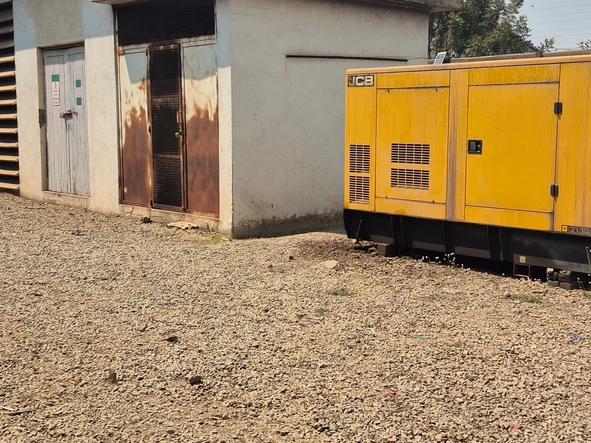
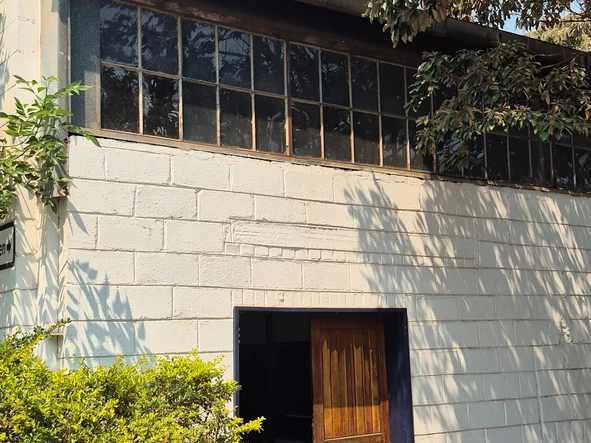
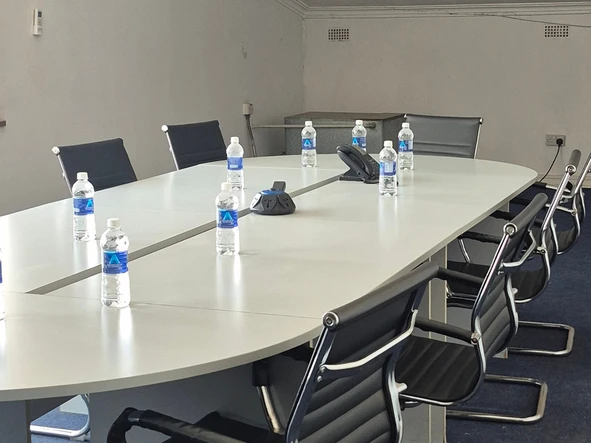
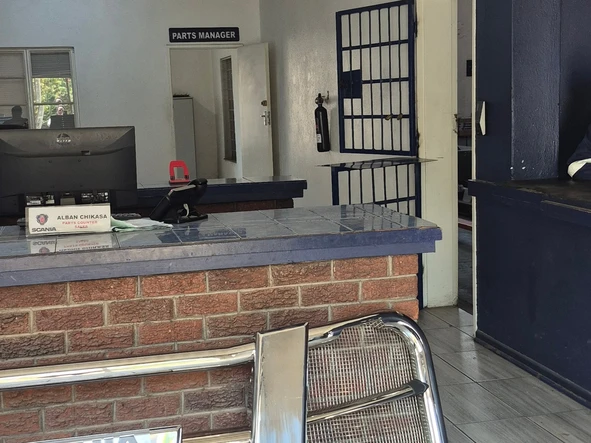
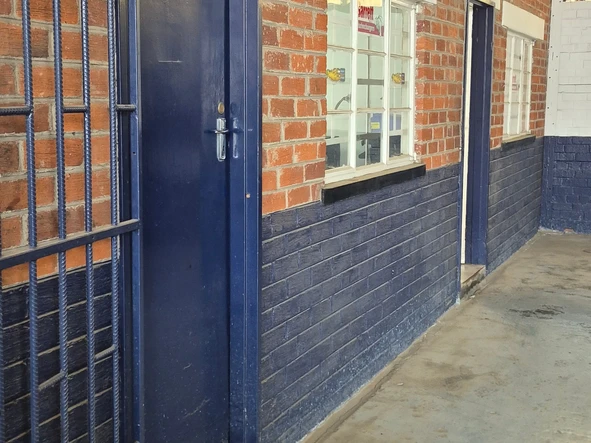
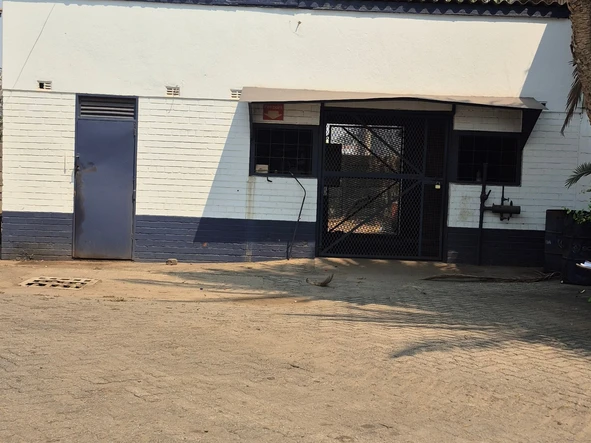
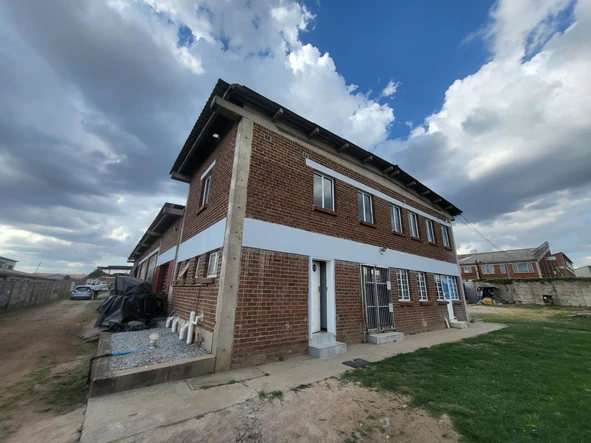
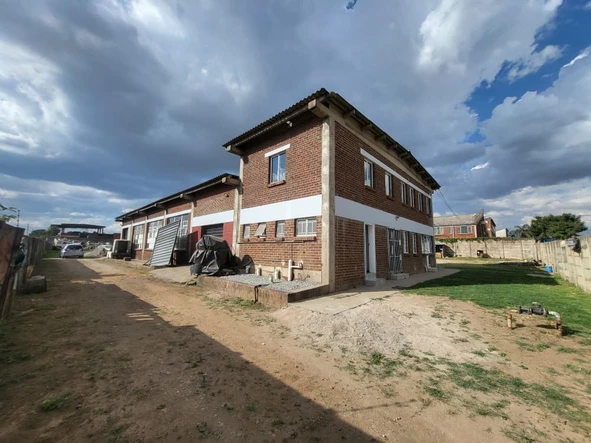
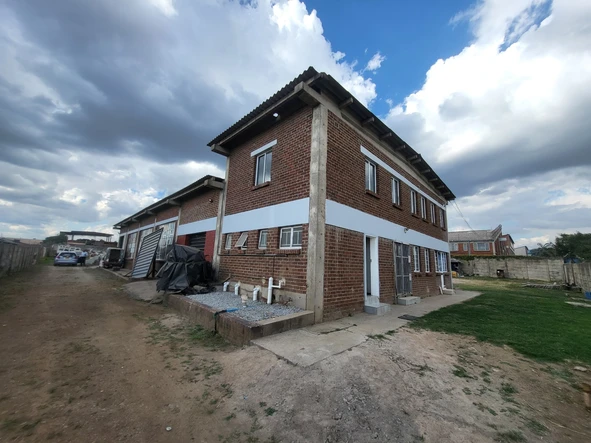
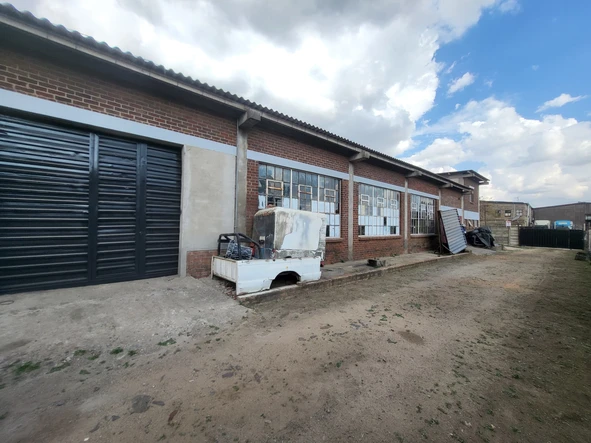
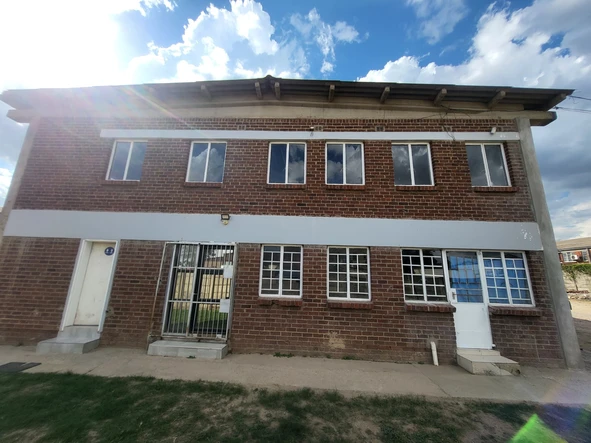
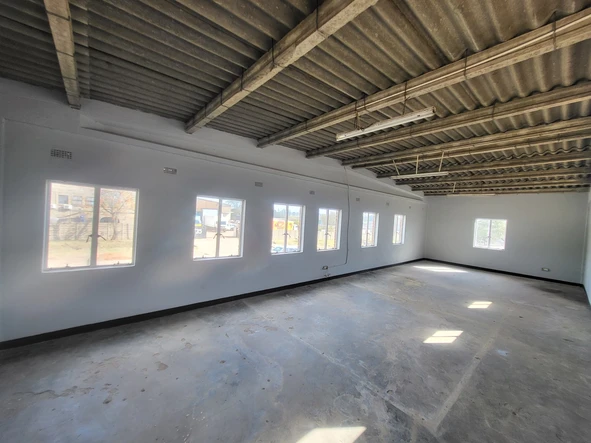
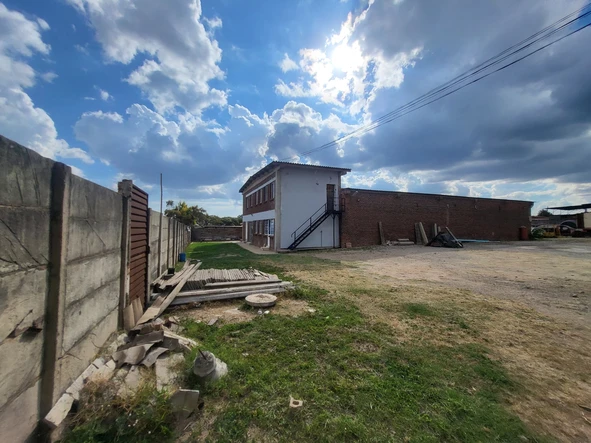
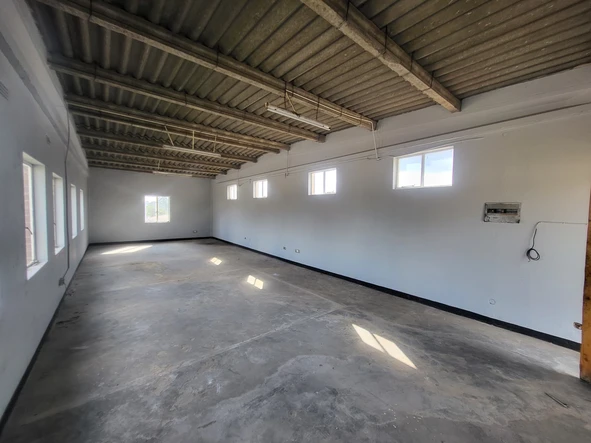
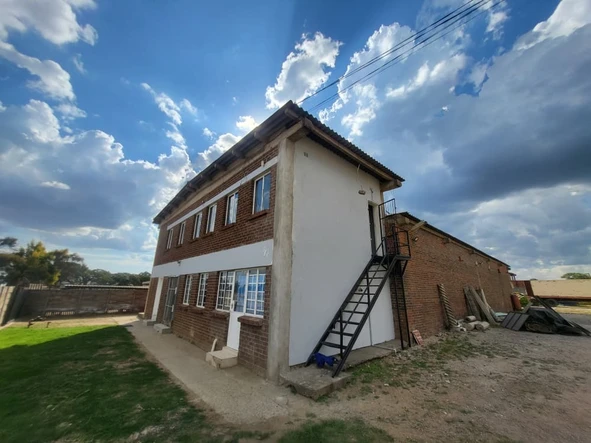
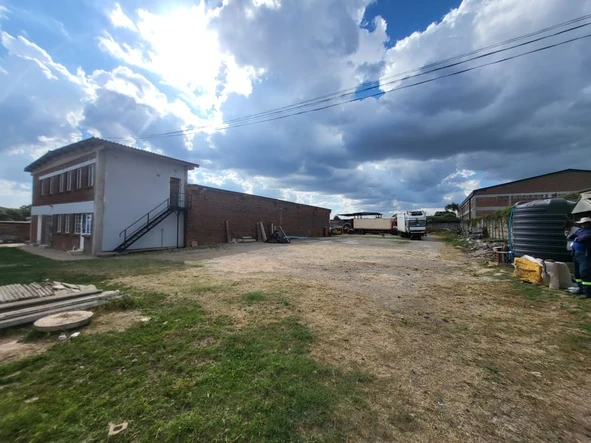
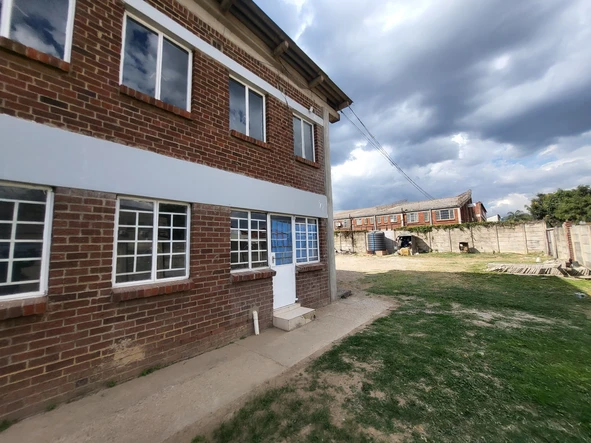
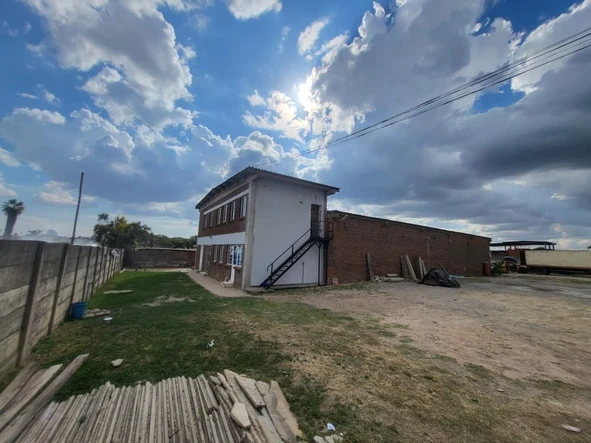
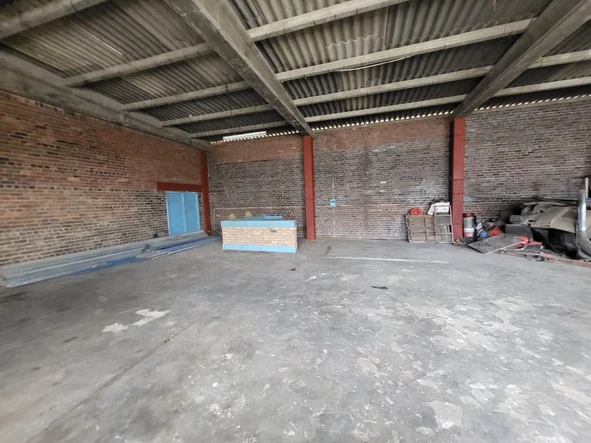
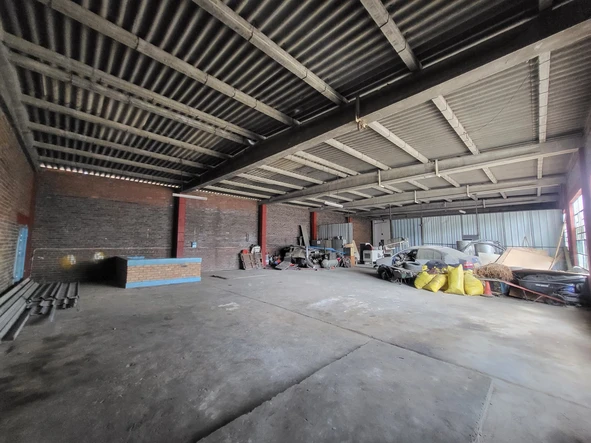
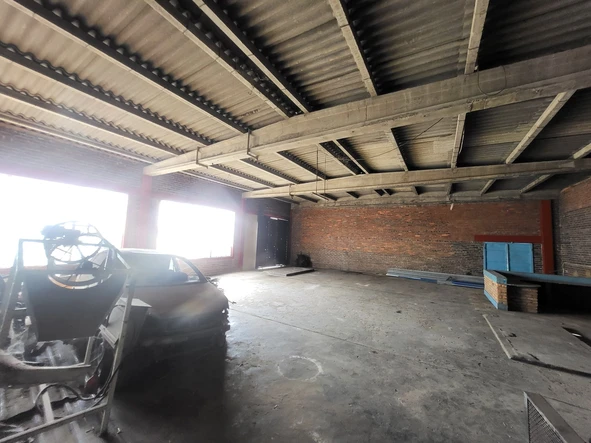
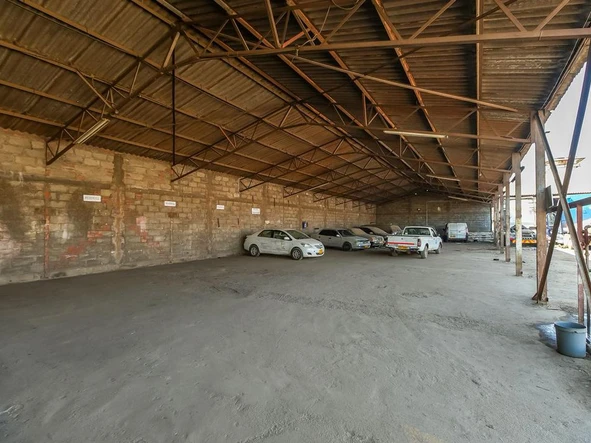
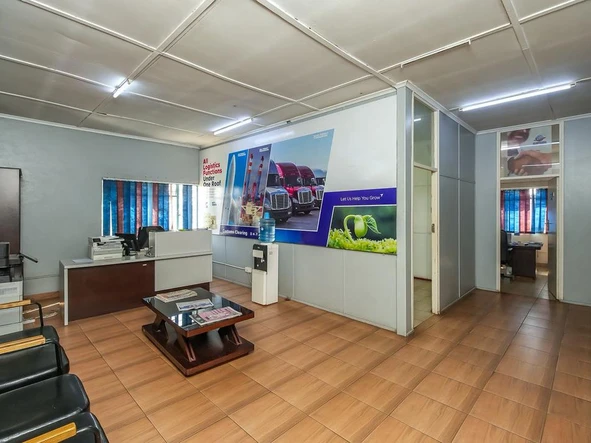
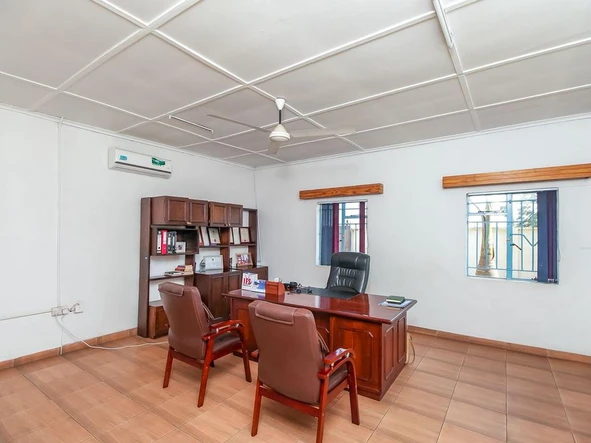
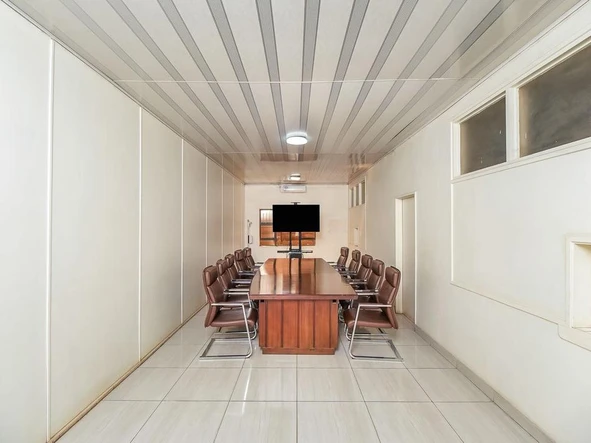
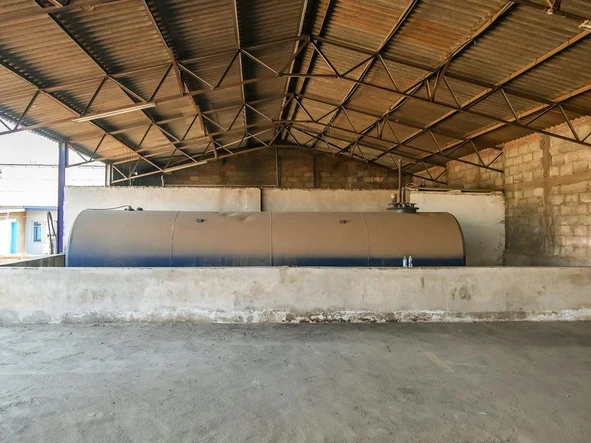
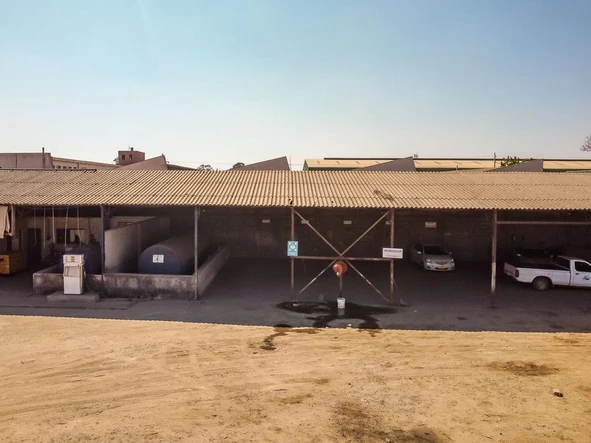
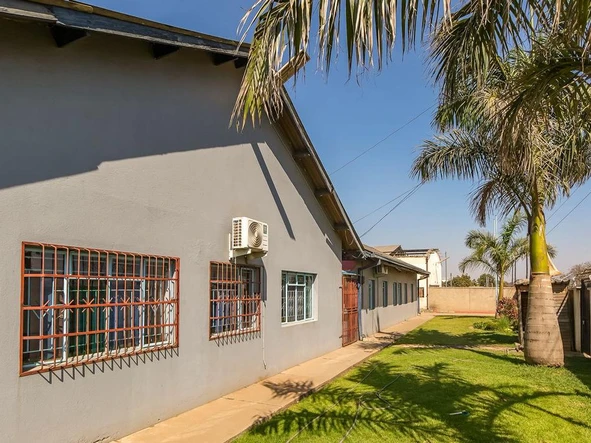
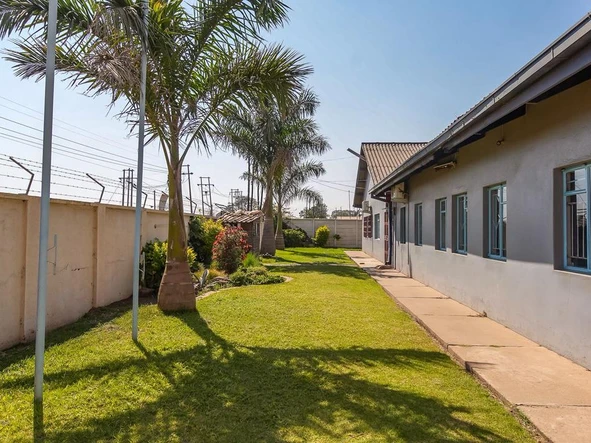
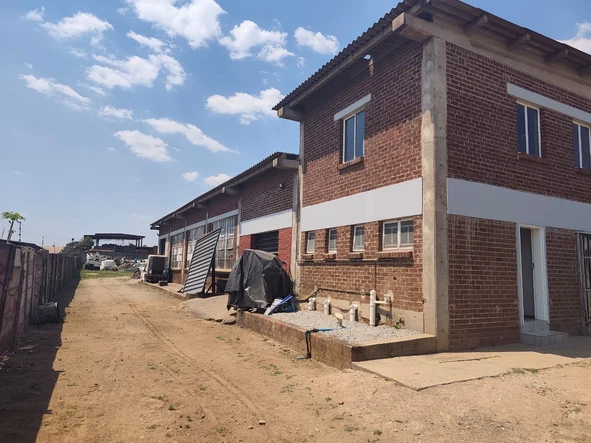
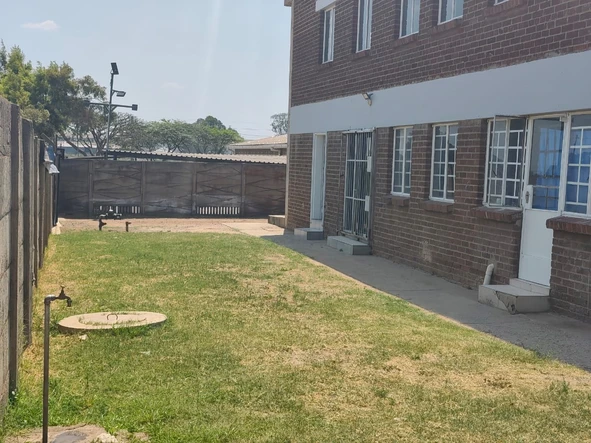
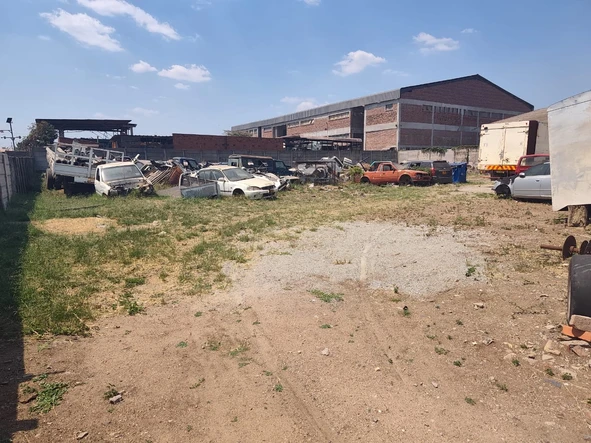
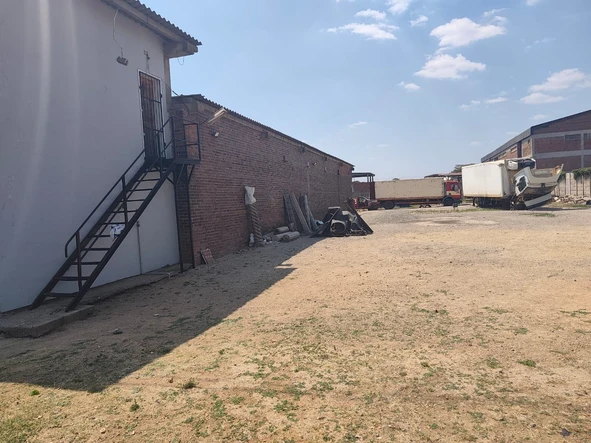
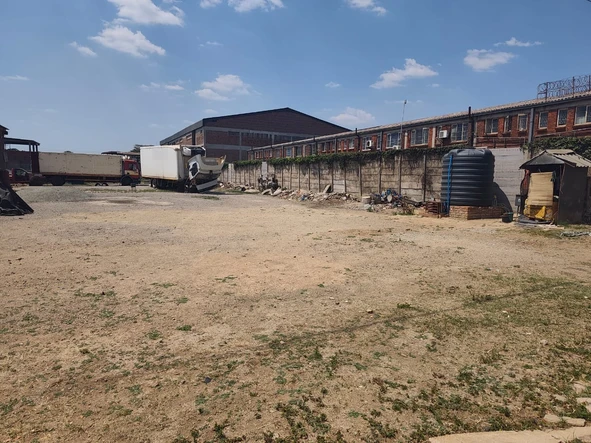
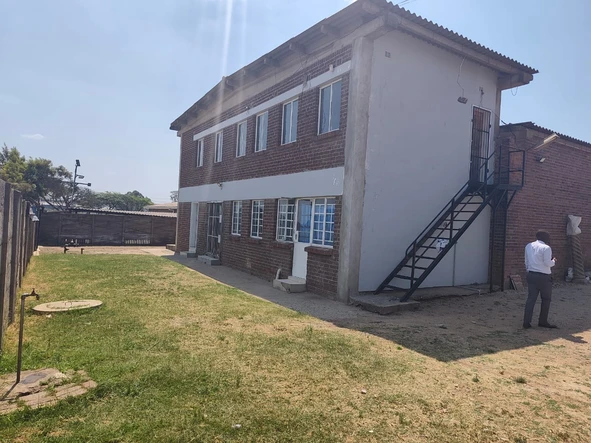
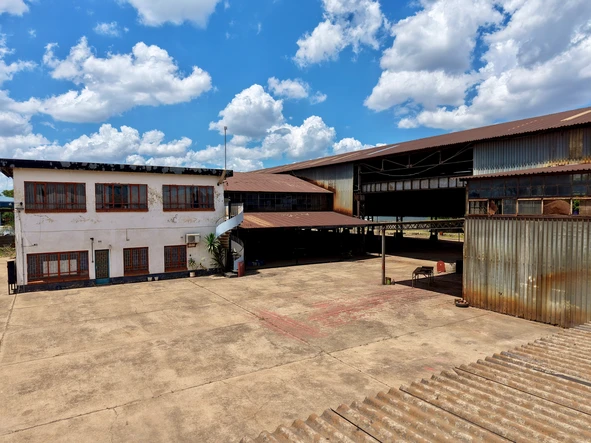
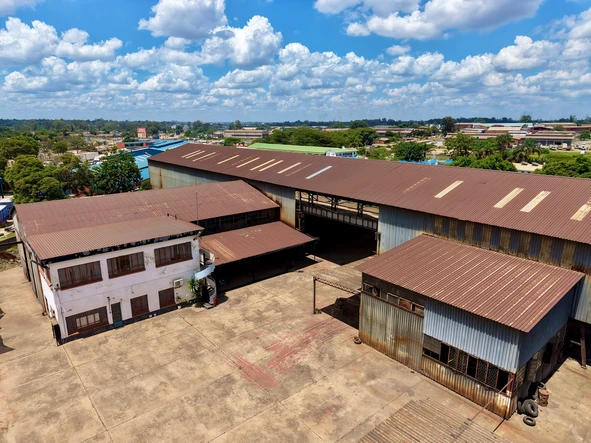
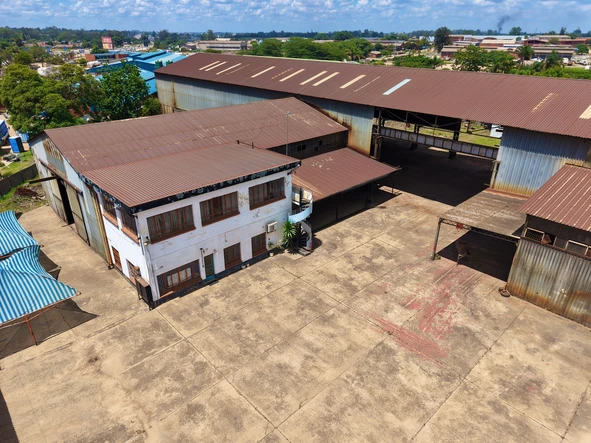
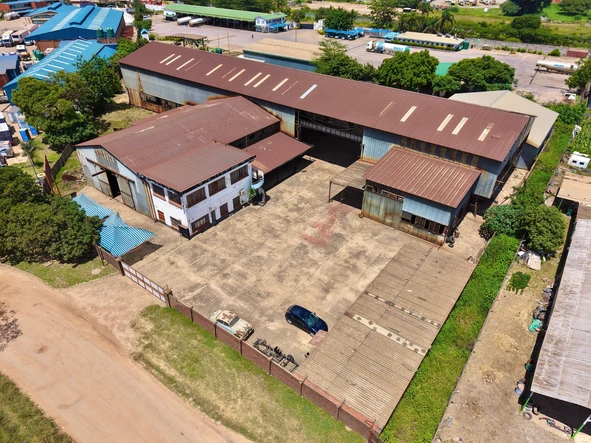
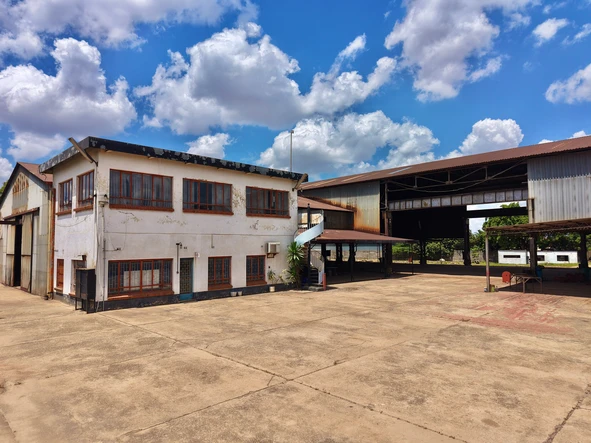
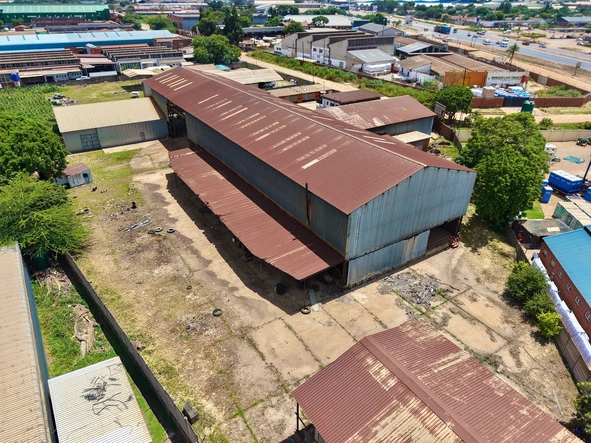
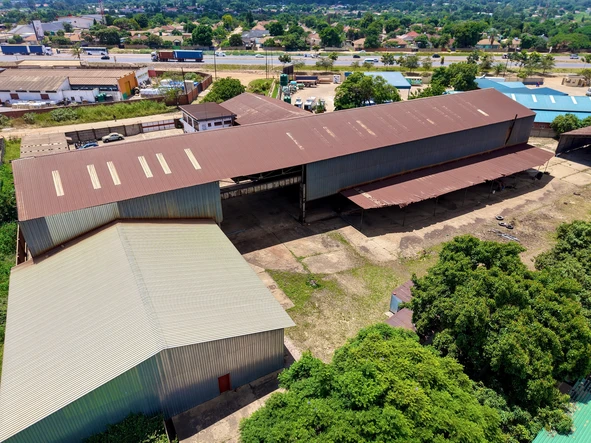
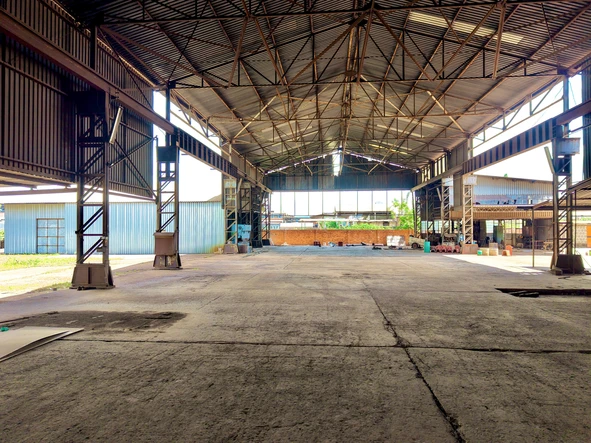
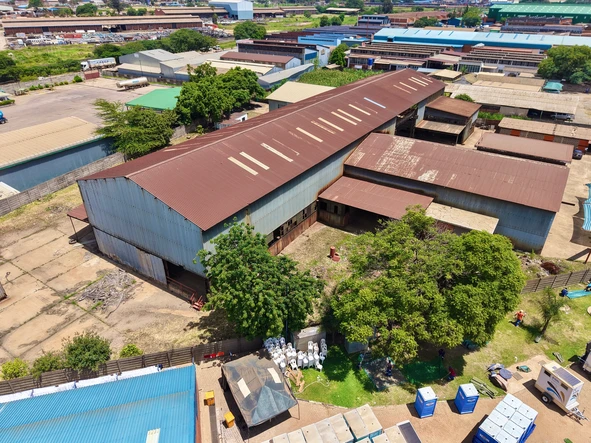
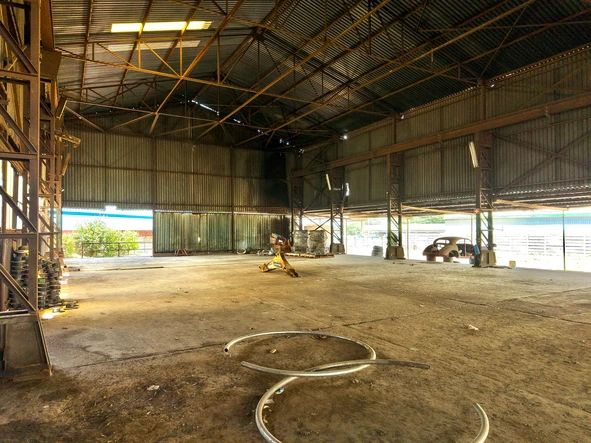
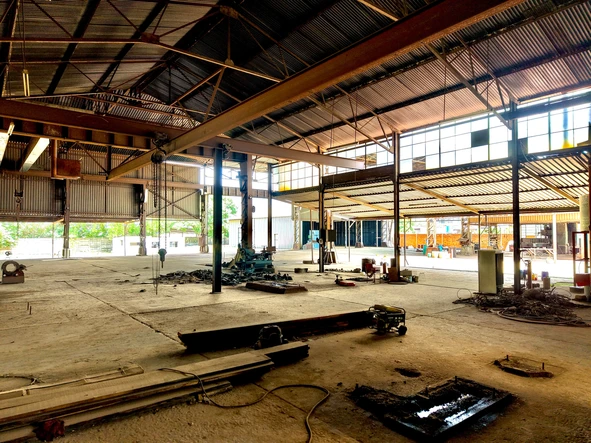
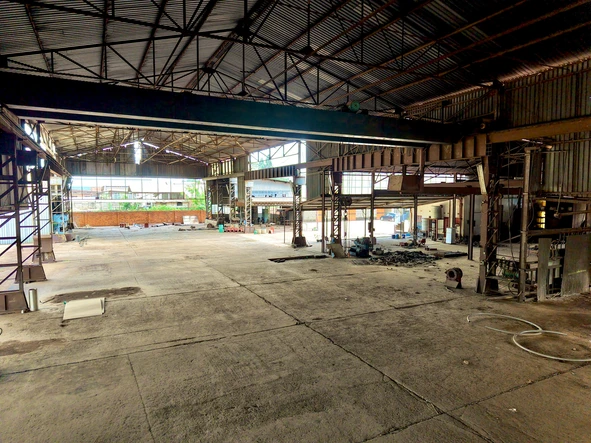
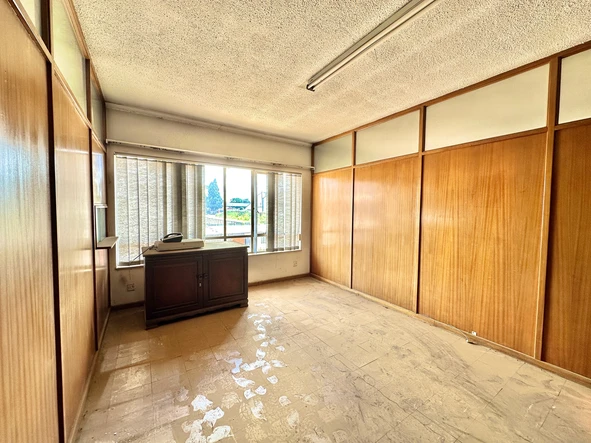
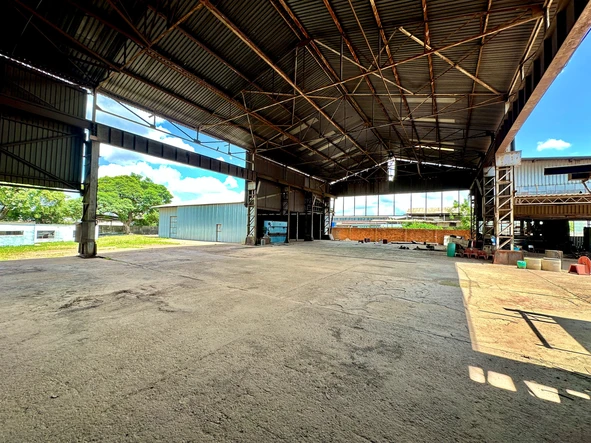
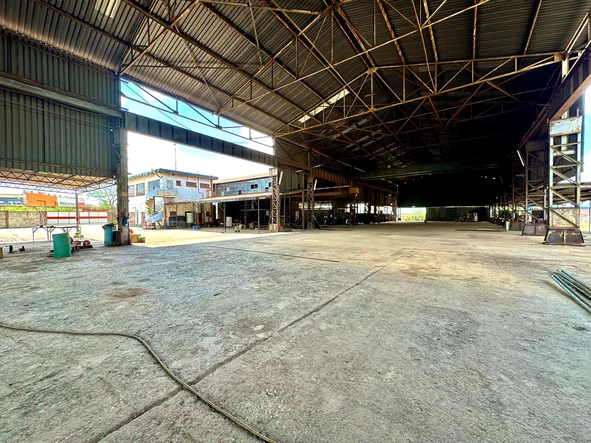
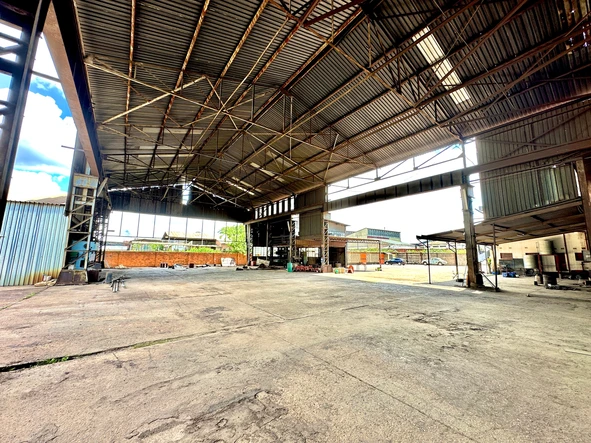
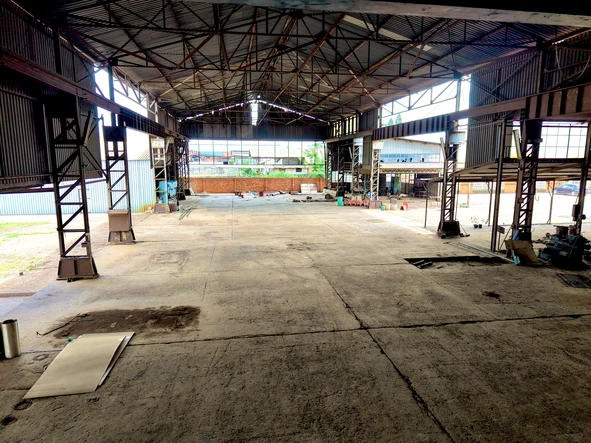
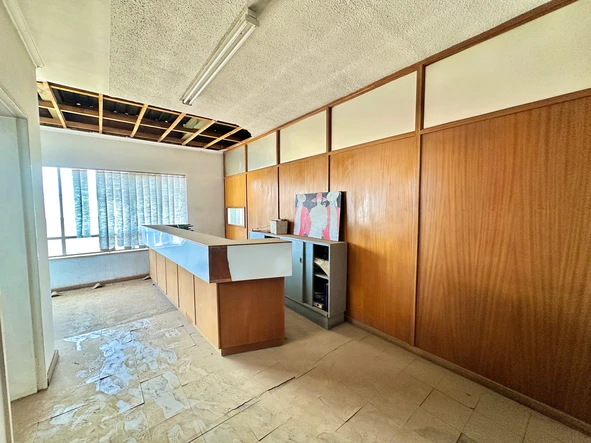
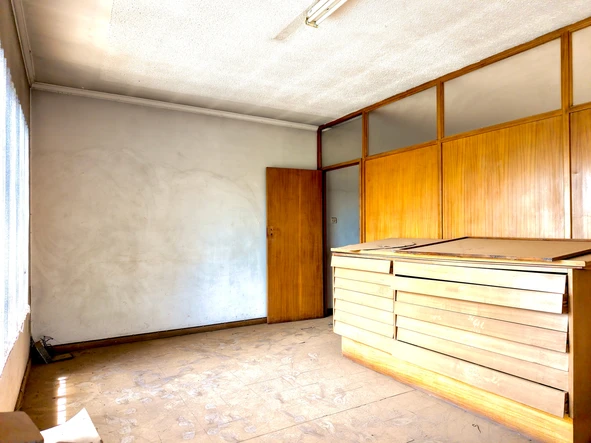
Warehouses and factories for sale in Harare South, Harare, are positioned in a growing industrial and commercial hub. The average price of the properties currently listed is $885,000, reflecting a high-end market. These properties typically have a median land area of about 4,108 ㎡ and a median building size of around 1,300 ㎡, with some larger sites reaching up to 13,150,000 ㎡ of land and buildings as large as 44,700 ㎡.
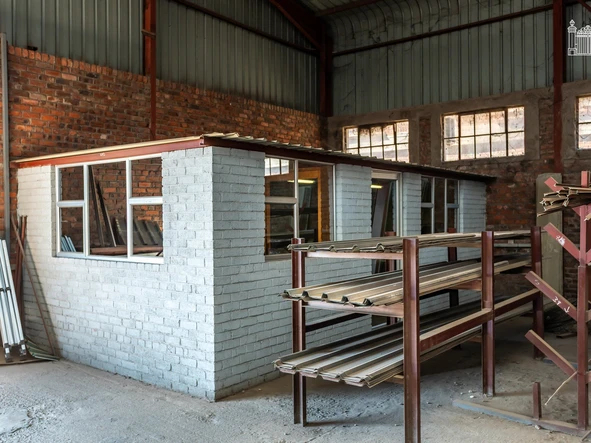
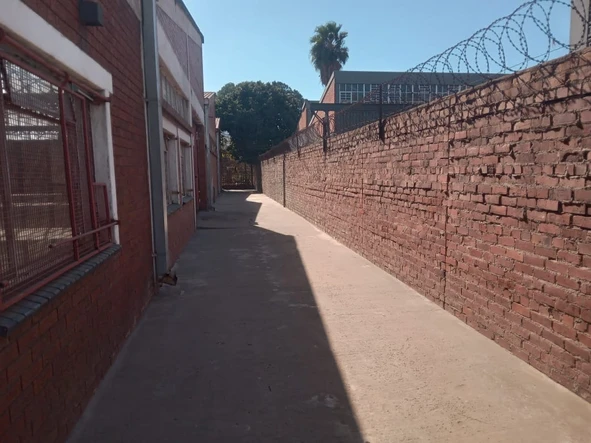
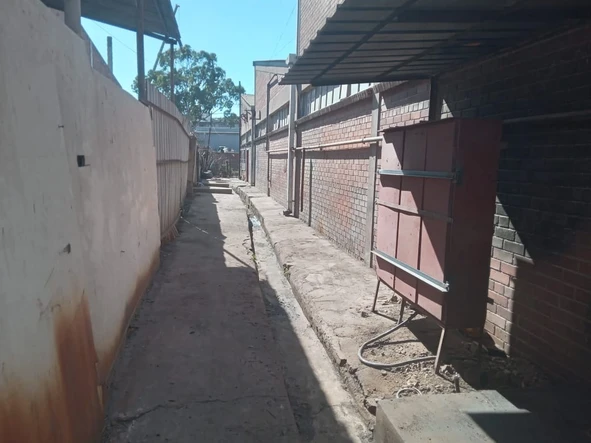
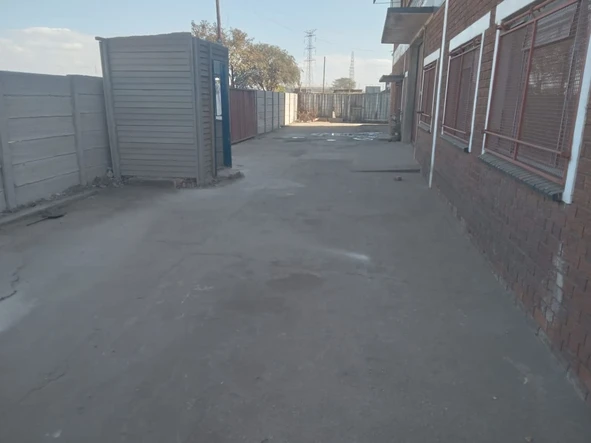
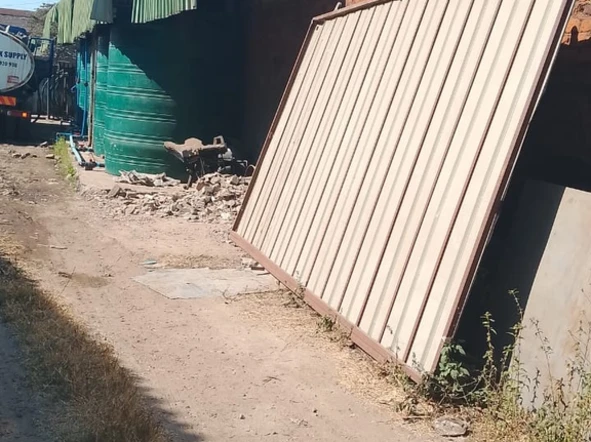
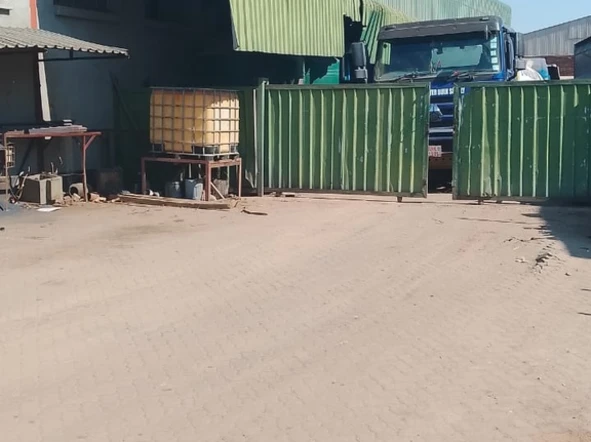
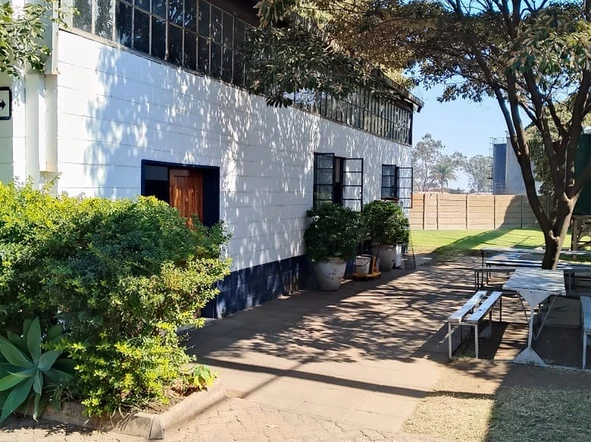
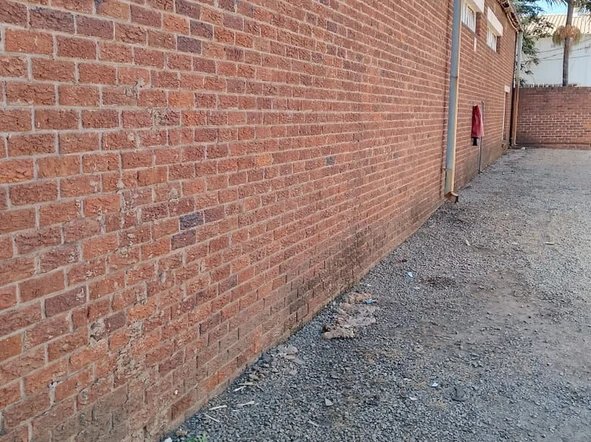
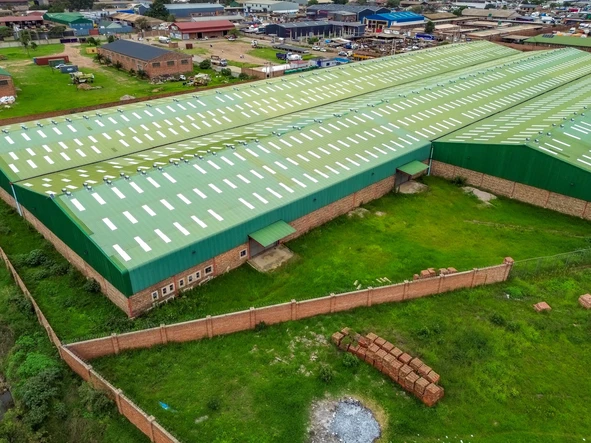
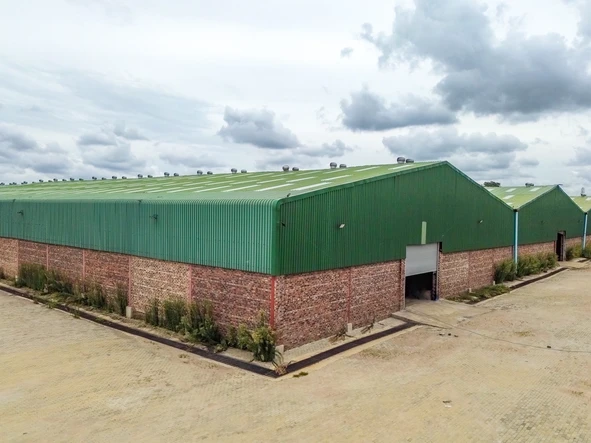
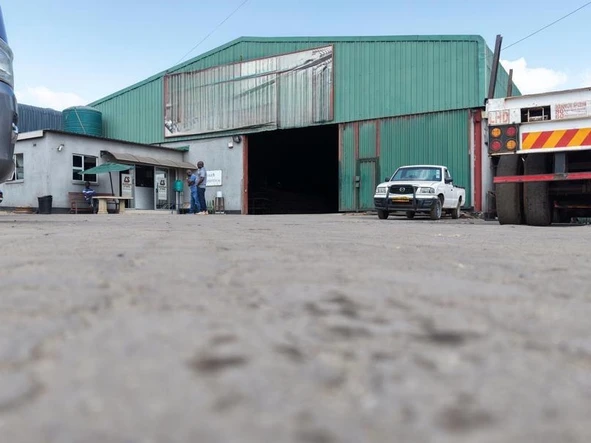
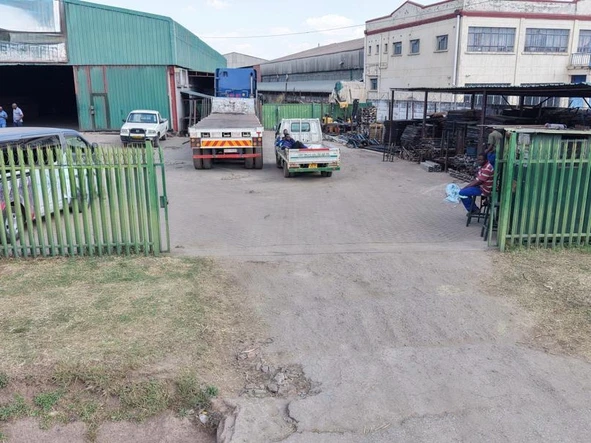
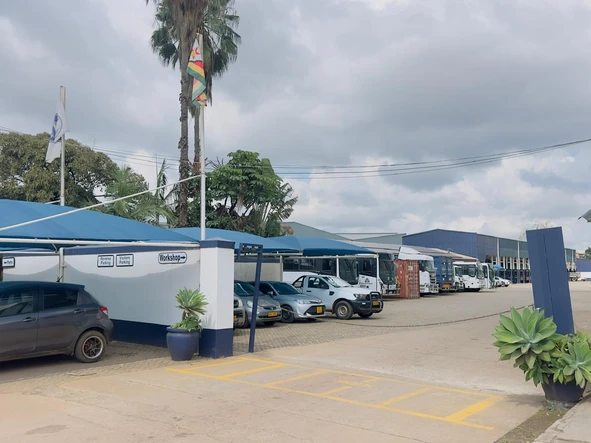
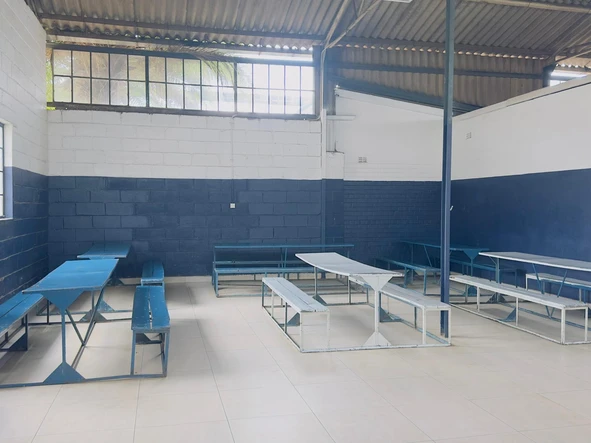
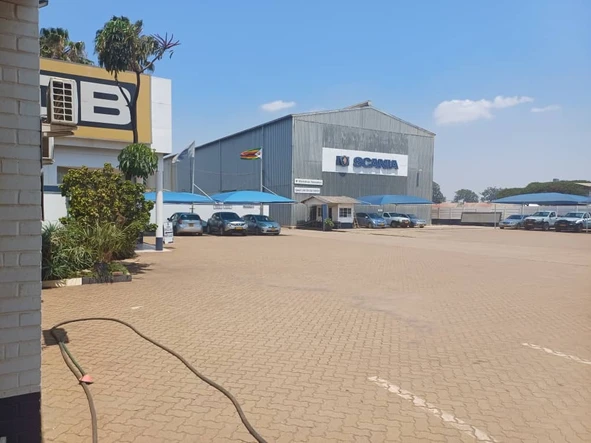
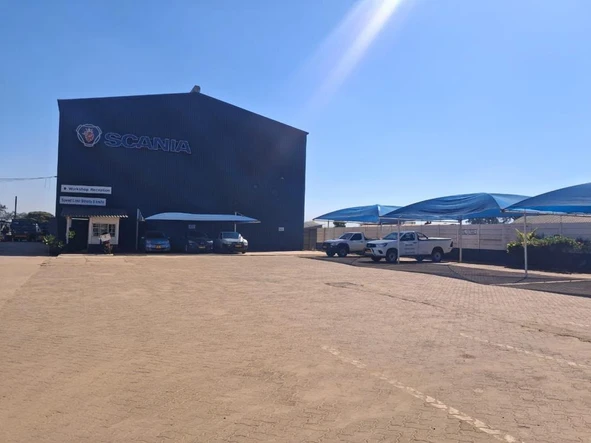
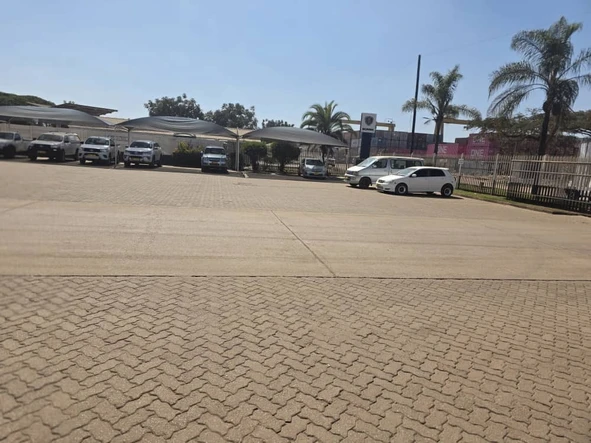
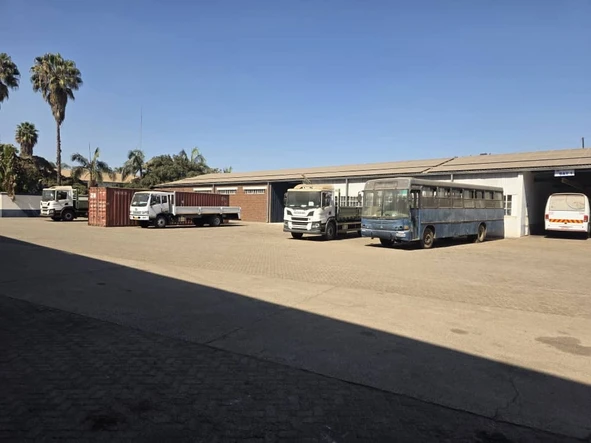
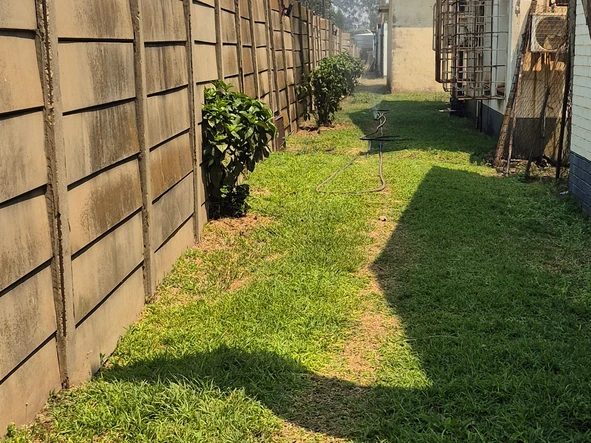
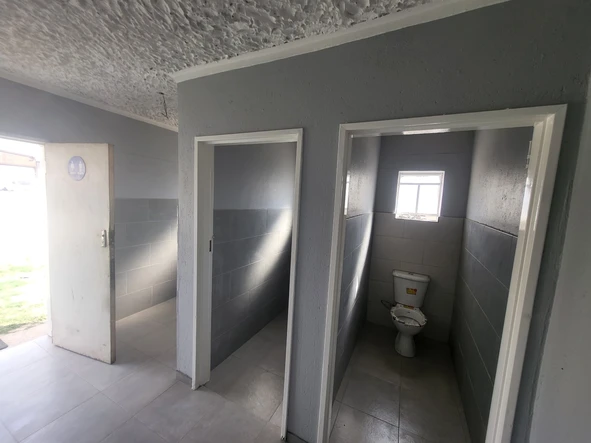
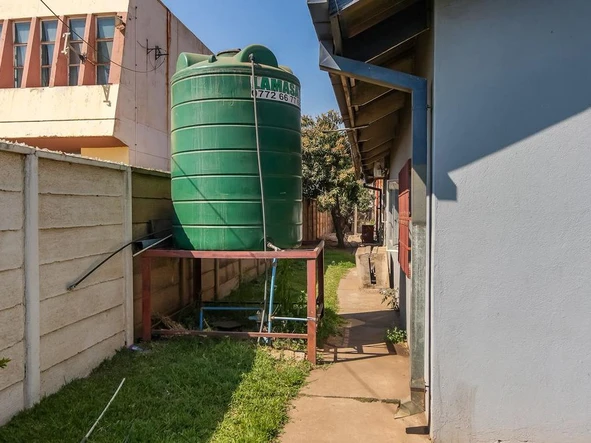
Many of these industrial properties come with features such as walled perimeters, municipal water supply, reliable ZESA electricity, and parking bays, which are important for operational efficiency and security. The mix of facilities supports a variety of industrial and storage needs, making these properties suitable for businesses looking to establish or expand in the area.
Harare South offers a suburban environment with good transport connections via major roads and public transport, easing access to the city center and other parts of Harare. The area benefits from nearby amenities including the Mukuvisi Woodlands nature reserve and the National Sports Stadium. Shopping needs are met by places like Southgate Shopping Centre and local markets, while healthcare access is supported by Parirenyatwa Hospital within reasonable driving distance. This makes Harare South a practical location for industrial businesses seeking both operational convenience and access to essential services.
 20,358 m²

Be the first to see new properties for sale in Harare South











| Type | Avg. price |
|---|---|
| Average price | $885,000 |
Prices as of October 2026
Buying a housing stand in Zimbabwe? Inspect title deeds, subdivision permits, compliance certificates, and seller IDs before making any payment.
Can someone claim your land in Zimbabwe? Learn how 30 year acquisitive prescription works, the legal risks involved, and how to protect your property title.
Explore October 2026 Property Pulse insights on the Zimbabwean real estate market, where high buyer demand outpaces limited housing supply across major areas.
Built a house on land registered in your partner's name? Learn your legal rights in Zimbabwe, tacit universal partnerships, and unjust enrichment claims.
Planning to convert or buy commercial property? Understand Zimbabwe’s change of use rules, 2026 Harare fees, timelines and approval risks.