Log in to contact the seller
 Continue with Facebook
 Continue with Email
Continue with Facebook
Continue with Email
Sign up with Facebook
Continue with Email
Continue with Facebook
Continue with Email
Sign up with Facebook
 Change filters
 Requests





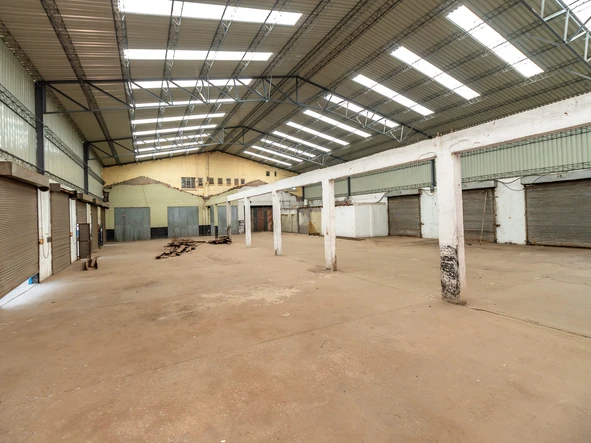
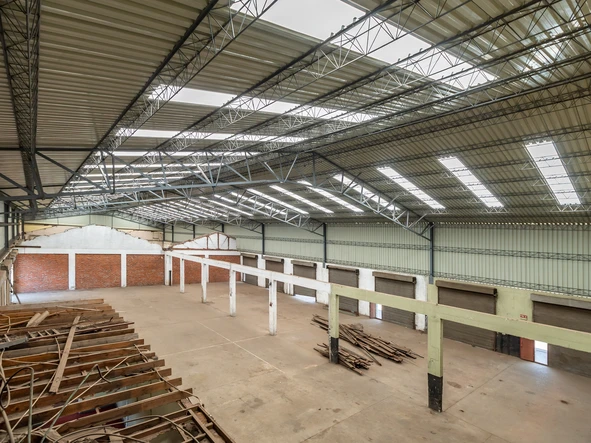
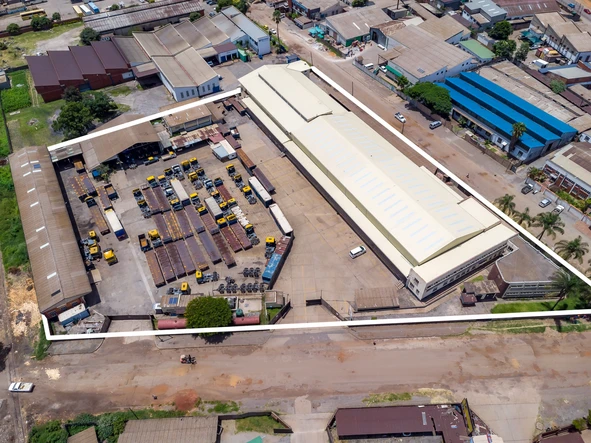
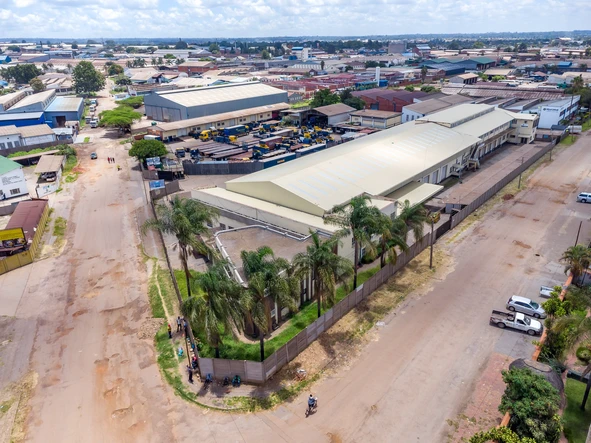
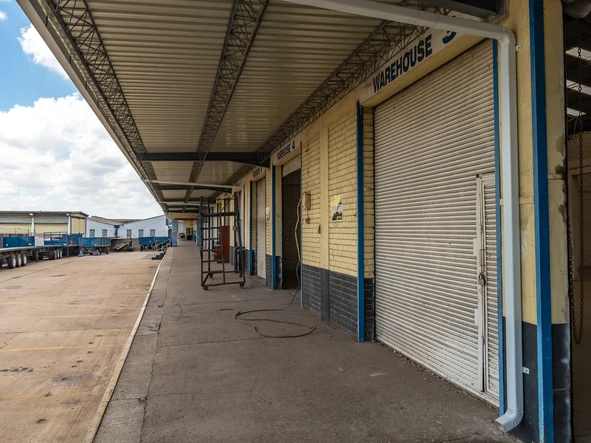
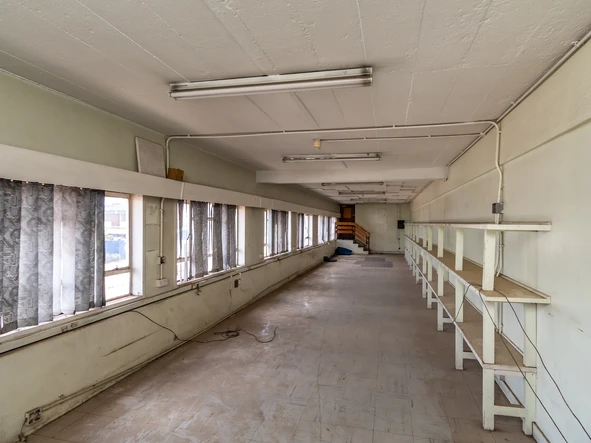
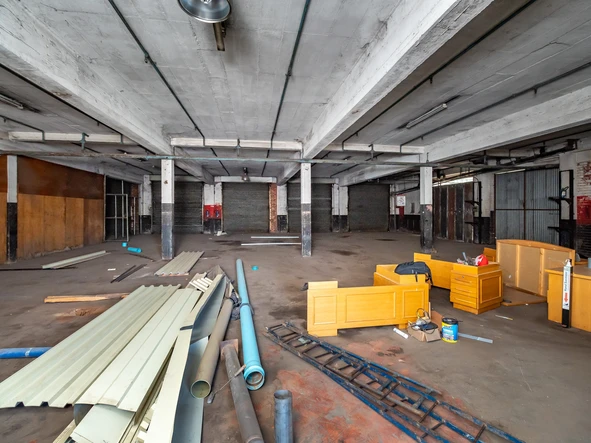
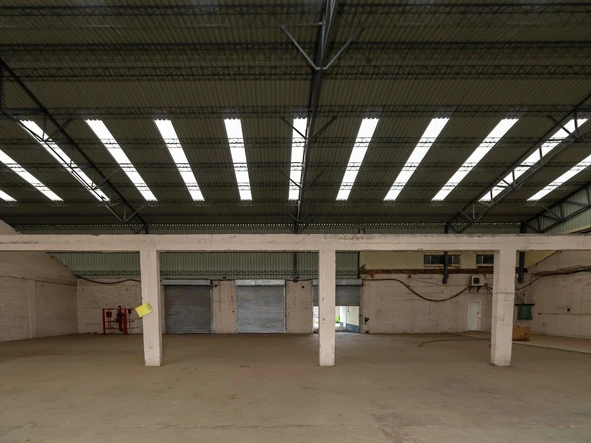
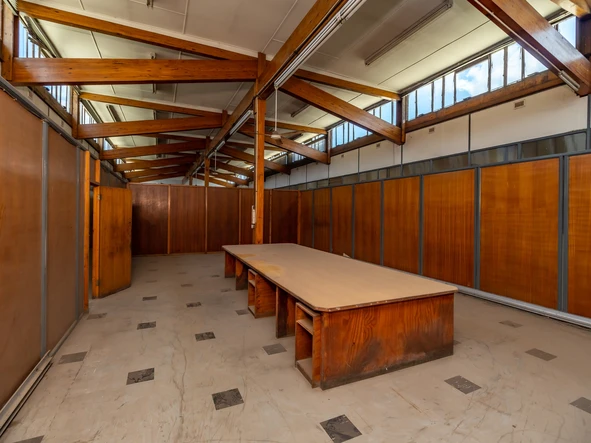
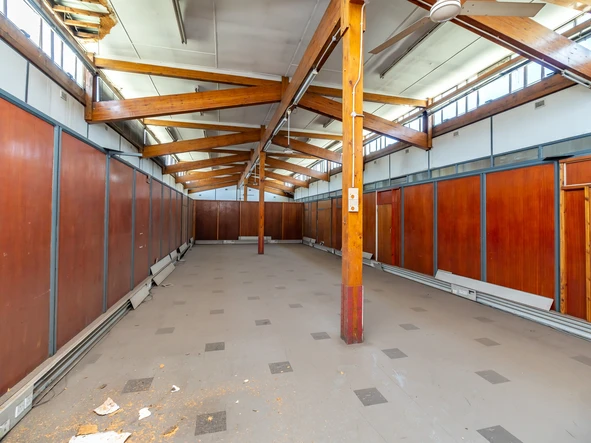
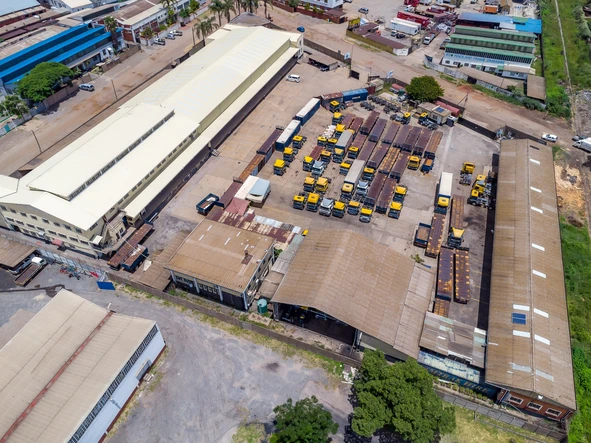
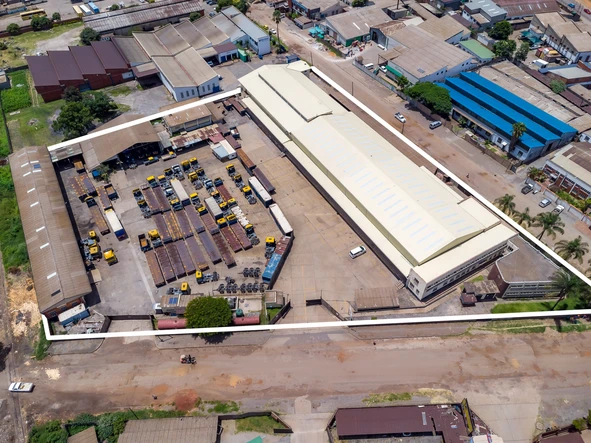
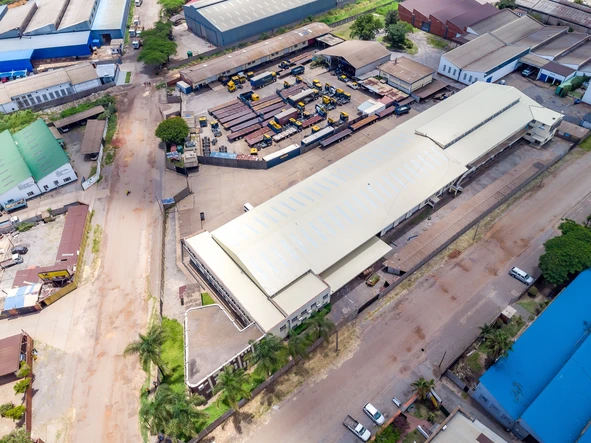
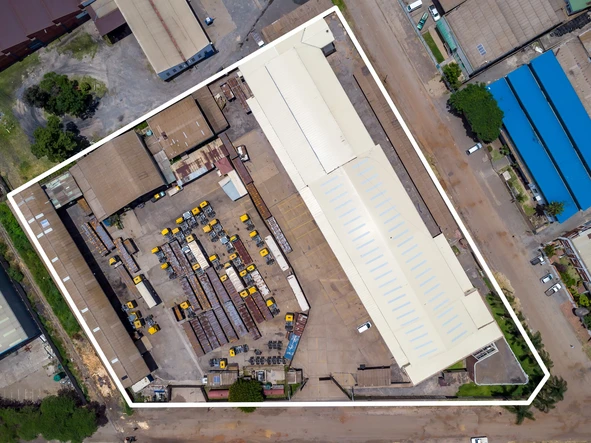
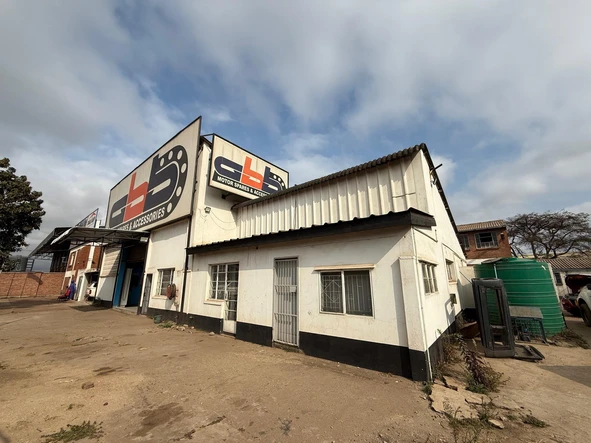
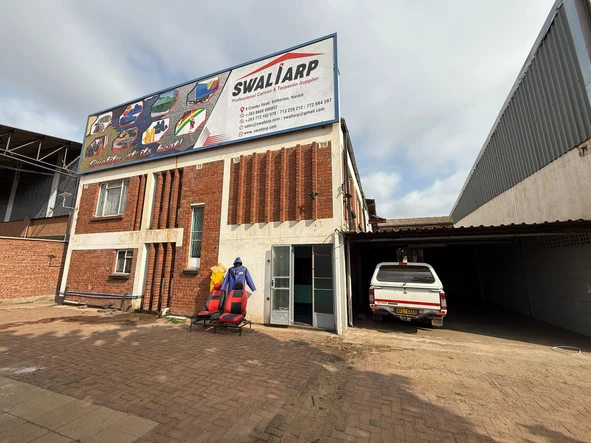
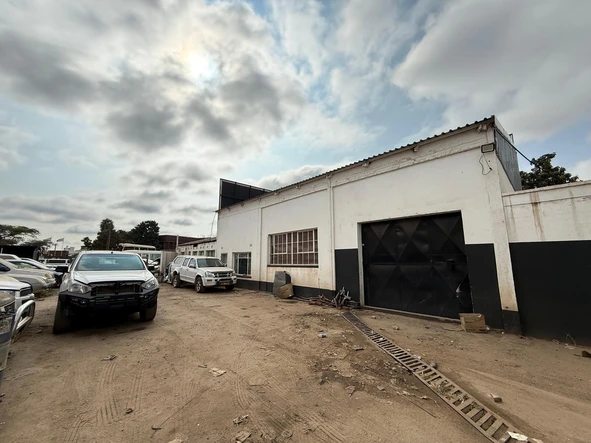
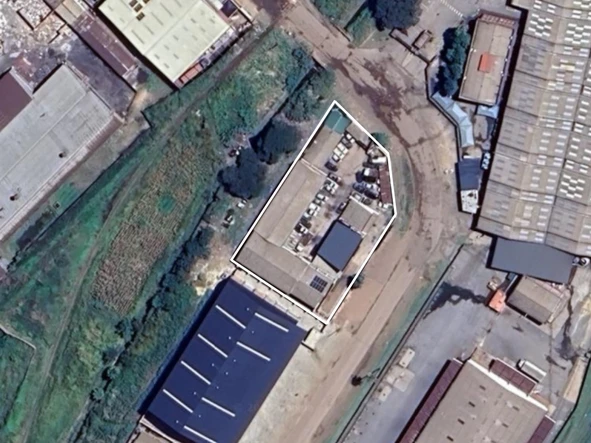
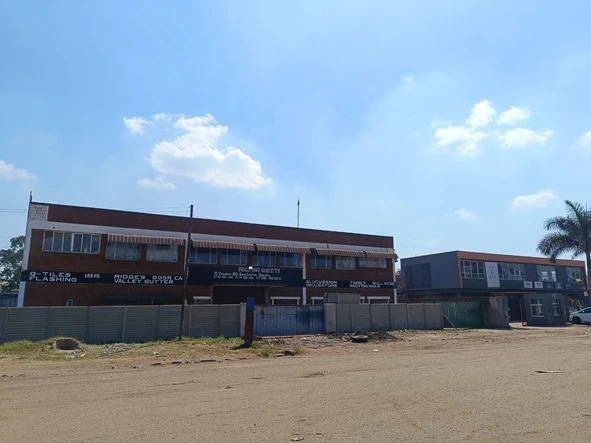
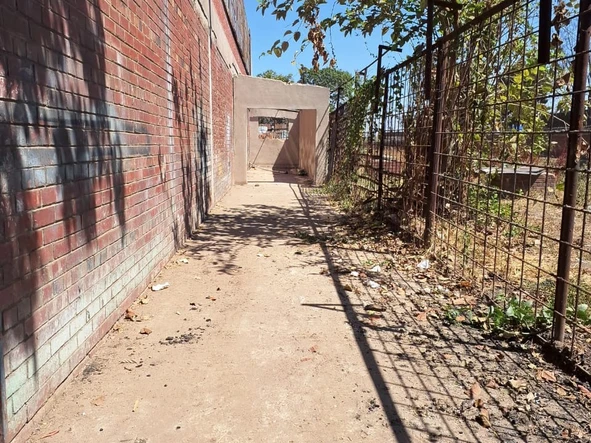
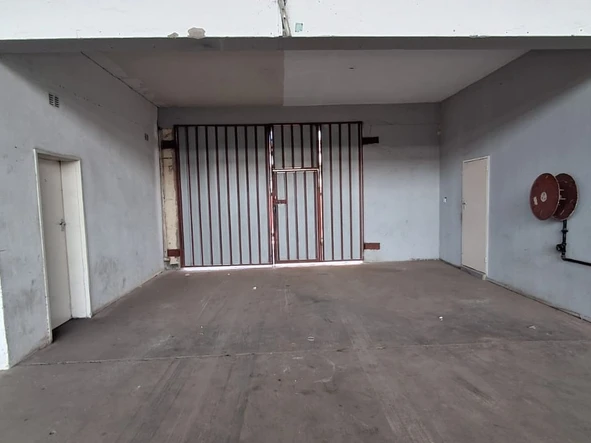
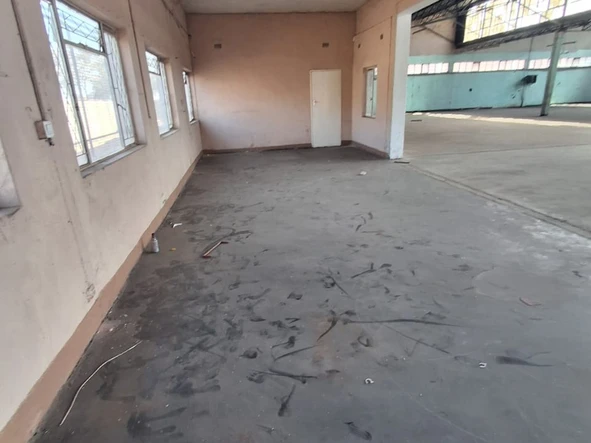
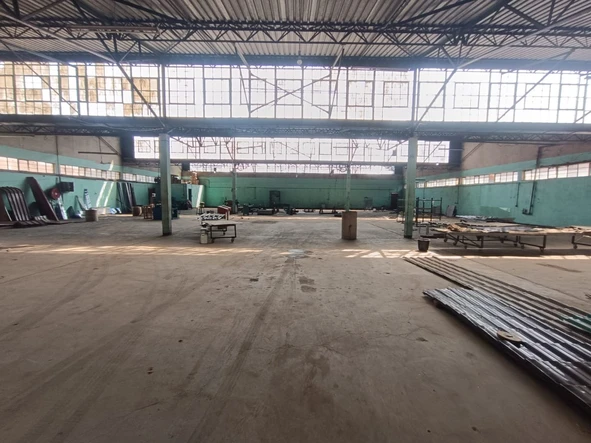
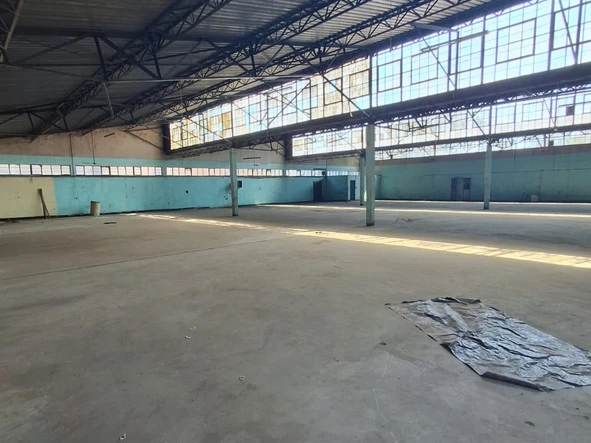
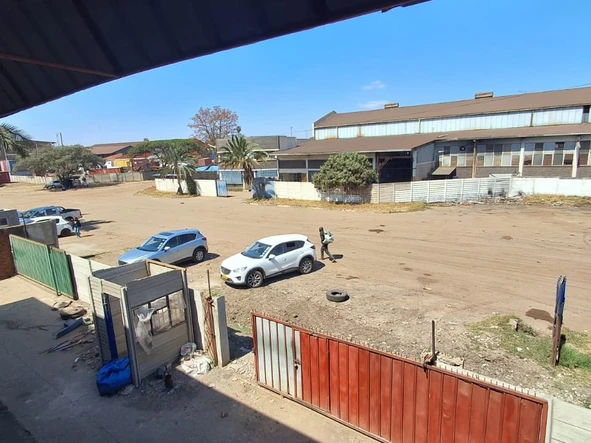
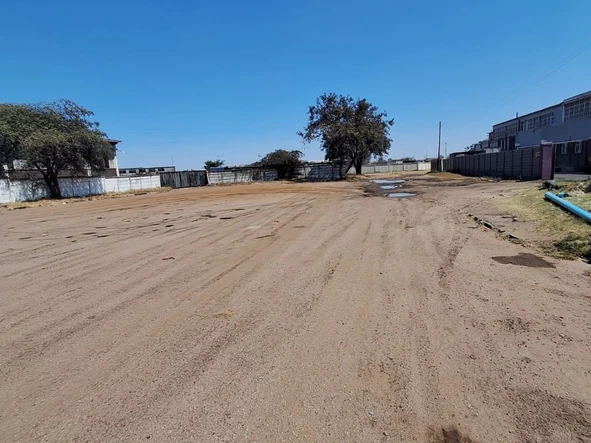
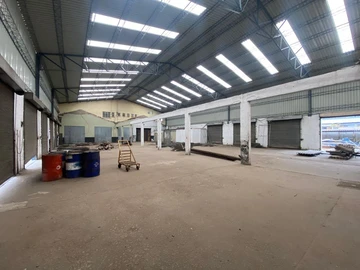
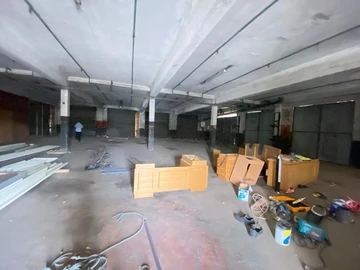
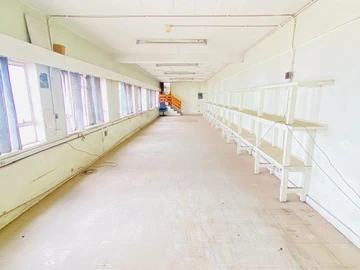
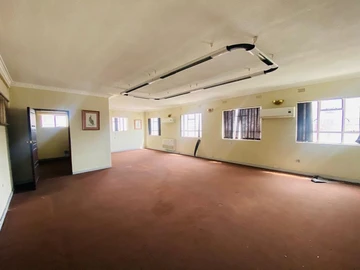
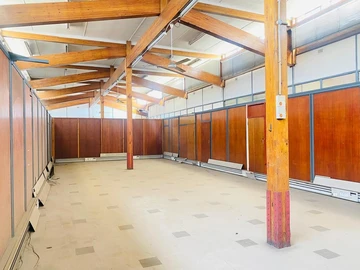
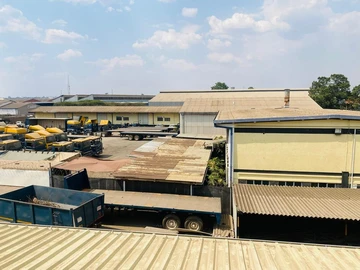
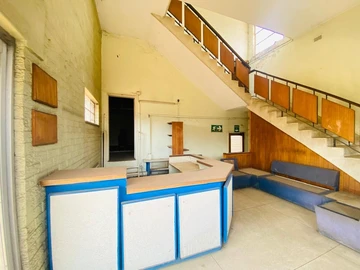
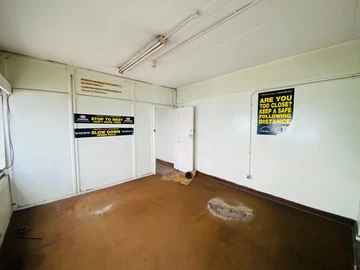
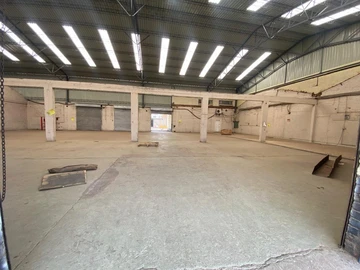
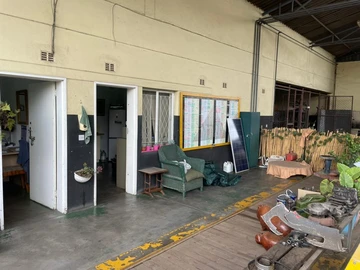
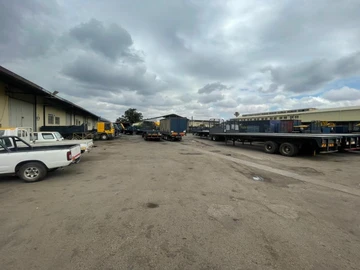
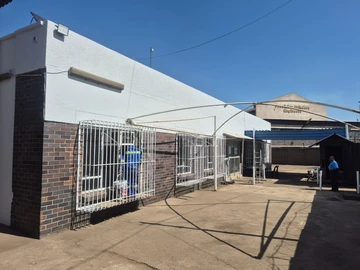
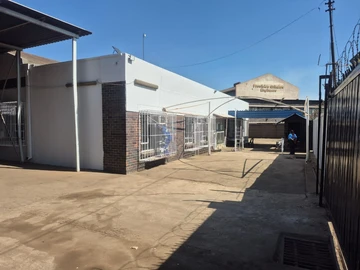
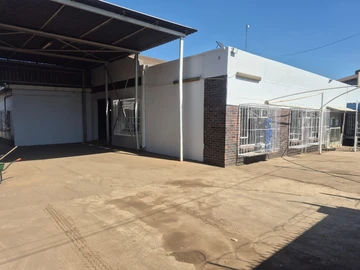
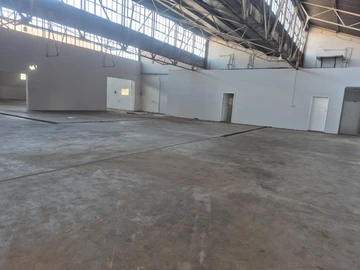
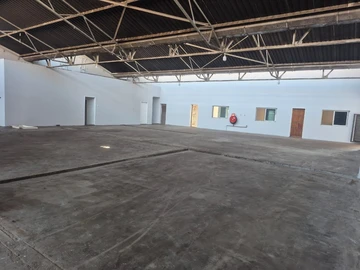
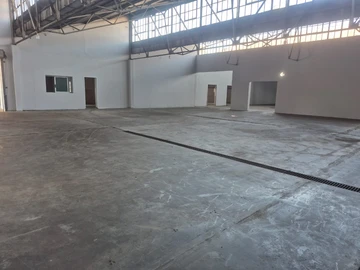
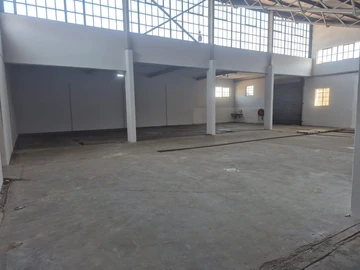
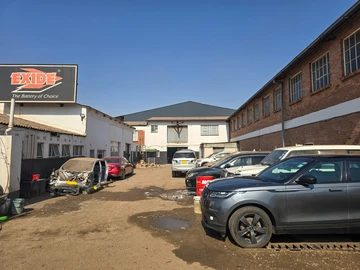
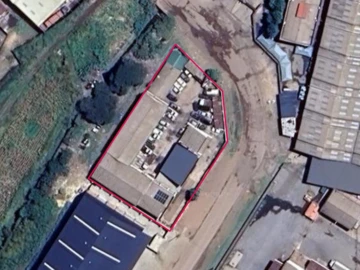
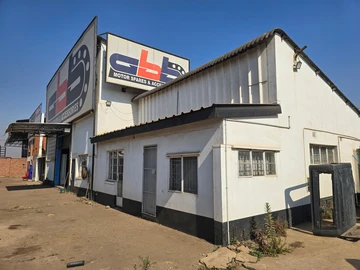
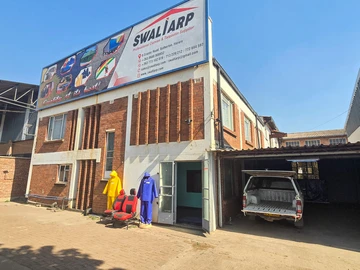
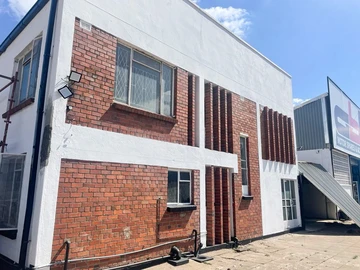
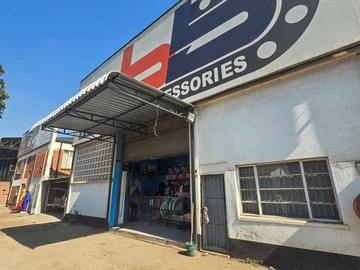
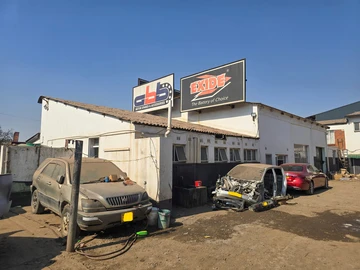
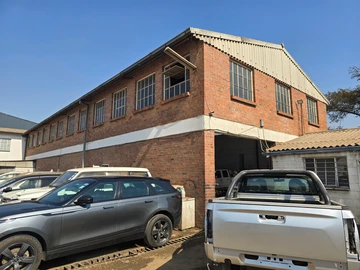
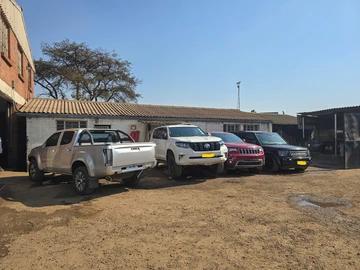
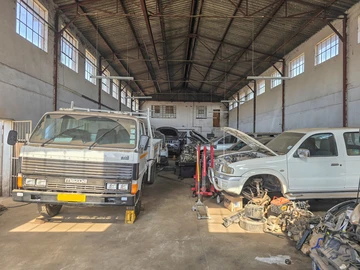
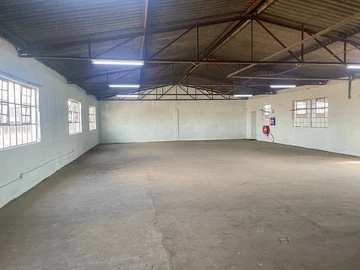
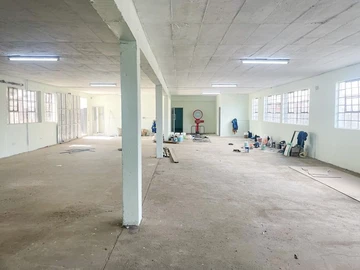
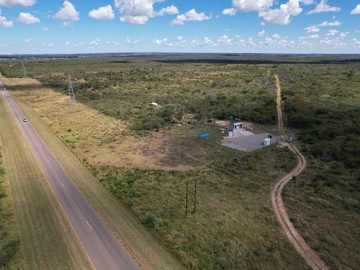
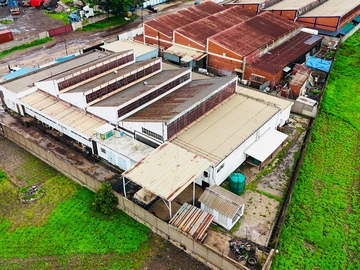
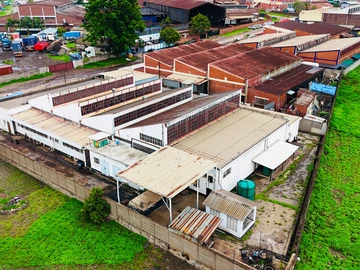
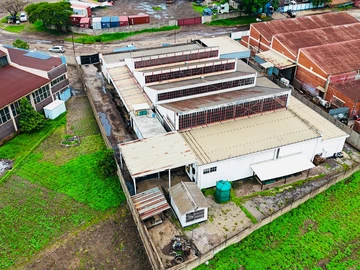
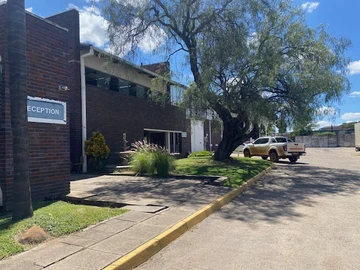
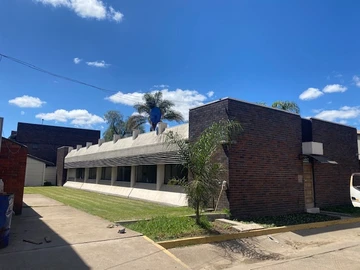
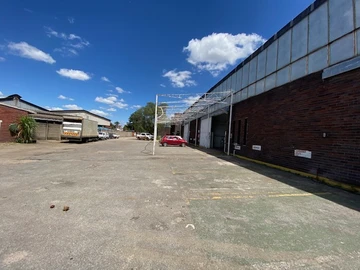
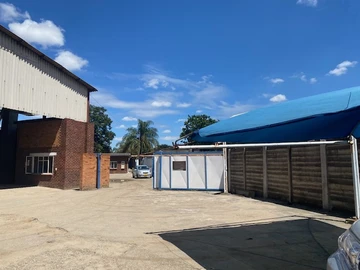
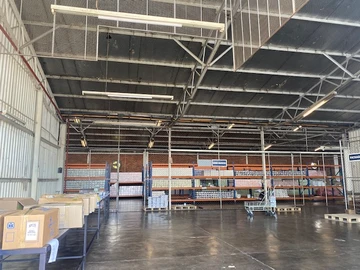
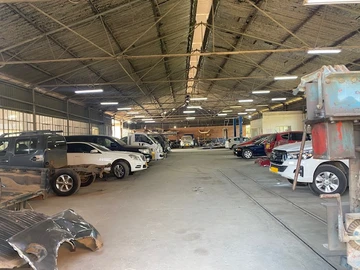
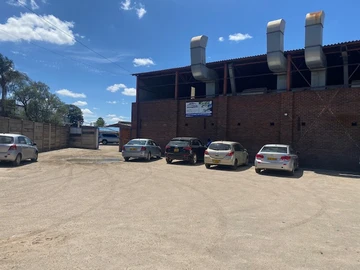
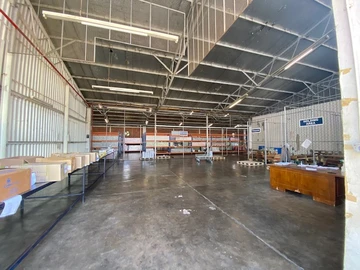
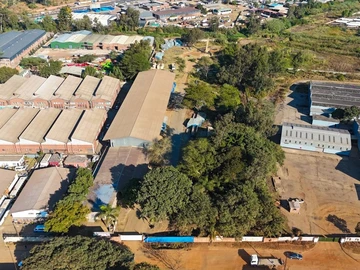
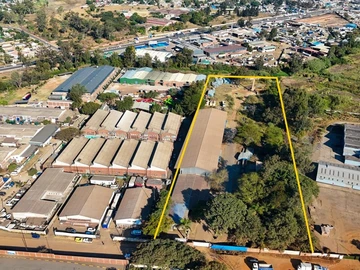
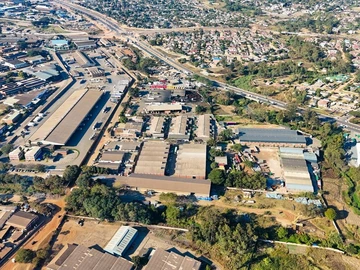
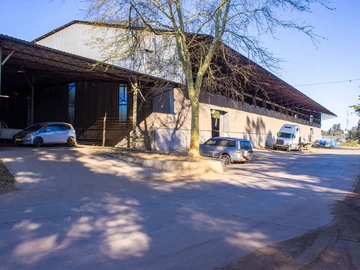
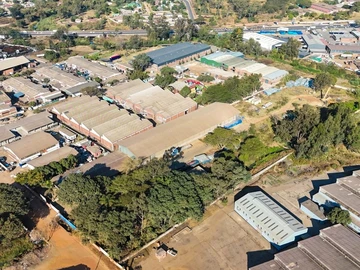
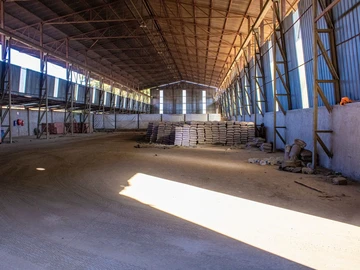
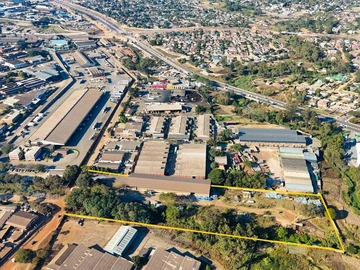
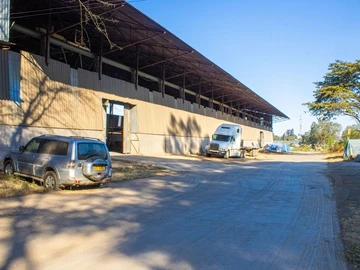
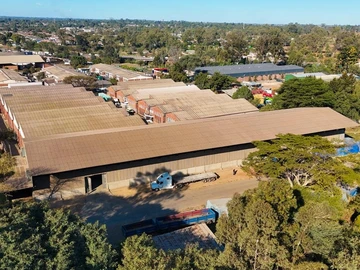
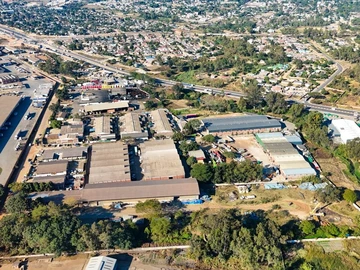
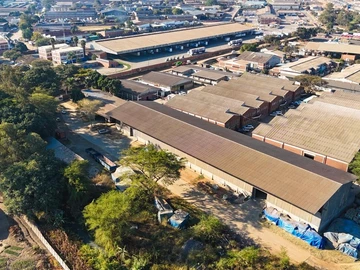
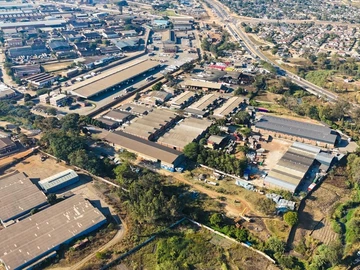
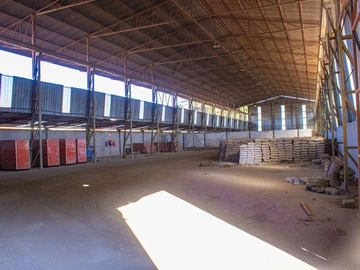
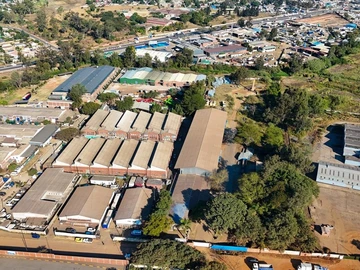
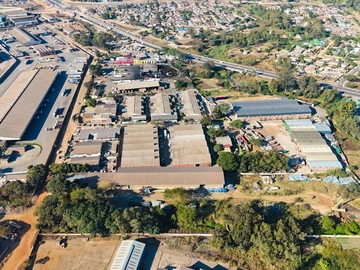
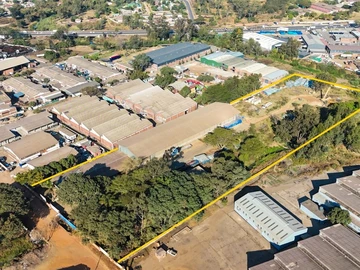
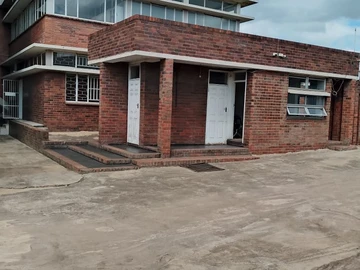
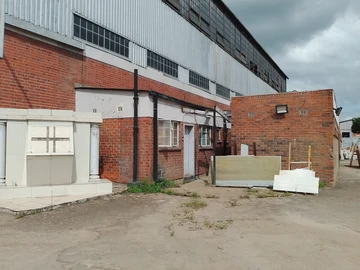
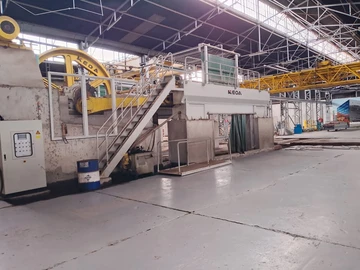
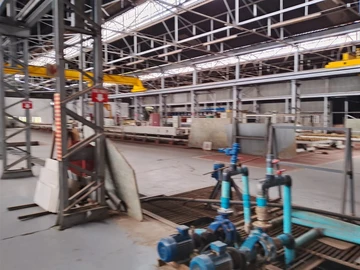
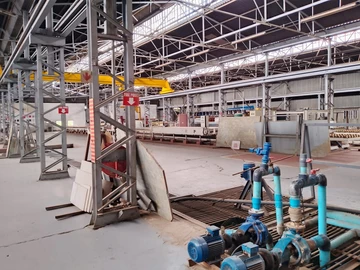
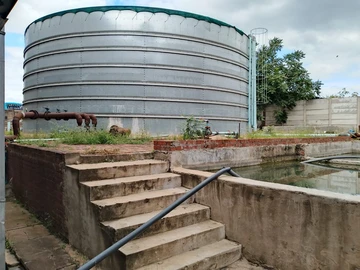
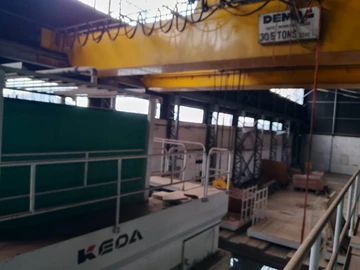
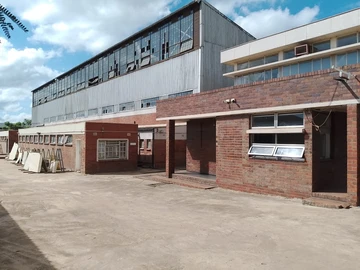
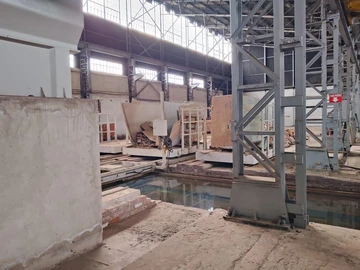
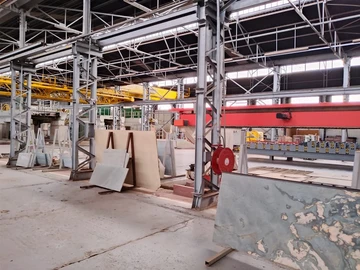
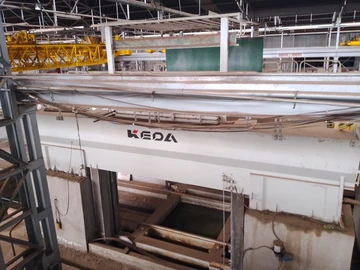
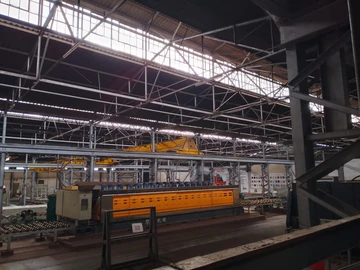
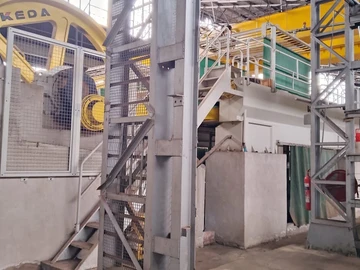
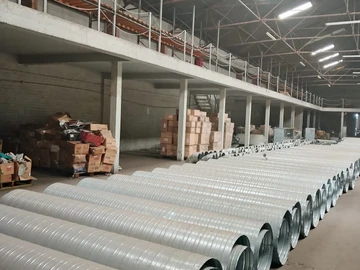
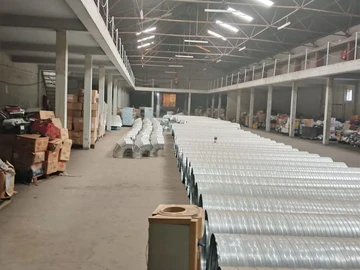
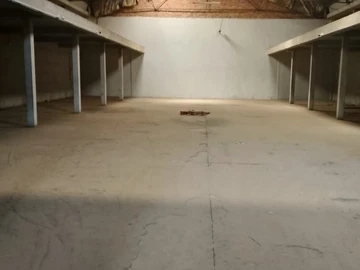
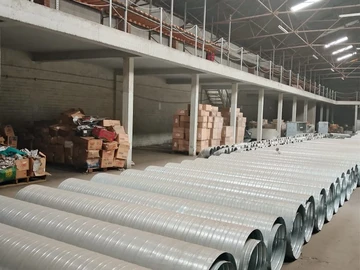
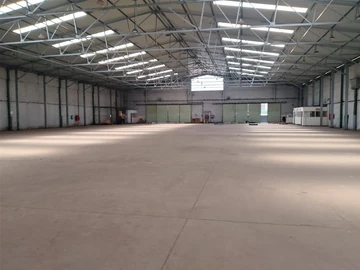
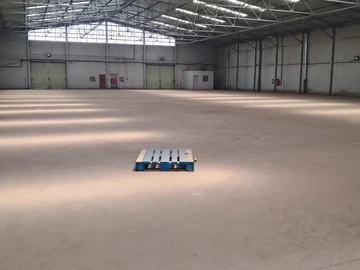
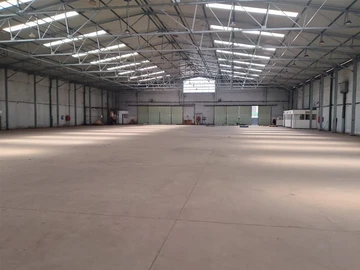
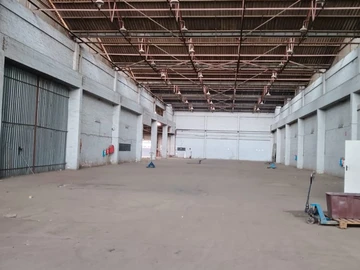
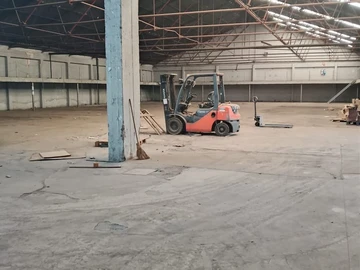
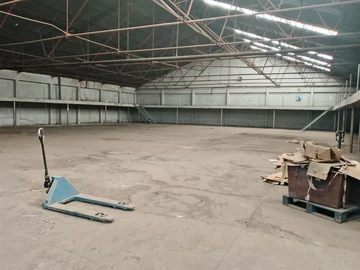
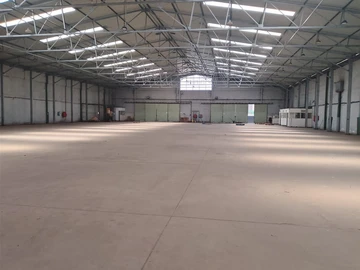
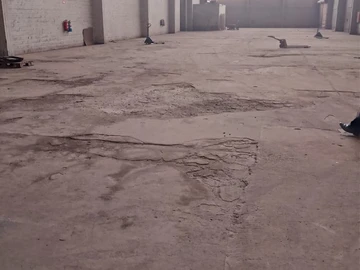
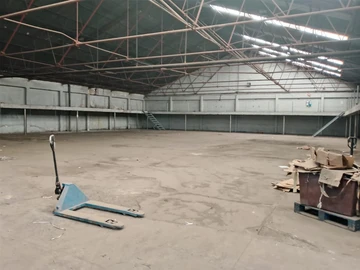
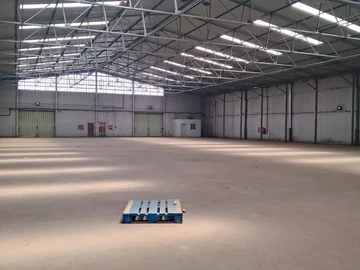
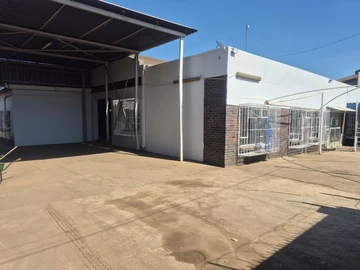
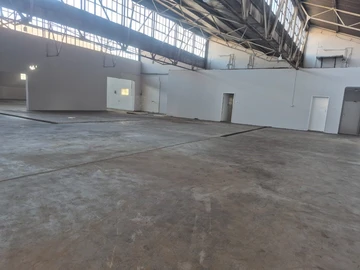
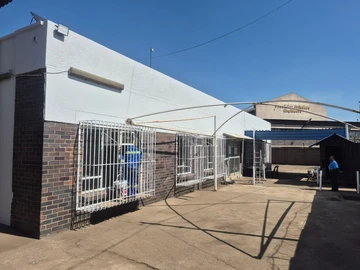
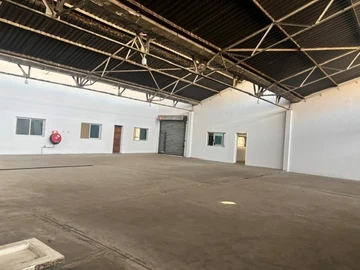
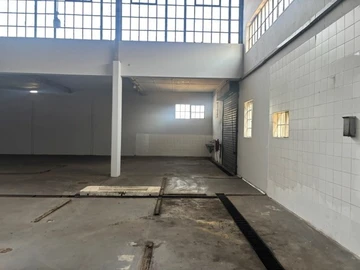
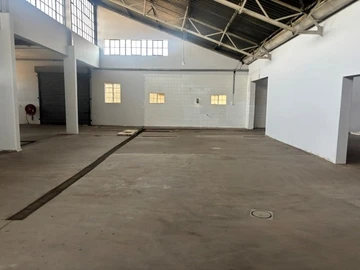
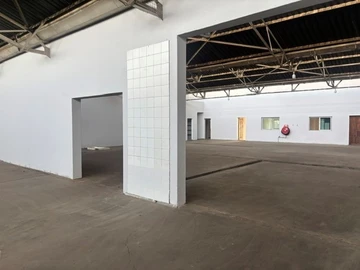
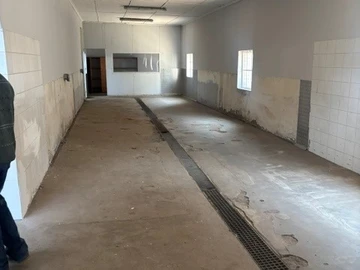
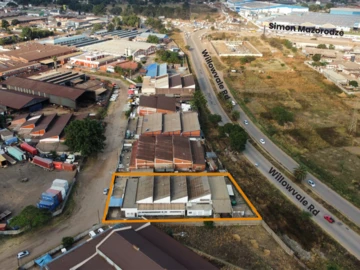
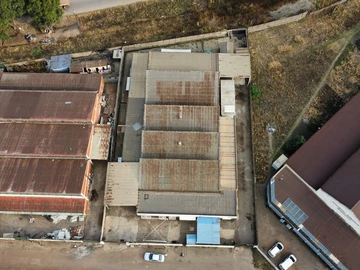
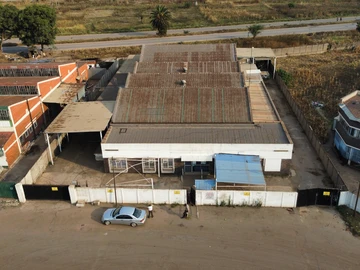
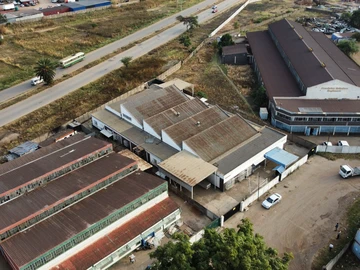
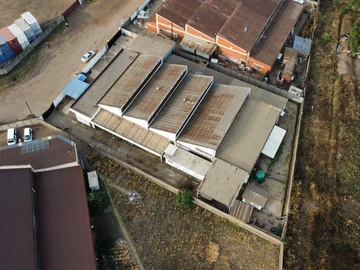
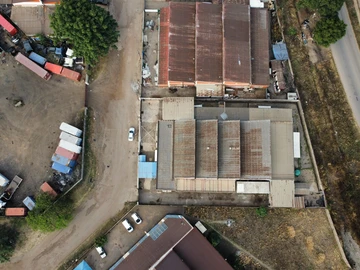
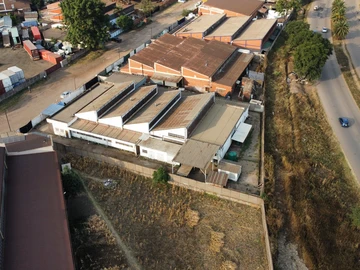
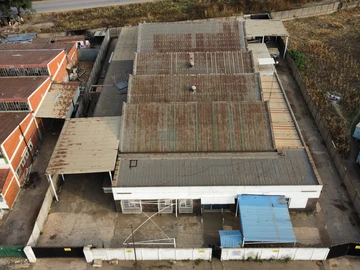
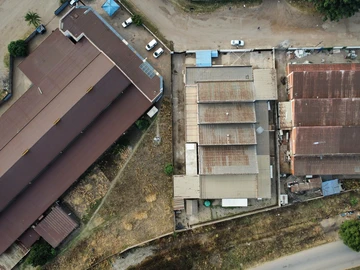
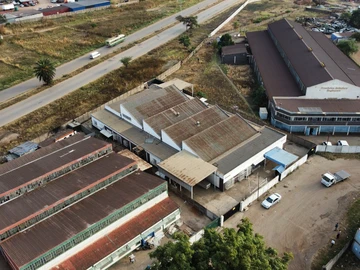
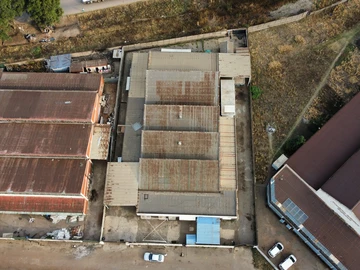
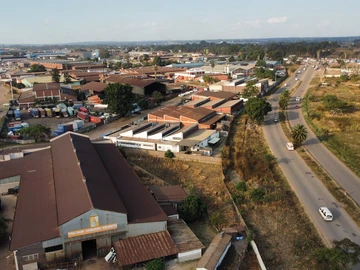
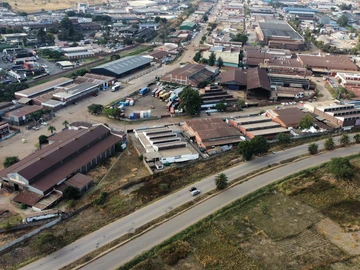
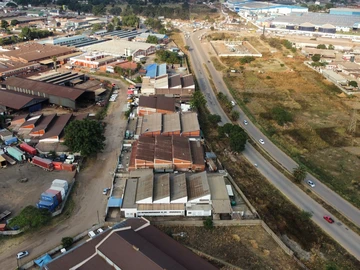
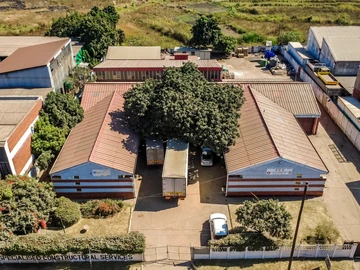
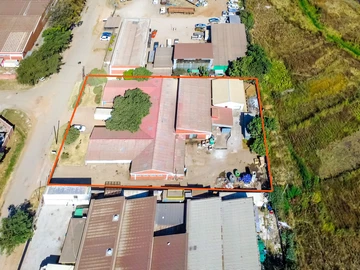
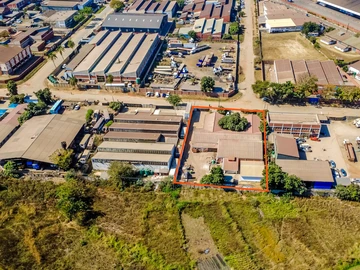
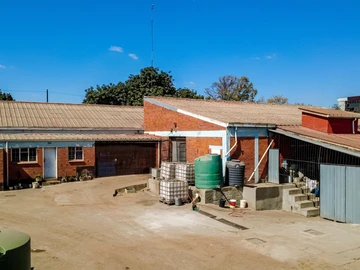
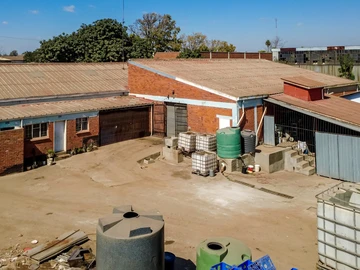
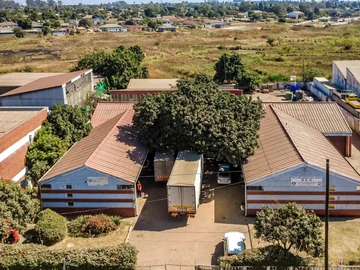
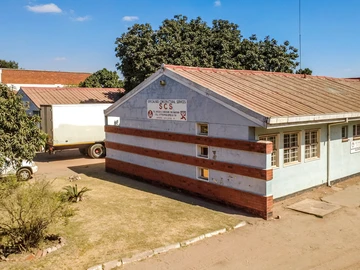
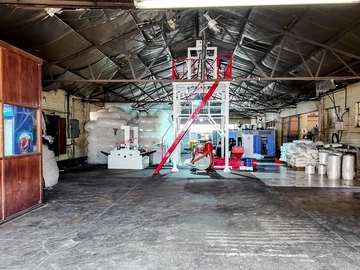
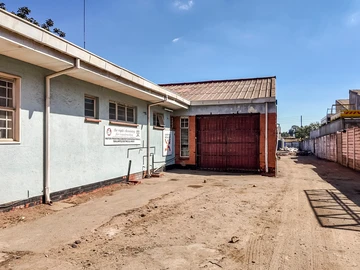
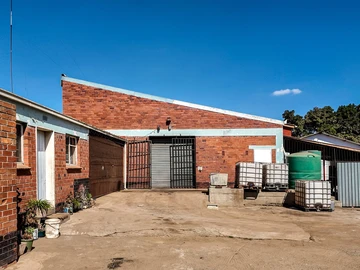
Warehouses and factories for sale in Southerton, Harare South, are positioned in a practical industrial area with an average price of $870,000, reflecting a high-end market. These properties typically sit on land parcels averaging around 5,000 ㎡, with building sizes averaging 2,849 ㎡. The largest properties offer up to 18,728 ㎡ of land and buildings as large as 6,000 ㎡, while smaller options start from about 1,990 ㎡ of land.
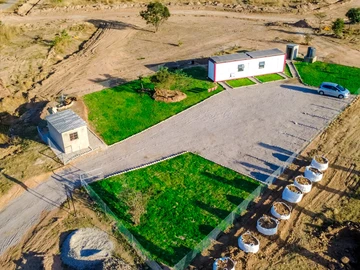
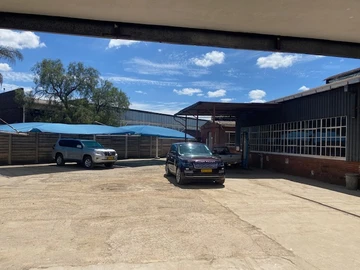
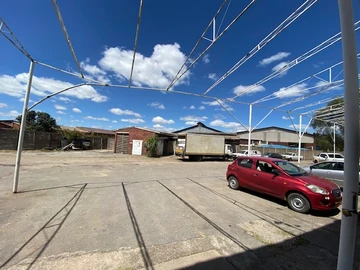
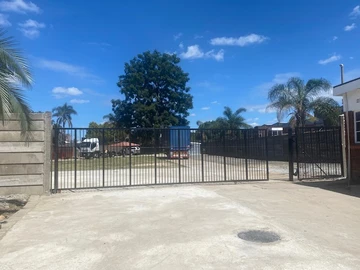
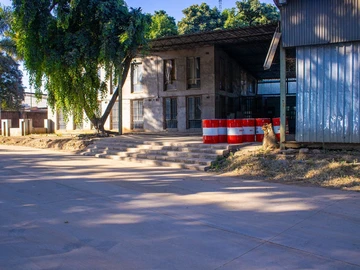
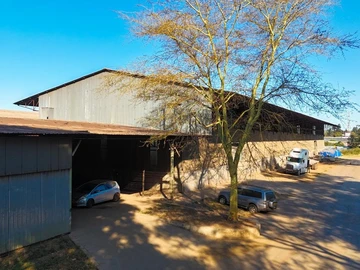
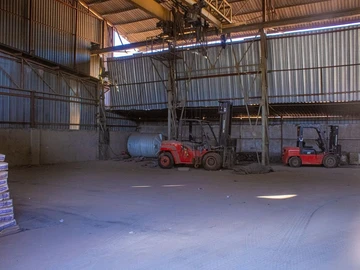
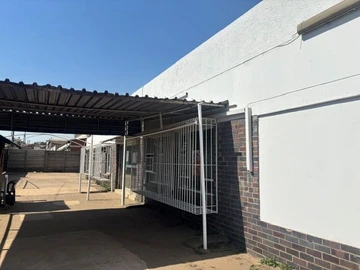
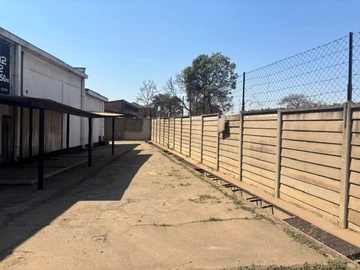
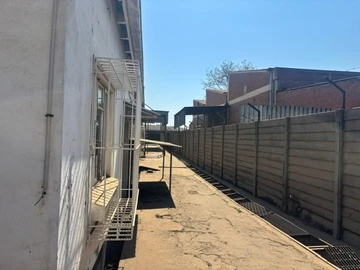
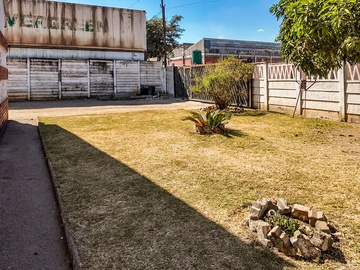
Many of these industrial properties come with useful features such as reliable ZESA power supply, secure walled compounds, boreholes for water, and carports. These amenities support the operational needs of businesses requiring functional and well-serviced spaces for manufacturing, storage, or distribution.
Southerton is a mixed-use suburb combining industrial and residential zones, well connected to Harare’s city center by major roads and public transport. The area includes key facilities such as Southerton Stadium and is close to the National Sports Stadium. Residents and workers have access to Southerton Primary School, Parirenyatwa Group of Hospitals, and convenient shopping at Southerton Shopping Centre. Local eateries and cafes cater to the working population, making Southerton a practical location for industrial operations with accessible amenities nearby.


Be the first to see new properties for sale in Southerton, Harare South










| Type | Avg. price |
|---|---|
| Average price | $870,000 |
Buying property in Zimbabwe? Discover hidden costs like stamp duty, conveyancing fees, and taxes that can add 8%–12% or more to your purchase price.
Tenants not paying rent in Zimbabwe? Learn your legal rights as a landlord, the step by step eviction process, and illegal self-help actions to avoid.
Discover how blockchain, crypto, and tokenized real-world assets (RWAs) are transforming real estate ownership, liquidity, and financing over the next 5 years.
Buying a residential stand in Zimbabwe? Learn how to verify ownership, subdivision, planning approvals, servicing, title and the developer before paying.
Learn how servitudes affect property ownership, rights of way, and utility access in Zimbabwe. Protect your land title and avoid boundary disputes.





 4,500 m²