Log in to contact the seller
 Continue with Facebook
 Continue with Email
Continue with Facebook
Continue with Email
Sign up with Facebook
Continue with Email
Continue with Facebook
Continue with Email
Sign up with Facebook
 Change filters
 Requests






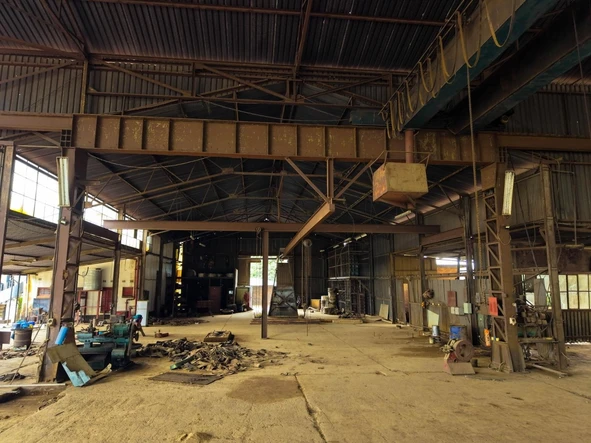
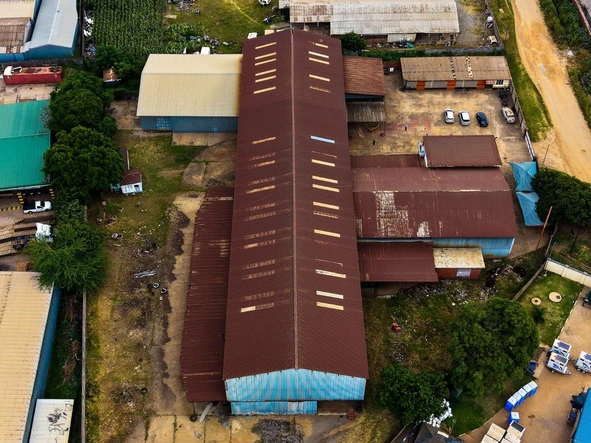
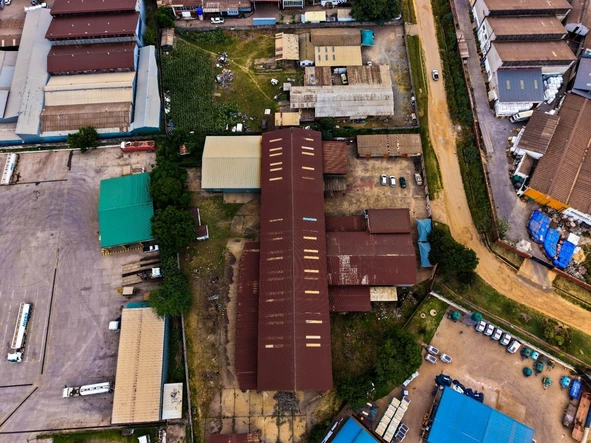
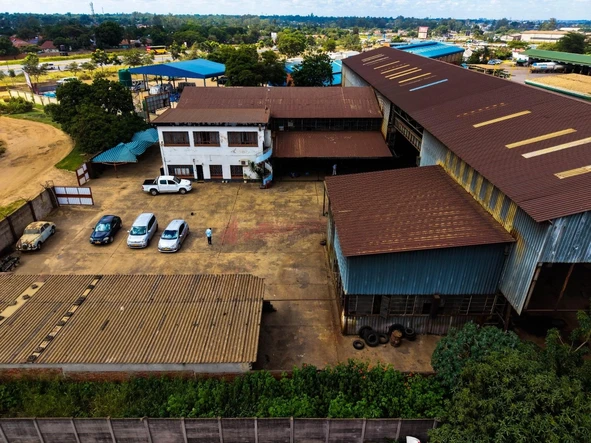
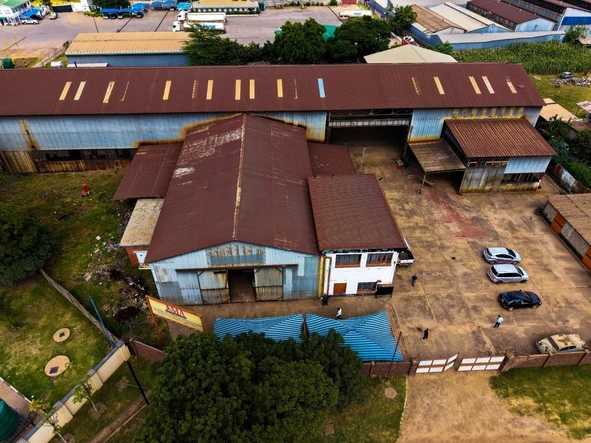
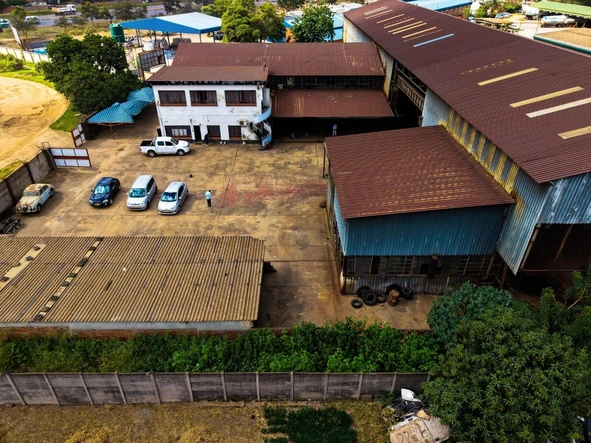
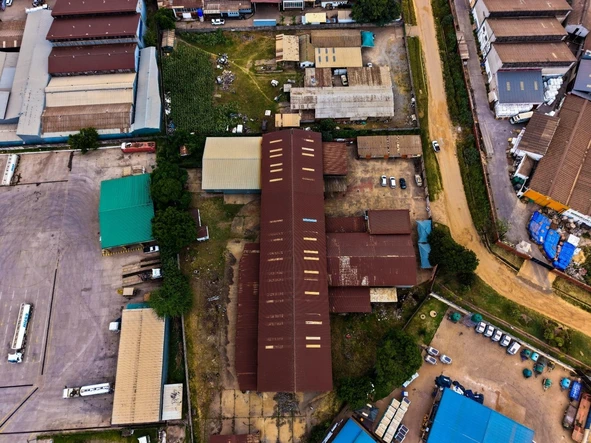
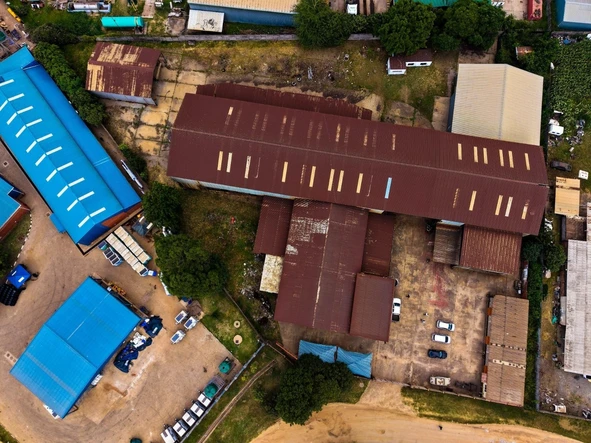
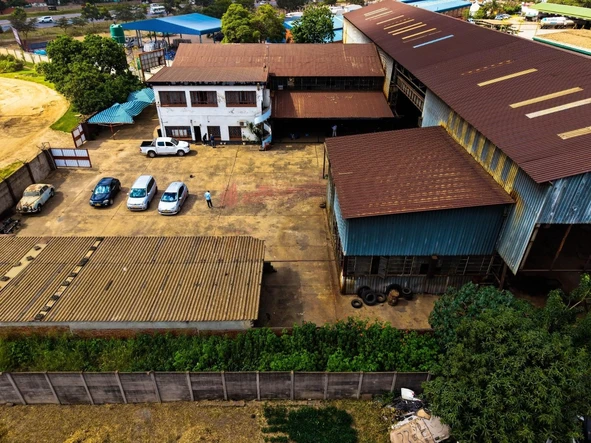
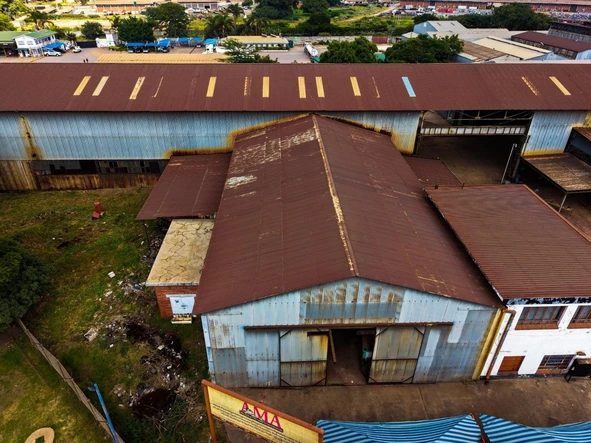
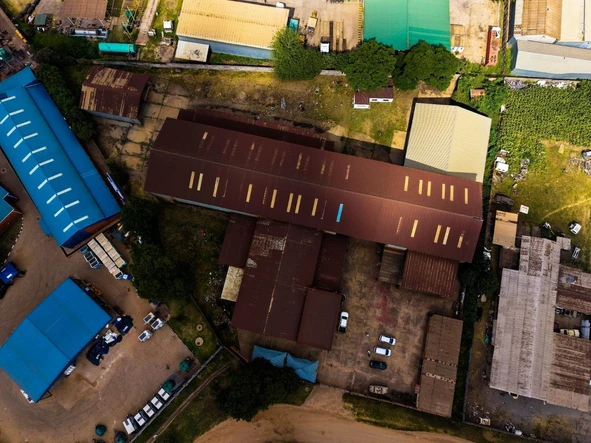
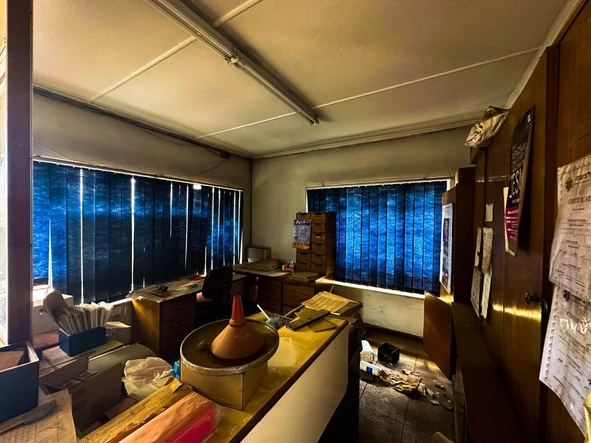
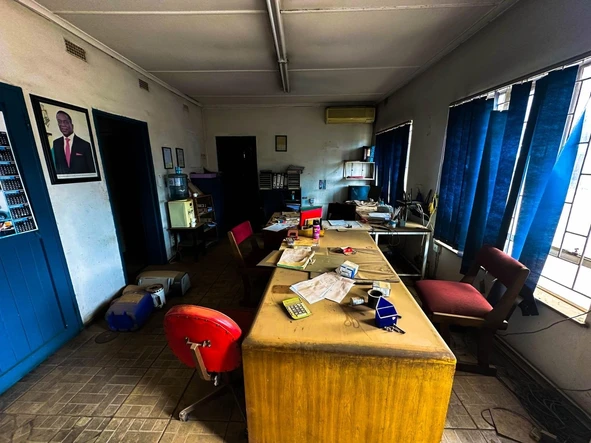
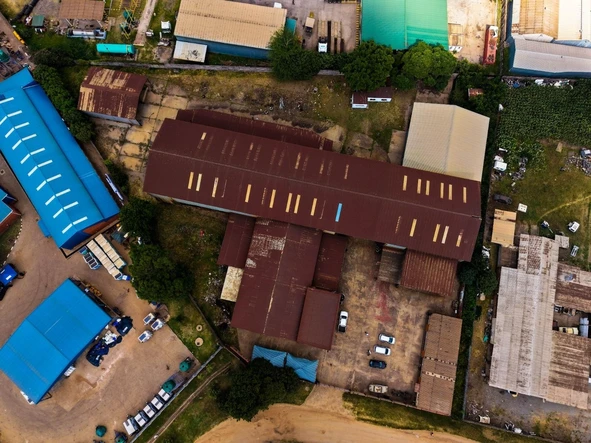
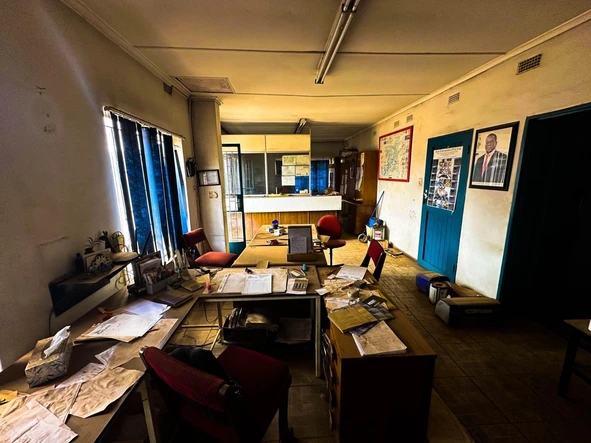
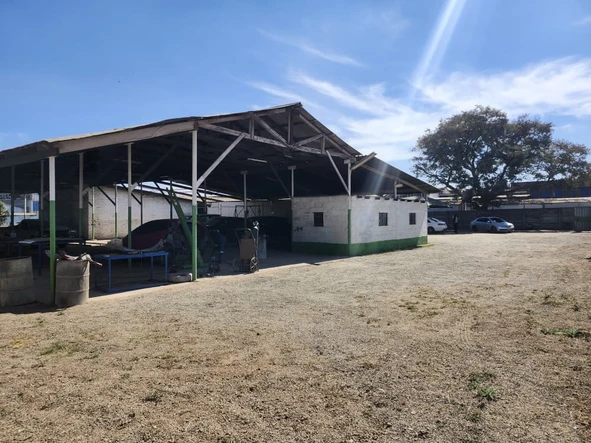
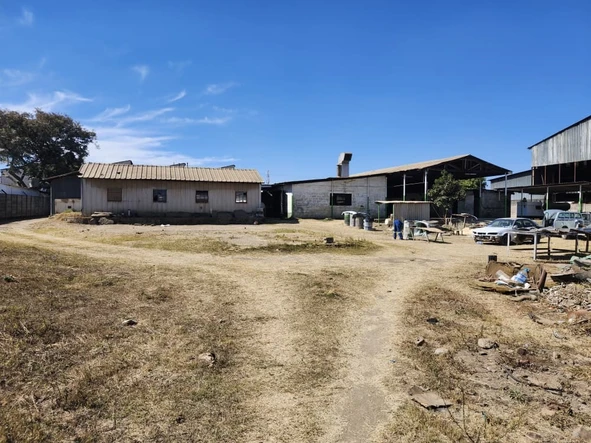
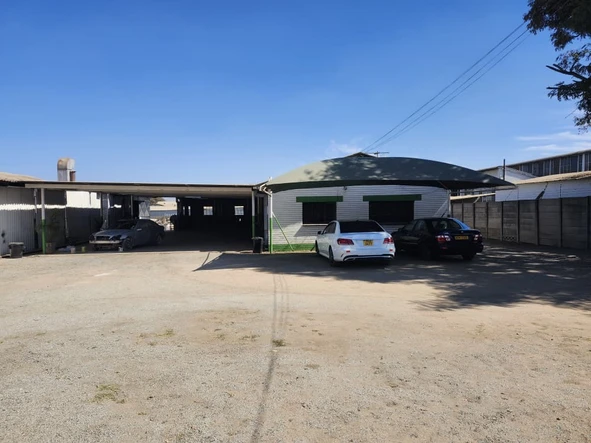
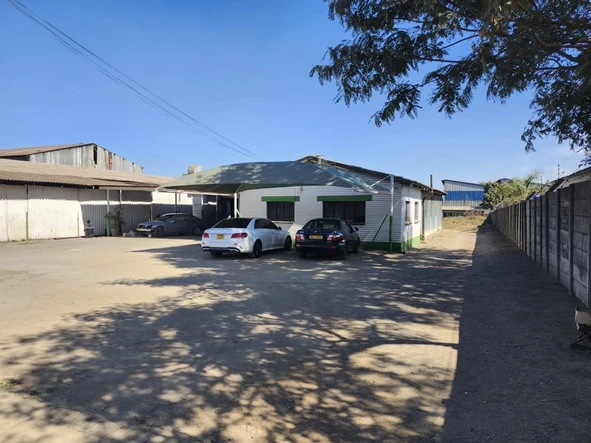
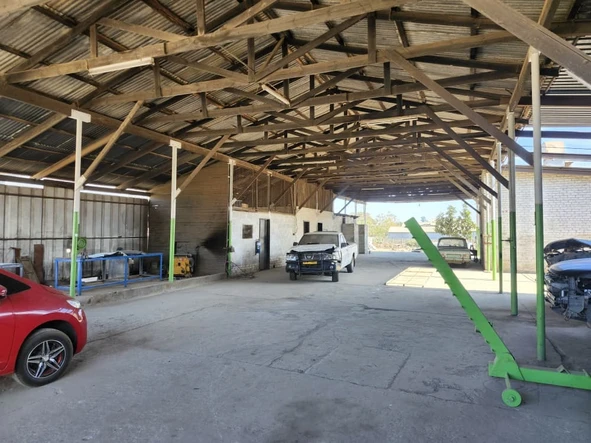
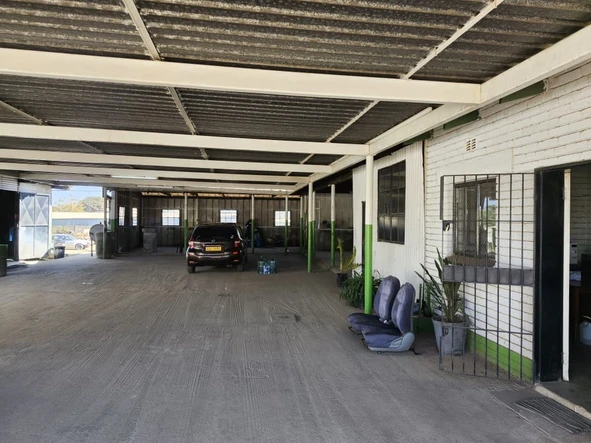
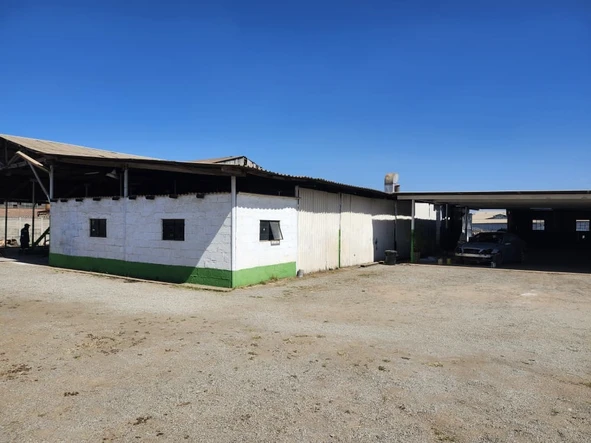
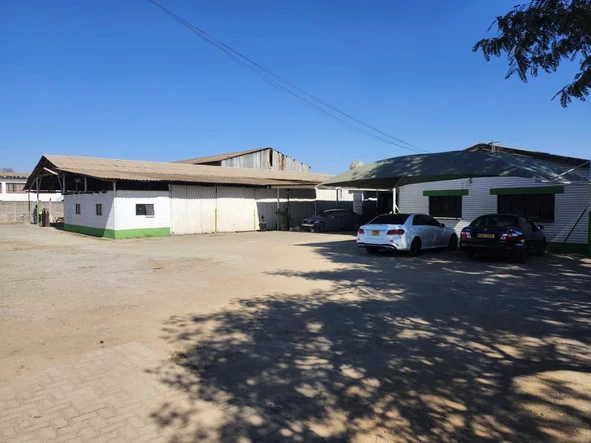
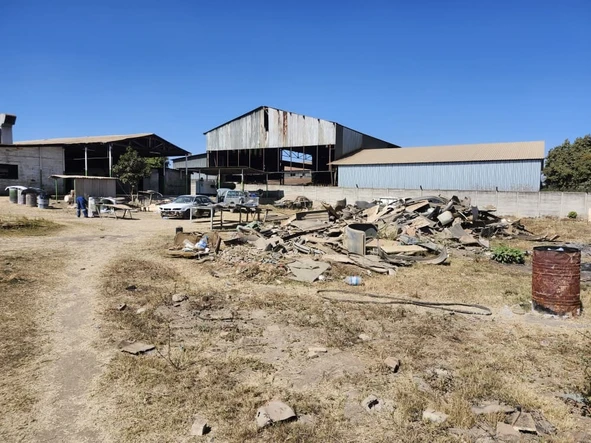
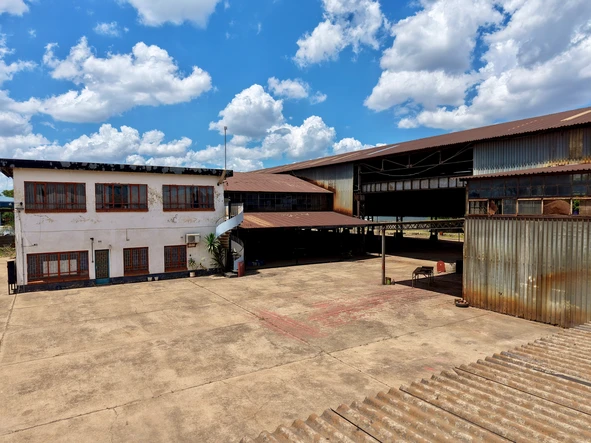
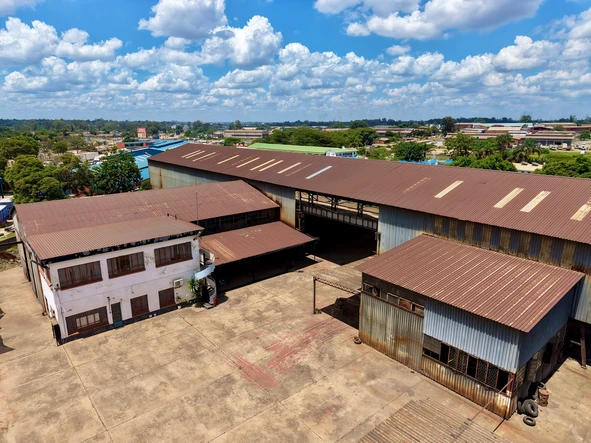
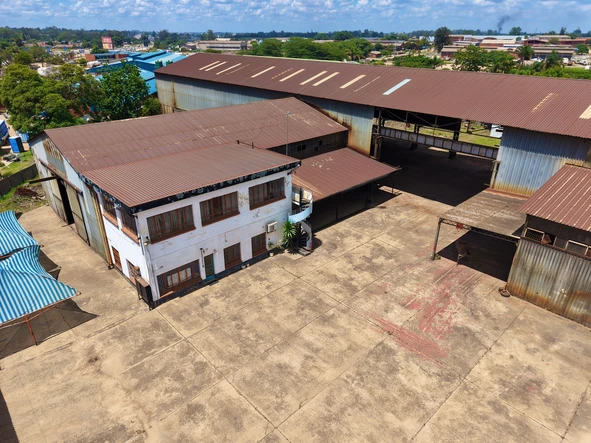
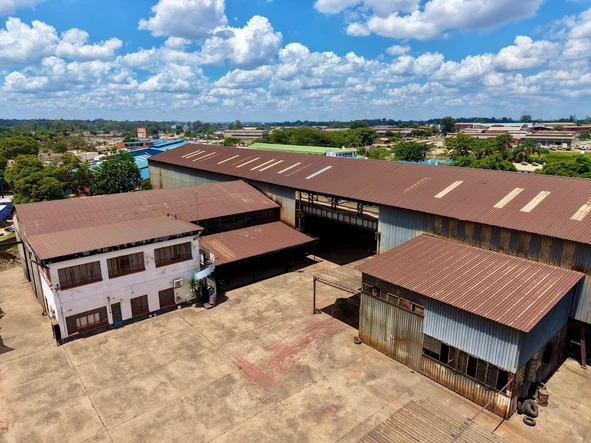
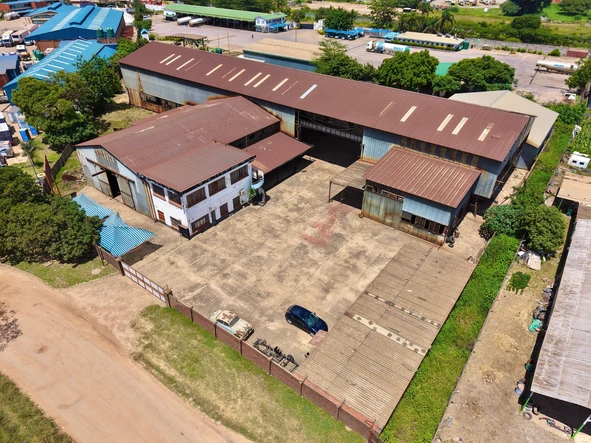
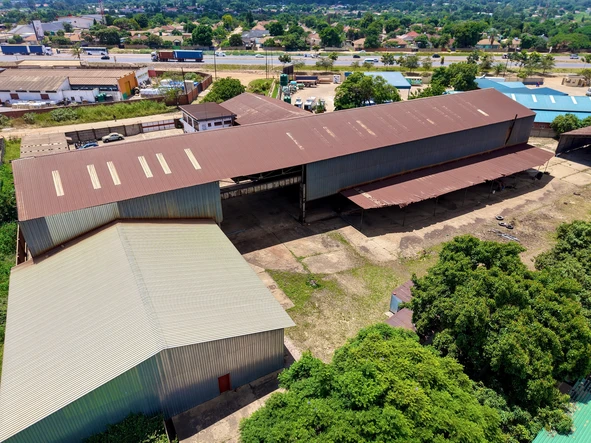
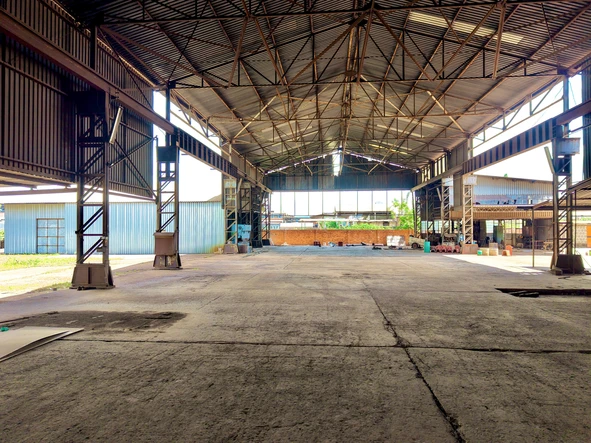
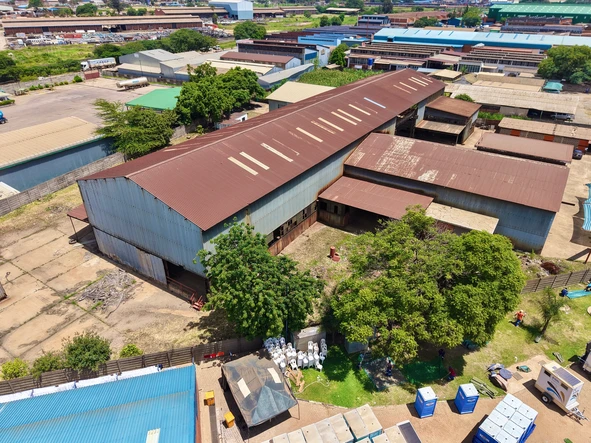
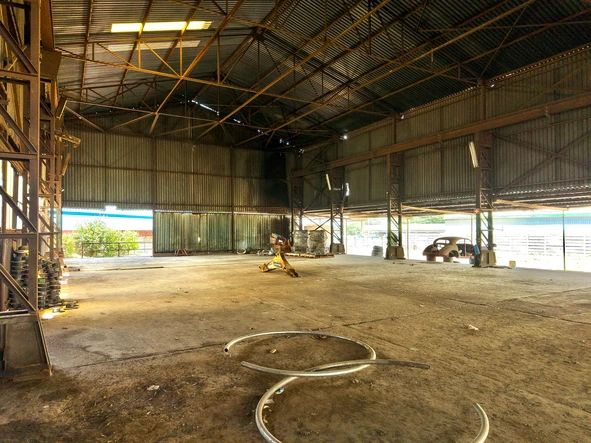
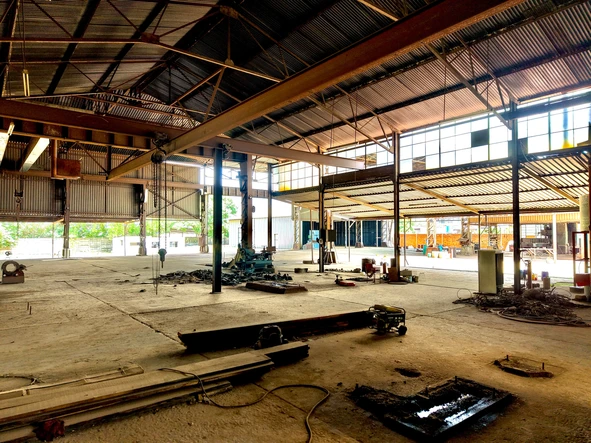
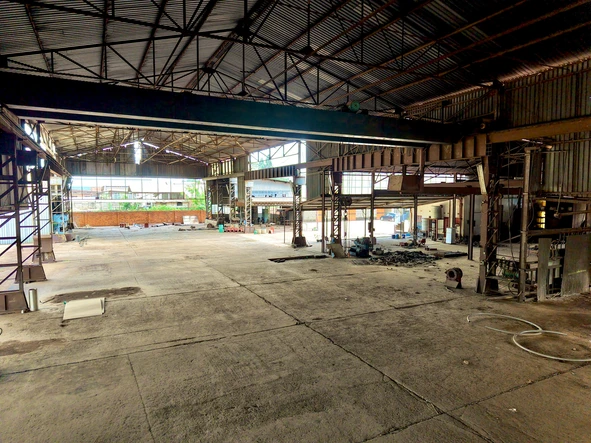
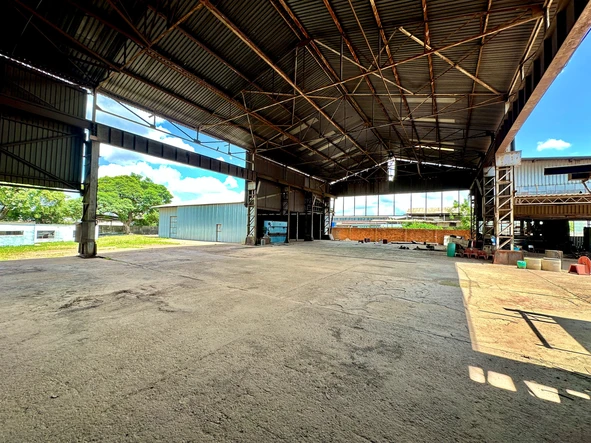
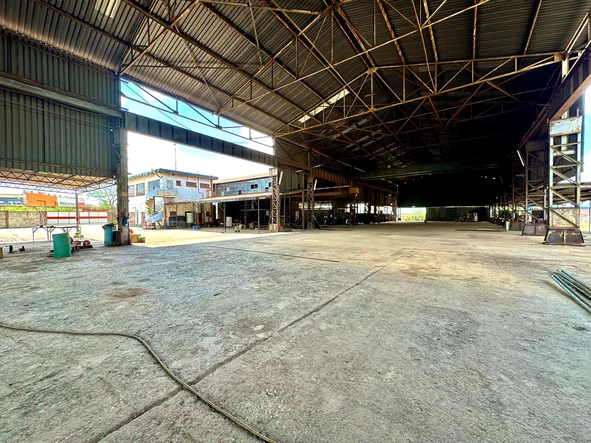
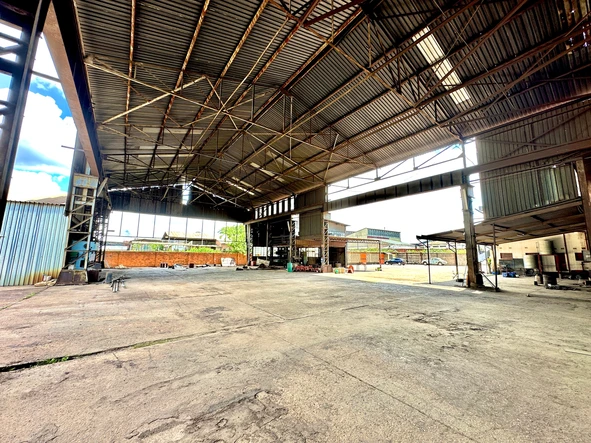
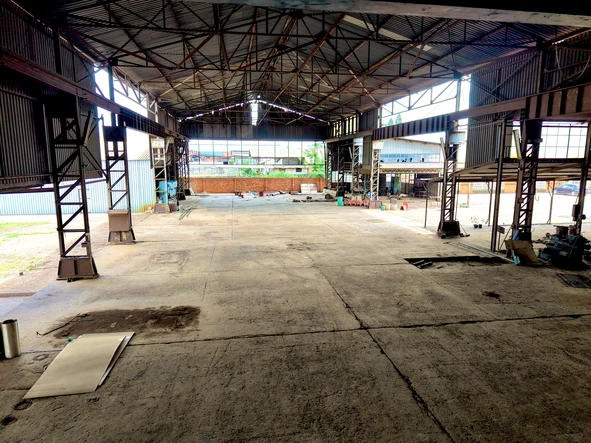
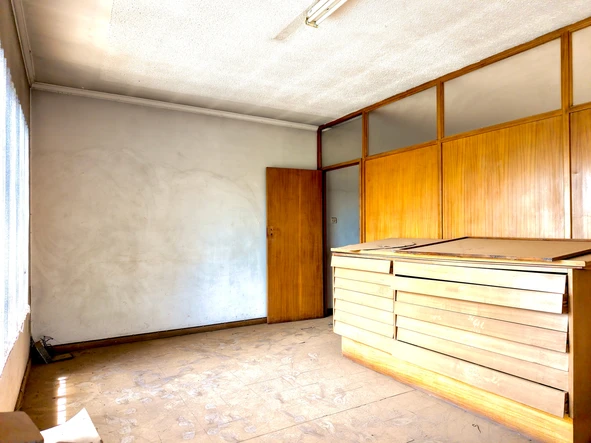
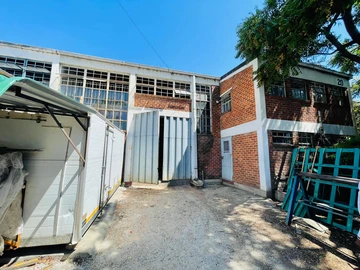
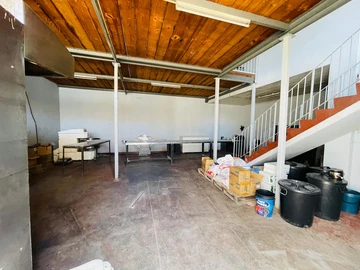
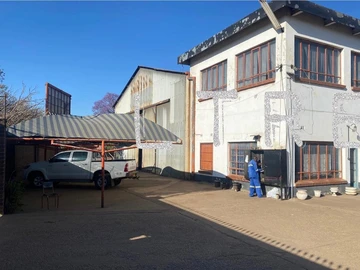
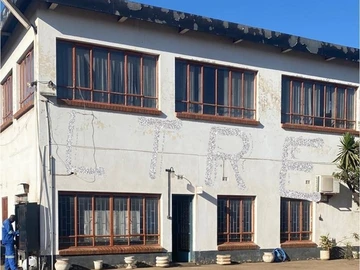
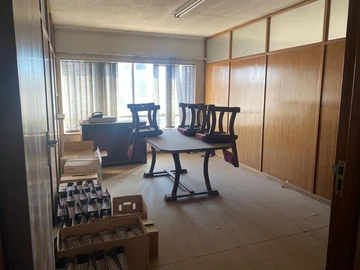
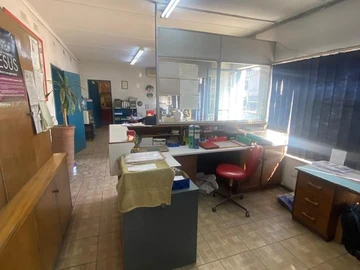
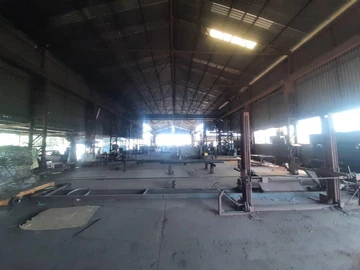
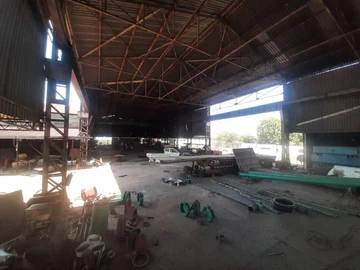
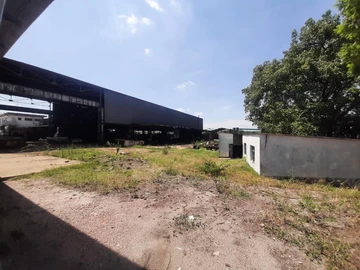
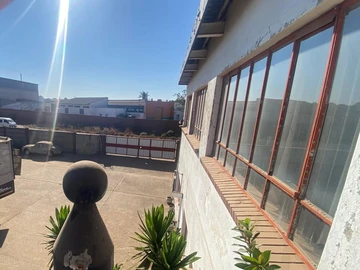
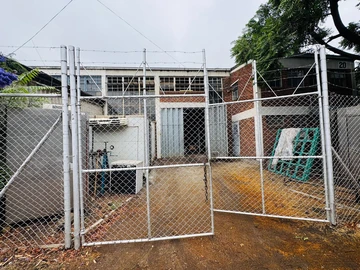
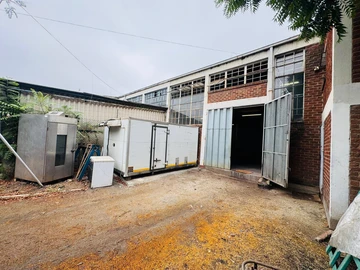
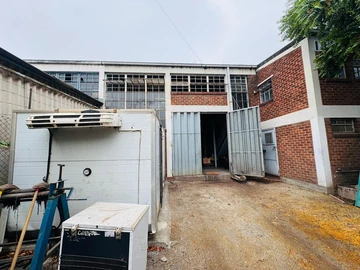
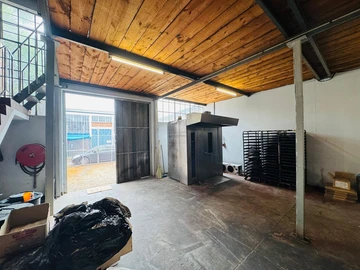
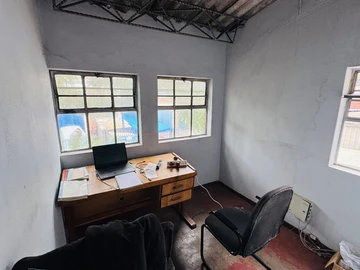
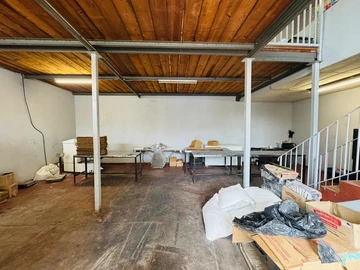
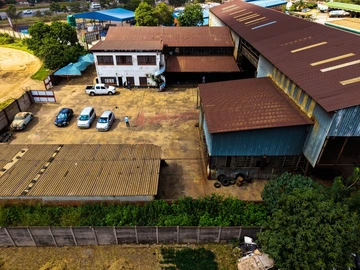
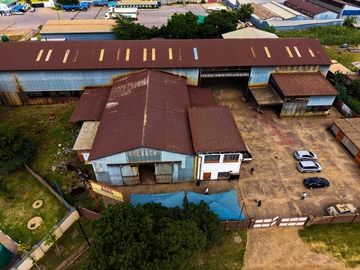
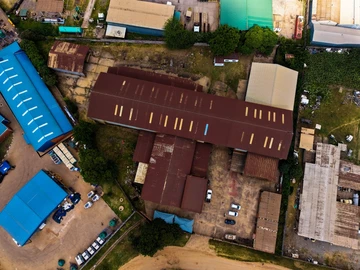
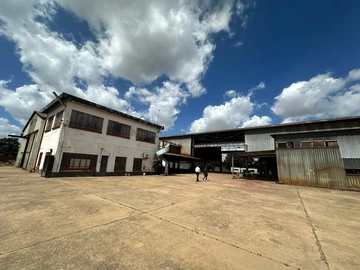
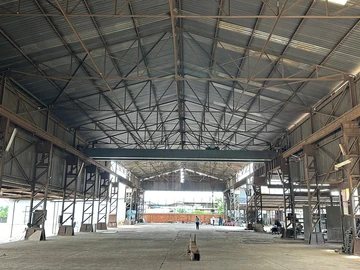
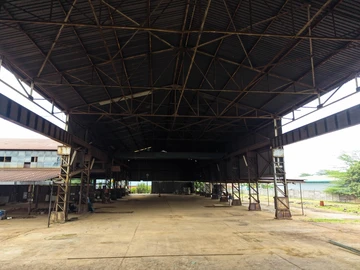
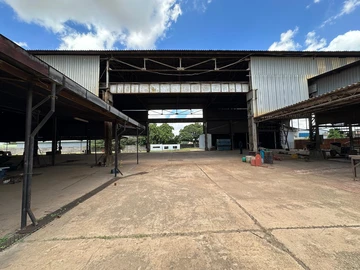
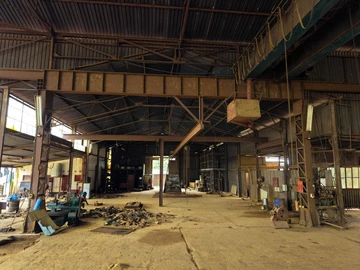
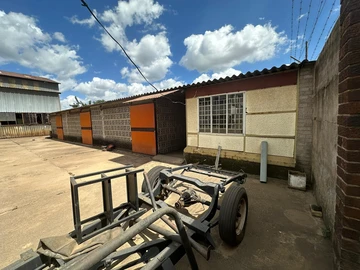
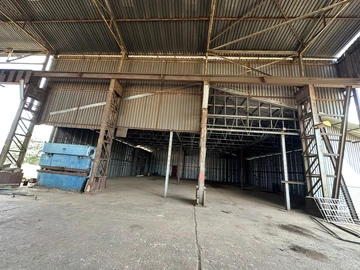
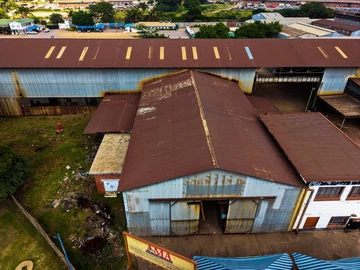
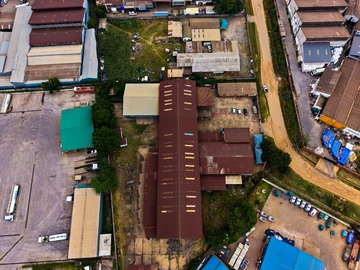
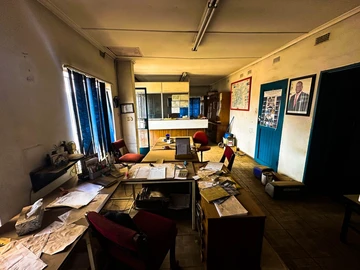
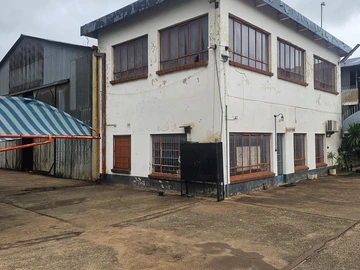
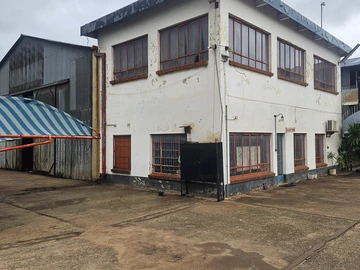
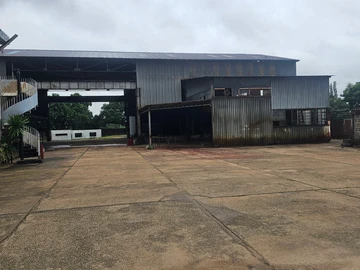
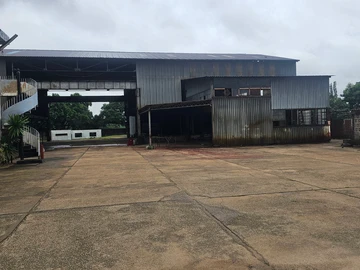
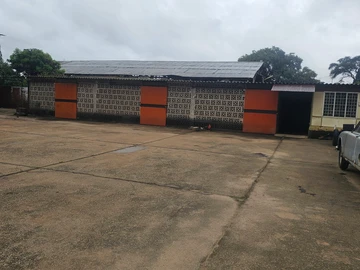
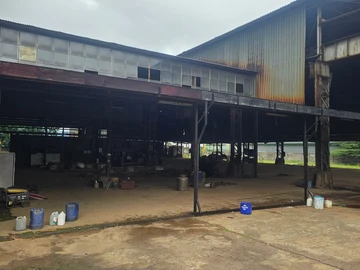
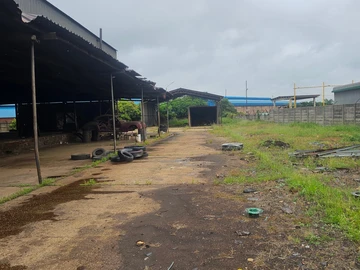
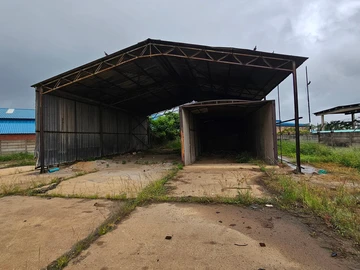
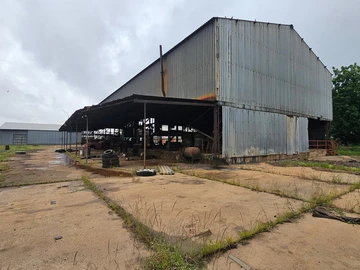
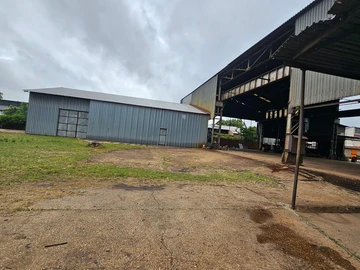
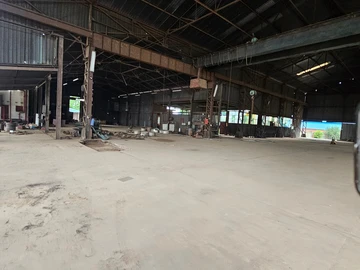
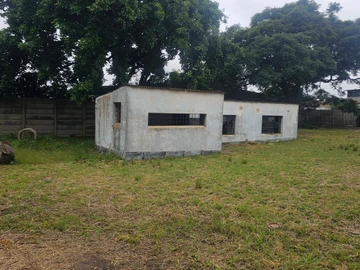
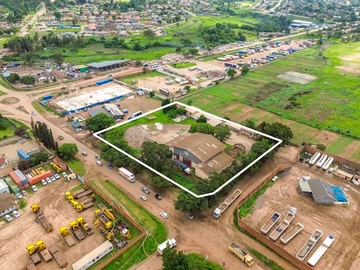
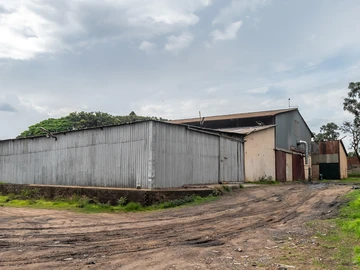
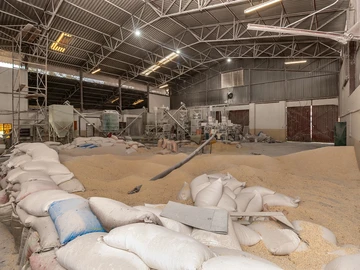
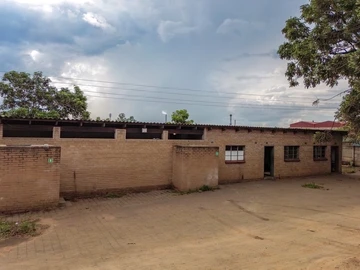
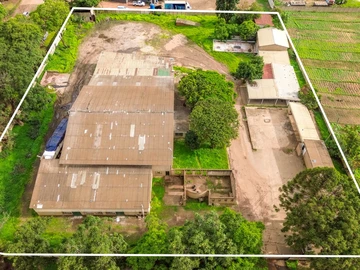
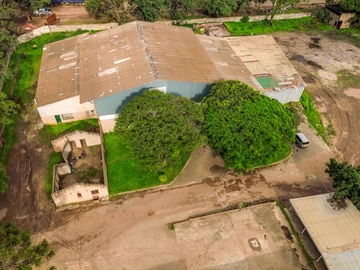
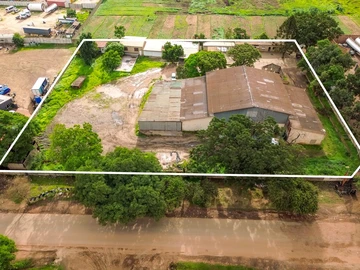
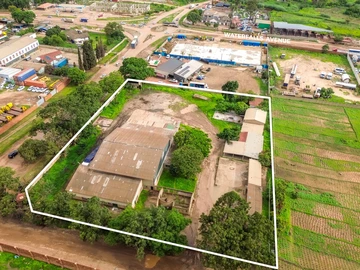
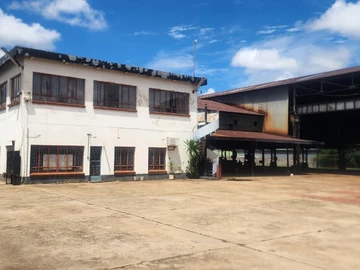
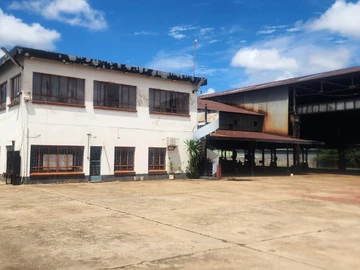
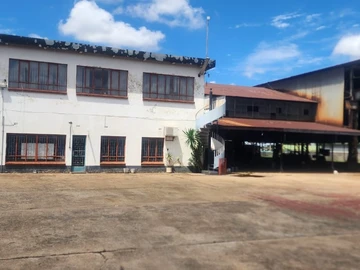
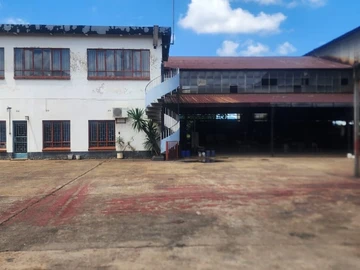
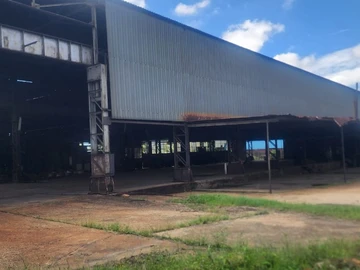
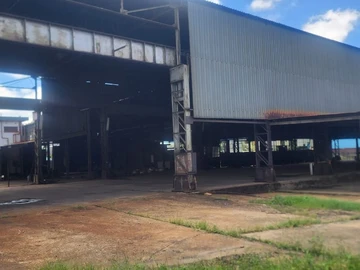
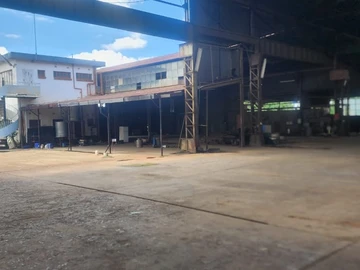
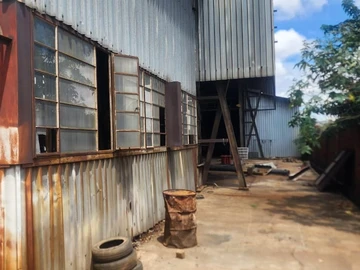
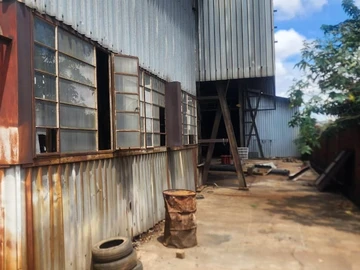
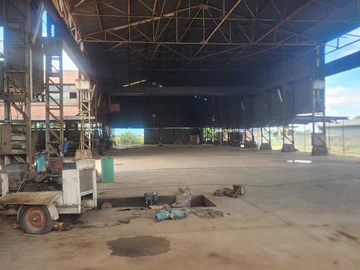
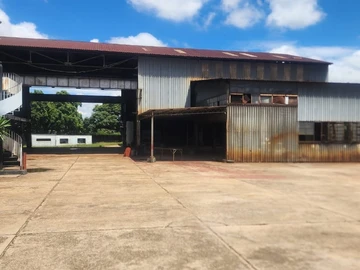
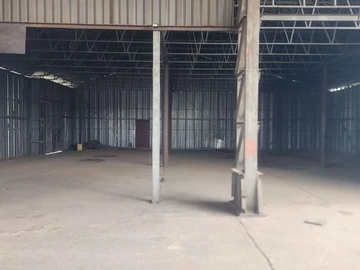
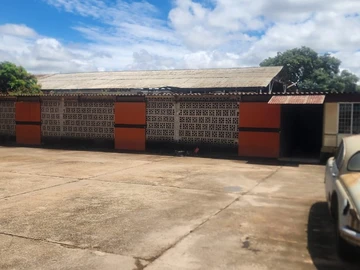
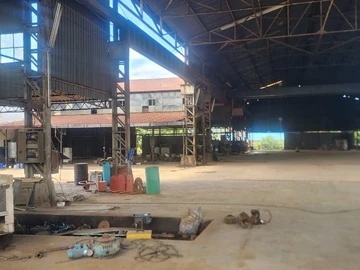
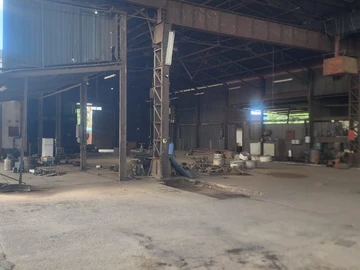
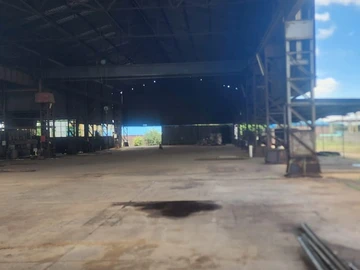
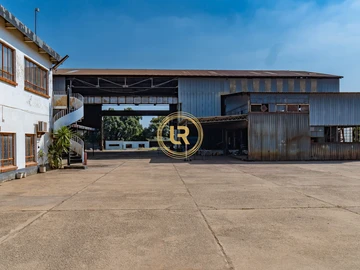
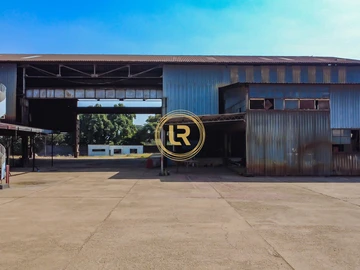
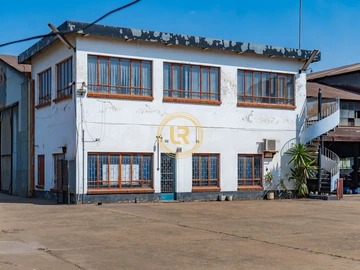
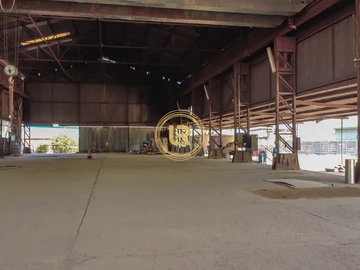
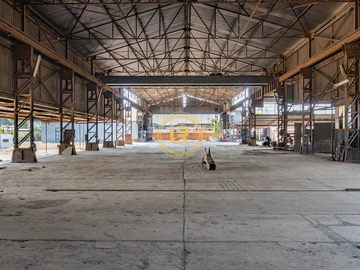
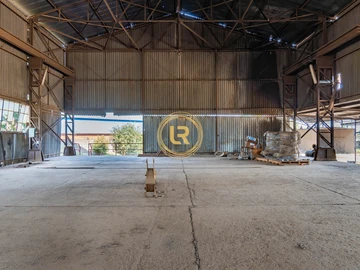
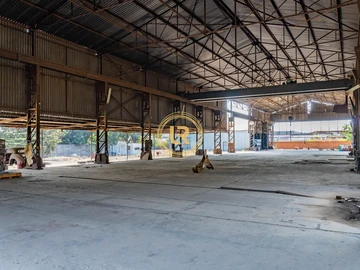
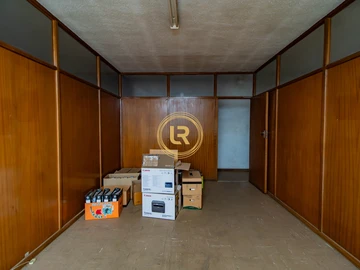
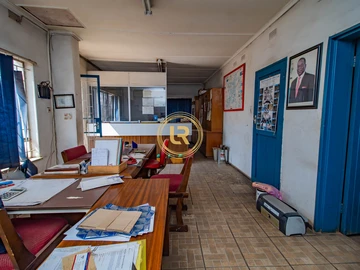
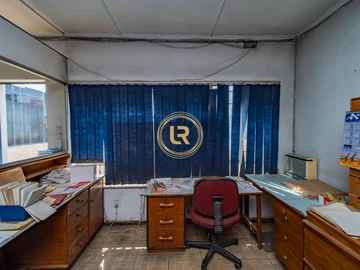
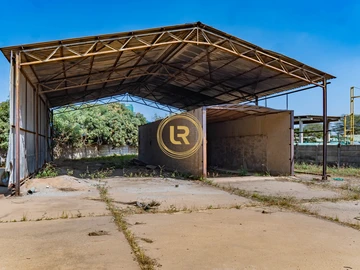
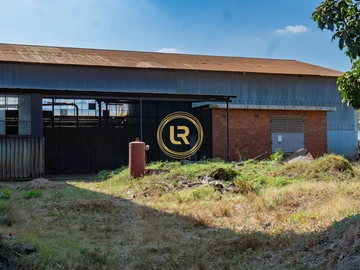
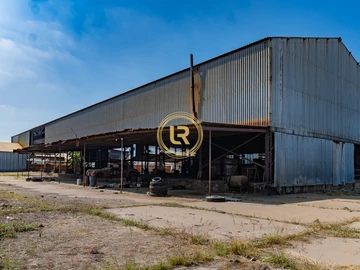
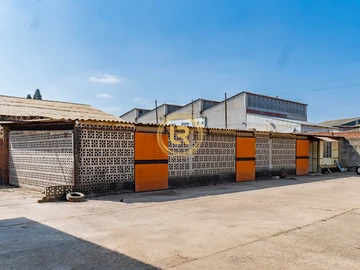
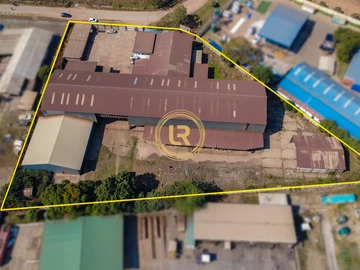
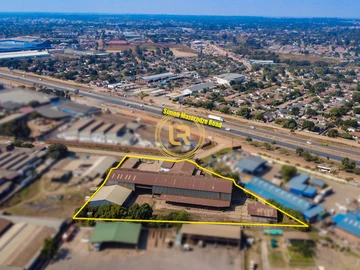
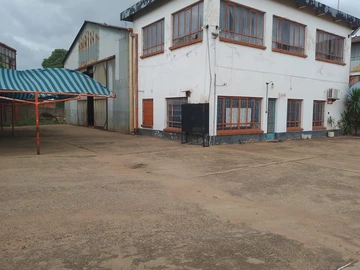
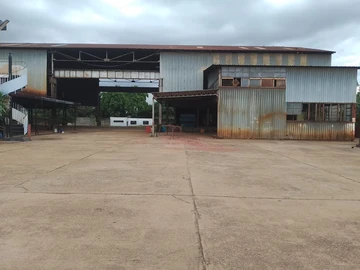
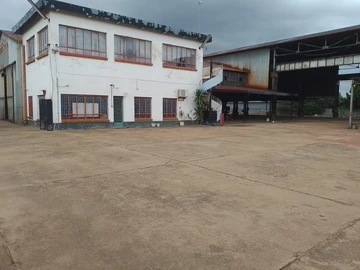
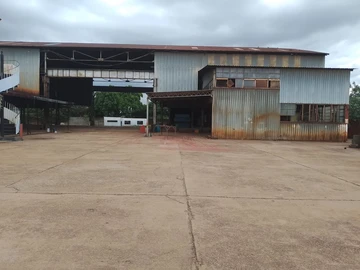
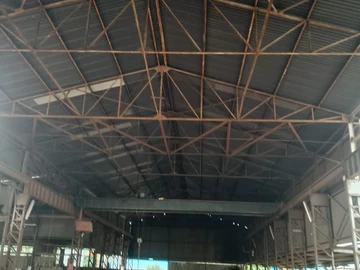
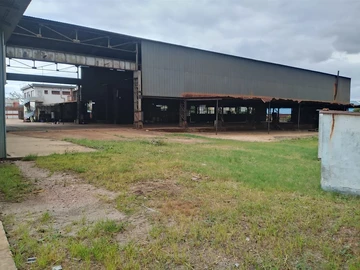
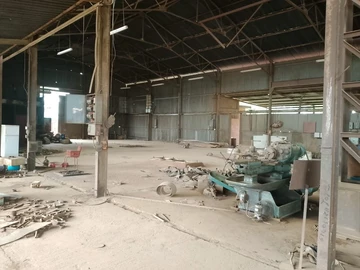
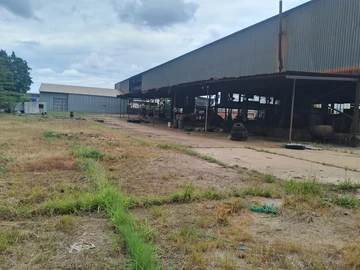
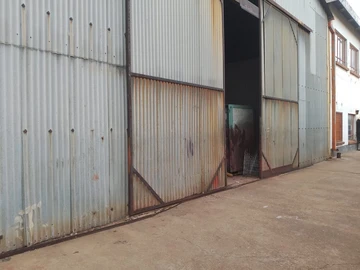
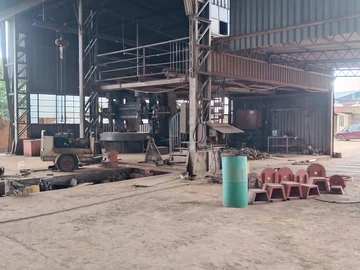
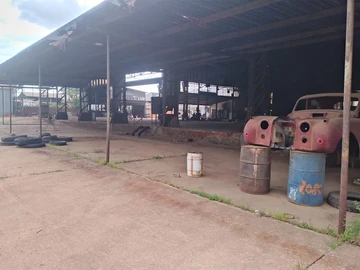
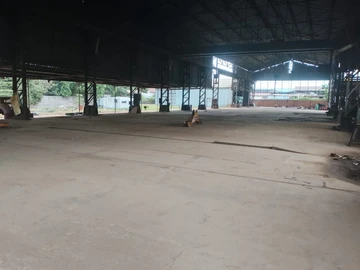
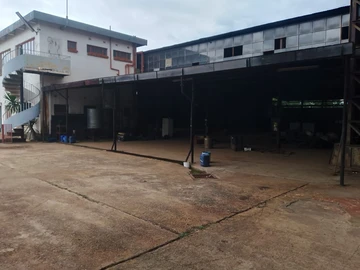
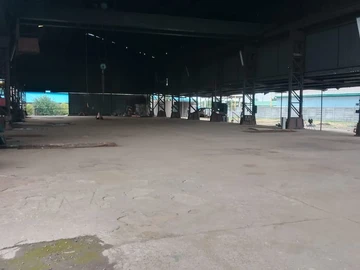
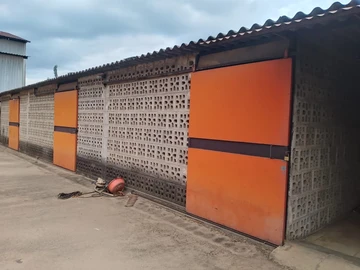
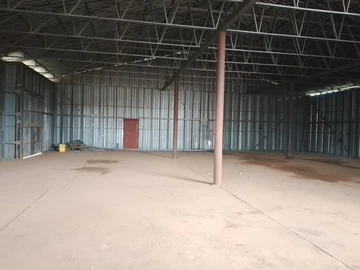
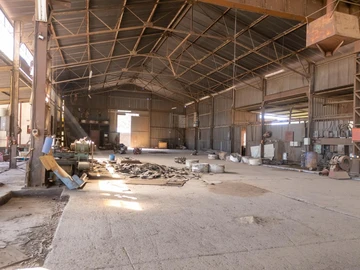
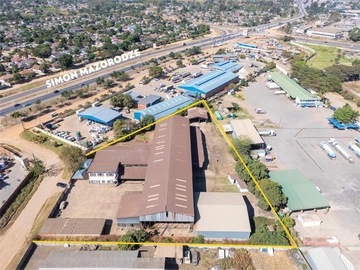
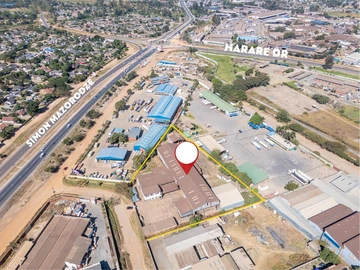
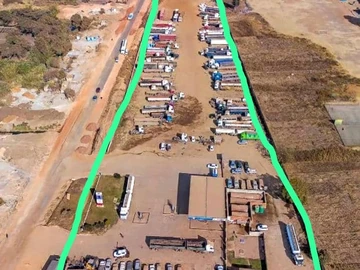
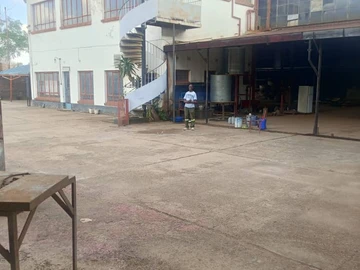
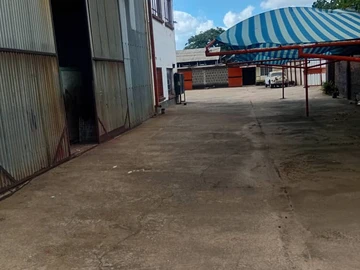
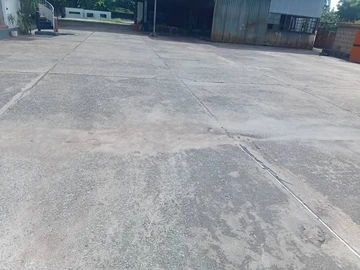
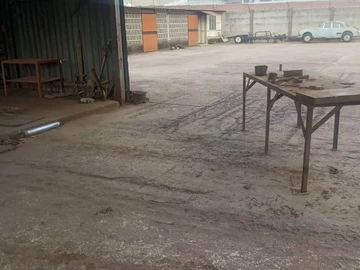
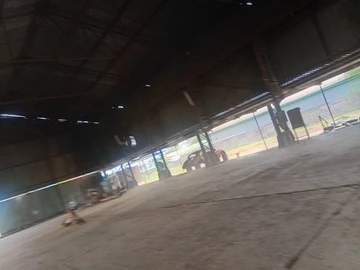
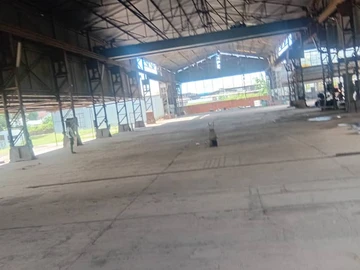
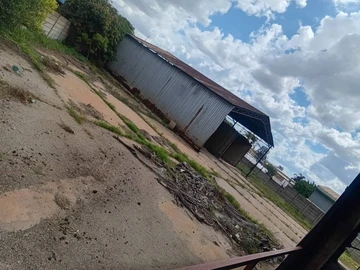
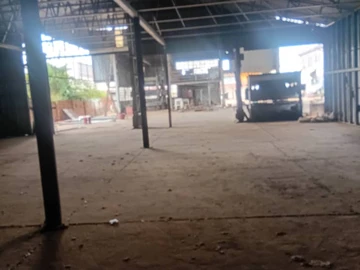
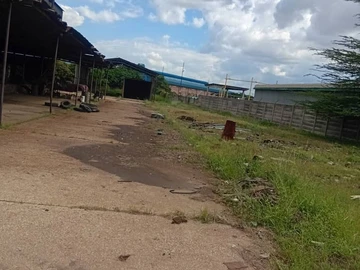
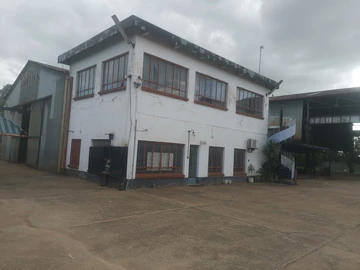
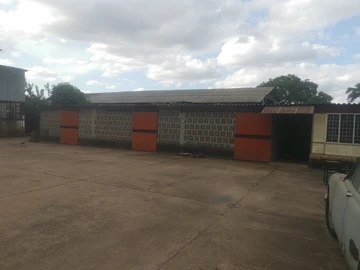
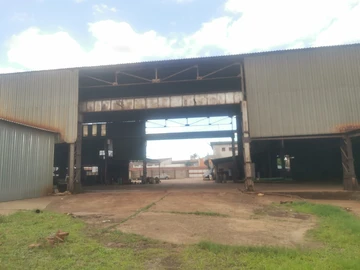
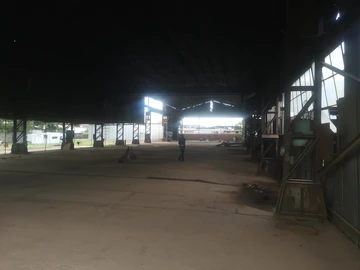
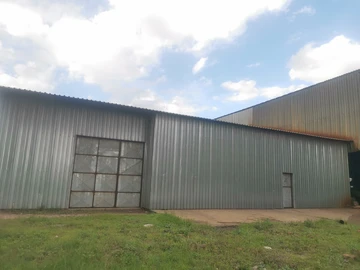
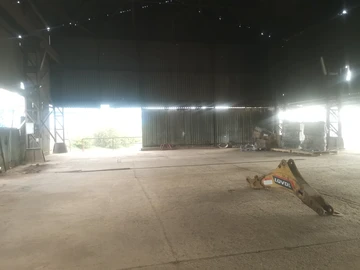
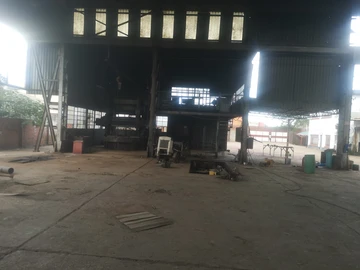
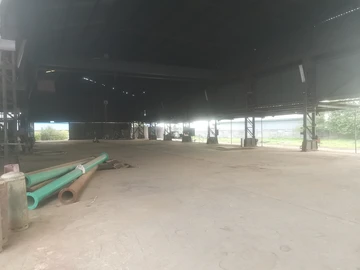
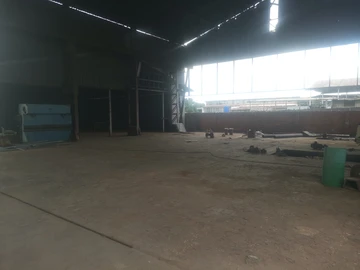
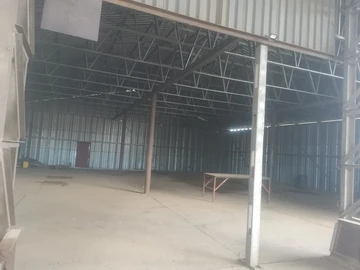
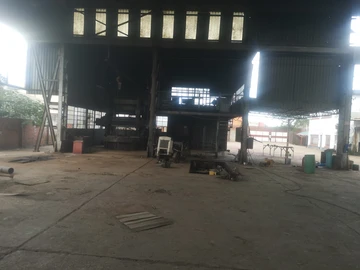
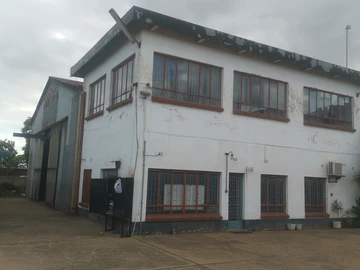
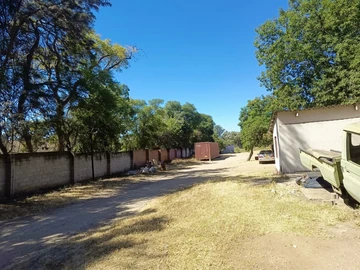
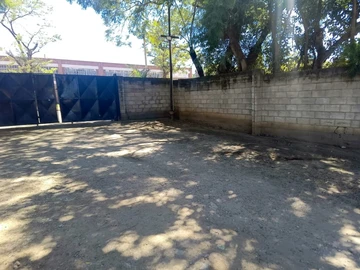
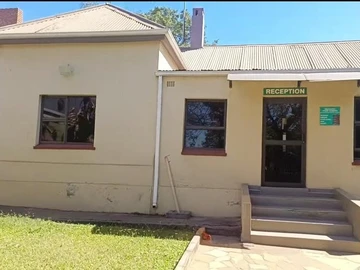
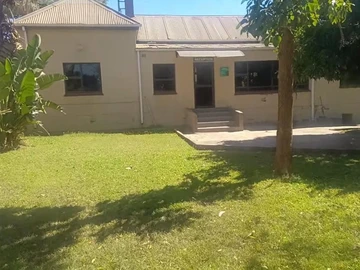
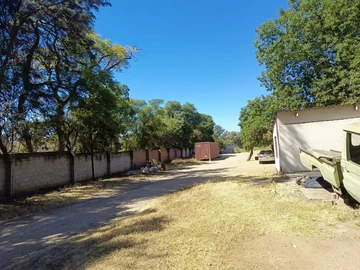
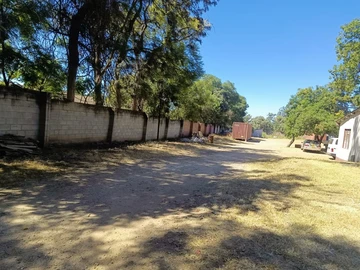
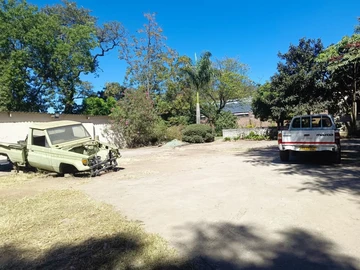
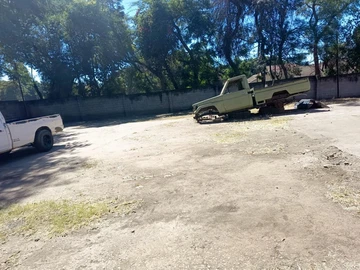
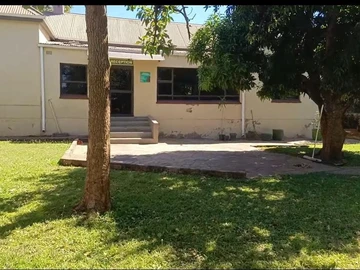
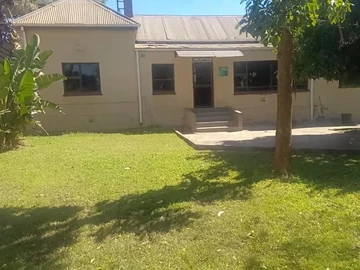
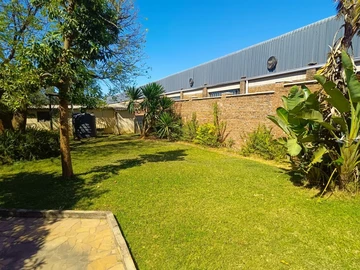
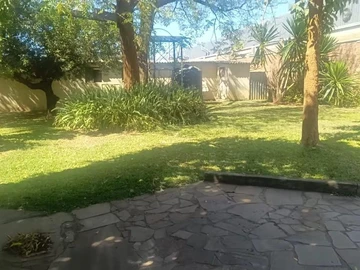
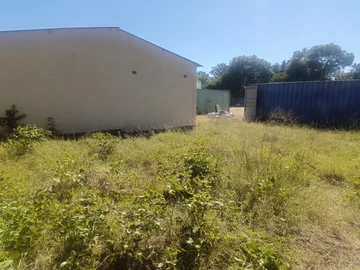
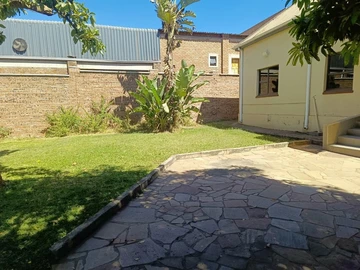
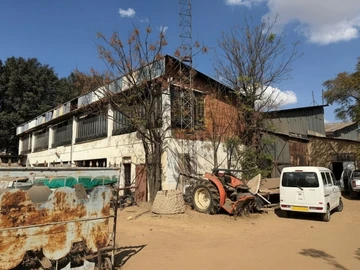
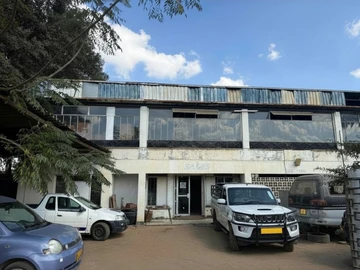
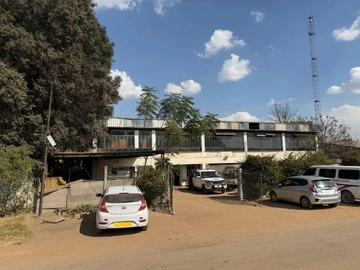
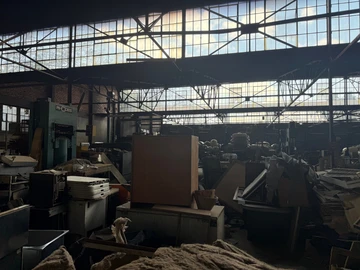
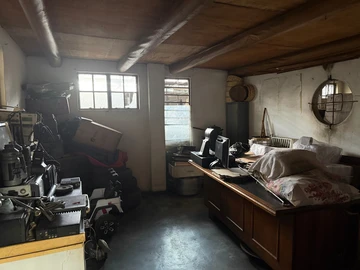
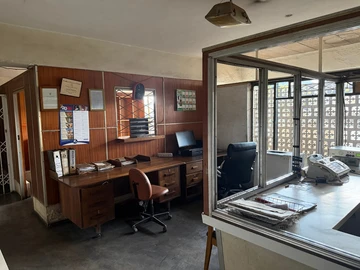
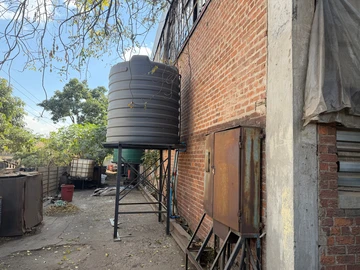
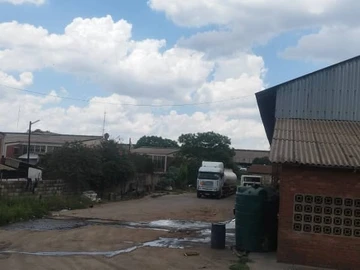
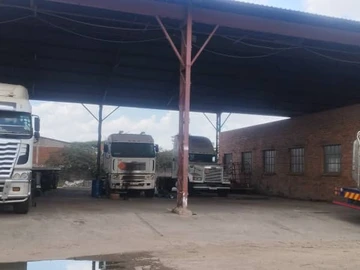
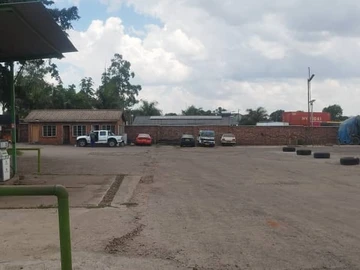
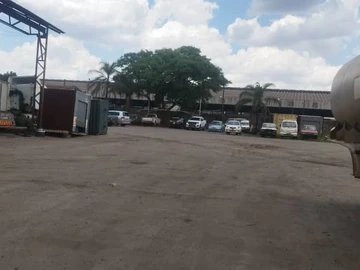
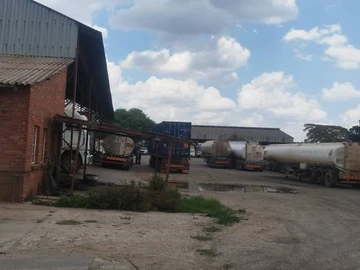
Warehouses and factories for sale in Ardbennie, Harare South, are priced at an average of $870,000. These industrial properties typically sit on land parcels around 2,800 ㎡, with building sizes averaging 300 ㎡. The largest available land area reaches up to 25,800 ㎡, while the biggest factory or warehouse building is about 12,910 ㎡, offering a range of options for different business needs.
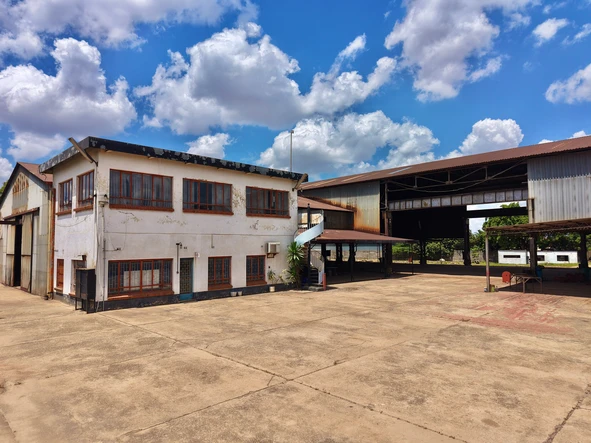
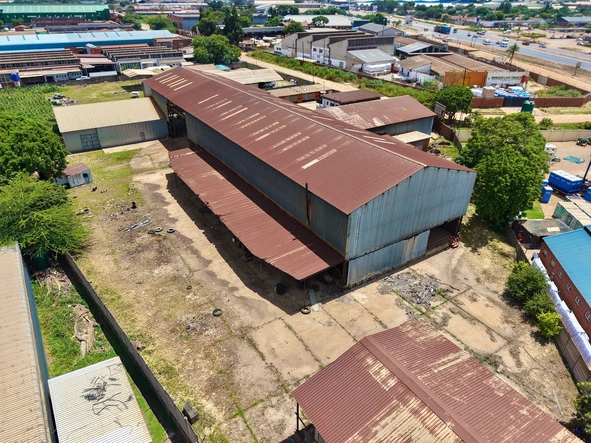
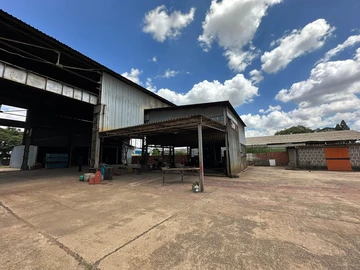
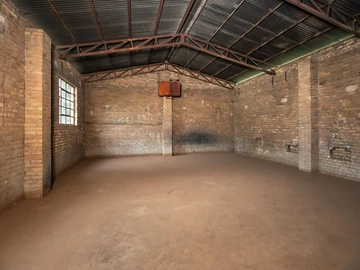
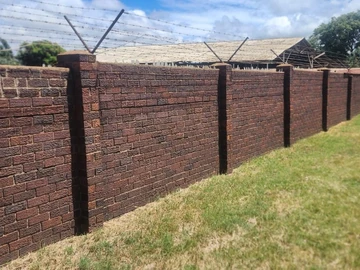
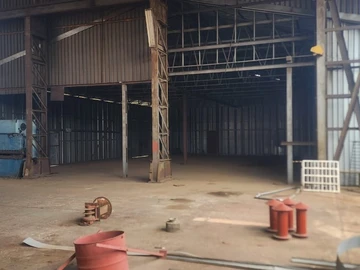
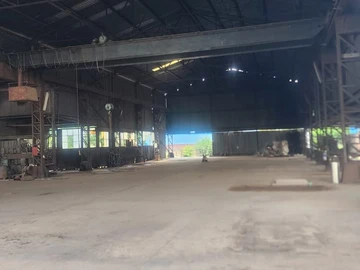
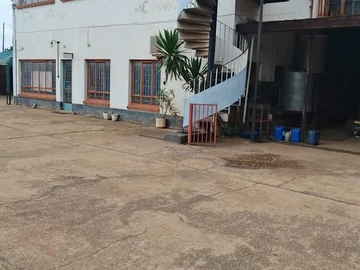
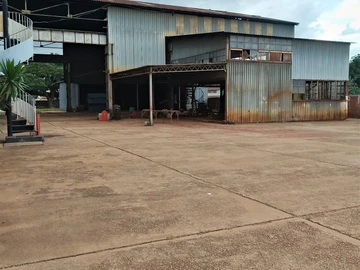
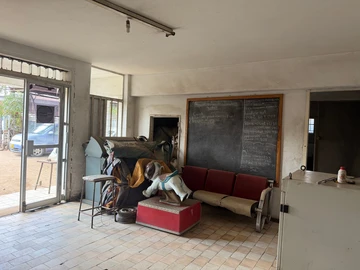
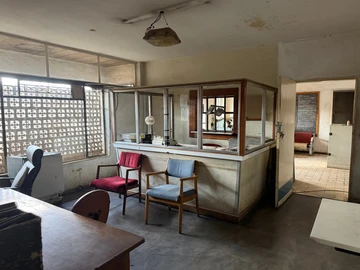
Most properties in this category provide ample space suitable for manufacturing, storage, or distribution purposes. The sizes vary widely, allowing buyers to find units that fit small to large-scale operations. These warehouses and factories generally benefit from good security and easy access for trucks and heavy vehicles, making them practical for industrial use.
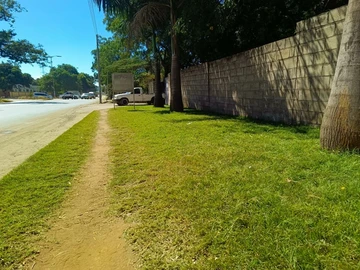
Ardbennie is a well-established suburb in southern Harare known for its quiet, family-friendly environment. It is close to the Harare South Business District, which offers convenient access to commercial and retail hubs. The area is well connected by major roads and public transport, including minibus taxis and bus services, facilitating easy commuting. Nearby amenities include schools, healthcare facilities, local markets like Mbare Musika Market, and various dining options, making Ardbennie a practical location for businesses seeking proximity to essential services and transport links.

Be the first to see new properties for sale in Ardbennie, Harare South









| Type | Avg. price |
|---|---|
| Average price | $870,000 |
Understand Zimbabwe’s 2026 rental tax rules, including the 15% commercial regime, residential tax treatment, monthly deadlines and disclosure window
Planning to drill or buy a property with a borehole in Zimbabwe? Check the authority, permit, siting, records and water quality before you commit.
Protect your rental property in Zimbabwe. Learn the 10 essential tenant screening checks landlords should make before signing a lease agreement.
Upgrade your home with the top bathroom trends of 2026 in Zimbabwe. Explore 8 stylish ideas covering luxury vanity finishes, lighting, and eco features.
Buying property in Zimbabwe? Discover hidden costs like stamp duty, conveyancing fees, and taxes that can add 8%–12% or more to your purchase price.







 1,750 m²