Log in to contact the seller
 Continue with Facebook
 Continue with Email
Continue with Facebook
Continue with Email
Sign up with Facebook
 Change filters
 Requests




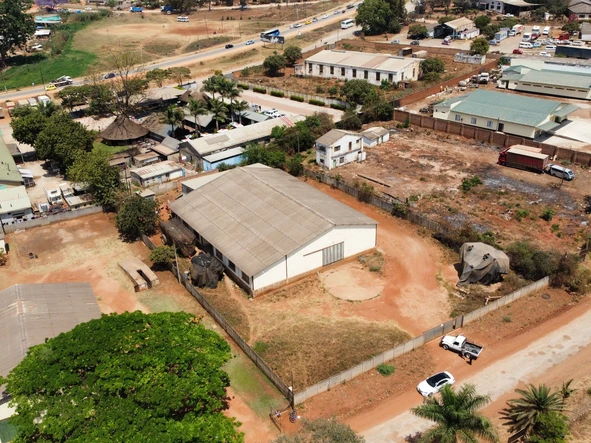
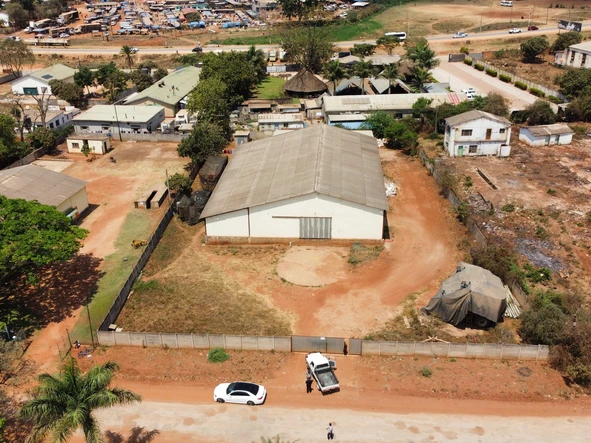
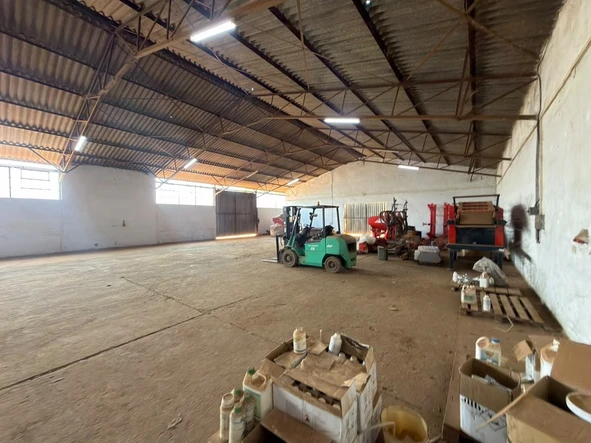
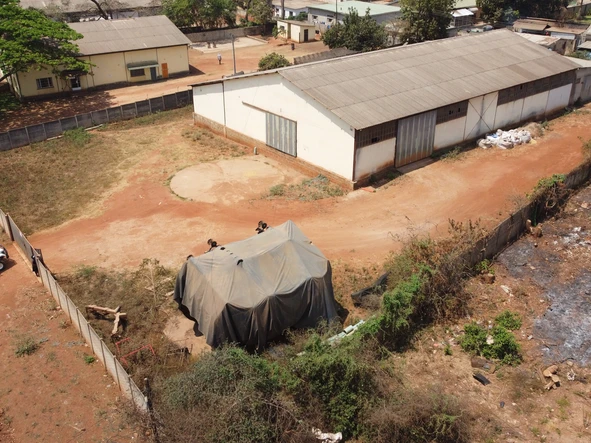
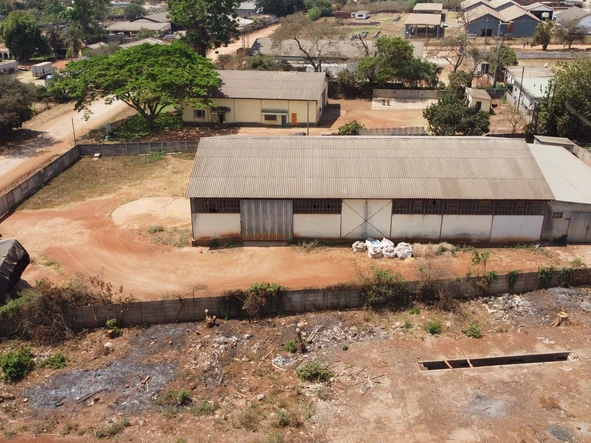
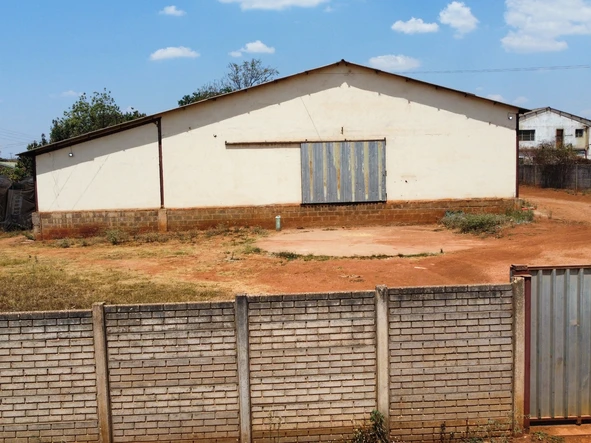
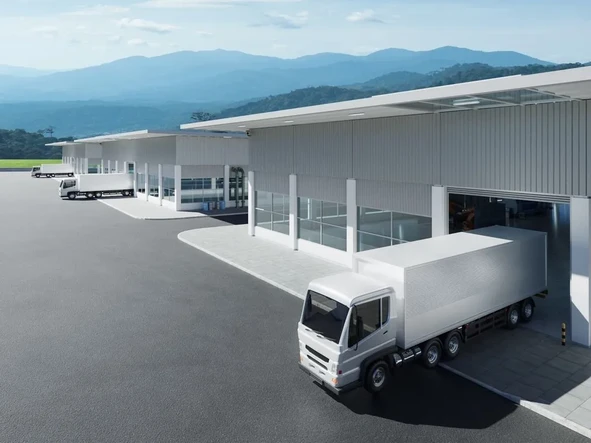
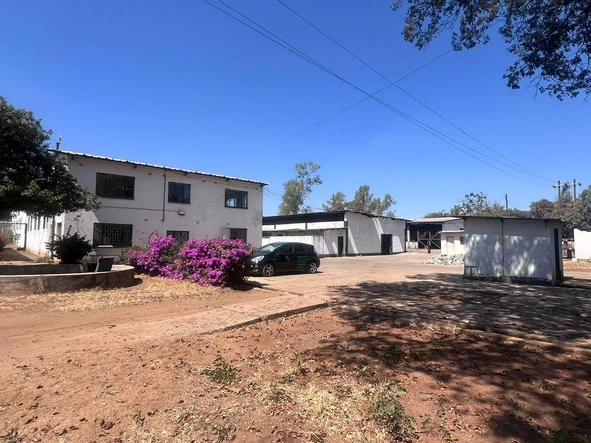
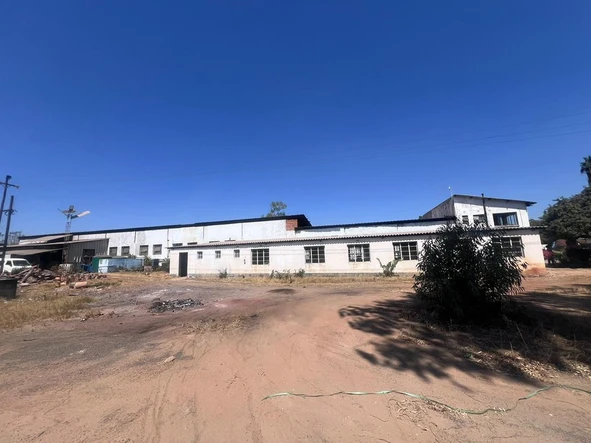
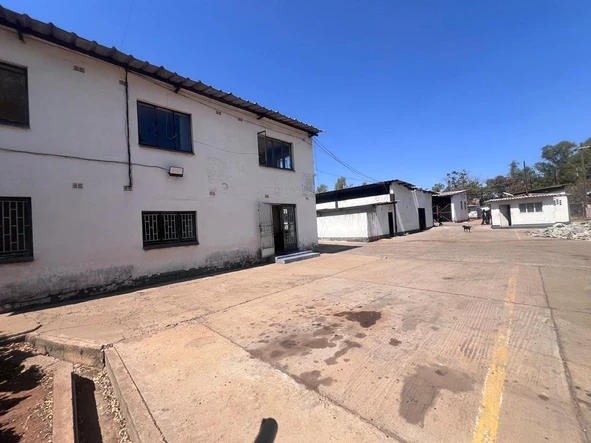
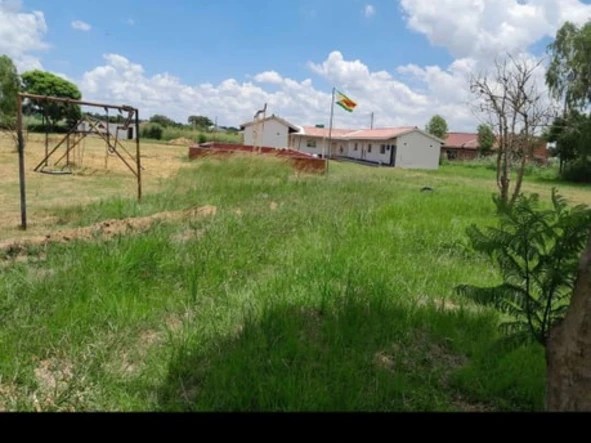
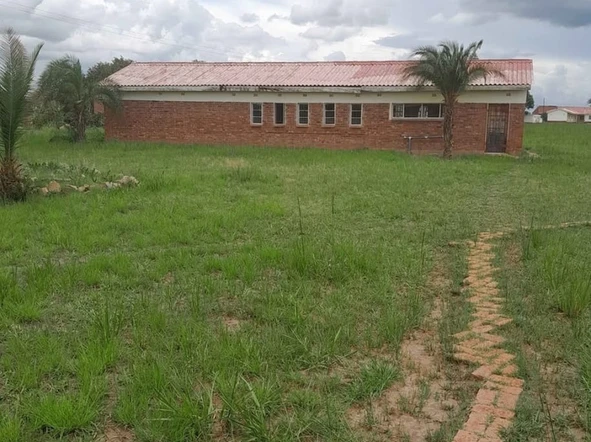
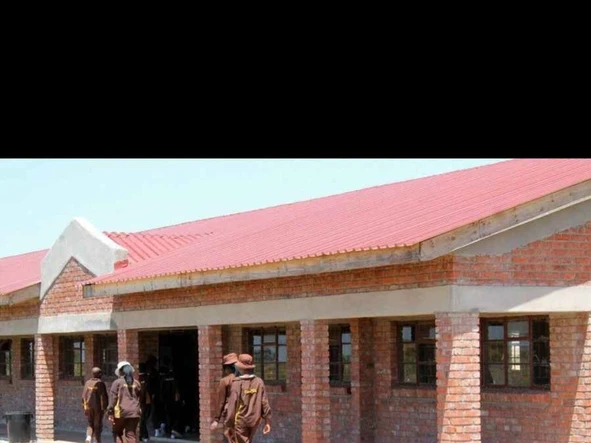
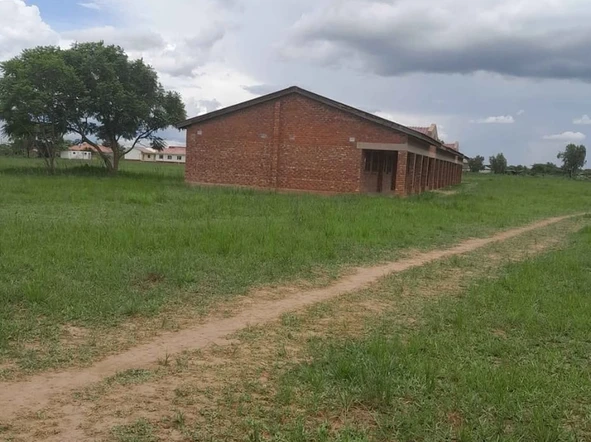
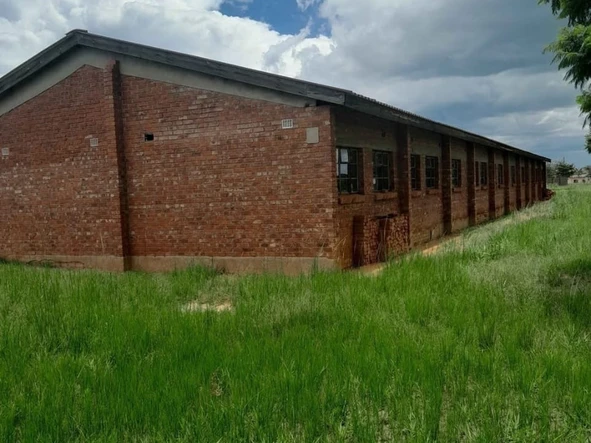
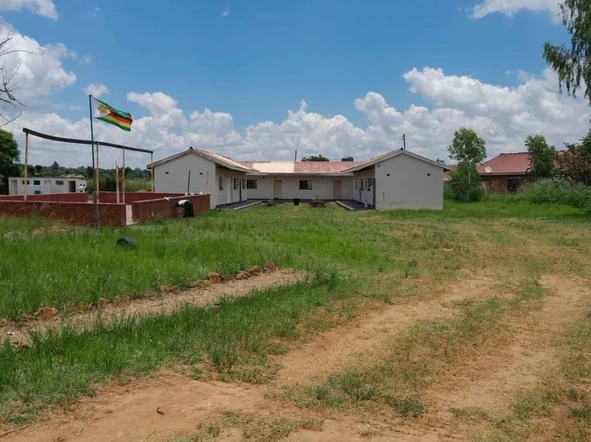
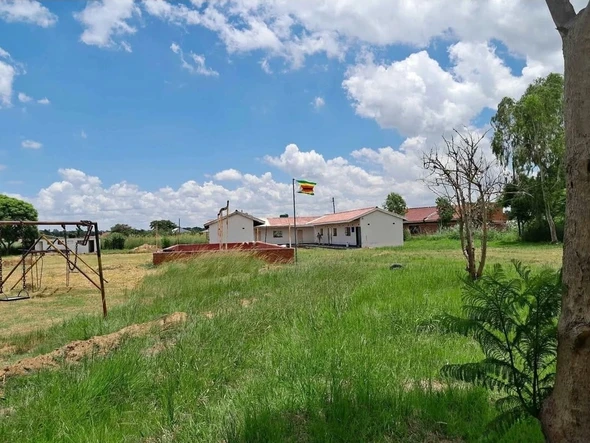
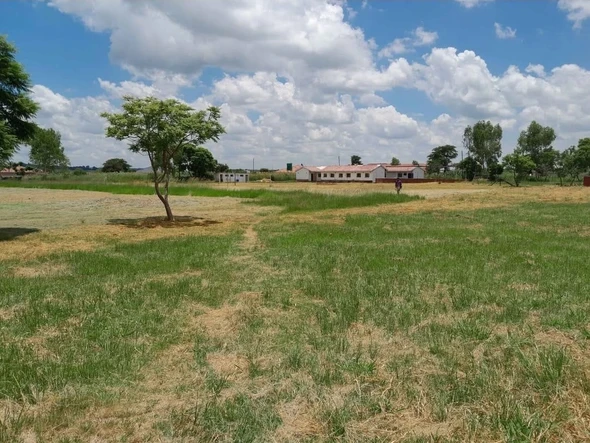
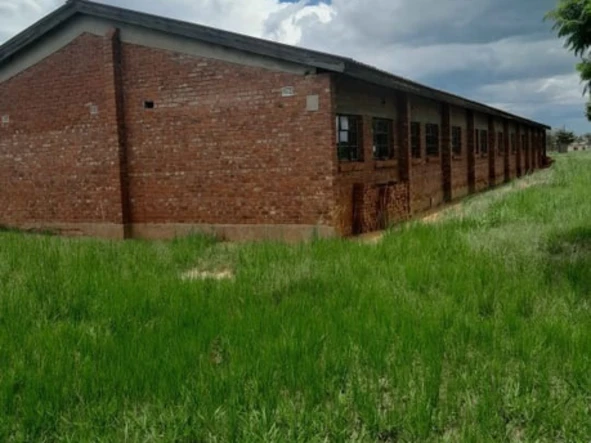
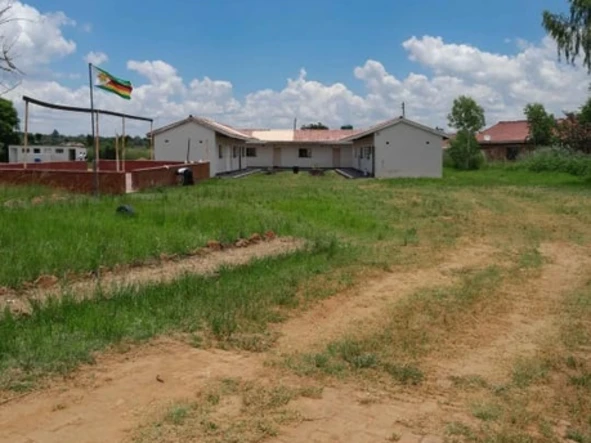
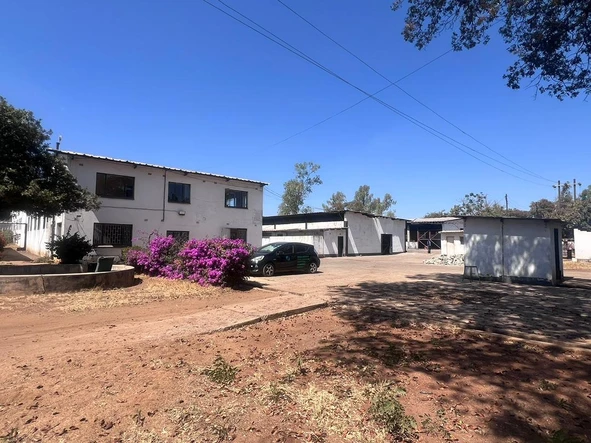
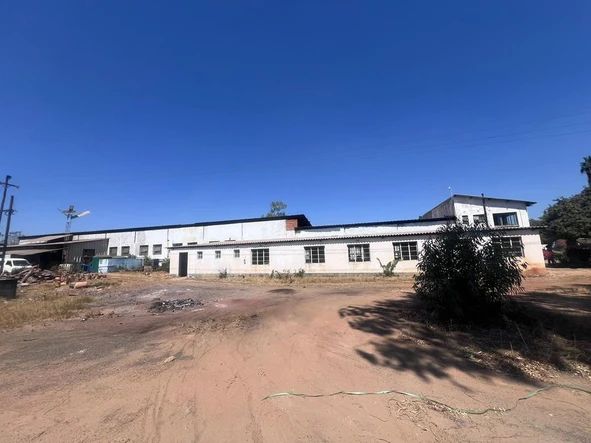
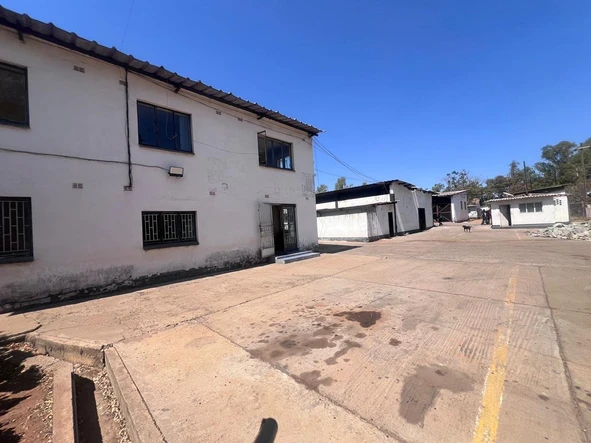
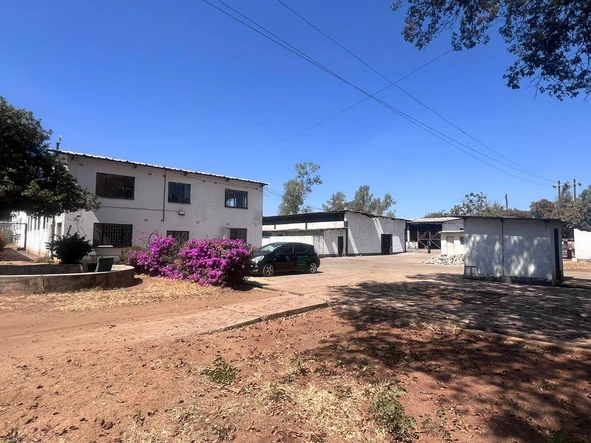
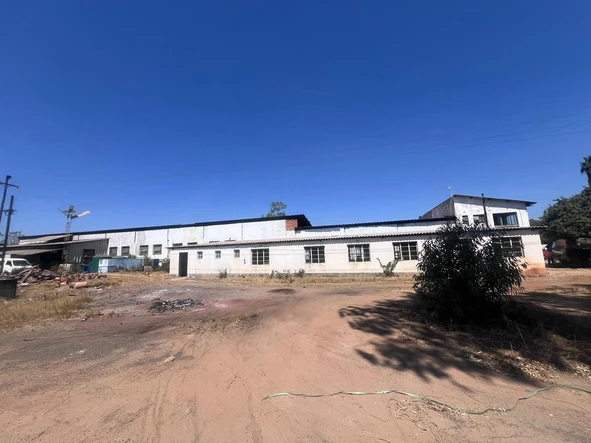
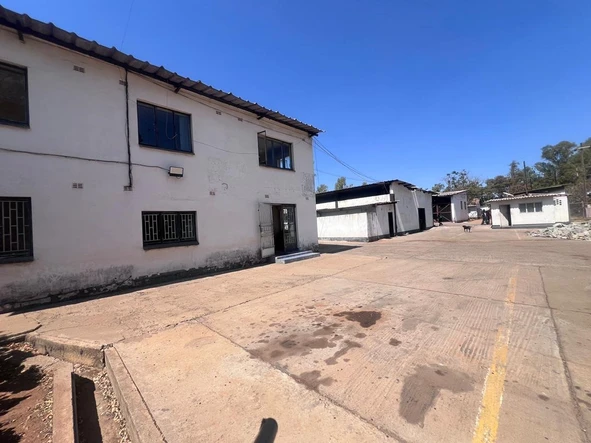
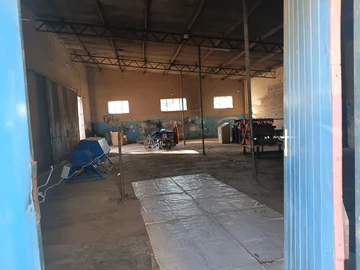
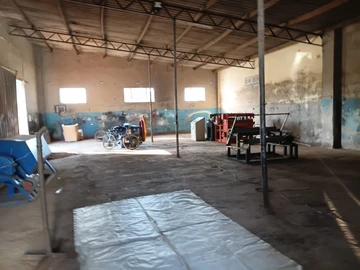
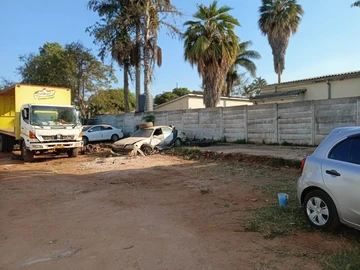
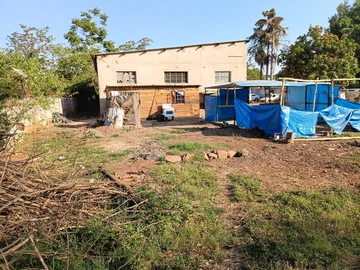
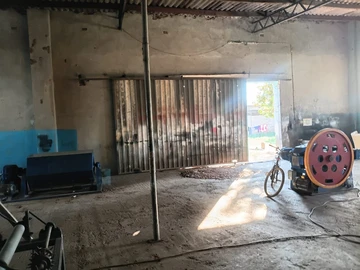
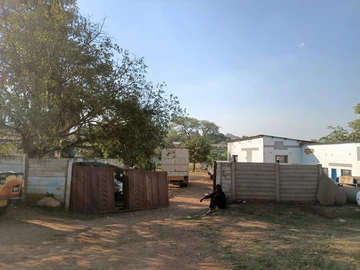
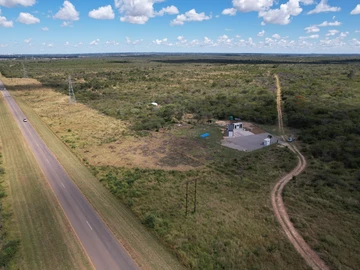
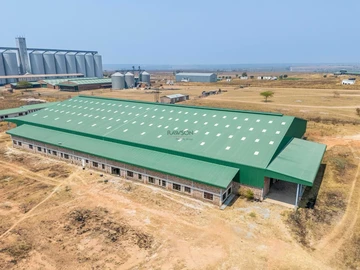
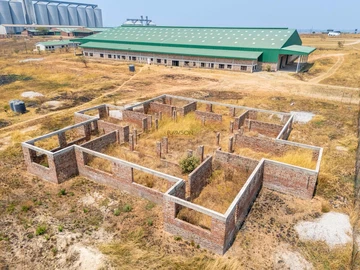
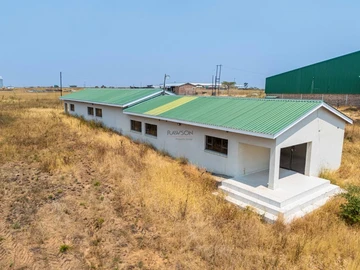
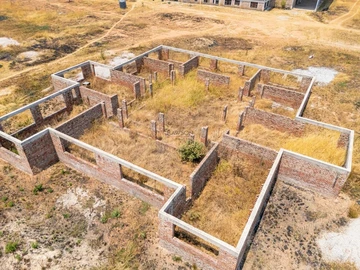
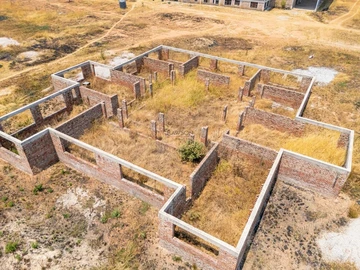
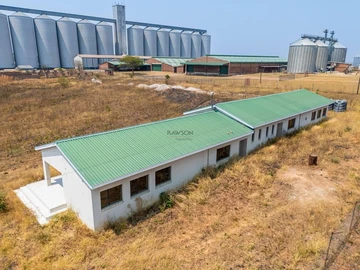
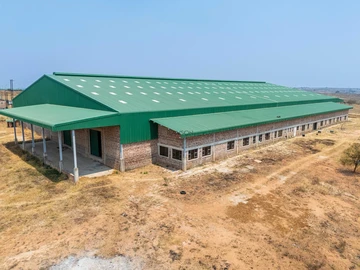
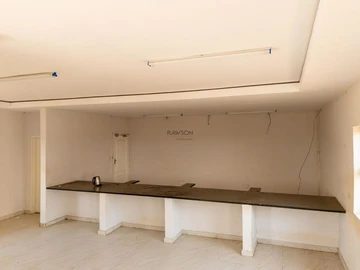
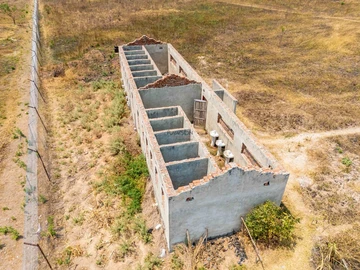
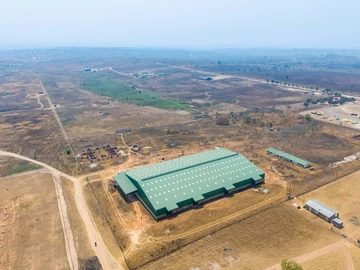
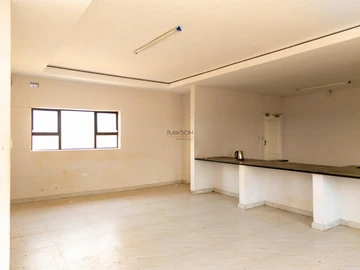
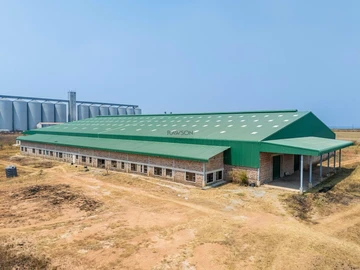
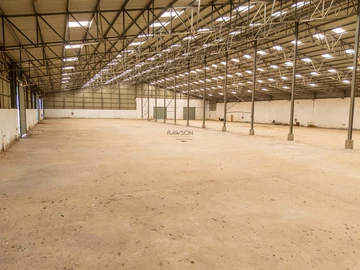
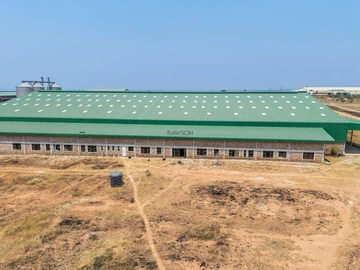
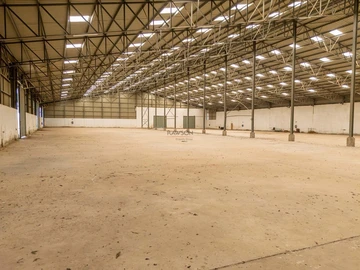
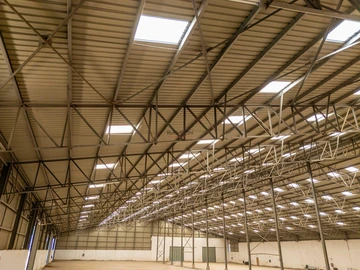
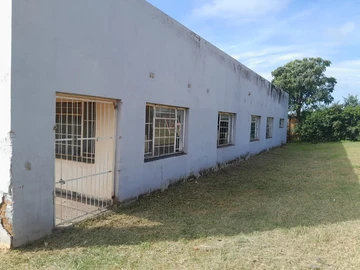
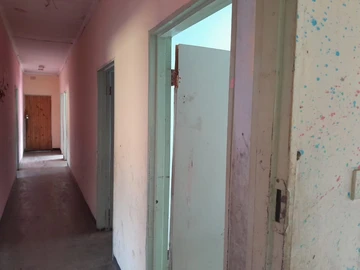
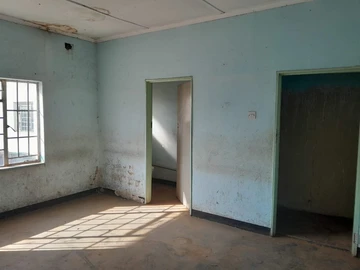
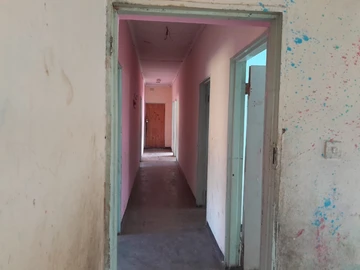
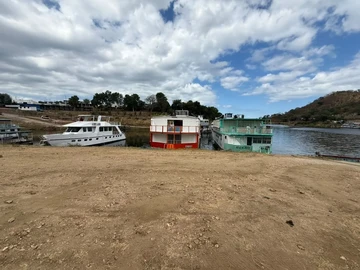
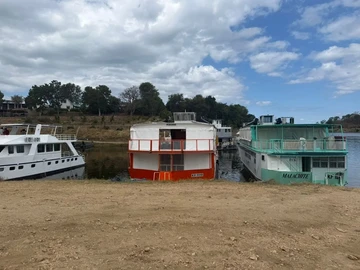
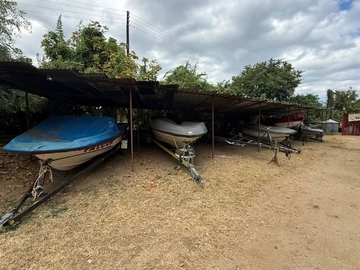
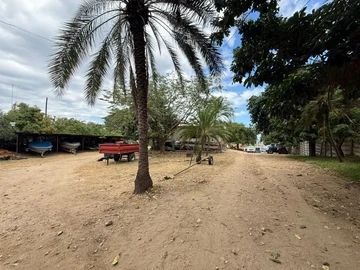
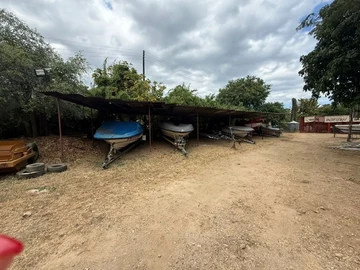
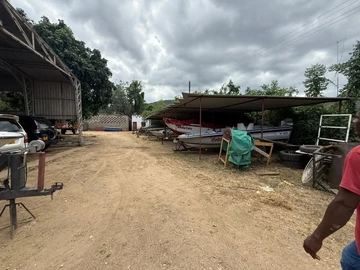
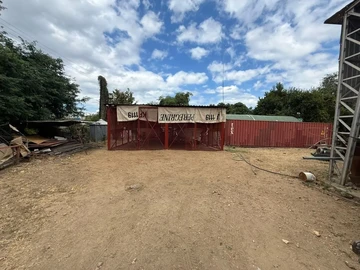
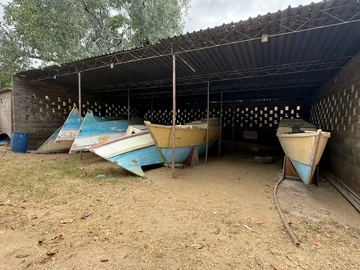
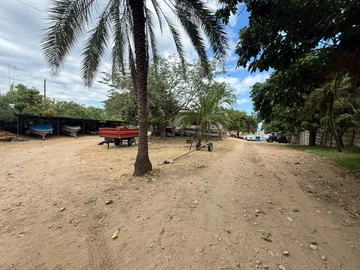
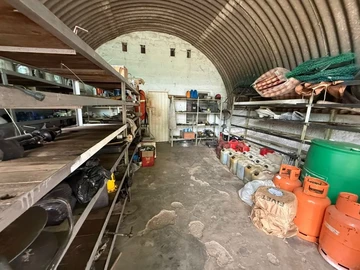
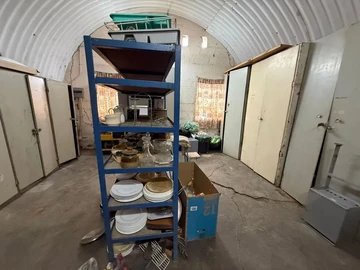
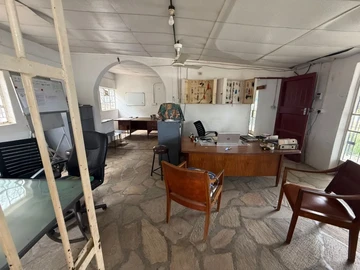
Warehouses and factories for sale in Mashonaland West offer affordable industrial property options, with an average price of $430,000 and starting prices from USD 99,500. These properties typically have a median land area of about 5,000 ㎡ and a median building size of around 1,000 ㎡, with some larger sites reaching up to 15,481 ㎡ of land and buildings as large as 4,000 ㎡.
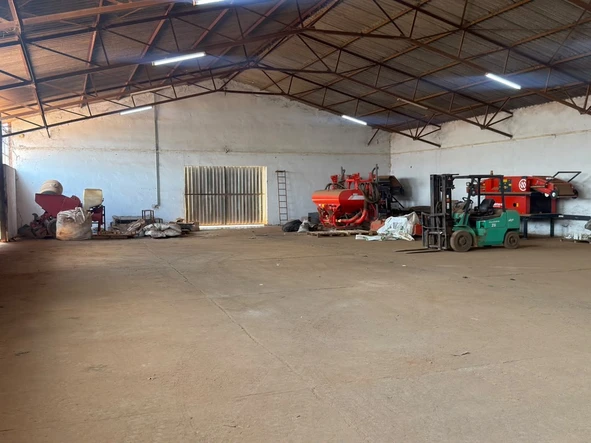
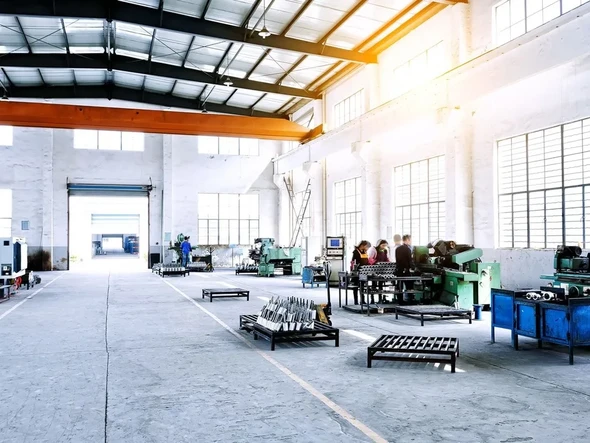
Most of these industrial properties provide ample space suitable for manufacturing, storage, or distribution activities. The larger land sizes allow for expansion or outdoor storage, while the buildings are generally functional for various industrial uses. Buyers can expect practical layouts that support business operations in a rural setting.
Mashonaland West is a predominantly rural province known for its agricultural environment and peaceful lifestyle. The area benefits from good road connections to Harare and other regions, facilitating transport and logistics. Nearby attractions such as Chinhoyi Caves National Park and Kariba Dam offer recreational opportunities, while Chinhoyi University of Technology and local healthcare facilities provide essential services. The province’s slower pace and community-focused living make it suitable for businesses seeking a quieter location with access to key amenities and transport links.

Be the first to see new properties for sale in Mashonaland West








| Type | Avg. price |
|---|---|
| Average price | $430,000 |
Prices as of October 2026
Manage your rental properties in Zimbabwe like a pro. Learn about tenant screening, lease agreements, maintenance, and rental tax rules in 2026.
Building or buying in Harare? Learn what plan approval requires, what changed in 2026, and how to manage unapproved structures.
Buying a housing stand in Zimbabwe? Inspect title deeds, subdivision permits, compliance certificates, and seller IDs before making any payment.
Can someone claim your land in Zimbabwe? Learn how 30 year acquisitive prescription works, the legal risks involved, and how to protect your property title.
Explore October 2026 Property Pulse insights on the Zimbabwean real estate market, where high buyer demand outpaces limited housing supply across major areas.















 16,000 m²