Log in to contact the seller
 Continue with Facebook
 Continue with Email
Continue with Facebook
Continue with Email
Sign up with Facebook
Continue with Email
Continue with Facebook
Continue with Email
Sign up with Facebook
 Change filters
 Requests
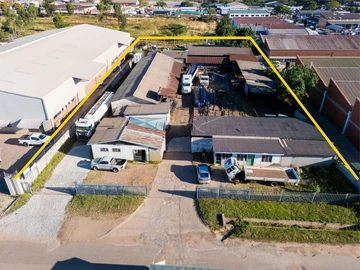



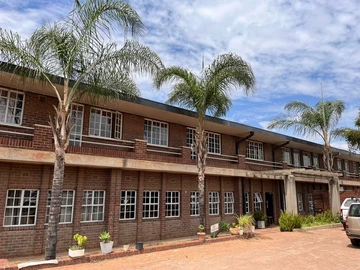
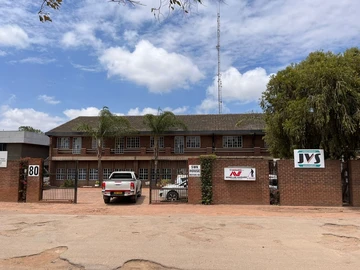
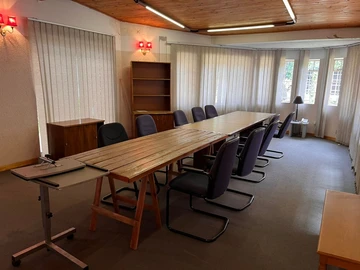
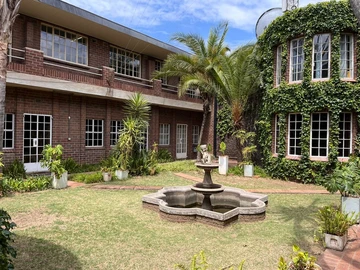
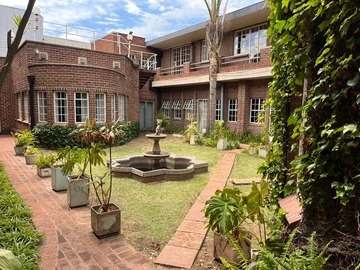
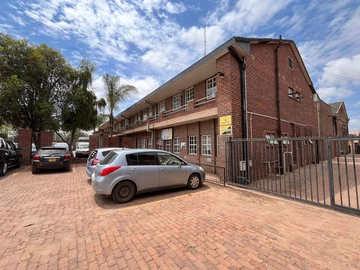
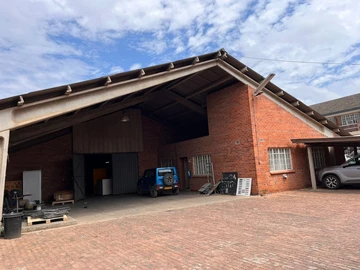
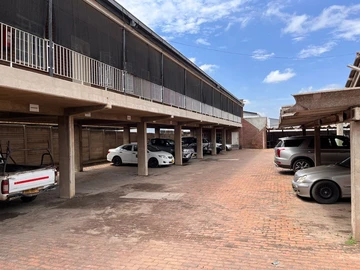
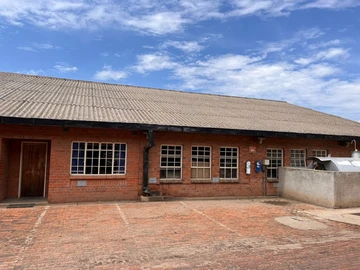
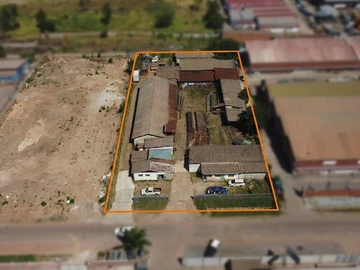
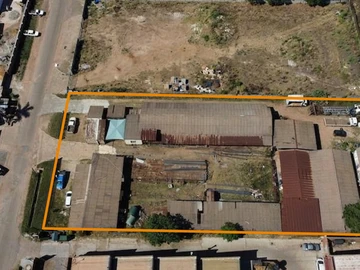
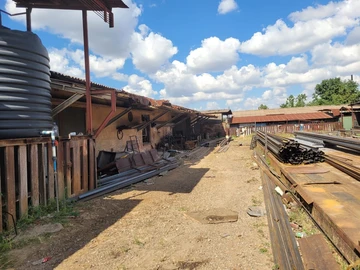
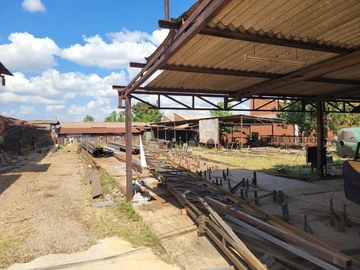
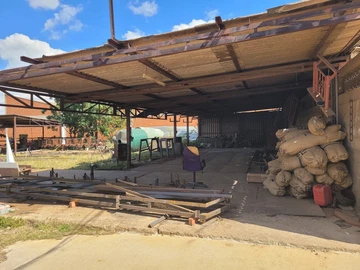
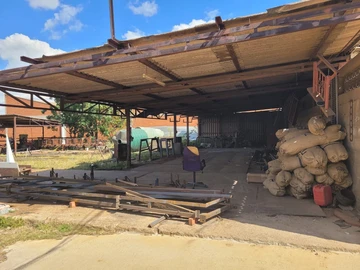
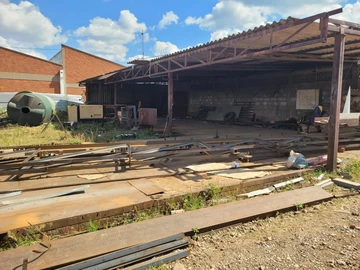
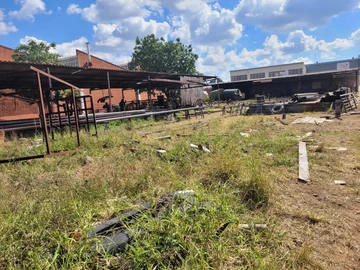
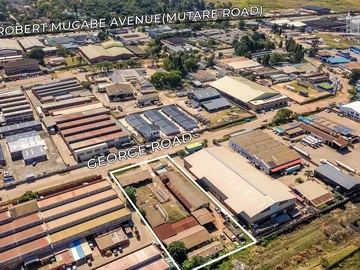
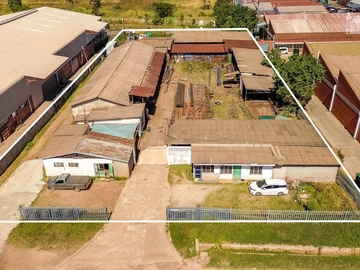
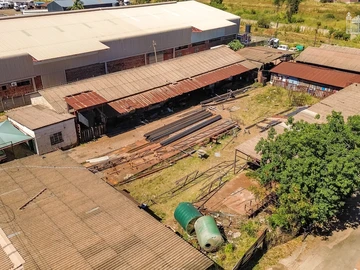
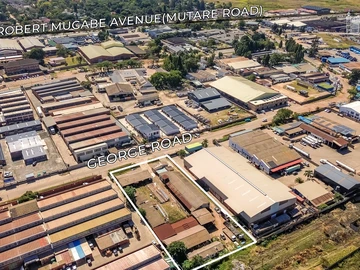
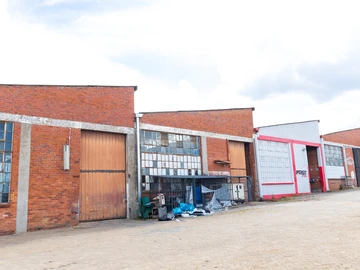
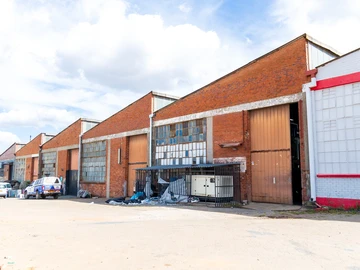
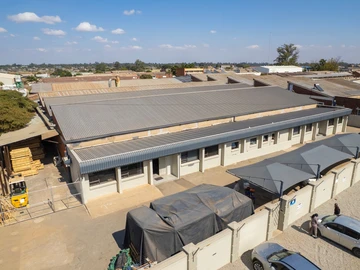
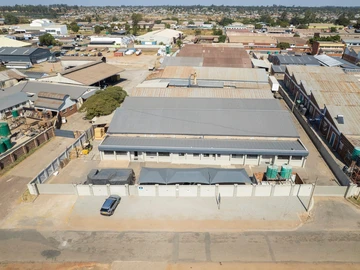
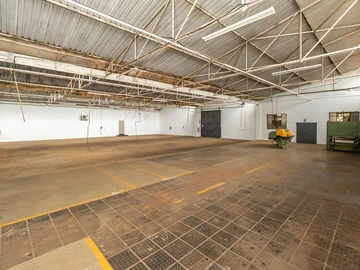
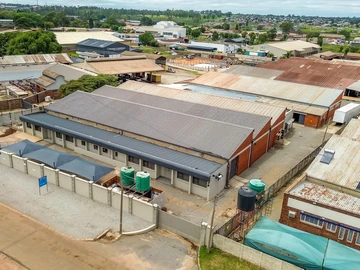
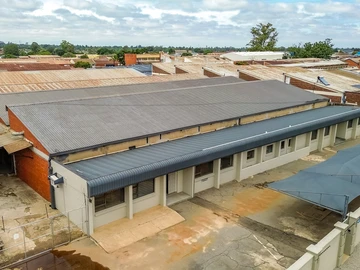
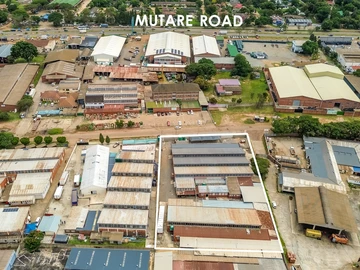
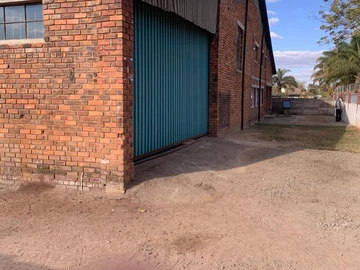
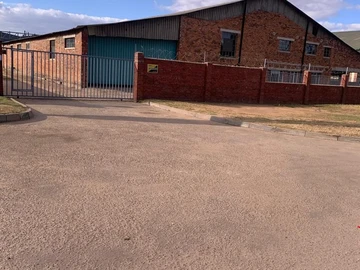
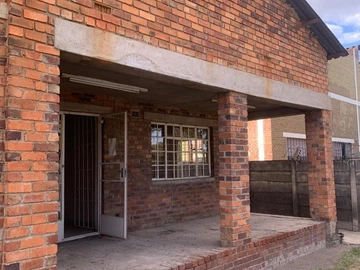
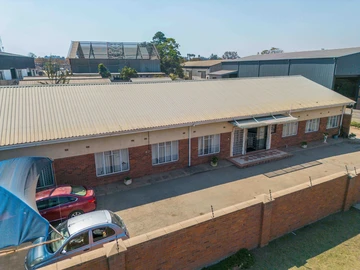
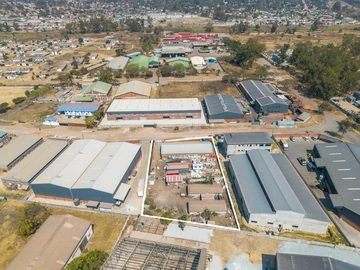
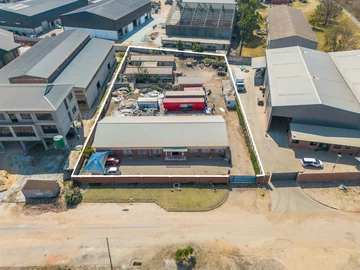
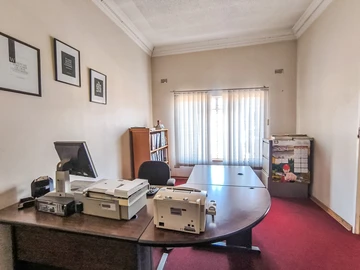
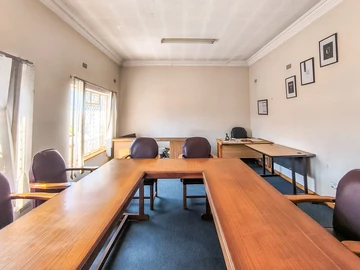
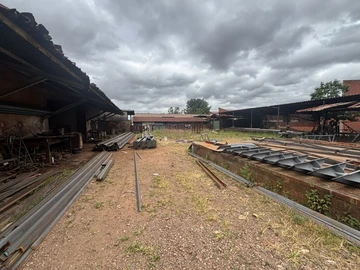
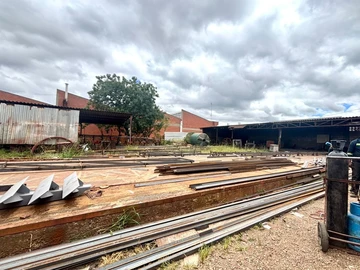
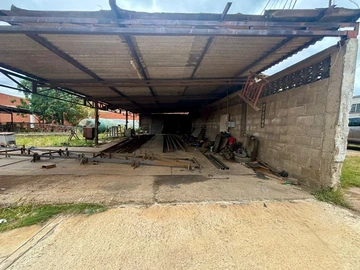
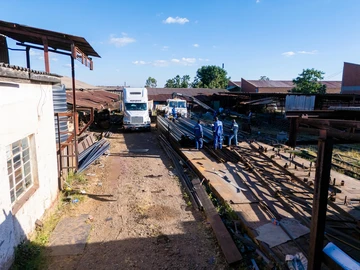
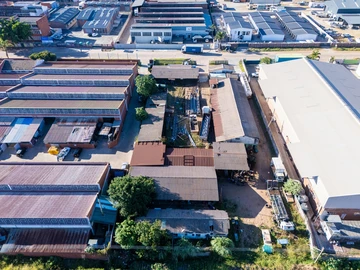
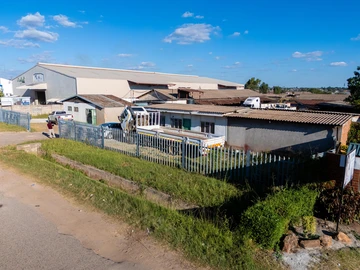
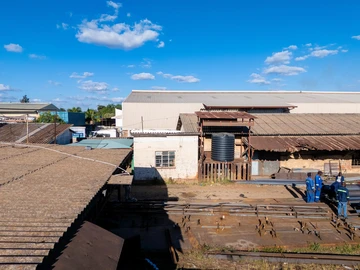
Commercial properties for sale in Msasa, Harare East, are positioned in a well-established suburb known for its quiet and leafy environment. The average price of the properties currently listed is $800,000, reflecting a high-end market. These commercial properties typically have a median land area of about 4,100 ㎡ and a median building size of 704 ㎡, with the largest properties reaching up to 22,000 ㎡ in both land and building size.
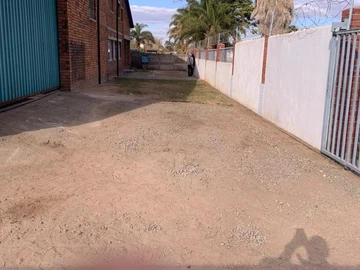
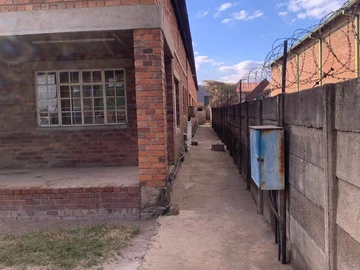
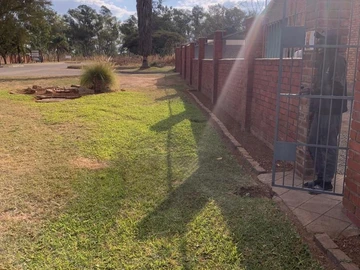
Many of the commercial properties in Msasa come with walled perimeters, providing added security and privacy. The properties vary widely in size, making them suitable for a range of business needs from smaller offices or retail spaces to large industrial or commercial complexes. The high price point corresponds with the quality and size of these properties, appealing to serious investors and established businesses.
Msasa is a quiet, family-friendly suburb with a strong community feel, offering good security and easy access to amenities. The area benefits from proximity to Msasa Industrial Area, which supports local employment, and Msasa Park, a popular green space. Nearby schools, healthcare facilities like Eastlea Hospital, and shopping centers such as Eastgate Shopping Centre and Sam Levy’s Village add convenience. Well-connected by major roads and public transport, Msasa provides a balanced suburban lifestyle with easy access to Harare’s commercial hubs.


Be the first to see new properties for sale in Msasa, Harare East










| Type | Avg. price |
|---|---|
| Average price | $800,000 |
Buying property in Zimbabwe? Discover hidden costs like stamp duty, conveyancing fees, and taxes that can add 8%–12% or more to your purchase price.
Tenants not paying rent in Zimbabwe? Learn your legal rights as a landlord, the step by step eviction process, and illegal self-help actions to avoid.
Discover how blockchain, crypto, and tokenized real-world assets (RWAs) are transforming real estate ownership, liquidity, and financing over the next 5 years.
Buying a residential stand in Zimbabwe? Learn how to verify ownership, subdivision, planning approvals, servicing, title and the developer before paying.
Learn how servitudes affect property ownership, rights of way, and utility access in Zimbabwe. Protect your land title and avoid boundary disputes.




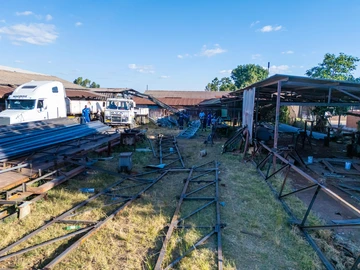
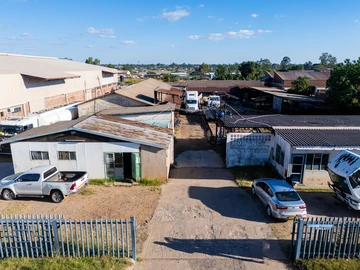
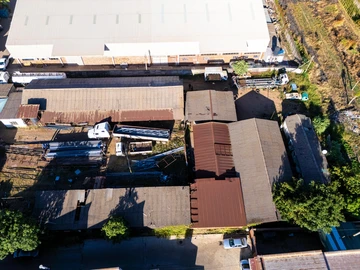
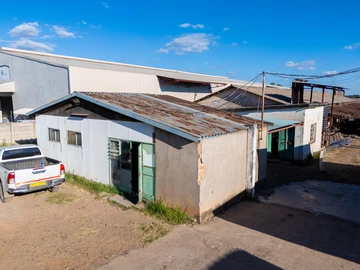
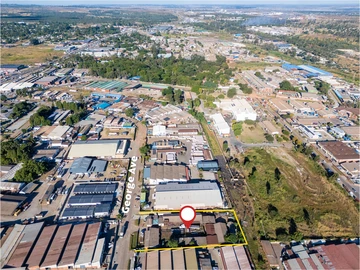
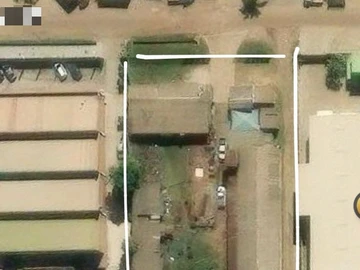
 3,992 m²