Log in to contact the seller
 Continue with Facebook
 Continue with Email
Continue with Facebook
Continue with Email
Sign up with Facebook
Continue with Email
Continue with Facebook
Continue with Email
Sign up with Facebook
 Change filters
 Requests


 2
2
 2
2


 2
1
1 m²
4
2
500 m²
2
1
125 m²
2
1
200 m²
2
1
1 m²
4
2
500 m²
2
1
125 m²
2
1
200 m²
 2
1
120 m²
2
1
2
2
80 m²
2
1
120 m²
2
1
2
2
80 m²
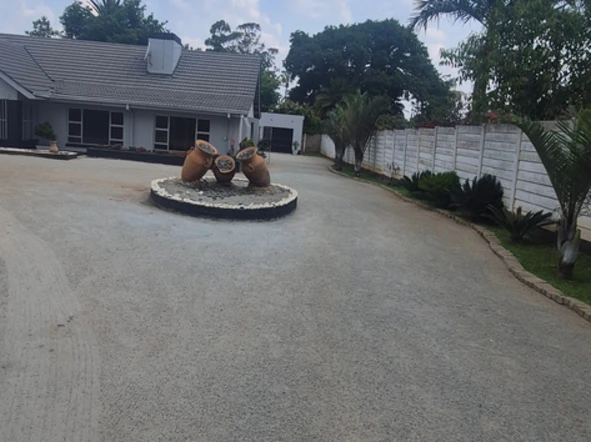
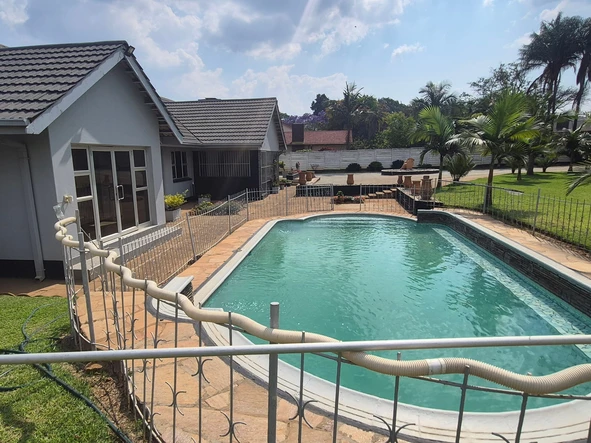
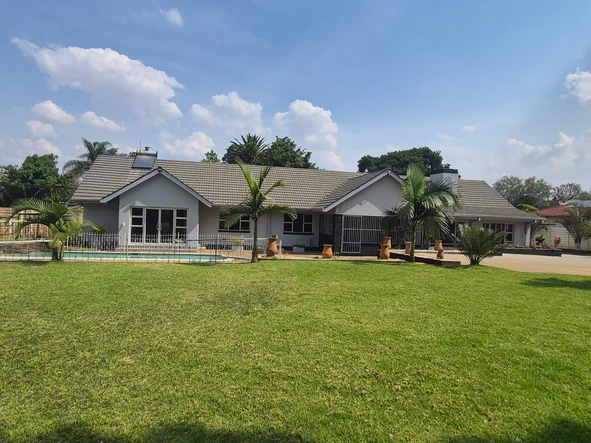
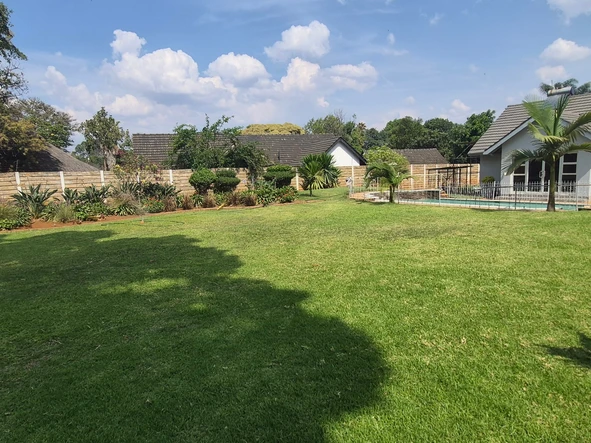
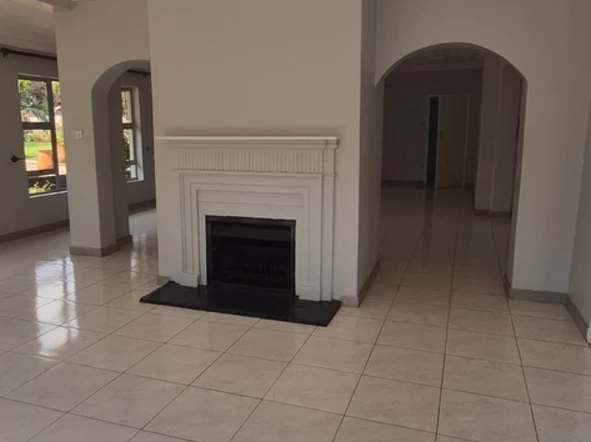
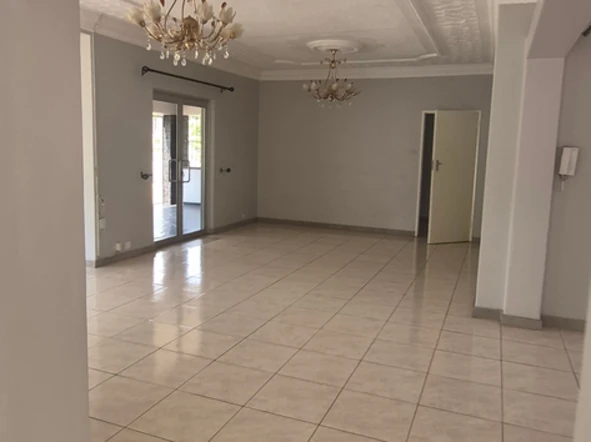
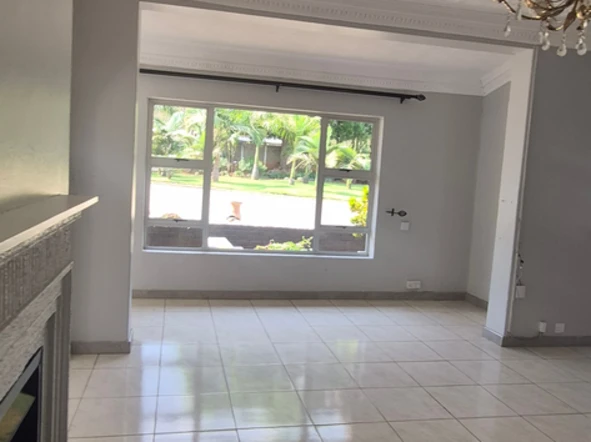
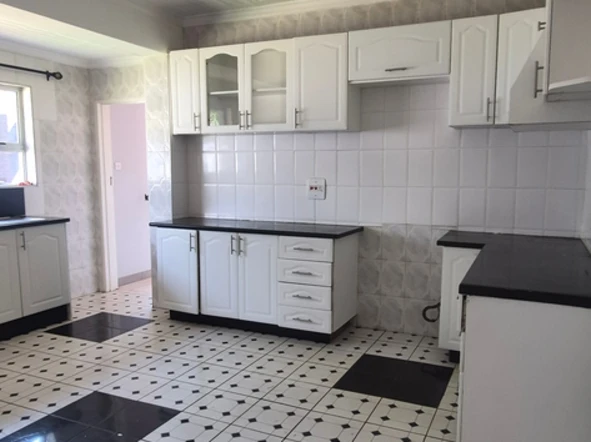
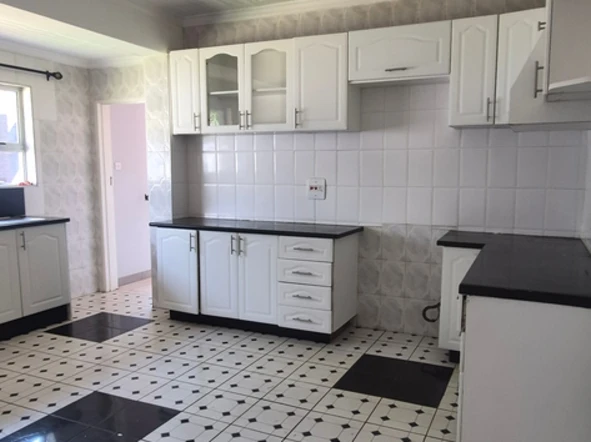
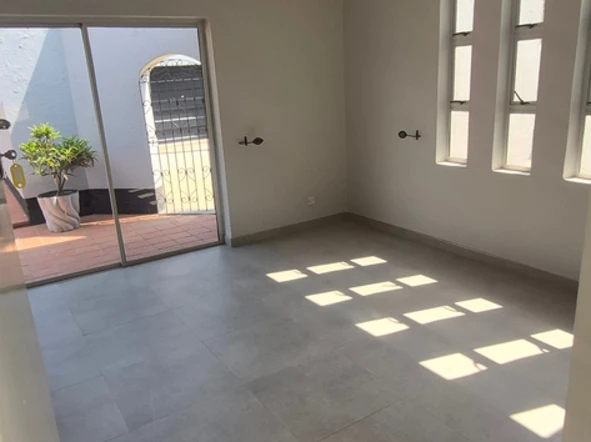
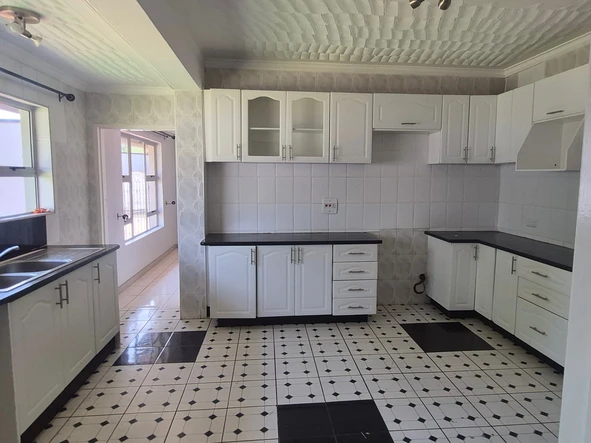
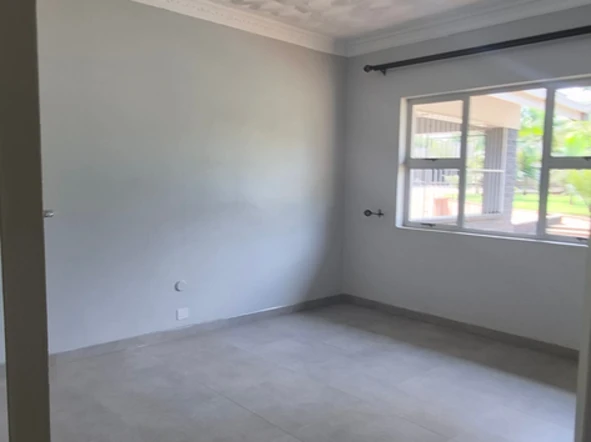
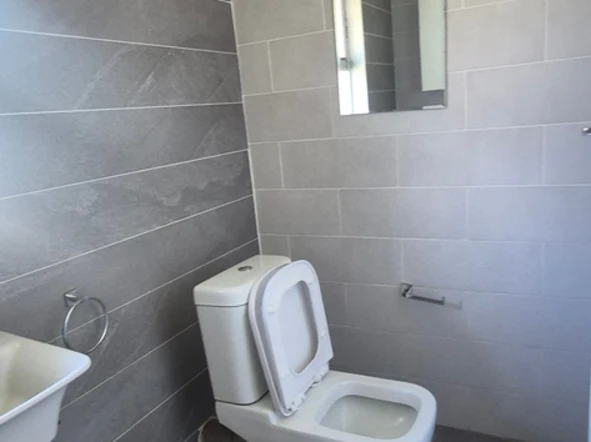
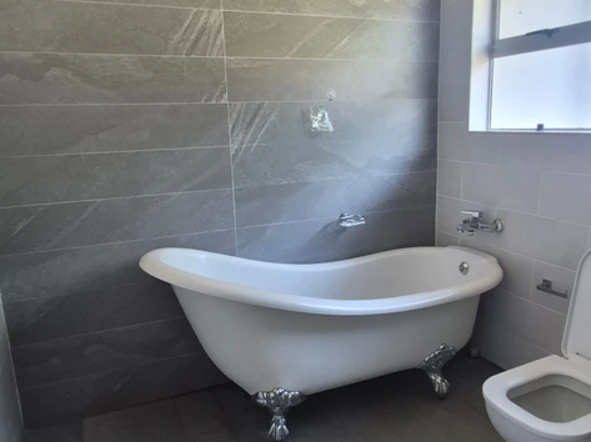
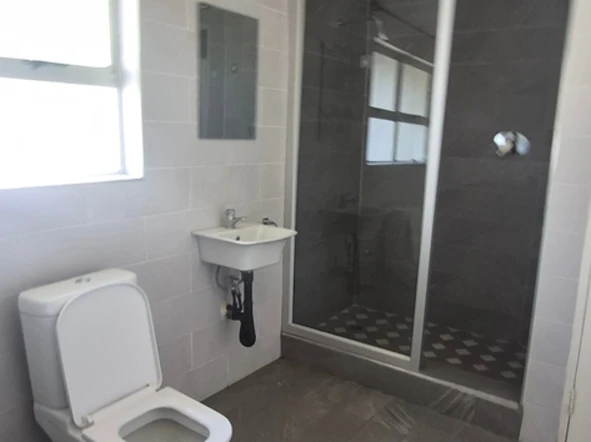
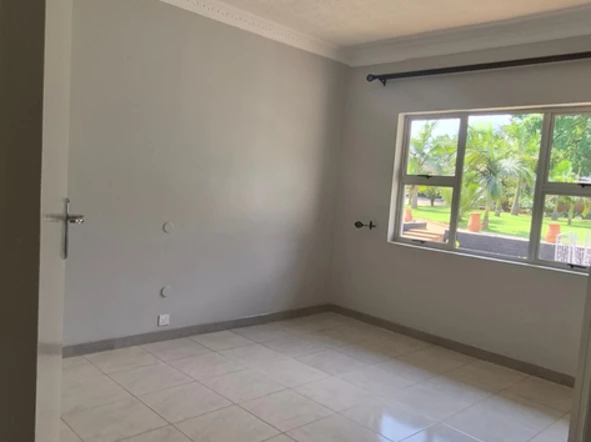
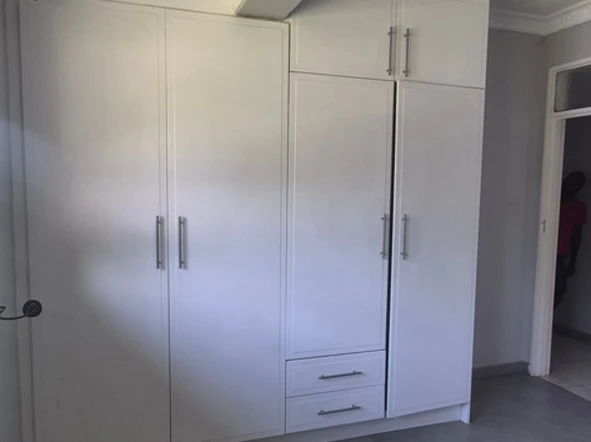
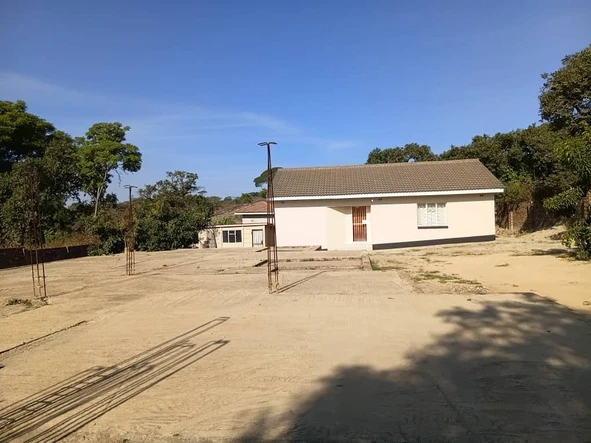
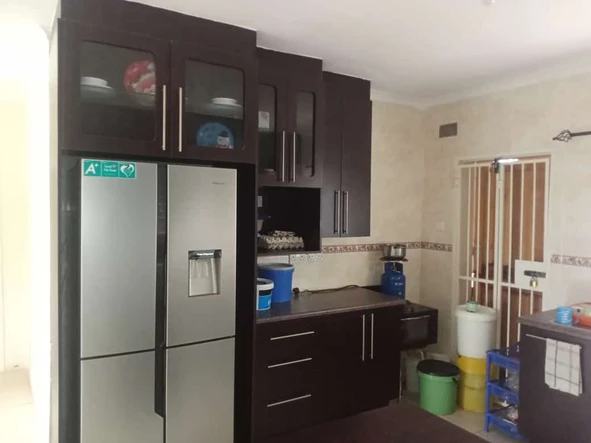
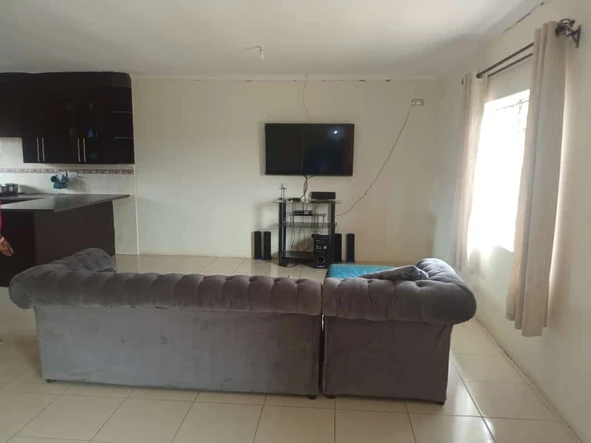
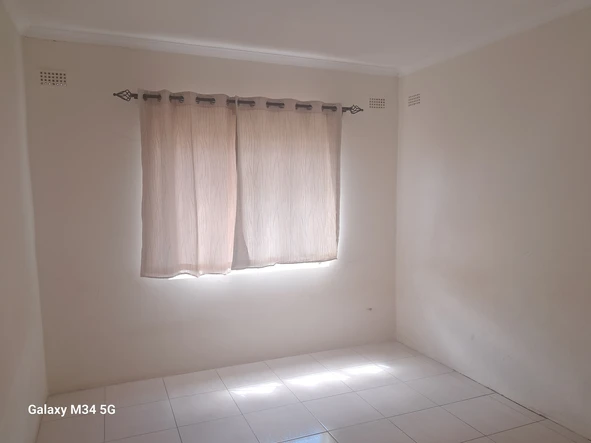
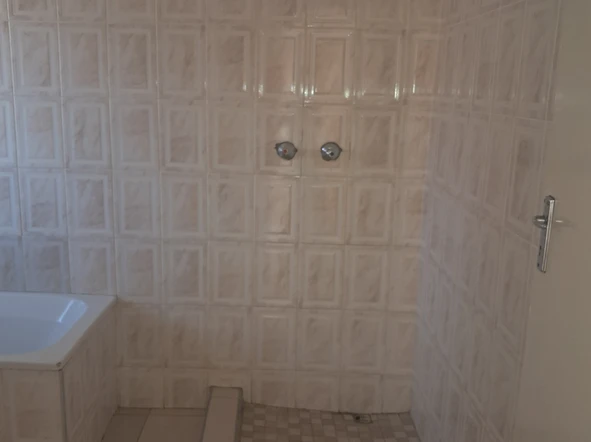
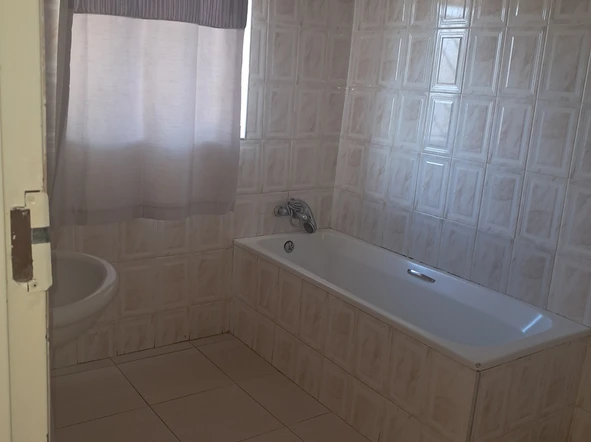
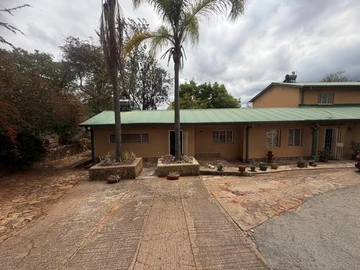
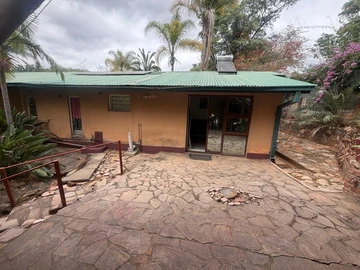
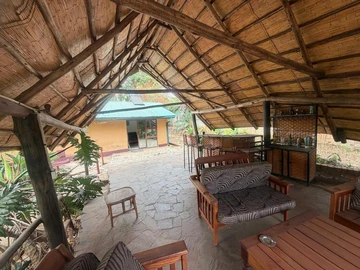
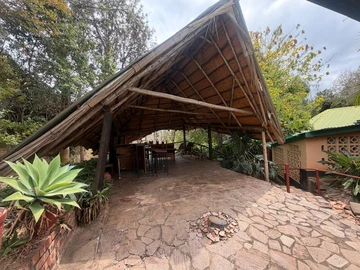
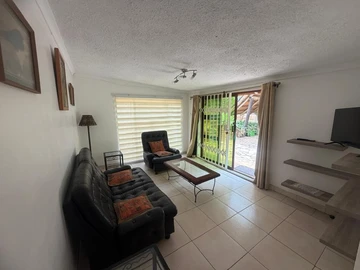
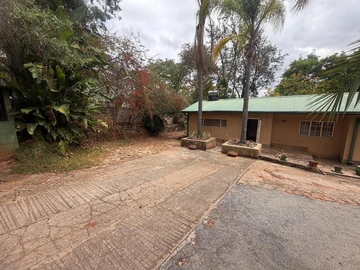
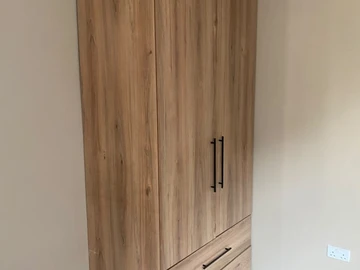
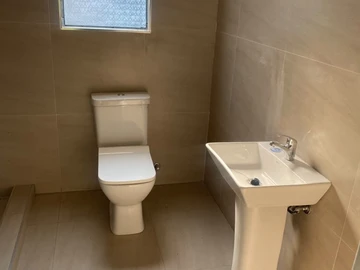
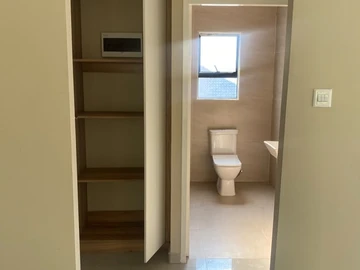
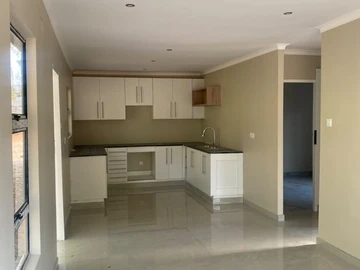
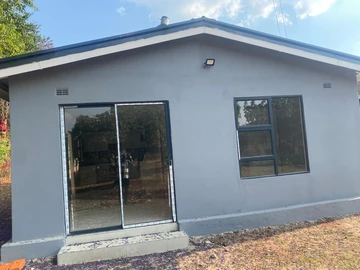
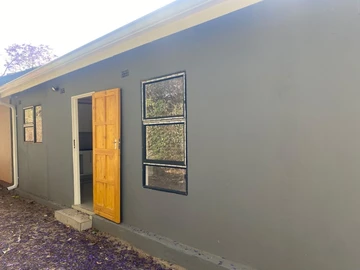
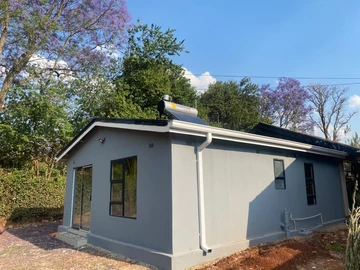
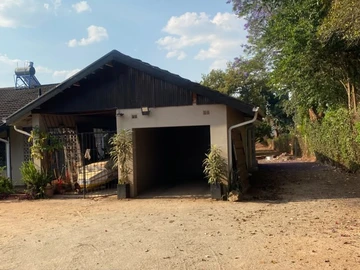
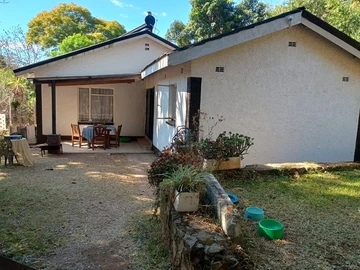
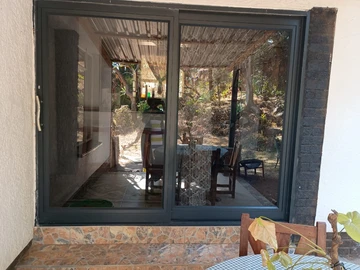
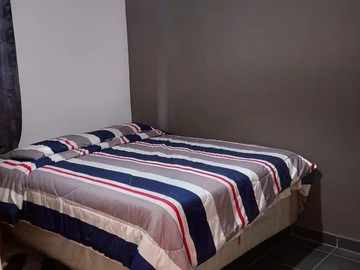
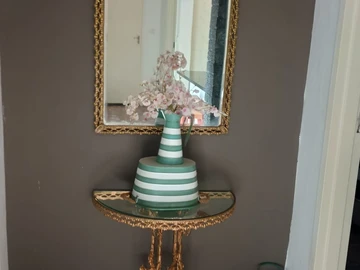
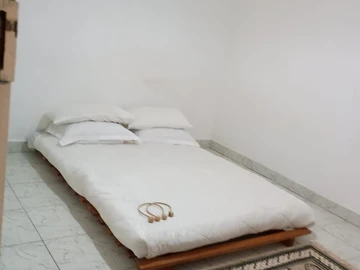
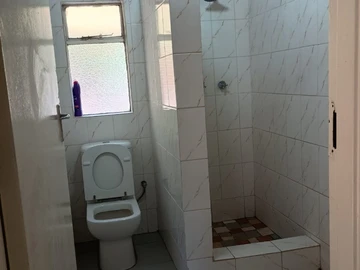
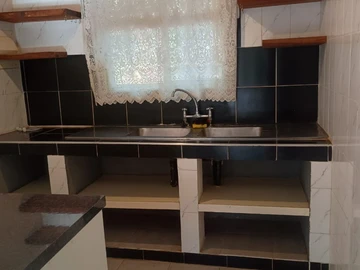
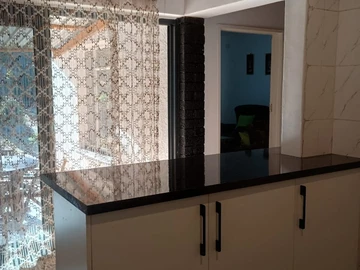
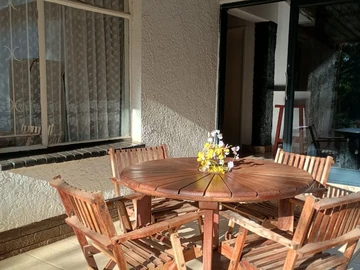
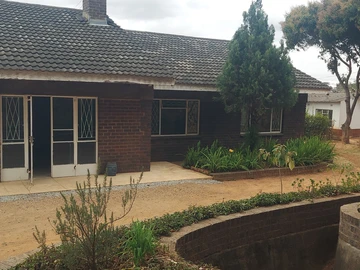
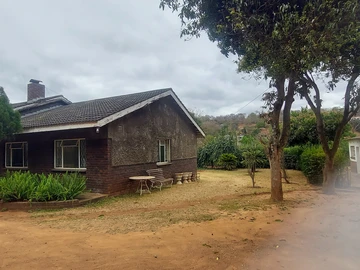
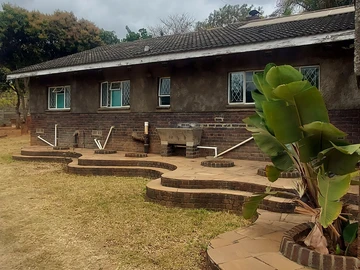
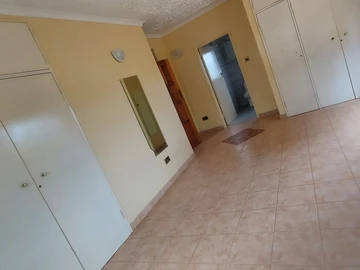
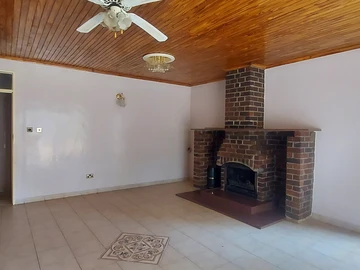
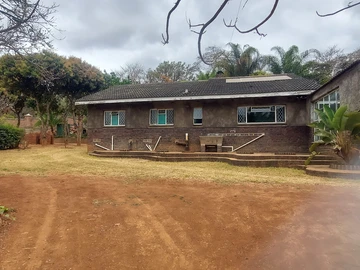
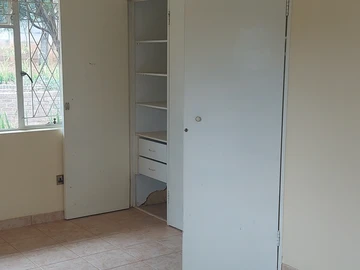
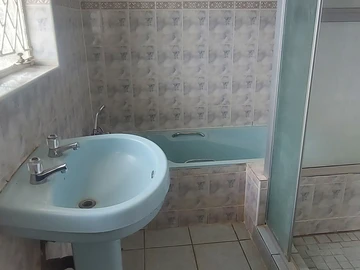
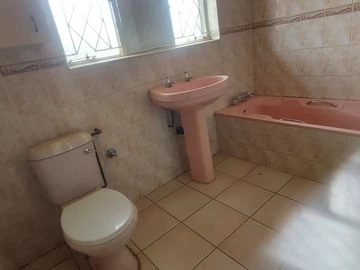
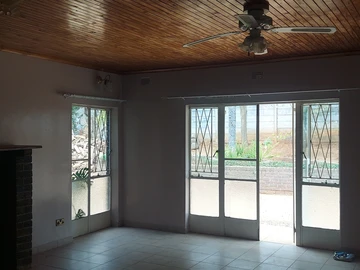
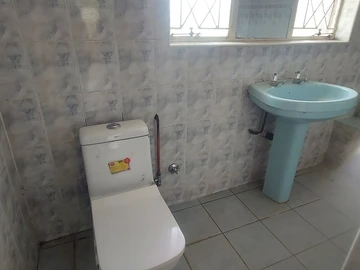
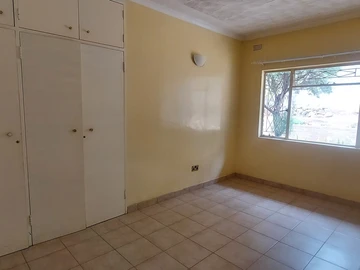
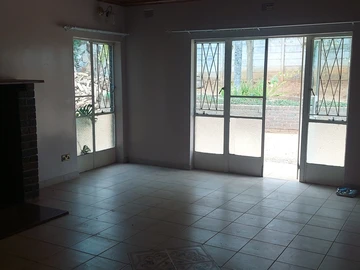
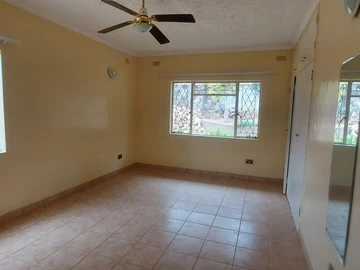
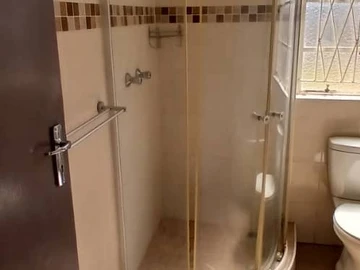
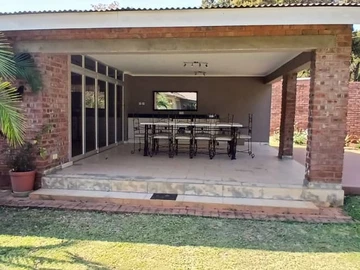
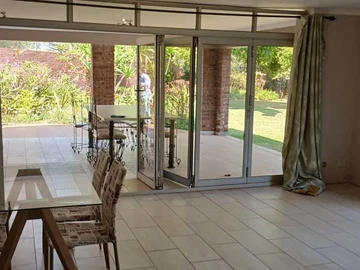
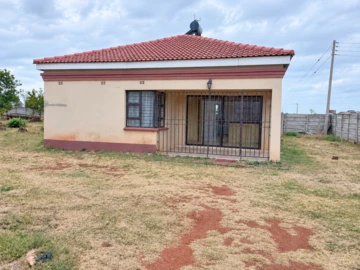
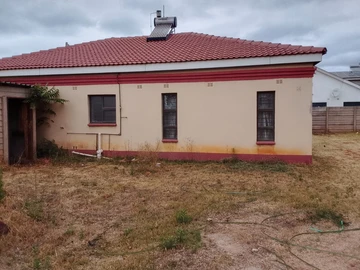
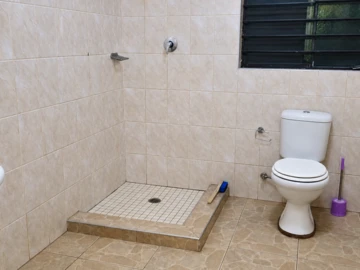
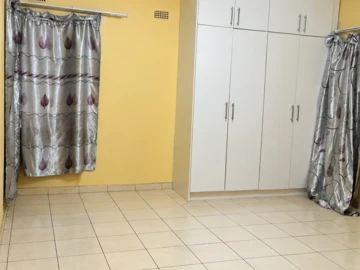
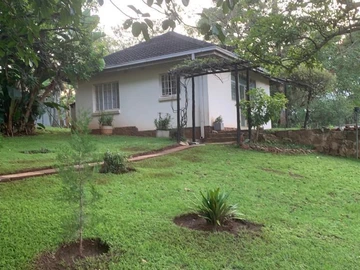
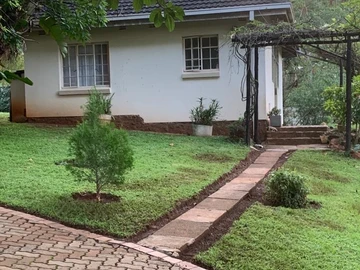
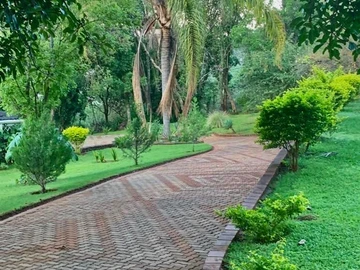
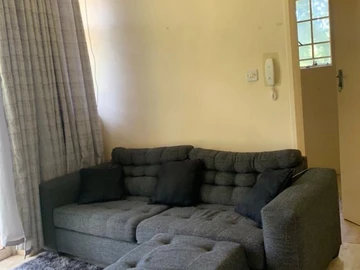
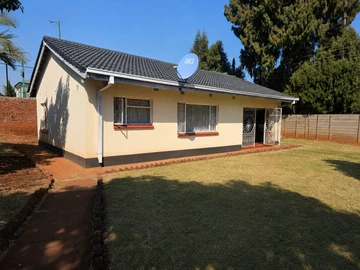
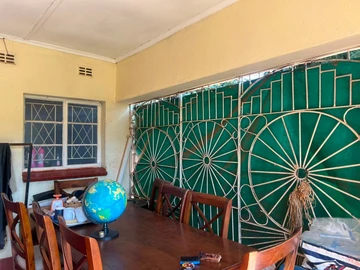
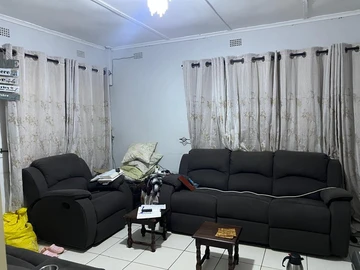
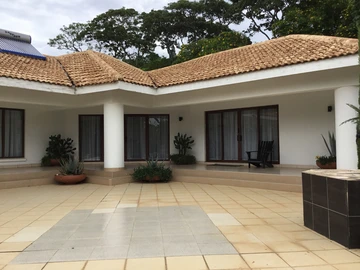
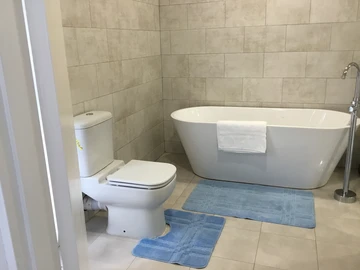
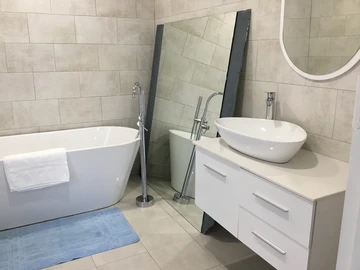
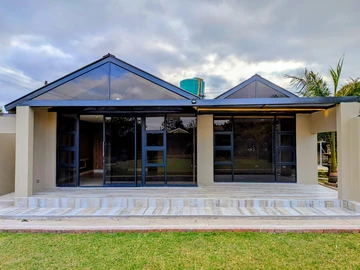
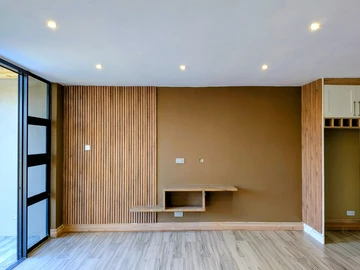
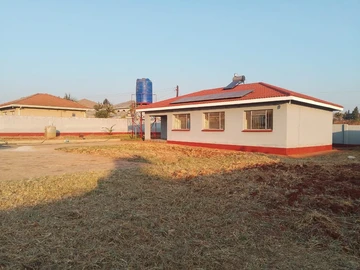
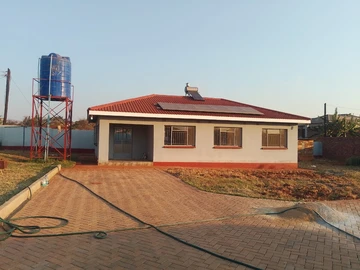
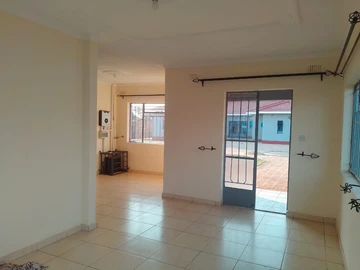
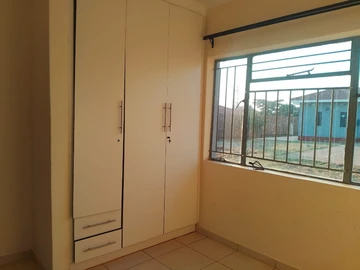
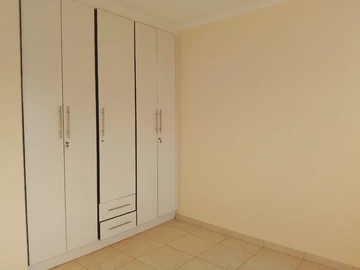
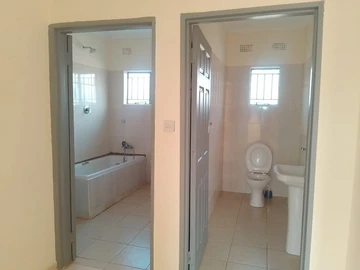
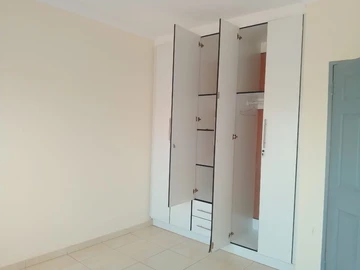
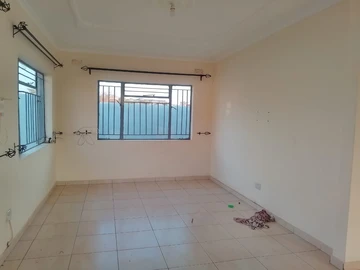
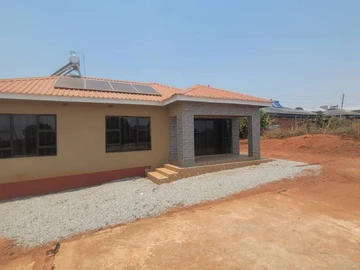
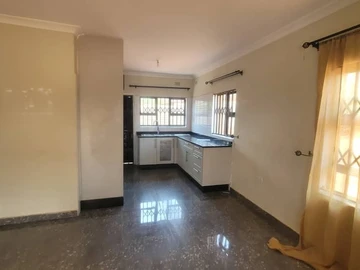
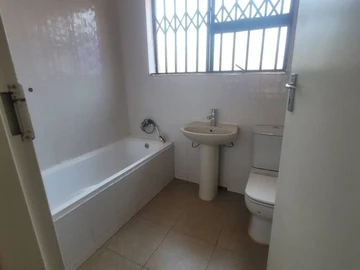
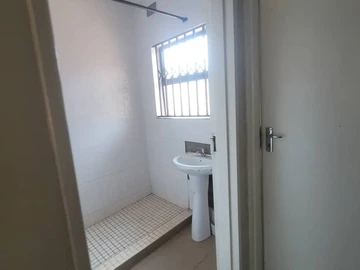
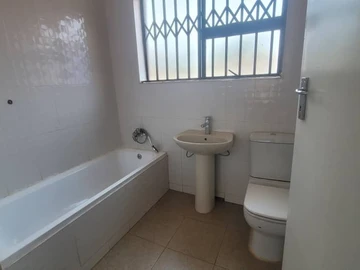
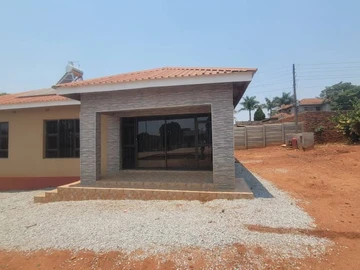
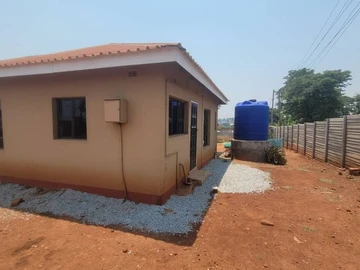
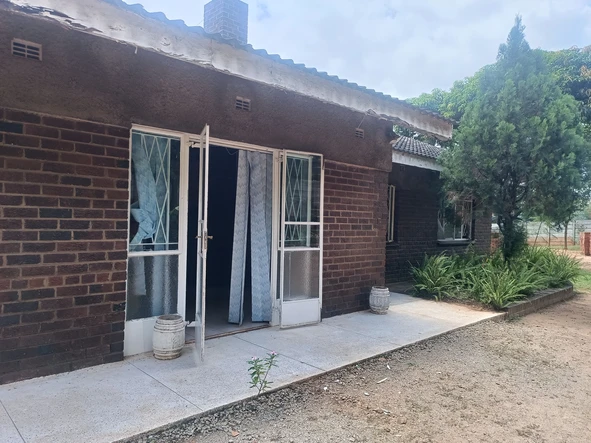
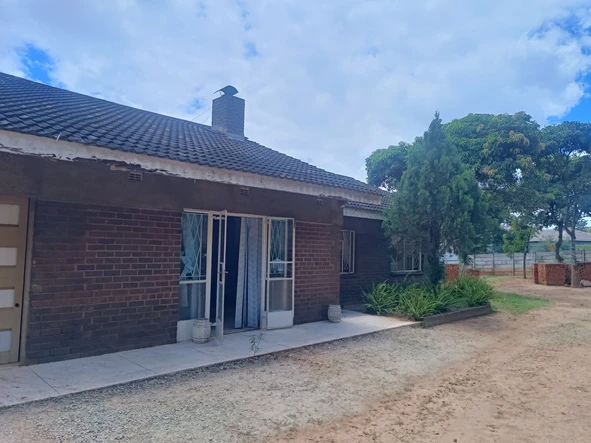
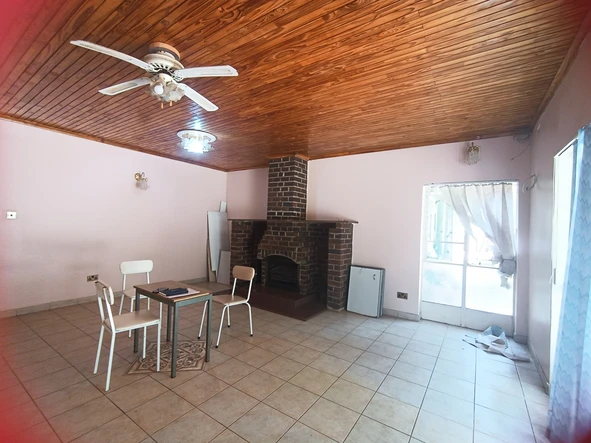
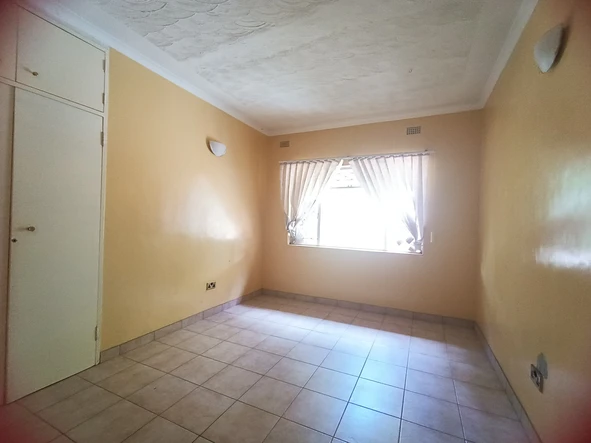
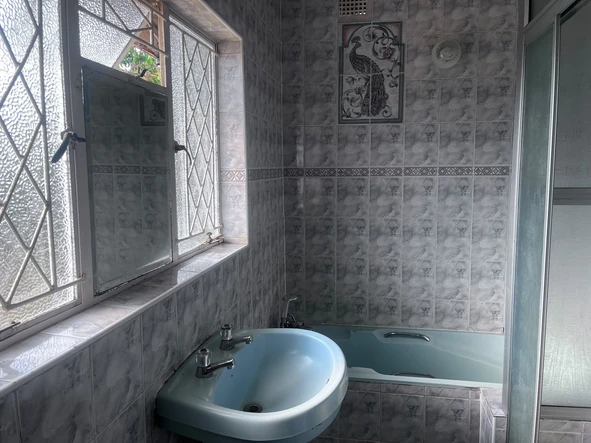
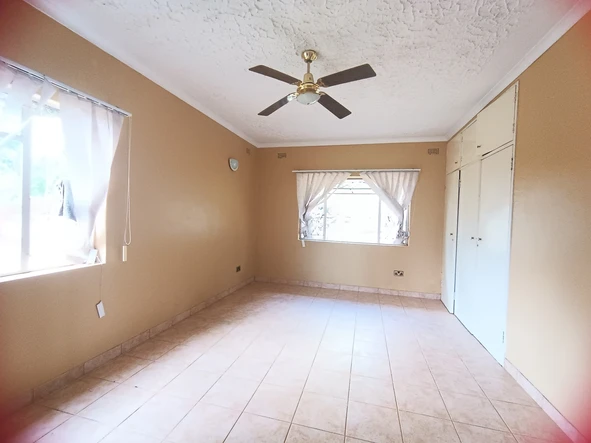
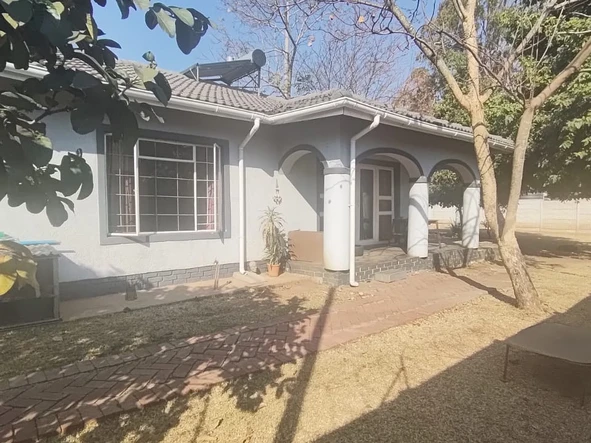
Cottages for rent in Harare North, Harare, offer affordable options with an average monthly rent of $2,000 USD. These cottages typically have a median property size of about 100 ㎡ and sit on land averaging 500 ㎡, with some larger properties reaching up to 1,000 ㎡ and land areas as big as 8,000 ㎡.
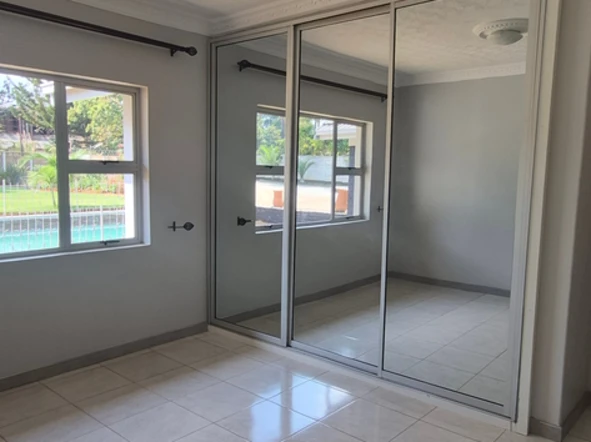
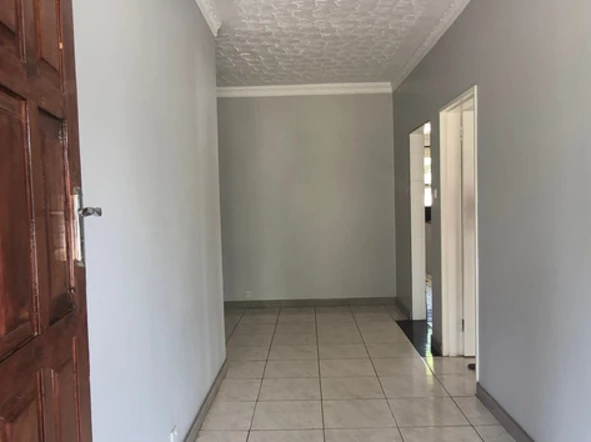
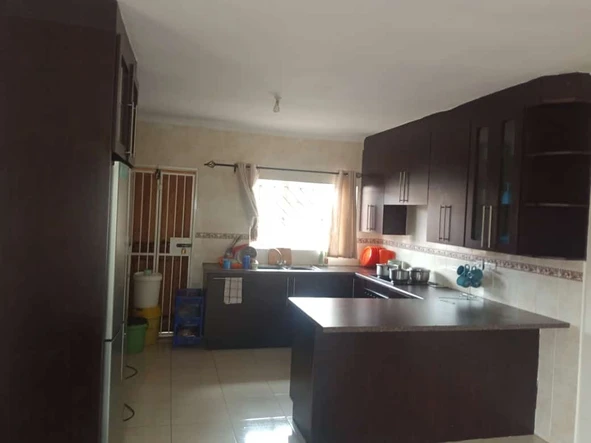
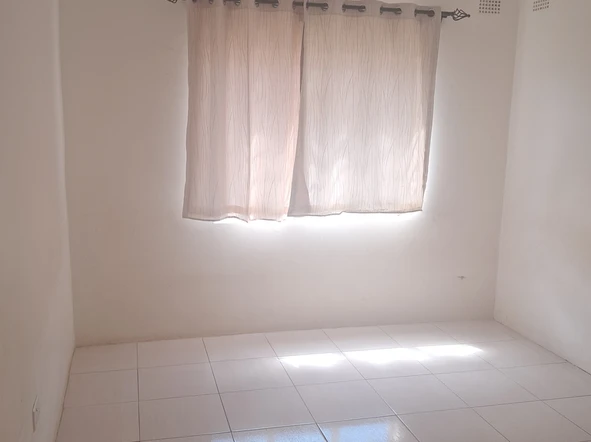
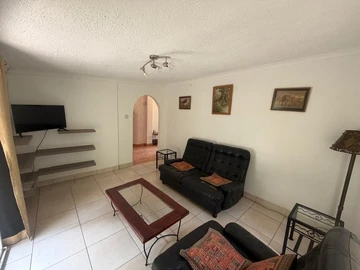
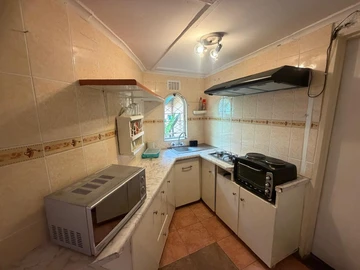
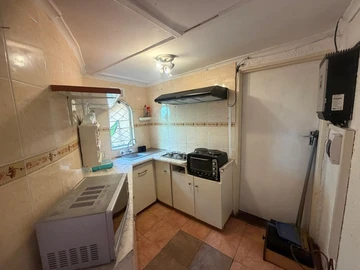
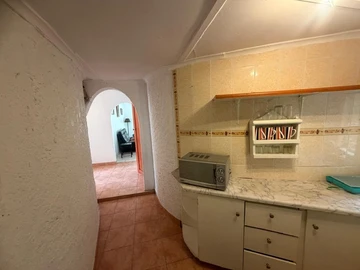
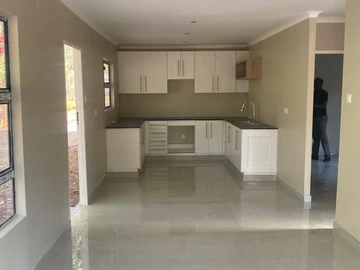
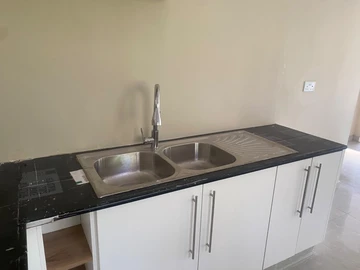
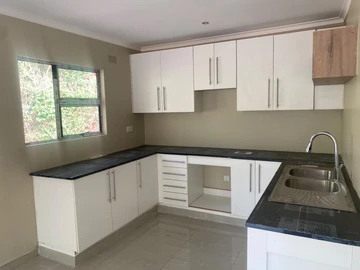
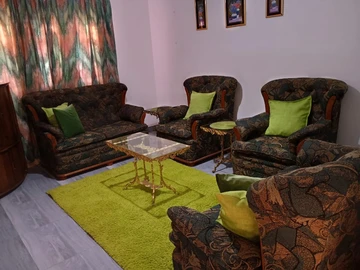
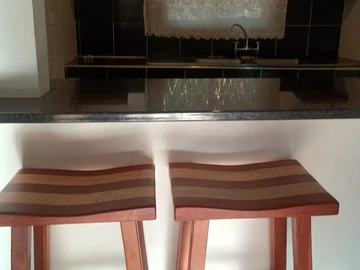
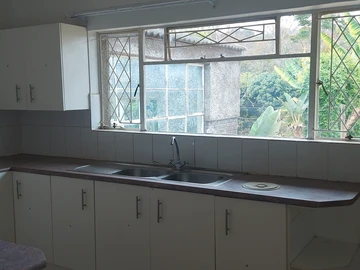
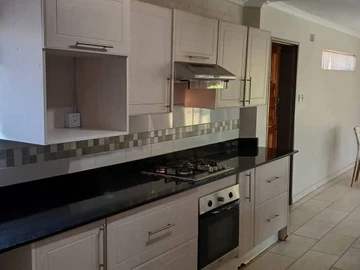
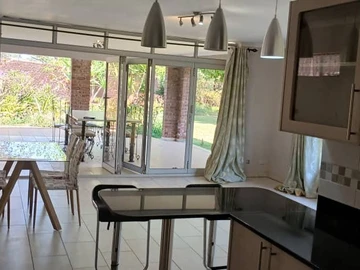
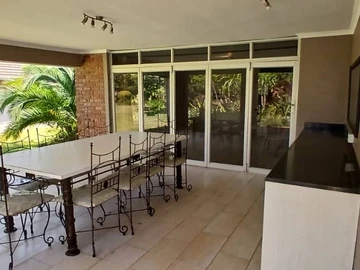
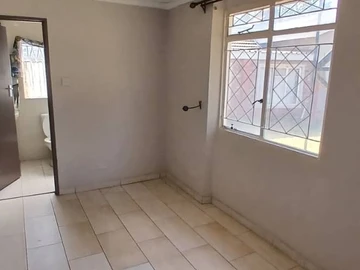
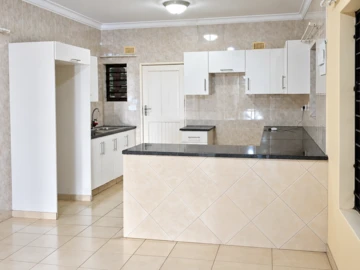
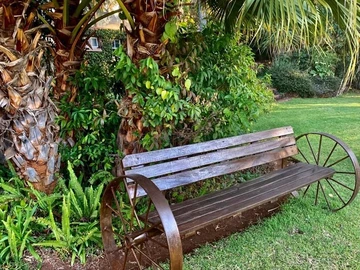
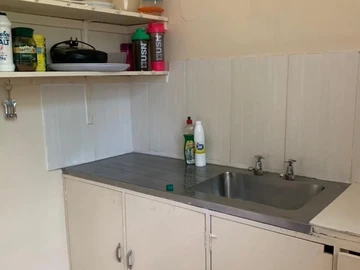
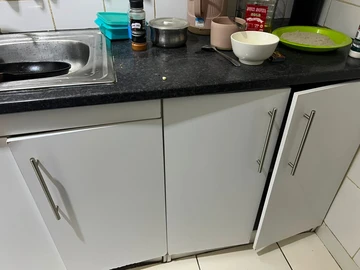
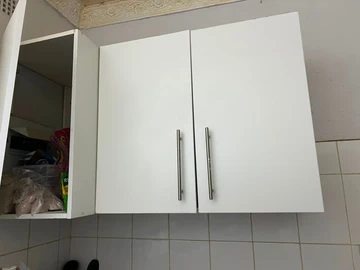
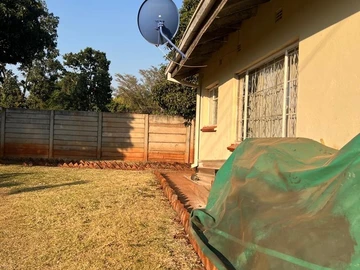
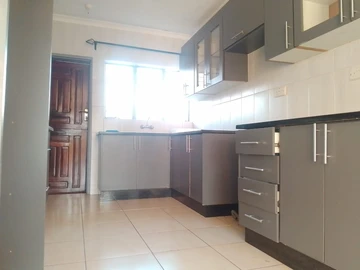
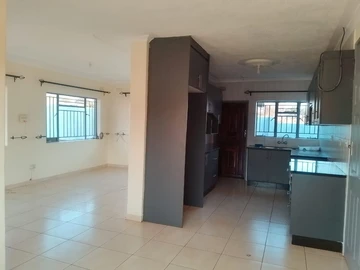
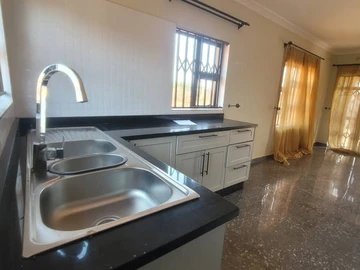
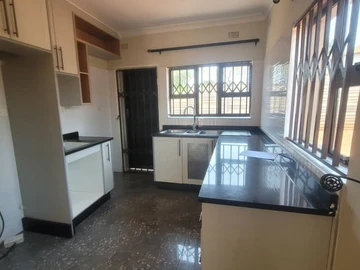
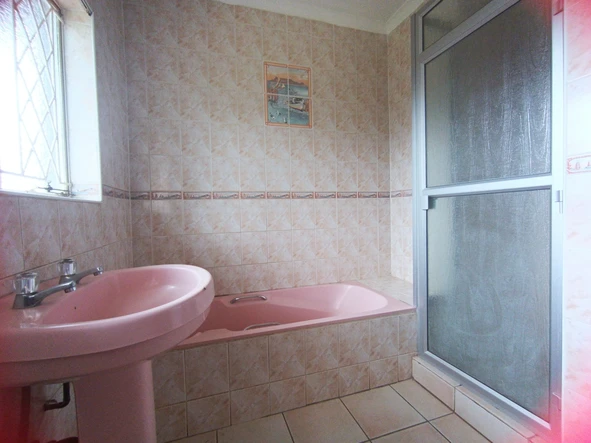
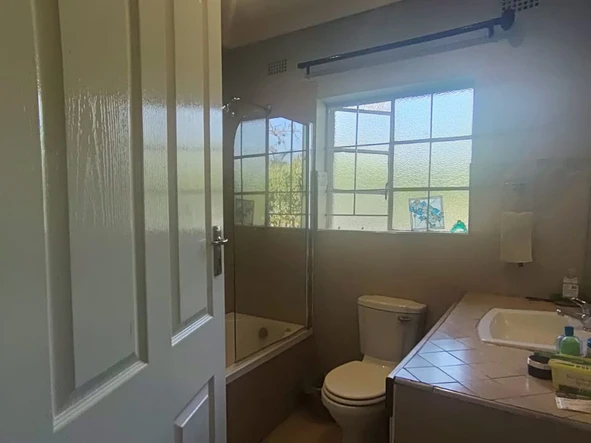
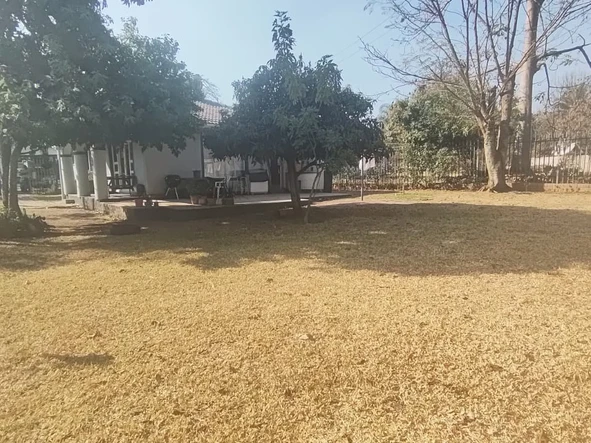
Many cottages feature tiled floors and water tanks, while most have boreholes and fitted kitchens. Security is a common priority, with many properties having electric gates and walled perimeters, providing a safe and comfortable living environment for tenants.
Harare North is a well-established area just north of the city center, offering good road networks and public transport options for easy commuting. Residents benefit from nearby amenities such as Harare Gardens for outdoor recreation, the National Gallery of Zimbabwe, and the Zimbabwe Museum of Human Sciences. The area also has access to healthcare at Harare Central Hospital and several schools, making it suitable for families and professionals alike. Shopping needs are met by local markets like Mbare Musika and nearby malls, while a variety of restaurants and cafes provide convenient dining choices.
2
2
150 m²
2
1
2
1
500 m²
2
400 m²
2
1
85 m²
3
1
150 m²
3
2
120 m²

Be the first to see new properties for rent in Harare North











| Property Size | Avg. price |
|---|---|
| 1 bedroom (View 2 properties) | $450 |
| 2 bedroom (View 17 properties) | $1,100 |
| 3 bedroom (View 38 properties) | $1,500 |
| 4 bedroom (View 45 properties) | $2,225 |
| 5+ bedroom (View 51 properties) | $3,500 |
Prices as of October 2026
Buying property in Zimbabwe? Learn how deeds, SG diagrams, beacons and surveys determine boundaries and complete seven checks before you pay.
Understanding municipal property rates in Zimbabwe: Learn how valuations are calculated, how to manage arrears, and how to access council discounts.
Manage your rental properties in Zimbabwe like a pro. Learn about tenant screening, lease agreements, maintenance, and rental tax rules in 2026.
Building or buying in Harare? Learn what plan approval requires, what changed in 2026, and how to manage unapproved structures.
Buying a housing stand in Zimbabwe? Inspect title deeds, subdivision permits, compliance certificates, and seller IDs before making any payment.















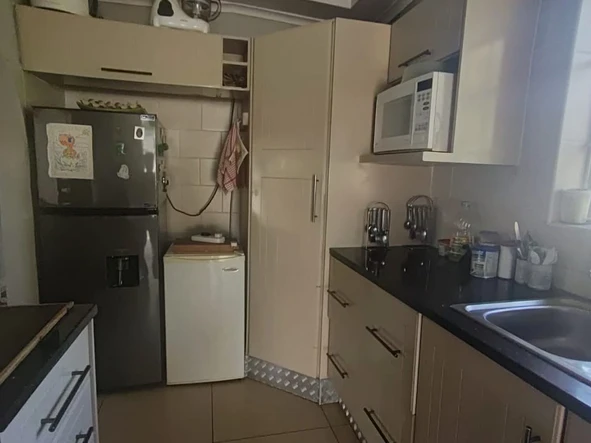
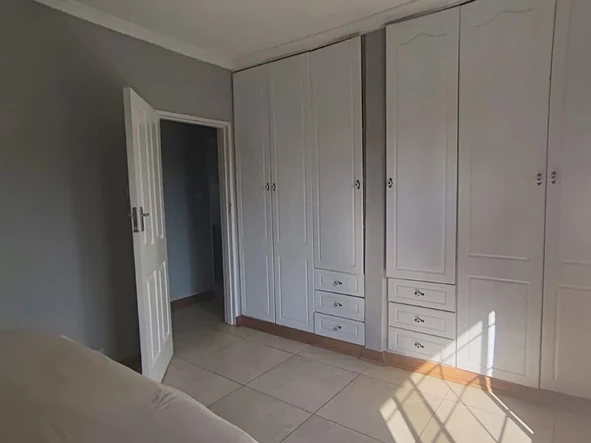
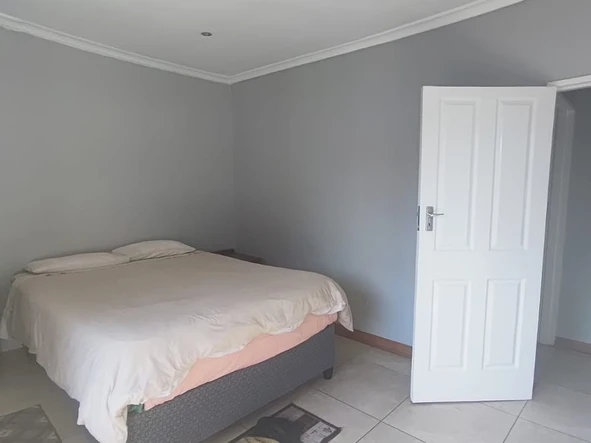
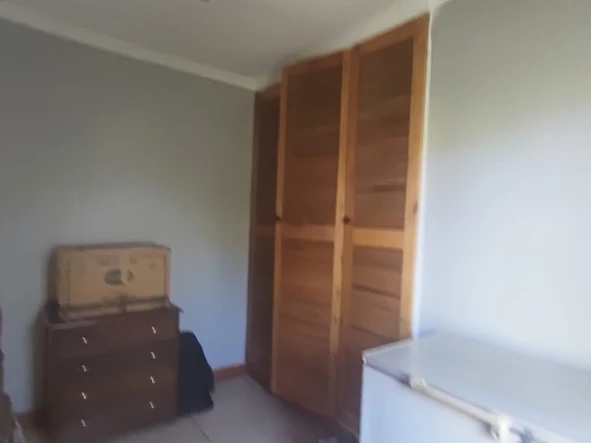
 1 m²
1 m²