Log in to contact the seller
 Continue with Facebook
 Continue with Email
Continue with Facebook
Continue with Email
Sign up with Facebook
Continue with Email
Continue with Facebook
Continue with Email
Sign up with Facebook
 Change filters
 Requests


 2
2
 2
2


 3
1
138 m²
2
1
80 m²
3
1
138 m²
2
1
80 m²
 3
2
300 m²
3
2
300 m²
 3
2
300 m²
6
5
300 m²
3
2
300 m²
2
1
215 m²
2
2
300 m²
3
2
300 m²
6
5
300 m²
3
2
300 m²
2
1
215 m²
2
2
300 m²
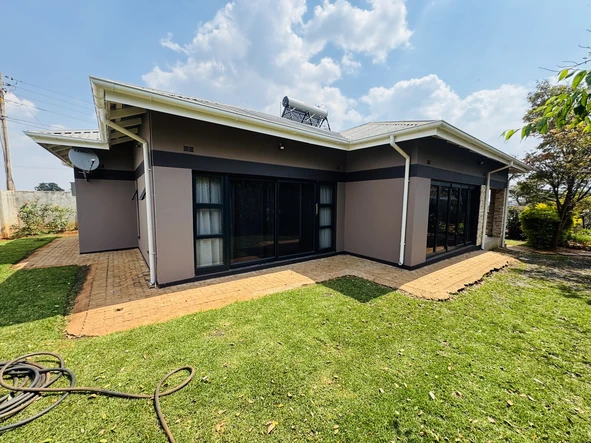
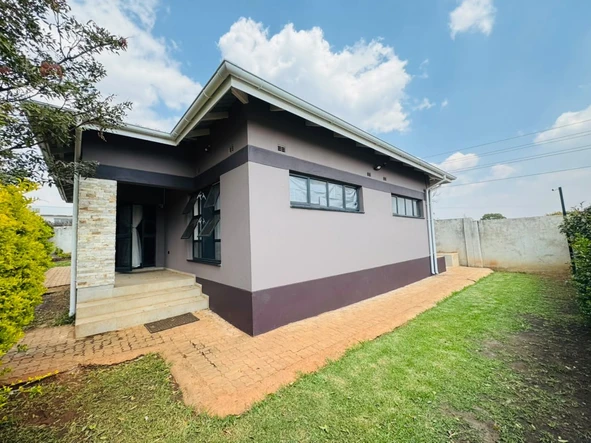
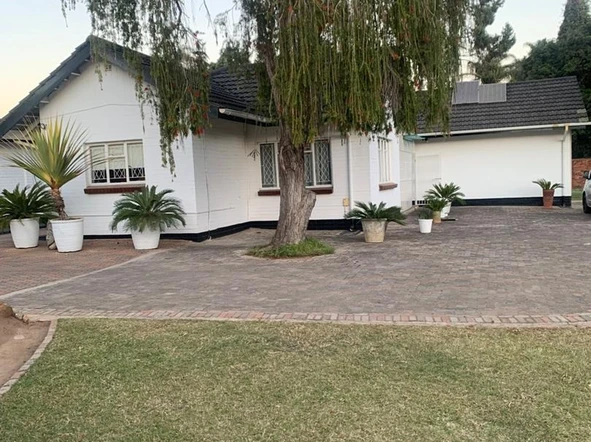
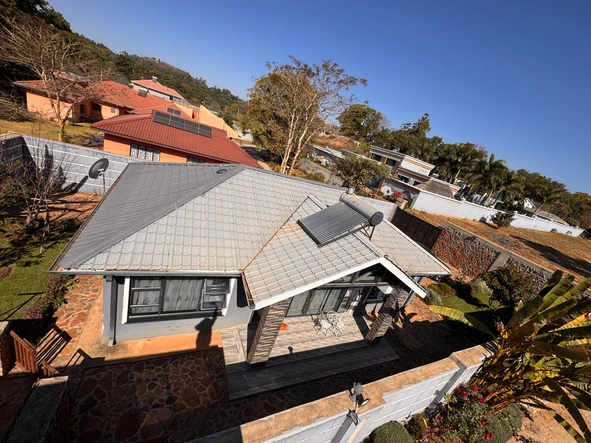
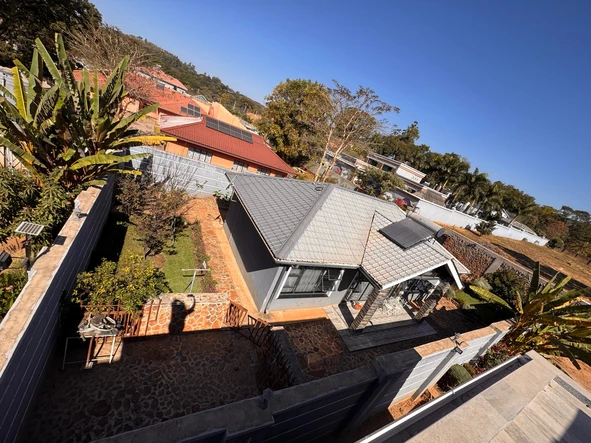
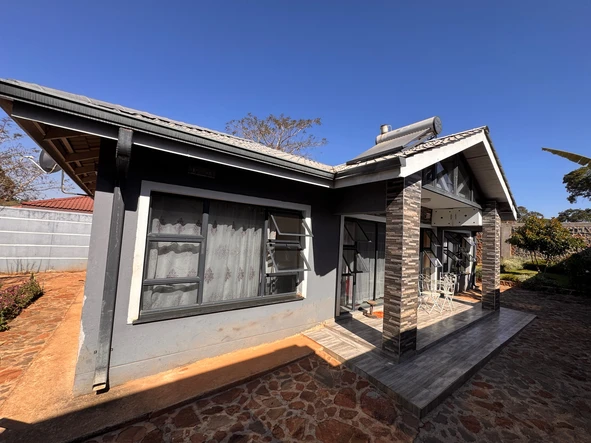
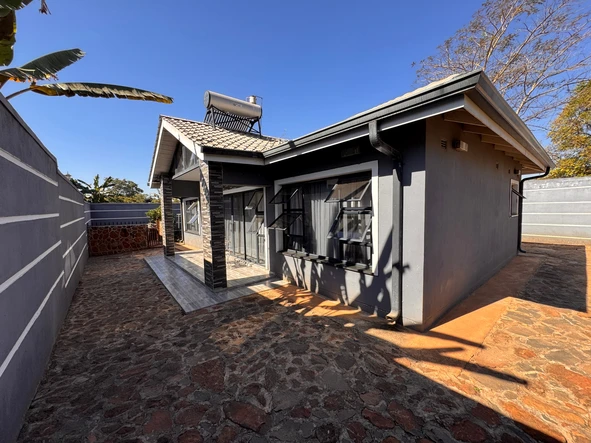
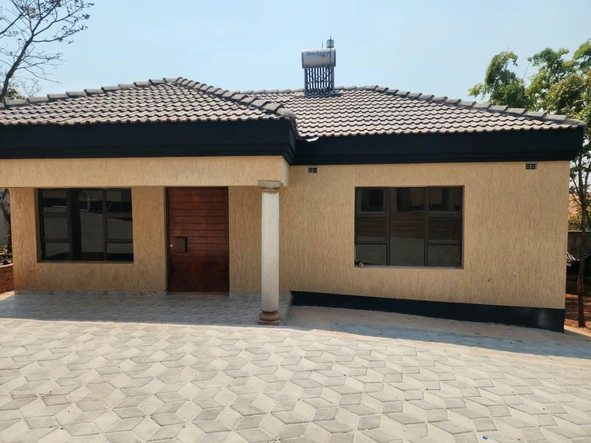
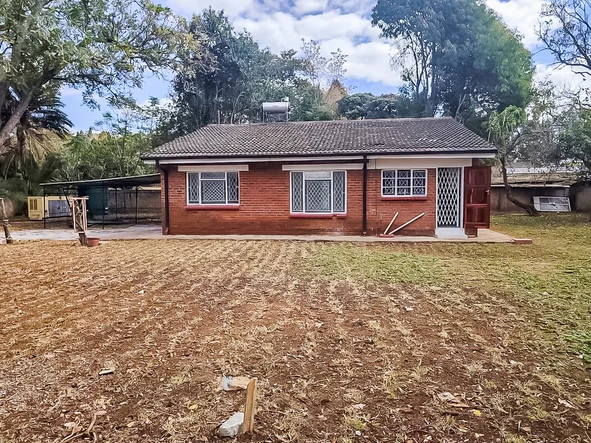
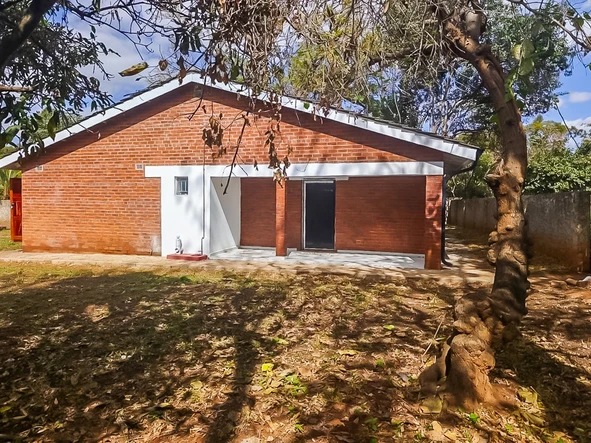
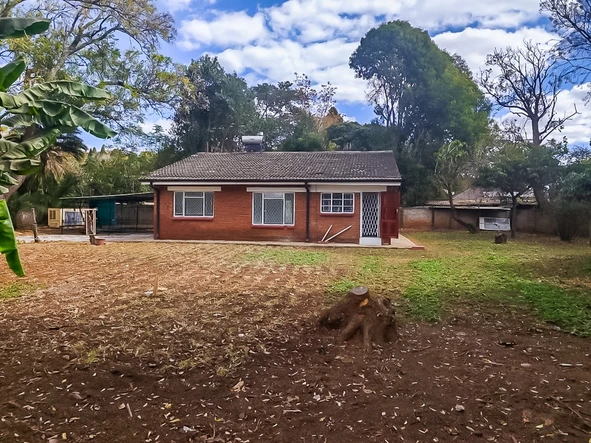
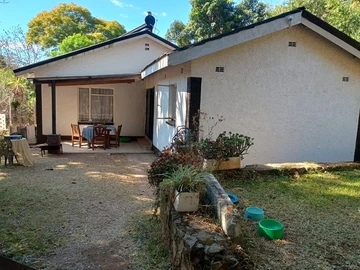
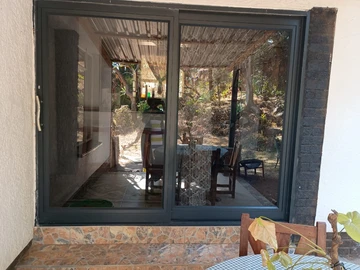
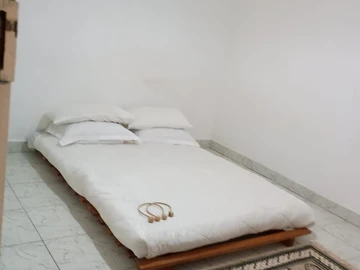
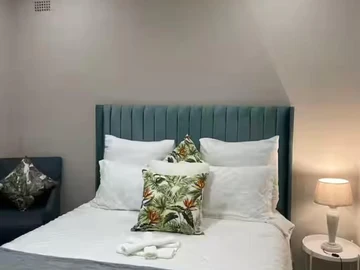
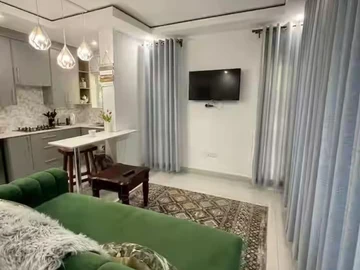
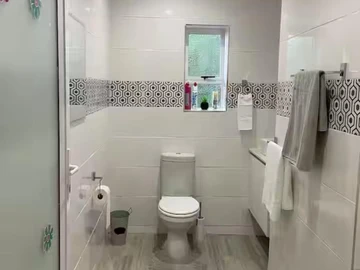
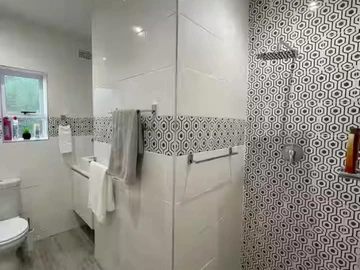
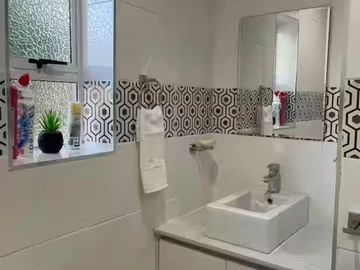
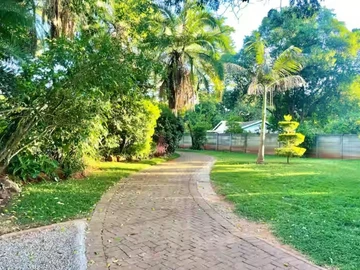
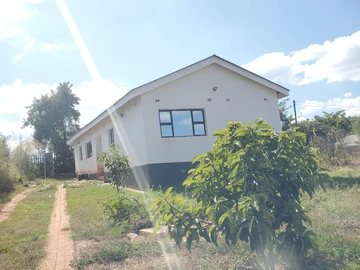
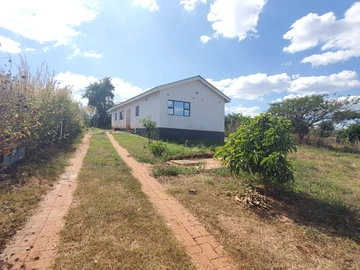
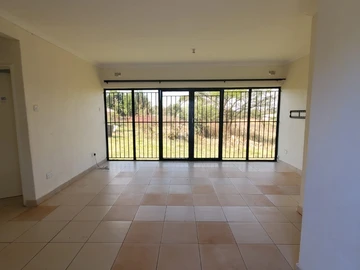
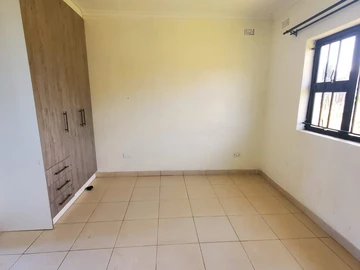
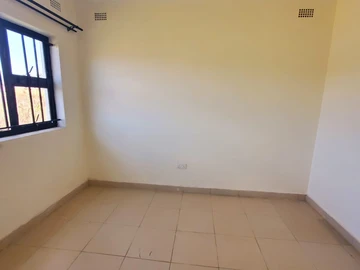
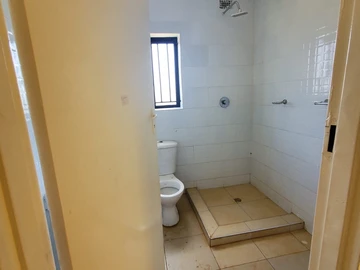
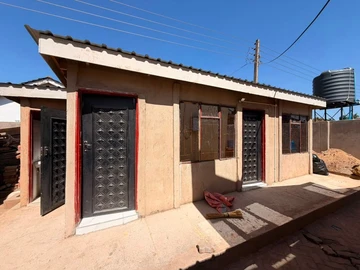
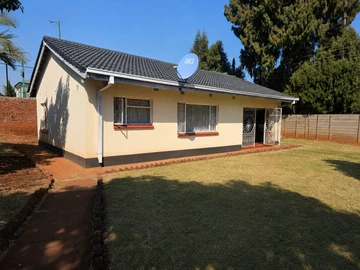
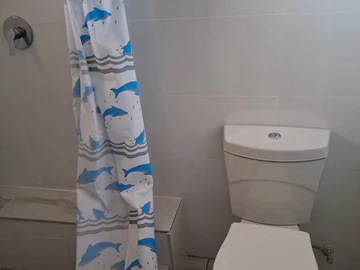
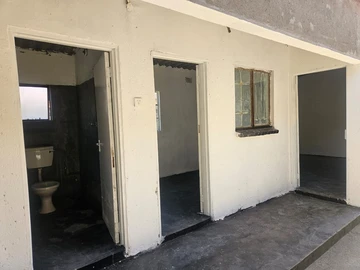
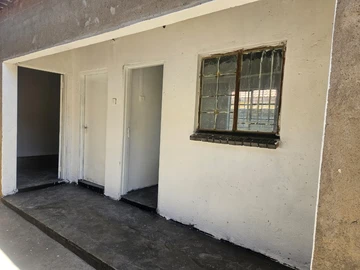
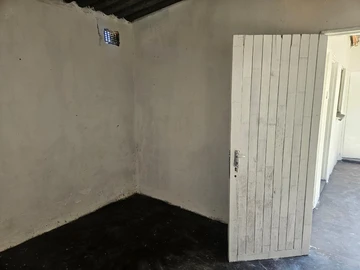
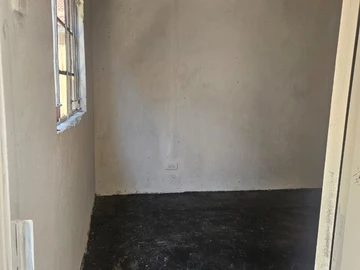
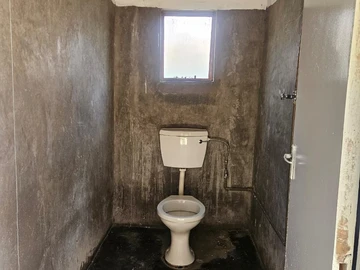
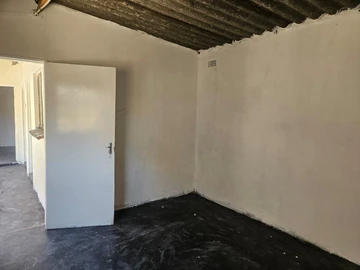
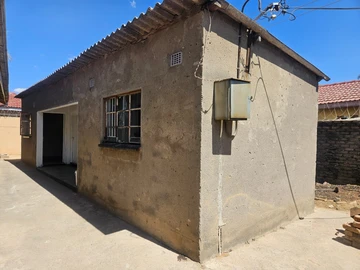
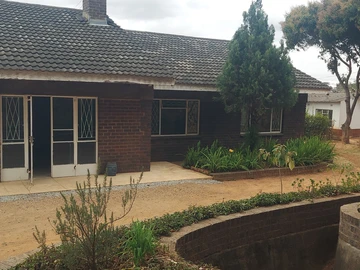
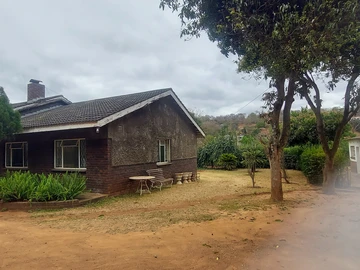
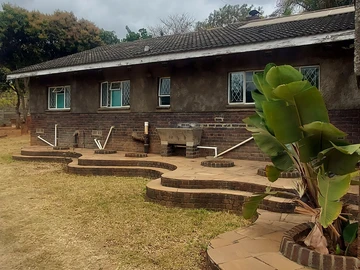
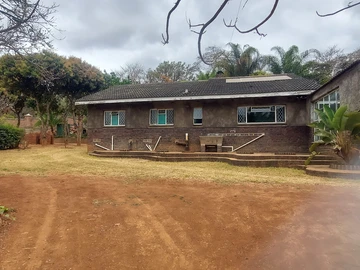
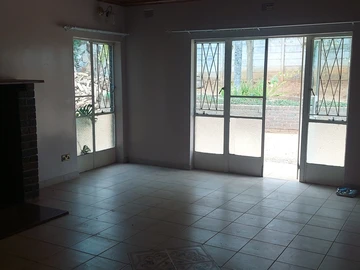
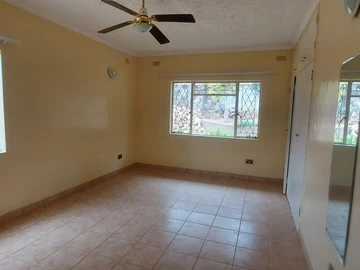
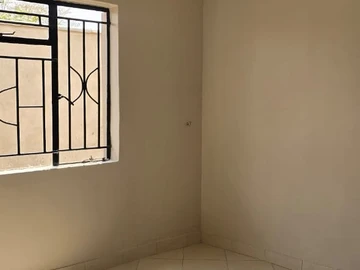
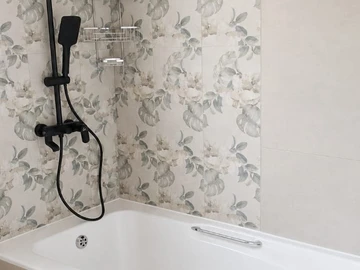
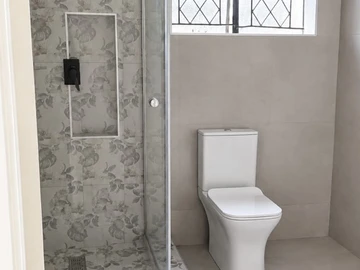
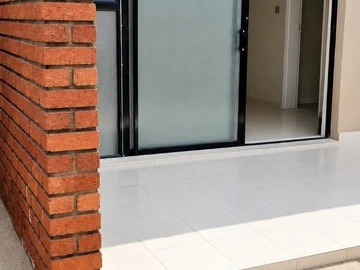
Cottages for rent in Harare offer affordable options for those seeking comfortable living spaces with an average monthly rent of $1,300 USD. These cottages typically range around 80 ㎡ in size, with land areas averaging about 500 ㎡ and some properties extending up to 1,000 ㎡ in building size and 8,000 ㎡ in land area. Starting rents can be as low as USD 250, making them accessible to a variety of renters.
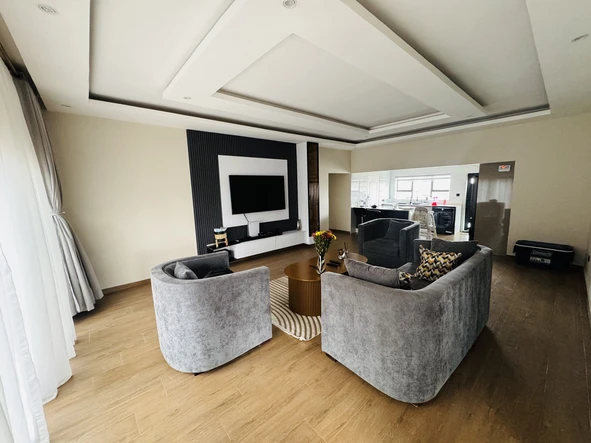
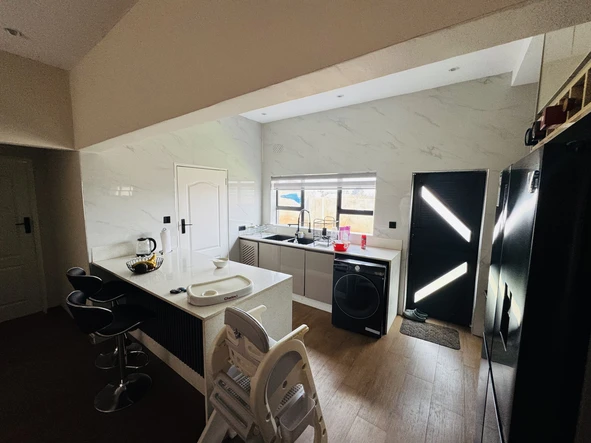
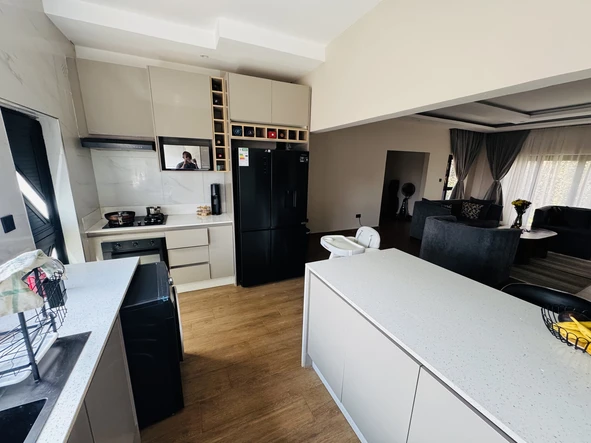
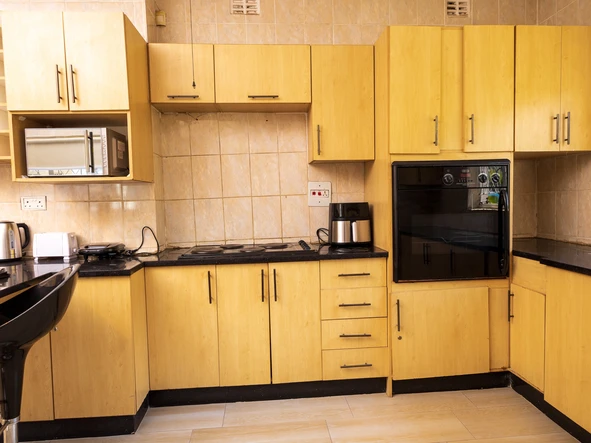
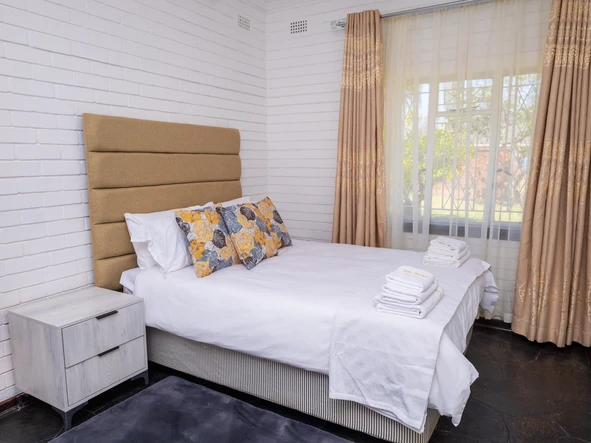
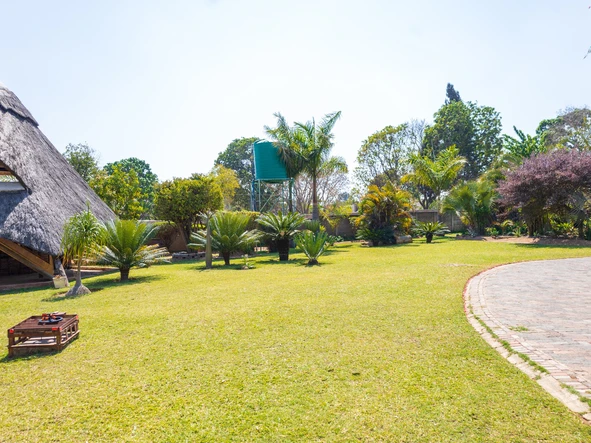
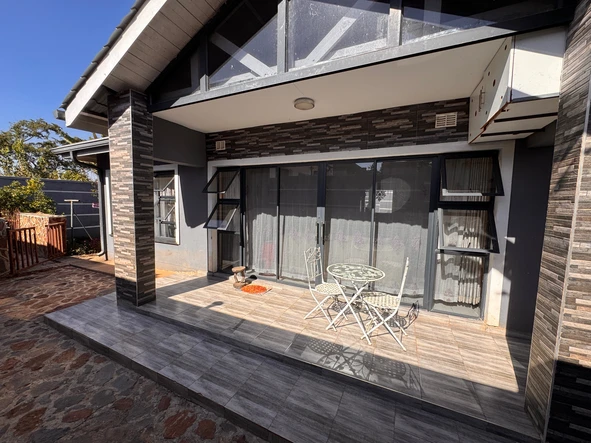
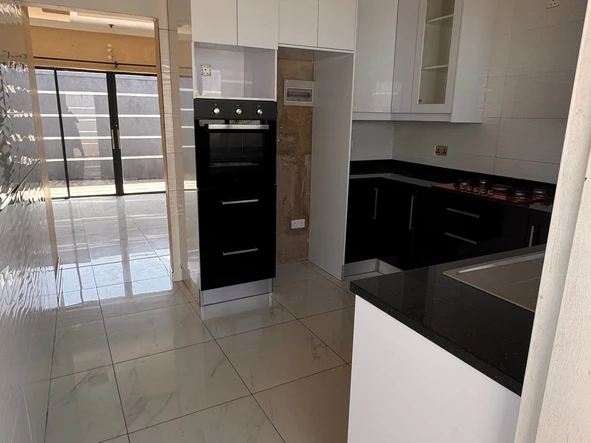
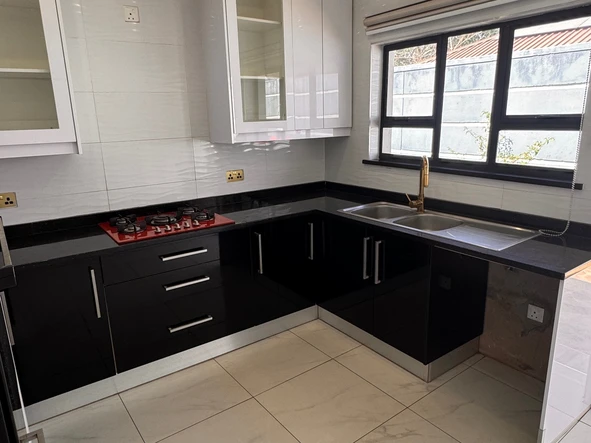
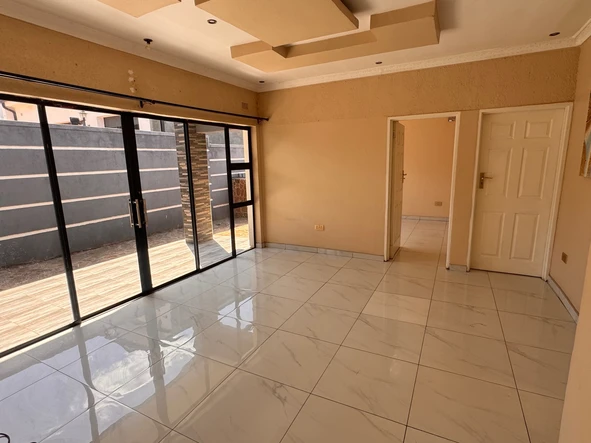
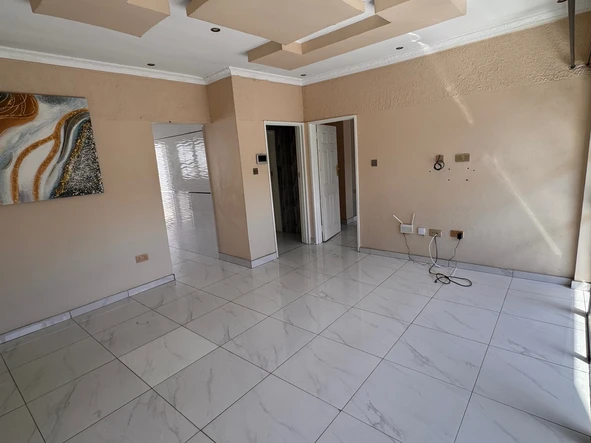
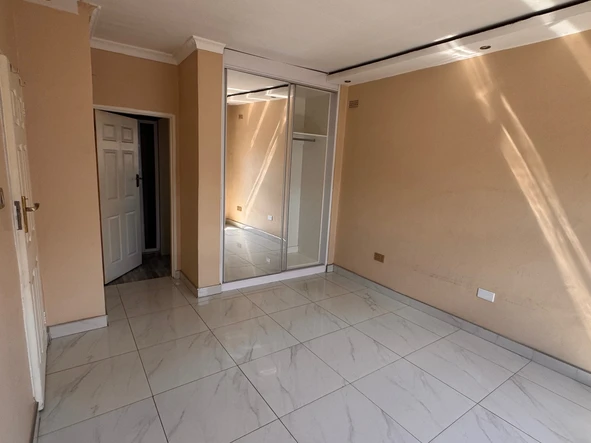
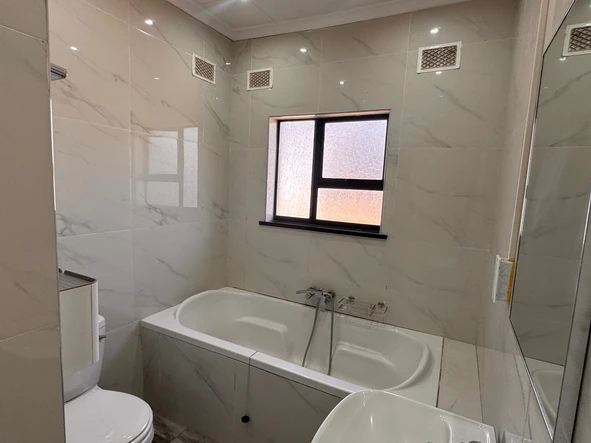
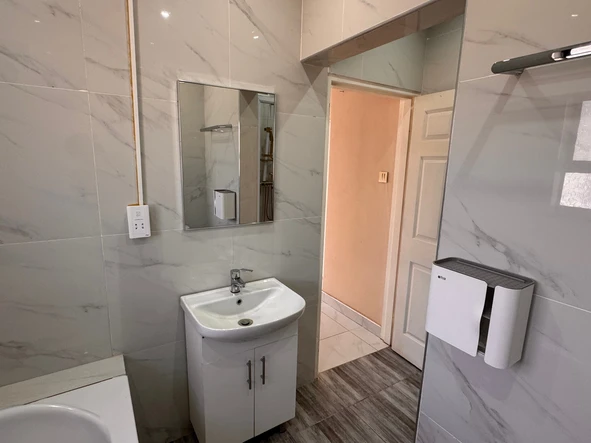
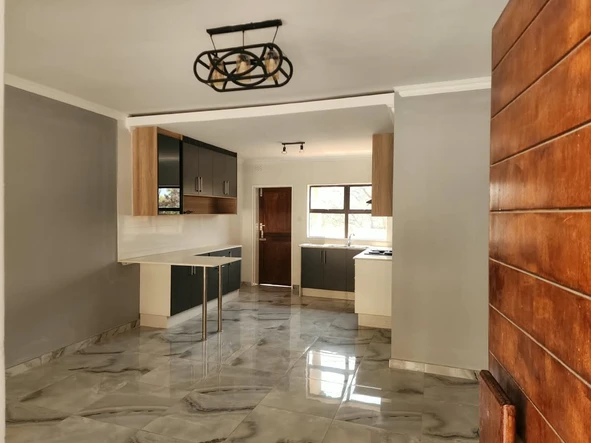
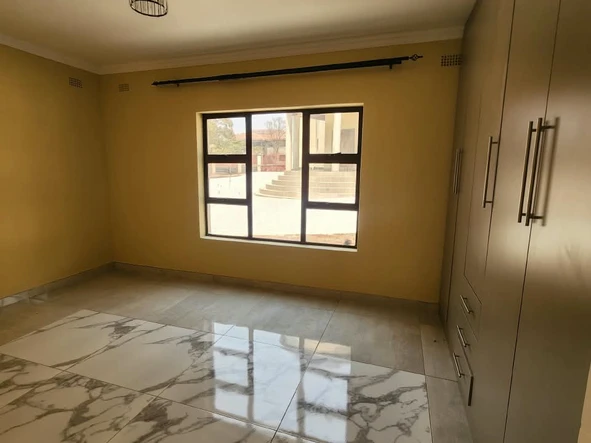
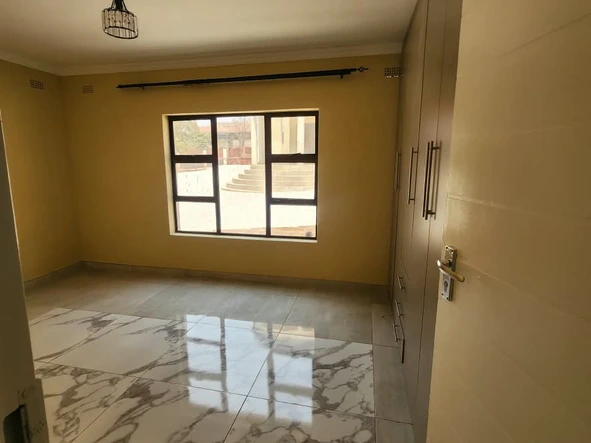
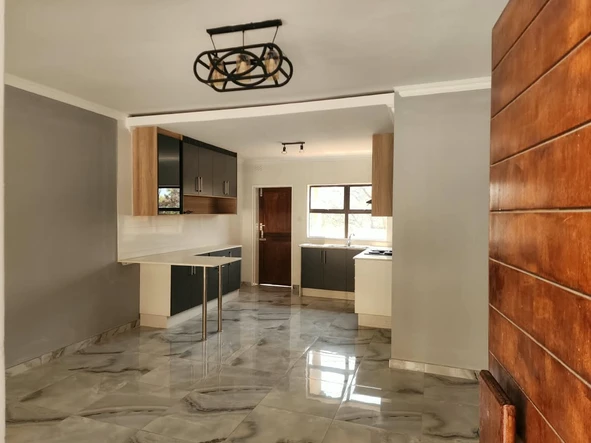
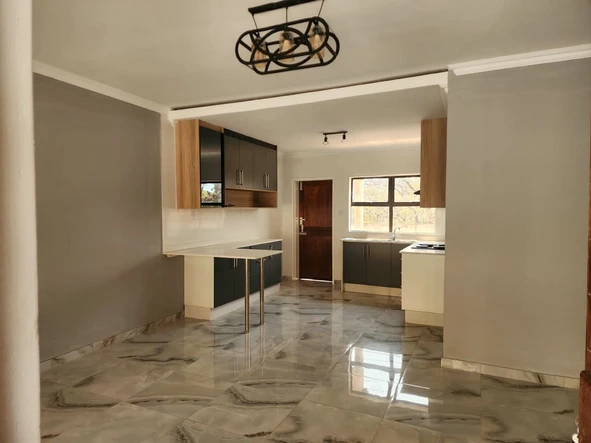
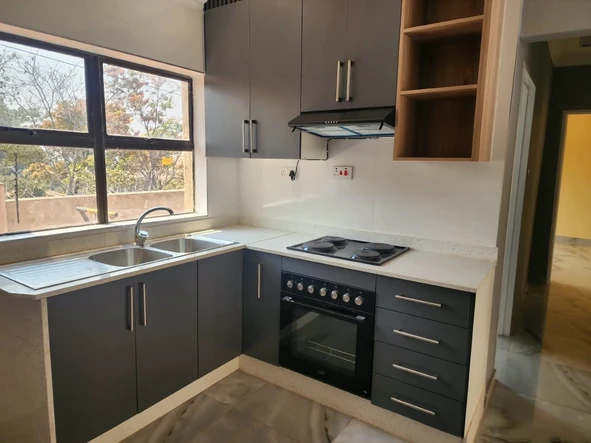
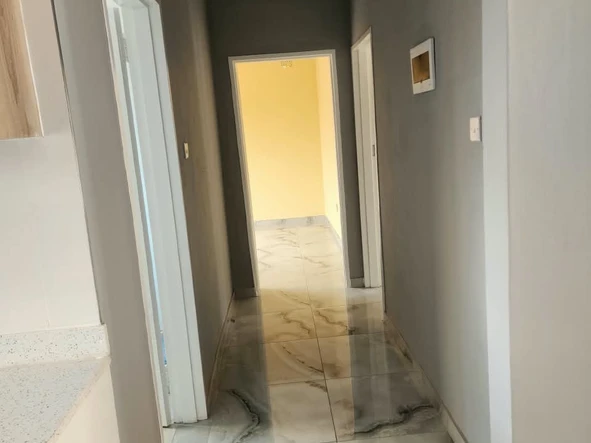
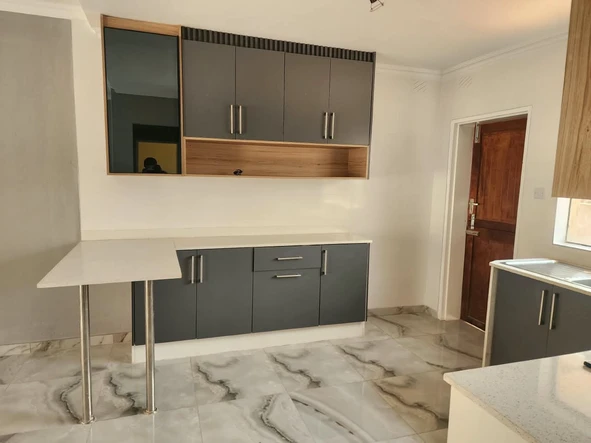
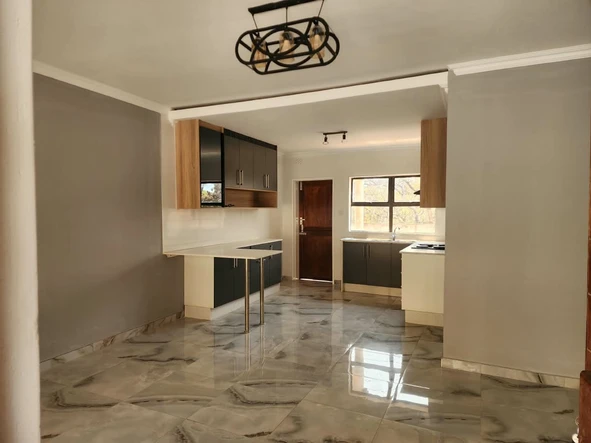
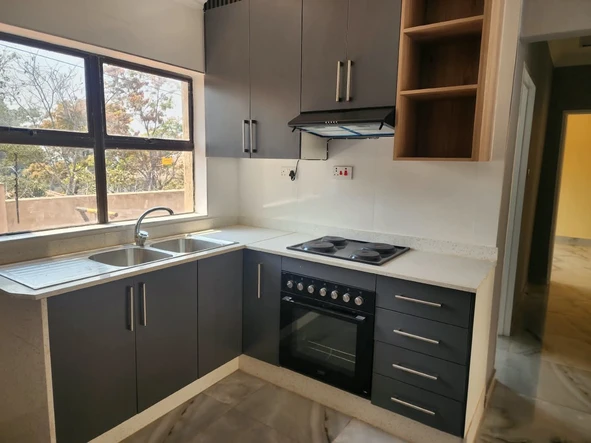
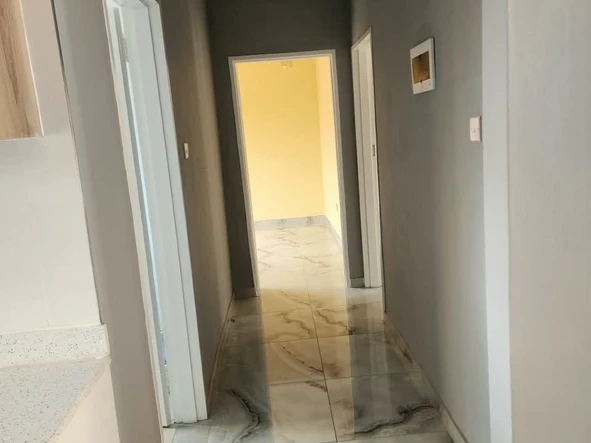
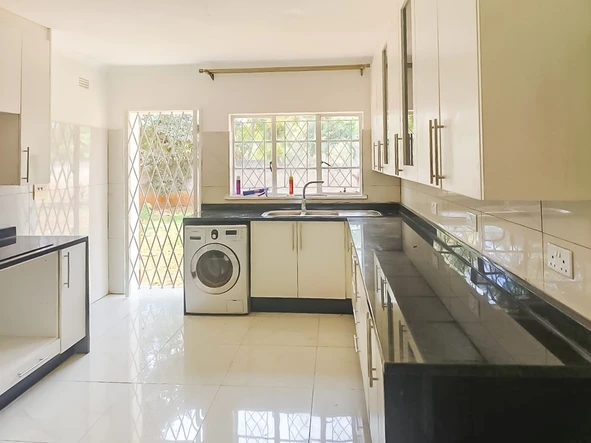
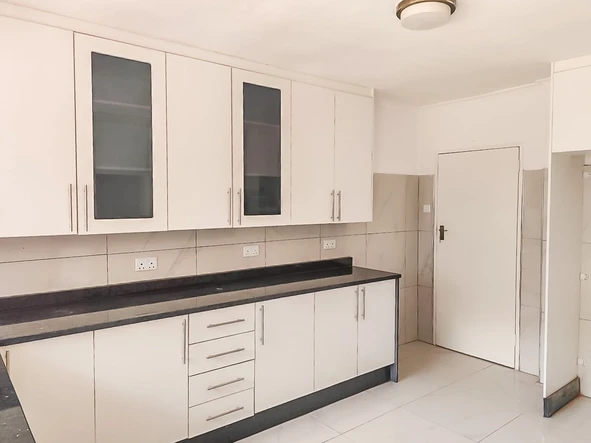
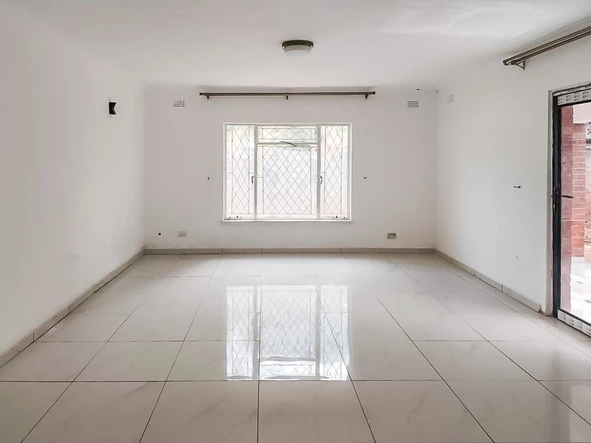
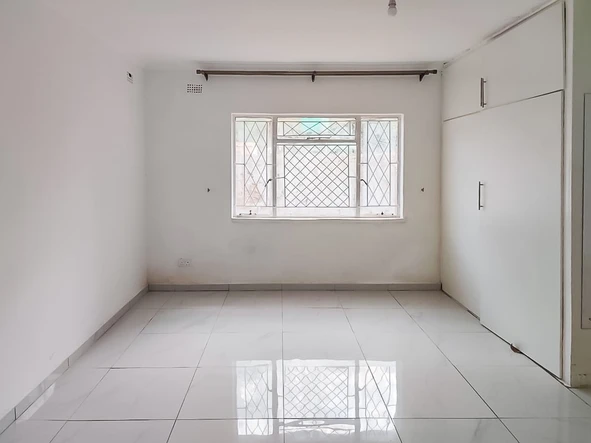
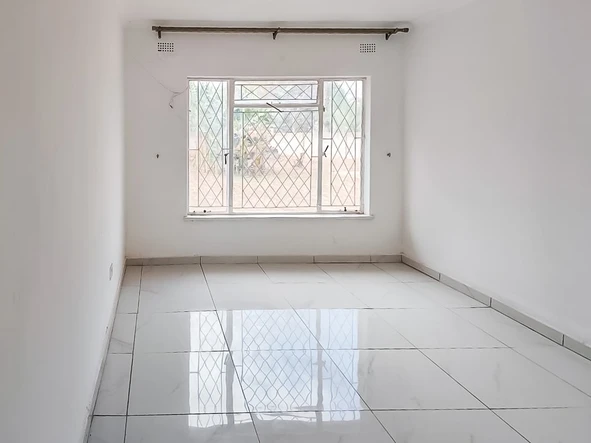
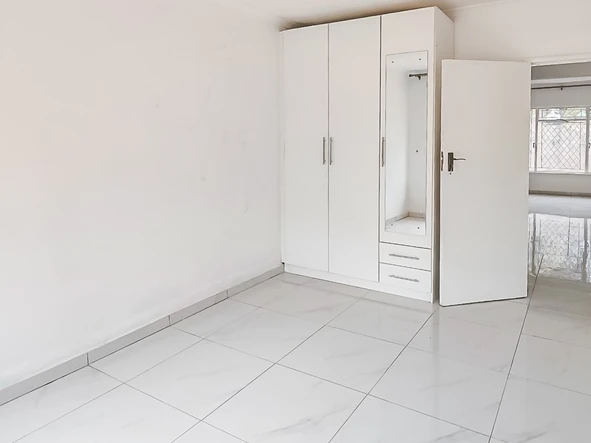
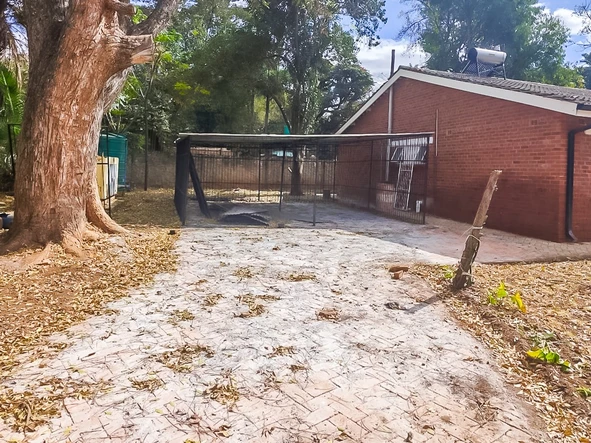
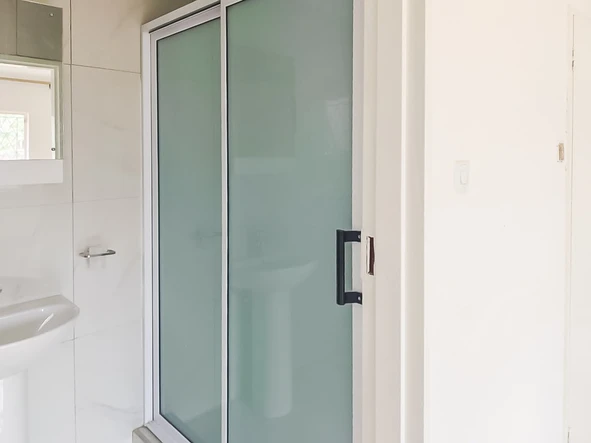
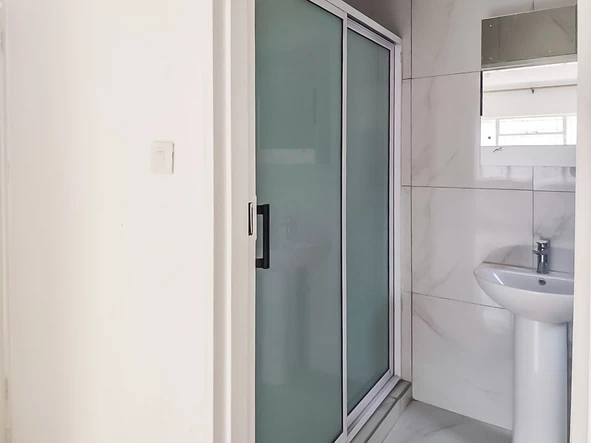
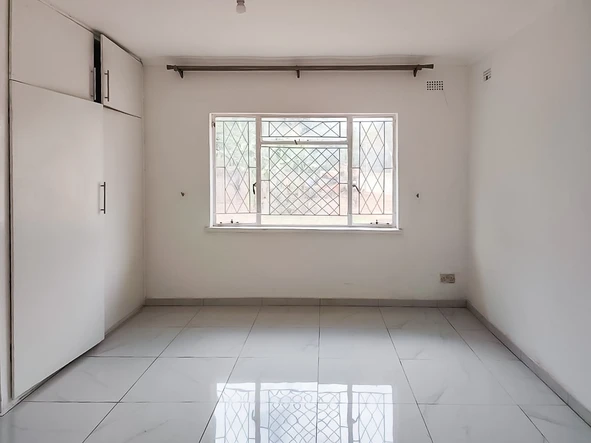
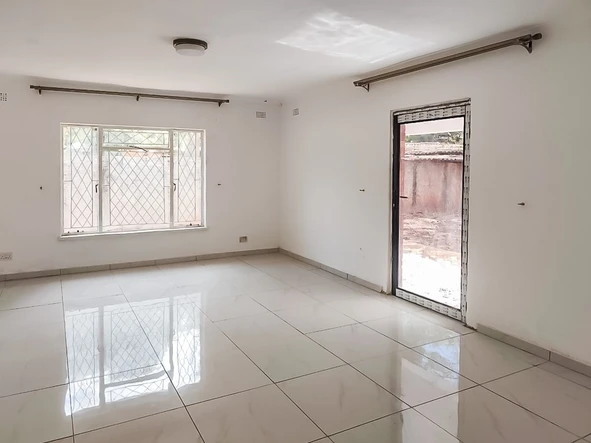
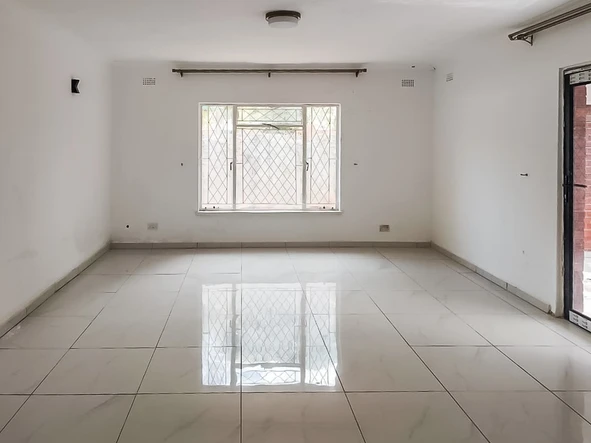
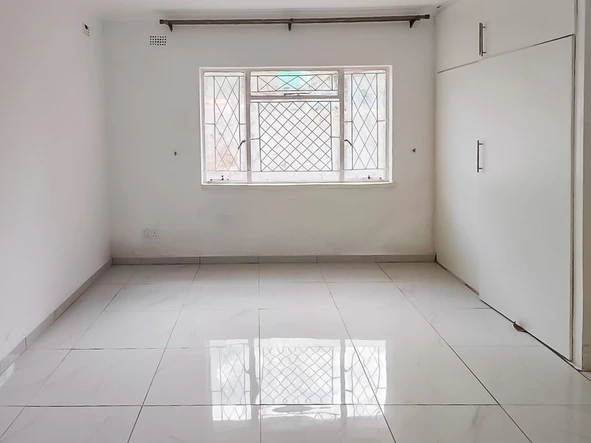
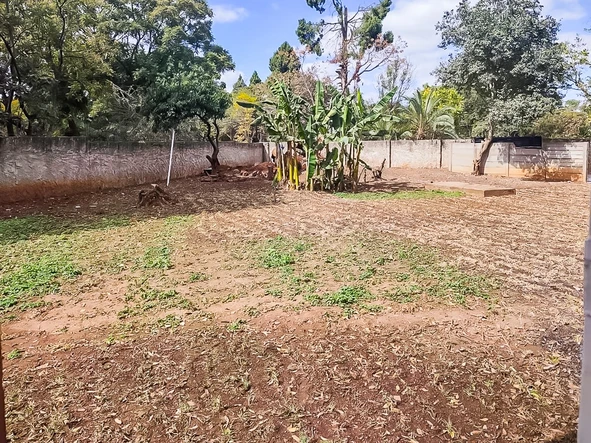
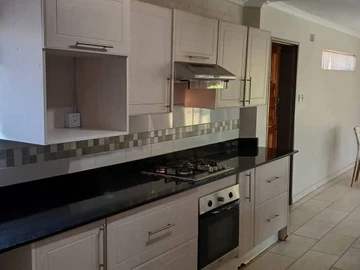
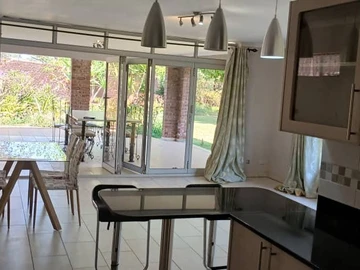
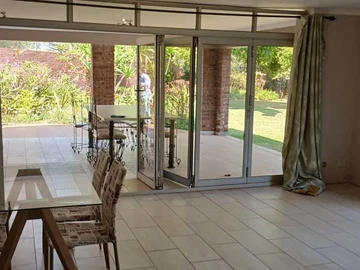
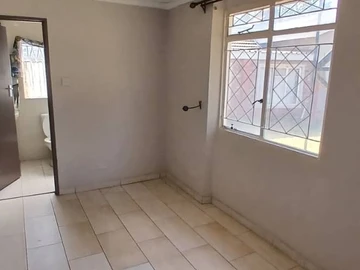
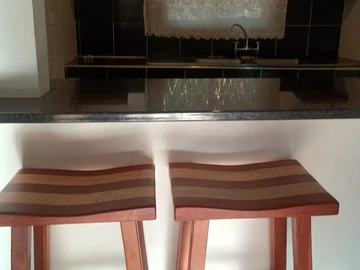
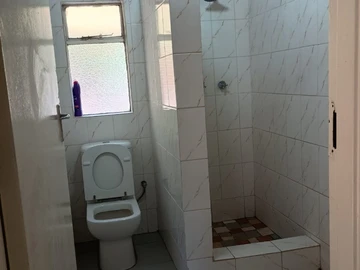
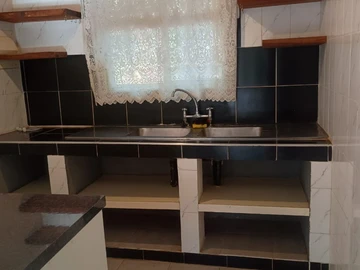
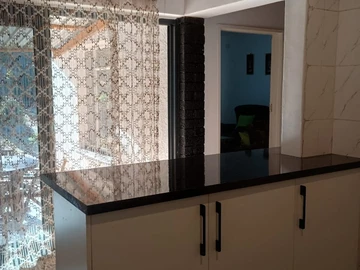
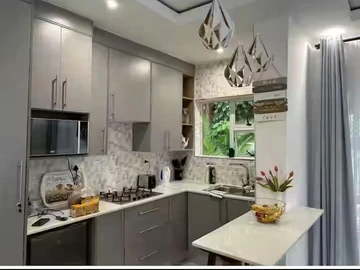
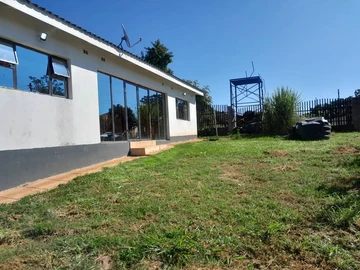
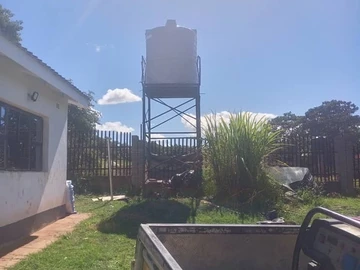
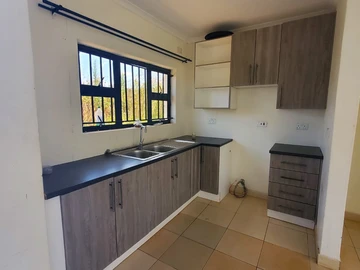
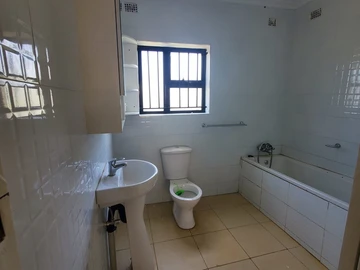
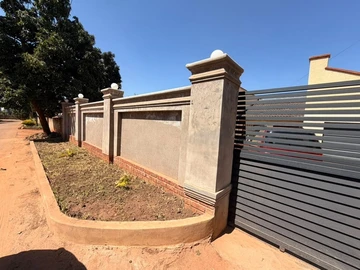
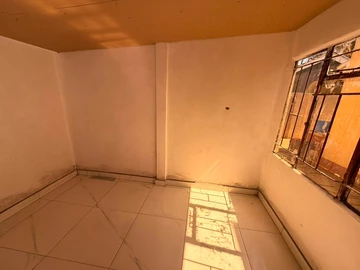
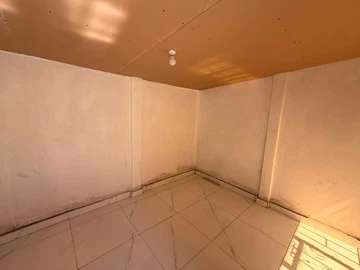
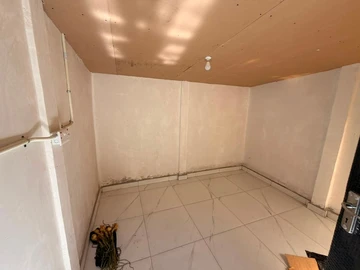
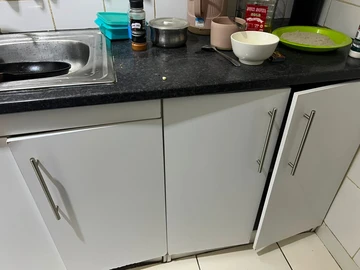
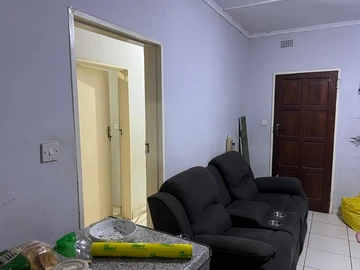
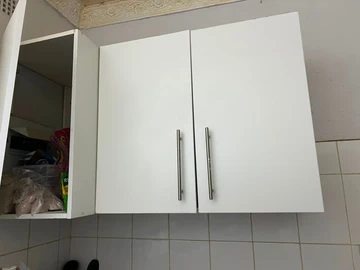
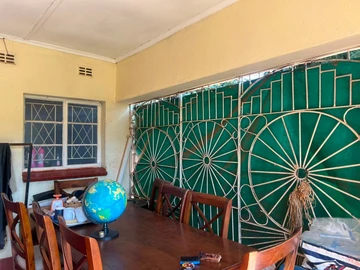
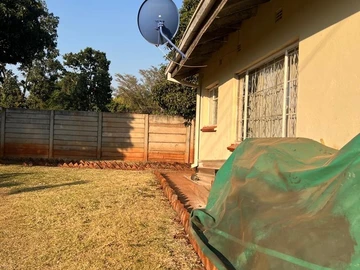
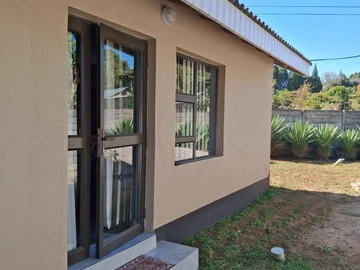
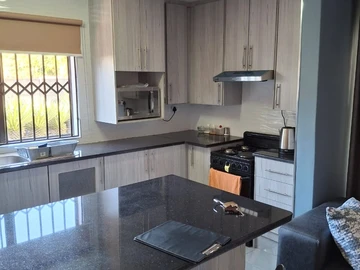
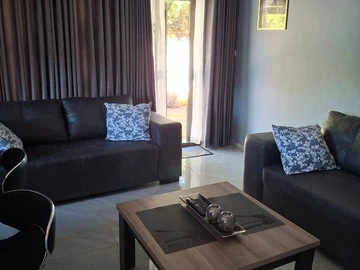
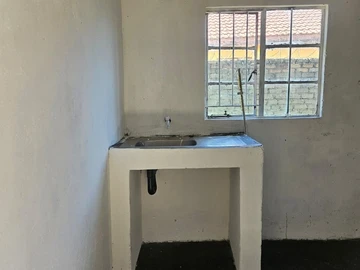
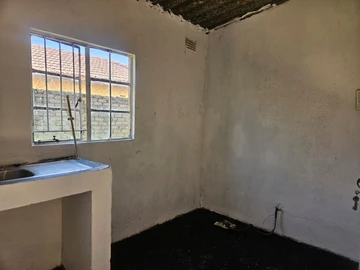
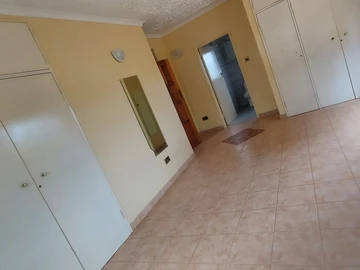
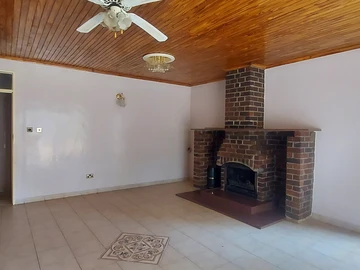
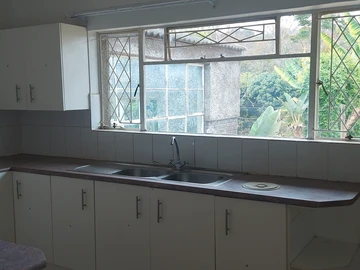
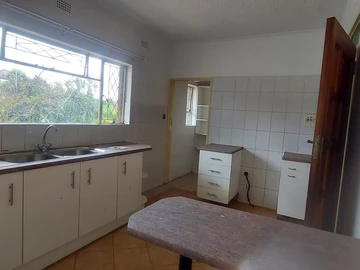
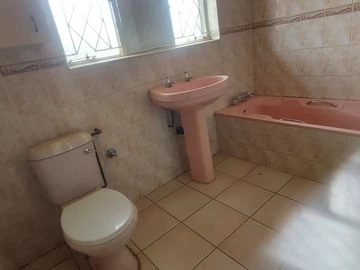
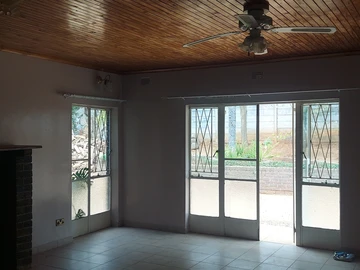
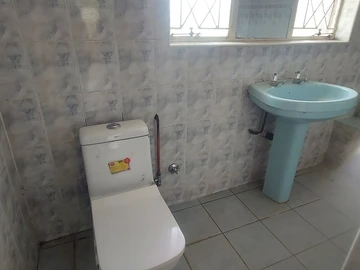
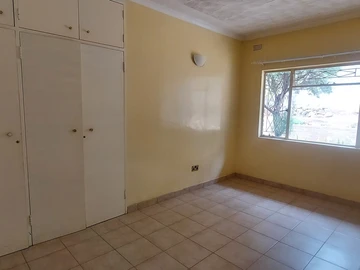
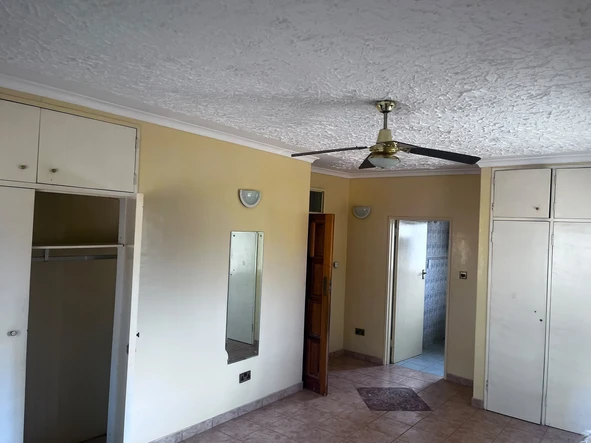
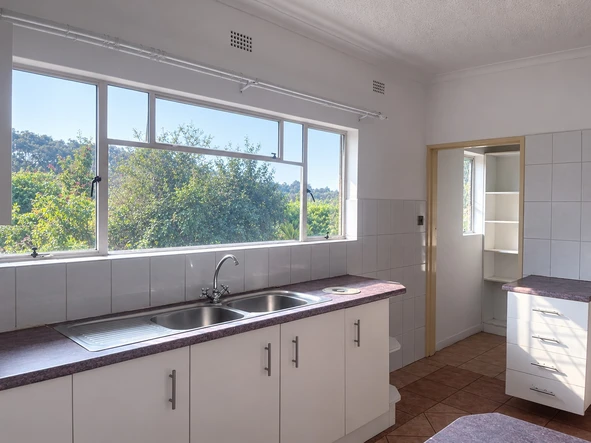
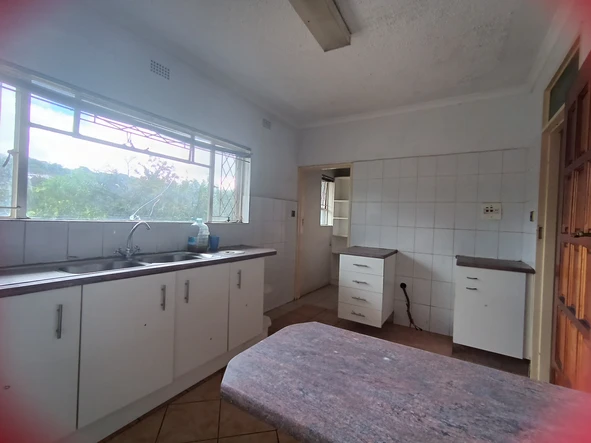
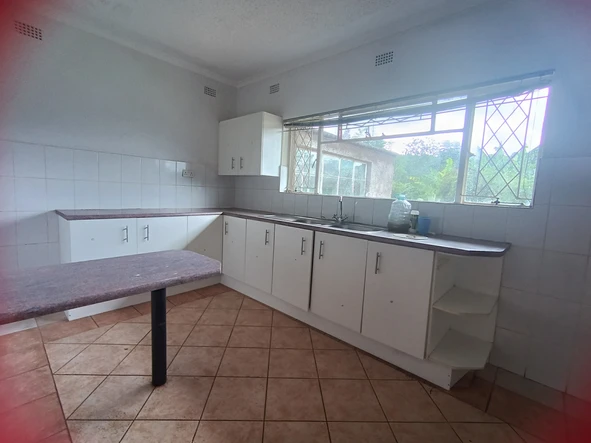
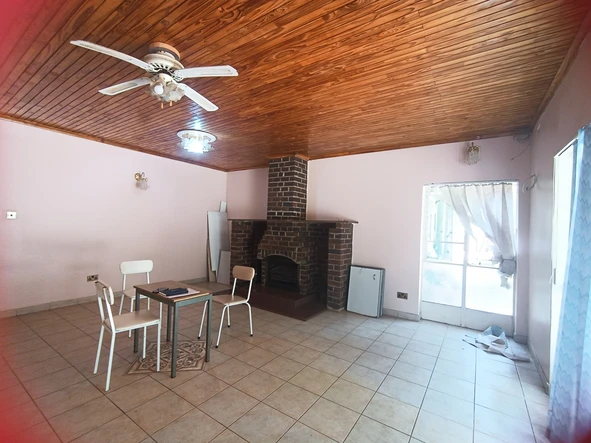
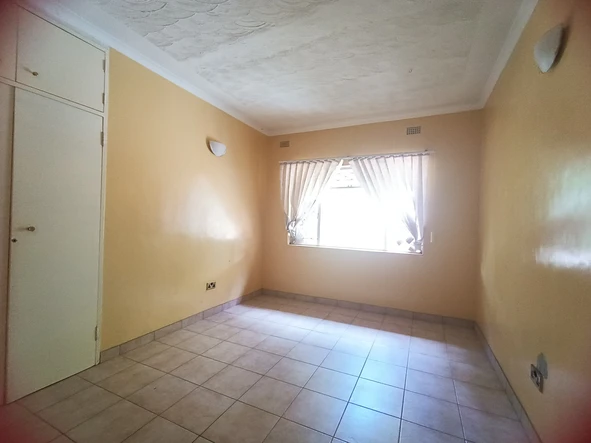
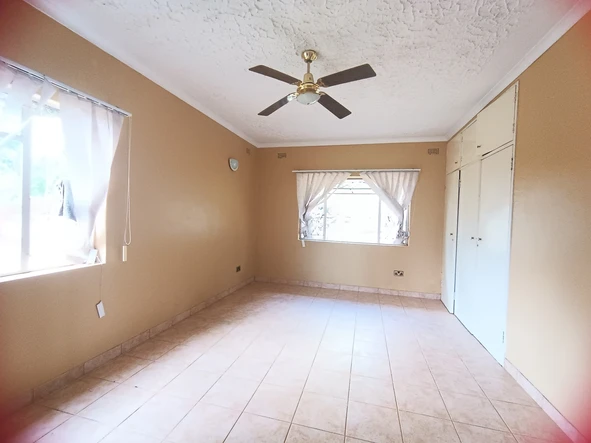
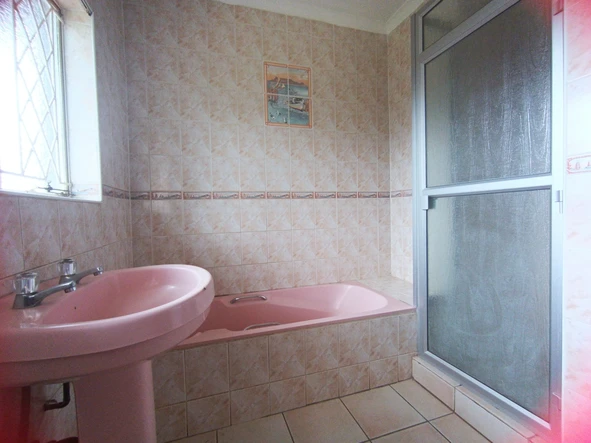
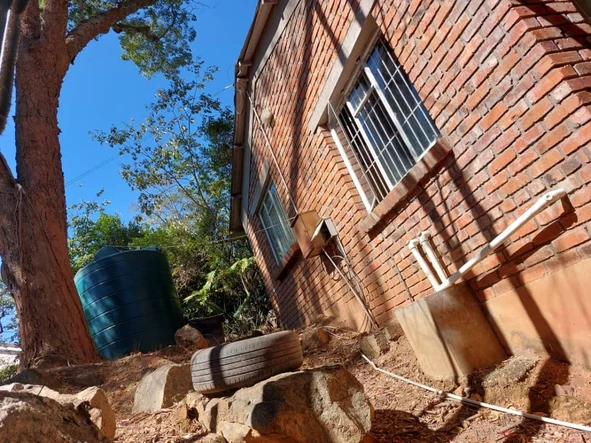
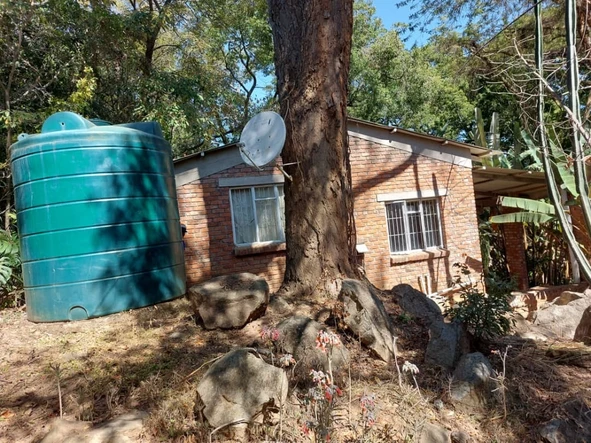
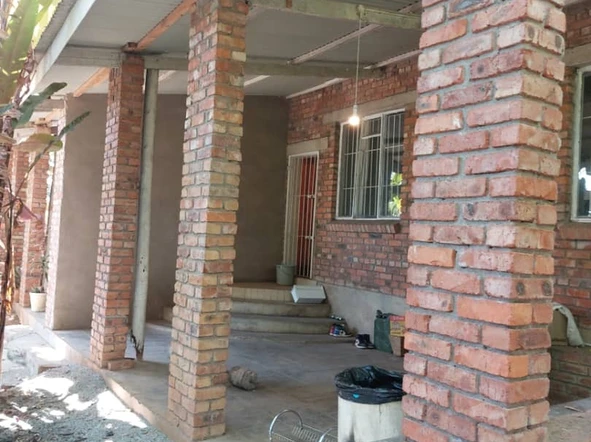
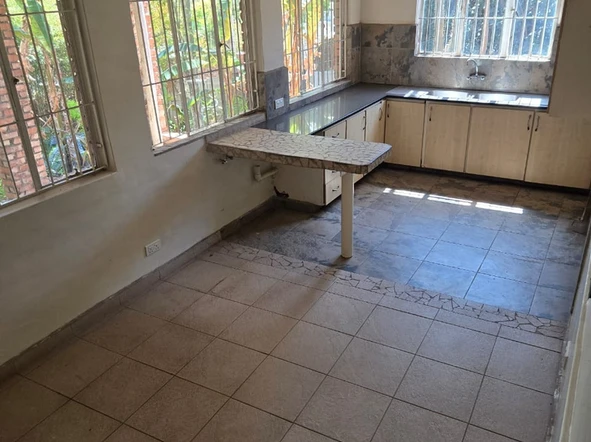
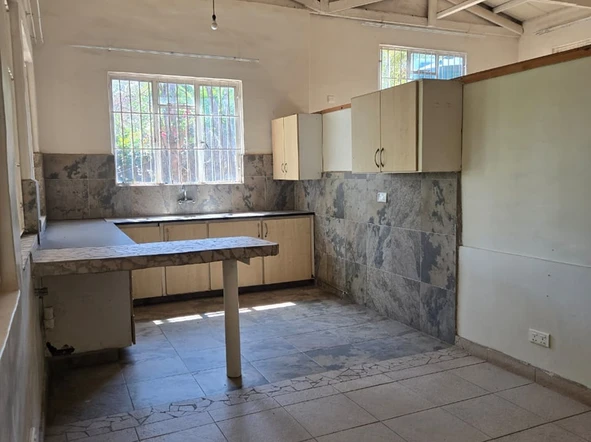
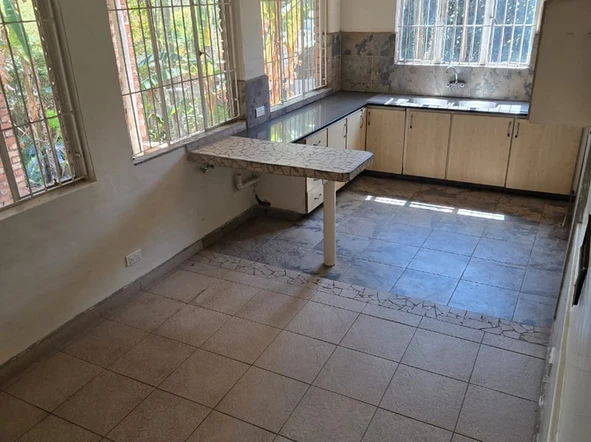
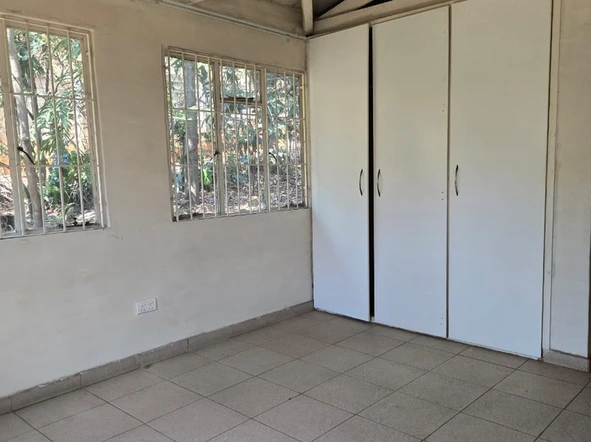
Many cottages come with useful features such as walled compounds, water tanks, and tiled floors. Most properties have boreholes, ensuring a reliable water supply, and fitted kitchens are common, providing practical living conveniences. These features contribute to a comfortable and secure rental experience in Harare.
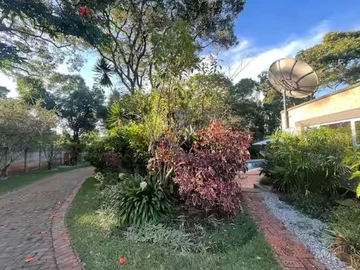
Harare, as Zimbabwe’s capital, offers a vibrant urban lifestyle with access to green spaces like Harare Gardens and Mukuvisi Woodlands for outdoor activities. The city has good transport links including minibus taxis and Harare International Airport. Nearby amenities include shopping centers such as Sam Levy’s Village and Avondale Shopping Centre, as well as a range of schools, healthcare facilities, and restaurants. This makes it a convenient and appealing location for renters looking for a balanced city lifestyle.
2
2
150 m²
2
1
3
2
250 m²
2
1
2
1
100 m²
2
2
80 m²
3
2
200 m²

Be the first to see new properties for rent in Harare










| Property Size | Avg. price |
|---|---|
| 1 bedroom (View 8 properties) | $475 |
| 2 bedroom (View 46 properties) | $825 |
| 3 bedroom (View 119 properties) | $900 |
| 4 bedroom (View 89 properties) | $1,500 |
| 5+ bedroom (View 64 properties) | $3,400 |
Buying property in Zimbabwe? Discover hidden costs like stamp duty, conveyancing fees, and taxes that can add 8%–12% or more to your purchase price.
Tenants not paying rent in Zimbabwe? Learn your legal rights as a landlord, the step by step eviction process, and illegal self-help actions to avoid.
Discover how blockchain, crypto, and tokenized real-world assets (RWAs) are transforming real estate ownership, liquidity, and financing over the next 5 years.
Buying a residential stand in Zimbabwe? Learn how to verify ownership, subdivision, planning approvals, servicing, title and the developer before paying.
Learn how servitudes affect property ownership, rights of way, and utility access in Zimbabwe. Protect your land title and avoid boundary disputes.








 2,000 m²