Log in to contact the seller
 Continue with Facebook
 Continue with Email
Continue with Facebook
Continue with Email
Sign up with Facebook
Continue with Email
Continue with Facebook
Continue with Email
Sign up with Facebook
 Change filters
 Requests



 2
2
 1
50 m²
1
50 m²


 2
1
80 m²
2
1
80 m²
2
1
115 m²
2
2
1
80 m²
2
1
80 m²
2
1
115 m²
2
 2
1
2
1
2
1
160 m²
2
1
2
1
2
1
160 m²
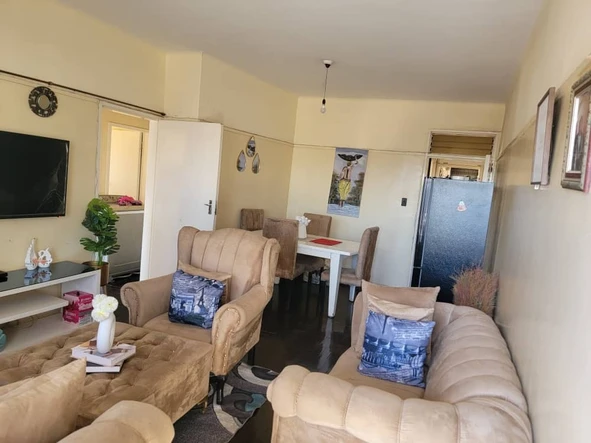
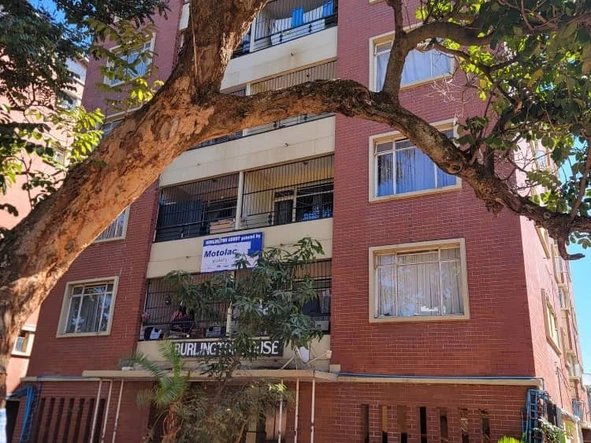
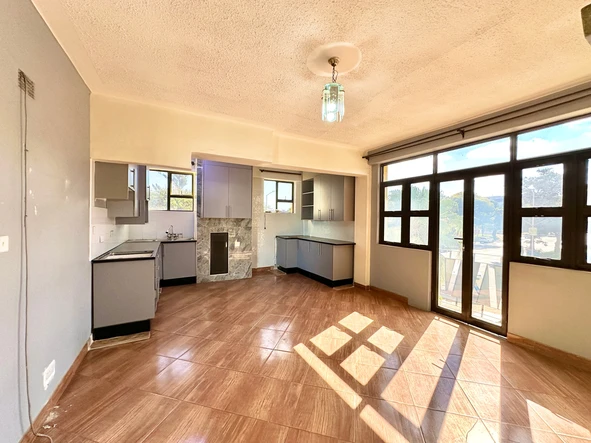
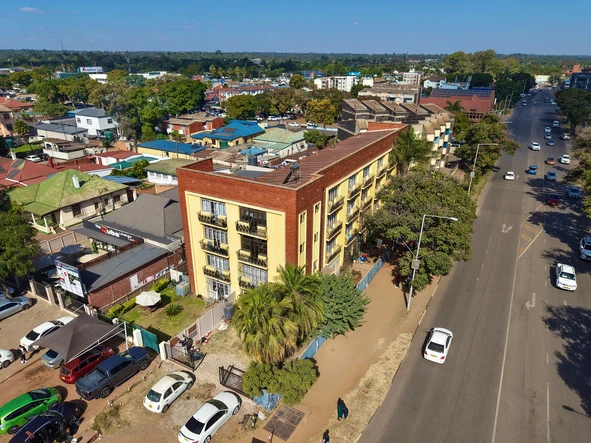
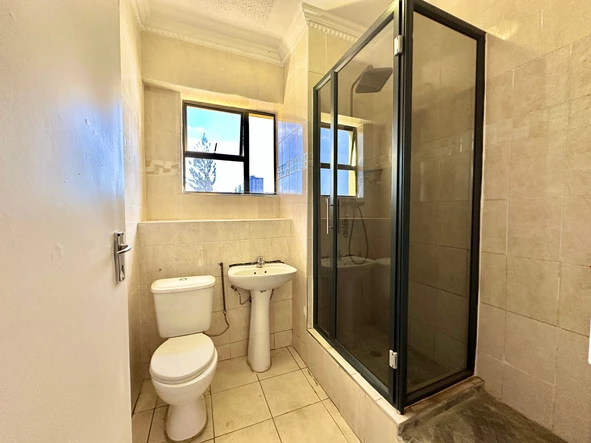
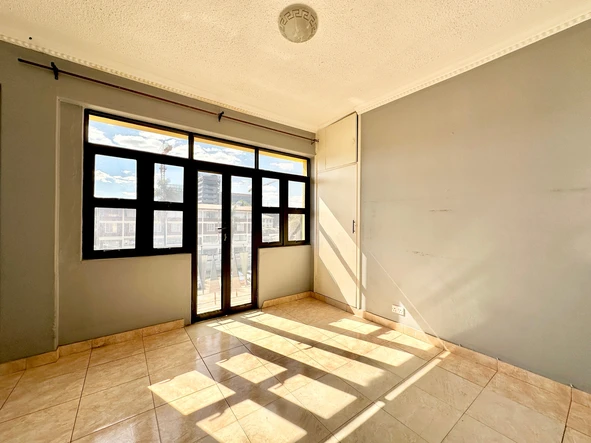
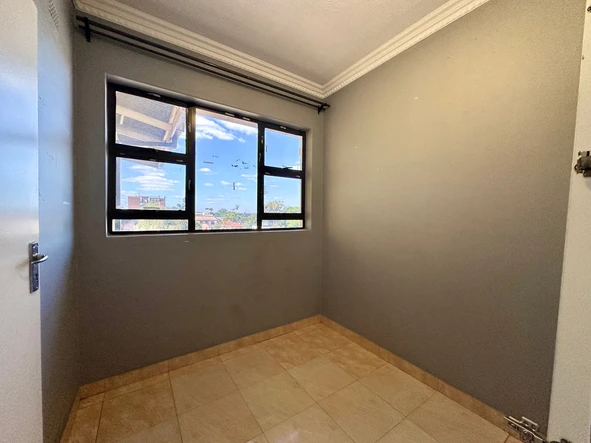
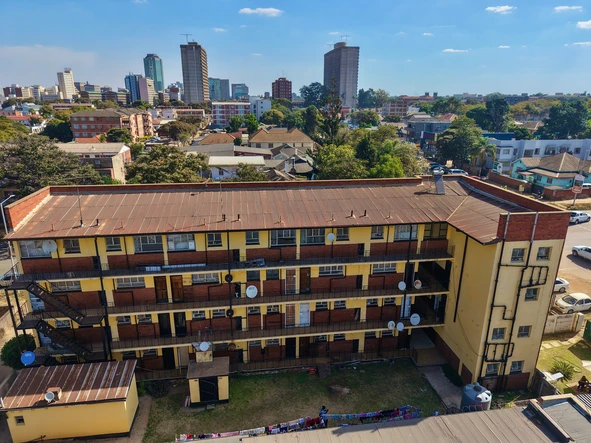
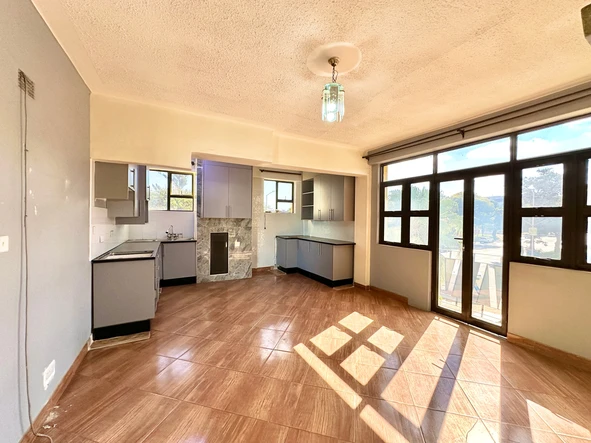
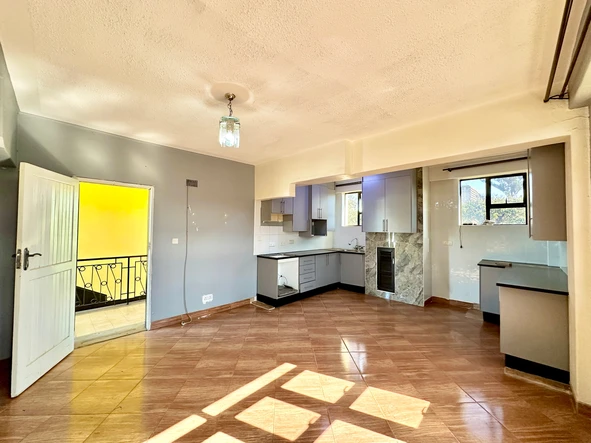
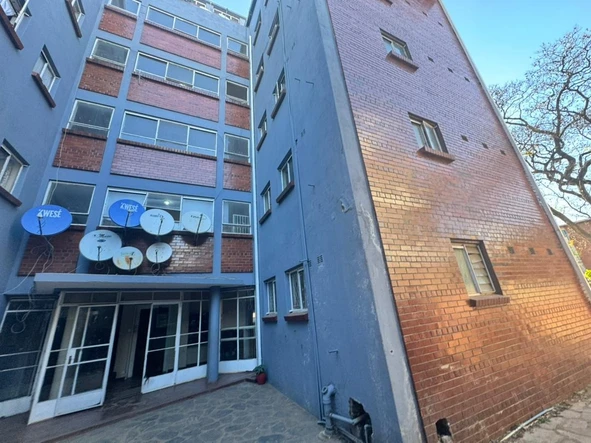
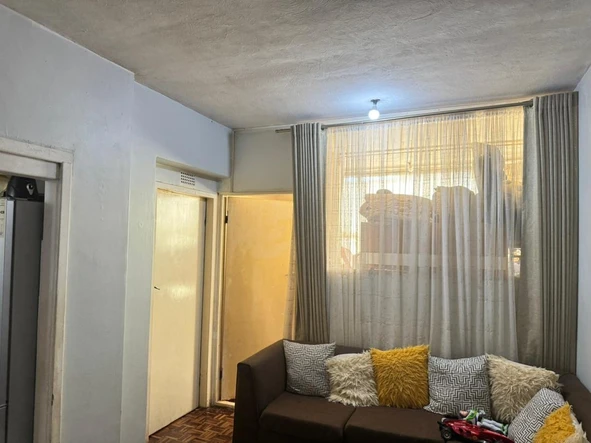
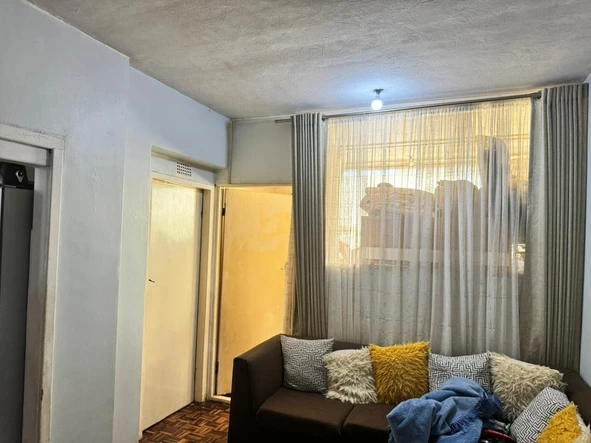
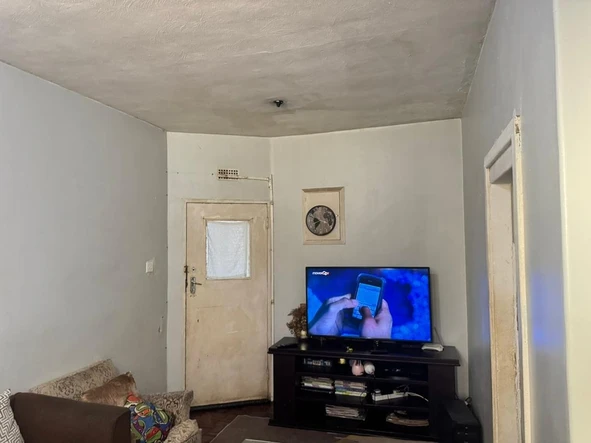
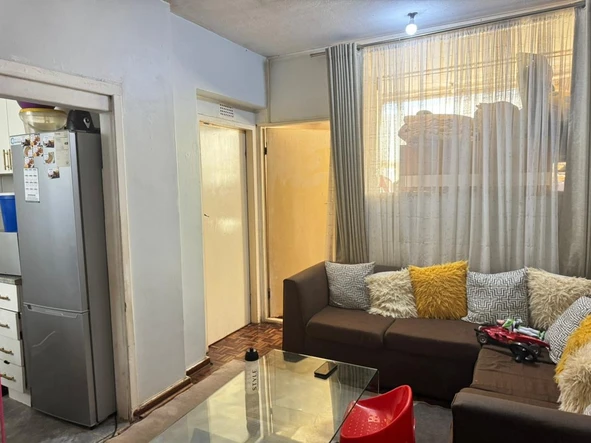
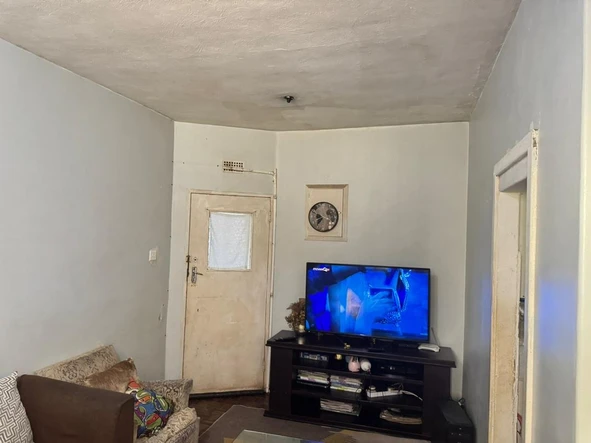
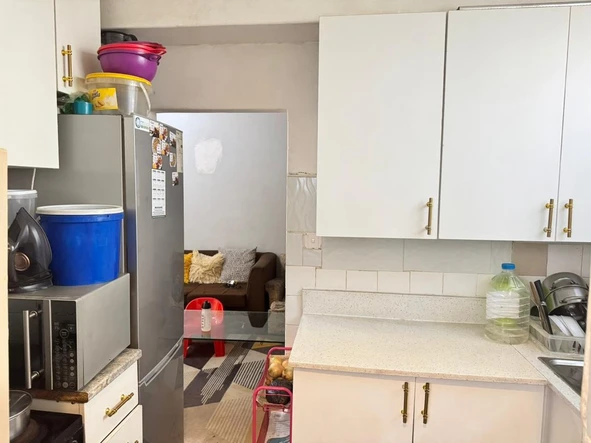
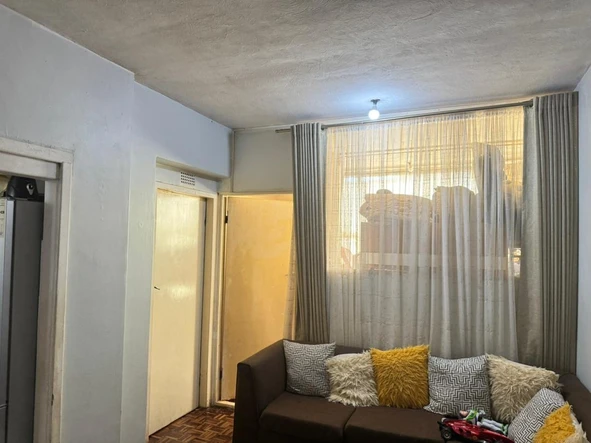
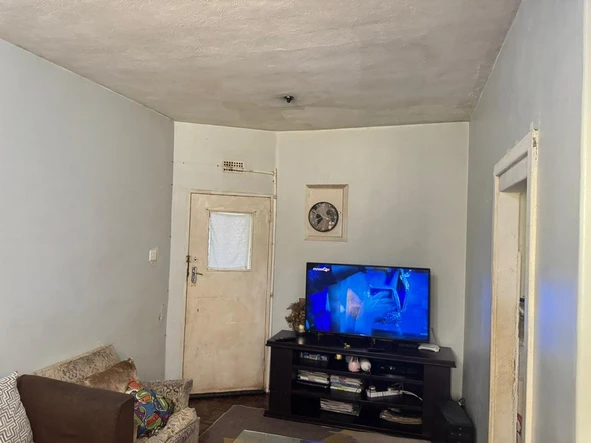
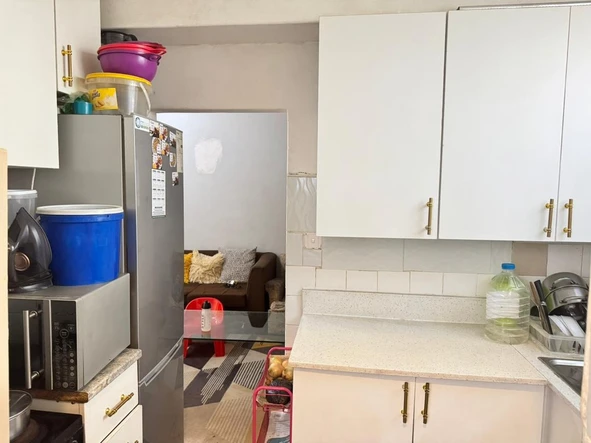
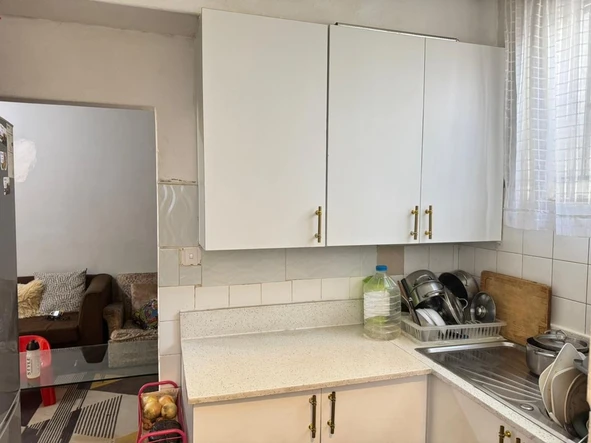
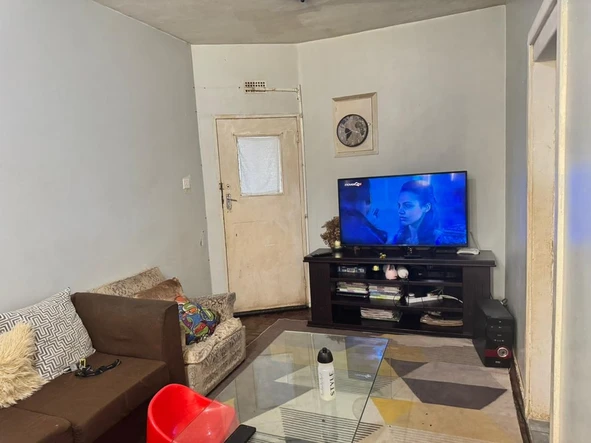
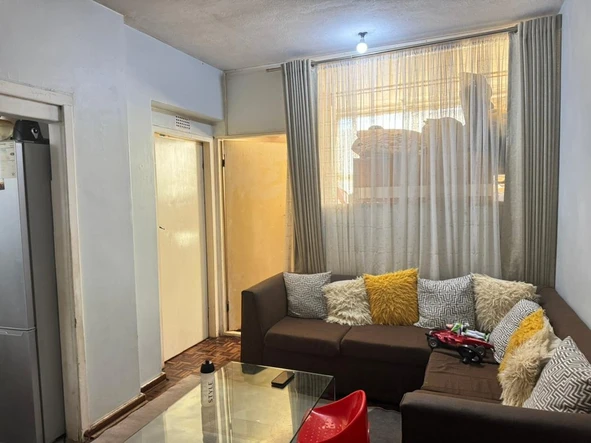
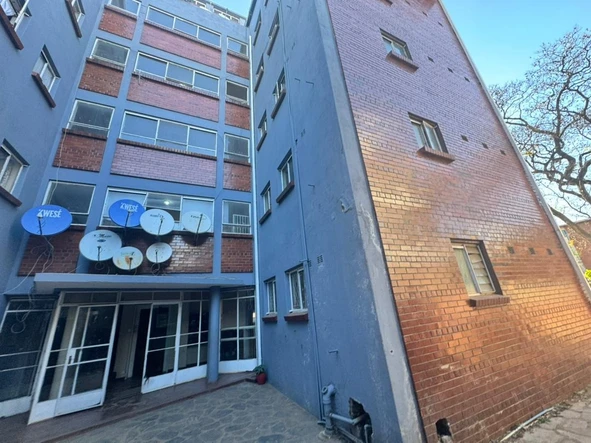
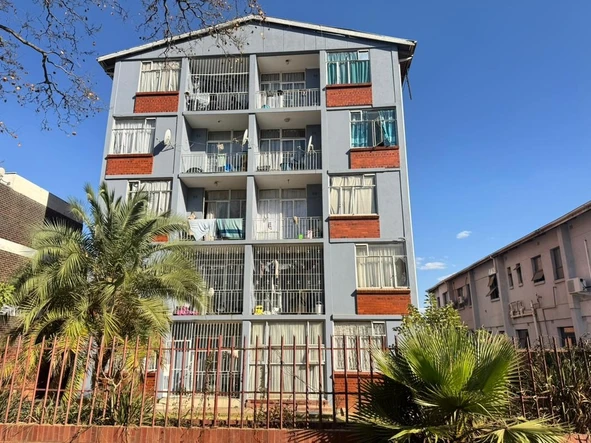
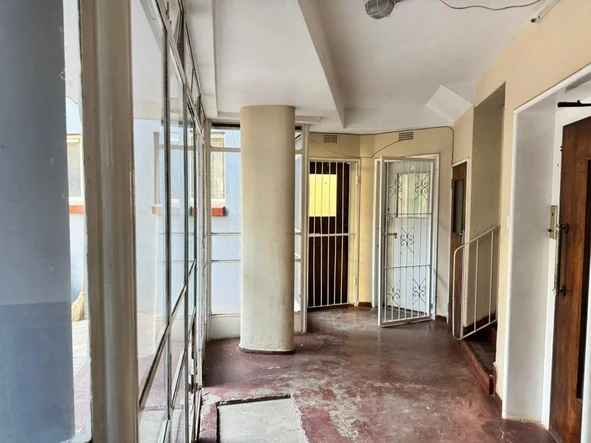
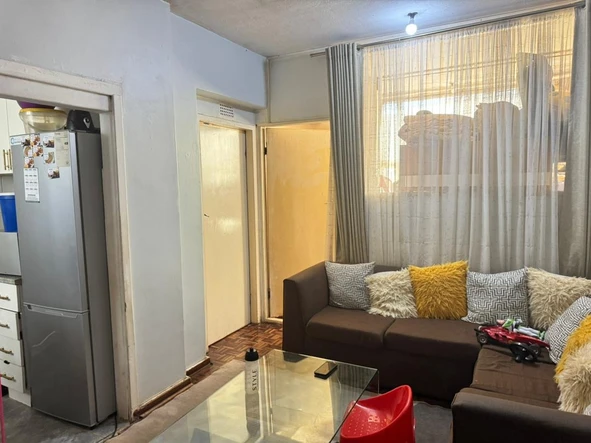
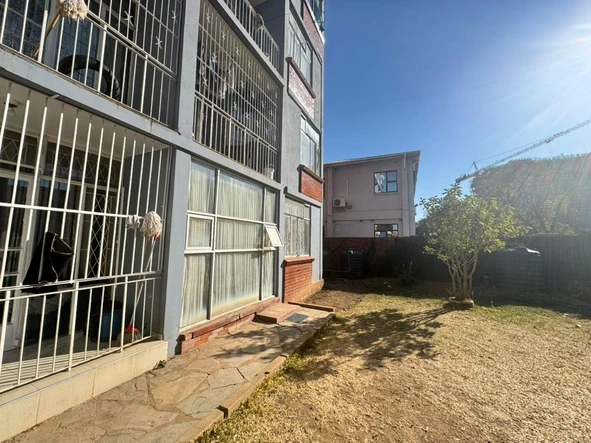
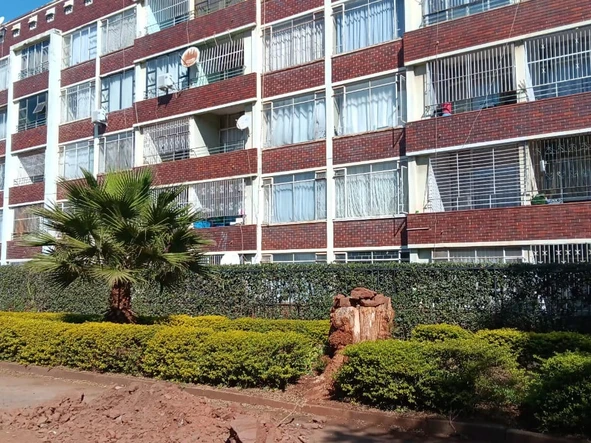
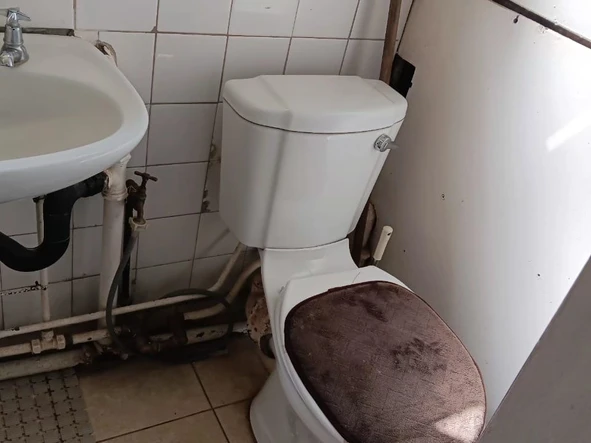
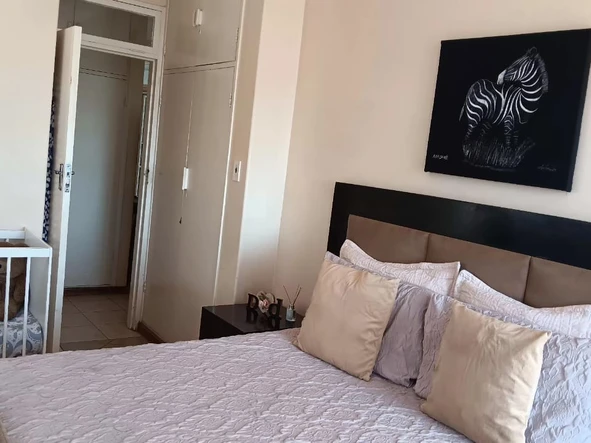
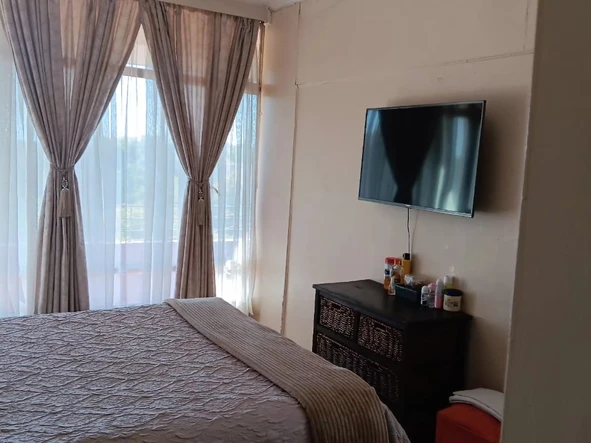
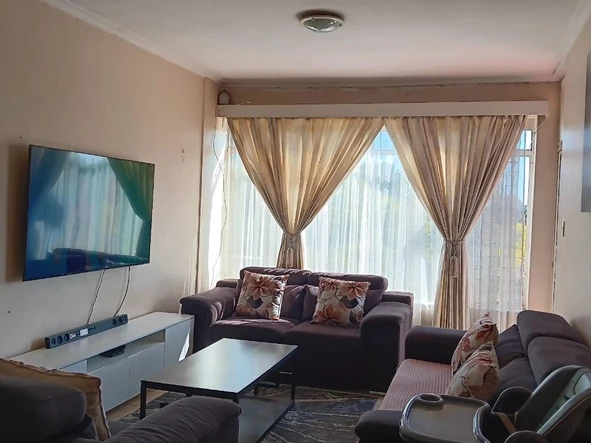
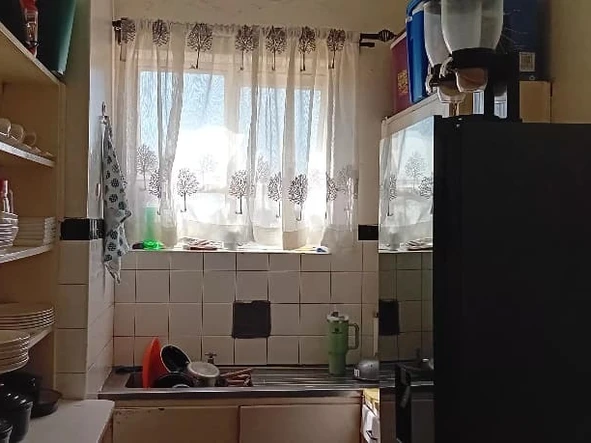
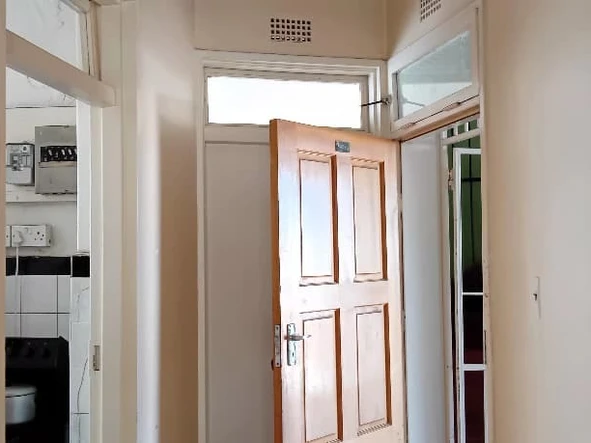
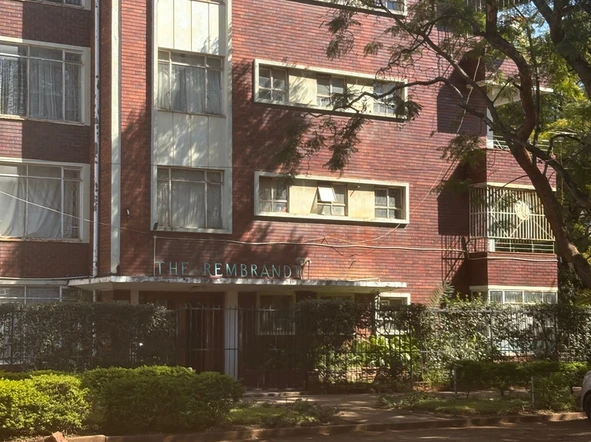
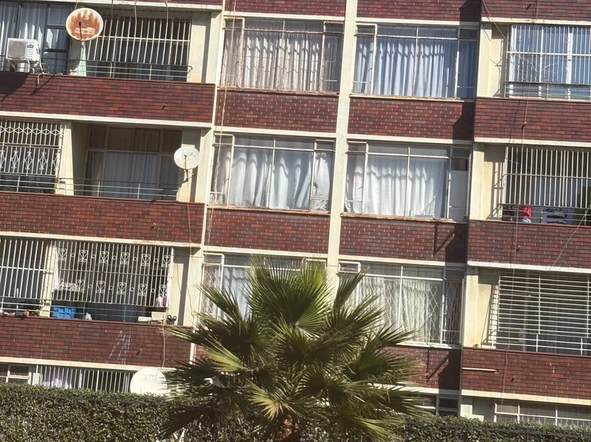
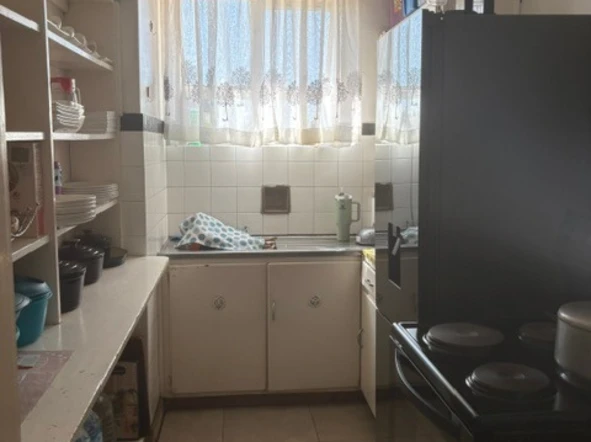
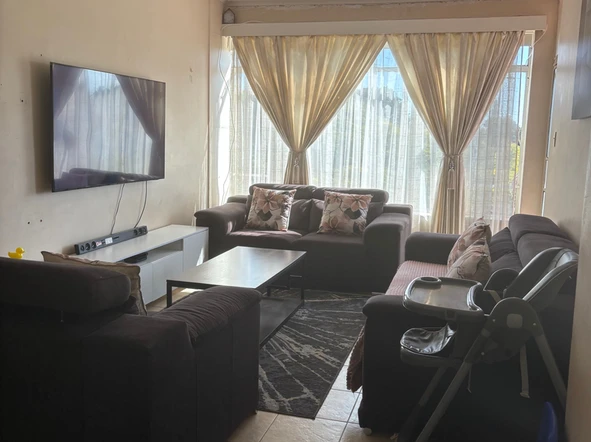
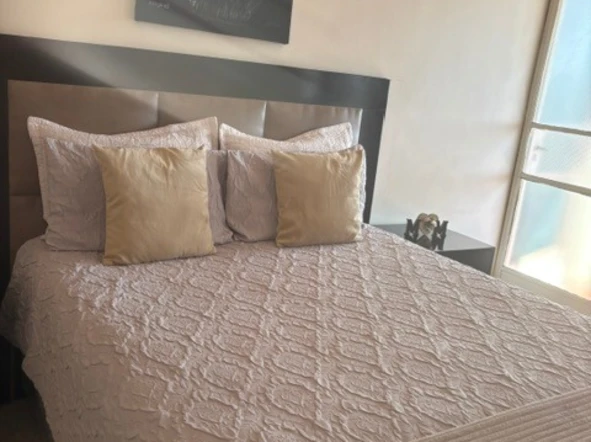
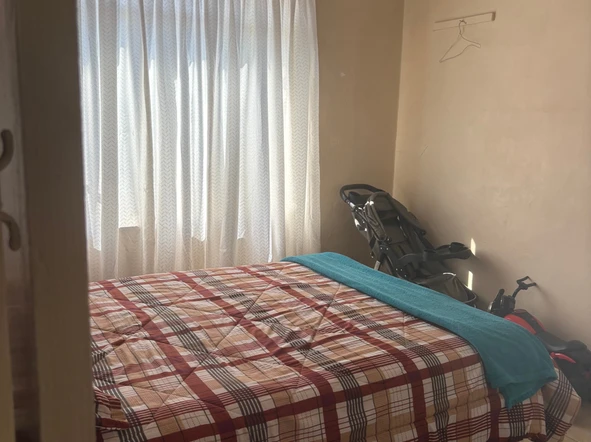
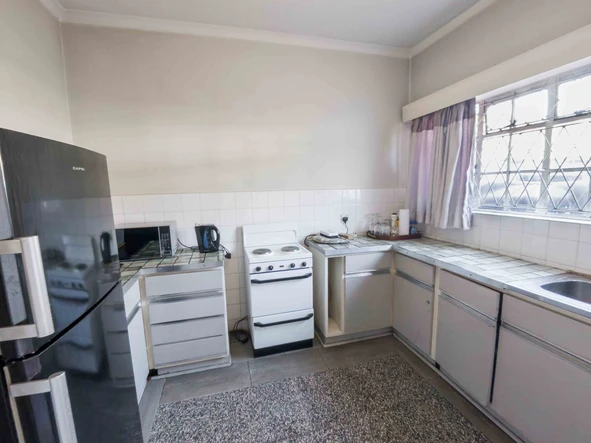
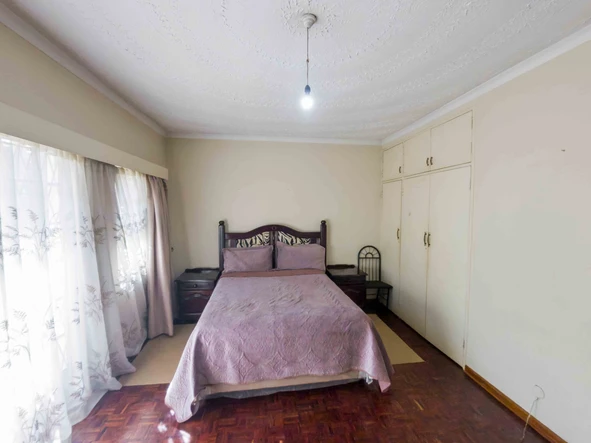
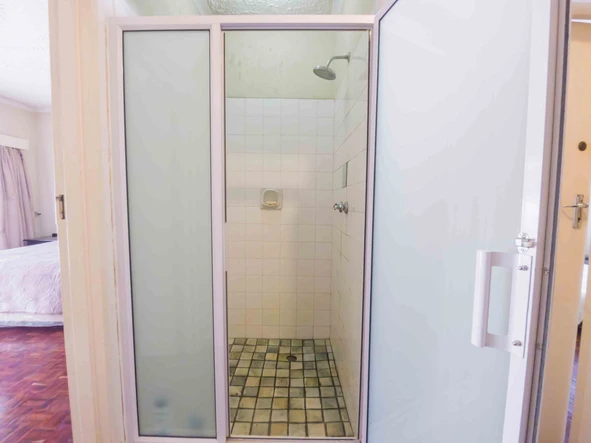
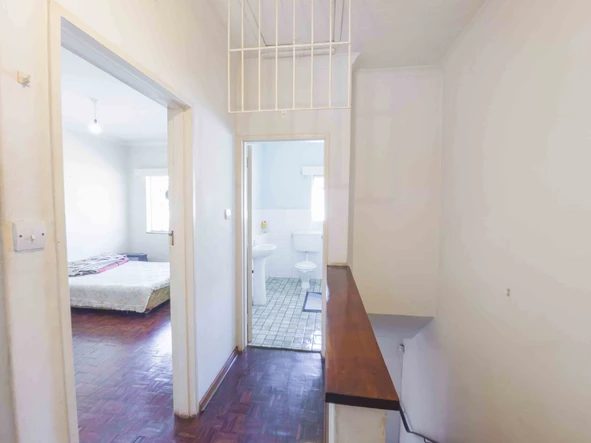
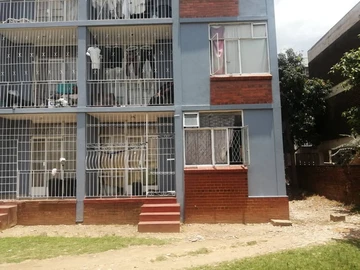
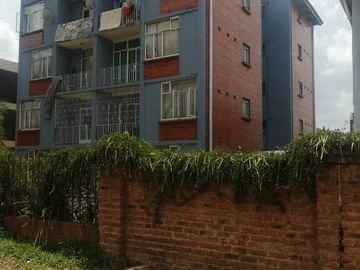
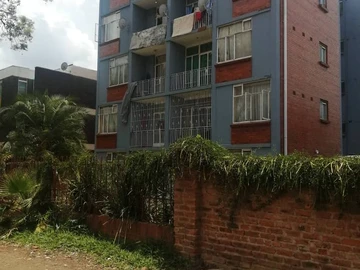
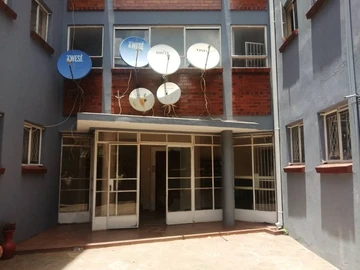
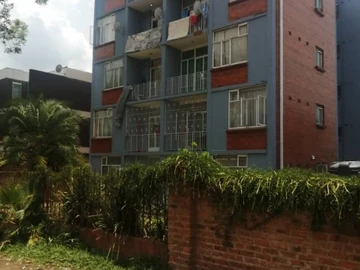
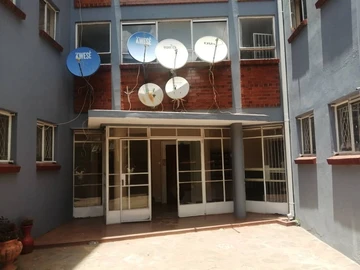
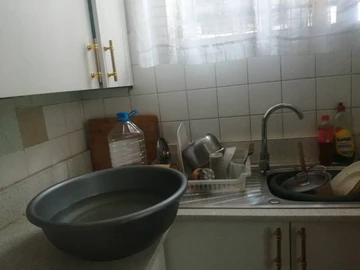
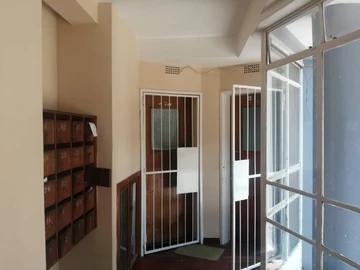
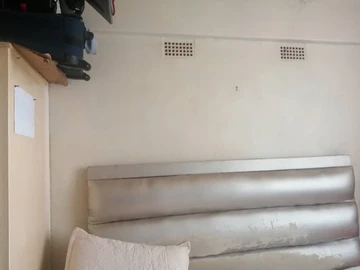
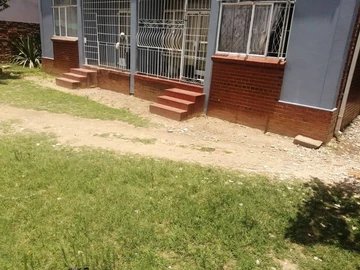
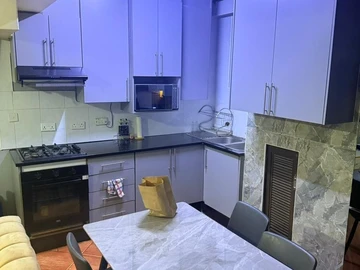
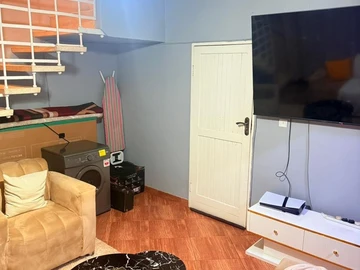
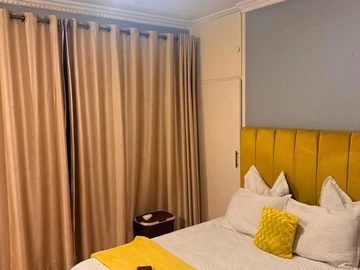
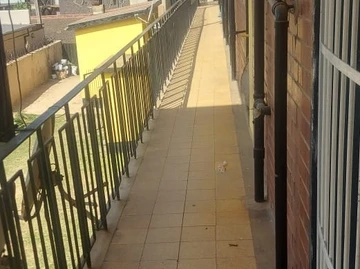
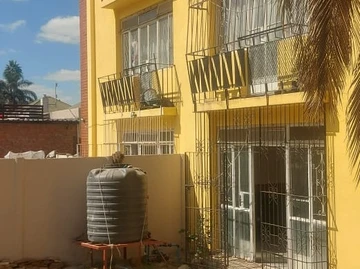
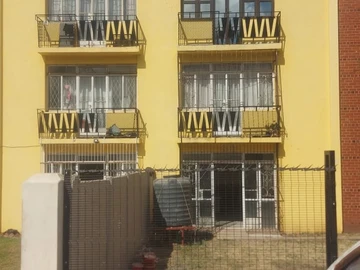
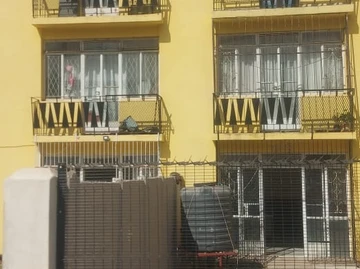
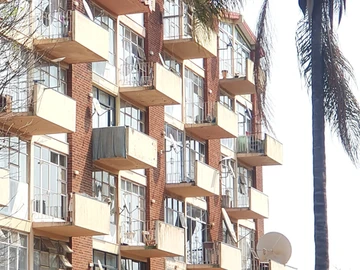
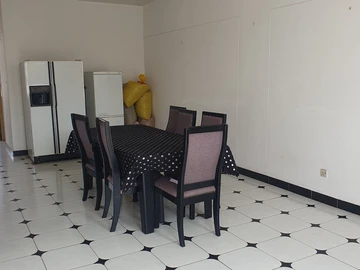
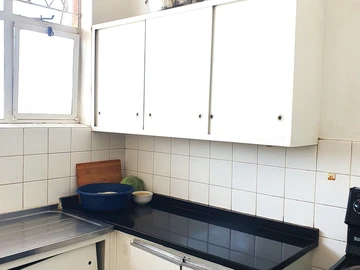
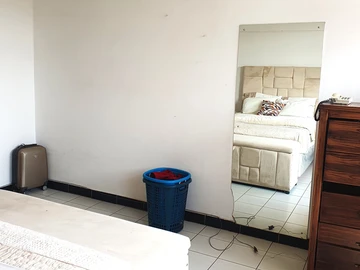
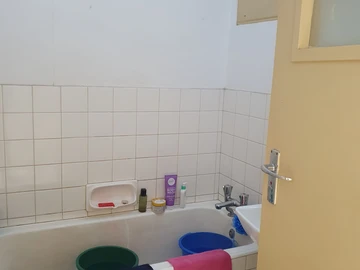
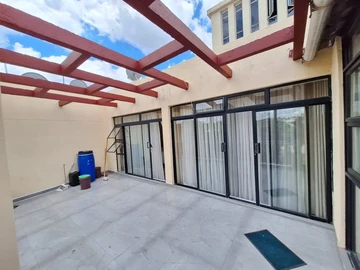
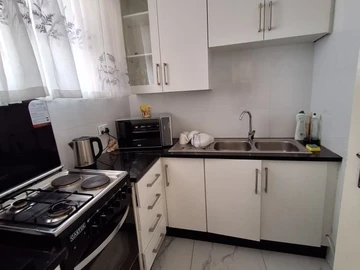
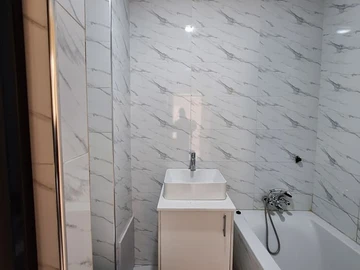
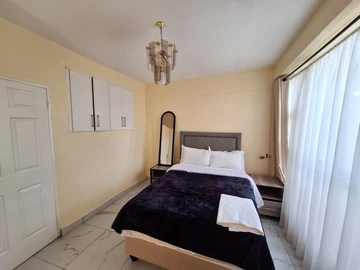
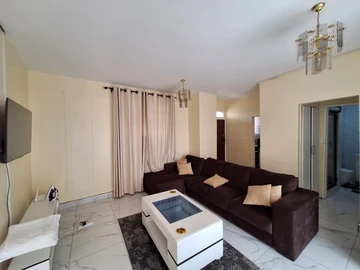
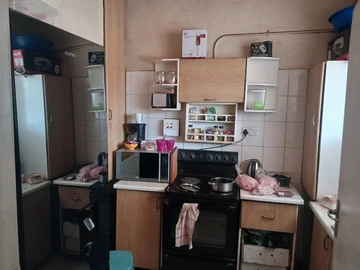
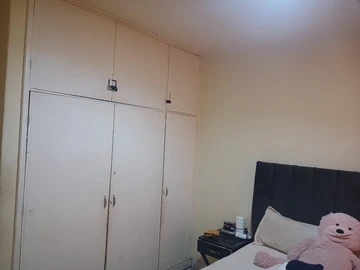
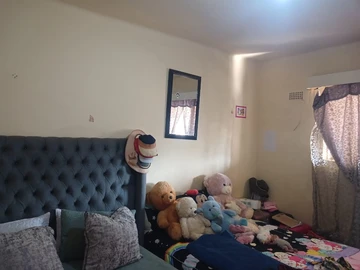
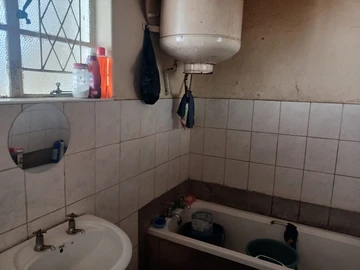
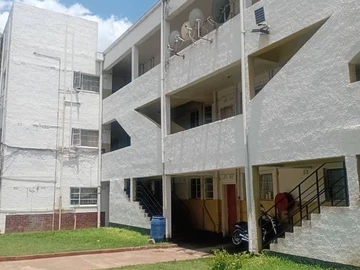
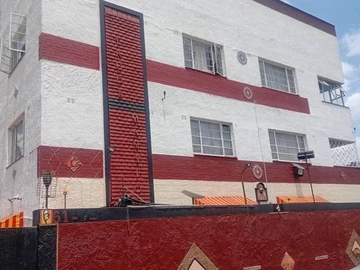
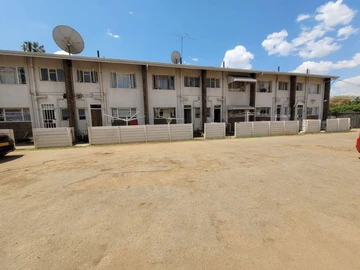
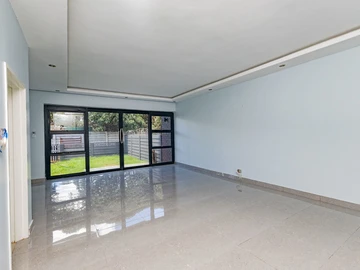
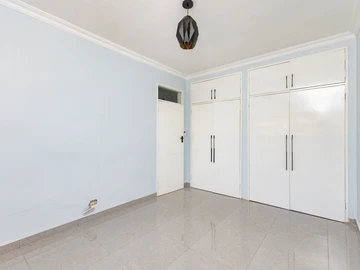
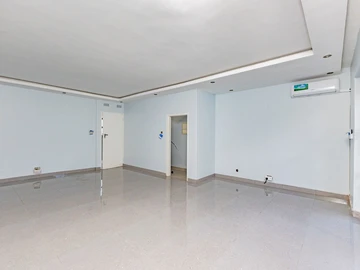
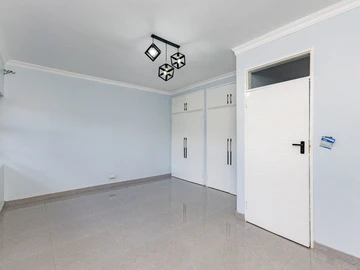
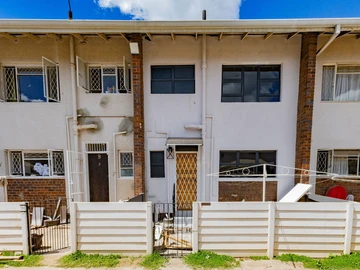
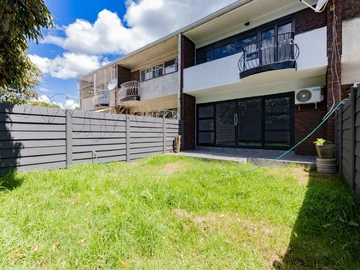
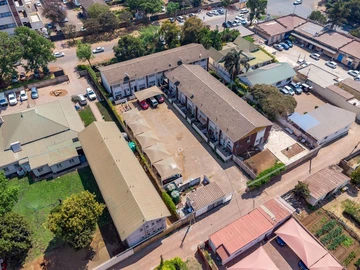
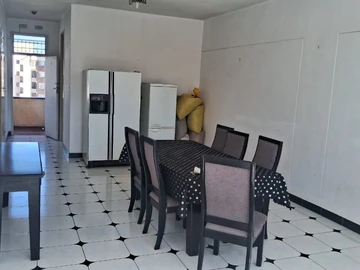
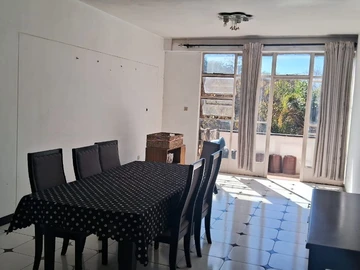
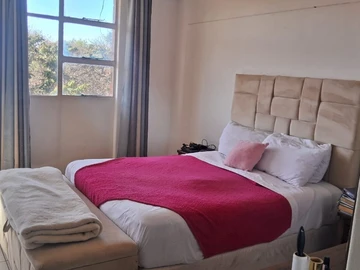
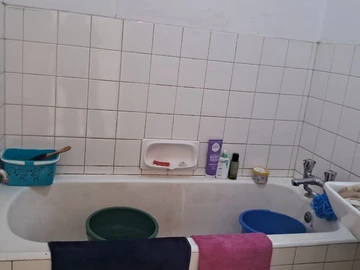
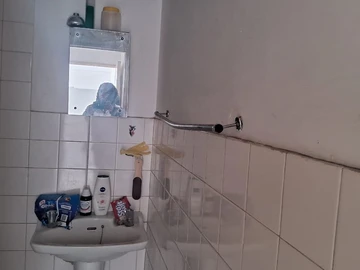
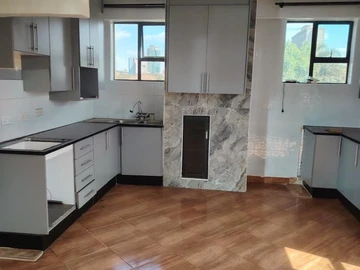
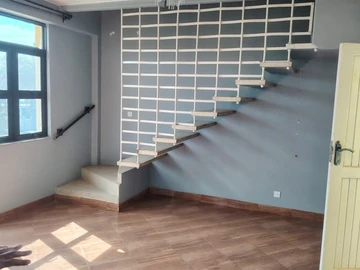
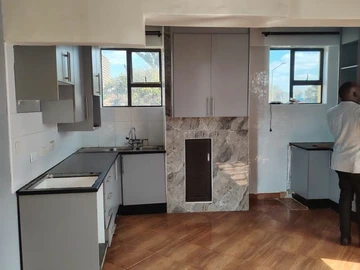
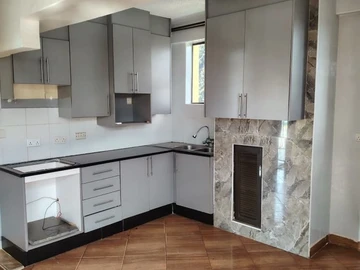
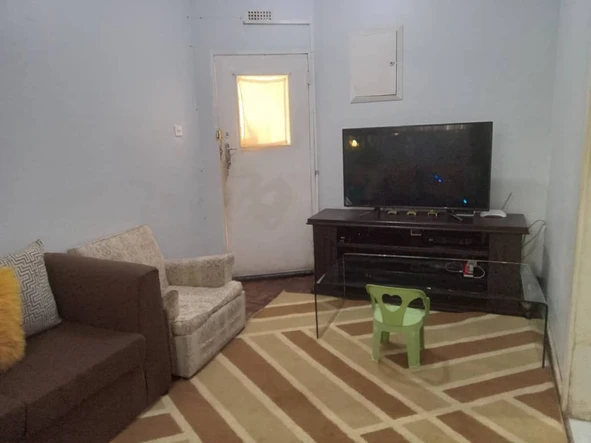
2-bedroom flats and apartments for sale in Harare CBD, Harare, are priced at an average of $75,000, with listings starting from USD 59,999. These properties typically offer around 100 ㎡ of living space, with land areas averaging 120 ㎡, though some larger units have land up to 5,000 ㎡ and building sizes reaching 2,379 ㎡.
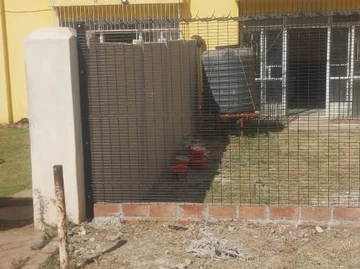
Many of these apartments benefit from reliable ZESA electricity and access to boreholes, which are important features in the area. The properties are mostly suited for singles and young professionals, offering practical urban living close to workplaces and city amenities.
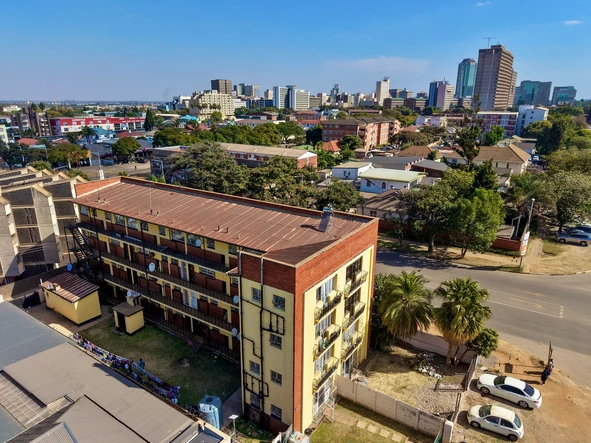
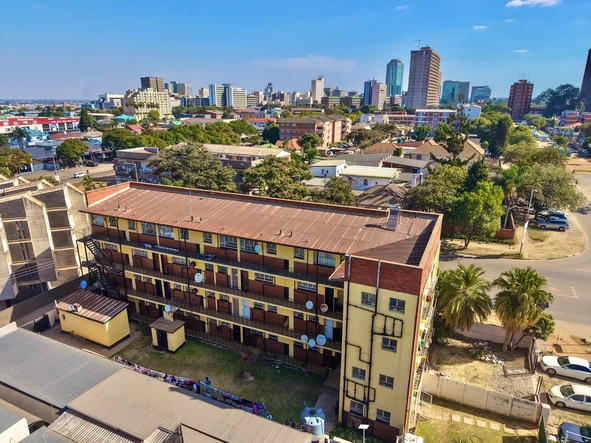
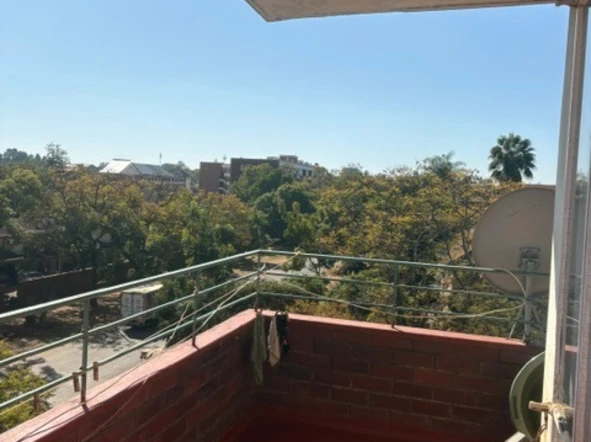
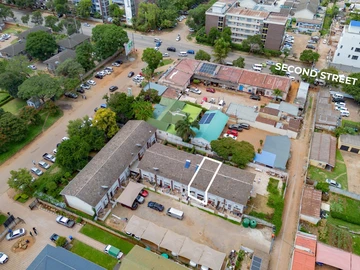
Harare CBD is the commercial and administrative center of the city, providing excellent access to offices, banks, and government institutions. Residents enjoy nearby attractions such as the National Gallery of Zimbabwe, Harare Gardens, and the Zimbabwe Museum of Human Sciences. Shopping options include Joina City Shopping Centre and Mbare Musika Market, while dining spots like The Deli and Mama Africa add to the vibrant city lifestyle. Transport connections are strong, with many taxi ranks, bus routes, and easy access to major roads, making this area ideal for those wanting a dynamic urban environment with convenience at their doorstep.
2
1
70 m²
2
100 m²
2
1
1,000 m²
2
70 m²
2
1
150 m²
2
2
120 m²
2
2
80 m²
2
1
300 m²

Be the first to see new properties for sale in Harare CBD










| Property Size | Avg. price |
|---|---|
| 1 bedroom (View 30 properties) | $60,000 |
| 2 bedroom (View 35 properties) | $87,000 |
| 3 bedroom (View 21 properties) | $185,000 |
Buying a residential stand in Zimbabwe? Learn how to verify ownership, subdivision, planning approvals, servicing, title and the developer before paying.
Learn how servitudes affect property ownership, rights of way, and utility access in Zimbabwe. Protect your land title and avoid boundary disputes.
Get your home viewing ready in Zimbabwe. Follow our 2026 seller checklist covering curb appeal, solar & water setups, staging, and documentation.
Avoid costly disputes and legal delays. Learn the biggest mistakes families make when registering and distributing deceased estates under Zimbabwean law.
Who gets the house after divorce in Zimbabwe? Learn how courts divide matrimonial property, handle sole vs joint titles, and apply Section 7 of the Act.





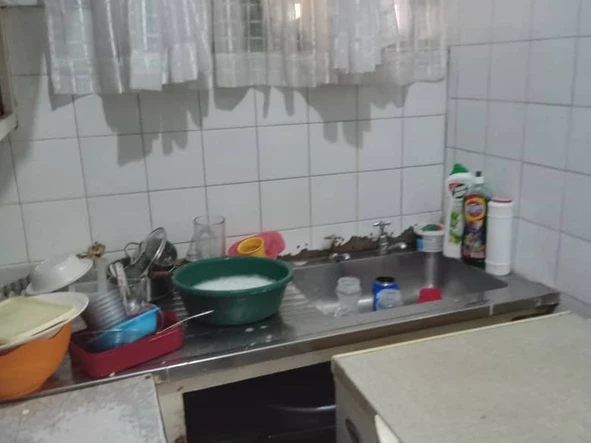
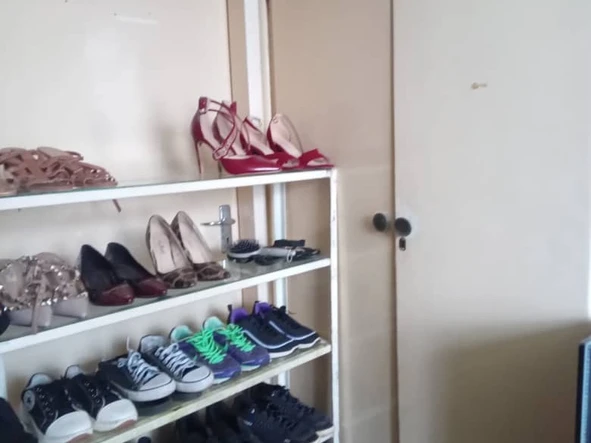
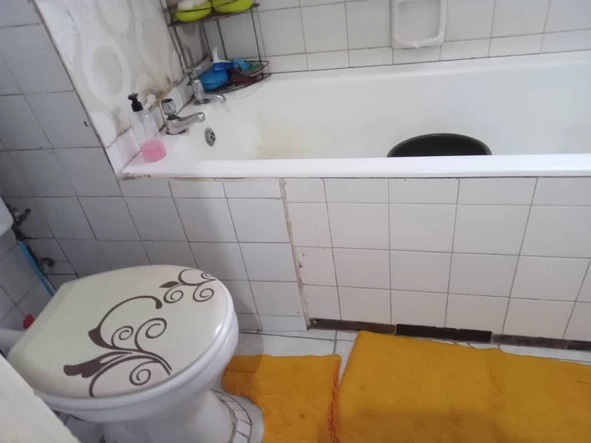
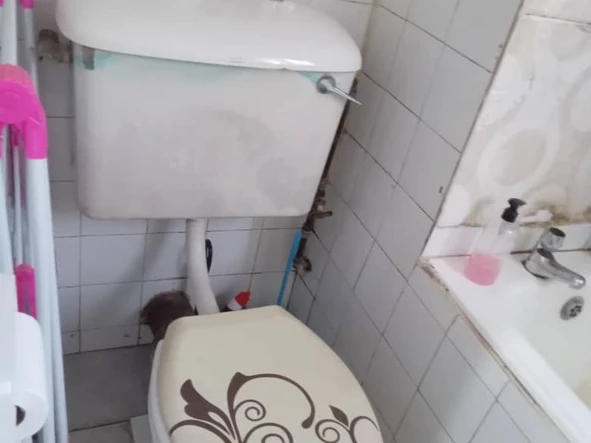
 50 m²
50 m²