Log in to contact the seller
 Continue with Facebook
 Continue with Email
Continue with Facebook
Continue with Email
Sign up with Facebook
Continue with Email
Continue with Facebook
Continue with Email
Sign up with Facebook
 Change filters
 Requests




 3
3
 1
100 m²
1
100 m²


 2
1
800 m²
1
1
50 m²
1
1
50 m²
2
1
800 m²
1
1
50 m²
1
1
50 m²
 2
1
300 m²
1
1
130 m²
2
1
300 m²
1
1
130 m²
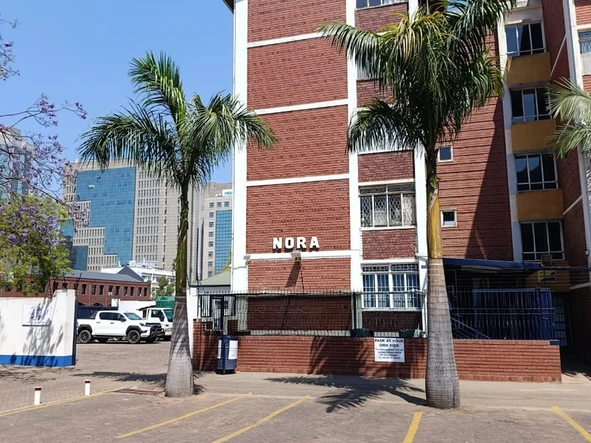
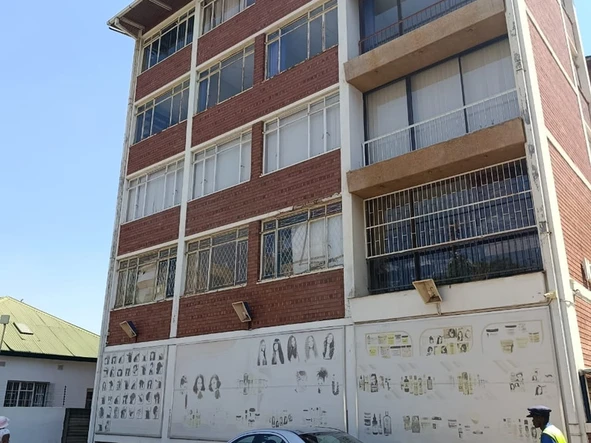
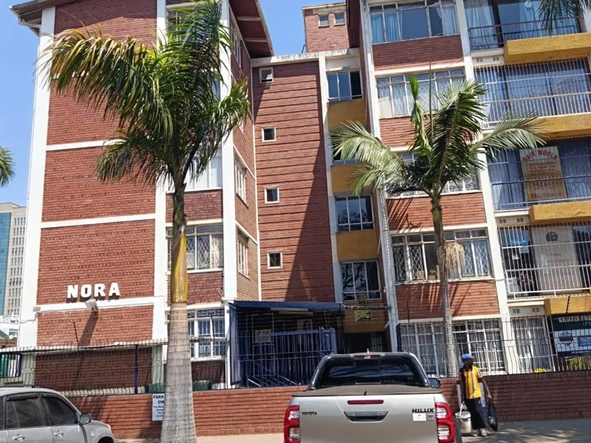
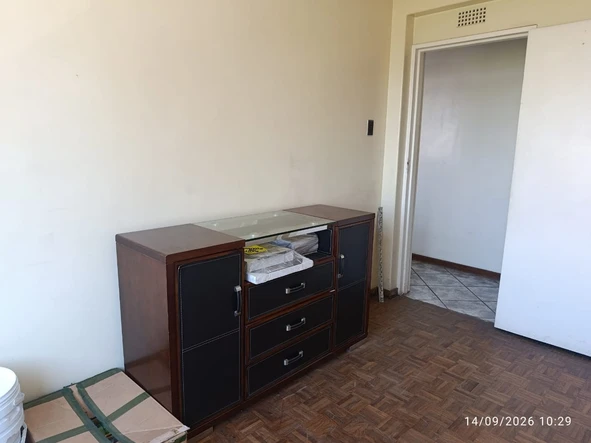
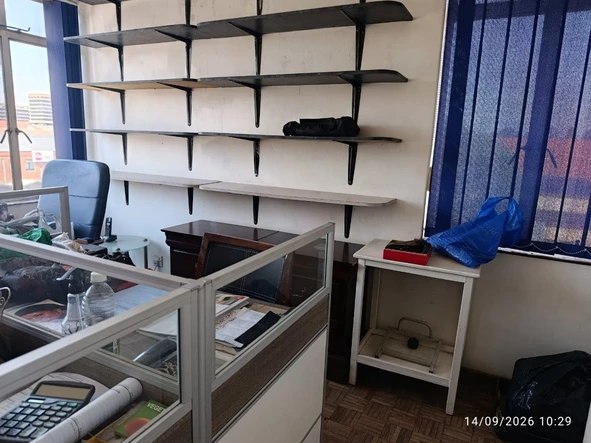
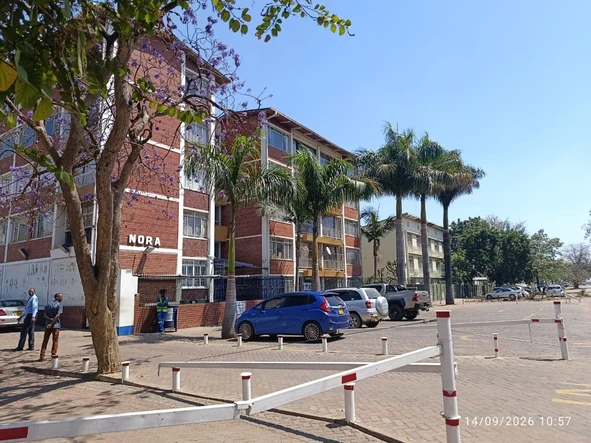
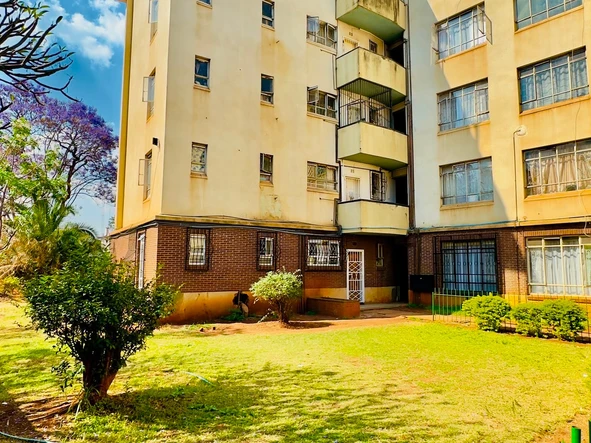
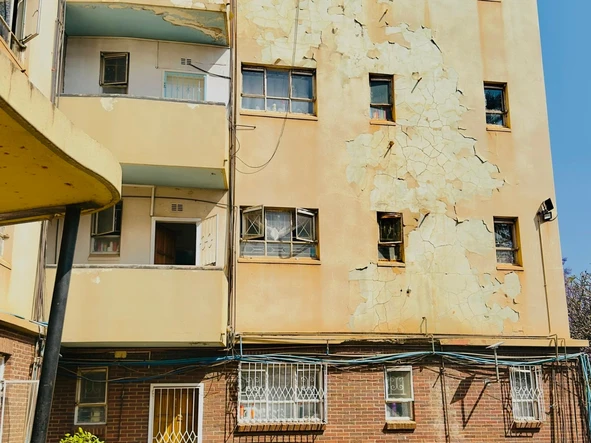
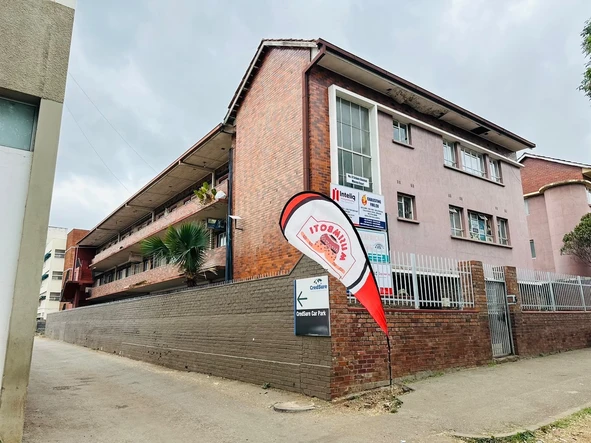
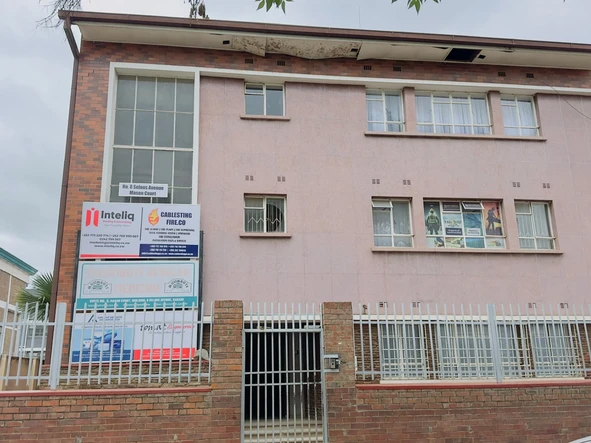
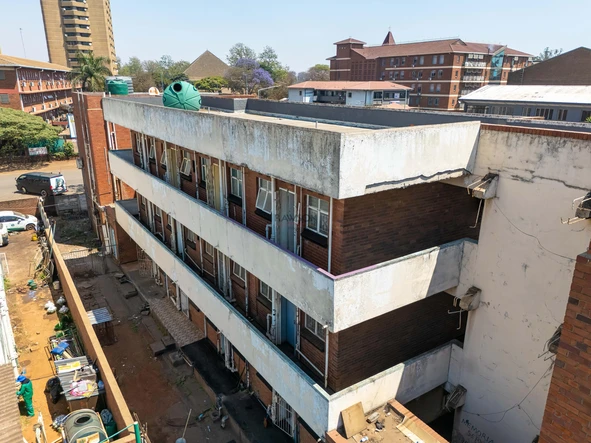
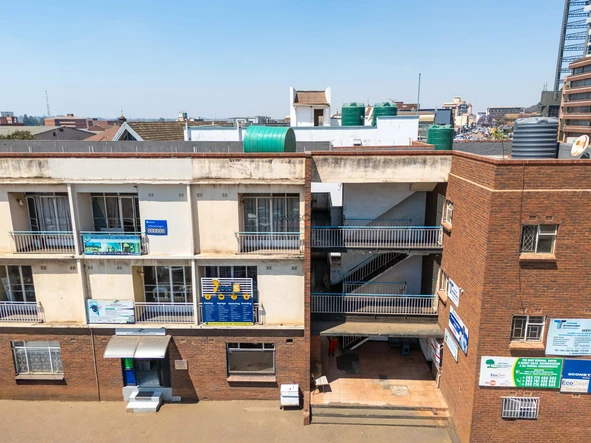
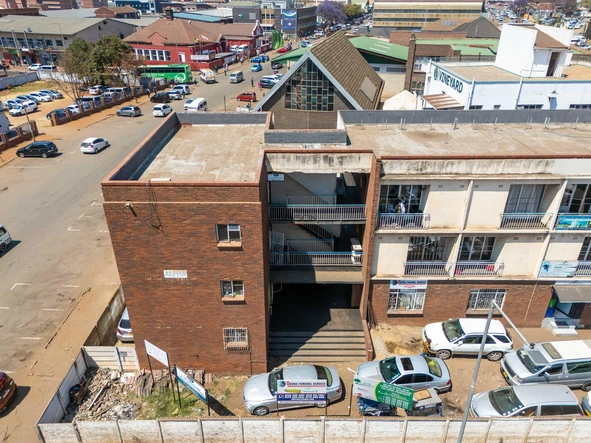
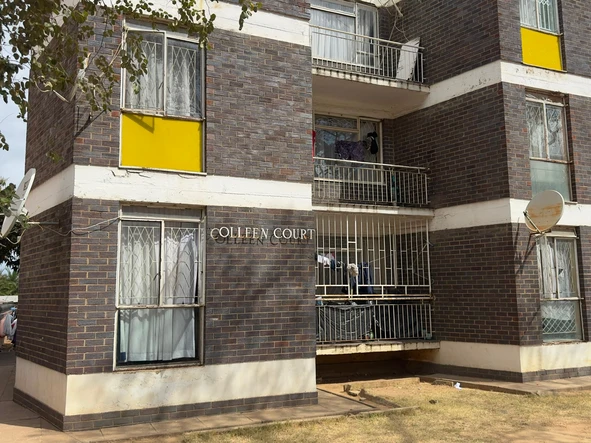
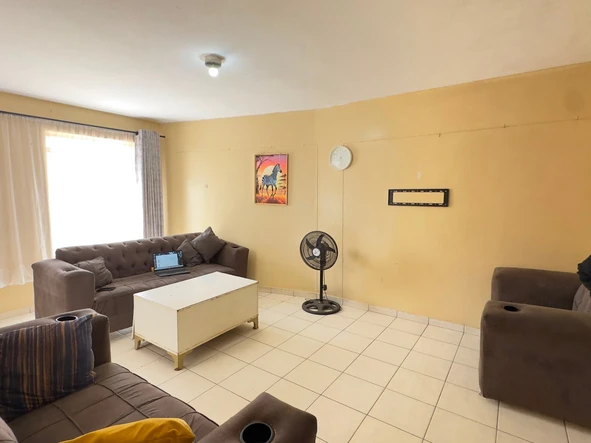
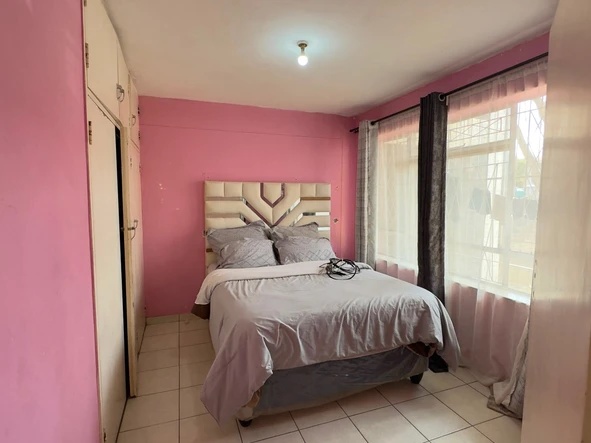
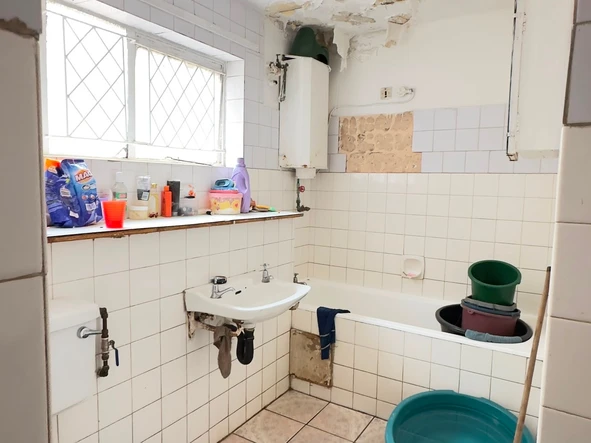
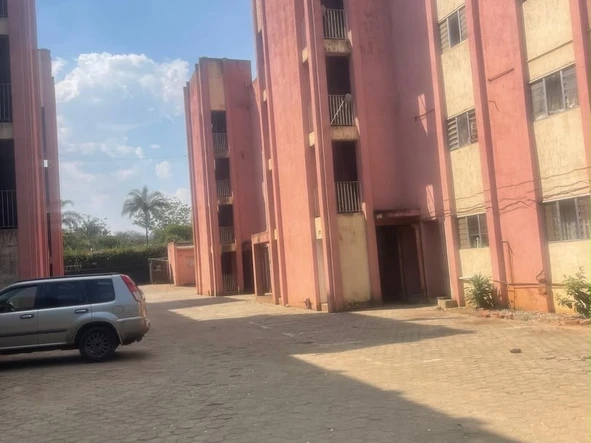
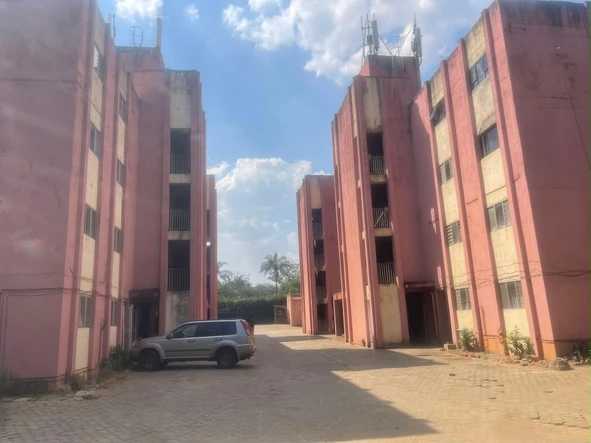
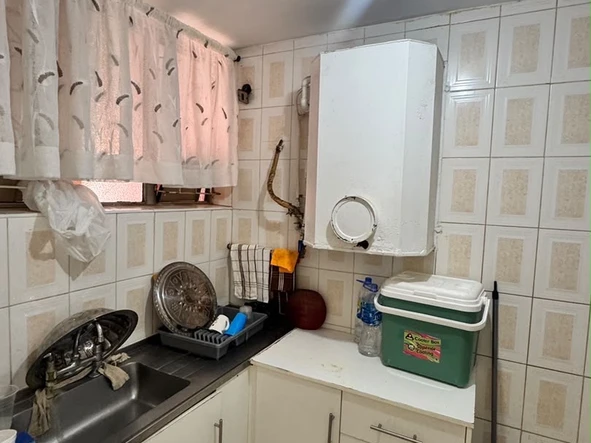
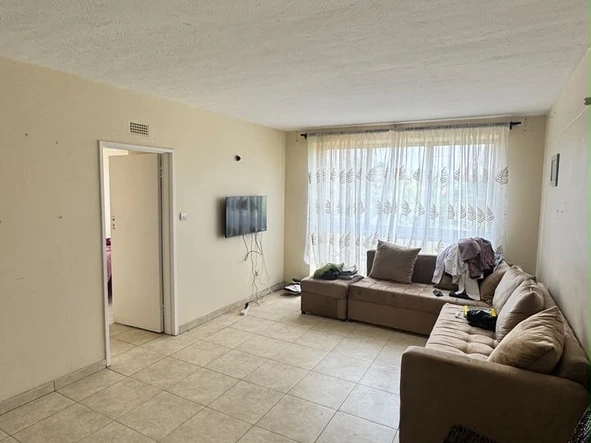
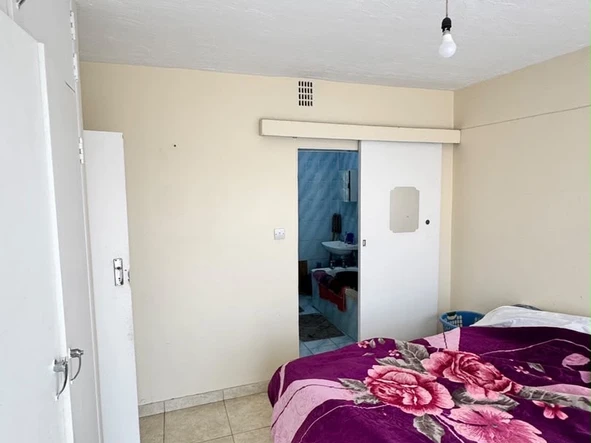
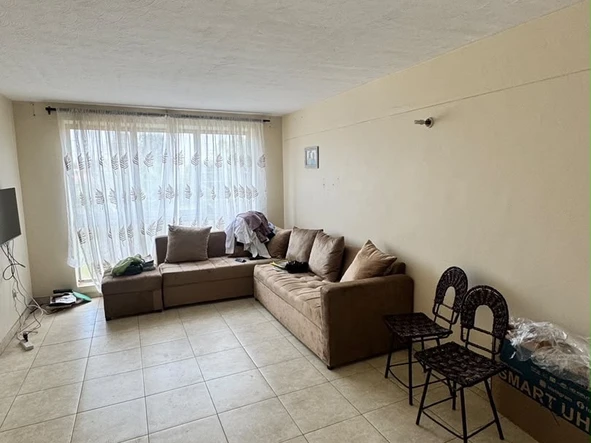
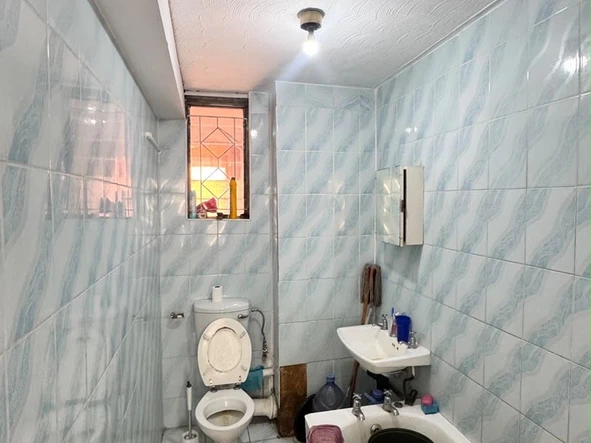
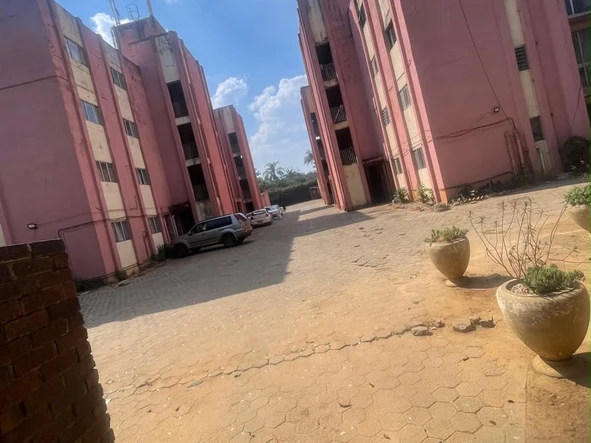
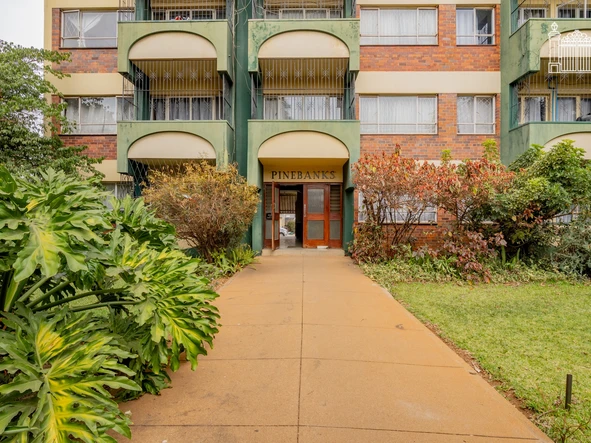
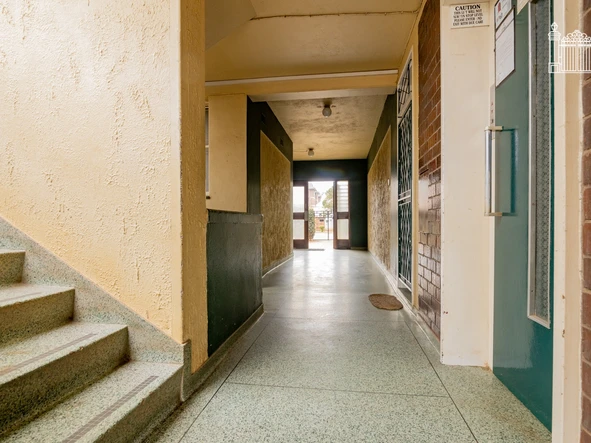
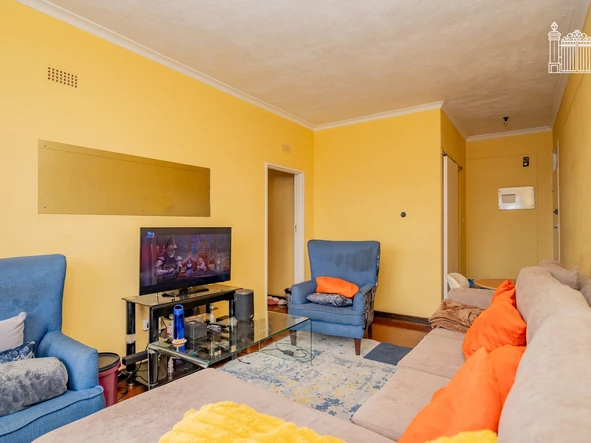
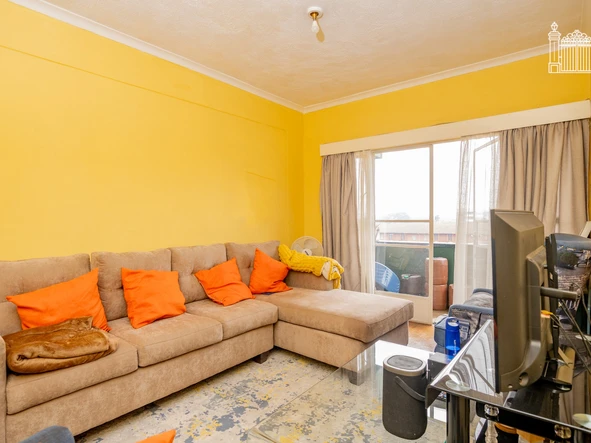
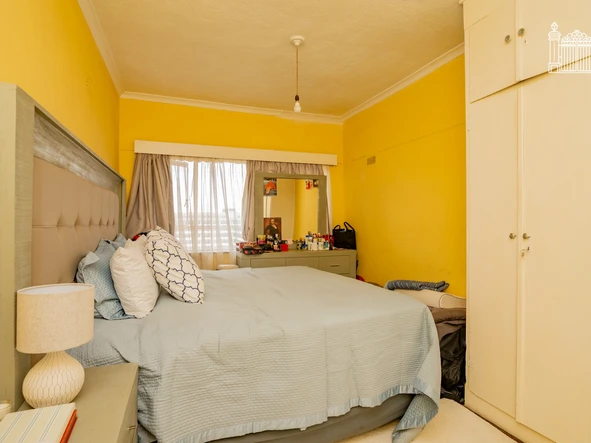
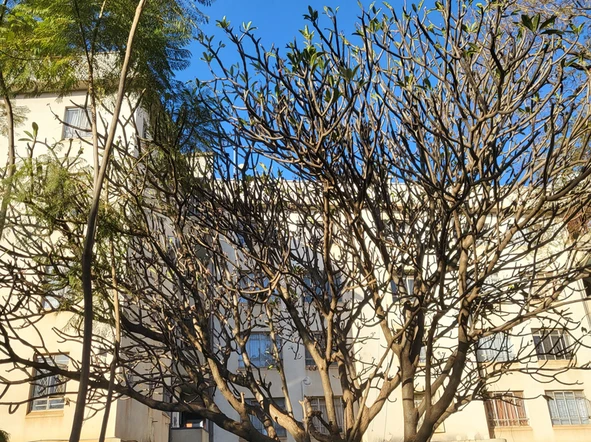
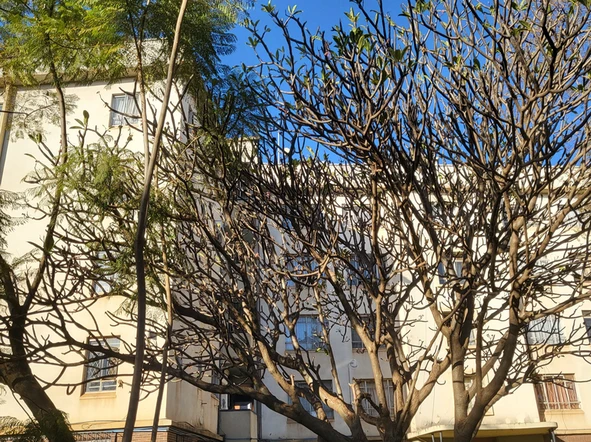
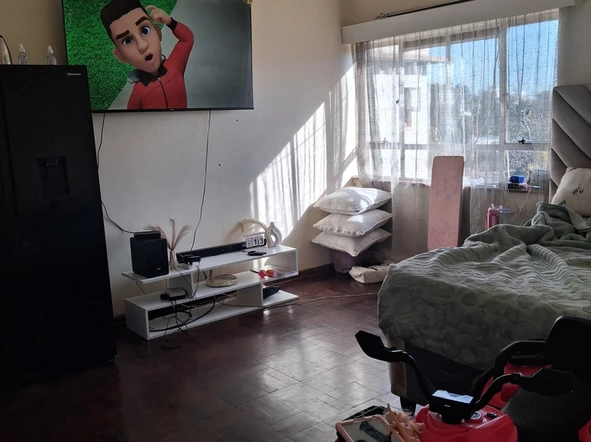
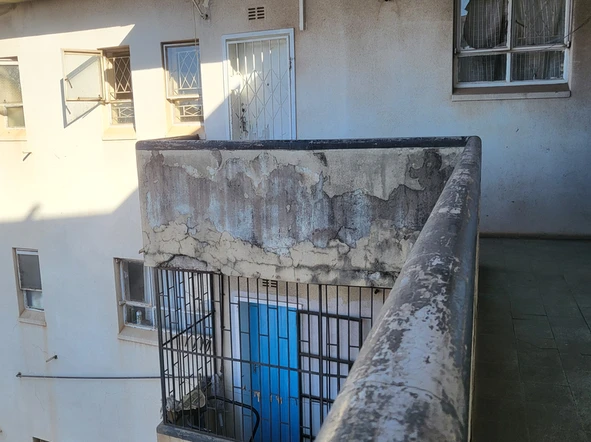
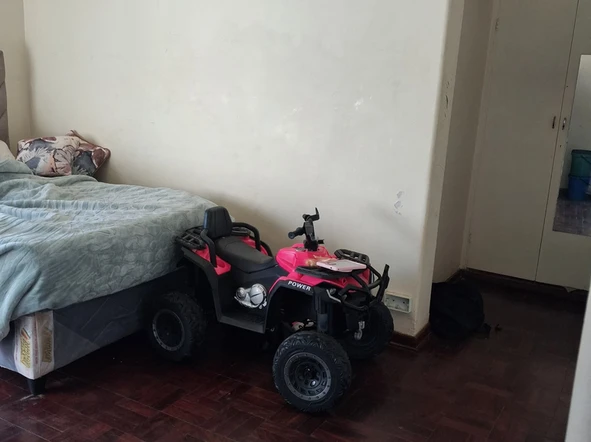
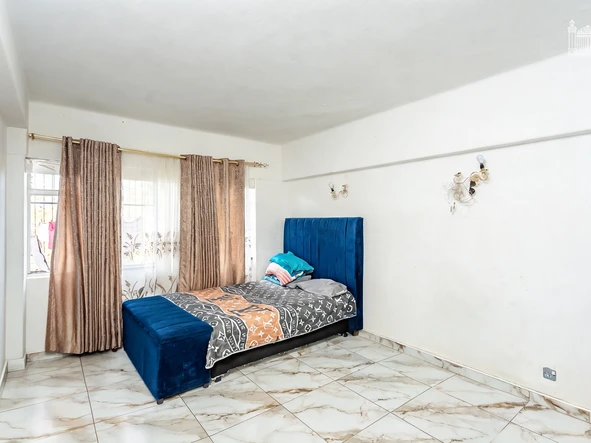
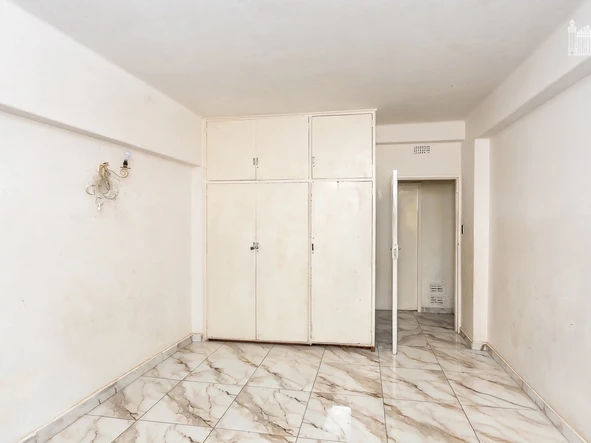
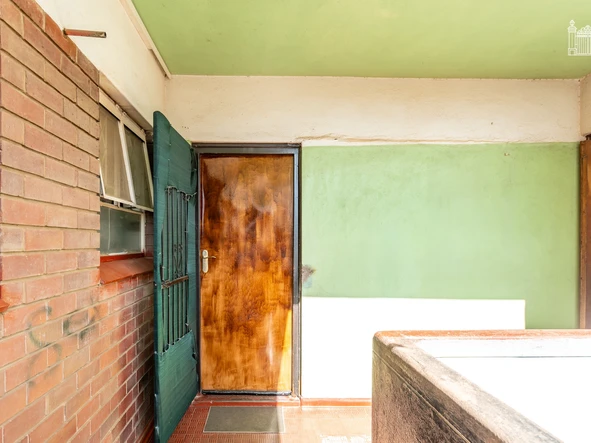
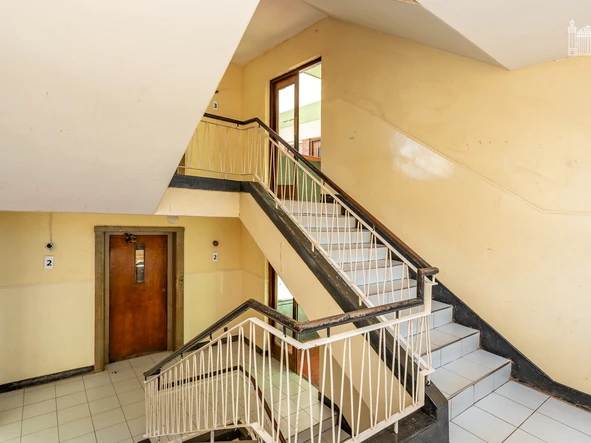
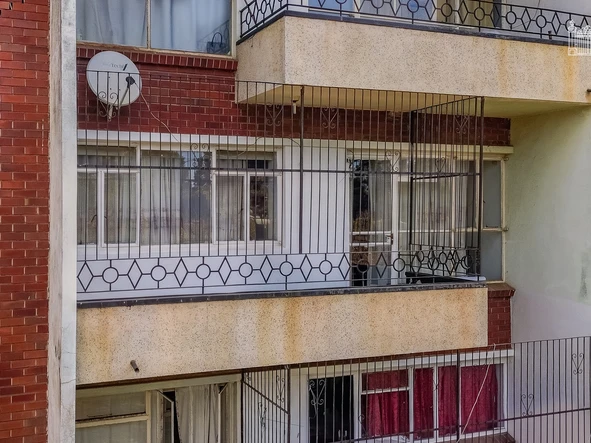
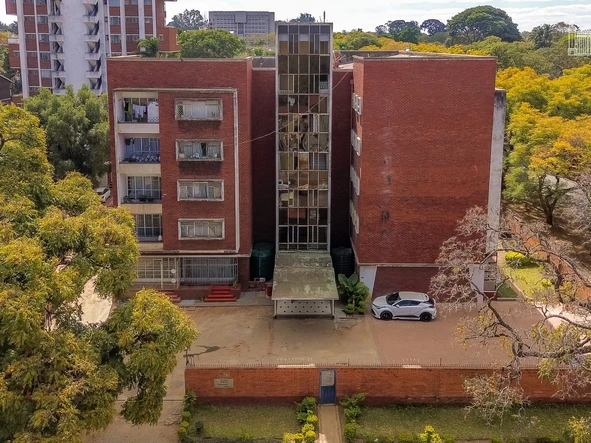
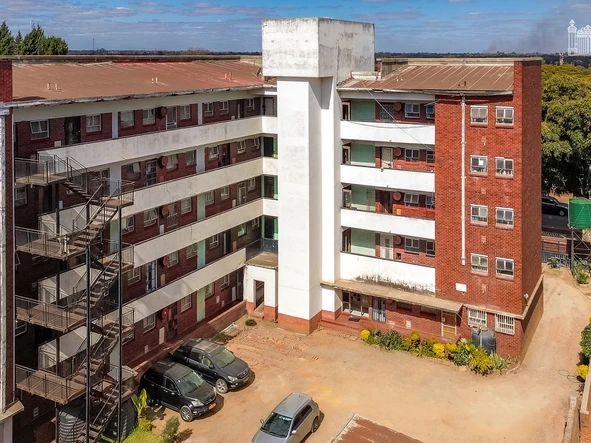
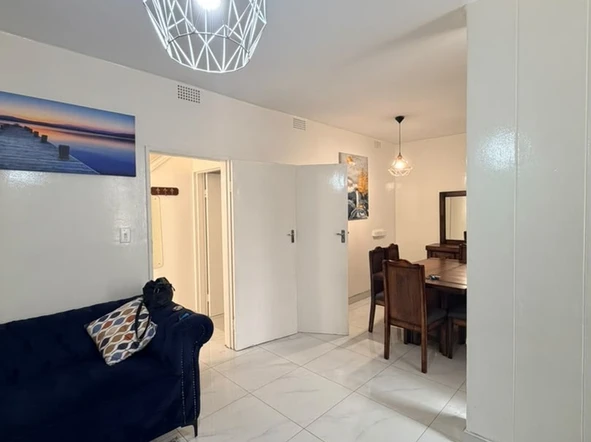
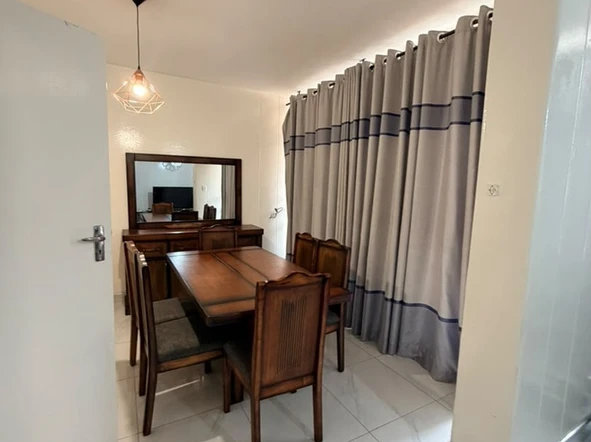
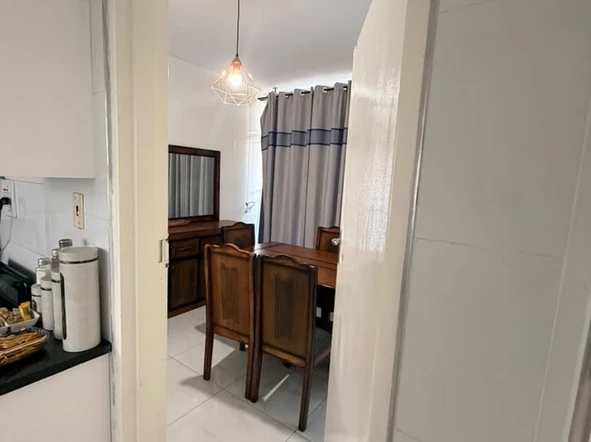
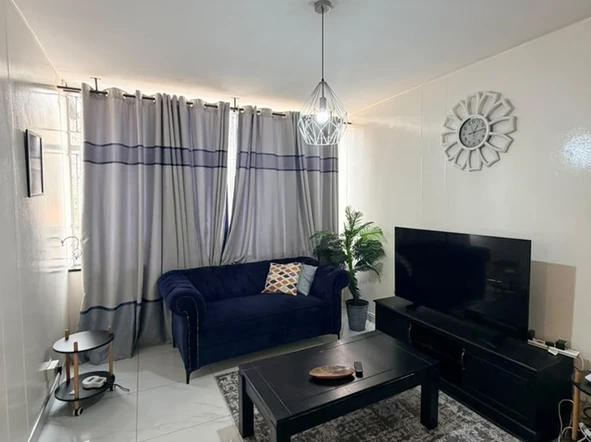
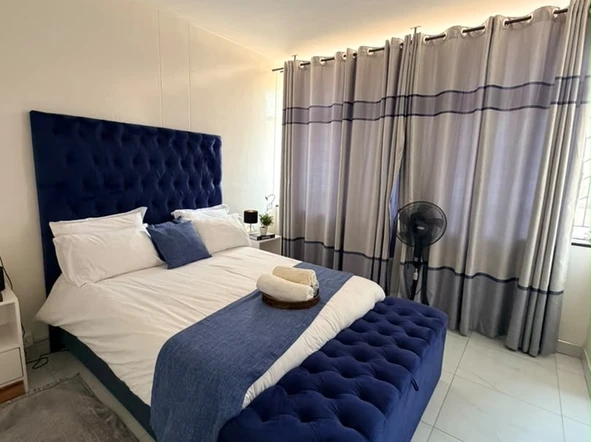
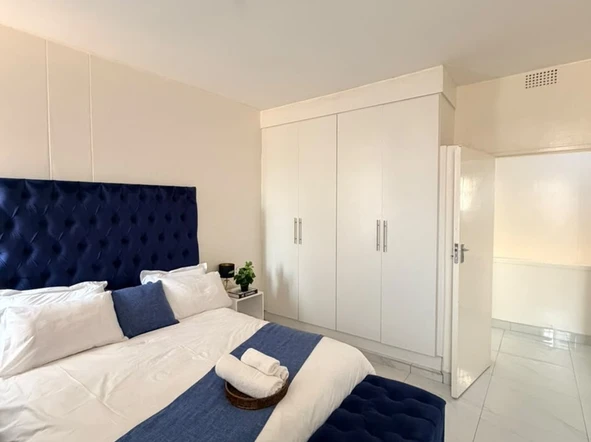
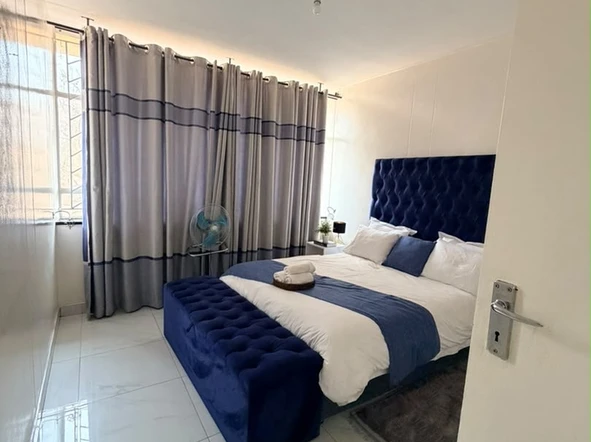
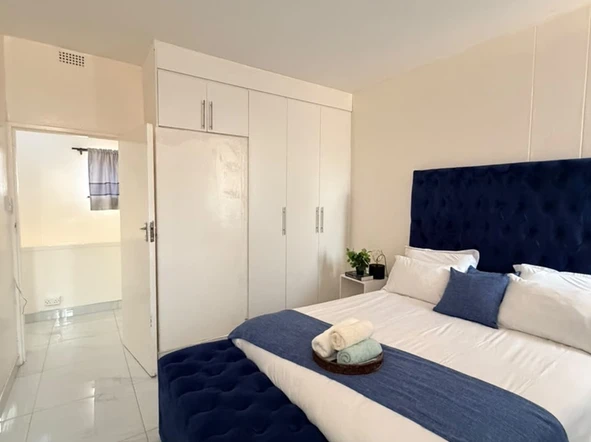
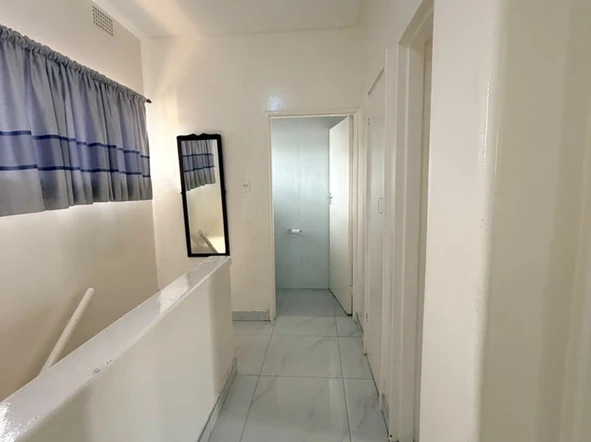
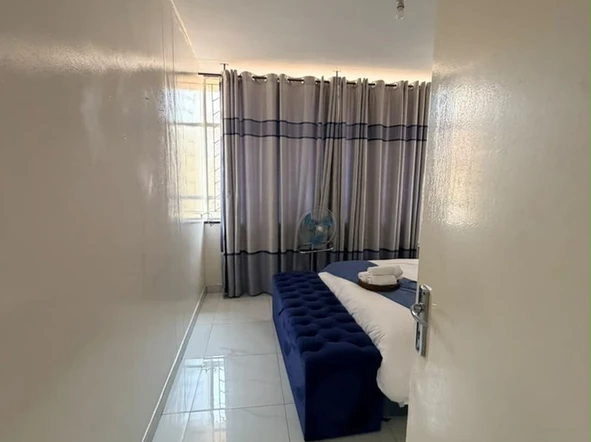
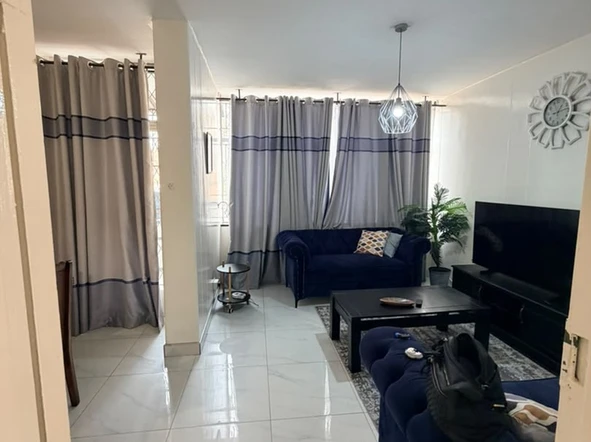
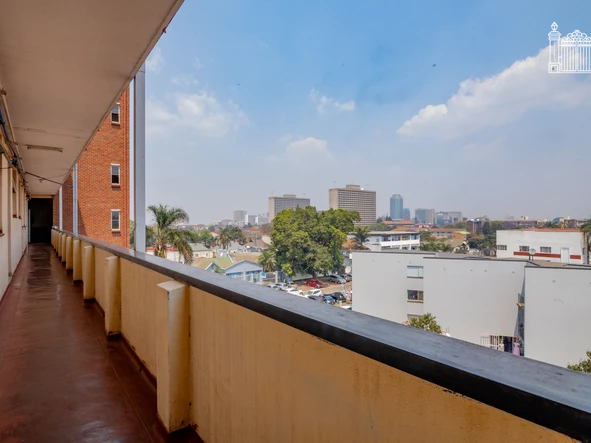
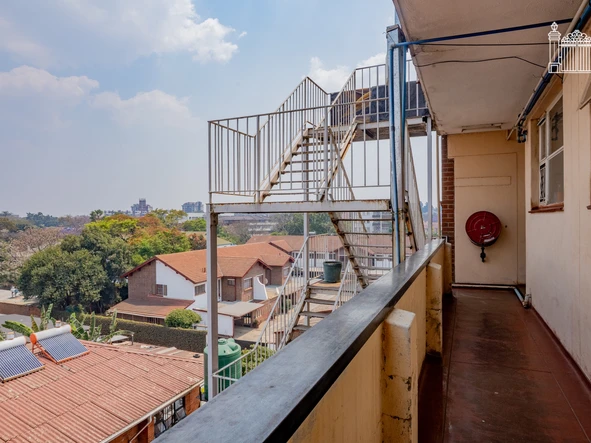
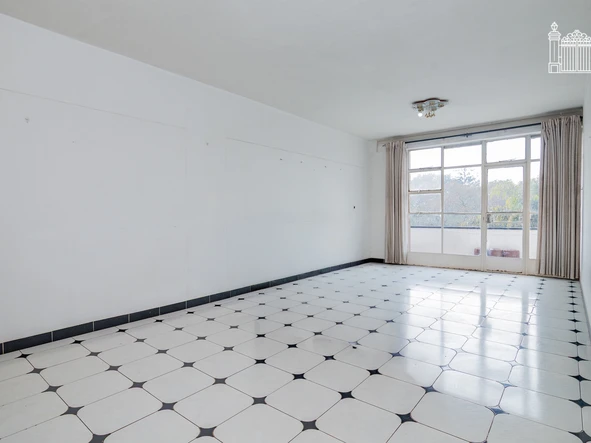
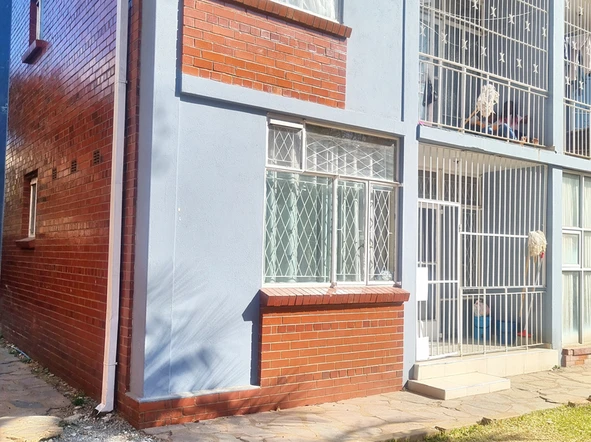
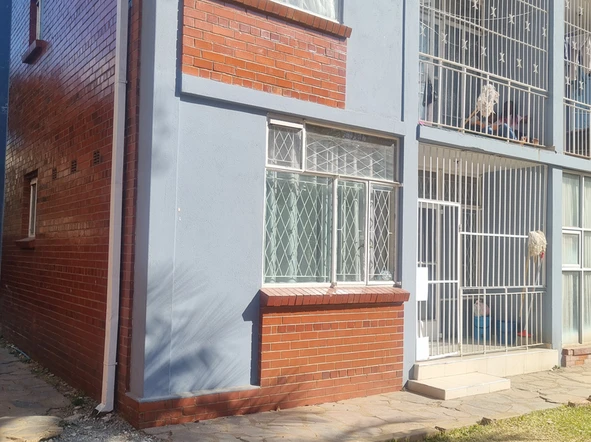
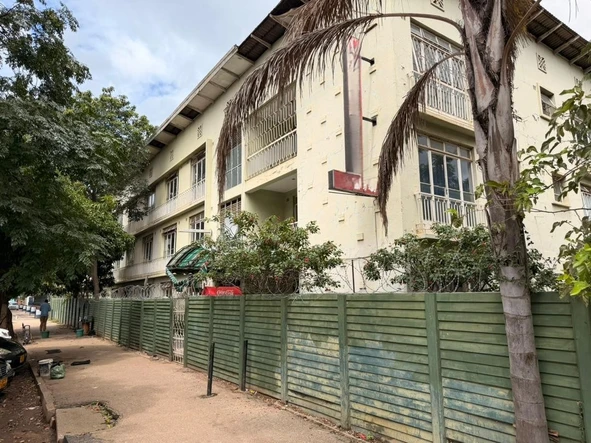
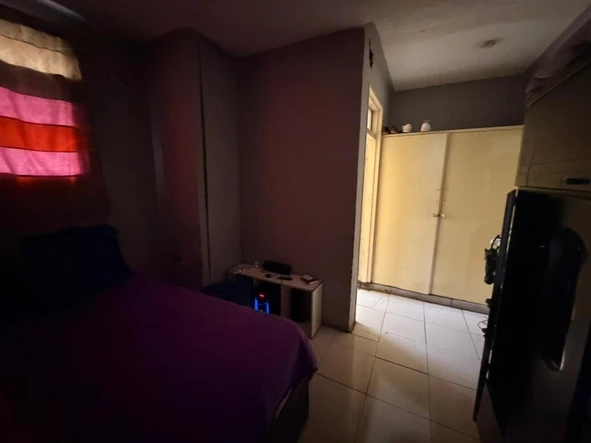
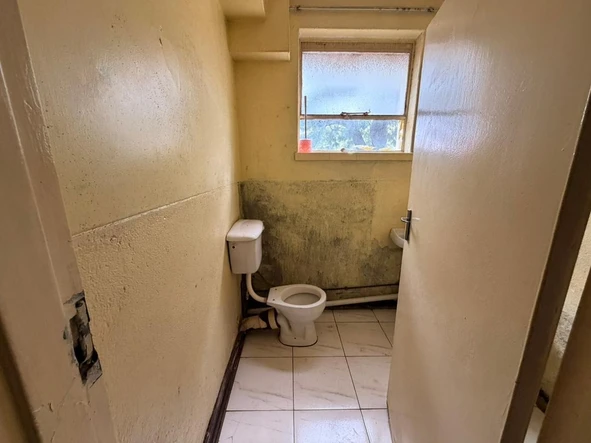
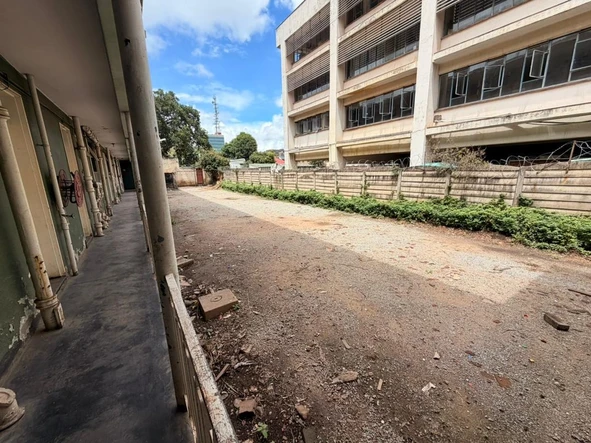
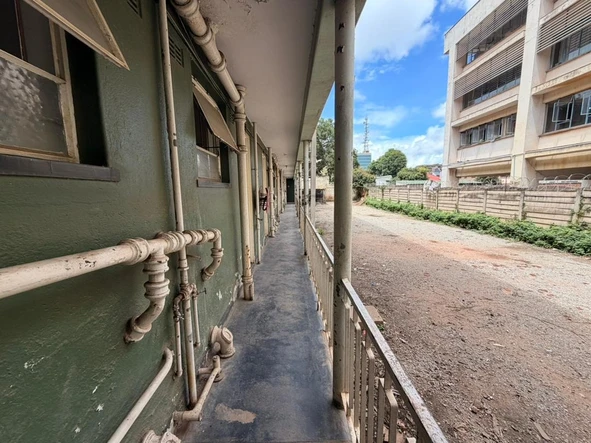
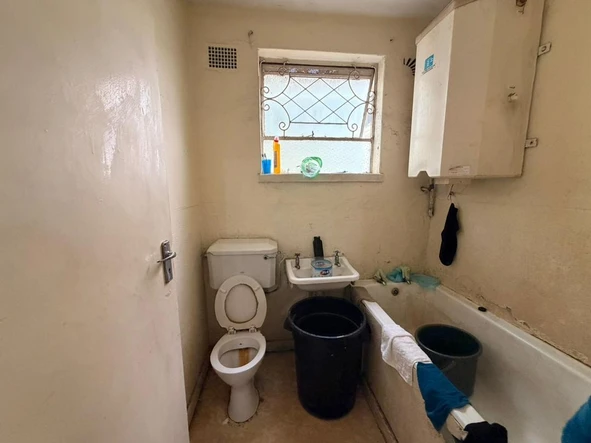
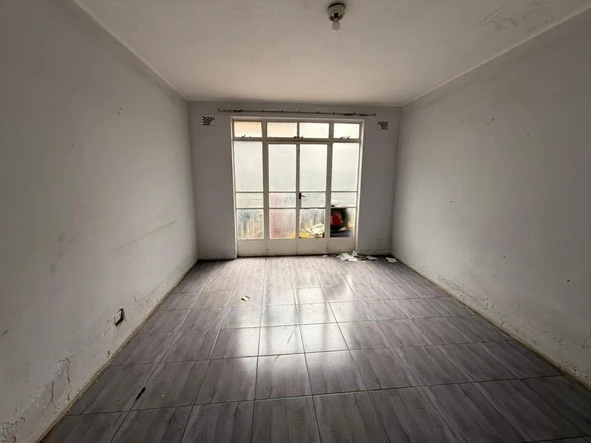
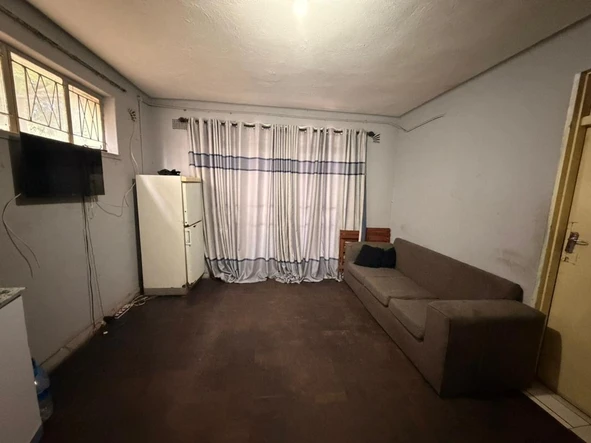
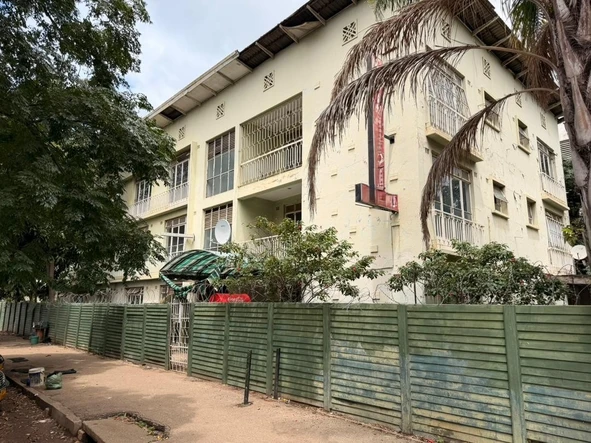
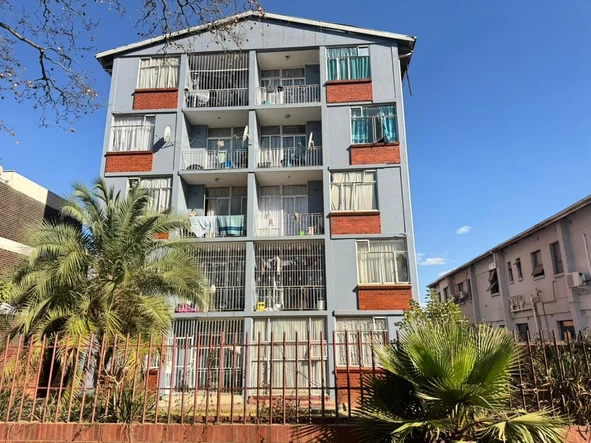
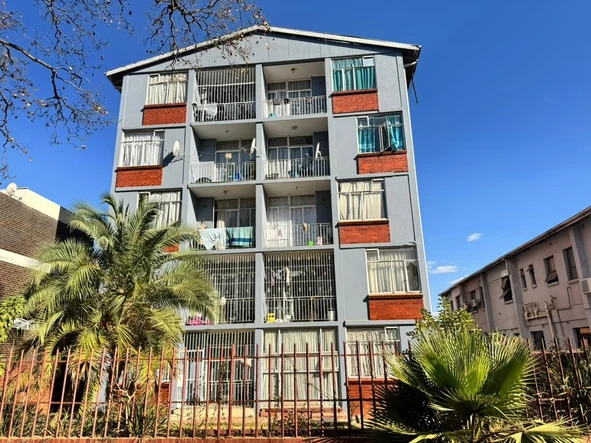
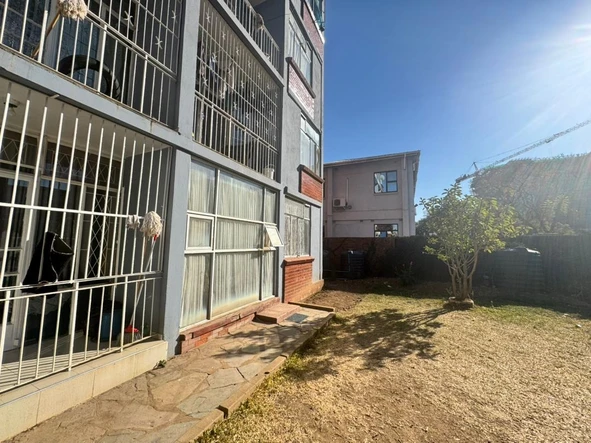
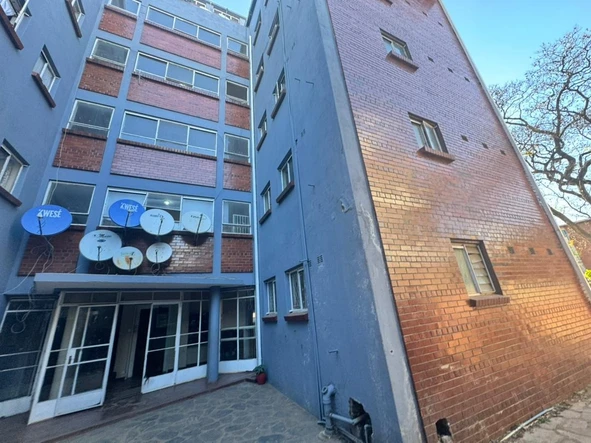
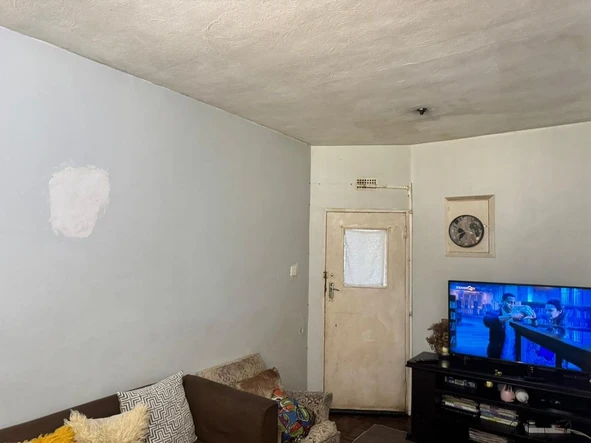
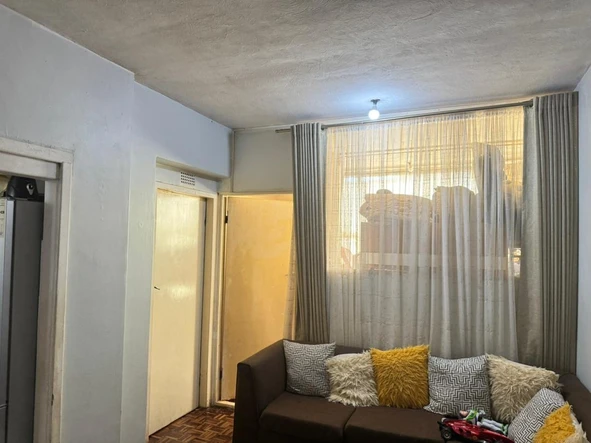
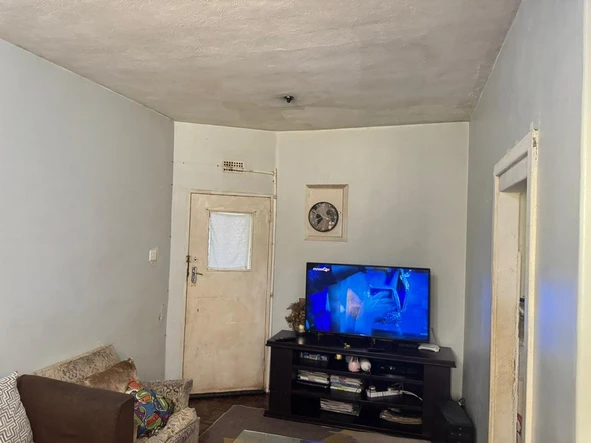
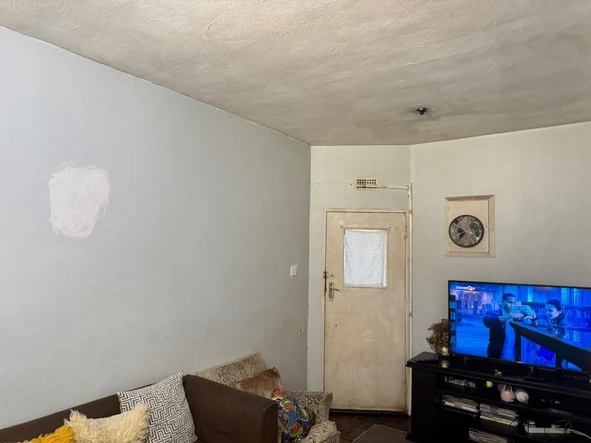
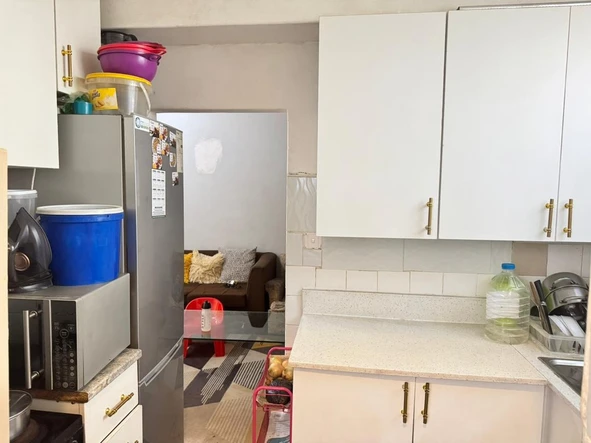
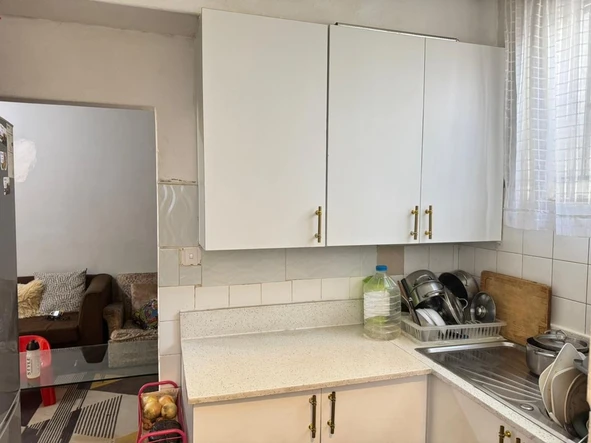
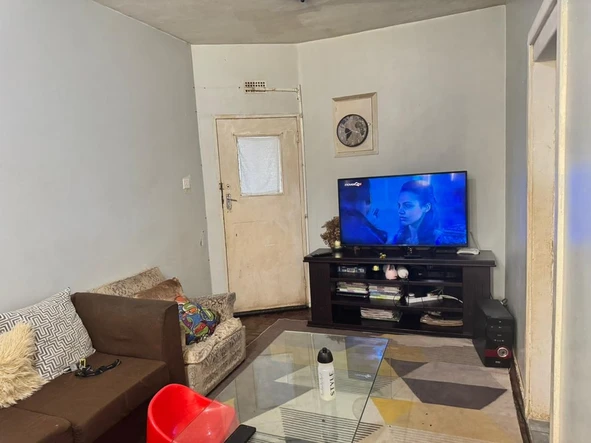
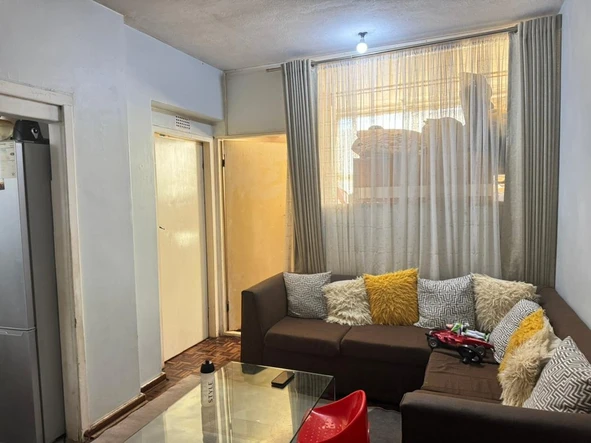
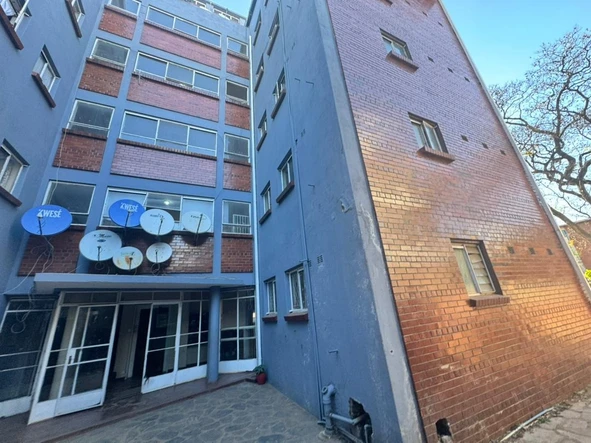
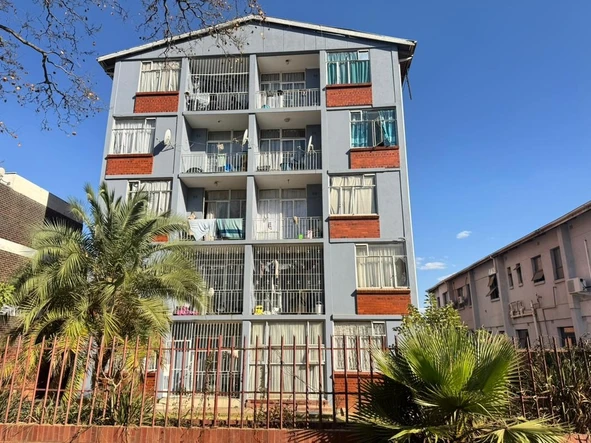
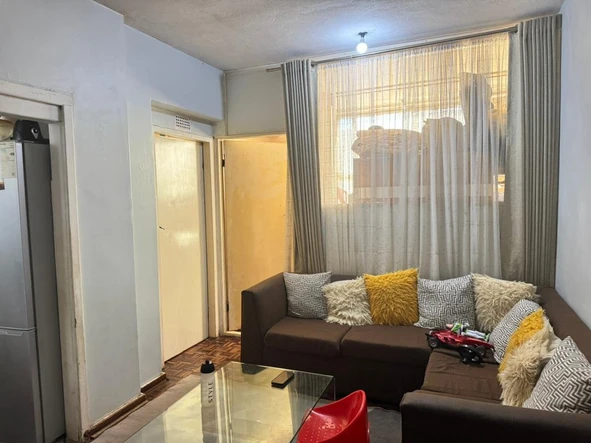
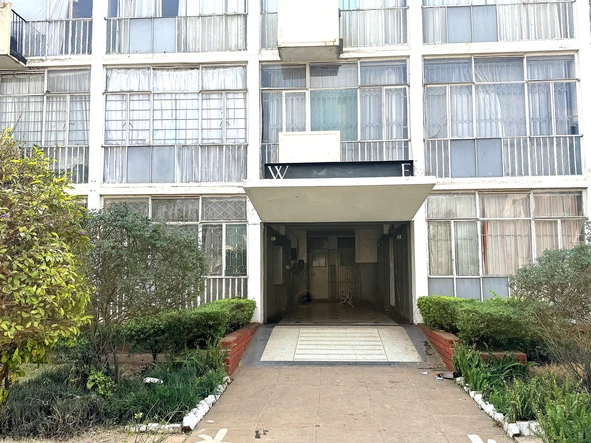
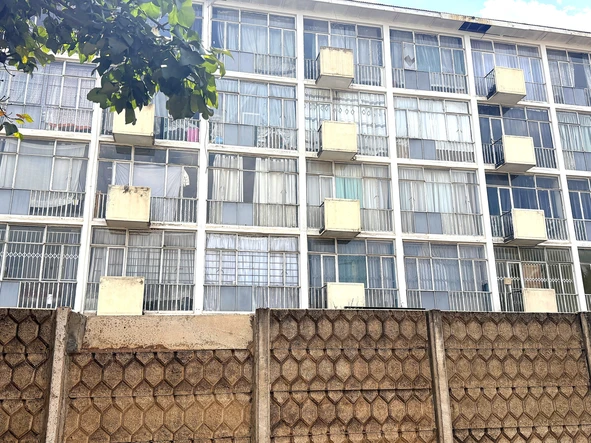
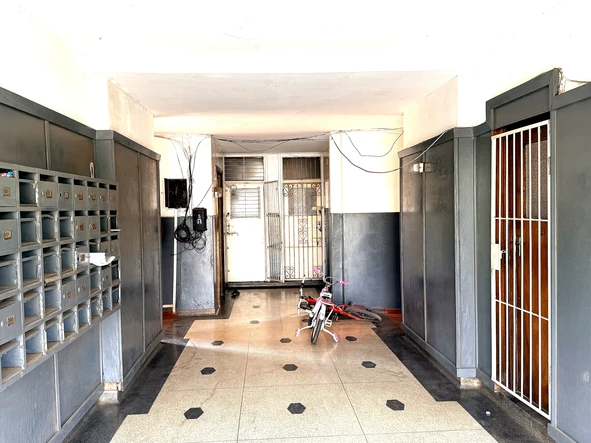
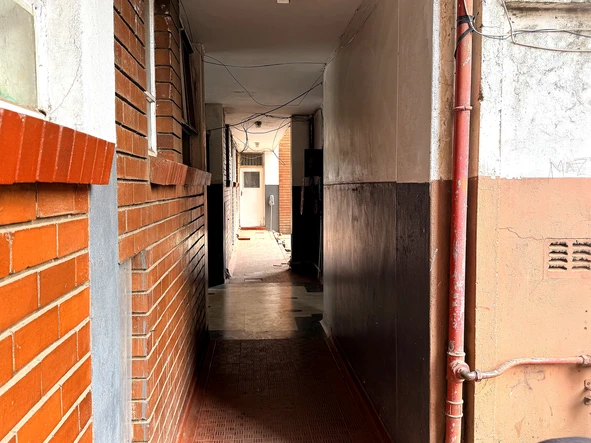
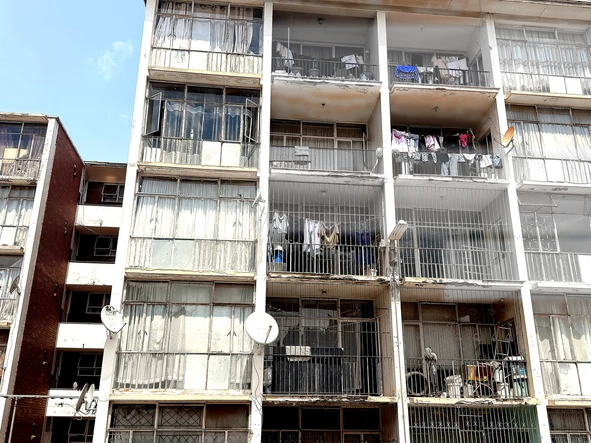
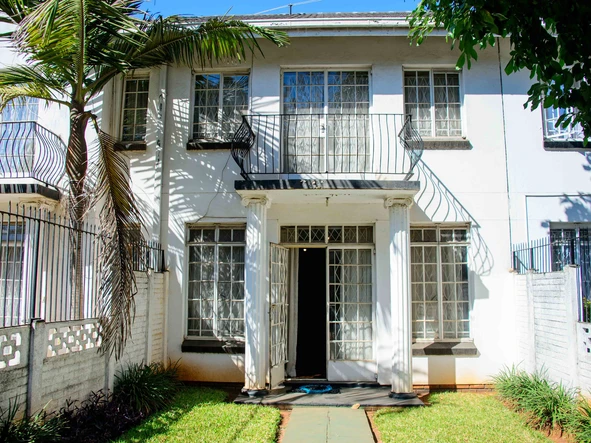
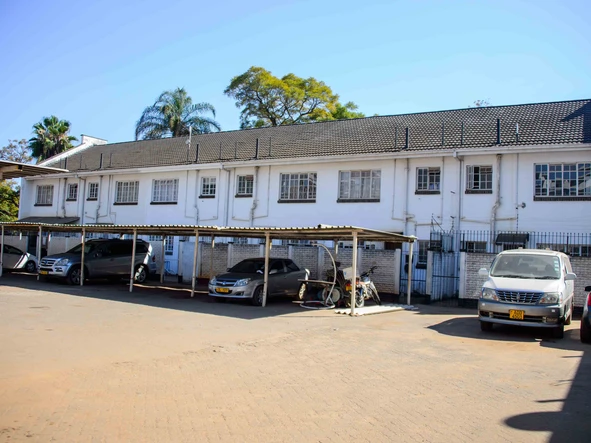
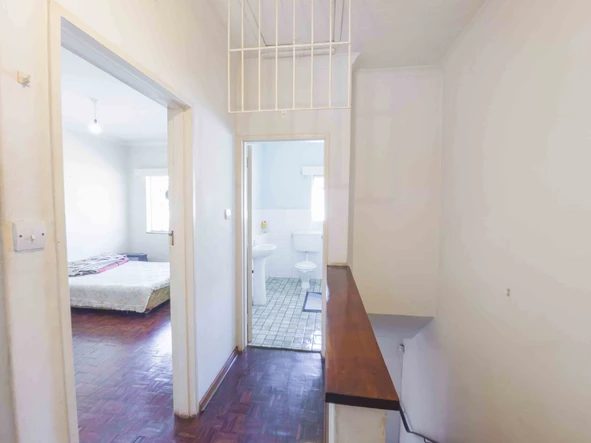
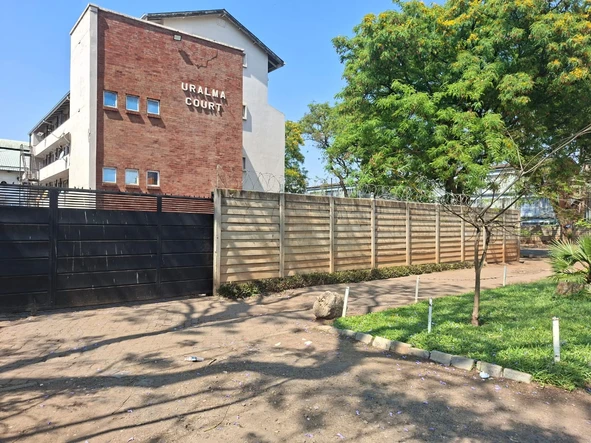
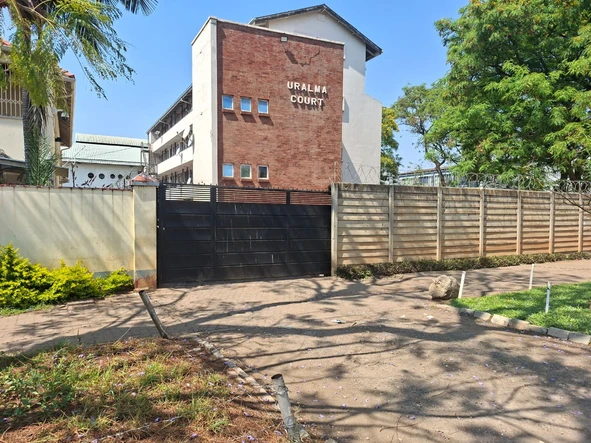
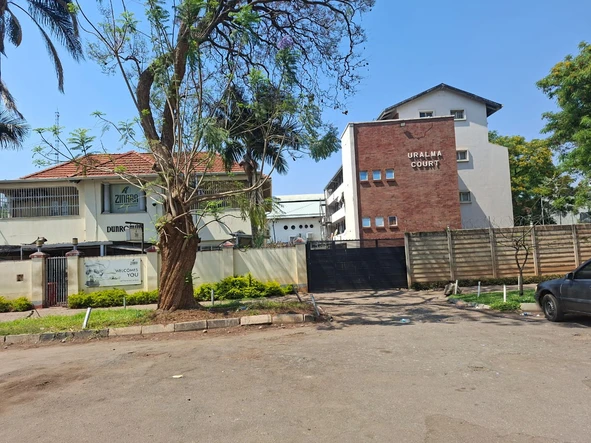
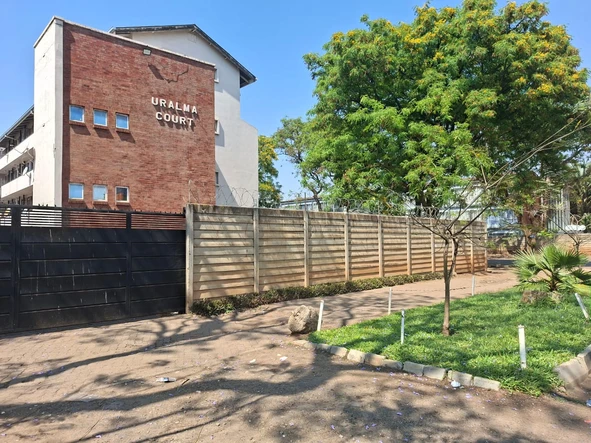
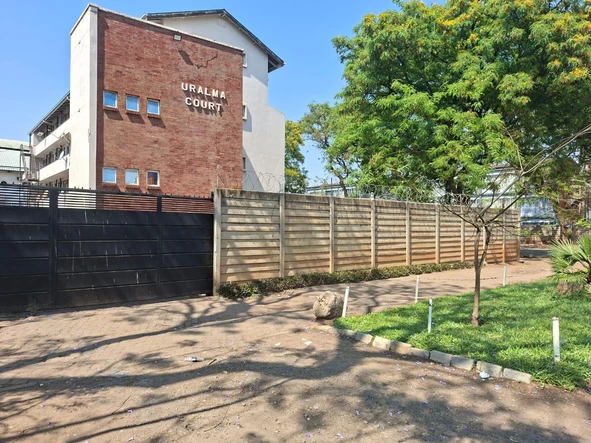
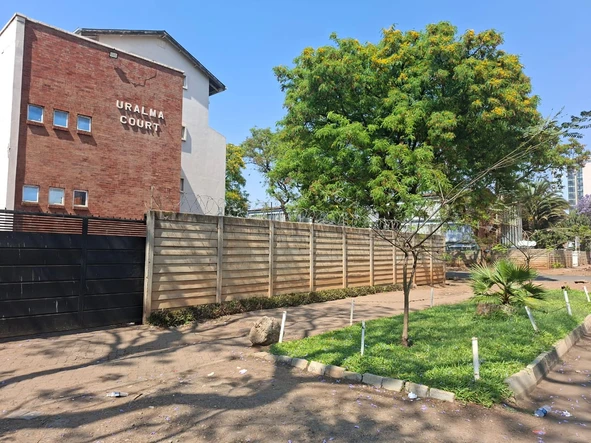
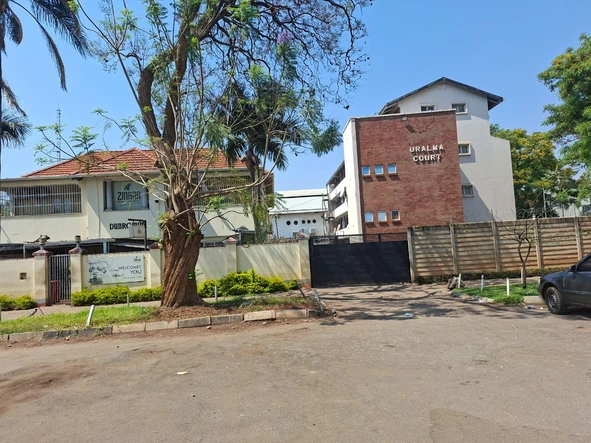
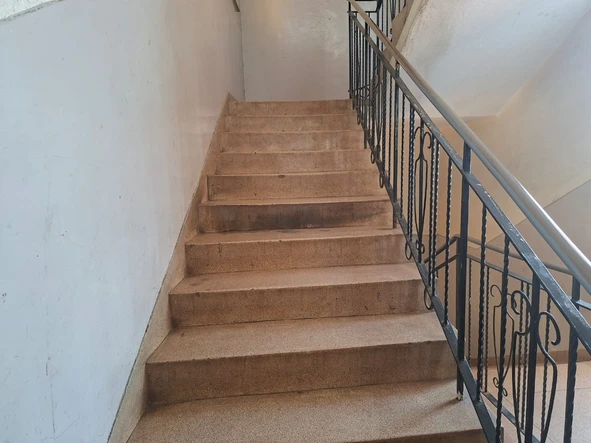
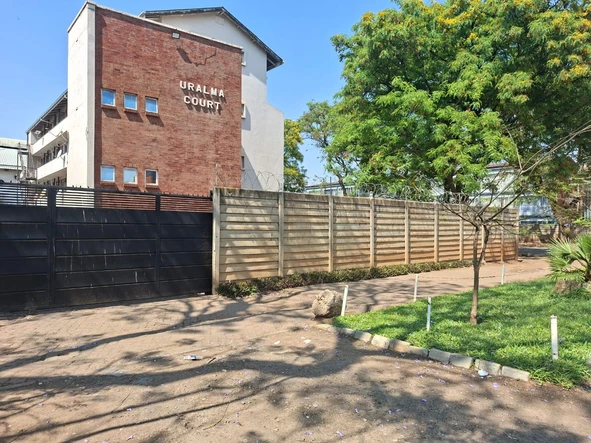
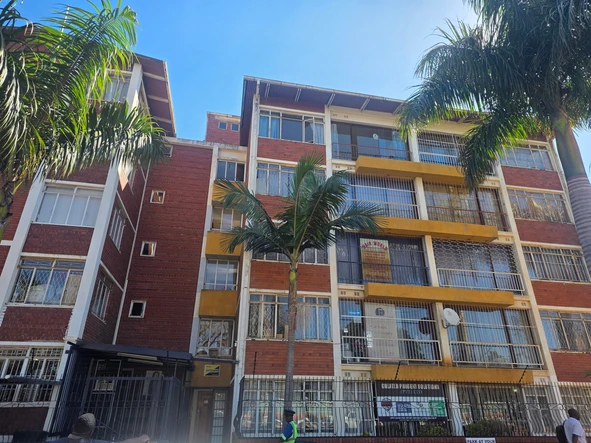
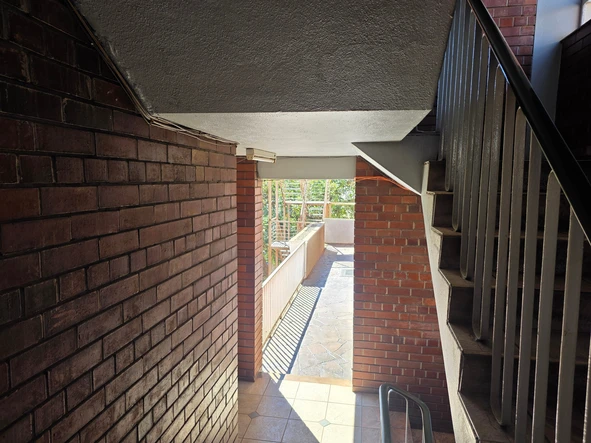
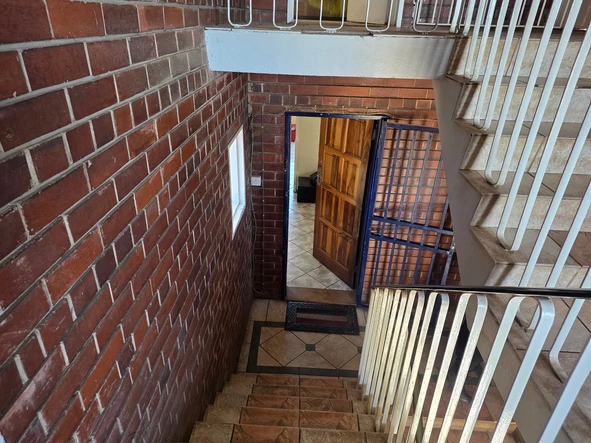
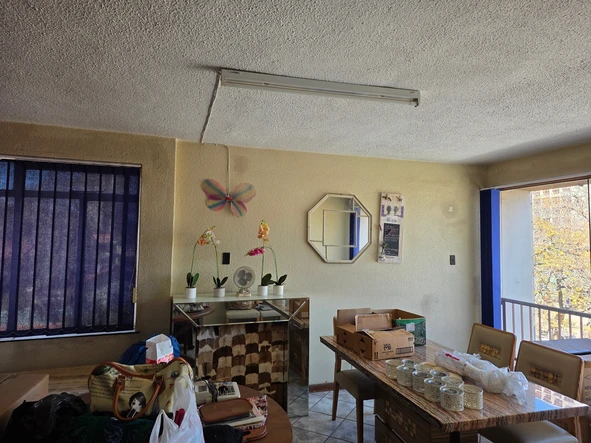
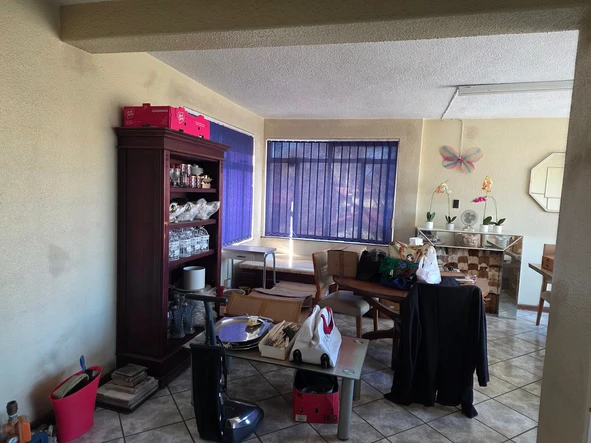
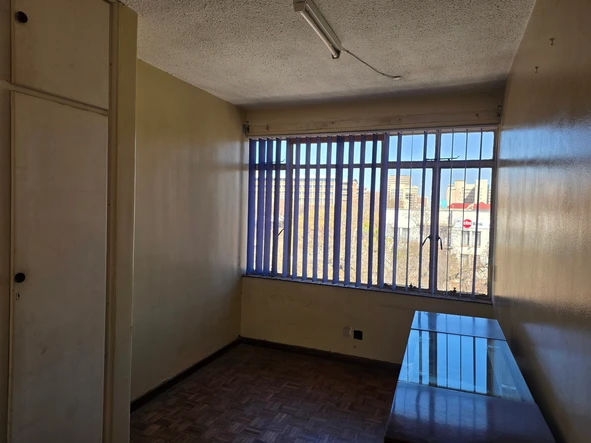
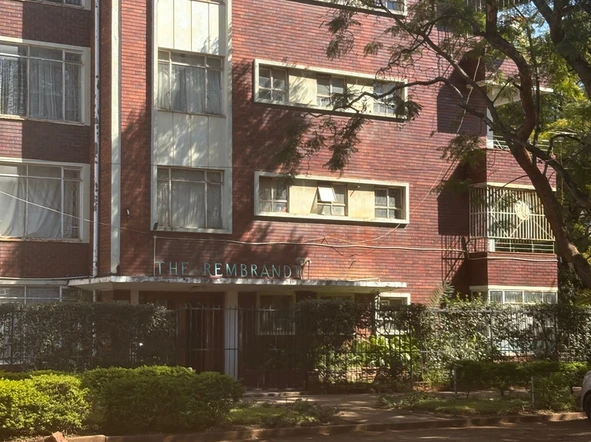
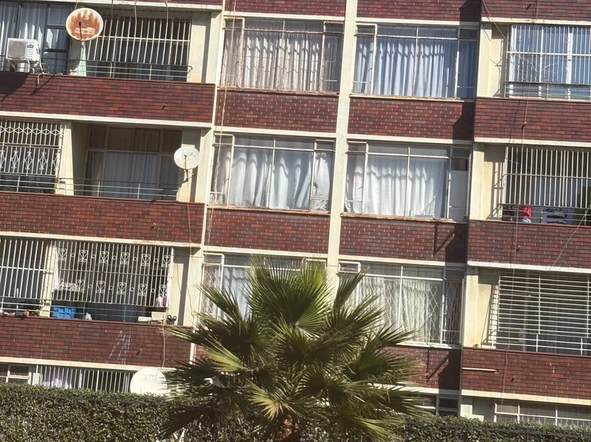
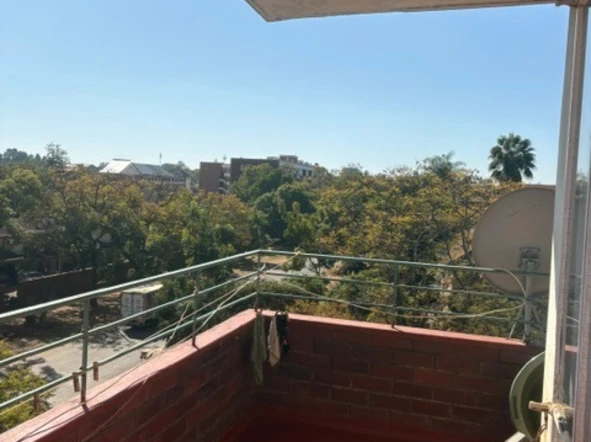
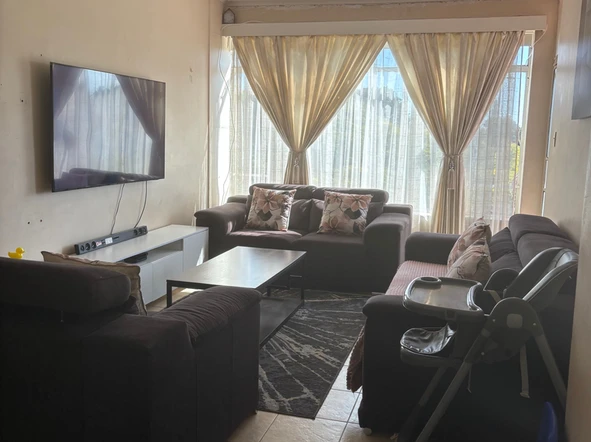
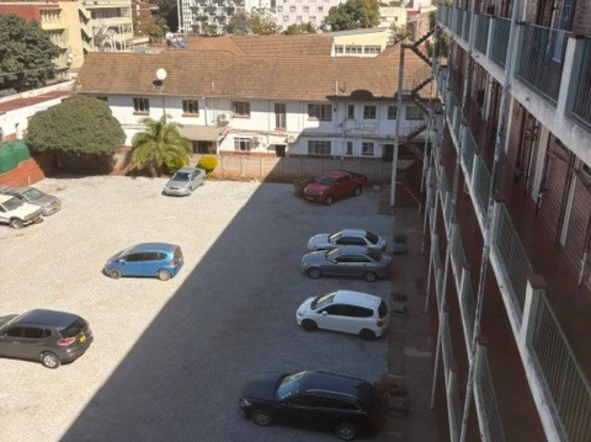
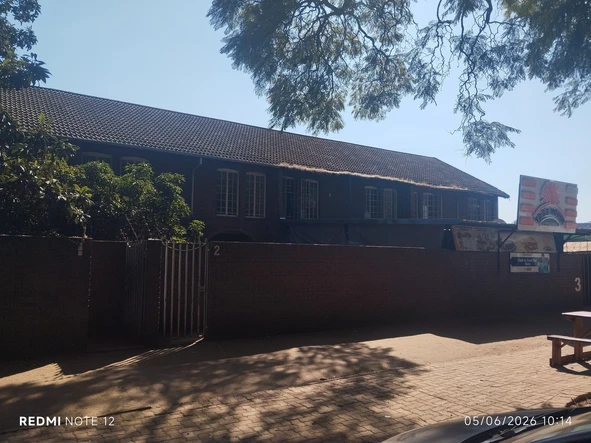
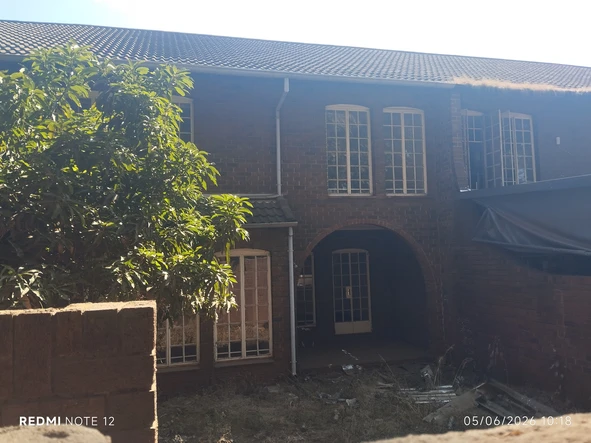
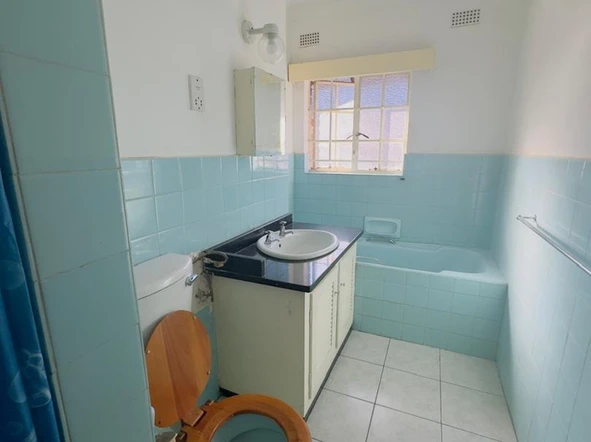
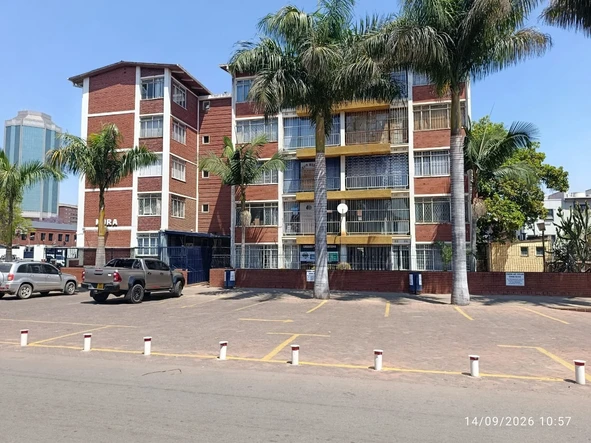
Flats and apartments for sale in Harare CBD, Harare, offer an average price of $75,000, making them an affordable option for buyers interested in city living. These properties typically have a median size of about 120 ㎡, with land areas around 70 ㎡ on average, though some larger units can reach up to 2,379 ㎡ in size.
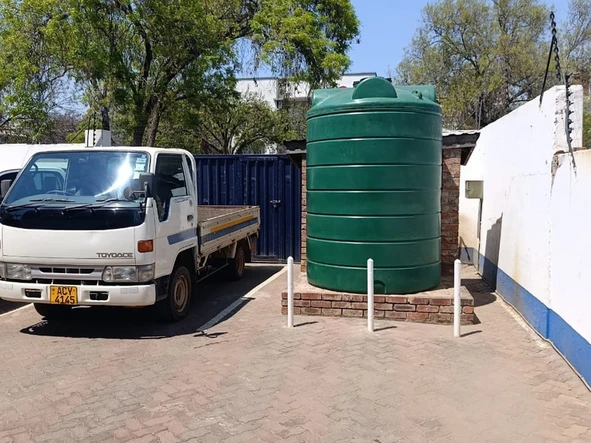
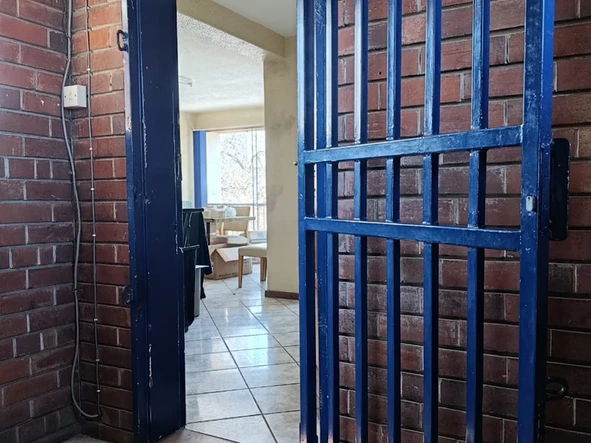
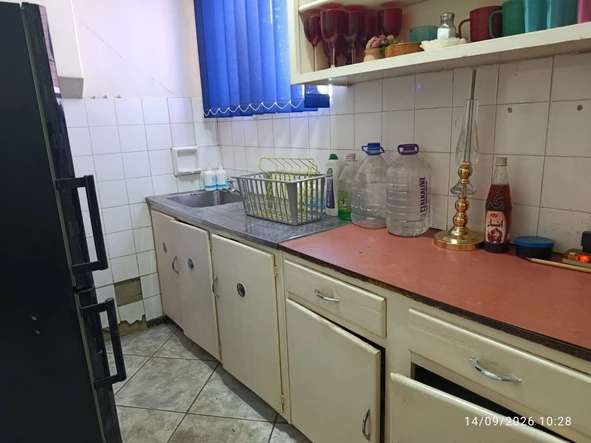
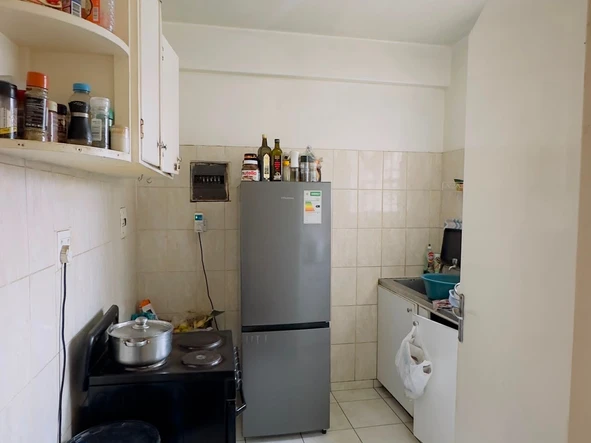
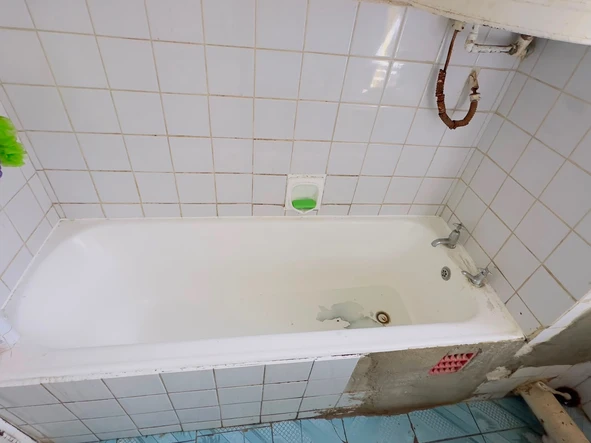
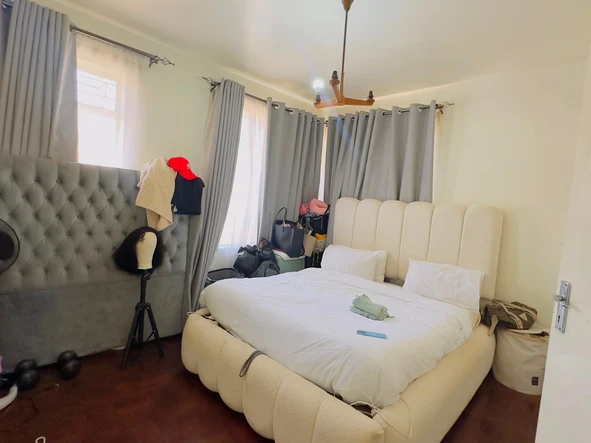
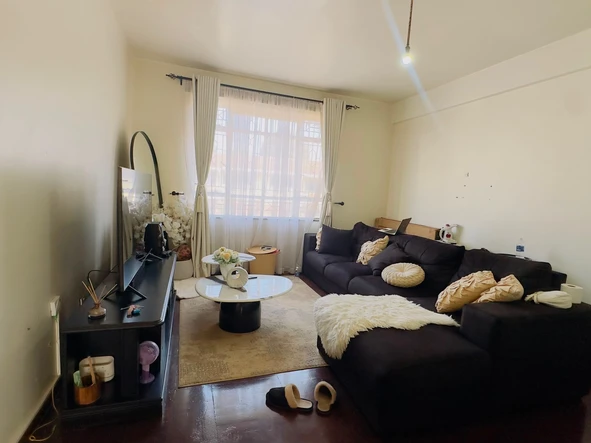
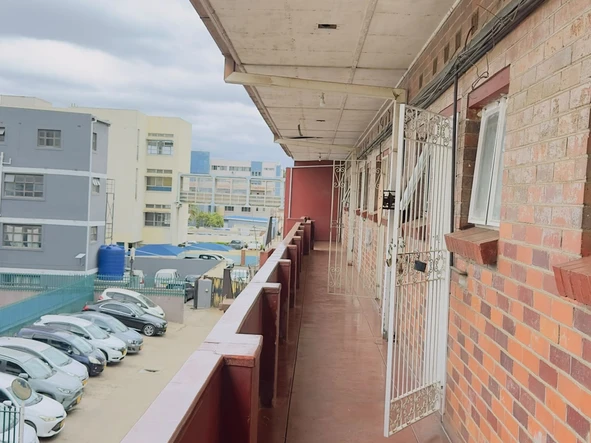
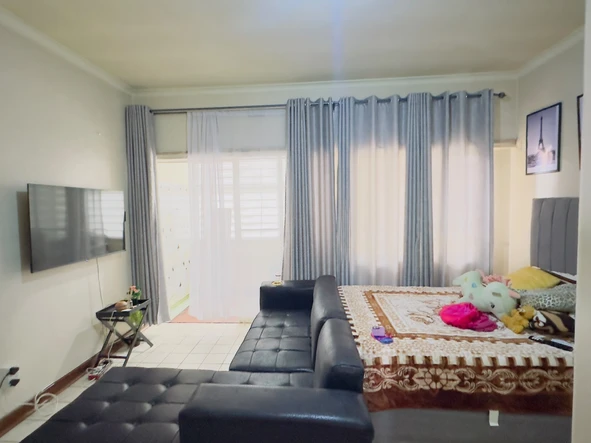
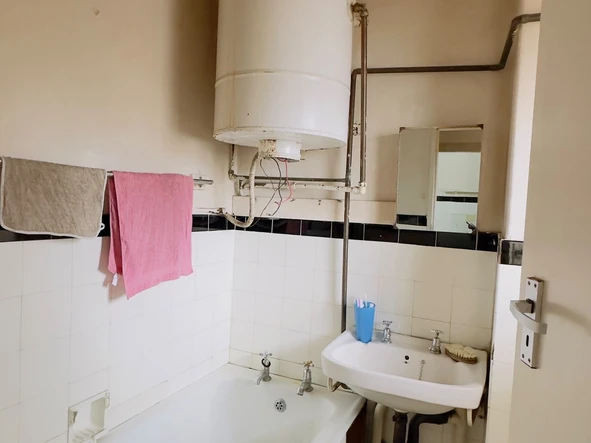
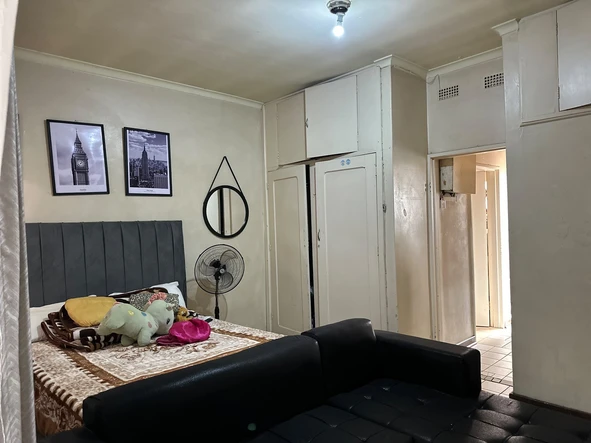
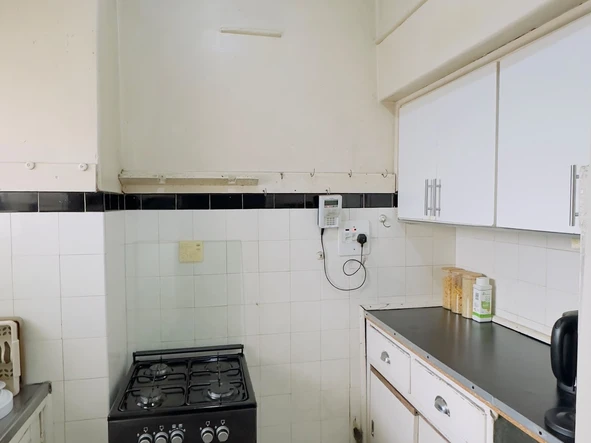
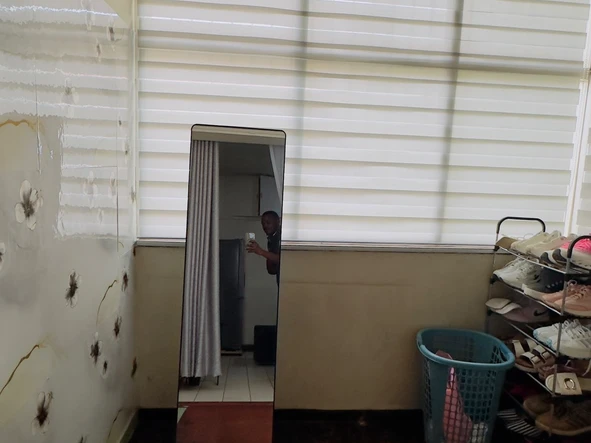
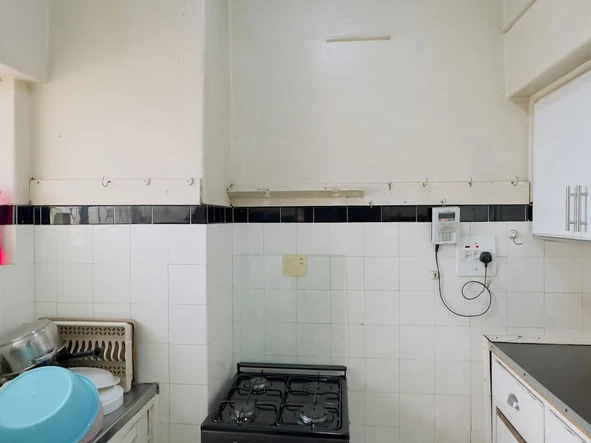
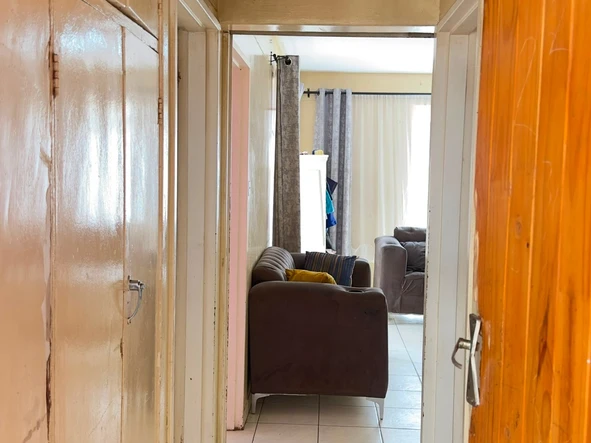
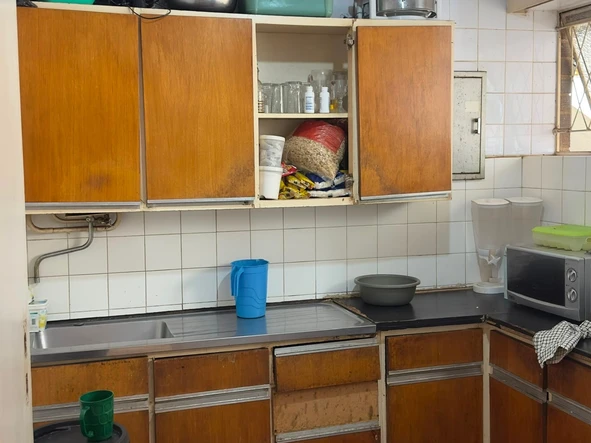
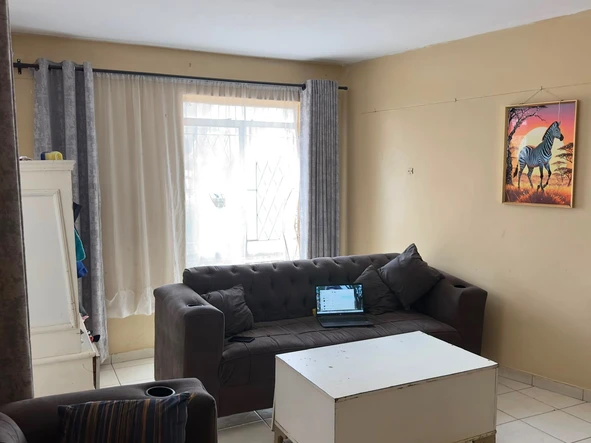
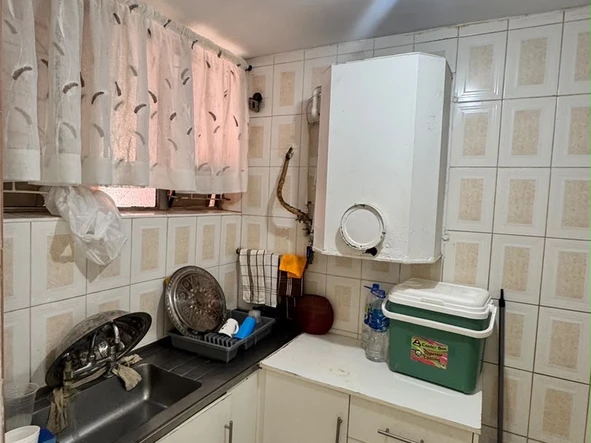
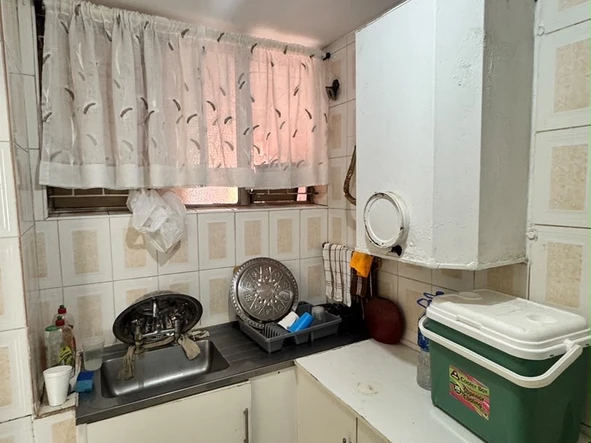
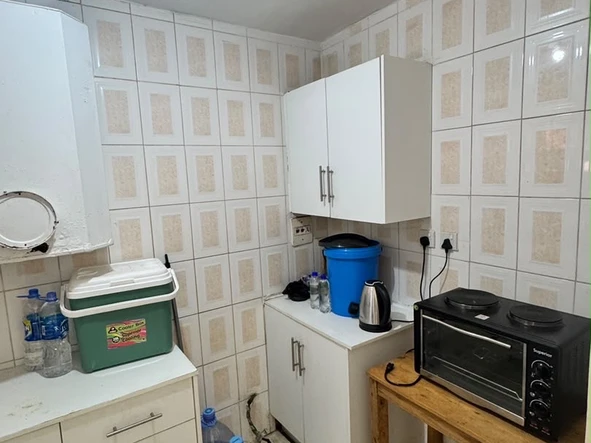
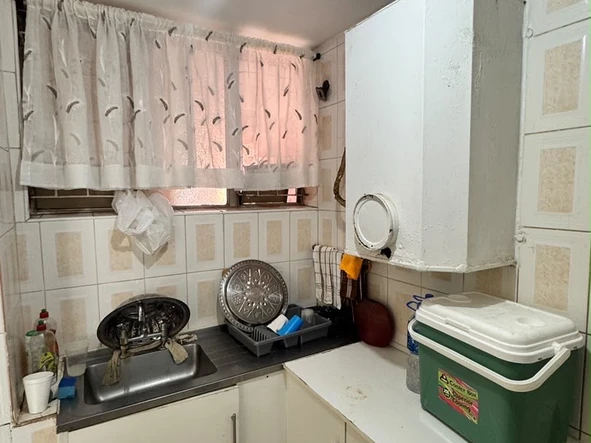
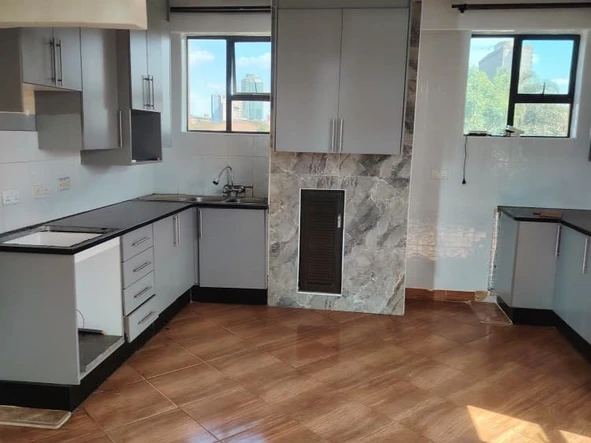
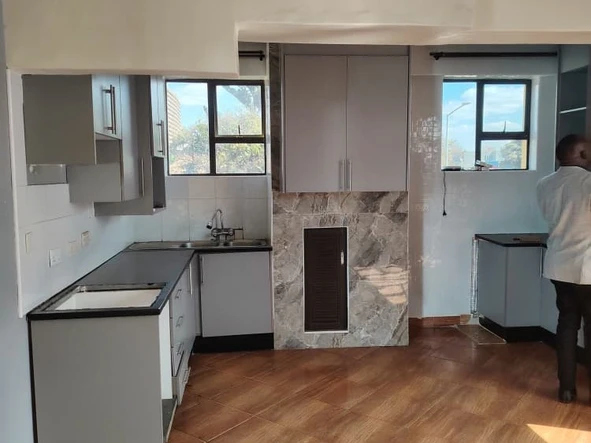
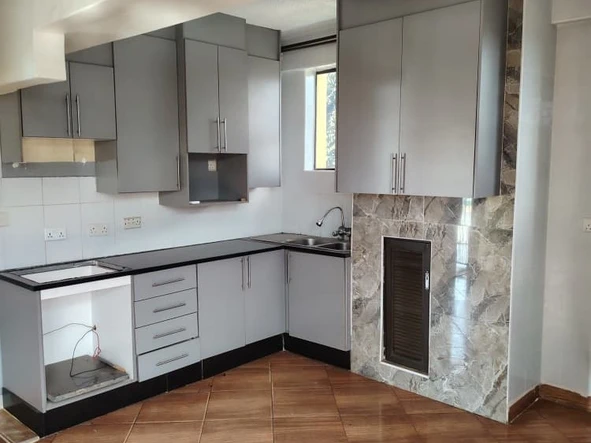
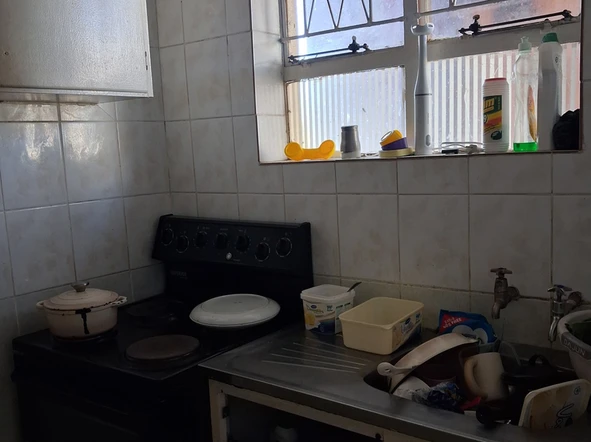
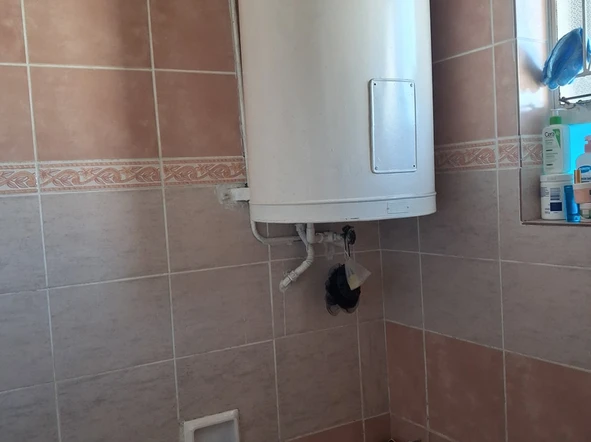
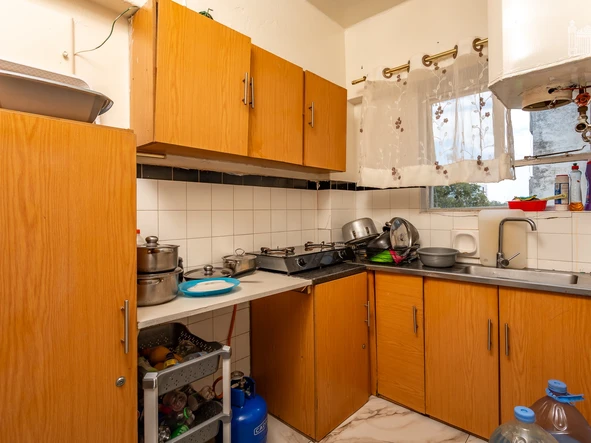
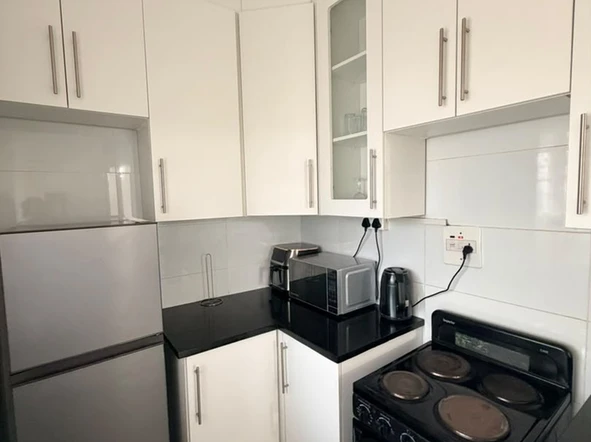
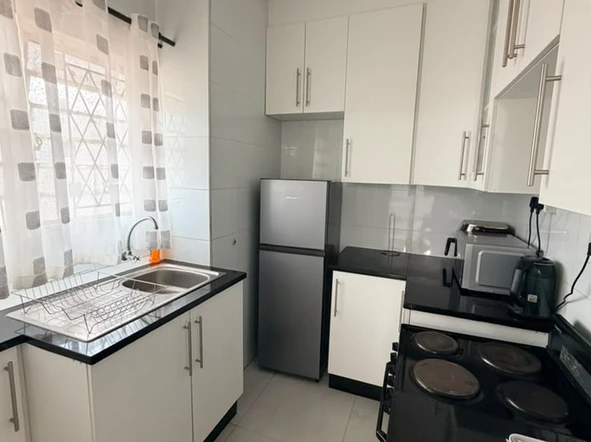
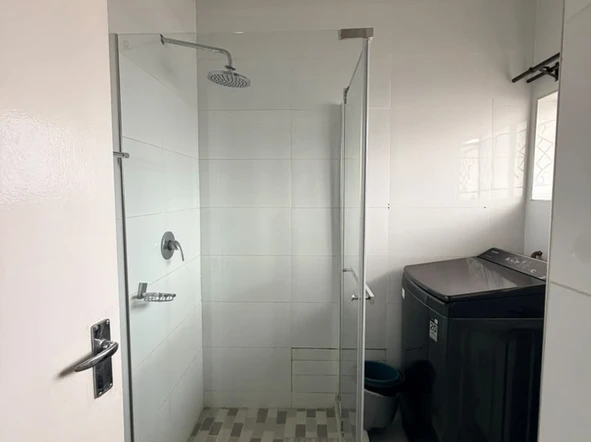
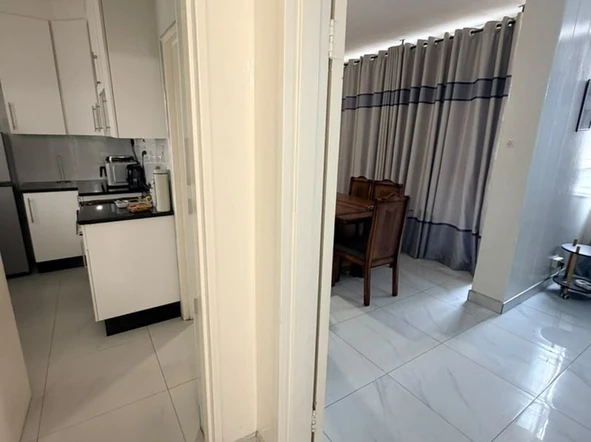
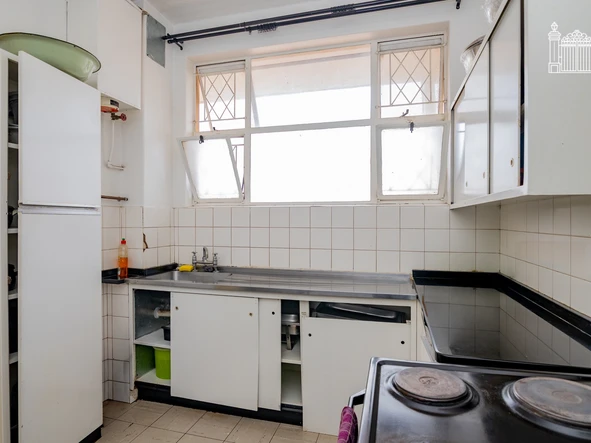
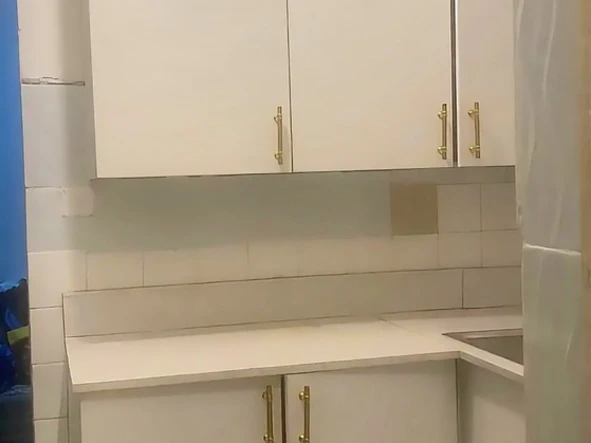
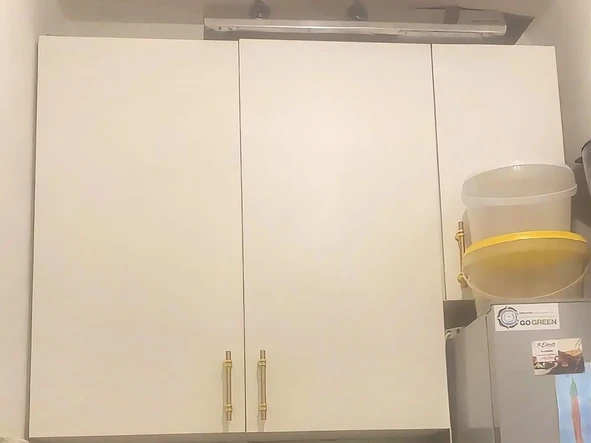
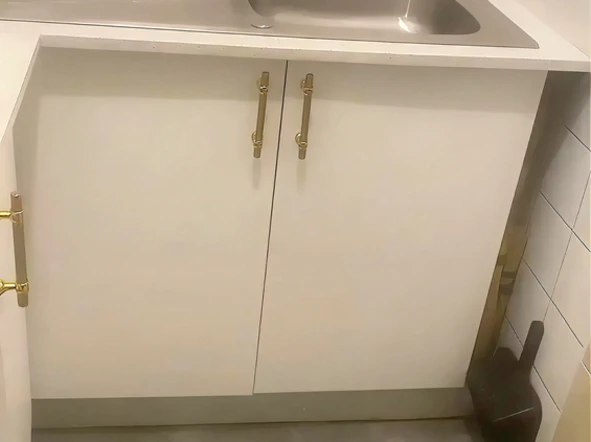
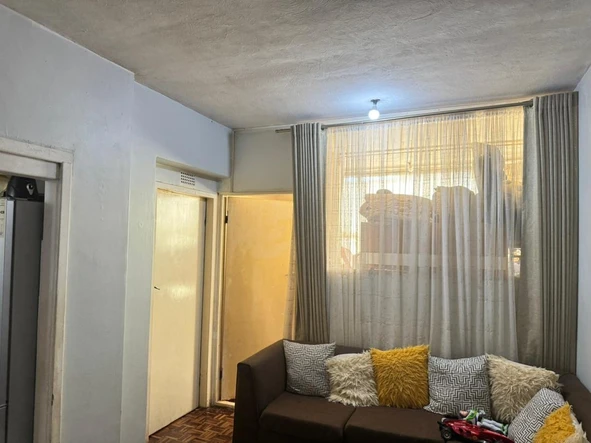
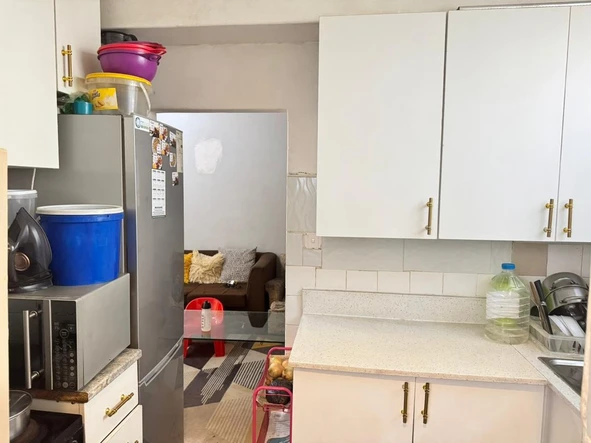
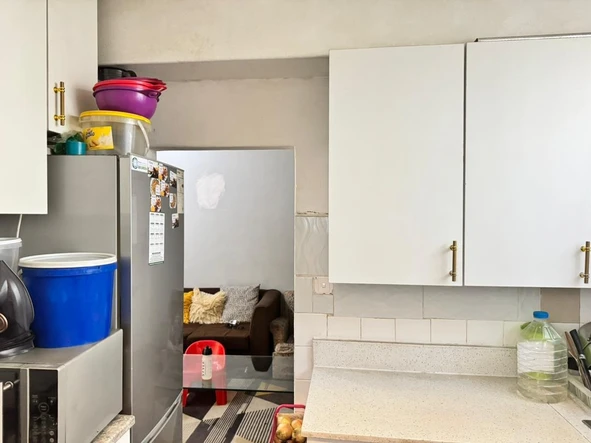
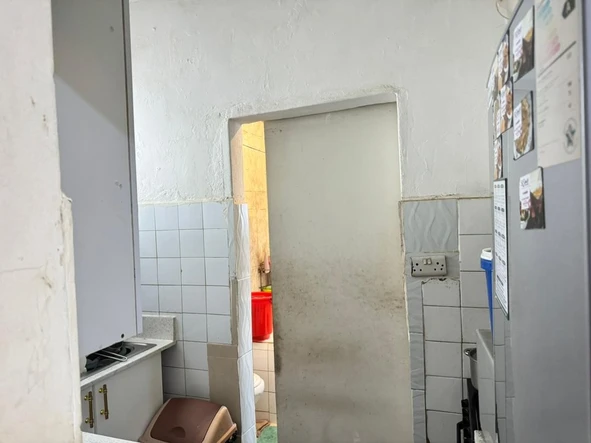
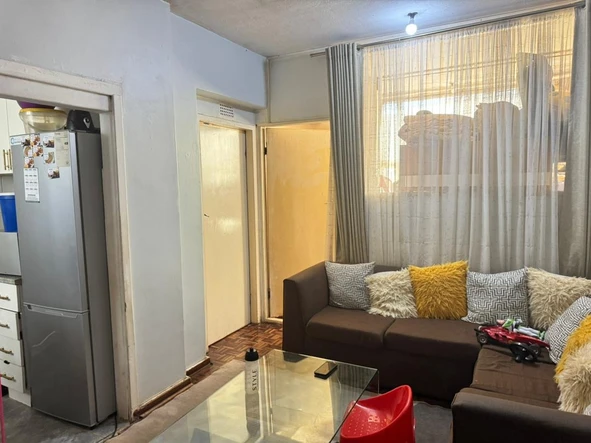
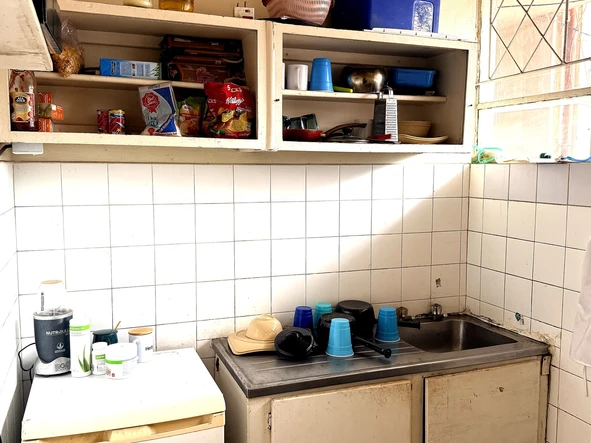
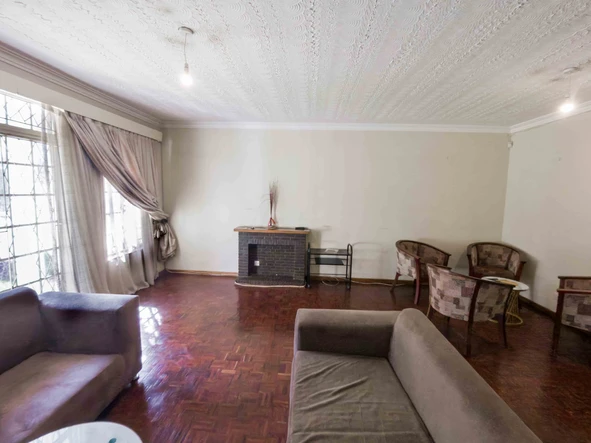
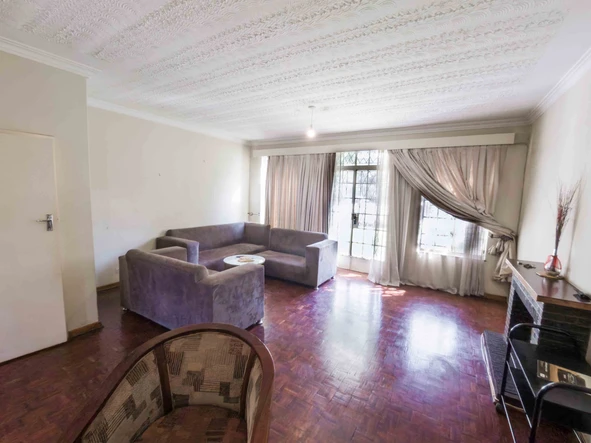
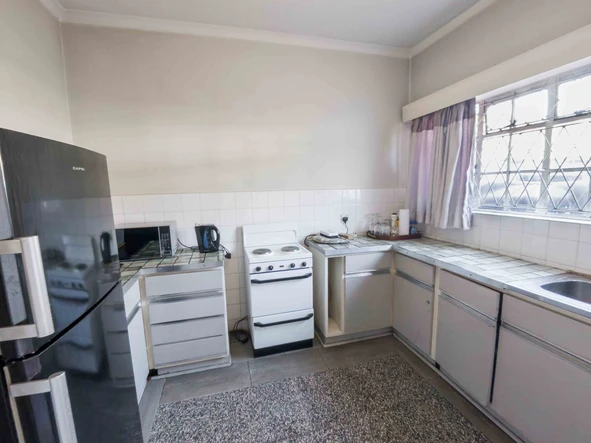
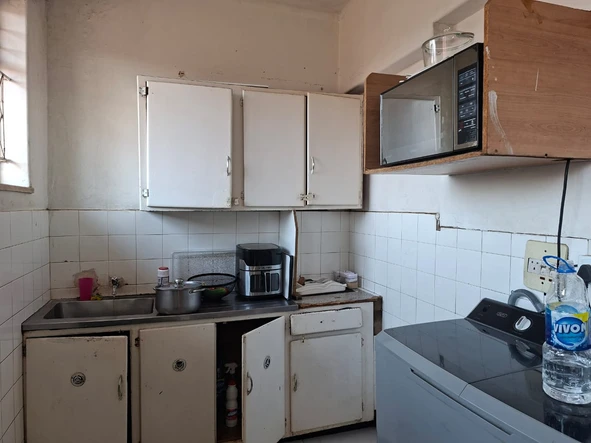
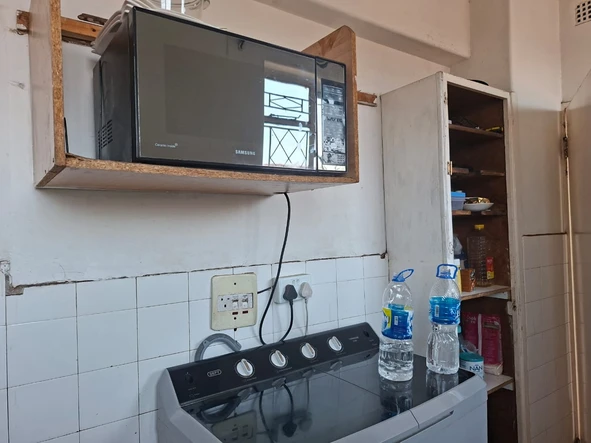
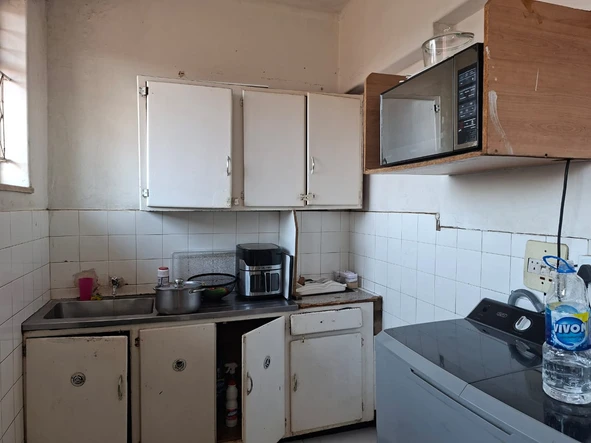
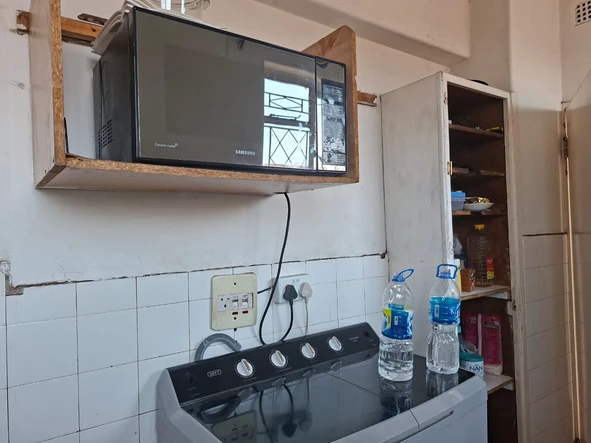
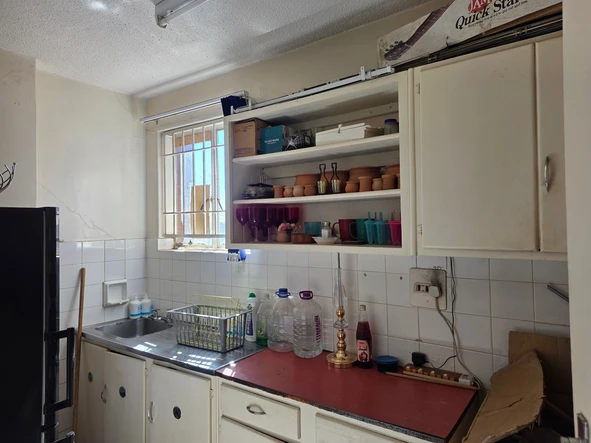
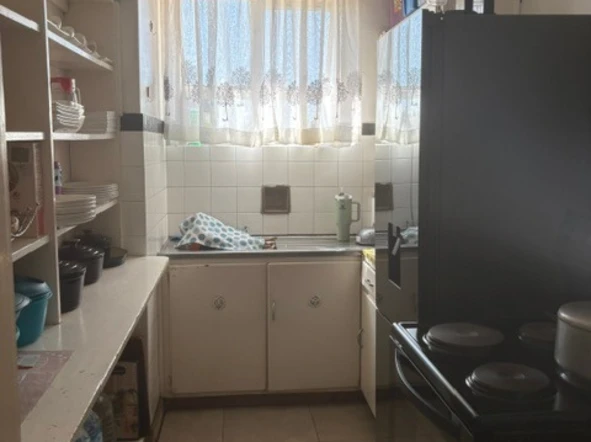
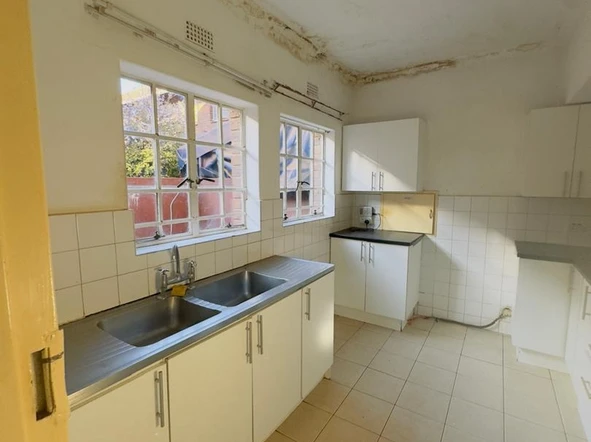
Many of these apartments come with practical features such as fitted kitchens, good ZESA power supply, and boreholes, which add to their appeal. The properties are well suited for singles and young professionals looking for convenient urban homes close to work and essential services.
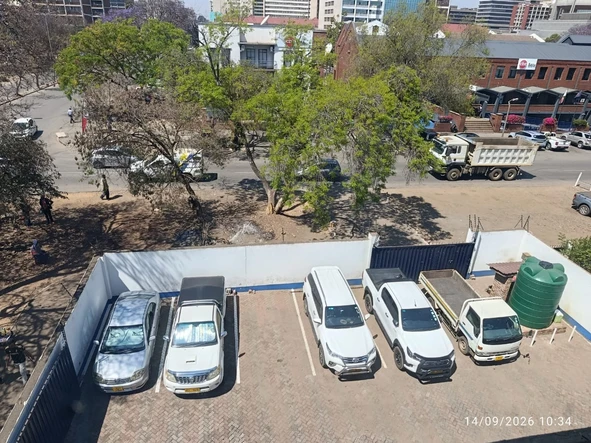
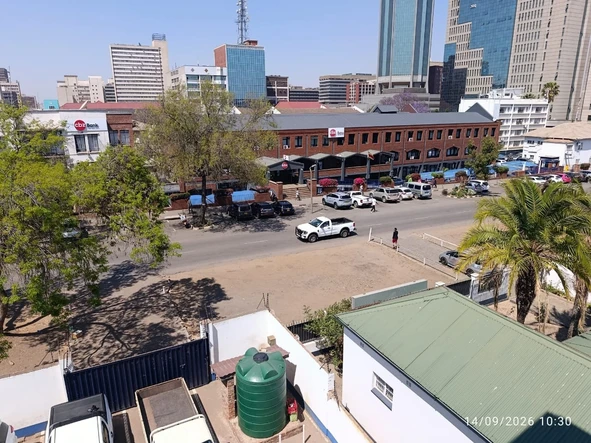
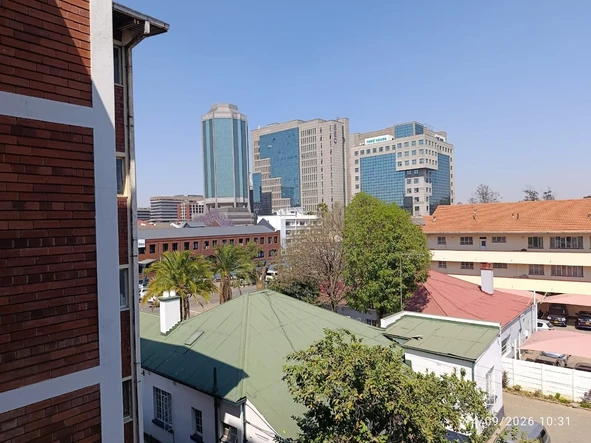
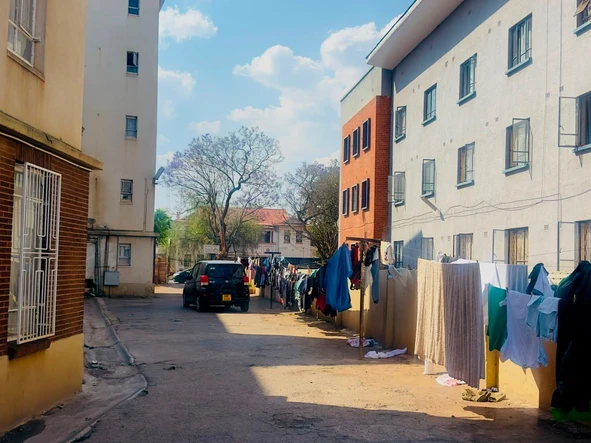
Harare CBD is the commercial and administrative center of the city, bustling with activity during business hours. Residents benefit from easy access to offices, banks, and government institutions. The area also offers cultural attractions like the National Gallery of Zimbabwe and Harare Gardens, as well as shopping options including Joina City Shopping Centre and Mbare Musika Market. Transport connections are excellent, with multiple taxi ranks, bus routes, and proximity to major roads, making it easy to get around the city.
2
1
150 m²
2
2
90 m²
1
1
100 m²
30
30
600 m²
2
1
115 m²
1
1
50 m²
2
1
160 m²
3
1
100 m²
2
1
3
2
 500 m²

Be the first to see new properties for sale in Harare CBD










| Property Size | Avg. price |
|---|---|
| 1 bedroom (View 21 properties) | $60,000 |
| 2 bedroom (View 31 properties) | $87,000 |
| 3 bedroom (View 19 properties) | $185,000 |
Planning to convert or buy commercial property? Understand Zimbabwe’s change of use rules, 2026 Harare fees, timelines and approval risks.
Buying a home in Harare? Learn how to verify water access, ZESA grid connections, refuse services, and borehole rights before finalizing your purchase.
Pricing your property in Zimbabwe? Discover why overpricing leads to stagnant listings, lower final offers, and costly holding expenses in the 2026 market.
Navigating property valuations in Zimbabwe? Learn valuation methods, valuation fees, and key tips for buyers, sellers, and investors in the 2026 market.
Planning to downsize? Learn if you can dissolve a family trust holding your home, the legal steps required, and tax impacts before selling the property.