Log in to contact the seller
 Continue with Facebook
 Continue with Email
Continue with Facebook
Continue with Email
Sign up with Facebook
Continue with Email
Continue with Facebook
Continue with Email
Sign up with Facebook
 Change filters
 Requests

 3
3
 2
300 m²
2
300 m²


 3
2
120 m²
3
2
120 m²
 3
2
150 m²
2
1
250 m²
3
1
3
2
150 m²
2
1
250 m²
3
1
 3
1
150 m²
3
2
450 m²
3
2
80 m²
3
3
240 m²
4
4
240 m²
3
1
150 m²
3
2
450 m²
3
2
80 m²
3
3
240 m²
4
4
240 m²
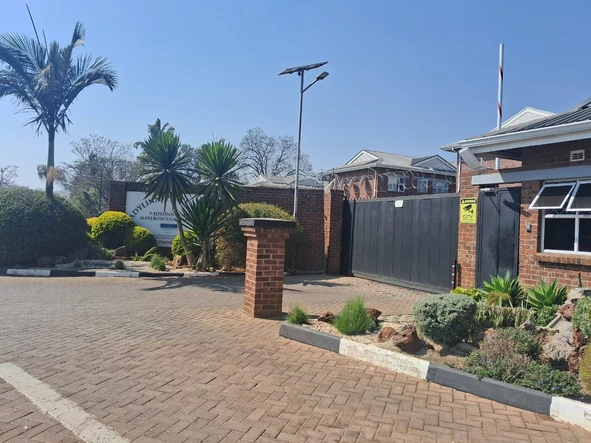
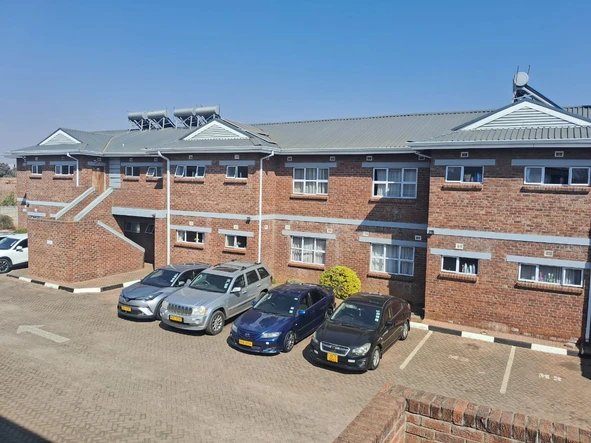
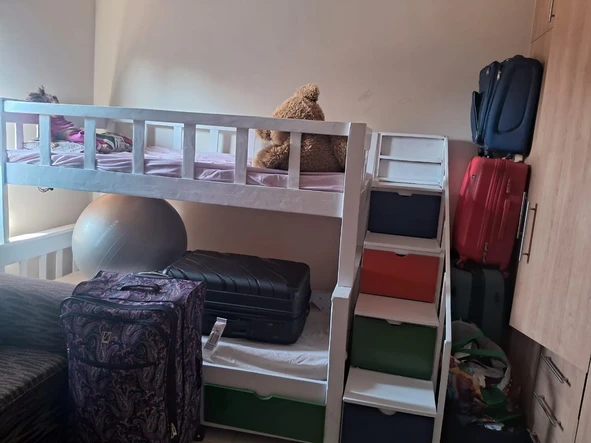
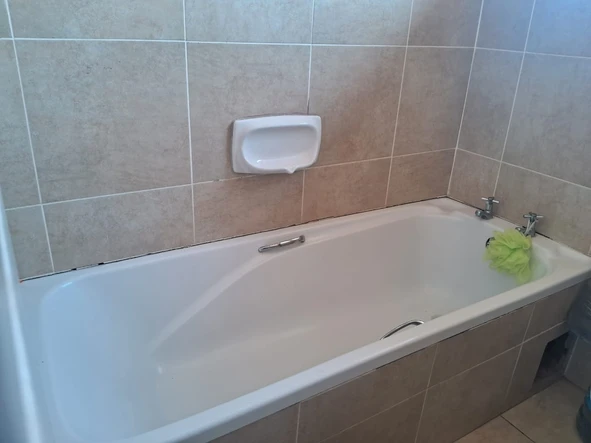
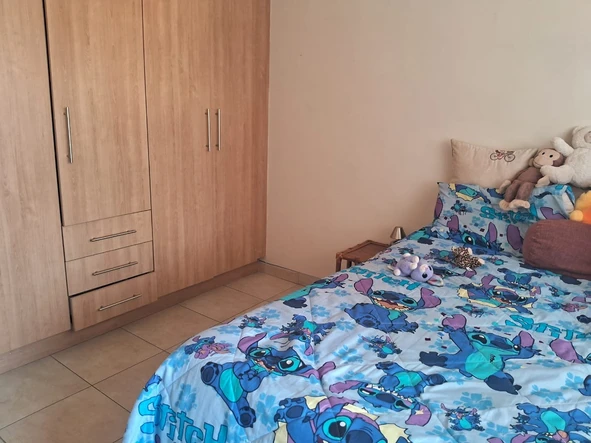
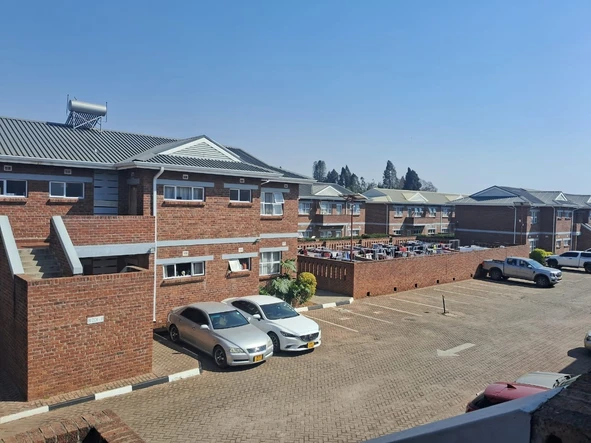
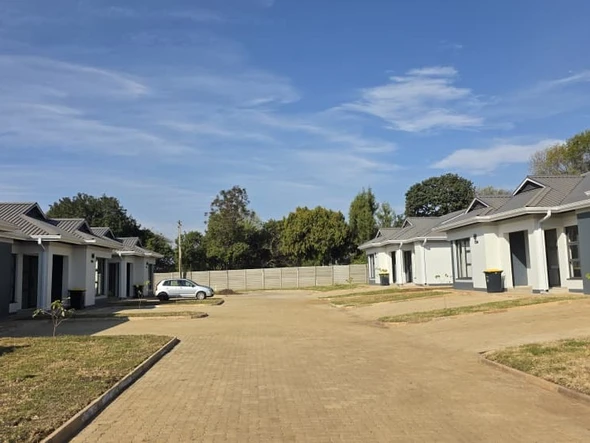
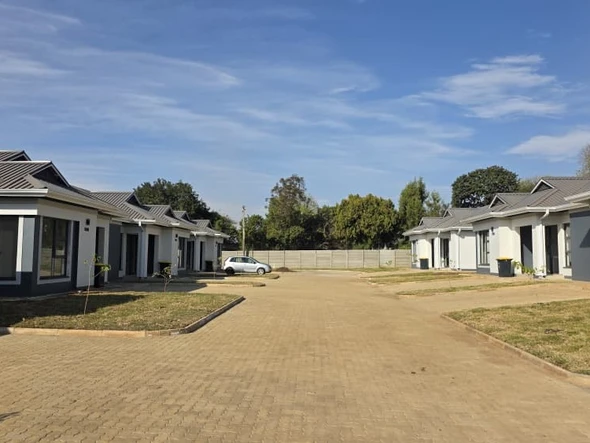
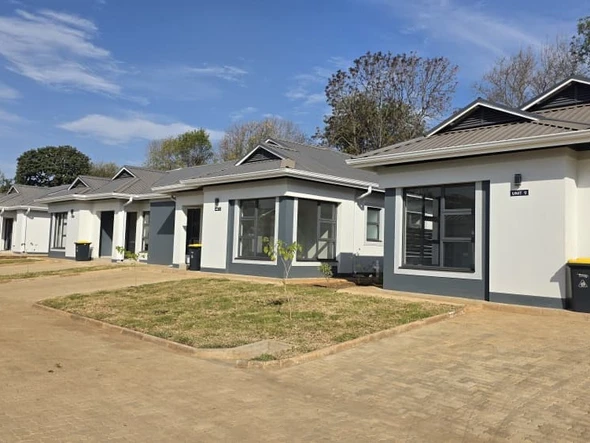
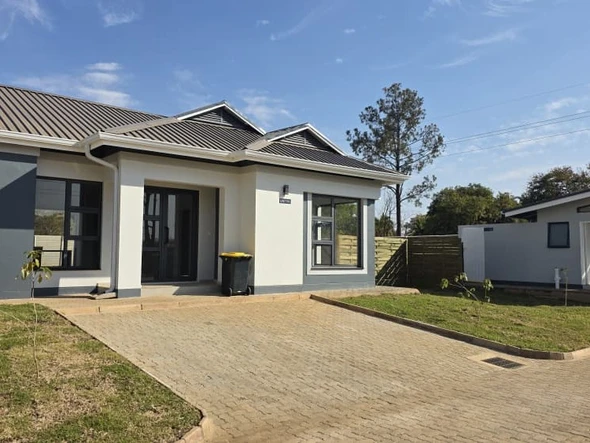
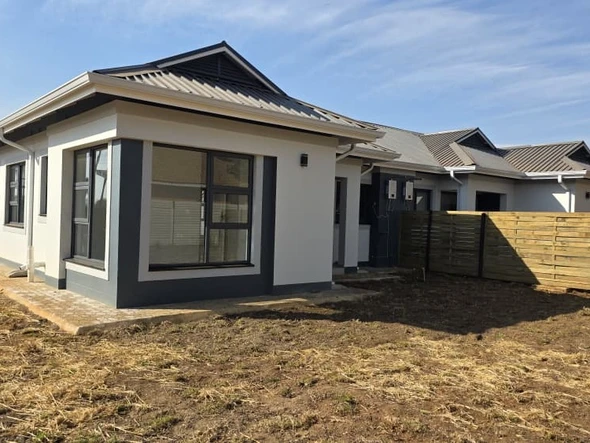
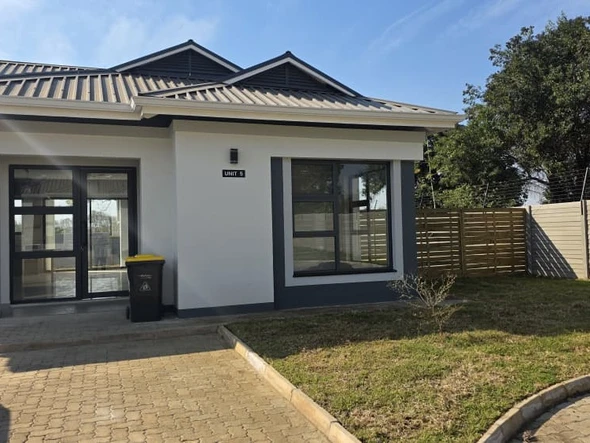
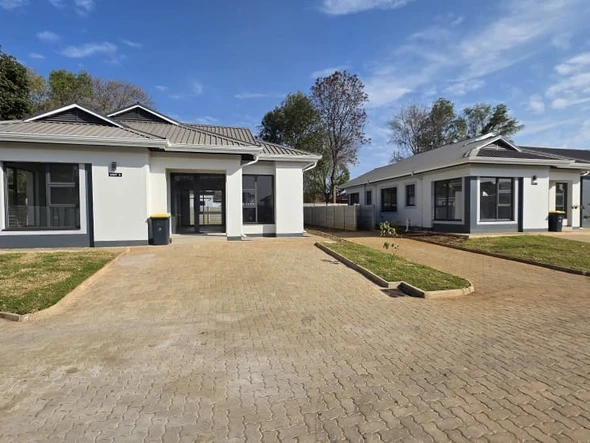
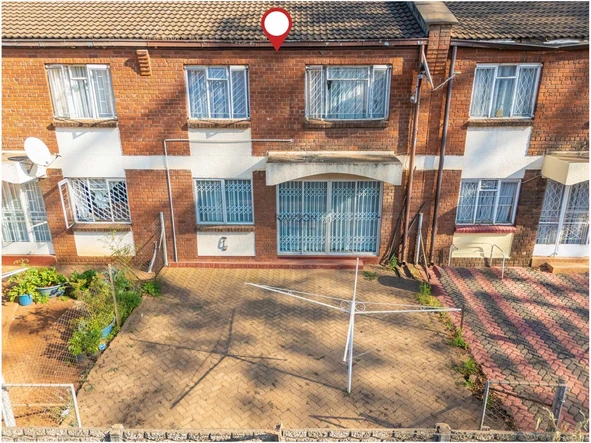
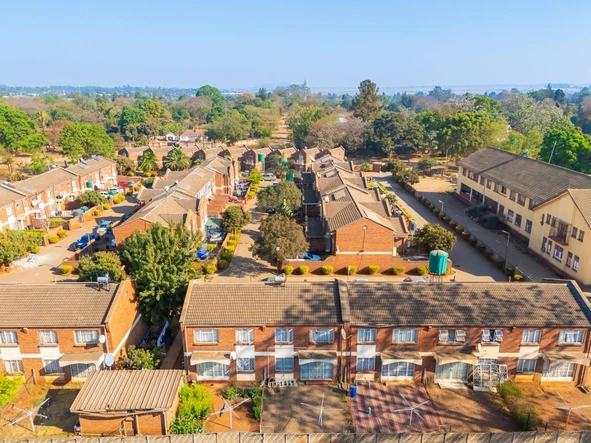
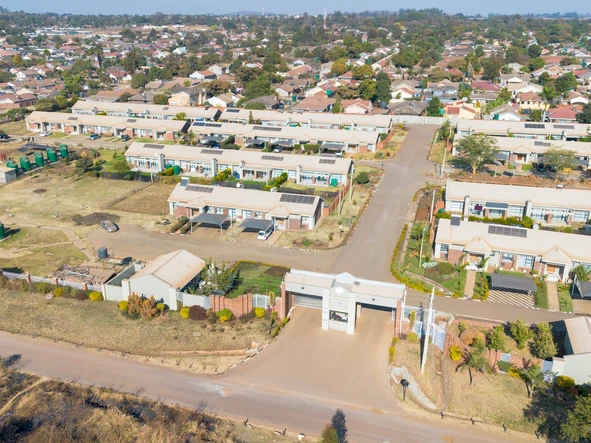
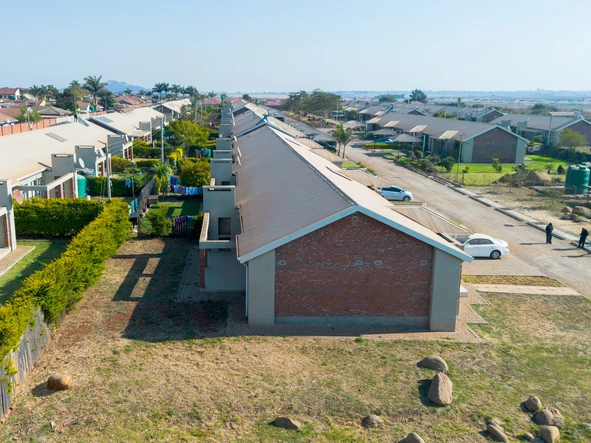
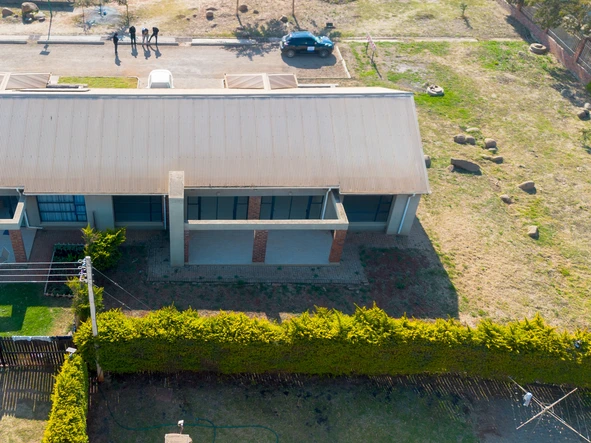
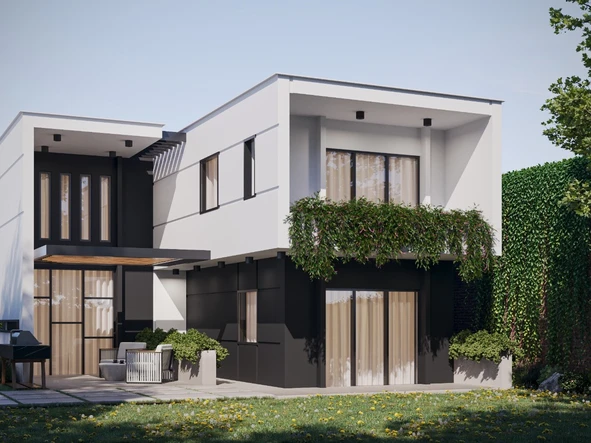
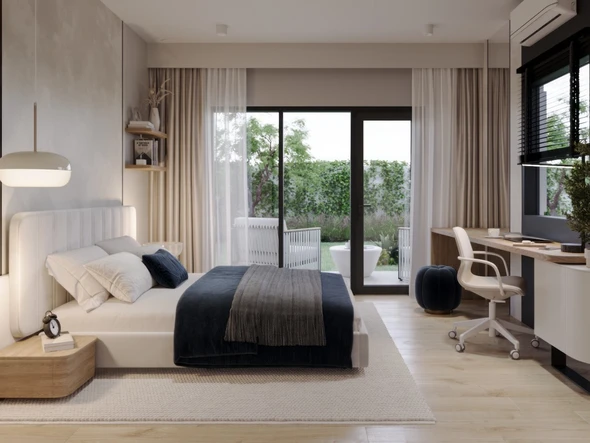
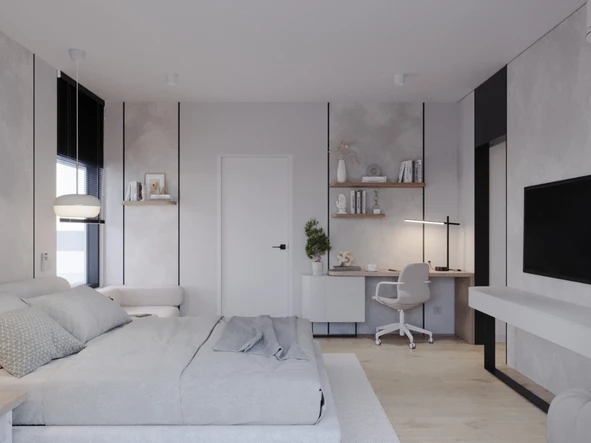
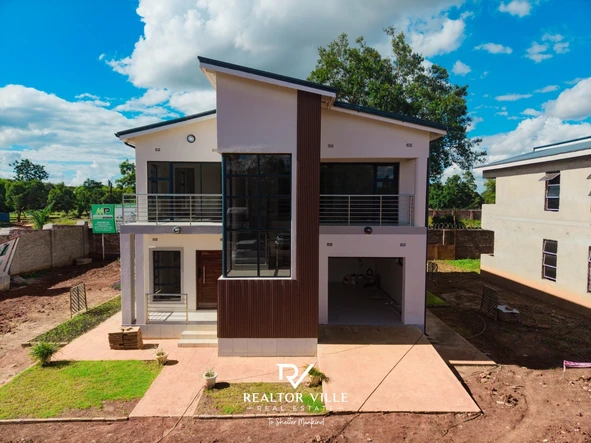
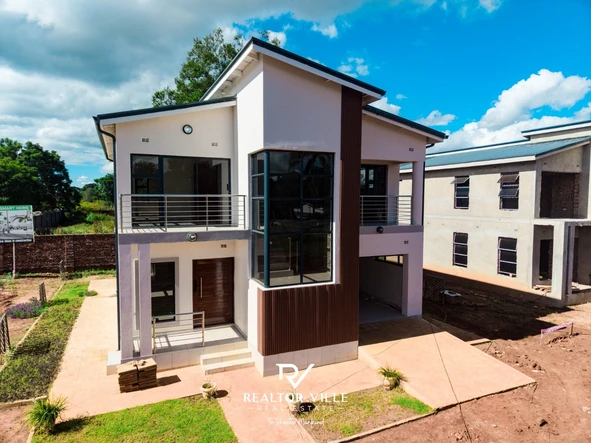
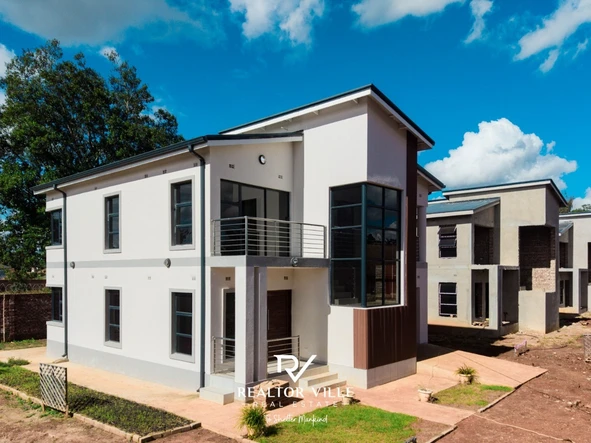
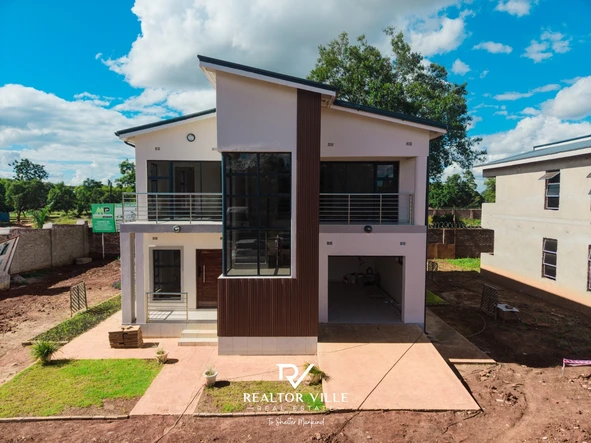
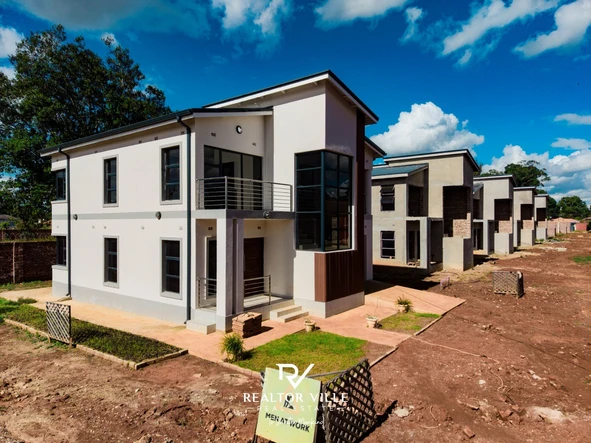
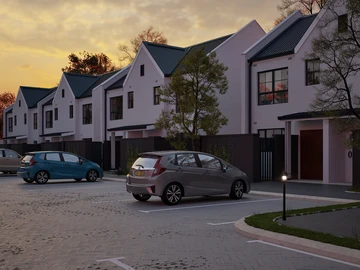
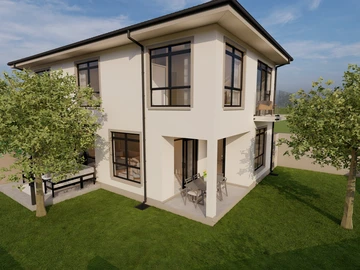
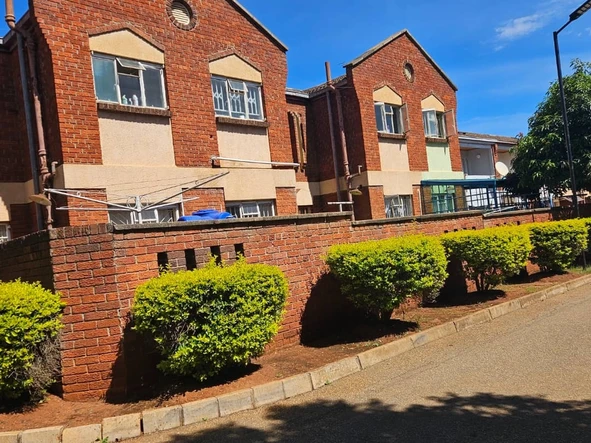
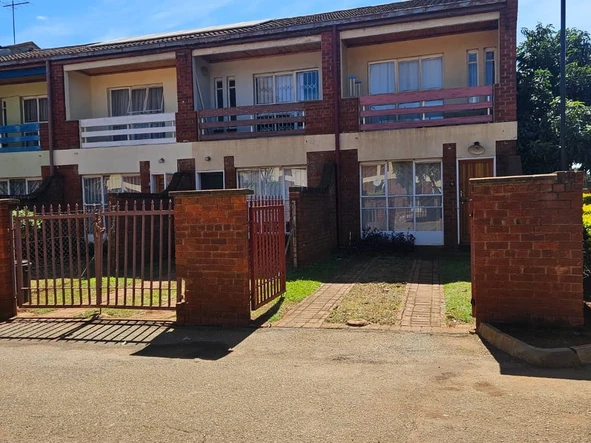
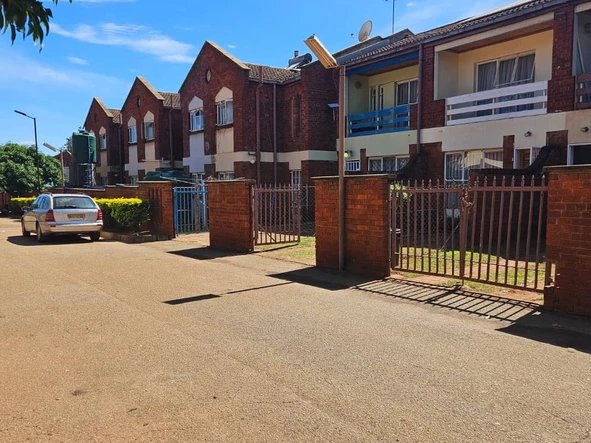
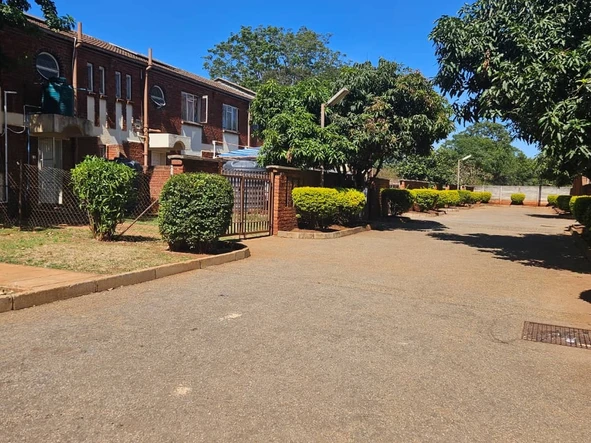
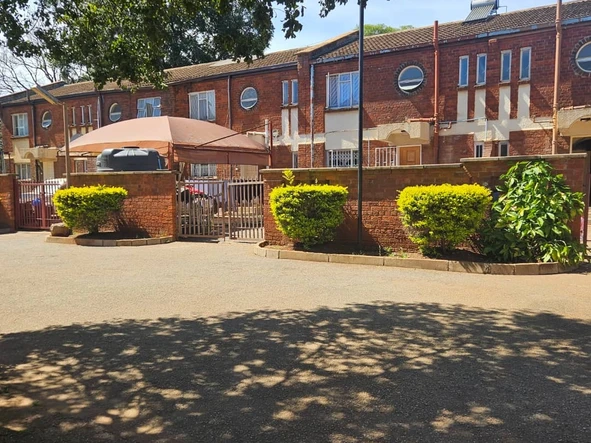
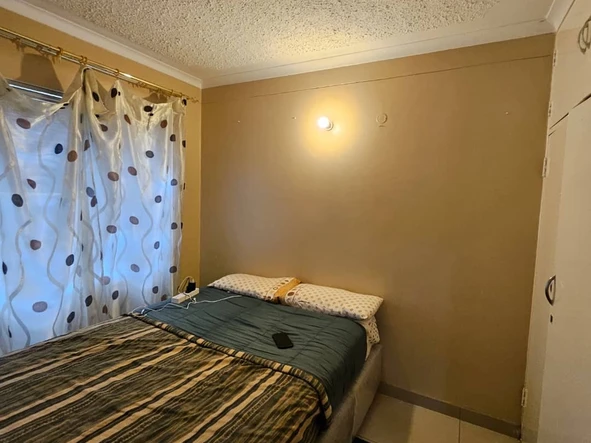
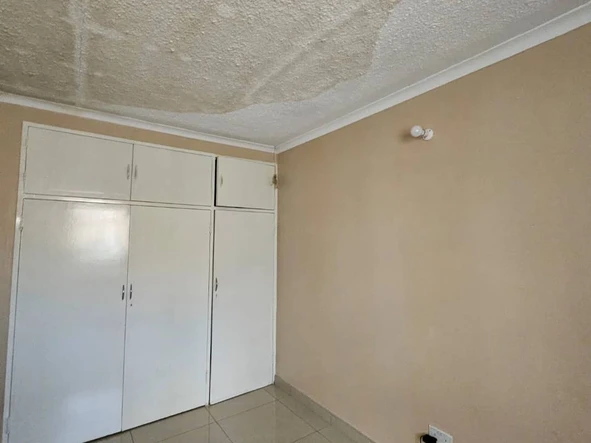
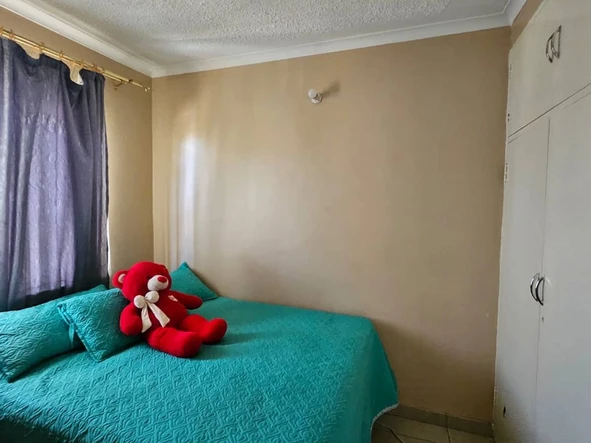
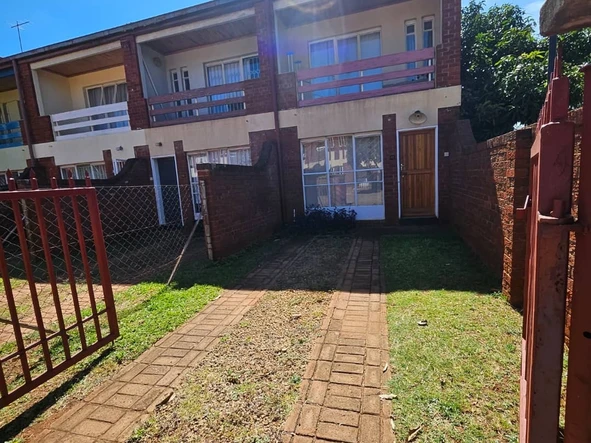
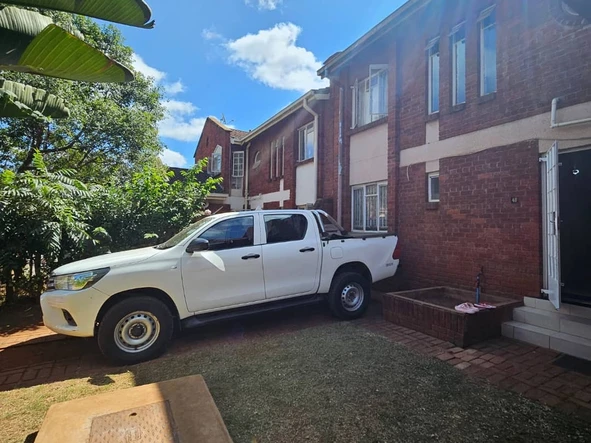
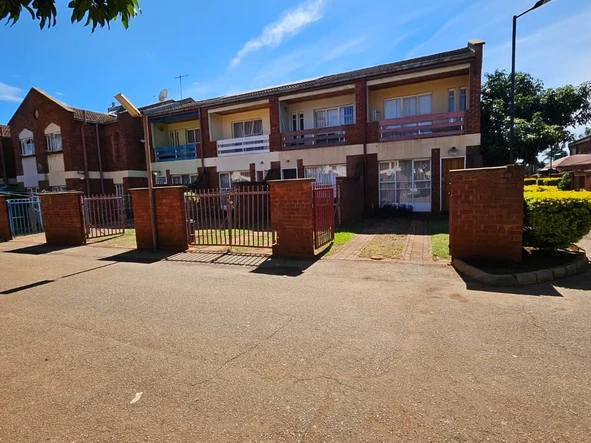
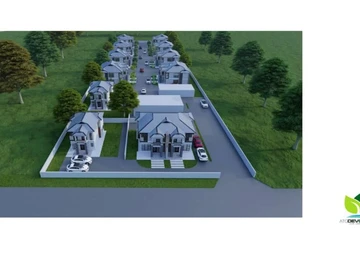
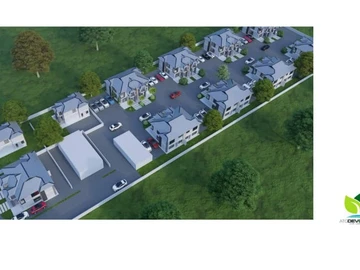
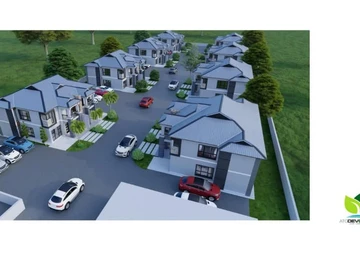
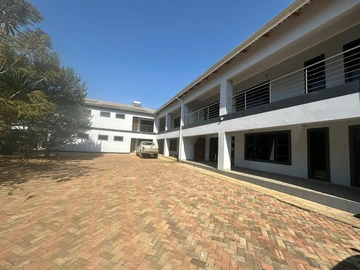
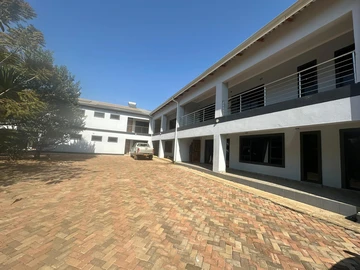
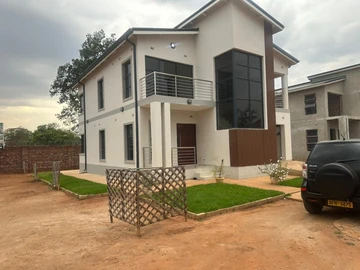
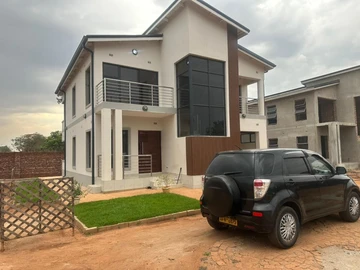
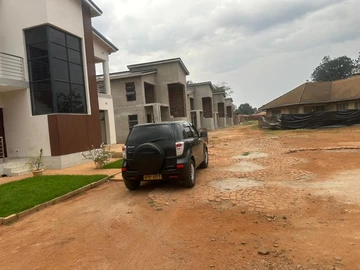
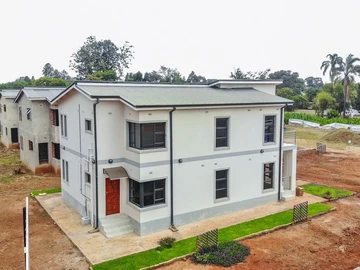
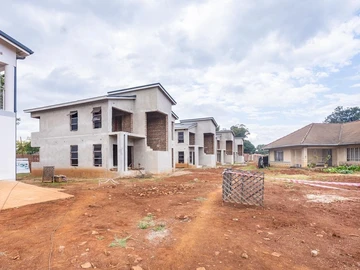
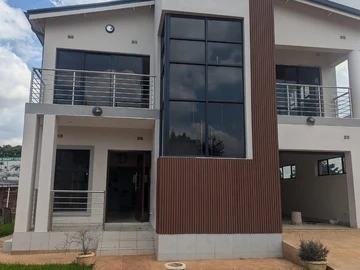
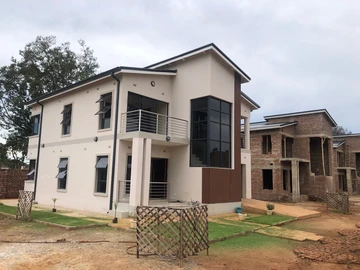
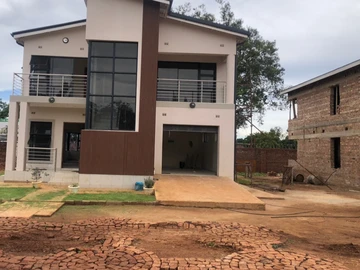
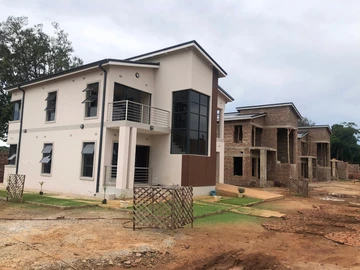
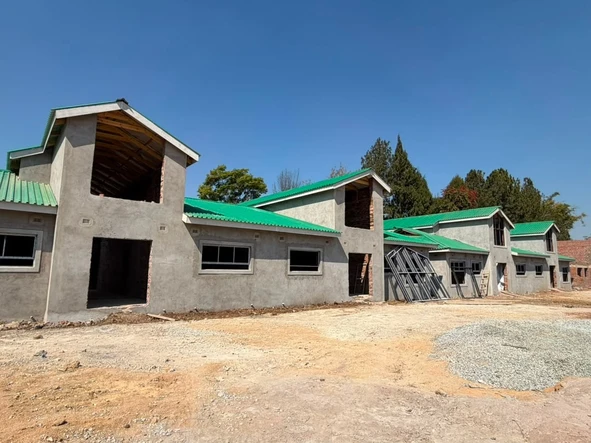
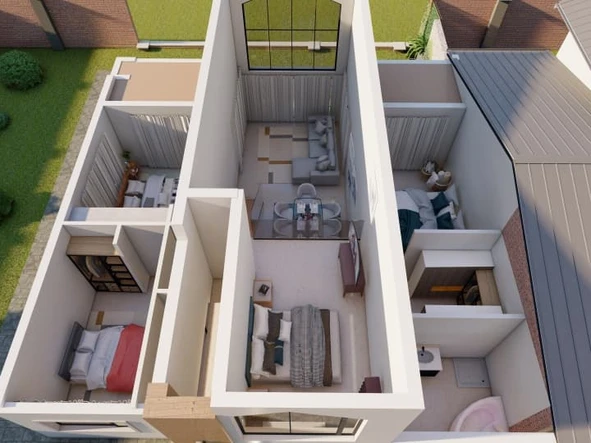
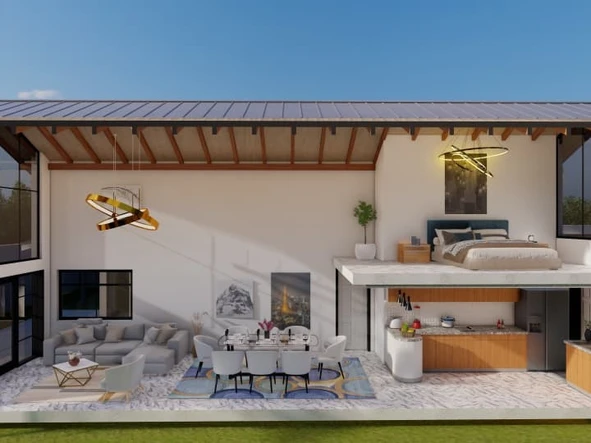
Flats and apartments for sale in Marlborough, Harare West, offer a range of options with an average price of $180,000. These properties typically have a median land area of 350 ㎡ and a median property size of about 160 ㎡, with some larger units reaching up to 500 ㎡. This makes Marlborough an attractive choice for buyers looking for reasonably sized homes in a middle-income suburb.
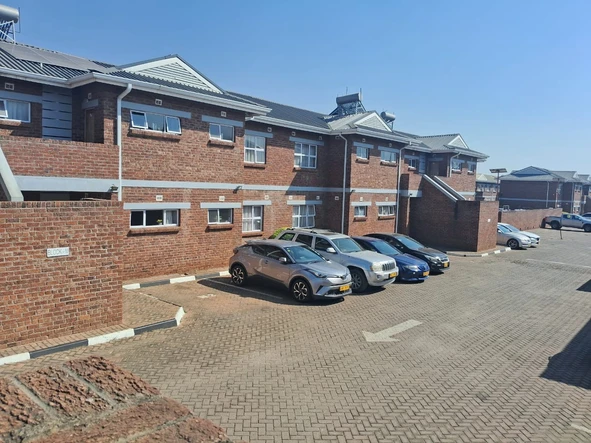
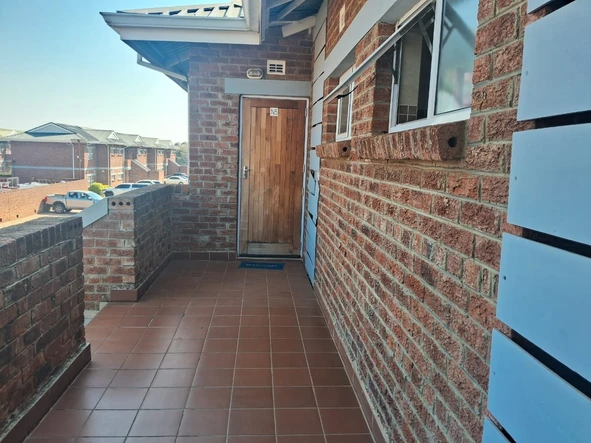
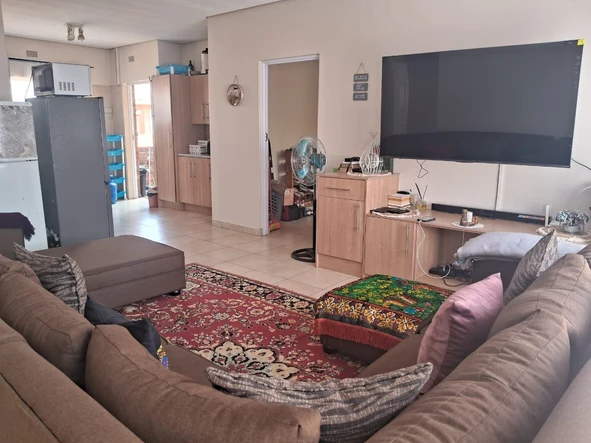
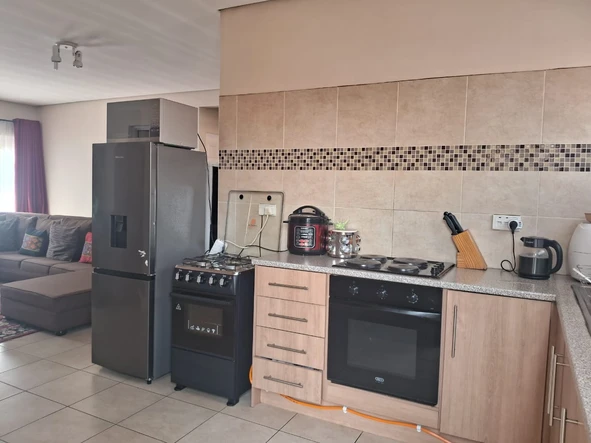
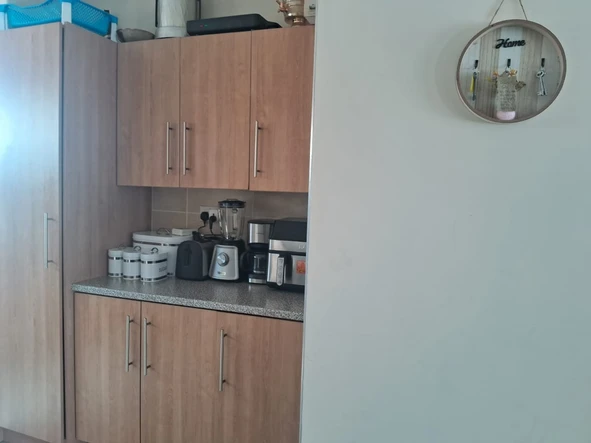
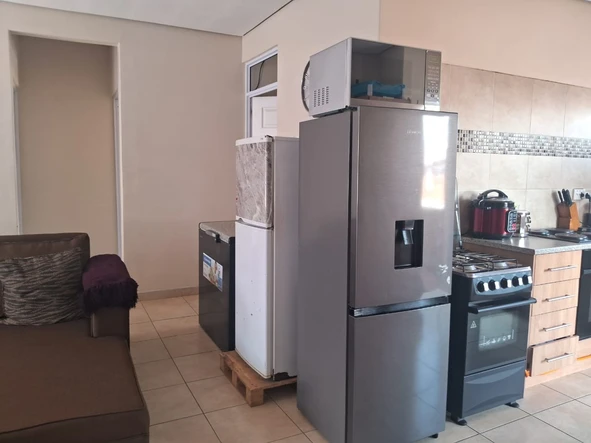
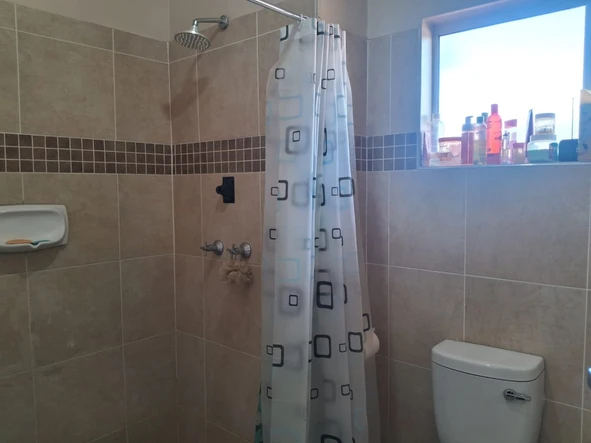
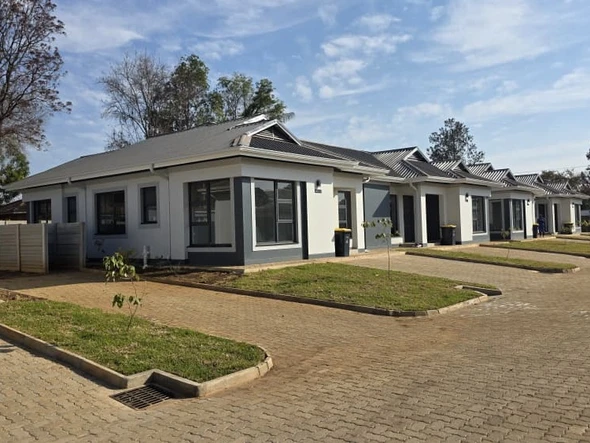
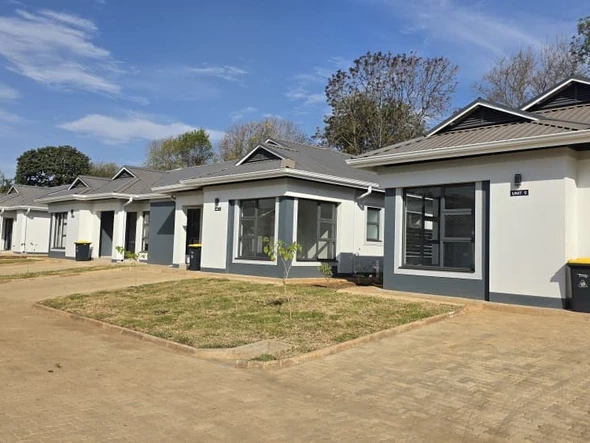
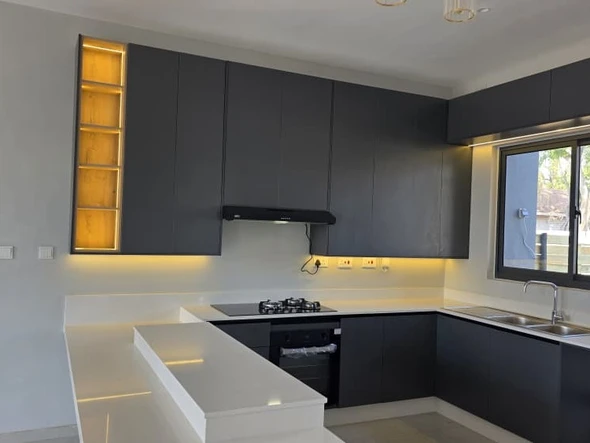
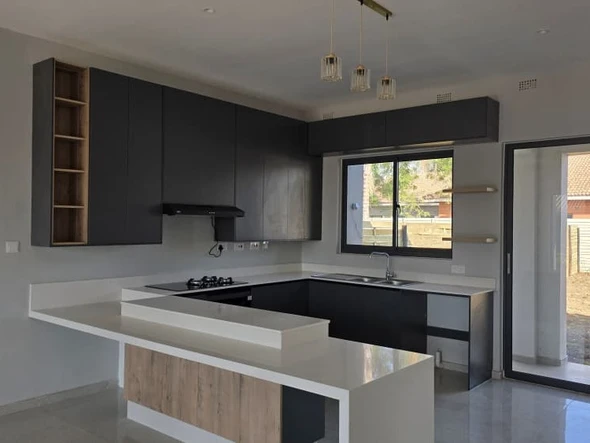
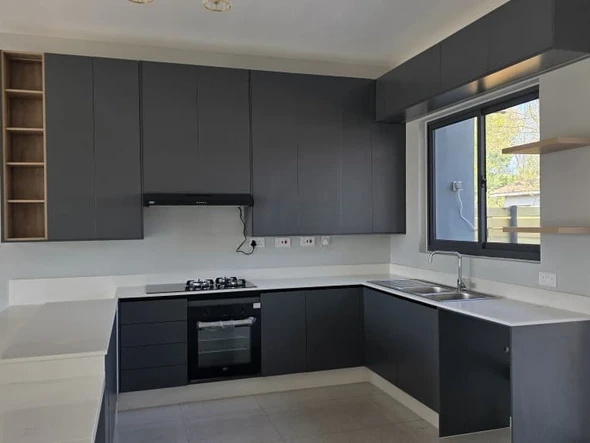
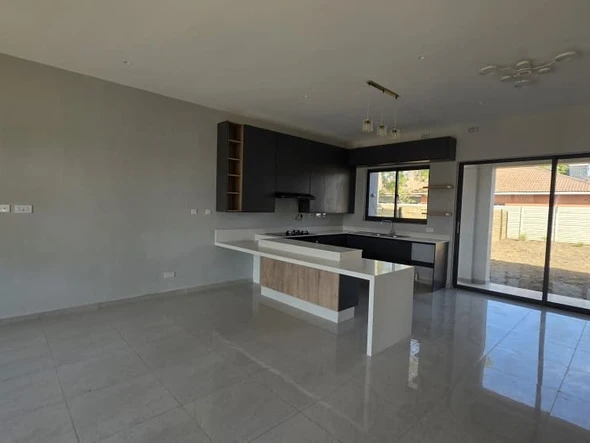
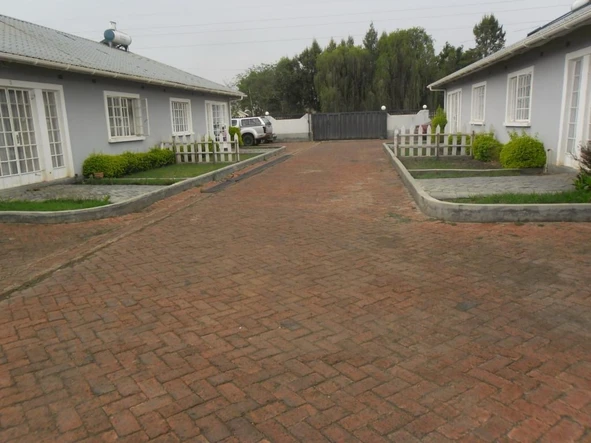
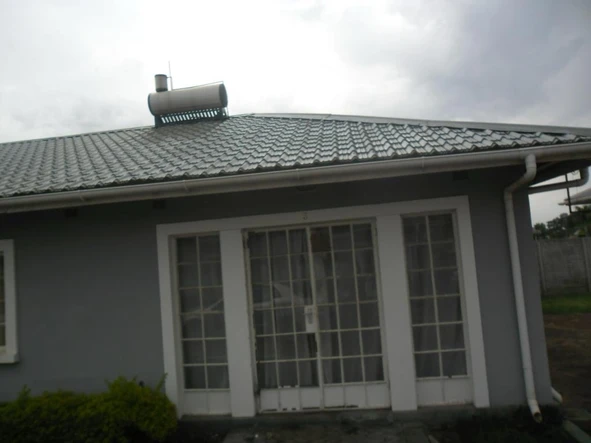
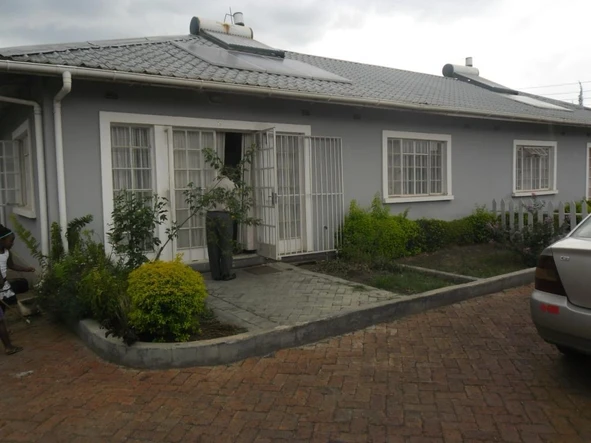
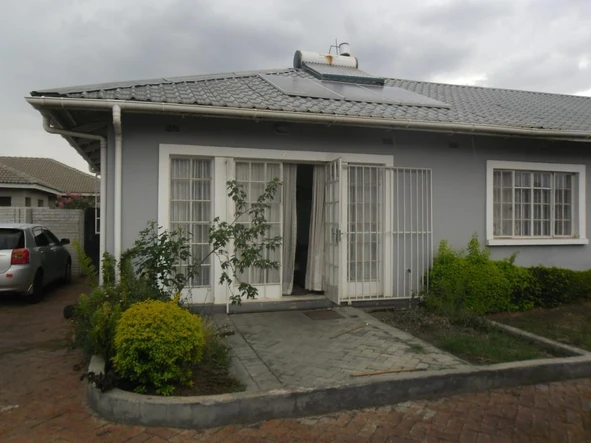
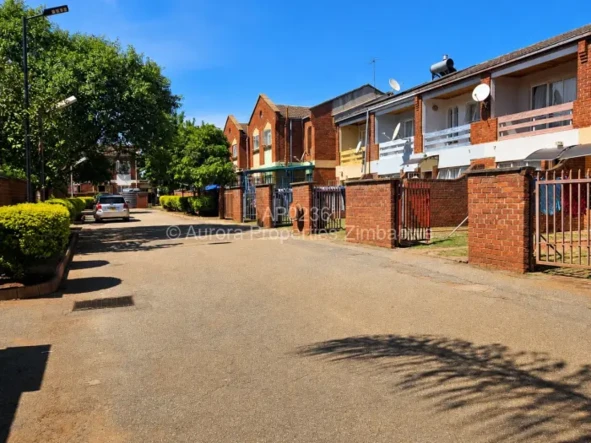
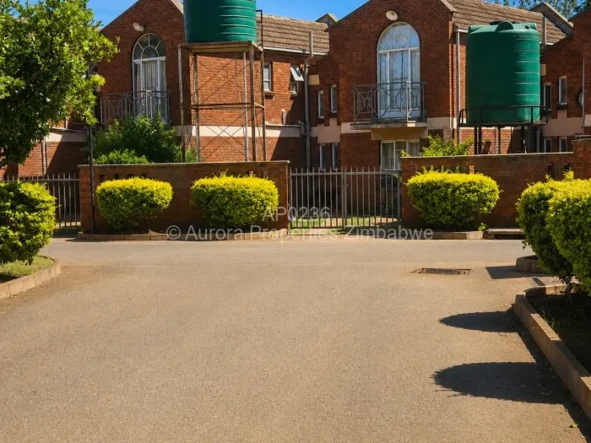
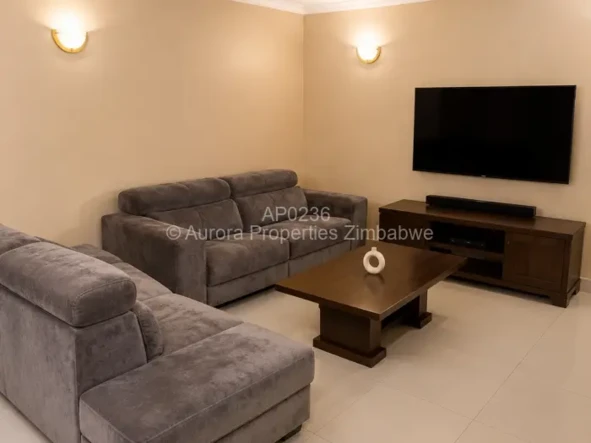
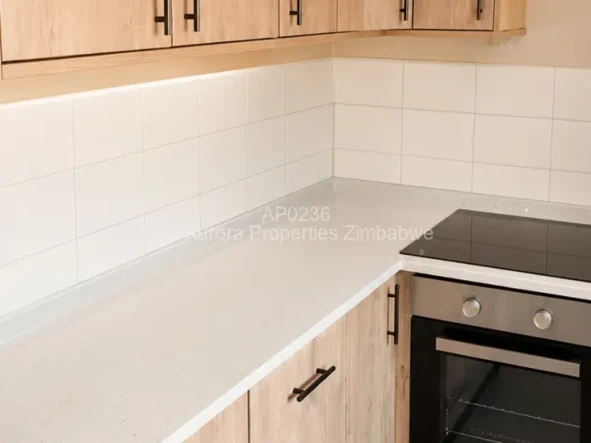
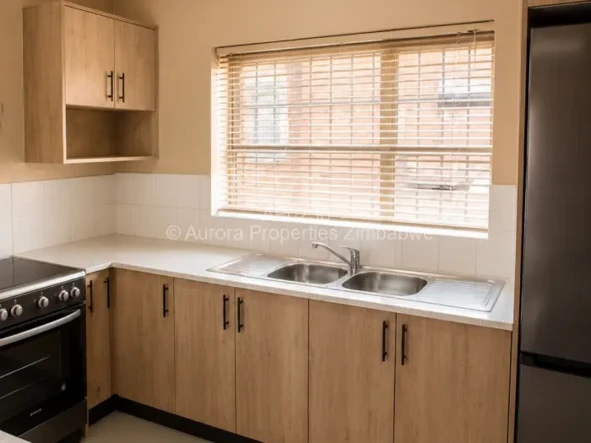
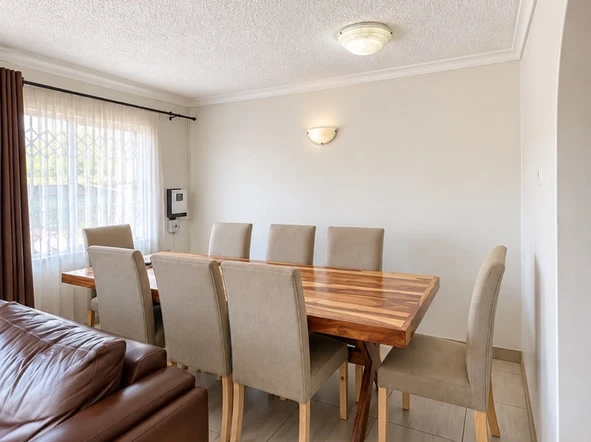
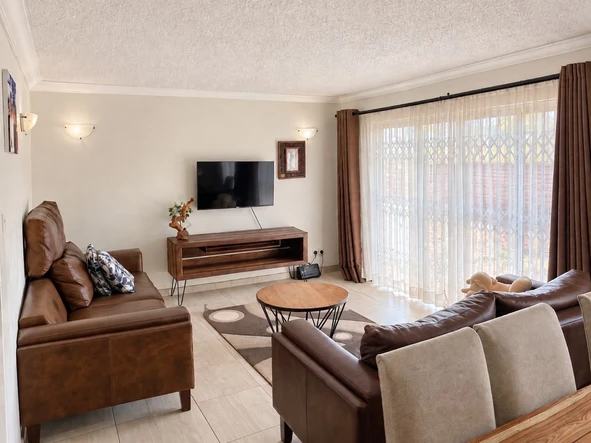
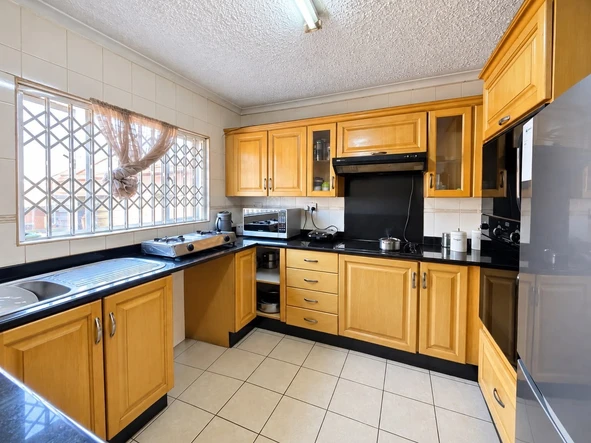
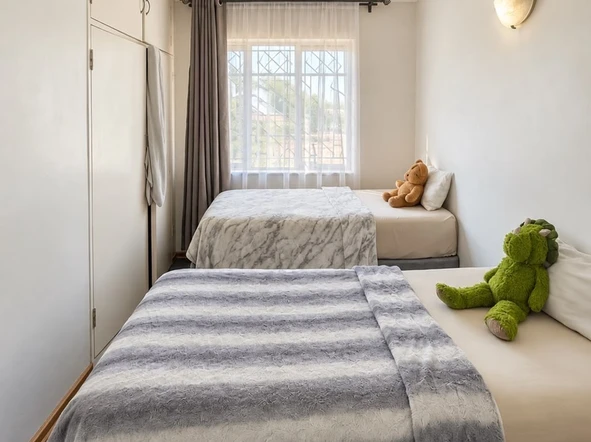
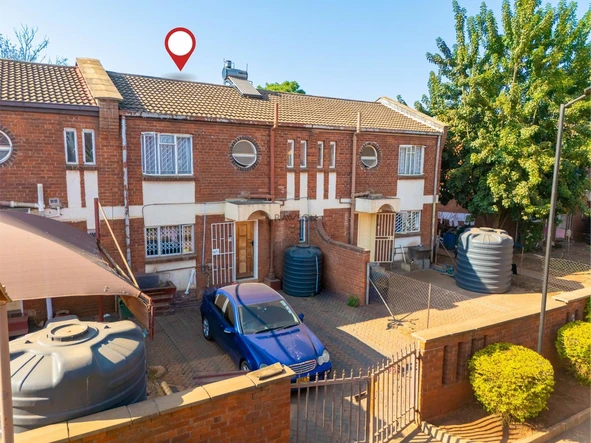
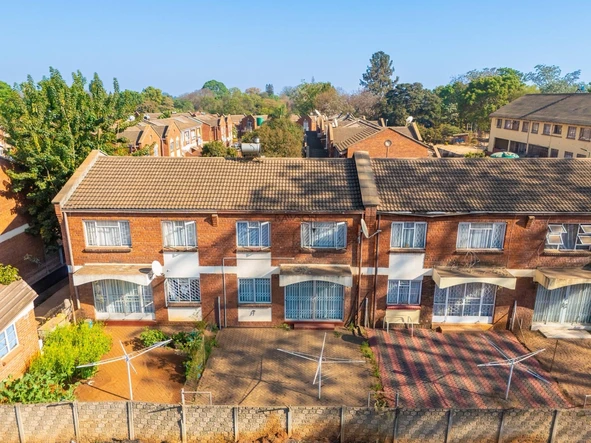
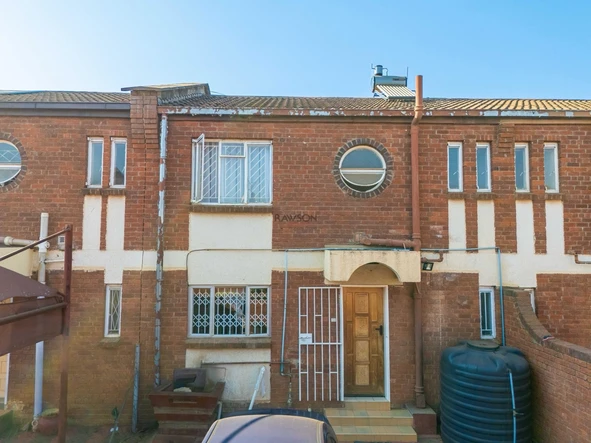
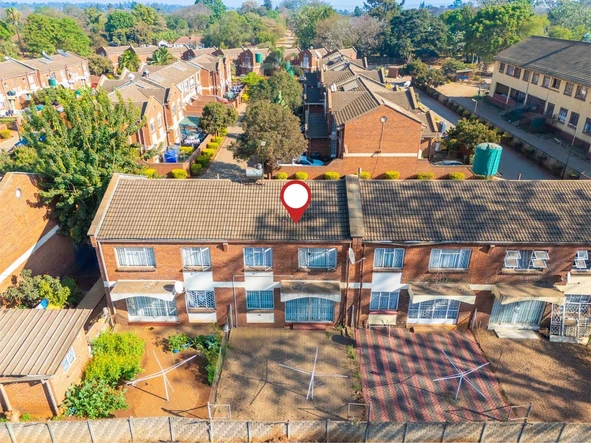
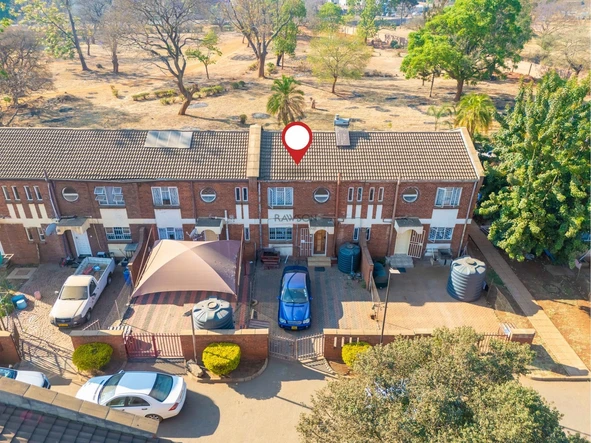
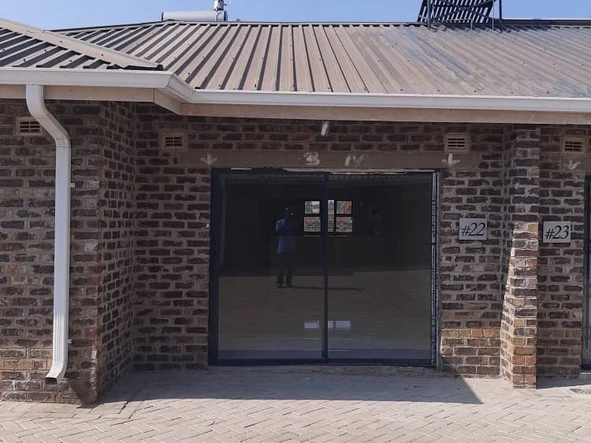
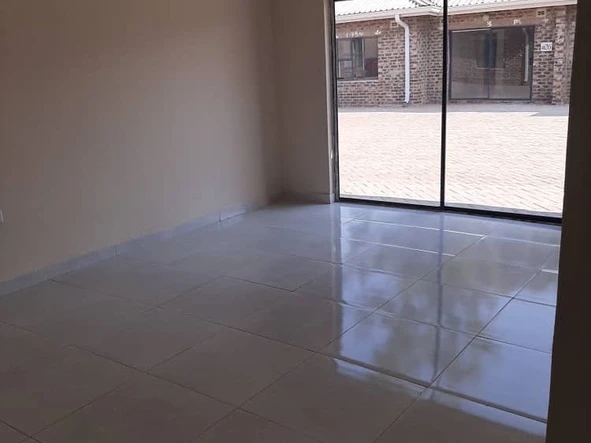
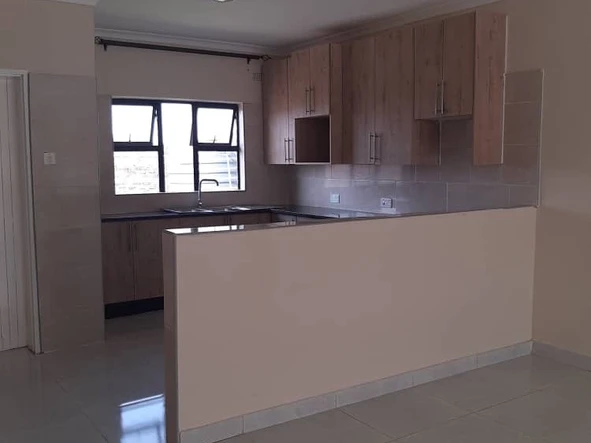
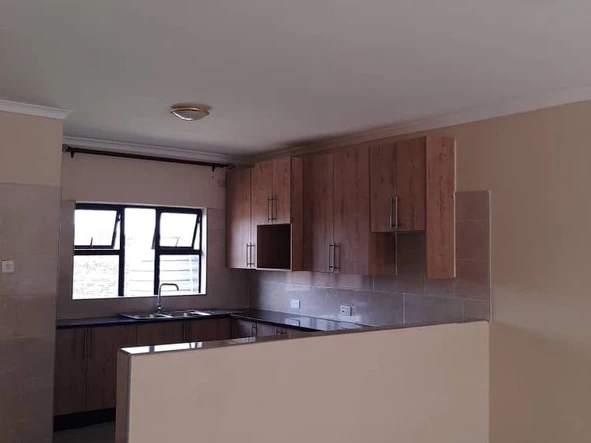
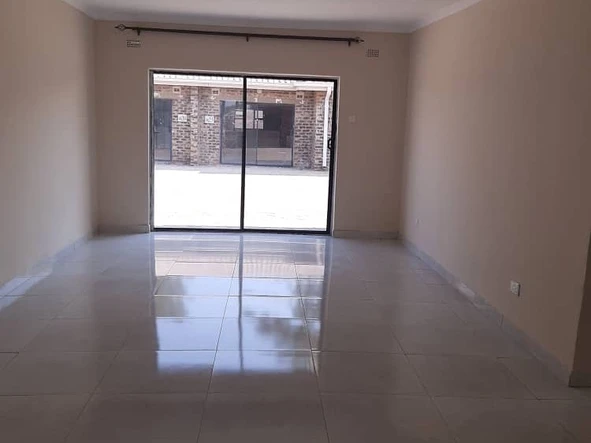
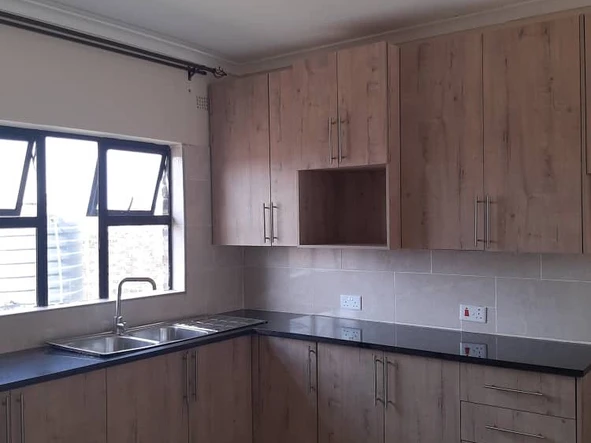
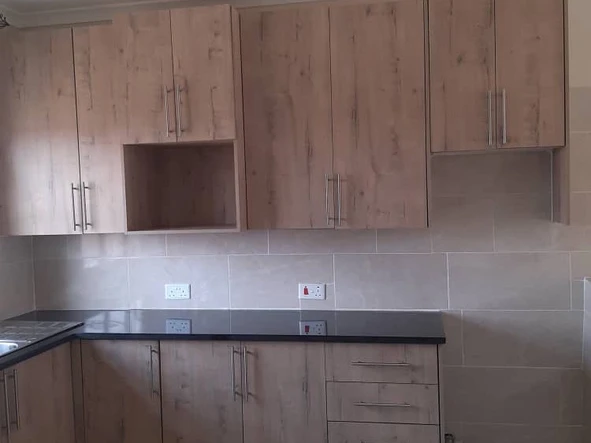
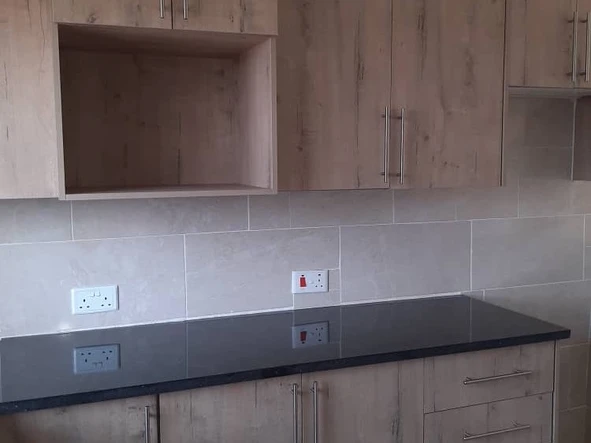
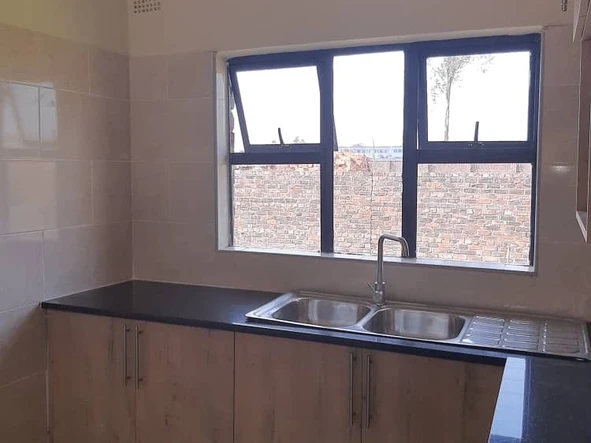
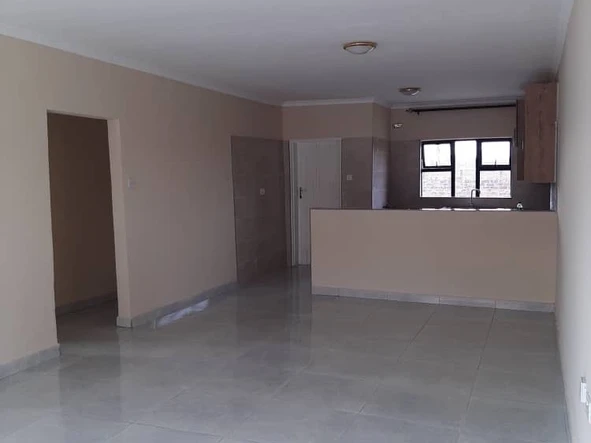
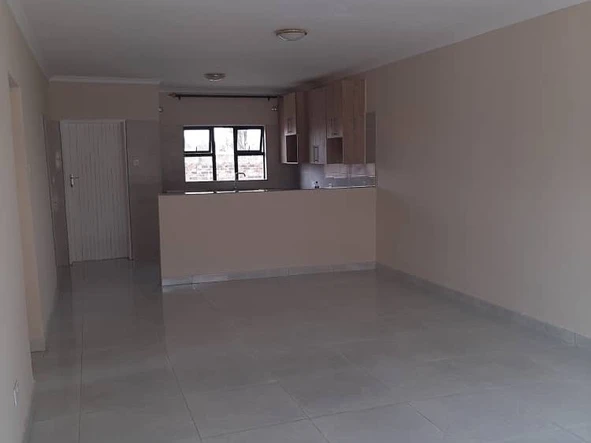
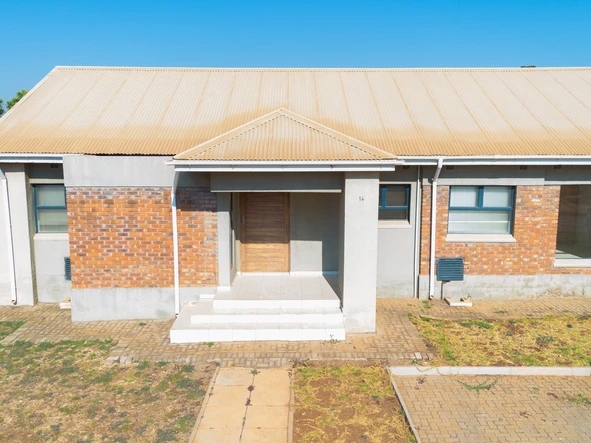
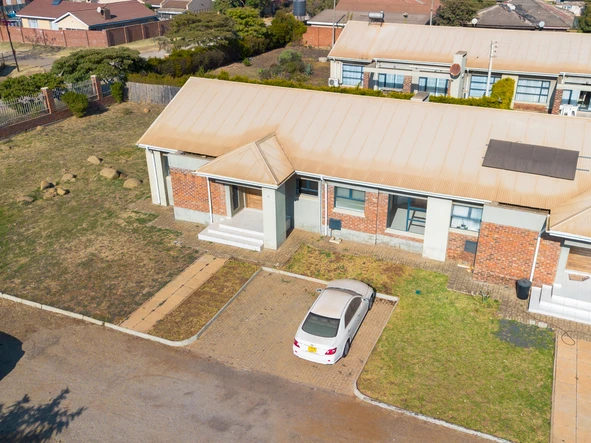
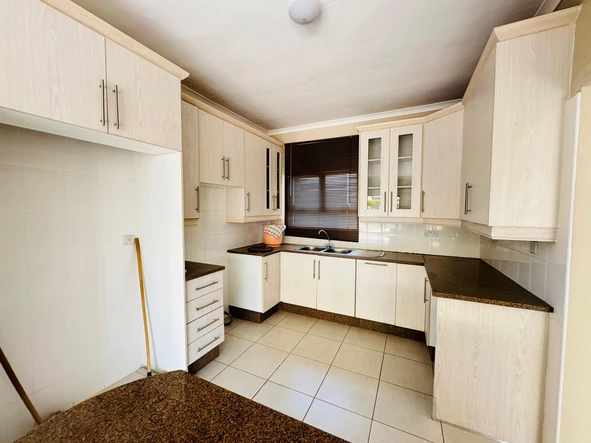
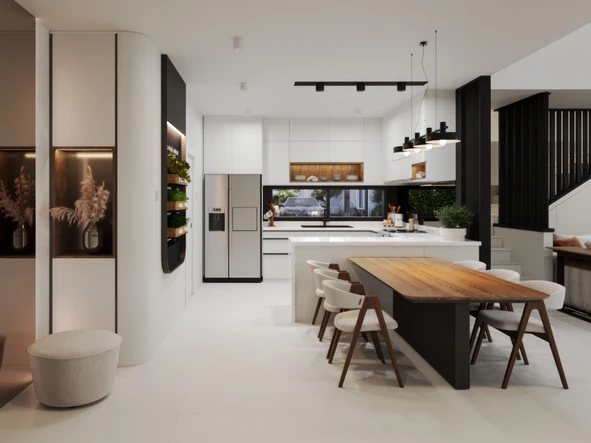
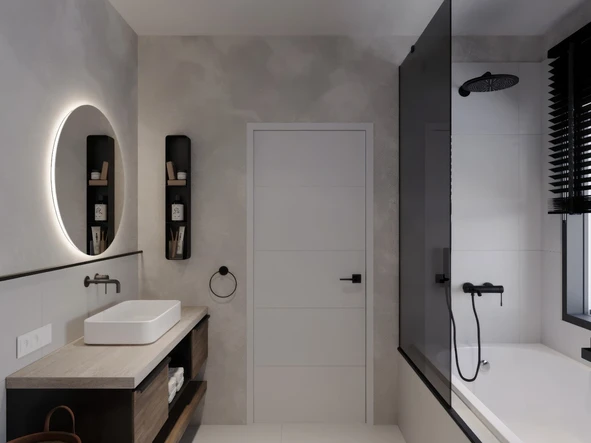
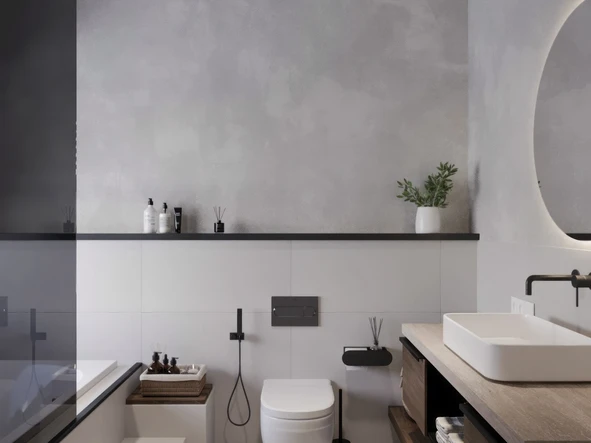
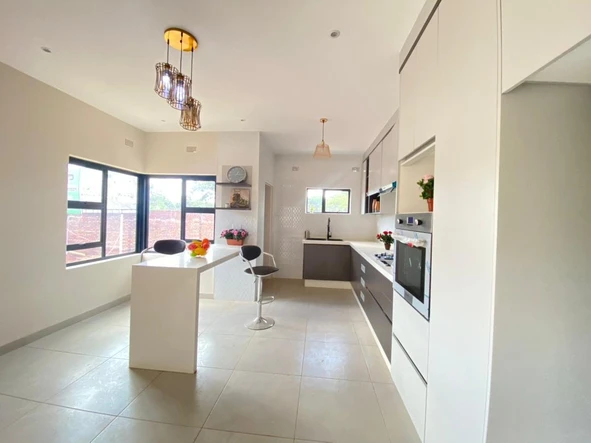
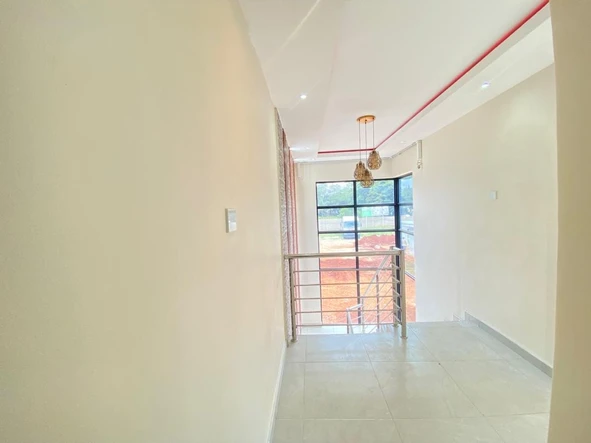
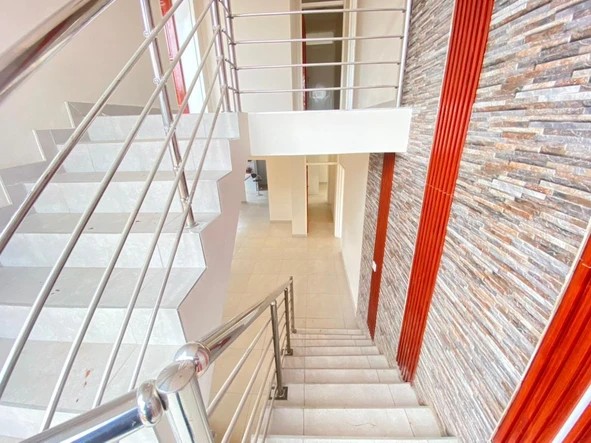
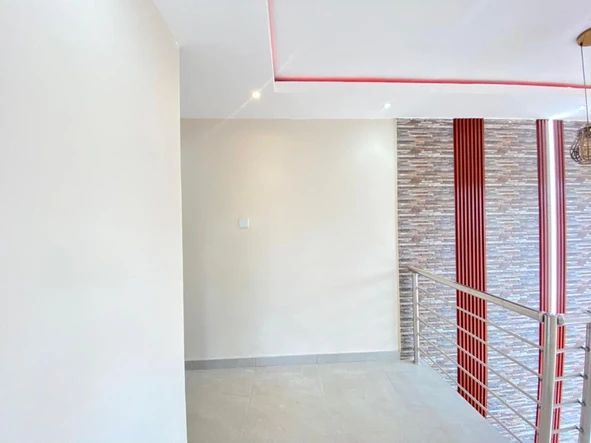
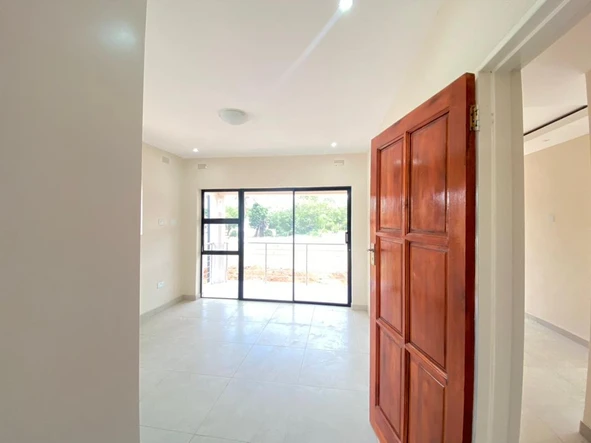
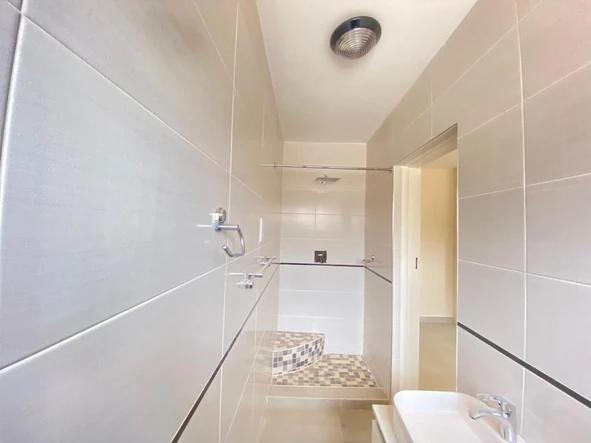
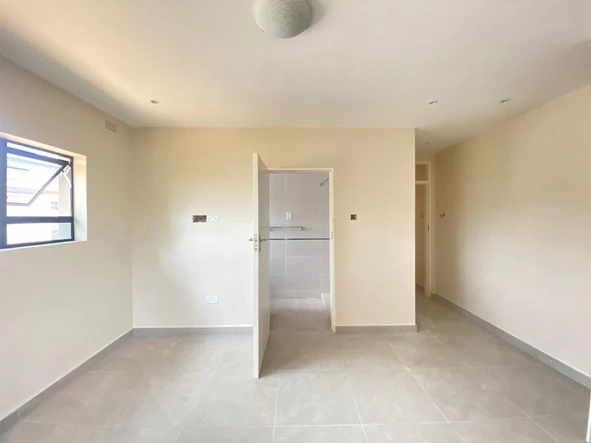
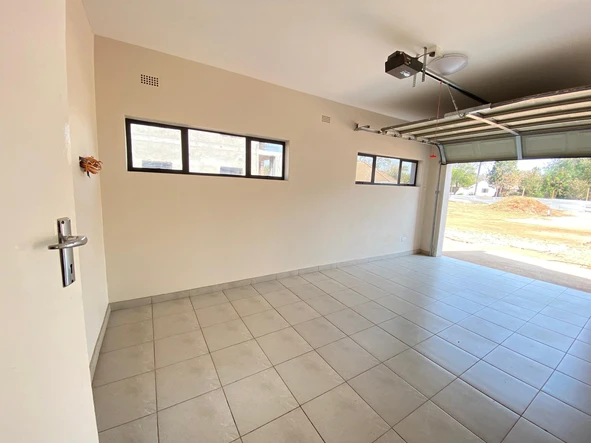
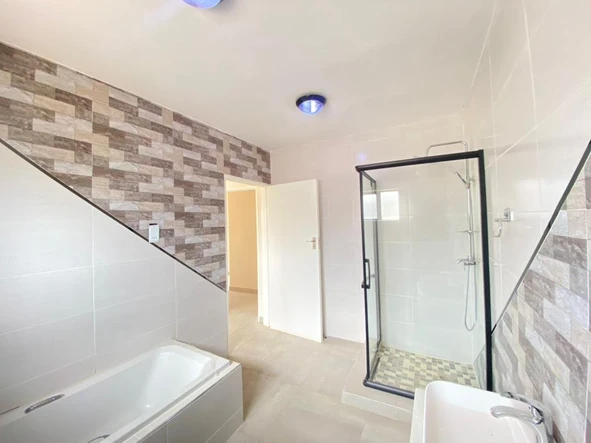
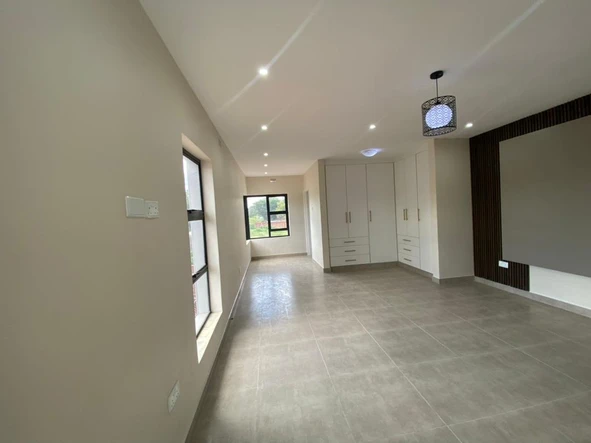
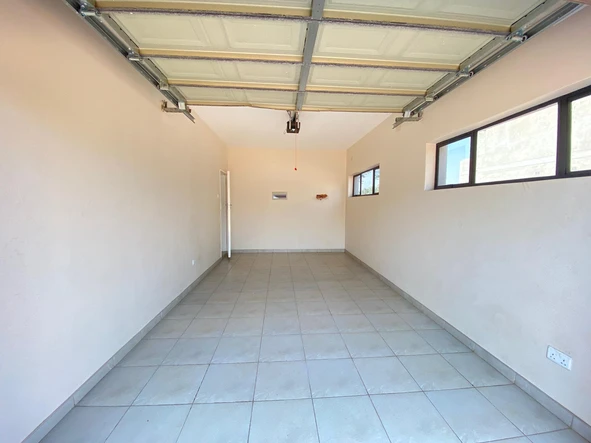
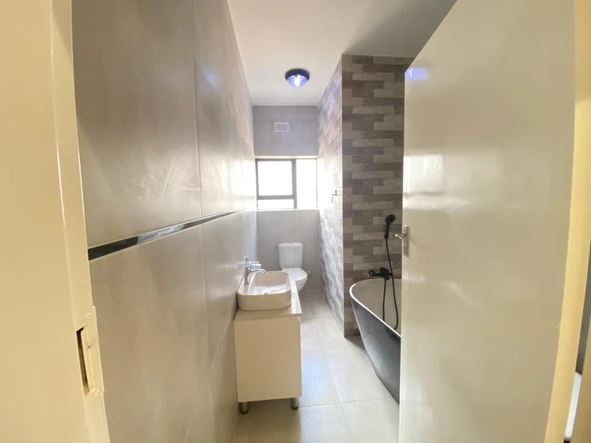
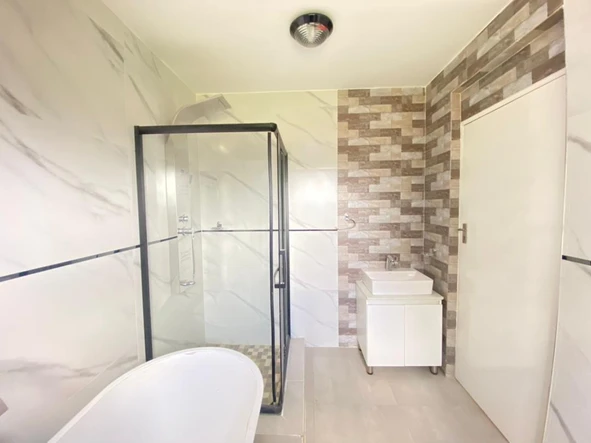
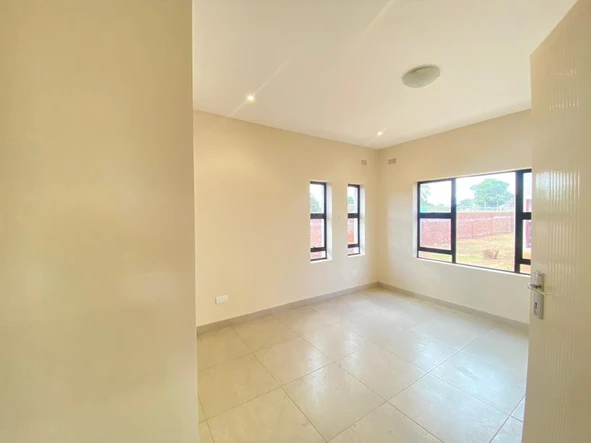
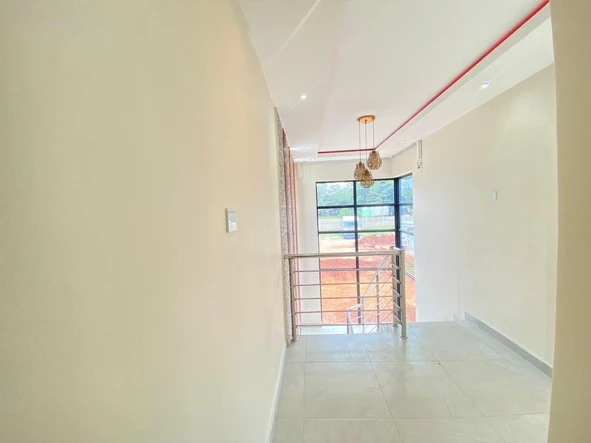
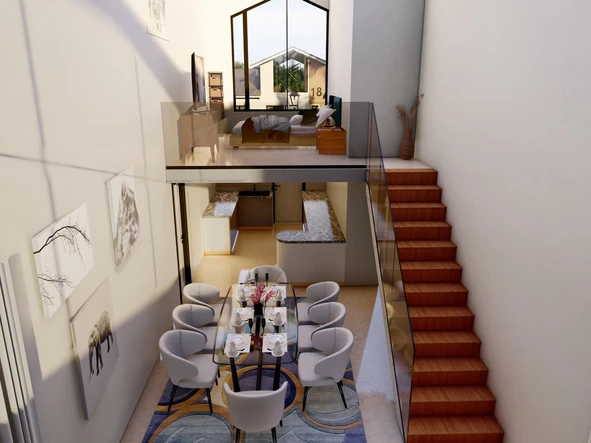
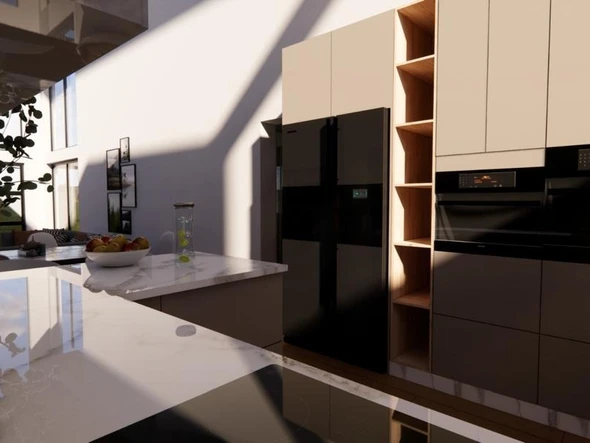
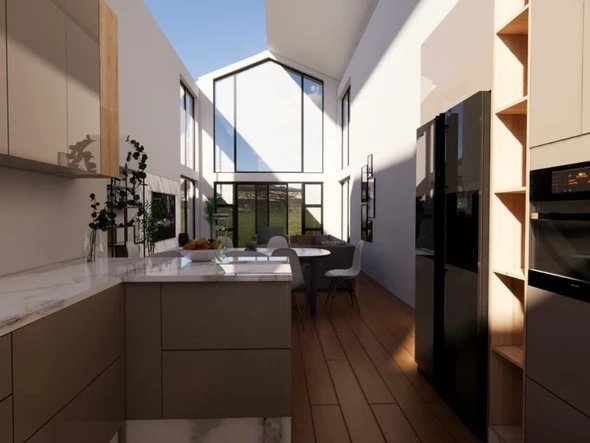
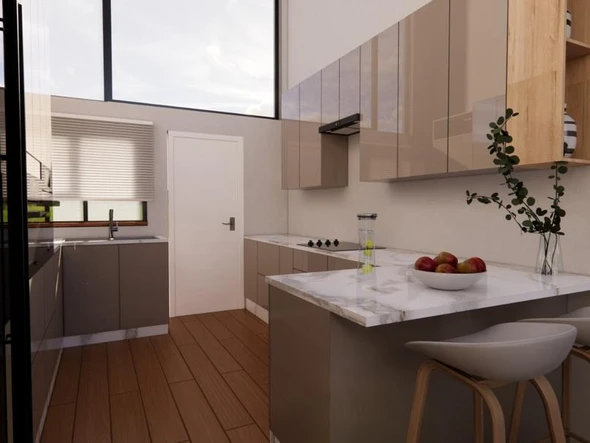
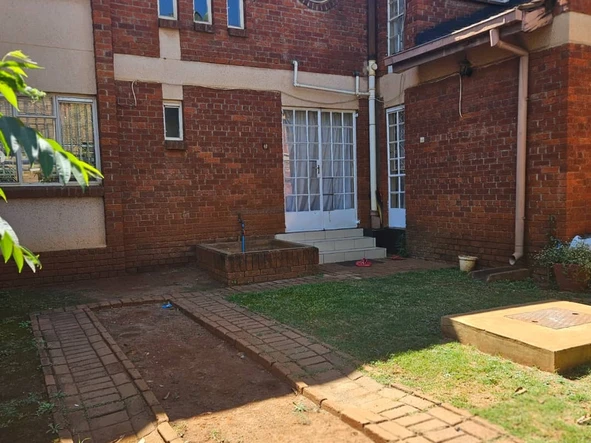
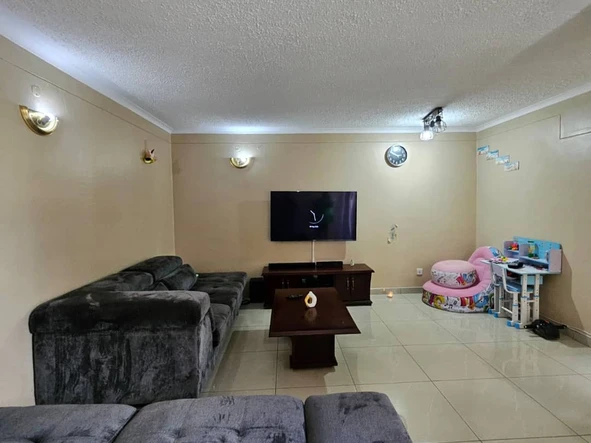
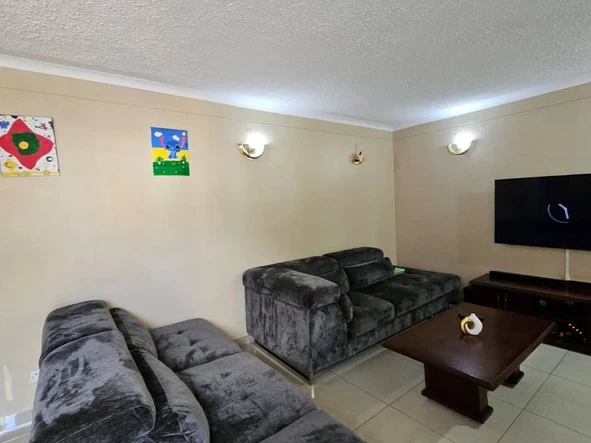
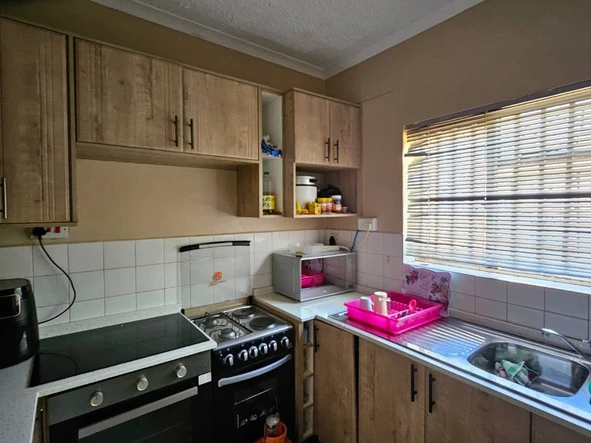
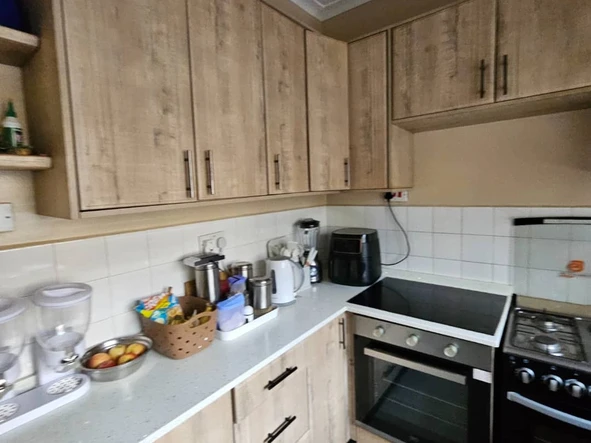
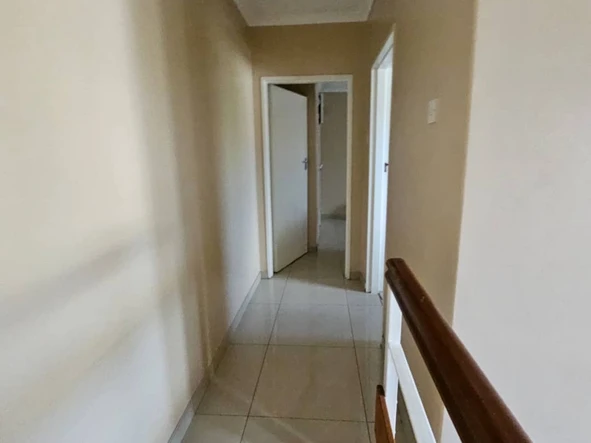
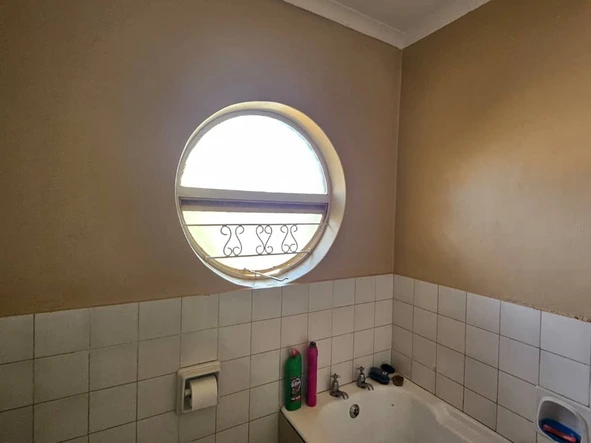
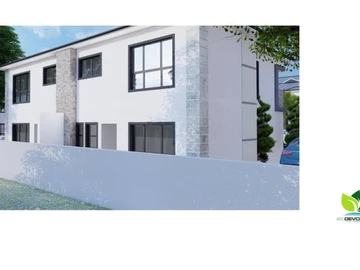
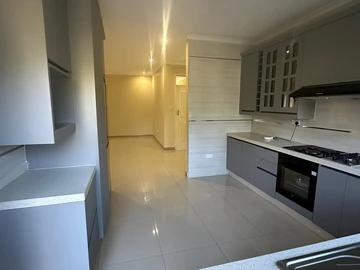
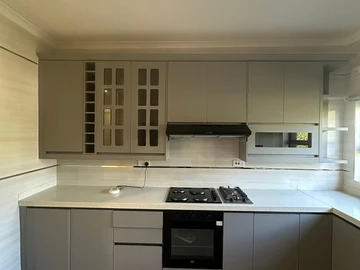
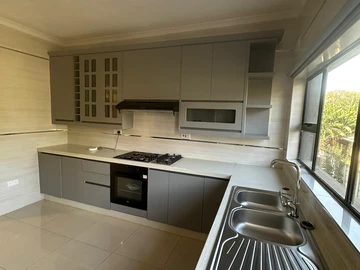
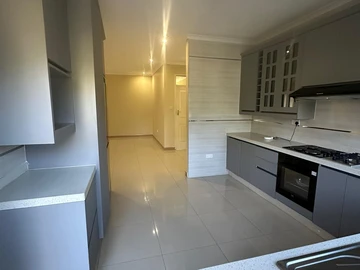
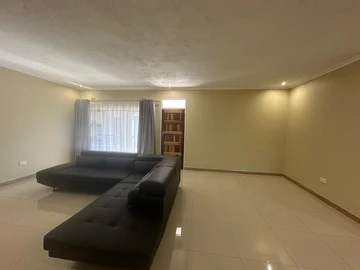
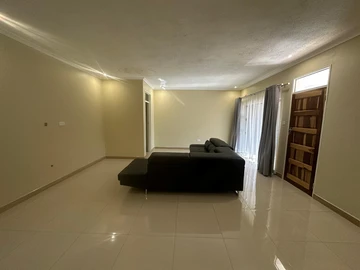
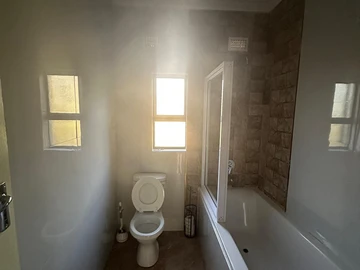
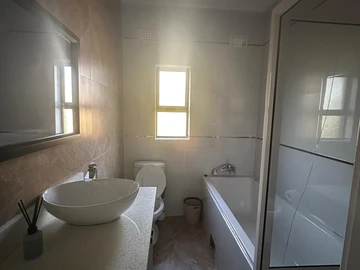
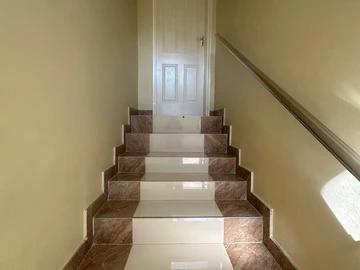
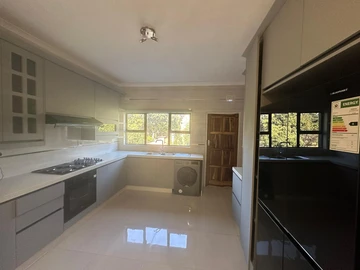
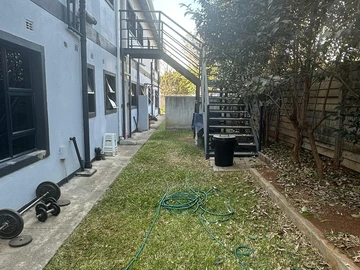
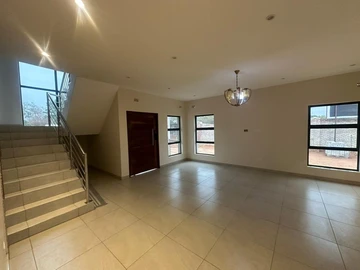
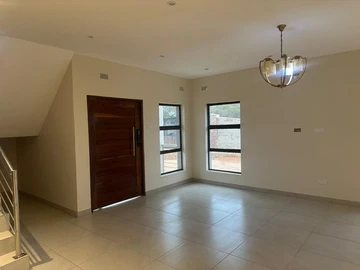
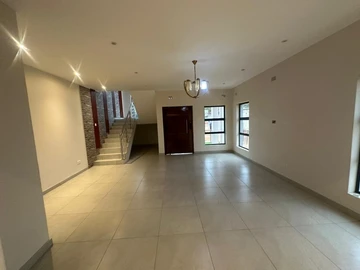
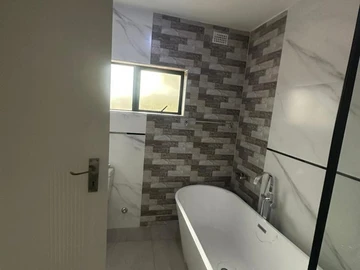
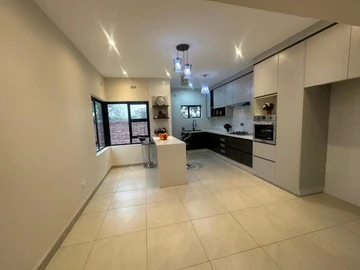
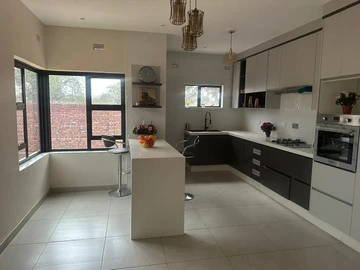
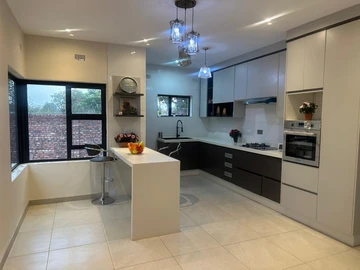
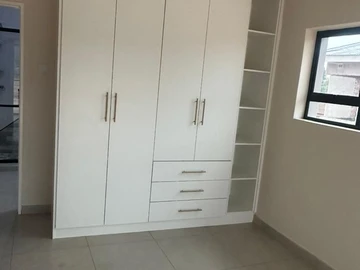
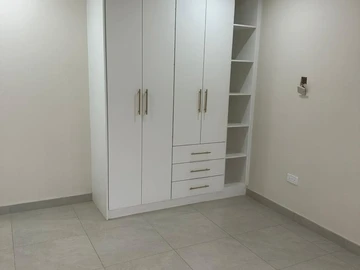
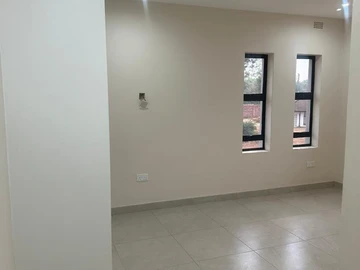
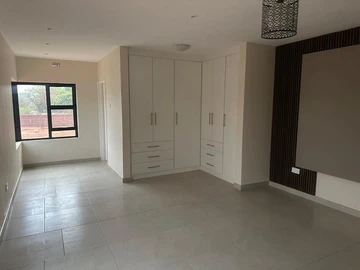
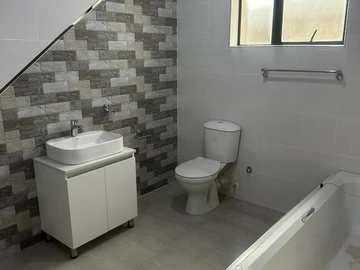
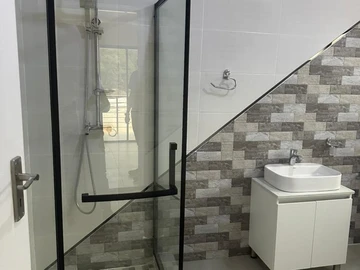
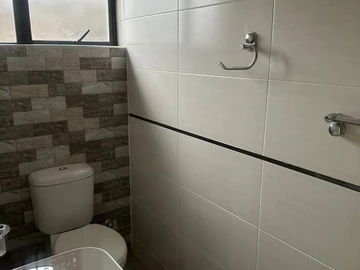
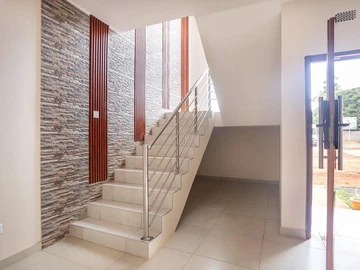
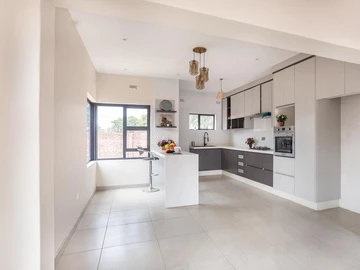
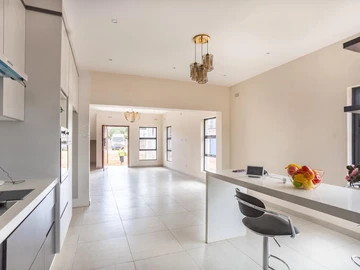
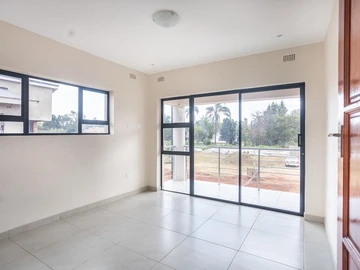
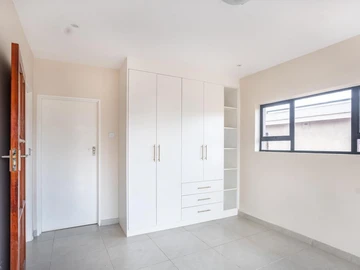
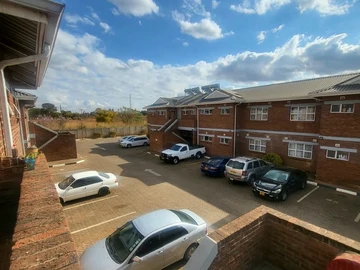
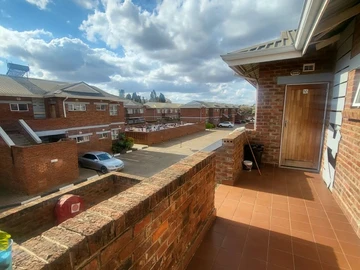
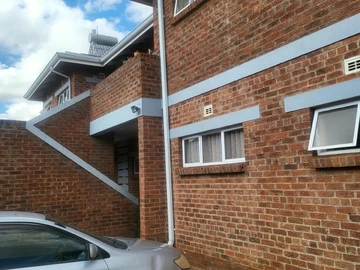
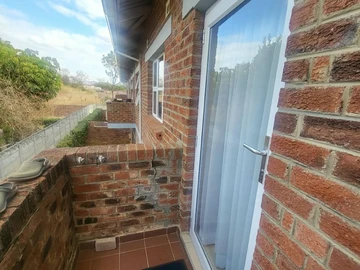
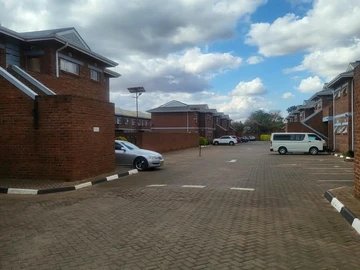
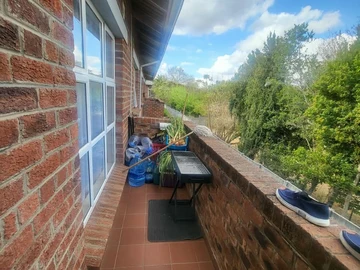
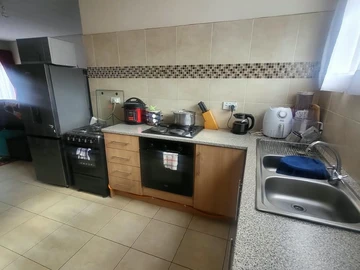
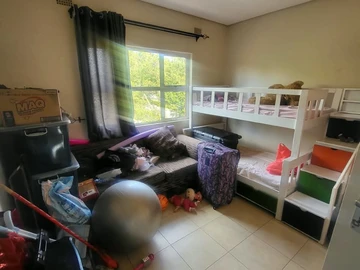
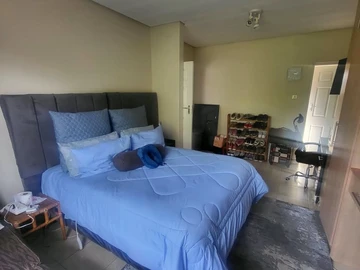
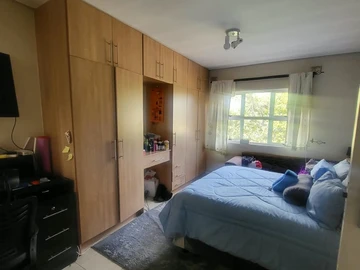
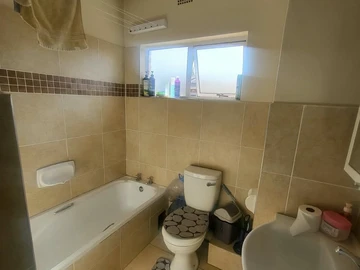
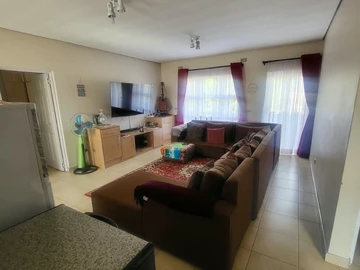
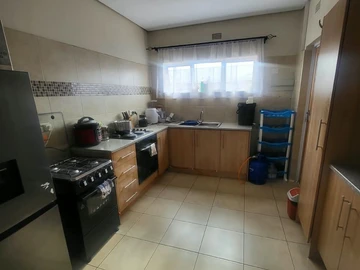
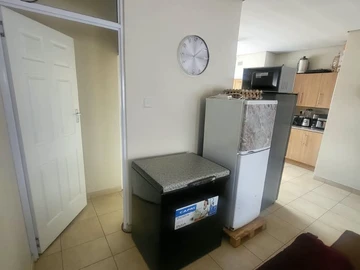
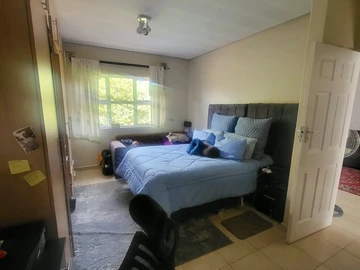
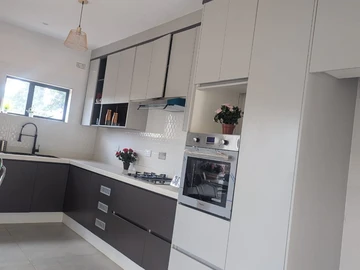
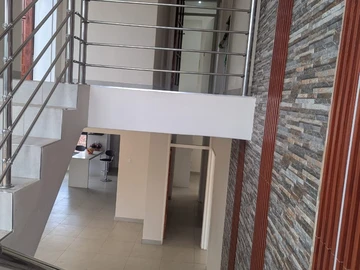
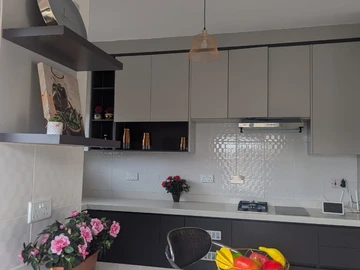
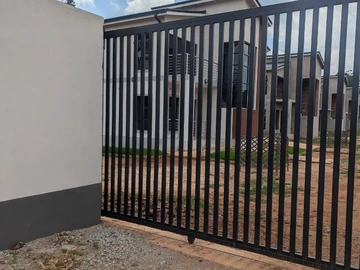
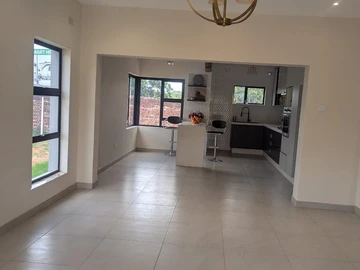
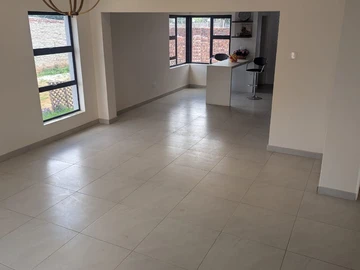
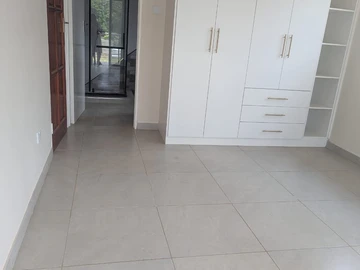
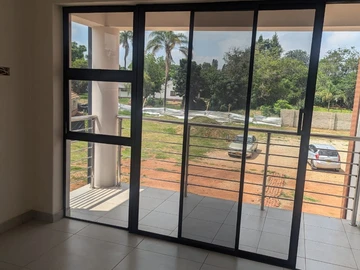
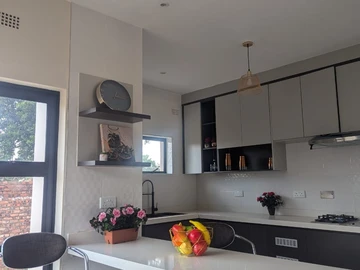
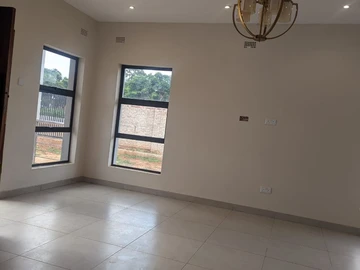
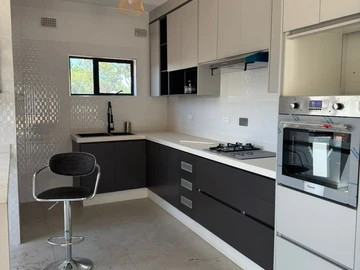
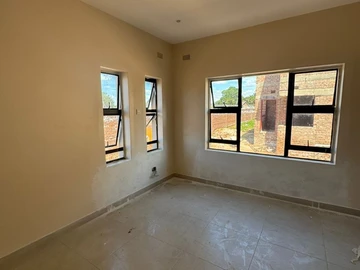
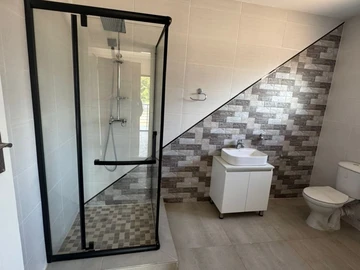
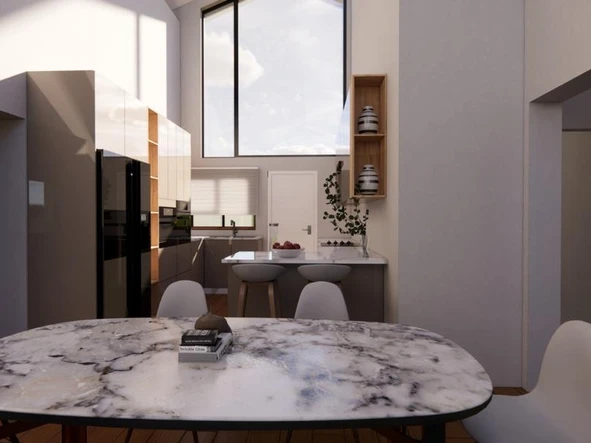
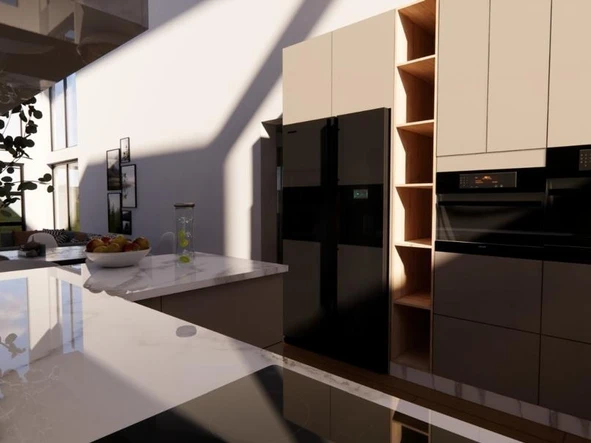
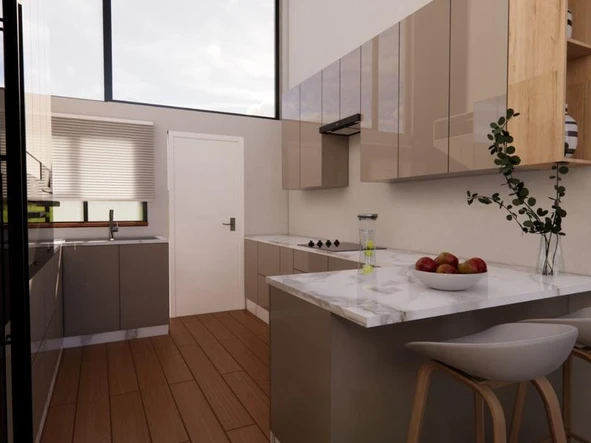
Many of these apartments feature practical amenities such as fitted kitchens, boreholes, water tanks, and parking bays. Security is often enhanced with walled compounds, and properties usually have good ZESA electricity supply. Tiled floors and paved areas are common, adding to the convenience and comfort of these homes.
Marlborough is a well-established suburb known for its vibrant community and balanced urban lifestyle. It offers good road connectivity to Harare’s central business district and easy access to essential amenities like Marlborough Shopping Centre, Marlborough High School, and Parirenyatwa Group Hospital. Nearby attractions include Harare Gardens and the National Sports Stadium, providing recreational and cultural opportunities for residents.
3
2
210 m²
3
1
180 m²
3
2
300 m²
6
4
270 m²
4
3
200 m²
4
4
400 m²
3
2
1 m²
4
4
242 m²

Be the first to see new properties for sale in Marlborough, Harare West









| Property Size | Avg. price |
|---|---|
| 2 bedroom (View 3 properties) | $90,000 |
| 3 bedroom (View 22 properties) | $138,000 |
| 4 bedroom (View 19 properties) | $210,000 |
Buying property in Zimbabwe? Discover hidden costs like stamp duty, conveyancing fees, and taxes that can add 8%–12% or more to your purchase price.
Tenants not paying rent in Zimbabwe? Learn your legal rights as a landlord, the step by step eviction process, and illegal self-help actions to avoid.
Buying a residential stand in Zimbabwe? Learn how to verify ownership, subdivision, planning approvals, servicing, title and the developer before paying.
Learn how servitudes affect property ownership, rights of way, and utility access in Zimbabwe. Protect your land title and avoid boundary disputes.
Get your home viewing ready in Zimbabwe. Follow our 2026 seller checklist covering curb appeal, solar & water setups, staging, and documentation.





 250 m²