Log in to contact the seller
 Continue with Facebook
 Continue with Email
Continue with Facebook
Continue with Email
Sign up with Facebook
Continue with Email
Continue with Facebook
Continue with Email
Sign up with Facebook
 Change filters
 Requests



 5
5
 4
600 m²
4
600 m²


 5
2
350 m²
3
2
200 m²
5
2
300 m²
5
2
350 m²
3
2
200 m²
5
2
300 m²
 4
3
215 m²
4
2
232 m²
4
2
180 m²
4
3
215 m²
4
2
232 m²
4
2
180 m²
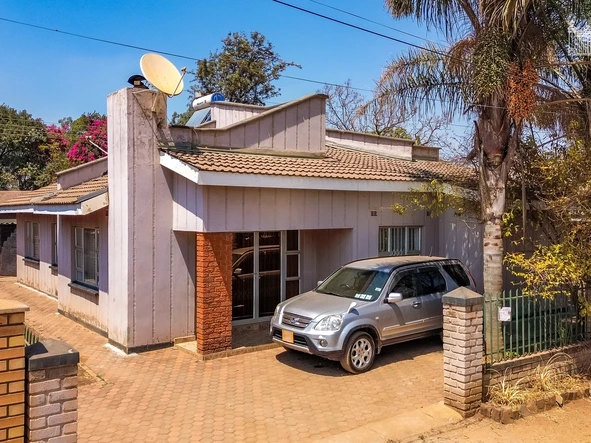
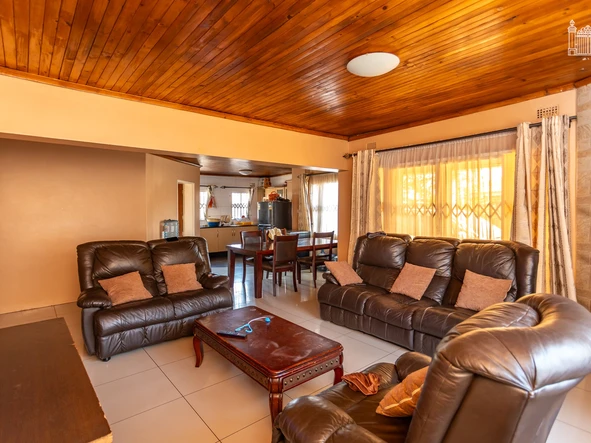
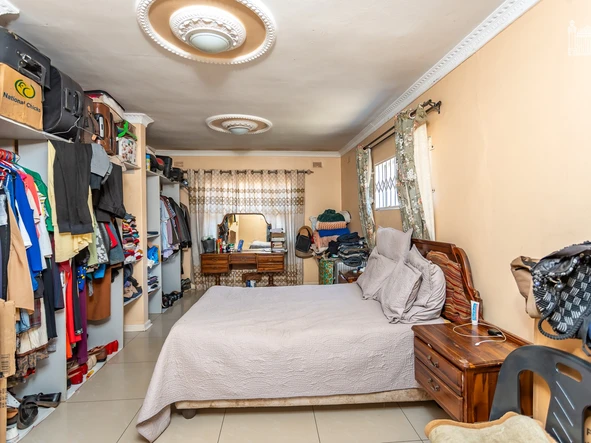
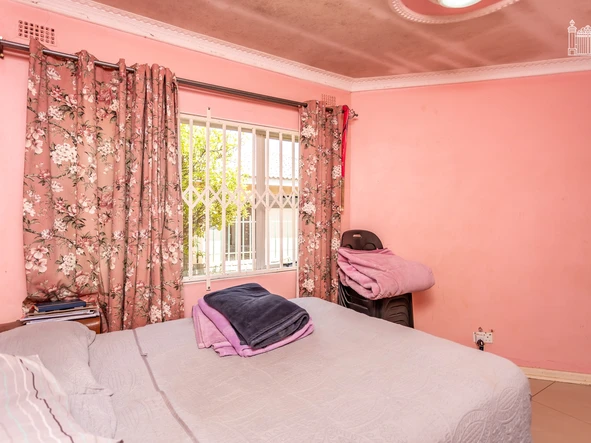
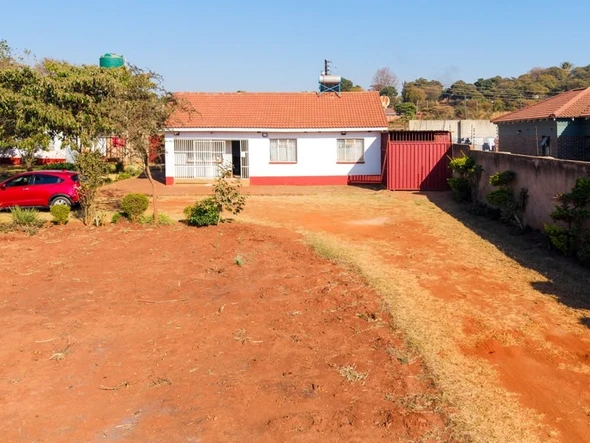
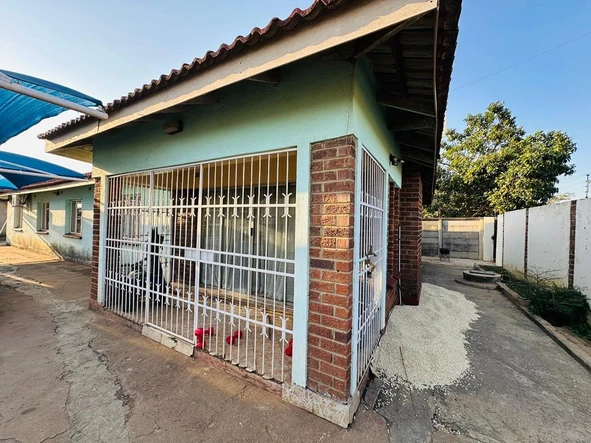
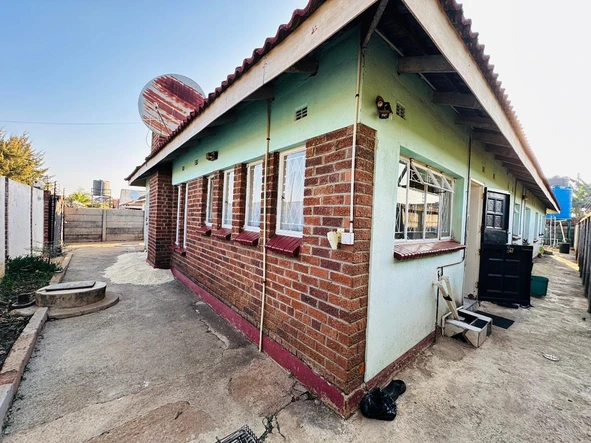
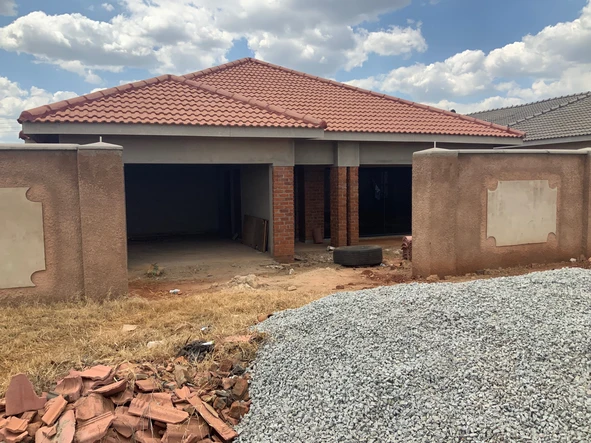
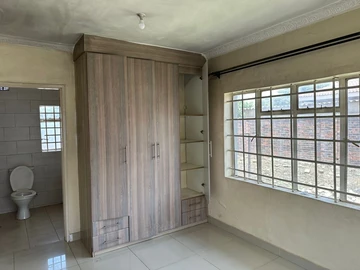
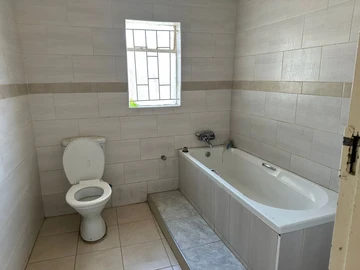
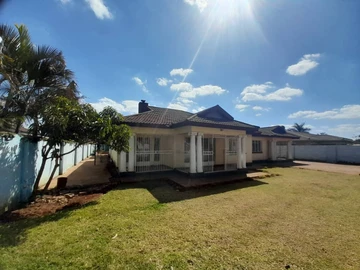
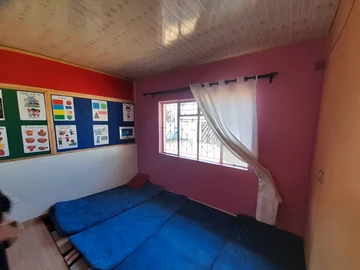
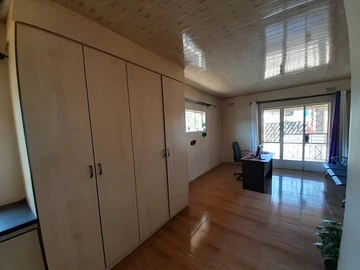
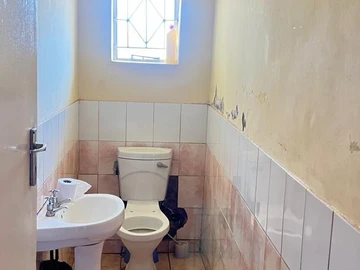
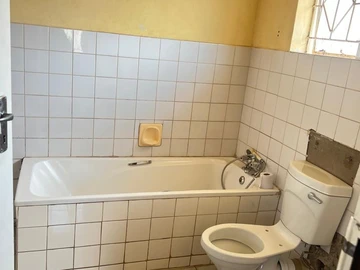
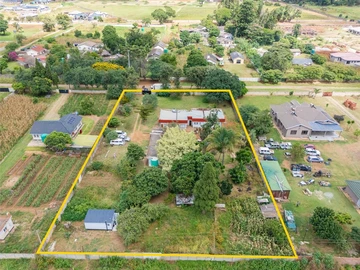
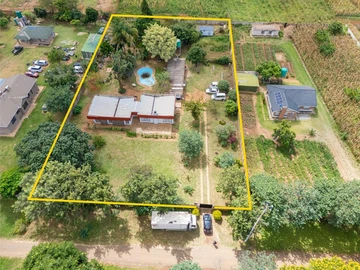
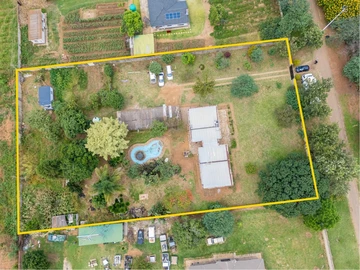
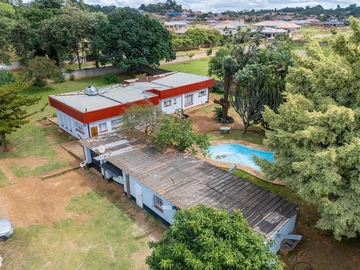
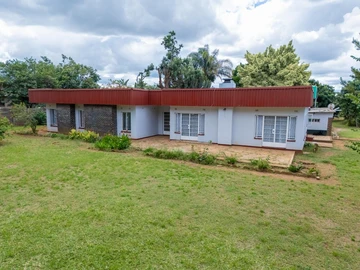
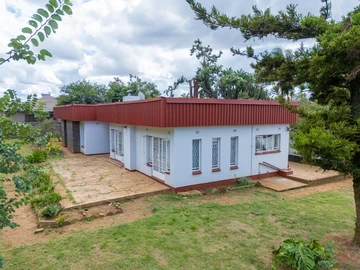
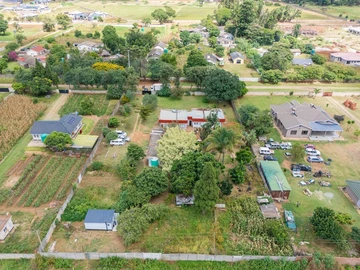
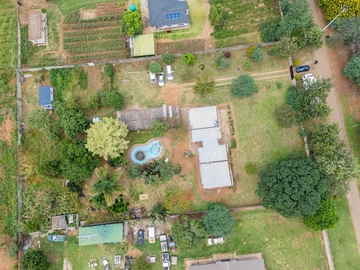
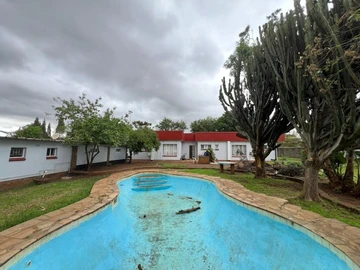
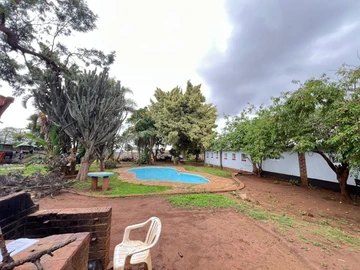
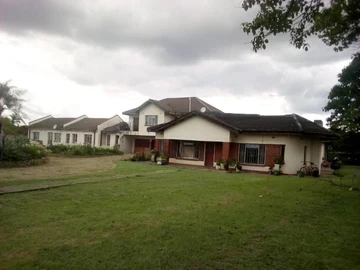
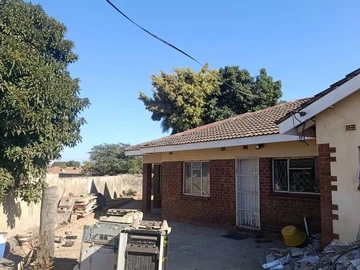
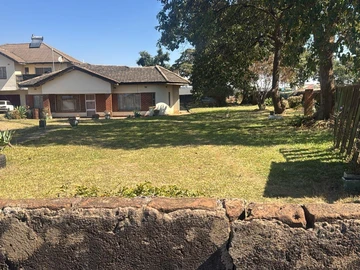
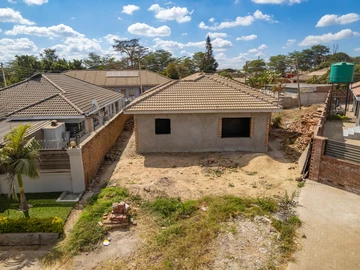
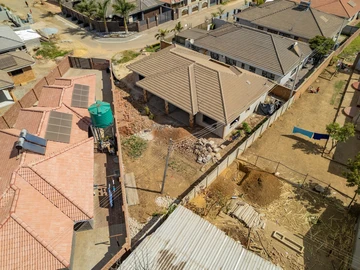
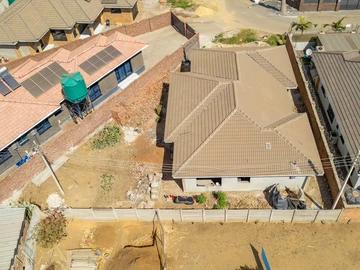
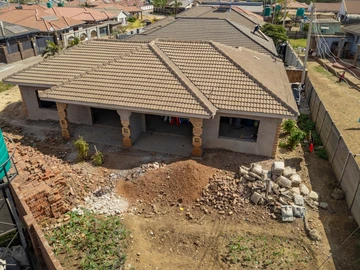
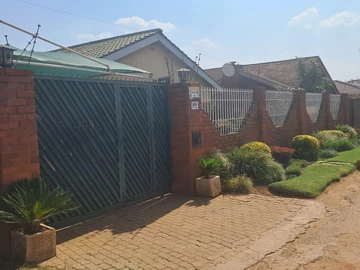
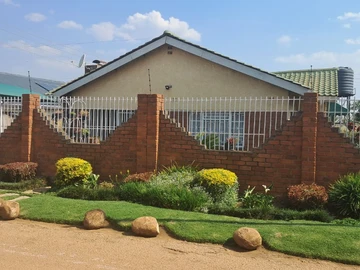
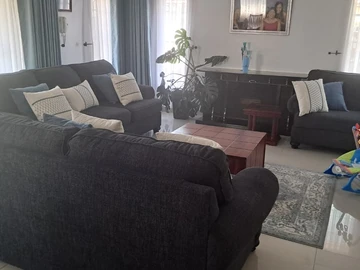
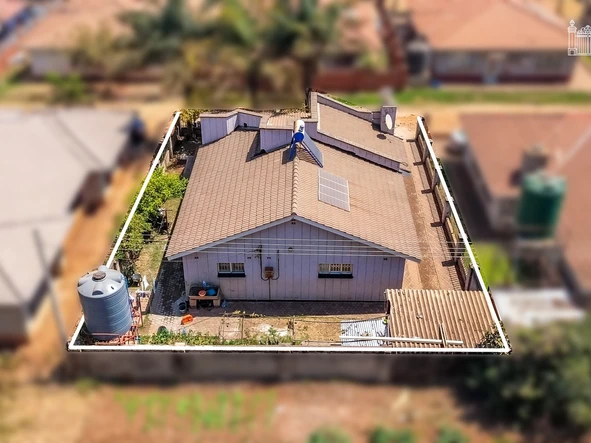
Houses for sale in Tynwald, Harare West, offer affordable options with an average price of $130,000. These properties typically have a median land area of 470 ㎡ and a median building size of 215 ㎡, with some larger homes sitting on land up to 4,802 ㎡ and buildings as large as 2,550 ㎡. Prices start from around USD 45,000, making this suburb accessible for a variety of buyers.
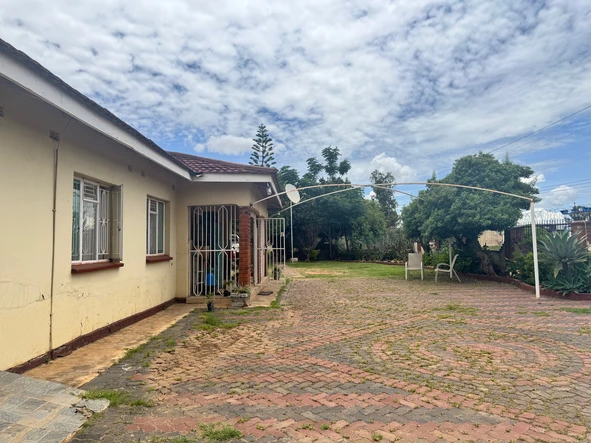
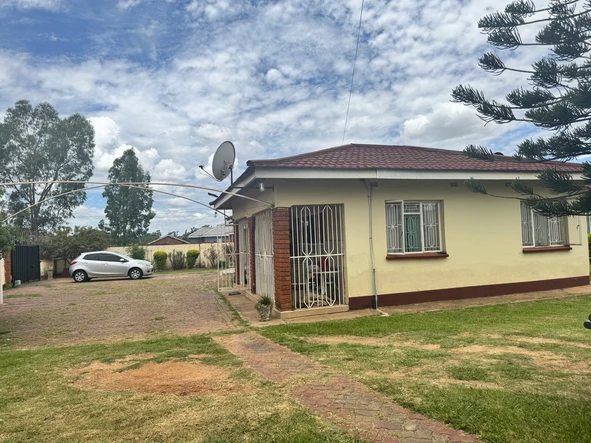
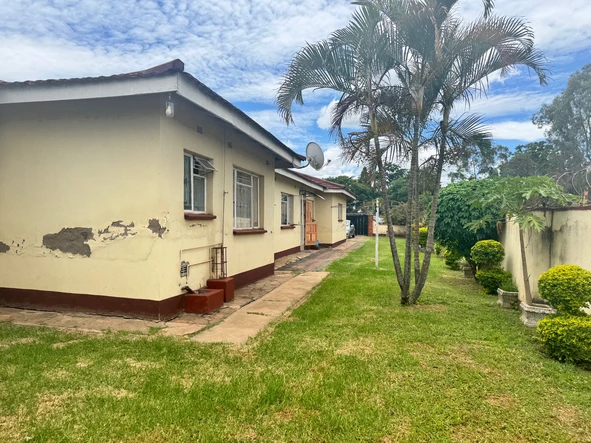
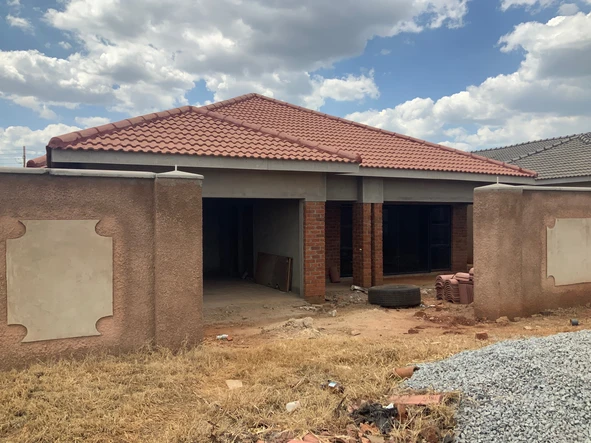
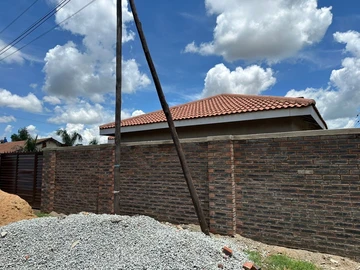
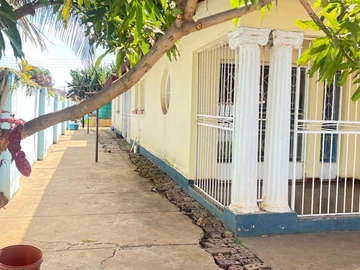
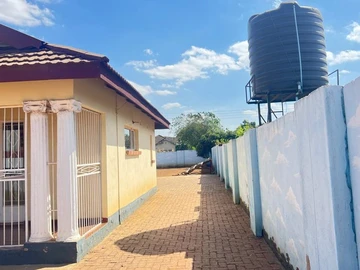
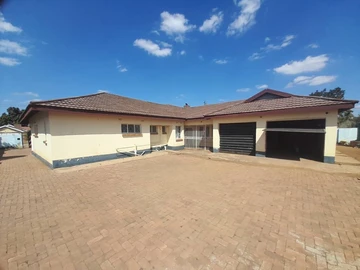
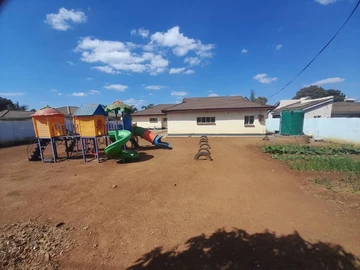
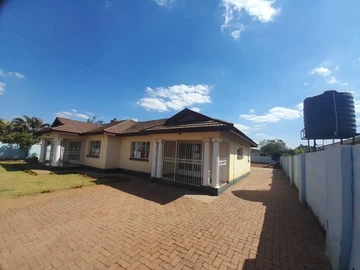
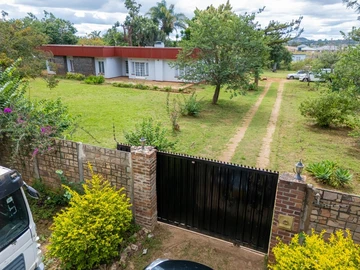
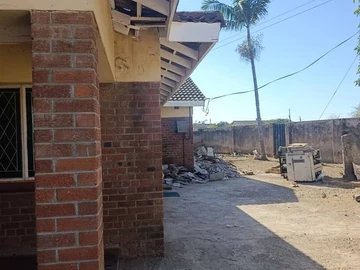
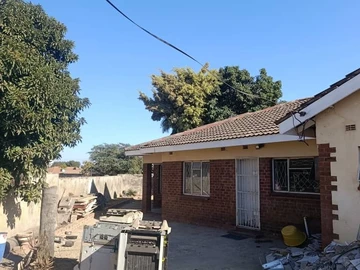
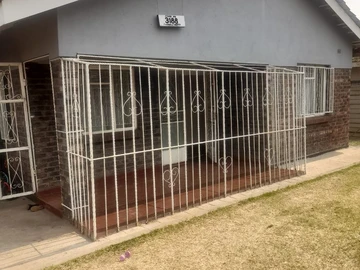
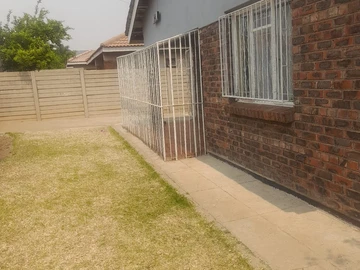
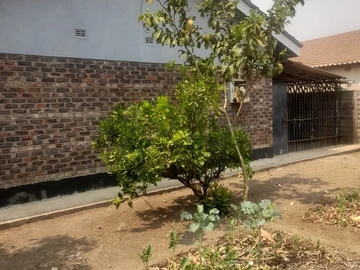
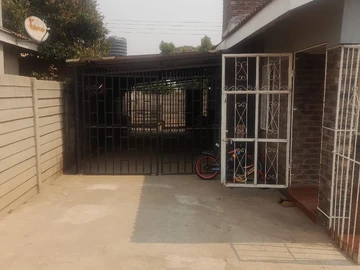
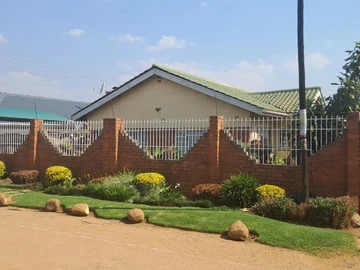
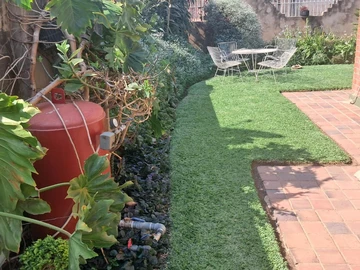
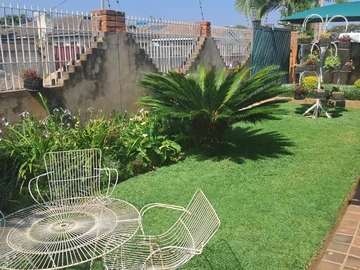
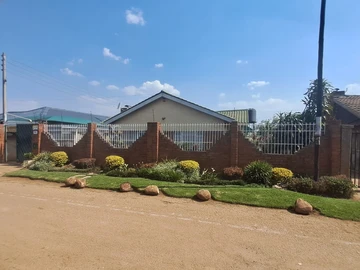
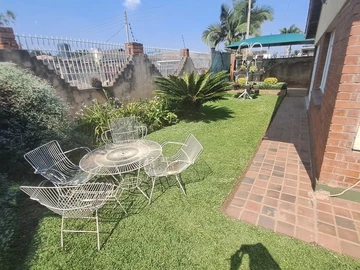
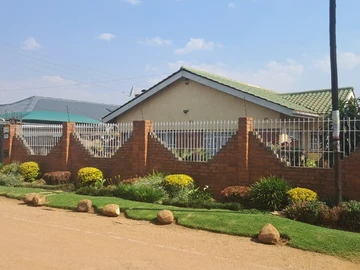
Many houses in Tynwald feature walled compounds, providing privacy and security. The mix of older and newer homes caters to different tastes and needs, often including family-friendly layouts and outdoor spaces. The properties generally suit buyers looking for comfortable suburban living with room for gardens or expansions.
Tynwald is a quiet, established residential area known for its tree-lined streets and peaceful atmosphere. It is conveniently located near the National Sports Stadium and several parks, offering recreational opportunities. The suburb has access to reputable schools and healthcare facilities, as well as shopping at the Tynwald Shopping Centre and other nearby retail outlets. Good transport links via major roads and public transport make commuting to Harare’s city center straightforward, supporting a balanced lifestyle of calm and convenience.
3
1
 2,518 m²
4
3
120 m²
5
2
200 m²
3
2
172 m²
6
1
100 m²
3
200 m²
2,518 m²
4
3
120 m²
5
2
200 m²
3
2
172 m²
6
1
100 m²
3
200 m²

Be the first to see new properties for sale in Tynwald, Harare West










| Property Size | Avg. price |
|---|---|
| 3 bedroom (View 9 properties) | $120,000 |
| 4 bedroom (View 11 properties) | $132,500 |
| 5+ bedroom (View 8 properties) | $125,000 |
Planning to convert or buy commercial property? Understand Zimbabwe’s change of use rules, 2026 Harare fees, timelines and approval risks.
Buying a home in Harare? Learn how to verify water access, ZESA grid connections, refuse services, and borehole rights before finalizing your purchase.
Pricing your property in Zimbabwe? Discover why overpricing leads to stagnant listings, lower final offers, and costly holding expenses in the 2026 market.
Navigating property valuations in Zimbabwe? Learn valuation methods, valuation fees, and key tips for buyers, sellers, and investors in the 2026 market.
Planning to downsize? Learn if you can dissolve a family trust holding your home, the legal steps required, and tax impacts before selling the property.