Log in to contact the seller
 Continue with Facebook
 Continue with Email
Continue with Facebook
Continue with Email
Sign up with Facebook
Continue with Email
Continue with Facebook
Continue with Email
Sign up with Facebook
 Change filters
 Requests
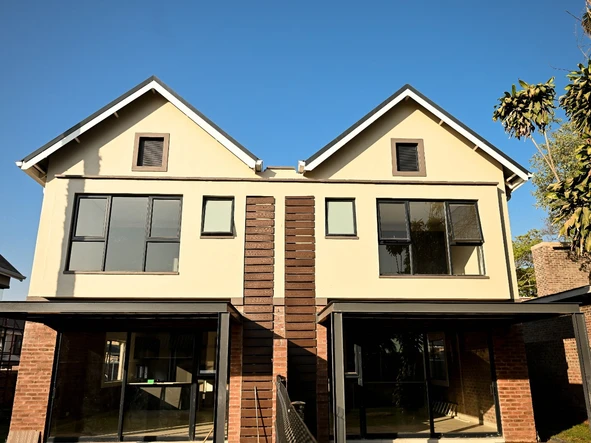


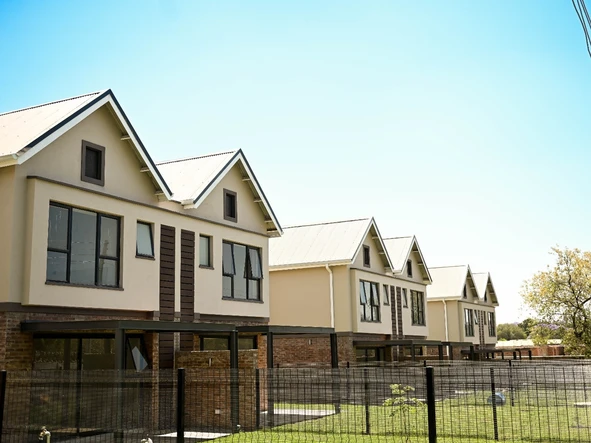
 3
3
 2
110 m²
2
110 m²


 3
2
120 m²
3
2
200 m²
3
2
120 m²
3
2
200 m²

Be the first to see new properties for rent in Greendale, Harare East










| Property Size | Avg. price |
|---|---|
| 3 bedroom (View 9 properties) | $1,500 |
Pricing your property in Zimbabwe? Discover why overpricing leads to stagnant listings, lower final offers, and costly holding expenses in the 2026 market.
Navigating property valuations in Zimbabwe? Learn valuation methods, valuation fees, and key tips for buyers, sellers, and investors in the 2026 market.
Planning to downsize? Learn if you can dissolve a family trust holding your home, the legal steps required, and tax impacts before selling the property.
Understand Zimbabwe’s 2026 rental tax rules, including the 15% commercial regime, residential tax treatment, monthly deadlines and disclosure window
Planning to drill or buy a property with a borehole in Zimbabwe? Check the authority, permit, siting, records and water quality before you commit.





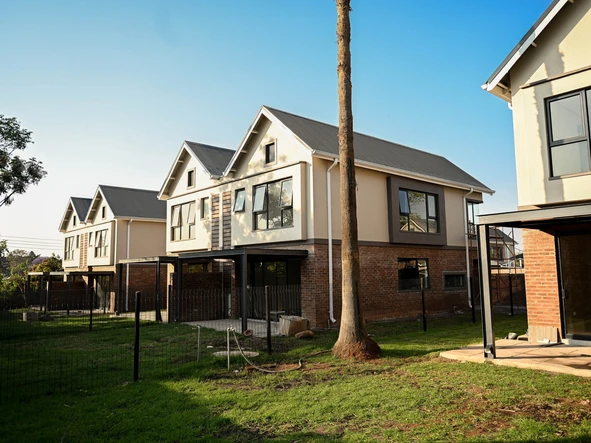
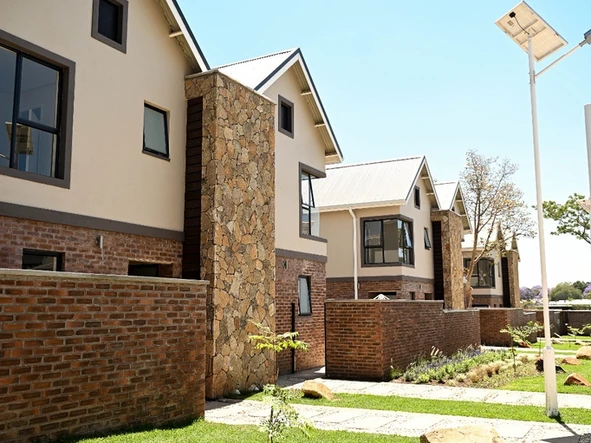
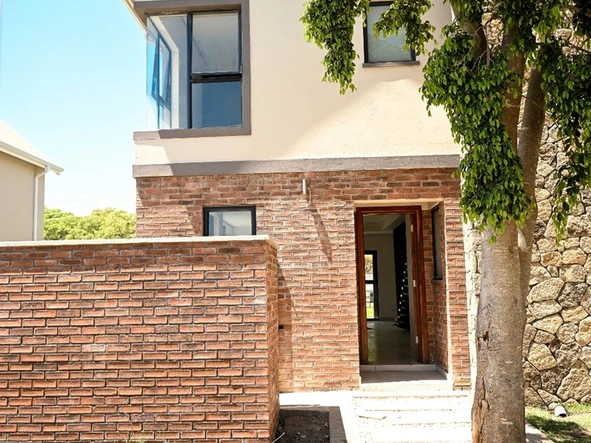
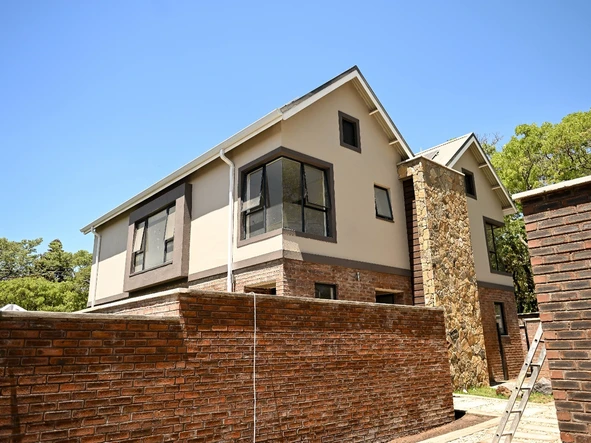
 350 m²