Log in to contact the seller
 Continue with Facebook
 Continue with Email
Continue with Facebook
Continue with Email
Sign up with Facebook
Continue with Email
Continue with Facebook
Continue with Email
Sign up with Facebook
 Change filters
 Requests


 4
4
 2
200 m²
2
200 m²


 4
2
180 m²
4
2
180 m²
 4
2
180 m²
4
2
120 m²
4
2
100 m²
4
2
180 m²
4
2
120 m²
4
2
100 m²
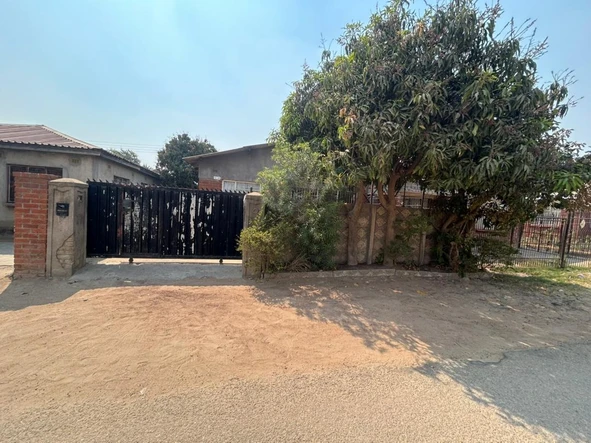
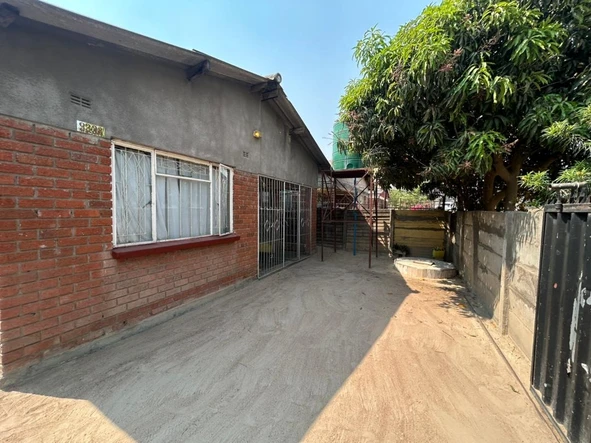
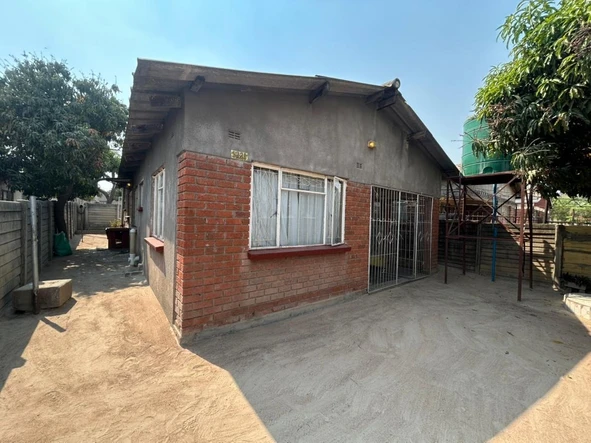
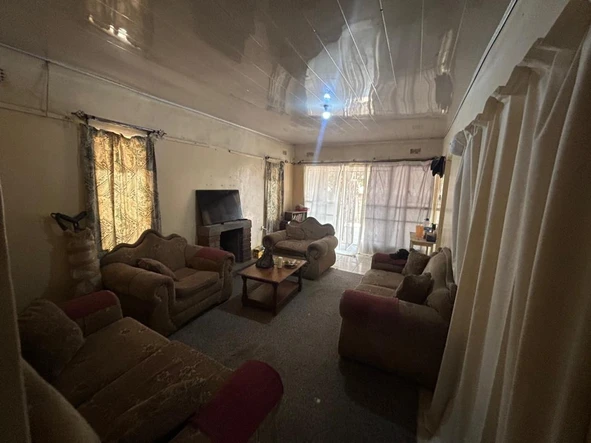
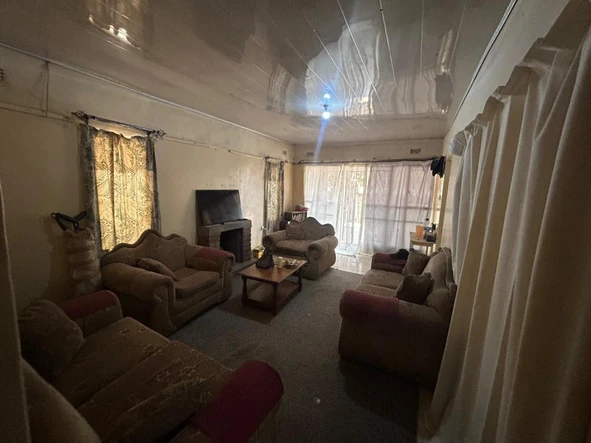
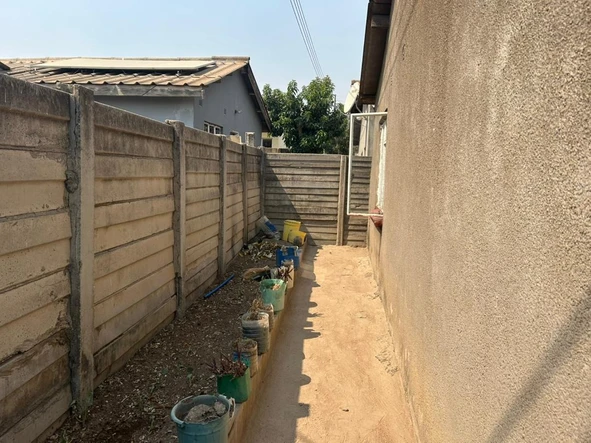
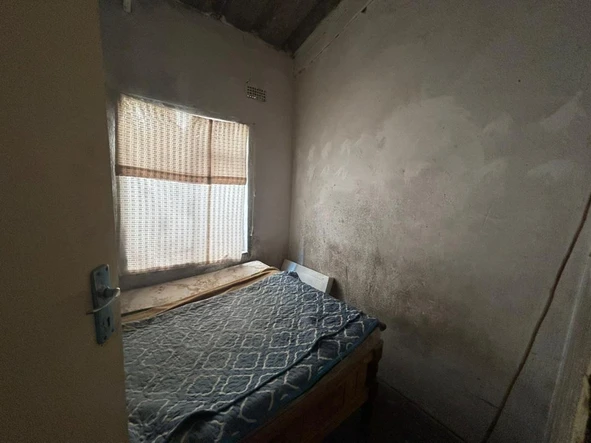
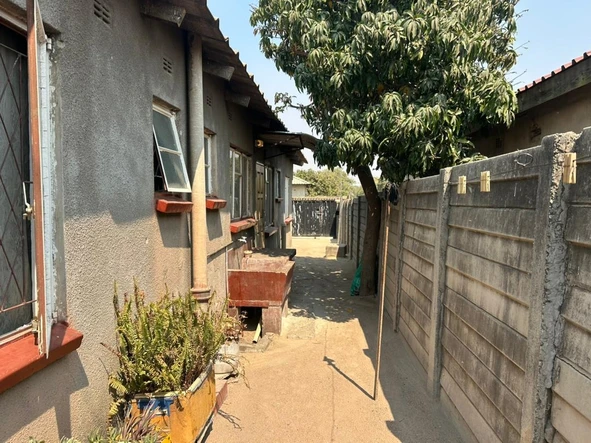
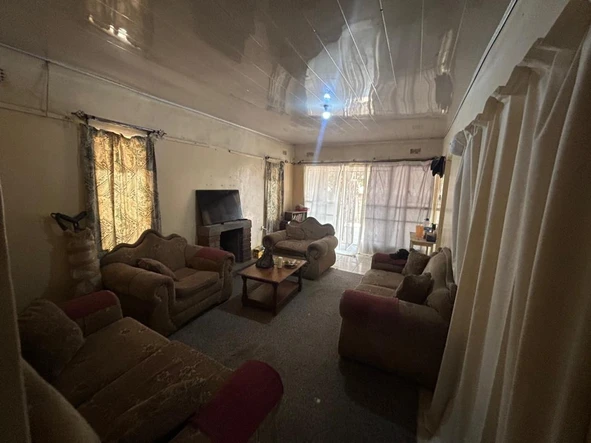
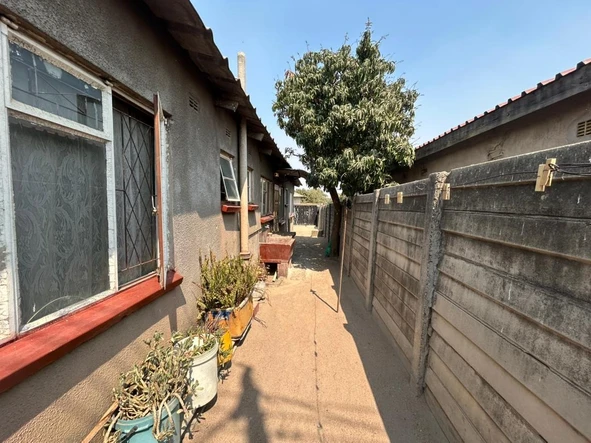
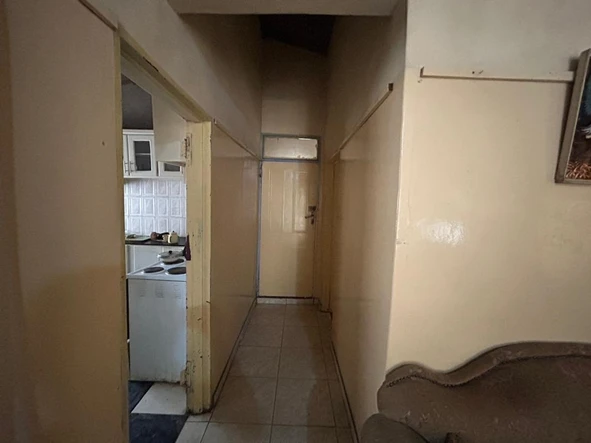
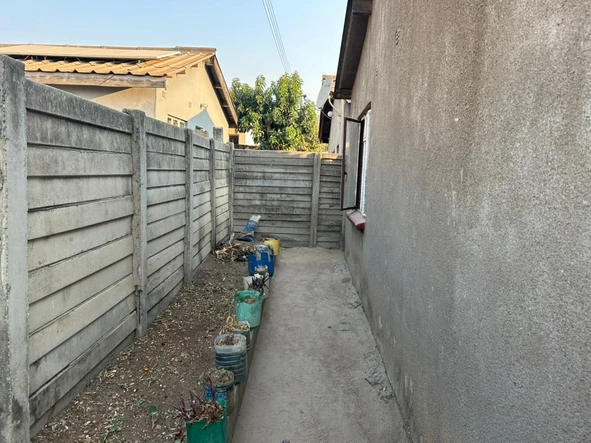
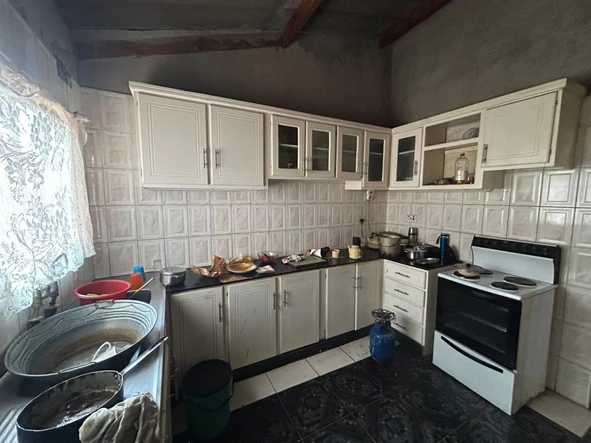
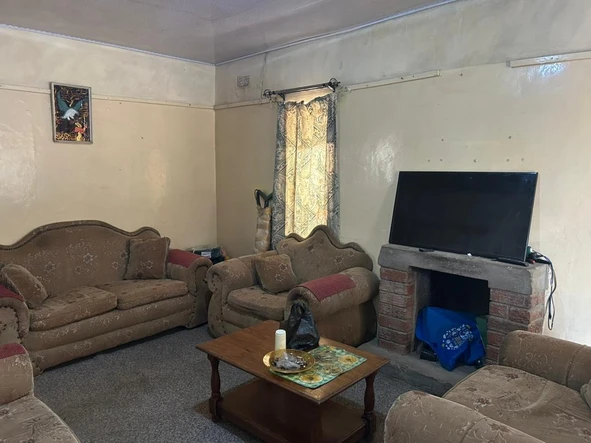
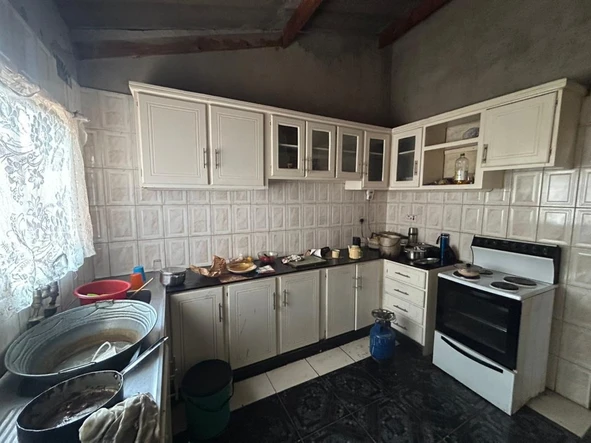
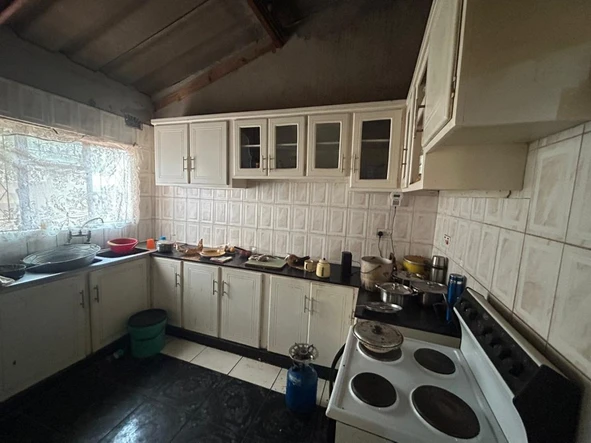
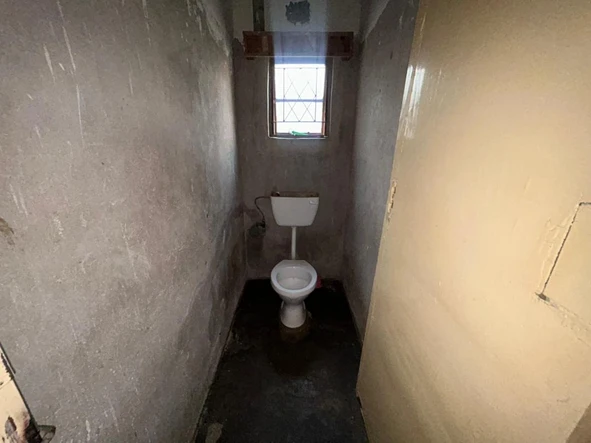
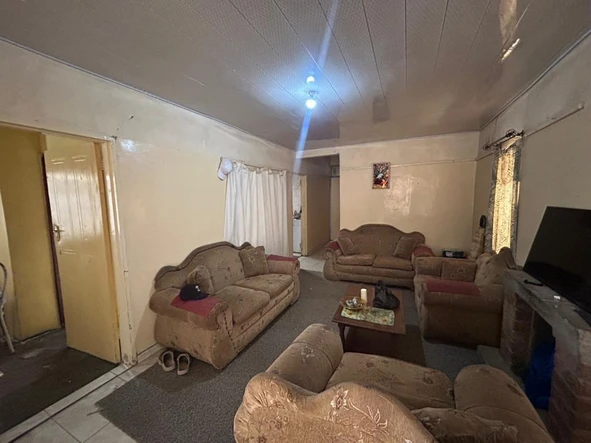
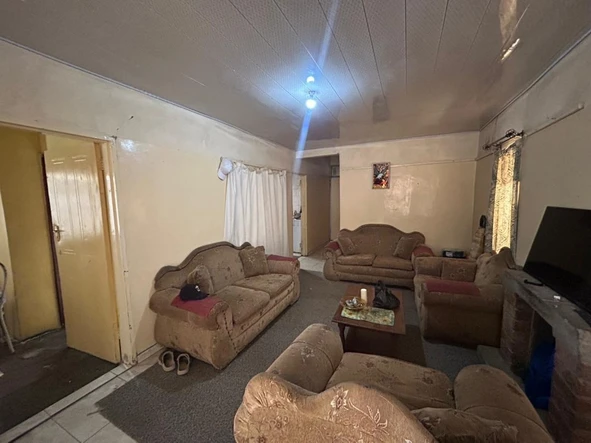
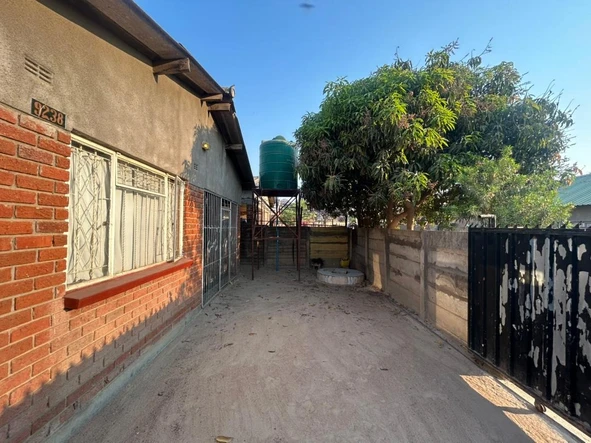
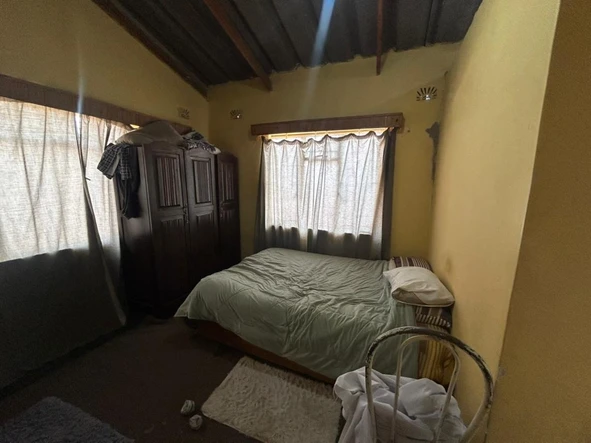
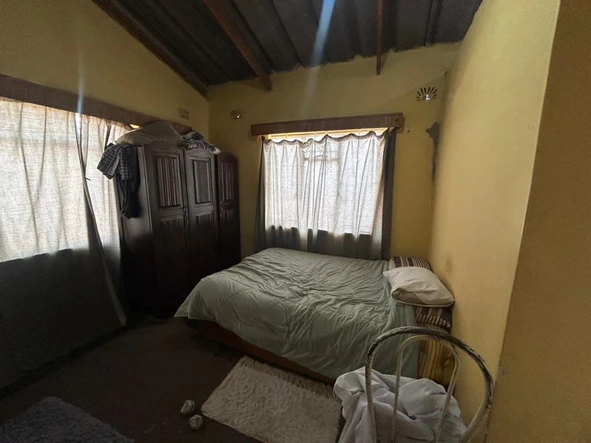
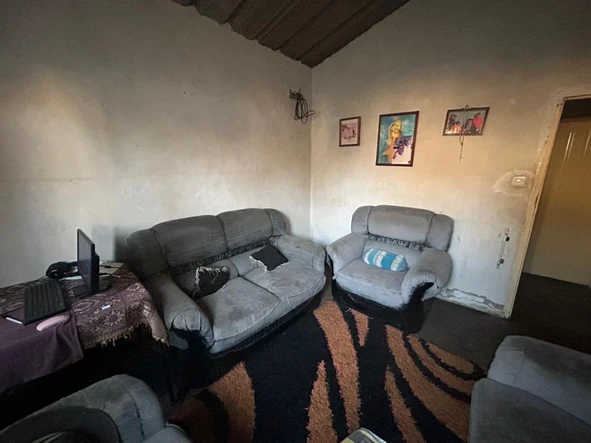
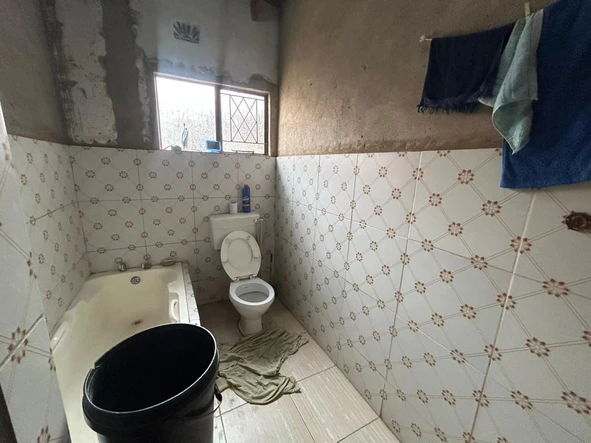
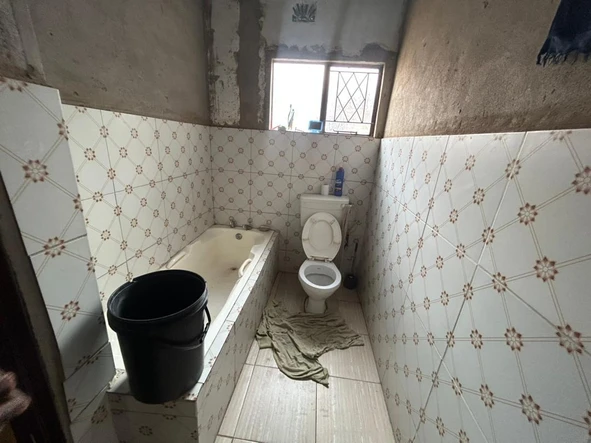
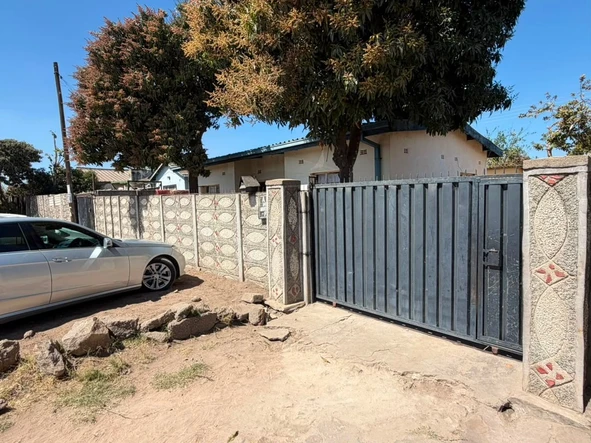
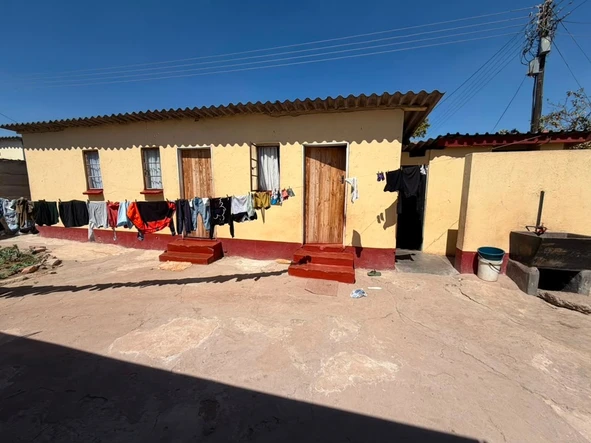
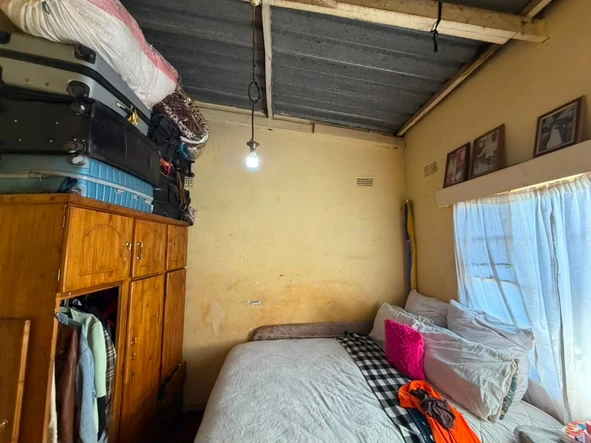
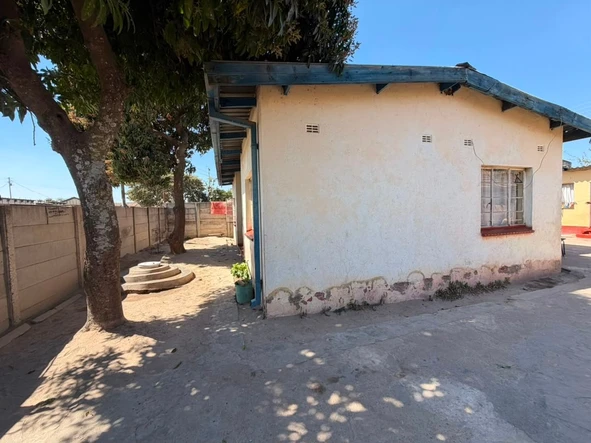
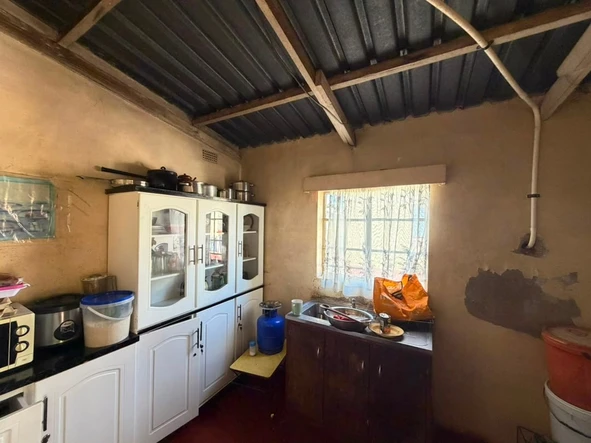
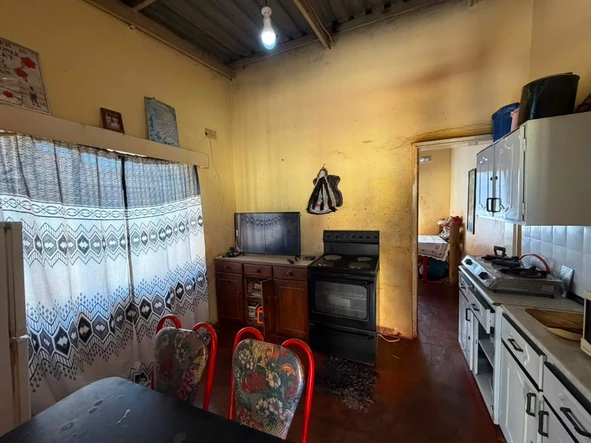
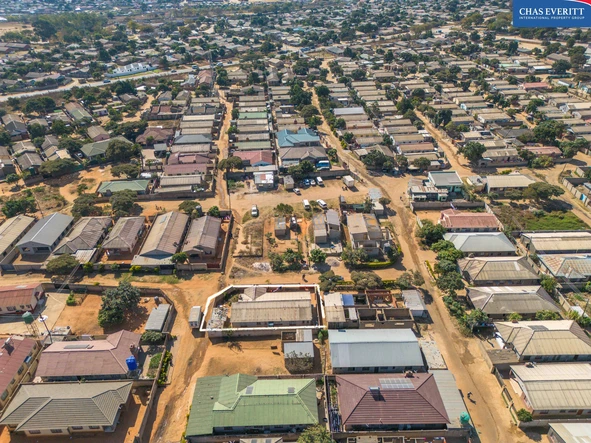
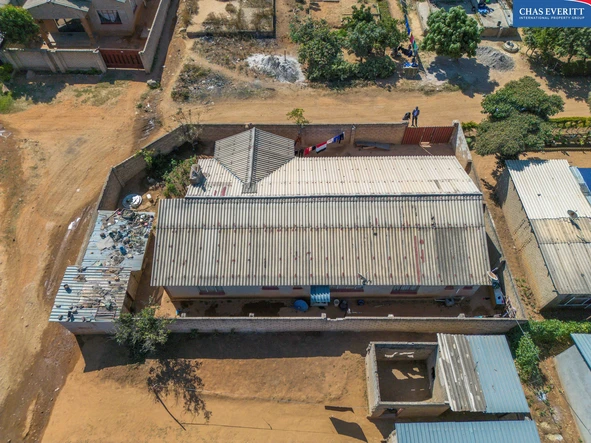
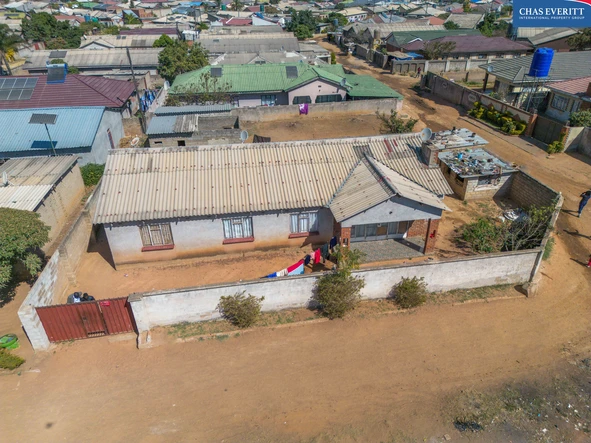
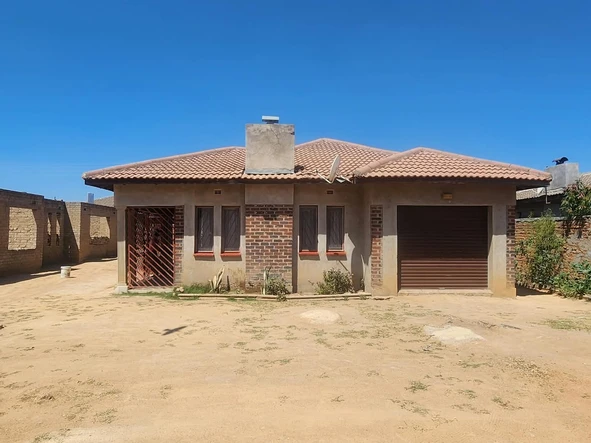
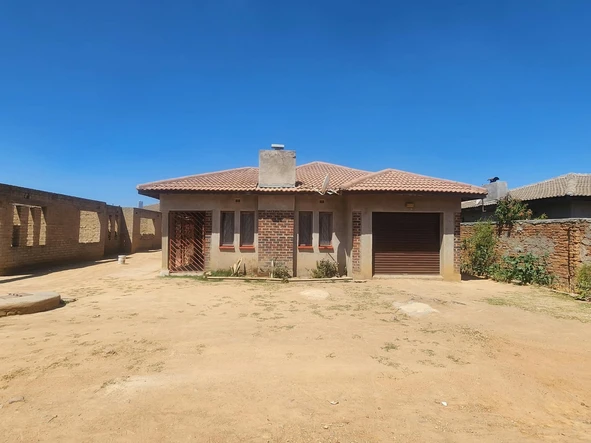
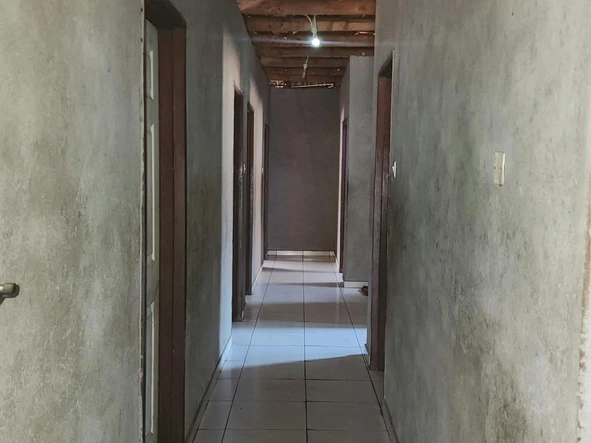
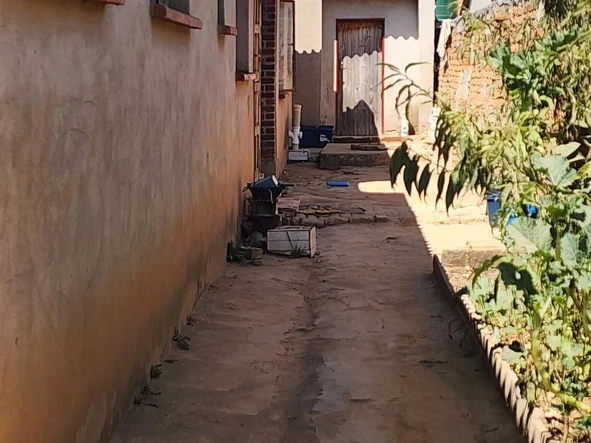
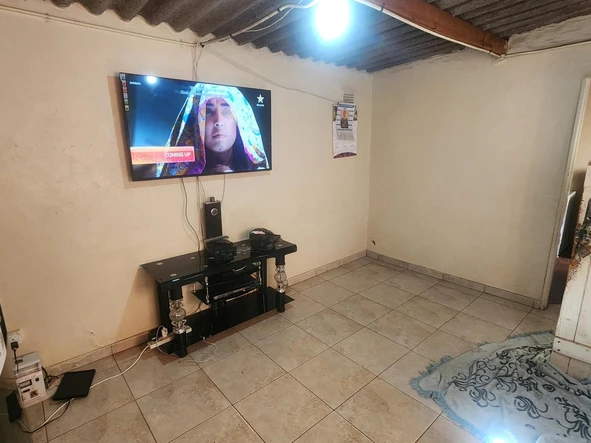
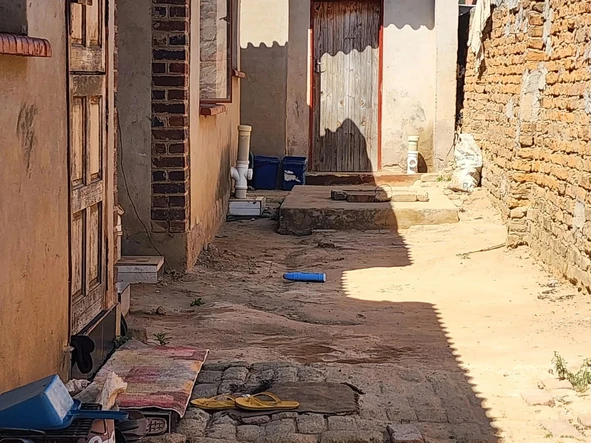
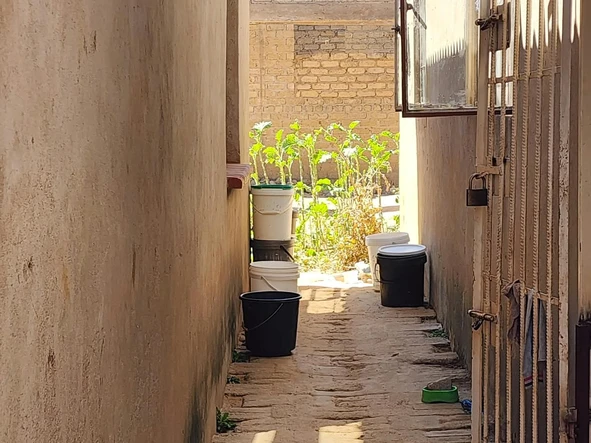
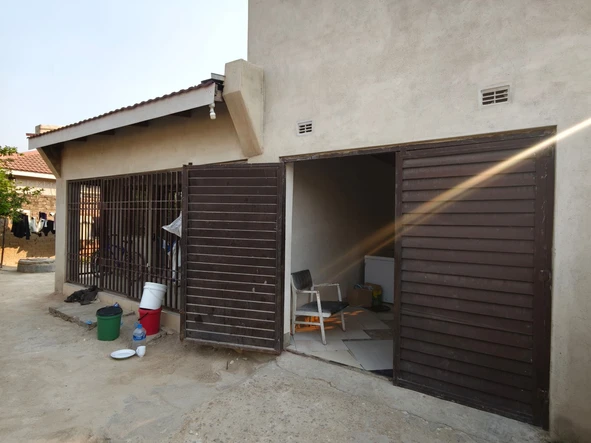
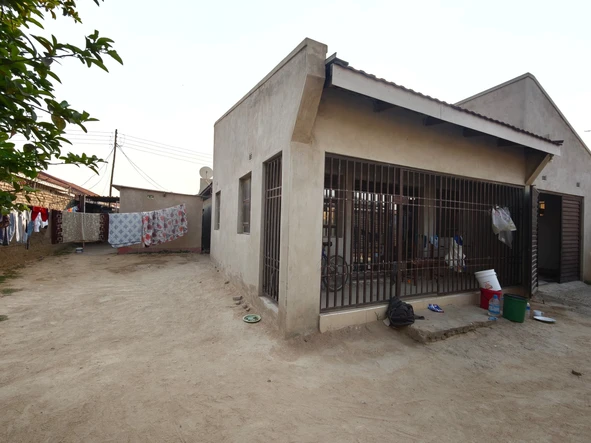
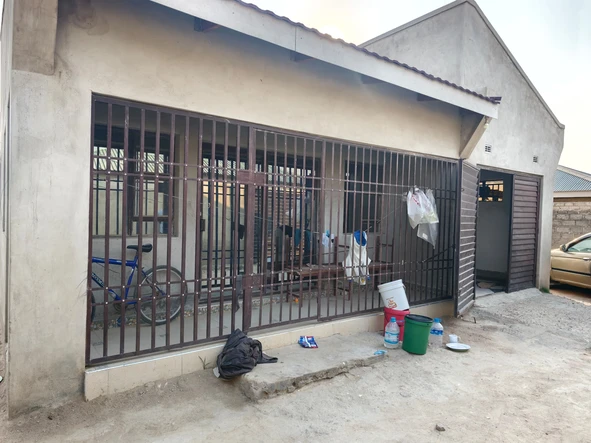
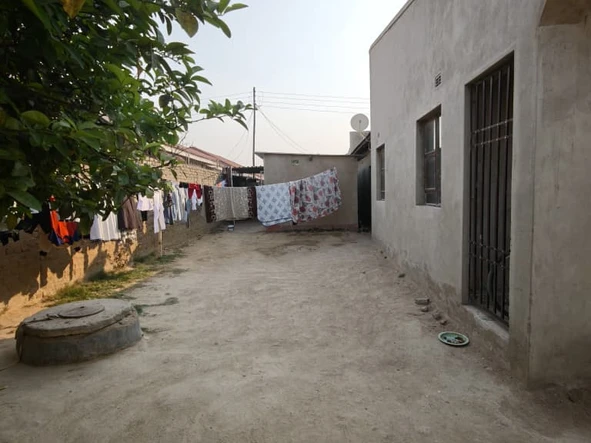
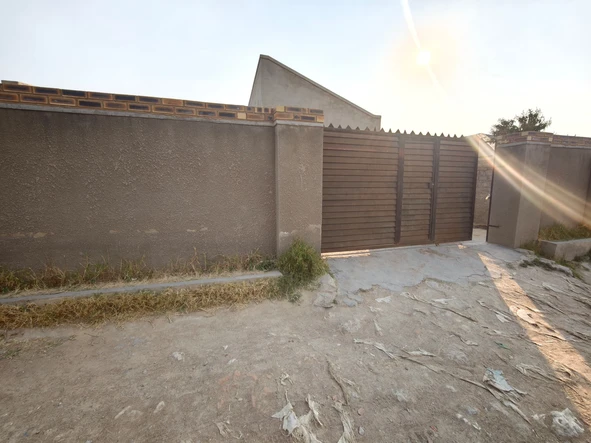
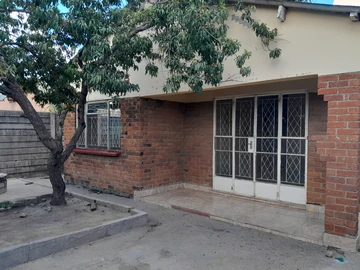
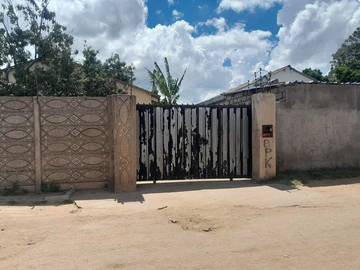
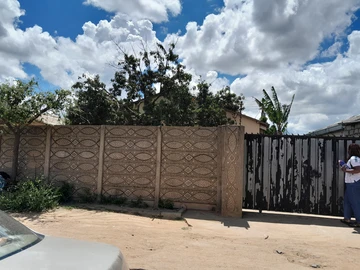
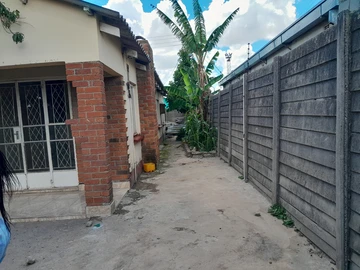
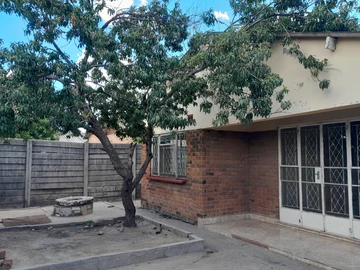
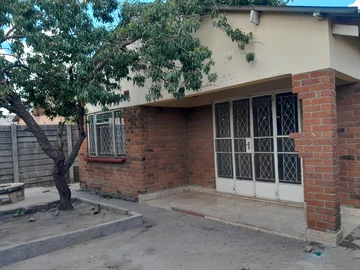
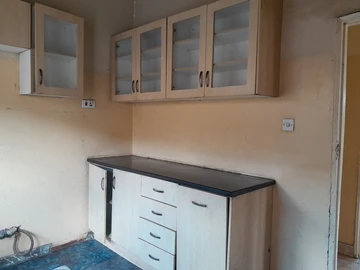
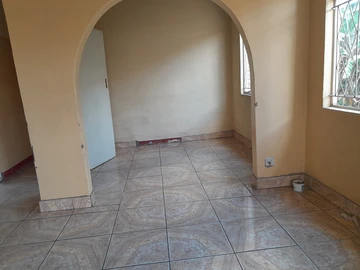
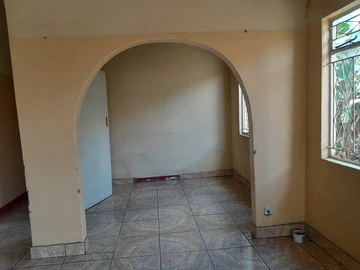
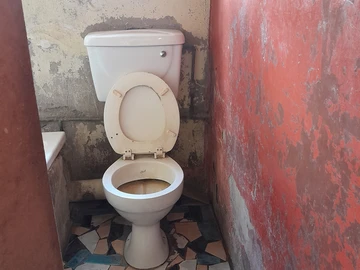
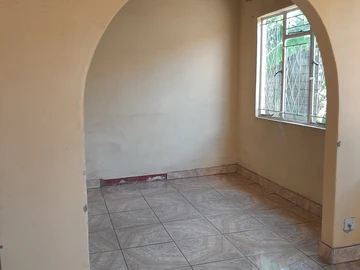
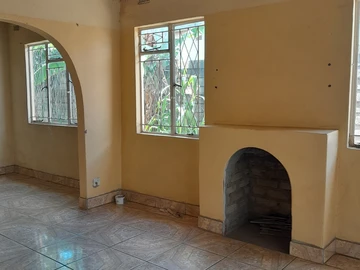
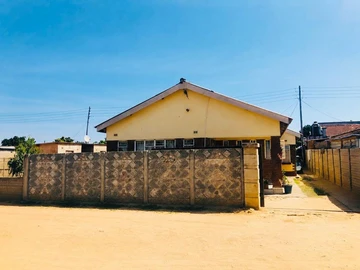
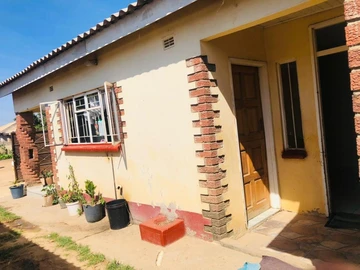
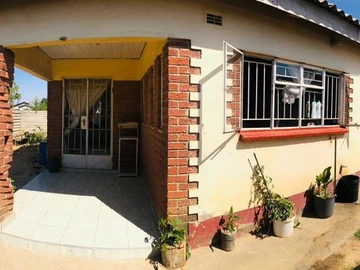
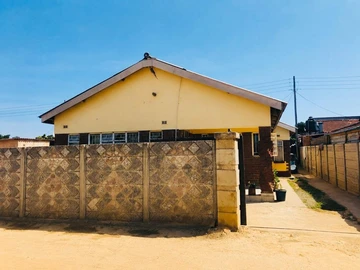
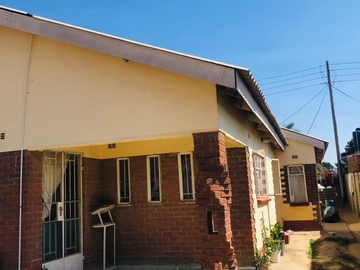
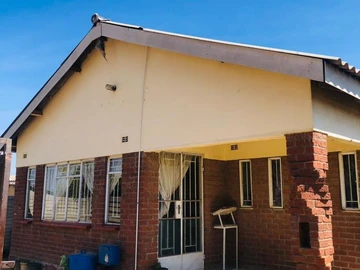
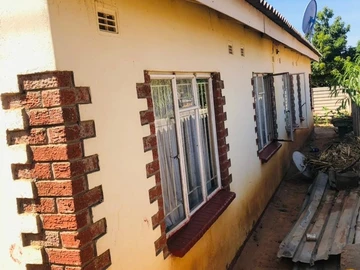
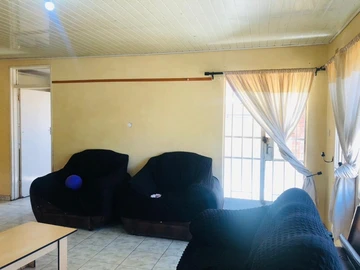
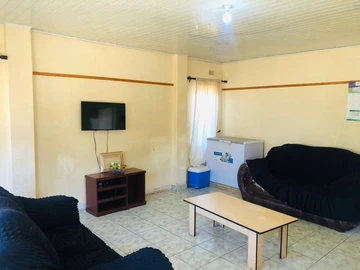
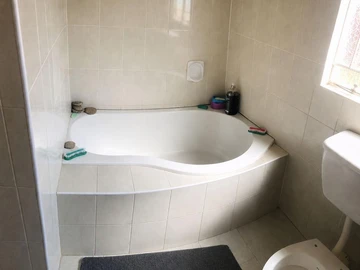
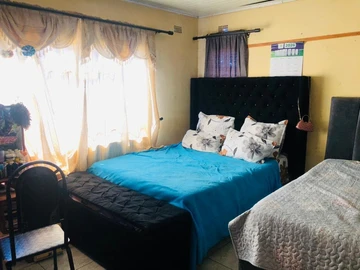
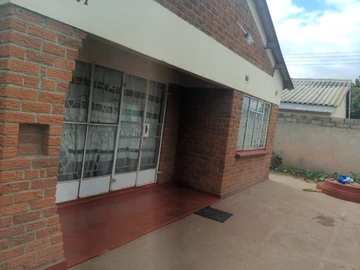
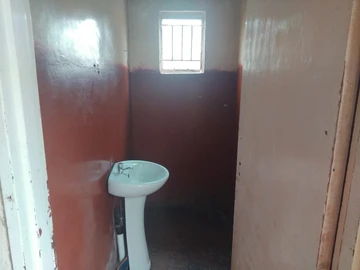
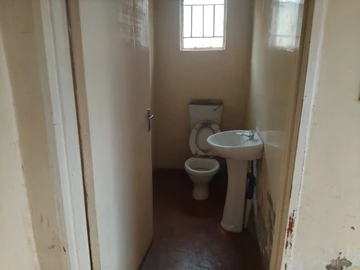
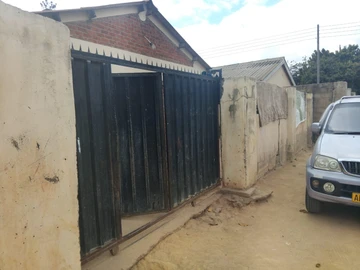
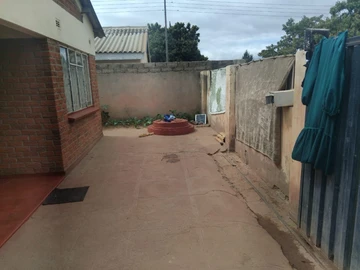
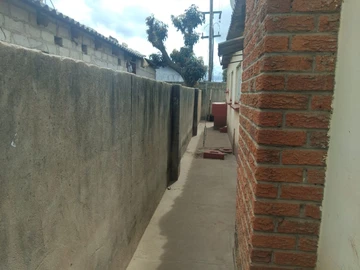
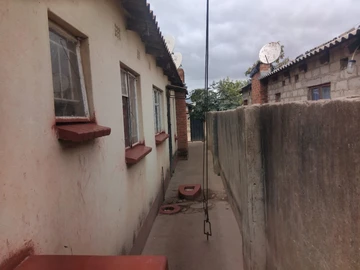
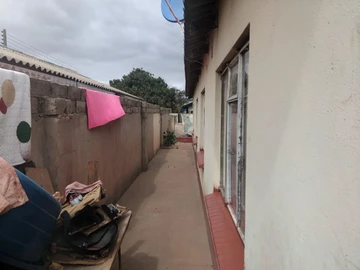
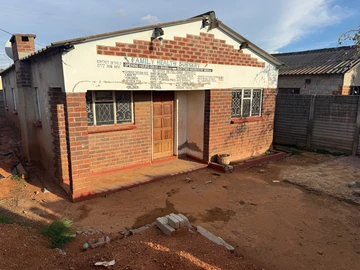
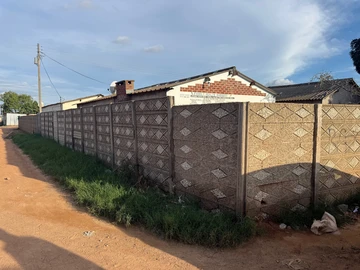
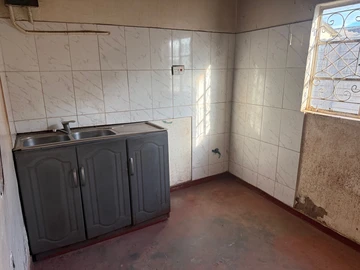
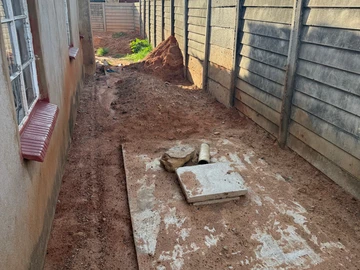
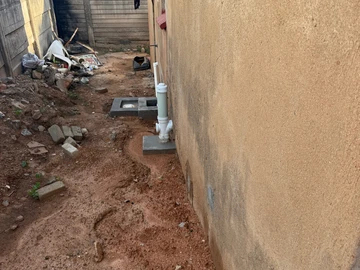
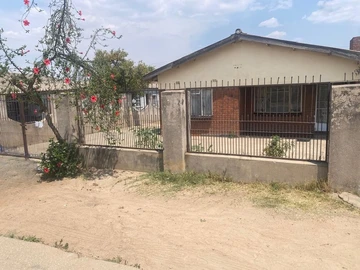
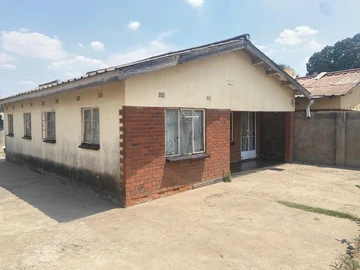
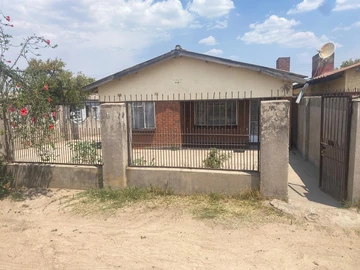
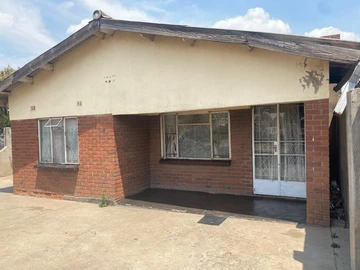
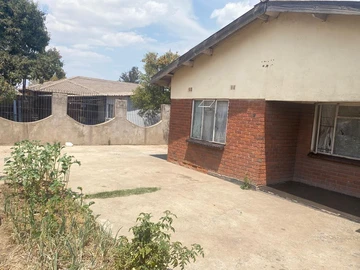
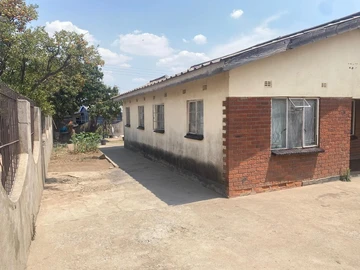
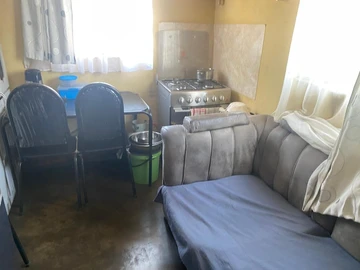
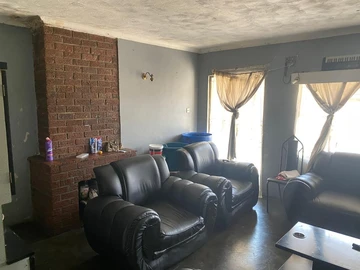
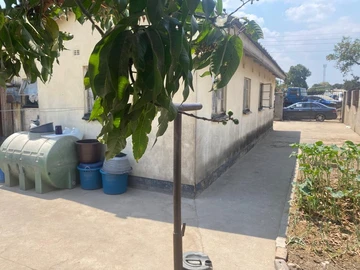
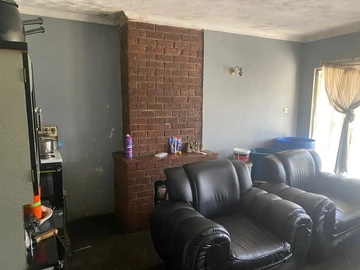
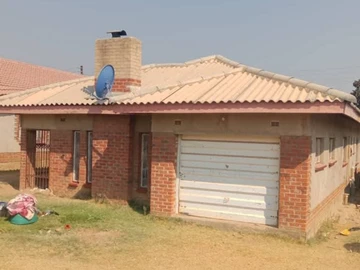
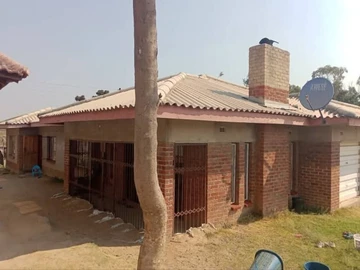
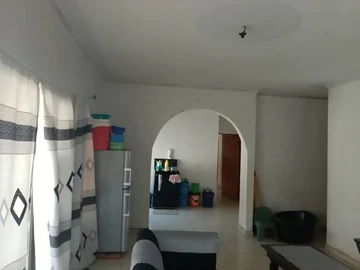
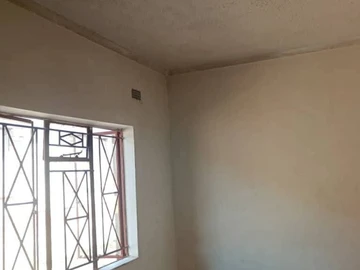
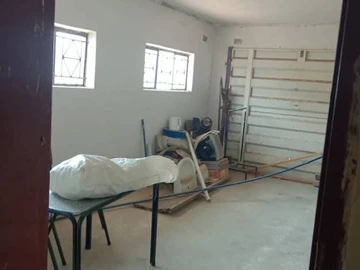
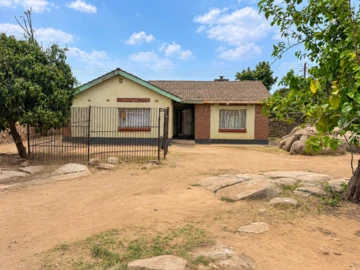
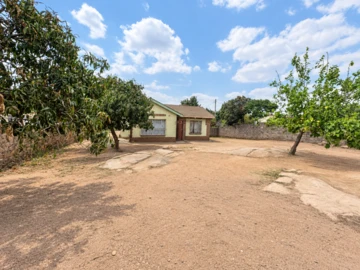
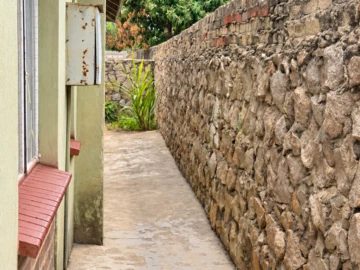
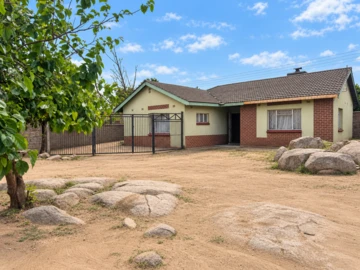
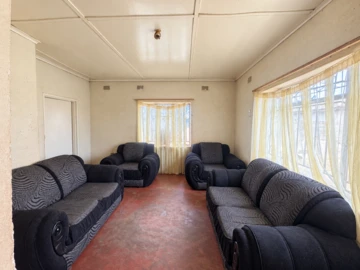
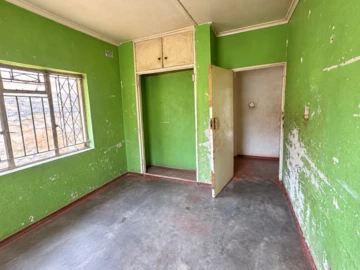
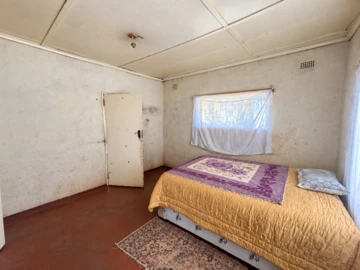
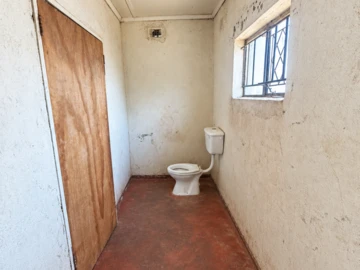
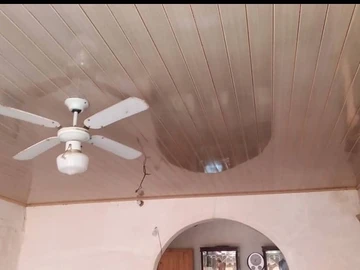
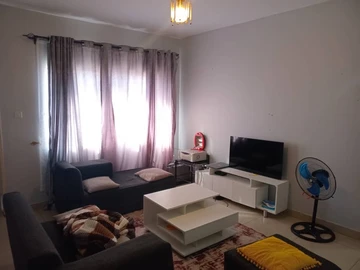
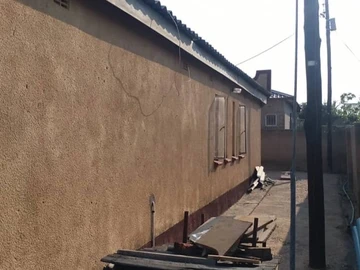
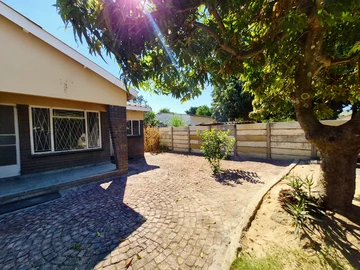
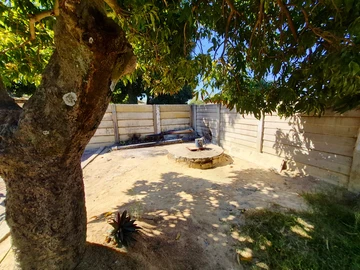
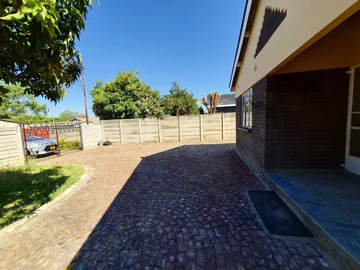
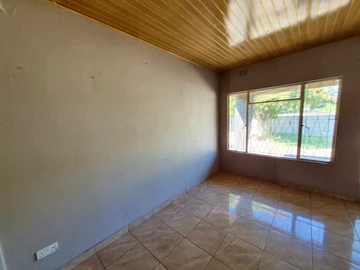
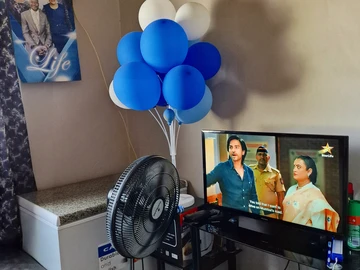
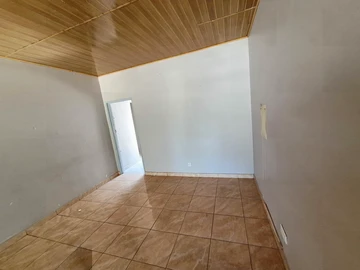
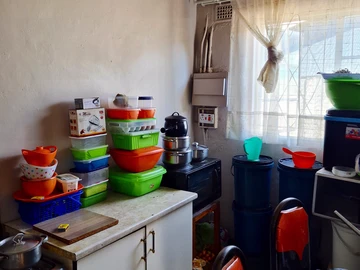
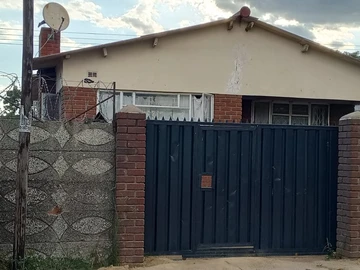
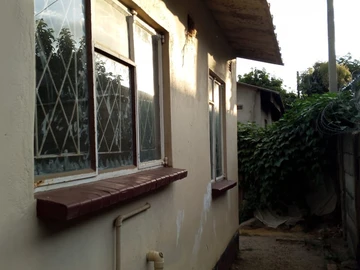
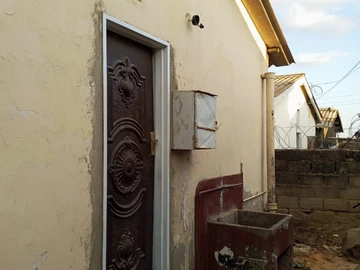
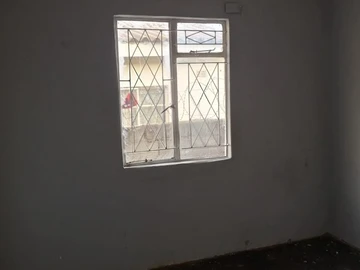
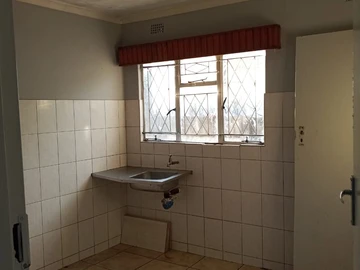
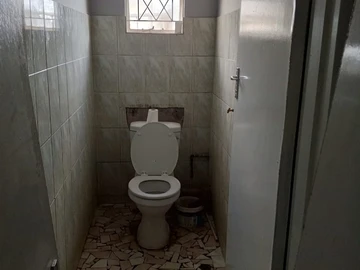
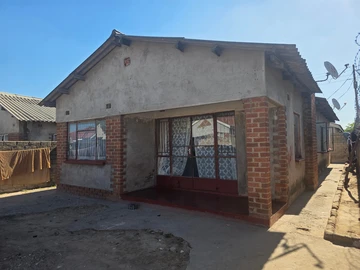
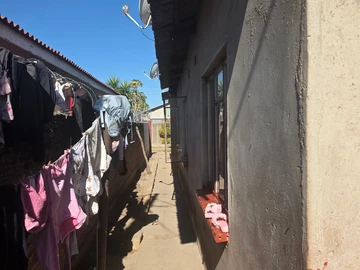
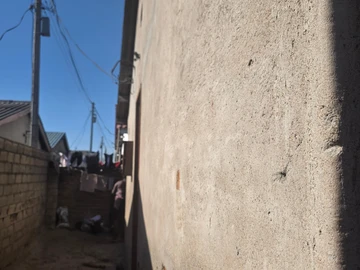
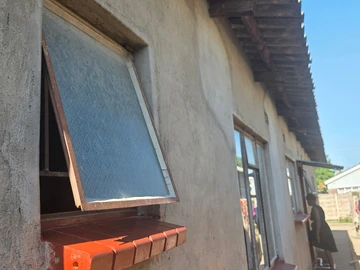
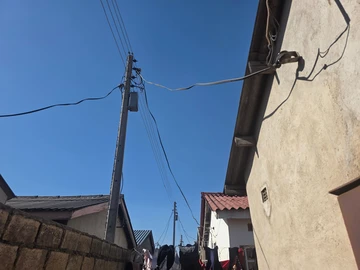
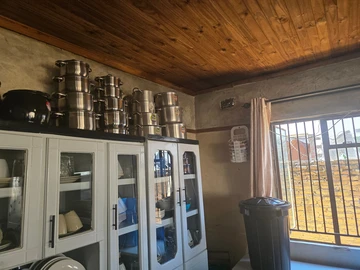
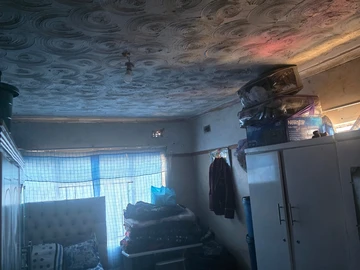
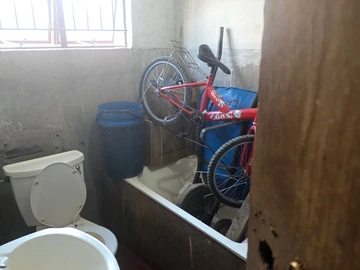
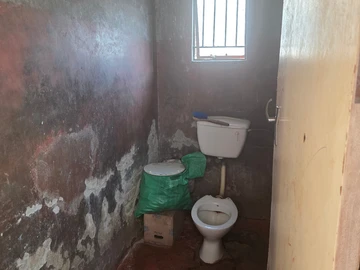
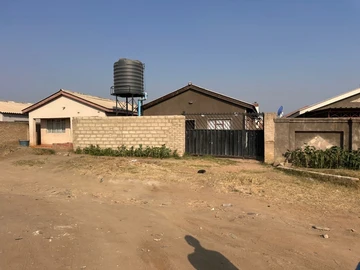
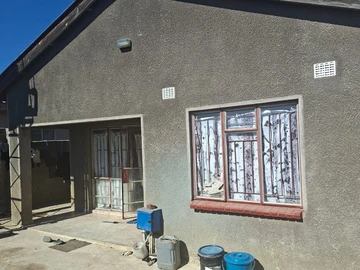
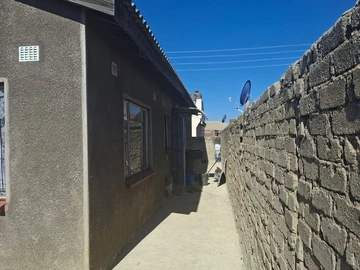
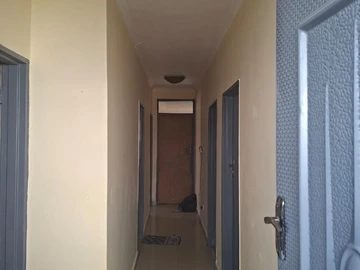
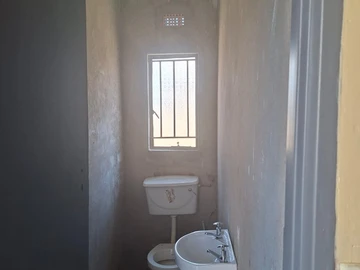
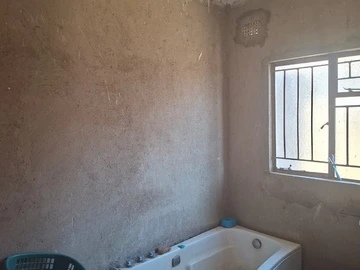
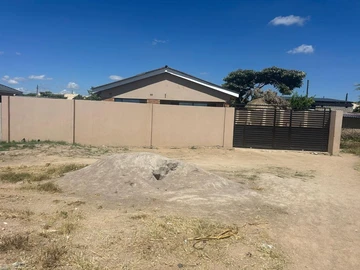
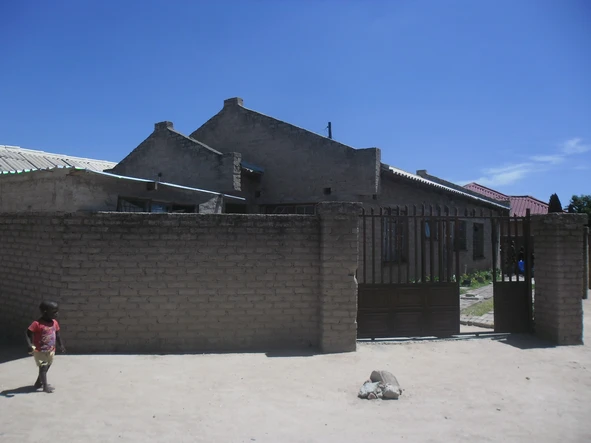
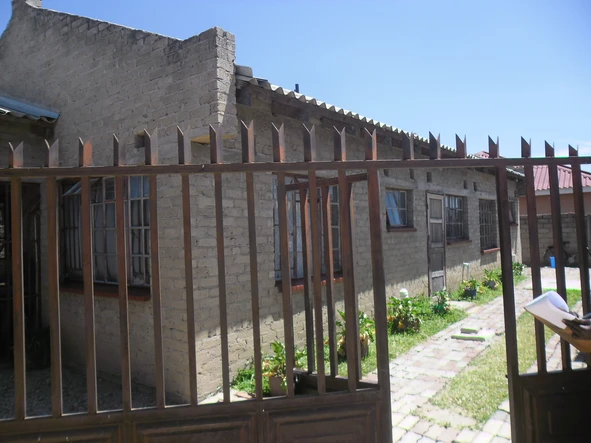
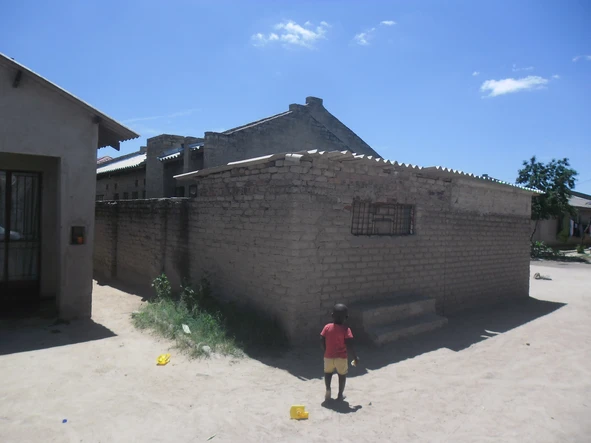
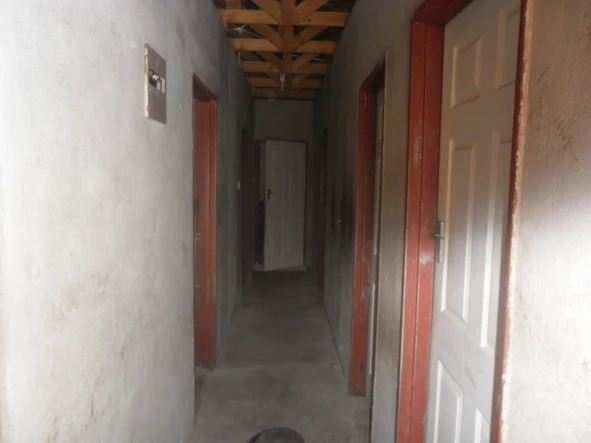
4-bedroom houses for sale in Chitungwiza offer affordable options for families and professionals looking to live near Harare. The average price of the properties currently listed is $35,000, with prices starting from USD 20,000. These homes typically sit on land areas around 300 ㎡, with some larger plots reaching up to 1,450 ㎡. The average house size is about 150 ㎡, with the largest properties measuring up to 500 ㎡.
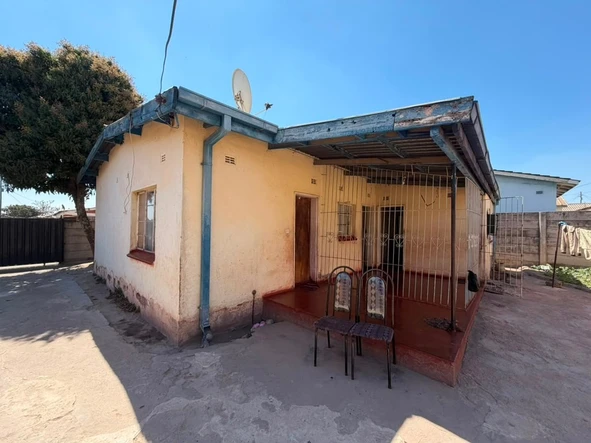
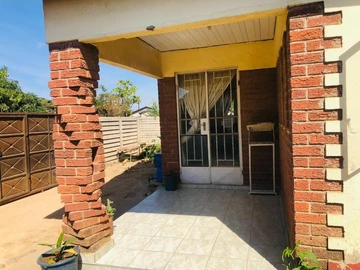
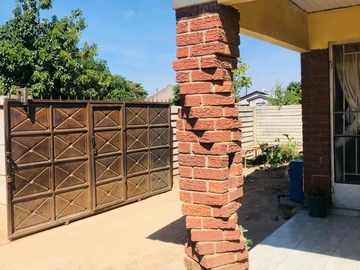
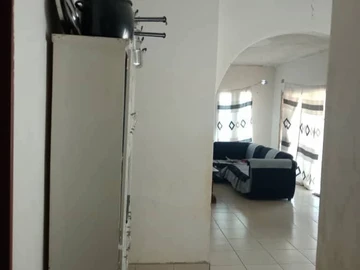
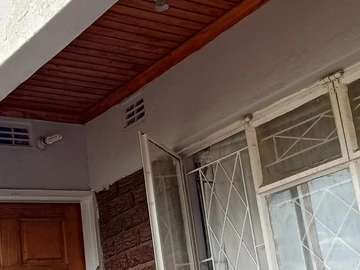
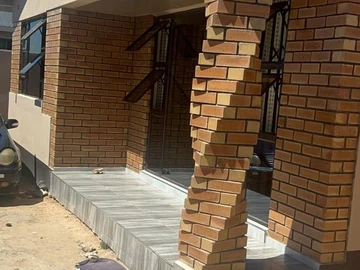
Many of these houses feature verandahs, providing outdoor living space. The properties generally offer practical layouts suitable for family living. The affordability of these homes makes Chitungwiza a popular choice for buyers seeking value close to the capital city.
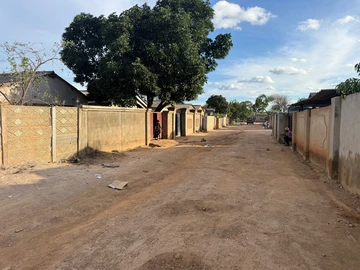
Chitungwiza is a busy dormitory town just south of Harare, known for its strong community feel and mix of formal and informal housing. The area includes important amenities such as Seke 6 High School and St. Mary’s Mission Hospital. Residents can enjoy cultural activities at the Chitungwiza Arts Centre and outdoor recreation at the nearby Mukuvisi Woodlands. Shopping needs are met by Chitungwiza Shopping Centre and local markets, while a variety of local eateries and cafes offer traditional Zimbabwean food and casual dining options.
4
205 m²
4
2
180 m²
4
2
150 m²

Be the first to see new properties for sale in Chitungwiza









| Property Size | Avg. price |
|---|---|
| 2 bedroom (View 7 properties) | $25,000 |
| 3 bedroom (View 13 properties) | $32,500 |
| 4 bedroom (View 30 properties) | $37,000 |
| 5+ bedroom (View 7 properties) | $37,000 |
Understand Zimbabwe’s 2026 rental tax rules, including the 15% commercial regime, residential tax treatment, monthly deadlines and disclosure window
Planning to drill or buy a property with a borehole in Zimbabwe? Check the authority, permit, siting, records and water quality before you commit.
Protect your rental property in Zimbabwe. Learn the 10 essential tenant screening checks landlords should make before signing a lease agreement.
Upgrade your home with the top bathroom trends of 2026 in Zimbabwe. Explore 8 stylish ideas covering luxury vanity finishes, lighting, and eco features.
Buying property in Zimbabwe? Discover hidden costs like stamp duty, conveyancing fees, and taxes that can add 8%–12% or more to your purchase price.






 240 m²