Log in to contact the seller
 Continue with Facebook
 Continue with Email
Continue with Facebook
Continue with Email
Sign up with Facebook
Continue with Email
Continue with Facebook
Continue with Email
Sign up with Facebook
 Change filters
 Requests
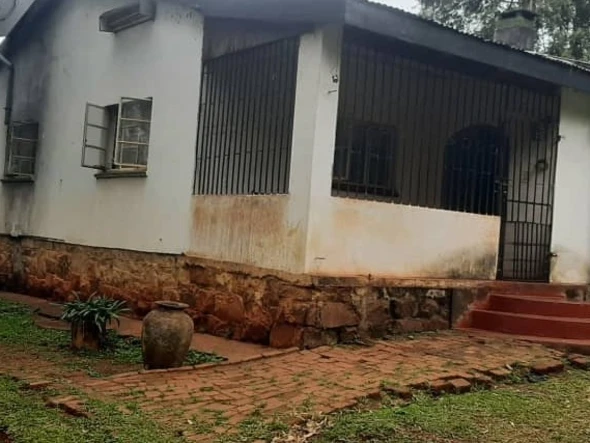

 3
3
 2
149 m²
2
149 m²


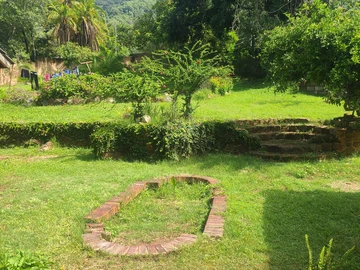
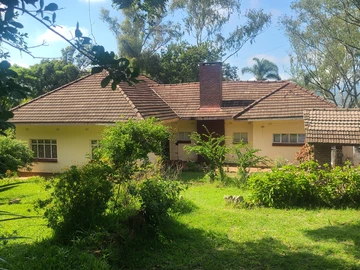
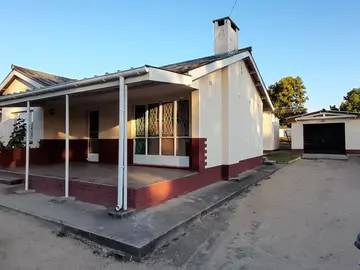
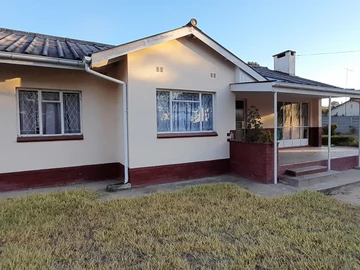
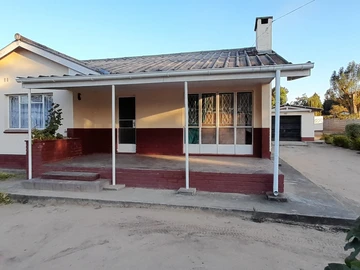
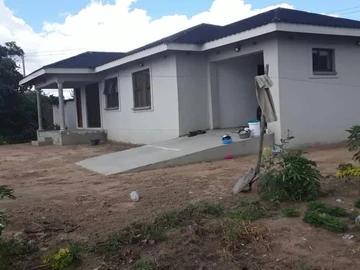
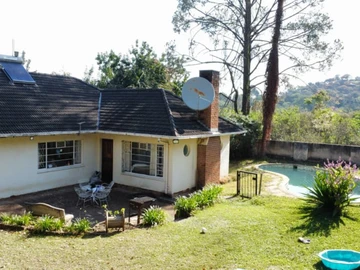
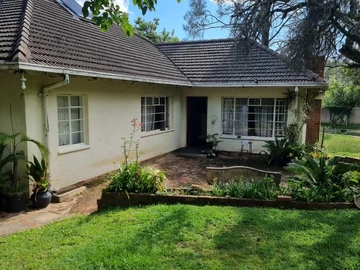
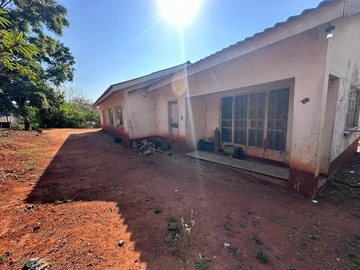
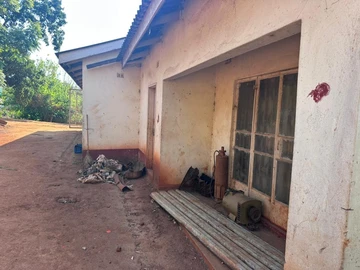
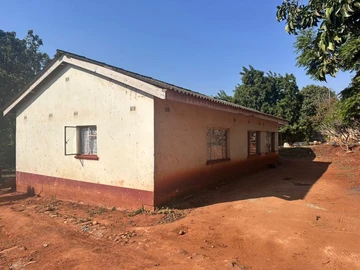
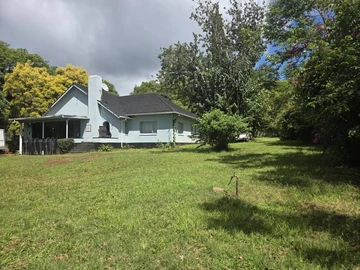
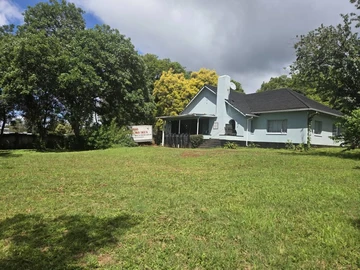
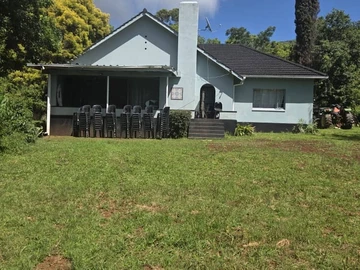
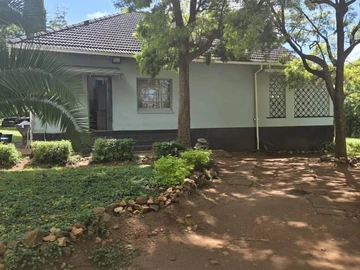
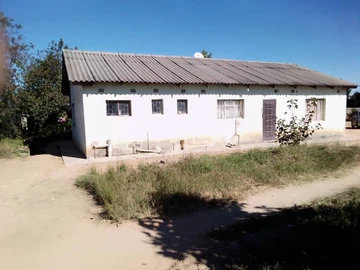
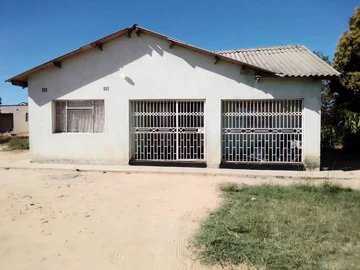
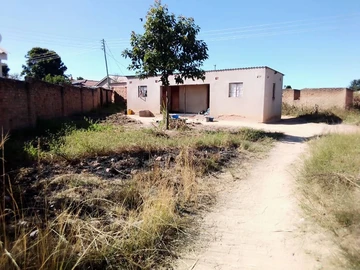
3-bedroom houses for sale in Manicaland offer spacious living with an average price of $200,000. These properties typically sit on land parcels averaging about 2,059 ㎡, with house sizes around 300 ㎡. Larger estates can reach up to 20,100 ㎡ of land and 1,000 ㎡ in building size, catering to buyers looking for expansive rural homes.
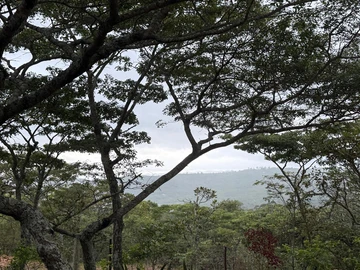
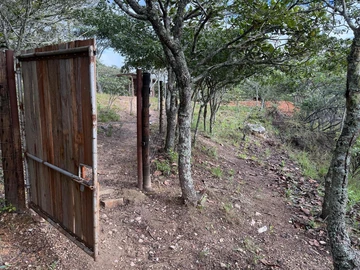
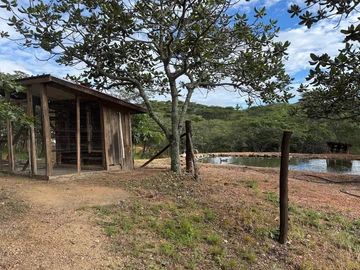
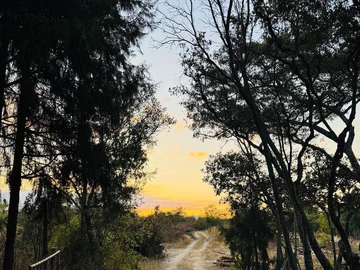
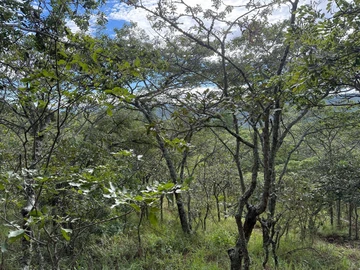
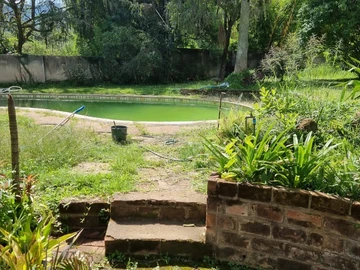
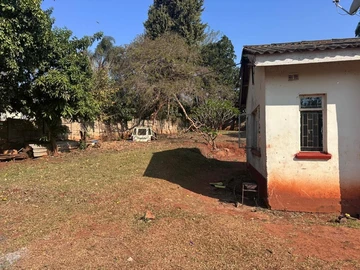
Many homes in this area provide ample outdoor space, ideal for gardening or enjoying the natural surroundings. The properties are generally well-suited for families or retirees seeking a peaceful lifestyle with room to grow. High-end pricing reflects the quality and size of these homes, which often feature traditional layouts and are built to take advantage of the scenic environment.
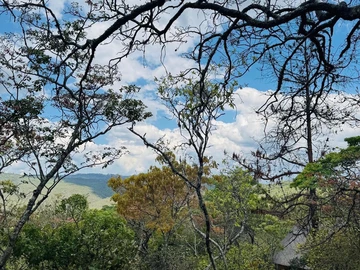
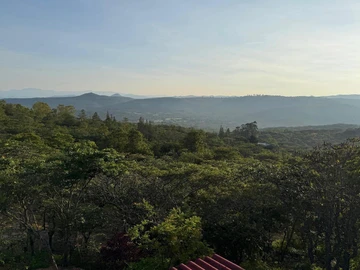
Manicaland is known for its beautiful landscapes, including the nearby Nyanga National Park and Mutarazi Falls, offering excellent opportunities for outdoor activities like hiking and birdwatching. The provincial capital, Mutare, provides essential amenities such as Mutare Provincial Hospital, reputable schools, and shopping centers like Mutare Shopping Centre and Sakubva Market. Good transport links via the A9 highway connect the area to Harare and Mozambique, making it a convenient yet tranquil place to live.
3
2
270 m²
3
140 m²
3
 1,302 m²

Be the first to see new properties for sale in Manicaland






| Property Size | Avg. price |
|---|---|
| 2 bedroom (View 3 properties) | $160,000 |
| 3 bedroom (View 20 properties) | $160,000 |
| 4 bedroom (View 7 properties) | $185,000 |
| 5+ bedroom (View 9 properties) | $280,000 |
Understand Zimbabwe’s 2026 rental tax rules, including the 15% commercial regime, residential tax treatment, monthly deadlines and disclosure window
Planning to drill or buy a property with a borehole in Zimbabwe? Check the authority, permit, siting, records and water quality before you commit.
Protect your rental property in Zimbabwe. Learn the 10 essential tenant screening checks landlords should make before signing a lease agreement.
Upgrade your home with the top bathroom trends of 2026 in Zimbabwe. Explore 8 stylish ideas covering luxury vanity finishes, lighting, and eco features.
Buying property in Zimbabwe? Discover hidden costs like stamp duty, conveyancing fees, and taxes that can add 8%–12% or more to your purchase price.