Log in to contact the seller
 Continue with Facebook
 Continue with Email
Continue with Facebook
Continue with Email
Sign up with Facebook
Continue with Email
Continue with Facebook
Continue with Email
Sign up with Facebook
 Change filters
 Requests


 3
3
 2
1,000 m²
2
1,000 m²


 3
3
3
3
 4,042 m²
6
4
500 m²
6
4
600 m²
3
1
600 m²
4,042 m²
6
4
500 m²
6
4
600 m²
3
1
600 m²

 2
1
400 m²
2
1
400 m²
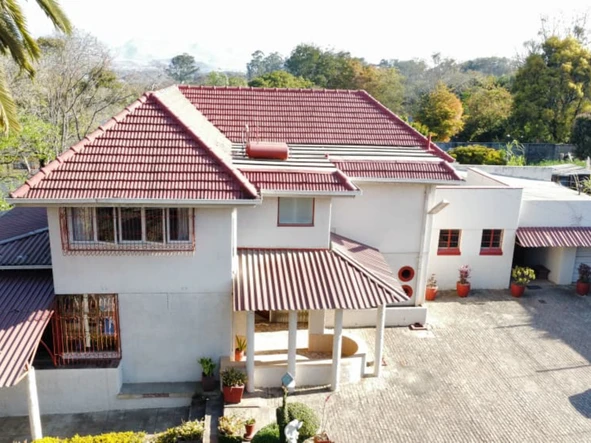
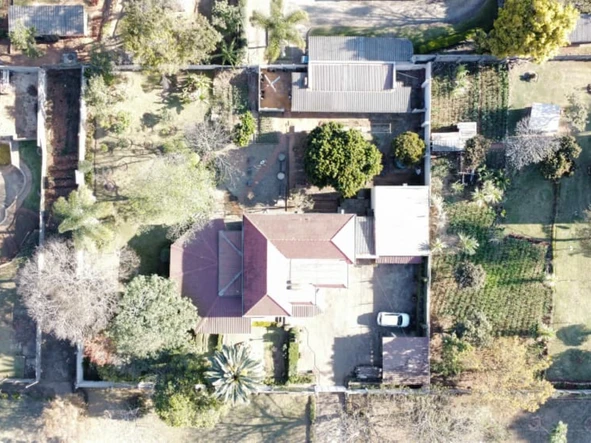
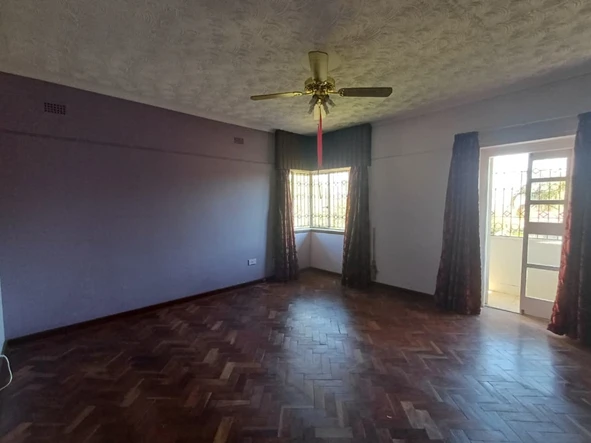
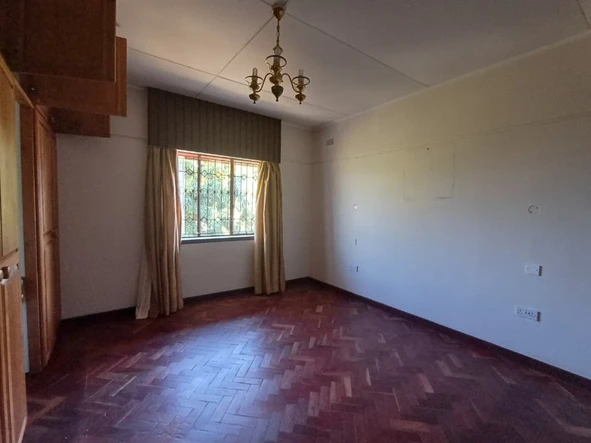
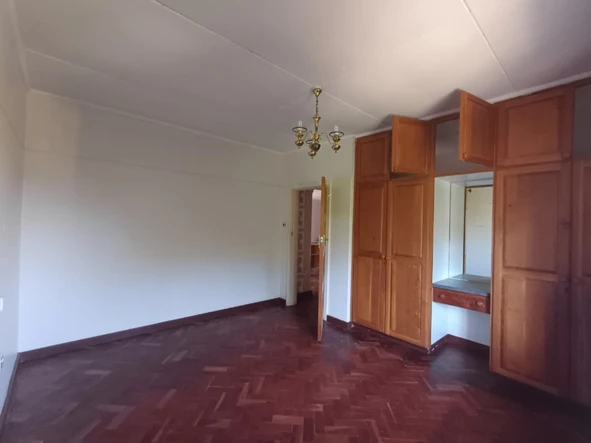
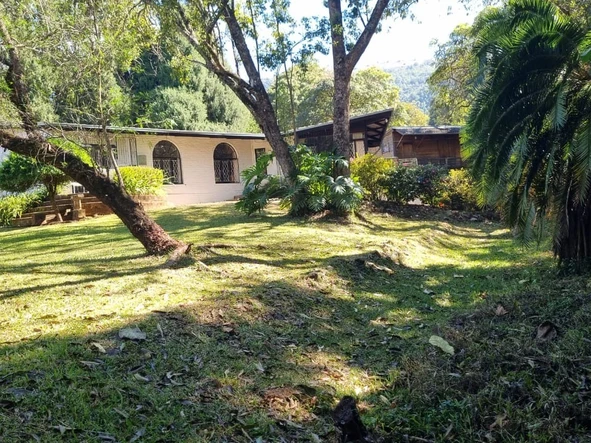
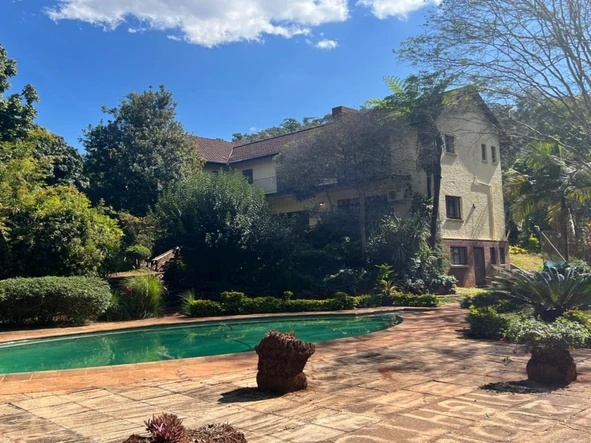
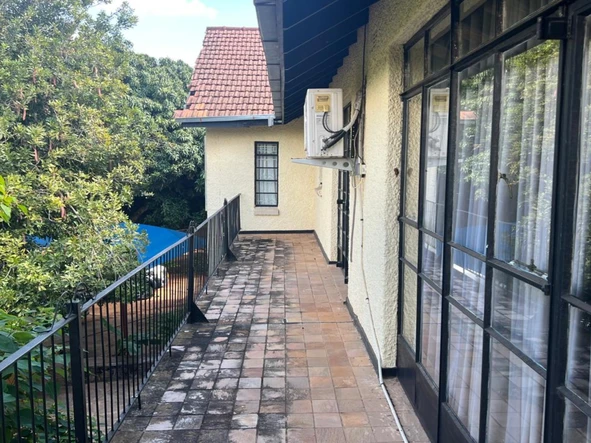
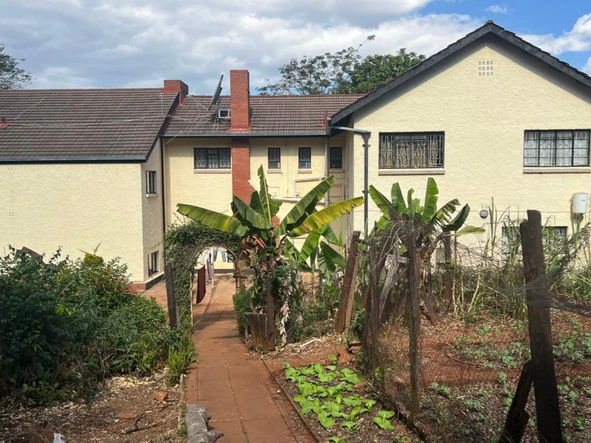
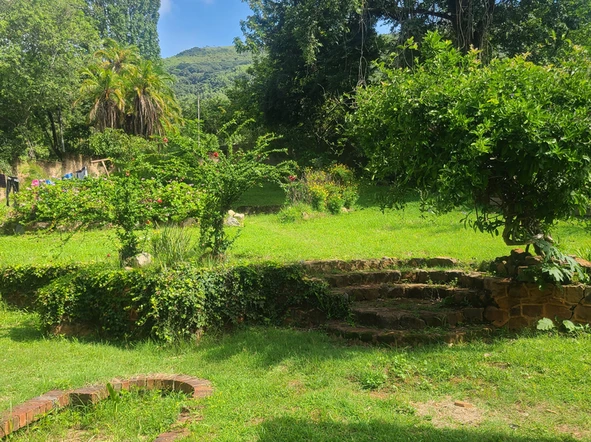
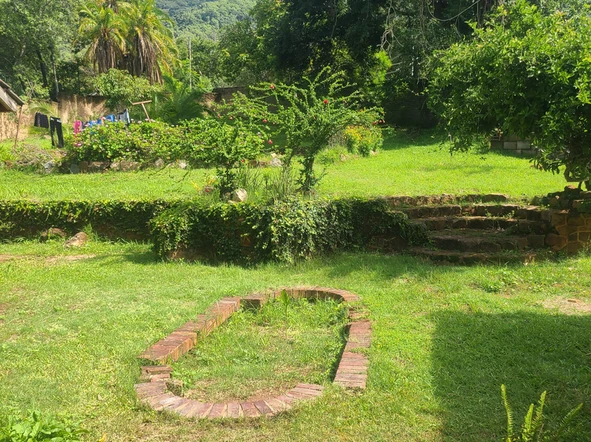
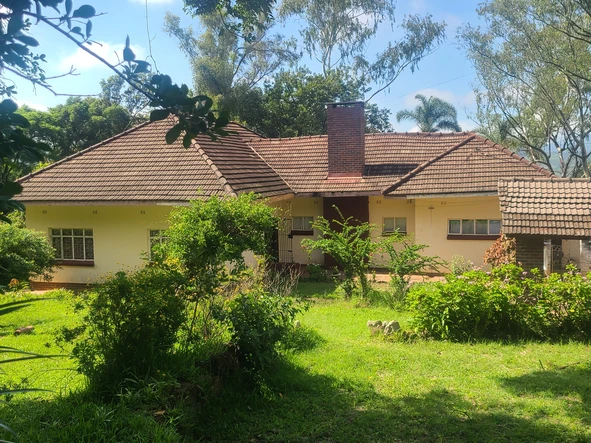
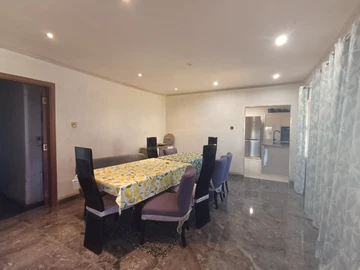
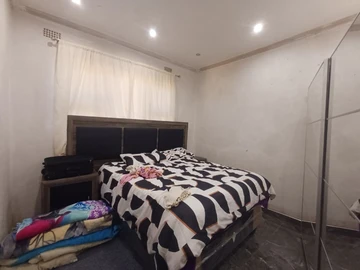
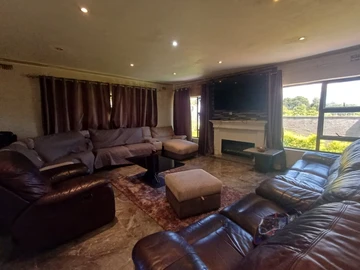
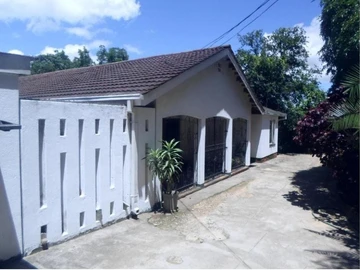
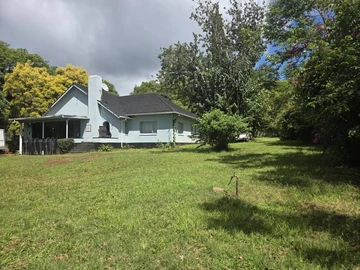
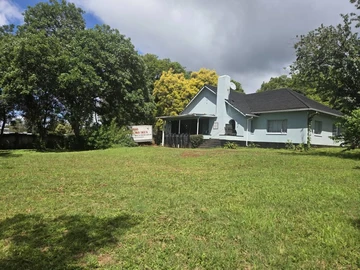
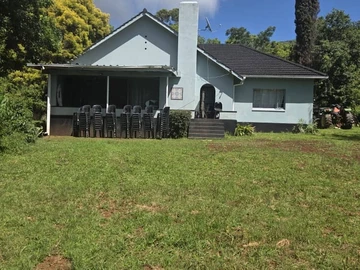
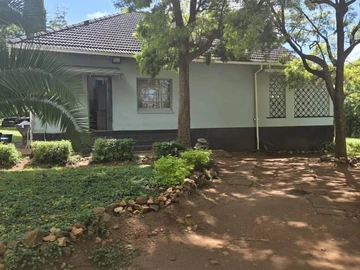
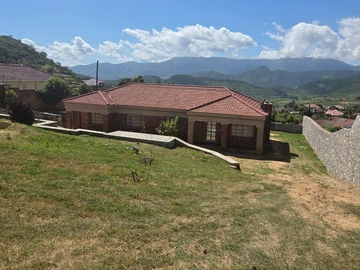
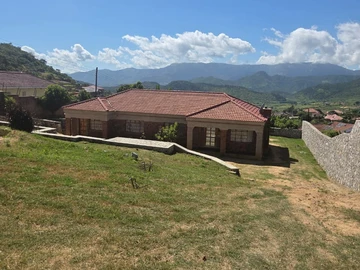
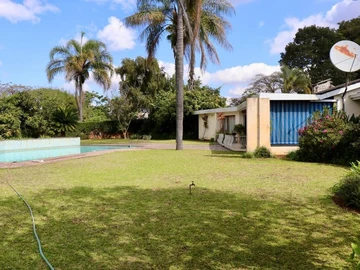
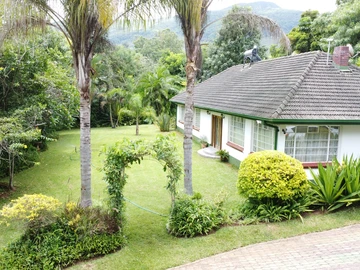
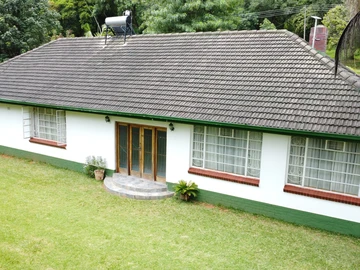
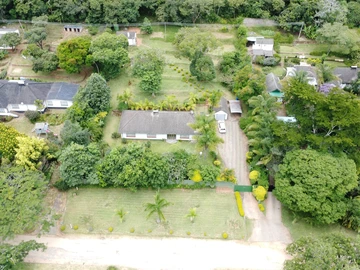
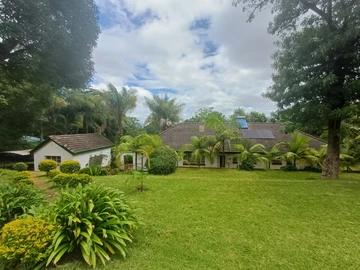
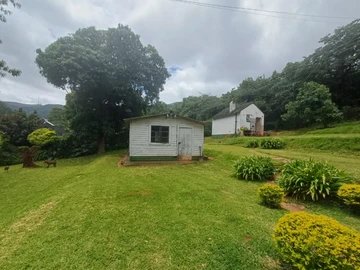
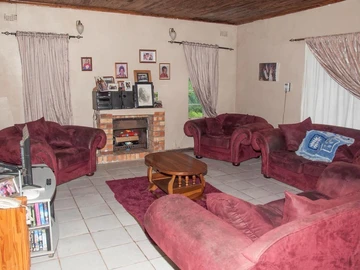
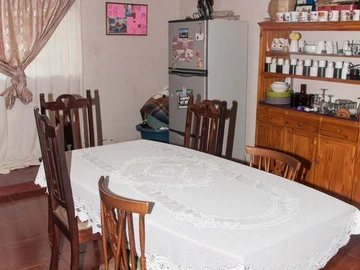
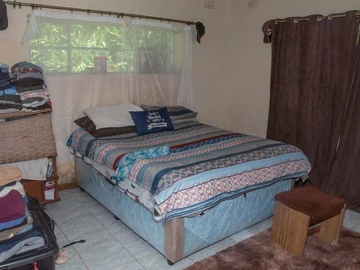
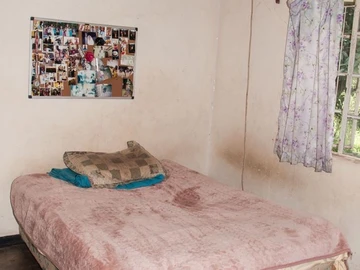
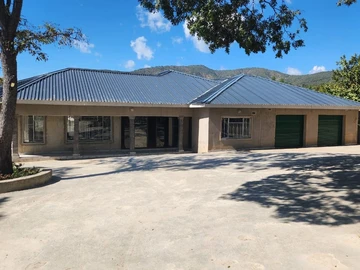
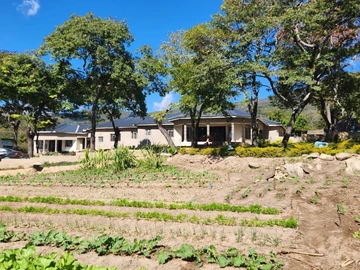
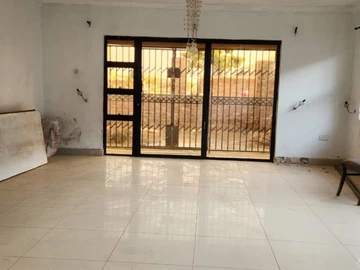
Houses for sale in Mutare, Manicaland, offer a range of options with an average price of $205,000. These properties typically sit on land parcels averaging 2,450 ㎡, with building sizes around 300 ㎡. The largest homes can reach up to 1,000 ㎡ on land as large as 20,100 ㎡, while smaller plots start from about 200 ㎡.
Many houses come with municipal water connections, providing reliable access to essential services. The properties vary in size and style, catering to different budgets and preferences, making Mutare a practical choice for families and professionals seeking spacious homes in a growing city.
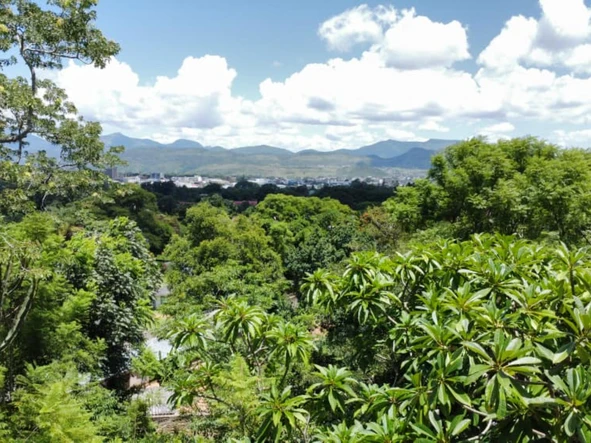
Mutare is the third-largest city in Zimbabwe and the capital of Manicaland Province, known for its cooler climate and scenic Eastern Highlands surroundings. Residents enjoy access to amenities such as Mutare Polytechnic, Mutare Provincial Hospital, and several schools. Shopping options include Mutare Shopping Centre and Mutare City Mall, while local markets like Sakubva Market offer fresh produce. The city also features attractions like the Vumba Botanical Gardens and Bvumba Mountains for outdoor activities. Good transport links by road and rail connect Mutare to Harare and Mozambique, supporting both commuting and trade.
4
2
400 m²
4
3
3,498 m²
3
2
500 m²
3
2
200 m²
6
3
200 m²

Be the first to see new properties for sale in Mutare











| Property Size | Avg. price |
|---|---|
| 3 bedroom (View 14 properties) | $175,000 |
| 4 bedroom (View 6 properties) | $122,500 |
| 5+ bedroom (View 9 properties) | $345,000 |
Separating Myth from Matrimonial and Real Estate Law in Zimbabwe. Discover how property rights, inheritance, and land ownership are legally determined
Learn how to safely transfer property from a deceased estate in Zimbabwe and navigate the 6-to-12-month probate timeline at the Master of the High Court.
Understand the critical differences between registered title deeds and cession rights when buying property in Zimbabwe. This 2026 property guide covers legal
Navigate the complex intersection of marriage and property ownership in Zimbabwe by mastering the legal weight of joint title deed registration.
Protect your rental capital by mastering the legal boundaries of security deposits in Zimbabwe, which serve as a conditional safeguard rather than immediate lan