Log in to contact the seller
 Continue with Facebook
 Continue with Email
Continue with Facebook
Continue with Email
Sign up with Facebook
Continue with Email
Continue with Facebook
Continue with Email
Sign up with Facebook
 Change filters
 Requests



 4
4
 3
265 m²
3
265 m²


 3
2
149 m²
3
2
149 m²
 6
3
200 m²
6
3
200 m²
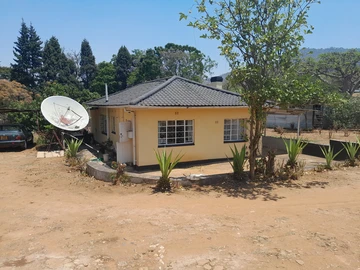
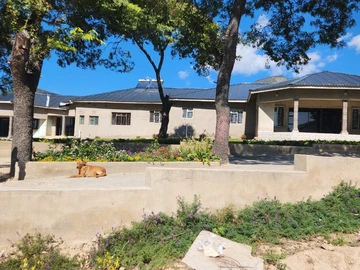
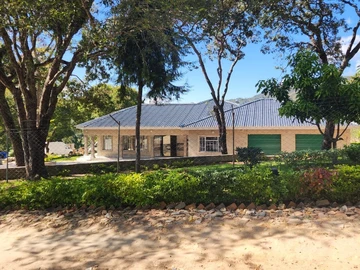
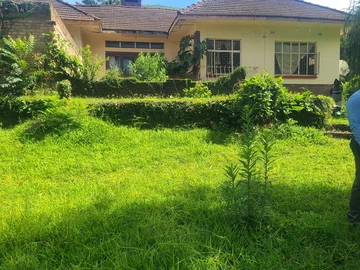
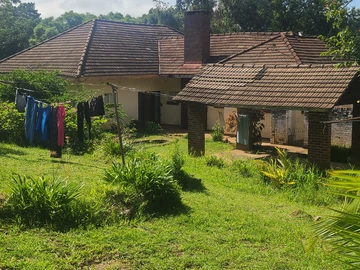
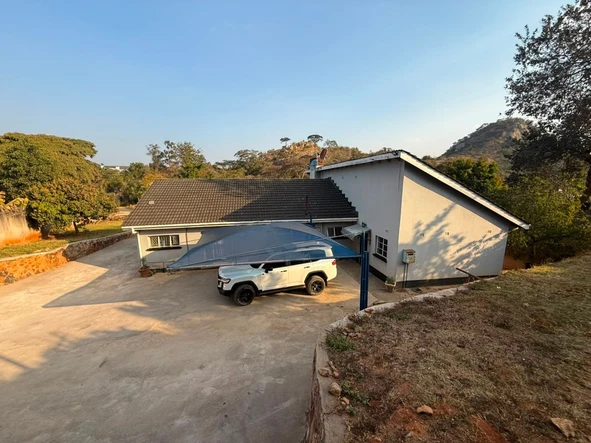
Houses for sale in Mutare, Manicaland, offer a range of options with an average price of $180,000. These properties typically sit on land parcels averaging 2,450 ㎡, with building sizes around 300 ㎡. The largest homes can reach up to 1,000 ㎡ on land as large as 20,100 ㎡, while smaller plots start from about 200 ㎡.
Many houses come with municipal water connections, providing reliable access to essential services. The properties vary in size and style, catering to different budgets and preferences, making Mutare a practical choice for families and professionals seeking spacious homes in a growing city.
Mutare is the third-largest city in Zimbabwe and the capital of Manicaland Province, known for its cooler climate and scenic Eastern Highlands surroundings. Residents enjoy access to amenities such as Mutare Polytechnic, Mutare Provincial Hospital, and several schools. Shopping options include Mutare Shopping Centre and Mutare City Mall, while local markets like Sakubva Market offer fresh produce. The city also features attractions like the Vumba Botanical Gardens and Bvumba Mountains for outdoor activities. Good transport links by road and rail connect Mutare to Harare and Mozambique, supporting both commuting and trade.
4
3
 3,498 m²
3
2
270 m²
3
140 m²
4
2
400 m²
3,498 m²
3
2
270 m²
3
140 m²
4
2
400 m²

Be the first to see new properties for sale in Mutare







| Property Size | Avg. price |
|---|---|
| 3 bedroom (View 13 properties) | $170,000 |
| 4 bedroom (View 6 properties) | $150,000 |
| 5+ bedroom (View 6 properties) | $282,500 |
Understand Zimbabwe’s 2026 rental tax rules, including the 15% commercial regime, residential tax treatment, monthly deadlines and disclosure window
Planning to drill or buy a property with a borehole in Zimbabwe? Check the authority, permit, siting, records and water quality before you commit.
Protect your rental property in Zimbabwe. Learn the 10 essential tenant screening checks landlords should make before signing a lease agreement.
Upgrade your home with the top bathroom trends of 2026 in Zimbabwe. Explore 8 stylish ideas covering luxury vanity finishes, lighting, and eco features.
Buying property in Zimbabwe? Discover hidden costs like stamp duty, conveyancing fees, and taxes that can add 8%–12% or more to your purchase price.