Log in to contact the seller
 Continue with Facebook
 Continue with Email
Continue with Facebook
Continue with Email
Sign up with Facebook
Continue with Email
Continue with Facebook
Continue with Email
Sign up with Facebook
 Change filters
 Requests




 3
3
 2
5
3
350 m²
2
5
3
350 m²

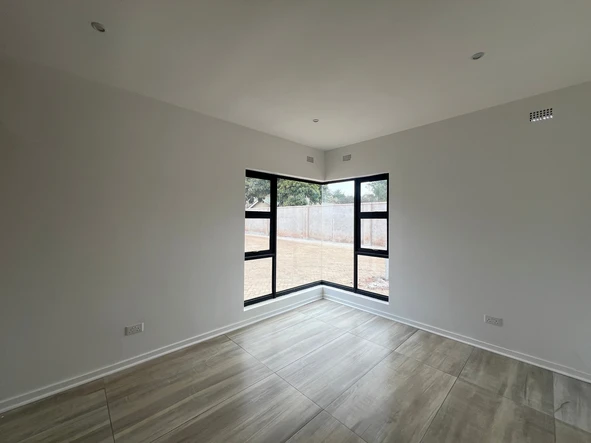
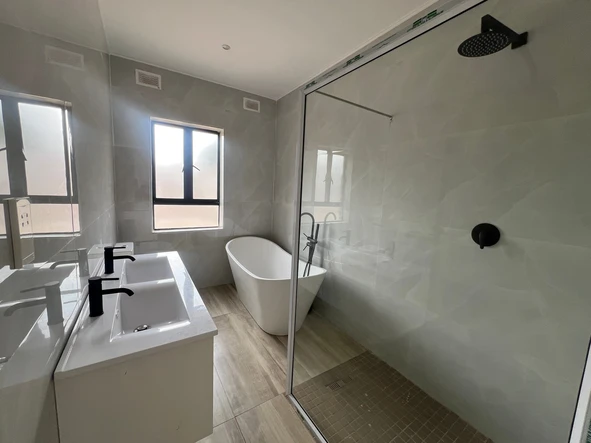
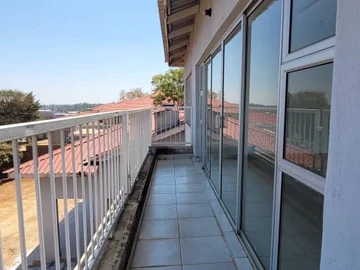
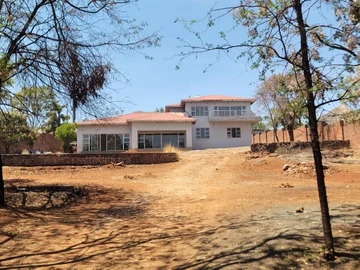
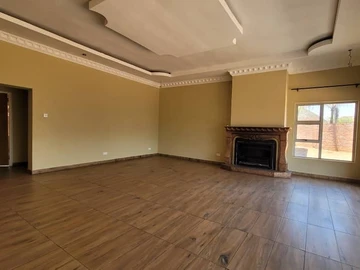
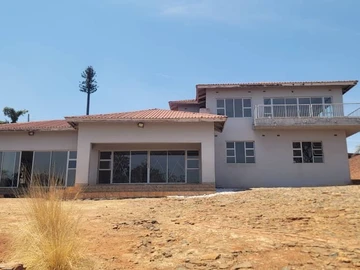
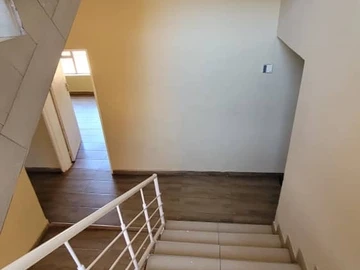
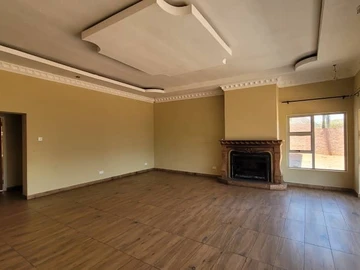
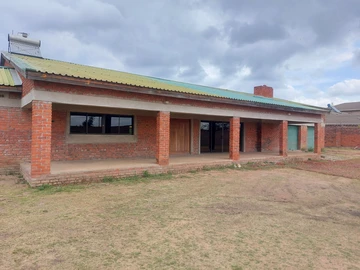
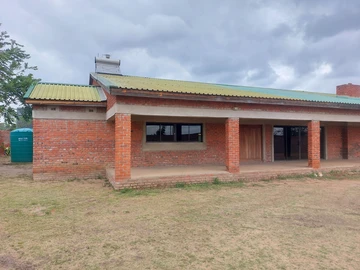
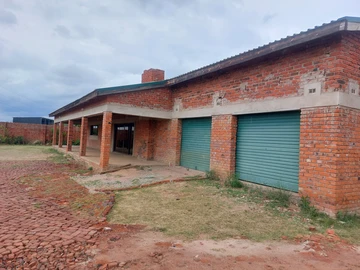
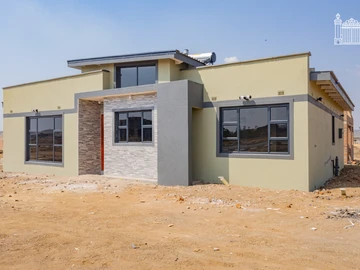
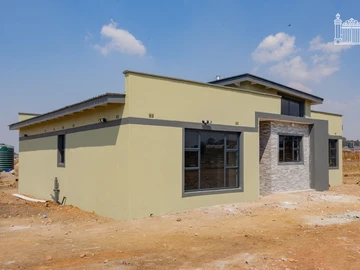
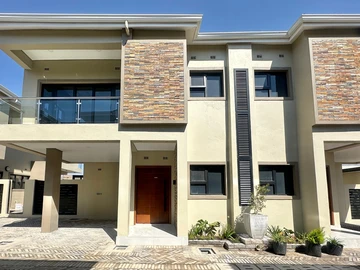
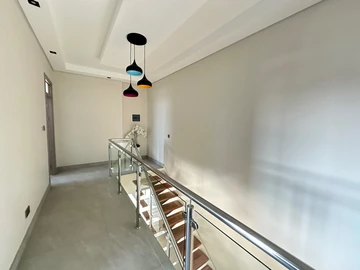
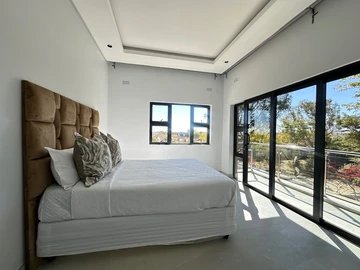
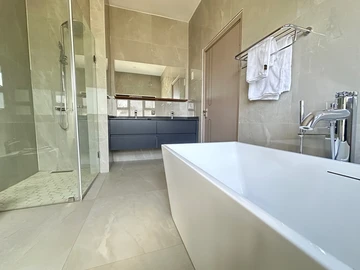
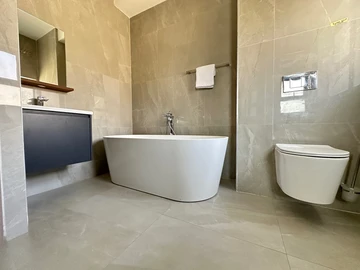
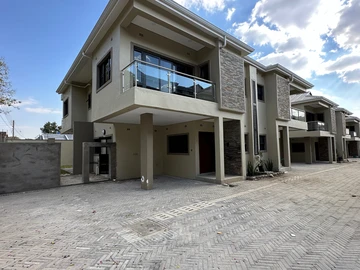
Properties for rent in Pomona, Harare North, offer spacious living with an average rental price of $2,000 per month. These homes typically sit on land areas around 1,700 ㎡, with property sizes averaging 532 ㎡. The largest properties available can reach up to 4,000 ㎡ in size, providing ample space for families or professionals seeking comfort and privacy.
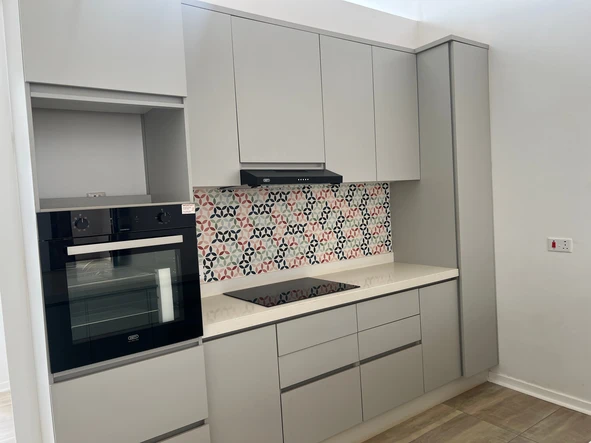
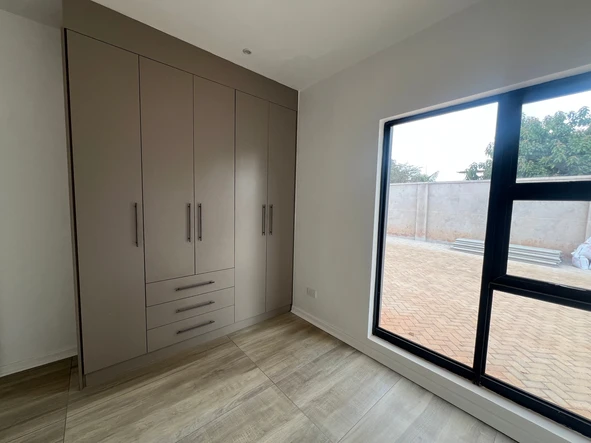
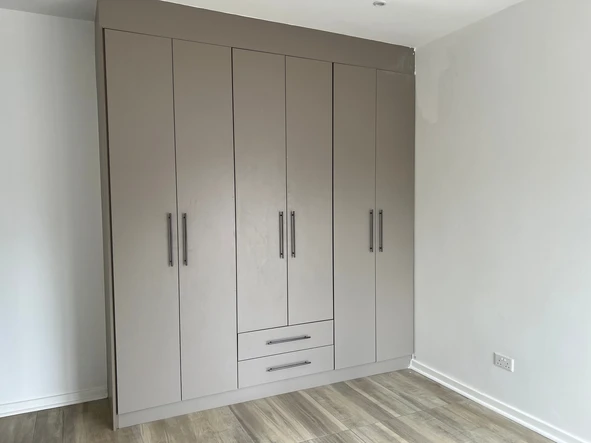
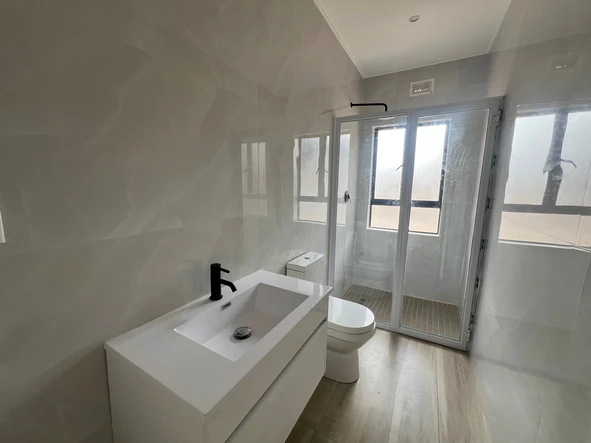
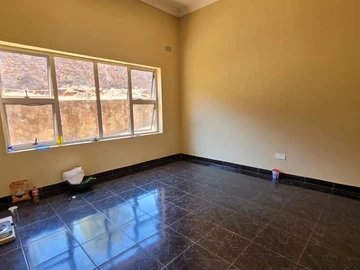
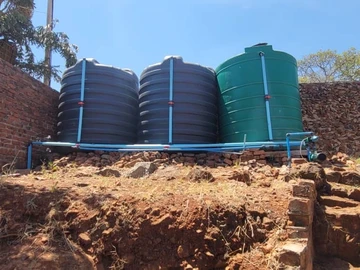
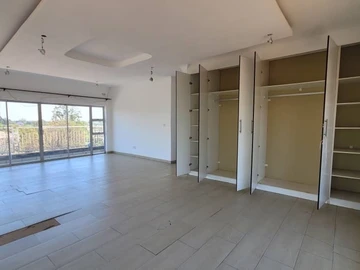
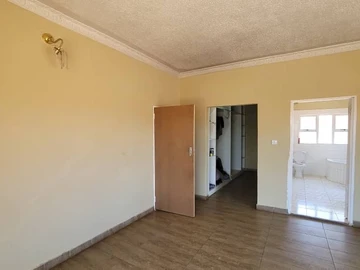
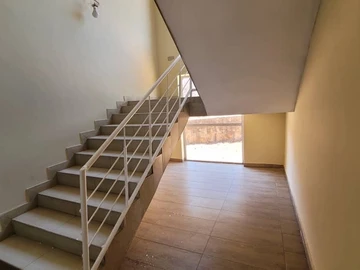
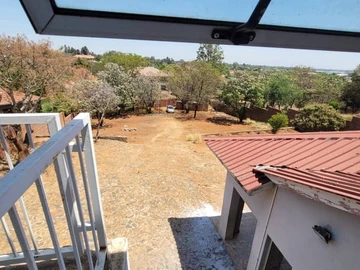
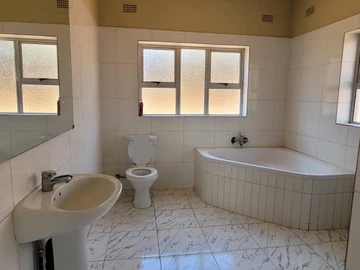
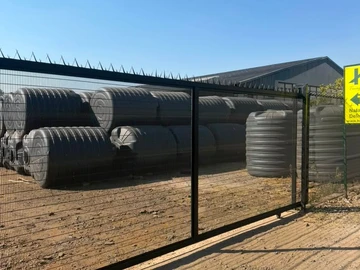
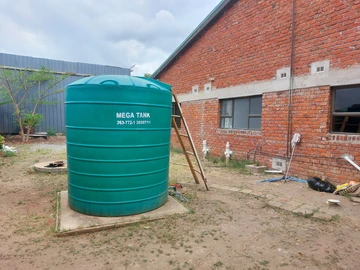
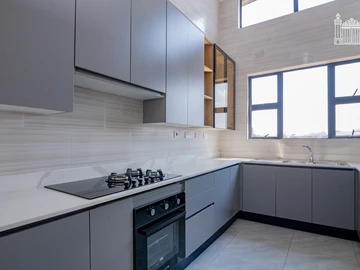
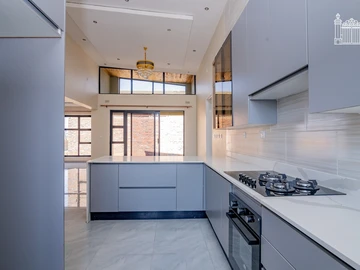
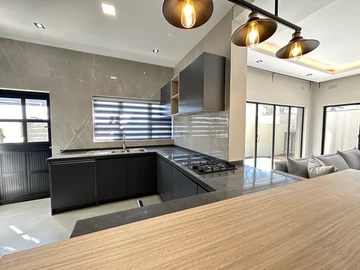
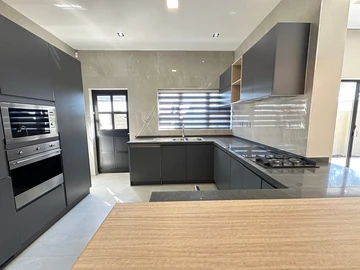
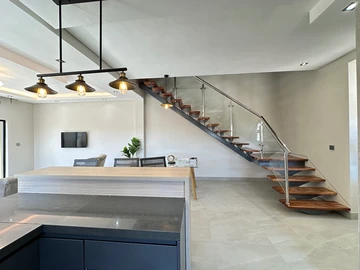
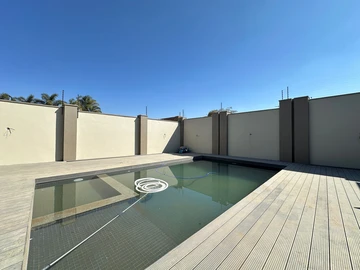
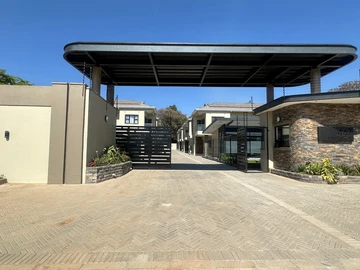
Many of these rental properties feature useful amenities such as water tanks, electric fences, and boreholes, enhancing convenience and security. Most homes are walled and have fitted kitchens, while many also include gardens, tiled floors, electric gates, solar systems, and internet connections. Main en suite bedrooms are common, offering added comfort and privacy for tenants.
Pomona is a quiet, family-friendly suburb in Harare North known for its peaceful environment and good security. Residents benefit from nearby facilities like Pomona Market and Pomona Shopping Centre for everyday shopping needs. The area is close to green spaces such as Harare Gardens and the National Botanic Garden, perfect for outdoor activities. Families will appreciate access to reputable schools and healthcare services in the surrounding area, while the proximity to Harare city center ensures easy access to a wider range of restaurants, entertainment, and business amenities.
3
2
150 m²

Be the first to see new properties for rent in Pomona, Harare North











| Type | Avg. price |
|---|---|
| Overall | $2,000 |
| Houses (View 3 properties) | $1,400 |
Prices as of October 2026
Divorce in Zimbabwe? Learn how the Matrimonial Causes Act divides the family home, evaluates direct and indirect contributions, and protects both spouses.
Selling property without an agent in Zimbabwe may reduce commission, but it shifts pricing, legal and payment risks to the owner. Complete these seven checks.
Died without a will in Zimbabwe? Learn how the Deceased Estates Succession Act distributes property, protects surviving spouses, and handles estate claims.
Buying property in Zimbabwe? Learn how deeds, SG diagrams, beacons and surveys determine boundaries and complete seven checks before you pay.
Understanding municipal property rates in Zimbabwe: Learn how valuations are calculated, how to manage arrears, and how to access council discounts.













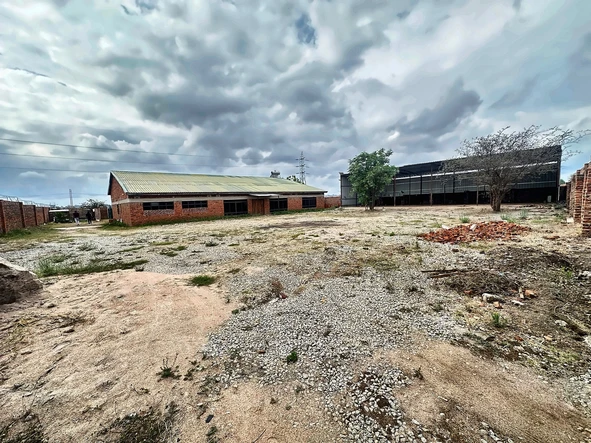
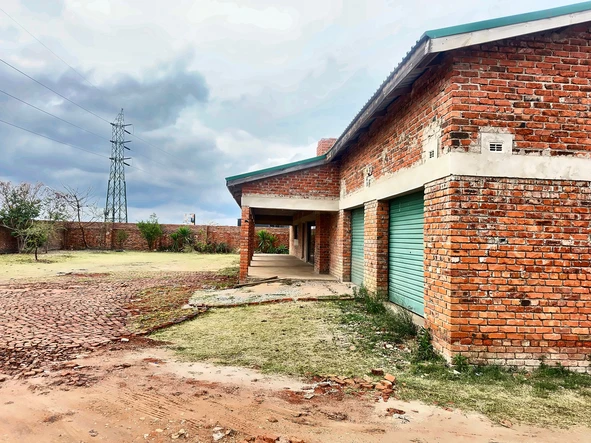
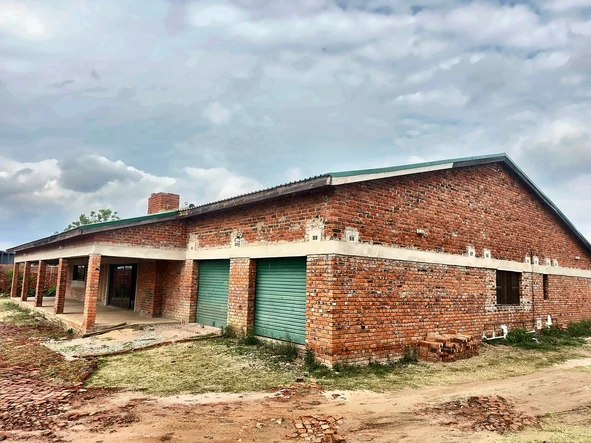
 2,562 m²