Log in to contact the seller
 Continue with Facebook
 Continue with Email
Continue with Facebook
Continue with Email
Sign up with Facebook
Continue with Email
Continue with Facebook
Continue with Email
Sign up with Facebook
 Change filters
 Requests



 3
3
 2
300 m²
2
300 m²


 2
1
180 m²
3
2
80 m²
2
1
250 m²
3
2
200 m²
2
1
180 m²
3
2
80 m²
2
1
250 m²
3
2
200 m²
 4
5
300 m²
3
1
3
2
3
2
200 m²
3
1
300 m²
4
5
300 m²
3
1
3
2
3
2
200 m²
3
1
300 m²
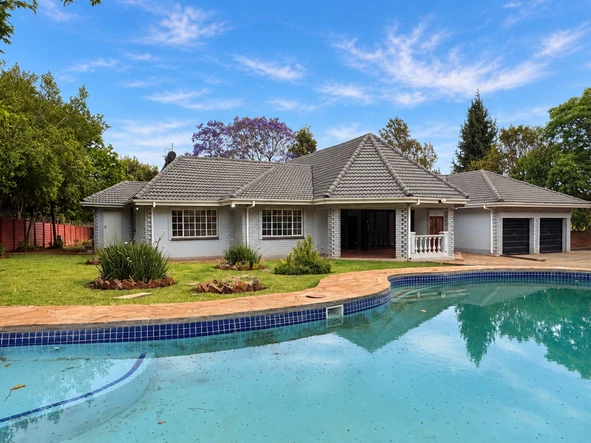
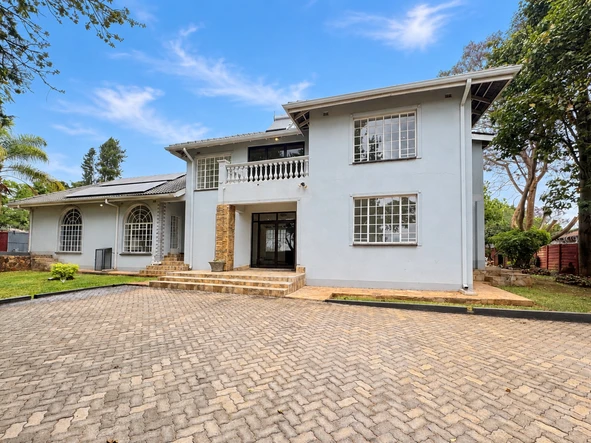
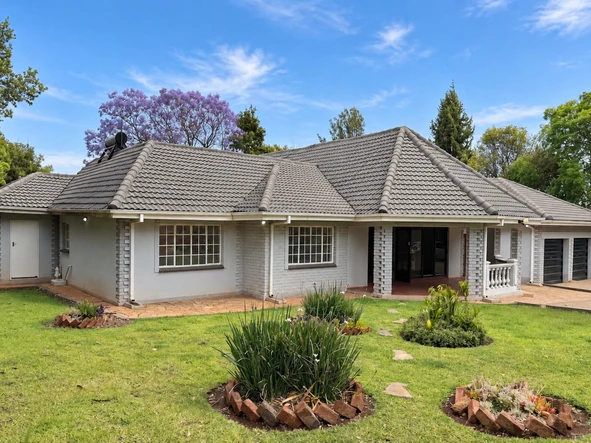
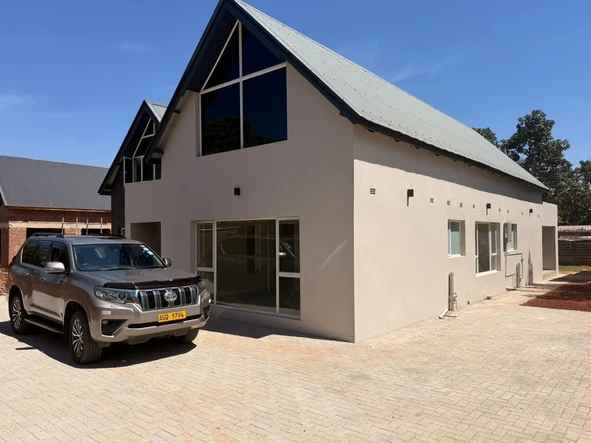
Properties for rent in Harare North, Harare, are mostly high-end with an average monthly rental price of $2,000. These properties typically offer a median land area of about 600 ㎡ and a median building size around 200 ㎡, with some larger homes reaching up to 4,000 ㎡ in size and land parcels as large as 8,000 ㎡.
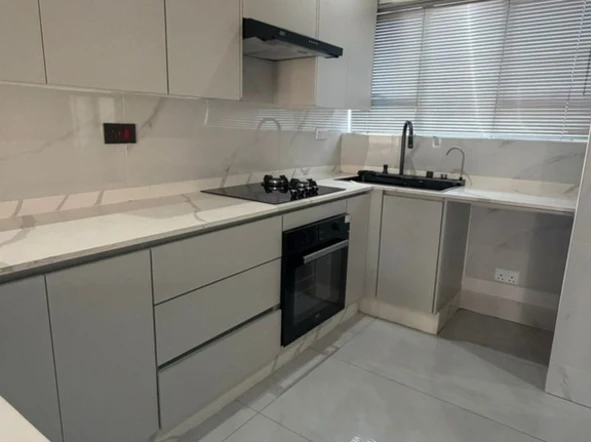
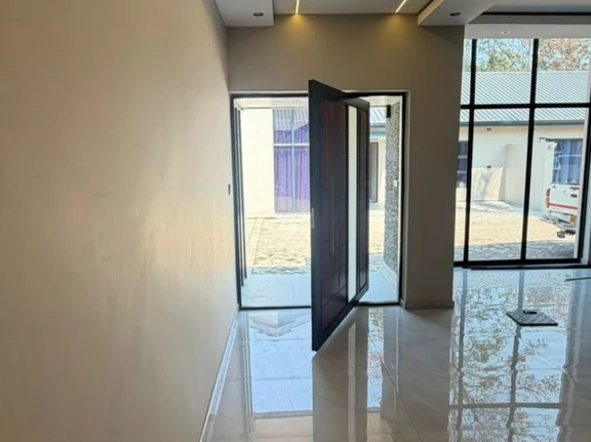
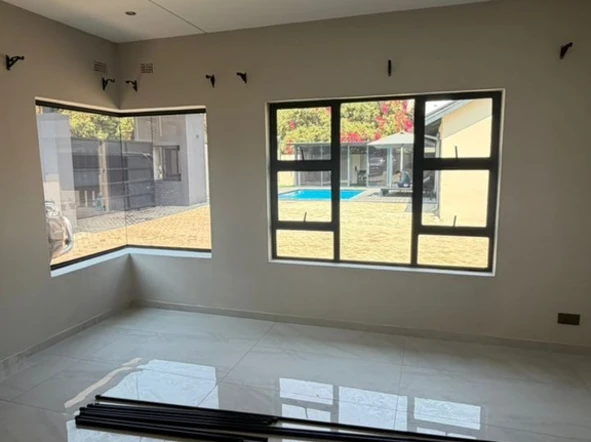
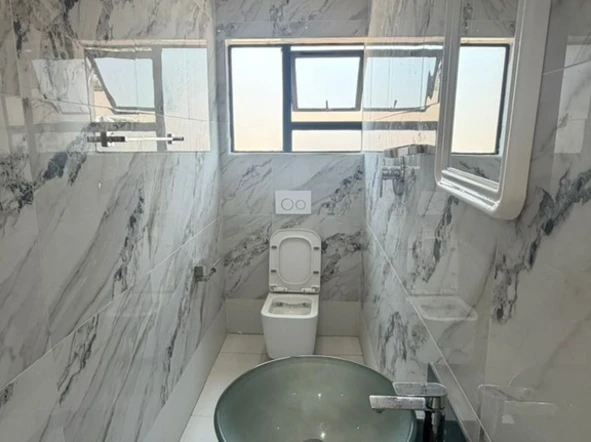
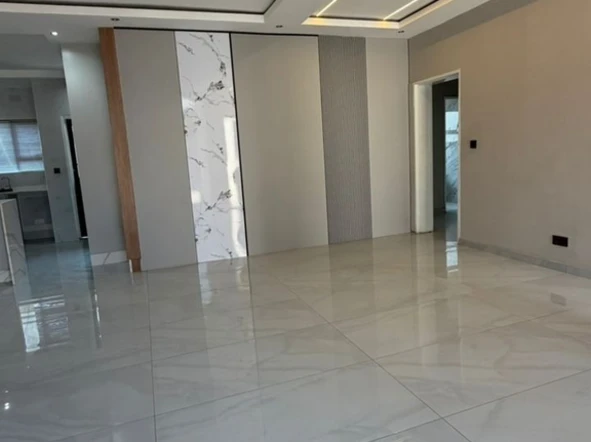
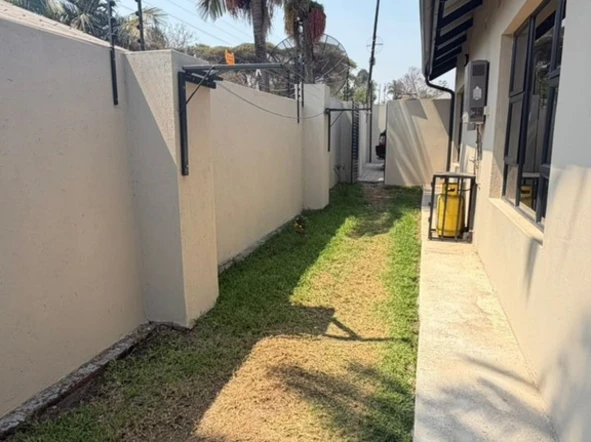
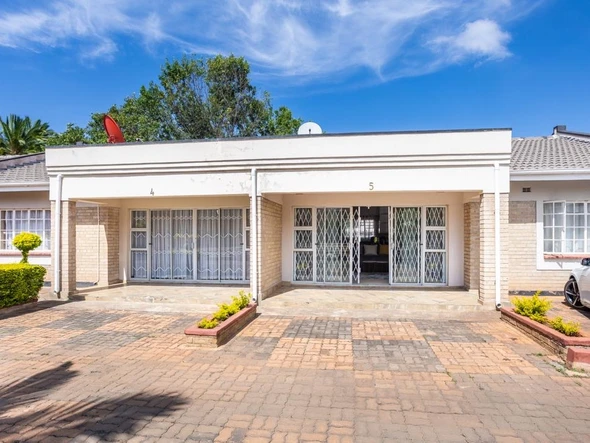
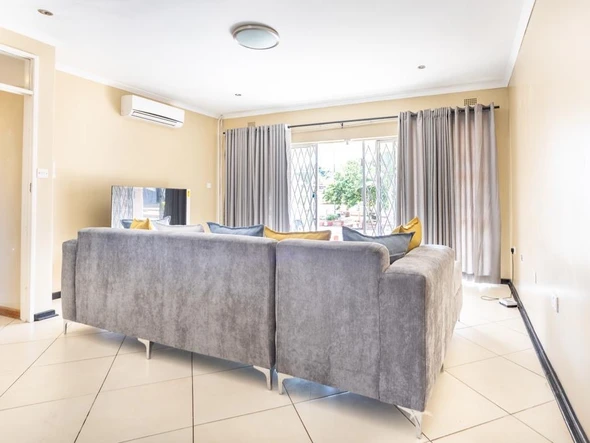
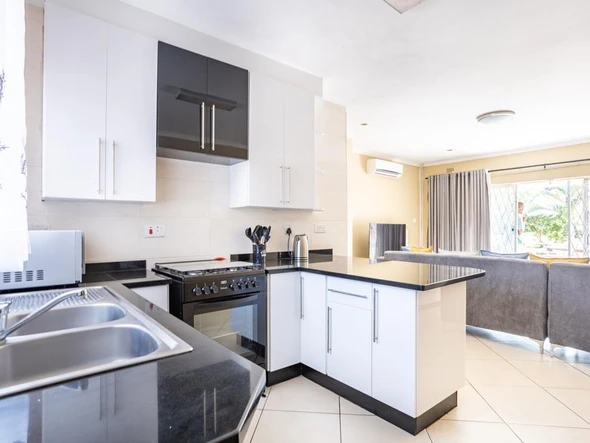
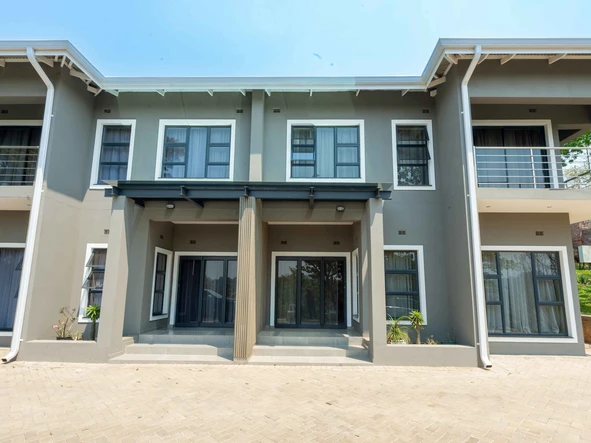
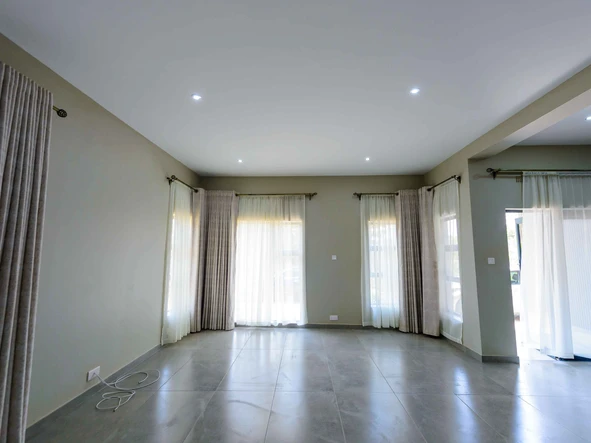
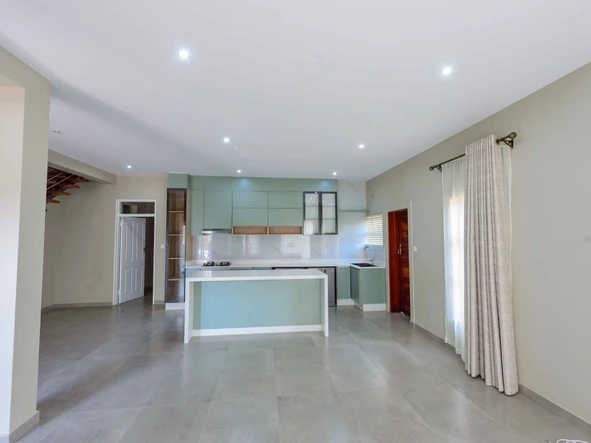
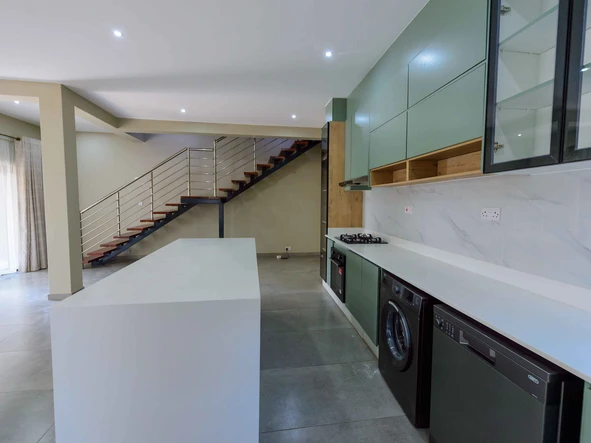
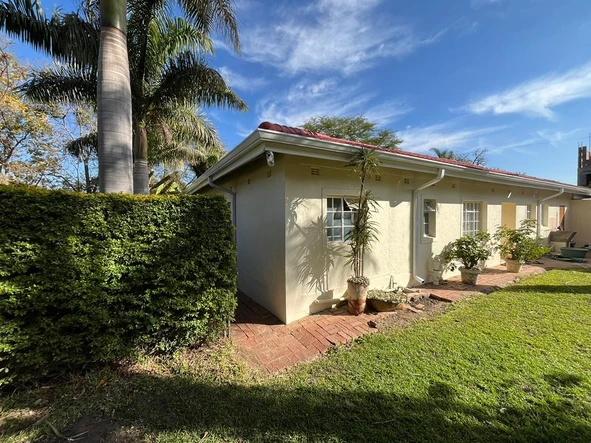
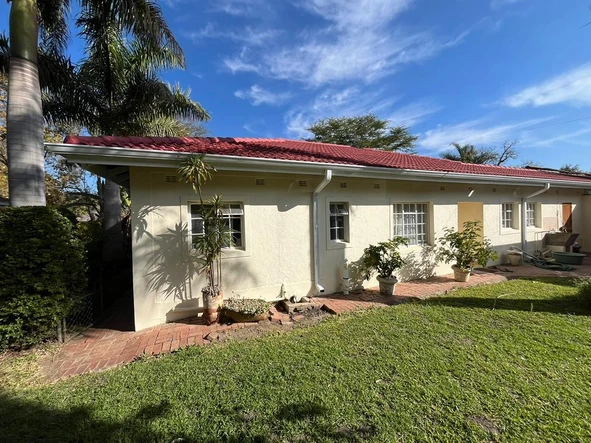
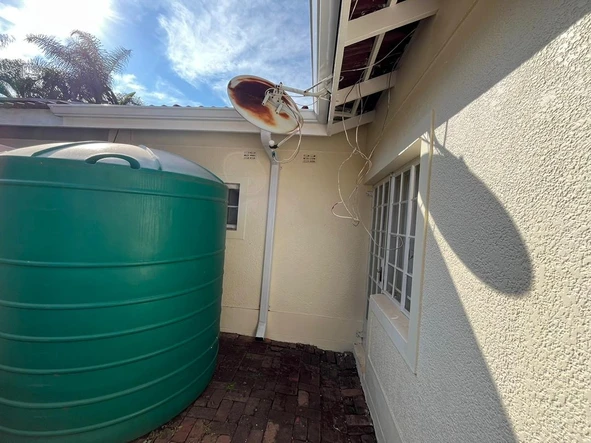
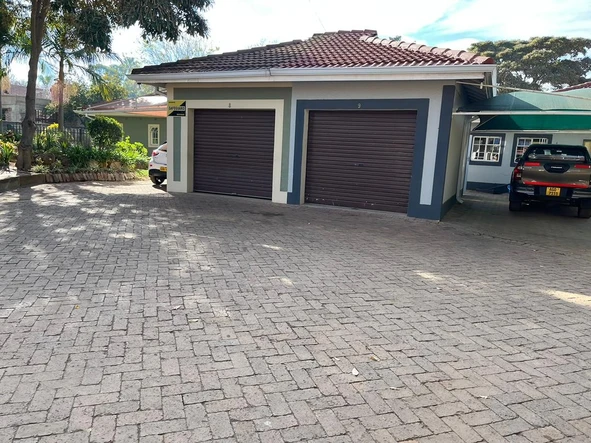
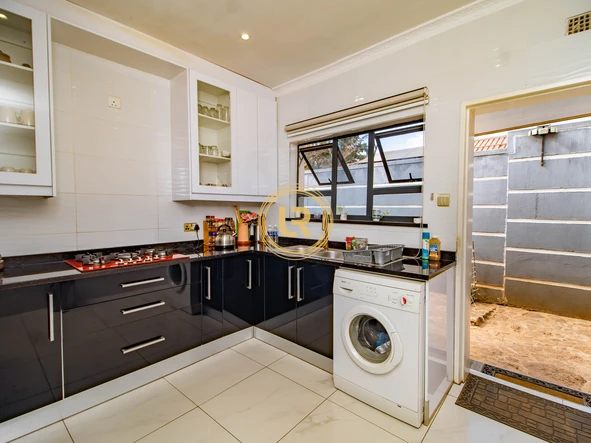
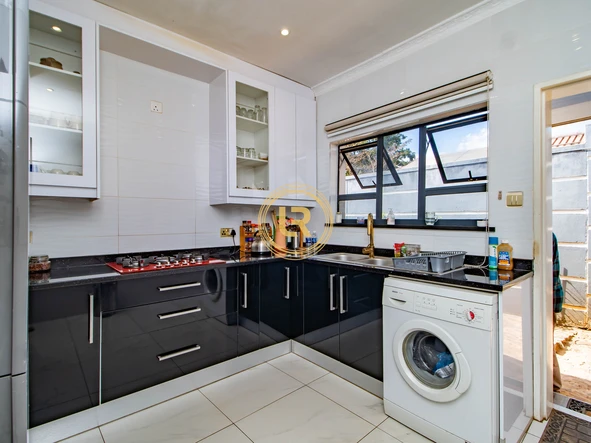
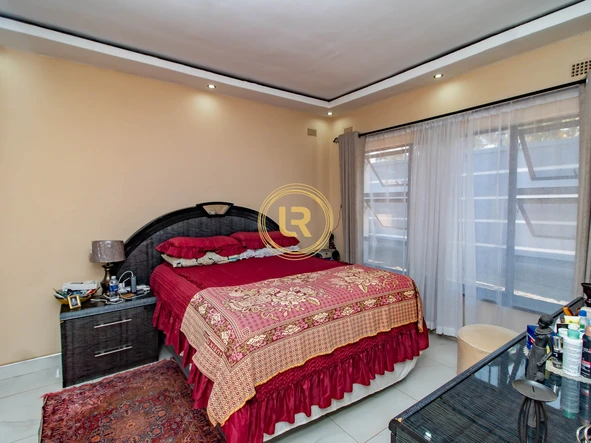
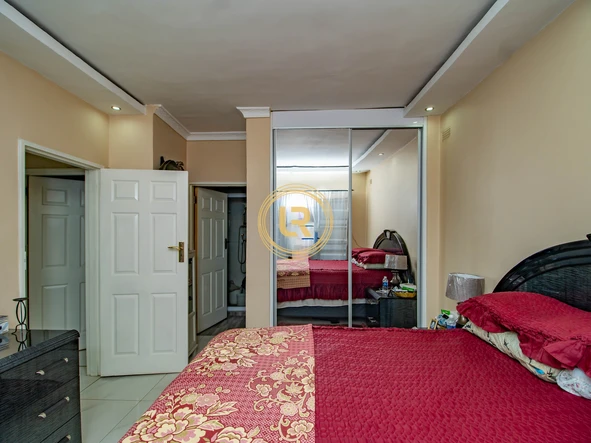
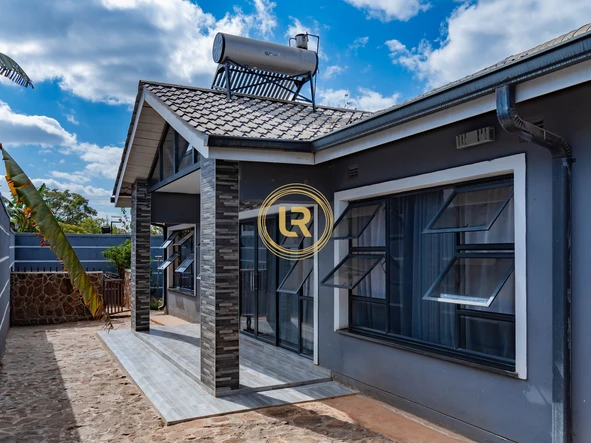
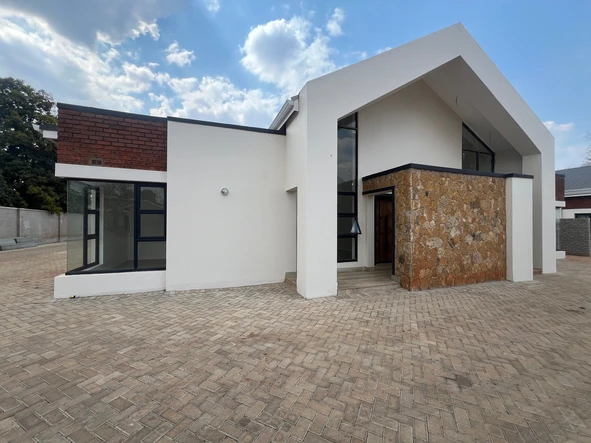
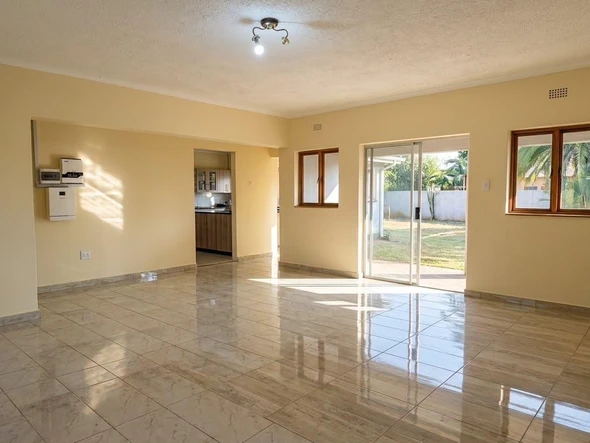
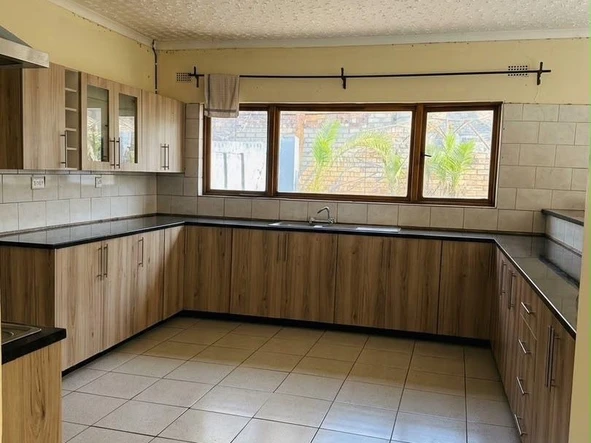
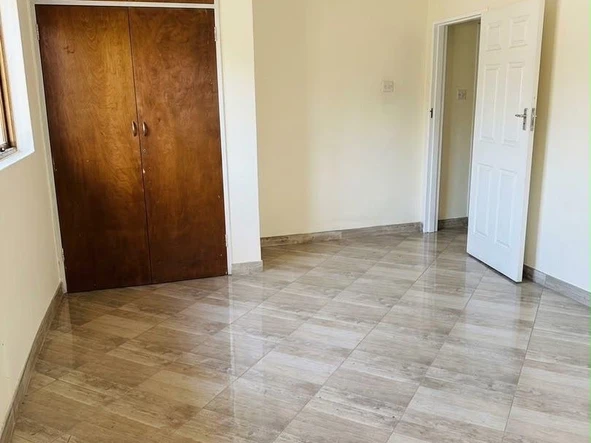
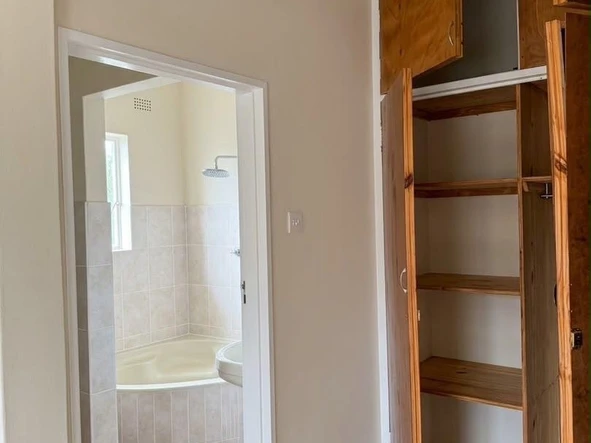
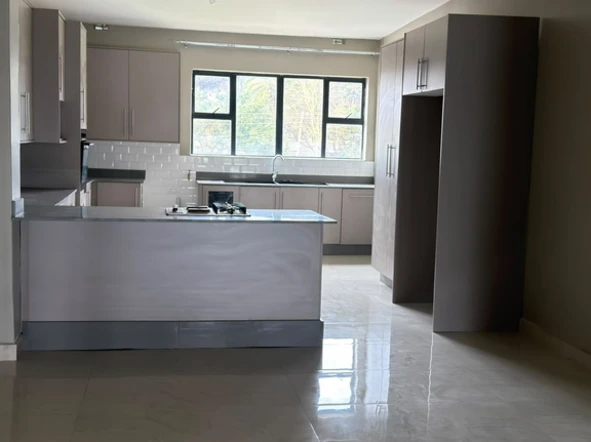
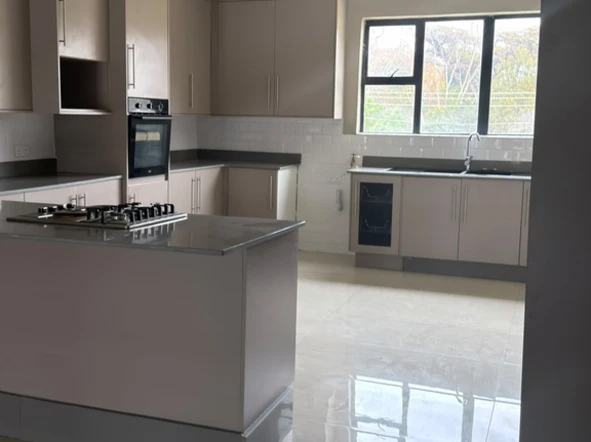
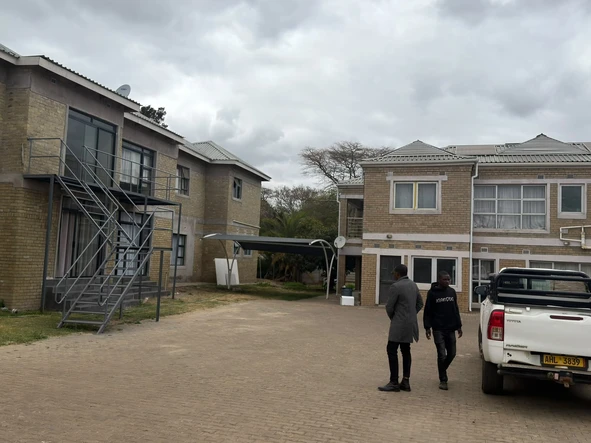
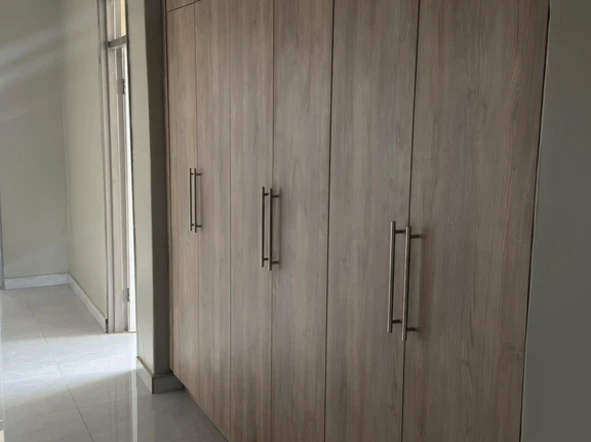
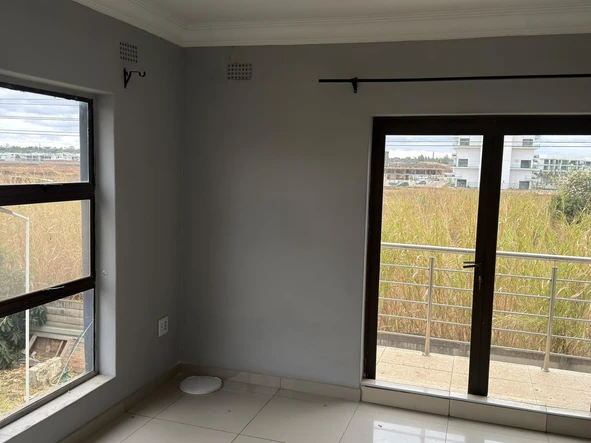
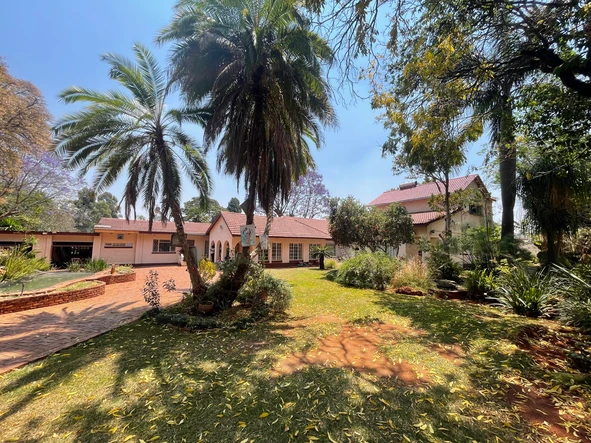
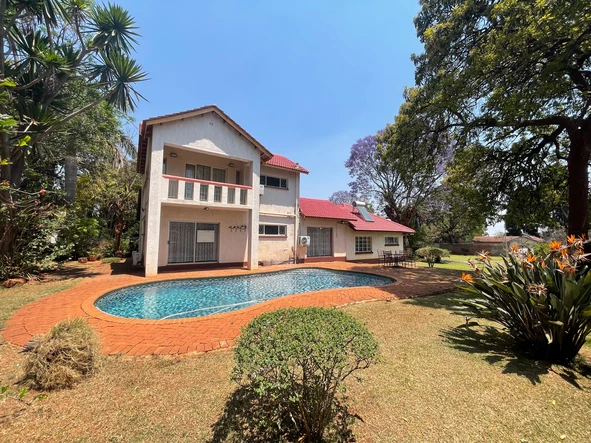
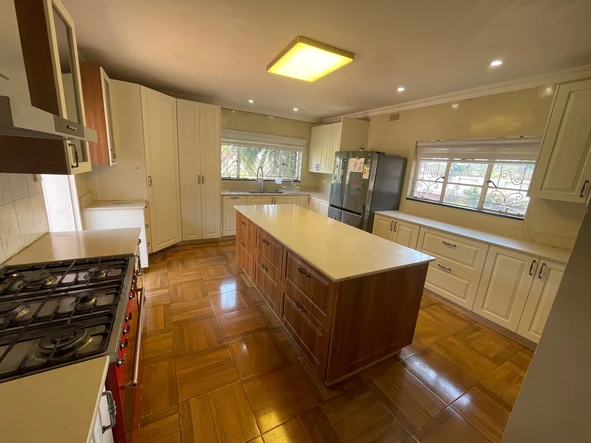
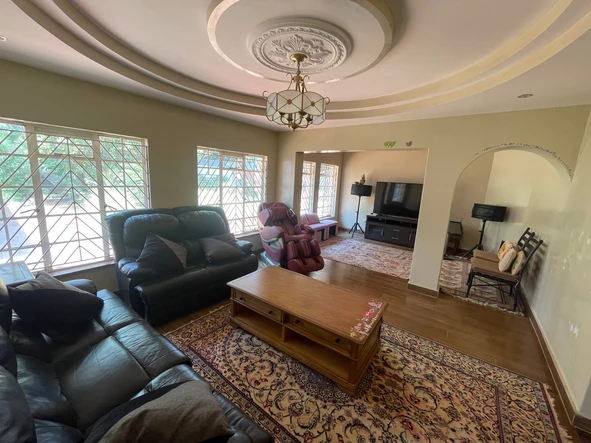
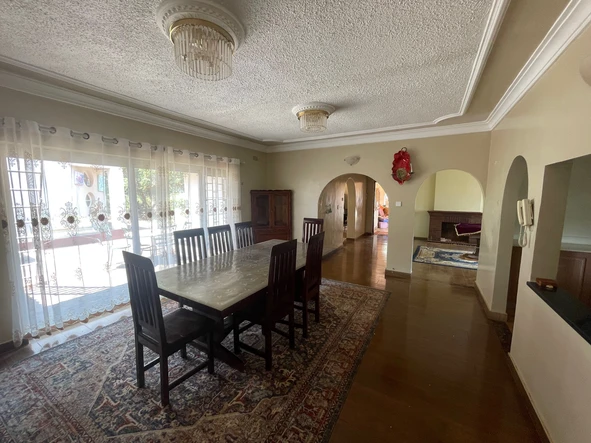
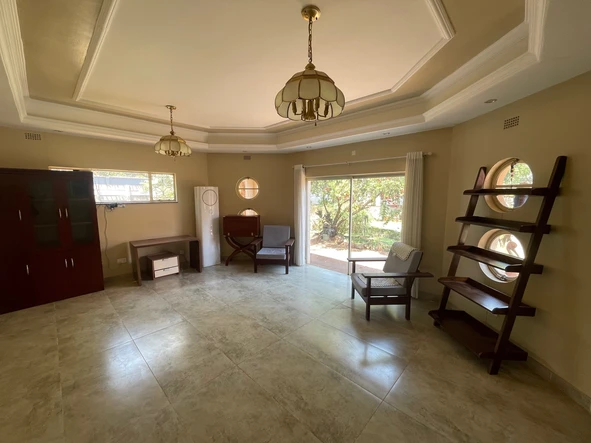
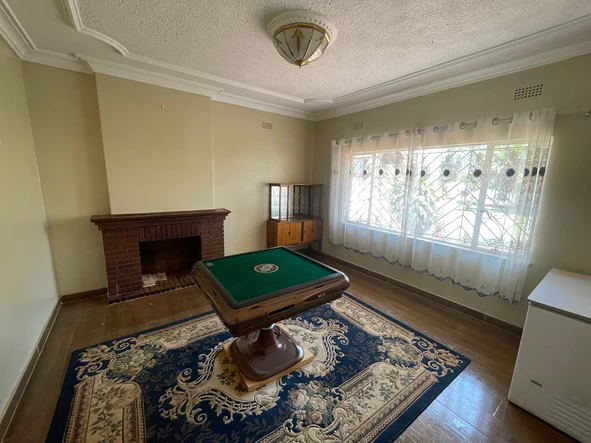
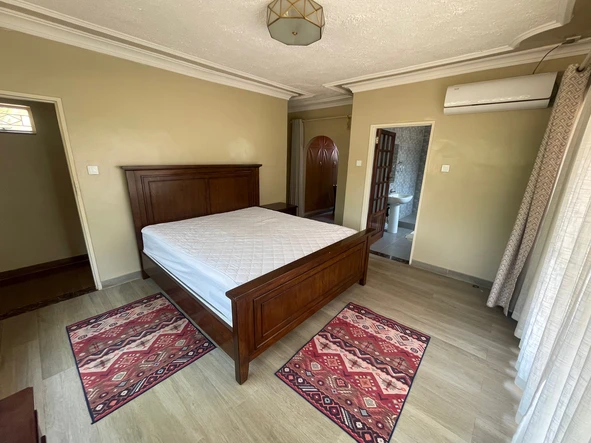
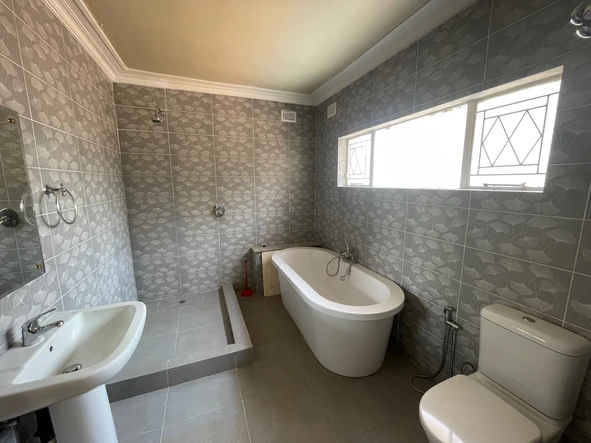
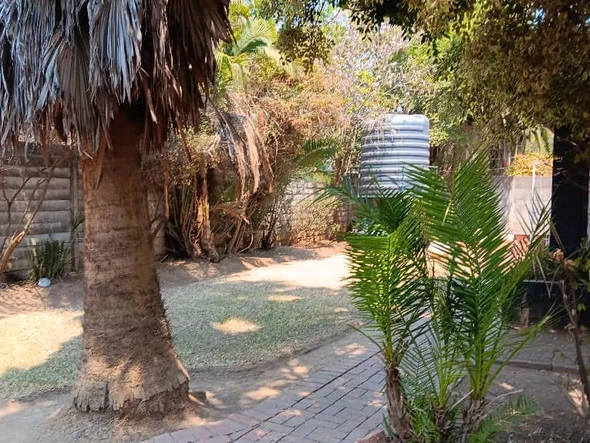
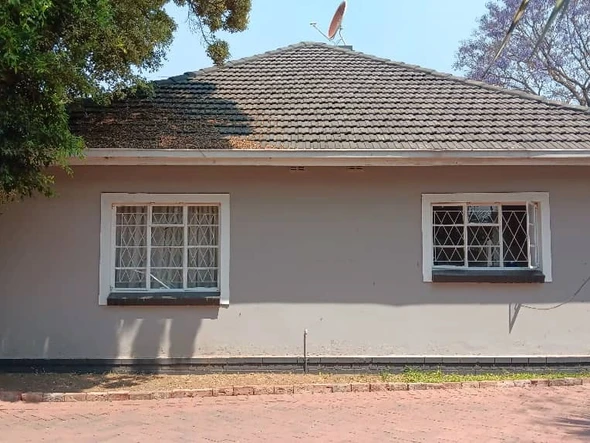
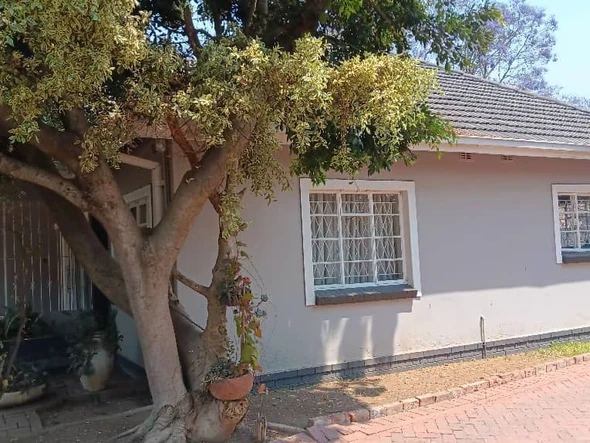
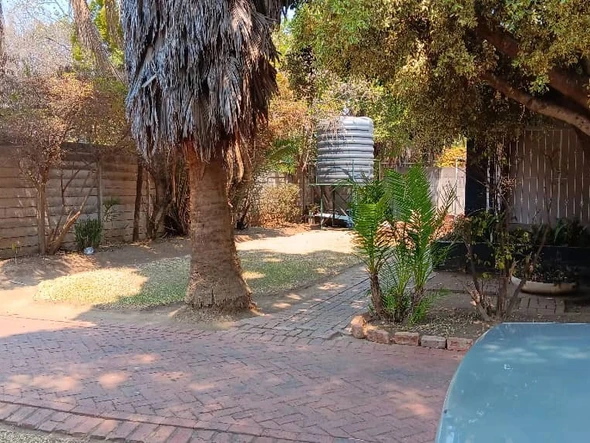
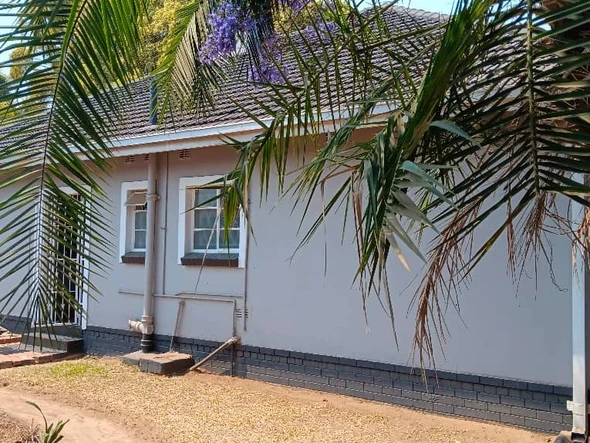
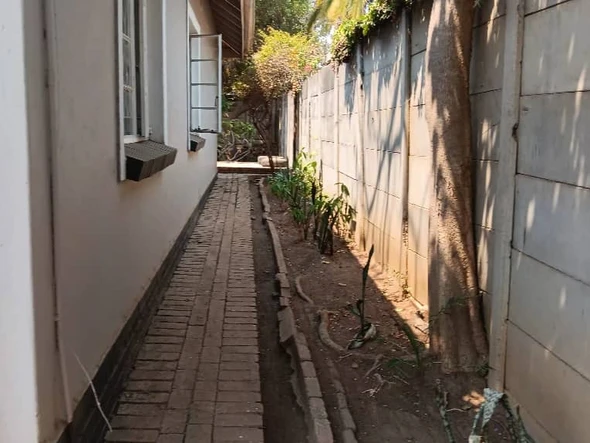
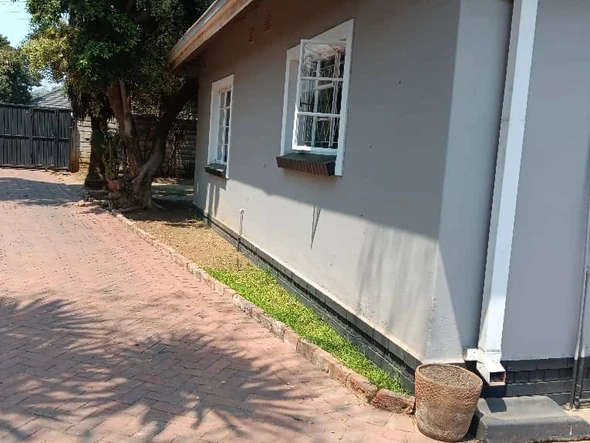
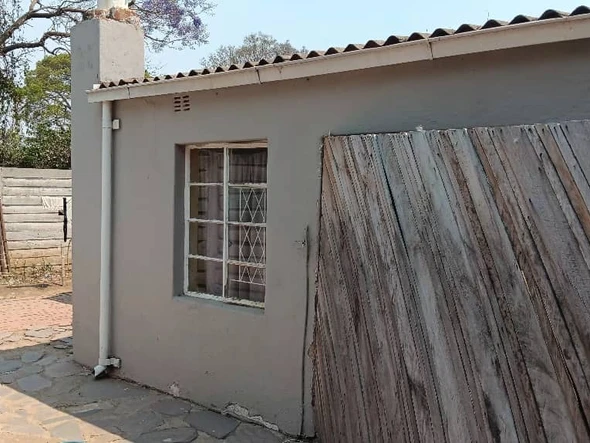
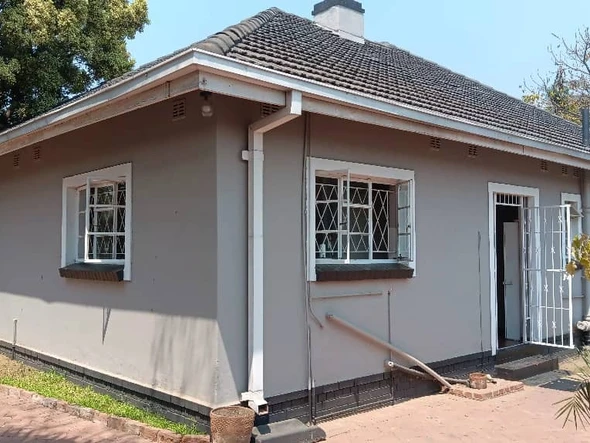
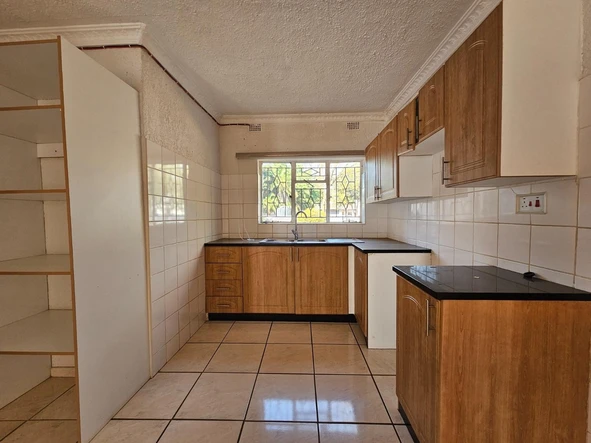
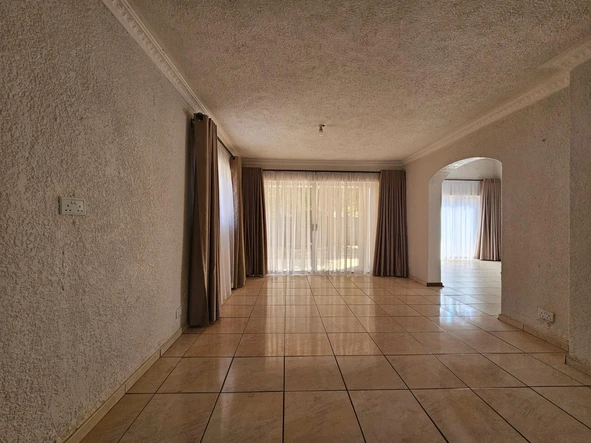
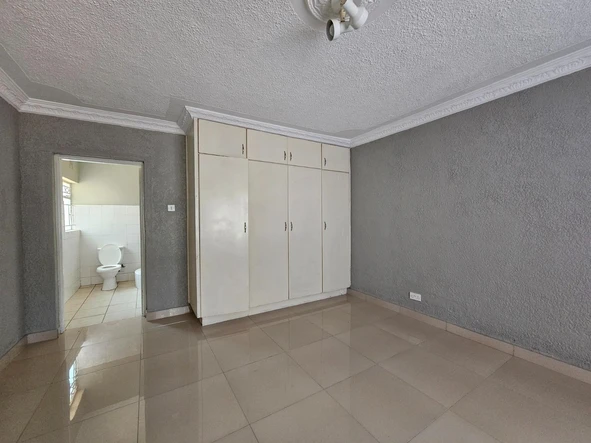
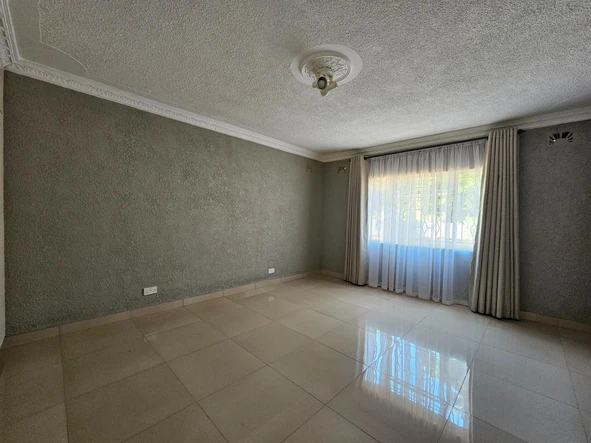
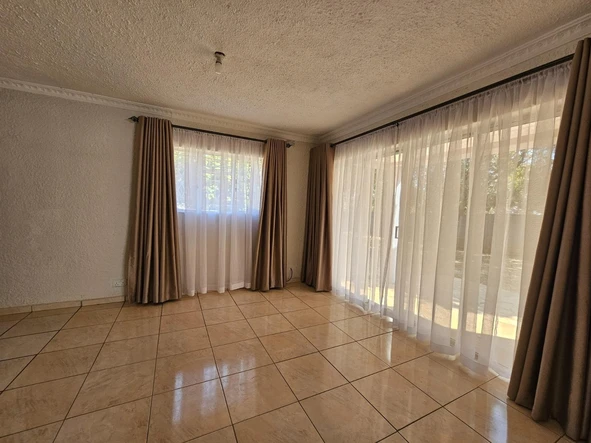
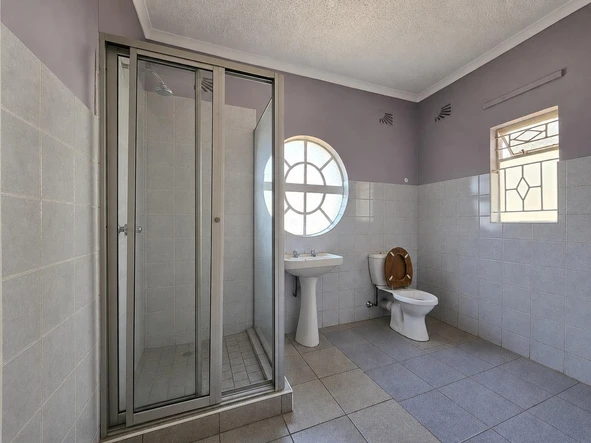
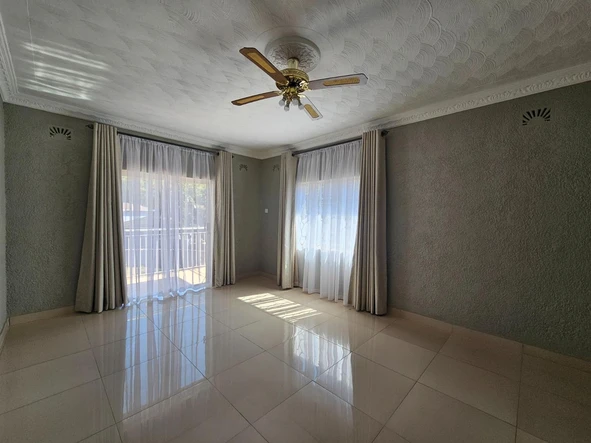
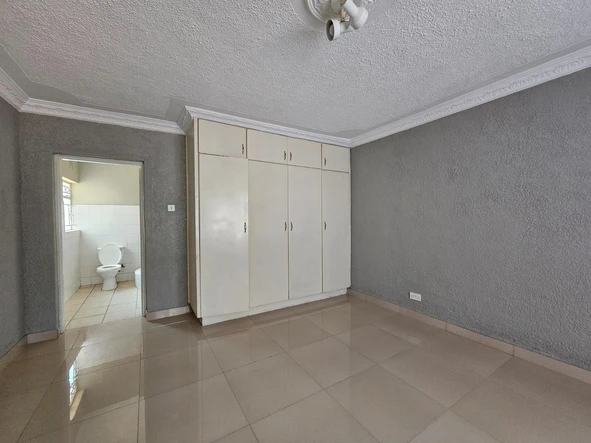
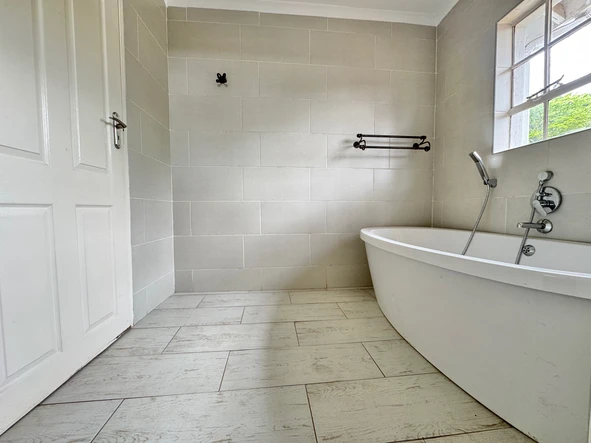
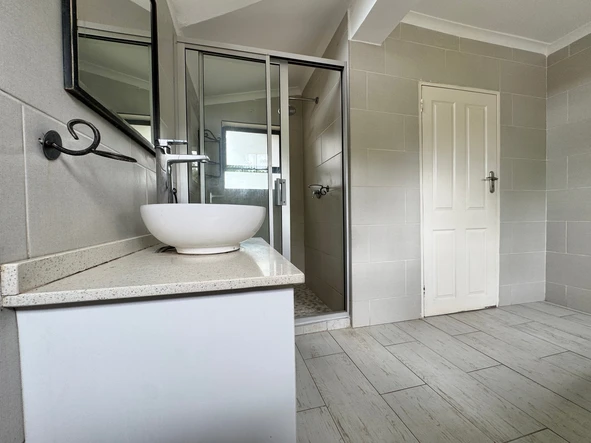
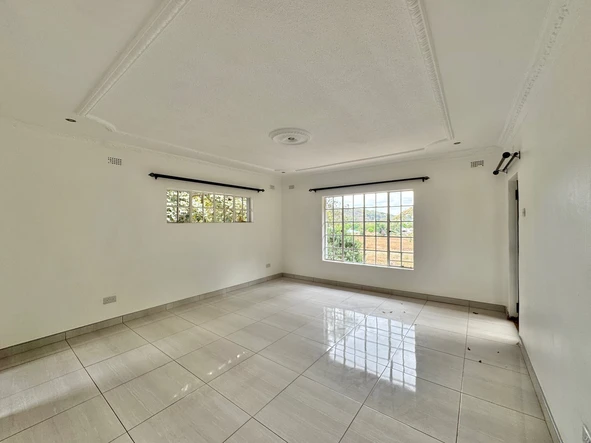
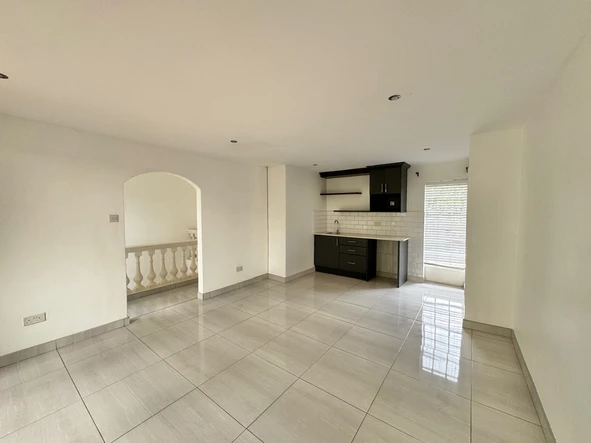
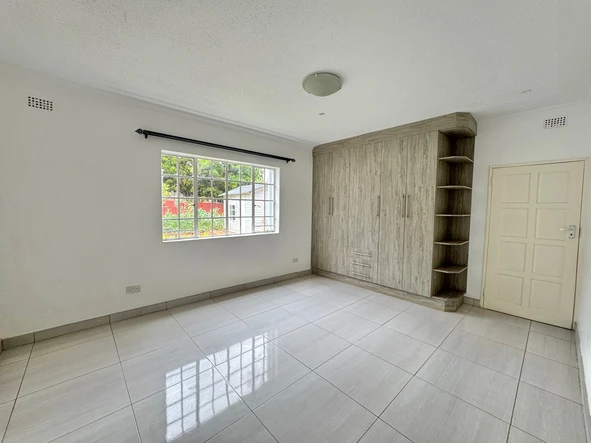
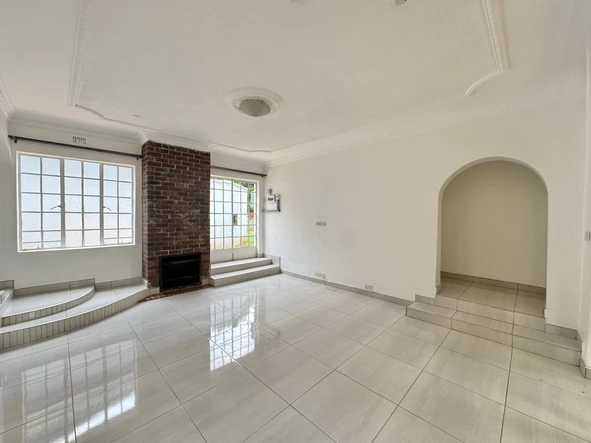
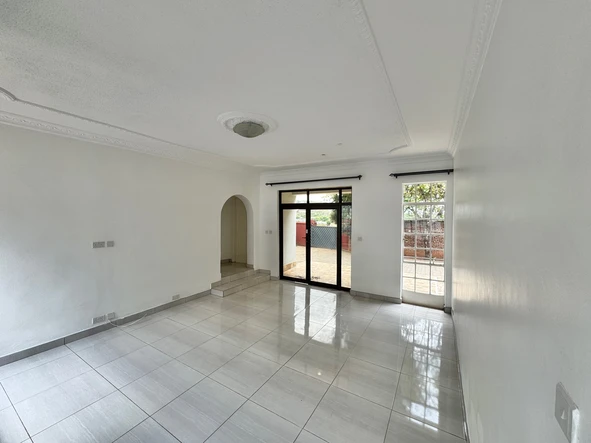
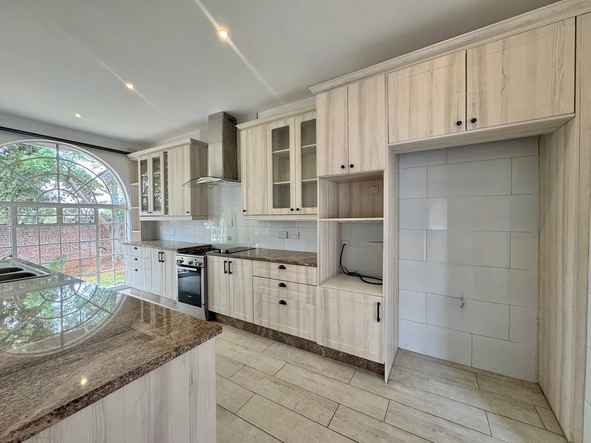
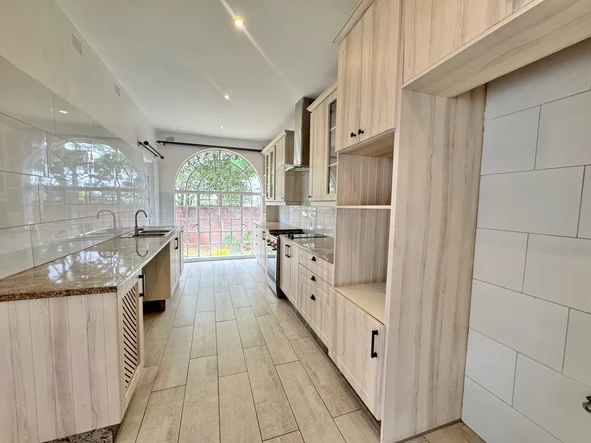
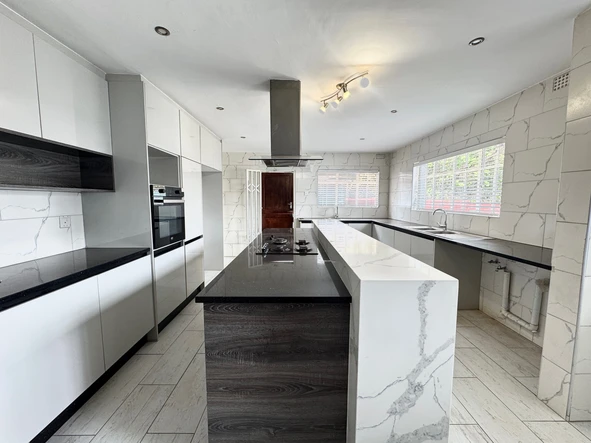
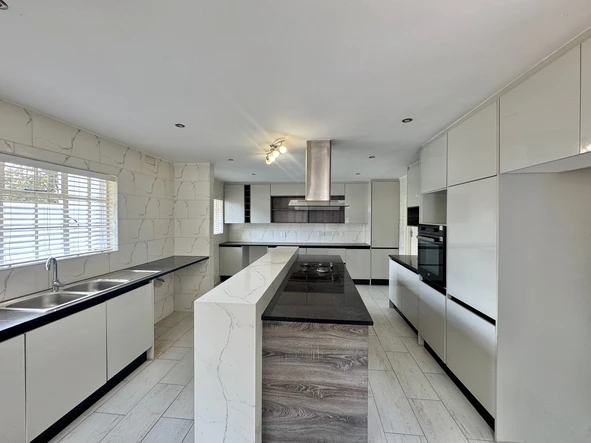
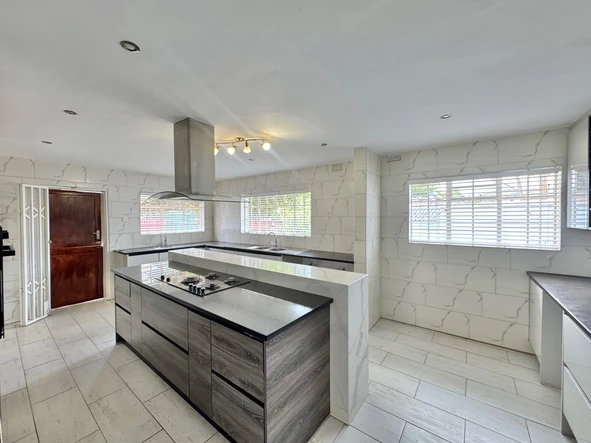
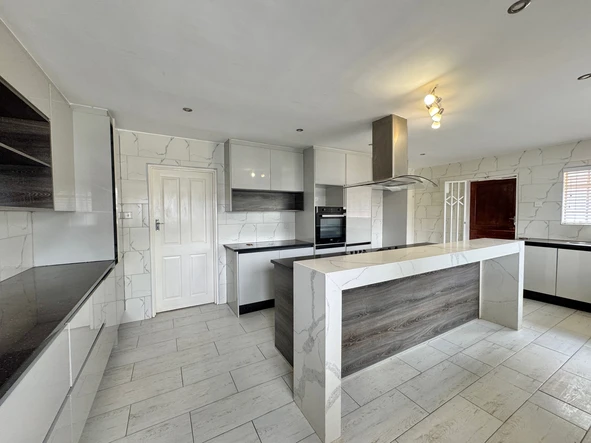
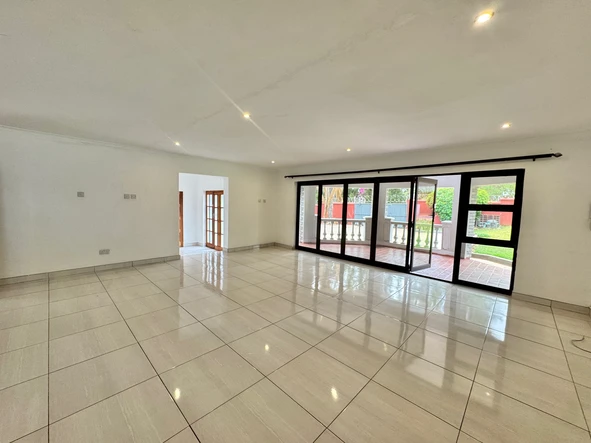
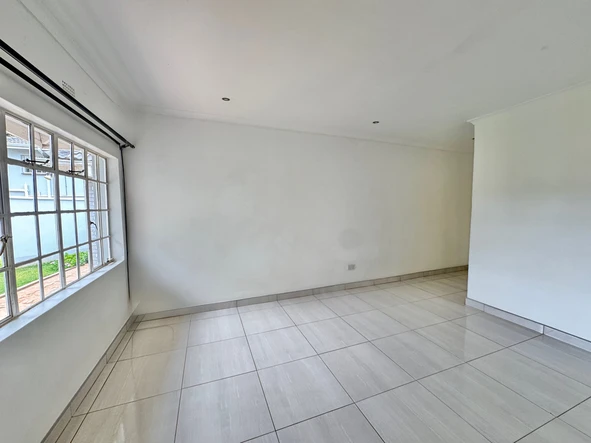
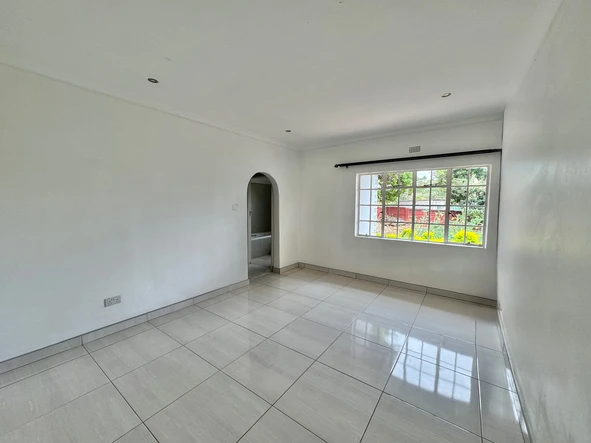
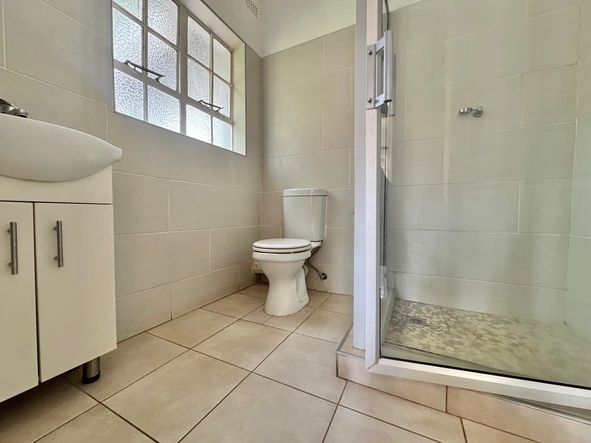
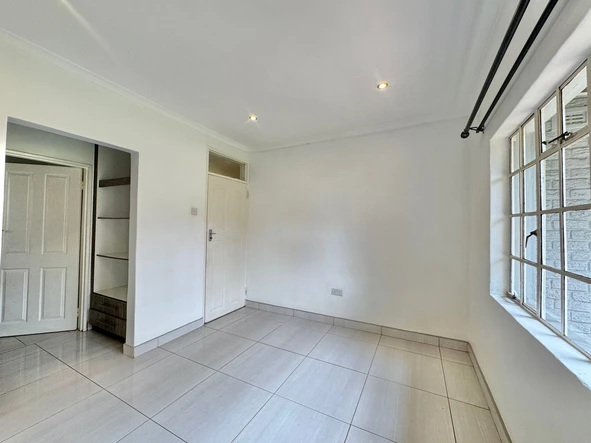
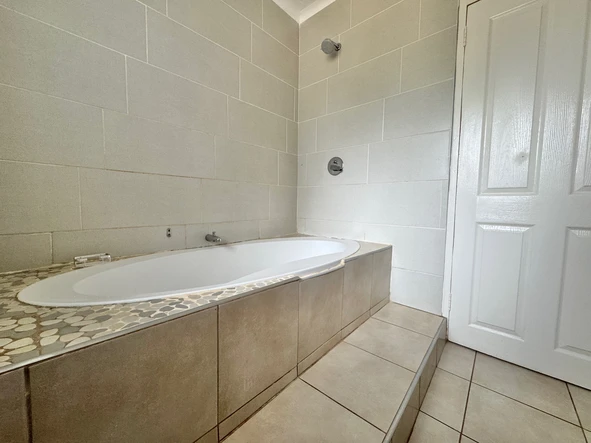
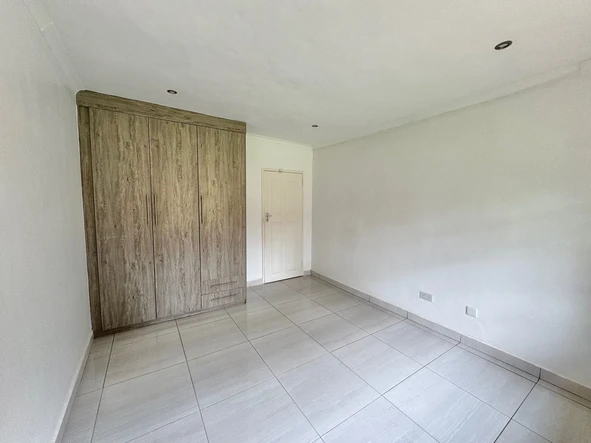
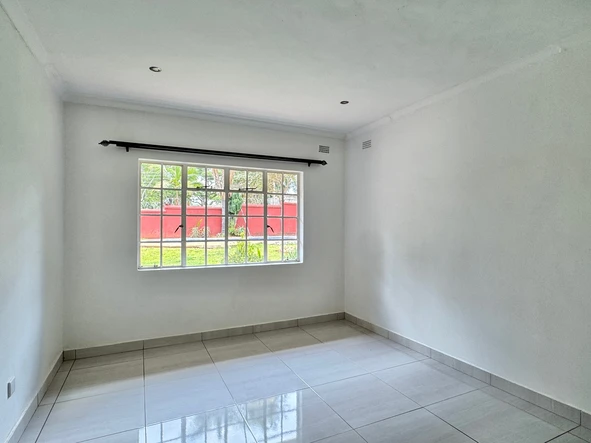
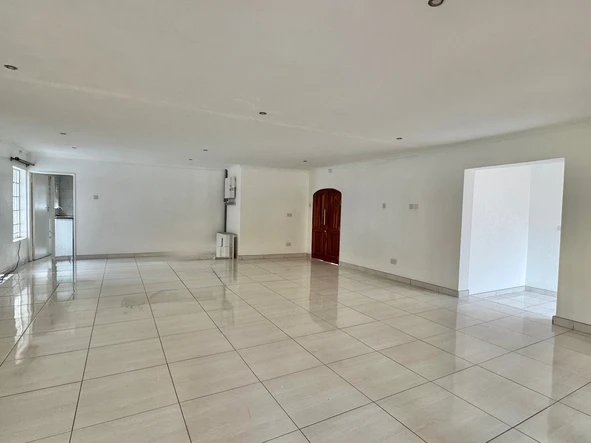
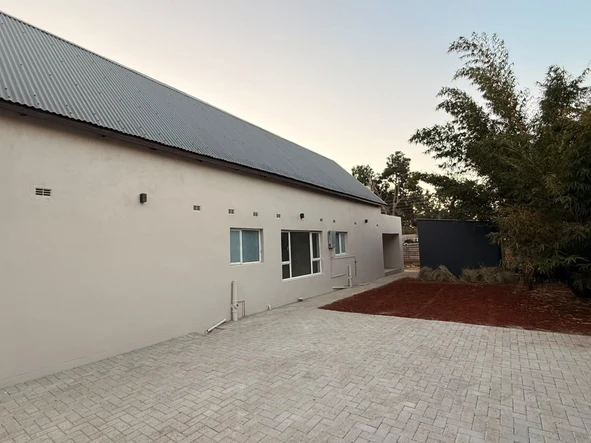
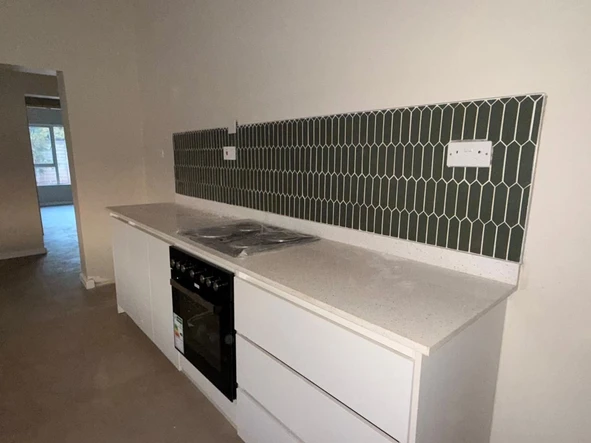
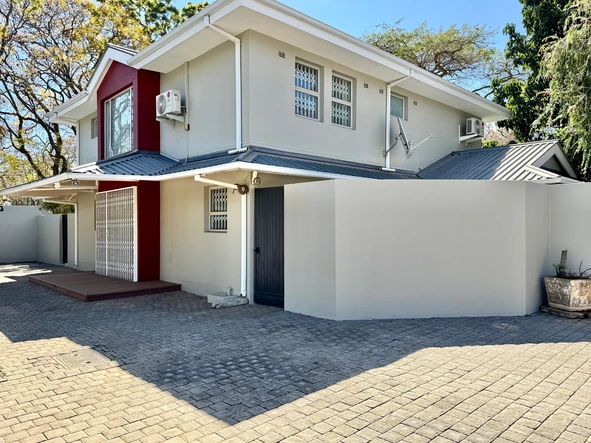
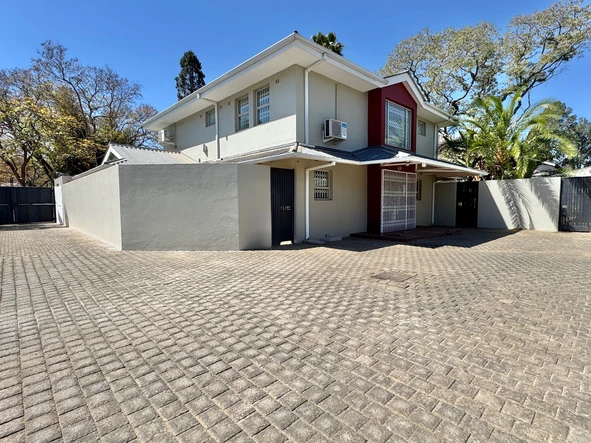
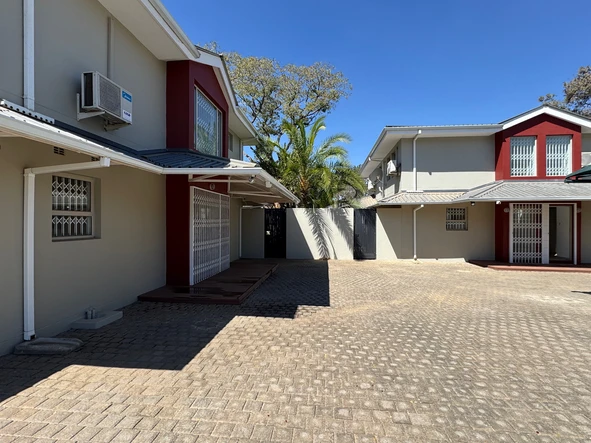
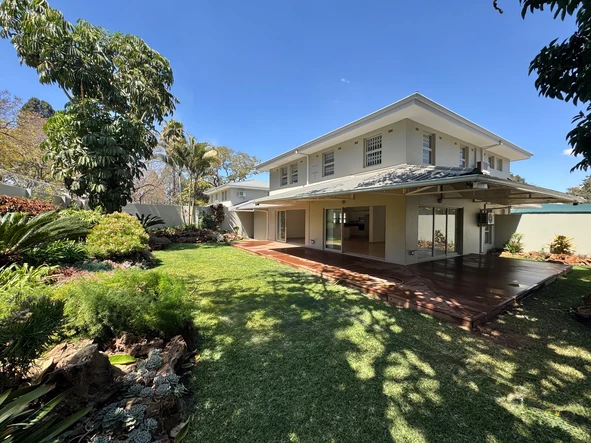
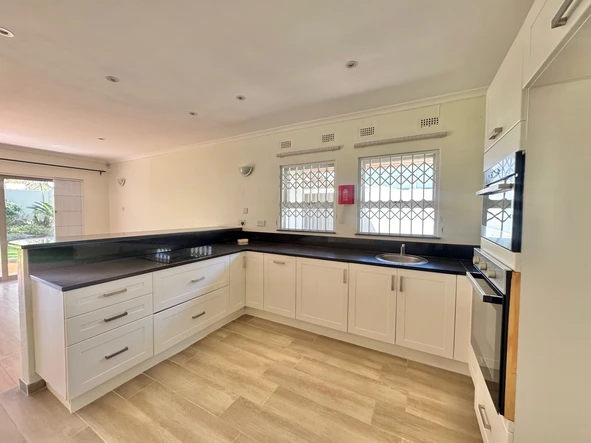
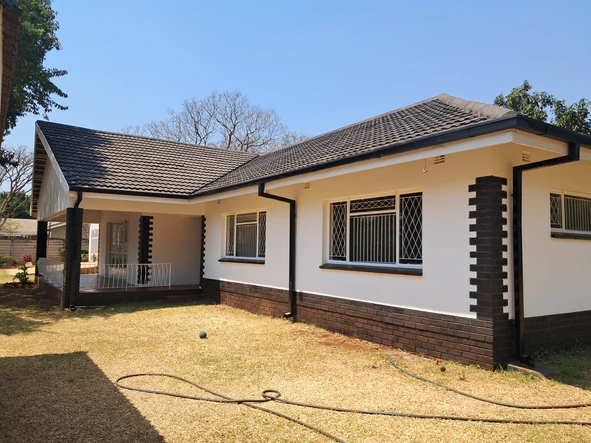
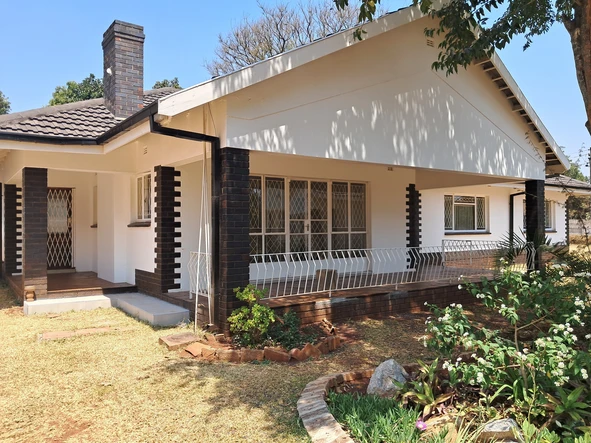
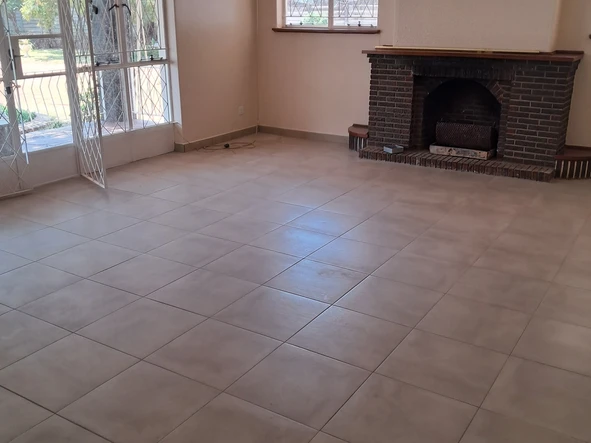
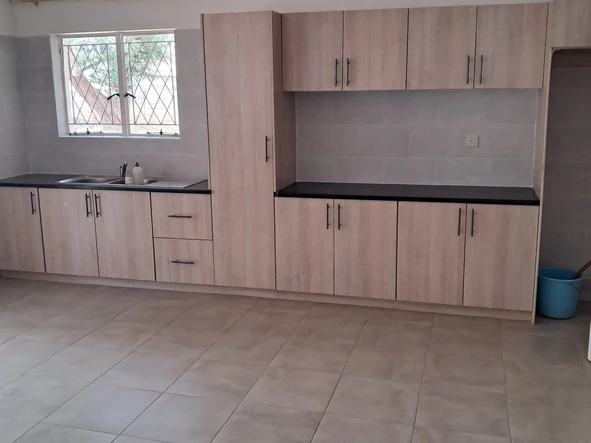
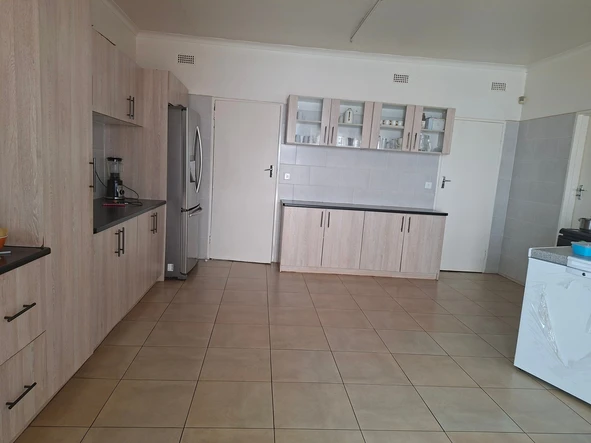
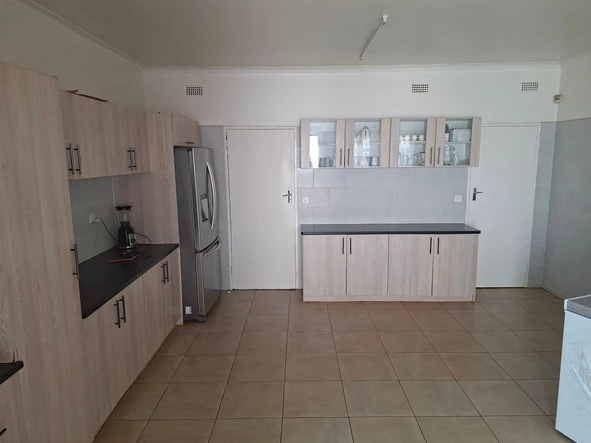
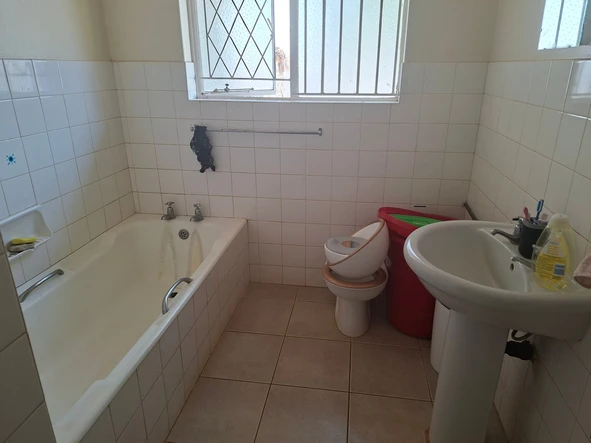
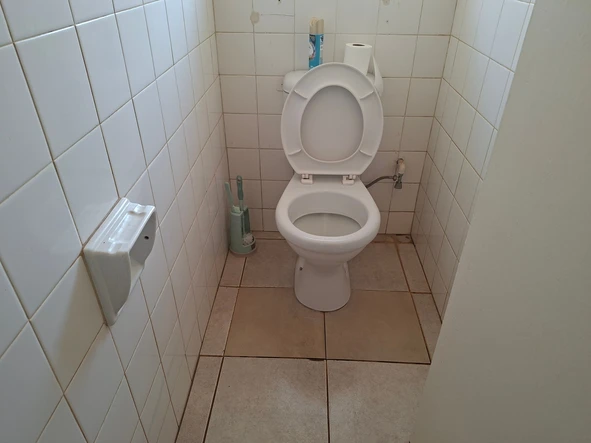
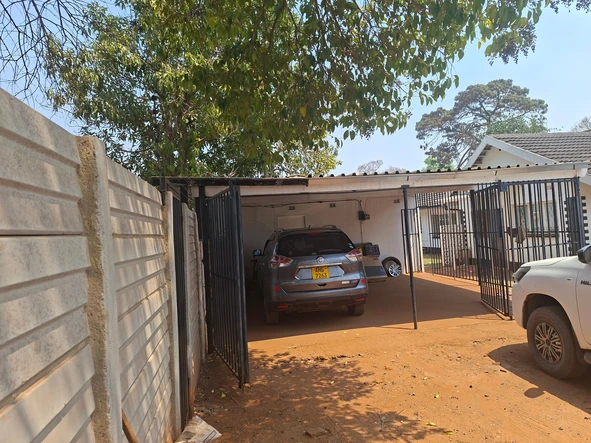
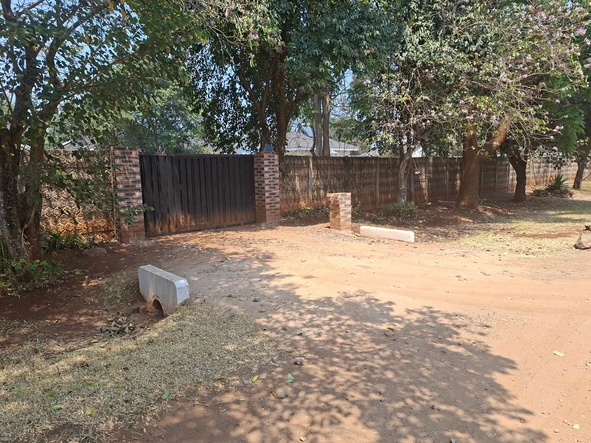
Many rental homes in this area feature electric gates and fitted kitchens, while most have boreholes and are securely walled. Tiled floors are common, and many properties include gardens, paved areas, water tanks, and main en suite bedrooms, providing comfortable and secure living environments suitable for families and professionals.
Harare North is a well-established area just north of the city center, offering easy access to Harare Gardens for outdoor recreation and cultural sites like the National Gallery of Zimbabwe and the Zimbabwe Museum of Human Sciences. The neighborhood benefits from good road networks and public transport, making commuting straightforward. Residents also have convenient access to healthcare at Harare Central Hospital, reputable schools, and popular shopping spots such as Mbare Musika market, alongside a variety of restaurants and cafes catering to diverse tastes.
3
2
3
2
300 m²
3
4
200 m²
7
4
4
4
500 m²
5
5
4
3
250 m²
3
2

Be the first to see new properties for rent in Harare North










| Type | Avg. price |
|---|---|
| Overall | $2,000 |
| Houses (View 151 properties) | $2,200 |
| Flats & Apartments (View 75 properties) | $1,500 |
| Commercial Property (View 67 properties) | $2,150 |
Planning to convert or buy commercial property? Understand Zimbabwe’s change of use rules, 2026 Harare fees, timelines and approval risks.
Buying a home in Harare? Learn how to verify water access, ZESA grid connections, refuse services, and borehole rights before finalizing your purchase.
Pricing your property in Zimbabwe? Discover why overpricing leads to stagnant listings, lower final offers, and costly holding expenses in the 2026 market.
Navigating property valuations in Zimbabwe? Learn valuation methods, valuation fees, and key tips for buyers, sellers, and investors in the 2026 market.
Planning to downsize? Learn if you can dissolve a family trust holding your home, the legal steps required, and tax impacts before selling the property.






 3,000 m²