Log in to contact the seller
 Continue with Facebook
 Continue with Email
Continue with Facebook
Continue with Email
Sign up with Facebook
Continue with Email
Continue with Facebook
Continue with Email
Sign up with Facebook
 Change filters
 Requests


 3
3
 2
2


 2
1
100 m²
2
1
100 m²
 3
2
200 m²
2
1
1 m²
3
2
200 m²
2
1
1 m²
 2
2
400 m²
2
2
400 m²
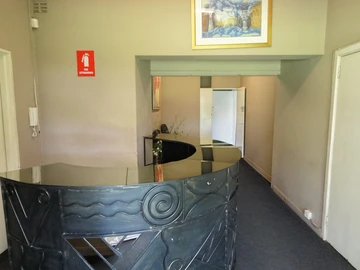
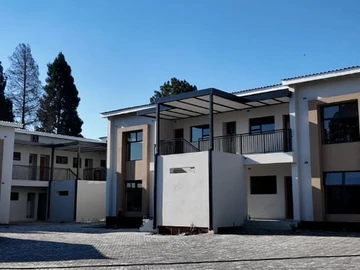
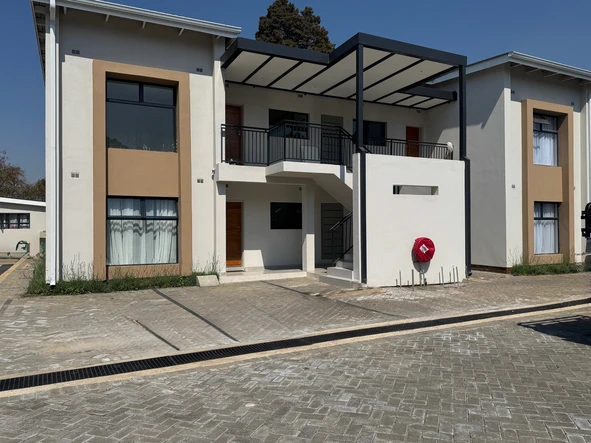
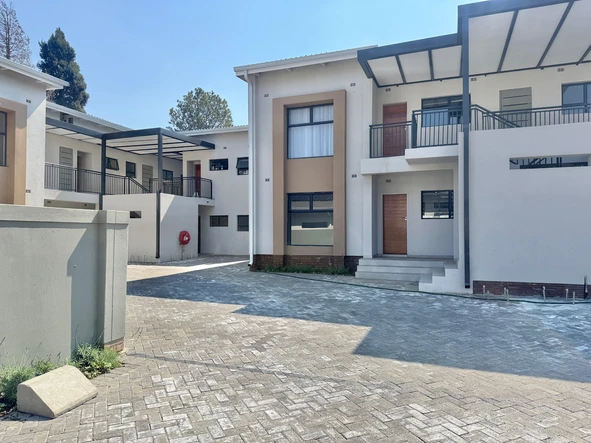
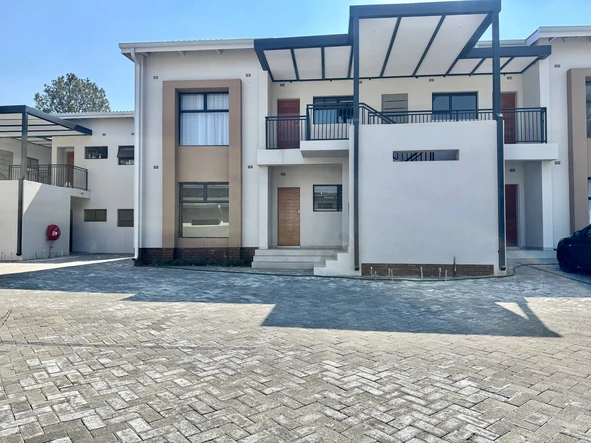
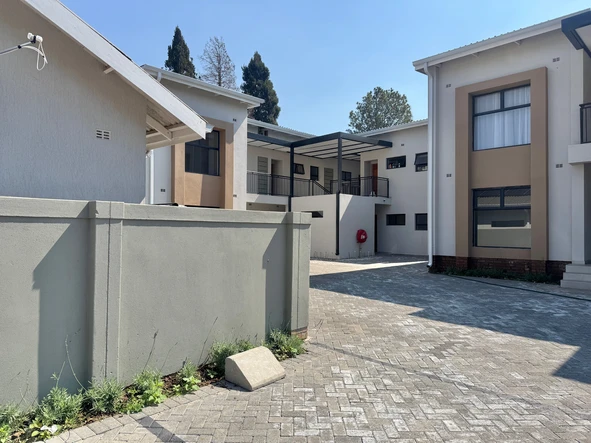
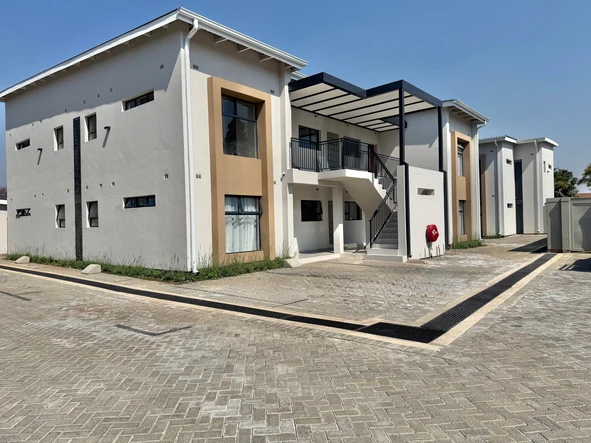
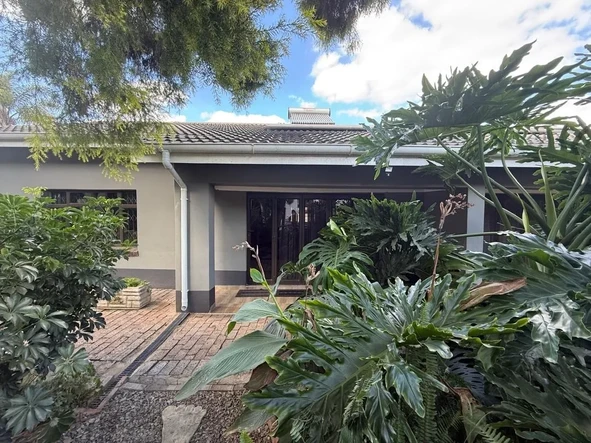
Properties for rent in Highlands, Harare North, offer a range of options with an average monthly rental price of $1,375 USD. These properties typically feature a median land area of 700 ㎡ and a median building size of about 200 ㎡, with some larger homes reaching up to 1,000 ㎡ in size and land parcels as large as 4,063 ㎡.
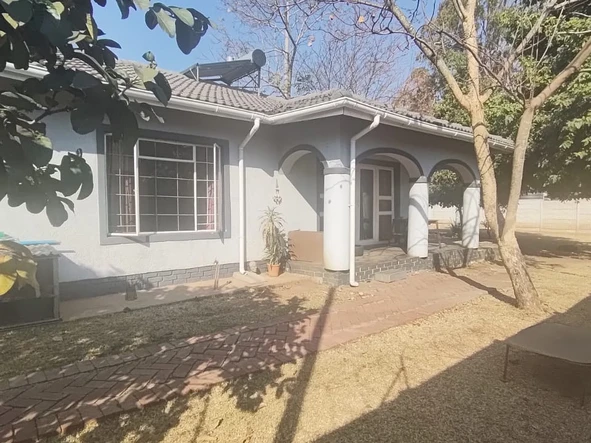
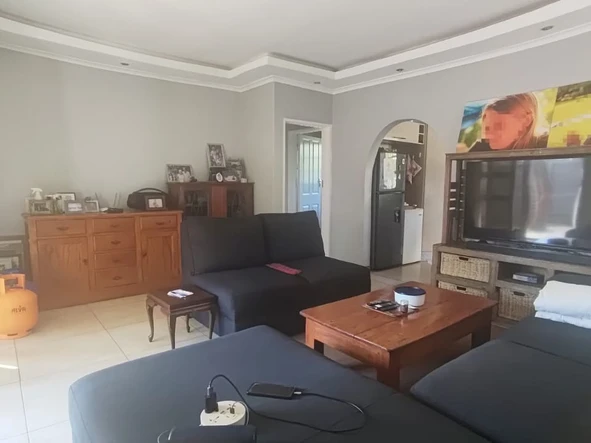
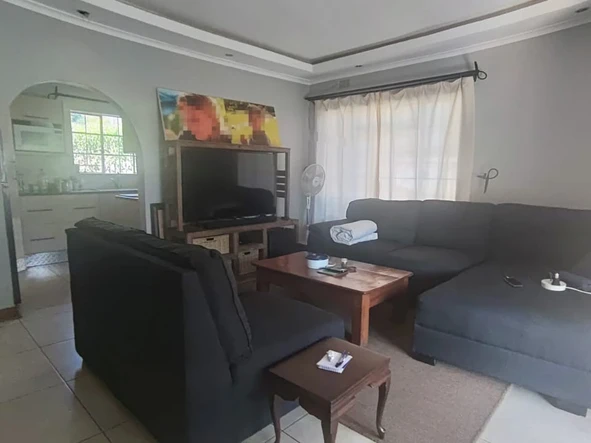
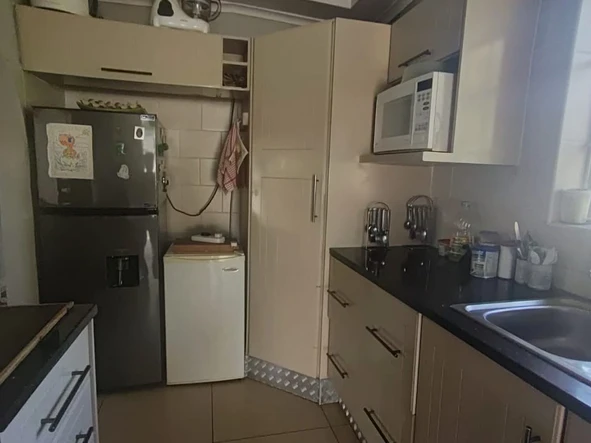
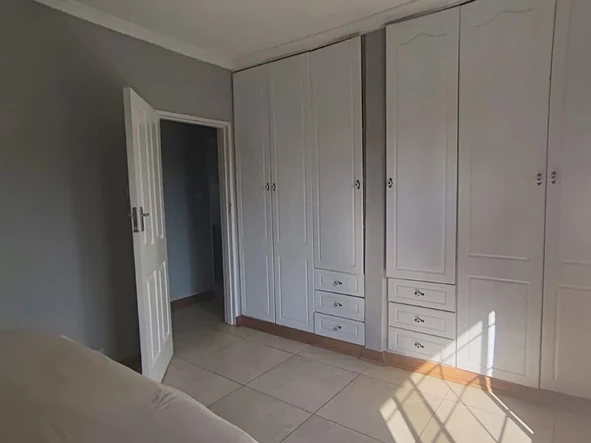
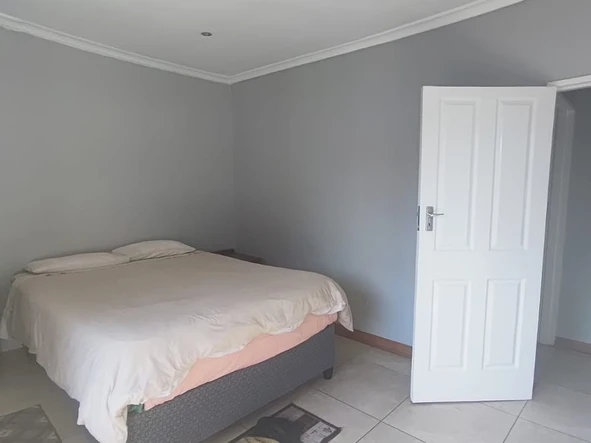
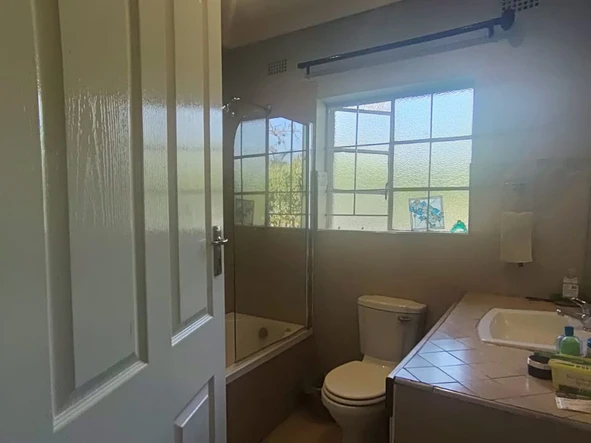
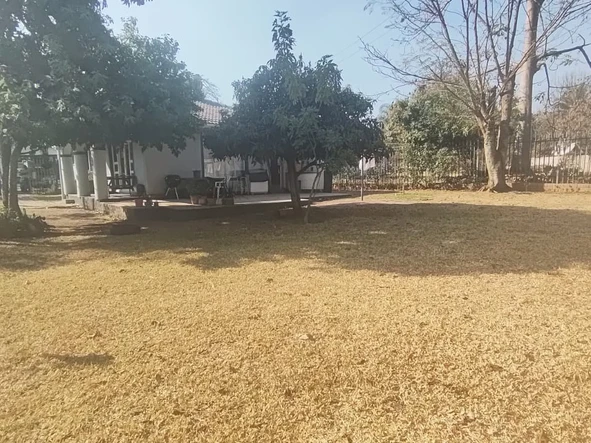
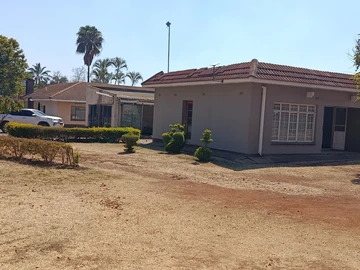
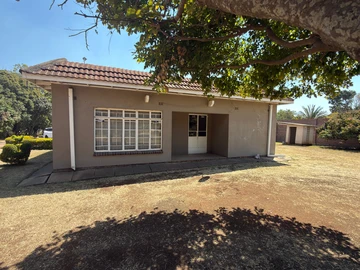
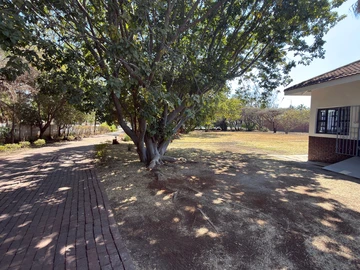
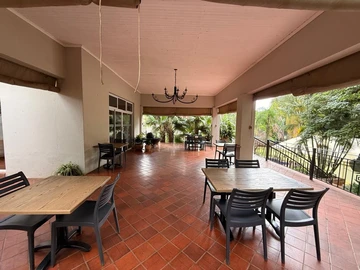
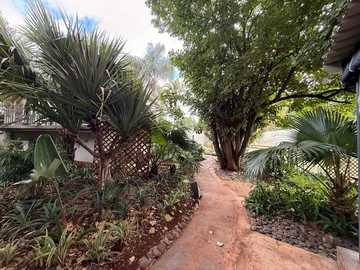
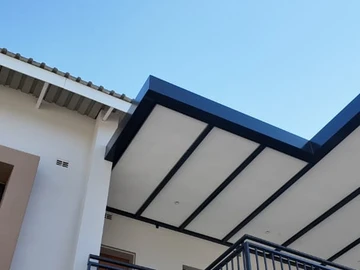
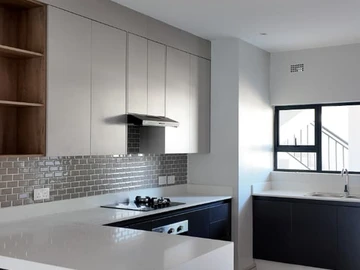
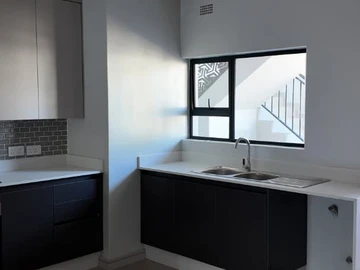
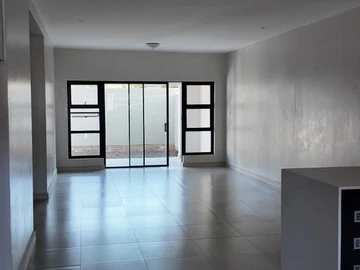
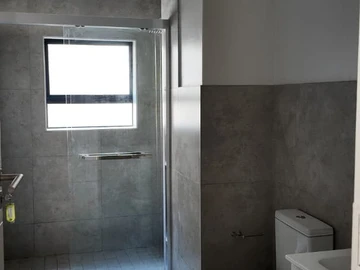
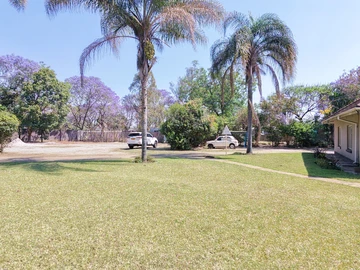
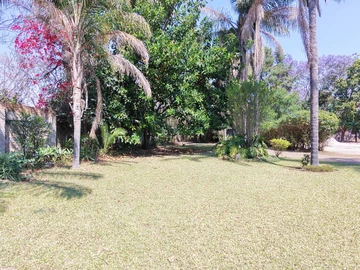
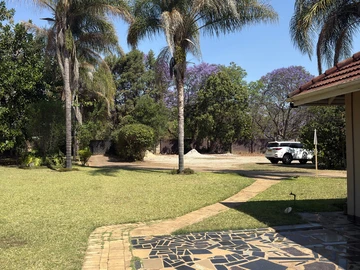
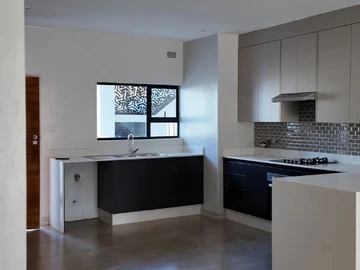
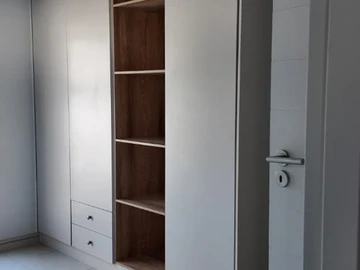
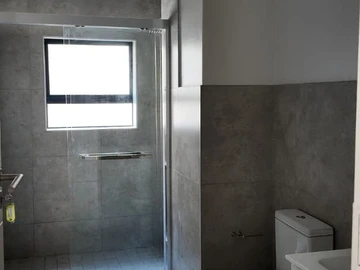
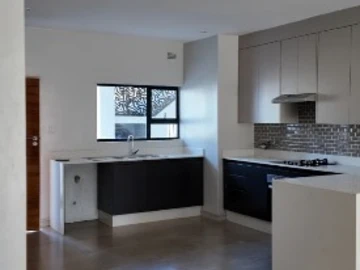
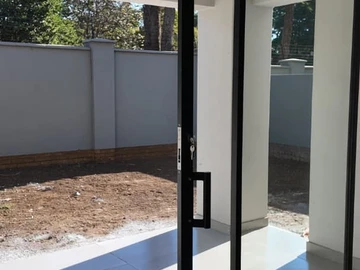
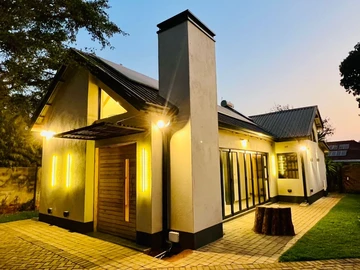
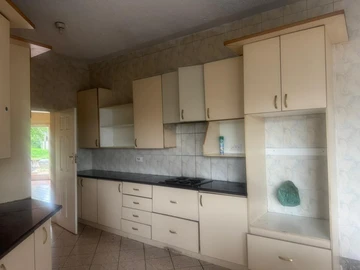
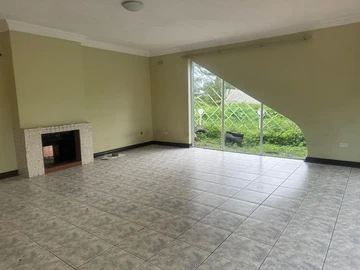
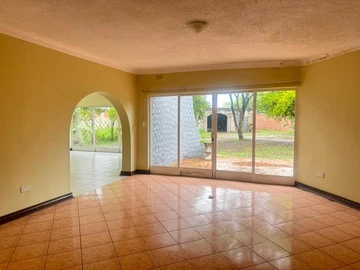
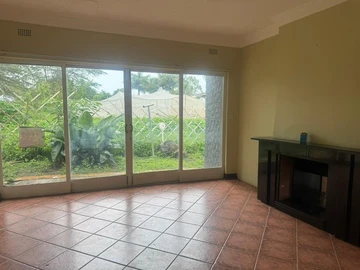
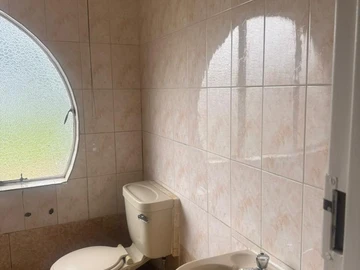
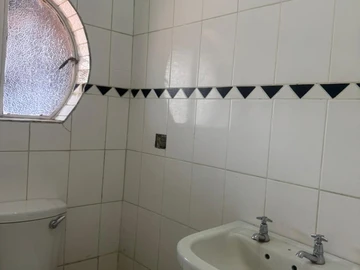
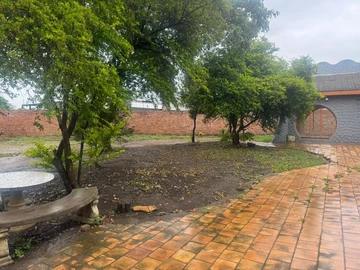
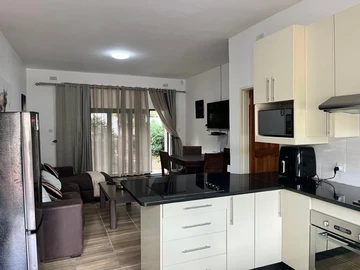
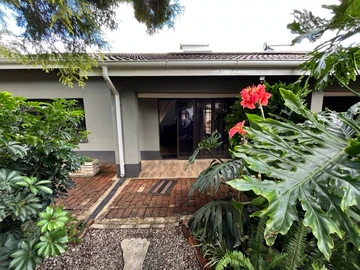
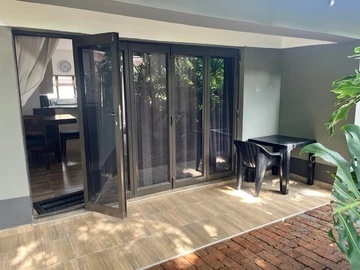
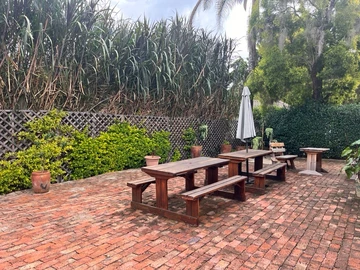
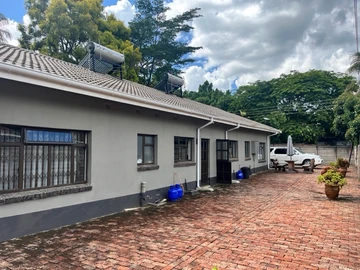
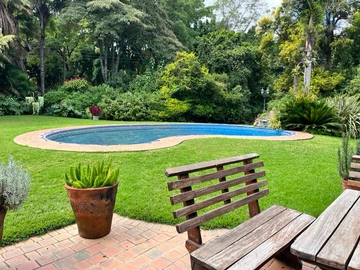
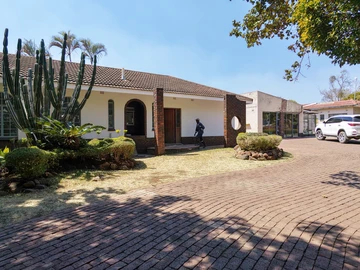
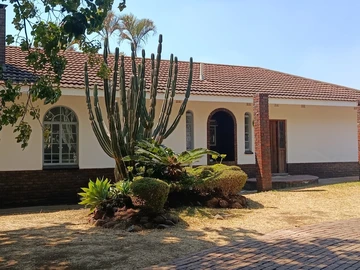
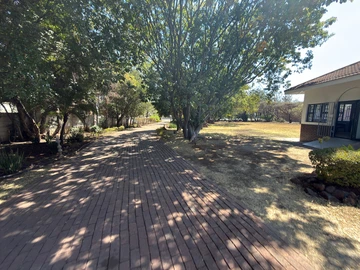
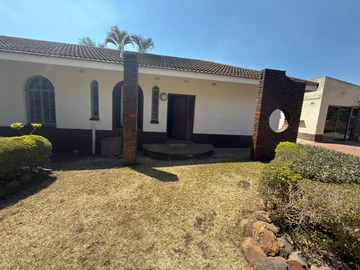
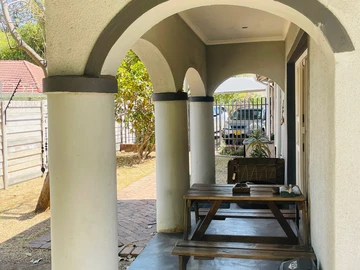
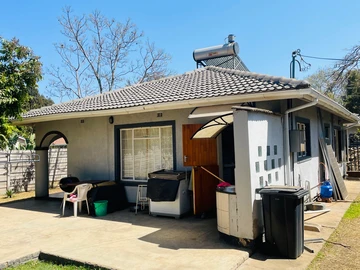
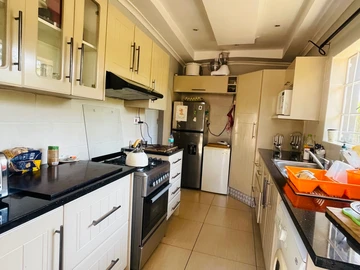
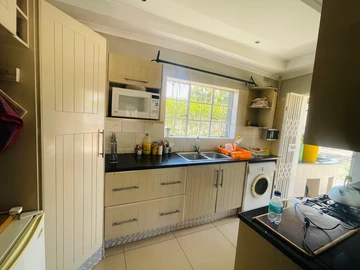
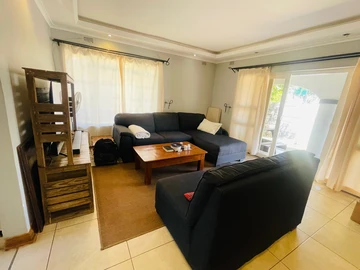
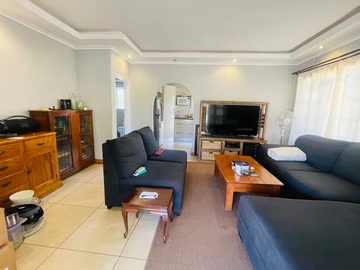
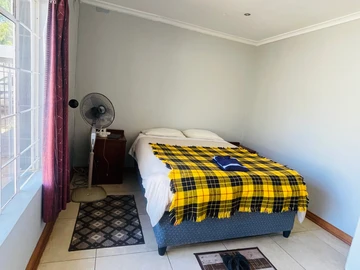
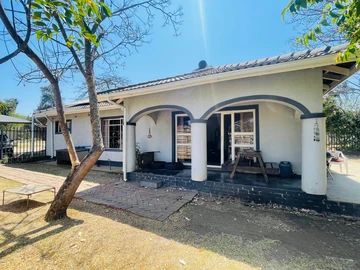
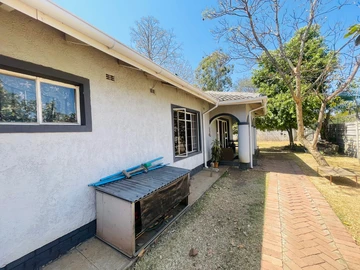
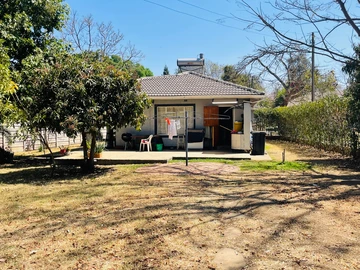
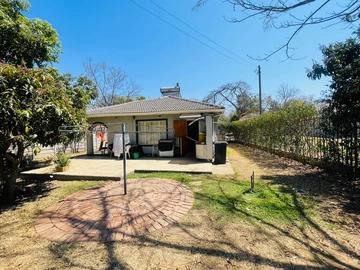
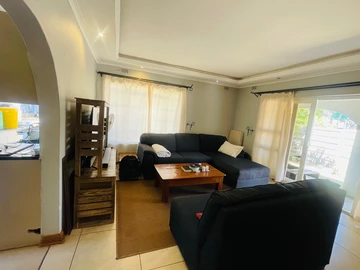
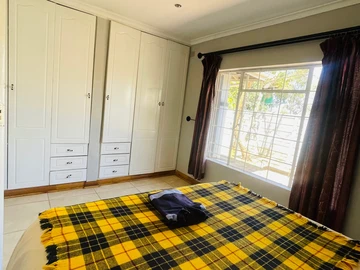
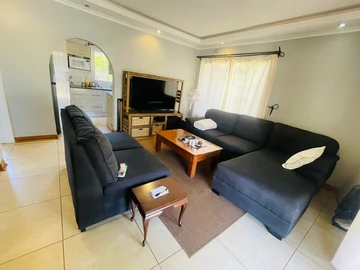
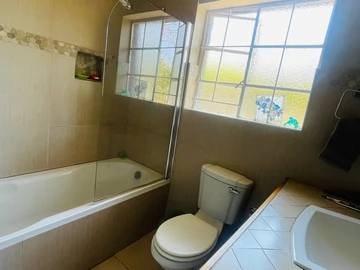
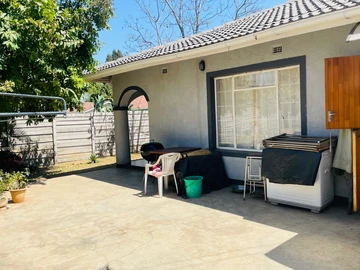
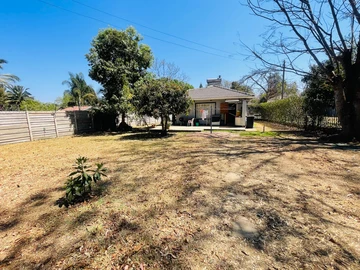
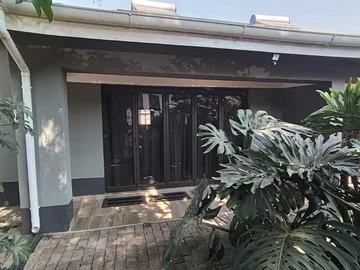
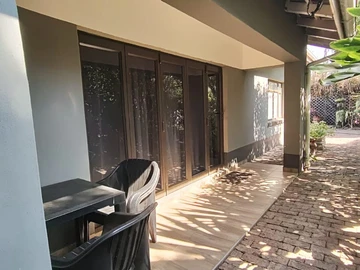
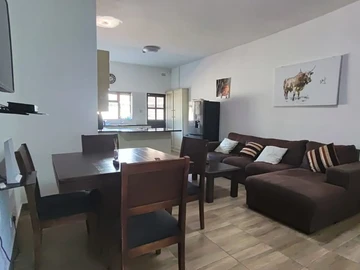
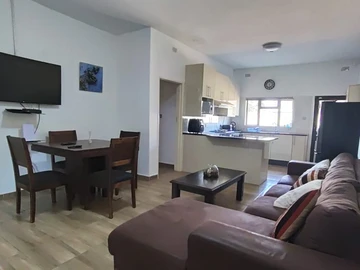
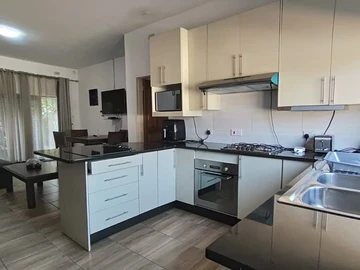
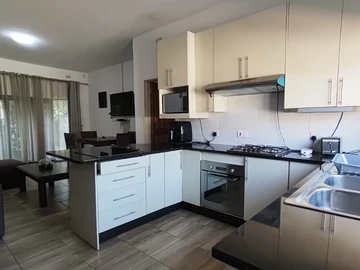
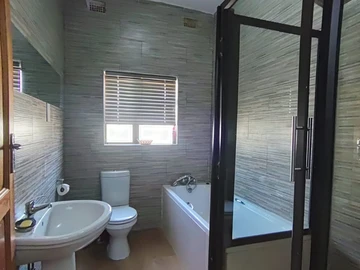
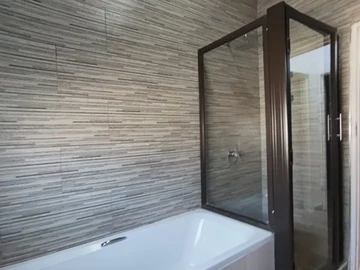
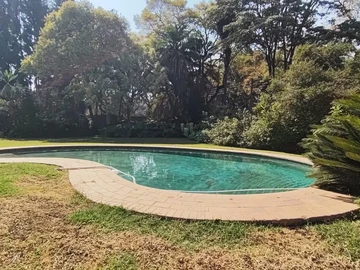
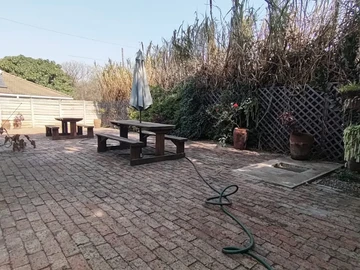
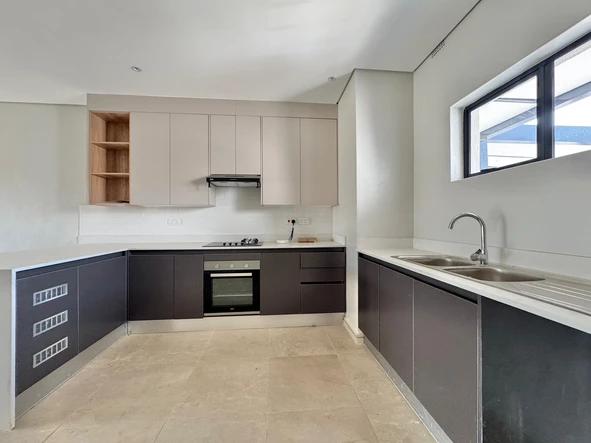
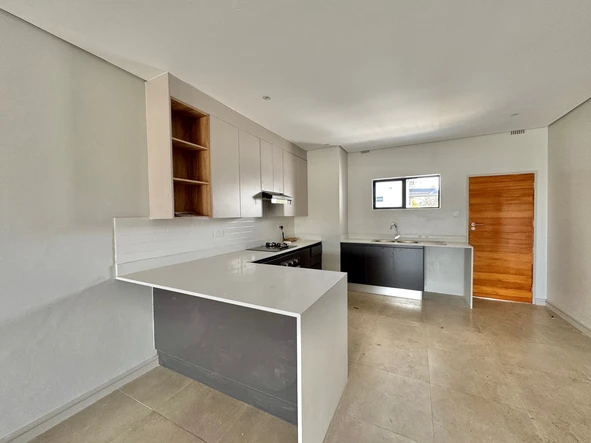
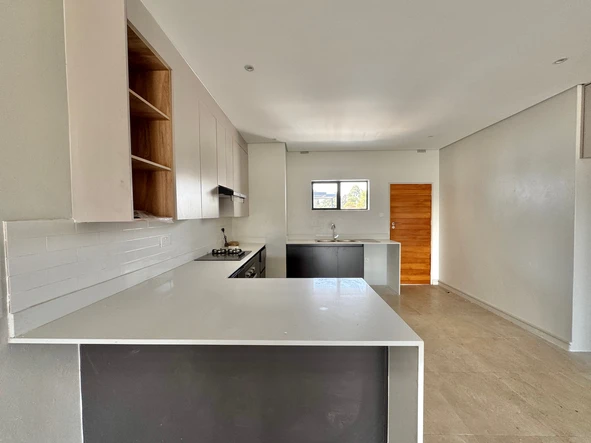
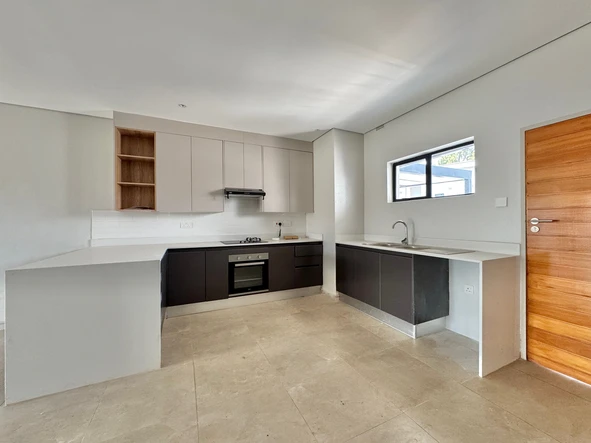
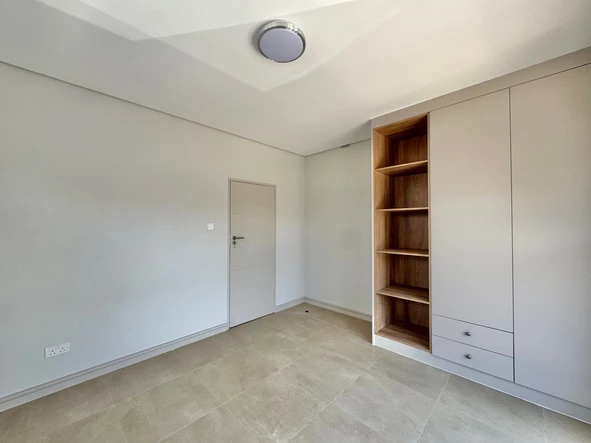
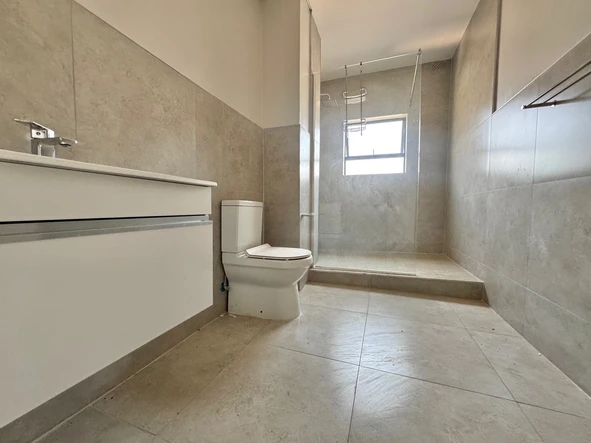
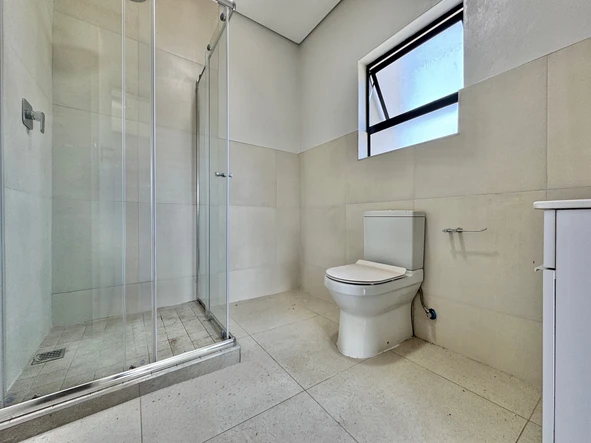
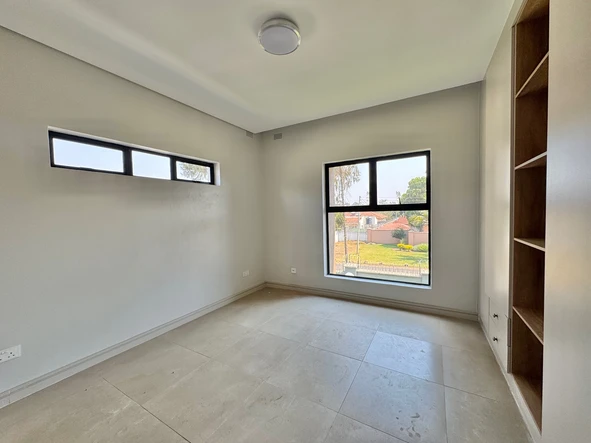
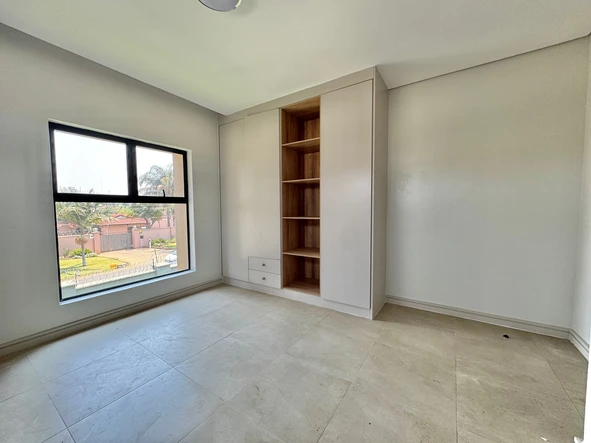
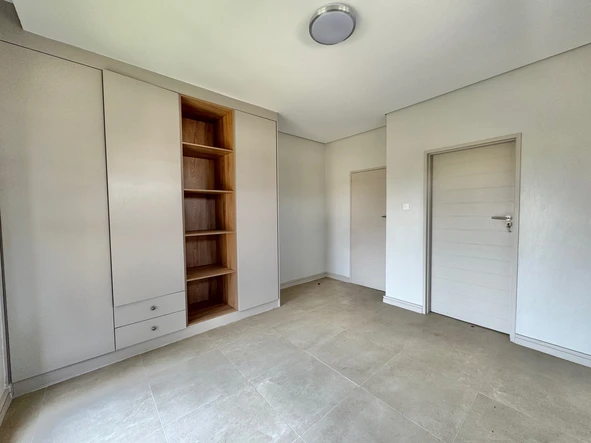
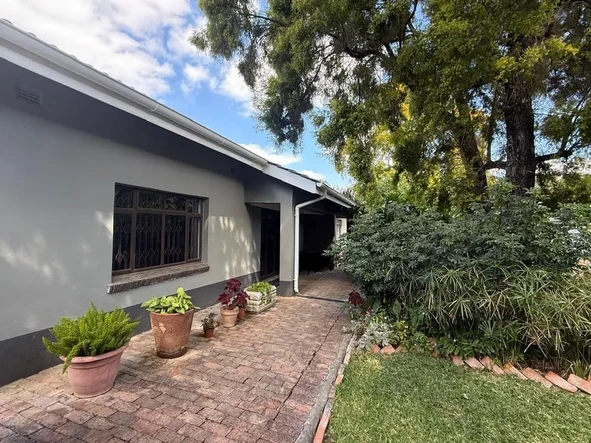
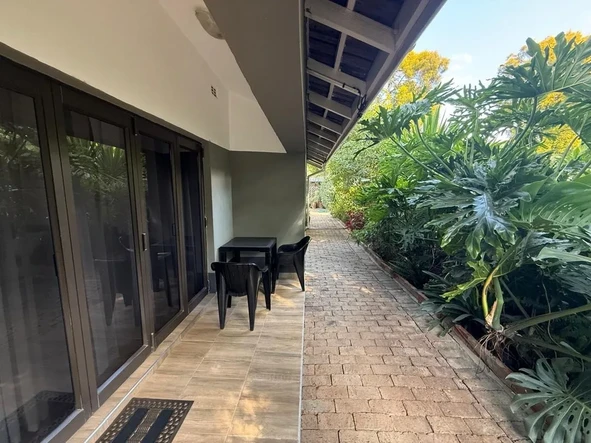
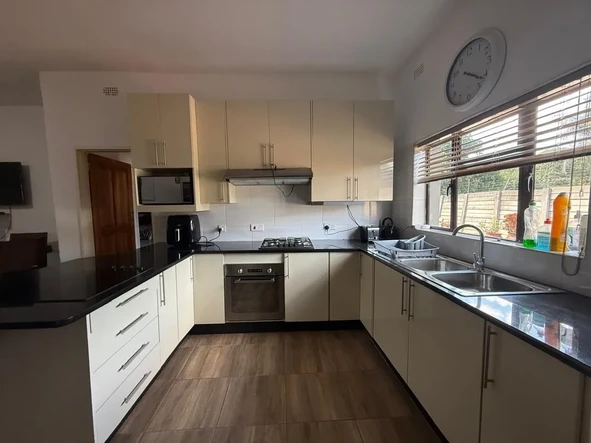
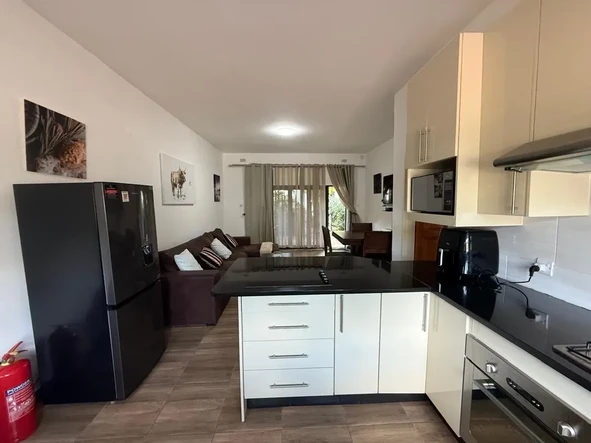
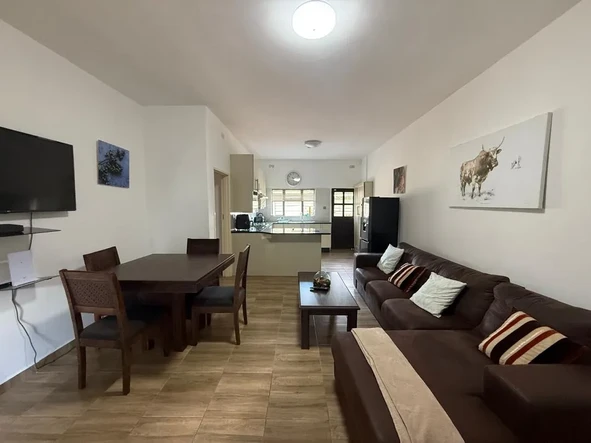
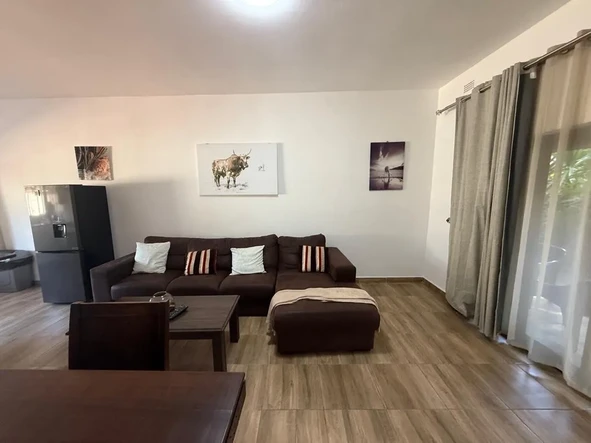
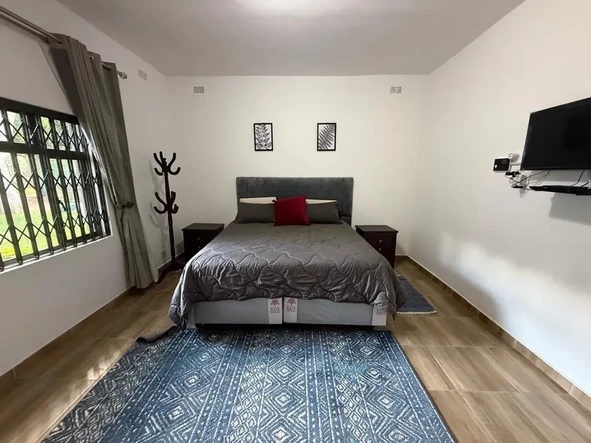
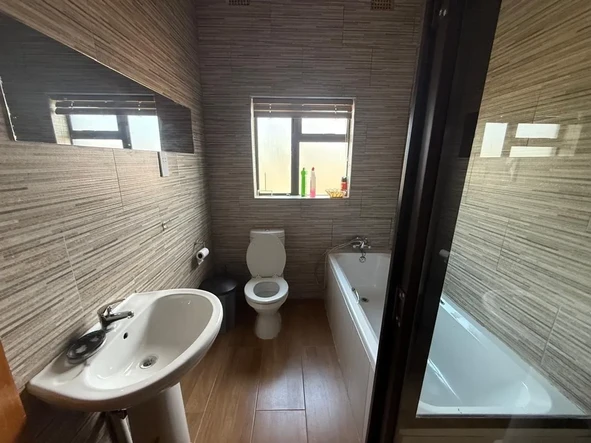
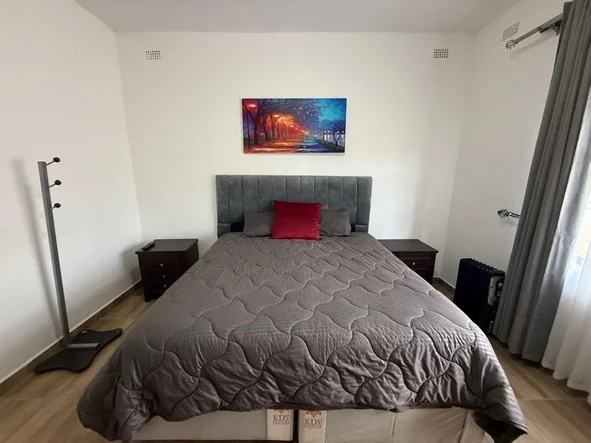
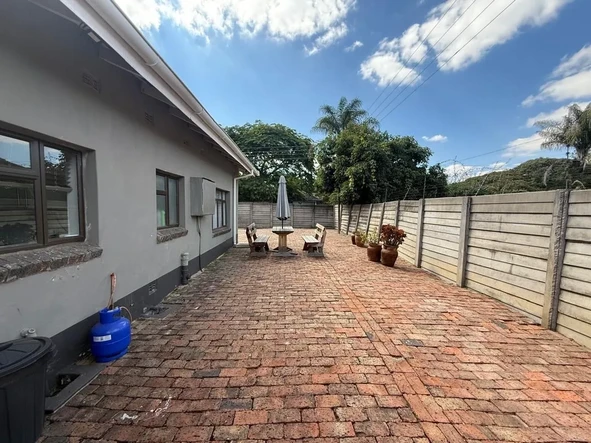
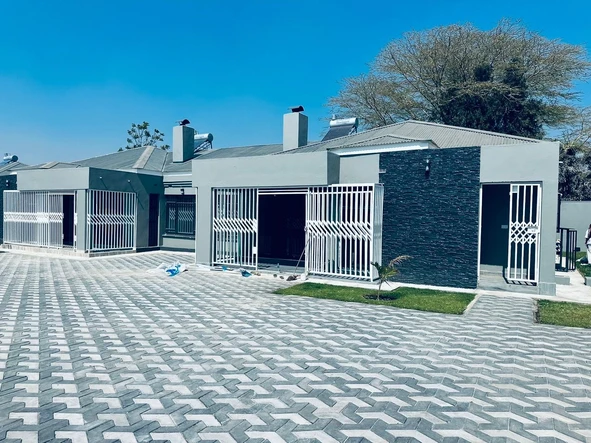
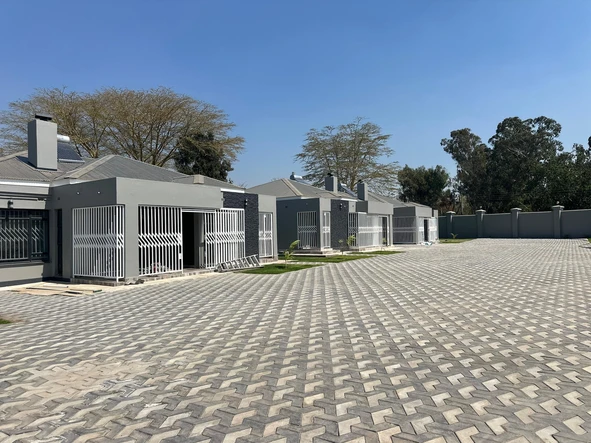
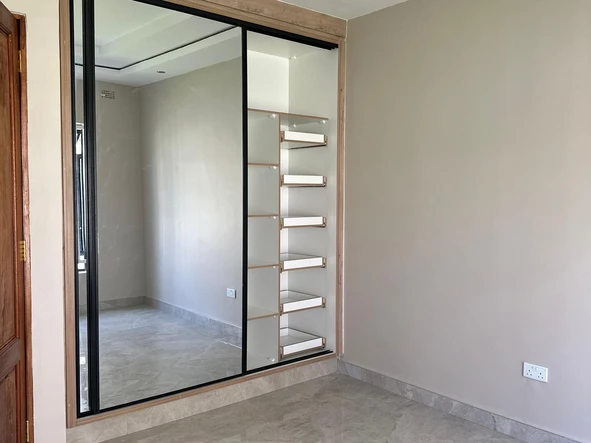
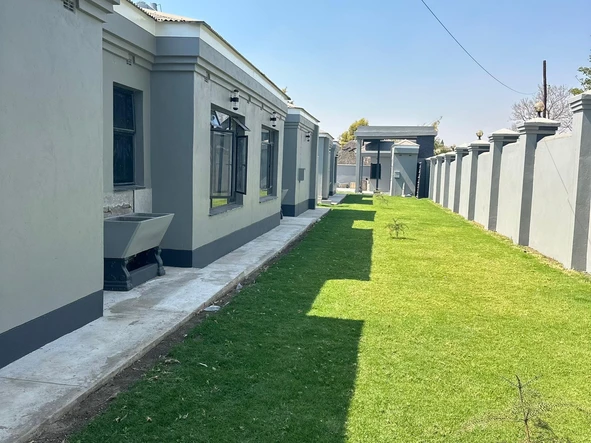
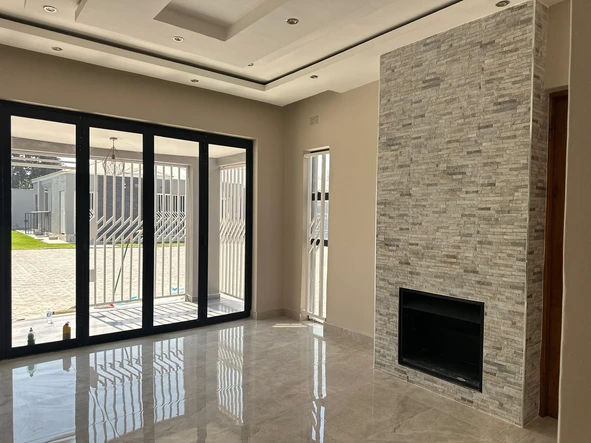
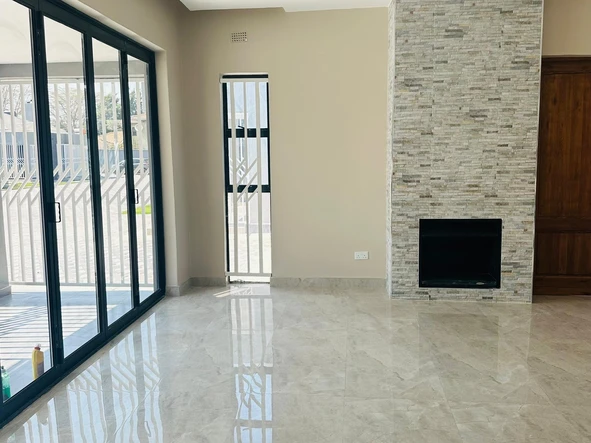
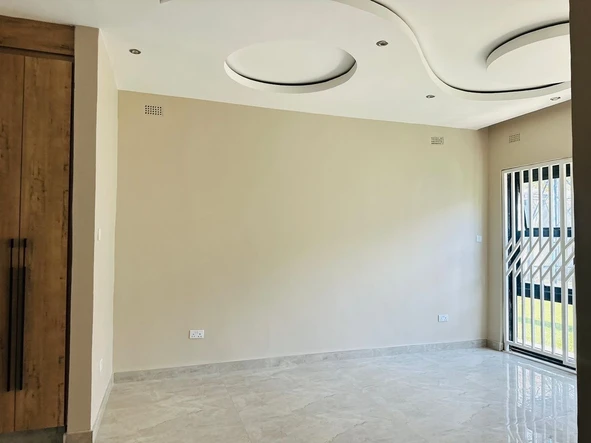
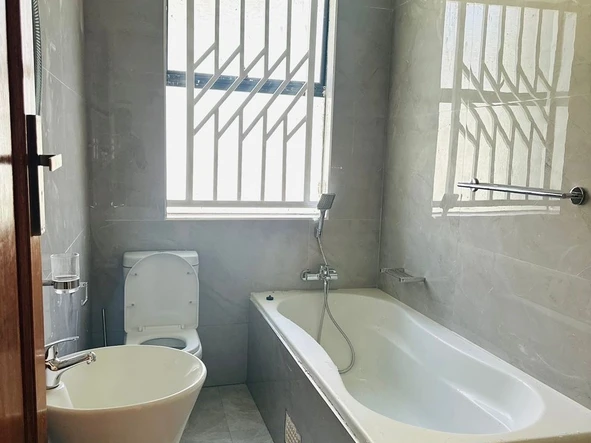
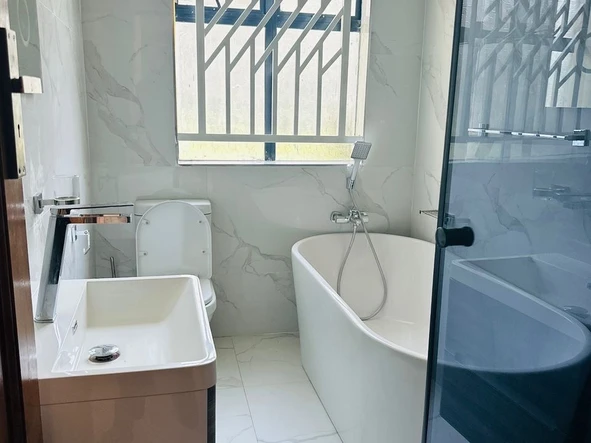
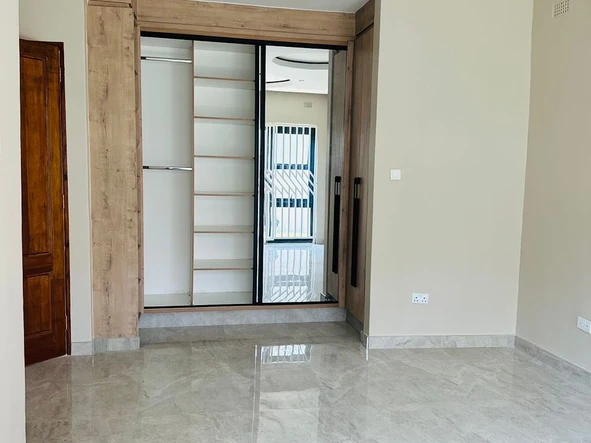
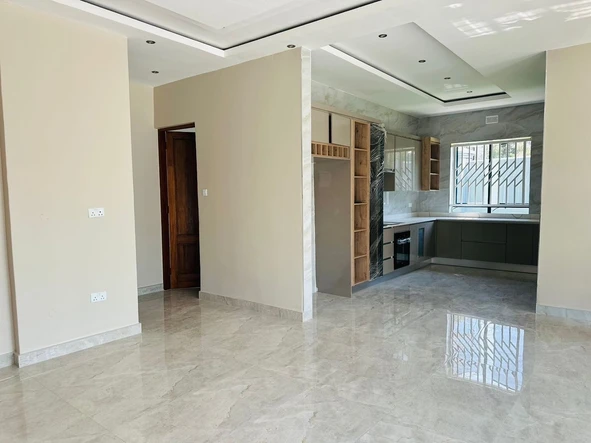
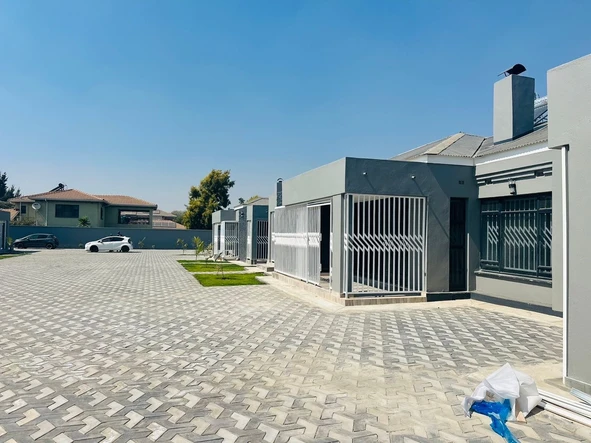
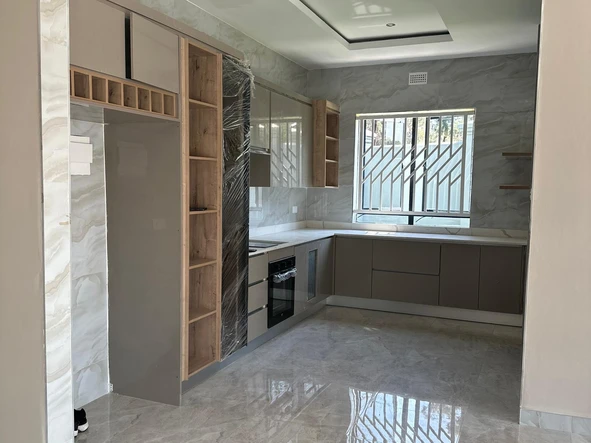
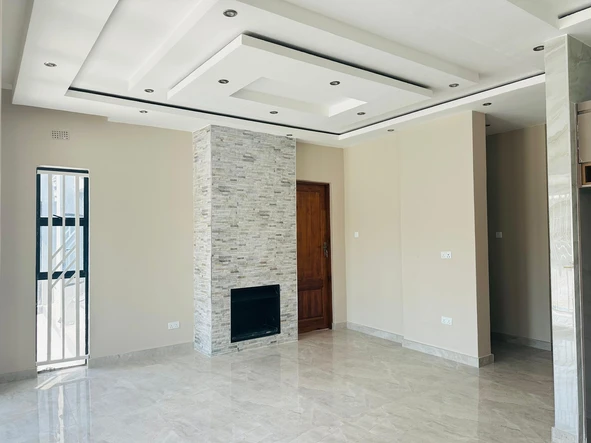
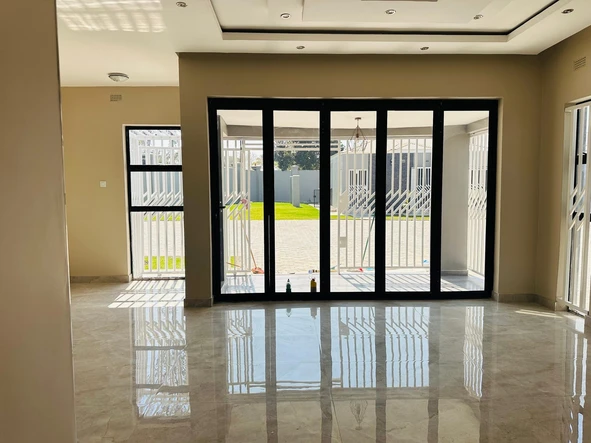
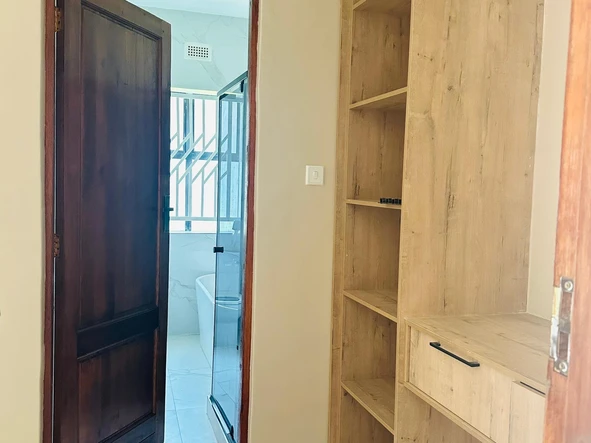
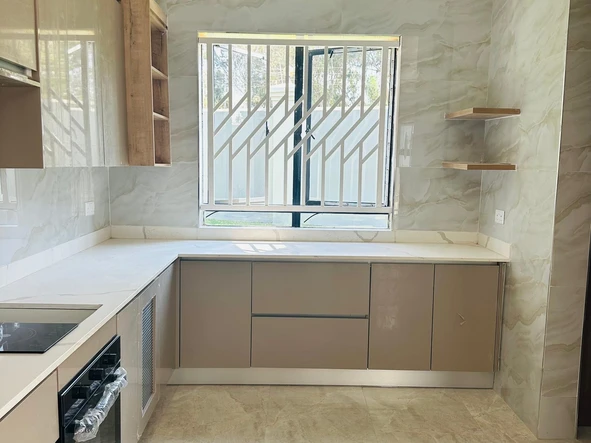
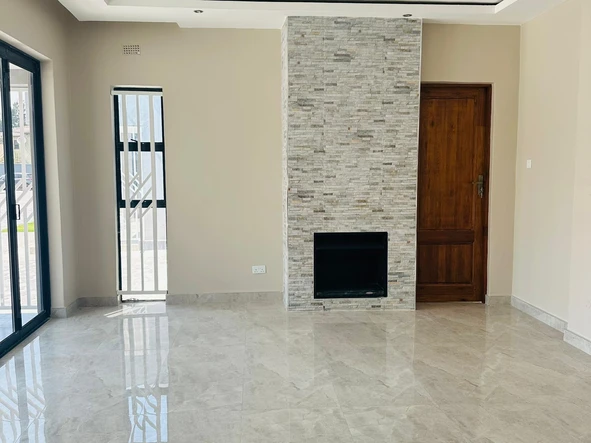
Many rental homes in Highlands come with useful features such as water tanks, tiled floors, paved areas, and main en suite bedrooms. Most properties are walled and have boreholes, providing added security and water supply. Fitted kitchens, gardens, and verandahs are also common, offering comfortable living spaces suitable for families and professionals alike.
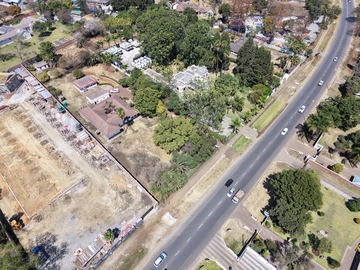
Highlands is a well-established, middle to upper-middle-class suburb known for its quiet, leafy streets and spacious properties. It provides a peaceful environment with good security, making it popular among families, expatriates, and professionals. Residents enjoy access to local amenities including Highlands Primary School, Harare Gardens, and Highlands Shopping Centre. The area also benefits from convenient transport links to Harare city center and nearby suburbs, with public transport options readily available. Nearby attractions include the National Botanic Gardens and the Zimbabwe Museum of Human Sciences, adding cultural and recreational value to the neighborhood.
3
2
400 m²
2
2
400 m²
2
2
4
3
1,500 m²
2
1
200 m²
2
1

Be the first to see new properties for rent in Highlands, Harare North











| Type | Avg. price |
|---|---|
| Overall | $1,375 |
| Flats & Apartments (View 9 properties) | $1,450 |
| Commercial Property (View 4 properties) | $550 |
| Houses (View 3 properties) | $1,500 |
Prices as of October 2026
Buying a housing stand in Zimbabwe? Inspect title deeds, subdivision permits, compliance certificates, and seller IDs before making any payment.
Can someone claim your land in Zimbabwe? Learn how 30 year acquisitive prescription works, the legal risks involved, and how to protect your property title.
Explore October 2026 Property Pulse insights on the Zimbabwean real estate market, where high buyer demand outpaces limited housing supply across major areas.
Built a house on land registered in your partner's name? Learn your legal rights in Zimbabwe, tacit universal partnerships, and unjust enrichment claims.
Planning to convert or buy commercial property? Understand Zimbabwe’s change of use rules, 2026 Harare fees, timelines and approval risks.













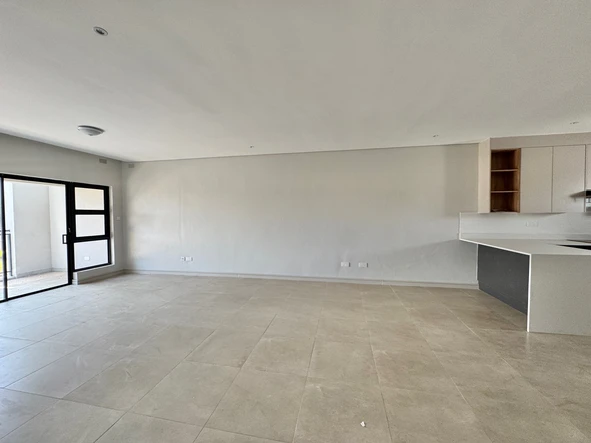
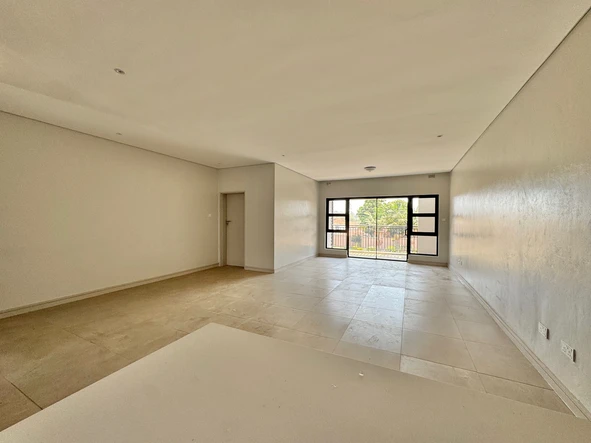
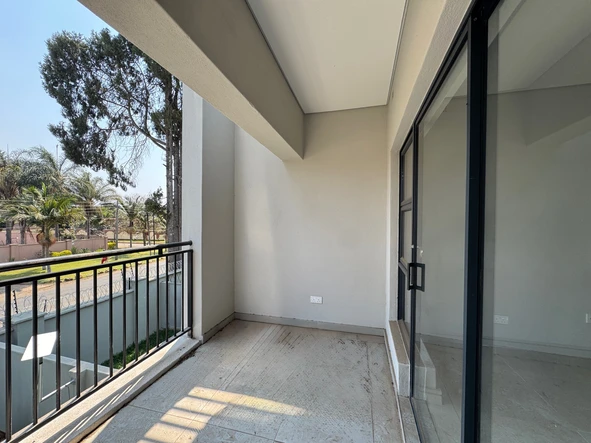
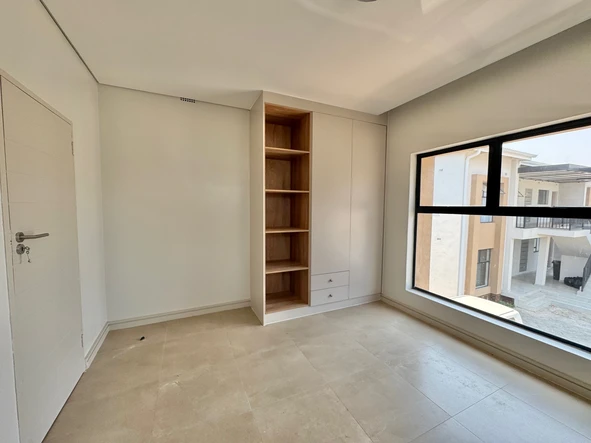
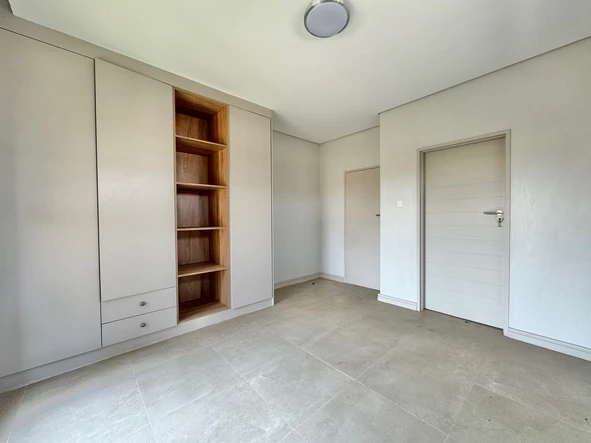
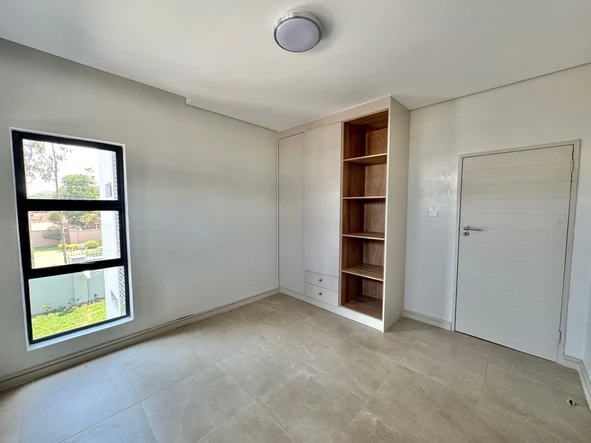
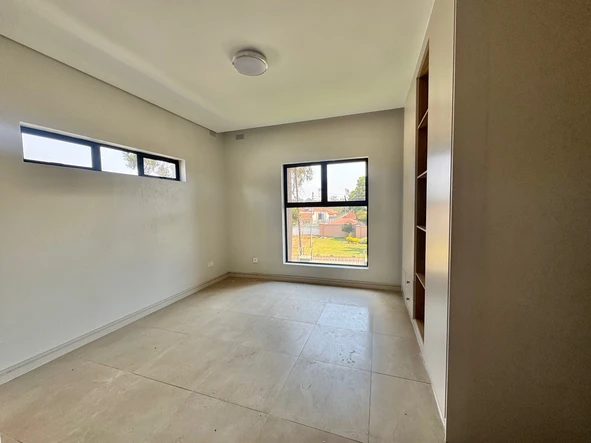
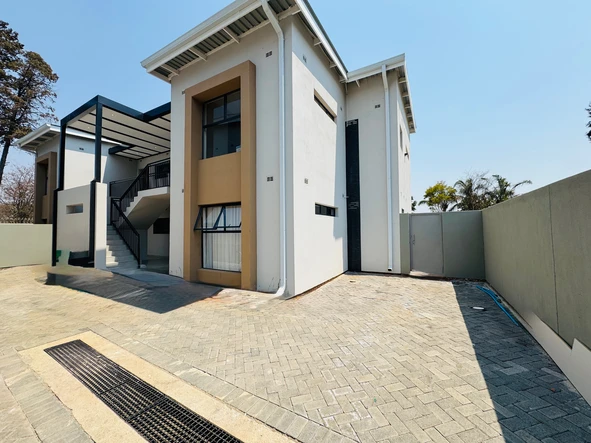


 800 m²